Gangnam clinic checklist for international patients
- 공유 링크 만들기
- X
- 이메일
- 기타 앱
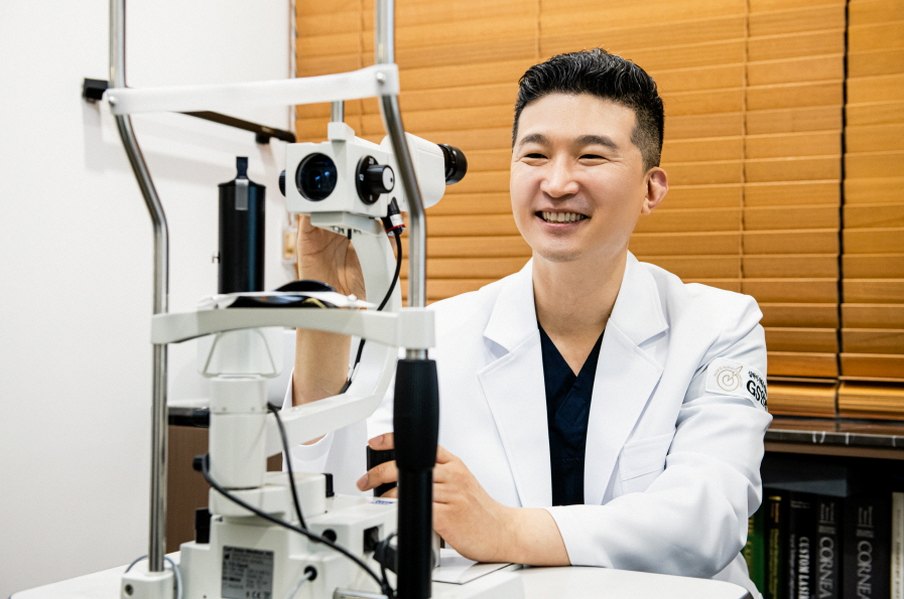



Lens implantation surgery clinic: quick answer for overseas patients
If you are searching for a lens implantation surgery clinic in Seoul, you are usually looking for a place that can correct high myopia or presbyopia safely when laser vision correction like LASIK or LASEK is not suitable. In the Gangnam area, some ophthalmology clinics focus on phakic lens implantation (ICL, GLAZE, PhakiFlex KPL) for strong myopia and on multifocal intraocular lenses for presbyopia and cataract. GS Eye Center, located on Gangnam-daero near Gangnam Station, is one example of an eye clinic that offers both laser and lens-based vision correction options for local and international patients.
This guide explains what lens implantation is, who may consider it, how to choose a safe clinic in Seoul, what a typical treatment journey in Korea looks like, and how to prepare before you travel.
What lens implantation surgery is
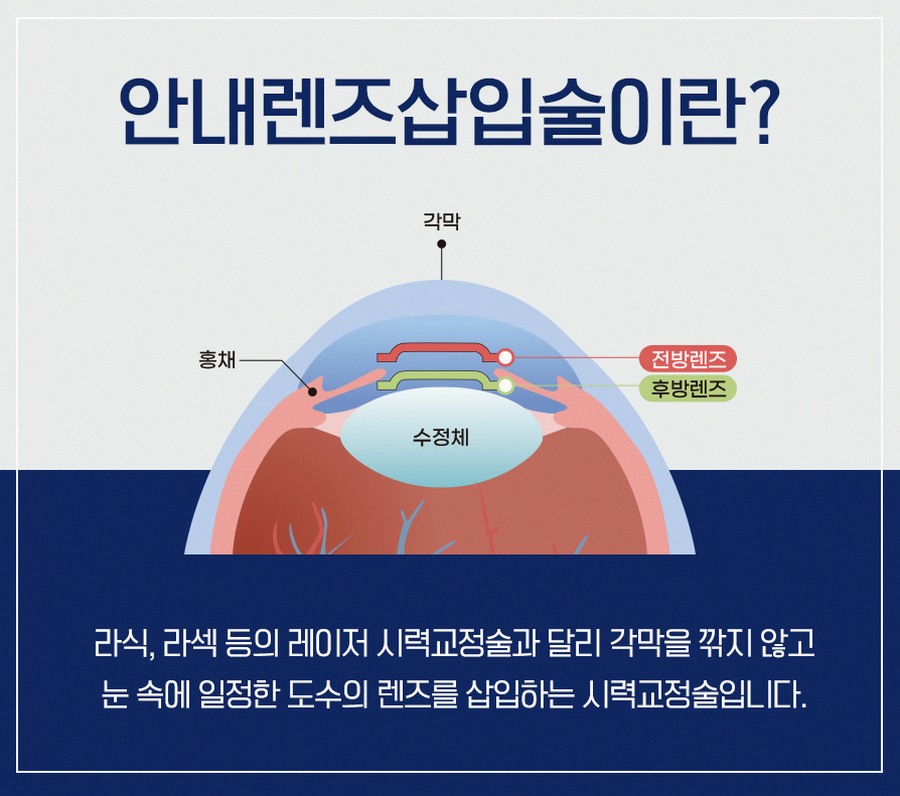
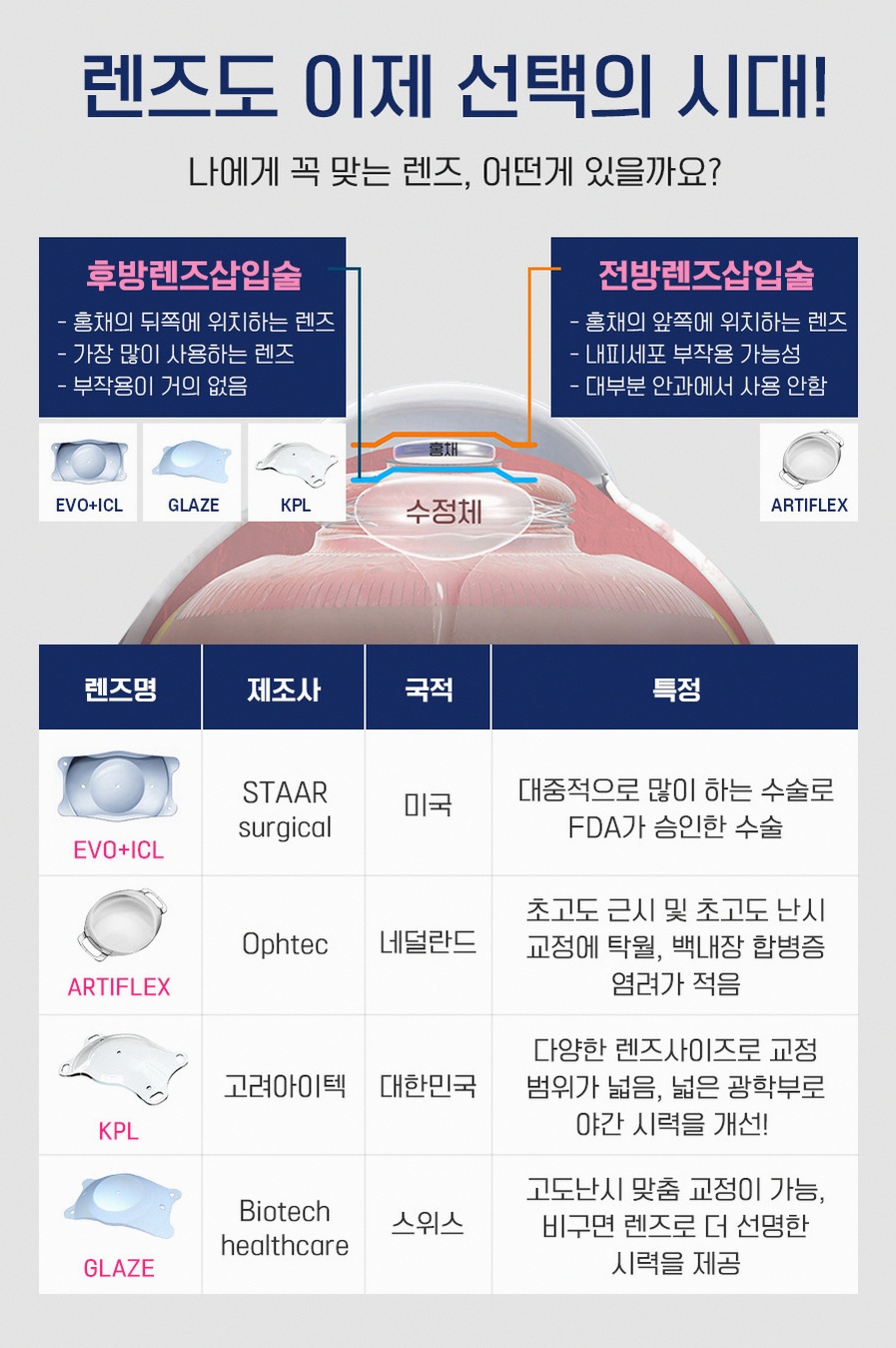
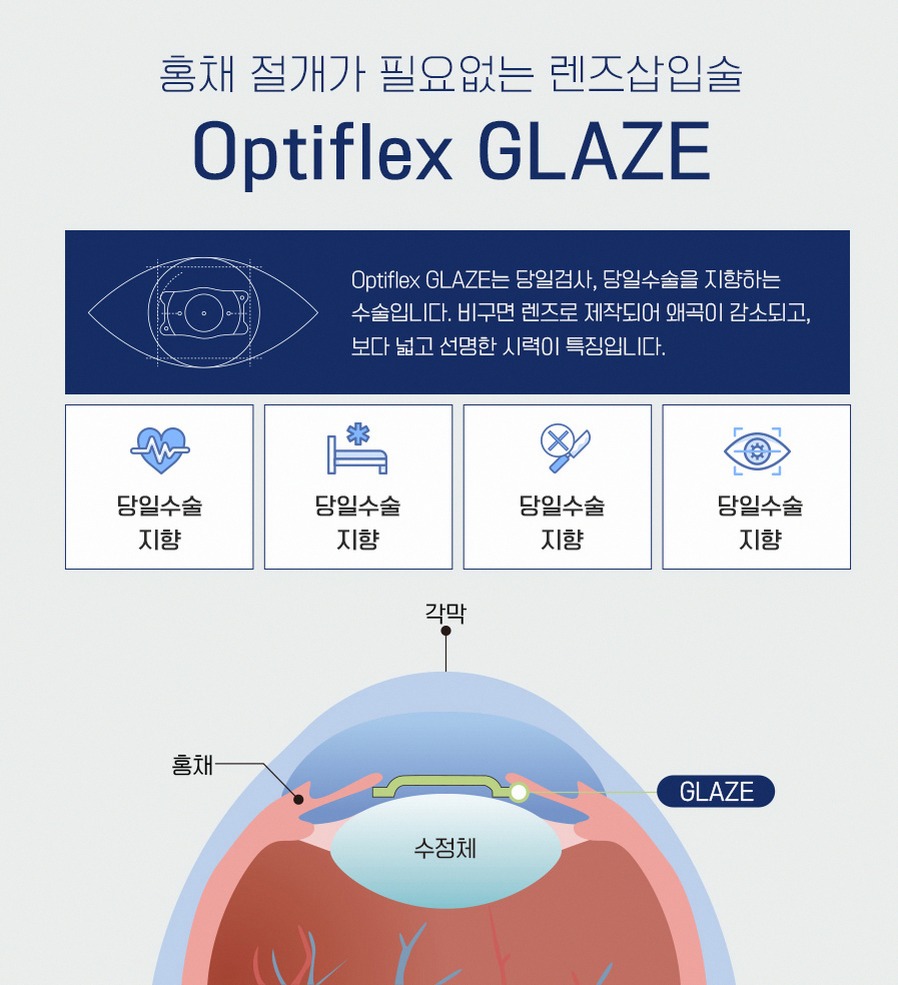
Lens implantation for vision correction means placing a specially designed artificial lens inside the eye. In phakic lens implantation, such as ICL, GLAZE, or PhakiFlex KPL, the surgeon inserts a thin lens either in front of or behind the iris while keeping your own natural lens in place. This approach is mainly used for high myopia and astigmatism.
This is different from cataract surgery. In cataract surgery, the cloudy natural lens is removed and replaced with an intraocular lens. When multifocal intraocular lenses are used, the goal is not only to clear the cataract but also to reduce dependence on both distance and reading glasses, which is especially relevant for presbyopia.
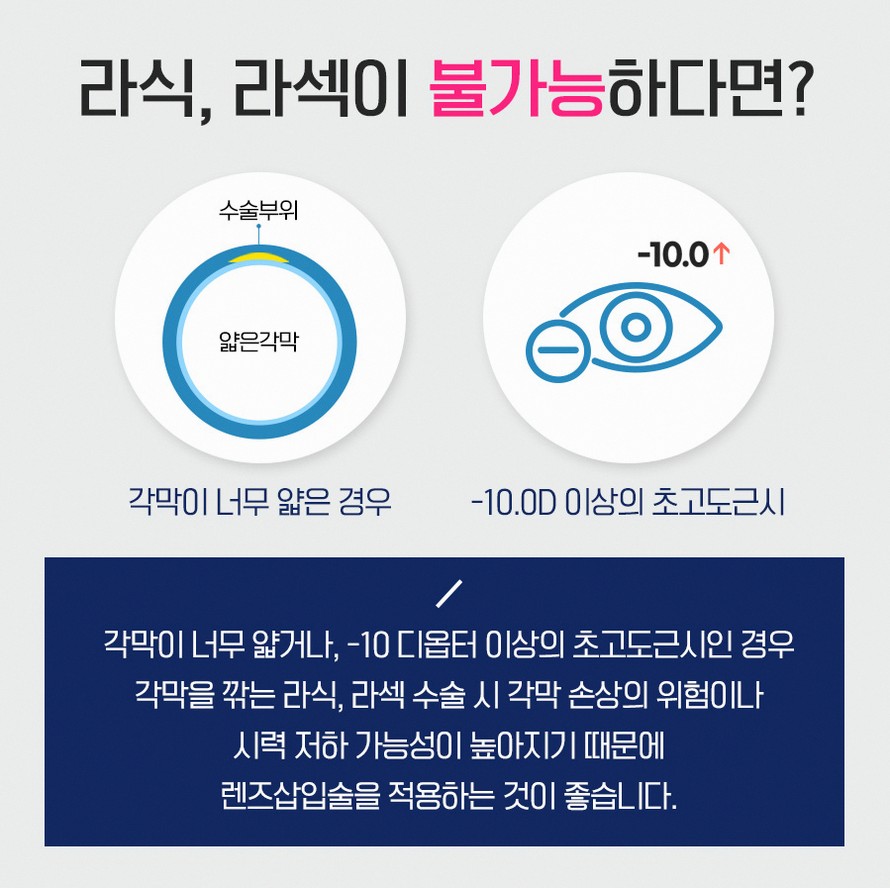
Phakic lens implantation is often considered for people whose corneas are too thin, irregular, or whose myopia is too strong for safe corneal laser procedures. It is also attractive for patients who want a reversible option, because the implanted lens can usually be removed or exchanged if medically necessary.
Types of lens implantation you may hear about
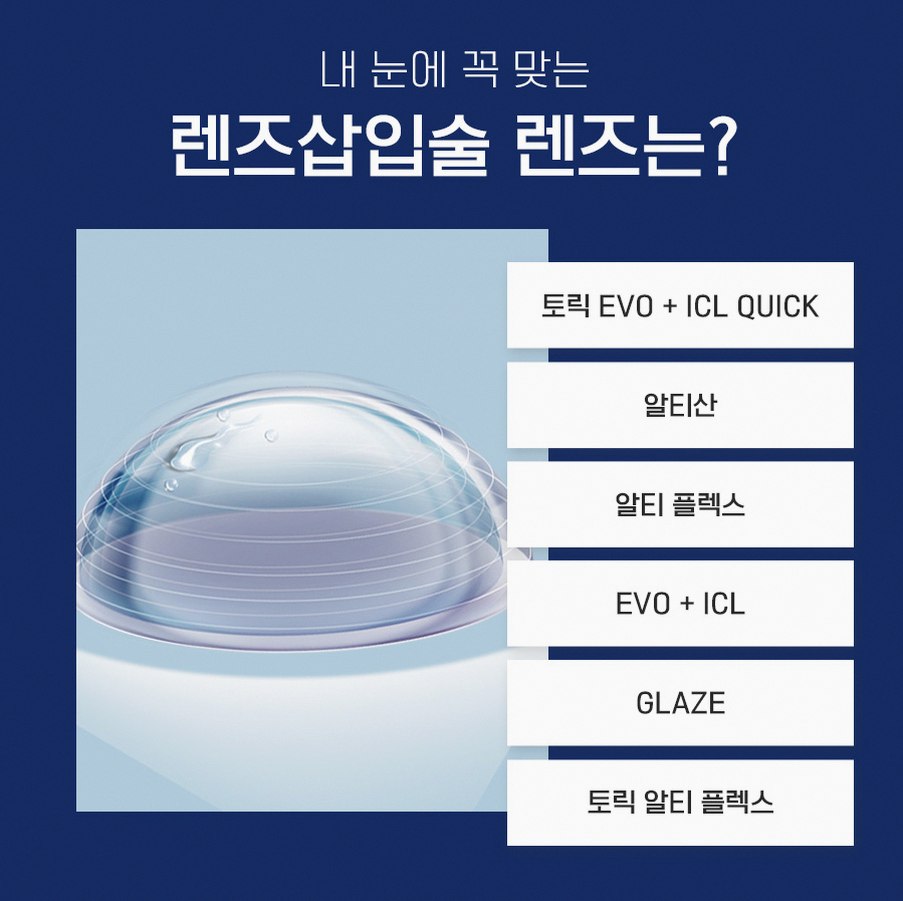
For high myopia and astigmatism, common phakic lenses include ICL, GLAZE, and PhakiFlex KPL. These lenses are designed to sit in the eye without removing your natural lens and aim to provide clear distance vision.
For presbyopia and cataract, surgeons use intraocular lenses that replace the natural lens. Multifocal intraocular lenses, such as PanOptix, are designed to provide focus at multiple distances, which may reduce the need for reading glasses after surgery.
Who may consider lens implantation
Lens implantation for high myopia
You may be a candidate for phakic lens implantation if you have:
Very high myopia that goes beyond the safe range for LASIK or LASEK.
A thin cornea where removing more tissue with laser would be risky.
An irregular cornea or specific corneal conditions that make laser procedures unsuitable.
A preference for a vision correction method that does not reshape the cornea and can be reversed if needed.
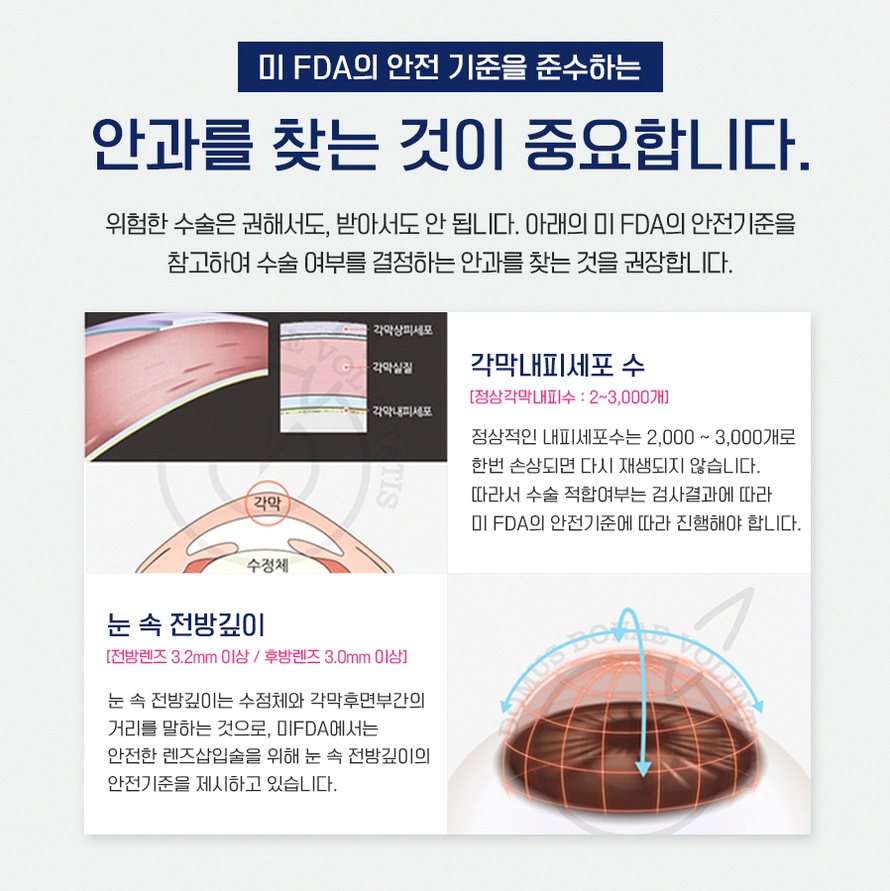
Your suitability is not decided by prescription alone. Eye doctors need to measure corneal thickness, anterior chamber depth, endothelial cell count, and check for any signs of glaucoma, cataract, or retinal disease before recommending lens implantation.
Lens implantation for presbyopia and cataract
Patients in their 40s or older who are experiencing presbyopia, or who have been diagnosed with cataracts, may consider lens-based surgery. In these cases, the natural lens is removed and replaced with an intraocular lens. When multifocal lenses are used, the aim is to improve distance and near vision at the same time.
Typical candidates include:
People who struggle with both distance and near vision and want to reduce dependence on bifocals or reading glasses.
Patients with early or advanced cataracts who require surgery anyway and wish to discuss multifocal options.
Because results can vary depending on eye health, lifestyle, and expectations, a detailed consultation with an ophthalmologist is essential.
How lens implantation differs from laser vision correction
Laser procedures such as SMILE, SILK, and LASEK reshape the cornea to correct refractive errors. They are effective for many people but require a certain corneal thickness and regular shape. Removing too much tissue in a thin cornea can increase the risk of complications.
Lens implantation does not reshape the cornea. Instead, it adds an internal lens or replaces the natural lens. This means:
It can be suitable for very high myopia where laser correction would require too much tissue removal.
It can be an option for thin or irregular corneas.
It is usually reversible in the case of phakic lenses.
However, lens implantation is still intraocular surgery, so it carries its own set of risks and requires careful selection and follow-up.
Key criteria for choosing a lens implantation clinic in Seoul
Thorough preoperative examination
A safe lens implantation surgery clinic should never skip detailed testing. Before surgery, you can expect:
Measurement of your exact prescription and visual acuity.
Corneal topography and tomography to assess corneal thickness and shape.
Anterior chamber depth measurement to see if there is enough space for a phakic lens.
Endothelial cell count to ensure the inner corneal layer is healthy enough.
Retina examination, especially important in high myopia, to look for tears, holes, or degenerative changes.
Assessment of intraocular pressure and screening for glaucoma or other eye diseases.
If a clinic offers surgery after only a very brief check, that is a warning sign. For international patients, it is reasonable to ask in advance which tests are included in the preoperative package.
Availability of multiple lens options
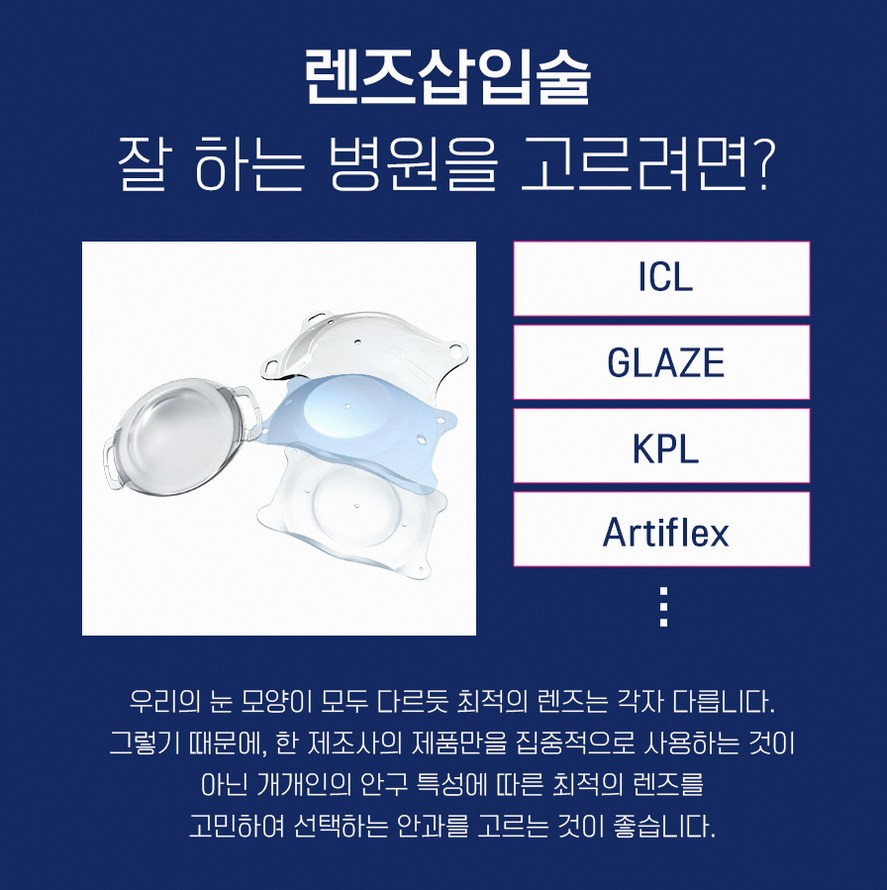
Each eye is different, and no single lens brand suits everyone. A clinic that works with several lens types, such as ICL, GLAZE, and PhakiFlex KPL for phakic implantation and different multifocal intraocular lenses for cataract and presbyopia, can better tailor treatment.
When comparing clinics, you may want to ask:
Which phakic lenses do you commonly use for high myopia and astigmatism?
Do you offer multifocal intraocular lenses for presbyopia and cataract, and which models are available?
How do you decide which lens is appropriate for each patient?
Experience and training of surgeons
For lens implantation, surgeon experience matters. Points you can check include:
Whether the doctors are ophthalmology specialists.
Whether they have focused experience in refractive and cataract surgery.
Whether they are involved in clinical education, research, or training other doctors.
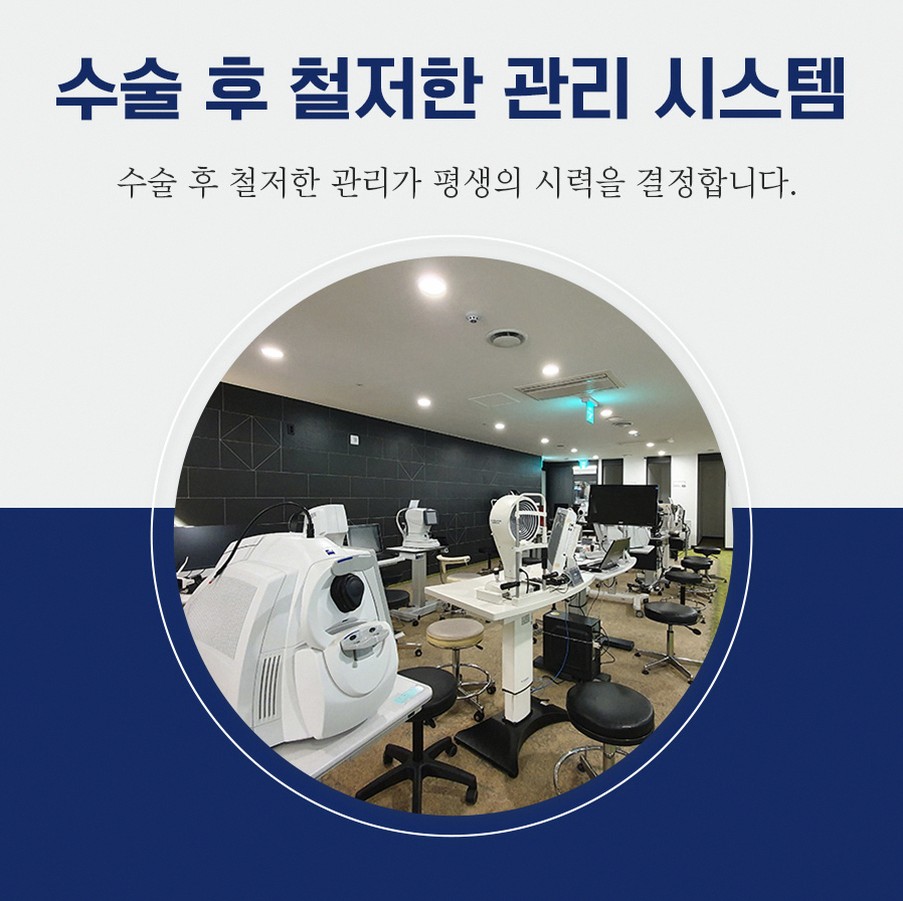
For example, GS Eye Center has seven ophthalmology specialists, several with university hospital faculty or retina fellowship backgrounds. By 2023, the clinic reported a combined total of around 300,000 eyes treated for vision correction and cataract surgery. It has also been designated as a clinical education institution for a medical school and, in 2024, as an Asia-Pacific clinical education center by a lens manufacturer, BIOTECH, which supports its role in training other doctors in lens implantation and cataract techniques.
Safety systems and long-term follow-up
Safe clinics use standardized protocols for patient selection, surgery, and follow-up. When you contact a clinic, you can ask:
How many postoperative visits are recommended after lens implantation?
How do you monitor intraocular pressure, lens position, and endothelial cell count over time?
What is the plan if complications such as elevated eye pressure or significant glare occur?
For high myopia, retina monitoring is particularly important. A clinic that plans regular retina checks after surgery may offer more comprehensive long-term care.
Retina expertise
High myopia increases the risk of retinal tears, detachments, and macular changes. Because of this, retina expertise is a strong advantage when choosing a lens implantation clinic.
Some clinics run a dedicated retina center with retina fellowship-trained doctors. This allows detailed preoperative screening to detect subtle retinal problems and provides a clear pathway for treatment if any issues arise after surgery.
GS Eye Center as an example of a lens implantation-focused clinic
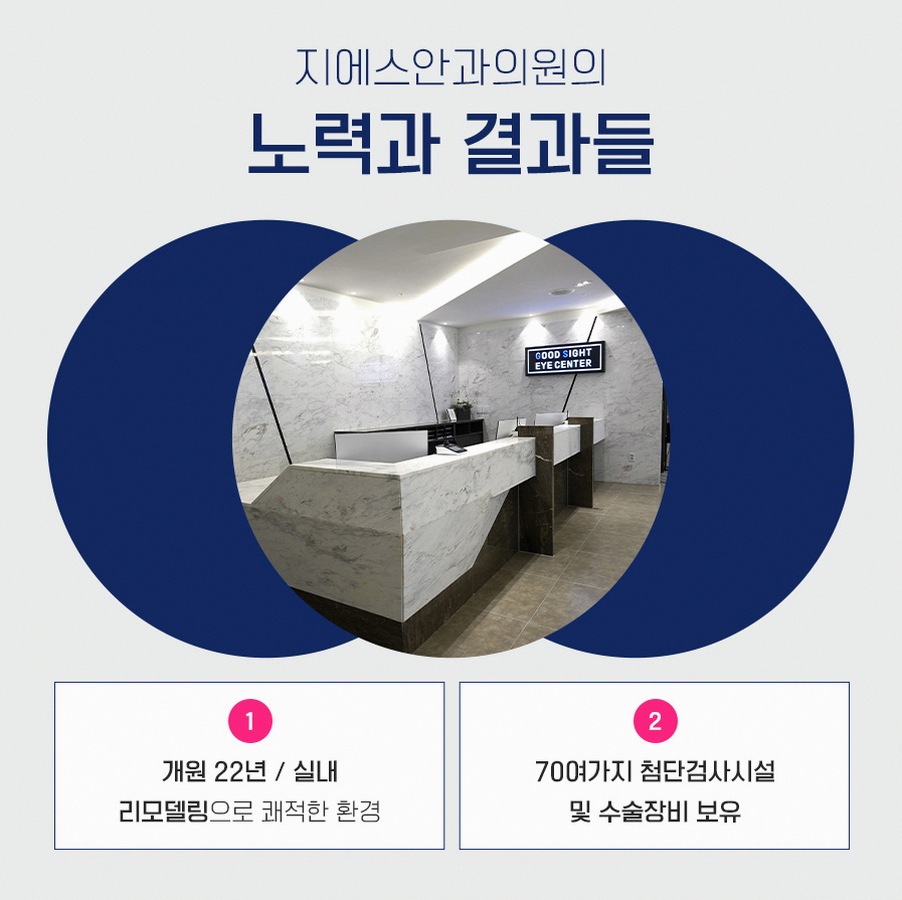
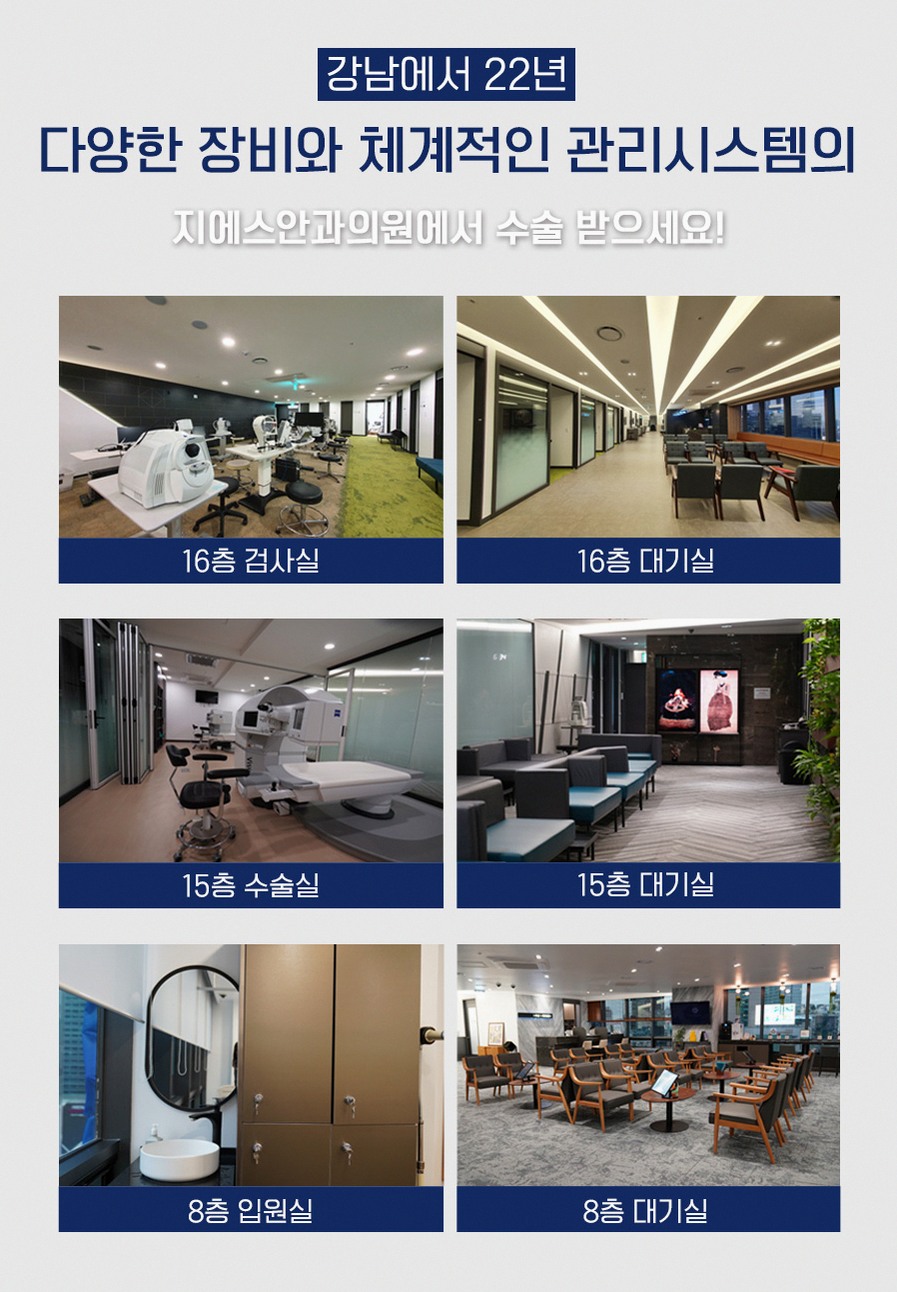
GS Eye Center is an ophthalmology clinic in Gangnam, Seoul, that has operated in the same location on Gangnam-daero near Gangnam Station since 2005. The clinic occupies multiple floors of a building and offers a wide range of eye services.

For vision correction, it provides phakic lens implantation procedures such as ICL, GLAZE, and PhakiFlex KPL, as well as laser procedures including SMILE, SILK, and LASEK. It also offers corneal strengthening treatments and a dry eye clinic, which can be important for patients with complex eye conditions.
The clinic has a history as an early adopter of GLAZE lens implantation in Korea, having performed the first GLAZE lens implantation in the country in 2019. It reached 1,000 GLAZE eyes by 2022 and later reported 3,000 Optiflex GLAZE cases by 2025. It also has extensive experience with multifocal intraocular lenses, including 3,000 PanOptix lens cases by 2024.
In addition, the clinic operates a dedicated retina center with retina fellowship-trained doctors, which supports careful screening and follow-up for high myopia and lens implantation patients.
Typical process at a lens implantation surgery clinic
Initial online consultation and information sharing
For international patients, the first step is usually an online consultation. You can contact the clinic via email, website form, or messaging apps. At this stage, you may be asked to share:
Your age and current glasses or contact lens prescription.
Any previous eye surgeries or eye diseases.
Whether you have systemic conditions such as diabetes or autoimmune disease.
Recent eye examination reports, if available, including corneal topography or retinal scans from your home country.
Based on this information, the clinic can give a preliminary opinion on whether lens implantation might be suitable and suggest how many days you should plan to stay in Korea.
In-clinic examination in Seoul
Once you arrive in Seoul, you will undergo a detailed eye examination. This usually includes:
Vision and refraction tests.
Corneal topography and tomography.
Anterior chamber depth measurement.
Endothelial cell count using a specular microscope.
Pupil size measurement in bright and dark conditions.
Retina examination with dilated pupils, sometimes including wide-field imaging or optical coherence tomography.
These tests help the doctor decide whether you are better suited for phakic lens implantation, multifocal intraocular lenses, laser vision correction, or if surgery should be avoided.
Lens selection and surgical planning
If you are a candidate for lens implantation, the next step is choosing the lens type and calculating lens power. The doctor considers:
Your age and degree of myopia or hyperopia.
Corneal thickness and anterior chamber depth.
Endothelial cell count.
Presence of presbyopia or cataract.
Your visual needs, such as night driving, computer work, and reading.
For high myopia without cataract, phakic lenses such as ICL, GLAZE, or PhakiFlex KPL may be recommended. For patients with presbyopia or cataract, multifocal intraocular lenses like PanOptix may be discussed.
Surgery day
Lens implantation is usually done under local anesthesia with eye drops, sometimes combined with mild sedation. The surgery time per eye is relatively short, often within 20 to 30 minutes.
Phakic lens implantation involves creating a small incision, inserting the folded lens into the eye, positioning it correctly, and allowing the incision to self-seal or be closed with a very fine suture if needed.
For cataract and presbyopia lens surgery, the surgeon removes the cloudy natural lens and replaces it with a clear intraocular lens using a micro-incision technique, often assisted by modern cataract surgery equipment and, in some clinics, laser assistance.
Most patients go home the same day with an eye shield and prescribed eye drops.
Postoperative follow-up and expected stay in Korea
For international patients, it is common to stay in Korea for at least several days after surgery. A typical schedule might include:
Day 1: Preoperative examination and consultation.
Day 2: Surgery for one or both eyes.
Day 3: First postoperative check to assess vision, eye pressure, and lens position.
Day 5 to 7: Additional check to monitor healing and adjust medication.
Some patients may require a longer stay, especially if both eyes are done on different days or if there are pre-existing retinal conditions that need more observation. Your clinic can advise you on the recommended duration based on your eye status.

Safety, risks, and aftercare
Common risks of lens implantation
Like any intraocular surgery, lens implantation carries potential risks. These can include:
Temporary or sustained increase in intraocular pressure.
Inflammation inside the eye.
Glare, halos, or night vision disturbances.
Endothelial cell loss over time.
Lens decentration or rotation that may require adjustment.
Rare complications such as infection or retinal detachment.
Not every patient will experience these issues, but it is important to understand them before deciding.
How to reduce risk and protect your eyes
You can help reduce risk by:
Choosing a clinic that performs full preoperative testing and does not rush the indication.
Following all pre- and postoperative instructions, including using prescribed eye drops correctly.
Avoiding eye rubbing, swimming pools, and heavy exercise for the period advised by your doctor.
Attending all scheduled follow-up visits, both in Korea and after you return home.
If you have high myopia or known peripheral retinal lesions, ask how the clinic will coordinate retina evaluation and what symptoms should prompt an urgent visit, such as sudden floaters, flashes of light, or a curtain-like shadow in your vision.
Comparing clinics before you book
Before committing to a lens implantation surgery clinic, it can be helpful to prepare a checklist. Questions you might ask include:
How many phakic lens implantation and cataract surgeries with multifocal lenses does the clinic perform each year?
Which lens brands and models are available, and why are they chosen?
Is there a dedicated retina service for high myopia patients?
What is the recommended length of stay for overseas patients, and how many postoperative visits are included?
How will the clinic communicate with you after you return to your home country if you have questions?
By focusing on examination quality, lens options, surgeon experience, and follow-up systems rather than only on cost, you can make a more informed decision.
Practical information for visiting Gangnam for lens implantation
Location and environment
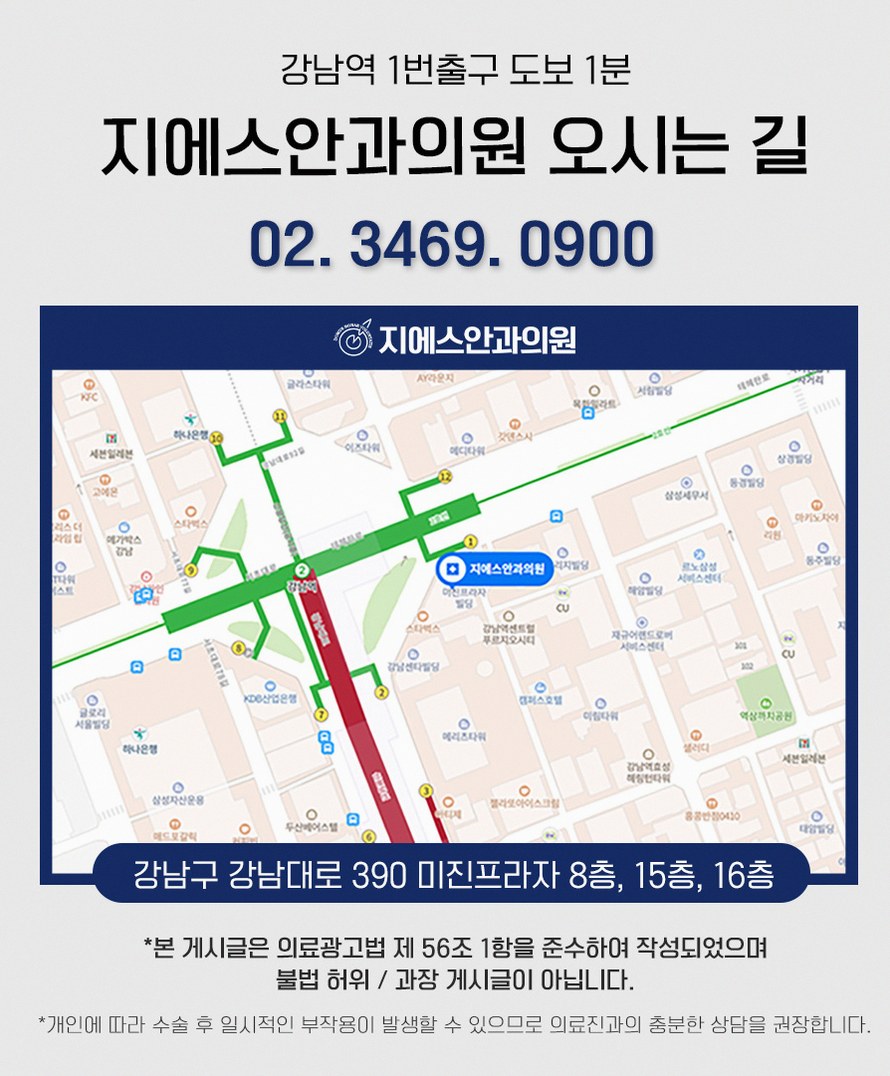
Many international patients prefer the Gangnam area of Seoul because it is well connected and has a high concentration of medical facilities. GS Eye Center is located on Gangnam-daero in Gangnam-gu, in a multi-floor facility near Gangnam Station, which is convenient for public transport and accommodation.
Operating hours
Typical operating hours for eye clinics in this area include weekdays and Saturdays, with closure on Sundays and public holidays. There is usually a midday break when consultations and surgery are paused. Exact hours can vary, so it is important to confirm in advance when planning your visit and booking flights.
Online education and preparation
Some clinics provide detailed information through blogs, social media, and YouTube channels run by their medical directors. These resources can help you understand the differences between ICL, GLAZE, PhakiFlex KPL, and multifocal intraocular lenses, and what to expect during and after surgery.
Watching educational videos and reading articles before your consultation can make it easier to ask precise questions and to understand the explanations given by your doctor.
Aftercare once you return home
After you leave Korea, you will still need regular eye check-ups. Your Korean clinic may provide a summary report in English that you can share with your local eye doctor. This report typically includes:
Preoperative measurements.
Type and power of the implanted lens.
Surgery date and any intraoperative notes.
Postoperative status at your last visit in Korea.
You should schedule follow-up visits with a local ophthalmologist to monitor intraocular pressure, lens position, and retinal health, especially if you have high myopia.
Frequently asked questions about lens implantation surgery clinics
What is the difference between phakic lens implantation and cataract lens surgery?
Phakic lens implantation adds a lens inside the eye while keeping your natural lens. It is mainly used for high myopia and astigmatism in patients who do not yet have cataracts. Cataract lens surgery removes the cloudy natural lens and replaces it with an intraocular lens. When multifocal lenses are used in cataract surgery, the goal is to address both the cataract and presbyopia at the same time.
Who is not a good candidate for lens implantation?
You may not be a good candidate if your anterior chamber is too shallow, your endothelial cell count is too low, you have uncontrolled glaucoma, active eye inflammation, or certain retinal diseases. Severe dry eye or unstable systemic conditions can also affect suitability. A full examination by an ophthalmology specialist is required to determine whether lens implantation is appropriate for you.
How long should I stay in Korea for lens implantation surgery?
The recommended stay can vary, but many overseas patients plan for about one week. This usually allows time for preoperative tests, surgery, and several postoperative checks. If you have additional conditions such as high myopia with retinal changes, or if each eye is operated on different days, your doctor may advise a longer stay. It is best to confirm the suggested schedule during your online consultation.
Can I combine lens implantation with other eye treatments during one trip?
In some cases, lens implantation can be combined with other treatments such as corneal strengthening or dry eye management, depending on your eye condition and safety considerations. However, not all procedures can or should be done at the same time. Your doctor will prioritize treatments based on medical necessity and recovery time. Always discuss your full list of concerns before finalizing your travel and surgery plan.
Soft call to action for online consultation
If you are considering lens implantation surgery in Seoul and want to know whether phakic lenses or multifocal intraocular lenses are suitable for your eyes, arranging an online consultation with an ophthalmology clinic in Gangnam can be a helpful first step. By sharing your prescription, eye history, and any existing test results, you can receive preliminary guidance on candidacy, suggested procedures, and an estimated visit schedule.
Clinics such as GS Eye Center provide information and educational content through online channels and can support international patients in planning examinations, surgery, and follow-up during their stay in Korea. Before you decide, take time to compare clinics using the criteria in this guide so you can choose a lens implantation surgery clinic that matches your medical needs and travel plans.

- 공유 링크 만들기
- X
- 이메일
- 기타 앱


댓글
댓글 쓰기