Gangnam eye clinic SMILE LASIK results and what really affects them
- 공유 링크 만들기
- X
- 이메일
- 기타 앱

Direct answer: SMILE LASIK results in Gangnam
If you visit a Gangnam eye clinic for SMILE LASIK, you can generally expect clear unaided vision for daily life, relatively fast recovery, and a low complication rate when the procedure is done on suitable eyes by experienced ophthalmologists using modern laser platforms. However, results do not come from the Gangnam address itself. They depend on careful pre‑operative screening, the surgeon’s experience, and how well the clinic maintains its equipment and safety protocols.
Good results usually mean that most daily activities are possible without glasses or contact lenses, vision remains stable over time, discomfort is manageable, and any side effects such as dry eye or glare are monitored and treated.
What SMILE LASIK is and why people choose it
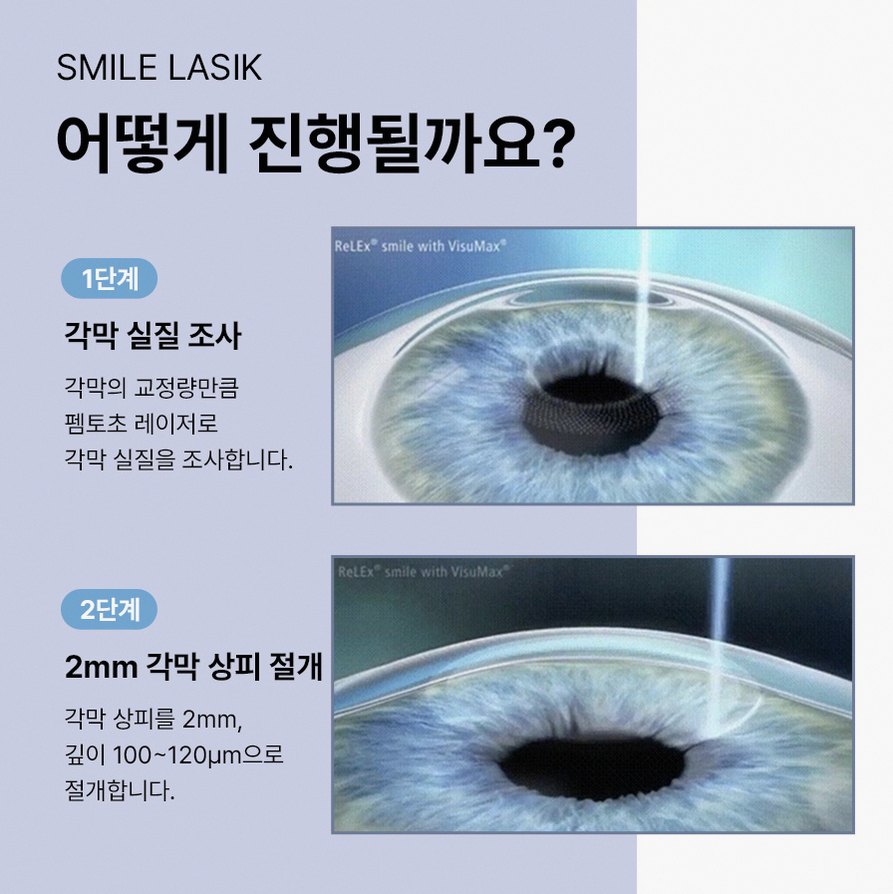
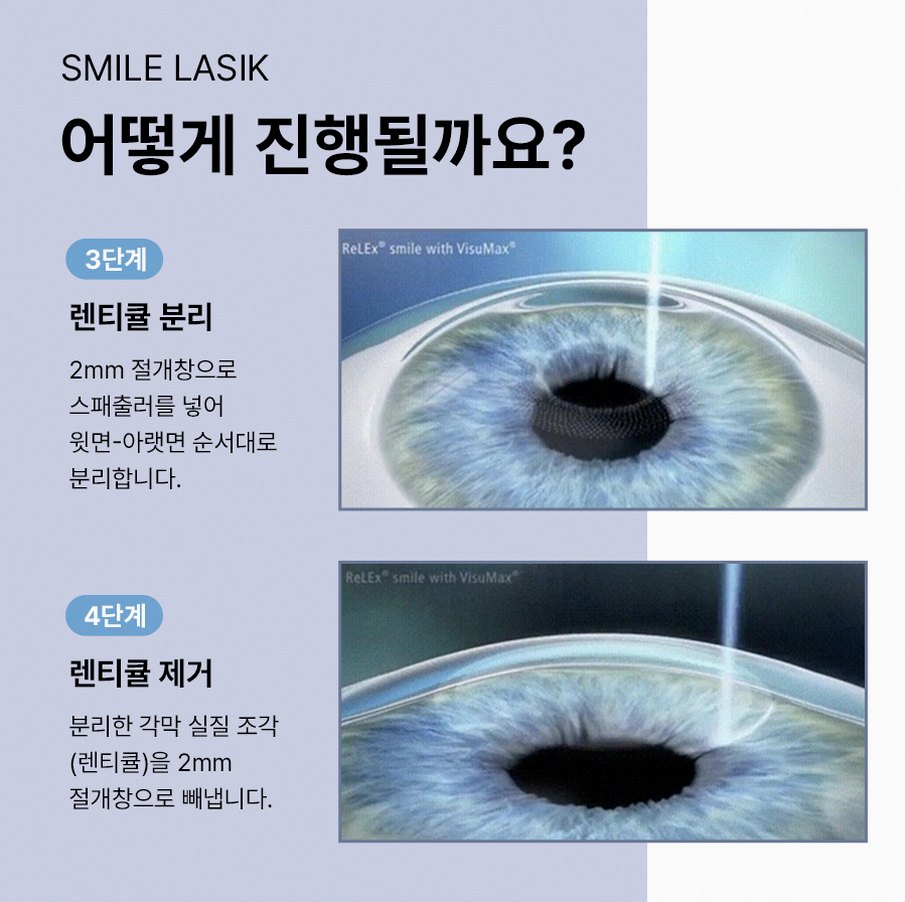
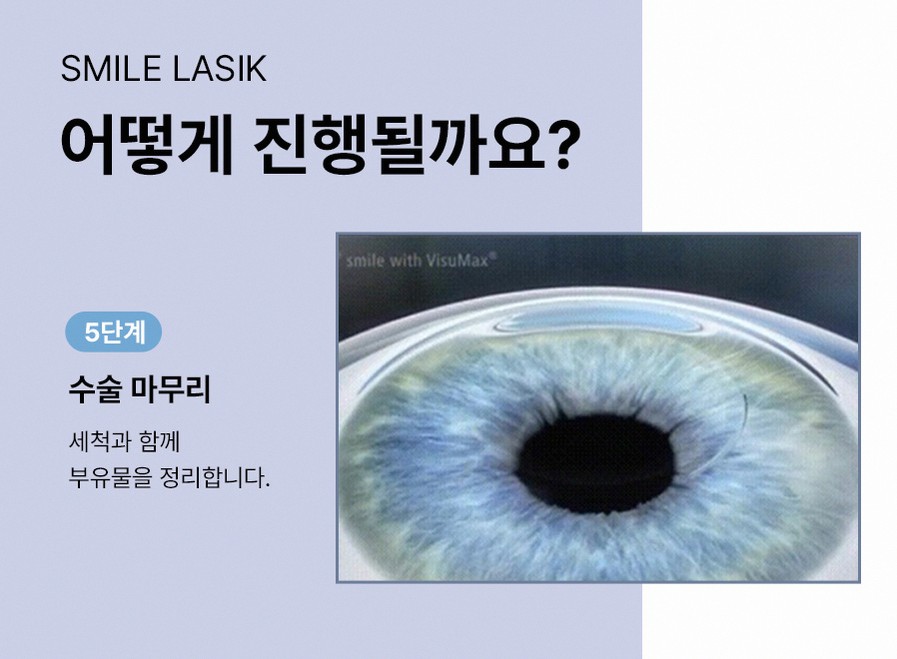
SMILE LASIK is a minimally invasive laser vision correction method. A femtosecond laser creates a thin disc of tissue, called a lenticule, inside the cornea. This lenticule is then removed through a very small incision. Removing this tissue reshapes the cornea so that light focuses more accurately on the retina, reducing myopia and sometimes astigmatism.
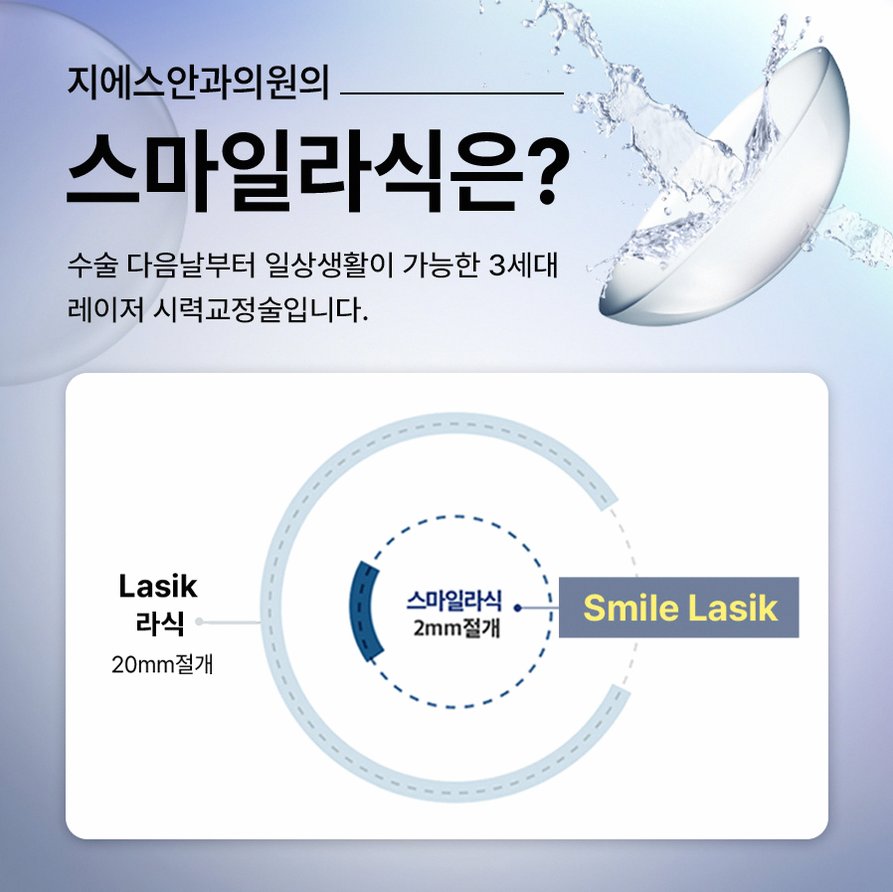
Compared with older LASIK or LASEK techniques, SMILE LASIK typically uses a smaller incision and preserves more of the corneal surface. This can mean less disruption of corneal nerves, which are important for tear production and eye surface comfort.
Many patients choose SMILE LASIK in Gangnam because it often offers:
Smaller incision and less nerve disruption
Often less dry eye and discomfort after surgery
Relatively fast functional recovery for many people
No need to create a large corneal flap
Still, SMILE LASIK is not automatically suitable for everyone. Corneal thickness, shape, stability of your glasses prescription, and overall eye health must be checked in detail before surgery.
What makes SMILE LASIK effective
Mechanism of SMILE LASIK
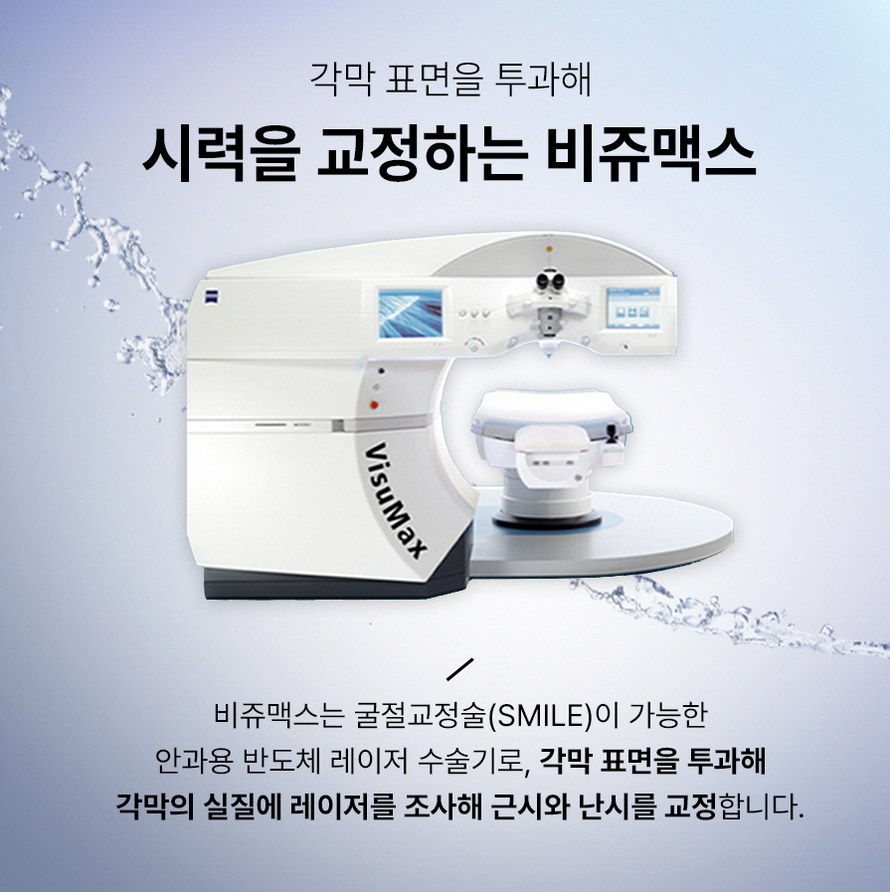
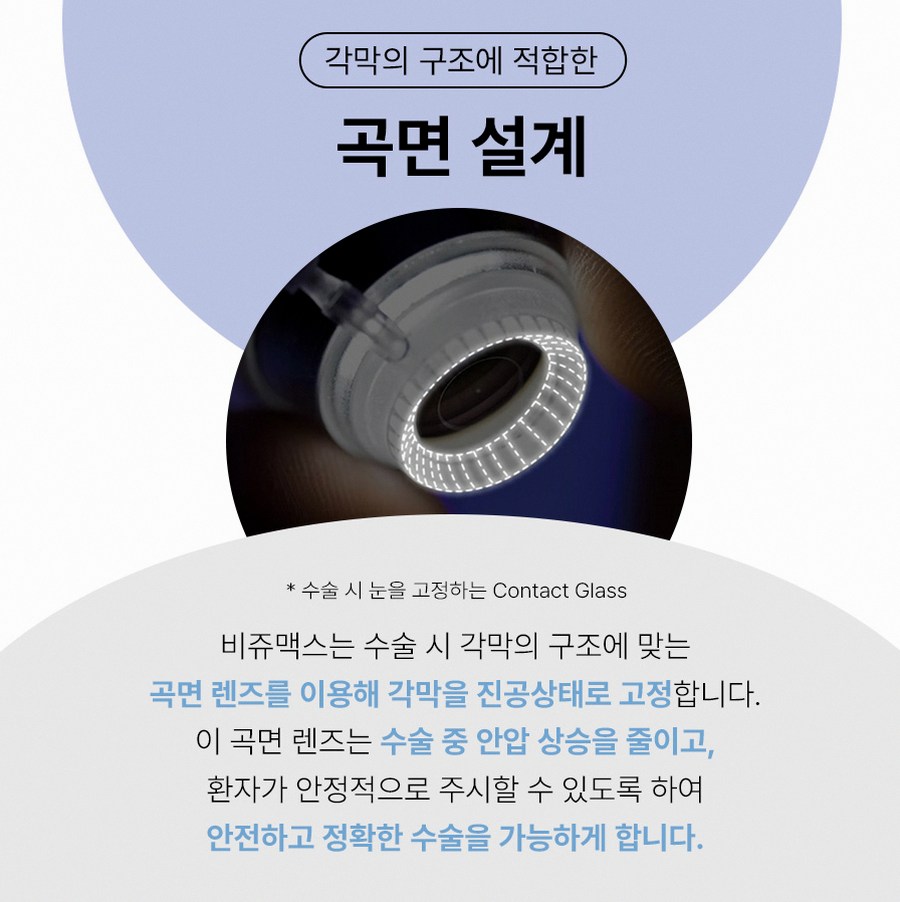
During SMILE LASIK, a femtosecond laser is used to create a precise lenticule inside the cornea. The laser also creates a small side incision, usually only a few millimeters wide. Through this opening, the surgeon separates and removes the lenticule. Once removed, the cornea changes shape, which adjusts how light is focused.
Because there is no large flap, the structural integrity of the cornea can be better preserved compared with traditional flap‑based LASIK. This is one reason SMILE LASIK is often discussed for patients with active lifestyles.
Benefits compared with older methods
When performed on appropriate candidates, SMILE LASIK may offer:
Less dry eye symptoms for some patients, due to fewer corneal nerves being cut
Less foreign body sensation and discomfort in the early healing phase
Fast return to everyday tasks such as working on a computer or walking outdoors
Smaller incision, which may support biomechanical stability of the cornea
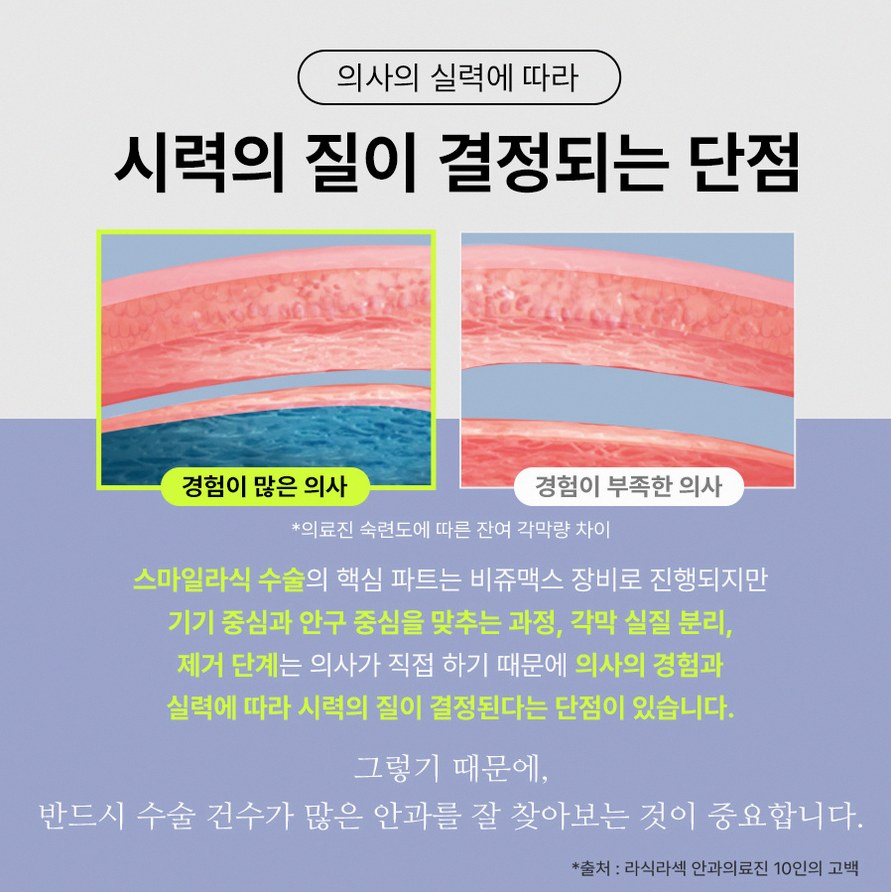
However, not all patients will notice every one of these benefits. Some still experience dry eye, glare, or halos at night, especially in the early months.
Importance of candidacy and examinations
The most important step for effective SMILE LASIK is confirming whether your eyes are suitable. A comprehensive eye examination is needed to check:
Corneal thickness and shape
Stability of your glasses or contact lens prescription
Tear film quality and dry eye status
Pupil size, especially in low light
Retinal health and intraocular pressure
If you have conditions such as keratoconus, unstable refraction, severe dry eye, or certain retinal problems, the clinic may advise against SMILE LASIK or suggest alternative treatments. Declining surgery in borderline cases is part of achieving good long‑term outcomes.
How to judge SMILE LASIK results at a Gangnam eye clinic
When you search for a Gangnam eye clinic, you will find many options, all claiming to offer SMILE LASIK. To evaluate real‑world results, focus on the following points rather than the neighborhood name.
Surgical volume and track record
Ask how many vision correction and cataract surgeries the clinic has performed in total, and over what time period. For example, some Gangnam clinics report hundreds of thousands of cumulative eyes operated on as of a certain year. A large case volume suggests extensive experience and data, but it should always be considered together with how carefully they screen and follow up individual patients.
Qualifications of the operating doctors
Confirm that all surgeons performing SMILE LASIK are ophthalmology specialists. It is also helpful if the team includes subspecialists, such as retina‑trained doctors, who can manage less common complications. Clinics that clearly present their doctors’ training, previous university hospital experience, and roles in surgery and follow‑up care tend to be more transparent.
Transparency about outcomes and safety
Look for clinics that openly discuss:
Cumulative case numbers for SMILE and SMILE pro
How long they have used each laser platform
Their approach to complication management and referral if needed
Their policy on refusing surgery when tests show higher risk
Cumulative numbers matter because they show experience, but they do not replace a thorough, personalized examination. Even at a high‑volume clinic, your own corneal shape, prescription stability, and lifestyle must be considered.
Example: how one Gangnam clinic structures its system for SMILE LASIK
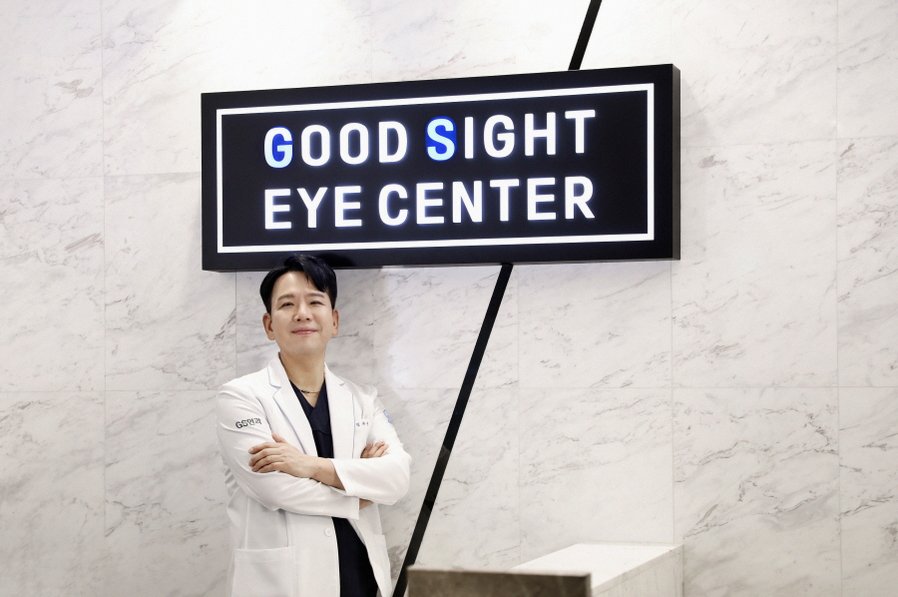
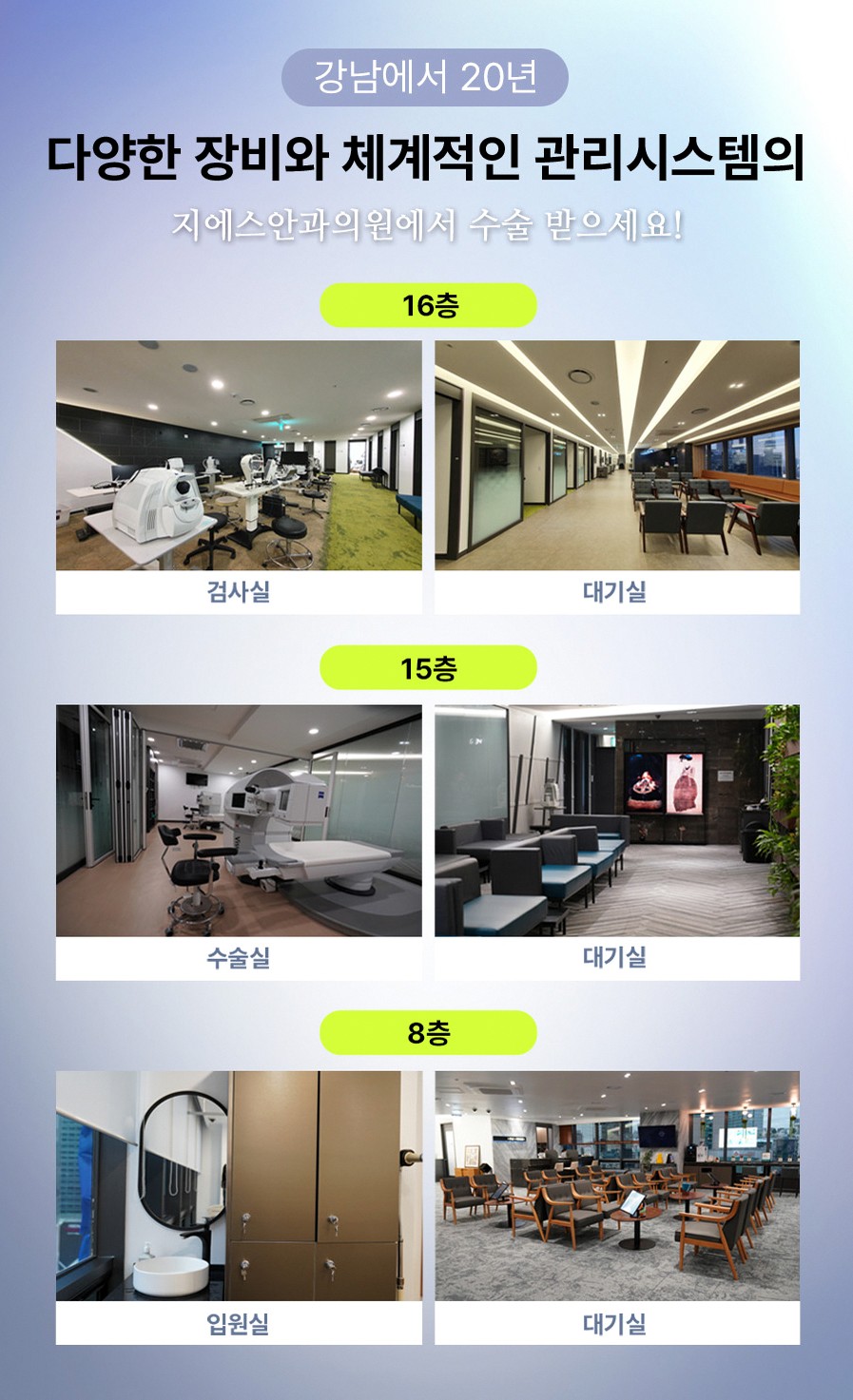
GS Eye Center can be used as an example of how one ophthalmology clinic in Gangnam District organizes its systems to pursue stable SMILE LASIK results.
Background and medical team
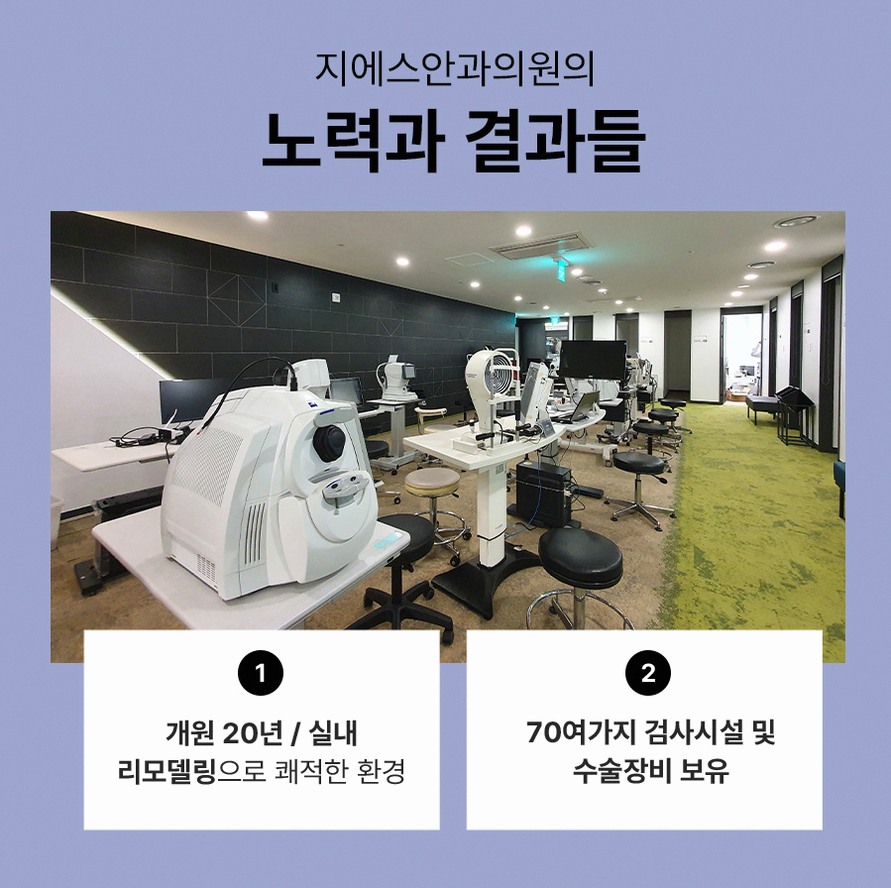
This clinic opened in 2005 in Gangnam and has been operating in the same location near Gangnam Station. It is led by a representative director who is a board‑certified ophthalmologist and medical doctor with prior university hospital faculty experience. The medical team includes seven ophthalmology specialists, among them retina‑trained doctors and former university hospital staff.
Surgical volume and milestones
As of 2023, the clinic reports around 300,000 cumulative eyes for vision correction and cataract surgery. For SMILE pro specifically, they report 15,000 eyes as of April 2026, with documented growth milestones in 2024 and 2025.
In terms of collaboration with industry, the clinic was the first in Korea to join the ZEISS SMILE GOLD CLUB in 2021. It was designated as a ZEISS SMILE pro CENTER in 2023 and as a SILK training center in 2026.
For lens‑based procedures, the clinic was an early adopter of GLAZE lens implantation in 2019 and reports thousands of such cases by 2025. It also reports over 3,000 PanOptix multifocal lens implantations as of 2024.
Education and training role
Beyond clinical work, this Gangnam clinic was designated as a clinical education institution for a major medical school in 2023. In 2024, it became an Asia‑Pacific clinical education center for BIOTECH. The representative ophthalmologist also runs online education through a blog, social media, and a YouTube channel, where topics like SMILE LASIK indications, preparation, and aftercare are discussed.
This example illustrates how a Gangnam eye clinic can combine high surgical volume, subspecialty staff, and an educational role to support consistent outcomes, but it does not replace the need for an individual consultation.
Equipment and why it matters for SMILE LASIK results
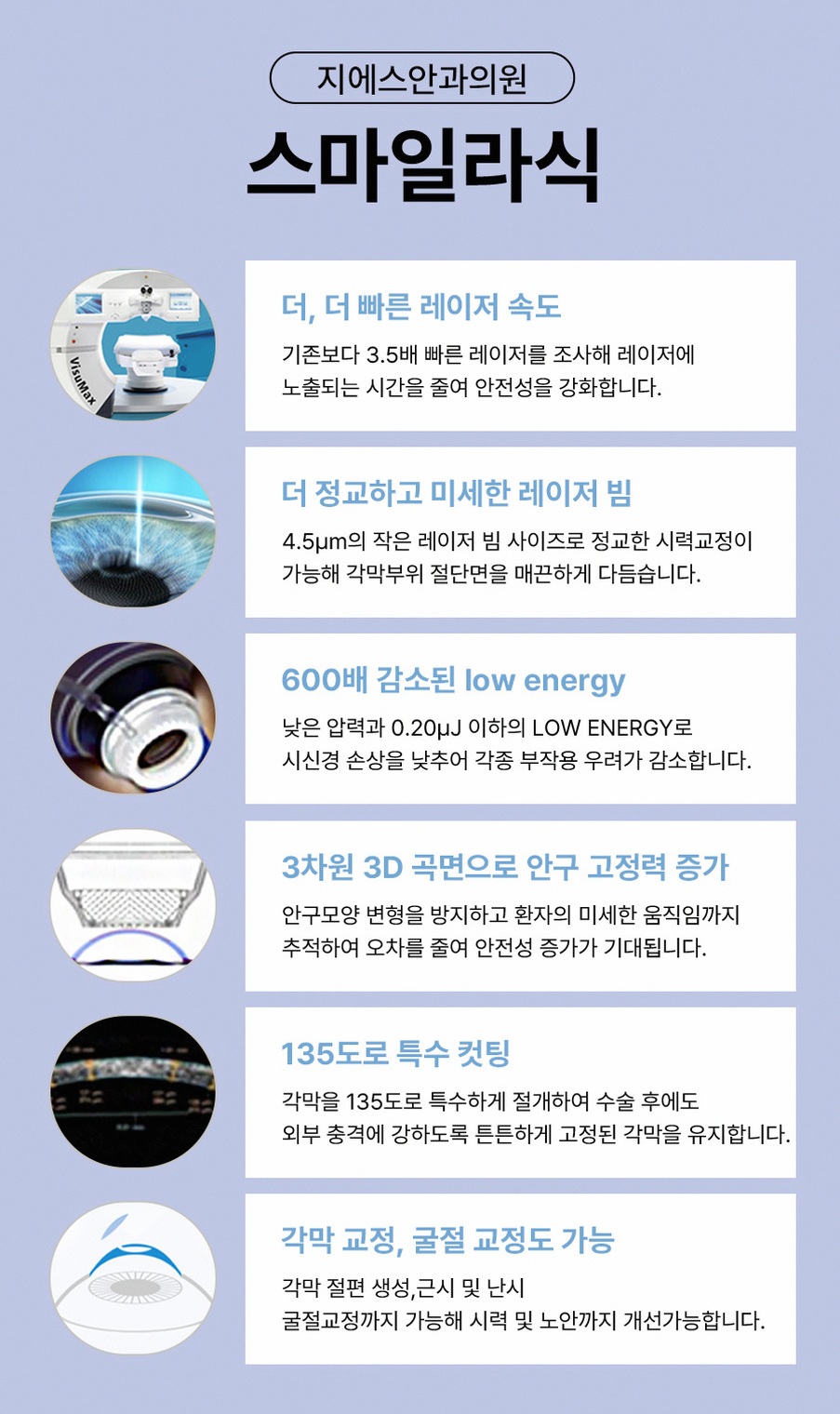
SMILE LASIK quality depends heavily on the femtosecond laser platform and how it is used. In Gangnam, some clinics emphasize multi‑platform setups to increase flexibility and backup capacity.
Three‑platform system example
One Gangnam clinic uses a three‑platform configuration with ZEISS lasers:
VISUMAX 800
This platform is dedicated to SMILE pro. It can complete the laser application in under about 9 seconds, which may help reduce patient stress and the risk of eye movement during the procedure. It was introduced at the clinic in 2023.
Two VISUMAX 500 units
These are used for standard SMILE LASIK. The clinic first introduced VISUMAX 500 in 2016 and expanded to a dual‑system setup in 2019. Having two identical platforms allows continuous operation even if one unit needs maintenance, and provides flexibility in scheduling and handling high case volumes.
Standardization and certification
Since 2020, this clinic has held ISO 9001 and ISO 14001 certifications for its SMILE LASIK processes, indicating that it follows standardized quality and environmental management systems. While certification alone does not guarantee individual results, it suggests that the clinic documents and audits its workflows, which can support consistent outcomes.
Advanced equipment, however, is only one part of the picture. The surgeon’s judgment, the thoroughness of pre‑operative screening, and adherence to safety protocols are equally important.
Pre‑operative examination and candidacy at a Gangnam eye clinic
At a high‑volume Gangnam eye clinic, the pre‑operative process for SMILE LASIK is usually structured and detailed.
Typical pre‑operative steps
Comprehensive eye examination often includes:
Measurement of corneal thickness and detailed mapping of corneal shape
Assessment of pupil size in various lighting conditions
Tear film evaluation and dry eye testing
Measurement of intraocular pressure
Retinal examination, sometimes with wide‑field imaging or optical coherence tomography
Review of general health, medications, and previous eye history

Screening out unsuitable candidates
The clinic will look for signs of:
Keratoconus or suspicious corneal topography
Unstable refraction, especially in younger patients
Severe dry eye or ocular surface disease
Retinal tears, holes, or other significant pathologies
If these or other risk factors are present, the clinic may advise against SMILE LASIK or suggest alternative options such as lens implantation or surface laser procedures. Some clinics also offer corneal strengthening procedures, such as cross‑linking, in selected cases to support long‑term stability.
Declining surgery for borderline eyes is a key part of achieving good overall results across the patient population.
Post‑operative recovery and long‑term stability
Recovery expectations
Many SMILE LASIK patients notice functional vision within a day or two, enough for simple daily activities. However, vision can fluctuate for several weeks as the cornea stabilizes and the tear film recovers. Reading fine print, night driving, or prolonged screen work may feel different in the early phase.
Follow‑up visits
Regular follow‑up appointments are important to monitor:
Corneal healing and clarity
Dry eye symptoms and tear film stability
Night vision issues such as glare, halos, or starbursts
Any signs of inflammation or infection
Clinics that include an in‑house retina center or retina‑trained ophthalmologists can more quickly evaluate and manage rare retinal complications, such as flashes, floaters, or sudden changes in vision.
Long‑term, SMILE LASIK results are generally stable if the original prescription was stable and the cornea was healthy. Natural age‑related changes, such as presbyopia or cataract formation, can still occur and may require separate treatment later in life.
Other services that may support SMILE LASIK patients
While SMILE LASIK is the main focus, many Gangnam eye clinics also provide related services to cover patients who are not ideal candidates for corneal laser surgery.
Lens implantation options
For patients with thin corneas, very high myopia, or other limitations, lens‑based solutions may be considered. These include ICL, GLAZE, or PhakiFlex KPL lens implantation, where a lens is placed inside the eye without removing the natural lens.
Surface and customized laser procedures
Some clinics offer LASEK options such as 2‑day LASEK, as well as customized LASIK variants tailored to corneal shape and higher‑order aberrations. These may be suggested if SMILE is not ideal for your eye structure.
Presbyopia and cataract solutions
For older patients, presbyopia and cataract surgery with multifocal intraocular lenses, such as PanOptix, can reduce dependence on glasses for both distance and near tasks. These procedures are separate from SMILE LASIK but may be performed in the same clinic.

Dry eye management
Dedicated dry eye clinics within ophthalmology centers help manage pre‑ and post‑operative dryness. This may include tear film analysis, meibomian gland treatment, and personalized eye drop regimens, which can improve comfort and visual quality after SMILE.
How to choose a Gangnam eye clinic for SMILE LASIK
When comparing clinics in Gangnam District, use a structured checklist rather than focusing on advertisements alone.
Points to confirm before consultation
Confirm that all operating doctors are ophthalmology specialists.
Ask about cumulative SMILE and SMILE pro case numbers and since when the clinic has used each platform.
Check whether the clinic has multiple SMILE‑capable lasers and backup systems.
Look for standardized quality certifications and training center designations.
Evaluate how thoroughly the clinic explains risks, alternatives, and the possibility of being refused surgery.
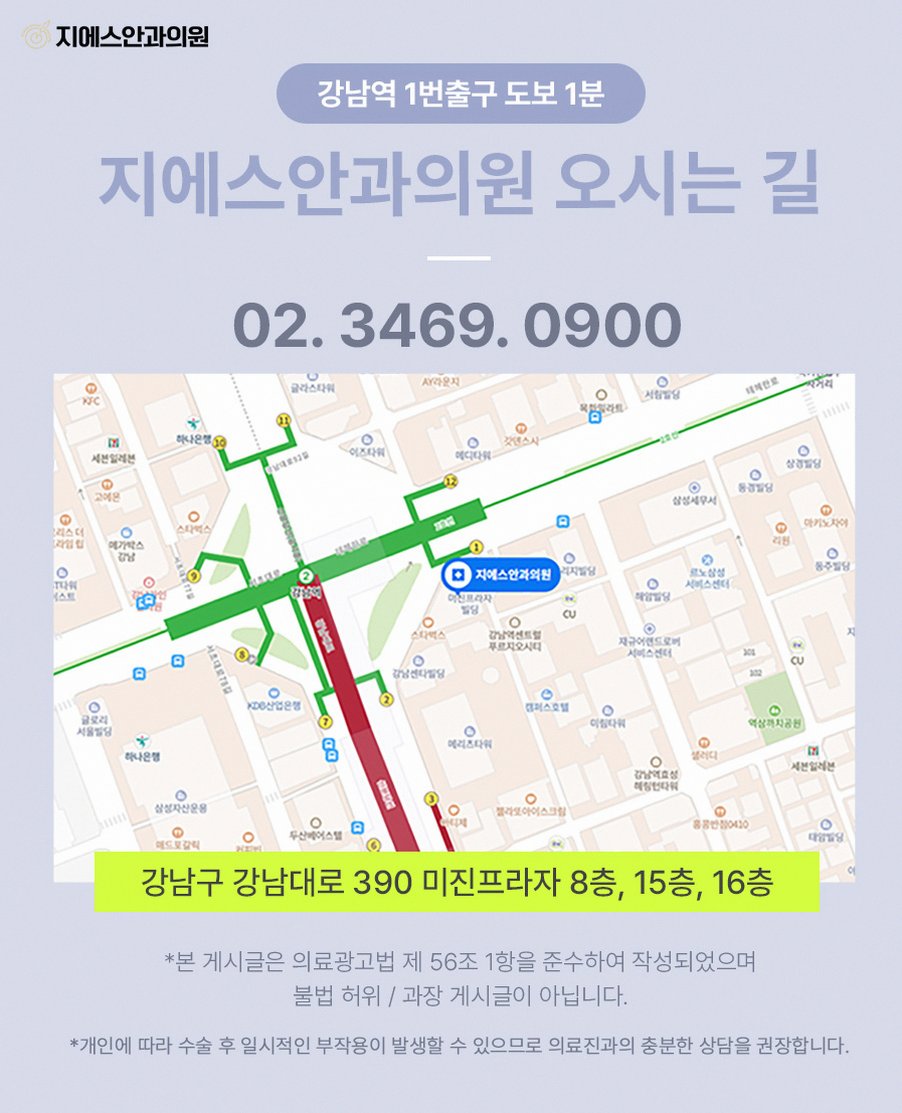
Consider accessibility, such as proximity to Gangnam Station, clinic hours, and ease of attending follow‑up visits.
Questions to prepare for online consultation
Before contacting a clinic, it can help to write down:
Your current glasses or contact lens prescription and how long it has been stable
Any history of eye disease, trauma, or previous surgery
Symptoms such as dry eye, night glare, or frequent headaches
Your work and lifestyle patterns, including night driving or heavy screen use
Your travel schedule and how long you can stay in Korea for surgery and follow‑up
Bringing these details to an online or in‑person consultation allows the medical team to give more accurate guidance about whether SMILE LASIK, SMILE pro, or another method is more appropriate.
Typical visit timeline for overseas SMILE LASIK patients in Korea
For international patients, a common schedule might look like this, although exact timing can vary by clinic and individual condition.
Before arrival
Online consultation to review your basic information, previous prescriptions, and any available eye test reports
Preliminary explanation of likely options, estimated stay length, and needed examinations
Day 1 in Korea
Comprehensive eye examination at the clinic
Discussion of candidacy, risks, benefits, and alternatives
If suitable and you agree, scheduling of SMILE LASIK, sometimes on the same day or the following day
Day 1 or Day 2: Surgery day
Pre‑operative checks and consent
SMILE LASIK procedure, usually taking only several minutes per eye
Short rest in the clinic and initial post‑operative instructions
First week after surgery
One or more follow‑up visits to check healing, vision, and comfort
Adjustment of eye drops and dry eye treatment as needed
Return home and long‑term follow‑up
Your Gangnam clinic may provide a summary report for your local eye doctor
Online follow‑up consultations can help monitor your progress
Any new or sudden symptoms after you return home should be checked promptly by a local ophthalmologist
The exact schedule should be tailored to your travel plans and medical needs. Some patients may need additional tests or more frequent follow‑up.
Online consultation and pre‑visit preparation
For overseas patients, starting with an online consultation is practical. When you contact a clinic such as GS Eye Center, you can usually send:
Your age and current prescription
Information on contact lens use and how long you have worn them
Any previous eye examination reports or scans, if available
Your preferred travel dates and length of stay
The clinic can then advise whether SMILE LASIK seems likely to be suitable, what additional tests will be needed on arrival, and how many days you should plan to stay in Seoul.
FAQs about SMILE LASIK results at Gangnam eye clinics
What level of vision improvement can I realistically expect from SMILE LASIK at a Gangnam eye clinic?
Most suitable SMILE LASIK candidates in Gangnam can expect vision that allows daily activities without glasses or contact lenses, often close to their best corrected vision with glasses before surgery. However, exact outcomes depend on your initial prescription, corneal condition, and healing response. Some patients may still need thin glasses for specific tasks, such as night driving or detailed work.
Is SMILE pro different from standard SMILE LASIK in terms of results and recovery?
SMILE pro uses an updated laser platform, such as VISUMAX 800, which can complete the laser step in under about 9 seconds. This may reduce the time you need to fixate and can improve comfort during the procedure. In many cases, visual outcomes are similar to standard SMILE, but some patients report a smoother experience and rapid early recovery. Your clinic will explain whether SMILE or SMILE pro is better suited to your eyes.
How long do SMILE LASIK results usually last?
For patients with stable prescriptions and healthy corneas, SMILE LASIK results are generally long‑lasting. The reshaped cornea tends to remain stable, although small shifts can occur over time. Age‑related changes such as presbyopia, which affects near vision, or cataract formation are separate processes and may require different treatments later in life, regardless of whether you had SMILE.
Are there differences in safety between clinics in Gangnam, or is the procedure the same everywhere?
The basic SMILE LASIK technique is similar across clinics, but safety and consistency can differ depending on surgeon experience, pre‑operative screening standards, laser platforms, and how complications are managed. Clinics with multiple ophthalmology specialists, retina support, standardized protocols, and transparent case data may be better positioned to maintain stable results. This is why it is important to compare more than just location or price.
Who is not a good candidate for SMILE LASIK, even at a high‑volume clinic?
You may not be a good candidate if you have thin or irregular corneas, keratoconus, unstable refraction, severe dry eye, or certain retinal diseases. Very high prescriptions or specific corneal shapes may also make SMILE less suitable. In these cases, a responsible clinic will explain why SMILE LASIK is not recommended and may suggest alternatives such as lens implantation or other laser techniques.
Soft call to action
If you are considering SMILE LASIK in Gangnam and want to understand what results you can realistically expect, start by arranging an online consultation with a reputable ophthalmology clinic. Share your eye history, lifestyle, and travel plans so the medical team can advise you on candidacy, timing, and preparation.
Clinics like GS Eye Center, with structured examination systems, multiple SMILE platforms, and experience in caring for international patients, can help you plan a safe and efficient visit to Seoul. Always remember that final decisions should be made after a face‑to‑face examination and discussion with an ophthalmology specialist who has reviewed your individual test results.
- 공유 링크 만들기
- X
- 이메일
- 기타 앱


댓글
댓글 쓰기