Gangnam SMILE LASIK recovery, risks, tech
- 공유 링크 만들기
- X
- 이메일
- 기타 앱
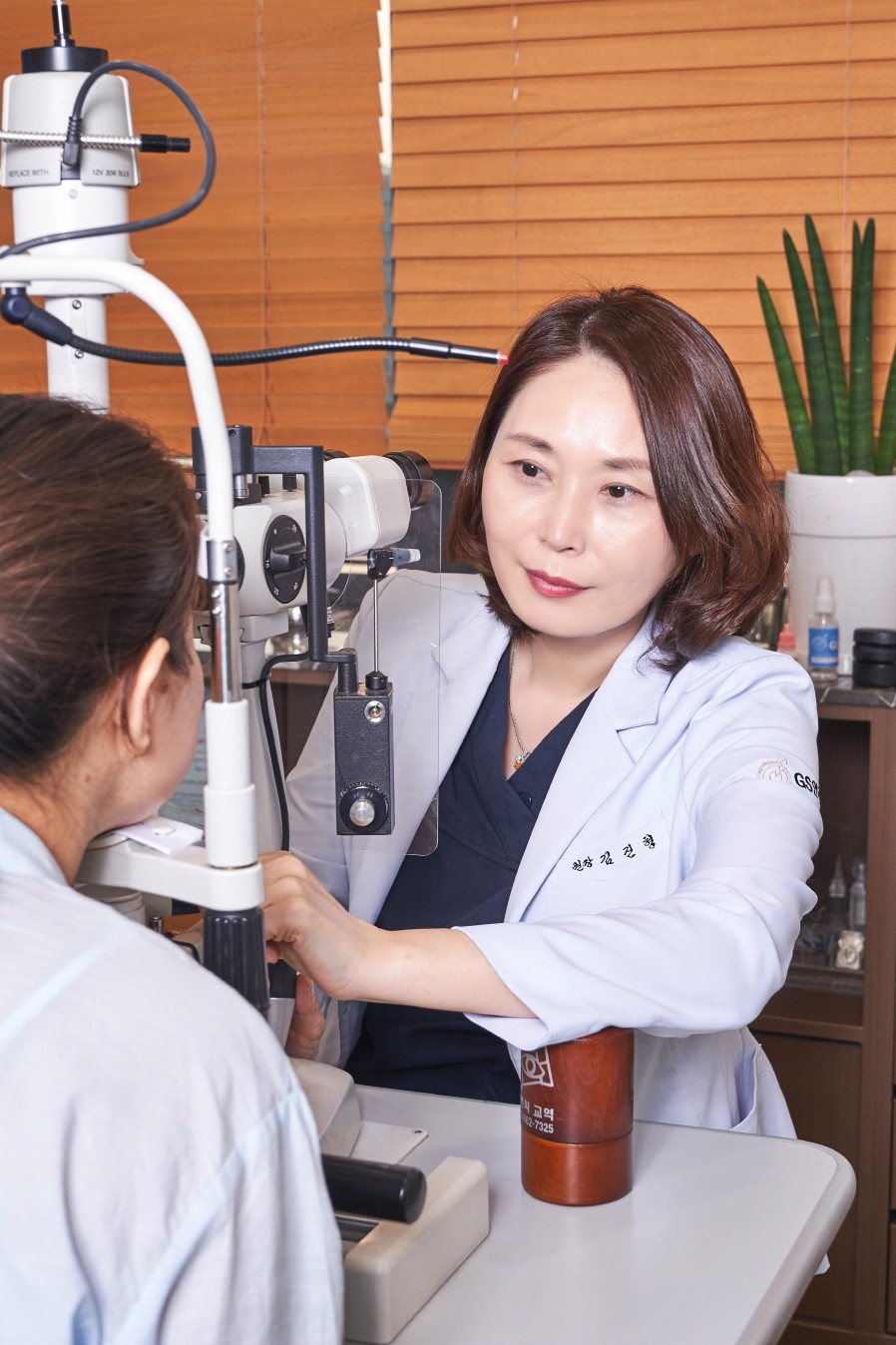
Direct answer summary
If you are searching for Cheongdam vision correction surgery reviews, common themes emerge: SMILE is a quick, flapless procedure with many patients noticing improved vision within days, though some experience temporary dryness, light sensitivity, or night halos. Reviewers emphasize the value of thorough pre-op examinations, up-to-date laser equipment, and clear communication from the surgical team. For example, a typical comment describes being able to read a phone the next day while still relying on lubricating drops for a short period. This guide summarizes typical reviewer observations about SMILE in the Cheongdam/Gangnam area and uses GS Eye Center in Gangnam as a reference example of a high-volume, technology-focused clinic.
What SMILE LASIK vision correction actually is
SMILE LASIK is a type of laser vision correction for myopia (nearsightedness) and astigmatism. Technically, it is called small-incision lenticule extraction. A femtosecond laser creates a tiny lens-shaped piece of tissue (lenticule) inside the cornea and a small side opening. The surgeon then removes this lenticule through the small incision, reshaping the cornea so that light focuses more clearly on the retina.
Unlike classic LASIK, SMILE LASIK does not require a large corneal flap. The incision is much smaller, and there is no hinge-like flap that needs to be lifted and repositioned. Compared with LASEK, SMILE does not remove the surface epithelium, so surface healing can be faster and there is usually less early discomfort.
In Gangnam, you may also see related terms such as SMILE Pro, SILK, or clinic-specific names like Golden SMILE. These are variations or branded programs built around the same basic idea of small-incision, flapless laser vision correction. This article focuses on the standard SMILE LASIK concept, which is a corneal laser procedure and different from cataract or presbyopia surgery.
Why many Cheongdam and Gangnam residents look for SMILE LASIK reviews
Cheongdam and Gangnam are home to many young professionals, university students, and office workers who spend long hours on digital devices. For many of them, glasses and contact lenses are inconvenient for work, fitness, travel, and social life. As a result, vision correction surgery is a common topic, and SMILE LASIK is often seen as a modern option.
When people search for reviews, they are usually trying to answer a few key questions. Is SMILE LASIK safe for someone like me? How much pain or discomfort should I expect? How quickly will my vision improve, and will I have issues at night such as halos or glare? They also want to know how long the results last and whether dry eye becomes worse.
The Gangnam area has many ophthalmology clinics competing for attention, so marketing messages can be strong. This is why real patient reviews are important. They help you look beyond slogans and see how people actually felt before, during, and after their surgery, and how the clinic responded to any concerns.
Pre-surgery experience and candidacy check
Most Cheongdam SMILE LASIK reviews start with a description of the first visit. At a typical Gangnam ophthalmology clinic, the initial consultation for vision correction includes a series of detailed tests. These often include measurement of your glasses or contact lens prescription, corneal thickness, corneal shape (topography and tomography), tear film and dry eye evaluation, pupil size, and retinal examination.
Not everyone is a candidate for SMILE LASIK. If your cornea is too thin, irregular, or shows early signs of disease, the clinic may advise against corneal laser surgery. Severe dry eye, very high prescriptions, or retinal issues can also affect your options. In some cases, clinics may suggest alternative procedures such as lens implantation instead of laser, or they may recommend no surgery at all.
GS Eye Center, for example, describes a structured pre-operative testing system and a separate retina clinic for deeper retinal evaluation when needed. The clinic has been in the same Gangnam location since 2005 and is designated as a clinical education center for a medical school and an Asia-Pacific training site. Some reviewers mention these points as reasons they felt more comfortable with the screening process, although this does not guarantee individual outcomes.
Technology and equipment often mentioned in positive reviews
Many detailed SMILE LASIK reviews from the Cheongdam and Gangnam area mention the specific laser platforms used. Patients who research in advance often pay attention to the model and generation of the laser, especially for SMILE-type procedures.
At GS Eye Center, the clinic reports that it owns three major SMILE-related platforms from ZEISS: one VISUMAX 800 system for SMILE Pro and two VISUMAX 500 units for standard SMILE LASIK. The VISUMAX 800 is designed for faster treatment; the laser time for the main step can be under about 9 seconds per eye. Reviewers who were nervous about staying still under the laser often say that a short laser time helped reduce their stress.
The clinic was the first in Korea to join the ZEISS SMILE Gold Club (2021), was later designated a ZEISS SMILE pro CENTER (2023), and was named a SILK Training Center (2026). These milestones generally indicate high case volume and involvement in training, but they should not be interpreted as a promise of specific results. Some patients also note ISO 9001 and 14001 certification for SMILE LASIK as a sign that the clinic follows standardized processes for quality and environmental management.
Medical team: what review writers tend to notice
When people write about their SMILE LASIK experience, they often focus on how the medical team communicated with them. At GS Eye Center there are seven ophthalmologists, and the clinic notes that its doctors have backgrounds in retina and refractive surgery, with some having held positions as clinical instructors or professors at major university hospitals.
In reviews, patients commonly mention whether the doctor explained the test results clearly, discussed both benefits and risks, and compared different options such as SMILE, LASIK, LASEK, or lens implantation. They also pay attention to whether the surgeon personally examined their eyes before surgery, performed the key steps of the procedure, and checked on them during follow-up visits.
Some people discover the clinic through the medical director’s educational YouTube channel about ophthalmology. For them, seeing detailed explanations online beforehand makes them feel more prepared for the consultation.
Surgery day: step-by-step SMILE LASIK experience
On surgery day, most Cheongdam SMILE LASIK reviews describe a similar flow. After arrival, you usually go through final checks, sign consent forms, and review post-operative instructions. Anesthetic eye drops are applied so that you do not feel sharp pain during the procedure.
In the laser room, you lie on a bed under the laser system. The staff help you position your head and remind you where to look. When the laser starts, you may feel pressure on the eye and see your vision become dim or blurry for a few seconds. Most reviewers describe this as strange but not painful. The actual laser time for SMILE or SMILE Pro is short, often under half a minute per eye, with the key step on VISUMAX 800 being under about 9 seconds.
After the laser shapes the lenticule, the surgeon removes it through the tiny incision. Patients sometimes feel gentle pressure or movement but no cutting pain because of the numbing drops. The procedure for both eyes is usually completed within 20 to 30 minutes, including preparation.
Immediately after surgery, vision is typically hazy or foggy. Many people report tearing, a foreign body sensation, and light sensitivity for several hours. Staff usually provide protective eye shields or goggles and explain how to use your prescribed eye drops.
Recovery timeline: what Cheongdam SMILE LASIK reviews commonly report
First 24 hours: Many patients go home or back to their accommodation and rest with their eyes closed as much as possible. Tearing, mild burning, and light sensitivity are common. Some people prefer to keep the room dim. Pain is often described as mild to moderate discomfort rather than severe pain, and it usually improves within the first day.
Day 1 follow-up: At the first check-up, often the next day, many patients are surprised that they can already see significantly better than before surgery, although the vision may still be slightly hazy or fluctuating. The doctor checks the cornea, the small incision, and the clarity of the interface where the lenticule was removed, and ensures there are no early complications.
First week: Vision tends to improve rapidly. Many people can return to office work within a few days, depending on their job and how they feel. However, they often mention fluctuating vision, especially when tired, and mild dry eye symptoms such as grittiness or the need to blink more often. Extended screen time can increase these symptoms, so doctors usually recommend regular breaks and lubricating eye drops.
First month: Vision usually becomes more stable. Night halos, glare around lights, or slight starbursts, if present, often begin to decrease during this period. Follow-up visits are important to monitor healing, adjust the drop schedule, and detect any issues early.
Longer term: Many Cheongdam SMILE LASIK reviews mention satisfaction with daily activities such as driving, work, sports, and travel without glasses or contact lenses. Some people still use artificial tears, especially in dry environments or during long digital work. Recovery is individual; pre-existing dry eye, high prescriptions, or other eye conditions can influence the pace of improvement and the degree of side effects.
Safety, complications, and how high-volume clinics manage risk
SMILE LASIK, like all eye surgeries, carries potential risks. These can include undercorrection or overcorrection of the prescription, residual astigmatism, dry eye symptoms, night vision disturbances such as halos or glare, inflammation, or, rarely, infection. A small number of patients may need enhancement procedures if the initial correction is not sufficient.
High-volume clinics in Gangnam try to reduce risk through strict candidacy criteria and detailed pre-operative examinations. They maintain sterile surgical environments, follow standardized protocols, and schedule multiple follow-up visits to monitor healing. GS Eye Center reports around 300,000 total vision correction and cataract procedures as of 2023, with high case numbers for SMILE Pro and lens implantation. High volume suggests extensive experience with different eye types and situations, but it does not guarantee a specific outcome for any one person.
Some clinics also offer corneal strengthening procedures such as cross-linking in selected cases and operate dedicated dry eye clinics. These services can support safer vision correction for patients with borderline corneas or significant dryness, but they are not necessary or appropriate for everyone.
When reading reviews, it is useful to pay attention to how the clinic handled minor issues or side effects. Did they respond quickly? Were additional tests or treatments offered? Balanced reviews that describe both positive aspects and small problems provide more realistic expectations.
Comparing SMILE LASIK with other options mentioned in reviews
In Cheongdam vision correction surgery reviews, patients often compare SMILE LASIK with other procedures. SMILE is flapless and uses a small incision, which can help preserve more corneal structure and may be associated with less surface disturbance and potentially less dry eye for some patients.
LASIK involves creating a larger flap on the cornea, either with a femtosecond laser or a microkeratome, lifting it, applying an excimer laser to reshape the tissue, and then repositioning the flap. Recovery is usually fast, but there is a flap that must be protected from trauma.
LASEK (or PRK-type surface procedures) removes or loosens the surface epithelium and reshapes the cornea on the surface. Recovery tends to be longer and more uncomfortable in the first days, but it can be an option for people with thinner corneas or certain corneal shapes.
For some patients with very high prescriptions or thinner corneas, clinics may recommend lens implantation instead of corneal laser surgery. Options include ICL, GLAZE, or PhakiFlex KPL lens implantation. GS Eye Center notes that it was the first in Korea to perform GLAZE lens implantation and has thousands of cases, but these are different procedures from SMILE LASIK and are usually considered for specific indications.
Presbyopia and cataract surgeries, such as implantation of multifocal intraocular lenses like PanOptix, are again separate categories. They are typically for older patients who have lost near focusing ability or developed lens opacities, and they are not the same as corneal SMILE LASIK.
Who may consider SMILE LASIK in Cheongdam or Gangnam
International patients considering SMILE LASIK in the Cheongdam and Gangnam area are often in their 20s to 40s, with stable myopia and astigmatism for at least one to two years. They may be tired of contact lenses, experience discomfort with lenses, or want more freedom for sports and travel.
You might consider SMILE LASIK if you have healthy corneas, sufficient corneal thickness, and no uncontrolled eye diseases. However, only a full eye examination can determine whether it is appropriate for you. If you have very high prescriptions, thin corneas, significant dry eye, or retinal conditions, the clinic may suggest alternative approaches or advise against surgery.
How to read Cheongdam SMILE LASIK reviews critically
When you read online reviews, try to check whether the reviewer mentions their original prescription, approximate age, and any eye issues they had before surgery. These factors strongly affect both the procedure choice and the outcome.
Reviews that describe the full process are more useful. Look for posts that talk about the initial consultation and testing, how clearly the doctor explained risks and alternatives, what surgery day felt like, and how the follow-up visits went. Short comments that only mention price or a single impression may not give you enough information.
Pay attention to how the staff communicated. Were questions answered patiently? Did the clinic explain what side effects were normal and what signs required urgent attention? Balanced reviews that mention both positives and minor inconveniences are usually more credible than extremely enthusiastic or extremely negative posts with little detail.
Remember that even at a reputable clinic, outcomes vary from person to person. No clinic can promise perfect vision without any side effects. Reviews are a helpful starting point, but they cannot replace a personalized medical evaluation.
Online consultation and pre-visit preparation for overseas patients
If you live overseas and are considering SMILE LASIK in the Cheongdam or Gangnam area, an online consultation is often the first step. Many clinics allow you to send your current glasses or contact lens prescription, previous eye exam records, and basic medical history in advance.
Before your online consultation, it is helpful to prepare a list of questions. You may want to ask whether your prescription range is usually suitable for SMILE LASIK, what other procedures might be considered, how many days in Korea are recommended, and how follow-up can be managed once you return home. You can also ask about language support, interpretation services, and written instructions in English.
If you already have reports from a local ophthalmology clinic, such as corneal topography or retinal scans, sharing them can help the Korean clinic understand your situation. However, final candidacy can only be decided after in-person examinations in Seoul.
Expected Korea visit timeline for SMILE LASIK
For many international patients, a typical visit schedule for SMILE LASIK in Gangnam might look like this, although exact timing can vary by clinic and individual case.
Day 1: Comprehensive eye examination and consultation. This includes all the necessary tests to determine whether SMILE LASIK is suitable for you. If you wear soft contact lenses, you are usually asked to stop them a few days before the exam; for rigid lenses, the rest period may be longer.
Day 2 or 3: Surgery day. Some clinics can schedule surgery on the same or next day if all tests are completed and you are a good candidate, but others may prefer a short interval. After surgery, you rest and use prescribed eye drops.
Day 3 or 4: First post-operative check. The doctor examines your eyes, checks your early vision, and confirms that healing is progressing as expected. Many patients can travel short distances after this visit, but long flights may be scheduled a bit later depending on the doctor’s advice.
Following week: If you can stay in Korea longer, additional follow-up visits may be arranged. If not, the clinic usually provides a detailed report and instructions that you can share with your local ophthalmology clinic back home.
Aftercare and long-term care
After SMILE LASIK, you will receive a schedule for eye drops, usually including antibiotic and anti-inflammatory drops for a limited period and lubricating drops for comfort. You are generally advised to avoid rubbing your eyes, swimming pools, hot tubs, and heavy exercise for a certain time. Protective eyewear may be recommended when sleeping or in dusty environments.
Screen time should be moderated in the first days, and frequent breaks can help reduce dryness. Sunglasses are helpful outdoors to reduce light sensitivity and protect from ultraviolet light.
Long-term, regular eye check-ups are still important, even if your vision feels perfect. Your prescription, corneal shape, and retinal health should be monitored periodically. If you notice sudden changes in vision, strong pain, or new floaters or flashes, you should seek prompt evaluation.
Practical checklist before choosing a Cheongdam or Gangnam clinic
Before you decide on a clinic, it can be useful to compare a few key points rather than focusing only on price. Consider how detailed the pre-operative examination is, what laser platforms are available, and how much experience the clinic has with SMILE LASIK specifically.
Prepare questions such as: Who will perform my surgery and follow-up? What range of vision can I realistically expect? What are the most common side effects in patients like me? How does the clinic handle enhancements or complications if they occur? Are there clear written instructions in English for aftercare?
You may also want to ask about scheduling, total time needed in Korea, and how the clinic coordinates with your local ophthalmology clinic for long-term follow-up.
Soft call to action for online consultation
If you are considering SMILE LASIK in the Cheongdam or Gangnam area and want information tailored to your eyes, arranging an online consultation with an ophthalmology clinic can be a helpful next step. GS Eye Center, located near Gangnam Station on Gangnam-daero and open on weekdays and Saturdays, offers vision correction services for both local and international patients.
By sharing your current prescription and medical history in advance, you can receive preliminary guidance about whether SMILE LASIK might be an option and how long you should plan to stay in Seoul. Final decisions, however, will always depend on a full in-person examination and discussion with an ophthalmology specialist.
Conclusion: What Cheongdam SMILE LASIK reviews tell you and what they cannot
Cheongdam vision correction surgery reviews for SMILE LASIK in Gangnam generally describe rapid visual improvement, relatively mild discomfort, and high satisfaction when surgery is performed after careful screening at an experienced clinic. Modern technology such as VISUMAX 800 and other SMILE platforms, combined with structured examination protocols and clear communication from ophthalmologists, are common themes in positive reviews.
At the same time, reviews also remind us that temporary dryness, light sensitivity, and night halos can occur, and that not everyone is an ideal candidate for SMILE LASIK. Online posts are valuable for understanding the typical process and feelings, but they cannot predict your individual result.
Use reviews as a starting point to learn about others’ experiences, then take the next step by consulting directly with an ophthalmology specialist in Gangnam. With a thorough examination and honest discussion, you can decide whether SMILE LASIK in the Cheongdam and Gangnam area is appropriate for your eyes and your lifestyle.
- 공유 링크 만들기
- X
- 이메일
- 기타 앱


댓글
댓글 쓰기