Gangnam SMILE LASIK Reviews for Overseas Patients
- 공유 링크 만들기
- X
- 이메일
- 기타 앱

Direct answer for people searching Daechi-dong SMILE LASIK reviews
Many local patients are students or office workers with high myopia who choose SMILE for its small incision, relatively comfortable recovery, and a lower likelihood of postoperative dry eye compared with traditional LASIK.
At ophthalmology clinics near Gangnam Station such as GS Eye Center, SMILE LASIK is usually done after a detailed eye examination that screens out people who are not suitable. Reviews commonly mention thorough testing, clear explanations, and realistic guidance about possible side effects like temporary halos, glare, and dryness.
What SMILE LASIK actually is
SMILE LASIK, also called small-incision lenticule extraction, is a laser vision correction method that reshapes the cornea using a femtosecond laser. Instead of creating a large flap on the corneal surface like conventional LASIK, the laser creates a small lens-shaped piece of tissue, called a lenticule, inside the cornea. This lenticule is then removed through a tiny side incision only a few millimeters long.
Because there is no large flap, more of the corneal surface and nerves are preserved. This is one reason many patients and surgeons associate SMILE LASIK with a lower risk of dry eye and good biomechanical stability compared with traditional LASIK. The procedure is done under topical anesthetic eye drops, and the laser part usually takes only a few seconds per eye.
How SMILE LASIK differs from LASIK and LASEK
Conventional LASIK uses a flap. A thin flap is created on the corneal surface, lifted, the underlying tissue is reshaped with an excimer laser, and then the flap is placed back. Recovery is usually fast, but the flap can theoretically be disturbed by trauma, and more corneal nerves are cut.
LASEK and similar surface procedures do not create a flap. Instead, the surface cells (epithelium) are loosened or removed, the surface is reshaped with a laser, and the epithelium regrows. This can be suitable for certain corneas but tends to involve more pain and a slower visual recovery in the first days.
SMILE LASIK uses a very small incision and no large flap. Patients in Daechi-dong and Gangnam often describe the pain profile as mild discomfort or pressure during the procedure, with some foreign body sensation and tearing afterward, but less intense pain than they expected from hearing about older surface methods. Vision often becomes functional by the next day, although fine clarity and night vision can continue to improve over weeks.
Who may consider SMILE LASIK
Typical candidates for SMILE LASIK include adults with stable myopia or myopic astigmatism, sufficient corneal thickness, and no serious eye disease. Stability usually means your glasses or contact lens prescription has not changed significantly for at least one to two years.
You may consider SMILE LASIK if you:
Spend long hours studying or working at a desk and want to avoid glasses or contact lenses.
Have an active lifestyle and prefer a small-incision procedure without a large corneal flap.
Are concerned about dry eye and want a method that preserves more corneal nerves compared with conventional LASIK.
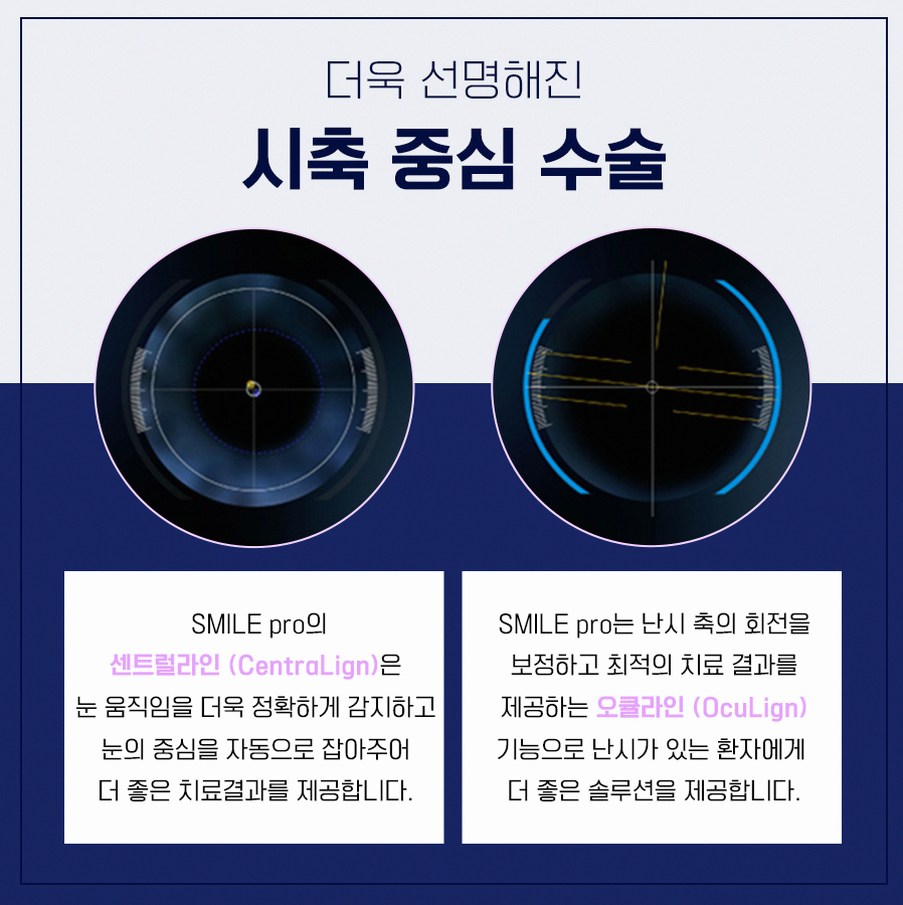
However, final candidacy can only be decided after a detailed eye examination. People with very thin or irregular corneas, severe dry eye, unstable refraction, or certain retinal problems may be advised to choose another method such as lens implantation, LASEK, or sometimes to avoid surgery altogether.
Daechi-dong and Gangnam Station: why this area is popular for SMILE LASIK
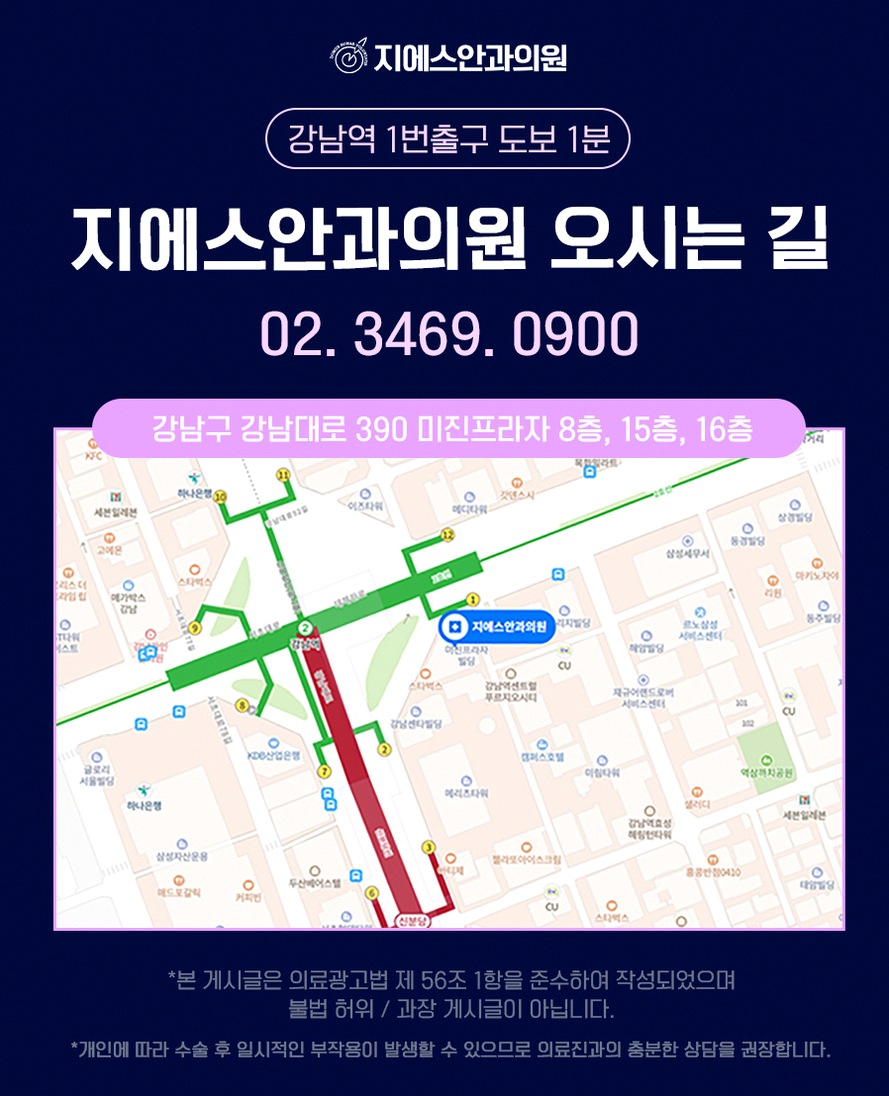
The Daechi-dong and Gangnam Station area in Gangnam-gu is a dense education and office district. Many patients are university students, language students, exam-prep candidates, and office workers who commute along Gangnam-daero. For them, SMILE LASIK near Daechi-dong is attractive because they can reach the clinic quickly by subway or bus, often fitting consultations and follow-ups around tight schedules.
An ophthalmology clinic on Gangnam-daero near Gangnam Station is easy to reach from Daechi-dong by a short subway ride or bus. Weekday and Saturday hours, along with the ability to coordinate pre-operative testing and surgery planning efficiently, are important convenience factors. Overseas patients also benefit from this transportation hub, as it is straightforward to reach from major hotels and airport bus routes.
Clinic background and medical team context
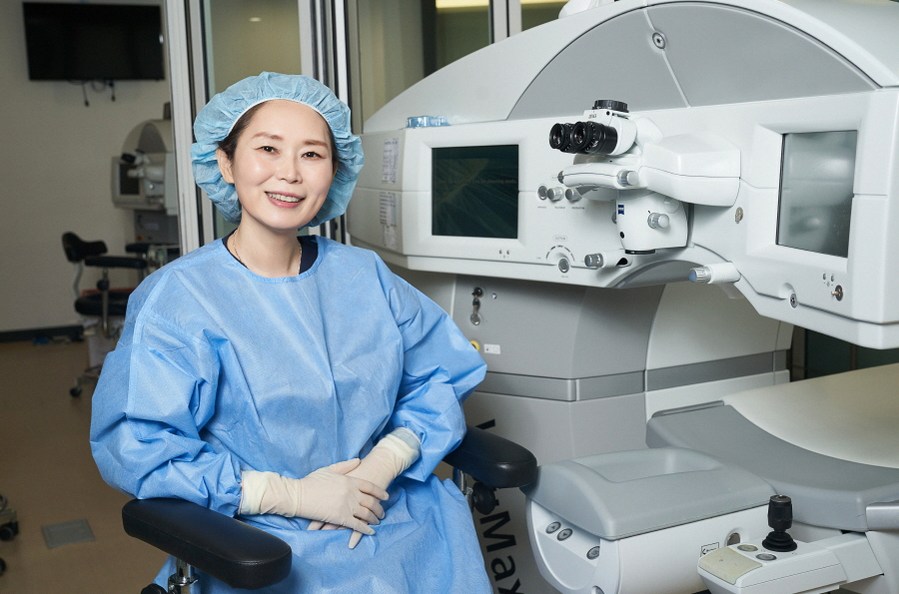
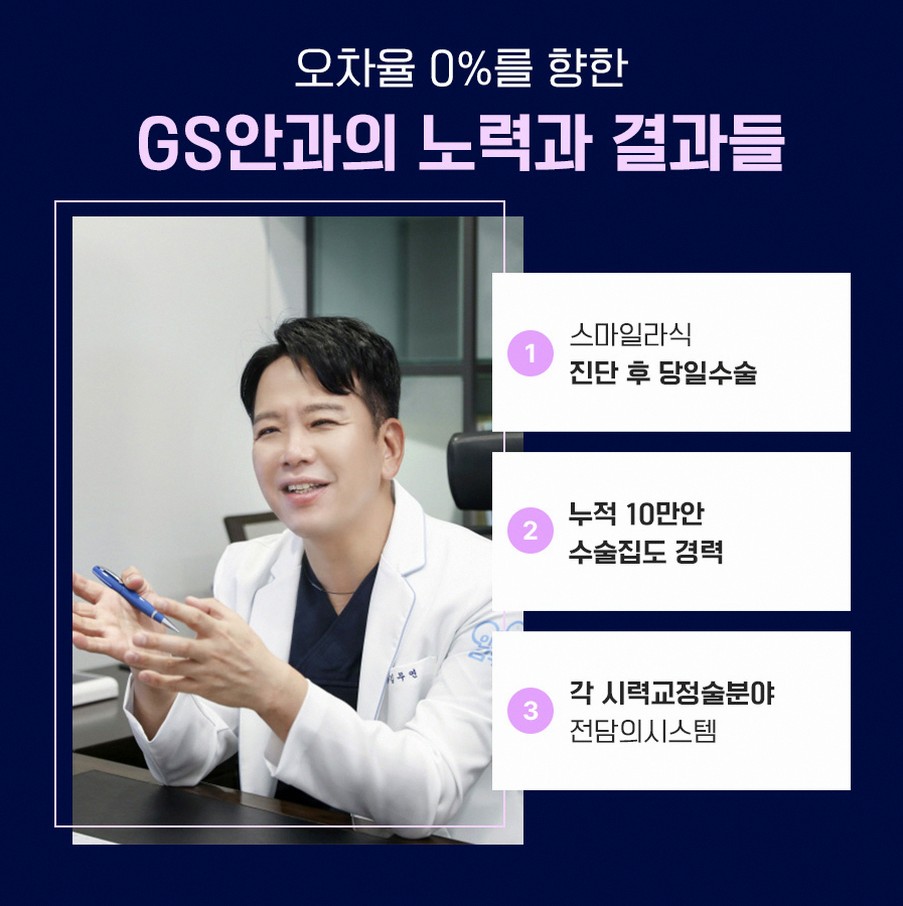
GS Eye Center is an ophthalmology clinic near Gangnam Station that opened in 2005 and has remained in the same location, focusing on vision correction and cataract surgery. All seven doctors are board-certified ophthalmologists with backgrounds in major university hospitals, and their subspecialties include retina and cataract or refractive surgery.
The clinic operates a dedicated retina center and also performs cataract and presbyopia lens surgery. These services are not the main topic of this guide, but they are relevant for high myopia patients who need careful retinal evaluation or those who may be better suited to lens-based procedures rather than corneal laser surgery.
The representative director is an ophthalmologist and medical doctor who has held university teaching positions and runs an educational video channel about eye health. As of 2023, the clinic reported more than 300,000 cumulative refractive and cataract procedures, and SMILE pro cases reached 15,000 eyes by April 2026. This case volume is used to refine screening criteria and safety protocols rather than as a guarantee of any individual result.
Equipment and technology: what it means for your experience
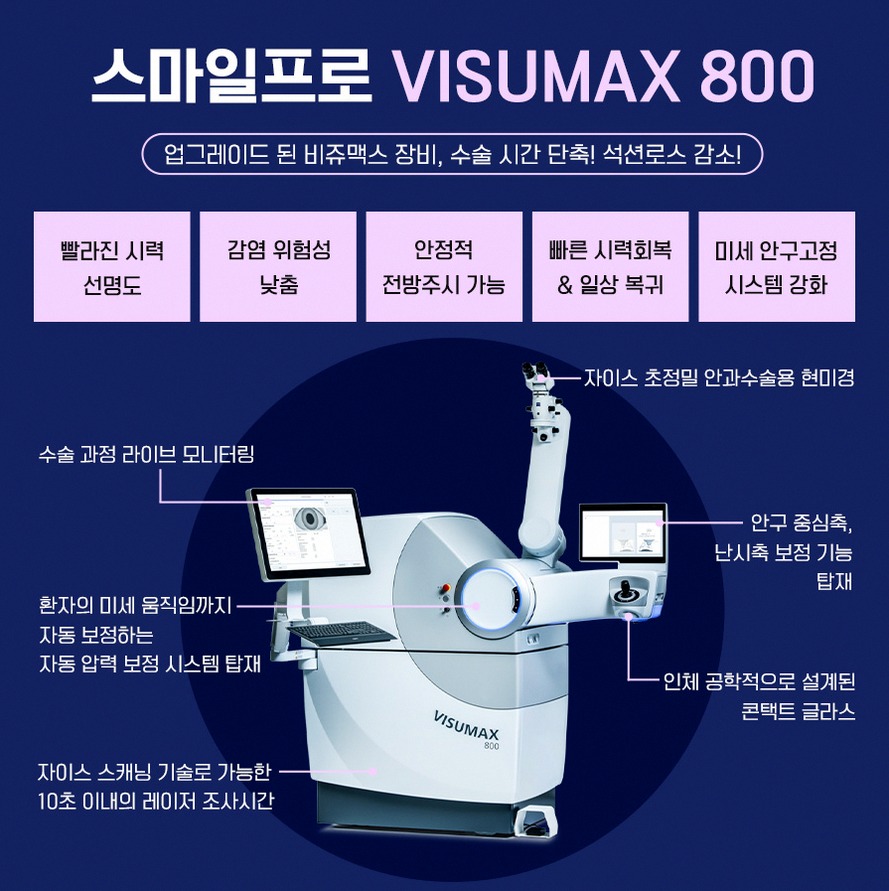
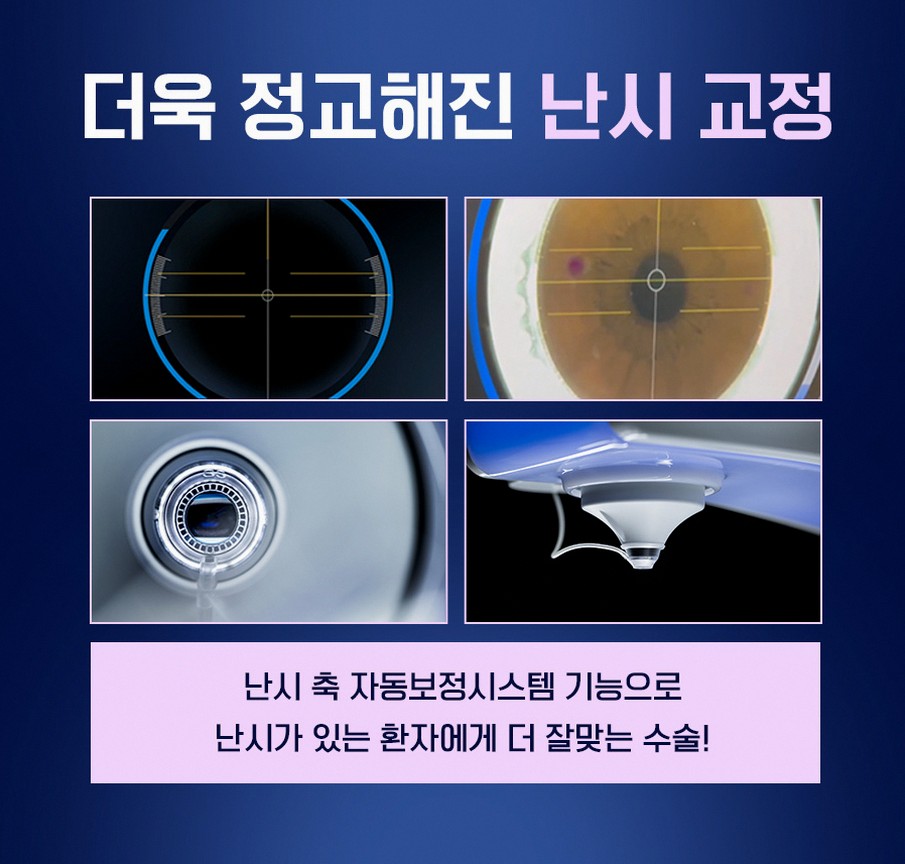
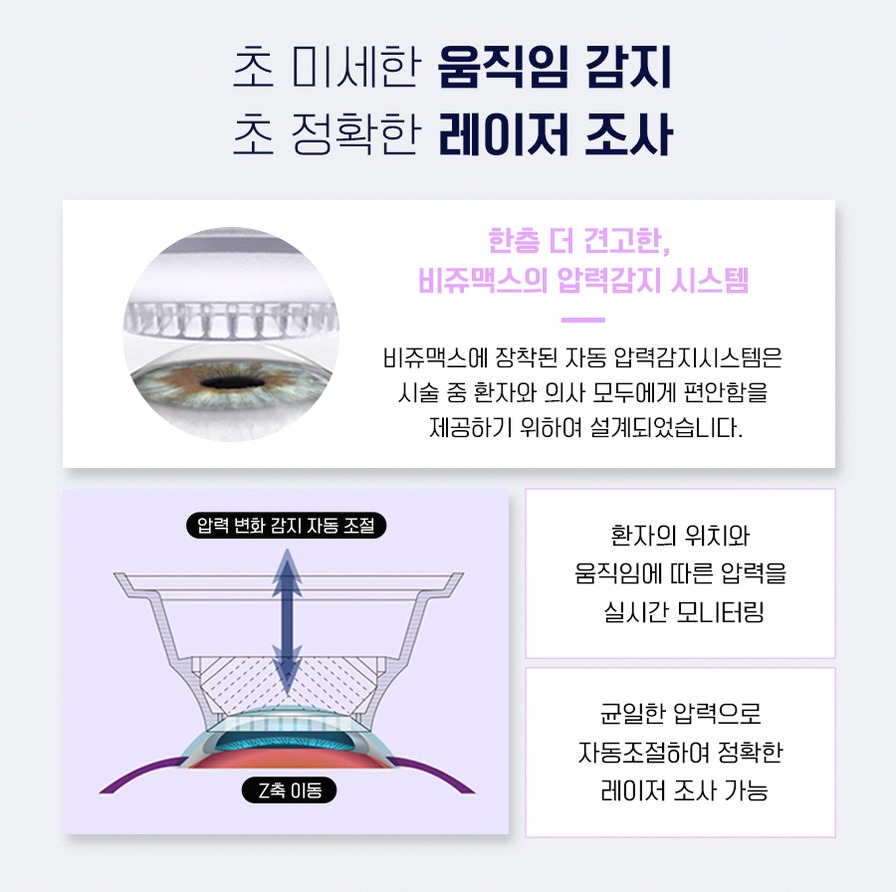
The VISUMAX 800 platform, introduced in 2023, is used for the latest SMILE pro procedures. It can complete the laser step in under about nine seconds per eye, which many patients feel reduces anxiety and makes it easier to stay still.
Two VISUMAX 500 units are used for SMILE LASIK. Having two units allows stable throughput and backup capacity, so the clinic can maintain schedules even if one machine is under maintenance. For patients, this translates into fewer delays and a consistent environment.
The clinic has been designated as a SMILE pro Center and a SILK training center, and it was the first in Korea to join the ZEISS SMILE Gold Club in 2021. These designations indicate that the surgeons are experienced enough with the platforms to participate in training other doctors. While this does not guarantee outcomes, it is one factor some patients consider when comparing SMILE LASIK near Daechi-dong.
Pre-operative experience: what a typical Daechi-dong patient goes through
Many review-style stories in this area begin with a Daechi-dong resident or Gangnam office worker with high myopia, tired of contact lenses during long study or work days. After researching Daechi-dong SMILE LASIK reviews online, they decide to visit an eye clinic near Gangnam Station for a consultation.
The first visit usually starts with registration and a detailed questionnaire about eye history, general health, medications, and lifestyle. A comprehensive eye examination follows and may take a significant amount of time depending on the required tests. Tests typically include measurements of refractive error, corneal thickness and shape, tear film quality, intraocular pressure, pupil size, and a retina check using imaging equipment.

Because the clinic also runs a retina center and has retina specialists, high myopia patients can receive a careful retinal evaluation. If retinal thinning, holes, or other issues are found, they may need treatment or monitoring before or instead of SMILE LASIK.
Patients often comment that not everyone is automatically approved for surgery. Based on test results, the medical team may recommend alternatives such as phakic lens implantation, LASEK, or no surgery if the risk is considered too high. Many reviews mention appreciating the step-by-step counseling, realistic explanation of expected vision, and clear discussion of possible side effects like dryness, halos, glare, and the small chance of under- or over-correction.
Surgery day: what patients commonly describe
On surgery day, patients usually arrive a little earlier than their appointment time. After check-in, nurses or technicians repeat some key measurements and confirm there has been no major change in health or eyes since the last visit. You review consent forms, receive final instructions, and often meet the surgeon again to confirm the plan and ask last-minute questions.
In the operating room, anesthetic eye drops are applied. The SMILE procedure itself is short; the in-room time is generally brief, though total visit length varies with preparation and checks. The laser step is very quick—for example, on VISUMAX 800 the laser exposure can be under about nine seconds per eye—and patients typically feel pressure rather than sharp pain, with lights becoming dim or vision blurring briefly while the laser is active.
Many Daechi-dong and Gangnam Station patients report being surprised at how fast everything finishes. After the procedure, you can usually walk out on your own, wearing protective eye shields or glasses. Staff review eye drop schedules and precautions, such as avoiding eye rubbing, water in the eyes, heavy exercise, and makeup for a certain period.
The clinic’s internal slogan emphasizes surgical skill and vision outcomes, and this is reflected in the calm, step-by-step guidance surgeons and staff provide rather than loud marketing. Overseas patients often value a structured process; confirm language support with your chosen clinic in advance.
Post-operative recovery and real-world outcomes
In the first hours after SMILE LASIK, it is common to experience tearing, a foreign body sensation, light sensitivity, and a feeling of mild discomfort. Many patients prefer to rest in a dark room with eyes closed for several hours. Pain is usually described as mild to moderate rather than severe, and it tends to improve by the evening or next morning.
By the next day, many patients can see well enough to commute from Daechi-dong to work or school and manage daily tasks. However, vision may still be slightly hazy, and fine details can continue to sharpen over days to weeks. Night vision can be temporarily affected, with halos or glare around lights, especially in people with larger pupils.
Follow-up visits are scheduled to monitor healing and address any issues. A common schedule includes a check the next day, then at around one week, one month, three months, and sometimes longer, depending on individual needs and travel plans. During these visits, doctors check visual acuity, corneal healing, dryness, and night-vision symptoms.
Positive points often mentioned in Gangnam Station SMILE LASIK reviews include clear distance vision without glasses, convenience in daily life and study, and satisfaction with the quick return to routine. At the same time, realistic cautions are important: temporary halos or glare, dryness requiring artificial tears, fluctuations in vision, and the need to strictly follow instructions on eye drops and activity restrictions.
Safety, side effects, and who should be cautious
Even with advanced equipment and experienced surgeons, SMILE LASIK is still surgery and carries risks. Possible issues include under- or over-correction, residual astigmatism, dry eye symptoms, night-vision disturbances, infection, inflammation, and very rare serious complications.
People with thin or irregular corneas, severe dry eye, autoimmune disease, or unstable refraction need especially careful screening. High myopia patients should have a thorough retinal examination, as they may have a higher risk of retinal tears or detachment regardless of whether they have laser vision correction.
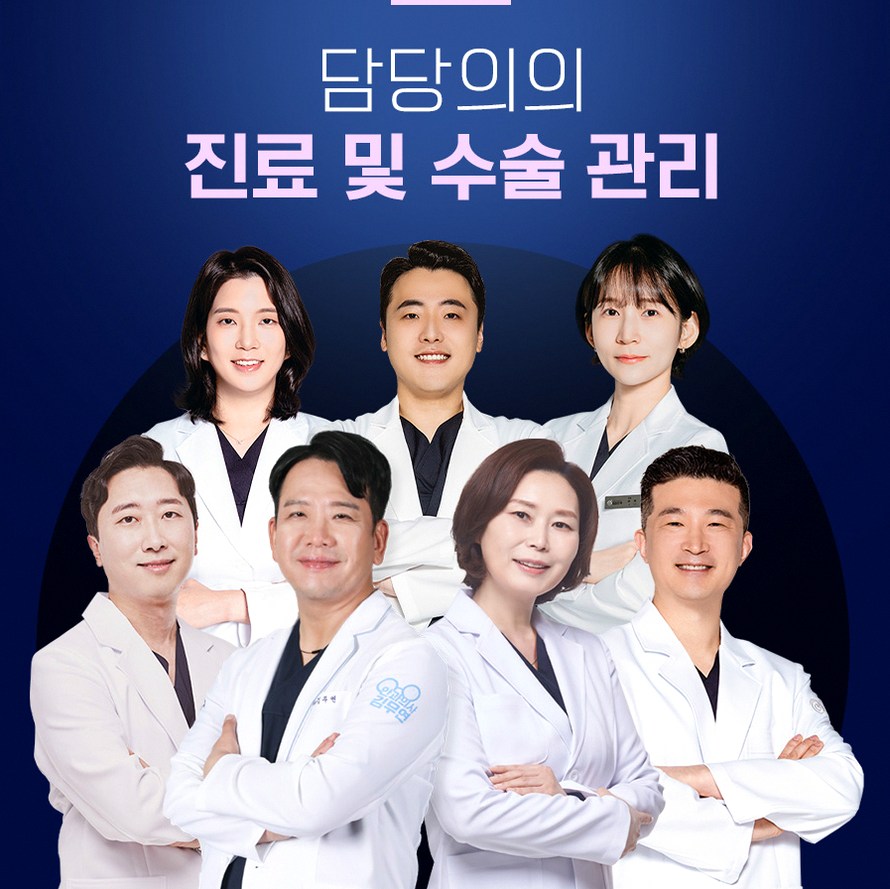
The presence of a separate retina center and retina specialists can be helpful in this screening process. However, no clinic can remove all risk, and no result can be guaranteed. It is important not to rely only on online reviews but to undergo a full examination and have an honest discussion about your own risk profile, long-term outlook, and whether SMILE LASIK is truly appropriate for you.
How to choose a SMILE LASIK clinic around Daechi-dong
When comparing SMILE LASIK near Daechi-dong, consider more than just price or online ratings. Practical selection criteria include the following.
Check that the surgeons are board-certified ophthalmologists with experience in refractive surgery. Ask who will perform your surgery and how many SMILE or SMILE pro procedures they perform regularly.
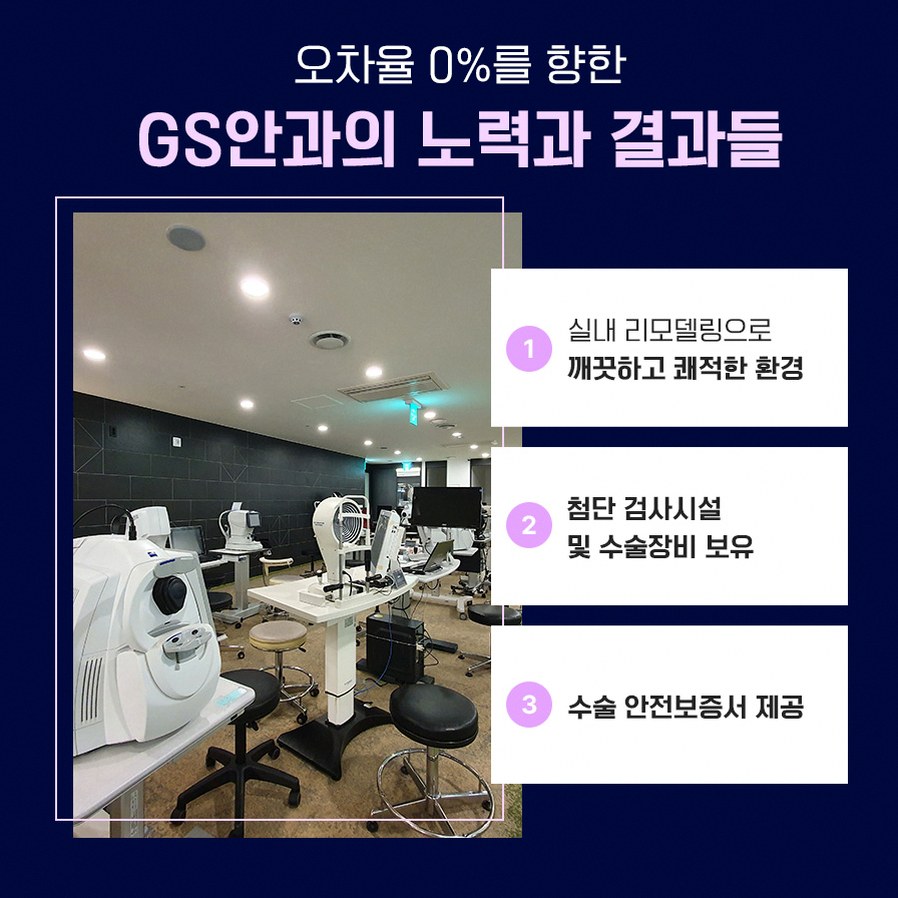
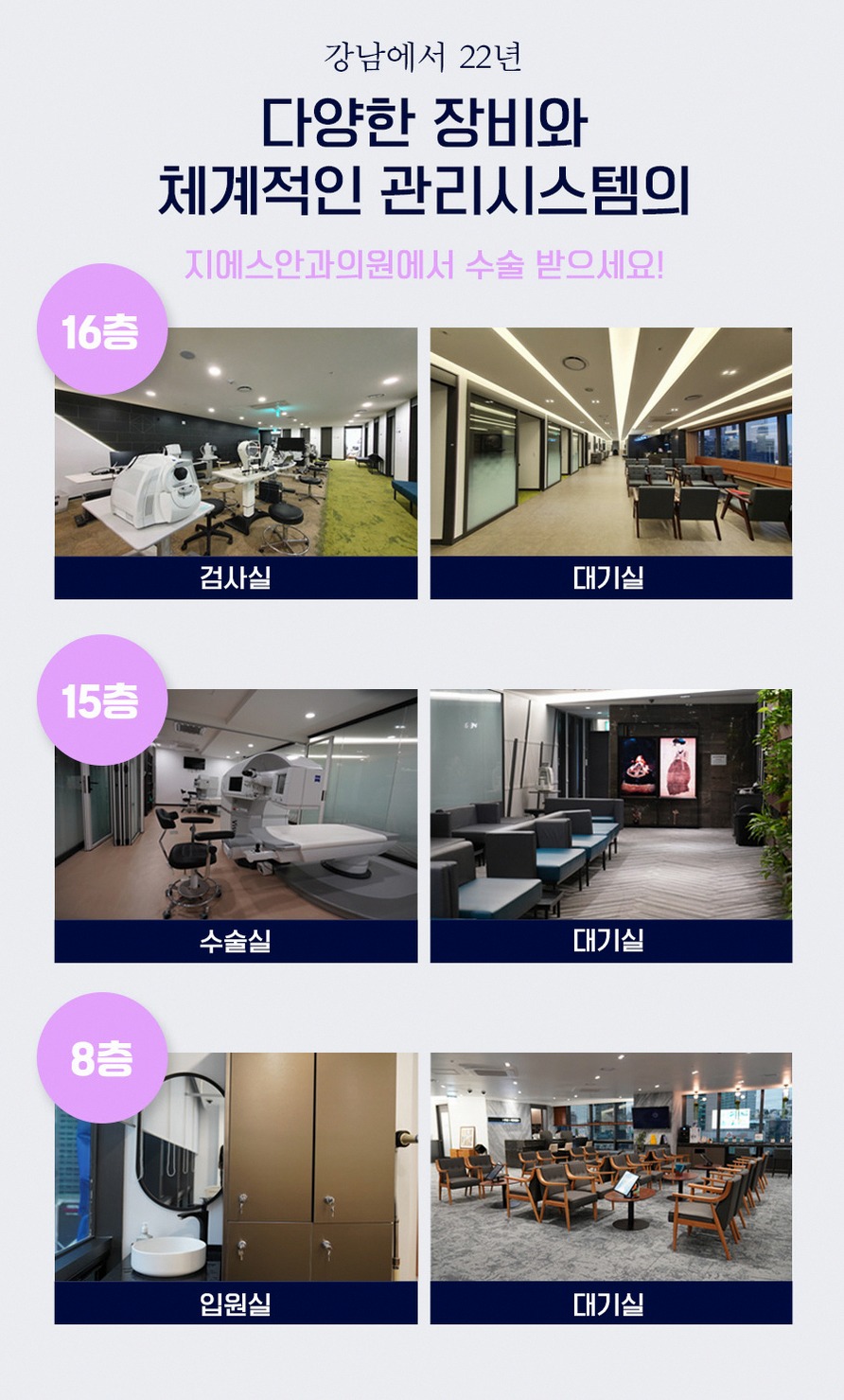
Confirm that the clinic uses up-to-date SMILE platforms such as VISUMAX 800 or VISUMAX 500, and that it has comprehensive diagnostic equipment for corneal topography, tomography, tear film analysis, and retinal imaging.
During consultation, pay attention to how transparently the staff explain your test results, candidacy, and alternatives. A good clinic will also discuss the option of not having surgery if the risk is too high.
Ask about the follow-up schedule and how to contact the clinic in case of urgent symptoms after you return to your home country. For overseas patients, it is important to know how long you should stay in Korea after surgery and what kind of reports or records you can take back for your local eye doctor.
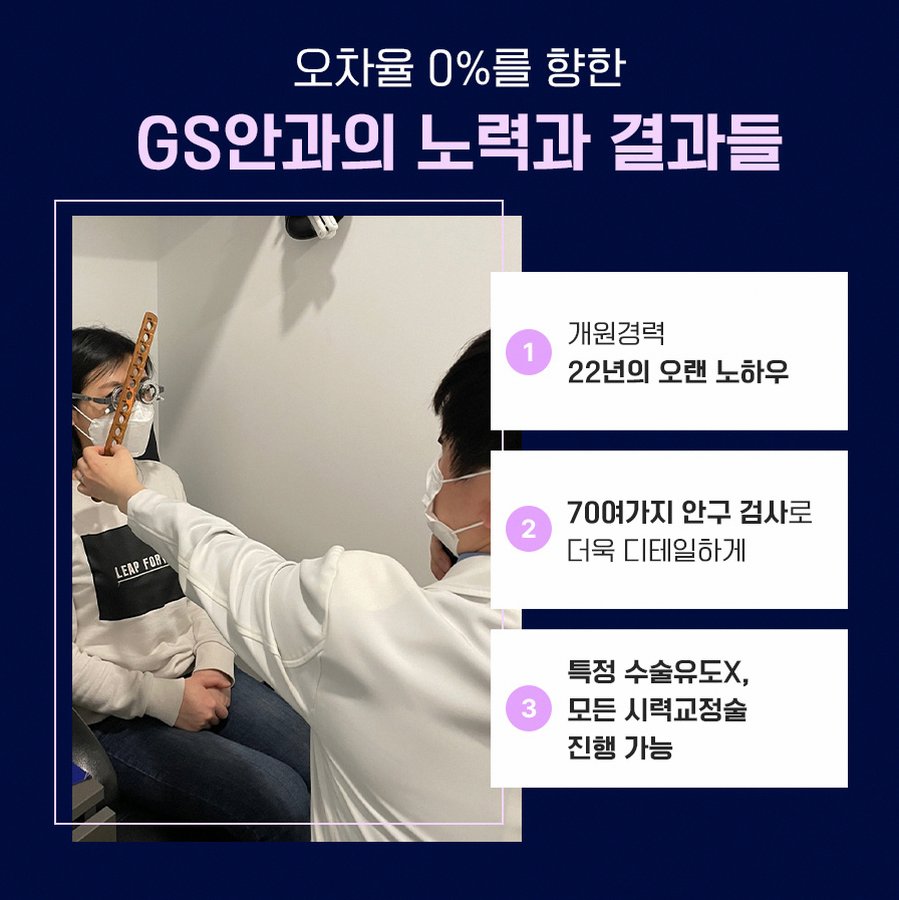
Reasonable case volume and participation in clinical education or training, such as being a training center for SMILE platforms, can indicate that the clinic has structured protocols. However, these are only part of the picture; your comfort with the explanations and your own risk profile are equally important.
Online consultation and pre-visit preparation for overseas patients
Before traveling to Korea for SMILE LASIK, an online consultation can save time and help you decide whether the trip is worthwhile. Most ophthalmology clinics near Gangnam Station offer some form of online inquiry, often via email, website form, or messaging apps.
For a useful online consultation, prepare the following information in advance.
Your age, general health, and any medical conditions or medications.
Your current glasses or contact lens prescription, including cylinder and axis if possible.
How long your prescription has been stable.
Any previous eye surgeries, injuries, or chronic eye problems.
Your planned travel dates and how many days you can stay in Korea.
You can also ask practical questions such as whether the clinic offers English support, what the typical examination and surgery schedule looks like for overseas patients, and how many days of follow-up they recommend before you fly home.
Expected Korea visit timeline for SMILE LASIK
For many overseas patients, a typical schedule for vision correction in Gangnam might look like this, though exact timing can vary by clinic and individual case.
Day 1: Comprehensive eye examination and consultation. If your eyes are suitable and you are confident about proceeding, some clinics may schedule surgery for the next day or within a few days. If you wear soft contact lenses, you may need to stop them for several days before this exam; rigid lenses usually require a longer break.
Day 2 or 3: SMILE LASIK surgery. The procedure itself is short, but you should plan to spend a few hours at the clinic for preparation and post-operative checks. After surgery, rest at your accommodation and avoid strenuous activity.
Day 3 or 4: First post-operative check, often the next day after surgery. The doctor confirms that the cornea is healing well and that there are no early complications.
Following week: If your schedule allows, a one-week follow-up is helpful to reassess vision, dryness, and night-vision symptoms. Some overseas patients stay in Korea long enough to reach this visit; others coordinate with local eye doctors at home if they must leave earlier.
If you plan a shorter stay, discuss this clearly during online consultation so the clinic can advise whether your plan is realistic and how to arrange follow-up in your home country.
Aftercare and long-term care
After SMILE LASIK, you will receive a schedule of eye drops, typically including antibiotic and anti-inflammatory drops for a limited period, plus lubricating drops for dryness. Following this schedule exactly is important for reducing the risk of infection and controlling inflammation.
You will also be advised to avoid rubbing your eyes, swimming pools, saunas, and heavy exercise for a certain time. Eye makeup and facial treatments near the eye area are usually restricted for at least one to two weeks. Wearing sunglasses outdoors helps with light sensitivity and protects your eyes from wind and dust.
In the long term, it is wise to have regular eye examinations, even if your vision feels perfect. High myopia patients, in particular, should continue to monitor their retina. If you notice sudden flashes of light, a curtain-like shadow, or a sudden shower of floaters, seek urgent eye care, whether you are still in Korea or have already returned home.
Frequently asked questions about Daechi-dong SMILE LASIK
Is SMILE LASIK near Daechi-dong suitable for short-term visitors to Korea?
For many overseas patients, SMILE LASIK in the Gangnam Station area can be done within a short visit, as long as you plan ahead. You should allow at least a few days for examination, surgery, and early follow-up, and ideally longer if possible. Online consultation before booking flights is important to check whether your eyes are likely to be suitable and to confirm a realistic schedule.
How painful is SMILE LASIK and how fast is recovery?
During the procedure, anesthetic eye drops are used, so most patients feel pressure rather than sharp pain. After surgery, you may experience tearing, burning, or a foreign body sensation for several hours, which usually improves by the next day. Many people can see well enough to move around Daechi-dong and commute by the next day, but fine vision and night vision may continue to improve over several weeks.
What side effects should I realistically expect?
Common temporary side effects include dryness, light sensitivity, halos or glare around lights at night, and slight fluctuations in vision. These often improve over time, especially with proper use of lubricating drops and adherence to aftercare instructions. Serious complications are rare but possible, so you should discuss your individual risk profile and warning signs with your surgeon during consultation.
How do I choose between SMILE LASIK, LASIK, and LASEK in Gangnam?
The best choice depends on your corneal thickness, shape, prescription, lifestyle, and eye surface condition. SMILE LASIK offers a small incision and may be preferred for people concerned about dry eye or flap-related issues. LASIK can be suitable for many patients and has a long track record. LASEK or other surface procedures may be recommended when corneal thickness is limited or other factors make flapless surface treatment safer. A detailed examination and honest discussion with an ophthalmologist are essential before deciding.
Soft call to action for online consultation
If you are considering SMILE LASIK near Daechi-dong and want to coordinate it with a trip to Korea, starting with an online consultation is the most practical step. By sharing your basic eye history, current prescription, and travel plans, you can receive preliminary guidance on whether SMILE LASIK is likely to be suitable and how to structure your visit.
An ophthalmology clinic like GS Eye Center near Gangnam Station can then propose a tentative timeline for examination, surgery, and follow-up tailored to overseas patients. Use this information, along with your own research and local medical advice, to make a careful, well-informed decision about your vision correction journey in Seoul.
- 공유 링크 만들기
- X
- 이메일
- 기타 앱


댓글
댓글 쓰기