Gangnam SMILE/Smart LASIK - Overseas Patient Tips
- 공유 링크 만들기
- X
- 이메일
- 기타 앱

Direct answer for people searching Gangnam Station Smart LASIK reviews
If you are looking up Gangnam Station Smart LASIK reviews, you are probably trying to understand what real patients experienced with SMILE type laser vision correction near this busy transport hub in Seoul.
This guide brings together the themes that appear again and again in patient reviews from the Gangnam Station area and explains them in practical language for international patients. It also uses GS Eye Center as one example of a high volume ophthalmology clinic near Gangnam Station that offers SMILE LASIK on ZEISS VisuMax platforms, without turning this into an advertisement.
What Smart LASIK usually means around Gangnam Station
Around Gangnam Station, "Smart LASIK" is marketing shorthand often used to refer to SMILE-type procedures. SMILE (Small Incision Lenticule Extraction) is a flapless laser vision-correction technique typically performed with ZEISS VisuMax lasers; branded variants include SMILE pro and SILK. In this article, the term "SMILE" will be used consistently to refer to these SMILE-family procedures (with brand names noted where relevant).
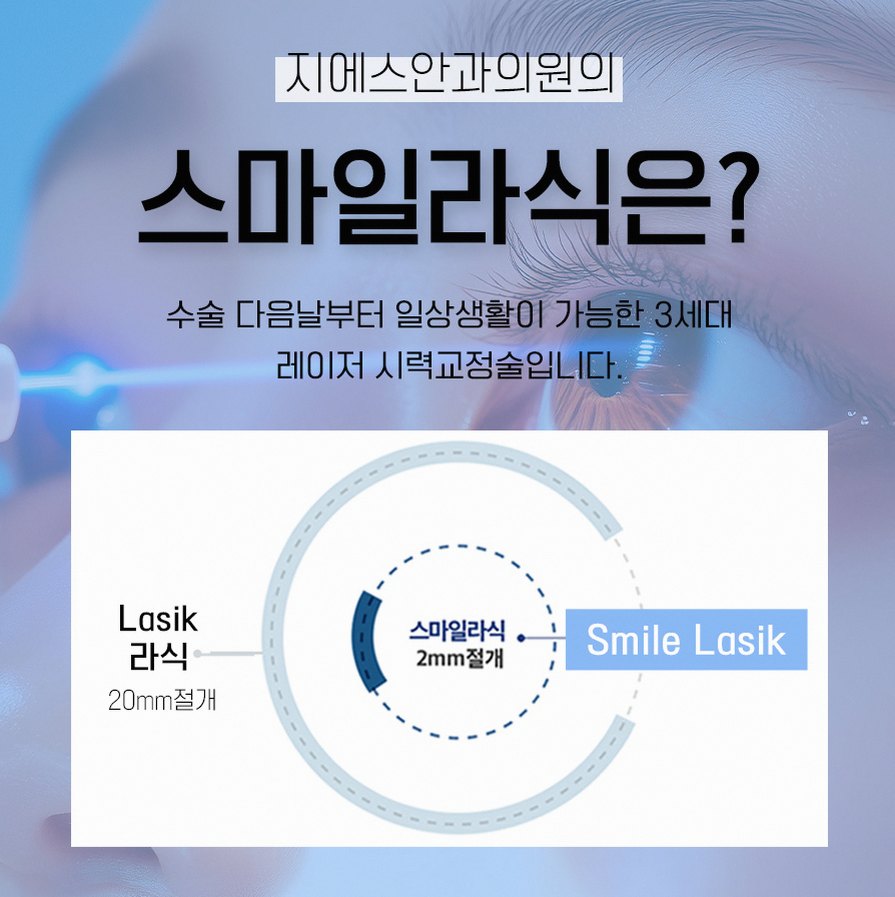
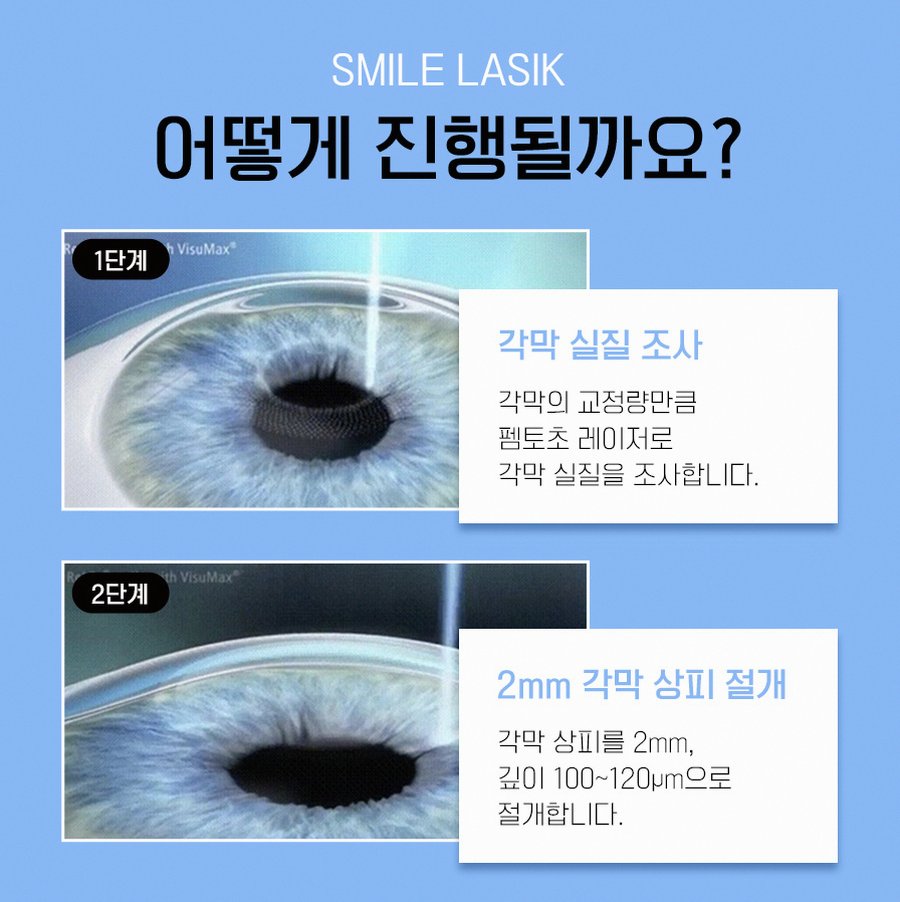
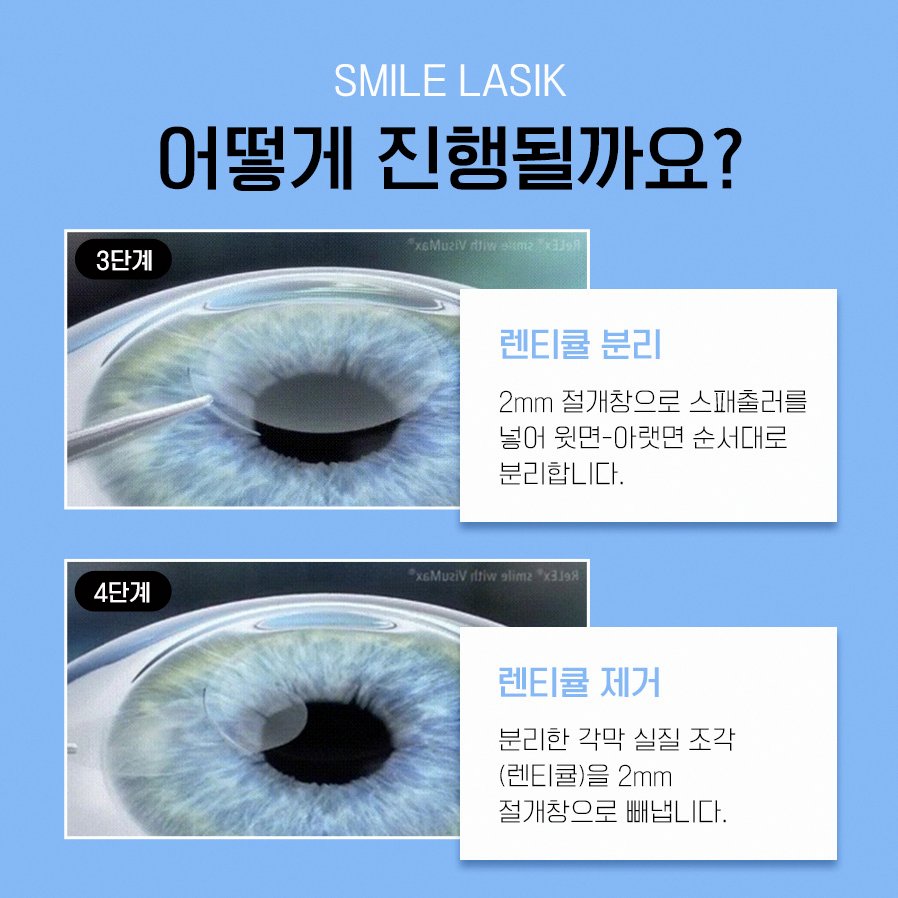
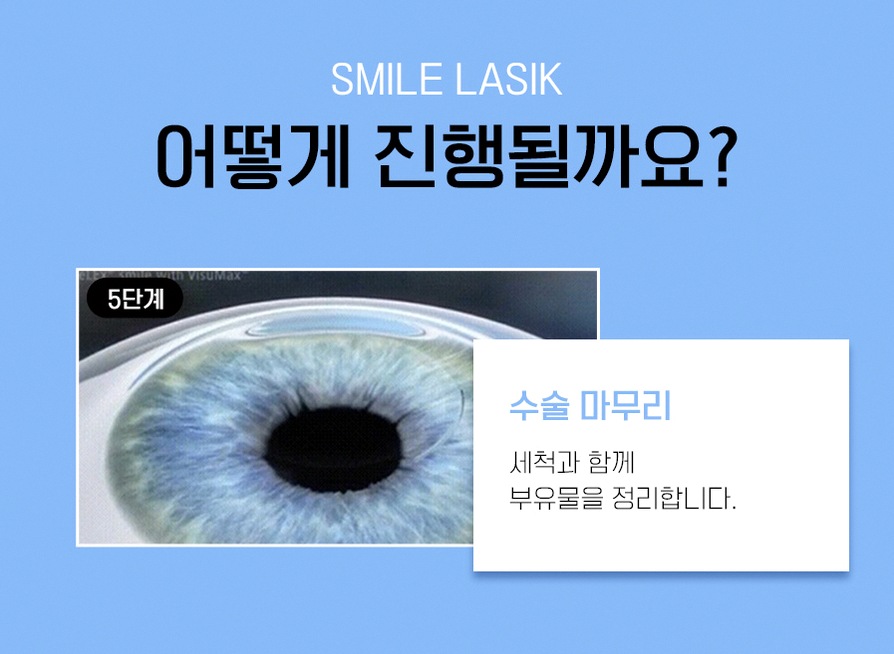
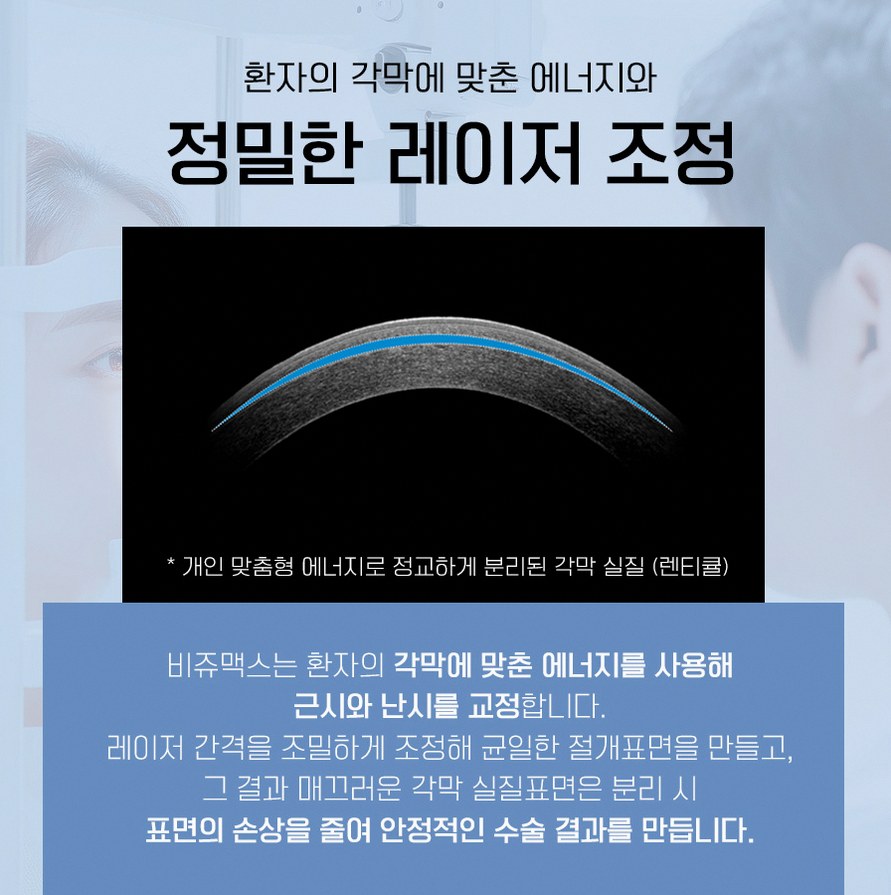
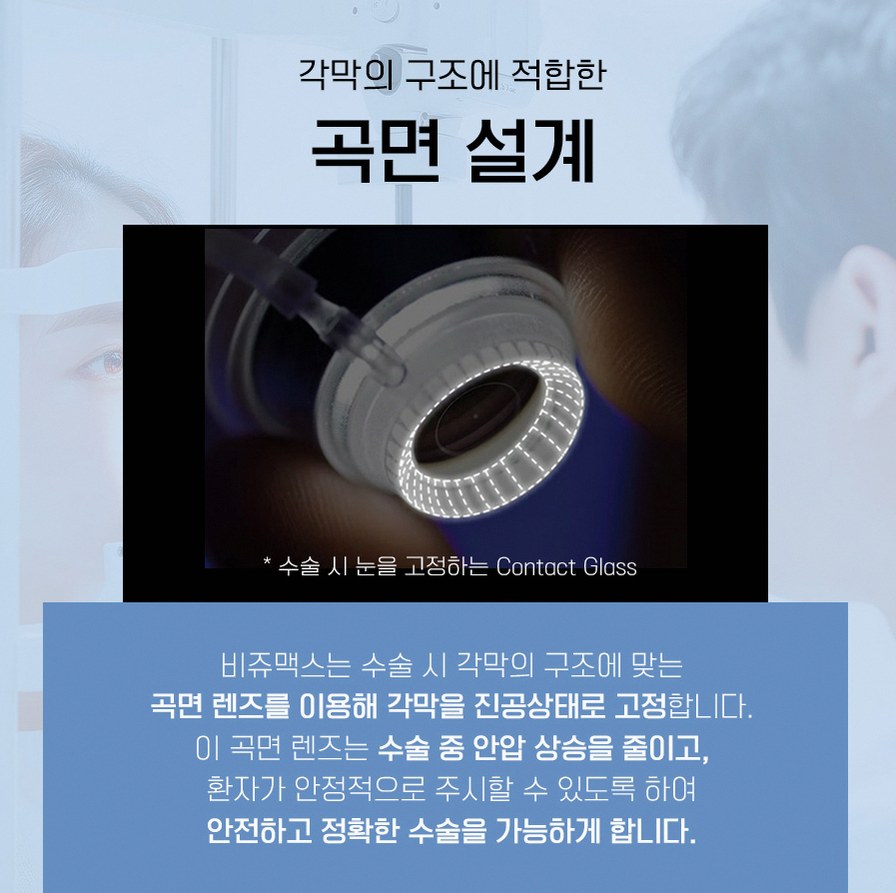
Unlike conventional LASIK, which creates a larger corneal flap, SMILE uses a femtosecond laser to create a small lens shaped piece of tissue inside the cornea and then removes it through a tiny incision. There is no broad flap being lifted and repositioned.
Because of this design, many patients in reviews mention the following differences compared with traditional LASIK or LASEK.
They often describe less fear about flap related issues, since there is no large flap.
They frequently report relatively quick functional recovery, sometimes being able to move around and use a phone the same or next day.
They commonly note that dry eye symptoms feel milder than what friends or family experienced after flap based LASIK, although artificial tears are still needed for a while.
However, experiences vary from person to person. Online reviews can give you a general picture, but they cannot replace a full eye examination and a detailed discussion with an ophthalmologist.
Why so many Smart LASIK reviews focus on Gangnam Station
Gangnam Station is a major transportation and commercial hub in Seoul. Because it is easy to reach from many parts of the city and from airport buses or express trains, many ophthalmology clinics have opened along Gangnam daero and nearby streets.
This concentration of clinics leads to several things you will see in reviews.
Many patients mention the convenience of getting to the clinic directly from the subway or airport bus.
There are frequent comments comparing two or more clinics in the same area, based on equipment, staff explanations, and overall atmosphere.
High patient volume means there are many online reviews, both positive and negative, which can help you identify patterns rather than relying on a few isolated stories.
What patients near Gangnam Station usually mention in Smart LASIK reviews
Pre operative experience
Location and access are often the first points mentioned. Patients like being able to walk from Gangnam Station in a few minutes, especially if they are visiting multiple clinics for consultations.
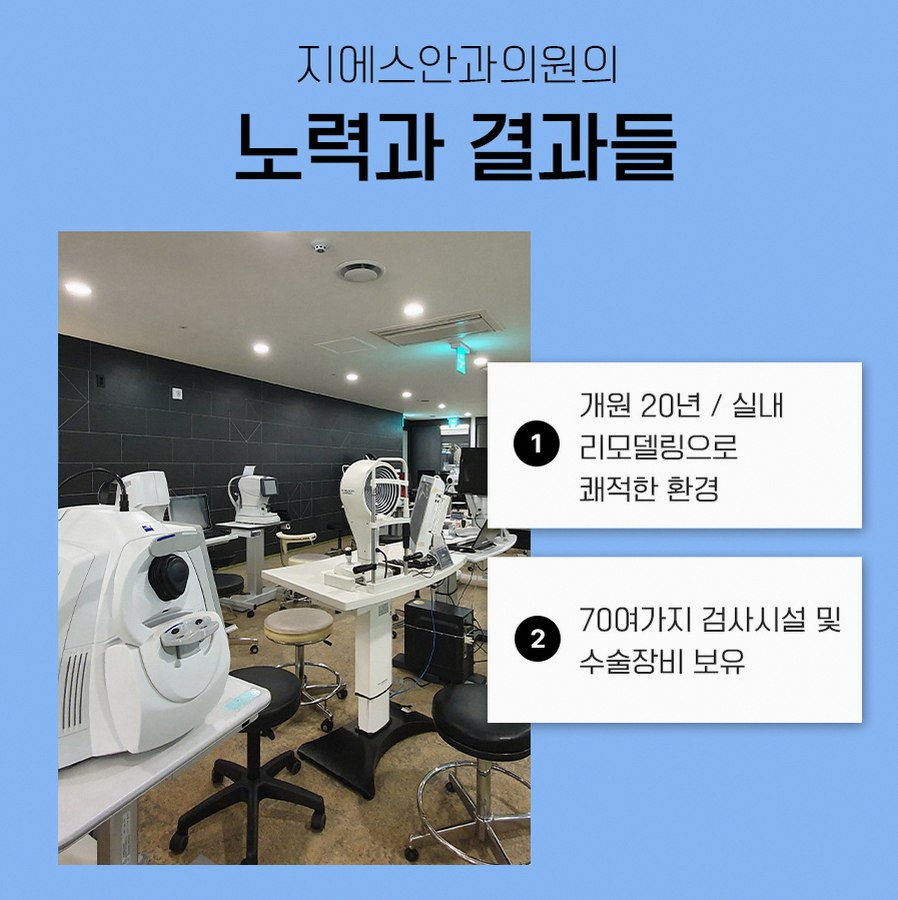
Reviews often describe the pre operative examination in detail. Common elements include measurements of corneal thickness, corneal shape to screen for keratoconus risk, pupil size, tear film quality, intraocular pressure, and a retina check. Many reviewers specifically mention being surprised by how many different machines and tests were involved.
Another frequent theme is how clearly staff and ophthalmologists explain the differences between SMILE, LASIK, LASEK, and lens implantation options. Patients tend to rate clinics more highly when the doctor personally reviews their test results, explains why one procedure is recommended over another, and is willing to say no to surgery if the eyes are not suitable.
Surgery day experience
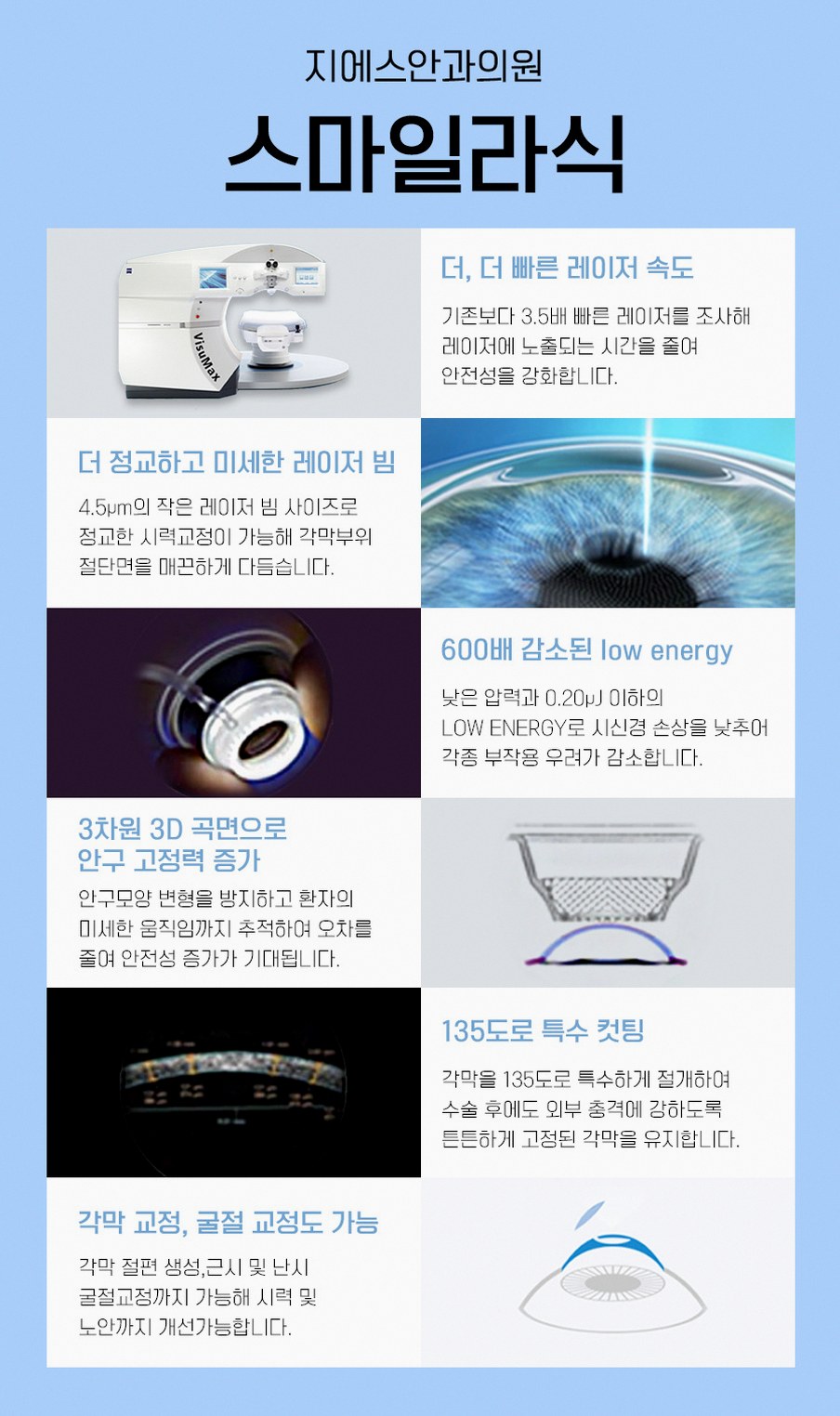
On the day of surgery, many reviews emphasize that the actual laser time is very short. With newer SMILE pro systems on the ZEISS VisuMax 800 platform, lenticule creation can be under 10 seconds per eye. Even with earlier VisuMax 500 systems, the laser step is usually quick.
Patients commonly describe feeling pressure and some discomfort but usually no sharp pain. Bright lights, a sense of something touching the eye, and a brief period of dim or blurred vision during the laser step are often mentioned.
Another recurring point is how staff guide patients through each step. Reviews often describe nurses or coordinators explaining what will happen next, counting down during the laser, and helping patients stay calm. For anxious patients, this supportive communication is often highlighted as more important than the technology itself.
First 24 to 72 hours after Smart LASIK
Many patients report surprisingly quick functional vision. It is common to see comments like being able to walk around, recognize faces, and use a phone on the same day or the next day, even if vision is slightly hazy or fluctuating.
Light sensitivity is frequently mentioned. Sunglasses are commonly recommended, and some patients describe staying indoors or in dim light for the first day. A foreign body sensation, as if something is in the eye, and mild dryness are also common but usually manageable with prescribed eye drops.
Some people mention that one eye feels clearer than the other for a short period. This usually evens out as the cornea stabilizes, but it can cause temporary worry if patients are not prepared for it.
One to four weeks after Smart LASIK
Between one and four weeks after surgery, many reviews describe vision becoming sharper and more stable. Most patients can commute, work at a computer, and carry out daily activities, although they may still notice minor fluctuations.
Halos or glare around lights at night are common topics in reviews. Patients often report that these effects are more noticeable in the first few weeks, especially when driving at night or looking at bright signs, and then gradually improve over time.
Dry eye symptoms tend to be milder for many SMILE patients than for those who had flap based LASIK, but artificial tears are still widely used. Some patients mention carrying preservative free artificial tears for several weeks or months, especially if they work long hours at a screen or in air conditioned environments.
Example of a Gangnam Station SMILE LASIK center GS Eye Center
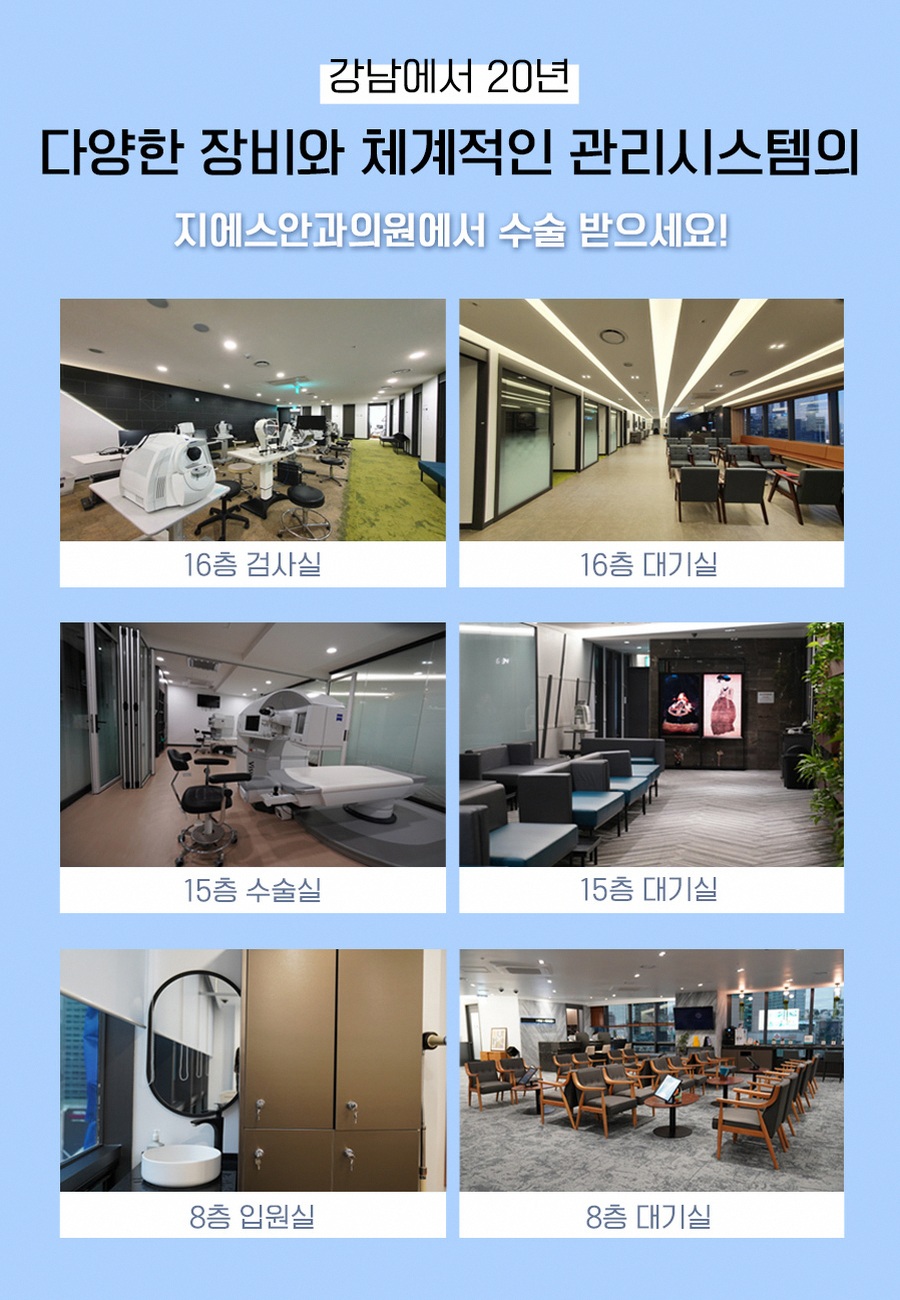
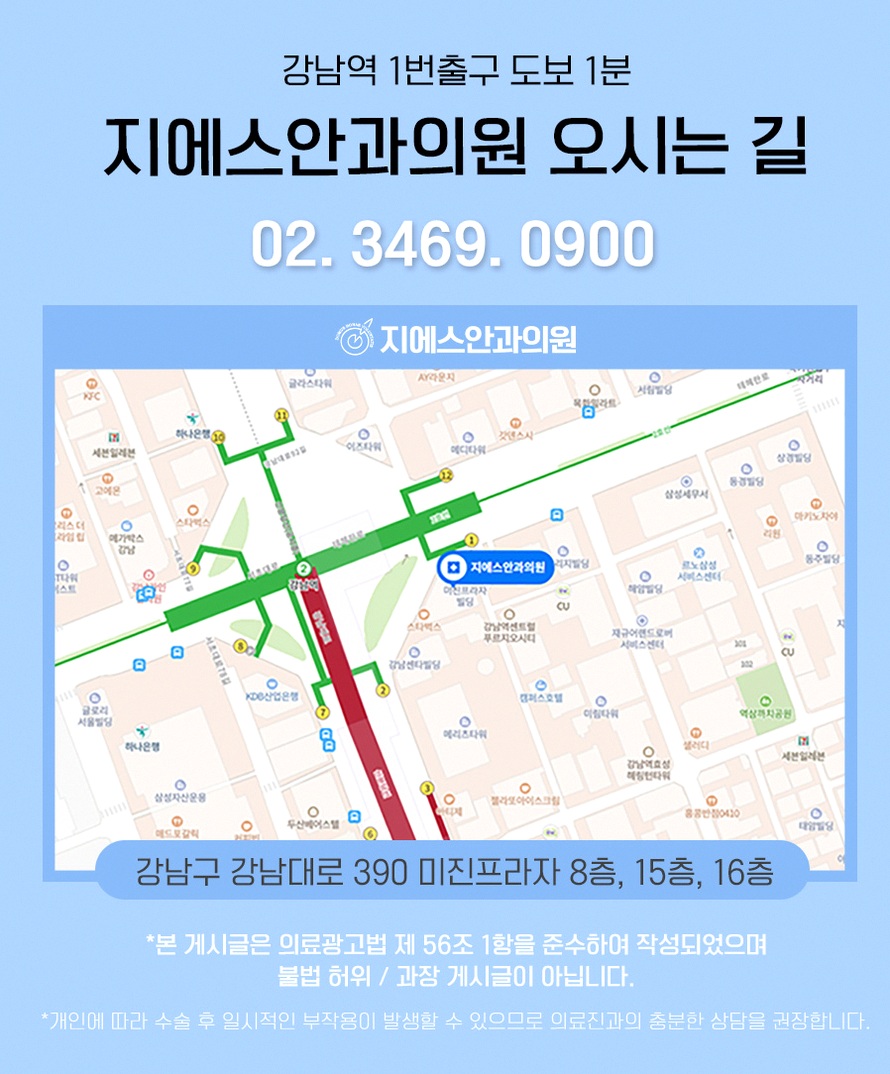
GS Eye Center is one example of an ophthalmology clinic located on Gangnam daero within walking distance of Gangnam Station. It opened in 2005 at the same site and has continued to focus on vision correction and related eye care.
The medical team includes seven board certified ophthalmologists. The medical director holds a doctorate in medicine and has previous experience as a university hospital professor. Several doctors have subspecialty backgrounds in retina and refractive surgery and have worked as clinical instructors or professors at major university hospitals.
In terms of clinical focus and case volume, the clinic performs a large number of SMILE type procedures, including SMILE pro, SMILE LASIK, and SILK, along with its own named protocols. As of 2023, the cumulative total of eyes operated for vision correction and cataract surgery is around 300,000. For SMILE pro specifically, about 15,000 eyes were treated by April 2026, after passing 5,000 eyes in October 2024 and 10,000 eyes in August 2025.
The clinic has been recognized by ZEISS as the first SMILE Gold Club member in Korea in 2021, designated as a SMILE pro Center in 2023 and a SILK Training Center in 2026.
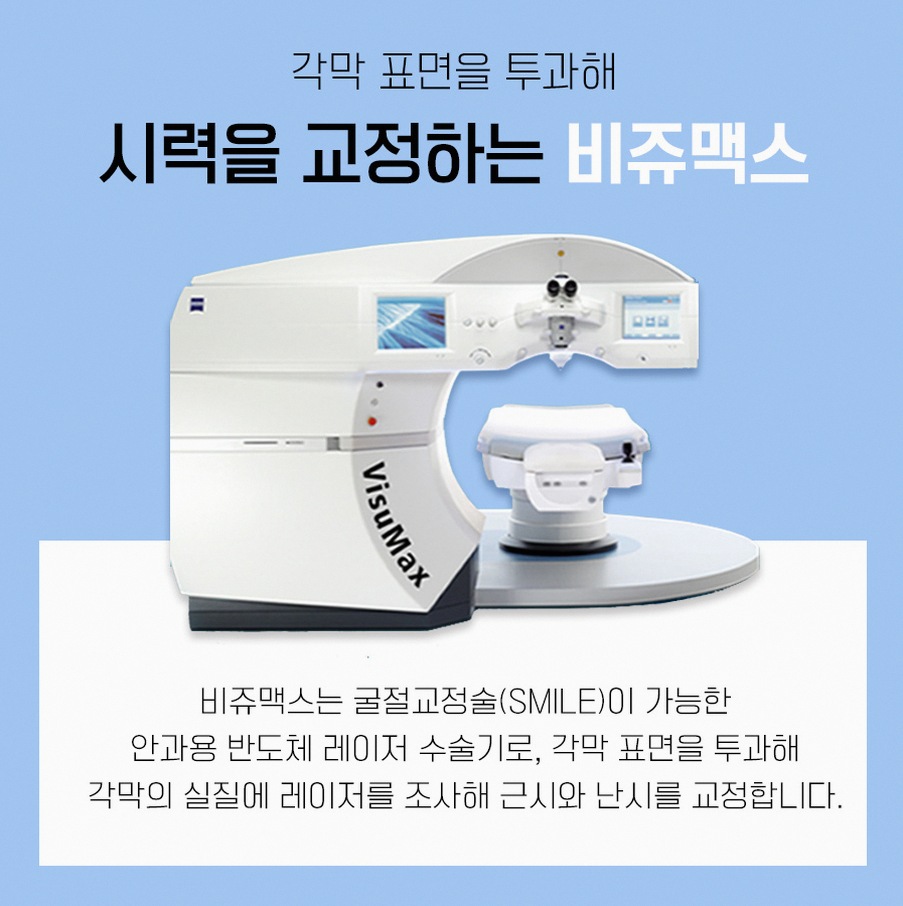
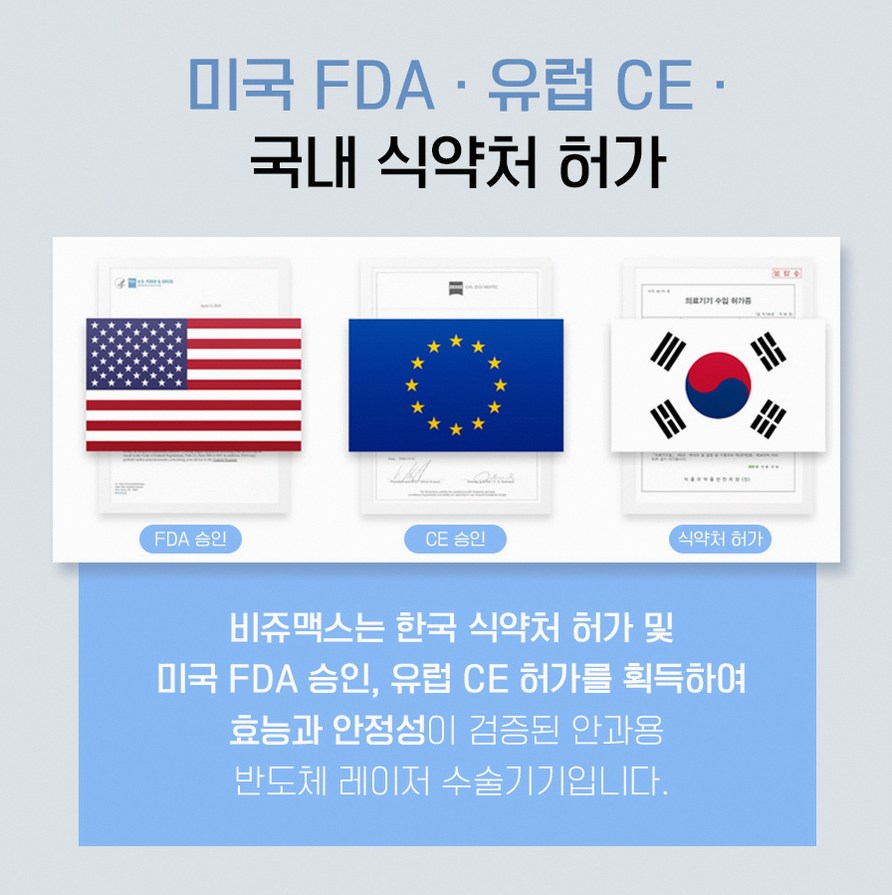
A key differentiator is the clinic's equipment: it holds the three major SMILE platforms — ZEISS VisuMax 800, ZEISS VisuMax 500, and ELITA (a Johnson & Johnson platform). The VisuMax 800, introduced in 2023 for SMILE pro, offers very fast laser time, often under 9 seconds for lenticule creation. The clinic has operated two VisuMax 500 units since 2016, with a dual-room setup since 2019 to increase throughput and scheduling flexibility. Having multiple dedicated SMILE lasers can help reduce waiting times and allow more tailored scheduling.
As context, the clinic also provides lens implantation procedures such as ICL, GLAZE, and PhakiFlex KPL for patients who are not ideal candidates for corneal laser surgery. It offers presbyopia and cataract surgery, including laser assisted cataract procedures and multifocal intraocular lenses such as PanOptix, with several thousand implants performed by 2024. A separate retina center is staffed by retina fellowship trained ophthalmologists.
From an education and quality standpoint, the clinic has been designated as a clinical education site for a major medical school’s ophthalmology department since 2023 and as an Asia Pacific clinical education center by a lens manufacturer since 2024. Its SMILE LASIK services have been certified to international ISO 9001 and 14001 standards since 2020.
This example shows the type of infrastructure and experience you may find at high volume SMILE LASIK centers around Gangnam Station. However, it is still important to compare several clinics and choose the one that fits your individual needs and comfort level.
What to look for in Gangnam Station Smart LASIK reviews
When reading reviews, it helps to go beyond star ratings and focus on specific details.
Pre operative examination. Look for comments about how comprehensive the testing was. Did reviewers mention corneal thickness measurement, corneal shape mapping to check for keratoconus risk, pupil size evaluation, tear film assessment, and retinal examination?
Doctor communication. Check whether the ophthalmologist personally reviewed test results and clearly explained why SMILE, LASIK, LASEK, or lens implantation was recommended. Responsible clinics will also explain why surgery is not advised if your eyes do not meet safety criteria.
Handling of non candidates. Pay attention to reviews from people who were told they were not suitable for Smart LASIK. Clinics that are willing to advise against surgery or recommend alternative treatments are often taking safety seriously.
Explanation of side effects. See whether reviewers felt well informed about possible side effects such as dry eye, night glare, under or over correction, and the potential need for enhancement procedures.
Follow up and aftercare. Look for descriptions of scheduled check ups, emergency contact options, and how the clinic managed any concerns or complications. Many patients feel more secure when they know how to reach the clinic quickly if something feels wrong.
Typical candidacy and expectations for SMILE Smart LASIK
Only an ophthalmologist can decide whether you are a suitable candidate after full testing, but reviews often reflect some general patterns.
Good candidates usually have a stable prescription for at least one to two years, adequate corneal thickness, and a healthy corneal shape. They do not have uncontrolled eye diseases such as active keratoconus, severe dry eye, or significant untreated retinal problems.
Realistic expectations are important. SMILE Smart LASIK can give a high chance of being free from glasses or contact lenses for most daily activities, but it does not guarantee perfect vision in every lighting condition for every person. Some patients may still need thin glasses for night driving or very fine work.
Vision often improves quickly, but full stabilization can take several weeks to months. Mild discomfort, dryness, or night halos are common early on and usually improve, but a small number of patients may have longer lasting symptoms.
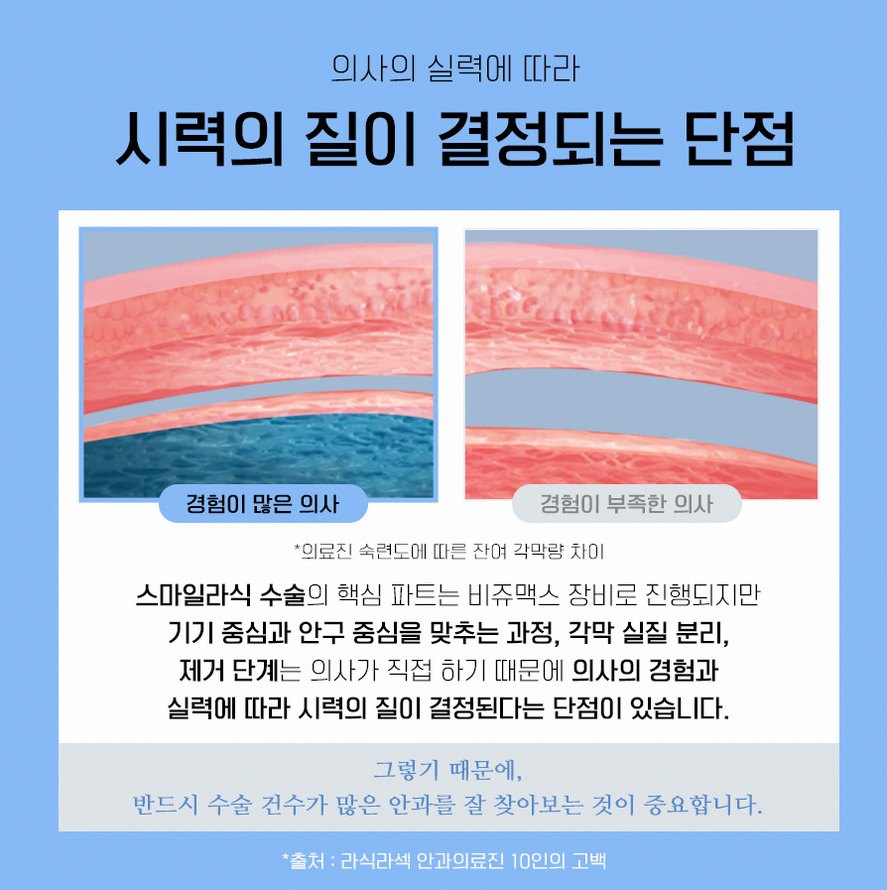
There is a low but real risk of more serious complications, which is why the experience of the surgeon, the quality of the examination, and the clinic’s safety protocols matter more than price alone.
Comparing SMILE Smart LASIK with other options
When you read reviews, you will often see patients comparing SMILE with LASIK, LASEK, or lens implantation.
LASIK is a flap based procedure where a larger corneal flap is created, lifted, and then repositioned after laser reshaping. It offers fast visual recovery but involves a flap that needs to heal and can be affected by trauma.
LASEK and other surface ablation techniques do not create a flap, which can be useful for some thinner corneas, but recovery tends to be slower and more uncomfortable, with more days of pain and blurred vision.
Lens implantation procedures such as ICL or other phakic lenses are options for very high myopia or thin corneas where corneal laser surgery is not ideal. Instead of reshaping the cornea, a lens is placed inside the eye in front of the natural lens.
The right choice depends on your individual eye measurements, lifestyle, and risk profile. Online reviews can help you understand how people felt about each option, but they cannot replace personalized medical advice.
Safety, side effects, and aftercare in real world reviews
Safety
Reviews of high volume centers around Gangnam Station often mention standardized workflows, clear instructions, and modern ZEISS platforms as reassuring factors. While large case numbers and advanced equipment can support safety, outcomes are still individual. Even in experienced hands, no procedure is completely risk free.
Side effects
Common side effects that appear in reviews include temporary dry eye, glare, halos, and fluctuating vision in the first weeks or months. Some patients mention needing enhancement surgery if the initial correction left a small residual prescription. These situations are usually manageable but should be discussed in advance so they do not come as a surprise.
Aftercare
Many reviewers emphasize the importance of following the eye drop schedule, avoiding eye rubbing, and attending all follow up visits. Some clinics provide written schedules or mobile reminders, which patients appreciate.
Easy communication with the clinic, such as having a direct phone number or messaging channel for urgent questions, is often highlighted as a major source of comfort. Reviews frequently praise clinics that respond quickly and take concerns seriously, even when the issue turns out to be minor.
Online consultation and pre visit preparation for overseas patients
If you are planning to travel to Korea for Smart LASIK near Gangnam Station, an online consultation is a good first step. Many clinics offer email, messaging, or video consultations where you can share your glasses prescription, contact lens history, and any previous eye examination results.
Before your online consultation, it helps to prepare the following information.
Your most recent glasses or contact lens prescription, including cylinder and axis for astigmatism if available.
How long your prescription has been stable.
Any history of eye disease, eye surgery, or trauma.
Any systemic conditions such as diabetes or autoimmune disease.
Your job type and daily visual demands, for example heavy computer work, night driving, or outdoor work.
Useful questions to ask include which procedures might be suitable for someone with your prescription range, how many SMILE cases the surgeon has performed, what the typical follow up schedule looks like for international patients, and how long you should stay in Korea after surgery.
Expected Korea visit timeline for Smart LASIK near Gangnam Station
Timelines can vary by clinic, but many international patients follow a similar pattern.
Day 1. Arrival in Seoul and rest.
Day 2. Full pre operative examination at a clinic near Gangnam Station. This can take two to three hours because of multiple tests and dilated retinal examination. If you are a good candidate and you decide to proceed, surgery may be scheduled for the next day or sometimes the same day, depending on clinic policy.
Day 2 or 3. Surgery day. The time inside the laser room is short, but you should plan to stay at the clinic for a few hours including preparation and immediate post operative checks. After surgery, you will usually go back to your accommodation with protective eye shields and instructions.
Day 3 or 4. First post operative check. The doctor checks vision, corneal condition, and healing. Many international patients feel comfortable moving around the city carefully at this stage, wearing sunglasses outdoors.
Following 3 to 7 days. Additional follow up visits may be scheduled, depending on your departure date and the clinic’s protocol. Some clinics are able to condense early follow up into a shorter stay for overseas patients, but you should confirm this in advance.
Most clinics recommend staying in Korea for at least several days after surgery, often around one week, to ensure safe early healing and to manage any unexpected issues.
Aftercare once you return home
When you fly back home, you will usually continue using prescribed eye drops for several weeks, following the schedule given by your surgeon. It is important to avoid rubbing your eyes, swimming pools, hot tubs, and dusty environments for a certain period, which your clinic will specify.
You should also arrange follow up with a local ophthalmologist in your home country. Before leaving Korea, ask your Gangnam clinic for a summary of your procedure and early post operative findings that you can share with your local doctor.
If you notice sudden changes in vision, strong pain, or increased redness after returning home, you should seek urgent eye care locally and inform the clinic in Korea.
Frequently asked questions about Gangnam Station Smart LASIK
Is Smart LASIK around Gangnam Station safe for international patients
Safety depends on your individual eye health, the surgeon’s experience, and the clinic’s protocols, not just the location. Many clinics near Gangnam Station use modern ZEISS VisuMax platforms and have standardized workflows, which can support safety. However, every surgical procedure carries risks. International patients should allow enough time for proper pre operative testing and early follow up, and should not try to compress everything into a very short stay.
How painful is SMILE Smart LASIK and how long does discomfort last
Most reviews describe the procedure itself as involving pressure and brief discomfort rather than sharp pain, thanks to numbing eye drops. After surgery, patients often report a foreign body sensation, tearing, and light sensitivity for several hours. These symptoms typically improve significantly by the next day. Mild dryness or intermittent discomfort can continue for weeks but is usually manageable with artificial tears and prescribed drops.
How long should I stay in Seoul after Smart LASIK near Gangnam Station
Many clinics recommend that overseas patients stay at least several days after surgery, often around one week, to allow for one or more early follow up visits. This period helps the doctor confirm that healing is progressing normally and gives you time to adjust to your new vision. If your schedule is tight, discuss this clearly during your online consultation so the clinic can advise whether a shorter stay is acceptable in your case.
How do I choose between SMILE, LASIK, LASEK, and lens implantation
The choice depends on corneal thickness, corneal shape, prescription level, tear film quality, and your lifestyle. SMILE is often preferred for its small incision and potential for milder dry eye in many patients. LASIK offers fast recovery but involves a flap. LASEK may be considered for certain thin corneas but has a slower, more uncomfortable recovery. Lens implantation can be an option for very high myopia or unsuitable corneas. Your ophthalmologist should explain why a particular method is recommended for you and also discuss alternatives.
Soft call to action for online consultation
If you are considering Smart LASIK near Gangnam Station and want to understand whether SMILE or another procedure might suit your eyes, arranging an online consultation with an ophthalmology clinic is a practical first step. Clinics such as GS Eye Center can review your basic information, explain possible options, and outline a realistic travel and follow up plan.
Use online reviews as a starting point, then combine them with direct communication and professional examination. This approach will help you make a safer and more confident decision about having vision correction treatment in Seoul.
- 공유 링크 만들기
- X
- 이메일
- 기타 앱


댓글
댓글 쓰기