GS Eye Center for SMILE LASIK near Gangnam Station
- 공유 링크 만들기
- X
- 이메일
- 기타 앱

Practical checklist for Apgujeong SMILE LASIK seekers
What to compare and ask before you book: request a list of pre‑operative diagnostics (for example: corneal topography, pachymetry/corneal thickness, tear assessment, and a dilated retinal exam), ask which laser models would be used for your eyes, and ask the surgeon about their individual SMILE case experience and complication management. Confirm the planned post‑op follow‑up schedule and how complications are handled. Request written counselling on risks and expected recovery. Plan at least one full pre‑op evaluation day and allow extra time if additional tests or specialist consults are needed.
If you are searching for an Apgujeong eye clinic recommendation for SMILE LASIK, you do not have to limit yourself to clinics on one street. For a one-time vision correction procedure, it is usually safer to compare equipment, surgeon experience, and safety systems rather than choosing only by walking distance or price. In the Apgujeong and Gangnam area of Seoul, one option many patients consider is GS Eye Center, an ophthalmology clinic located on Gangnam-daero near Gangnam station, easily reachable from Apgujeong by subway or bus.
This guide is written for international patients who are planning a trip to Korea for SMILE LASIK around Apgujeong and Gangnam. It explains how SMILE LASIK works, who may be a candidate, how to compare clinics in this area, what to expect from a Korea visit, and how a high-volume, equipment-focused center near Gangnam station can fit into your plans.
What is SMILE LASIK?
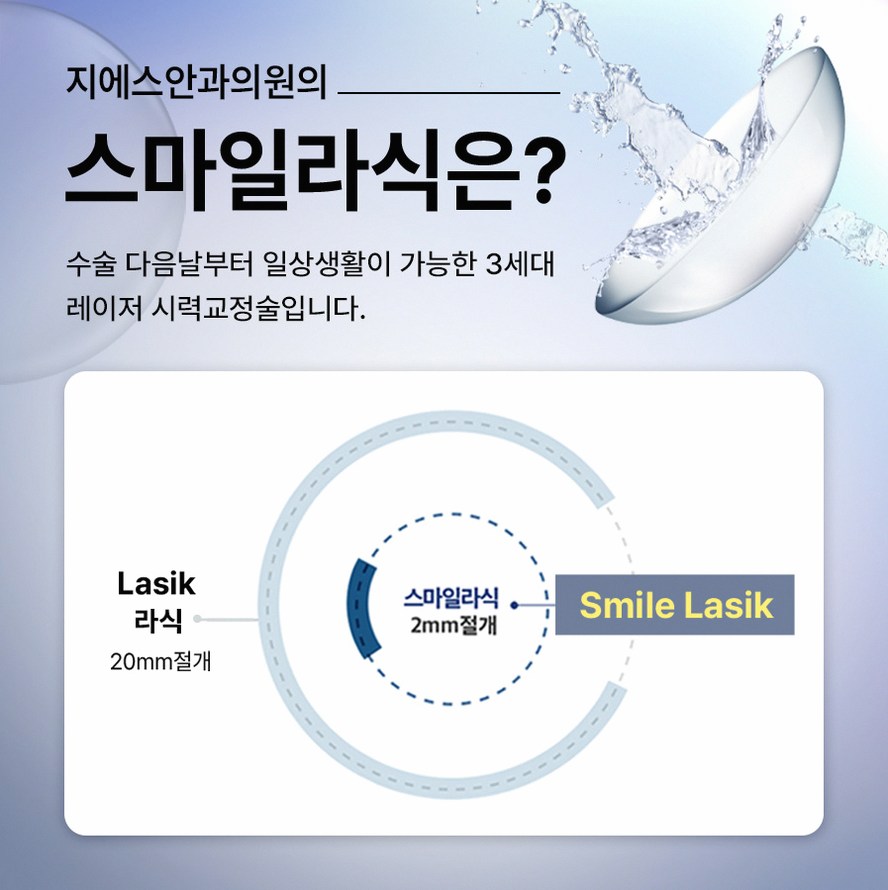
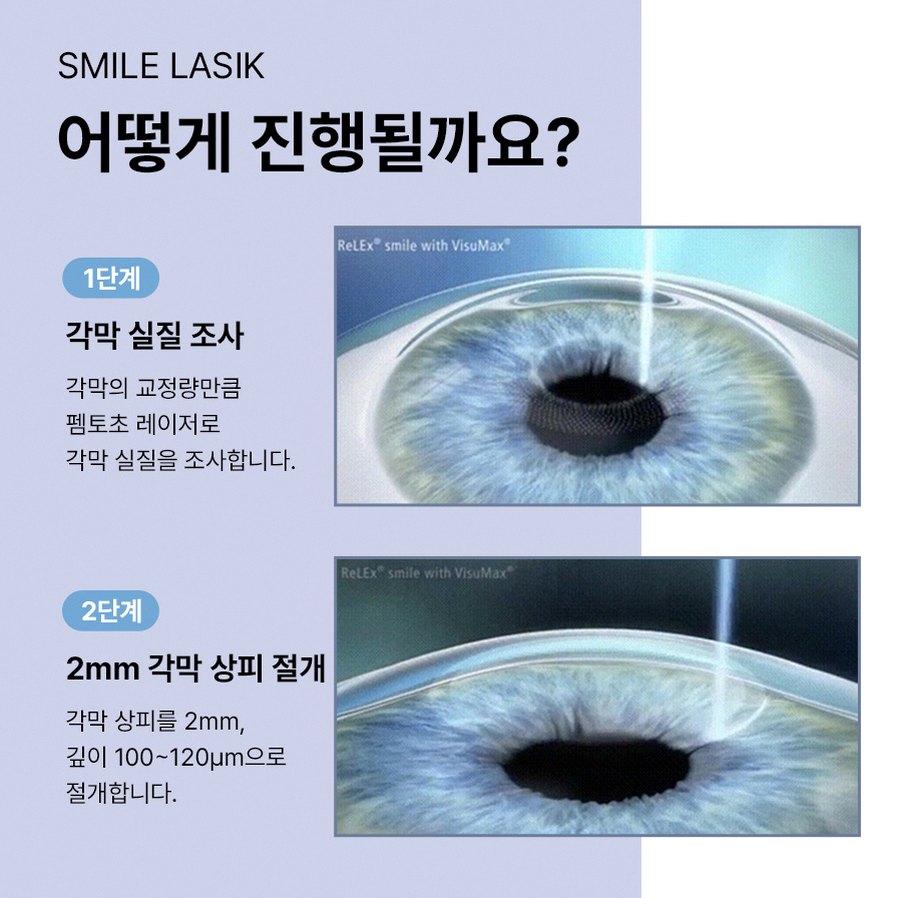
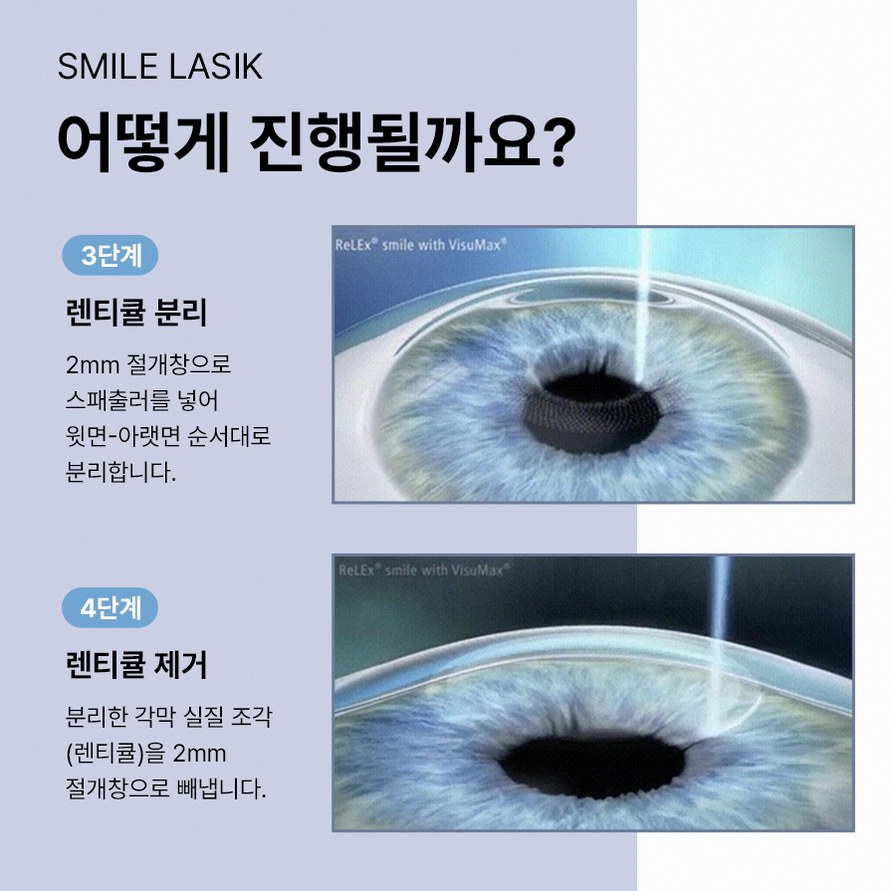
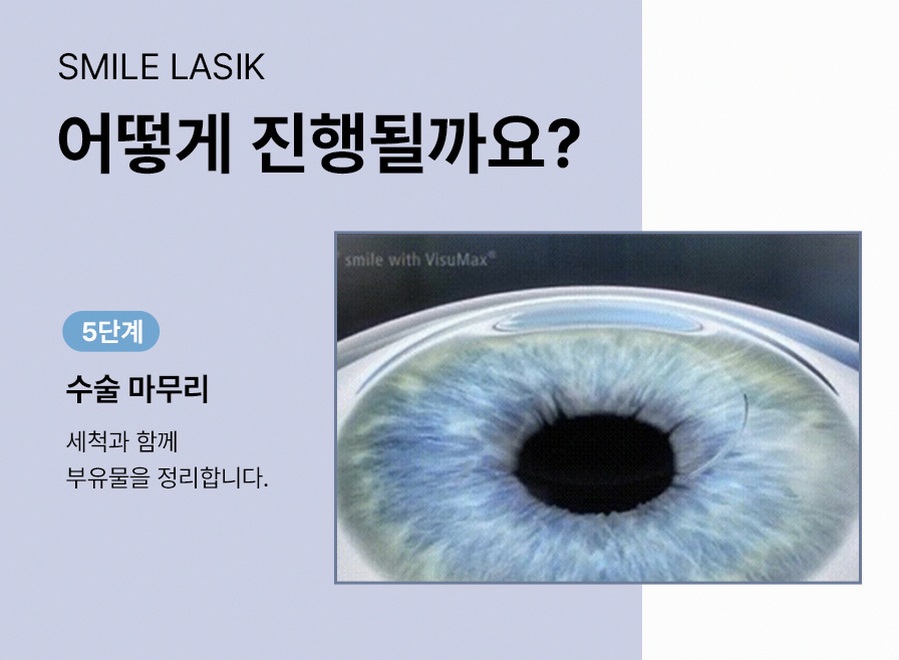
SMILE LASIK is a modern laser vision correction method that uses a femtosecond laser to create a tiny lens-shaped piece of tissue, called a lenticule, inside the cornea. The surgeon removes this lenticule through a very small incision, changing the shape of the cornea and reducing myopia or astigmatism.
Unlike traditional LASIK, SMILE LASIK does not require creating a large corneal flap. Compared with surface procedures such as LASEK, SMILE usually involves a smaller incision and can offer faster comfort and recovery for suitable candidates. However, it is not automatically better for everyone; the best method depends on your corneal thickness, shape, prescription, and eye health.
Why people search by area name first
Many people start by typing phrases like “Apgujeong eye clinic recommendation” or “Gangnam SMILE LASIK” when they plan vision correction in Seoul. This is natural, especially if you are staying in a hotel or Airbnb in Apgujeong or planning to visit nearby shopping and dining areas.
However, for laser eye surgery, the more important questions are:
Are the clinic’s SMILE LASIK lasers up to date and well maintained?
How experienced are the refractive surgeons with SMILE and similar procedures?
Does the clinic perform detailed pre-operative testing and provide clear explanations of alternatives?
What systems are in place for safety, complication management, and long-term follow-up?
A clinic that scores well on these points and is one subway stop away from Apgujeong is often a better choice than a clinic that is closer but less specialized.
What makes a good SMILE LASIK clinic near Apgujeong?
When comparing SMILE LASIK clinics around Apgujeong, Gangnam, and nearby stations, you can use the following practical criteria.
Dedicated SMILE LASIK equipment
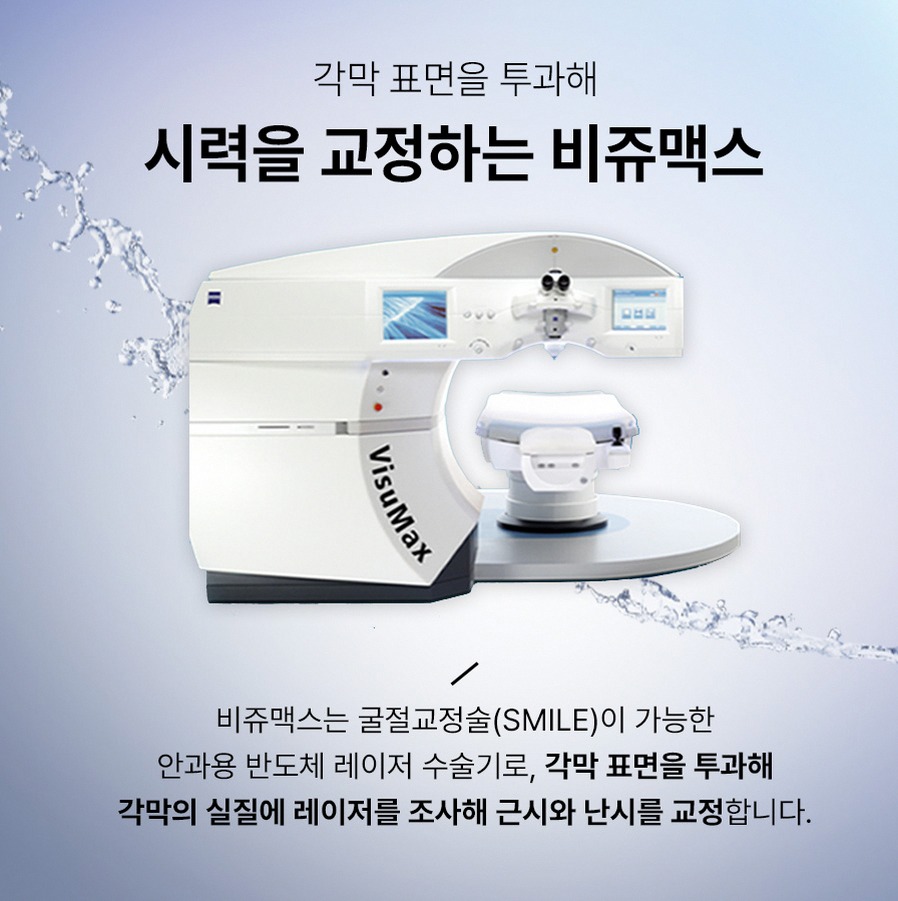
A good SMILE LASIK clinic should have dedicated femtosecond laser equipment specifically designed for lenticule-based procedures such as SMILE and SMILE pro. Check whether the clinic uses well-known platforms from established manufacturers and how recently they were introduced.
Some centers operate multiple SMILE platforms in one clinic. This allows more personalized planning based on corneal thickness, curvature, pupil size, and lifestyle. For example, a faster platform may be preferred for patients who are anxious or very sensitive to time under the laser, while another platform may be better suited to certain corneal shapes.
Experienced refractive surgeons
Look for an ophthalmology clinic where SMILE LASIK and other refractive surgeries are core fields, not just a side service. Surgeons who regularly perform SMILE, LASEK, and lens implantation tend to have more refined protocols and are more familiar with rare complications.
It is also helpful if the medical team includes specialists with academic backgrounds, such as former university hospital faculty or fellowship-trained surgeons in areas like retina. This can be important when you have coexisting conditions such as lattice degeneration, retinal tears, or high myopia.
Thorough pre-operative testing
Before SMILE LASIK, a detailed eye examination is essential. A well-organized clinic will typically perform:
Comprehensive refraction and visual acuity testing
Corneal topography and tomography to assess shape and stability
Measurement of corneal thickness and biomechanical properties
Pupil size measurement under different lighting conditions
Tear film and dry eye evaluation
Retinal examination, often with wide-field imaging or optical coherence tomography
These tests help determine whether SMILE LASIK is appropriate or whether another method, such as LASEK or lens implantation, would be safer.
Dry eye and corneal strengthening options
Some SMILE LASIK candidates have borderline corneal thickness or early signs of corneal weakness. Others have moderate to severe dry eye symptoms. In such cases, it is useful if the clinic also runs a dry eye clinic and offers corneal strengthening procedures.
Treatments such as corneal cross-linking (often branded as EXTRAC or KXL) may be considered in selected cases to support corneal stability. A clinic that can integrate these options into your plan is better equipped to manage higher-risk profiles.
Safety over convenience
For patients staying in Apgujeong, it is tempting to choose the nearest clinic for convenience. However, SMILE LASIK is a one-time surgery with long-term consequences. It is usually wiser to prioritize clinical quality, equipment, and safety systems over walking distance.
Apgujeong is only a short subway or bus ride from Gangnam station. This means you can realistically choose among several high-volume centers along Gangnam-daero while still keeping your travel time short for pre-op visits, surgery, and follow-up.
GS Eye Center near Gangnam station
GS Eye Center is an ophthalmology clinic located on Gangnam-daero, near Gangnam station in Gangnam-gu. The clinic opened in 2005 at its current location and has continued in the same building, now operating under its current name.
The clinic focuses on refractive surgery and cataract surgery and is staffed by seven ophthalmology specialists. The medical team emphasizes that good vision outcomes depend on surgical skill combined with systematic processes, from pre-operative evaluation to post-operative care.
For patients staying in Apgujeong or Apgujeong Rodeo, the clinic is one subway stop or a short bus ride away. This makes it a practical option to consider when you search for an Apgujeong eye clinic recommendation, especially if you want a center that concentrates on SMILE LASIK and related procedures.
SMILE LASIK lineup and specialization
Some Gangnam-area clinics focus specifically on the SMILE family of procedures. At such centers, you may find a range of lenticule-based and laser vision correction options, including:
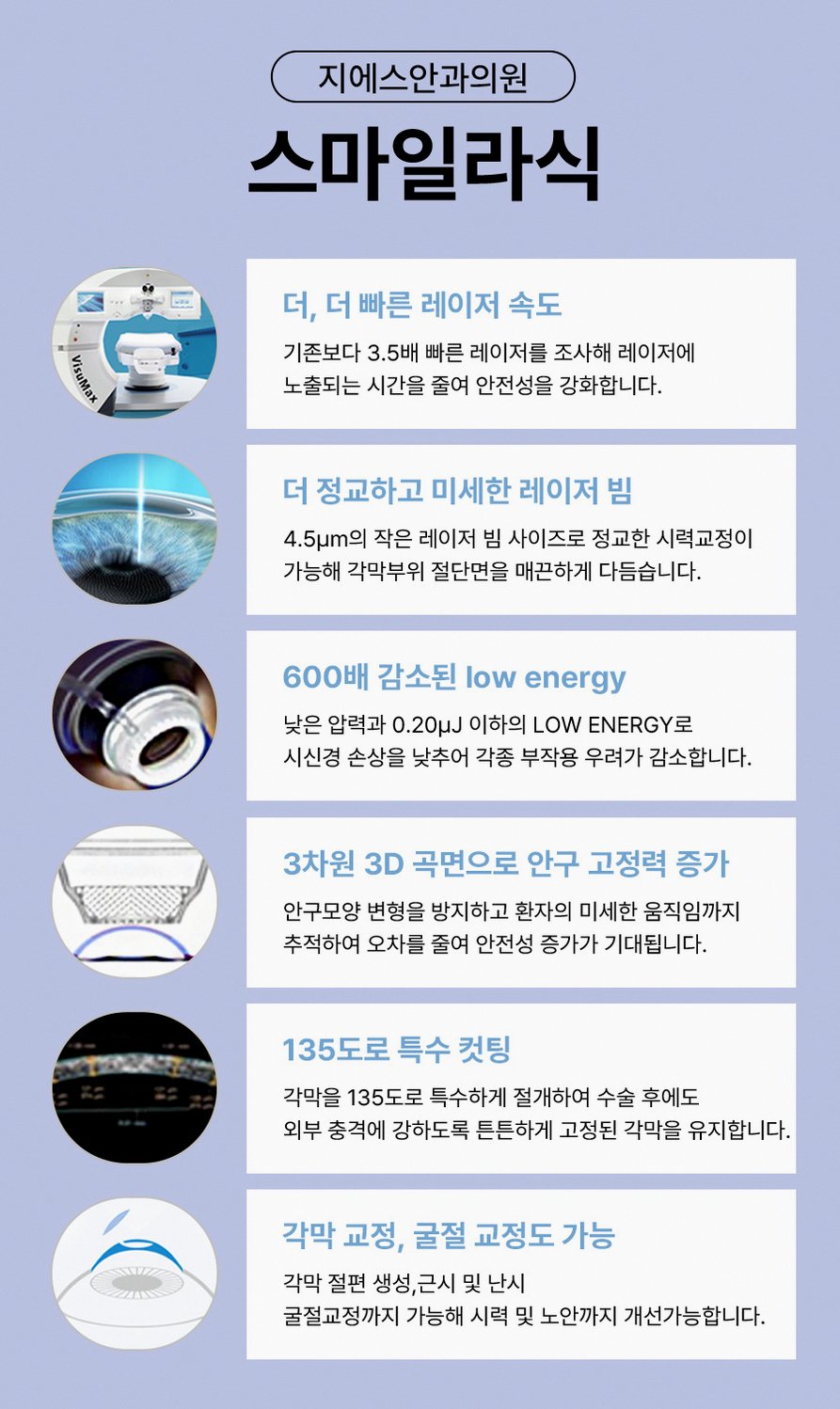
SMILE pro, an advanced version of SMILE using a newer femtosecond platform with faster laser time
Classic SMILE LASIK, performed on earlier-generation SMILE platforms
SILK, a newer lenticule-based procedure with its own laser system
Clinic-specific protocols, such as a named protocol called Golden SMILE, which may combine particular planning and aftercare steps
All of these use femtosecond laser technology but differ in laser speed, incision design, and software algorithms. Having multiple SMILE-type options allows the clinic to tailor the procedure to your corneal thickness, pupil size, occupation, and lifestyle. For example, a patient who needs very fast visual recovery for work may be guided toward a specific platform, while someone with borderline corneal thickness may be advised to consider a different approach.
Compared with surface procedures like LASEK, SMILE LASIK usually involves a smaller incision and can offer faster comfort and less early post-operative discomfort for many patients. LASEK, however, may still be recommended for certain corneal shapes or thinner corneas. A balanced clinic will explain both options clearly rather than pushing a single method.
High-volume experience and clinical track record
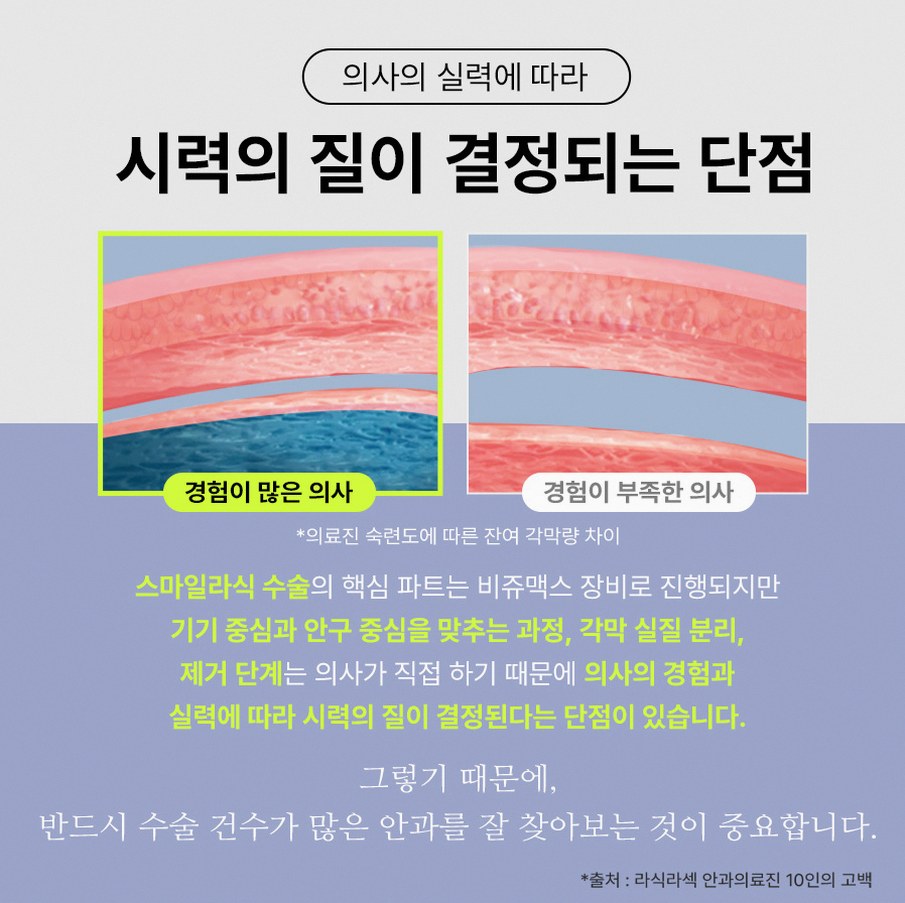
When you are comparing SMILE LASIK clinics around Apgujeong and Gangnam, case volume can be a useful objective indicator. It does not guarantee a specific result, but it often reflects accumulated experience and standardized protocols.
As of 2023, some high-volume centers in this area, including GS Eye Center, report a cumulative total of about 300,000 eyes of vision correction and cataract surgery combined. Within that, SMILE pro procedures at this clinic reached 15,000 eyes by April 2026, after passing 5,000 eyes in October 2024 and 10,000 eyes in August 2025.
High case volume in SMILE LASIK can contribute to:
More refined surgical techniques and workflow
Better recognition and management of rare complications
More accurate counseling about expected recovery and potential side effects
In addition, GS Eye Center was the first in Korea to join the ZEISS SMILE GOLD CLUB in 2021 and was later designated a ZEISS SMILE pro CENTER in 2023 and a SILK TRAINING Center in 2026. These designations indicate that the clinic is recognized as a reference site for these technologies by the manufacturer.
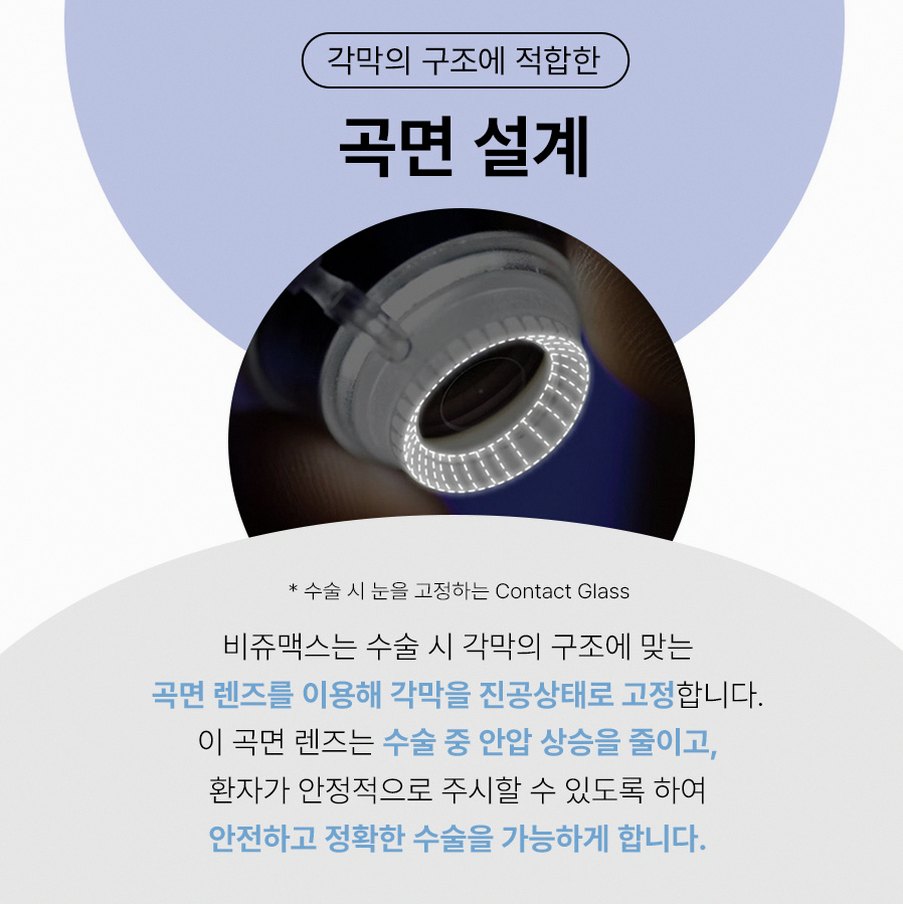
Equipment is one of the most concrete ways to compare SMILE LASIK clinics near Apgujeong. At some centers, including GS Eye Center, a key differentiator is the number and type of SMILE-related laser systems available.
VISUMAX 800 for SMILE pro
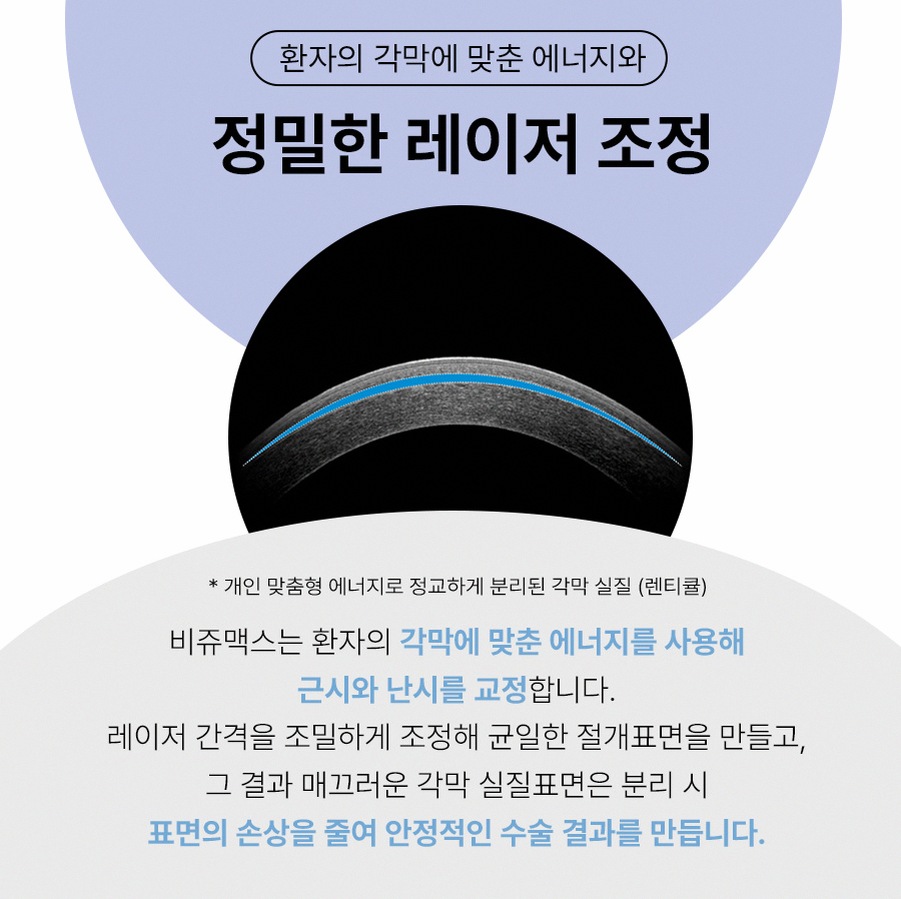
VISUMAX 800 is a newer-generation femtosecond laser platform from ZEISS used for SMILE pro. It offers very fast laser application times, often under about 9 seconds per eye. This can make the procedure more comfortable, especially for anxious patients or those sensitive to suction time.
The clinic introduced VISUMAX 800 in 2023 to provide faster and more efficient SMILE pro procedures. Shorter laser time does not replace the need for careful planning, but it can improve the overall experience.
Dual VISUMAX 500 systems for classic SMILE LASIK
In addition to VISUMAX 800, the clinic operates two VISUMAX 500 units for classic SMILE LASIK. The first VISUMAX 500 was introduced in 2016, and a second unit was added in 2019 to handle higher case volume and reduce patient waiting times.
Having multiple femtosecond platforms in one clinic offers several practical benefits:
Flexible scheduling, which is important for international patients with limited days in Korea
Backup capacity in case one machine is undergoing maintenance
More individualized selection of platform based on your eye measurements and lifestyle
Medical team and academic background
The medical director of the clinic is an ophthalmology specialist and medical doctor who previously served as an ophthalmology professor at a major Catholic university medical center. As of 2024, he continues as an adjunct faculty member in ophthalmology and runs an educational YouTube channel focused on eye health and surgery.
The clinic’s team includes seven ophthalmology specialists in total, with backgrounds at large university hospitals and subspecialty fellowships, including retina. This is relevant because high myopia and other refractive issues often come with retinal concerns. A team that includes retinal fellowship-trained ophthalmologists can better identify and manage retinal problems before and after SMILE LASIK.
Some of the doctors have served as clinical instructors or professors at major hospitals and hold roles in national cataract and refractive surgery societies. This kind of academic involvement tends to support evidence-based practice and continuous updating of protocols.
Pre-operative testing and safety systems
For overseas patients, understanding the pre-operative process is important because it affects how many days you should plan to stay in Korea.
Typical pre-operative evaluation includes:
Detailed refraction and visual acuity testing
Corneal topography and tomography to check for keratoconus or irregular astigmatism
Corneal thickness measurement and biomechanical assessment
Pupil size measurement in bright and dark conditions
Tear film and meibomian gland evaluation for dry eye
Retinal imaging and examination, sometimes with dilation
Not everyone is a candidate for SMILE LASIK. Depending on your corneal or retinal findings, the clinic may recommend LASEK, lens implantation, or even advise against surgery. This is a normal and responsible part of the process.
The clinic also operates a separate retina center staffed by retinal fellowship-trained ophthalmologists. This is valuable for patients with high myopia, lattice degeneration, or previous retinal treatment.
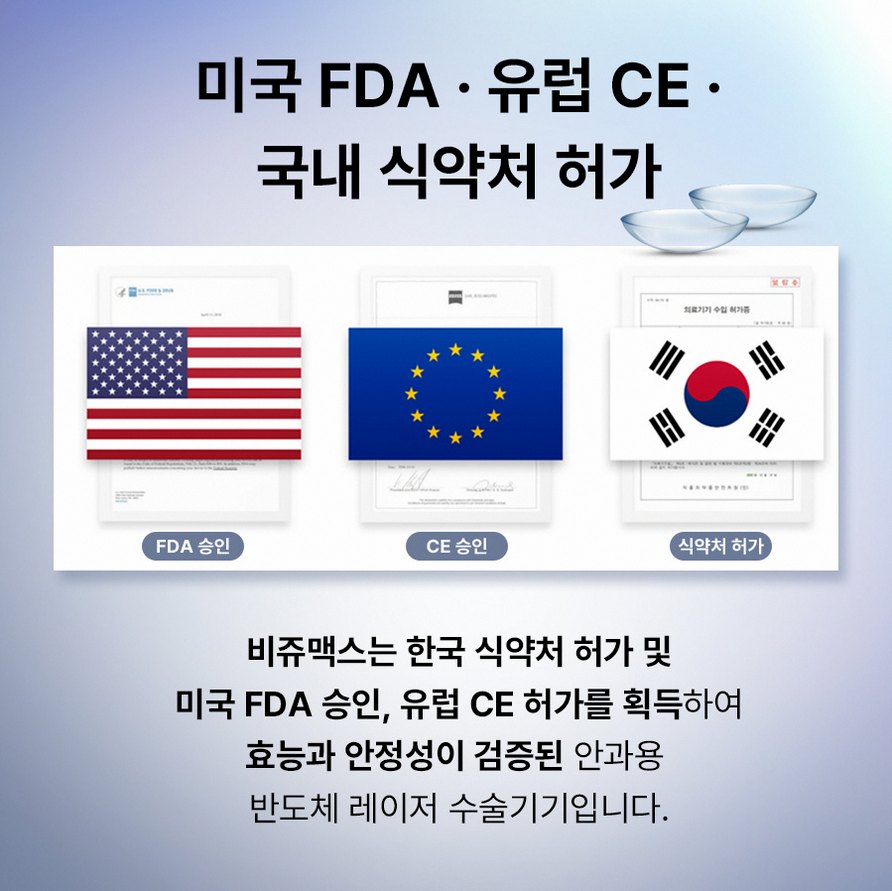
In terms of system-level safety, the clinic has obtained ISO 9001 and 14001 international standards for its SMILE LASIK processes as of 2020. These certifications relate to quality and environmental management systems and indicate that procedures are standardized and regularly audited.
Other vision correction options in one place
If you are not suitable for SMILE LASIK, it is helpful to be at a clinic that can offer alternative methods without sending you elsewhere. At GS Eye Center, other refractive options include:
Lens implantation procedures such as ICL, GLAZE, and PhakiFlex KPL
A branded two-day LASEK protocol for surface laser correction
Corneal strengthening procedures like EXTRAC or KXL
The clinic was the first in Korea to perform GLAZE lens implantation in 2019, reached 1,000 eyes by 2022, and achieved 3,000 Optiflex GLAZE cases by 2025. This shows experience in lens-based correction, which is particularly important for high myopia or thin corneas where SMILE LASIK may not be ideal.
For older patients, the clinic also offers presbyopia lens implantation and laser cataract surgery with multifocal intraocular lenses such as PanOptix. This can be relevant if you are considering both cataract treatment and refractive correction in one procedure. (side‑effects warning: these surgeries carry risks and potential side effects; GS Eye Center provides full preoperative counselling and written information on risks and expected outcomes.)
Having multiple modalities under one roof allows the clinic to recommend SMILE LASIK only when it is truly appropriate and to suggest alternatives when needed.
Who may consider SMILE LASIK in Korea
International patients who might consider SMILE LASIK around Apgujeong and Gangnam typically include:
Adults with stable myopia or myopic astigmatism who want to reduce dependence on glasses or contact lenses
People with active lifestyles or sports participation who prefer a small-incision procedure
Patients who have been told they are suitable for LASIK or SMILE in their home country but prefer to combine surgery with a trip to Korea
You may not be a good candidate if you have very thin or unstable corneas, advanced dry eye, certain autoimmune conditions, or significant retinal disease. A full examination at an ophthalmology clinic is necessary to make this decision.
Online consultation and pre-visit preparation
Before flying to Korea, it is wise to arrange an online consultation with your chosen clinic. Many Gangnam-area clinics, including GS Eye Center, offer communication through email, messaging apps, or online forms.
To prepare for an online consultation, you can gather:
Your current glasses or contact lens prescription
Any previous eye examination reports, especially corneal topography or retinal scans
Information about eye surgeries or injuries in the past
A list of medications and general health conditions
During the online consultation, you can ask:
Which procedures might be suitable for my prescription range?
How many days should I plan to stay in Korea for pre-op, surgery, and follow-up?
What tests will be done on the first visit, and how long will they take?
What are the common side effects and typical recovery timeline for SMILE LASIK?
Expected Korea visit timeline for SMILE LASIK
Although plans can be adjusted, a common schedule for overseas SMILE LASIK patients is as follows.
Day 1: Pre-operative examination and consultation
On your first clinic day, you usually undergo a full eye examination, including dilation. This can take 2 to 3 hours or more. After the tests, you meet the surgeon to discuss whether SMILE LASIK is appropriate and which procedure is recommended.
Some patients can schedule surgery for the next day, while others may choose a later date depending on travel and work plans.
Day 2: Surgery day
On the day of SMILE LASIK, you typically spend 1 to 2 hours at the clinic, including preparation, the procedure itself, and a short rest afterward. The actual laser time is very short; with VISUMAX 800, the laser portion of SMILE pro can be under about 10 seconds per eye, while total time in the operating room is usually 10 to 20 minutes.
After a brief post-operative check, you can return to your accommodation in Apgujeong or elsewhere in Seoul, accompanied by a friend or family member. You should not drive yourself on the day of surgery.
Day 3: First post-operative check
Most clinics schedule a follow-up the next day to check your vision, cornea, and intraocular pressure. If everything is stable, you receive instructions on eye drops, activity restrictions, and further follow-up.
Additional days: Follow-up and sightseeing
If your schedule allows, staying a few extra days in Seoul is helpful in case additional checks are needed. Many patients combine this with sightseeing, shopping, or visiting cafes and galleries in Apgujeong, Gangnam, and nearby districts.
Aftercare and long-term follow-up
After SMILE LASIK, you will typically use antibiotic and anti-inflammatory eye drops for a short period, followed by lubricating drops for several weeks or longer, depending on your dry eye status.
Common aftercare advice includes:
Avoid rubbing your eyes, especially in the first weeks
Use protective eyewear in dusty or windy environments
Limit heavy exercise, swimming, and sauna for a period recommended by your surgeon
Attend scheduled follow-up visits, either in Korea or with an eye doctor in your home country
If you are returning overseas soon after surgery, ask the clinic to provide a summary of your procedure and post-operative findings that you can share with your local ophthalmologist.
Practical information for Apgujeong-area patients
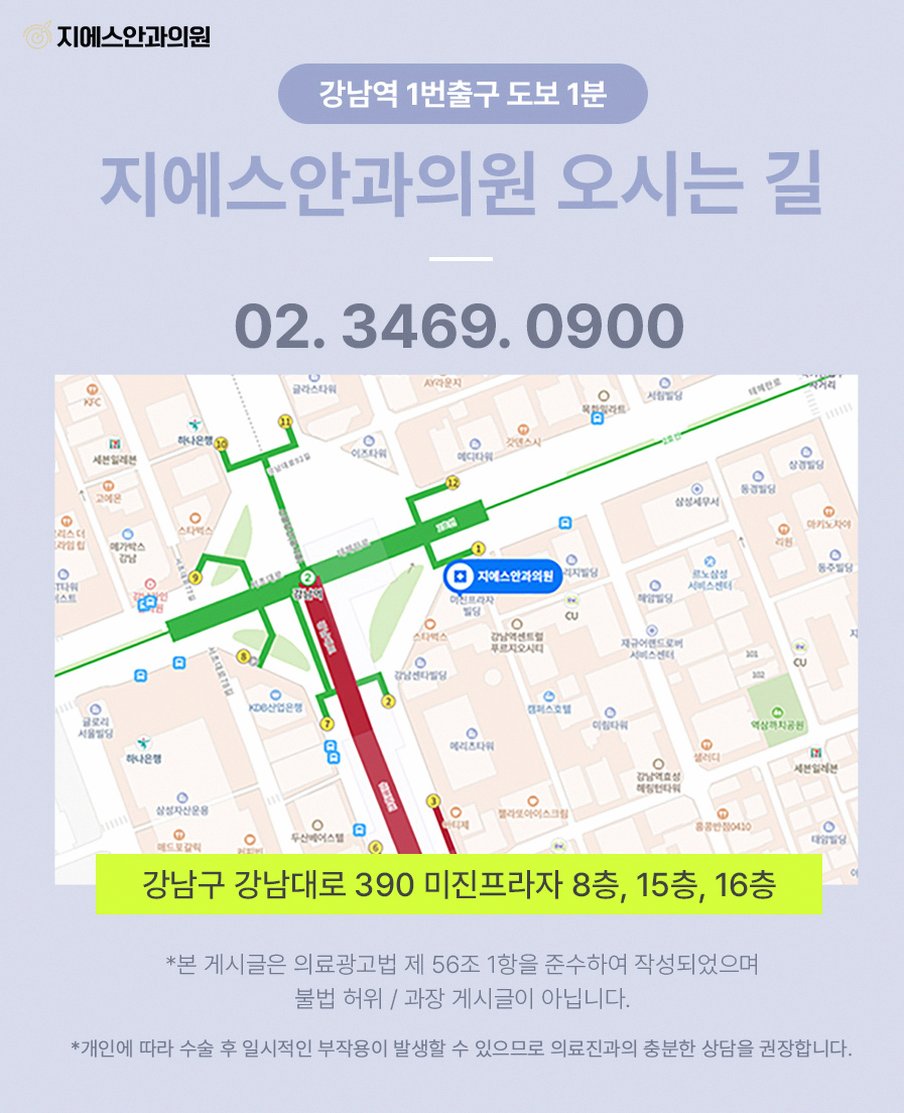
GS Eye Center is located at Gangnam-daero 390, on floors 8, 15, and 16 of the Mijin Plaza building in Gangnam-gu (Yeoksam-dong 825), near Gangnam station. From Apgujeong and Apgujeong Rodeo, it is one subway stop or a short bus or taxi ride away.
Clinic hours are generally weekdays 10:00 to 18:30 and Saturdays 09:30 to 17:00, with a lunch break from 13:00 to 14:00. The clinic is closed on Sundays and public holidays. Before visiting, it is advisable to confirm hours and make an appointment.
The clinic provides information and educational content through online channels such as blogs, Instagram, YouTube, and a messaging channel. These resources can help you understand procedures like SMILE LASIK and prepare questions before your consultation.
How to choose your SMILE LASIK clinic around Apgujeong
When you compare SMILE LASIK options near Apgujeong, keep the following checklist in mind:
Does the clinic have dedicated SMILE LASIK equipment, and how many platforms are available?
Are the surgeons ophthalmology specialists with substantial refractive surgery experience?
What is the clinic’s case volume for SMILE and related procedures, and is it recognized by technology providers?
Are pre-operative tests comprehensive, including corneal, tear film, and retinal evaluation?
Does the clinic offer alternatives such as LASEK, lens implantation, and corneal strengthening when SMILE is not ideal?
Rather than deciding based only on online reviews or price lists, it is wise to schedule a detailed eye examination and consultation. Use this time to ask about equipment, surgeon experience, expected recovery, and how complications are handled.
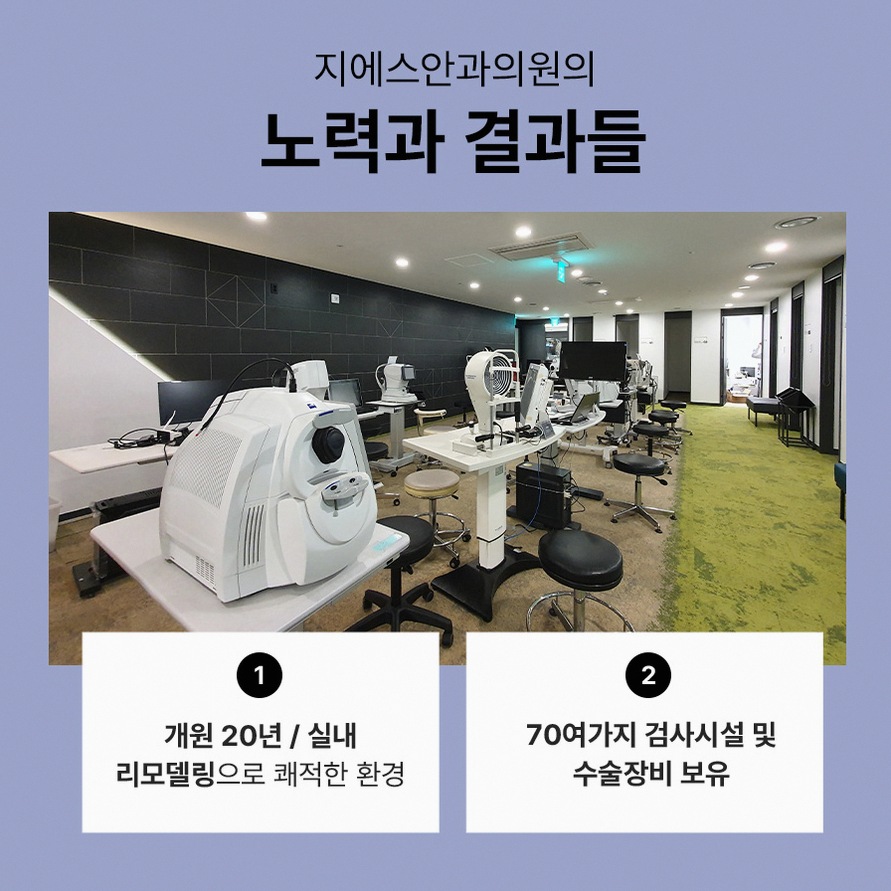
GS Eye Center is one clinic to consider for SMILE LASIK. It operates three ZEISS SMILE platforms, reports a substantial procedure volume, has a seven‑physician ophthalmology team, and maintains dedicated retina and dry‑eye services. Use these points to compare clinics, and schedule an individualized consultation and examination to confirm whether SMILE LASIK is appropriate for your eyes.
You may find it helpful to compare at least two clinics, ask the same questions at each, and choose the place where explanations are clear and the treatment plan feels individualized to your eyes and lifestyle.
FAQ about SMILE LASIK near Apgujeong
Is SMILE LASIK suitable for everyone looking for vision correction near Apgujeong?
No. Suitability depends on corneal thickness and shape, degree of myopia or astigmatism, dry eye status, and retinal health. Some people are better candidates for other laser procedures or lens implantation. A full examination at an ophthalmology clinic is required to determine the safest and most appropriate option for you.
What is the difference between SMILE LASIK and LASEK?
SMILE LASIK uses a femtosecond laser to create and remove a small lenticule through a tiny incision, leaving most of the corneal surface intact. LASEK is a surface procedure that reshapes the cornea after removing the epithelium, the outermost layer. SMILE can offer faster comfort and potentially less early dry eye for suitable candidates, while LASEK may be preferred for certain corneal shapes, thinner corneas, or specific occupational needs.
How long does a SMILE LASIK procedure take?
The laser portion of SMILE pro with modern equipment such as VISUMAX 800 can take under about 10 seconds per eye. Including preparation and immediate post-operative checks, your time in the operating room is usually around 10 to 20 minutes. Most patients go home the same day and have a follow-up visit the next day.
Is it safe to travel from Apgujeong to Gangnam after SMILE LASIK?
Yes, in most cases. After a short rest and post-operative check at the clinic, most patients can return to their accommodation by car, taxi, or public transport with an accompanying guardian. Because Gangnam station is close to Apgujeong, travel time is relatively short. However, you should not drive yourself immediately after surgery.
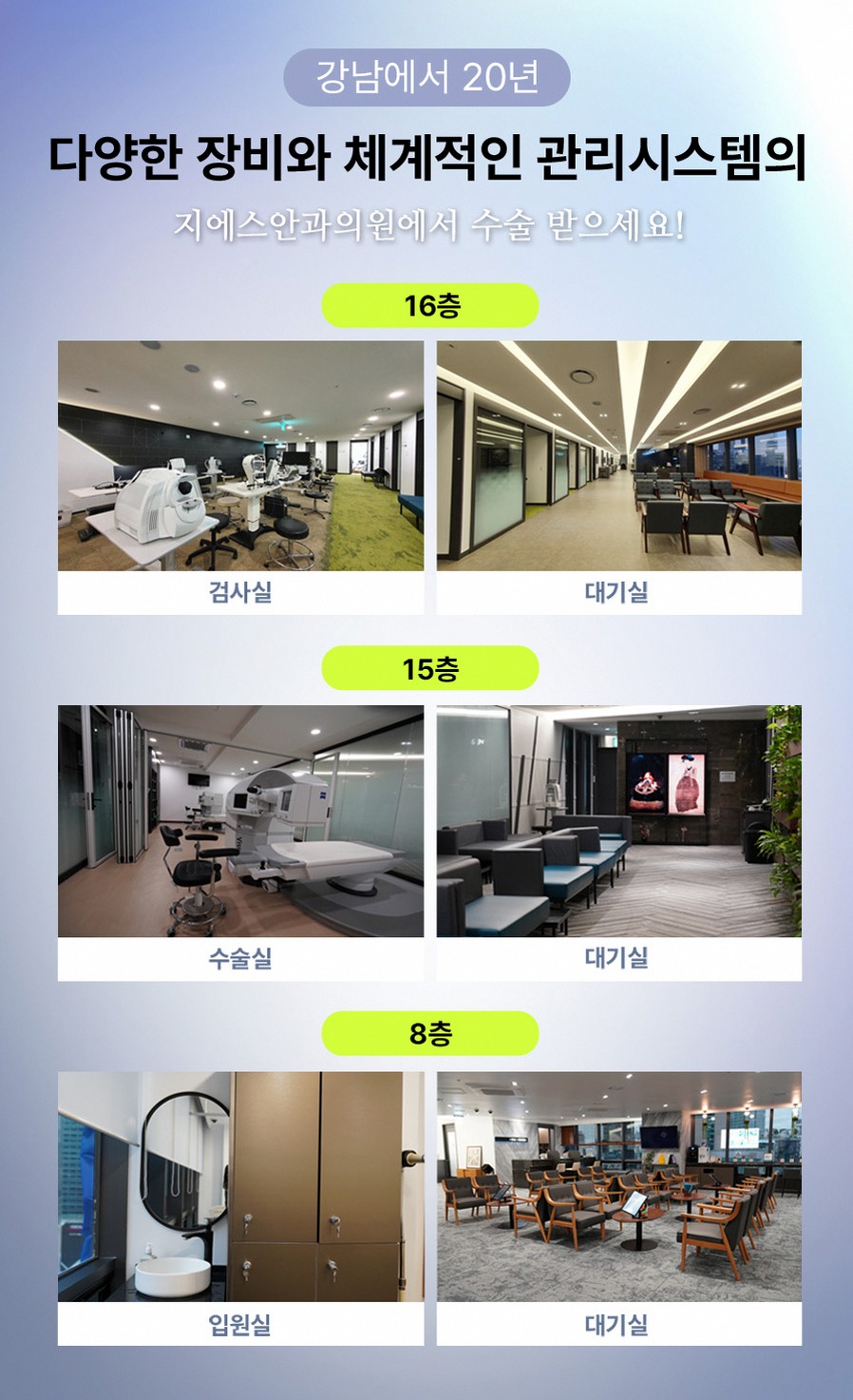
Why consider a high-volume SMILE center instead of a small local clinic?
High-volume centers often have multiple up-to-date laser platforms, standardized safety protocols, and surgeons with extensive experience across a wide range of cases. This can lead to more precise planning, smoother procedures, and better handling of rare complications. Smaller clinics may still provide good care, but they may not have the same range of equipment or accumulated experience with SMILE LASIK.
Soft call to action for online consultation
If you are planning a trip to Seoul and are looking for an Apgujeong-area eye clinic for SMILE LASIK, consider arranging an online consultation with GS Eye Center before you book your flights. By sharing your prescription and medical history in advance, you can receive preliminary guidance on whether SMILE LASIK, another laser procedure, or lens implantation is likely to suit you.
This preparation will help you plan the length of your stay, schedule clinic visits efficiently, and feel more confident about your decision when you arrive in Korea.
- 공유 링크 만들기
- X
- 이메일
- 기타 앱


댓글
댓글 쓰기