GS Eye Center near Gangnam Station (overseas patients)
- 공유 링크 만들기
- X
- 이메일
- 기타 앱
Daechi-dong SMILE LASIK recommendation – quick answer for overseas patients
If you are staying in or near Daechi-dong and searching for SMILE LASIK in the Gangnam area, you do not have to limit yourself to clinics inside Daechi-dong itself. Many international patients choose a center near Gangnam Station, which is only a short subway or bus ride away. When comparing options, focus on three points rather than online popularity alone: which ZEISS laser platforms are available, how experienced the surgical team is with SMILE-type procedures, and how thorough the pre‑surgery examination and safety system are.
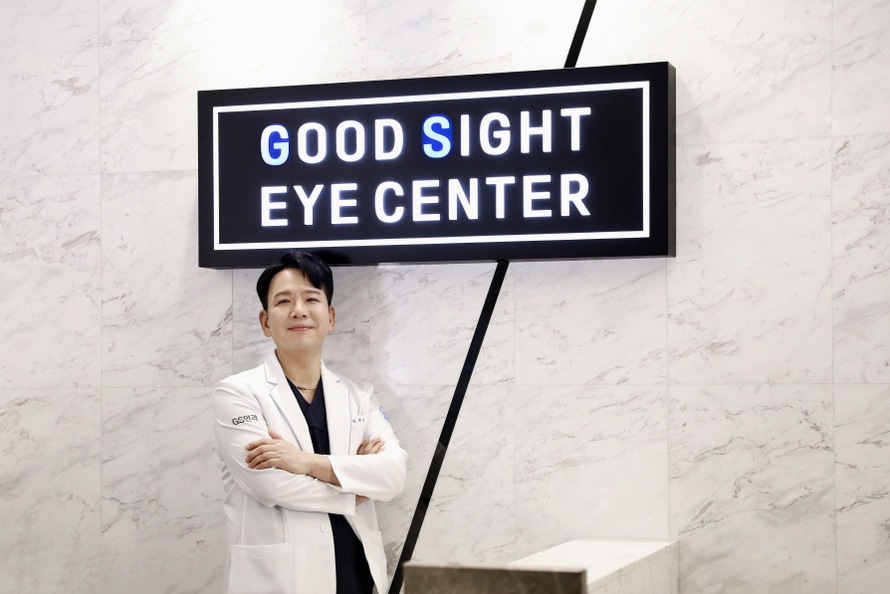
GS Eye Center near Gangnam Station is one example of a long-running vision correction center that focuses on SMILE-type procedures such as SMILE Pro, SMILE LASIK, SILK, and its own customized Golden SMILE program. It may be a practical choice for Daechi-dong residents or visitors because of its equipment lineup, case volume, and education and training roles.
Below is a practical guide in English for overseas patients who are considering SMILE LASIK around Daechi-dong and Gangnam.
What is SMILE LASIK and why is it popular in Gangnam
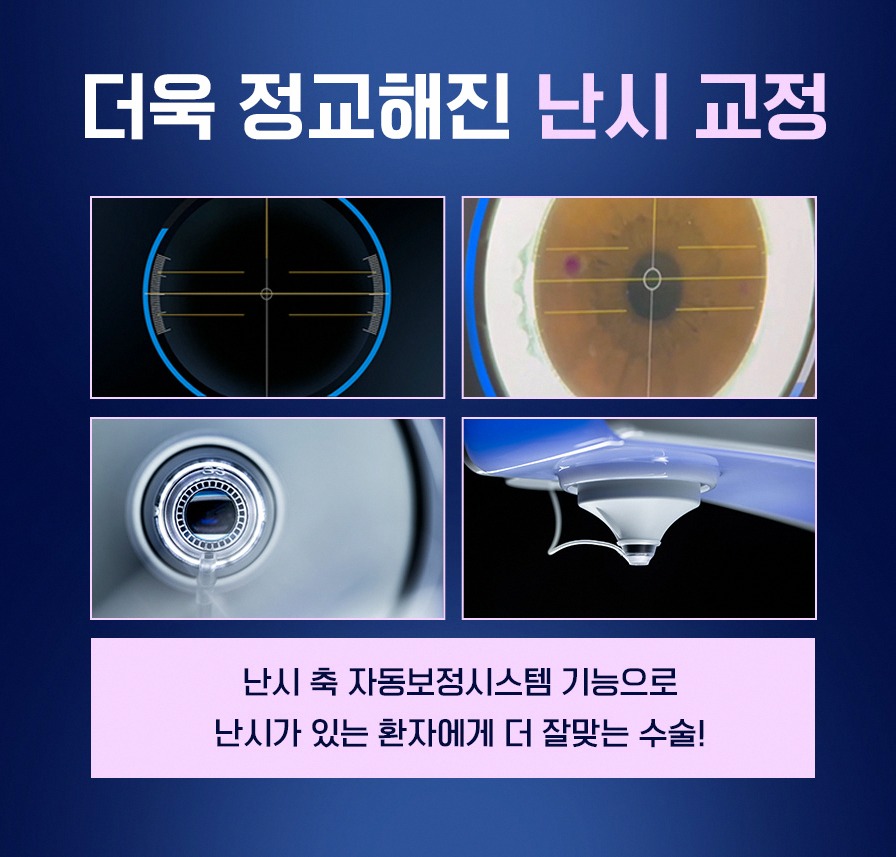
SMILE LASIK is a small-incision laser vision correction procedure. Instead of creating a wide corneal flap like traditional LASIK, a femtosecond laser creates a thin lens-shaped piece of tissue inside the cornea through a tiny incision. This tissue is then removed to change the corneal shape and correct myopia and astigmatism.
Many students and office workers in the Daechi-dong and Gangnam area prefer SMILE-type procedures because the incision is small, there is no large flap, and daily activities can often be resumed relatively quickly. For people who spend long hours studying or working at a computer, the idea of a minimally invasive procedure with rapid visual recovery is attractive.
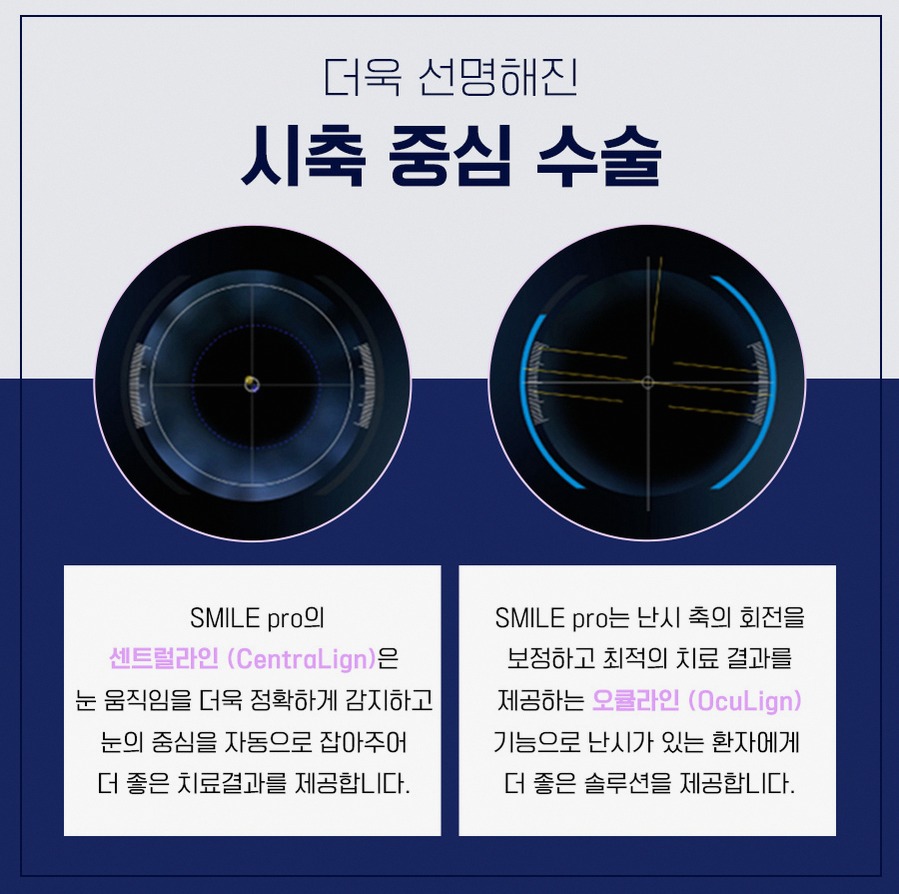
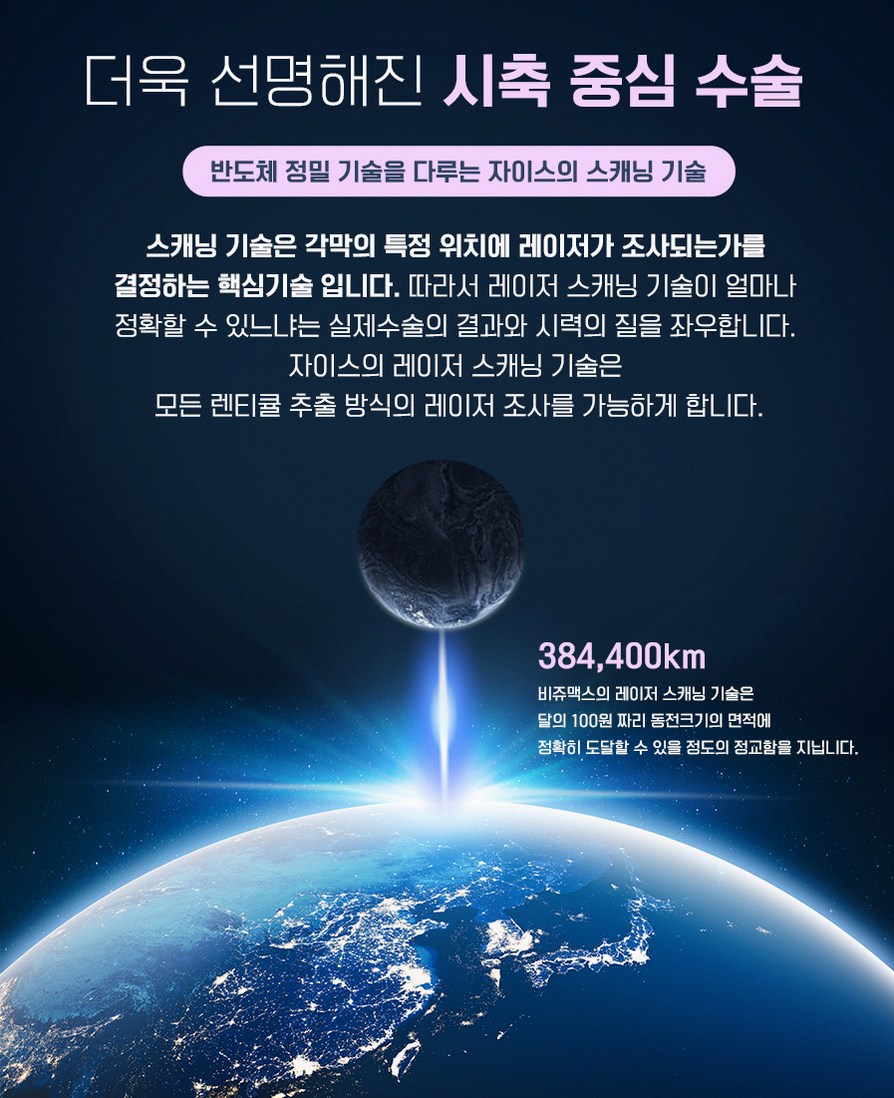
Recent generations of SMILE technology, such as SMILE Pro performed with the ZEISS VISUMAX 800 platform, also offer very short laser times, which can make the procedure more comfortable and efficient.
How close is Gangnam Station to Daechi-dong
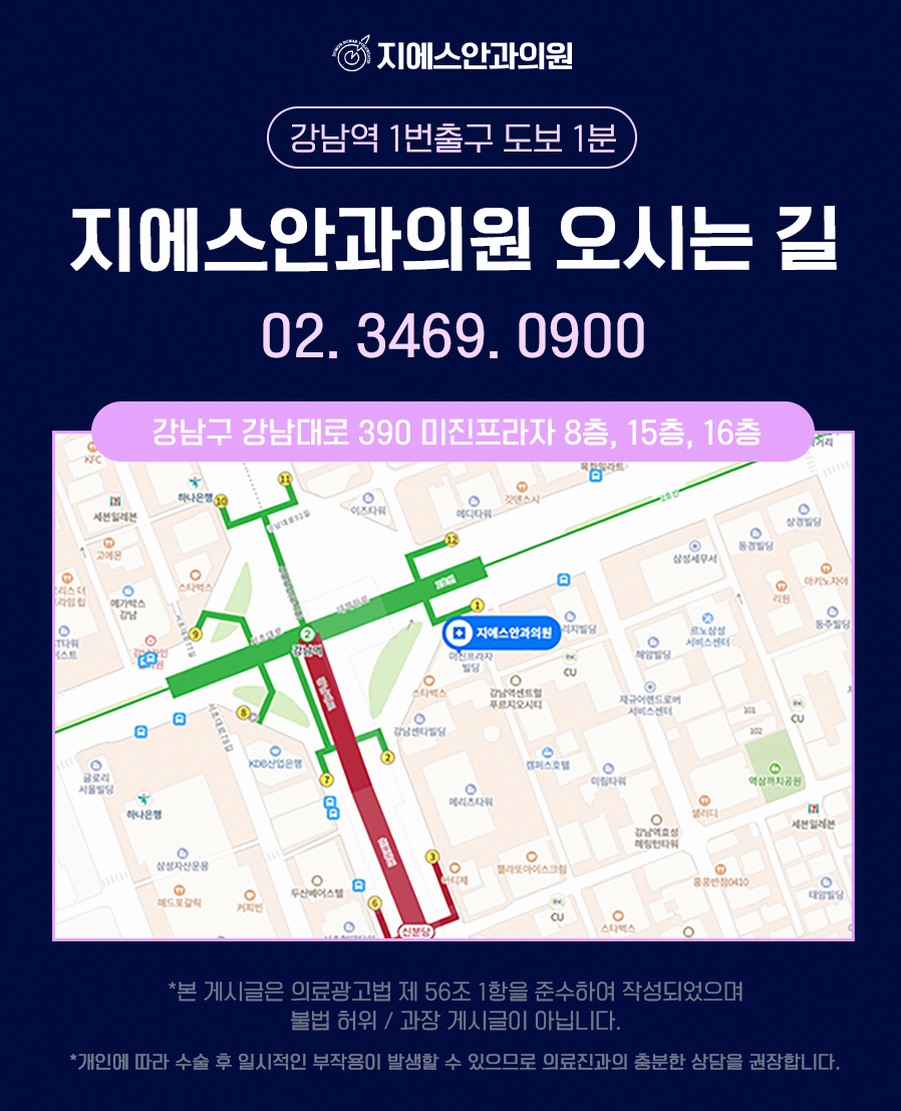
Daechi-dong is located just east of Gangnam Station along the main subway lines. From Daechi Station or nearby stops, it usually takes only a few minutes by subway or bus to reach Gangnam Station. This makes it easy for overseas students in private academies or business travelers staying in Daechi-dong to visit a center near Gangnam Station for consultations and surgery without long travel.
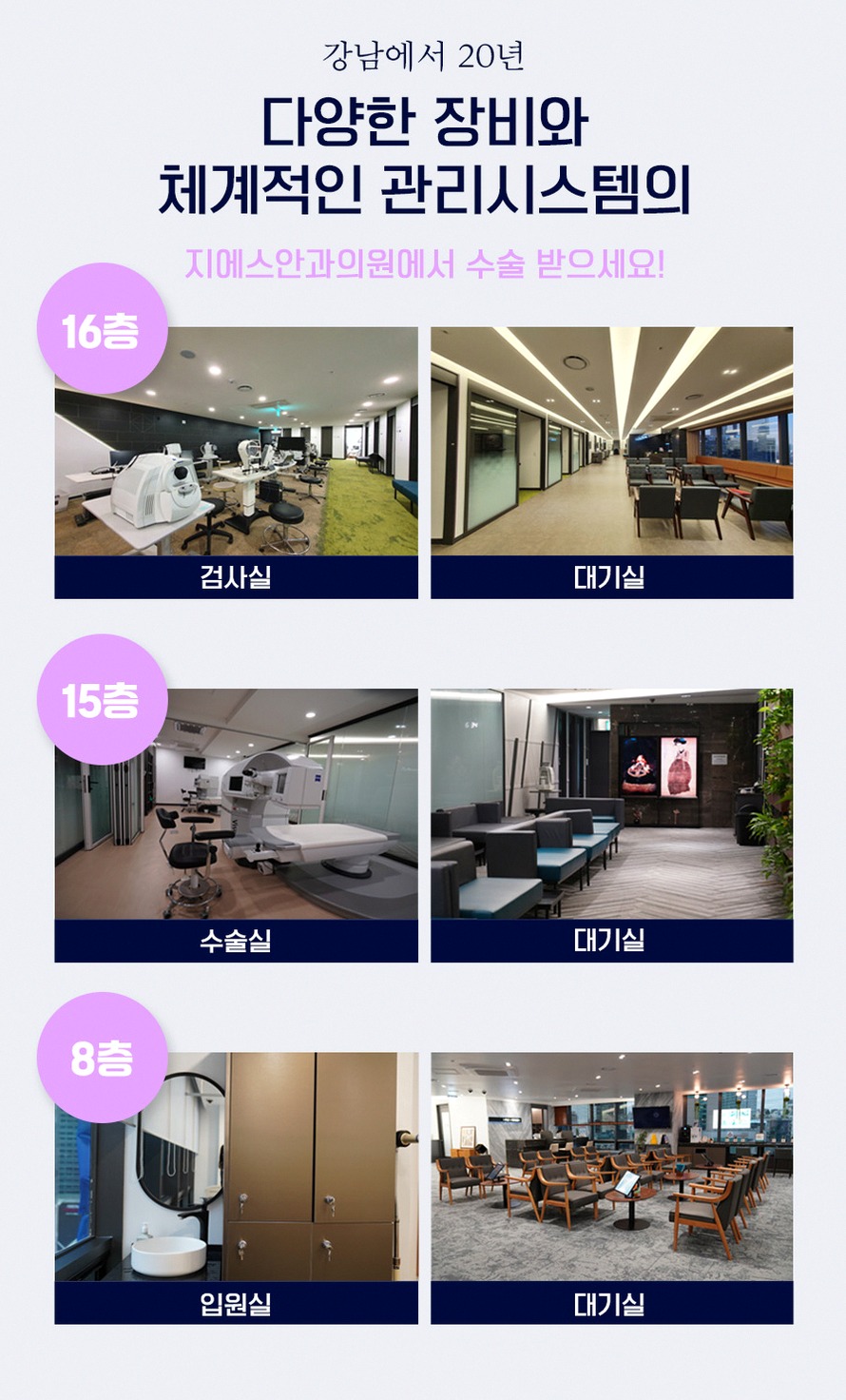
GS Eye Center is located on several floors of a building on Gangnam-daero near Gangnam Station, in the Yeoksam-dong area. For most Daechi-dong visitors, this is a single-line subway ride or a short taxi trip.
What to check when choosing a SMILE LASIK clinic near Daechi-dong
When you search “Daechi-dong SMILE LASIK recommendation”, you will see many advertisements and reviews. Instead of focusing only on marketing, it is helpful to use objective criteria.
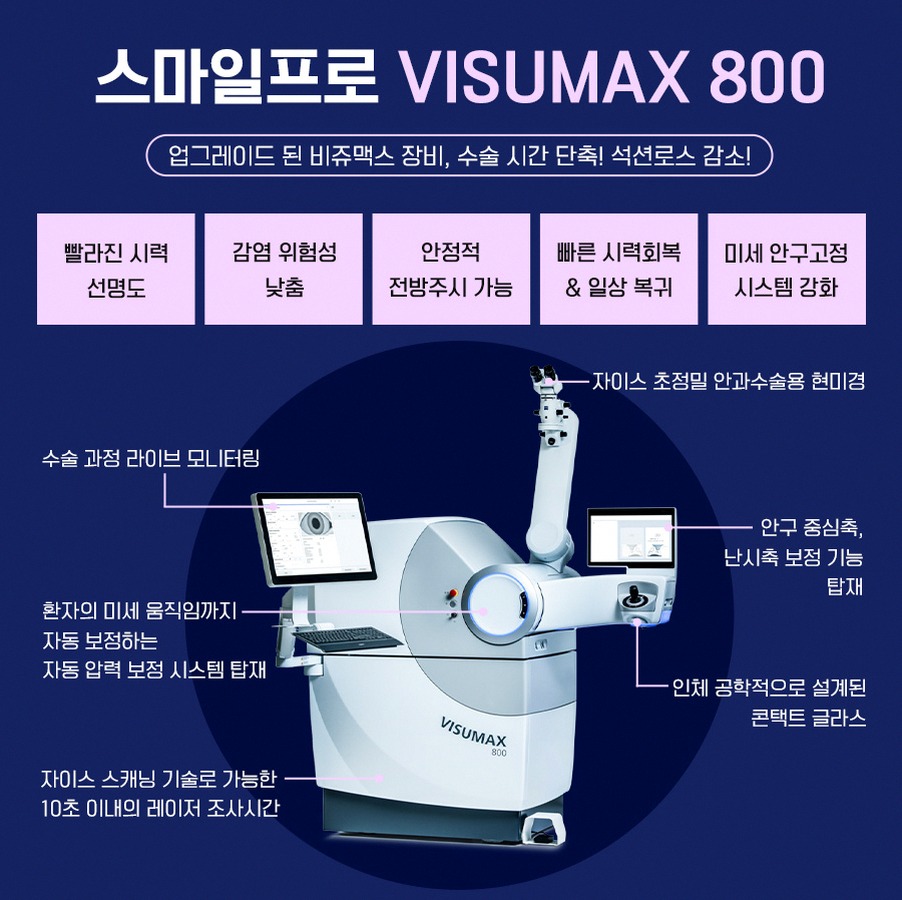
Laser equipment and SMILE platforms
For SMILE-type procedures, the laser platform is central. You can ask the following questions during online or in-person consultation:
Which ZEISS femtosecond laser platforms are available
Is SMILE Pro with VISUMAX 800 offered
Are there VISUMAX 500 units for SMILE LASIK
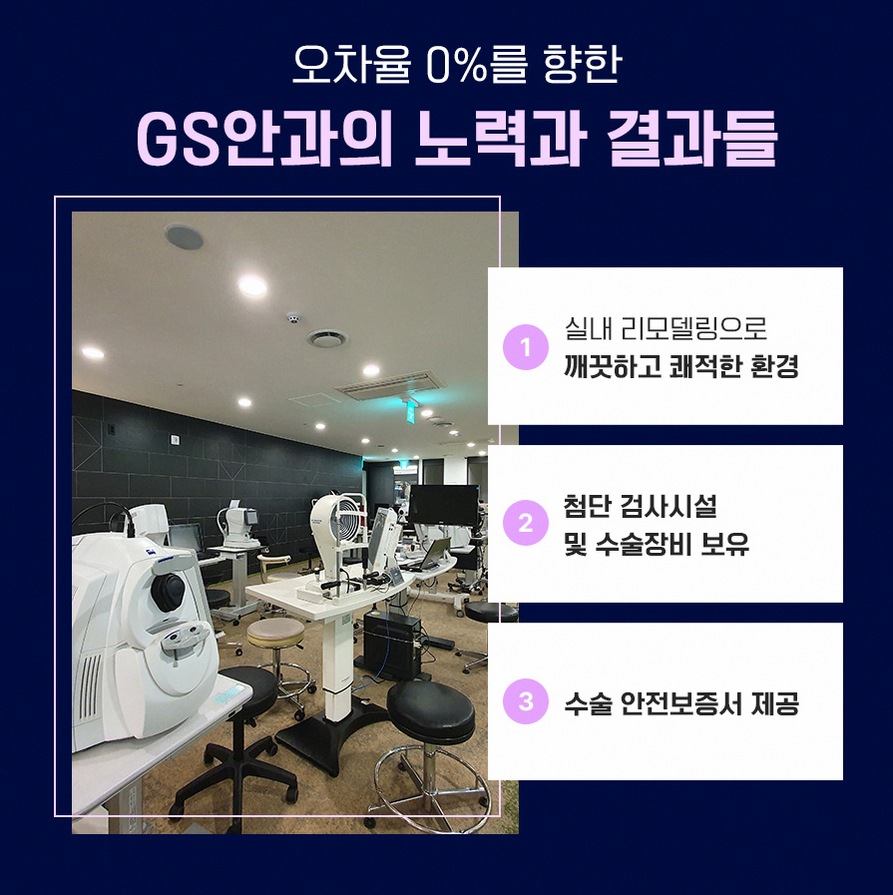
At GS Eye Center, all three major ZEISS femtosecond platforms for SMILE-type surgery are available.
VISUMAX 800 is the latest-generation ZEISS laser dedicated to SMILE Pro. It was introduced at this center in 2023. One of its features is a very fast laser time, typically under about 9 seconds per eye, which can reduce the time you need to fixate on the target light.
Two VISUMAX 500 units are used for SMILE LASIK. The first VISUMAX 500 was introduced in 2016, and a second unit was added in 2019. Having two units allows flexibility in scheduling and provides redundancy in case one unit is under maintenance.
Designations and certifications
Some designations are granted by manufacturers or independent bodies based on case volume and quality systems. These do not guarantee results, but they show that the center has met certain criteria.
This center was designated a ZEISS SMILE pro CENTER in 2023, reflecting its involvement with SMILE Pro protocols. It is also a SILK TRAINING Center from 2026, which means it participates in training other surgeons on the ZEISS SILK small-incision procedure.
In 2021, it became the first in Korea to join the ZEISS SMILE GOLD CLUB, which is a recognition by the manufacturer for high SMILE case volume and quality indicators.
In 2020, it achieved ISO 9001 and ISO 14001 certification for SMILE LASIK processes. ISO 9001 relates to quality management systems, and ISO 14001 relates to environmental management. For patients, this suggests that the center follows standardized protocols for its surgical processes and environmental management.
Surgical volume and overall experience
When comparing centers, it can be helpful to look at total surgical experience, not only SMILE but also other vision correction procedures. This is because some patients turn out not to be suitable for SMILE and may need lens-based solutions.
As of 2023, this center has performed vision correction and cataract surgery on a cumulative total of about 300,000 eyes. This number covers both corneal and lens-based procedures.
SMILE Pro case numbers have also grown steadily: about 5,000 eyes by October 2024, 10,000 by August 2025, and 15,000 eyes by April 2026. These milestones show that SMILE Pro is a routine part of the center’s practice.
Lens-based procedures are also a significant part of its experience. It was the first in Korea to perform GLAZE lens implantation in 2019, reaching 1,000 eyes by 2022 and 3,000 Optiflex GLAZE cases by 2025. It has also performed over 3,000 Alcon PanOptix multifocal intraocular lens implantations by 2024. For borderline SMILE candidates, this broad experience with lens options is important.
Medical staff and subspecialties
When choosing a SMILE LASIK center, the composition of the medical team matters. You may want to confirm:
How many ophthalmology specialists are there
Do they cover subspecialties such as refractive surgery, retina, and cataract
Do they have experience in university hospitals or teaching roles
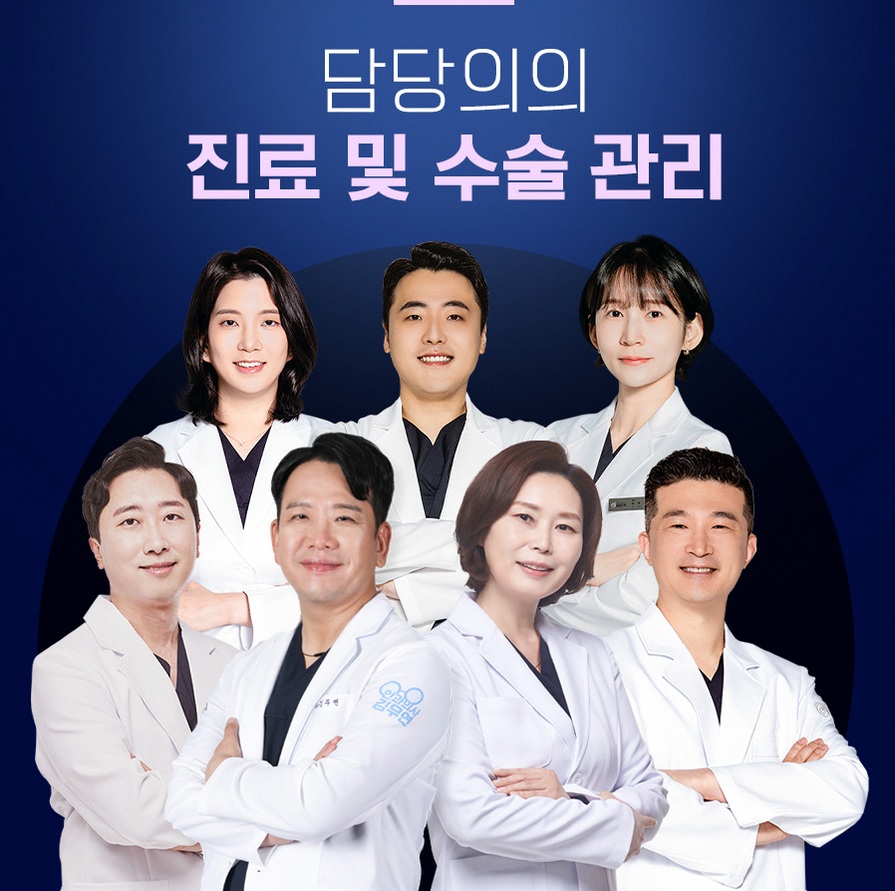
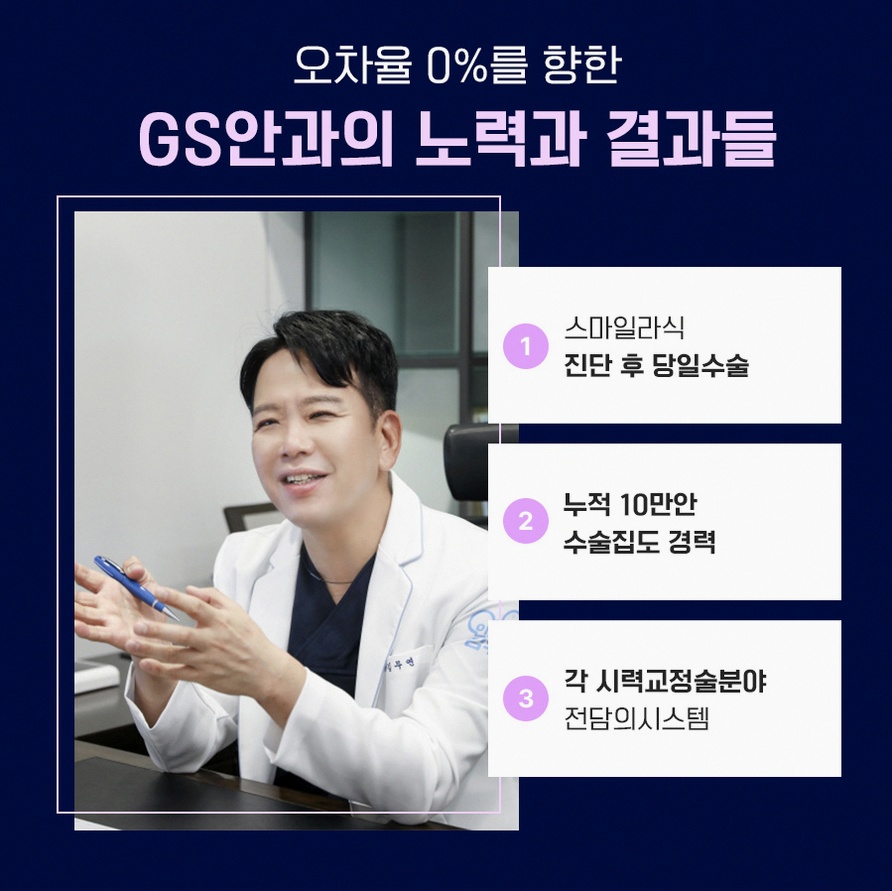
This center has seven ophthalmology specialists, all board-certified, with backgrounds in refractive surgery, retina, and cataract. The representative director, Dr. Kim Mu-yeon, is an ophthalmologist with MD and PhD degrees. He graduated from Catholic University medical school, previously served as ophthalmology faculty at Catholic Central Medical Center, and was appointed external faculty at the Catholic University ophthalmology department in 2024. He also runs a YouTube channel focused on ophthalmology education.
Other doctors in the team include former faculty members or fellows from major university hospitals such as Seoul National University Hospital, Catholic University hospitals, Inje University hospitals, and Samsung Medical Center. Several have retina fellowship training, which is useful for evaluating and managing retinal issues that may influence SMILE suitability.
Having multiple subspecialists in one place allows comprehensive pre-operative evaluation of the cornea, retina, and lens, and coordinated management if complications or unexpected findings arise.
Safety system and examination standards
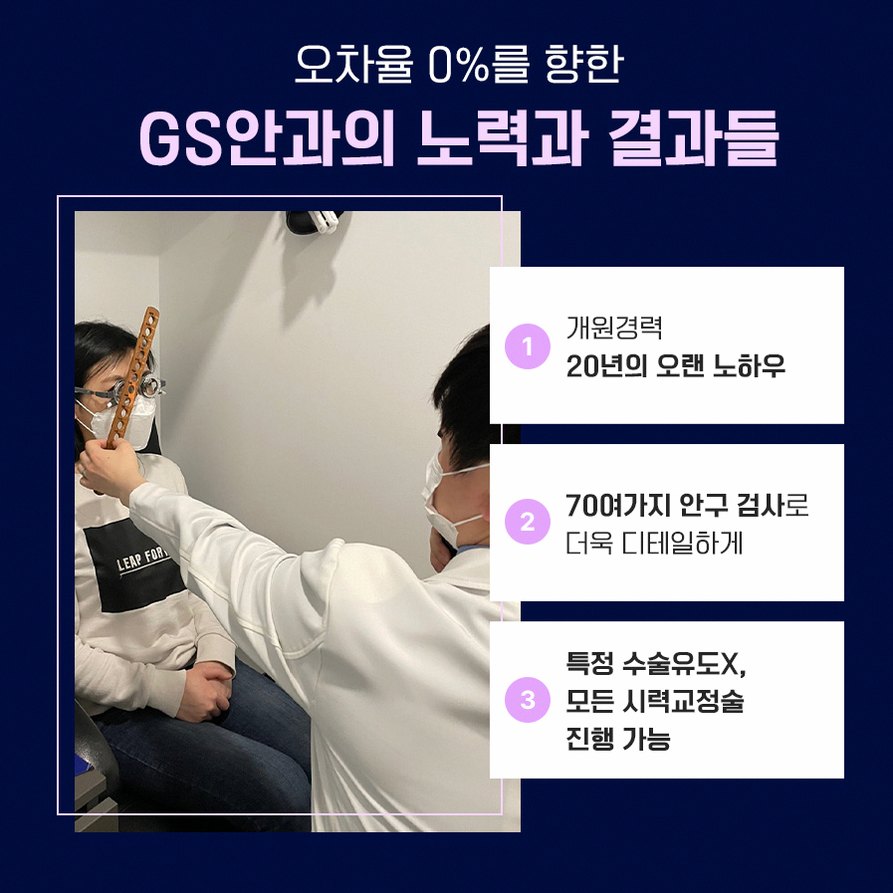
A good SMILE LASIK center does not recommend the same procedure to everyone. Instead, it should perform detailed examinations and propose alternatives when needed.
This center offers a full range of small-incision and laser procedures, including SMILE Pro, SMILE LASIK, SILK, and its customized Golden SMILE protocol. It also provides other refractive options such as phakic lens implantation (ICL, GLAZE, PhakiFlex KPL), 2DAY LASEK, Visu LASIK-type procedures, corneal cross-linking (EXTRA/KXL), and a dry eye clinic to manage the ocular surface.
For presbyopia and cataract, it offers presbyopia-correcting lens implantation and laser cataract surgery with multifocal lenses such as PanOptix. There is also a separate retina center staffed by retina fellowship-trained specialists.
For Daechi-dong patients, this means that if your cornea is too thin for SMILE, if your myopia is extremely high, or if you have early cataract or presbyopia, the team can discuss lens-based options instead of forcing a corneal procedure.
Education and training roles
Many international patients feel more comfortable in centers that also serve as training and education sites. This center has been designated as a clinical education institution for Catholic University medical school since 2023 and as an Asia-Pacific clinical education center by BIOTECH since 2024. These roles indicate that it is trusted to participate in training and clinical research-level work.
Overview of the SMILE LASIK process
Although details vary by individual, the general process for SMILE LASIK in Gangnam for an overseas patient can be summarized in three stages.
Pre-operative evaluation
Before any decision, you will undergo a detailed eye examination. This usually includes:
Measurement of your current glasses or contact lens prescription
Corneal thickness measurement
Corneal topography and tomography to check for irregularities or keratoconus
Pupil size assessment
Tear film and dry eye evaluation
Retina examination, especially for high myopia
Based on these results, the team will discuss whether SMILE, SMILE Pro, SILK, LASEK, or lens implantation is more suitable. For some patients, a combination such as corneal cross-linking with laser treatment may be considered.
Surgery day
On the day of SMILE LASIK or SMILE Pro, you will typically:
Arrive at the center with no eye makeup and no perfume, as instructed
Review consent forms and final checks
Receive anesthetic eye drops
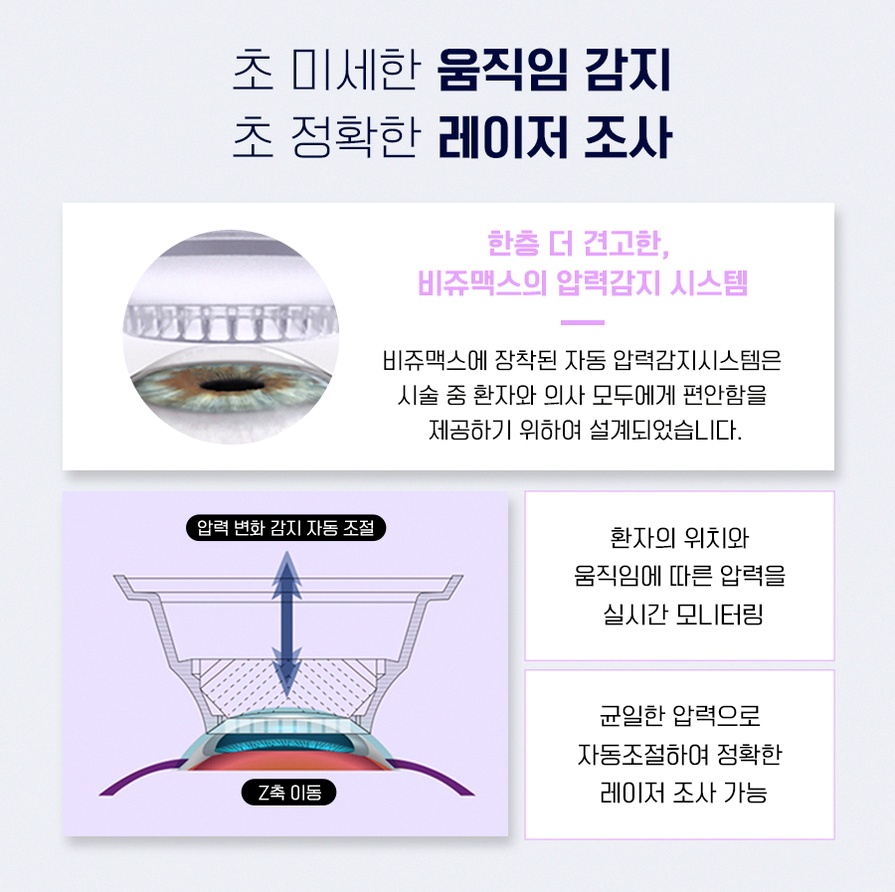
Lie under the femtosecond laser system
For SMILE Pro with VISUMAX 800, the laser time is usually under about 9 seconds per eye. The laser creates a small internal lens-shaped piece and a tiny incision. The surgeon then removes the tissue through this incision.
Most patients describe a feeling of pressure rather than pain, and the entire procedure in the laser room is relatively short. Afterward, you rest in a recovery area while the team checks your eyes before discharge.
Post-operative care
After SMILE LASIK, you will use prescribed eye drops for a certain period to control inflammation and reduce infection risk. Artificial tears may be recommended for dryness.
Follow-up visits are usually scheduled for the next day, within the first week, and then at intervals over the next months. For international patients, the schedule can be adjusted to fit travel plans, but it is important to stay in Seoul for the early critical period after surgery.
For high myopia or borderline corneas, long-term monitoring is recommended. The presence of a retina center in the same facility makes it easier to manage any retina-related issues that may arise.
Who may consider SMILE LASIK near Daechi-dong
Typical candidates
SMILE LASIK is generally considered for adults with:
Stable refraction for at least one to two years
Sufficient corneal thickness
No significant keratoconus or suspicious corneal irregularities
Manageable dry eye status
Healthy retina without serious pathology
The exact range of myopia and astigmatism that can be treated depends on the laser platform and the thickness and shape of your cornea.
When other options may be better
Some people who search for SMILE LASIK turn out to be better suited to other procedures. Examples include:
Very high myopia, where a phakic lens such as ICL, GLAZE, or PhakiFlex KPL may preserve more corneal tissue
Thin corneas, where surface procedures like LASEK or combined cross-linking may be safer
Significant presbyopia or early cataract, where lens-based surgery with multifocal lenses such as PanOptix may be more appropriate
At this center, the availability of both corneal and lens-based solutions allows the team to suggest alternatives if SMILE is not ideal for your eyes.
Final suitability can only be determined after a full examination. Online information is helpful for preparation, but it cannot replace an in-person assessment.
Online consultation and pre-visit preparation for overseas patients
Before you travel to Seoul, it is wise to use online channels to clarify whether SMILE LASIK is likely to be suitable and how long you should plan to stay.
Online consultation
This center communicates through channels such as a blog, Instagram, a YouTube channel by the representative doctor, KakaoTalk, and its own video channel. For overseas patients, email or messaging apps can be used to:
Share your age, current glasses or contact lens prescription, and any known eye conditions
Explain your travel schedule and how many days you can stay in Seoul
Ask whether SMILE, SMILE Pro, SILK, or another procedure is likely to be considered
Although the team cannot confirm final eligibility without measurements, they can give a rough idea of possible options and suggest a realistic visit timeline.
What to prepare before your trip
Before coming to Korea, it is useful to:
Stop wearing soft contact lenses at least a few days before your first detailed examination, and rigid lenses earlier if you use them (ask the center for exact timing)
Prepare previous examination reports if you have them, especially if you have a history of eye disease or surgery
Make a list of medications and supplements you take
Note any allergies, especially to medications or eye drops
Also, prepare a list of questions. For example:
If SMILE is not suitable for me, what are my alternatives
How many SMILE Pro cases has the center performed in people with similar prescriptions
What is the usual follow-up schedule for international patients
What symptoms after surgery are normal, and which require urgent review
Expected Korea visit timeline for SMILE LASIK
The exact schedule depends on your situation, but a common pattern for overseas patients is as follows.
Day 1: Comprehensive examination and counseling
On your first day, you undergo full testing, including refraction, corneal imaging, dry eye assessment, and retina evaluation. After the tests, you meet the doctor to discuss whether SMILE, SMILE Pro, or another procedure is recommended.
If you are a suitable candidate and you agree to proceed, surgery may be scheduled for the next day or within a few days, depending on your schedule and the center’s availability.
Day 2: Surgery day
On the day of SMILE LASIK, you arrive before the scheduled time, complete final checks, and undergo the procedure. After a short rest and post-operative check, you can usually return to your accommodation the same day.
Day 3–7: Early follow-up
You will have at least one follow-up visit within the first few days. The team checks your vision, corneal healing, and intraocular pressure, and adjusts your eye drop plan if needed.
Most overseas patients are advised to stay in Seoul for at least several days after surgery to allow for early monitoring and to manage any unexpected issues.
Beyond one week
If you are staying longer, additional follow-up visits can be scheduled. If you must return home earlier, the center can provide a summary for your local eye doctor and guidance on recommended follow-up intervals.
Aftercare and long-term care
After SMILE LASIK, you should:
Use prescribed eye drops exactly as directed
Avoid rubbing your eyes
Limit heavy exercise, swimming, and dusty environments for the period advised by your doctor
Use protective eyewear or sunglasses outdoors
Dry eye symptoms such as temporary dryness or foreign body sensation are common after vision correction procedures. This center has a dry eye clinic that can help manage these symptoms before and after surgery.
For high myopia or those with retinal risk factors, regular retina checks are important even years after surgery. The presence of a dedicated retina center makes it easier to coordinate this long-term care.
FAQ for Daechi-dong SMILE LASIK searchers
Is it worth traveling from Daechi-dong to Gangnam Station for SMILE LASIK
Yes, for many patients it is practical. Daechi-dong is only a short subway or bus ride from Gangnam Station, so you can access centers with a wide range of SMILE platforms and subspecialty staff without long travel. For overseas students in Daechi-dong academies or business travelers staying nearby, scheduling consultations and follow-ups near Gangnam Station is usually convenient.
How long does the whole SMILE LASIK process take for an overseas patient
If your eyes are suitable and there are no unexpected findings, you can often complete examination, surgery, and early follow-up within about one week. Day 1 is usually dedicated to detailed testing and counseling, Day 2 for surgery, and the next several days for follow-up visits. However, if additional tests, dry eye treatment, or alternative procedures are needed, the schedule may be longer, so it is wise to discuss timing in advance through online consultation.
What is the difference between SMILE LASIK, SMILE Pro, and SILK
SMILE LASIK is a small-incision lenticule extraction procedure performed with ZEISS VISUMAX 500. SMILE Pro is the latest evolution of this concept, performed with VISUMAX 800, which offers faster laser times and updated workflow. SILK is another ZEISS small-incision lenticule procedure with its own protocol. All are minimally invasive corneal procedures, but the exact technical details and laser platforms differ. Your doctor will recommend one based on your eye measurements, corneal shape, and lifestyle needs.
Are there advantages to choosing a center that is a ZEISS SMILE pro CENTER or SMILE GOLD CLUB member
These designations do not guarantee specific results, but they indicate that the center has achieved certain case volumes and quality metrics recognized by ZEISS. Being a ZEISS SMILE pro CENTER and a member of the ZEISS SMILE GOLD CLUB suggests that the team has substantial experience with SMILE-type procedures and is actively involved in manufacturer-supported programs. For some patients, this can be a reassuring factor when comparing options in the Gangnam area.
How are complications or unexpected findings such as retinal problems handled
During the pre-operative workup, your retina is examined, especially if you have high myopia. If retinal issues such as lattice degeneration or small tears are found, they may need to be treated or stabilized before SMILE LASIK. In this center, retina fellowship-trained specialists work in a dedicated retina unit, so retinal findings can be evaluated and managed on-site. If post-operative complications occur, the presence of multiple subspecialists allows coordinated care, but the exact management always depends on the individual case.
Practical information and soft call to action
This center has been operating in the same Gangnam Station location since 2005, under different names in the past but with continuous focus on vision correction. Its working hours are generally 10:00–18:30 on weekdays and 09:30–17:00 on Saturdays, with a lunch break from 13:00–14:00. It is closed on Sundays and public holidays. Hours can change, so it is best to confirm before visiting.
If you are an overseas patient staying in or near Daechi-dong and considering SMILE LASIK, you can start with an online consultation with GS Eye Center. Share your basic information, glasses prescription, and travel plan, and ask which procedures might be suitable and how many days you should plan in Seoul. After that, you can decide whether to schedule a full examination and possible surgery during your stay.
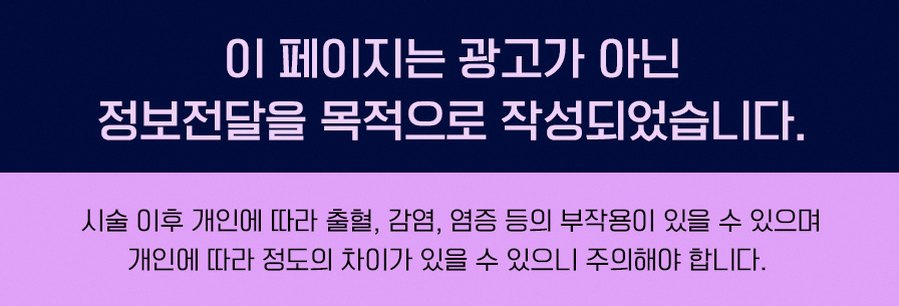
This article is intended for general information only and does not replace a personal consultation or professional medical advice. Suitability for SMILE LASIK or any other vision correction procedure can only be determined after a thorough examination by a qualified eye specialist.
- 공유 링크 만들기
- X
- 이메일
- 기타 앱


댓글
댓글 쓰기