GS Eye Center — SMILE Pro (VISUMAX 800) near Cheongdam
- 공유 링크 만들기
- X
- 이메일
- 기타 앱

Best SMILE LASIK options near Cheongdam in Gangnam
If you are searching for the best eye clinic in the Cheongdam and Gangnam area for SMILE LASIK, you are usually looking for more than a famous name.
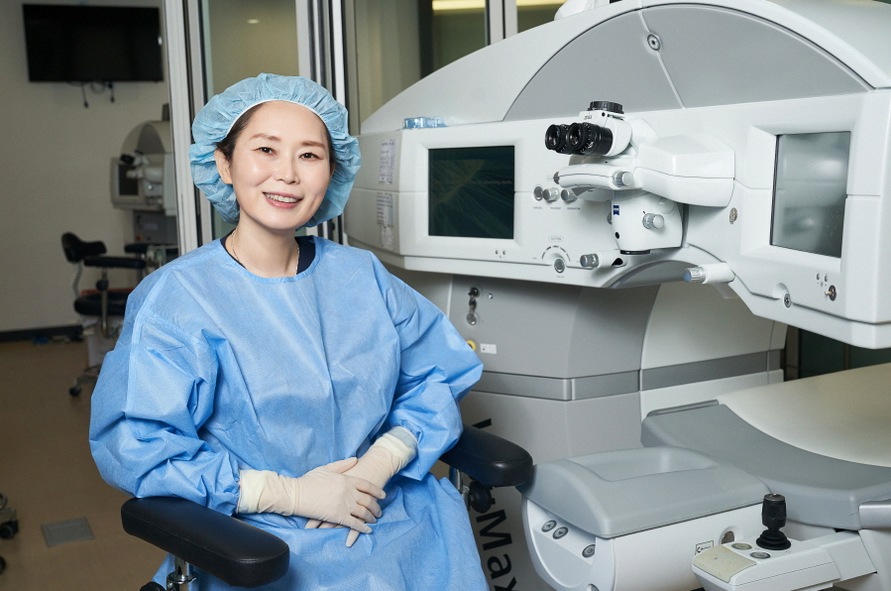
In Gangnam, many people living or working in Cheongdam travel a short distance toward Gangnam Station or Yeoksam for SMILE LASIK, because several high-volume vision correction centers are concentrated there. GS Eye Center is a nearby option that emphasizes SMILE procedures; it has a long local presence, several university-affiliated surgeons, and reports operating multiple SMILE laser platforms (VISUMAX 800 and VISUMAX 500 from ZEISS, plus the ELITA system from Johnson & Johnson). Verify device lineup and procedure volumes with the clinic before scheduling.
This guide explains how SMILE LASIK works, what makes a good SMILE clinic in the Cheongdam and Gangnam area, and how an overseas patient can plan a visit to Seoul for this procedure.
What is SMILE LASIK
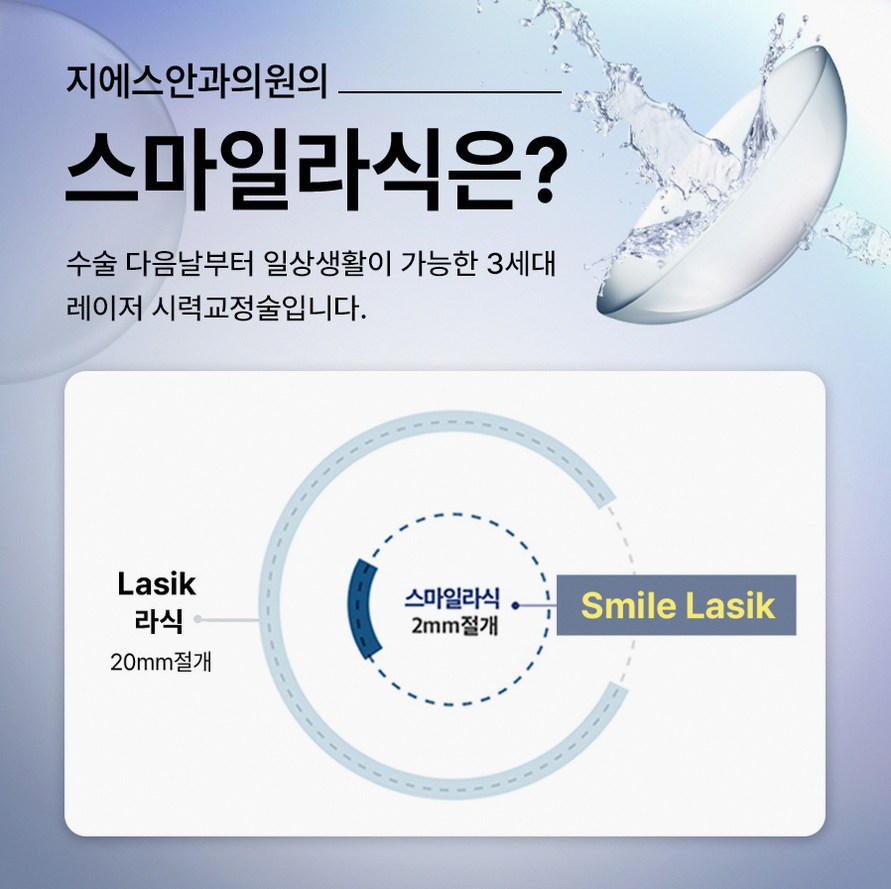
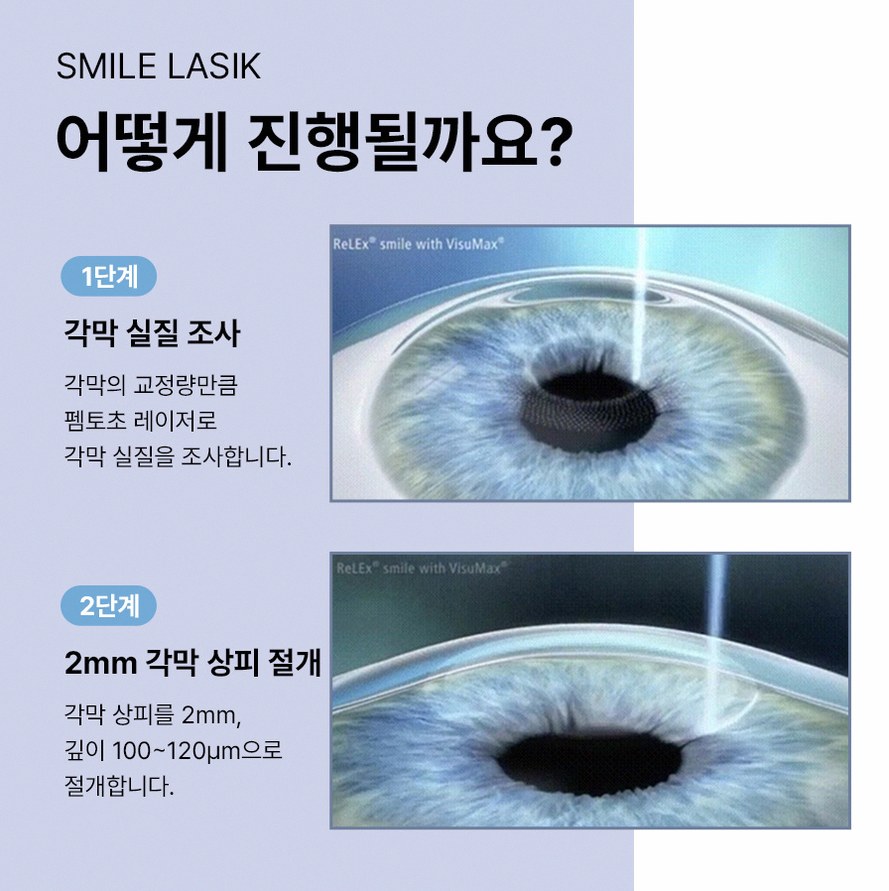
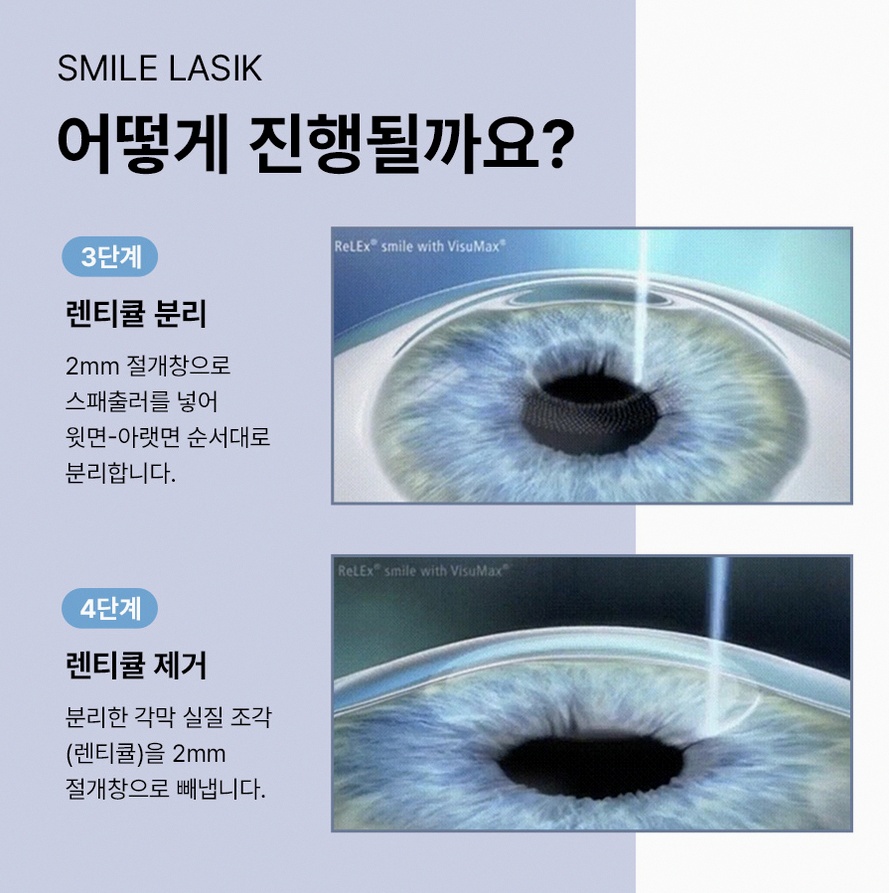
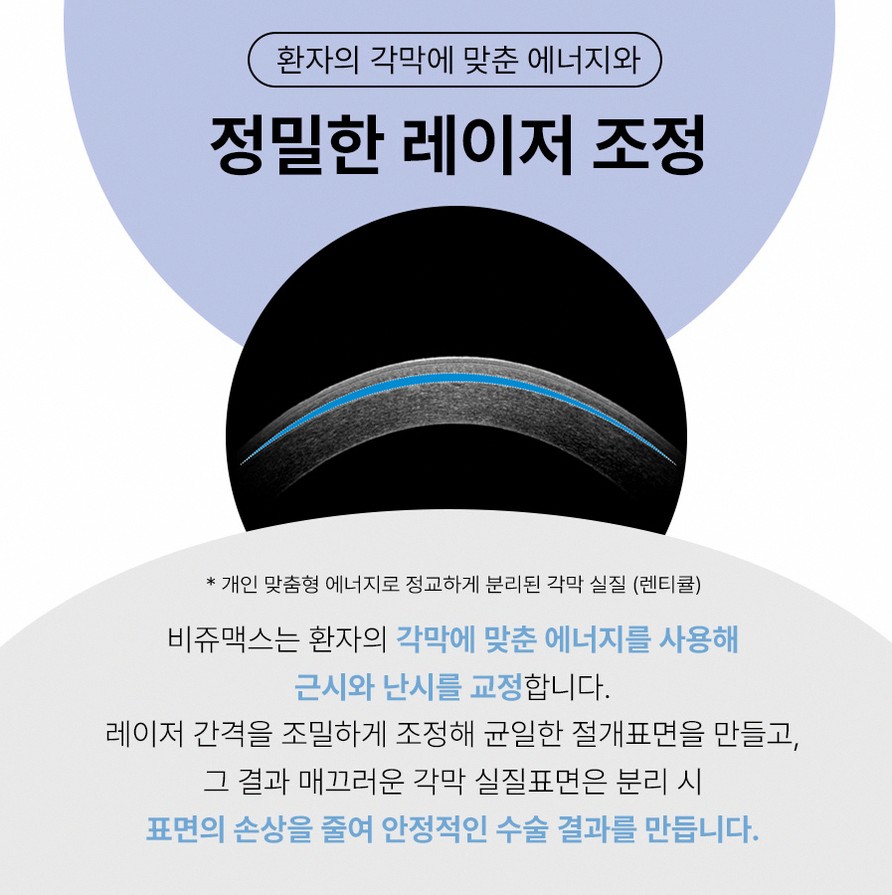
Instead of creating a large flap on the cornea like traditional LASIK, a femtosecond laser creates a small lens-shaped piece of tissue (called a lenticule) inside the cornea. The surgeon removes this lenticule through a tiny incision, usually only a few millimeters long.
Because there is no large flap, more corneal tissue and corneal nerves can be preserved compared with conventional LASIK. This can be helpful for maintaining corneal stability and may reduce the risk or severity of dry eye in some patients, although individual results vary.
SMILE LASIK is generally used to correct myopia and astigmatism within certain ranges. The exact range depends on the laser platform, corneal thickness, and each patient’s eye condition. A full preoperative examination by an ophthalmologist is essential to determine suitability.
SMILE Pro and other SMILE family procedures
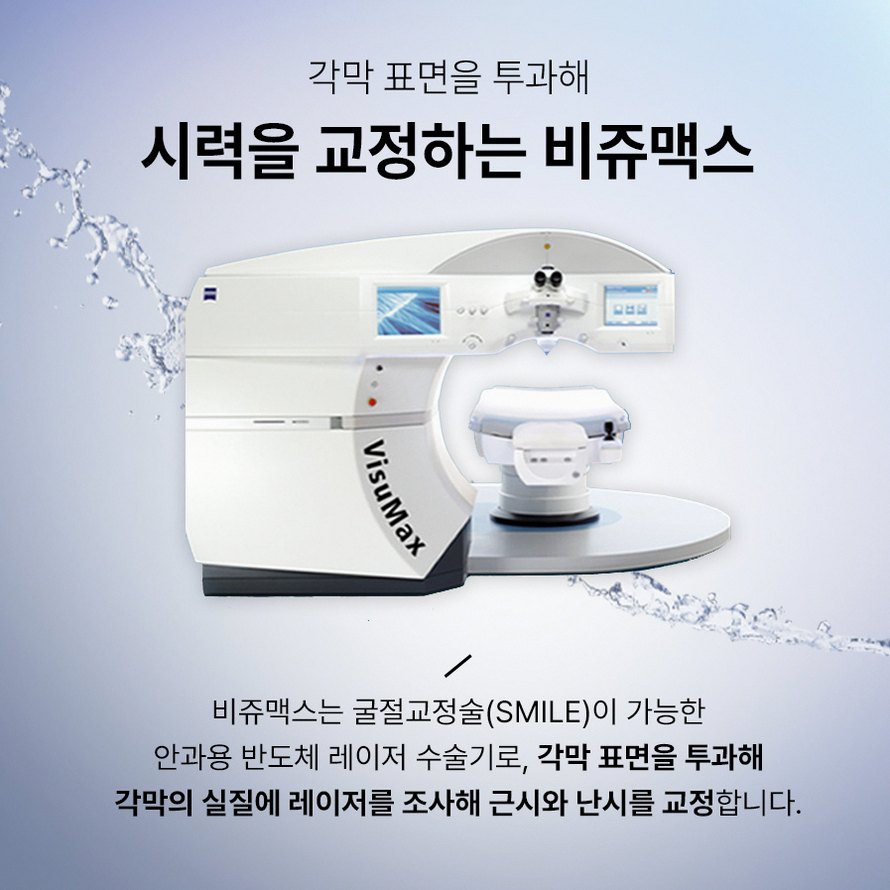
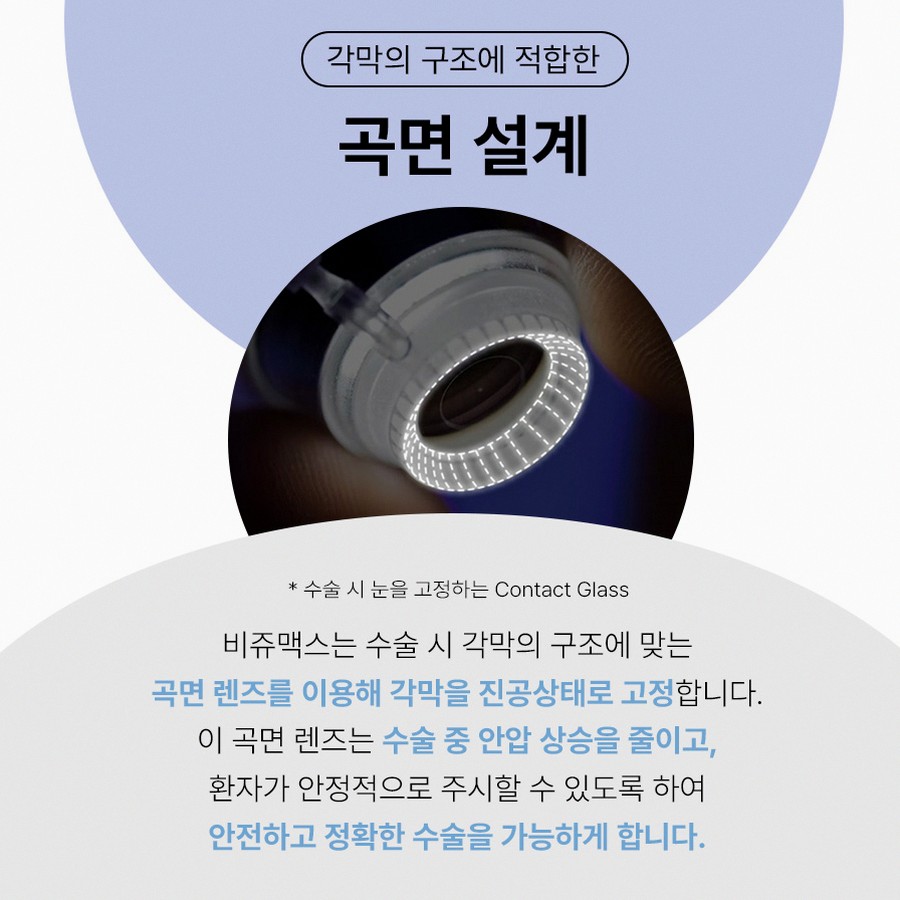
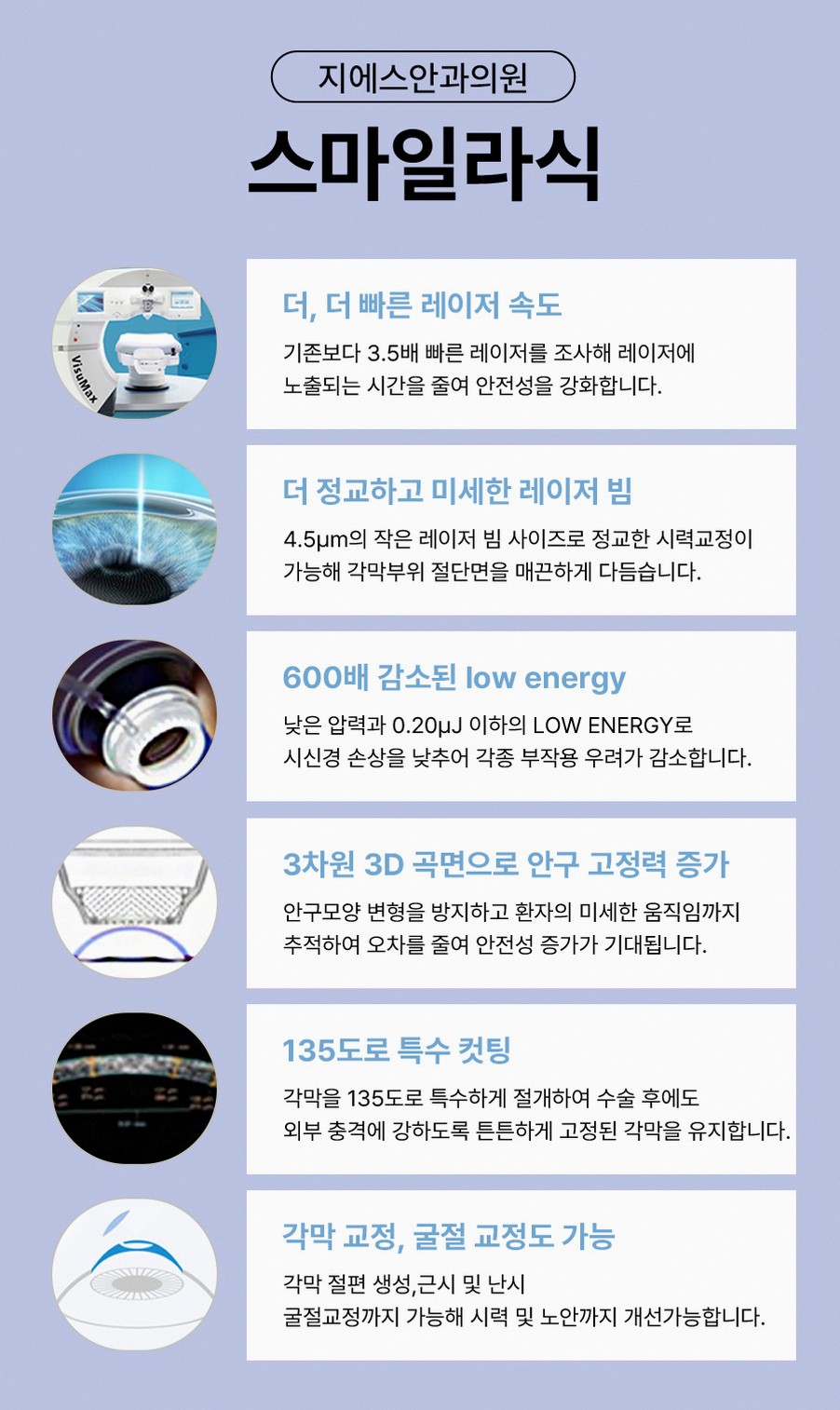
SMILE Pro is a newer generation of the SMILE procedure performed with the ZEISS VISUMAX 800 platform. It is designed to shorten laser time to around 9 seconds. Shorter suction time can help reduce discomfort and make it easier for some patients to keep their eyes steady during the laser step.
Some clinics also offer other SMILE-family procedures, such as SILK, which are based on similar principles of lenticule creation and removal through a small incision. These options are usually chosen according to corneal shape, refractive error, and surgeon preference.
Compared with LASEK or surface procedures, SMILE LASIK and SMILE Pro often provide a faster visual recovery and less early discomfort. However, for thin corneas, irregular corneas, or certain medical conditions, LASEK, lens implantation, or corneal cross-linking may be safer choices. A responsible clinic will explain these alternatives if SMILE is not ideal for you.
Who may consider SMILE LASIK
Typical candidates for SMILE LASIK include adults who:
Have stable myopia and astigmatism for at least one to two years
Have a cornea that is thick and regular enough for safe tissue removal
Do not have active eye diseases such as uncontrolled dry eye, keratoconus, or severe retinal problems
Are not pregnant or breastfeeding at the time of surgery
Age ranges can vary, but many candidates are in their 20s to 40s. Older patients with presbyopia or early cataract may be better suited to other procedures, such as lens implantation or cataract surgery with multifocal lenses.
Only a complete eye examination with corneal topography, thickness measurement, tear film evaluation, and retina check can confirm whether SMILE LASIK is appropriate. Even if you are wearing strong glasses or contact lenses, SMILE is not automatically suitable for everyone.
What makes a good SMILE LASIK clinic in Cheongdam and Gangnam
When you search for the best eye clinic in Cheongdam for SMILE LASIK, it is helpful to think in terms of objective criteria instead of only online reviews or marketing. The Cheongdam and Gangnam area has many eye clinics, so understanding these criteria can guide your decision.
Surgeon expertise and subspecialty training
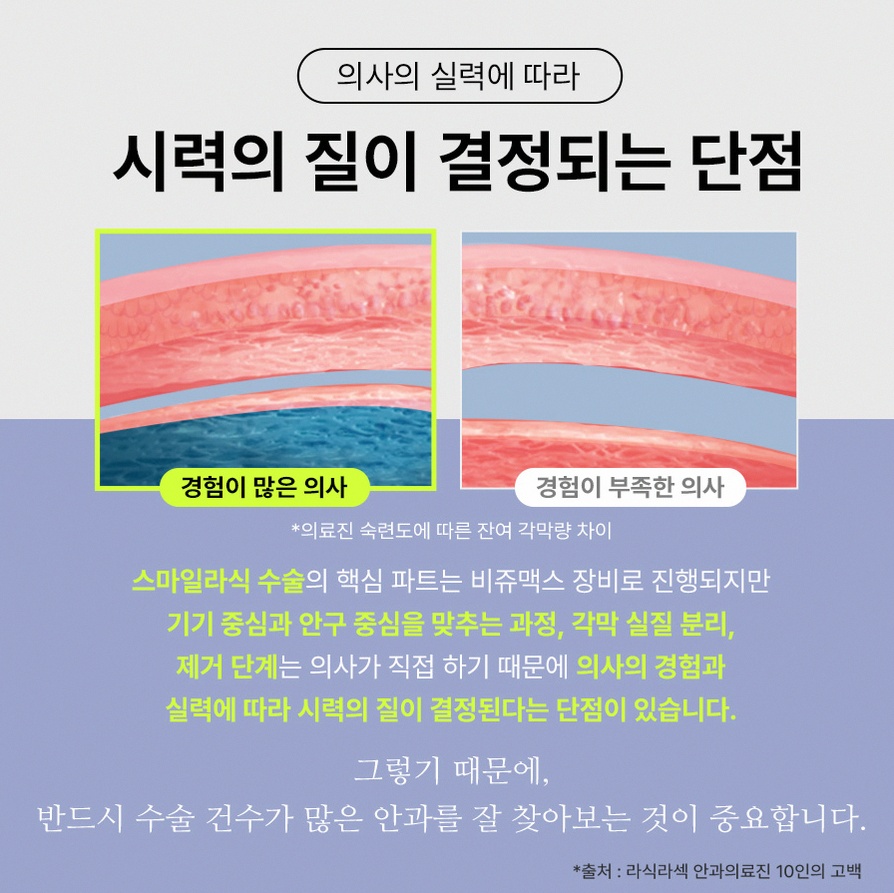
For SMILE LASIK, it is important that surgery is performed by board-certified ophthalmologists, not general doctors. In high-level centers in Gangnam, surgeons often have university hospital backgrounds, fellowship training, and experience as clinical instructors or professors.
At GS Eye Center, there are seven ophthalmology specialists. The representative director, Kim Mu-yeon, trained at Catholic University medical school, worked as an ophthalmology professor at Catholic Central Medical Center, holds a medical doctorate, and was appointed adjunct faculty in ophthalmology at Catholic University medical school in 2024. Several other doctors have held positions such as clinical instructors, assistant professors, or department heads at major university hospitals including Seoul National University Hospital, Catholic University hospitals, Inje University hospitals, and Samsung Medical Center.
This kind of academic and teaching background suggests that the surgeons are familiar with current research, complex cases, and structured training. For international patients, it can be reassuring to know that SMILE LASIK is performed by subspecialty-trained ophthalmologists who regularly teach and publish.
Case volume and outcome management
Another factor is how much experience the clinic has with vision correction and SMILE-type procedures. A high cumulative case volume, when combined with careful outcome tracking, can indicate that the clinic has refined its protocols over many years.
As of 2023, GS Eye Center reports over 300,000 eyes treated in total for vision correction and cataract surgeries. For SMILE Pro specifically, the clinic has treated 15,000 eyes as of April 2026, reaching 5,000 eyes by October 2024 and 10,000 eyes by August 2025.
The clinic was the first in Korea to join the ZEISS SMILE GOLD CLUB in 2021, was designated as a ZEISS SMILE pro CENTER in 2023, and became a SILK TRAINING Center in 2026. These designations are given by device manufacturers to centers that meet certain procedural volume and quality standards, and that often participate in training other surgeons.
While designations alone do not guarantee results, they show that the clinic is trusted by major laser manufacturers and is involved in clinical education.
Equipment and technology for SMILE LASIK
For SMILE LASIK, the laser platform is a key part of the procedure. In the Cheongdam and Gangnam area, a few clinics have invested in multiple generations of ZEISS SMILE systems to offer both SMILE and SMILE Pro.
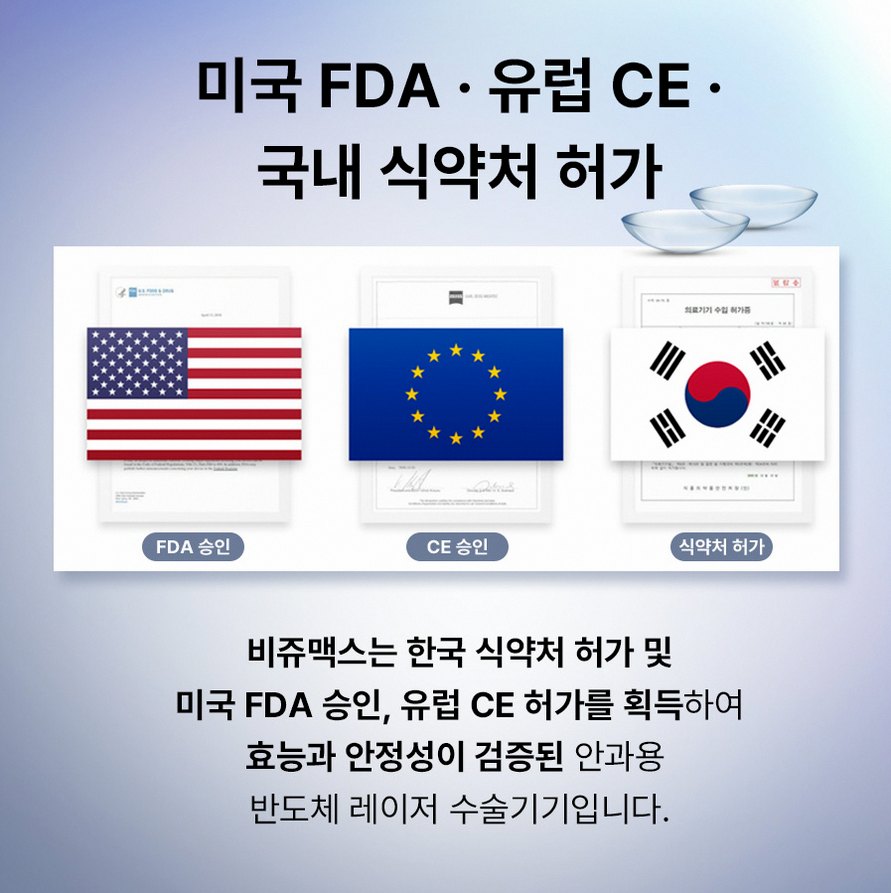
GS Eye Center operates three major SMILE-related laser platforms: VISUMAX 800 and VISUMAX 500 (ZEISS), and the ELITA system (Johnson & Johnson):
VISUMAX 800, dedicated to SMILE Pro, introduced in 2023. It offers laser time within about 9 seconds, which can reduce suction time and improve comfort for many patients.
Two VISUMAX 500 units, used for standard SMILE LASIK. The first VISUMAX 500 was introduced in 2016, and a second unit was added in 2019 to increase capacity and provide redundancy.
Having multiple platforms allows the surgeons to tailor the procedure to each eye and provides a backup in case one device needs maintenance. It also reduces waiting times and helps maintain stable quality when the clinic performs a high number of SMILE cases.
However, advanced equipment is only one part of safety. It must be combined with experienced surgeons, strict calibration and maintenance, and detailed preoperative examinations.
Quality management and educational roles
For overseas patients, it is helpful to know whether a clinic follows standardized quality systems. GS Eye Center obtained ISO 9001 and 14001 certification for its SMILE LASIK program in 2020, which relates to quality and environmental management.
The clinic was designated as a clinical education institution for Catholic University medical school in 2023 and as an Asia-Pacific clinical education institution by BIOTECH in 2024. These roles mean that the clinic participates in training medical students and ophthalmologists, and in sharing clinical protocols across the region.
While these certifications do not remove all risk, they indicate that the clinic’s processes are regularly reviewed and that it is involved in structured education.
Comprehensive preoperative examination and indication judgment
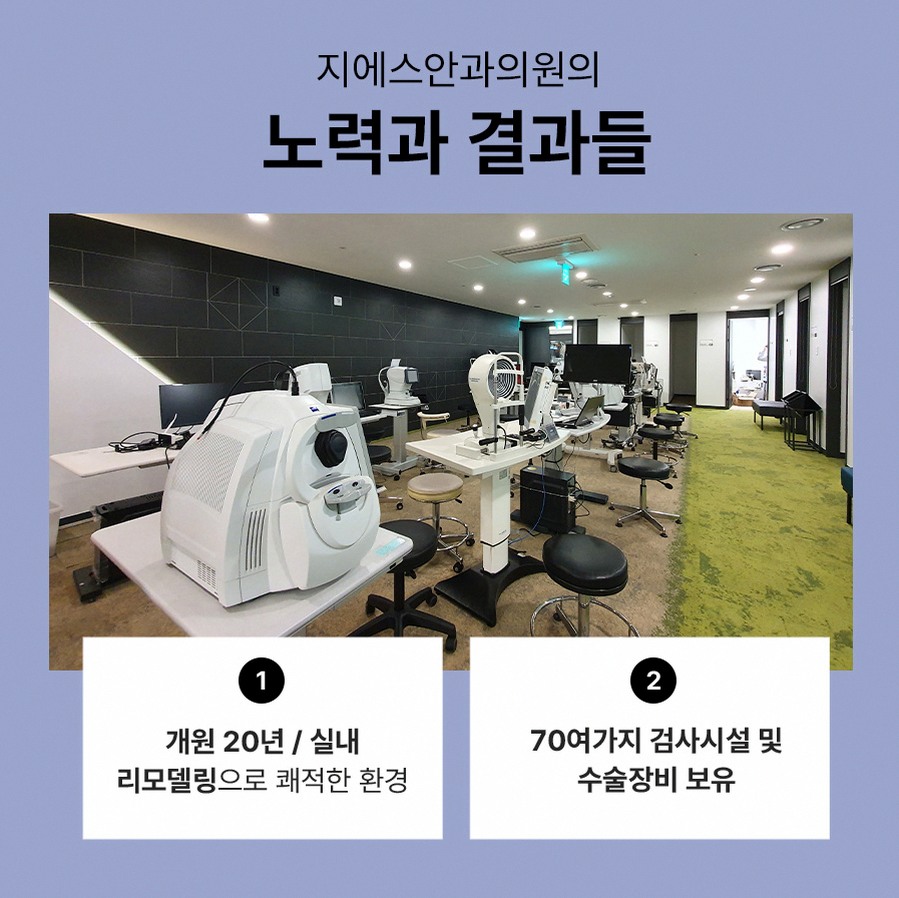
A good SMILE LASIK clinic in the Cheongdam and Gangnam area should offer a thorough preoperative workup. This usually includes:
Measurement of refractive error and visual acuity
Corneal topography and tomography to check shape and detect early keratoconus
Corneal thickness mapping to calculate safe tissue removal
Pupil size and tear film assessment to evaluate dry eye and night vision risk
Retina examination to check for weak areas, holes, or other problems
Based on these results, the ophthalmologist should clearly explain whether SMILE LASIK, SMILE Pro, or another option is safest for you. In some cases, the doctor may recommend LASEK, lens implantation such as ICL or GLAZE, or corneal cross-linking instead of SMILE.
A trustworthy clinic will not push surgery if your cornea is too thin, irregular, or otherwise unsuitable. For international patients, asking directly, “If I were your family member, would you still recommend SMILE?” can be a useful way to understand the doctor’s judgment.
Safety systems and long-term follow-up
After SMILE LASIK, proper follow-up is just as important as the surgery itself. A well-organized clinic will have a structured schedule, for example:
Check on the day after surgery
Follow-up within the first week
Visits at one month, three months, and sometimes six months or one year
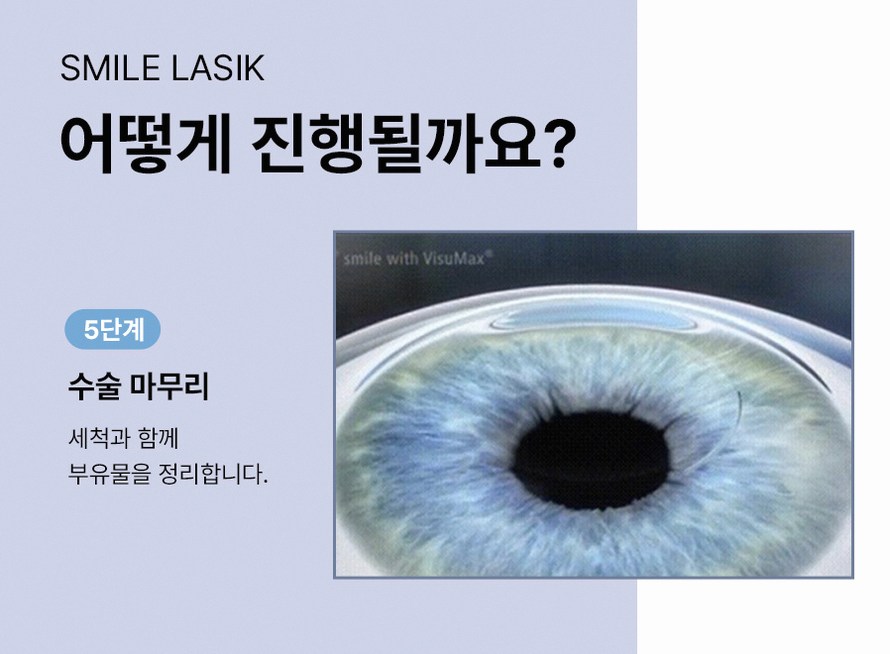
During these visits, the ophthalmologist checks vision, corneal healing, tear film, and any symptoms such as glare, halos, or dryness. If issues arise, early management can improve comfort and outcomes.
It is also valuable when the clinic has retina specialists on staff. For patients with high myopia or retinal risk factors, having a retina specialist available in the same center can help with screening and treatment of retinal tears or other conditions.
Overview of the SMILE LASIK procedure
For international patients considering SMILE LASIK in Seoul, the basic process usually includes:
Preoperative examination
The preoperative evaluation includes a detailed eye examination. The length of the assessment varies by clinic and by which diagnostic tests are required; it may be relatively brief or may take several hours depending on the individual case and clinic protocol. You may need to stop wearing soft contact lenses for several days before the exam, and rigid lenses for a longer period, to allow your cornea to return to its natural shape.
Surgery day
On the day of SMILE LASIK or SMILE Pro, you usually arrive at the clinic, sign consent forms, and receive final checks. Anesthetic eye drops are used, so general anesthesia is not required.
The laser step itself is very short. With VISUMAX 800 for SMILE Pro, the laser time is around 9 seconds per eye. With VISUMAX 500 for standard SMILE, it is slightly longer but still brief. After the laser creates the lenticule and small incision, the surgeon removes the lenticule through the tiny opening.
The in-room procedure time for SMILE is typically brief, but total visit time — including preoperative preparation and post-procedure recovery — varies by clinic and patient.
Recovery timeline
Many patients notice improved vision within a day, and can usually return to light daily activities or office work within a few days. However, vision can fluctuate in the first weeks, and full stabilization may take several months.
Common temporary symptoms include mild dryness, light sensitivity, or halos around lights at night. These usually improve with time and the use of prescribed eye drops, but the pattern and duration vary from person to person.
Your doctor will give specific instructions, which may include:
Do not rub your eyes for several weeks
Use antibiotic and anti-inflammatory eye drops as prescribed
Use artificial tears for dryness
Avoid swimming pools and hot tubs for a certain period
Wear protective shields or glasses when sleeping for the first few nights
Planning a SMILE LASIK trip to Korea
For overseas patients, planning the timing of your stay in Seoul is important. A common schedule is:
Day 1: Arrival in Seoul, rest, or light sightseeing
Day 2: Full preoperative examination and consultation
Day 3: SMILE LASIK or SMILE Pro surgery
Day 4: First postoperative check
Days 5–7: Additional follow-up if needed, then departure
Some patients prefer to stay at least one week after surgery to complete early follow-up visits. If your schedule is tight, discuss with the clinic in advance how many days they recommend you remain in Korea based on your eye condition and travel distance.
Online consultation and pre-visit preparation
Before you book flights, it is wise to arrange an online consultation with the clinic. Many Gangnam clinics that see international patients can review your basic information and answer initial questions.
To prepare for an online consultation, you can:
Prepare your glasses or contact lens prescription history
Note any previous eye surgeries, injuries, or diseases
List systemic conditions such as diabetes, autoimmune diseases, or medications
Mention if you have symptoms like dry eye, floaters, or night vision problems
You can also ask practical questions, such as:
Which SMILE platforms does the clinic use (VISUMAX 800, VISUMAX 500, SILK, etc.)?
How many SMILE and SMILE Pro procedures do they perform per year?
What is the typical stay recommended for overseas patients?
How are emergencies handled after you return home?
This information helps you compare clinics in the Cheongdam and Gangnam area based on concrete criteria, not just price.
Aftercare and long-term considerations
After you return home, you should continue regular eye check-ups with a local ophthalmologist. Ask the clinic in Seoul to provide a summary of your surgery details, including preoperative data, procedure type, and early postoperative results, so your local doctor has a clear record.
Long-term, it is important to:
Monitor for changes in vision
Protect your eyes from UV light with sunglasses
Use lubricating drops if you have persistent dryness
Seek prompt care if you notice sudden flashes, floaters, or a curtain-like shadow in your vision, which can be signs of retinal problems
Even after successful SMILE LASIK, natural aging of the eye continues. Presbyopia (difficulty focusing at near) typically appears in the 40s or 50s, and cataracts can develop later. These are normal age-related changes and are not prevented by vision correction surgery.
Soft call to action for international patients
If you are living in or visiting Cheongdam, Gangnam, or nearby areas and are considering SMILE LASIK, it is worth consulting an ophthalmology clinic that focuses strongly on SMILE and SMILE Pro, uses multiple ZEISS platforms, and has surgeons with university hospital and teaching backgrounds.
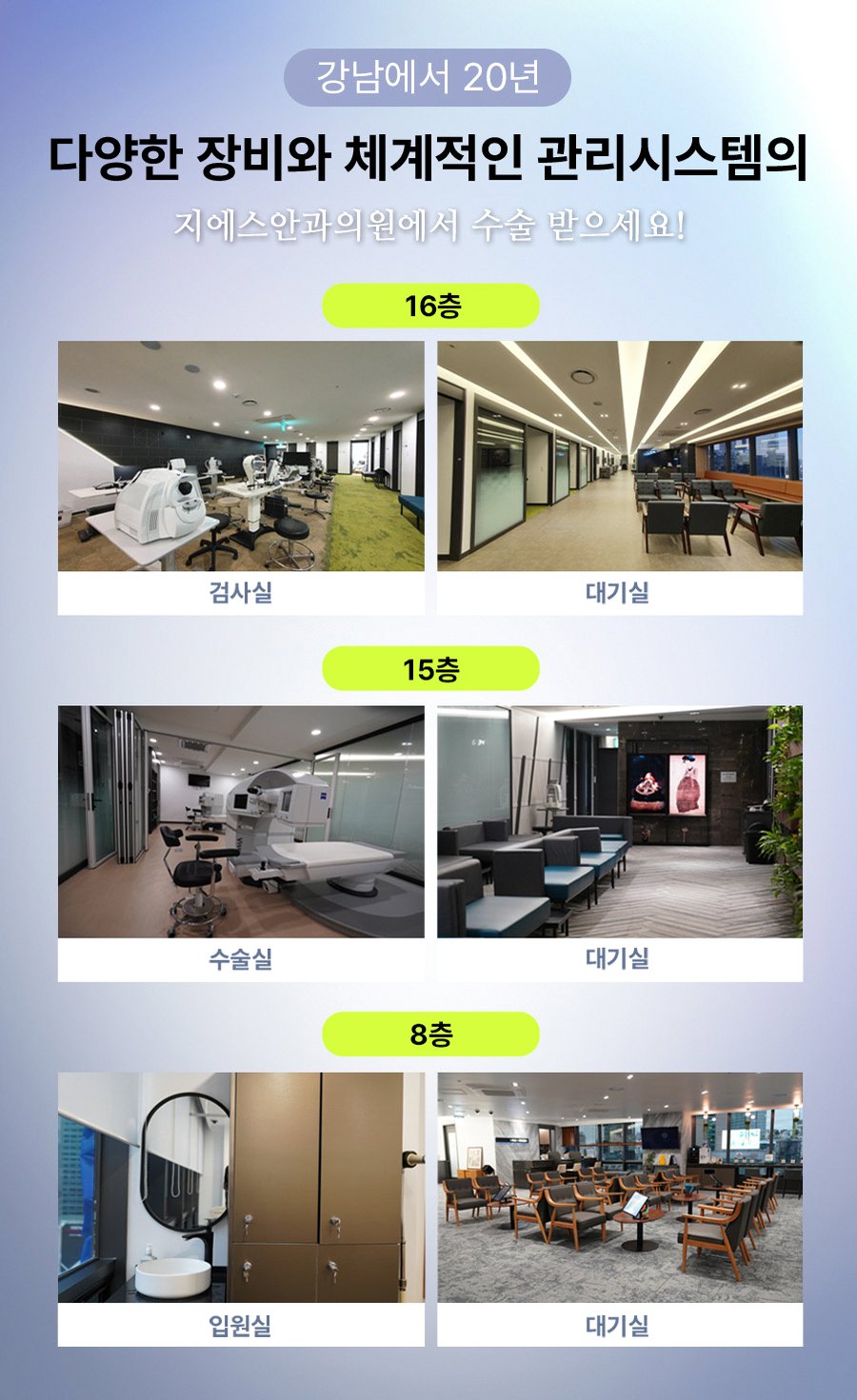
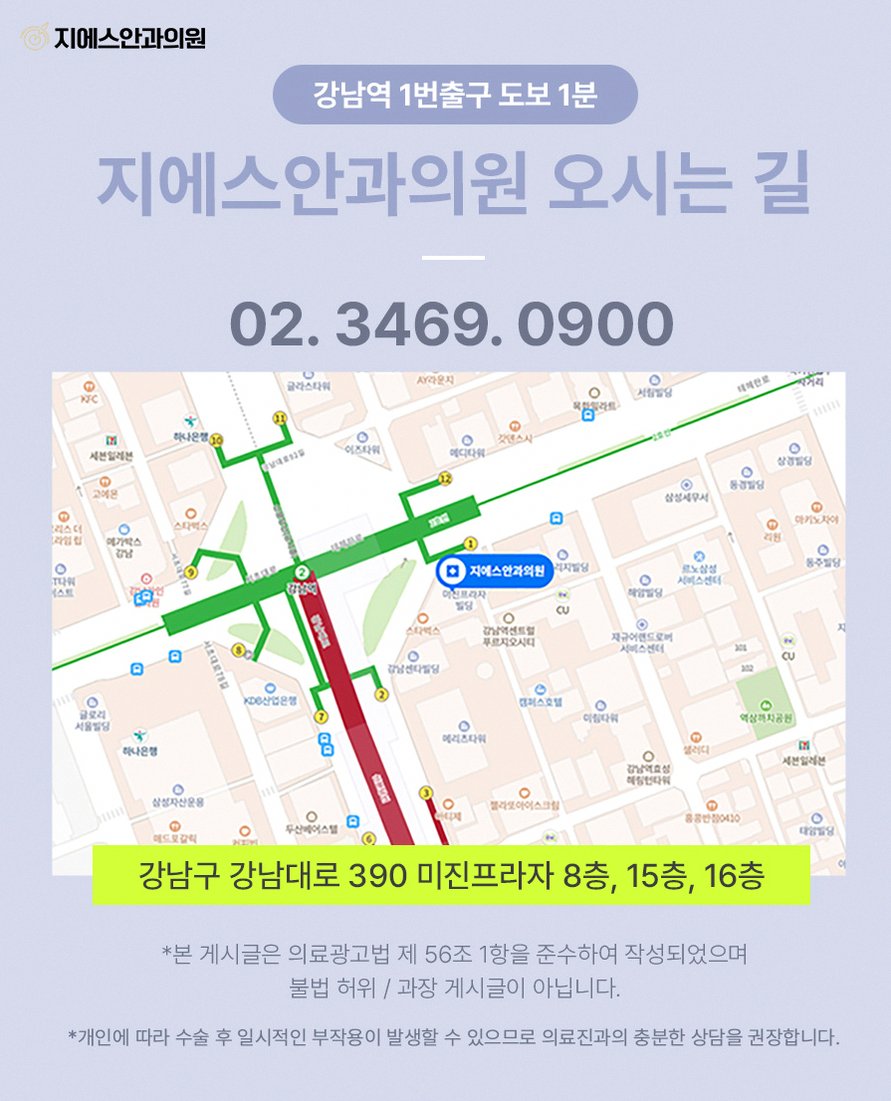
GS Eye Center, located at Gangnam-daero 390 near Gangnam Station in Seoul, is one such option that many patients from Cheongdam also visit. With a long presence in the area since 2005, a team of seven ophthalmology specialists, and extensive experience in SMILE-type procedures, it may be a practical choice to include in your shortlist.
Before making any decision, consider arranging an online consultation to review your eye condition, discuss whether SMILE LASIK is suitable for you, and plan a safe and realistic schedule for your visit to Korea.
All medical procedures, including SMILE LASIK and SMILE Pro, carry potential risks and side effects. The information in this article is for general educational purposes and does not replace a personal consultation and full examination by a qualified ophthalmologist.
- 공유 링크 만들기
- X
- 이메일
- 기타 앱


댓글
댓글 쓰기