How SMILE LASIK costs are set in Gangnam
- 공유 링크 만들기
- X
- 이메일
- 기타 앱


Direct answer: what Smart LASIK price really means
When people search for Smart LASIK price in Seoul or Gangnam, they usually want to know how much SMILE LASIK will cost, what is included in the fee, and whether a higher price is linked to safer technology and better long‑term vision. In Korea, Smart LASIK is often a marketing term for SMILE‑type laser vision correction using a femtosecond laser and a very small incision.
Instead of one fixed number, Smart LASIK pricing is built from several parts: a detailed eye examination, the actual laser procedure (often both eyes together), the specific laser platform used, medications, and follow‑up care. The final cost can only be confirmed after a full eye examination, because it depends on your prescription, corneal thickness, eye health, and whether any additional procedures are needed.
This guide explains how Smart LASIK / SMILE LASIK works, what usually influences the price in Gangnam, how a high‑volume refractive center may structure its fees, and what overseas patients should check before choosing a clinic in Seoul.
What Smart LASIK / SMILE LASIK is
In Korea, the term Smart LASIK is often used in marketing to describe SMILE LASIK, a small‑incision laser vision correction method.
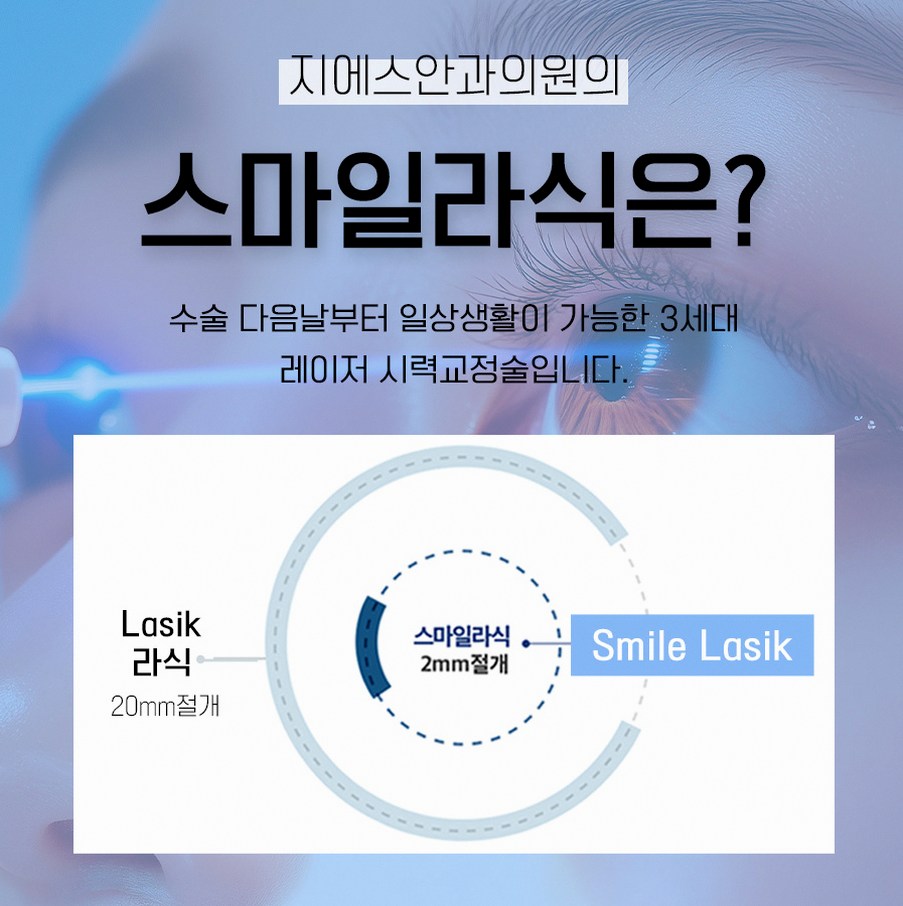
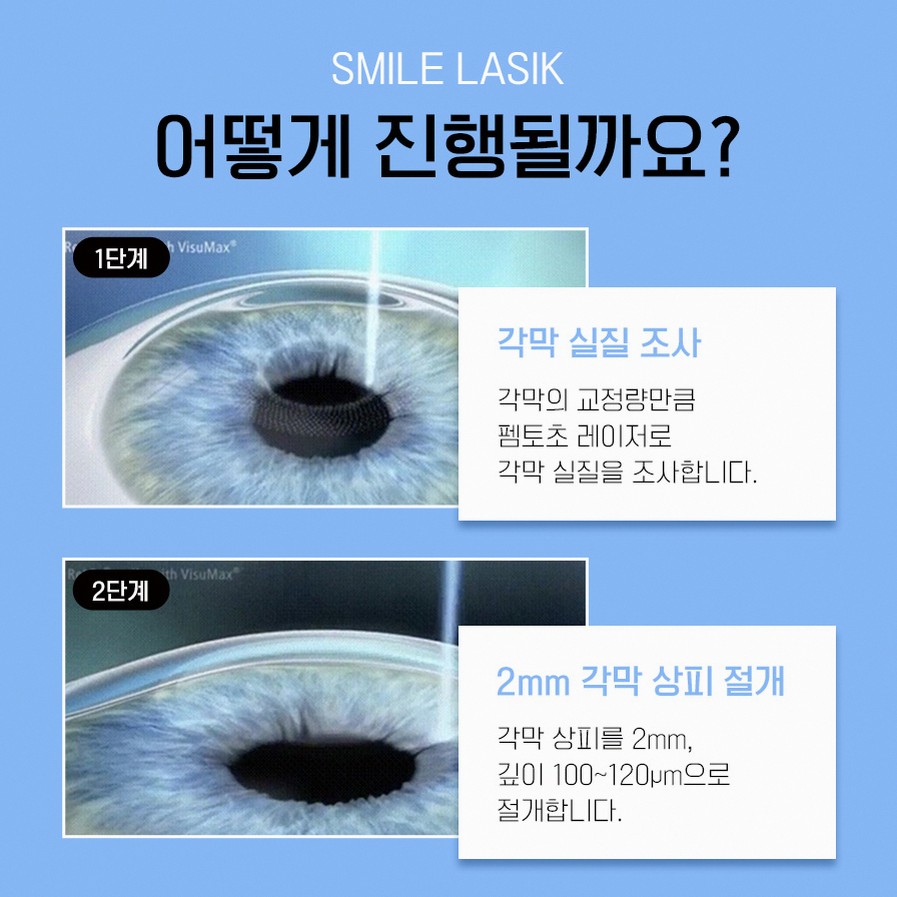
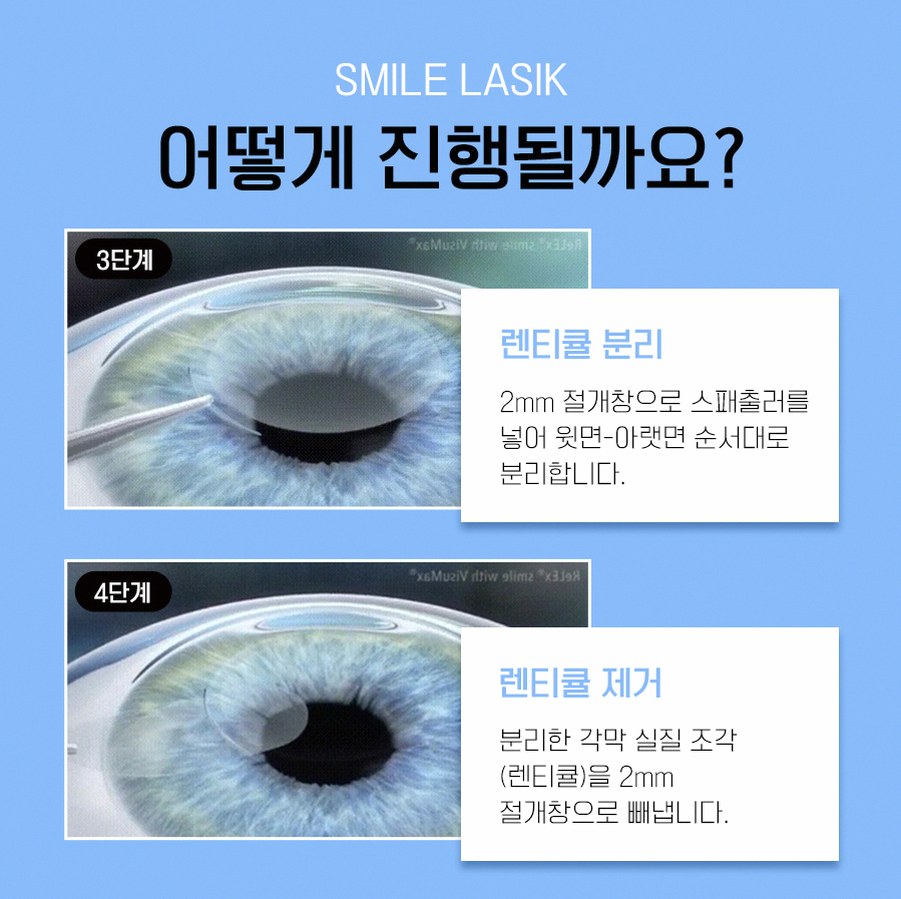
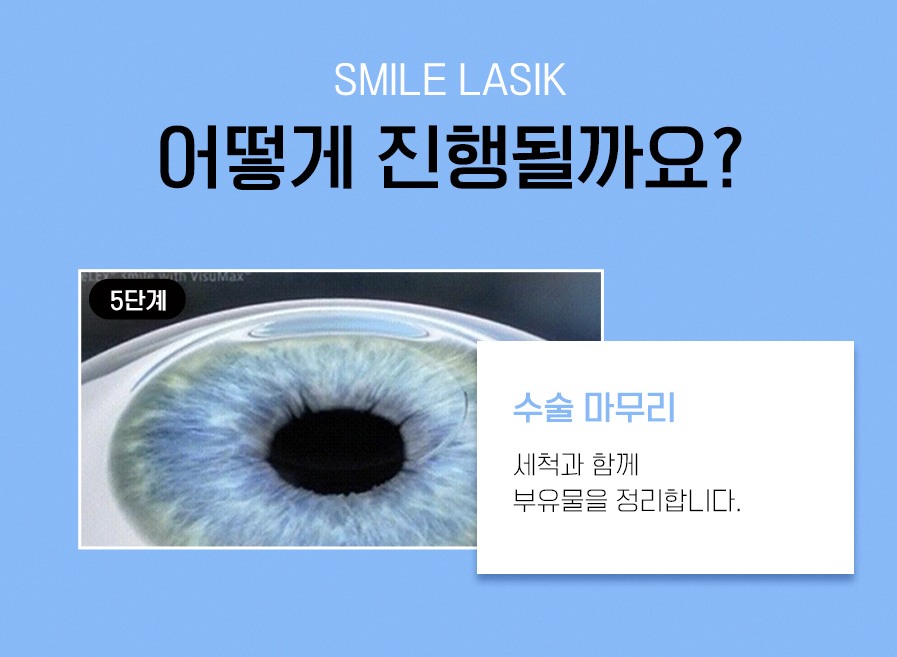
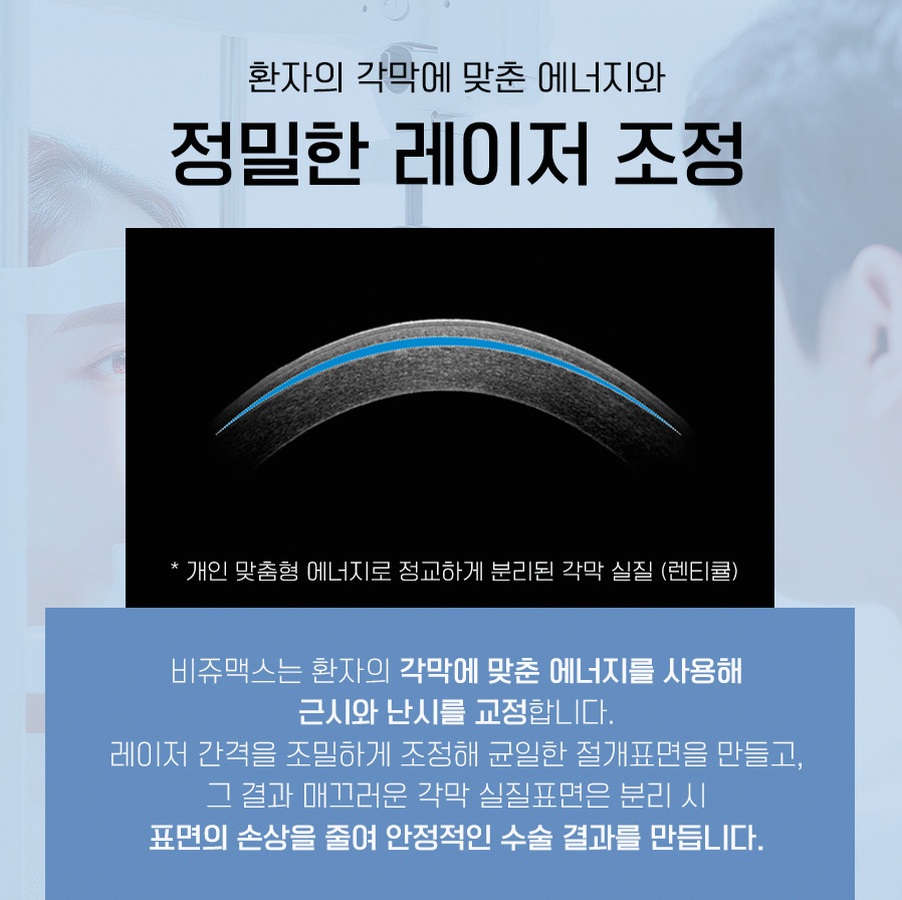
SMILE LASIK uses a femtosecond laser to create a very thin, lens‑shaped piece of tissue (called a lenticule) inside the cornea. The surgeon then removes this lenticule through a tiny side incision only a few millimeters long. By removing this tissue, the shape of the cornea changes and light focuses more accurately on the retina, improving myopia and astigmatism.
Unlike conventional LASIK, SMILE LASIK does not require a large corneal flap. In traditional LASIK, a flap is created on the surface of the cornea, lifted, and then an excimer laser reshapes the underlying tissue. The flap is then repositioned. This flap step is not part of SMILE LASIK.
Compared with LASEK, which is a surface procedure where the outer layer of the cornea is treated and needs time to regrow, SMILE LASIK usually involves less surface damage and may offer more comfortable early recovery for many patients.
The main focus of this article is Smart LASIK / SMILE LASIK. LASIK and LASEK are mentioned only to help you understand the differences when you compare options and prices.
Who may consider Smart LASIK
Smart LASIK / SMILE LASIK is generally considered for adults with stable myopia and astigmatism who want to reduce or remove dependence on glasses or contact lenses.
People who may ask about Smart LASIK price often include:
Those with moderate to high myopia or astigmatism who have worn glasses or contacts for many years.
Busy professionals or students who want faster functional recovery compared with some surface procedures.
Frequent travelers or contact lens wearers who find lens care inconvenient or uncomfortable.
However, not everyone is suitable. Corneal thickness, corneal shape, dry eye status, and retinal health all matter. In some cases, other options such as LASEK, phakic lens implantation (for example, ICL‑type lenses), or lens surgery for older patients may be safer or more appropriate. This is one reason why exact Smart LASIK pricing can only be decided after detailed testing.
What people usually mean by Smart LASIK price
When international patients search for Smart LASIK price in Gangnam or Seoul, they are usually trying to answer several questions at once.
They want a general idea of how expensive SMILE LASIK is compared with LASIK or LASEK. They also want to know what is included in the quoted fee: are the pre‑operative tests included, is the surgery for both eyes, are medications and follow‑up visits covered, and how long is the aftercare period.
Another important question is whether a higher price reflects better safety, more advanced laser technology, and more structured follow‑up, or whether it is mainly marketing. On the other side, very low prices can raise doubts about how thorough the examination is, what equipment is used, and how much time the surgeon spends on planning and follow‑up.
Price is important, but it should not be the only factor. Safety, suitability for your eyes, and long‑term vision quality are more important than finding the lowest possible fee.
Main factors that influence Smart LASIK / SMILE LASIK pricing
Several practical factors influence how clinics in Gangnam and the rest of Seoul set their Smart LASIK prices. Understanding these can help you interpret price differences more calmly.
Laser platform and technology level
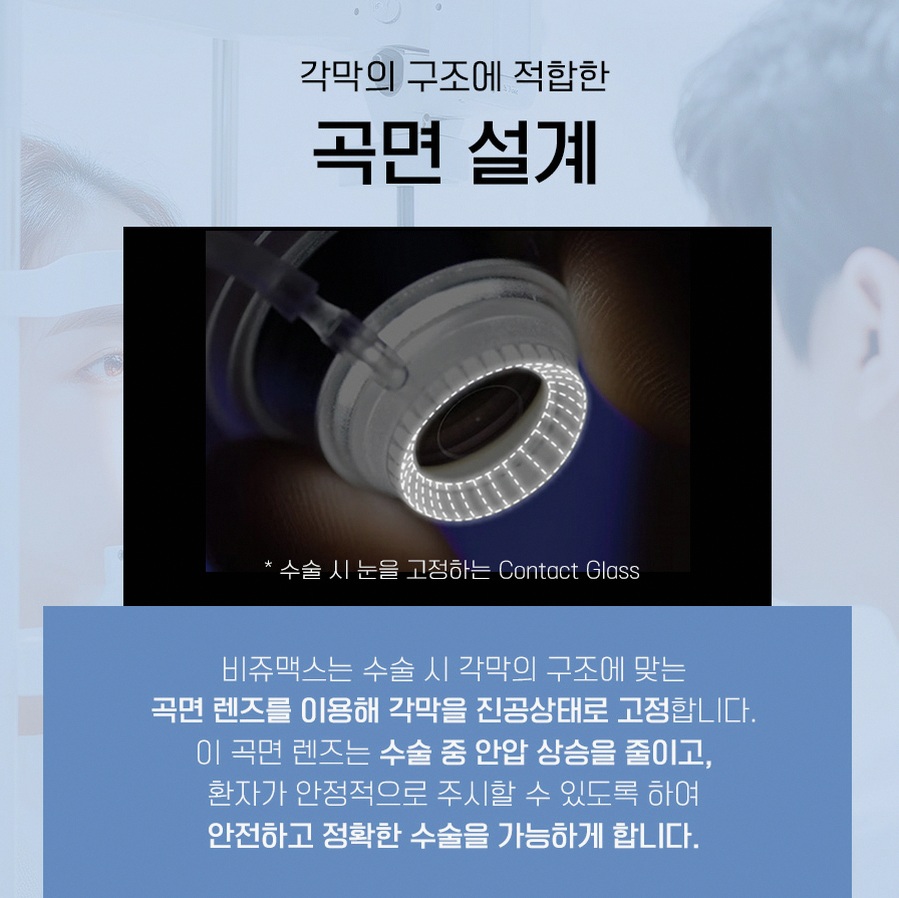
SMILE LASIK requires a femtosecond laser that is specially designed for this procedure. Different models and generations of this laser can affect the cost.
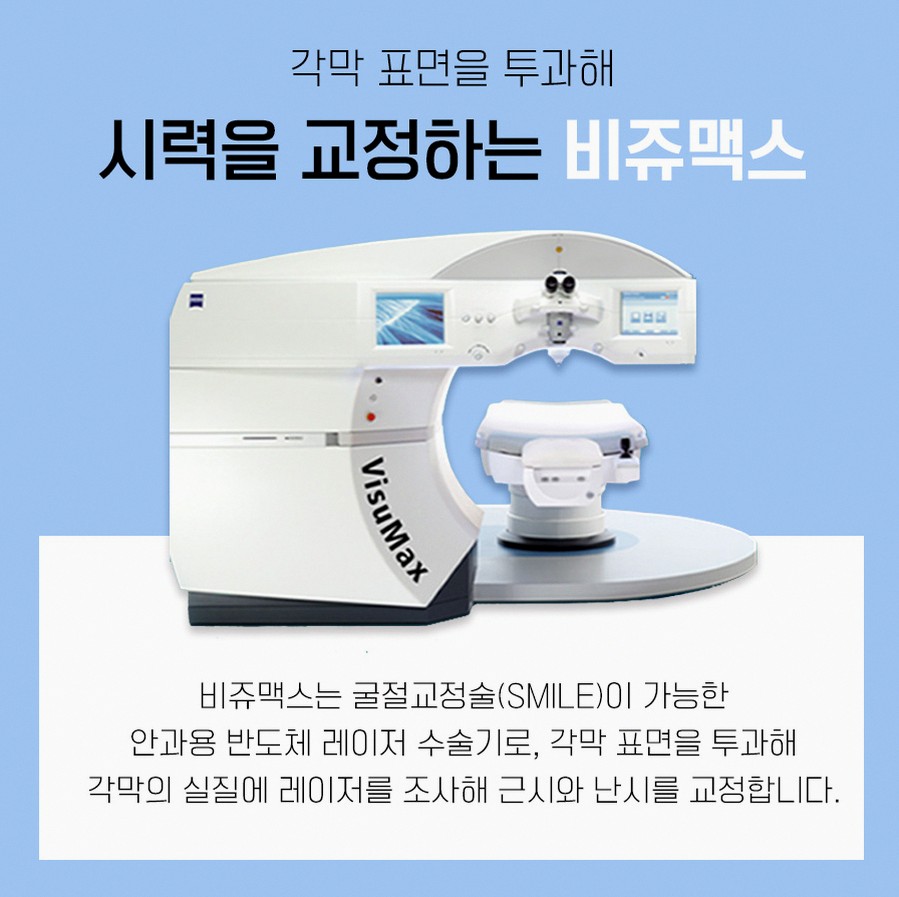
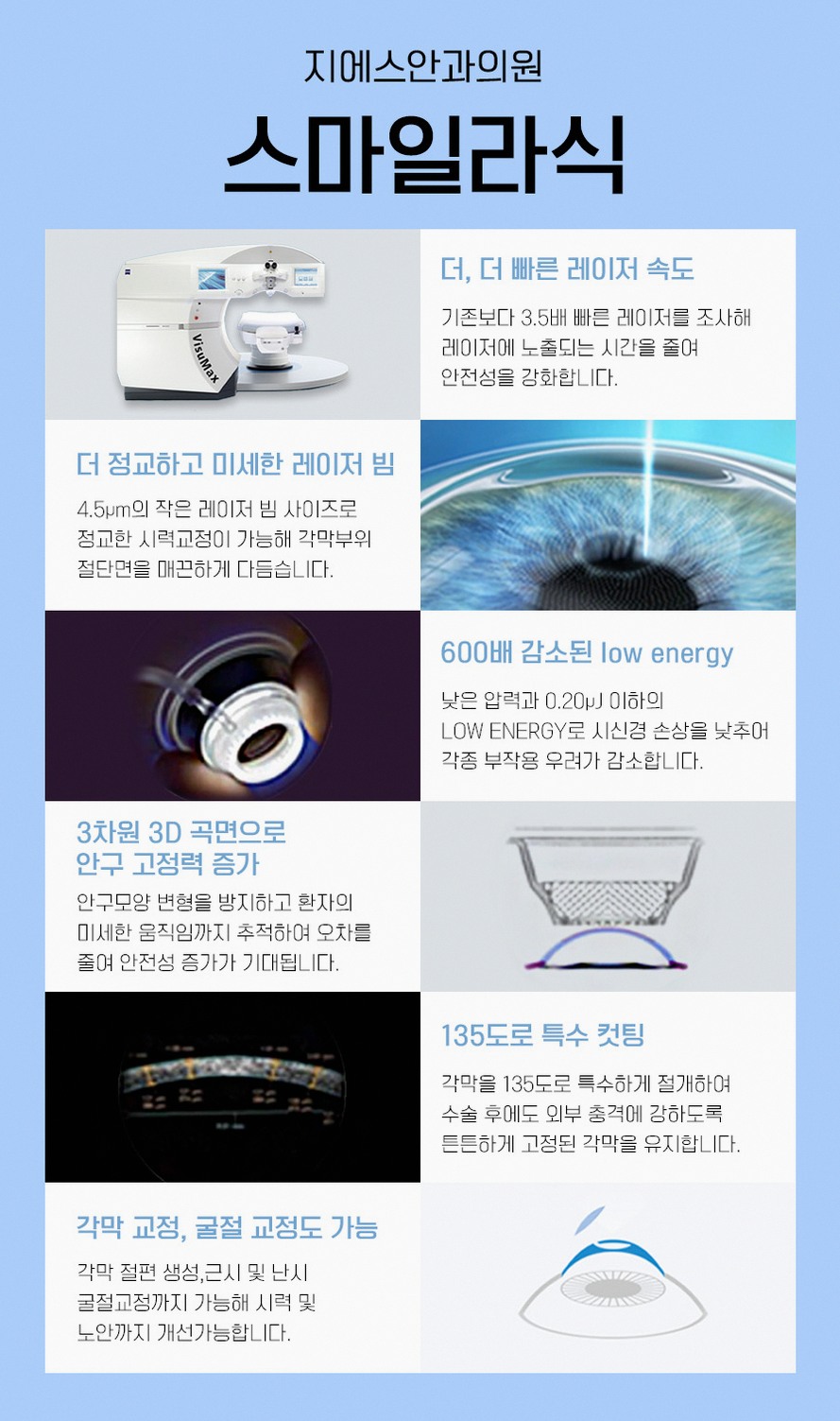
Some clinics use ZEISS SMILE platforms such as VISUMAX 800 and VISUMAX 500. VISUMAX 800 is a newer‑generation system designed for SMILE pro, with very fast laser time measured in seconds. VISUMAX 500 is a widely used earlier‑generation platform.
Newer platforms may shorten laser and suction time, improve comfort during the procedure, and allow more precise centration and smoother lenticule creation. Clinics that operate more than one SMILE‑capable laser sometimes offer different price tiers depending on which platform is used, or package names such as standard SMILE versus SMILE pro.
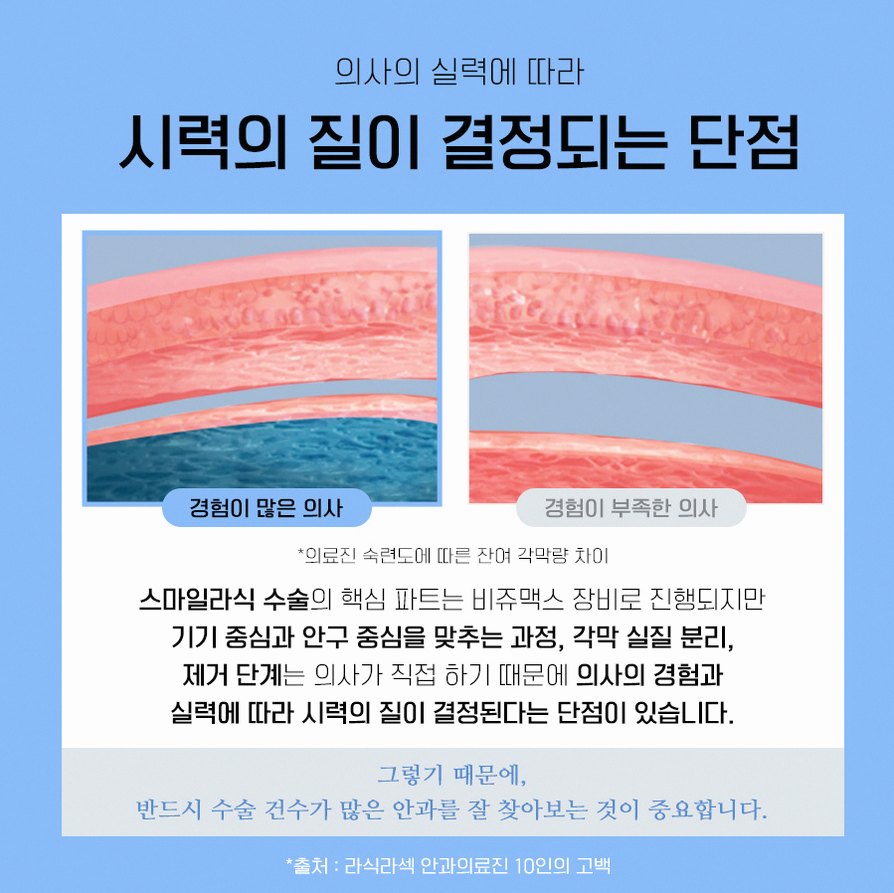
Surgeon experience and subspecialty
Smart LASIK pricing can also reflect the experience and training of the ophthalmologist performing the procedure.
Some centers are led by board‑certified ophthalmologists with prior university hospital professorships or clinical instructor roles. Other attending doctors may also be ophthalmology specialists, some with additional retina subspecialty training or medical doctorates.
A team with multiple ophthalmology specialists can discuss complex cases together, decide more carefully who is suitable for Smart LASIK, and provide continuity of care if issues such as retinal tears, lattice degeneration, or other complications arise in high myopia patients.
Scope and depth of the pre‑operative eye examination
A thorough pre‑operative workup is essential for safe Smart LASIK and can influence cost.
Typical tests before SMILE LASIK may include:
Visual acuity measurement and refraction, sometimes including cycloplegic refraction to measure your true prescription.
Corneal topography and tomography to map the surface and deeper layers of the cornea and screen for keratoconus or irregular shapes.
Corneal thickness measurement and, in some centers, biomechanical assessment to estimate corneal strength.
Pupil size measurement, especially under low light conditions.
Tear film and dry eye evaluation, because dry eye can affect both comfort and visual quality after surgery.
Intraocular pressure and optic nerve evaluation.
Retinal examination, especially for high myopia, to detect lattice degeneration, retinal tears, or other pathologies that may need treatment or careful monitoring.
Clinics that operate a dedicated retina clinic or have retina‑trained ophthalmologists can more safely manage high myopia patients who are considering Smart LASIK, and this level of evaluation is usually reflected in the overall fee.
Case complexity and personalized planning
Not all eyes are the same, and pricing may differ according to case complexity and the need for additional planning or combined procedures.
Examples include very high myopia or high astigmatism, thin corneas or borderline corneal thickness, patients with significant dry eye, previous eye surgery, or subtle retinal issues.
In some selected cases, clinics may recommend adjunctive procedures such as corneal cross‑linking to enhance biomechanical stability. If such additional steps are required, they are usually priced separately or as part of a different package.
Post‑operative care and follow‑up system
A responsible Smart LASIK program includes structured follow‑up visits and active management of post‑operative symptoms.
Typical follow‑up schedules may include visits the next day, at around one week, one month, and then several months after surgery. During these visits, the team checks visual acuity, corneal healing, dry eye status, inflammation, and any signs of regression or rare complications.
Clinics that include longer‑term follow‑up, detailed dry eye management, and clear enhancement policies may have higher overall fees than centers that only provide minimal post‑operative care.
Clinic status, certifications, and training center roles
Some ophthalmology clinics in Gangnam and other parts of Seoul act as clinical education centers for medical schools or industry partners, or as training centers for specific laser platforms such as SMILE pro or other advanced systems.
Such designations usually require demonstrated surgical volume and outcomes, standardized protocols and quality control, and compliance with international standards such as ISO certifications for quality and environmental management.
These roles can influence both the perceived value and the pricing of Smart LASIK, because they reflect investment in equipment, systems, and continuous education.
How a high‑volume refractive center may structure Smart LASIK pricing
Instead of a single simple fee, high‑volume refractive centers in Gangnam often structure Smart LASIK pricing as a package with several components.
Typical components of the fee may include:
Comprehensive pre‑operative examination and consultation, often on a separate day before surgery.
The Smart LASIK / SMILE LASIK procedure itself, usually for both eyes, using a specified laser platform.
Use of a particular technology tier, for example, standard SMILE on VISUMAX 500 versus SMILE pro on VISUMAX 800.
Medications such as antibiotic and anti‑inflammatory eye drops, lubricating drops, and protective items like eye shields.
Scheduled follow‑up visits for a defined period after surgery.
Some centers may offer different price levels depending on the laser model or package, and may have separate pricing for enhancements or retreatments if needed in the future. Installment or financing options may be available for local patients and should be clearly explained during consultation.
For overseas patients, it is helpful to ask whether the package can be adjusted to fit a short stay in Korea, and how follow‑up will be handled once you return to your home country.
Safety and value versus low price
Choosing the lowest Smart LASIK price can be tempting, especially when comparing many clinics online. However, extremely low fees can be risky if they are linked to abbreviated or superficial examinations, limited testing equipment, or unclear information about the surgeon and laser platform.
If the pre‑operative workup is too basic, subtle corneal or retinal problems may be missed. If there is no retina specialist available for high myopia evaluation, conditions such as lattice degeneration or small retinal tears may not be identified before surgery.
When comparing prices, it is safer to prioritize detailed screening, clear explanation of indications and contraindications, and transparent information about the surgeon’s experience and the exact laser system used. Long‑term vision quality and corneal health should matter more than short‑term savings.
When Smart LASIK may not be the best choice
Smart LASIK is not suitable for everyone. In some situations, your ophthalmologist may recommend other options, which can also affect the total cost of your vision correction plan.
Examples include very thin corneas or suspicious corneal topography, early keratoconus or other ectatic disorders, extremely high myopia where corneal tissue removal would be excessive, significant dry eye disease that could worsen after corneal laser surgery, and certain retinal conditions that require treatment or close monitoring.
In such cases, alternatives may include surface ablation procedures such as LASEK, with or without corneal strengthening techniques, phakic lens implantation instead of corneal laser, or cataract and presbyopia‑correcting lens surgery in older patients.
These decisions are highly individualized. They influence both safety and overall cost, and they can only be made after a full examination and discussion with an ophthalmologist.
About GS Eye Center in Gangnam
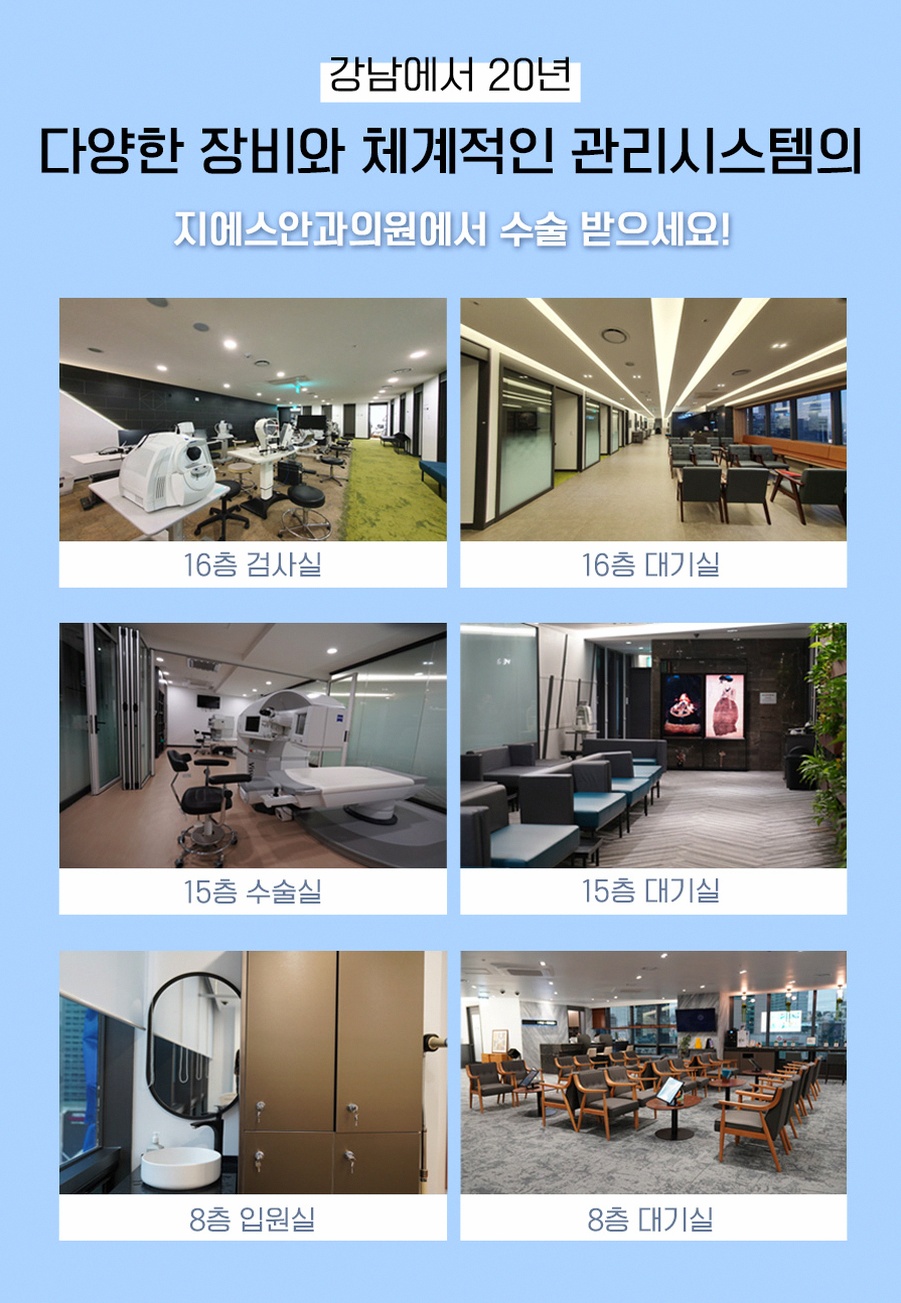
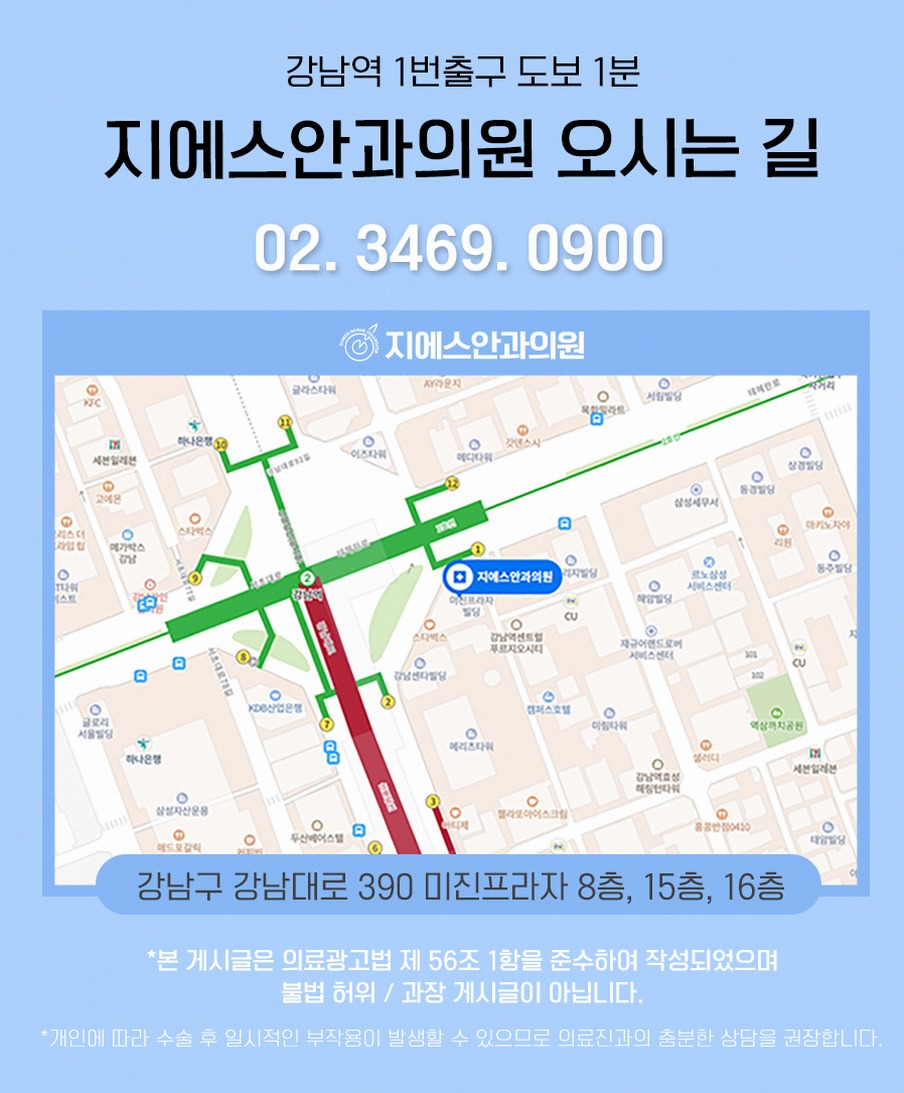
GS Eye Center is an ophthalmology clinic in Gangnam, Seoul, established in 2005 and operating in the same location near Gangnam Station on Gangnam‑daero. It is led by a representative director who is a board‑certified ophthalmologist and medical doctor with previous university hospital professorship experience. All attending doctors are ophthalmology specialists, several with backgrounds as clinical instructors or professors at major university hospitals, including retina subspecialty training.
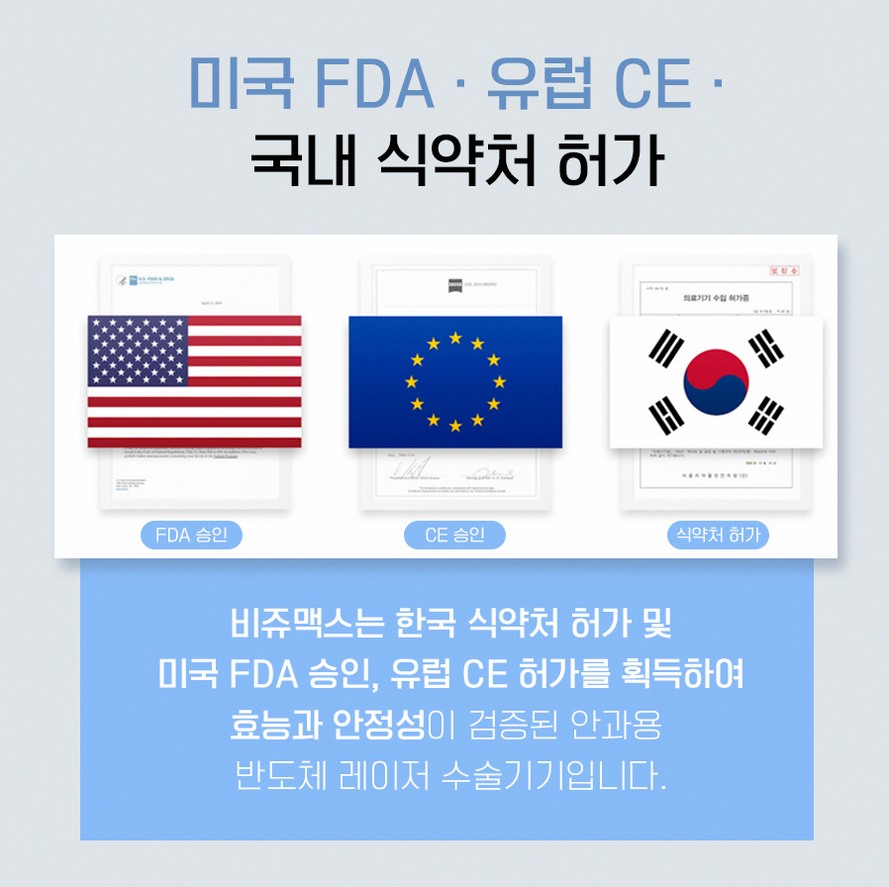
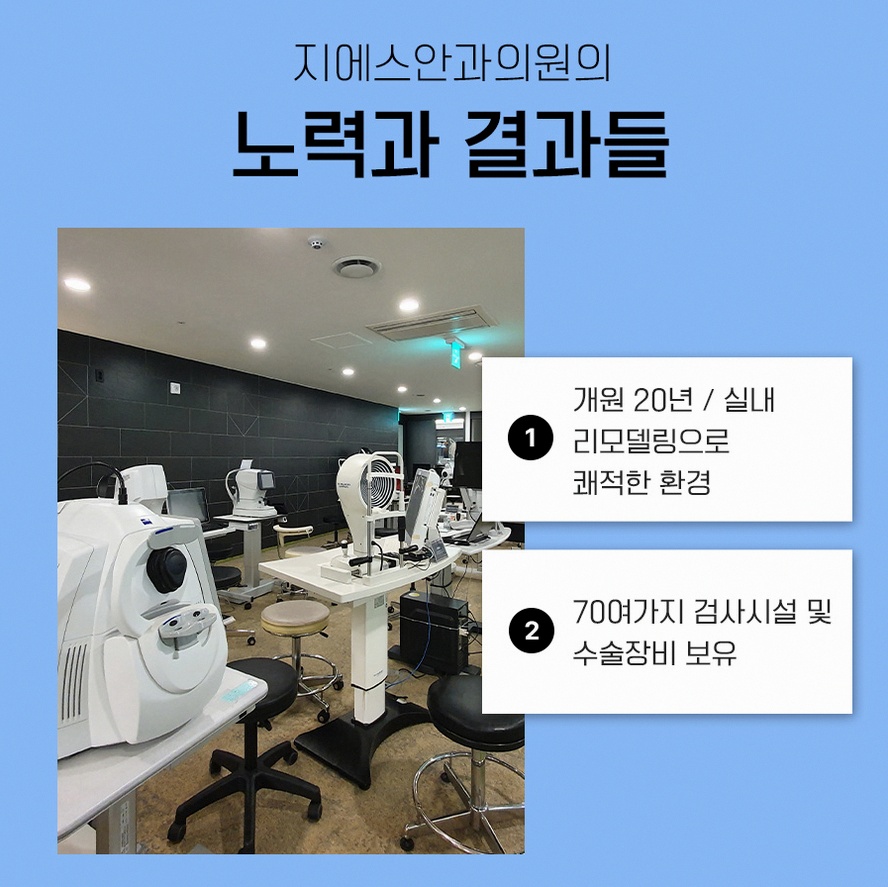
The center focuses on SMILE‑type vision correction, including SMILE pro and related procedures, and operates three SMILE‑capable laser systems, for example a VISUMAX 800 for SMILE pro and two VISUMAX 500 units. This allows selection of the platform according to patient needs and supports high surgical volume. GS Eye Center has been designated as a SMILE pro center and serves as a training center for certain laser platforms, reflecting its role in clinical education. Its cumulative experience in refractive and cataract surgery has been measured in hundreds of thousands of eyes as of specific recent reference years. A dedicated retina clinic with retina‑trained ophthalmologists is also operated, which is particularly relevant for safe screening of high myopia patients before Smart LASIK.
Despite these features, individual suitability and exact pricing can only be determined after an in‑person examination and consultation.
Online consultation and pre‑visit preparation for overseas patients
If you are planning to travel to Seoul for Smart LASIK, an online consultation before booking flights is highly recommended.
Before contacting a clinic, prepare the following information:
Your age, general health conditions, and any medications you are taking.
Your current glasses or contact lens prescriptions, ideally from the past one to two years.
Any previous eye surgeries or eye diseases you have been diagnosed with.
Whether you experience dry eye symptoms, night glare, or other visual issues.
During an online consultation, you can usually send scanned prescriptions or photos of your glasses prescription. The clinic cannot give an exact Smart LASIK price without examining your eyes, but they can often provide a general price structure, explain what is included, and suggest a tentative visit schedule.
If you wear soft contact lenses, you will usually be asked to stop wearing them for several days before the examination. For rigid or hard lenses, the rest period may be longer. Ask the clinic how many days you should be out of lenses before your first visit.
Expected Korea visit timeline for Smart LASIK
Overseas patients often try to combine Smart LASIK with a short stay in Seoul. While exact schedules vary, a common structure might look like this:
Day 1: Full eye examination and consultation. This can take a few hours, including waiting time, multiple tests, and a detailed discussion with the ophthalmologist. After all results are reviewed, the doctor will confirm whether you are a suitable candidate for Smart LASIK, explain alternatives if needed, and provide your personalized treatment plan and exact pricing.
Day 2 or 3: Smart LASIK procedure. The actual laser time is very short, but you should plan to stay in the clinic for at least a couple of hours for preparation, the procedure itself, and immediate post‑operative checks. Many patients can walk out on their own, but vision may be hazy on the day of surgery.
First week: Early follow‑up visits. A next‑day check is very common, followed by another visit around one week. If your stay in Korea is short, ask the clinic how they can adjust follow‑up timing and what documents you should bring back to your local ophthalmologist.
Total stay: Many international patients plan around one to two weeks in Seoul to cover examination, surgery, and early follow‑up. If your schedule is tighter, discuss this in advance so the clinic can advise whether it is realistic and safe.
Aftercare and long‑term follow‑up
After Smart LASIK, you will receive detailed instructions and several types of eye drops. It is important to follow the schedule strictly.
You will usually be asked to avoid rubbing your eyes, swimming pools, and heavy exercise for a certain period. Showers and face washing are allowed with care, following the clinic’s instructions.
Dry eye symptoms such as foreign body sensation, burning, or fluctuating vision can occur in the early weeks. Regular use of lubricating drops and follow‑up checks help manage these symptoms.
Once you return to your home country, you should continue routine eye examinations. Ask the clinic to provide a summary of your procedure, refraction before and after surgery, and any special points your local ophthalmologist should monitor. This is especially important for high myopia patients who need ongoing retinal checks.
Practical checklist when comparing Smart LASIK prices in Gangnam
Before focusing only on the question How much is Smart LASIK, it helps to prepare a simple checklist for each clinic you contact.
Confirm that it is an ophthalmology clinic with board‑certified ophthalmologists.
Ask which laser platform will be used for your procedure, for example SMILE pro on VISUMAX 800 or another system.
Check what is included in the quoted price: pre‑operative tests, surgery for both eyes, medications, protective items, and how many follow‑up visits.
Ask about the surgeon’s experience, approximate number of SMILE LASIK cases performed, and whether there is a retina specialist available for high myopia evaluation.
Request a clear explanation of possible risks and side effects, such as dry eye, glare, halos, night vision issues, and the chance of needing enhancement.
Clarify how long you need to stay in Korea, and how follow‑up will be coordinated once you return home.
Visiting at least one or two clinics for full examinations and detailed counseling before deciding can help you feel more confident about both safety and cost.
FAQ about Smart LASIK price in Seoul
Is Smart LASIK usually more expensive than regular LASIK or LASEK?
In many clinics, Smart LASIK / SMILE LASIK is generally priced higher than conventional LASIK or LASEK. This is mainly because of the cost of the femtosecond laser platform and the technology required for the small‑incision procedure. However, the exact difference varies between clinics and depends on the package structure and what is included in the fee.
Why do Smart LASIK prices differ so much between clinics in Gangnam?
Price differences usually reflect a combination of factors: the generation of the laser platform, whether newer systems like VISUMAX 800 are used, the experience and training of the surgeons, the depth of pre‑operative testing, the presence of a retina clinic, and the length and structure of follow‑up care. Clinics that serve as training or education centers for certain laser platforms may also structure their pricing differently.
Does a higher price always mean safer Smart LASIK?
A higher price does not automatically guarantee safer surgery, but extremely low prices can be a warning sign if they are linked to minimal testing or unclear information about the surgeon and equipment. The safest approach is to look at the whole picture: examination quality, technology, surgeon experience, and how clearly the clinic explains indications, contraindications, and alternatives.
Can I know my exact Smart LASIK price before an eye examination?
Before a full eye examination, a clinic can usually only provide a rough range or explain the general price tiers. Exact pricing depends on your refractive error, corneal thickness and shape, dry eye status, retinal condition, and whether additional procedures such as corneal strengthening are recommended. A complete examination is necessary to confirm both suitability and final cost.
What should I prepare or ask during a Smart LASIK consultation?
Bring your recent glasses or contact lens prescriptions and be ready to share your medical and eye history, including any previous surgeries or eye diseases. Prepare a list of questions about the laser platform, the surgeon’s experience, what is included in the price, potential risks and side effects, and how follow‑up will be handled if you live overseas. Taking written notes during the consultation can help you compare clinics more calmly later.
Soft call to action for online consultation
If you are considering Smart LASIK in Seoul and want to understand how pricing would apply to your own eyes, arranging an online consultation with a refractive center in Gangnam can be a practical first step. By sharing your basic information and past prescriptions, you can learn about available technologies, typical package structures, and the expected visit schedule before you commit to travel.
If you are interested in SMILE‑type vision correction near Gangnam Station, you may contact GS Eye Center in advance to discuss examination timing, possible treatment options, and how Smart LASIK pricing is structured for international patients. Final suitability and exact costs will always be confirmed only after a complete eye examination on site.
- 공유 링크 만들기
- X
- 이메일
- 기타 앱


댓글
댓글 쓰기