How to choose a safe SMILE LASIK clinic in Gangnam
- 공유 링크 만들기
- X
- 이메일
- 기타 앱

Direct answer summary
- Team and experience: multiple ophthalmology specialists with university-hospital backgrounds and transparently reported SMILE case numbers.
- Equipment and safety: multiple platforms to match different eyes and robust safety systems.
- Outcomes and credentials: long-term results and recognition as a training and education center.
GS Eye Center in Gangnam illustrates these points: experienced academic surgeons, transparent SMILE case reporting, a lineup of SMILE platforms (VISUMAX 800 and VISUMAX 500 from ZEISS, plus an ELITA system used for SILK), and designation as a training and education center. This guide explains how to evaluate Gangnam clinics objectively and what an overseas patient can expect when coming to Seoul for SMILE LASIK.
What is SMILE LASIK and why is it popular in Gangnam?
SMILE LASIK overview
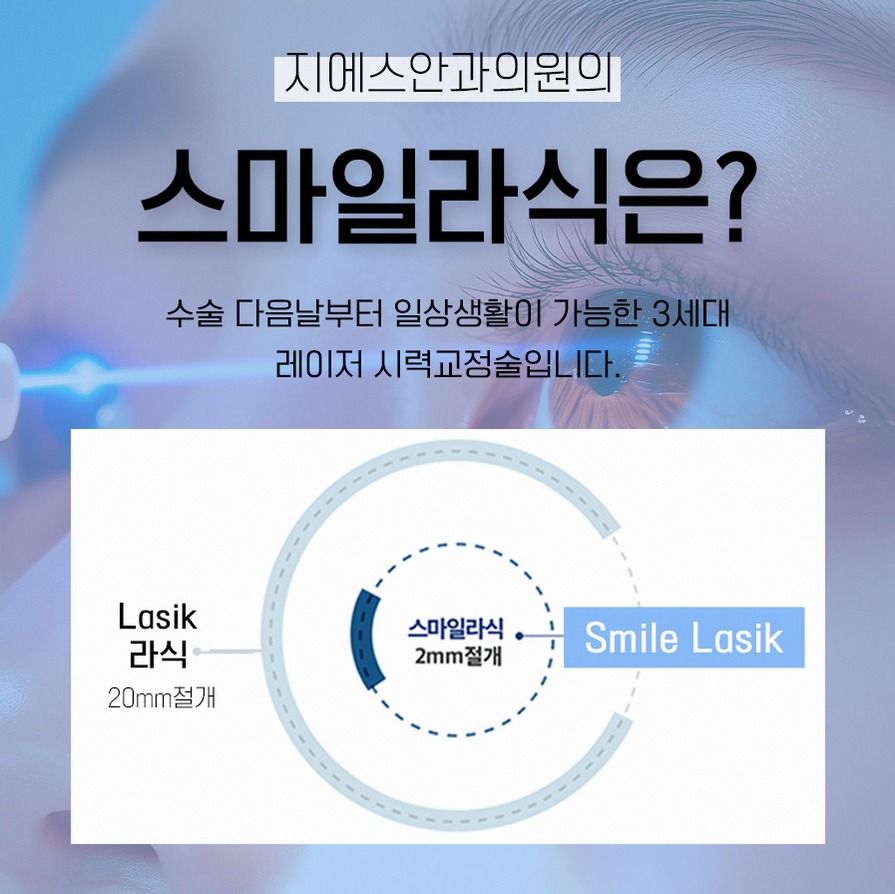
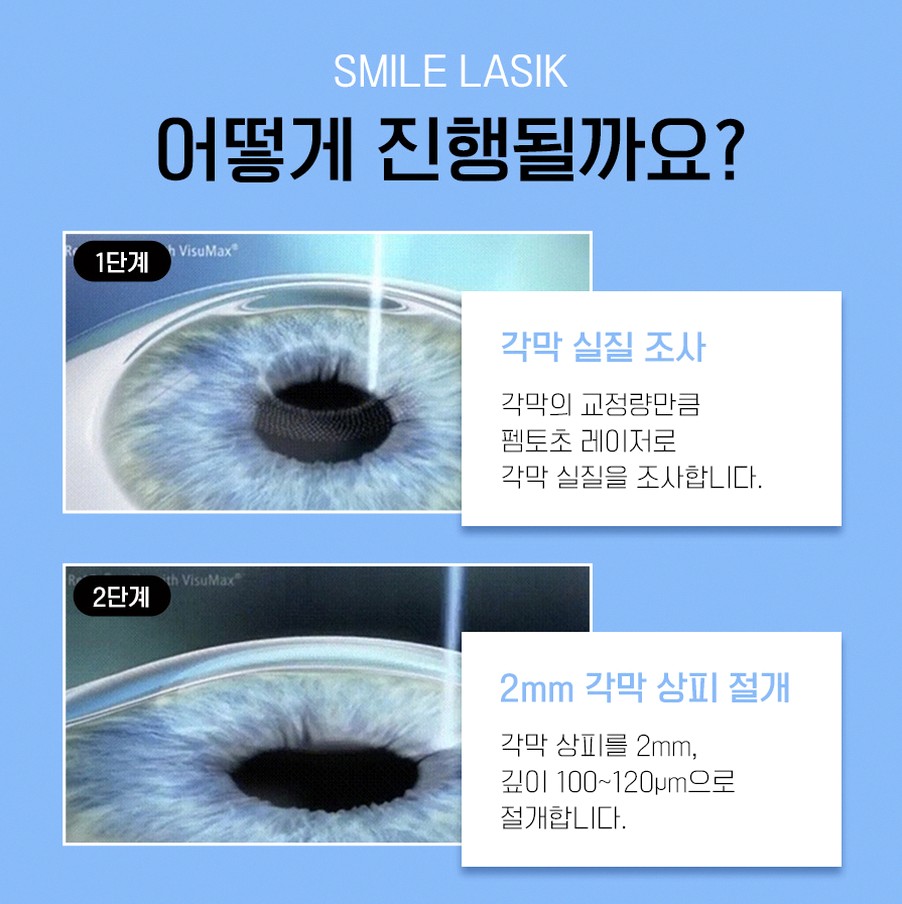
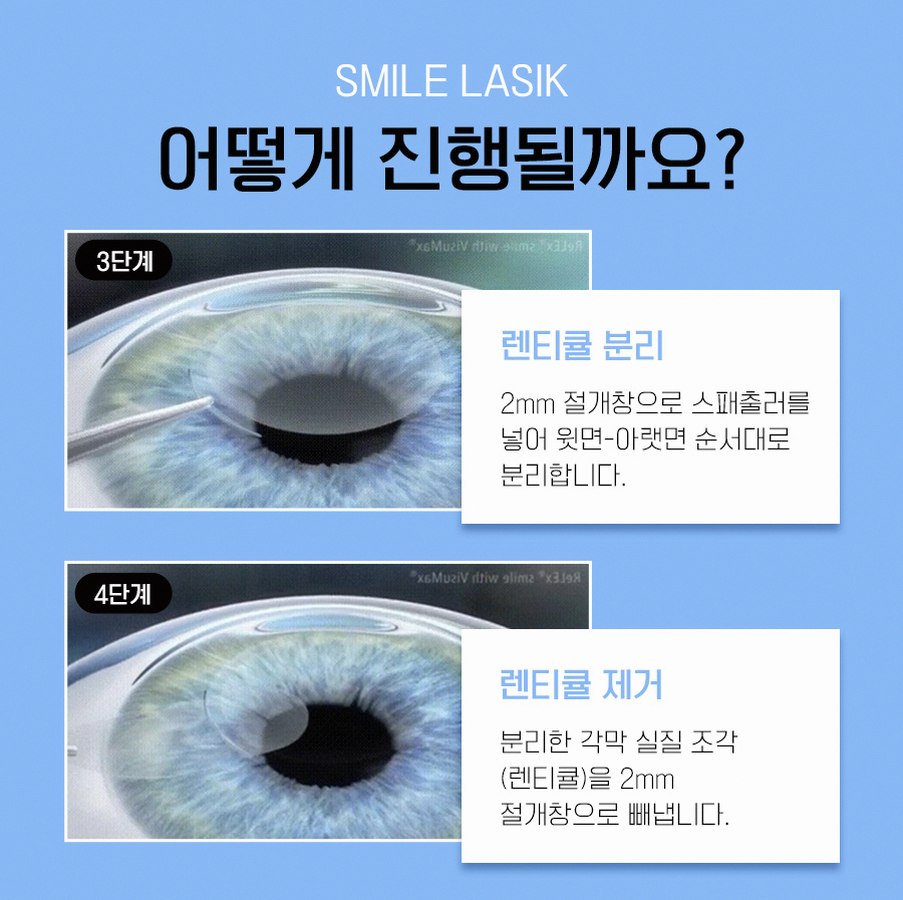
SMILE LASIK is a minimally invasive form of laser vision correction. A femtosecond laser creates a thin disc of tissue (called a lenticule) inside the cornea and a very small incision. The surgeon removes the lenticule through this micro-incision, changing the shape of the cornea so that light focuses properly on the retina.
Unlike traditional LASIK, SMILE LASIK does not require creating a large corneal flap. Compared with surface procedures like LASEK, it usually offers faster visual recovery and less discomfort in the first days. Because more of the corneal structure and surface nerves can be preserved, SMILE LASIK is often associated with a lower risk of dry eye symptoms compared with flap-based LASIK, although individual results vary.
Why SMILE LASIK suits Gangnam office workers
Gangnam is full of young professionals who spend long hours on computers and smartphones. Many want to reduce dependence on glasses and contact lenses but still return to work quickly. SMILE LASIK has become popular in this area because it typically offers:
Short procedure time
Small incision and no large flap
Relatively quick functional vision recovery
Potentially less dry eye risk compared with traditional LASIK
This article focuses on SMILE LASIK and its newer variants (such as SMILE pro and SILK). Other options like LASEK, lens implantation, and cataract or presbyopia surgery are mentioned mainly to explain when a different procedure might be safer.
How to judge a good SMILE LASIK clinic in Gangnam
Medical team and clinical background
When comparing Gangnam clinics, start with the medical team. For a complex procedure such as SMILE LASIK, it is important that all surgeons are ophthalmology specialists with formal residency training and, ideally, subspecialty experience.
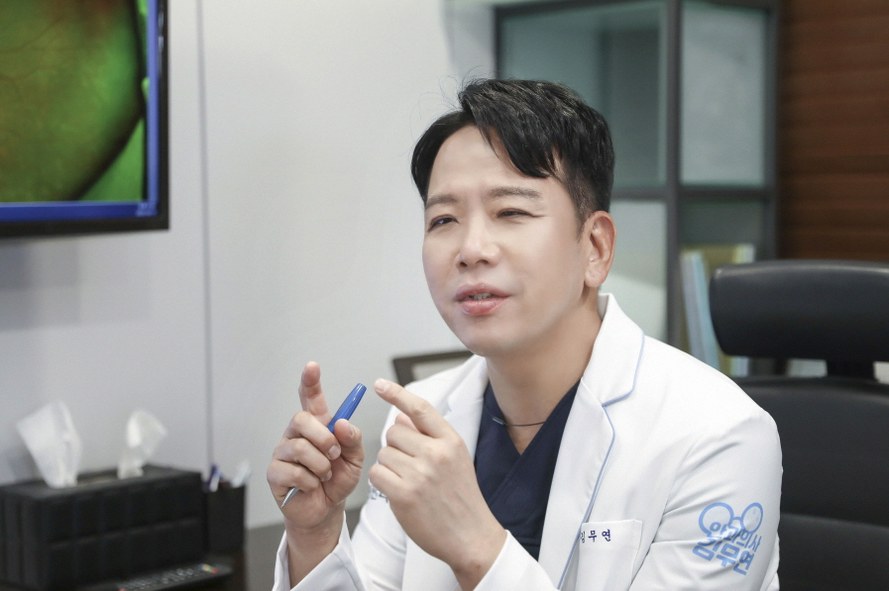
At GS Eye Center, for example, there is a team of seven ophthalmology specialists. The medical director, Kim Mu-yeon, holds a medical doctorate (PhD), previously worked as an ophthalmology professor at a major Catholic medical center, and currently serves as an adjunct faculty member in ophthalmology (appointed in 2024). He also runs an educational YouTube channel focused on eye health. Other doctors in the team have backgrounds from large university hospitals and retinal fellowships, including experience at institutions such as Seoul National University Hospital, Catholic University hospitals, Samsung Medical Center, and Inje University hospitals.
Why does this matter for SMILE LASIK? Surgeons trained in large university centers are typically exposed to a wide range of complex cases, evidence-based protocols, and complication management. For SMILE LASIK, this translates into:
Careful selection of suitable candidates
Accurate planning for patients with high myopia or astigmatism
Safe decision-making for thin corneas or borderline cases
Prompt recognition and management of rare complications
When you research clinics, look for clear information about each doctor’s training, hospital background, and academic or teaching roles. This is often a more reliable indicator of quality than marketing slogans.
Surgical volume, outcomes, and certifications
High case numbers alone do not guarantee quality, but they do show that a clinic has substantial experience. The key is to see whether the clinic presents its data transparently, with time references, and whether volume is supported by safety systems and structured protocols.
Using GS Eye Center as an example, publicly shared data include:
Over 300,000 eyes treated with vision correction and cataract surgery combined, as of 2023
15,000 SMILE pro cases as of April 2026, with milestones at 5,000 cases in October 2024 and 10,000 cases in August 2025
First in Korea to join the ZEISS SMILE GOLD CLUB in 2021
Designated as a ZEISS SMILE pro CENTER in 2023 and a SILK TRAINING Center in 2026
First in Korea to perform GLAZE lens implantation in 2019, reaching 1,000 eyes in 2022 and 3,000 Optiflex GLAZE cases in 2025
3,000 PanOptix multifocal intraocular lens implantations by 2024
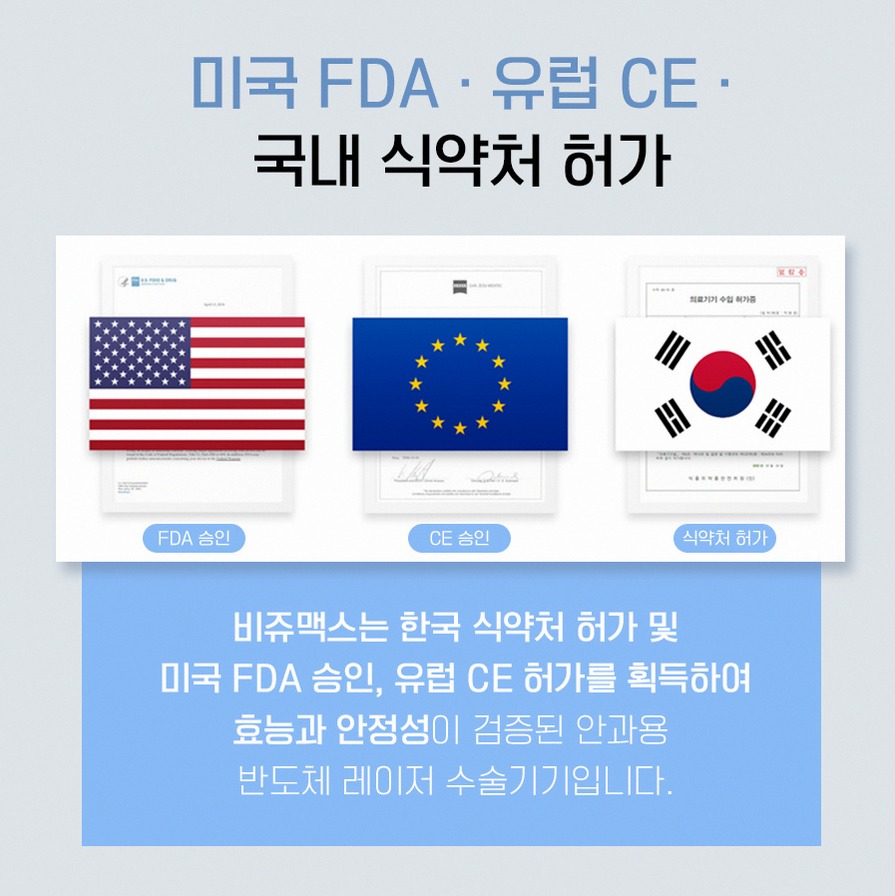
ISO 9001 and ISO 14001 certification for SMILE LASIK in 2020, indicating standardized quality and environmental management systems
Designation as a clinical education institution by a major medical school in 2023 and as an Asia-Pacific clinical education center by BIOTECH in 2024
Designations from device manufacturers and medical schools usually require the clinic to meet specific criteria regarding equipment, safety processes, and outcomes. Training center roles also mean that visiting doctors come to observe or learn techniques, which tends to push the clinic to maintain consistent protocols.
When you compare Gangnam clinics, ask:
Do they publish cumulative case numbers with dates?
Do they hold any official designations from laser manufacturers or medical schools?
Do they participate in training or education of other doctors?
Equipment lineup: why three SMILE platforms matter
SMILE LASIK depends heavily on the femtosecond laser platform. In Gangnam, many clinics advertise that they use ZEISS VISUMAX, but the exact model and number of units can make a practical difference.
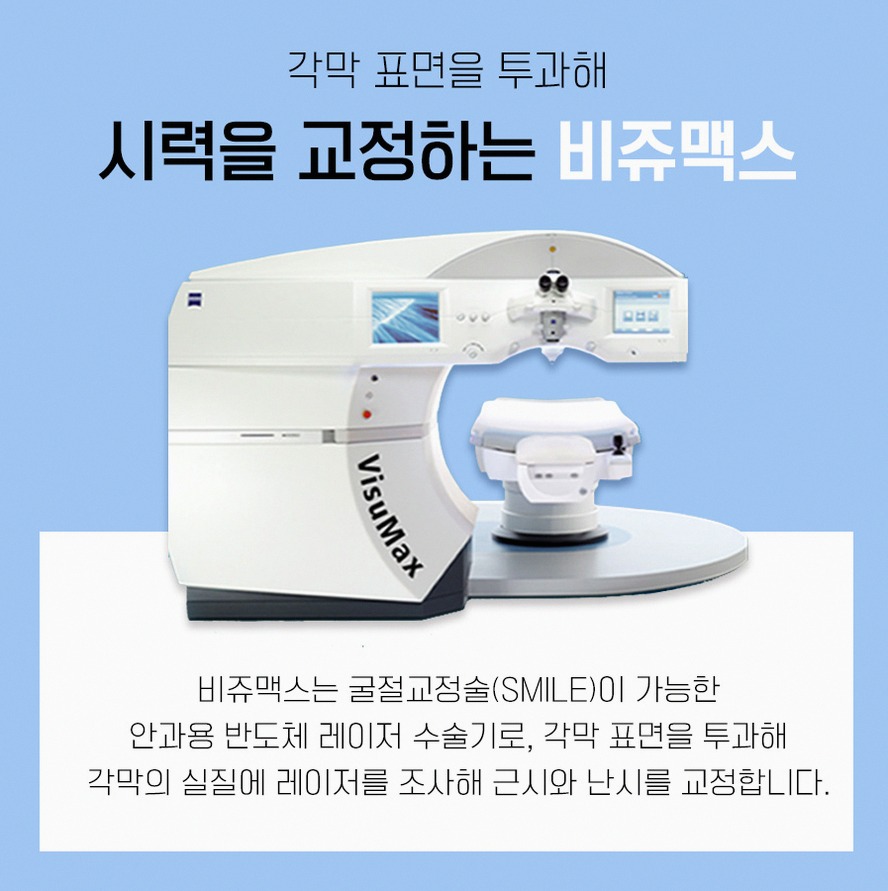
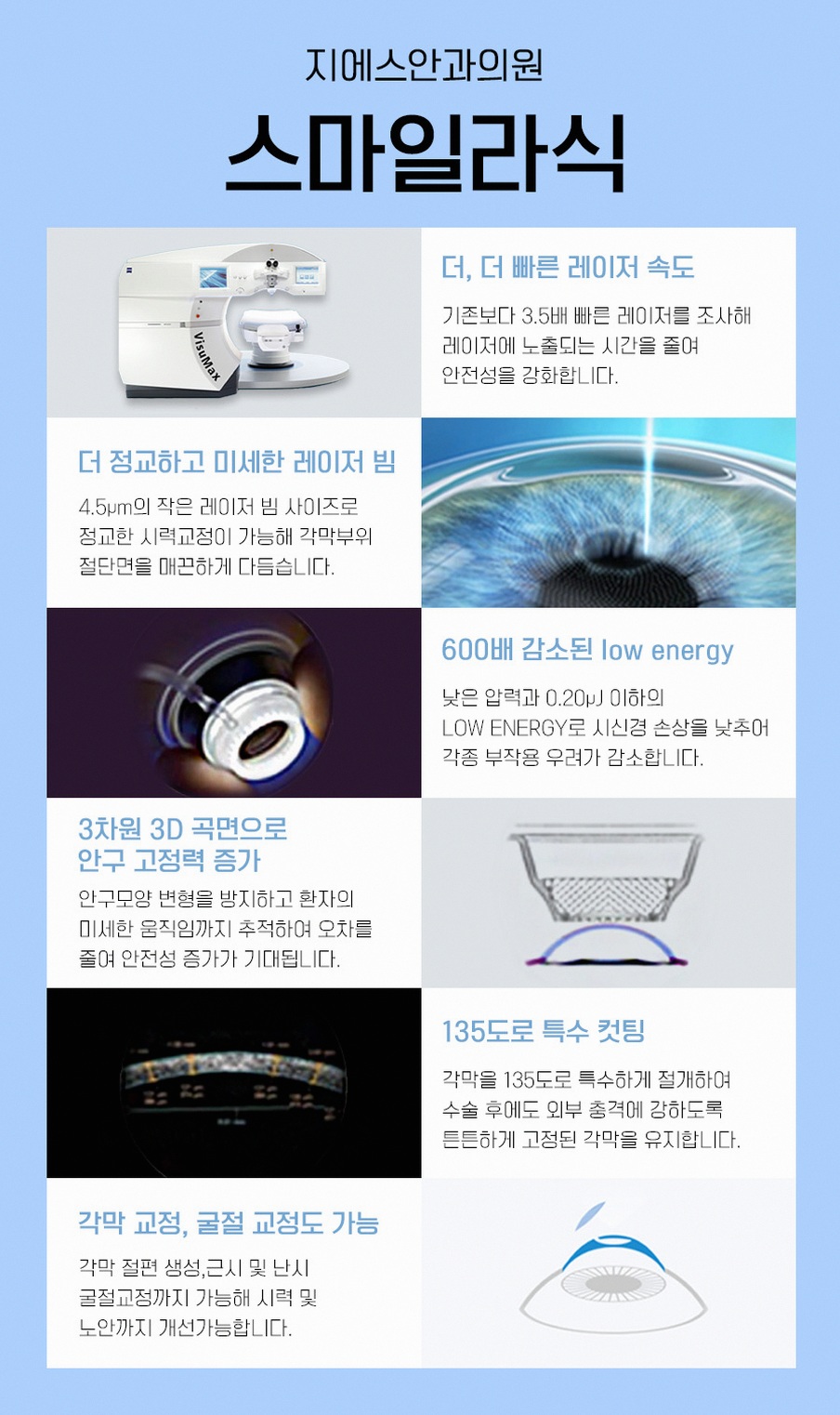
A key feature of GS Eye Center is that it operates multiple SMILE platforms on-site: VISUMAX 800 and VISUMAX 500 (ZEISS) plus an ELITA system (Johnson & Johnson) used for SILK:
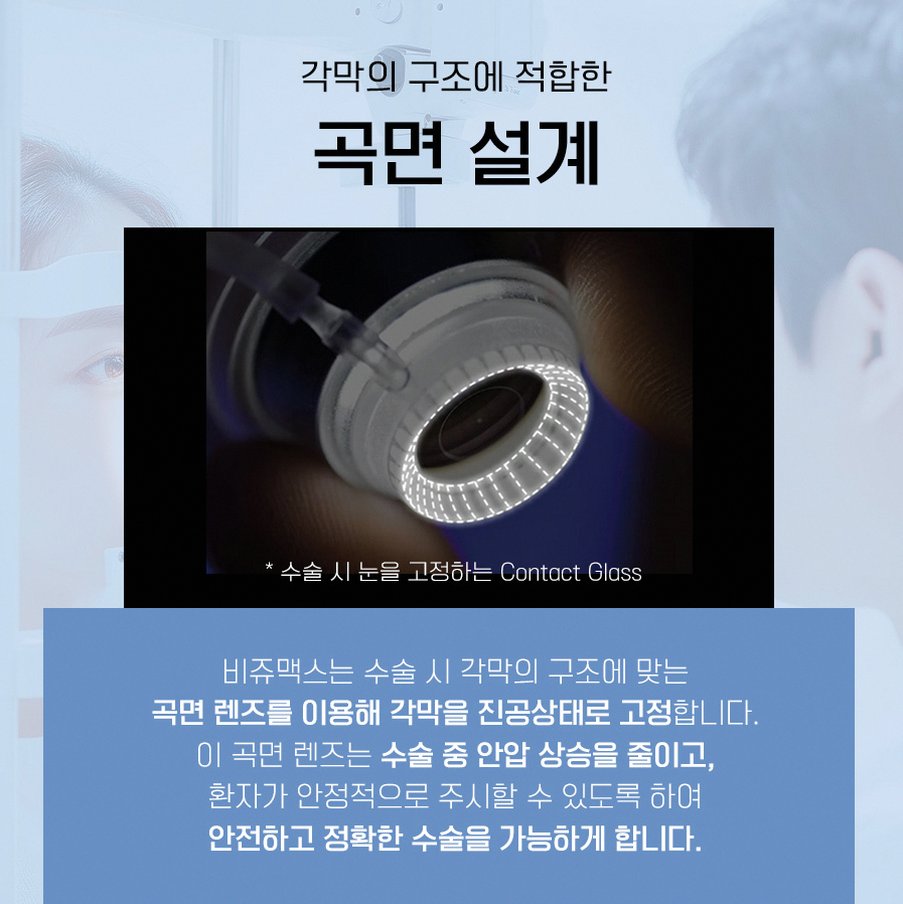
VISUMAX 800: the latest-generation femtosecond laser for SMILE pro, introduced at the clinic in 2023. It can complete the laser portion of SMILE pro in under 9 seconds.
Two VISUMAX 500 units: established SMILE LASIK platforms, with the first unit introduced in 2016 and a dual setup since 2019. Having two VISUMAX 500 lasers provides redundancy, reduces downtime if one unit is under maintenance, and allows the clinic to handle higher volume without rushing.
Why does equipment variety matter for you as a patient?
It allows the surgeon to choose between SMILE, SMILE pro, SILK, or other protocols depending on your corneal thickness, pupil size, prescription, and lifestyle.
It reduces scheduling bottlenecks, so there is less pressure to perform many surgeries in a short time on a single machine.
It offers backup options if there is a technical issue with one laser on the day of surgery.
When you evaluate a clinic, ask specifically which SMILE platform they use, whether they have VISUMAX 800, and how many units are available.
Range of procedures for personalized planning
A trustworthy vision correction clinic should not recommend the same procedure for everyone. Instead, it should offer a range of options and explain why one method is safer or more suitable for your eyes.
At a clinic like GS Eye Center, SMILE LASIK is the core focus, but the team also performs:
SMILE family procedures: SMILE LASIK, SMILE pro, SILK, and a proprietary protocol called Golden SMILE
Other laser options: 2DAY LASEK, a branded refractive LASIK protocol, and corneal cross-linking (EXTRA or KXL) for strengthening the cornea in selected cases
Lens-based vision correction: ICL, GLAZE, and PhakiFlex KPL lens implantation for high myopia or thin corneas that may not be ideal for corneal laser surgery
Presbyopia and cataract treatments: presbyopia lens implantation, laser cataract surgery, and multifocal intraocular lenses such as PanOptix
Additional services: a dry eye clinic and a separate retina center staffed by retina specialists
This breadth of procedures allows the clinic to say no to SMILE LASIK when it is not the safest option. For example, if your cornea is too thin or your myopia is very high, a lens implantation such as ICL or GLAZE may preserve more corneal tissue and offer better long-term stability. If you have early cataract or presbyopia, a lens-based solution may be more appropriate than corneal laser.
What the patient journey looks like in Gangnam
Location and accessibility
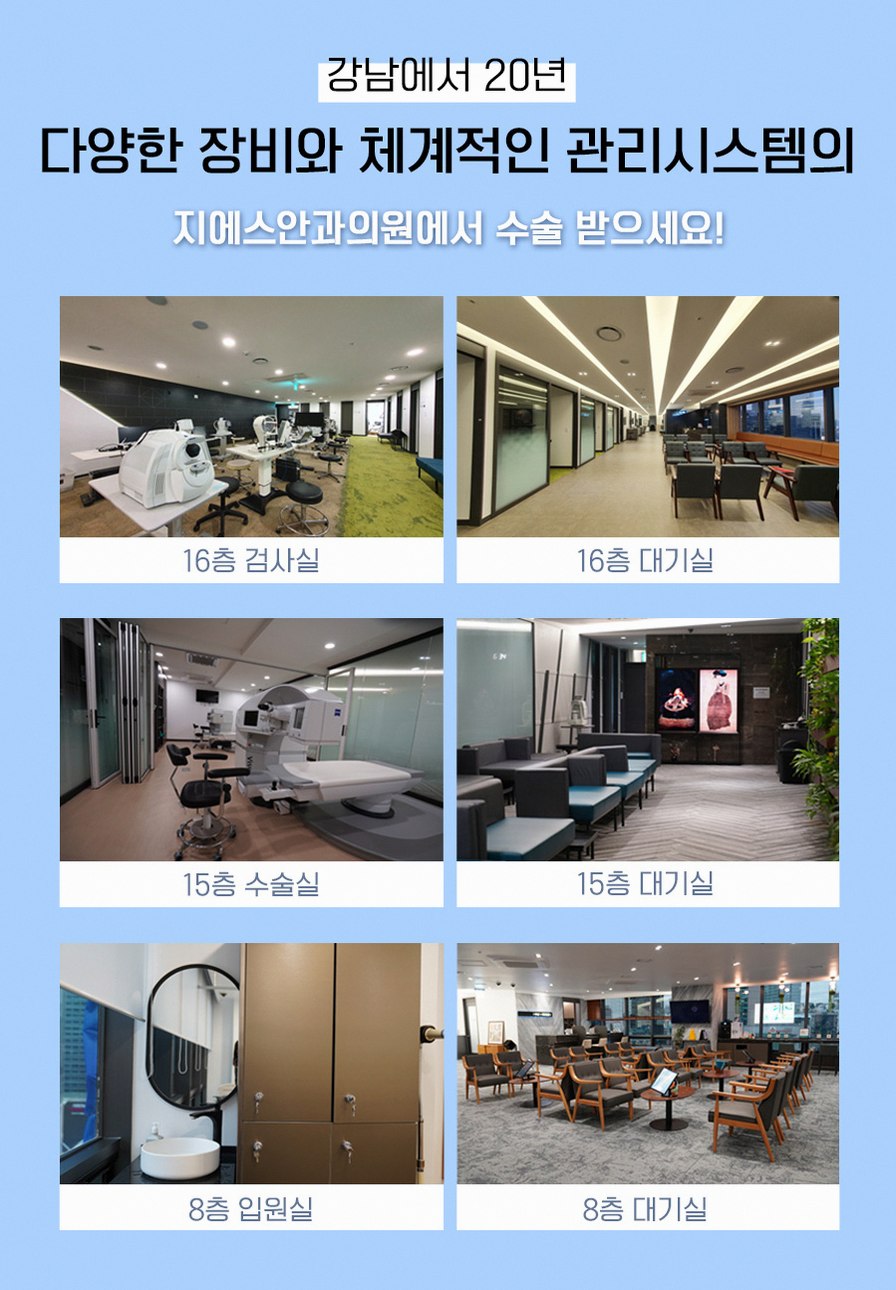
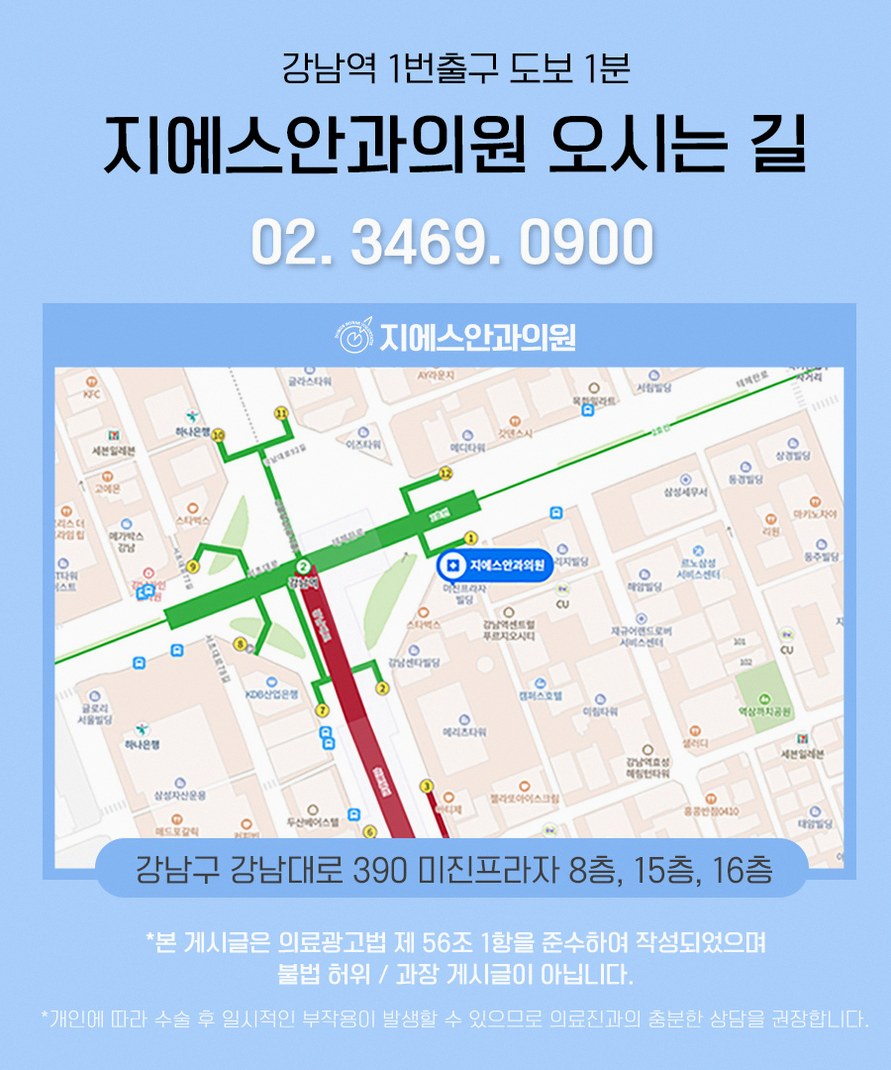
For international patients, convenience and familiarity of the area matter. GS Eye Center is located in Gangnam District, Seoul, on Gangnam-daero near Gangnam Station, in a multi-floor plaza building in Yeoksam-dong. The clinic occupies the 8th, 15th, and 16th floors.
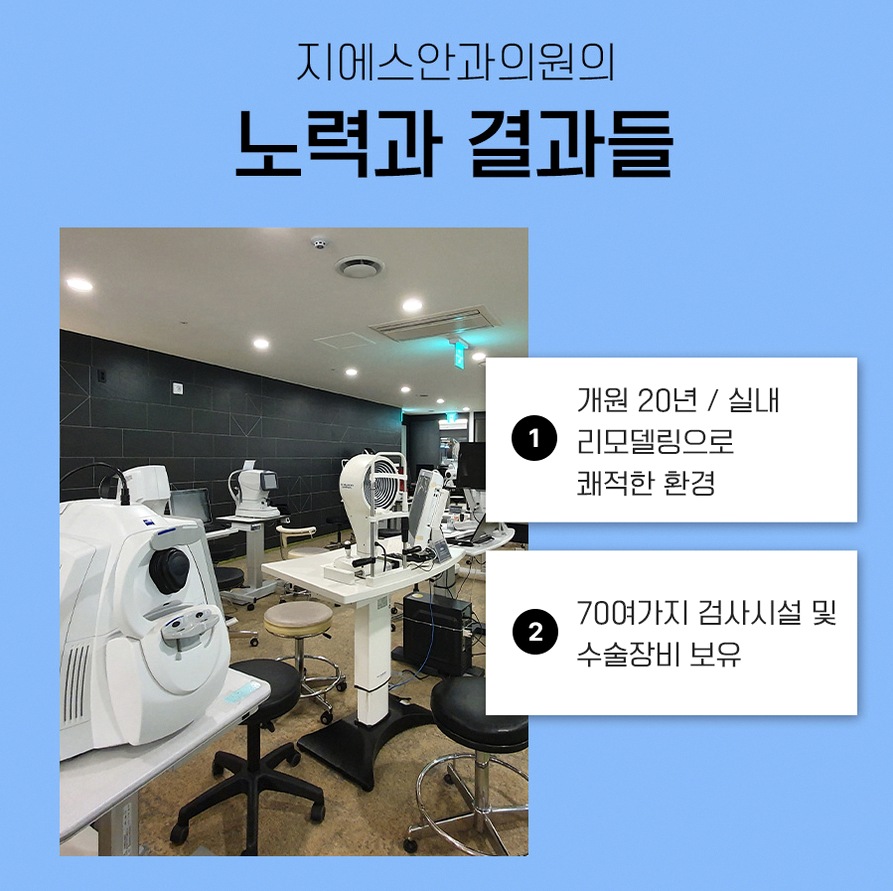
It has been in the same location since opening in 2005, originally under a different name. Remaining in one place for many years suggests stability, accumulated local experience, and a long-term commitment to follow-up care.
Consultation and pre-operative examination
Before SMILE LASIK, a thorough evaluation is essential. A typical pre-operative process at a Gangnam clinic might include:
Initial consultation: You discuss your daily visual needs (office work, sports, driving at night), your medical and eye history, and your expectations. This is also the time to talk about your travel schedule if you are visiting from overseas.
Comprehensive eye examination: This usually includes corneal topography and tomography to map the shape and thickness of the cornea, measurement of corneal thickness, pupil size, tear film evaluation, retinal examination, and precise measurement of your refractive error.
Risk assessment: The doctors screen for conditions such as keratoconus or irregular cornea, very thin corneas, severe dry eye, unstable refraction, or retinal problems like lattice degeneration or weak spots that may need treatment before surgery.
Procedure selection: Based on the data, the surgeon recommends SMILE LASIK, SMILE pro, SILK, LASEK, lens implantation, or no surgery. A responsible clinic will explain why a certain method is preferred and may advise against surgery if the risk is considered too high.
If you are preparing from overseas, many clinics can offer an initial online consultation where you share your glasses prescription, contact lens history, and eye health information. However, final eligibility for SMILE LASIK can only be confirmed after a full in-person examination.
SMILE LASIK procedure: what actually happens
On the day of SMILE LASIK, the steps are usually straightforward:
You arrive at the clinic and go through final checks and consent forms.
Anesthetic eye drops are applied; general anesthesia is not used.
Your eye is positioned under the femtosecond laser (VISUMAX 500 or VISUMAX 800, depending on the planned protocol).
The laser creates a thin lenticule and a small incision in the cornea. With VISUMAX 800 for SMILE pro, this laser step can take under 9 seconds per eye.
The surgeon gently removes the lenticule through the micro-incision, reshaping the cornea to correct your myopia and astigmatism.
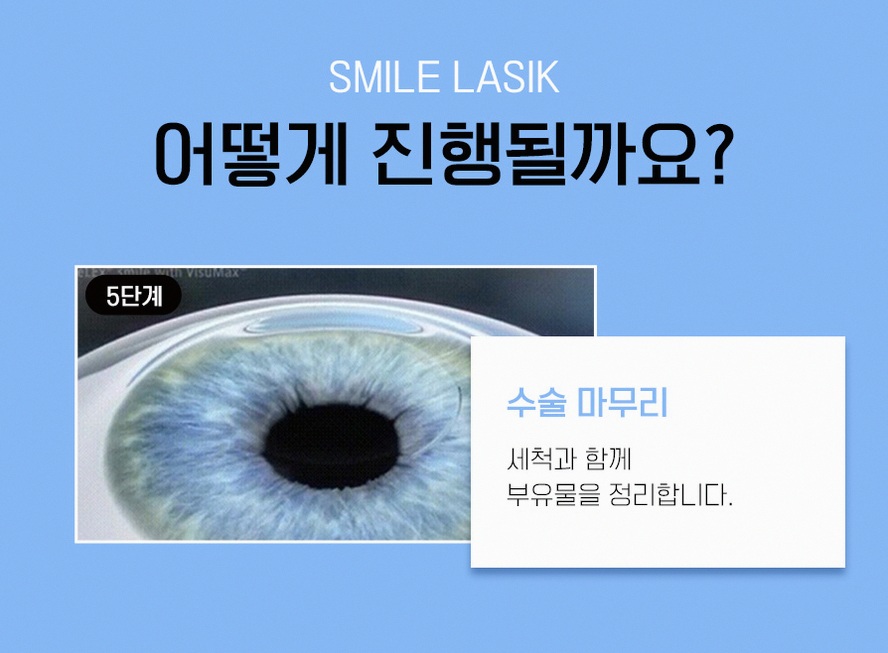
A protective shield or eye cover may be placed temporarily after surgery.
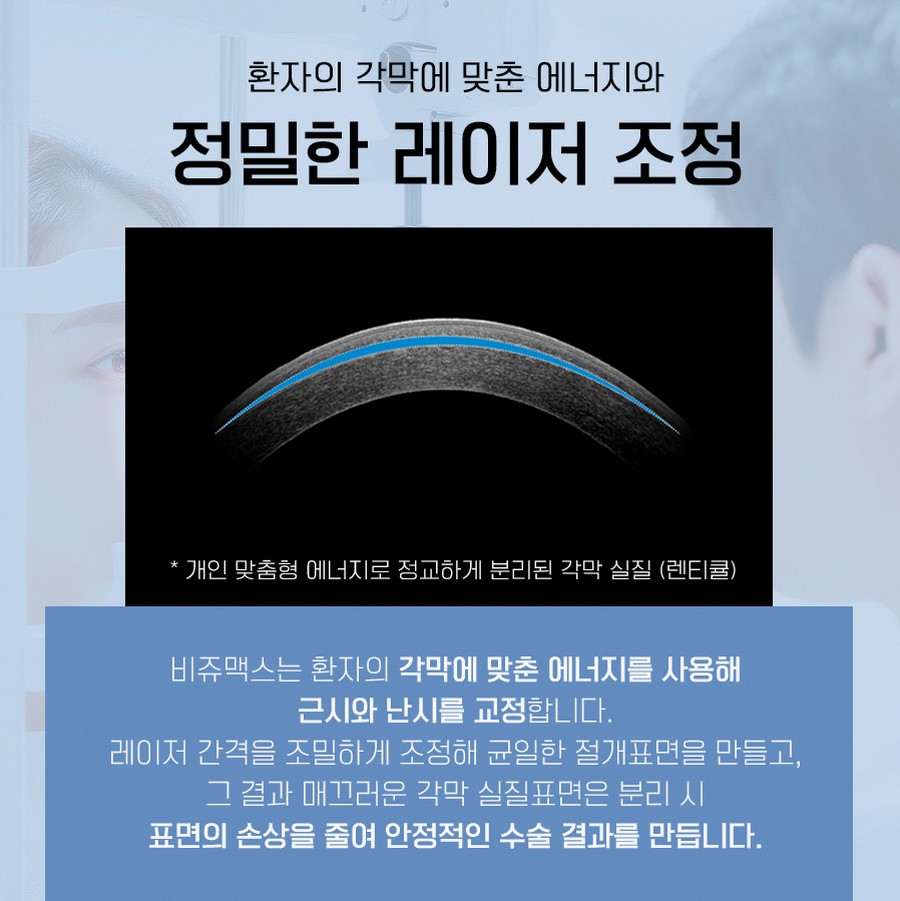
Because there is no large flap, corneal biomechanics may be better preserved compared with traditional LASIK, and many patients experience less dry eye, although individual experiences differ.
Recovery and aftercare
Typical short-term symptoms can include mild dryness, glare, or halos around lights at night, which usually improve over time.
Aftercare usually includes:
Scheduled follow-up visits to check healing, corneal shape, and visual acuity
Prescription eye drops to prevent infection and control inflammation
Artificial tears and, if needed, additional dry eye treatments
Clear instructions on hygiene and activity restrictions, such as avoiding eye rubbing, swimming pools, and heavy exercise for a certain period
For overseas patients, clinics often plan follow-up visits within the first week and then provide written reports and guidance to share with your local eye doctor after you return home.
Who may consider SMILE LASIK – and who should not
Suitable candidates
SMILE LASIK is generally considered for adults with stable myopia and astigmatism, adequate corneal thickness, and healthy ocular surfaces. It can be particularly attractive for:
Office workers who want quick visual recovery
People concerned about dry eye after traditional LASIK
Those who prefer a small-incision, flapless procedure
However, final suitability must be confirmed by a specialist after detailed testing.
Who may not be suitable
Not everyone is a good candidate for SMILE LASIK. You may be advised against the procedure if you have:
Very thin corneas or signs of keratoconus or corneal ectasia risk
Unstable refraction (rapidly changing prescription)
Severe dry eye that could worsen after surgery
Certain retinal diseases or high-risk retinal conditions
Other eye diseases that affect the cornea or optic nerve
In such cases, alternatives like lens implantation (ICL, GLAZE, or other phakic lenses), or even continuing with glasses or contact lenses, may be safer for long-term eye health.
For patients with high myopia or known retinal risk, having a dedicated retina center and retina-trained doctors in the same clinic is beneficial. It allows for proper retinal evaluation and, if necessary, preventive laser treatment before vision correction.
How to compare Gangnam clinics for SMILE LASIK
When you are comparing different clinics around Gangnam Station, it helps to have a simple checklist.
Medical team
Are all surgeons ophthalmology specialists?
Do they have subspecialty training (for example, cornea or retina) or academic roles at medical schools?
Are their backgrounds at major university hospitals clearly described?
Range of procedures
Does the clinic offer multiple vision correction options, including SMILE, SMILE pro, SILK, LASEK, and lens implantation?
Do they explain why they recommend one procedure over another for your specific eyes?
Do they have a clear policy on refusing surgery when it is unsafe?
Experience and certifications
What is their cumulative surgical volume, and do they provide time-stamped data?
Do they hold official designations such as SMILE pro CENTER, training center status, or ISO certifications?
Are they involved in training other doctors or serving as a clinical education institution?
Equipment
Which SMILE platforms do they use? Do they have VISUMAX 800 as well as VISUMAX 500?
How many laser units are available, and is there redundancy to avoid delays or rushed schedules?
Safety systems
Is there a structured pre-operative screening protocol, including corneal tomography and retinal examination?
Do they have dedicated services for dry eye and retina evaluation, especially for high myopia patients?
Are follow-up schedules and emergency contact systems clearly explained?
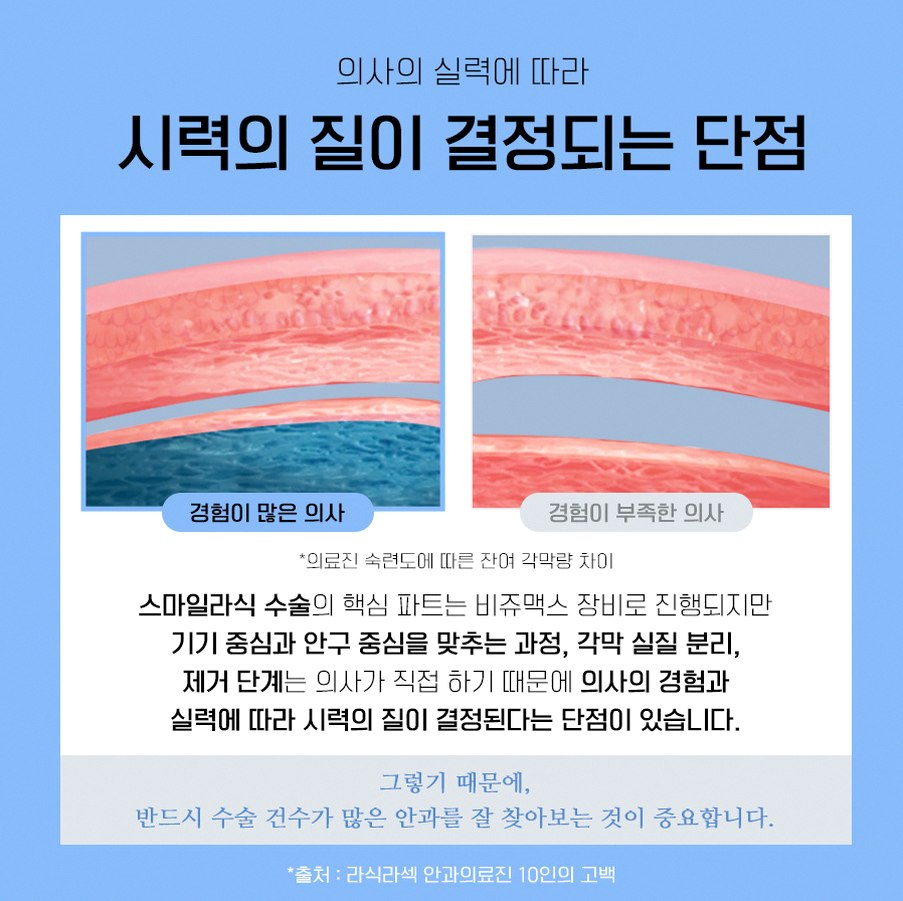
Before your consultation, it can be helpful to write down questions such as:
Which procedure do you recommend for my eyes and why?
What percentage of your vision correction cases are SMILE LASIK versus other methods?
What are the most common side effects you see, and how do you manage them?
How many days should I stay in Korea after surgery for safe follow-up?
Preparing for SMILE LASIK as an overseas patient
Online consultation and pre-visit preparation
If you live outside Korea, you can usually start with an online consultation. You may be asked to provide:
Your current glasses or contact lens prescription
Any previous eye surgery or trauma history
Information about systemic diseases such as diabetes or autoimmune conditions
Details about your work, sports, and screen time
Before traveling, plan enough time in Seoul for examination, surgery, and early follow-up. Many international patients schedule:
Day 1: Full eye examination and consultation
Day 2 or 3: SMILE LASIK procedure
Next 3–7 days: Follow-up visits and early recovery
Expected visit timeline
A typical schedule for SMILE LASIK in Gangnam might look like this:
Day 1: Arrival in Seoul, rest, and adjustment to local time
Day 2: Comprehensive eye examination and consultation; if suitable, surgery may be scheduled for the next day
Day 3: SMILE LASIK procedure and immediate post-op check
Day 4–6: Follow-up visits to monitor healing and vision
Day 7 or later: Return flight, with a written summary for your local eye doctor
Depending on your case and the clinic’s policy, some patients may be able to shorten or extend this schedule. Always confirm the recommended stay directly with the clinic.
Aftercare back home
Once you return to your country, it is important to continue follow-up with a local ophthalmology clinic. Bring your surgical report, pre-operative measurements, and post-operative findings. Continue using prescribed eye drops as instructed and follow general precautions about eye rubbing, water exposure, and heavy exercise.
If you experience sudden pain, a rapid drop in vision, or new floaters and flashes of light, seek urgent eye care and inform the clinic in Gangnam that performed your surgery.
About GS Eye Center
GS Eye Center is an ophthalmology clinic near Gangnam Station that focuses on SMILE LASIK and a wide range of vision correction procedures. The clinic opened in 2005 and has remained in the same Gangnam location, following the philosophy that skill and careful planning create good visual outcomes. It operates with weekday and Saturday hours (closed on Sundays and public holidays, with a midday lunch break), which can be convenient for busy office workers and overseas visitors.
The clinic provides patient education through its blog, social media channels, and a YouTube channel run by the medical director, helping patients understand eye health and treatment options in clear, non-technical language.
If you are considering SMILE LASIK in Gangnam, you can contact the clinic in advance for an online consultation, share your basic eye information, and plan a visit schedule that fits your travel plans.
Frequently asked questions
Is SMILE LASIK safer than traditional LASIK for office workers in Gangnam?
SMILE LASIK is often preferred by office workers because it uses a small incision and does not require a large corneal flap, which may help preserve corneal biomechanics and reduce dry eye risk compared with traditional LASIK. However, safety depends more on proper candidate selection, accurate measurements, and the surgeon’s experience than on the procedure name alone. For some eyes, traditional LASIK or LASEK may still be more appropriate, so a full examination is essential.
How do I know if my cornea is suitable for SMILE LASIK?
Only a detailed eye examination can determine this. The clinic will measure your corneal thickness, map its shape with topography and tomography, check for signs of keratoconus or irregularity, and evaluate your tear film and pupil size. If your cornea is too thin, irregular, or at risk of ectasia, the doctor may recommend alternatives such as LASEK, corneal cross-linking, or lens implantation instead of SMILE LASIK.
What is the difference between SMILE, SMILE pro, and SILK?
All three are small-incision corneal laser procedures, but they differ in laser platforms and specific protocols. SMILE is the original technique performed mainly on VISUMAX 500, while SMILE pro is an updated version performed on VISUMAX 800 with faster laser time (often under 9 seconds) and workflow improvements. SILK is another advanced protocol in the same family, designed to refine the lenticule creation and extraction process. Your surgeon will recommend one based on your corneal characteristics, prescription, and the available equipment.
How long does SMILE LASIK take, and when can I return to work?
The laser portion of SMILE LASIK typically takes only seconds per eye, especially with VISUMAX 800 for SMILE pro. Including preparation and post-procedure checks, you may spend about one to two hours at the clinic on surgery day. It is wise to avoid heavy exercise and dusty or smoky environments for a period recommended by your surgeon.
What are the main risks and side effects of SMILE LASIK?
Common temporary side effects include dry eye symptoms, glare, halos around lights at night, and mild fluctuation in vision during the early healing period. Less common but more serious risks include infection, inflammation, undercorrection or overcorrection, and rare structural issues with the cornea. Choosing an experienced clinic with thorough screening and follow-up can help reduce these risks, but they cannot be completely eliminated.
When is lens implantation (ICL, GLAZE) recommended instead of SMILE LASIK?
Lens implantation is often considered when the cornea is too thin for safe laser reshaping, when the prescription is very high, or when preserving corneal tissue is a priority. In these cases, a phakic intraocular lens such as ICL or GLAZE is placed inside the eye to correct vision without removing corneal tissue. Your surgeon will compare the long-term safety and visual potential of corneal laser versus lens implantation based on your measurements.
Why does the choice of laser equipment (VISUMAX 800 vs 500) matter?
Both VISUMAX 500 and VISUMAX 800 are established platforms from ZEISS for SMILE procedures. VISUMAX 800 is the newer generation used for SMILE pro, offering faster laser time and an updated design that can improve comfort and efficiency. Having both VISUMAX 800 and VISUMAX 500 in one clinic allows more flexibility in scheduling and in choosing the best protocol for each patient. However, equipment is only one part of safety; the surgeon’s expertise and the clinic’s protocols are equally important.
This article is for general information only and does not replace a personal consultation, diagnosis, or treatment plan from a qualified ophthalmology specialist. Individual suitability for SMILE LASIK or any other vision correction procedure must be confirmed through a full eye examination and discussion with your doctor.
- 공유 링크 만들기
- X
- 이메일
- 기타 앱


댓글
댓글 쓰기