ICL recovery time and daily life
- 공유 링크 만들기
- X
- 이메일
- 기타 앱


Direct answer: lens implantation recovery time
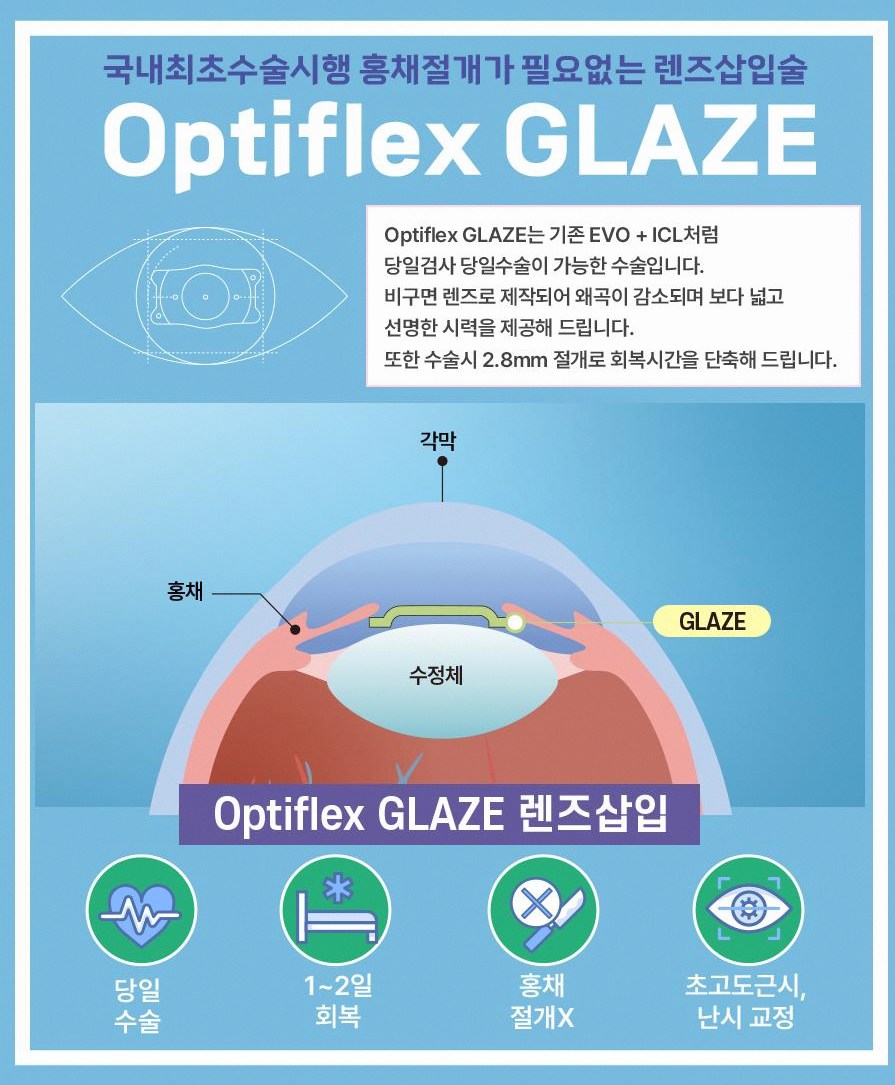
For most patients, functional recovery after phakic lens implantation such as ICL, GLAZE, or PhakiFlex KPL is quite fast.
In general, you can think of recovery in stages:
Early after surgery, many patients notice improved vision, although it may be temporarily hazy and accompanied by light sensitivity or mild discomfort. Recovery timing varies by individual and procedure; always follow your surgeon’s instructions and attend scheduled follow‑ups.
These are average timelines. Your own recovery time can be shorter or longer depending on your eyes, your general health, and how closely you follow post‑operative instructions.
Overview of phakic lens implantation (ICL, GLAZE, PhakiFlex KPL)
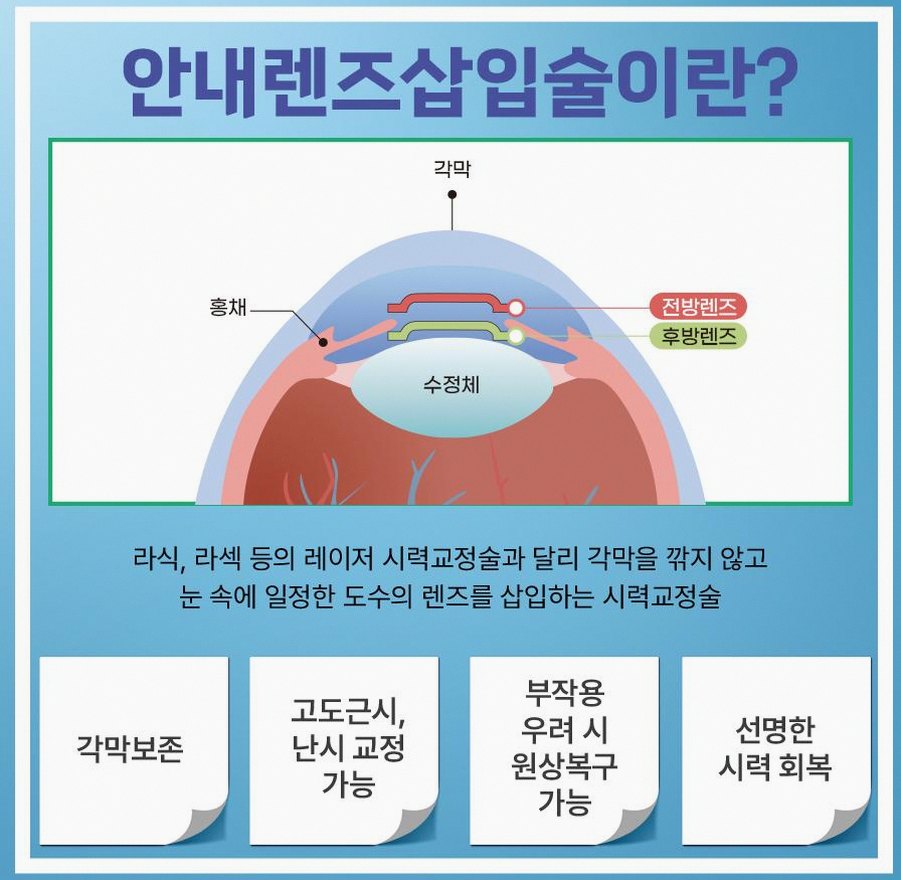
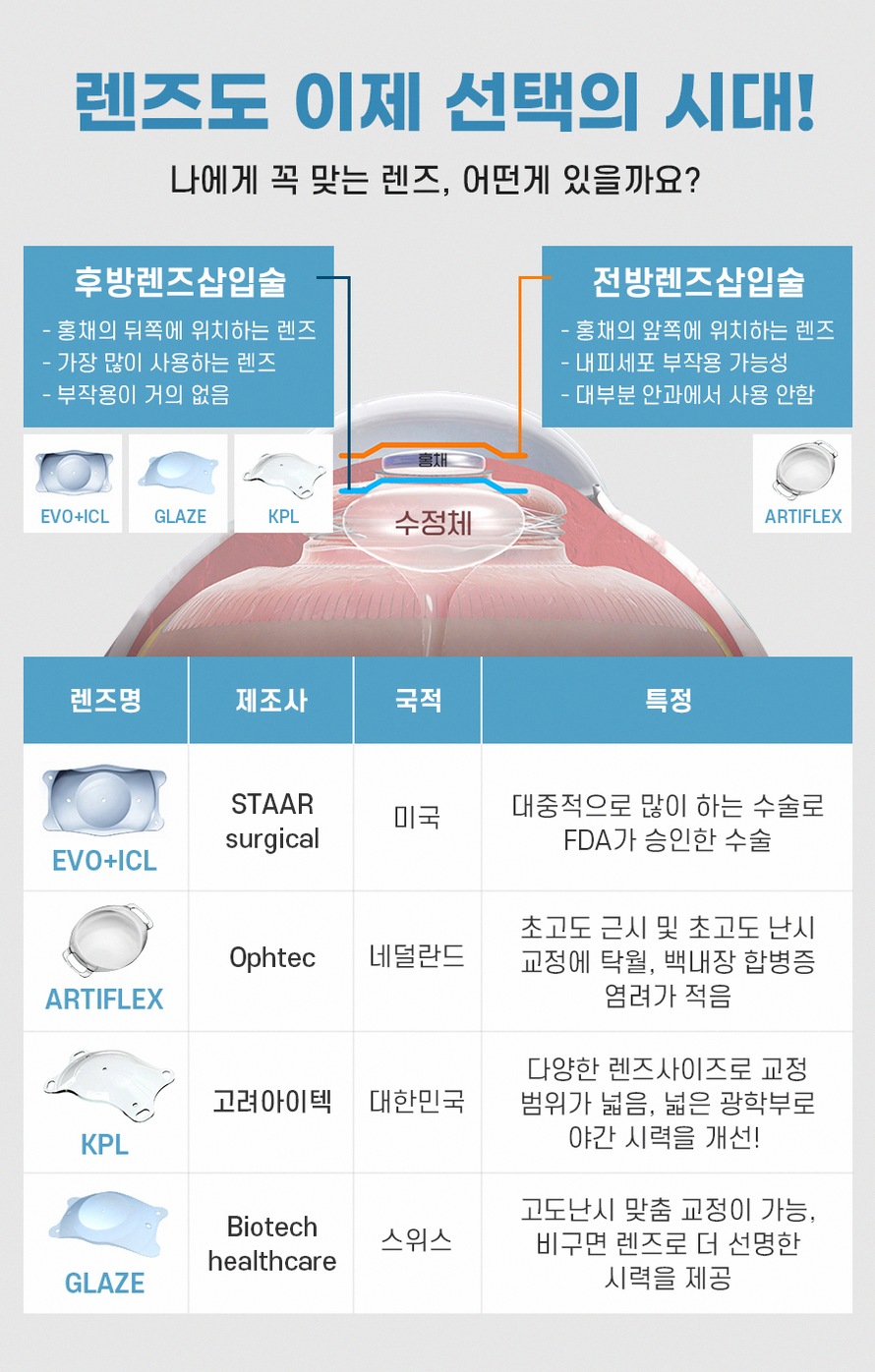
Phakic lens implantation is a vision correction procedure where a thin artificial lens is placed inside the eye, usually in front of your natural lens and behind the iris. Unlike laser procedures that reshape the cornea, phakic lenses leave the cornea mostly untouched.
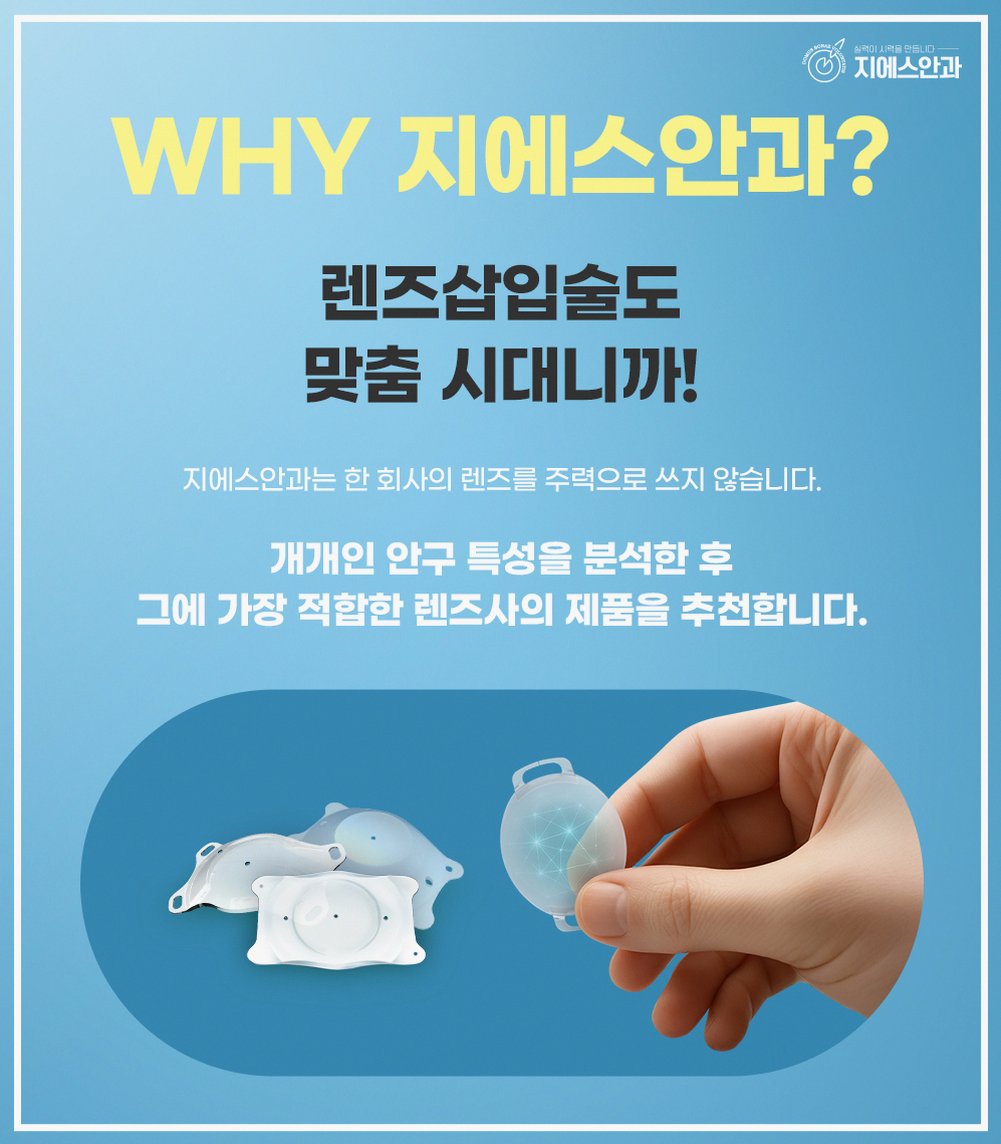
Common types include ICL, GLAZE, and PhakiFlex KPL. All belong to the same general group of phakic intraocular lenses, but they differ in design, material, and some details of how they are inserted and positioned.
Because the cornea is not being reshaped, many patients experience rapid functional vision after surgery. At the same time, the eye still needs time to adapt to the new lens, and careful follow‑up is important to check intraocular pressure, lens position, and long‑term stability.
Who may consider phakic lens implantation
Phakic lens implantation is often considered by people who:
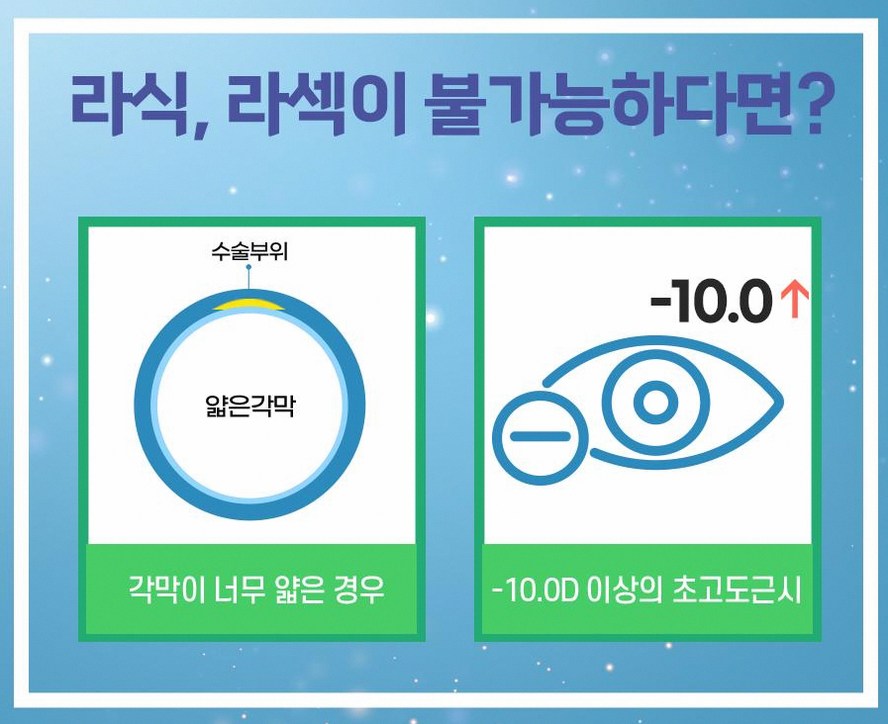
Have moderate to very high myopia, sometimes beyond the safe range for LASIK or LASEK.
Have thin or irregular corneas that make corneal laser surgery less suitable.
Want a reversible option, since the implanted lens can usually be removed or exchanged if medically necessary.
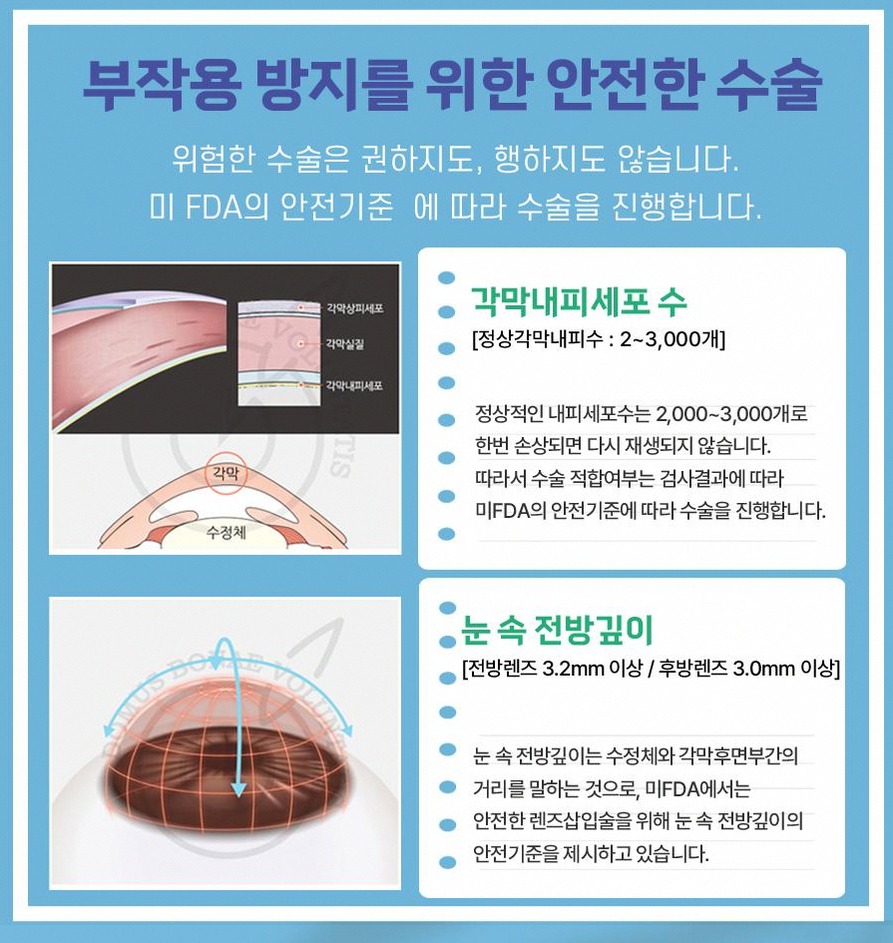
Suitability is never based on prescription alone. A full eye examination is essential to measure anterior chamber depth, corneal thickness and shape, endothelial cell count, and to check for other eye conditions such as early cataract or retinal issues.
Day‑by‑day recovery timeline
Immediately after surgery (first few hours)
Right after surgery, many patients notice that their uncorrected vision is already better than before. At the same time, it is common to experience:
Hazy or slightly blurred vision.
Light sensitivity and glare.
A foreign body sensation, mild discomfort, or dryness.
Watery eyes and the feeling that something is in the eye.
You will usually wear a protective eye shield and start prescribed eye drops to prevent infection and control inflammation. Because your vision can be unstable and the pupils may still be dilated, you should not drive yourself home. An accompanying adult is strongly recommended.
First 1–3 days
During the first few days, most people can move around the hotel or home comfortably and manage basic self‑care. Many patients describe their vision as already good enough for simple tasks such as walking around, eating, or checking messages on a phone for short periods.
However, you may still notice:
Fluctuating focus during the day.
Halos or starbursts around lights, especially at night.
Increased sensitivity to bright light.
Mild dryness or irritation.
In this period, many office workers can return to light desk work within 1–3 days, as long as they can take breaks and use lubricating drops. If your job involves heavy physical work, dust, smoke, or a risk of eye trauma, your surgeon may recommend a longer break.
First 1–2 weeks
Over the first one to two weeks, the majority of discomfort usually subsides. Most patients feel that their eyes are more comfortable, and vision tends to become clearer and more stable.
During this stage:
Contrast and clarity usually improve day by day.
Light sensitivity often decreases but may not disappear completely.
Halos and glare may still be present, especially at night, but often become less disturbing.
Driving may be allowed once your ophthalmologist confirms that your visual acuity and contrast sensitivity are safe, typically at an early follow‑up visit. Night driving may be delayed if halos and glare are still strong.
Light walking is usually allowed very soon after surgery, and many patients can start moderate exercise such as gentle jogging or some gym machines after about 1–2 weeks, as long as the eye is healing well and your surgeon agrees.
Around 1 month
By around one month after lens implantation, many patients feel that their vision is largely stable and close to the final result for everyday activities.
At this point:
Most daily restrictions are often lifted if the eye is healing normally.
Moderate exercise is usually allowed.
Many people feel comfortable with reading, computer work, and most indoor and outdoor tasks.
However, your ophthalmologist will still monitor for subtle changes in refraction, intraocular pressure, and lens position. Even if your vision feels stable, it is important to attend all scheduled check‑ups.
3–6 months and beyond
The period from three to six months is when fine visual quality continues to improve. Your brain and eyes adapt further to the implanted lens, and many patients notice that night vision, contrast, and overall comfort become more natural over time.
During this mid‑term period:
Final refractive stability is usually confirmed.
Long‑term safety checks are performed, including intraocular pressure and endothelial cell status.
Any remaining halos or glare often become less noticeable, although some patients may continue to notice them in certain lighting conditions.
What affects individual recovery time
Pre‑operative eye condition
Recovery is not identical for every patient. Several eye‑related factors can influence how quickly and smoothly you recover:
Degree of myopia or astigmatism: Very high prescriptions may require more precise planning and can sometimes be associated with slightly longer adaptation.
Corneal thickness and shape: These help determine whether phakic lens implantation is preferred over corneal laser surgery, but they can also relate to dryness and comfort after surgery.
Anterior chamber depth and eye anatomy: Adequate space in the front part of the eye is essential for safe lens placement and stable intraocular pressure.
Existing conditions: Dry eye, early cataract, or retinal issues may influence both candidacy and recovery experience.
Type of lens and technique
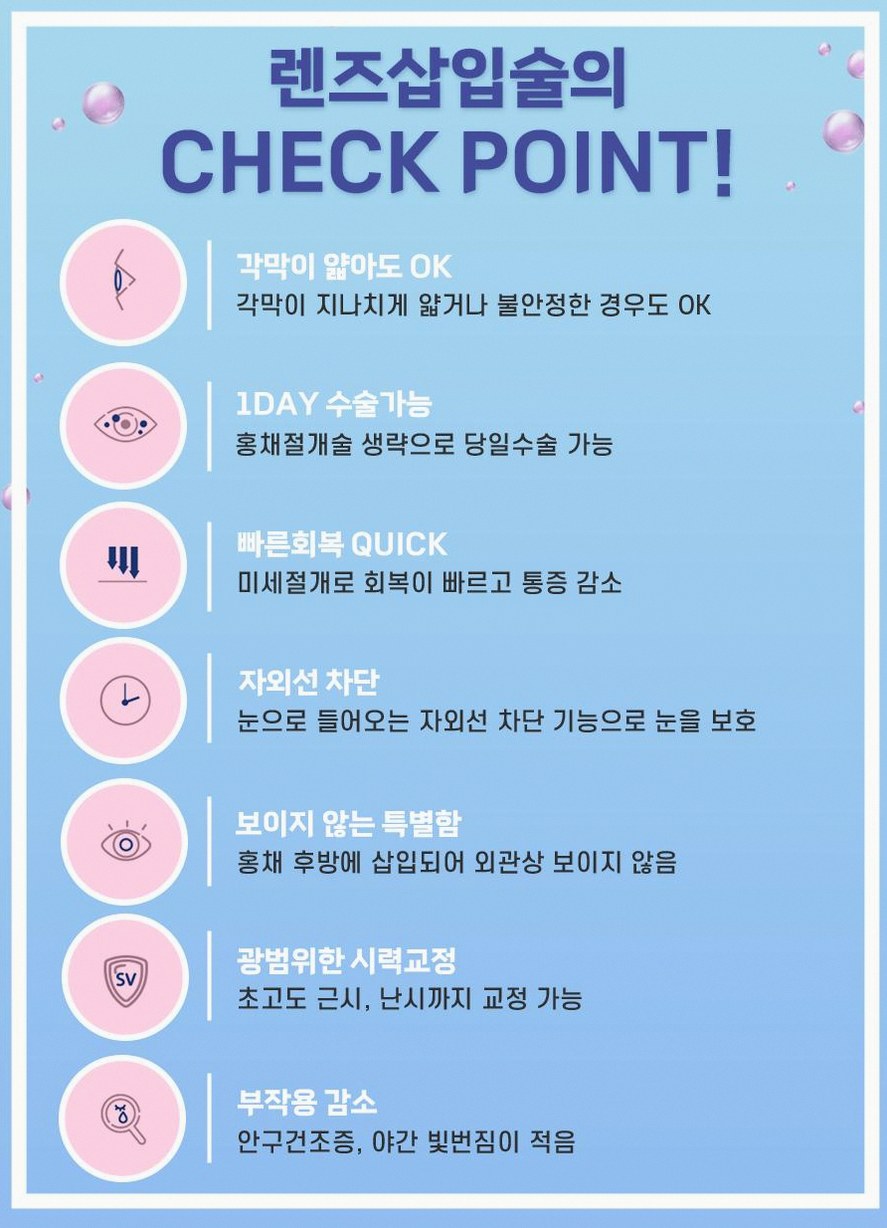
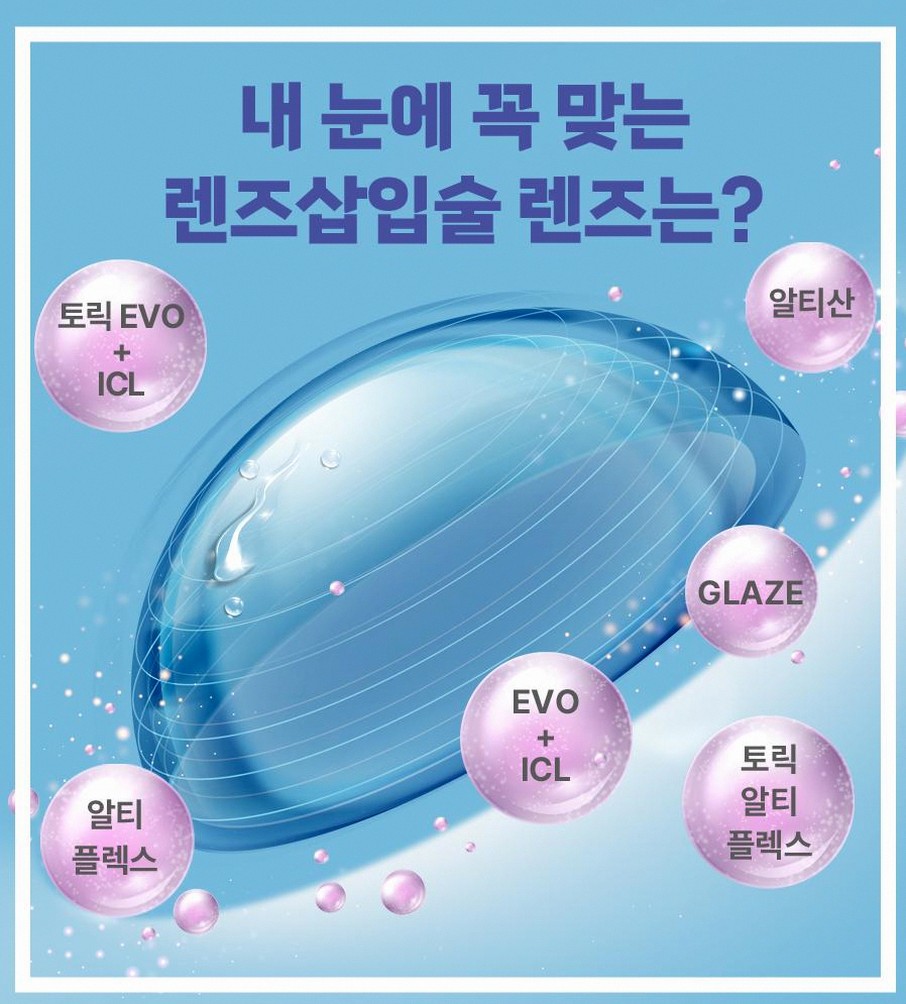
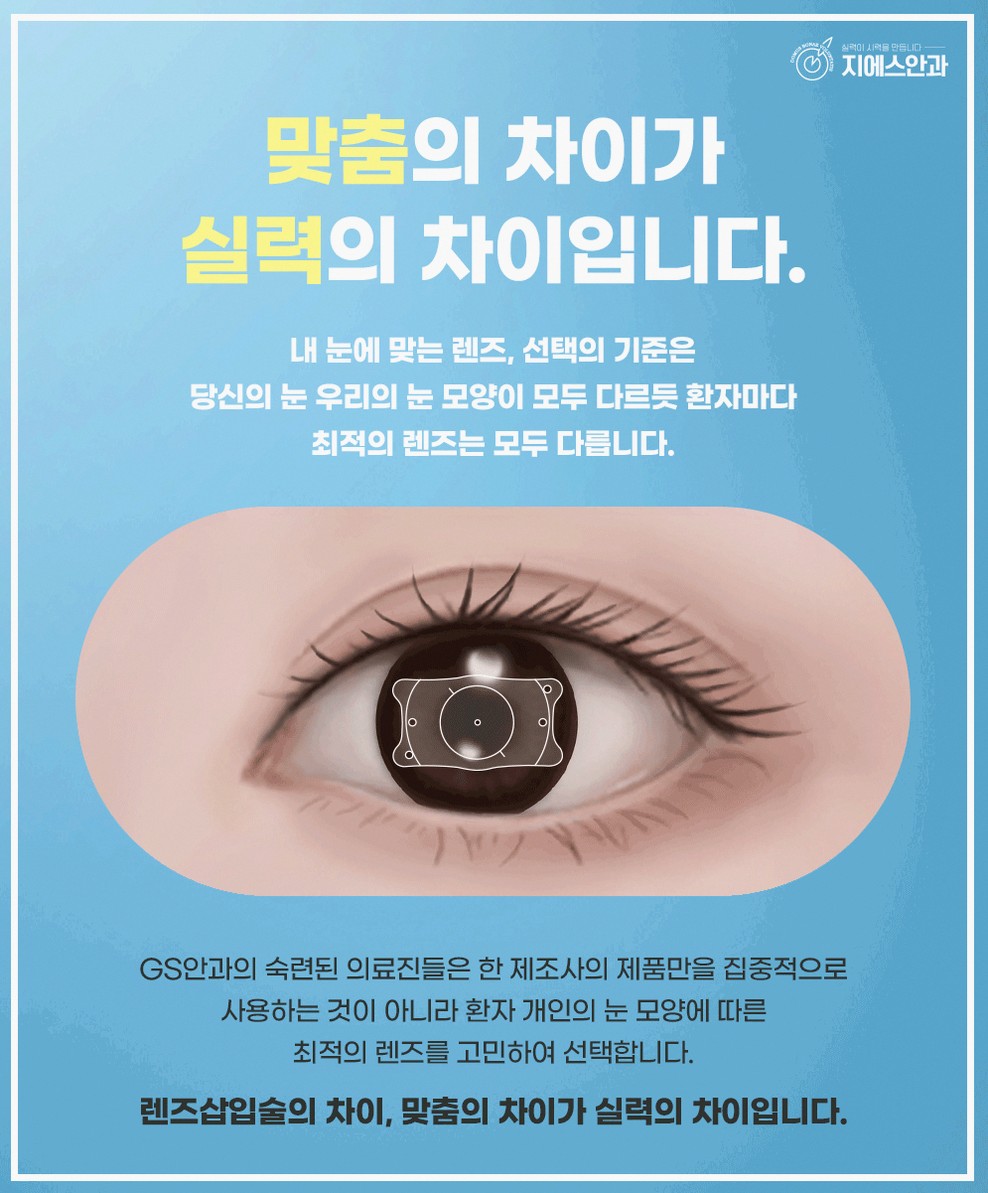
ICL, GLAZE, and PhakiFlex KPL are all phakic intraocular lenses, but they differ in details such as lens material, optical design, and how they are inserted and positioned.
Modern designs aim for:
Smaller incisions, which can support faster healing.
Stable positioning, which helps reduce visual fluctuations.
Materials that are well tolerated inside the eye.
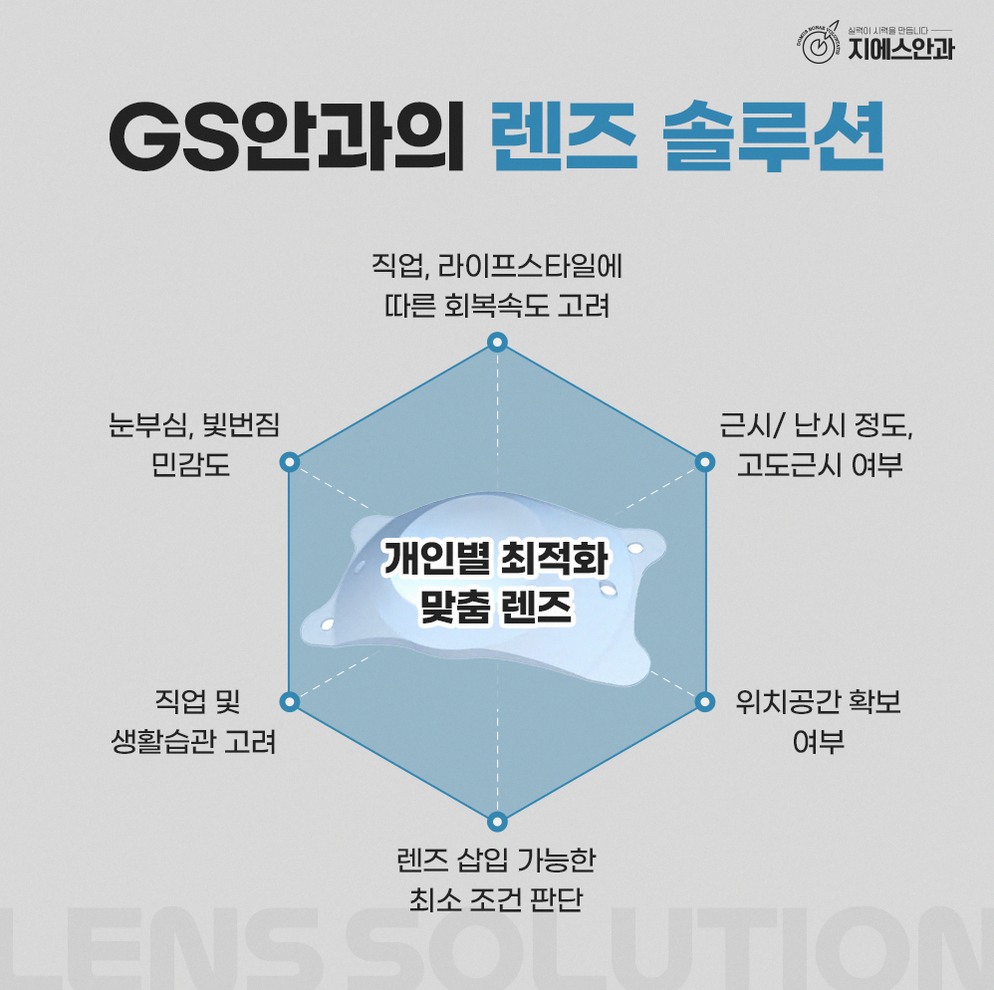
Your surgeon will choose the lens type and size based on detailed measurements. While functional vision is often rapid with all these options, the exact recovery experience can vary slightly from person to person.
Patient‑related factors
Individual health and lifestyle also play a major role in recovery time:
Age and general health: Younger, healthy patients may heal faster, while systemic conditions such as diabetes or autoimmune disease can affect healing and inflammation.
Compliance: Using eye drops as prescribed, avoiding eye rubbing, and attending follow‑up visits all support smoother recovery.
Lifestyle and work demands: Office workers may return to work sooner than people whose jobs involve heavy lifting, dusty environments, or risk of eye impact.
Typical examination and follow‑up schedule
Pre‑operative stage
Before surgery, a comprehensive eye examination is essential to confirm that phakic lens implantation is suitable for you. This usually includes:
Detailed refraction to measure your exact prescription.
Corneal topography to map the corneal surface.
Measurement of anterior chamber depth.
Endothelial cell count to assess the health of the inner corneal layer.
Intraocular pressure measurement.
Retinal examination, especially important for patients with high myopia.
During this stage, your ophthalmologist will explain realistic expectations for both recovery time and visual outcome, discuss potential risks, and answer your questions.
Day of surgery
On the surgery day, you typically:
Arrive at the clinic for final checks and preparation.
Have the procedure performed under local anesthesia with or without mild sedation.
Rest in the clinic for a short observation period after surgery.
You will receive instructions on using eye drops, protecting the eye, and activity restrictions. Because your vision can be blurred and your pupil dilated, you should arrange for someone to escort you back to your accommodation.
First follow‑up (within 1 day)
The first follow‑up visit is usually scheduled within 24 hours. At this visit, the ophthalmologist will:
Check lens position and stability.
Measure intraocular pressure.
Assess corneal clarity and early inflammation.
Review your symptoms and answer questions.
Instructions on eye drops, eye shield use, and what to avoid are reinforced at this time.
Early follow‑ups (about 1 week and 1 month)
At the one‑week and one‑month visits, your eye clinic will:
Monitor visual acuity and refraction.
Check for any signs of inflammation or pressure changes.
Adjust your medication schedule if needed.
Discuss when you can safely resume more intense activities such as sports or heavy work.
Mid‑term follow‑ups (3–6 months)
From three to six months, follow‑up visits are focused on long‑term stability:
Confirming that the lens remains well positioned.
Checking intraocular pressure.
Reassessing endothelial cell status.
Ensuring that your refraction and visual quality are stable.
Activity‑by‑activity recovery guidance
Work and study
Light office work or study is often possible within 1–3 days after phakic lens implantation, provided your symptoms are mild and your surgeon agrees. It is wise to:
Take regular breaks to rest your eyes.
Use lubricating drops to reduce dryness.
Avoid dusty or smoky environments in the early days.
If your job involves construction sites, factory work, or any environment with dust, smoke, or risk of eye trauma, you may need a longer break and possibly protective eyewear when you return.
Digital devices
Many patients can use phones, tablets, or computers for short periods from early after surgery. However, prolonged screen time can worsen dryness and fatigue, especially in the first weeks.

Helpful habits include:
Using the 20‑20‑20 rule: every 20 minutes, look at something 20 feet away for 20 seconds.
Applying artificial tears as recommended.
Reducing screen brightness and avoiding long gaming or streaming sessions in the first days.
Driving
You should only drive once your ophthalmologist confirms that your visual acuity and contrast sensitivity are safe. This is usually assessed at an early follow‑up visit.
Even if daytime driving is allowed, night driving may need to be delayed if you still experience strong halos or glare around lights. Many patients find that these symptoms gradually become less disturbing over time.
Exercise and sports
In general:
Light walking is usually allowed soon after surgery, as long as you avoid touching or rubbing the eyes.
Moderate exercise such as gentle jogging or using gym machines is often possible after 1–2 weeks, if your eye is healing well.
Intense contact sports, martial arts, or activities with a risk of eye impact are typically postponed longer; your surgeon will give specific guidance.
Swimming, hot tubs, and saunas are usually restricted for a period after surgery to reduce infection risk. Always follow the exact timeline given by your ophthalmologist.
Makeup and eye rubbing
Eye makeup, especially mascara, eyeliner, and eyeshadow, should be avoided for a period specified by your surgeon, often at least one to two weeks. This helps reduce the risk of infection and irritation.
Rubbing the eyes is strongly discouraged after lens implantation. Rubbing can increase the risk of infection, disturb the healing tissues, and in some cases affect the lens position or intraocular pressure. If your eyes feel itchy or dry, use artificial tears or gently dab around the eye without pressing on the eyeball.
Comparison with corneal laser procedures
Compared with corneal laser procedures such as LASIK or LASEK, phakic lens implantation works differently. Instead of reshaping the cornea, a lens is placed inside the eye while your natural lens remains in place.
Many patients experience rapid functional vision after both types of surgery, but the details of recovery differ:
Corneal laser procedures involve surface or flap healing of the cornea, which can affect early comfort and dryness.
Phakic lens implantation involves internal adaptation to the lens and careful monitoring of intraocular pressure and lens position.
Because the mechanisms are different, you should not assume that timelines from LASIK or LASEK will be identical to those after ICL, GLAZE, or PhakiFlex KPL. Your surgeon will provide a recovery plan tailored to your specific procedure.
Safety, risks, and warning signs during recovery
Common temporary symptoms
Certain symptoms are common and usually temporary after phakic lens implantation:
Mild pain or discomfort.
Foreign body sensation or scratchy feeling.
Light sensitivity.
Halos, glare, or starbursts around lights.
Slightly fluctuating vision.
These often improve over days to weeks. Lubricating drops, sunglasses outdoors, and following your medication schedule can help.
Warning signs that need urgent attention
Some symptoms may indicate a complication and require prompt medical attention:
Sudden decrease in vision.
Strong, persistent eye pain or headache.
Marked redness, swelling, or discharge from the eye.
Severe halos accompanied by nausea or vomiting, which can be a sign of a sudden rise in intraocular pressure.
If you experience any unusual or rapidly worsening symptom, do not wait. Contact your ophthalmology clinic or seek emergency care immediately.
Role of structured examination and follow‑up
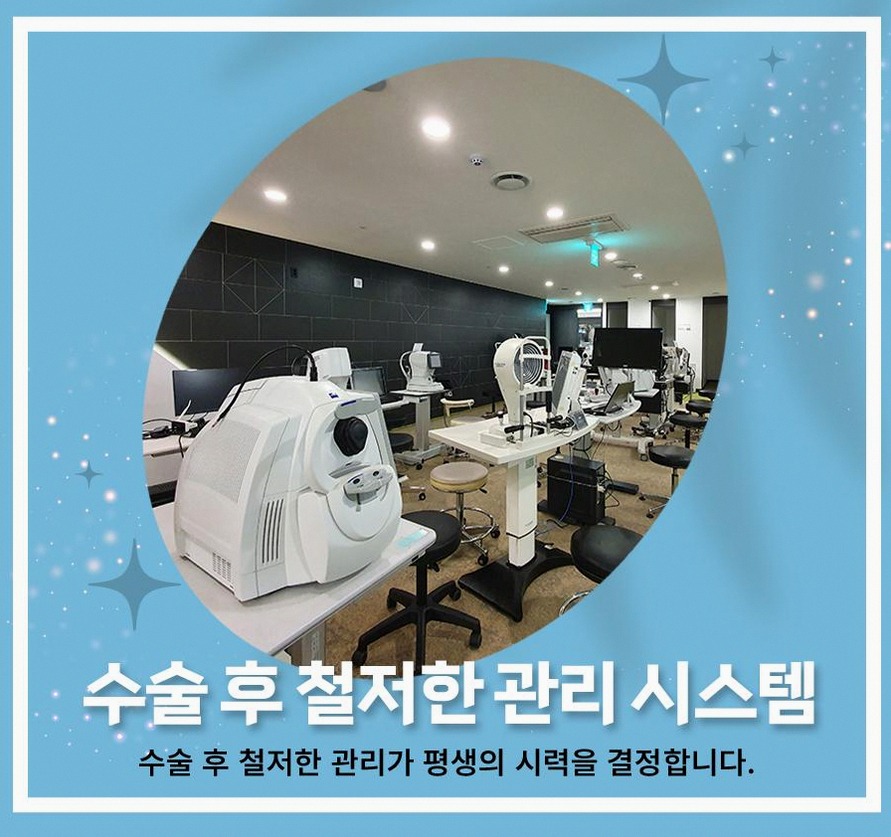
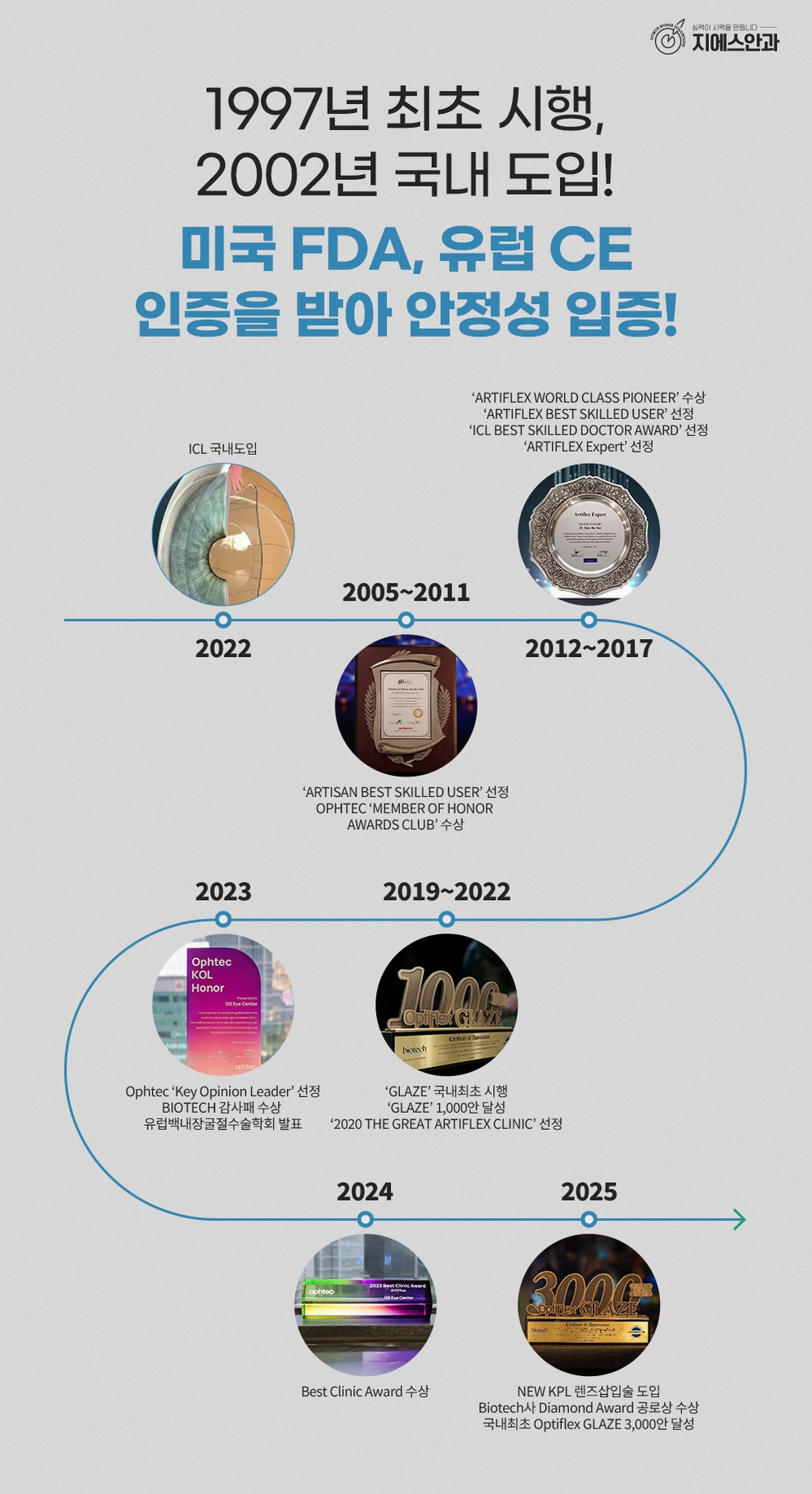
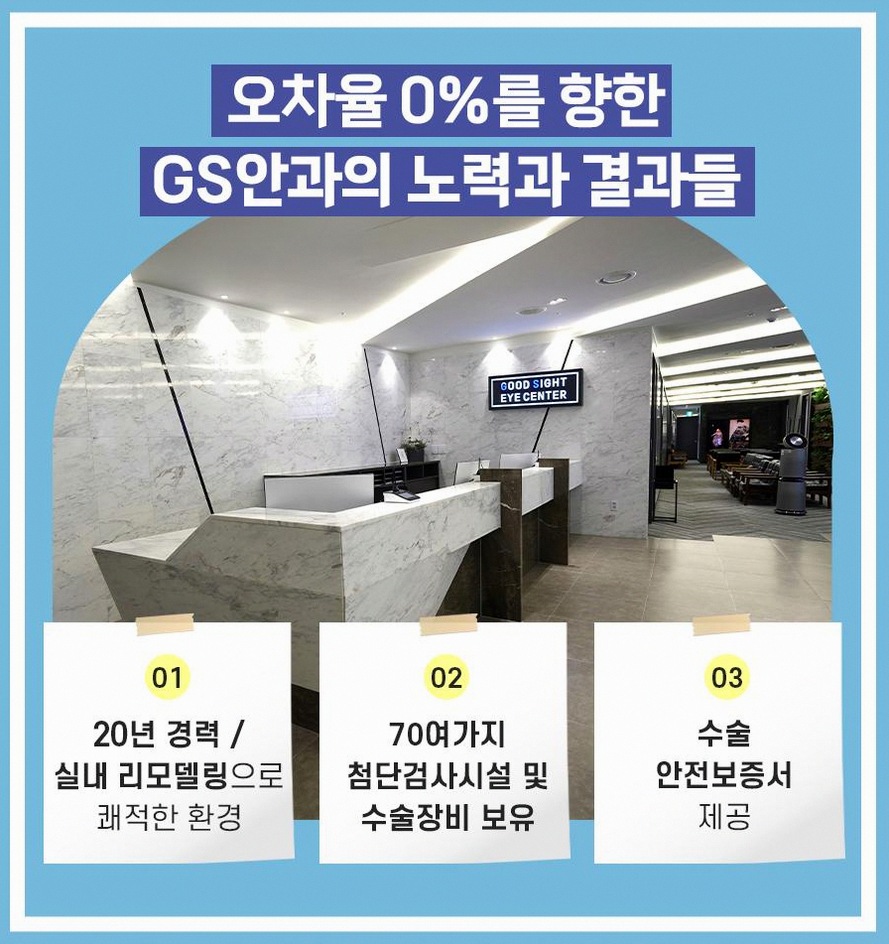
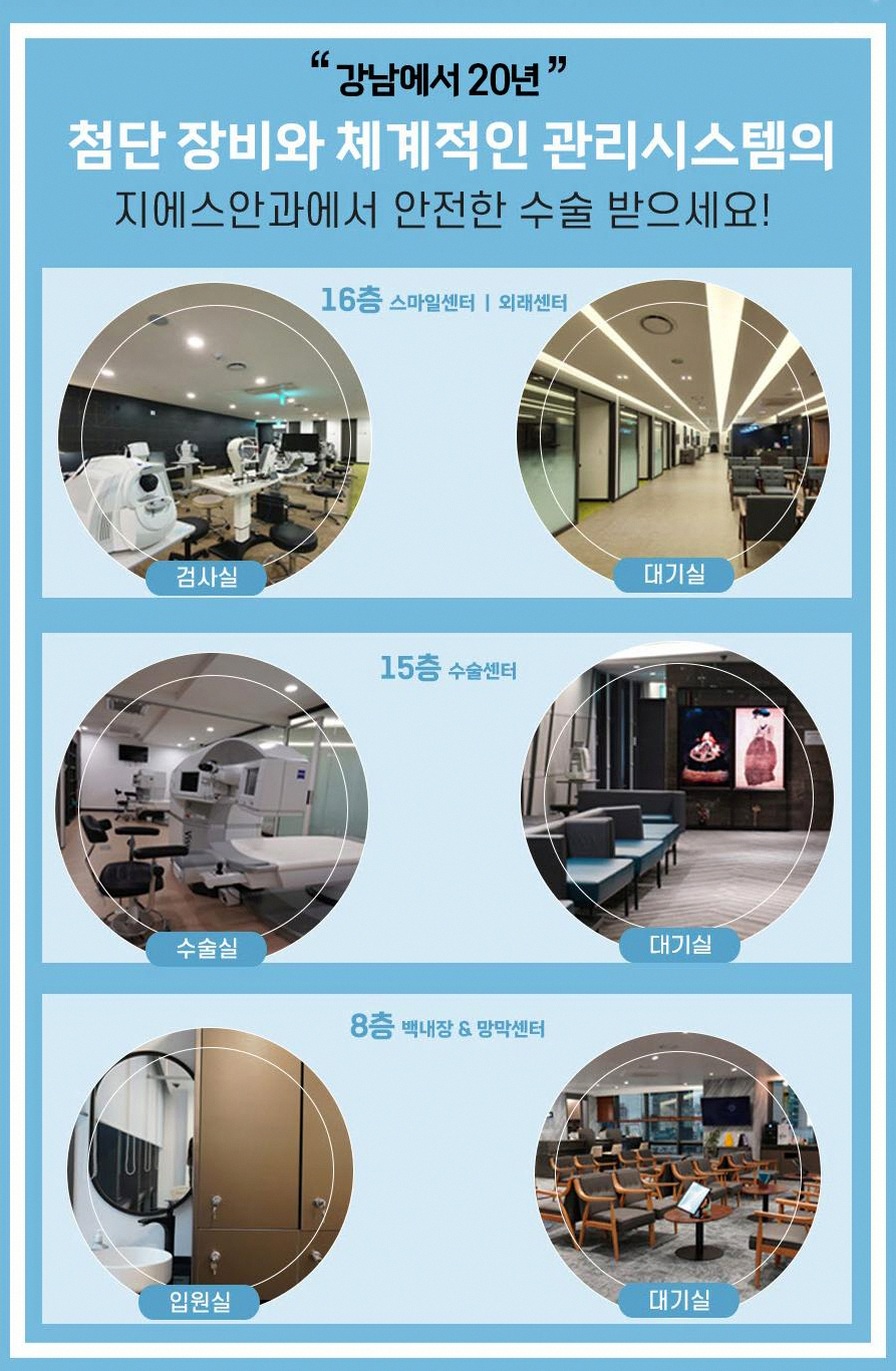
A structured approach to examination and follow‑up is one of the most important factors for safe, predictable recovery after phakic lens implantation. An ophthalmology clinic such as GS Eye Center may offer:
A dedicated vision correction program including ICL, GLAZE, and PhakiFlex KPL.
Detailed pre‑operative evaluation to confirm suitability and choose the appropriate lens.
Systematic follow‑up visits to monitor healing, intraocular pressure, and retinal health.
For patients with high myopia and potential retinal risk, access to a separate retina service can be relevant. While no clinic can guarantee a specific result or recovery time, experienced surgeons and standardized protocols can help reduce complications and support smoother recovery.
Preparing for lens implantation in Korea as an overseas patient
Online consultation and pre‑visit preparation
If you are considering phakic lens implantation in Seoul from overseas, it is helpful to start with an online consultation. Many eye clinics offer the option to send:
Your current glasses or contact lens prescription.
Any previous eye examination reports.
Information about your general health and medications.
During online consultation, you can ask about:
Typical recovery timelines for someone with your prescription.
How long you should stay in Korea for surgery and follow‑up.
What activities you should avoid during your stay.
Before traveling, prepare a list of questions about recovery time, activity restrictions, and follow‑up after you return home. It is also wise to check whether you can see an ophthalmologist in your home country for later routine checks.
Expected Korea visit timeline
While each clinic has its own protocol, a common schedule for overseas patients might look like this:
Sample schedule (illustrative only — actual timing varies by clinic and your individual case; confirm the exact plan through the clinic’s online consultation): An initial comprehensive pre‑operative examination and consultation is performed, with guidance about contact lens discontinuation as needed (soft lenses typically require a short break; rigid lenses usually require a longer interval). Surgery is scheduled after the pre‑op work‑up; one or both eyes may be treated depending on clinical judgment. A first post‑operative check is generally arranged soon after surgery (often within a day), and an early follow‑up visit to assess healing and adjust medications is usually planned within the first week or two. Your clinic will provide a personalized visit schedule.
Many international patients stay in Korea for at least one to two weeks to complete early follow‑ups. Your clinic may then coordinate with your local ophthalmologist for mid‑term checks after you return home.

Aftercare and long‑term follow‑up
Aftercare includes:
Using antibiotic and anti‑inflammatory eye drops as prescribed.
Applying artificial tears to relieve dryness.
Wearing sunglasses outdoors to reduce light sensitivity.
Avoiding eye rubbing, swimming, and dusty environments for the recommended period.
Long‑term follow‑up is important even after your vision feels stable. Regular eye examinations help monitor intraocular pressure, endothelial cell count, lens position, and retinal health. Your ophthalmologist will advise how often you should return for check‑ups.
FAQ about lens implantation recovery time
How long does it take to see clearly after lens implantation?
Many patients notice clearer vision within hours of surgery, but it is often hazy or slightly blurred at first. For most people, vision is good enough for basic daily activities within 1–3 days. Over the next 1–2 weeks, clarity and contrast usually improve further, and by around one month many patients feel their vision is largely stable for everyday life.
When can I go back to work or school?
If you do light office work or study, you may be able to return within 1–3 days, provided your symptoms are mild and your surgeon agrees. It is important to take regular breaks and use lubricating drops, especially during the first weeks. If your work involves dust, smoke, heavy lifting, or a risk of eye trauma, you may need a longer break and possibly protective eyewear.
When is it safe to drive after ICL or GLAZE surgery?
You should not drive on the day of surgery. Driving is usually considered only after your ophthalmologist confirms that your visual acuity and contrast sensitivity are safe, often at an early follow‑up within the first week. Night driving may need to be delayed longer if you still experience strong halos or glare around lights.
How long do halos and glare usually last?
Halos, glare, and starbursts around lights are common in the early period after phakic lens implantation. For many patients, these symptoms gradually lessen over weeks to months as the eye heals and the brain adapts. Some people may continue to notice mild halos in certain lighting conditions, but they often become less disturbing with time. If halos suddenly worsen or are accompanied by pain, nausea, or a drop in vision, seek urgent medical attention.
How long do I need to use eye drops?
Antibiotic and anti‑inflammatory drops are typically used for several weeks, with the schedule gradually reduced according to your surgeon’s instructions. Lubricating drops may be used for a longer period, especially if you experience dryness. The exact duration depends on your healing response and any underlying conditions, so always follow your own prescription rather than a general timeline.
When can I exercise or swim again?
Light walking is usually allowed soon after surgery. Many patients can resume moderate exercise such as gentle jogging or some gym activities after about 1–2 weeks, if healing is stable. Swimming, hot tubs, and contact sports are usually delayed longer to reduce infection risk and avoid eye trauma. Your ophthalmologist will provide a specific schedule based on your case.
Is recovery slower if I have very high myopia?
Patients with very high myopia can still experience rapid functional vision after phakic lens implantation, but adaptation and fine tuning of vision may take a bit longer in some cases. High myopia is also associated with a higher risk of retinal issues, so careful pre‑operative examination and follow‑up are especially important. Your surgeon will explain how your prescription may influence your recovery plan.
How long do I need regular check‑ups after lens implantation?
Most clinics recommend several visits within the first few months to monitor healing, intraocular pressure, and lens position. After that, regular eye examinations, often once a year or as advised, are important to check long‑term stability and overall eye health. Even if your vision feels stable, do not skip these routine check‑ups.

Soft call to action for online consultation
If you are considering phakic lens implantation such as ICL, GLAZE, or PhakiFlex KPL in the Gangnam area of Seoul and want to understand what recovery might look like in your specific situation, an online consultation can be a helpful first step. By sharing your prescription, medical history, and travel plans, an ophthalmology clinic can outline a realistic timeline for surgery, early recovery, and follow‑up during your stay in Korea.
Use this guide as a starting point to prepare your questions about recovery time, daily activities, and long‑term care, and then discuss the details directly with your chosen eye clinic.

- 공유 링크 만들기
- X
- 이메일
- 기타 앱


댓글
댓글 쓰기