LASIK LASEK side effects and 2DAY LASEK in Gangnam, Seoul
- 공유 링크 만들기
- X
- 이메일
- 기타 앱




Direct answer summary
If you are worried about LASIK or LASEK side effects, you are not alone. Most people experience some temporary symptoms such as discomfort, light sensitivity, dry eye, and night glare after laser vision correction, and these usually improve over days to months. More serious problems such as corneal ectasia or permanent haze are uncommon, especially when there is careful pre‑operative screening, appropriate procedure selection, and structured follow‑up.
2DAY LASEK is an advanced form of surface laser vision correction designed to keep the structural safety advantages of LASEK while improving pain control and early visual recovery. The goal is for many patients to reach functional vision in about two days, although individual recovery varies. A specialized ophthalmology clinic in the Gangnam area, such as GS Eye Center, typically uses detailed eye examinations, individualized planning, and protocol‑based aftercare to reduce the risk of side effects.
Understanding LASIK, LASEK, and 2DAY LASEK
LASIK overview
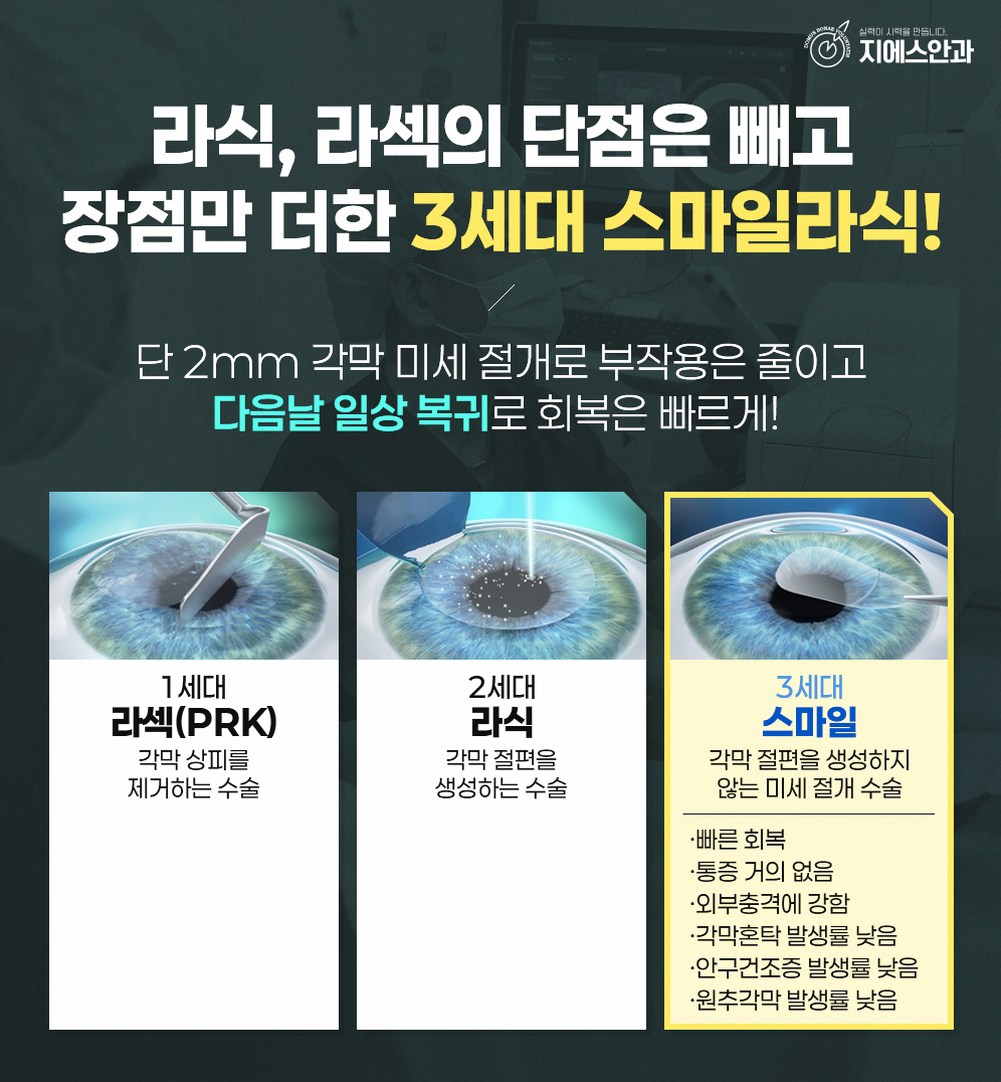
LASIK is a laser vision correction procedure that reshapes the cornea to reduce myopia, hyperopia, or astigmatism. During LASIK, the surgeon creates a thin flap in the cornea, lifts it, applies the excimer laser to the underlying tissue, and then replaces the flap. Because the surface layer remains largely intact, many patients experience relatively quick visual recovery and less early pain compared with traditional surface procedures.
However, the presence of a flap means there is a permanent interface within the cornea. This can be relevant for people with thin corneas, irregular corneal shapes, or those involved in contact sports or jobs with a risk of eye trauma. Flap‑related issues are uncommon but are part of the LASIK risk profile.
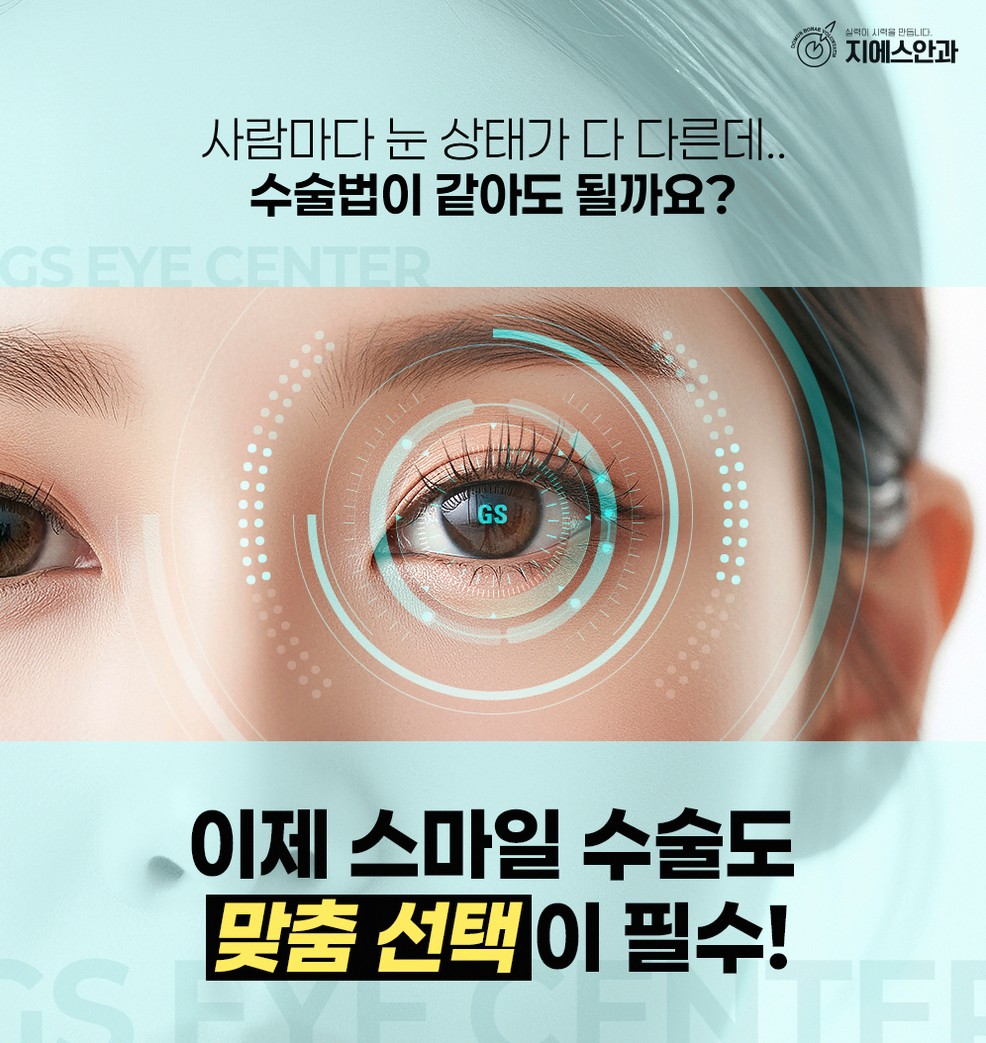
LASEK overview
LASEK is a surface ablation procedure. Instead of creating a deep flap, the surface epithelium is loosened and removed, the laser reshapes the front of the cornea, and then the epithelium regenerates over several days. Because no deep flap is created, more of the corneal structure is preserved, which can be advantageous for long‑term biomechanical stability.
The trade‑off with classic LASEK has traditionally been more early pain and slower visual recovery. Patients often need several days of healing with a bandage contact lens, and vision can be blurry or fluctuating for a period before stabilizing.
What is 2DAY LASEK
2DAY LASEK is an advanced, protocolized version of LASEK designed to narrow the gap between LASIK and surface procedures. The concept is to combine the structural advantages of LASEK with improved pain control and faster functional recovery. This is typically achieved through optimized laser profiles, careful control of the ablation zone, modern bandage contact lenses, and a multi‑step pain‑management and healing regimen.
The aim is for many patients to reach a level of vision that is usable for daily activities in about two days. It is important to understand that this is a general goal, not a guarantee. Recovery speed still depends on individual healing, prescription strength, corneal characteristics, and adherence to post‑operative instructions.
Normal side effects versus complications
Early, usually temporary side effects
After LASIK, LASEK, or 2DAY LASEK, some early symptoms are expected and usually represent normal healing rather than complications. These can include:
Pain or foreign‑body sensation, especially in the first few days for surface procedures like LASEK
Tearing and light sensitivity
Blurry or fluctuating vision
Halos or glare around lights at night
Dry eye symptoms such as burning, stinging, or a sandy feeling
With 2DAY LASEK, the protocol is designed to reduce the intensity and duration of these symptoms, but they do not disappear completely. Most patients still experience some discomfort and visual fluctuation during the first days to weeks.
Mid‑term side effects
Over the following weeks to months, some patients notice:
Delayed visual stabilization, especially with higher prescriptions
Mild residual refractive error, such as slight remaining myopia or astigmatism
Temporary difficulty with night driving due to glare or halos
These issues often improve as the cornea heals and the tear film stabilizes. In some cases, enhancement procedures or tailored optical corrections may be discussed after sufficient healing.
Less common long‑term side effects
A smaller group of patients may experience longer‑term issues, which are generally less common but important to understand:
Regression: a partial return of myopia or astigmatism over time
Chronic dry eye: persistent dryness requiring ongoing treatment
Night vision disturbance: lasting halos, glare, or reduced contrast in low light
Corneal haze: a cloudy layer in the healing tissue, more associated with older surface techniques
Ectasia: progressive weakening and bulging of the cornea, a rare but serious condition
Modern screening, surgical planning, and post‑operative care are focused on lowering the risk of these problems, but no technique can reduce the risk to zero.
LASIK versus LASEK risk profile
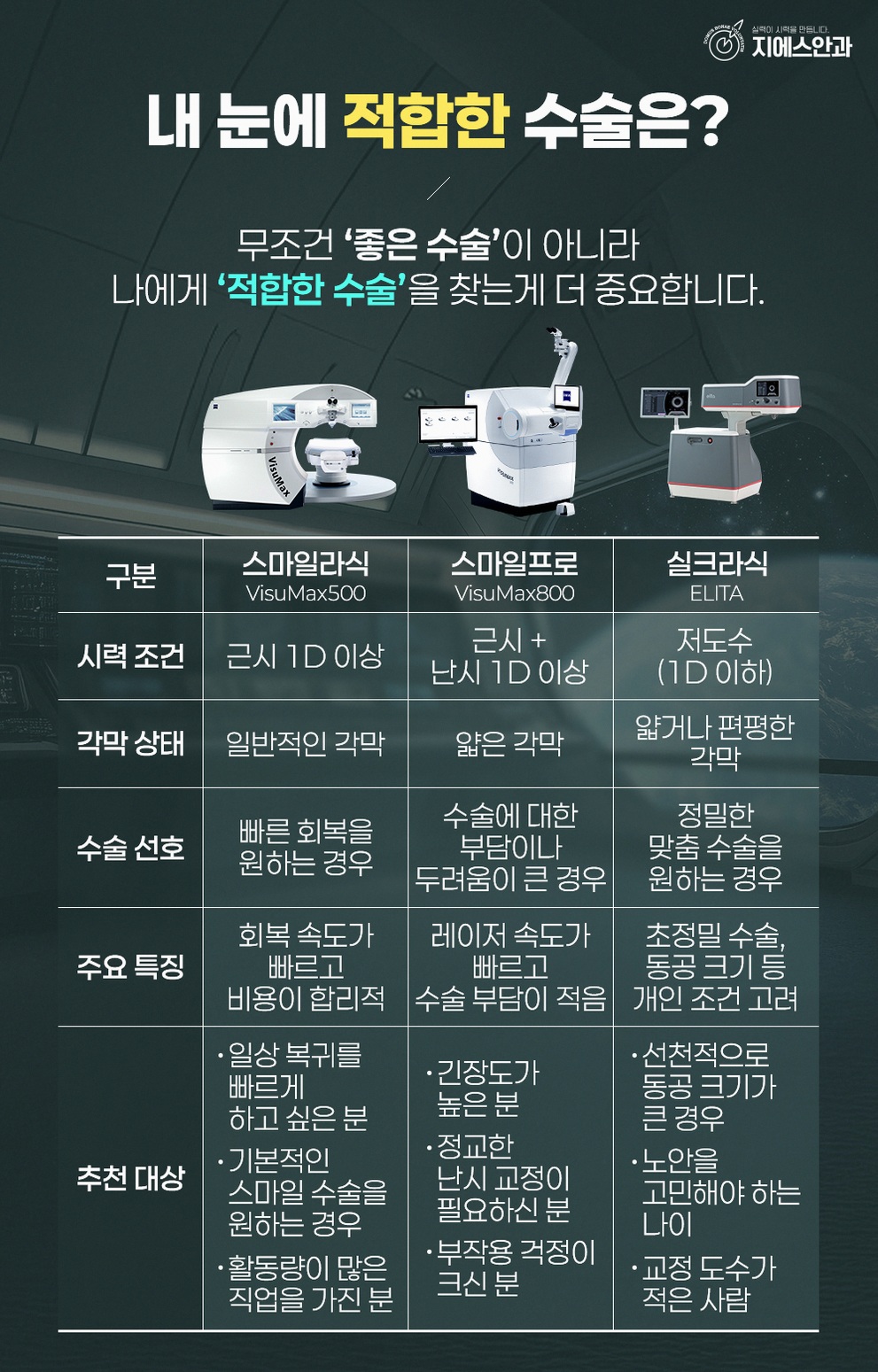
LASIK advantages and risks
LASIK is often chosen for its quick comfort and rapid visual recovery. Many patients can return to routine activities within a short time. However, the corneal flap introduces specific considerations.
Potential LASIK‑related issues include flap displacement, microscopic wrinkles in the flap, or increased sensitivity to trauma. These events are not common, but they are part of the reason why LASIK may not be recommended for people with thin corneas, suspicious corneal topography, or high‑impact lifestyles.
LASEK and 2DAY LASEK advantages and trade‑offs
LASEK and 2DAY LASEK avoid a deep corneal flap, preserving more of the cornea’s natural structure. This can be favorable for patients with thinner corneas or certain higher‑risk corneal shapes. The main historical drawbacks have been more pain and slower visual recovery.
2DAY LASEK is designed to reduce these drawbacks. Through refined laser settings, protective bandage lenses, and a structured pain‑control plan, the goal is to provide a recovery experience that is closer to LASIK while keeping the biomechanical benefits of surface ablation. Even so, patients should still expect several days of healing and some level of discomfort.
How 2DAY LASEK addresses specific side‑effect concerns
Pain and recovery time
Modern 2DAY LASEK protocols typically use several strategies to manage pain and speed functional recovery:
Customized laser profiles to minimize unnecessary tissue impact
High‑oxygen, smooth‑surface bandage contact lenses to protect the healing epithelium
Topical anesthetic drops during surgery and carefully scheduled pain medication afterward
Cooling measures and lubricating drops to soothe the eye surface
These measures often shorten the most painful period to the first one or two days, with gradual improvement after that. Nonetheless, pain perception varies, and some patients may feel discomfort for a longer period. Clear pre‑operative counseling helps set realistic expectations.
Corneal safety and ectasia prevention
One of the main reasons some patients and surgeons prefer surface procedures is corneal safety. Because LASEK and 2DAY LASEK do not create a deep flap, more of the structural tissue is preserved. This can be beneficial for long‑term biomechanical stability and may reduce the risk of ectasia in appropriately selected eyes.
However, screening is critical. A thorough pre‑operative evaluation is needed to rule out keratoconus or suspicious corneal shapes. In some higher‑risk cases, additional corneal strengthening procedures such as corneal cross‑linking may be considered alongside or around the time of surface ablation. These decisions are individualized and based on detailed imaging and medical judgment.
Haze and regression
Corneal haze is a cloudy layer that can form in the healing tissue after surface procedures. It was more common with older techniques, larger corrections, and less refined post‑operative care. Modern 2DAY LASEK protocols aim to reduce haze through:
Precise laser ablation profiles and appropriate optical zone sizing
Intra‑operative medications that modulate healing
Careful control of post‑operative inflammation with prescribed eye drops
Strict UV protection using sunglasses and, when advised, avoidance of intense sun exposure during the early healing period
Regression, where some of the original refractive error gradually returns, is also influenced by healing patterns and the amount of correction. Accurate pre‑operative measurements and realistic target setting help reduce the chance of noticeable regression.
Dry eye and night vision issues
Dry eye symptoms are common after both LASIK and LASEK‑type procedures. Nerves in the cornea that help regulate tearing are temporarily affected, and the tear film can become unstable. With 2DAY LASEK, detailed pre‑operative tear film evaluation and meibomian gland assessment help identify patients at higher risk.
Tailored management may include preservative‑free artificial tears, anti‑inflammatory drops, lid hygiene routines, and sometimes additional treatments for the oil glands in the eyelids. Night glare and halos are also frequent in the early period, especially in patients with large pupils or high corrections. Proper planning of the optical zone and realistic counseling help patients understand that these symptoms usually improve over weeks to months.
Pre‑operative examination at a specialized ophthalmology clinic
Multi‑step eye examination process
Before 2DAY LASEK, a specialized ophthalmology clinic in Gangnam will typically perform a structured, multi‑step assessment. This often includes:
Measurement of refractive error and visual acuity, both with and without dilation
Corneal topography and tomography to check shape, curvature, and thickness, and to screen for early keratoconus
Pupil size measurement, especially in low light, to help plan the optical zone
Tear film and meibomian gland evaluation to assess dry eye risk
Retinal examination, sometimes supported by imaging, to rule out retinal tears, macular disease, or other issues
At a clinic such as GS Eye Center, there is also the advantage of a dedicated retina center, allowing a thorough retinal check before vision correction. This is particularly important for high myopes and older patients.
Lifestyle and occupation discussion
Beyond measurements, a good consultation includes a conversation about your daily life. This may cover night driving, frequent digital device use, outdoor work, contact sports, or military and emergency service duties. These factors influence whether LASIK, LASEK, 2DAY LASEK, or a lens‑based procedure is more appropriate.
Not everyone is a suitable candidate for laser vision correction. If corneal thickness, shape, or general eye health are not favorable, the safest option may be to avoid surgery or consider alternatives. A responsible clinic will sometimes advise against surgery when the risk profile is not acceptable.
Who may consider 2DAY LASEK
2DAY LASEK may be discussed for:
Patients with thinner corneas where preserving tissue is important
People with corneal shapes that are less ideal for flap creation
Individuals who prefer to avoid a permanent corneal flap because of lifestyle or occupation
Patients who are comfortable with a few days of recovery in exchange for potential long‑term structural advantages
Suitability is never based on one factor alone. Age, prescription strength, corneal measurements, tear film status, and general health all matter. An in‑person examination by an ophthalmologist is essential before any decision.
Preparing for an online consultation and your visit to Korea
Online consultation and pre‑visit preparation
For overseas patients, an online or remote consultation is often the first step. To make this efficient, it helps to prepare:
A summary of your glasses or contact lens prescription history
Any previous eye examination reports, including corneal topography or retinal scans if available
Information about eye symptoms such as dryness, allergies, or previous infections
Details about your job, hobbies, and expectations for recovery time
Before contacting the clinic, write down questions you want to ask. Examples include whether you are more suitable for LASIK or 2DAY LASEK, how your corneal thickness looks, what your dry eye status is, and how long you should plan to stay in Korea for follow‑up.
Expected Korea visit timeline for 2DAY LASEK
Although exact schedules vary by clinic and by individual case, a typical timeline for overseas patients might look like this:
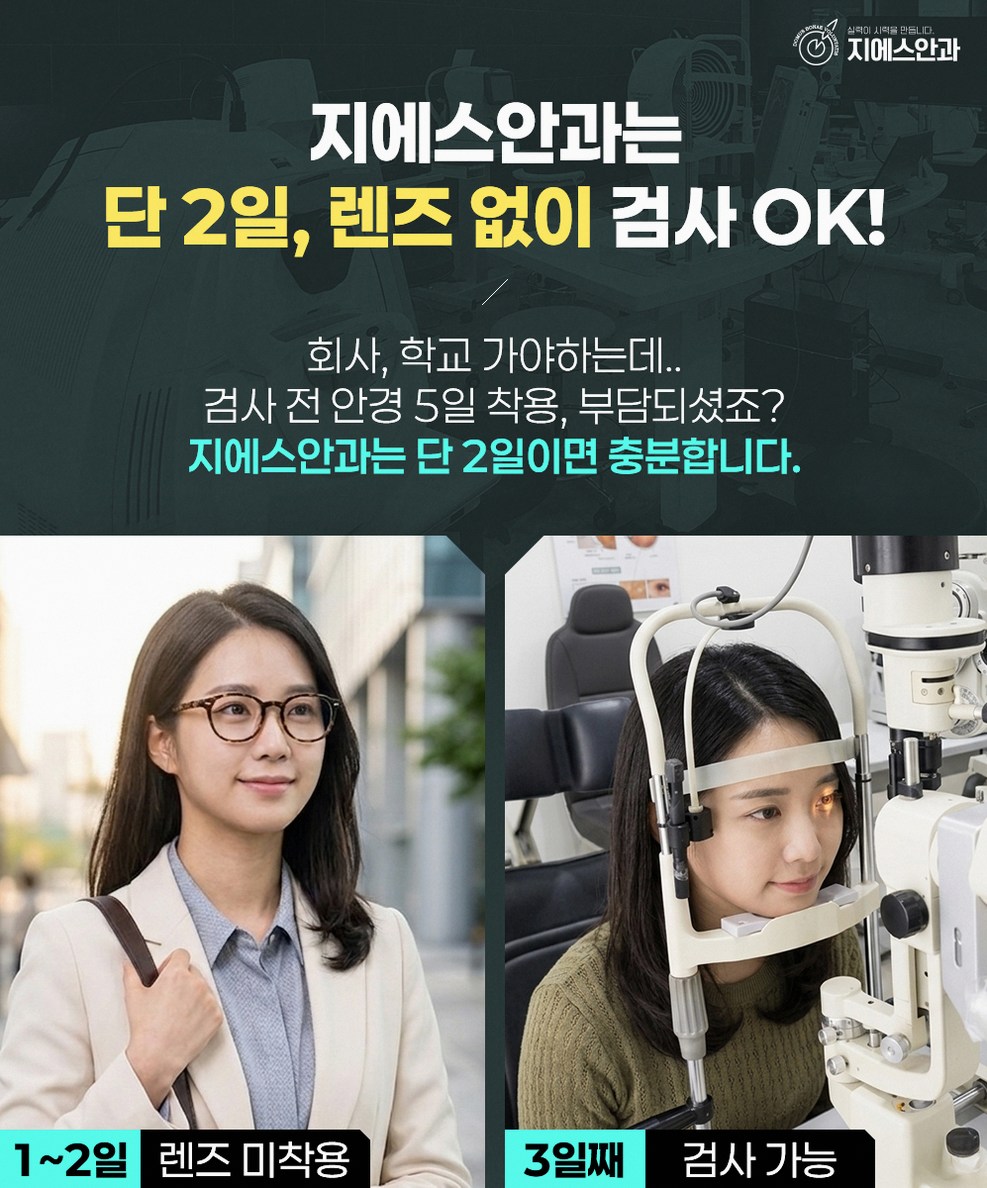
Day 1: Comprehensive pre‑operative examination and consultation. If your eyes are suitable and you decide to proceed, surgery may be scheduled for the same day or the following day, depending on the clinic’s protocol.
Day 1 or 2: 2DAY LASEK procedure. The surgery itself usually takes only several minutes per eye, but you should plan to stay at the clinic for longer due to preparation and immediate post‑operative checks.
First 2 days after surgery: Most intense discomfort period. You will use prescribed eye drops and pain medication and rest in your accommodation. Functional vision may begin to return around this time, but you should avoid demanding visual tasks.
Day 3 to 5: Follow‑up visits to check healing, adjust medications, and possibly remove the bandage contact lens when the epithelium has sufficiently healed.
Following 1 to 2 weeks: If you are traveling back home, your clinic will usually provide a summary for your local ophthalmologist and instructions for ongoing care.
Some patients may be advised to stay longer in Korea depending on their eye condition, healing speed, and travel distance. Discuss your travel schedule openly with the clinic before booking flights.
Post‑operative care and patient responsibilities
Medication adherence and eye protection
After 2DAY LASEK, you will receive a schedule of eye drops, which may include antibiotics, anti‑inflammatory drops, and lubricants. Following this schedule accurately is one of the most important ways to reduce infection risk and control inflammation.
You will also be instructed to avoid rubbing your eyes, keep water and contaminants away from the eyes during the early period, and use protective eyewear when outdoors. Sunglasses with good UV protection are strongly recommended, especially during the first months.
Rest, screen time, and activity
Adequate rest helps the epithelium heal smoothly. In the first few days, limit screen time and avoid activities that cause eye strain. Gradually return to normal work and study as your vision stabilizes and your ophthalmologist approves.
Strenuous exercise, swimming, and environments with dust or smoke should be avoided for the period recommended by your surgeon. These instructions may differ slightly between patients depending on healing and lifestyle.
Red‑flag symptoms
While temporary discomfort is expected, certain symptoms require immediate contact with the eye clinic:
Sudden, severe pain that does not improve with prescribed medication
Rapid worsening of vision after an initial period of improvement
Marked redness, discharge, or swelling
New large floaters, flashes of light, or a curtain‑like shadow in your vision
If you experience these symptoms after returning to your home country, seek urgent care from a local ophthalmologist and inform the clinic where you had surgery.
GS Eye Center as an example of a protocol‑driven clinic in Gangnam
GS Eye Center is an established ophthalmology clinic in the Gangnam area of Seoul, operating in the same location since 2005. All seven doctors are board‑certified ophthalmologists, and several have backgrounds as university hospital faculty or fellowship‑trained subspecialists in areas such as retina and refractive surgery. As of 2023, the clinic reports experience with over 300,000 eyes treated with vision correction and cataract surgery.

The clinic is recognized as a clinical education site by a medical school and by an Asia‑Pacific ophthalmic company, reflecting its structured, protocol‑based approach to care. A dedicated retina center within the clinic supports thorough retinal evaluation before vision correction. For international patients, these systems can provide reassurance that decisions about 2DAY LASEK are based on standardized examinations, multi‑doctor review when needed, and careful indication setting rather than on marketing alone.
FAQ about LASIK, LASEK, and 2DAY LASEK side effects
Are side effects more common with LASIK or LASEK
Both LASIK and LASEK have side effects, but their profiles differ. LASIK tends to have less early pain and faster visual recovery, but it carries flap‑related risks and may be less suitable for thin or irregular corneas. LASEK and 2DAY LASEK usually involve more early discomfort but avoid a deep flap and preserve more corneal tissue. With modern screening and techniques, serious complications are uncommon in appropriately selected patients for both procedures.
How painful is 2DAY LASEK compared with regular LASEK
Traditional LASEK is known for several days of significant discomfort. 2DAY LASEK protocols aim to reduce this through optimized laser settings, better bandage lenses, and multi‑step pain control using drops, oral medications, and cooling. Many patients report that the most intense pain is limited to the first one or two days, though individual experiences vary. Some discomfort or foreign‑body sensation is still expected during the early healing period.
Can 2DAY LASEK completely prevent complications like ectasia
No procedure can completely prevent all complications. 2DAY LASEK may reduce the risk of ectasia in some patients by preserving more corneal tissue compared with flap‑based LASIK, but this depends heavily on proper screening and case selection. Corneal topography and tomography are essential to rule out conditions like keratoconus before surgery. In higher‑risk cases, additional measures such as corneal cross‑linking may be considered, or surgery may be discouraged altogether.
How long do dry eye and night glare usually last after 2DAY LASEK
Dry eye symptoms and night glare are common in the first weeks after 2DAY LASEK. For many patients, these symptoms gradually improve over several weeks to a few months as the corneal nerves and tear film recover. In some cases, mild dryness or night vision changes can persist longer and require ongoing management. Pre‑operative tear film evaluation and tailored dry eye treatment can help reduce the impact of these symptoms.
Who should avoid LASIK or LASEK and consider another option instead
People with very thin corneas, unstable prescriptions, advanced keratoconus, significant corneal scars, or certain retinal diseases may not be good candidates for LASIK or LASEK. Severe uncontrolled dry eye or autoimmune conditions can also increase risk. In such cases, alternatives such as lens implantation or continuing with glasses and contact lenses may be safer. A full examination by an ophthalmologist is necessary to determine the best approach.
What warning signs after surgery mean I should contact the eye clinic immediately
You should contact the eye clinic urgently if you experience sudden severe pain, rapidly decreasing vision after an initial improvement, marked redness with discharge, or a sudden increase in floaters and flashes of light. A curtain‑like shadow in your vision is also an emergency sign. These symptoms may indicate infection, inflammation, or retinal problems and require prompt assessment. If you are abroad, seek immediate care from a local ophthalmologist and inform the clinic where you had surgery.
Soft call to action and important disclaimer
If you are considering 2DAY LASEK in Seoul and would like to understand your personal risk of LASIK or LASEK side effects, an online consultation with an ophthalmology clinic such as GS Eye Center can be a practical first step. By sharing your prescription history, eye symptoms, and travel plans in advance, you can receive more individualized guidance about suitability, expected recovery, and visit scheduling.
This article is for general information only and does not replace an in‑person examination or medical advice from an ophthalmologist. Decisions about laser vision correction should always be made after a full eye examination, discussion of alternatives, and careful consideration of your individual eye condition and lifestyle.
- 공유 링크 만들기
- X
- 이메일
- 기타 앱


댓글
댓글 쓰기