LASIK vs LASEK: Key Differences and When 2DAY LASEK Makes Sense
- 공유 링크 만들기
- X
- 이메일
- 기타 앱




Direct answer summary
Patients comparing LASIK and LASEK are usually asking the same practical questions: what the surgeon does to the cornea, how quickly vision recovers, and how comfortable and safe each option feels over time. LASIK involves creating a thin flap in the cornea, reshaping the tissue beneath with a laser, then repositioning the flap. LASEK treats the corneal surface without making a deep flap—this preserves more corneal tissue but has traditionally been linked with more early discomfort and a slower initial recovery. A common patient question is, “Which option will let me get back to work or daily activities sooner?”
2DAY LASEK is an advanced form of LASEK that keeps the flap‑free, surface approach but uses updated laser profiles, medications, and aftercare to reduce pain and speed up functional vision, aiming to bring recovery closer to a few days instead of weeks. The right choice between LASIK, LASEK, and 2DAY LASEK depends on your corneal thickness, lifestyle, prescription, and personal priorities, which should be evaluated through a detailed eye examination.
Introduction
If you are planning a trip to Korea for vision correction, you have probably searched for the difference between LASIK and LASEK and discovered many opinions. Some say LASIK is faster, others say LASEK is safer, and then you may see newer names like 2DAY LASEK that promise a shorter recovery.
This guide is written for international patients who want a clear, practical explanation in simple English. You will learn how LASIK and LASEK are actually performed, what that means for pain, recovery, dry eye, and long‑term stability, and how 2DAY LASEK fits in as a modern surface procedure. Clinics in the Gangnam Station area of Seoul, such as GS Eye Center, offer several types of laser vision correction and usually help you choose based on detailed testing rather than one single method.
By the end, you should have a realistic idea of which questions to ask your ophthalmologist, how to prepare for an online consultation, and what kind of Korea visit schedule is typical for 2DAY LASEK.
Treatment overview: LASIK, LASEK, and 2DAY LASEK
LASIK in simple terms
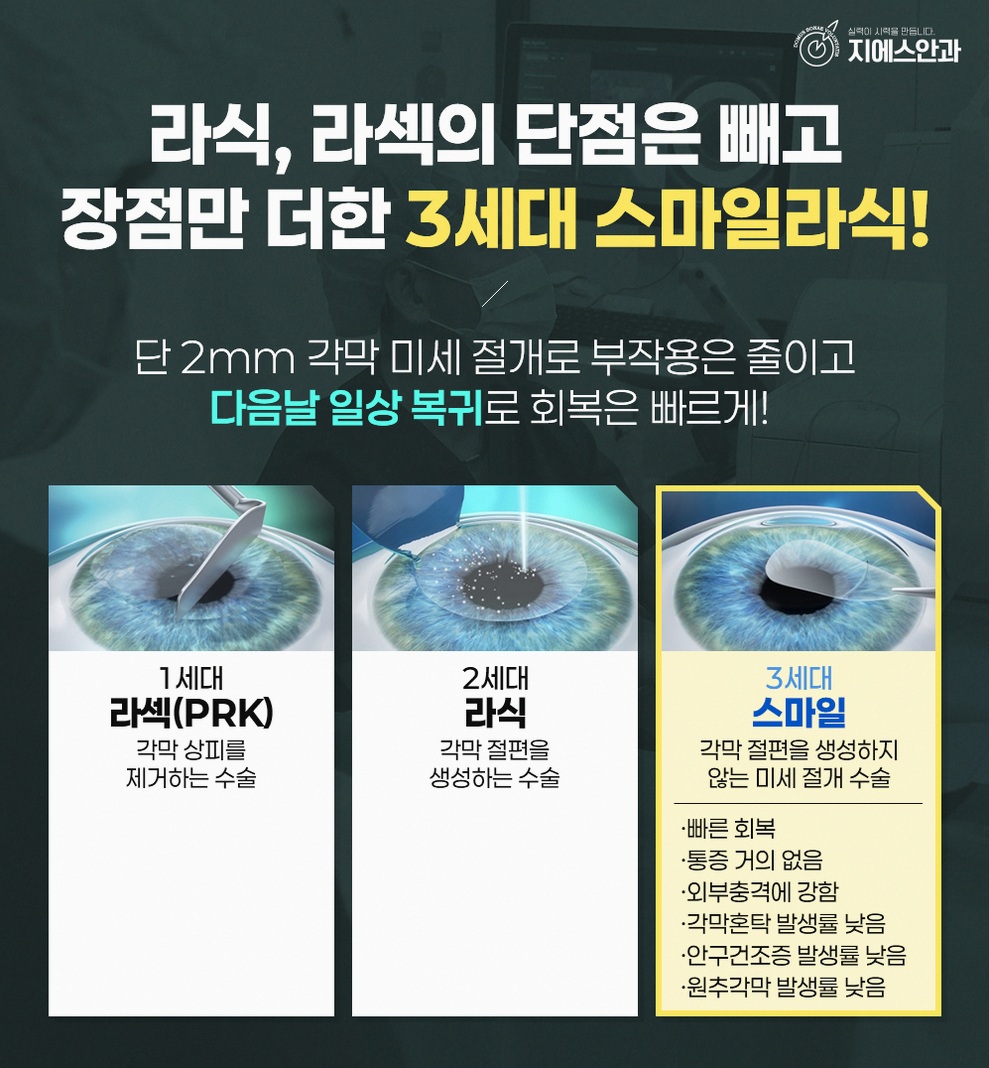
LASIK is a laser vision correction method that reshapes the cornea, the clear front window of your eye. The key step in LASIK is creating a very thin flap in the cornea with a femtosecond laser. This flap acts like a tiny hinged door.
The surgeon gently lifts this flap and uses an excimer laser to reshape the corneal tissue underneath, correcting nearsightedness, farsightedness, and astigmatism. After the laser work, the flap is placed back into position, where it adheres naturally without stitches.
Because the surface remains mostly intact and the flap protects the treated area, many patients see quite well within 1 to 2 days and feel only mild discomfort such as dryness or a foreign‑body sensation.
LASEK in simple terms
LASEK belongs to the “surface ablation” family of procedures. Unlike LASIK, it does not create a deep corneal flap. Instead, the surgeon loosens only the very thin surface skin of the cornea, called the epithelium, usually with a diluted alcohol solution.
This surface layer is moved aside or partially removed, and the excimer laser then reshapes the exposed corneal surface directly. At the end, the epithelium may be repositioned or allowed to regenerate under a protective bandage contact lens.
Because the laser treatment is on the surface, more of the deeper corneal structure is preserved. However, the surface needs time to heal, which traditionally means more discomfort for several days and a slower visual recovery compared with LASIK.

What 2DAY LASEK actually is
2DAY LASEK is not a completely different surgery type. It is an updated protocol within the LASEK or surface ablation group. The main idea is to keep the structural advantages of LASEK, such as no deep flap and more preserved tissue, while making the early recovery more manageable.
To do this, 2DAY LASEK typically combines several refinements:
Optimized laser profiles to smooth the corneal surface and support faster visual clarity.
Careful management of the epithelium and use of a bandage contact lens to protect the healing surface.
Tailored pain control and eye drop schedules to reduce discomfort during the first few days.
Close follow‑up and tear‑film management to support comfort and vision.
The name “2DAY” reflects the goal of allowing patients to return to light daily activities sooner than with older LASEK methods, although exact timelines differ from person to person.
Five main differences patients care about
Corneal structure: flap vs no flap
The biggest structural difference between LASIK and LASEK is the presence of a corneal flap.
In LASIK, a thin stromal flap is created and lifted. This involves separating more corneal tissue, which can slightly weaken the biomechanics of the cornea. For many patients with normal thickness and shape, this is not a problem, but it is a factor your surgeon considers.
In LASEK and 2DAY LASEK, there is no stromal flap. Only the surface epithelial layer is loosened or removed. The deeper corneal structure remains intact, and more tissue is preserved for the same level of correction. This can be an advantage if your cornea is relatively thin or has a shape where preserving strength is important.
Early pain and discomfort
LASIK is usually associated with minimal pain. During the procedure, numbing drops are used, and you may feel only pressure. Afterward, many patients report mild irritation or dryness for a day or two, but not strong pain.
Traditional LASEK, on the other hand, has been known for more significant discomfort in the first few days. As the surface cells heal and regenerate, patients often experience stinging, tearing, light sensitivity, and a gritty feeling. This can last several days.
2DAY LASEK aims to reduce this uncomfortable period. With careful surface handling, bandage lenses, and modern pain control, many patients find the first 2 to 3 days more manageable compared with older LASEK techniques. However, it is still generally more uncomfortable in the early phase than LASIK, and pain levels vary by individual sensitivity.
Speed of visual recovery
LASIK is usually the fastest in terms of functional vision. Many people can see well enough to work on a computer or move around independently within 1 to 2 days, although vision may continue to fine‑tune over several weeks.
With conventional LASEK, vision tends to be more blurred for longer. It often takes about 1 to 2 weeks to reach comfortable daily vision, and some patients notice fluctuations for a month or more as the surface smooths and stabilizes.
2DAY LASEK is designed to narrow this gap. While it is still a surface procedure, the goal is to help patients reach usable everyday vision within a few days rather than waiting one or two full weeks. For example, some patients may feel comfortable with light desk work or sightseeing in Seoul after several days, but this is not guaranteed and depends on your healing.
Dry eye and night vision symptoms
Any laser vision correction can cause temporary dry eye or night vision symptoms such as glare and halos, especially in the early months.
LASIK involves cutting through more corneal nerves when creating the flap. This can lead to more noticeable dry eye symptoms in the early period for some patients. Many people improve over time, but if you already have dry eye, your surgeon will look at this carefully.
LASEK and 2DAY LASEK, by working on the surface without a deep flap, may preserve more of the corneal nerve structure. Some patients experience relatively less long‑term dryness, although short‑term dryness and fluctuation are still possible. Night vision symptoms can occur with both LASIK and LASEK, and modern laser profiles aim to minimize them.
Suitability for thin corneas and active lifestyles
LASIK is often suitable if your cornea is thick enough, your prescription is within safe limits, and your corneal shape is regular. It is a strong option for people who want the fastest recovery and have no particular risk factors.
LASEK and 2DAY LASEK are often considered when:
Your corneas are relatively thin, and creating a flap would remove too much tissue.
Your corneal curvature or topography makes preserving structure a priority.
You participate in contact sports, martial arts, or have a job with a higher risk of eye trauma, where a flap could theoretically be disturbed.
You prefer a flap‑free option after discussing the pros and cons with your ophthalmologist.
It is important to understand that no method is automatically better for everyone. The best choice depends on your eyes, your lifestyle, and your tolerance for different types of risk and recovery.
Where 2DAY LASEK fits in this comparison
A modern LASEK protocol
2DAY LASEK sits between traditional LASEK and LASIK in terms of the patient experience. Structurally, it is firmly in the LASEK family: there is no stromal flap, and the laser reshapes the corneal surface. The difference lies in how the procedure and aftercare are optimized.
By using advanced excimer laser settings, surgeons aim to create a smoother surface that stabilizes more quickly. Combined with carefully planned medications and bandage lenses, this can shorten both the period of strong discomfort and the time until you can function in daily life.
Recovery milestones as general examples
Every eye heals differently, but a typical 2DAY LASEK recovery timeline might look like this:
First 1 to 2 days: Eyes are sensitive to light and may feel sore or gritty. Vision is quite blurred. You rest, use prescribed drops, and avoid screens as much as possible.
First week: The surface layer continues to heal. Discomfort usually decreases after the first few days. Vision gradually improves, though it may still be soft or hazy, especially at night.
First month: Vision becomes clearer and more stable. Many patients can work, study, and travel normally, while still using lubricating drops and following UV protection advice.
These are general patterns, not promises. Your surgeon will explain what to expect based on your prescription and corneal condition.
Not automatically better than LASIK
2DAY LASEK is not a universal upgrade over LASIK. Instead, it offers a different balance of priorities:
More structural preservation and no flap, similar to traditional LASEK.
A recovery experience that aims to be less burdensome than older surface methods.
A trade‑off where early days may still be more uncomfortable than LASIK, but some patients and surgeons feel more comfortable with the long‑term structural profile.
Who may consider 2DAY LASEK over LASIK
Potential candidates
You might discuss 2DAY LASEK with your ophthalmologist if:
Your corneas are on the thinner side for LASIK, but still suitable for surface ablation.
Your corneal topography suggests that keeping the structure as strong as possible is wise.
You engage in activities with a higher risk of eye impact, such as certain sports or military service, and wish to avoid a corneal flap.
You are willing to accept a slightly longer and more uncomfortable early recovery in exchange for a flap‑free approach.
People who may still be better suited to LASIK or other methods
Some patients are still better matched to LASIK, SMILE‑type procedures, or lens implantation. For example:
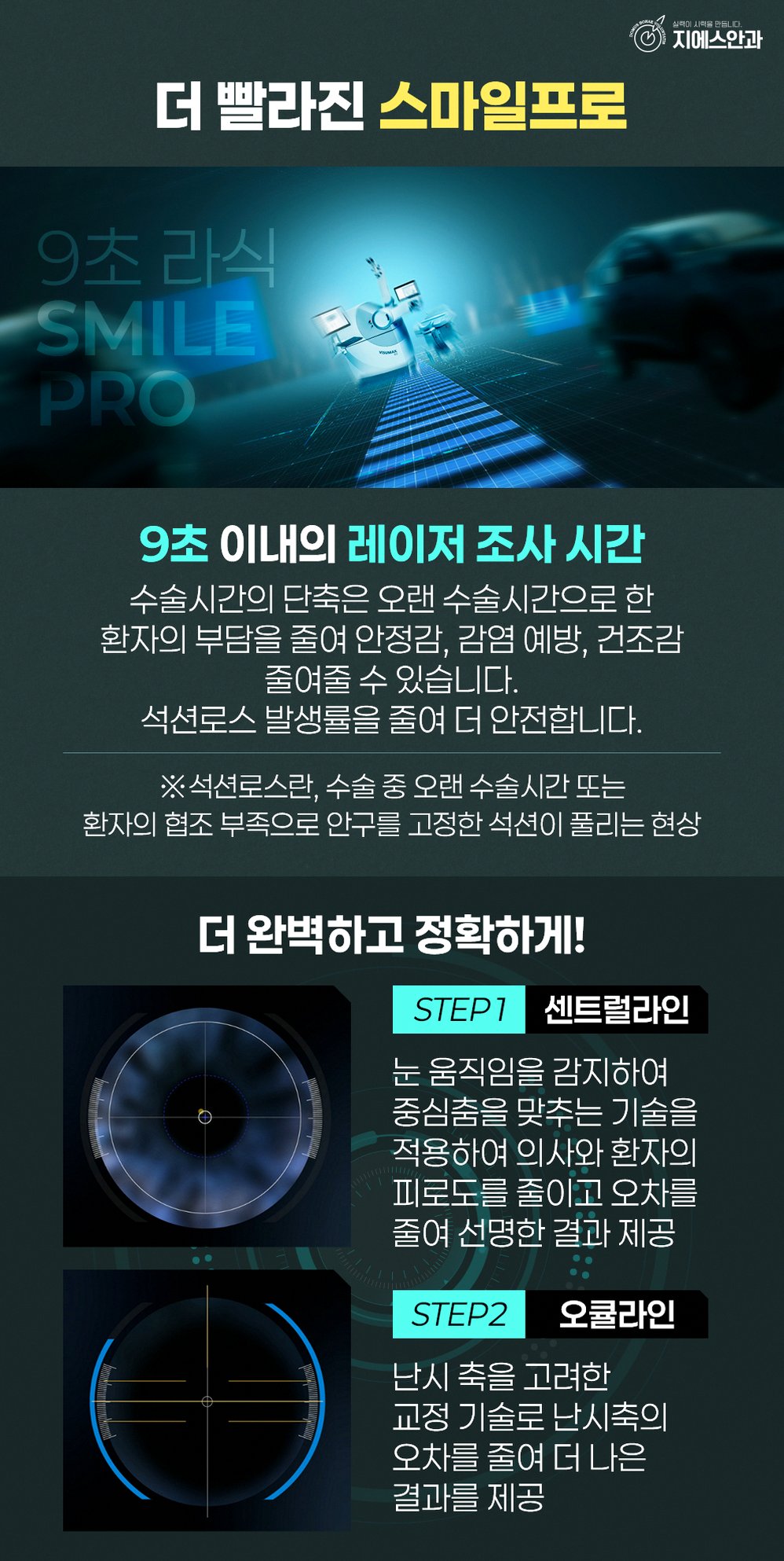
If you need to return to work or study extremely quickly and your corneal parameters are ideal, LASIK may be more convenient.
If your prescription is very high or your cornea is not suitable for laser on the surface or under a flap, a lens implantation procedure might be recommended instead.
If you have certain eye surface conditions or severe dry eye, your surgeon may advise against specific laser methods.
The key point is that the decision should come after a structured examination, not from an online checklist alone.
Online consultation and pre‑visit preparation
Information to prepare before contacting a clinic
If you are planning to visit an ophthalmology clinic near Gangnam Station for 2DAY LASEK, it helps to prepare some basic information before an online consultation:
Your current glasses or contact lens prescription, including cylinder and axis for astigmatism if available.
How long you have been wearing glasses or contact lenses and any history of intolerance to lenses.
Any past eye problems, surgeries, injuries, or infections.
General health conditions such as autoimmune disease, diabetes, or medications that may affect healing.
Questions to ask during online consultation
To make the most of your online or video consultation, consider asking:
Based on my age, prescription, and corneal thickness, which methods are likely to be suitable: LASIK, 2DAY LASEK, SMILE, or lens implantation?
What kind of preoperative tests will you perform, and how long do they take?
How many days should I plan to stay in Seoul for 2DAY LASEK, including follow‑up visits?
What are the typical discomfort levels and activity restrictions in the first week?
How do you manage dry eye and night vision issues after surgery?
Having these questions written down helps you compare different clinics in a structured way, rather than focusing only on price.
Expected Korea visit timeline for 2DAY LASEK
Typical schedule for overseas patients
While each clinic has its own protocol, a common schedule for international patients might look like this:
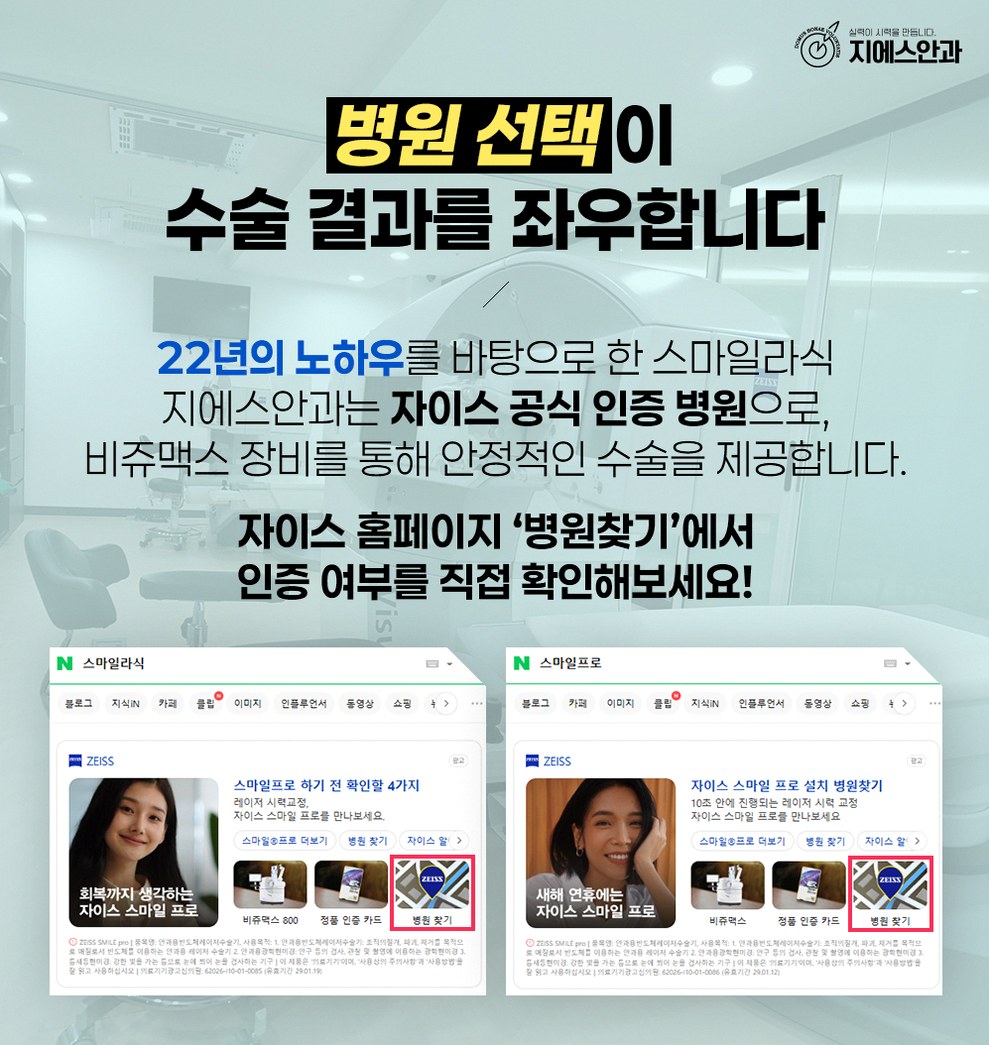
Day 1: Comprehensive eye examination and consultation. This usually includes vision testing, corneal thickness measurement, topography, tear‑film evaluation, and retinal checks. If your eyes are suitable and you decide to proceed, surgery may be scheduled for the next day or within a few days.
Day 2 or 3: 2DAY LASEK procedure. The procedure is typically brief; the laser application is only a small portion of the overall visit. You rest afterward and return to your accommodation.
Day 3 to 5: Early follow‑up visits. The clinic checks healing, adjusts medications if needed, and may remove or change the bandage contact lens when appropriate.
Day 5 to 7: Additional follow‑up before you leave Korea. The doctor confirms that the surface is healing as expected and gives you instructions for drops and care once you return home.
Some patients stay longer, especially if they want more follow‑up or plan to combine surgery with sightseeing. It is important to discuss your travel dates in advance so your surgeon can plan safe follow‑up timing.
Aftercare and long‑term outlook
General aftercare steps
After 2DAY LASEK, you will receive a schedule of eye drops, usually including antibiotic drops, anti‑inflammatory drops, and lubricating artificial tears. It is important to follow this schedule exactly.
You will also be asked to:
Avoid rubbing your eyes, especially in the early weeks.
Wear sunglasses outdoors to protect against UV light and reduce light sensitivity.
Avoid swimming pools, hot tubs, and eye makeup for a certain period, as advised by your clinic.
Limit intense exercise or contact sports until your surgeon confirms it is safe.

Long‑term stability
When properly indicated and performed, surface ablation procedures like LASEK and 2DAY LASEK are generally considered stable in the long term for most patients. Some minor changes in prescription can occur over many years due to natural aging of the eye, not just the surgery itself.
Regular eye examinations remain important, especially as you reach the age where presbyopia (the need for reading glasses) and cataracts can develop. An experienced ophthalmology clinic can guide you through these later changes as well.
FAQ
Is 2DAY LASEK less painful than regular LASEK?
2DAY LASEK is designed to reduce the typical pain period of older LASEK methods by using optimized surface handling, bandage contact lenses, and tailored pain control. Many patients report that discomfort is concentrated in the first few days and is more manageable than they expected. However, it is still usually more uncomfortable in the early phase than LASIK, and individual pain perception varies.
How many days off work do I usually need after 2DAY LASEK compared with LASIK?
With LASIK, many people can return to light desk work within 1 to 2 days, although some prefer a few extra days of rest. With 2DAY LASEK, you should generally expect to allow several days before working comfortably on a computer, and some people may need close to a week for functional vision, depending on their job demands and healing speed. It is best to discuss your specific work situation with your surgeon.
Is LASIK always more dangerous than LASEK or 2DAY LASEK?
LASIK is not automatically more dangerous, and both LASIK and LASEK have their own risk profiles. LASIK involves a corneal flap, which introduces certain flap‑related risks but offers faster recovery. LASEK and 2DAY LASEK avoid a flap and preserve more tissue, which some surgeons prefer for specific corneas, but they have their own potential issues related to surface healing and discomfort. A thorough examination and discussion with an ophthalmologist is essential to understand which set of trade‑offs fits your eyes.
Can thin corneas always be fixed with 2DAY LASEK?
No, thin corneas cannot always be treated with 2DAY LASEK. While surface ablation can be an option for thinner corneas compared with LASIK, there is still a minimum safe thickness and other factors such as corneal shape and stability. In some cases, your surgeon may recommend alternative options such as lens implantation or advise against laser surgery altogether for safety reasons.
How do I know if I am a candidate for 2DAY LASEK at a clinic near Gangnam Station?
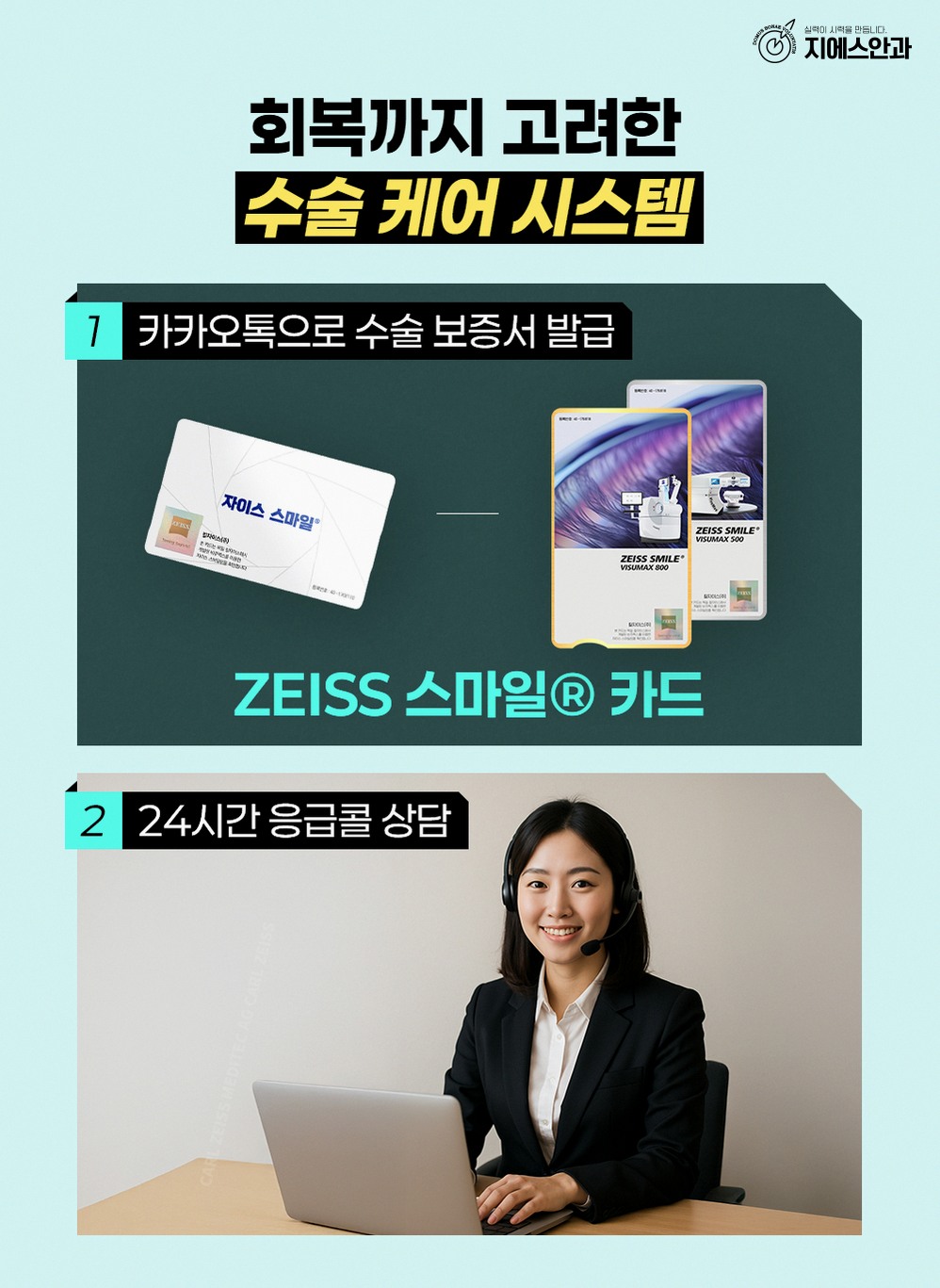
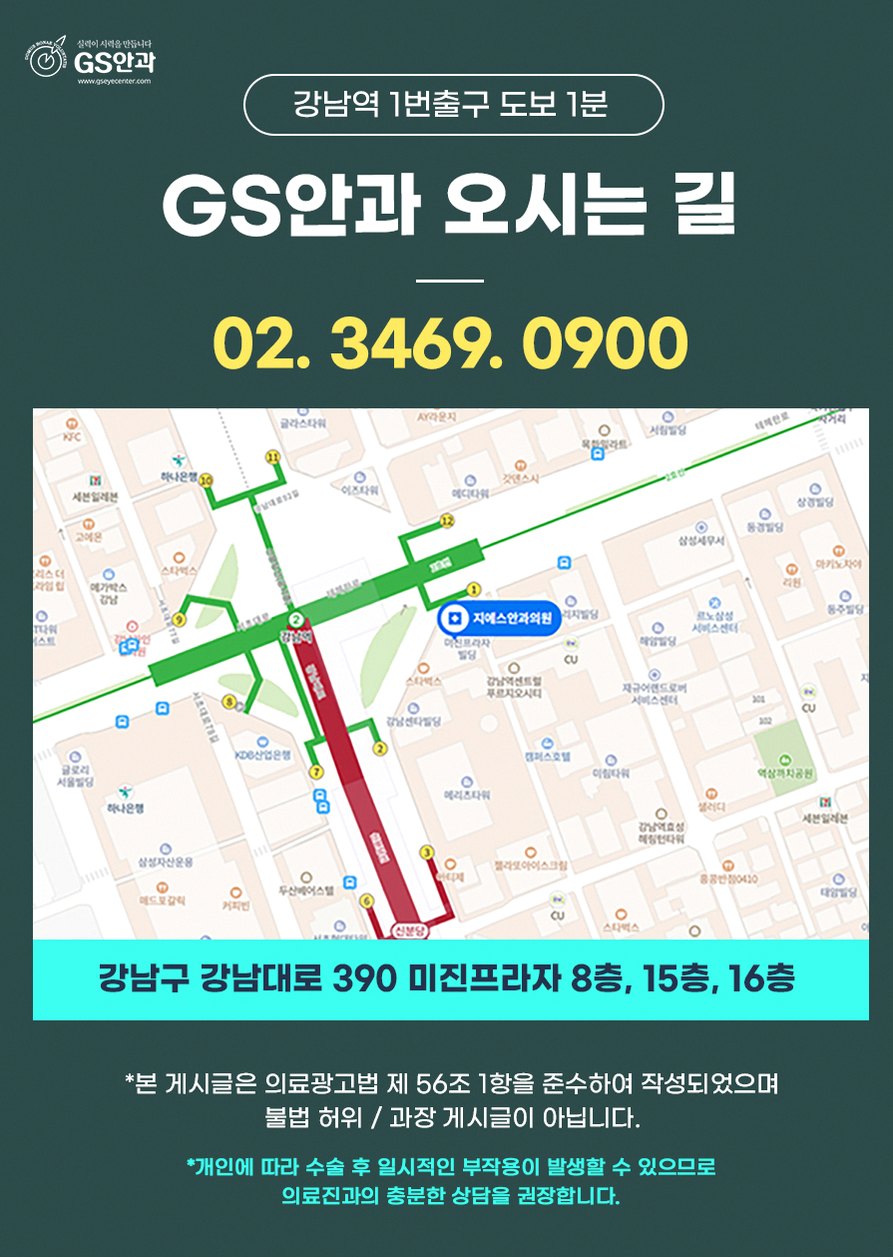
The only reliable way to know is to undergo a full preoperative eye examination at an ophthalmology clinic. In the Gangnam‑daero, Gangnam‑gu, Seoul area, clinics like GS Eye Center perform detailed testing of corneal thickness, shape, tear film, and retina before recommending any procedure. An online consultation using your current prescription and medical history can give a preliminary idea, but the final decision must be based on in‑person measurements.
Soft call to action
If you are comparing LASIK, LASEK, and 2DAY LASEK and are considering a visit to Seoul, arranging an online consultation with an ophthalmology clinic in the Gangnam Station area can help you understand your options before you travel. Share your prescription, health background, and travel schedule, and ask which methods are likely to suit your eyes.
Clinics such as GS Eye Center can then plan your examination, possible surgery date, and follow‑up visits in a way that fits your stay in Korea. Use the information in this guide as a starting point, and rely on a face‑to‑face consultation with an ophthalmologist to make your final, personalized decision.
- 공유 링크 만들기
- X
- 이메일
- 기타 앱


댓글
댓글 쓰기