LASIK vs SMILE in Gangnam — Guide for International Patients
- 공유 링크 만들기
- X
- 이메일
- 기타 앱

Direct answer: LASIK surgery vs SMILE LASIK
If you are searching for LASIK surgery in Korea, it is important to know that many modern ophthalmology clinics in Gangnam now recommend SMILE LASIK for suitable patients. SMILE LASIK is a newer, minimally invasive, flapless laser vision correction procedure that can preserve more corneal strength and may reduce the risk of dry eye compared with conventional LASIK. In Seoul, high-volume centers such as GS Eye Center on Gangnam-daero focus strongly on this type of laser vision correction.
This guide explains the differences between LASIK surgery and SMILE LASIK, who might consider each option, what to expect when traveling to Korea for treatment, and how to prepare for your visit.
Overview of LASIK surgery and SMILE LASIK
Conventional LASIK surgery is the best-known form of laser vision correction. In LASIK, the surgeon creates a thin flap on the surface of the cornea, lifts this flap, reshapes the underlying corneal tissue with an excimer laser, and then places the flap back down. Vision usually becomes clear quickly, and discomfort is often mild and short-lived.
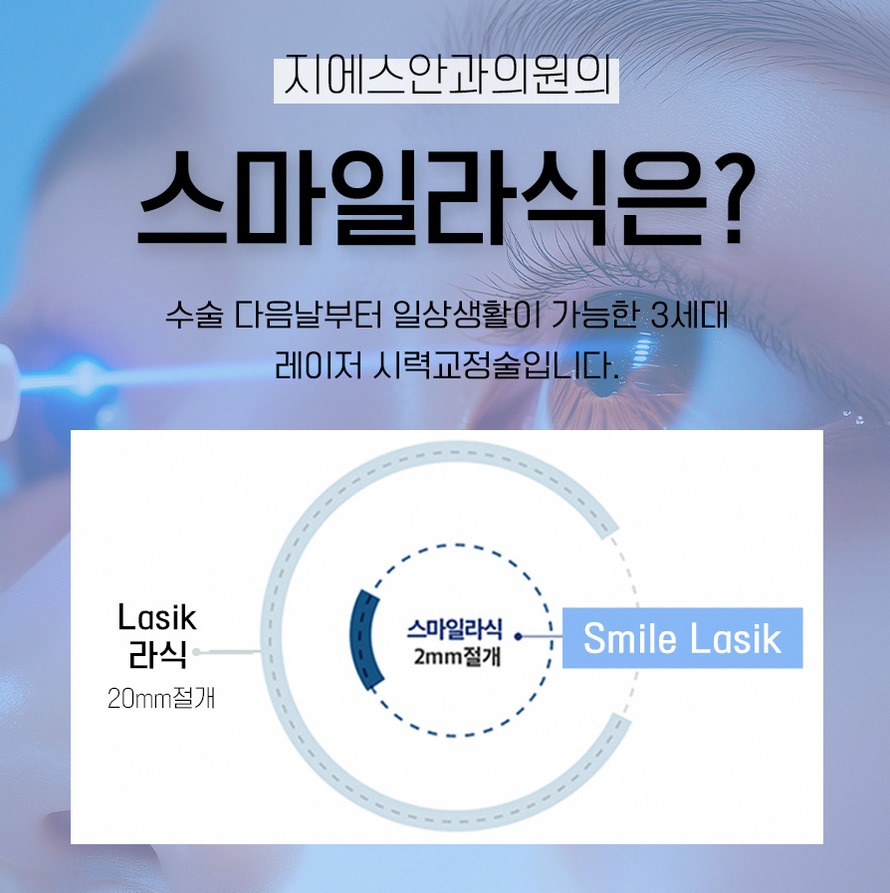
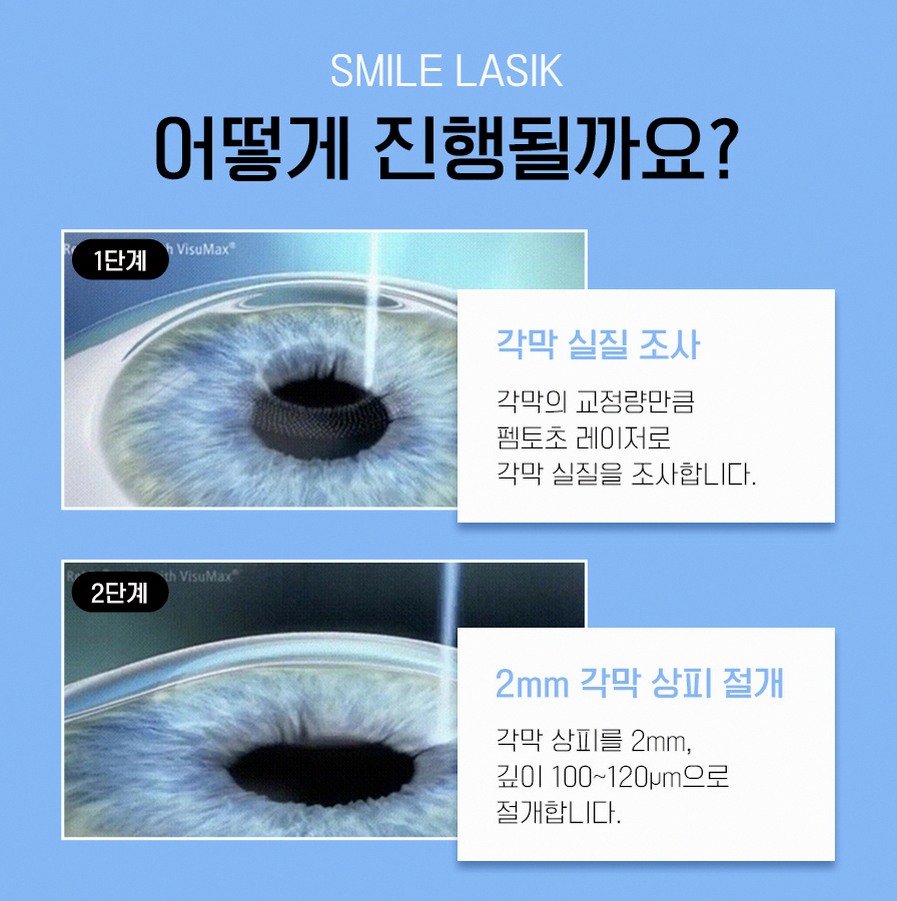
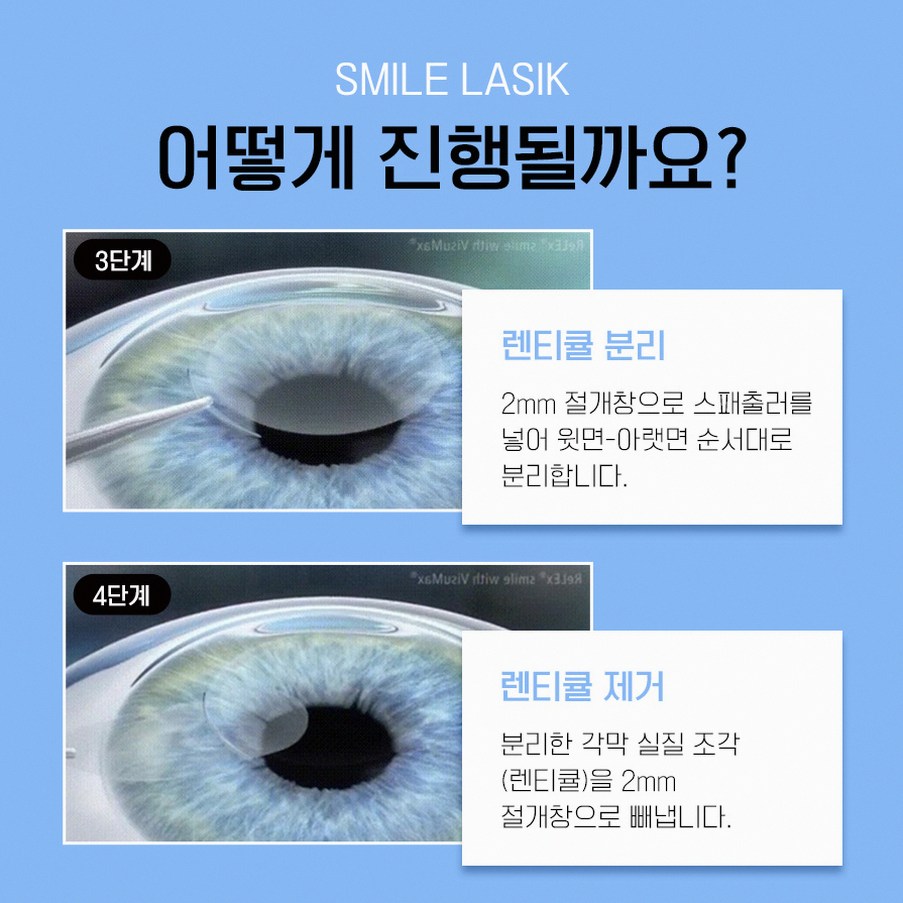
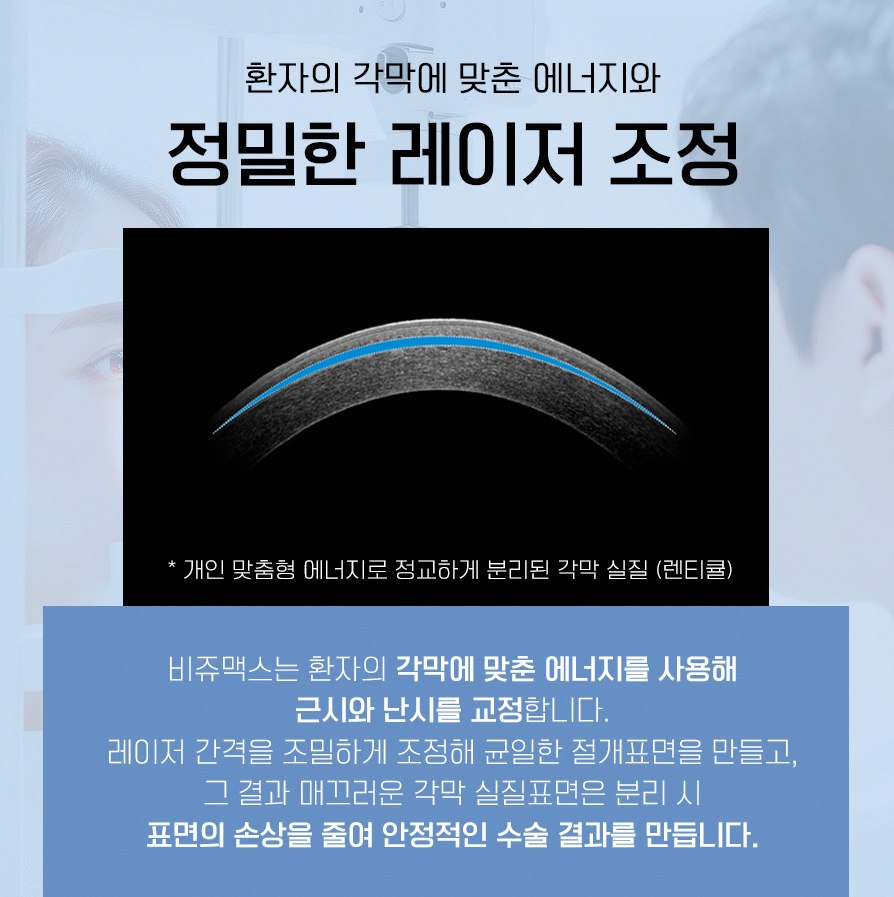
SMILE LASIK belongs to the same family of laser vision correction but uses a different technique. Instead of making a large flap, a femtosecond laser creates a small, lens-shaped piece of tissue called a lenticule inside the cornea. The surgeon removes this lenticule through a tiny side incision only a few millimeters long. There is no broad flap to lift or replace.
Because SMILE LASIK uses a much smaller incision and does not require a corneal flap, more of the corneal nerves and structure are preserved. This can help maintain corneal strength and may reduce the risk or severity of dry eye symptoms after surgery for many patients. For these reasons, SMILE LASIK is often recommended for people who are worried about dry eye, who play contact sports, or who simply prefer a minimally invasive approach.
What is SMILE LASIK and how is it different from LASIK surgery?
In traditional LASIK surgery, two main steps are involved. First, a flap is created on the cornea using either a microkeratome blade or a femtosecond laser. This flap is like a hinged door. Second, an excimer laser reshapes the exposed corneal surface to correct myopia and astigmatism. The flap is then repositioned and adheres naturally.
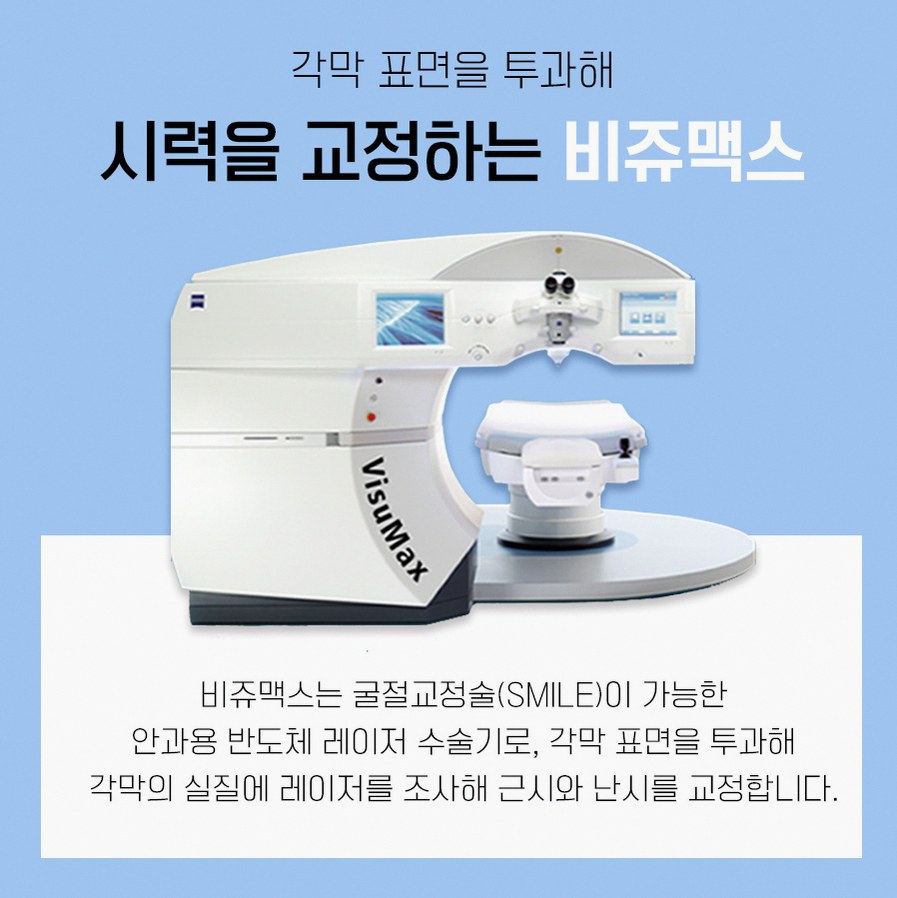
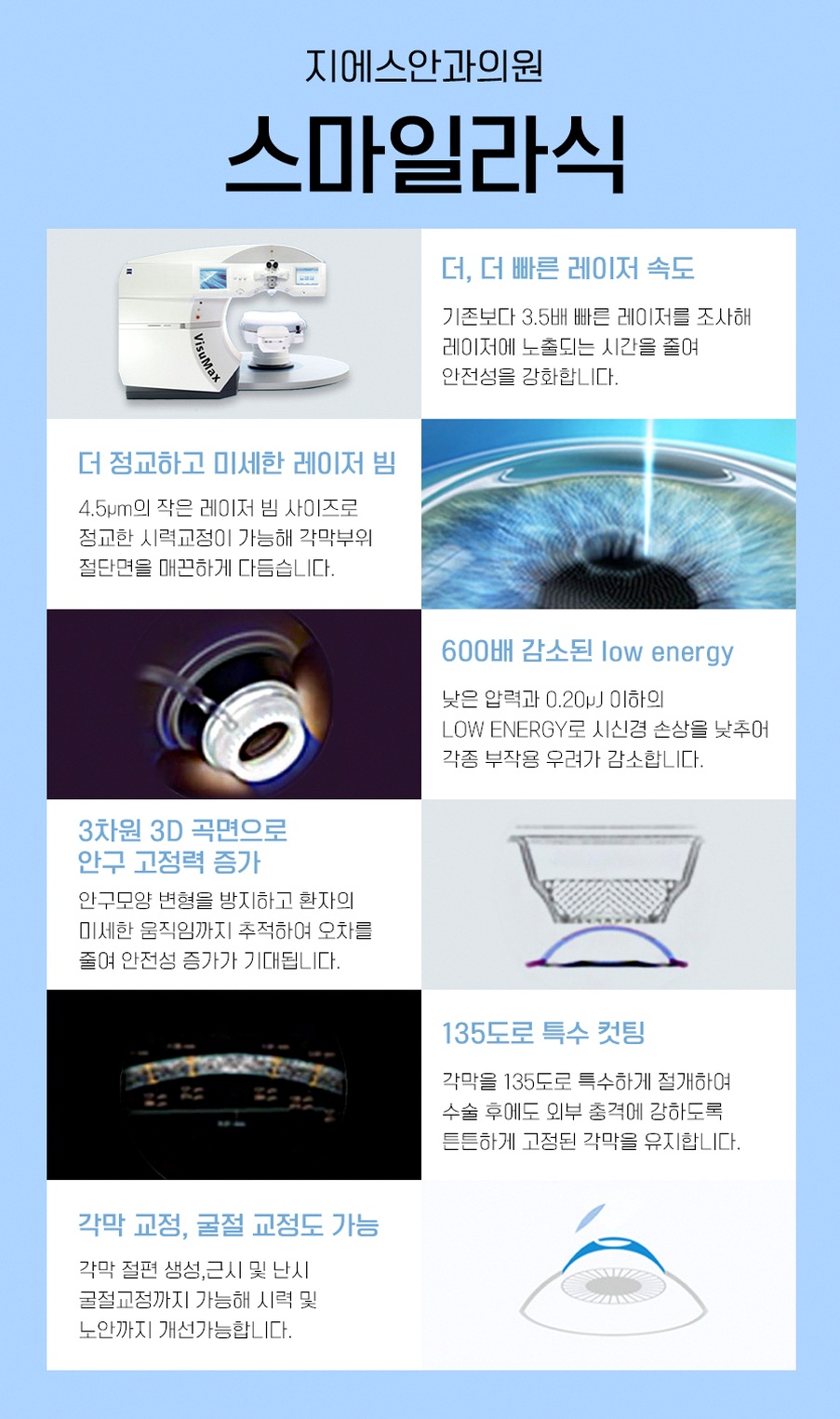
In SMILE LASIK, there is no flap. A femtosecond laser, such as the ZEISS VISUMAX series, creates a thin lenticule inside the cornea according to your prescription. At the same time, the laser creates a very small side incision. The surgeon then gently removes the lenticule through this tiny opening. Once the lenticule is removed, the shape of the cornea changes, correcting your vision.
Key differences include incision size, tissue handling, and the way the cornea is reshaped. SMILE LASIK typically involves a much smaller incision than LASIK, which means fewer corneal nerves are cut and the surface remains more intact. This can support better biomechanical stability of the cornea and may lead to fewer dry eye complaints in many patients. Recovery is usually quick, and most people can return to normal daily activities soon after surgery, similar to or slightly slower than conventional LASIK but generally faster and more comfortable than surface procedures like LASEK.
Who may consider SMILE LASIK
SMILE LASIK is designed mainly for people with myopia (short-sightedness) and astigmatism. In general, suitable candidates often share several characteristics:
They are adults with a stable glasses or contact lens prescription for at least one to two years.
They have healthy eyes without active diseases such as uncontrolled glaucoma, advanced keratoconus, or severe dry eye.
Their corneas are thick and regular enough to safely undergo laser reshaping.
They have realistic expectations and understand that results can vary between individuals.
The exact prescription range suitable for SMILE LASIK depends on the clinic’s protocols, corneal measurements, and laser platform. Many patients who would previously have been offered LASIK can now be considered for SMILE LASIK, but final suitability can only be confirmed after a full eye examination.
Some people may be better suited to other procedures. For example, those with very thin corneas, irregular corneal shape, or certain medical conditions may be guided toward surface laser techniques or lens implantation procedures instead of corneal laser surgery. Clinics such as GS Eye Center also perform lens implantation (including ICL and similar phakic intraocular lenses), presbyopia and cataract surgery, and corneal strengthening procedures when appropriate.
Comparison with conventional LASIK and LASEK
When comparing SMILE LASIK to conventional LASIK and LASEK, several points are usually discussed during consultation.
Incision and flap
LASIK creates a wide flap, while SMILE LASIK uses a small side incision and no flap. LASEK does not create a deep flap but removes the surface epithelium, which then regrows.
Comfort and early recovery
Many patients find LASIK and SMILE LASIK more comfortable in the early period than LASEK, which can involve several days of surface pain or discomfort. SMILE LASIK often causes mild foreign body sensation and tearing for a short time after surgery, but pain is usually limited. LASIK also tends to be comfortable, but the presence of a flap means patients must be careful to avoid flap displacement in the early days.
Dry eye and corneal strength
Because SMILE LASIK preserves more corneal nerves and structure, it may reduce the risk or severity of post-operative dry eye for many patients compared with flap-based LASIK. It may also better maintain corneal biomechanical stability, which is important for long-term corneal shape. However, any corneal laser procedure can cause some dry eye symptoms, especially in the early months, and individual experiences vary.
Visual recovery
Most patients experience rapid visual recovery after LASIK and SMILE LASIK, often seeing well enough to work or study within a few days. LASEK typically has a slower recovery, with more fluctuation in the first week or two. With SMILE LASIK, vision may be slightly hazy on the day of surgery and the following morning but usually improves quickly over the first week.
Step-by-step: from eye examination to SMILE LASIK
For international patients coming to Gangnam for SMILE LASIK, the process usually follows several stages.
Comprehensive preoperative eye examination
Before any decision, a detailed eye examination is essential. At a specialized ophthalmology clinic, this typically includes:
Measurement of your current glasses and contact lens prescription.
Corneal topography and tomography to map the shape and curvature of the cornea in detail.
Corneal thickness measurement to ensure enough tissue remains after laser reshaping.
Pupil size assessment, especially in low light, which can influence night vision symptoms.
Tear film evaluation and dry eye assessment.
Retinal examination to check for problems such as retinal tears, degeneration, or other conditions that may need treatment before or after surgery.
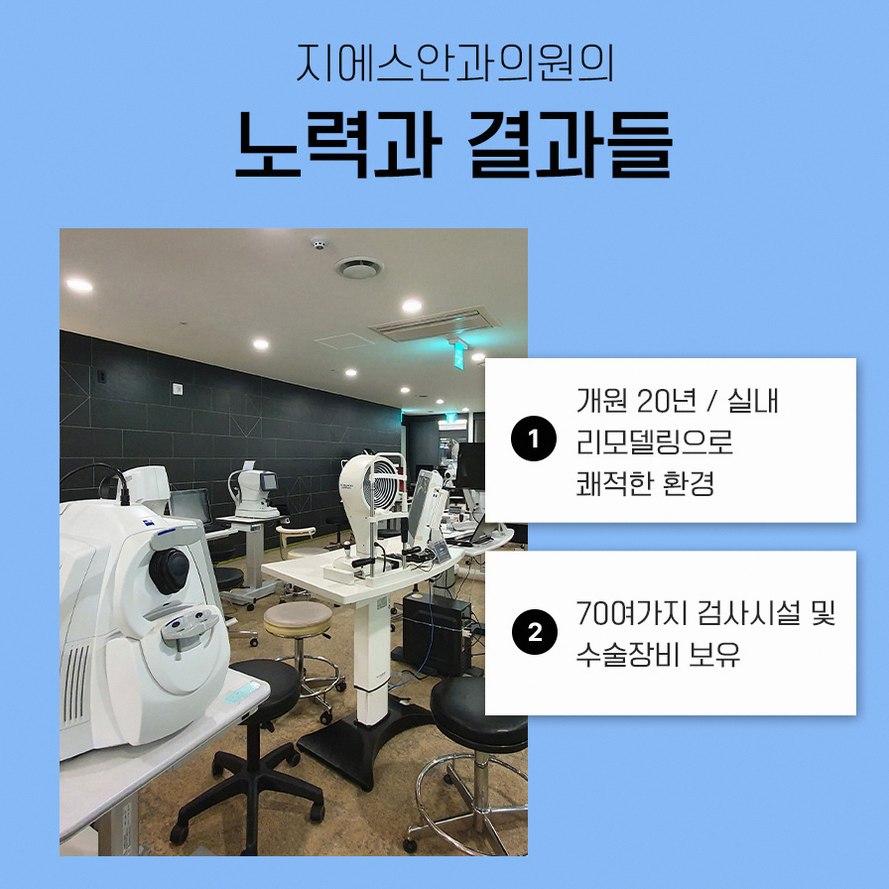
High-volume centers in Gangnam often use multiple diagnostic devices to cross-check data. Clinics like GS Eye Center also have a dedicated retina center staffed by retina fellowship-trained ophthalmologists, which is helpful for identifying and managing any retinal issues before vision correction.
Treatment planning and procedure selection
Based on examination results, the ophthalmologist will discuss which procedure is most suitable: SMILE LASIK, conventional LASIK, LASEK, or lens implantation. The decision depends on your corneal thickness, prescription, lifestyle, occupation, sports activities, and eye health.
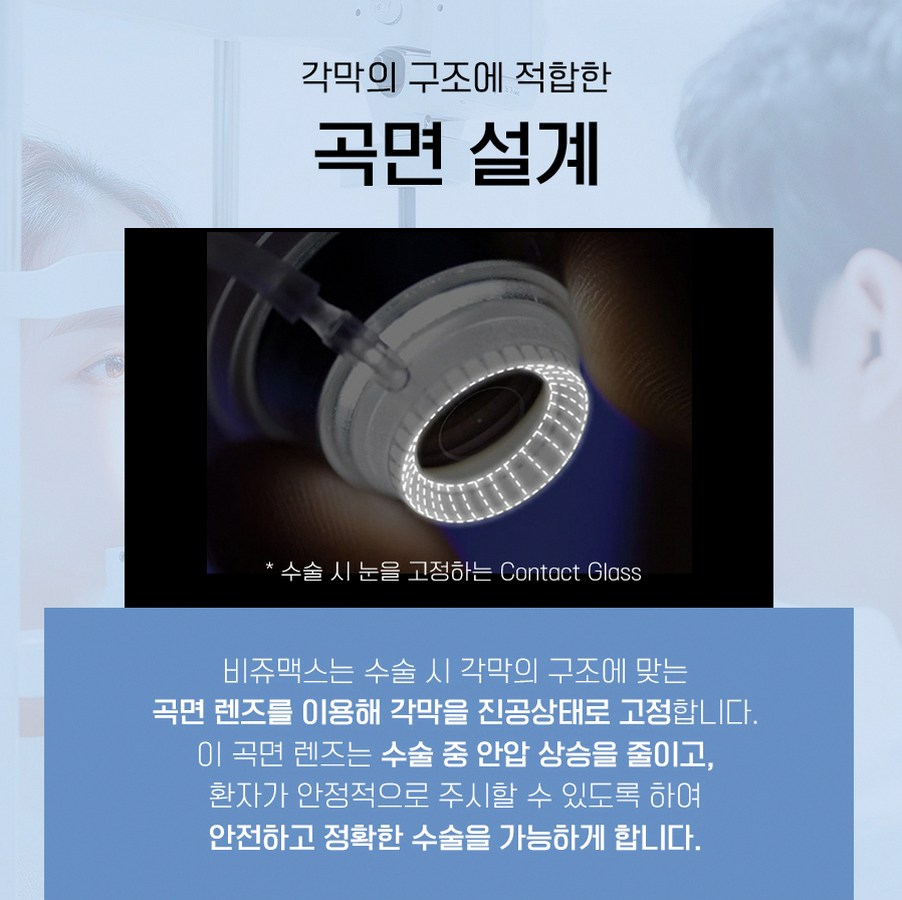
Some Gangnam centers own several ZEISS platforms for SMILE-type procedures. For example, GS Eye Center uses the VISUMAX 800 for SMILE Pro and two VISUMAX 500 units for SMILE LASIK, allowing flexibility in case selection and scheduling. The VISUMAX 800, introduced in 2023, can complete the laser step in under about 9 seconds, which helps reduce the time you need to focus during the procedure.
Day of SMILE LASIK surgery
On the day of surgery, you typically arrive at the clinic, sign consent forms, and undergo final checks. Anesthetic eye drops are applied to numb the eyes, so you should not feel sharp pain, though you may sense pressure or mild discomfort.
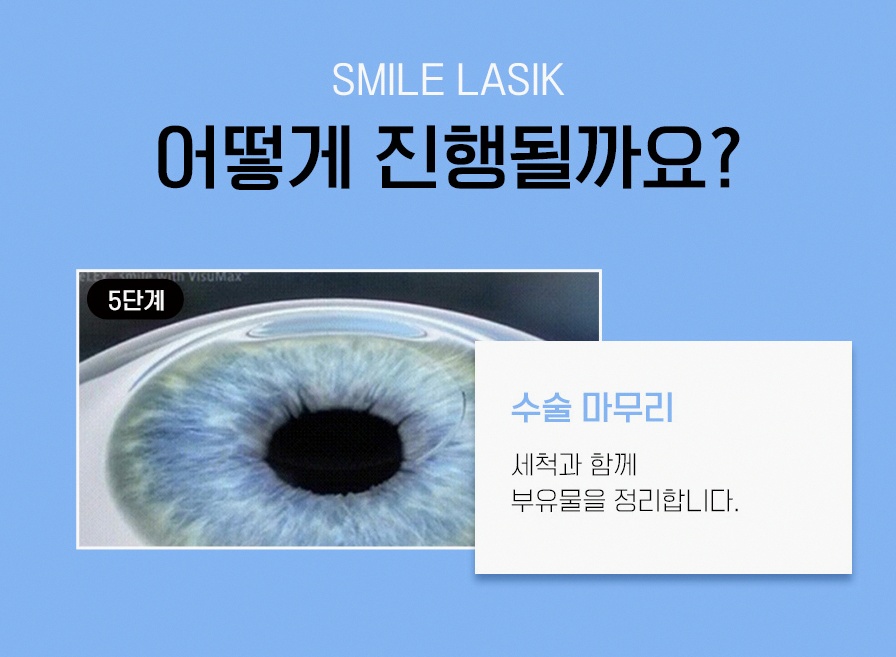
During SMILE LASIK, you lie on the laser bed and look at a target light. The femtosecond laser creates the lenticule and small incision within seconds. The surgeon then removes the lenticule through the tiny opening. The process for each eye is usually very short. After the procedure, your eyes are examined again, and you receive instructions and eye drops.
Follow-up schedule
Most clinics schedule a check-up on the same day or the next day, followed by visits at around one week, one month, and several months after surgery. International patients may have a slightly adjusted schedule to match their travel plans, but early follow-up in Korea is strongly recommended before returning home.
Importance of comprehensive testing and safety
Laser vision correction is elective surgery, so safety and long-term stability are priorities. Detailed preoperative testing helps identify patients who are good candidates and those who should avoid or modify certain procedures.
In addition to standard tests, some clinics perform corneal biomechanical assessments and advanced imaging to detect subtle irregularities. This can reduce the risk of complications such as post-operative corneal ectasia. Tear film and meibomian gland evaluation help identify and treat dry eye before surgery, which can improve comfort and visual quality.
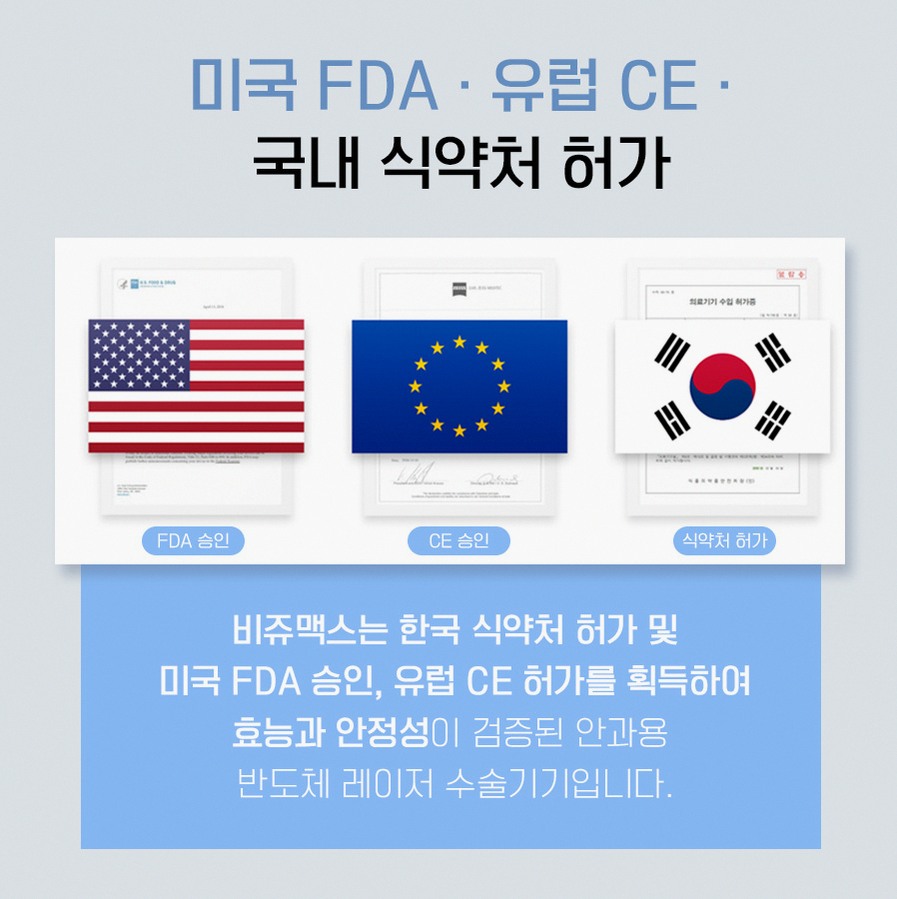
High-volume ophthalmology centers in Gangnam, such as GS Eye Center, emphasize standardized protocols and continuous quality control. As of 2023, this clinic reports more than 300,000 cumulative vision correction and cataract procedures and has specific ISO 9001 and 14001 certifications for SMILE LASIK, indicating structured quality and environmental management systems. It was the first clinic in Korea to join the ZEISS SMILE GOLD CLUB in 2021 and later became a ZEISS SMILE pro CENTER in 2023 and a SILK TRAINING Center in 2026. The clinic is also designated as a clinical education institution for a major medical school and as an Asia-Pacific clinical education center, reflecting its role in training other doctors.
Safety, side effects, and risk reduction
Like any surgery, SMILE LASIK and LASIK have potential side effects. Common temporary symptoms include dry eye, light sensitivity, halos or glare at night, mild discomfort, and fluctuating vision during the early healing period. These usually improve over weeks to months.
Less common risks include undercorrection or overcorrection, residual astigmatism, infection, inflammation, and the need for enhancement surgery. With SMILE LASIK, the absence of a flap eliminates flap-related complications but does not remove all risks.
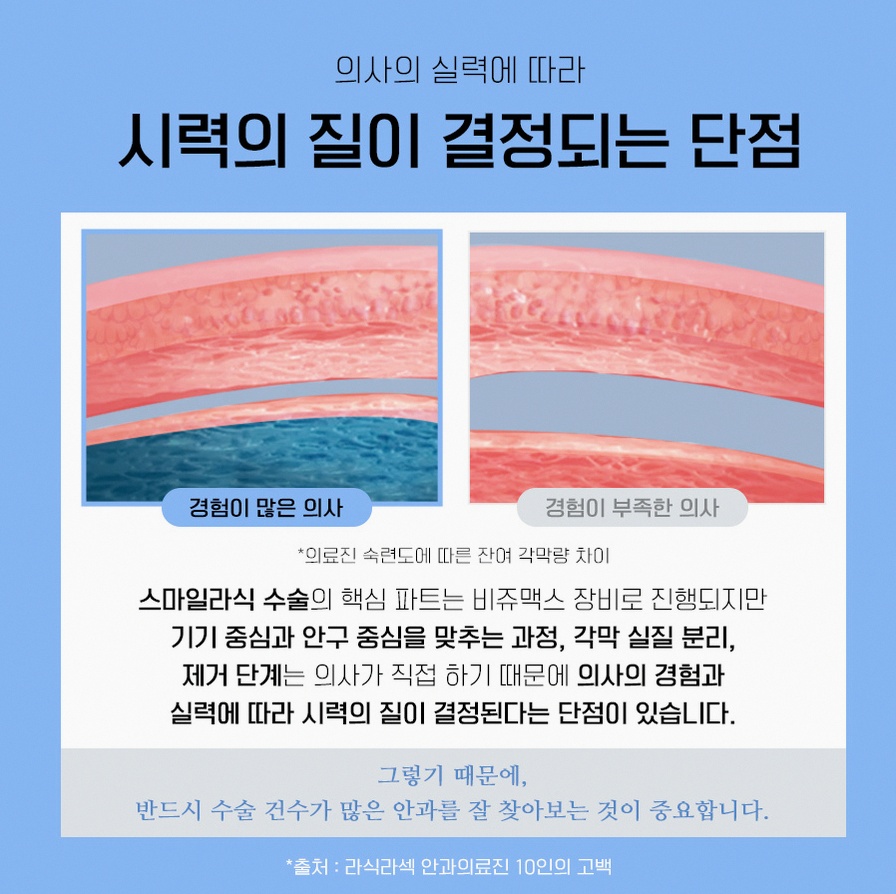
Experienced ophthalmologists with strong diagnostic systems can reduce these risks by careful patient selection, precise treatment planning, and standardized surgical techniques. The presence of subspecialists, such as retina-trained doctors, is also helpful in detecting and managing less common retinal or macular issues that might affect vision.
Recovery after SMILE LASIK: what to expect
Day of surgery
Immediately after SMILE LASIK, your vision may be hazy, and your eyes may feel watery or gritty. Light sensitivity is common. Many patients prefer to rest with their eyes closed for several hours. Protective shields or glasses are often provided to prevent accidental rubbing.
First 24 hours
By the next day, many people notice a significant improvement in vision, though it may still be slightly blurred or fluctuating. Mild discomfort, dryness, and light sensitivity can continue. You will usually have a follow-up visit to check healing and confirm that the cornea looks healthy.
First week
During the first week, vision often stabilizes further. You may still experience occasional blurring, especially when tired or using digital devices for long periods. Lubricating eye drops and prescribed medicated drops are important to support healing and reduce inflammation.
First month and beyond
Over the first month, most patients reach a stable level of vision suitable for work, study, and daily life. Night vision symptoms such as halos or glare often improve gradually. Dry eye symptoms typically lessen over time but can persist longer in some individuals, especially those with pre-existing dry eye.
Lifestyle and aftercare guidance
After SMILE LASIK, your clinic will give you detailed instructions. Common recommendations include:
Use prescribed antibiotic and anti-inflammatory drops as directed.
Use lubricating artificial tears frequently, especially in the first weeks.
Avoid rubbing your eyes, especially during the first month.
Avoid eye makeup for about one week, or as advised.
Avoid swimming pools, hot tubs, and natural bodies of water for at least two weeks, sometimes longer.
Avoid intense exercise, contact sports, and activities with a risk of eye trauma for several weeks.
Limit very long sessions of digital device use in the first days and take regular breaks.
Wear sunglasses outdoors to reduce light sensitivity and protect from UV.
Following these guidelines helps reduce the risk of infection, irritation, and trauma to the healing cornea.
Online consultation and pre-visit preparation for overseas patients
If you live outside Korea, an online consultation before booking flights can be very helpful. While no doctor can confirm your final suitability for SMILE LASIK without examining your eyes in person, online discussions can clarify whether you are a likely candidate and how to plan your trip.
Before your online consultation, prepare the following:
Your most recent glasses prescription and contact lens prescription.
Information about how long your prescription has been stable.
Any previous eye surgery, eye disease, or trauma.
History of dry eye symptoms, allergies, or systemic diseases such as diabetes or autoimmune conditions.
A list of medications and supplements you are taking.
You can also ask practical questions, such as how many days you should stay in Seoul, how many follow-up visits are recommended, and whether the clinic can provide medical reports for your local eye doctor at home.
Expected Korea visit timeline for SMILE LASIK
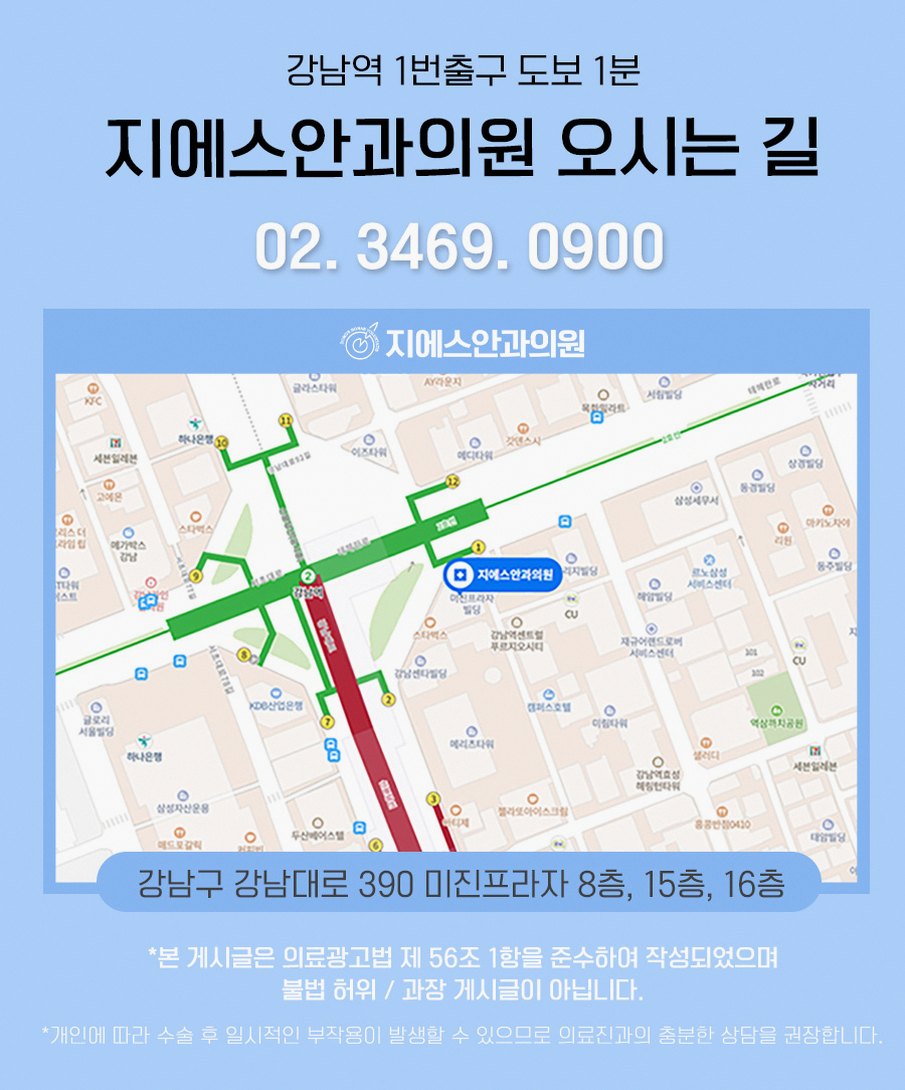
Many international patients plan a short medical trip focused on Gangnam, where numerous ophthalmology clinics are located near subway stations such as Gangnam Station.
A typical schedule might look like this:
Day 1: Arrival in Seoul. Rest and adjust to the time zone.
Day 2: Comprehensive eye examination and consultation. If you are a suitable candidate and both you and the doctor agree, surgery may be scheduled for the same day or the next day.
Day 3: SMILE LASIK surgery and immediate post-operative check.
Day 4: First follow-up visit. Many patients feel comfortable enough for light sightseeing, avoiding dusty or crowded environments.
Day 5–7: Additional follow-up if needed. Most people can travel home after the early checks, provided the doctor confirms that healing is progressing well.
Some patients prefer to stay longer for extra follow-up visits, especially if they have higher prescriptions or more complex eye conditions. Discuss this with the clinic in advance.
How to choose a clinic in Gangnam: beyond price
When comparing clinics for LASIK surgery or SMILE LASIK, it is natural to look at cost. However, for eye surgery, factors such as surgeon experience, diagnostic systems, and follow-up structure are more important for safety and satisfaction.
Points to consider include:
Are all surgeons trained ophthalmologists with recognized qualifications and experience in laser vision correction?
How many SMILE LASIK and related procedures does the clinic perform each year?
Which laser platforms and diagnostic devices are used, and are they maintained and updated regularly?
Is there a clear, step-by-step examination and follow-up protocol for international patients?
Does the clinic have subspecialists, such as retina or cornea experts, who can manage less common issues?
Does the clinic participate in clinical education, research, or training programs, indicating ongoing engagement with current ophthalmology standards?
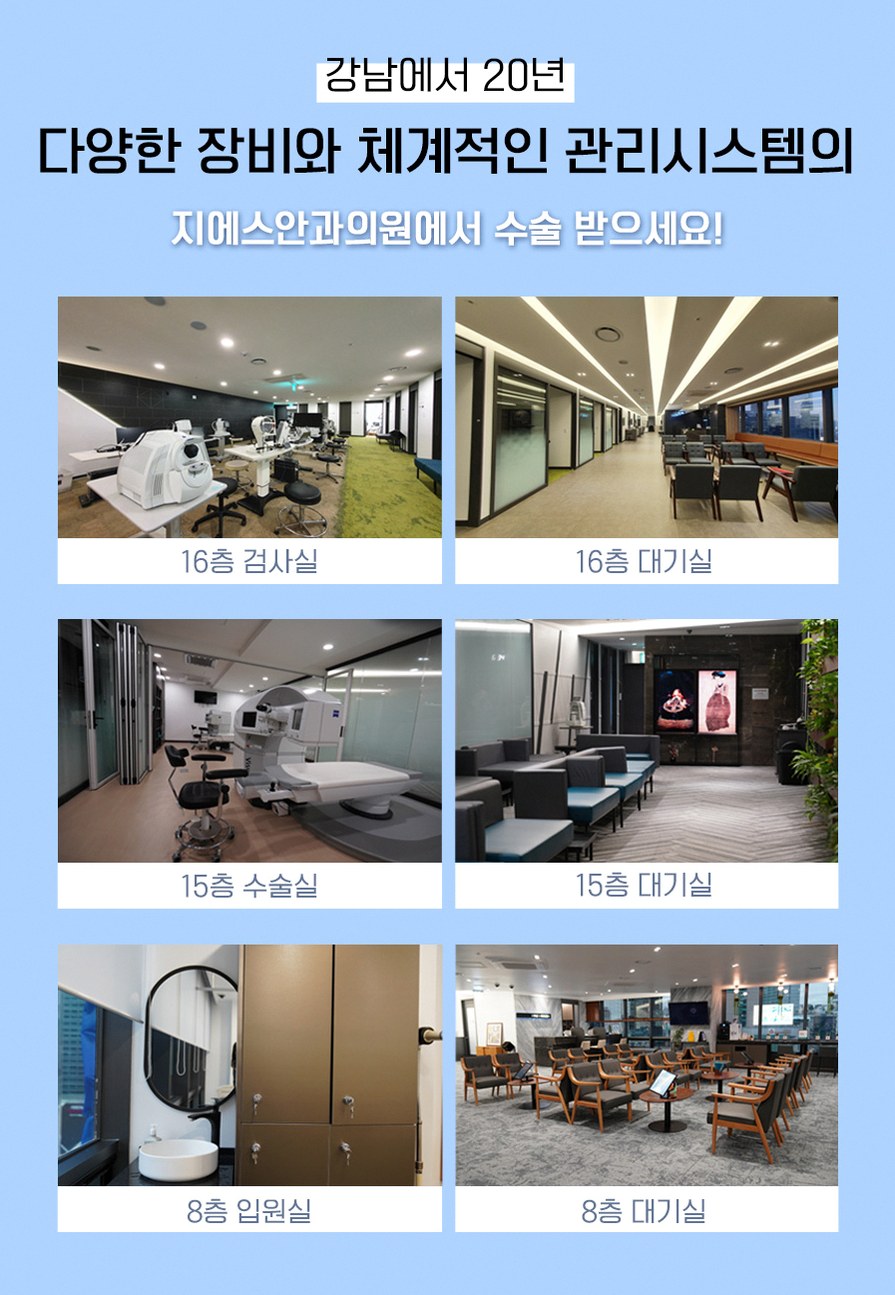
GS Eye Center in Gangnam is an example of a technology-focused ophthalmology clinic that emphasizes both equipment and medical expertise. The medical team consists of seven ophthalmologists, including doctors with previous university hospital faculty and fellowship experience. The clinic has performed large numbers of SMILE LASIK and SMILE Pro procedures, reaching 15,000 eyes with SMILE Pro by April 2026, and uses multiple ZEISS VISUMAX platforms in a dual-room setup for efficiency and redundancy.
Remember that machines alone do not determine outcomes. The combination of skilled surgeons, accurate diagnostics, appropriate procedure selection, and careful follow-up is what shapes your long-term vision.
Frequently asked questions about SMILE LASIK and LASIK surgery
Is SMILE LASIK safer than traditional LASIK surgery?
Both SMILE LASIK and traditional LASIK are established procedures with good safety records when performed on suitable candidates by experienced ophthalmologists. SMILE LASIK avoids creating a large corneal flap and uses a smaller incision, which can reduce the risk of flap-related complications and may better preserve corneal strength and nerves. However, no procedure is risk-free, and the safest option for you depends on your individual eye condition.
Does SMILE LASIK hurt, and how long does the procedure take?
During SMILE LASIK, anesthetic eye drops numb the surface of your eye, so you should not feel sharp pain. You may feel mild pressure or a sensation of something touching the eye. The laser step itself is very quick; with platforms such as the VISUMAX 800, the laser time can be under about 9 seconds per eye. The entire time in the procedure room is longer, but the active surgical part is usually only several minutes per eye.
Can I get SMILE LASIK if I already have dry eyes?
Mild dry eye does not automatically exclude you from SMILE LASIK, and in fact SMILE is often considered for patients who are concerned about dry eye because it preserves more corneal nerves. However, if you have significant or uncontrolled dry eye, your doctor may recommend treating it first or may suggest alternative options. Tear film evaluation and dry eye testing during the preoperative examination are important to guide this decision.
What if I am not a candidate for SMILE LASIK? What other options are there?
If your cornea is too thin, irregular, or otherwise unsuitable for SMILE LASIK, your ophthalmologist may discuss other procedures. These can include conventional LASIK, LASEK, or lens implantation procedures such as ICL and other phakic intraocular lenses. For patients with presbyopia or cataract, lens-based surgery with multifocal or other advanced intraocular lenses may be considered. In some cases, corneal strengthening procedures like cross-linking or dry eye treatment may be recommended as adjuncts.
How long do the results of SMILE LASIK last?
For most people, the vision correction achieved by SMILE LASIK is long-lasting. The cornea’s new shape is generally stable once healing is complete. However, natural changes in the eye can still occur over time, such as age-related presbyopia (difficulty focusing up close) or cataract formation. These changes are not caused by SMILE LASIK but can affect vision later in life and may require separate treatment.
Is there an age limit for SMILE LASIK?
Most clinics perform SMILE LASIK on adults whose prescriptions have been stable for at least one to two years. Many patients are in their twenties to forties. There is no strict upper age limit, but older patients are more likely to have presbyopia or early cataract, so lens-based procedures may sometimes be more appropriate. An in-person examination is necessary to determine the best approach for your age and eye condition.
Can I have SMILE LASIK if I already had LASEK or LASIK before?
In some cases, enhancement procedures can be considered after previous laser vision correction, but this is more complex and requires very careful evaluation of corneal thickness, shape, and stability. Whether SMILE LASIK or another method is appropriate depends on your individual situation. If you have had previous surgery, inform the clinic in advance and bring any old medical records if possible.
Soft call to action
If you are considering LASIK surgery in Korea, it is worth learning whether SMILE LASIK or another modern option might be safer and more suitable for your eyes. Specialized ophthalmology clinics in Gangnam, including GS Eye Center, offer online consultations to help international patients understand their choices before traveling.
You can start by arranging an online consultation, sharing your prescription and medical history, and asking detailed questions about examination protocols, laser platforms, surgeon experience, and follow-up plans. This way, you can plan your trip to Seoul with realistic expectations and a clear understanding of the steps toward clearer vision.
- 공유 링크 만들기
- X
- 이메일
- 기타 앱


댓글
댓글 쓰기