near Gangnam: Eligibility, Equipment & Follow-up
- 공유 링크 만들기
- X
- 이메일
- 기타 앱
Direct answer summary
If you are searching for SMILE LASIK in the Daechi-dong area of Gangnam, you will find several ophthalmology clinics clustered around Gangnam Station and nearby subway stops. SMILE LASIK is a minimally invasive laser vision correction procedure for certain degrees of myopia and astigmatism, using a small corneal incision instead of a large flap. For international patients, the key points are: confirm that you are an appropriate candidate through detailed preoperative testing, check the clinic’s laser platforms and safety systems, and make sure follow-up visits are practical from Daechi-dong to Gangnam Station. Clinics such as GS Eye Center, located on Gangnam-daero near Gangnam Station, can be reached easily from Daechi-dong and provide SMILE LASIK alongside other vision correction options.
Overview of SMILE LASIK
SMILE LASIK (Small Incision Lenticule Extraction) is a type of laser vision correction that reshapes the cornea without creating a large surface flap. Instead, a femtosecond laser creates a tiny lens-shaped piece of tissue (called a lenticule) inside the cornea. The surgeon then removes this lenticule through a micro-incision only a few millimeters long.
Because the incision is small, fewer corneal nerves are cut compared with conventional LASIK. This may translate into a lower risk of postoperative dry eye symptoms and faster structural recovery of the cornea. There is no large flap that can be displaced, which is one reason many active adults and students consider SMILE LASIK when they want to reduce dependence on glasses or contact lenses.
SMILE LASIK is generally used to correct myopia and astigmatism within specific ranges. Extremely high prescriptions or very thin corneas may require other approaches, such as surface procedures or lens implantation. A proper assessment at an ophthalmology clinic is essential to determine whether SMILE LASIK is appropriate in your case.
Why people in Daechi-dong search for SMILE LASIK
Daechi-dong is known for its dense residential areas and many students, with easy access to Gangnam Station and Yeoksam Station. Many people living or studying here look for vision correction that fits a busy schedule of classes, work, and commuting.
When you search for SMILE LASIK in Daechi-dong, you are usually looking for an ophthalmology clinic that is:
Close to major subway lines for repeated visits before and after surgery.
Able to provide thorough preoperative testing, including corneal and retinal evaluation.
Organized for structured follow-up over several weeks to months.
Gangnam Station is a practical hub for this. From Daechi-dong, it is usually one or two subway stops away, or a short bus or taxi ride. This makes it convenient to attend the initial consultation, surgery day, and multiple postoperative check-ups without long travel times.
Example of a nearby ophthalmology clinic context
Among the ophthalmology clinics near Gangnam Station, GS Eye Center is one example that international patients may come across when researching SMILE LASIK in the Daechi-dong and Gangnam area.
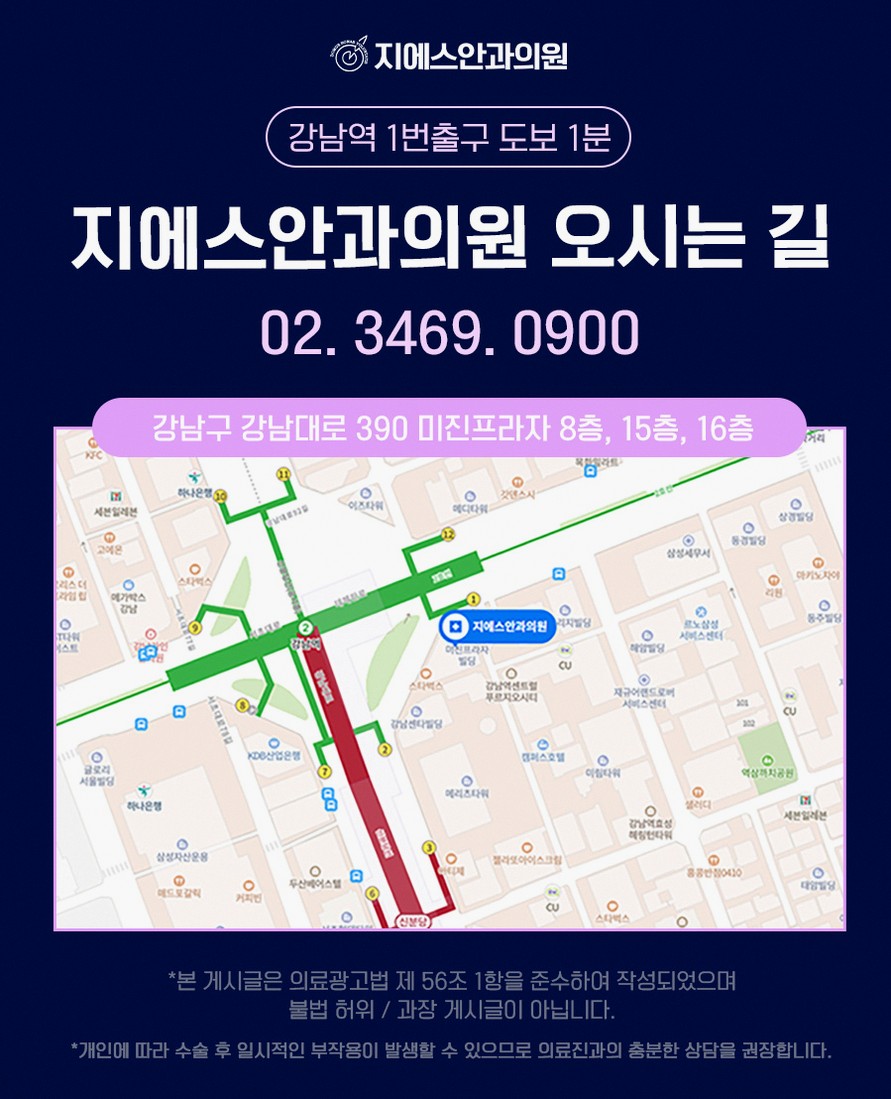
This clinic is located on Gangnam-daero near Gangnam Station, so it is accessible from Daechi-dong by subway or bus. It opened in 2005 and has remained in the same location, focusing on refractive surgery and cataract surgery. The medical director is an ophthalmologist with a medical doctorate and previous university hospital teaching experience.
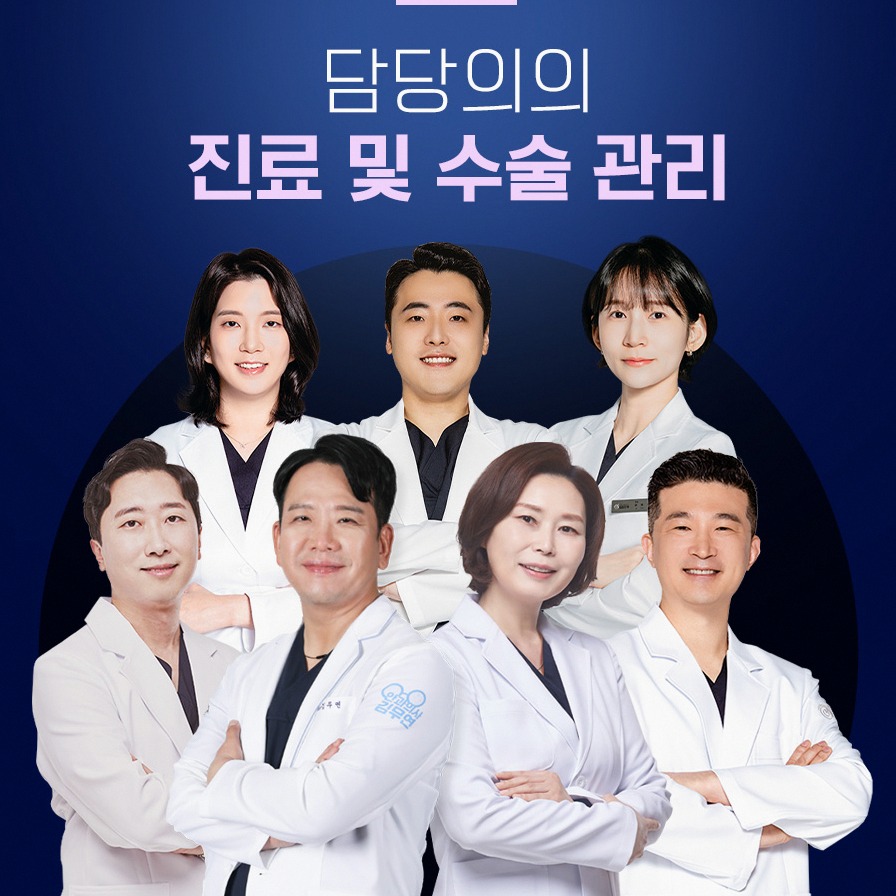
The clinic has a team of seven board-certified ophthalmologists with subspecialty backgrounds from major university hospitals, including a dedicated retina specialist. For SMILE LASIK candidates, this retina expertise is relevant because subtle retinal issues can be detected and managed before or after vision correction surgery.
Laser platforms and why they matter
One of the important differences between SMILE LASIK clinics around Gangnam and Daechi-dong is the range and level of laser equipment.
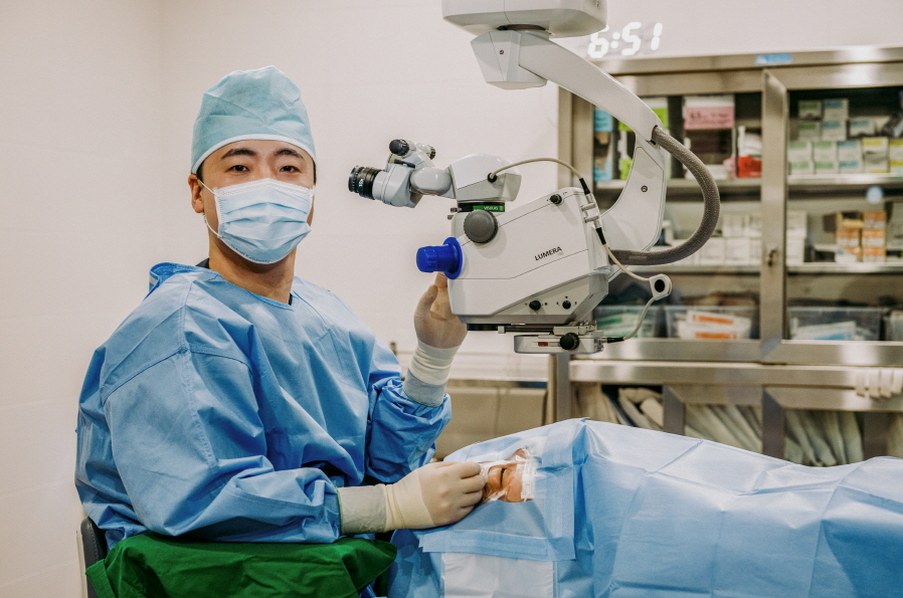
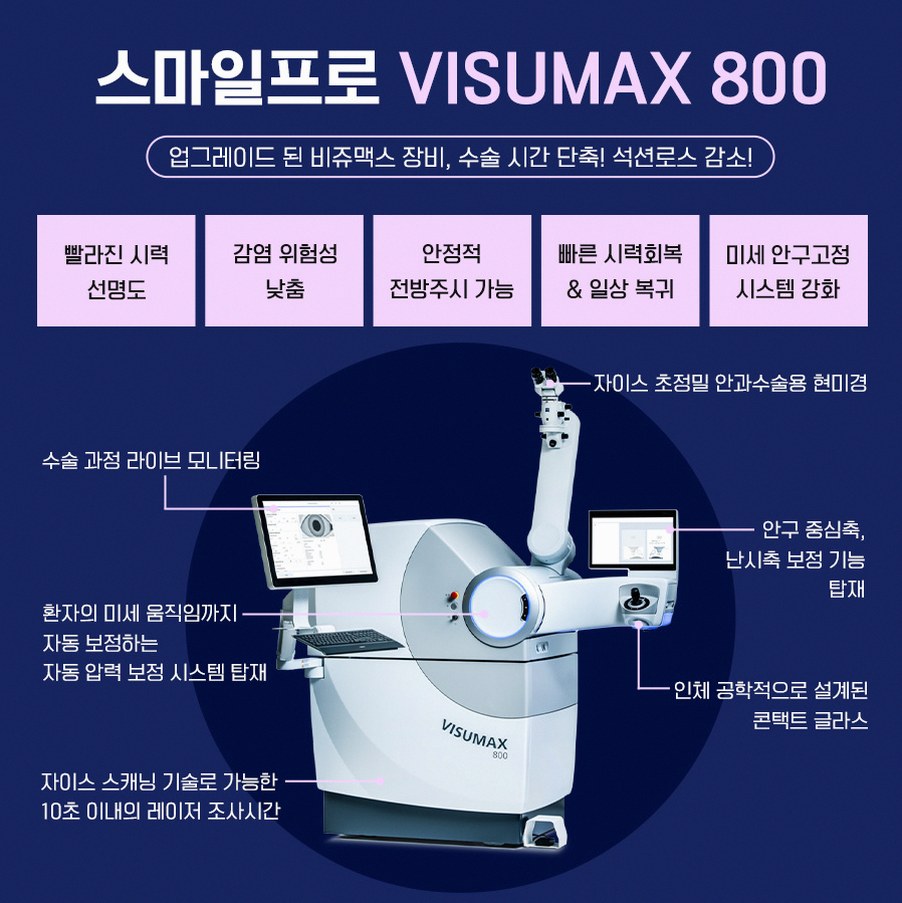
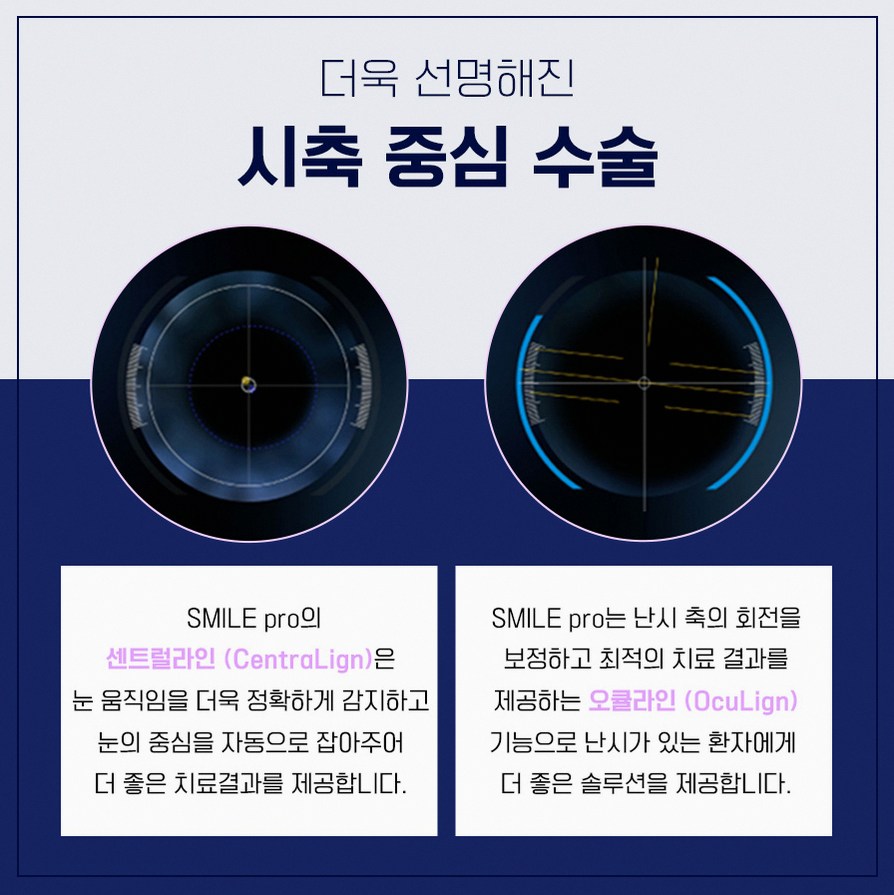
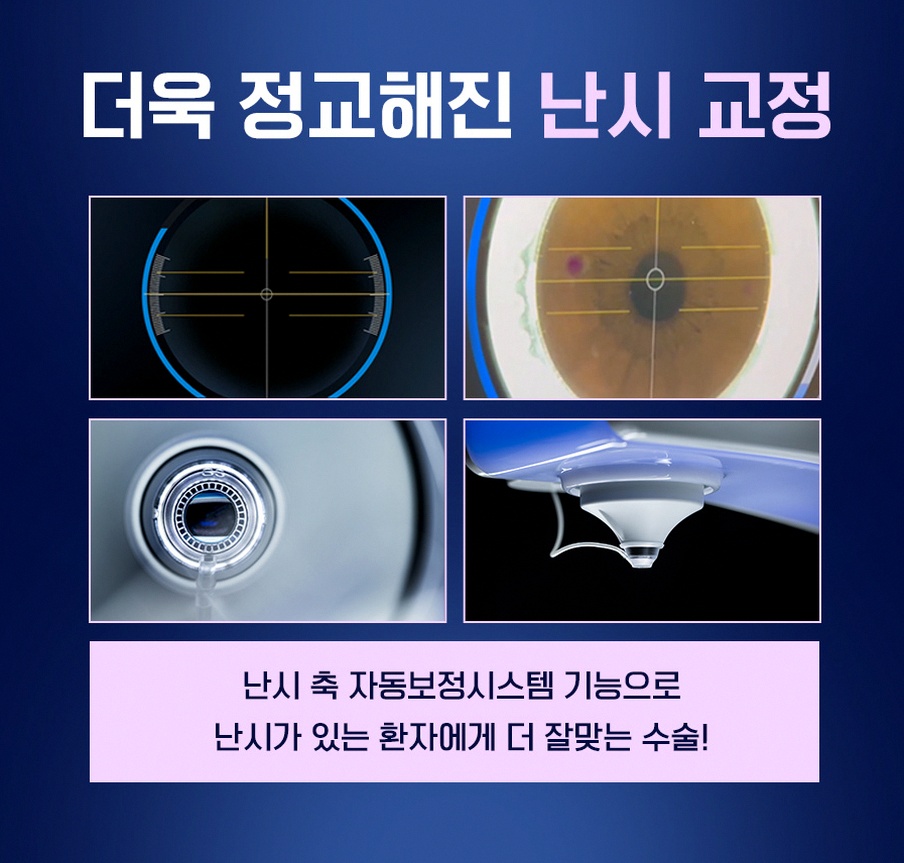
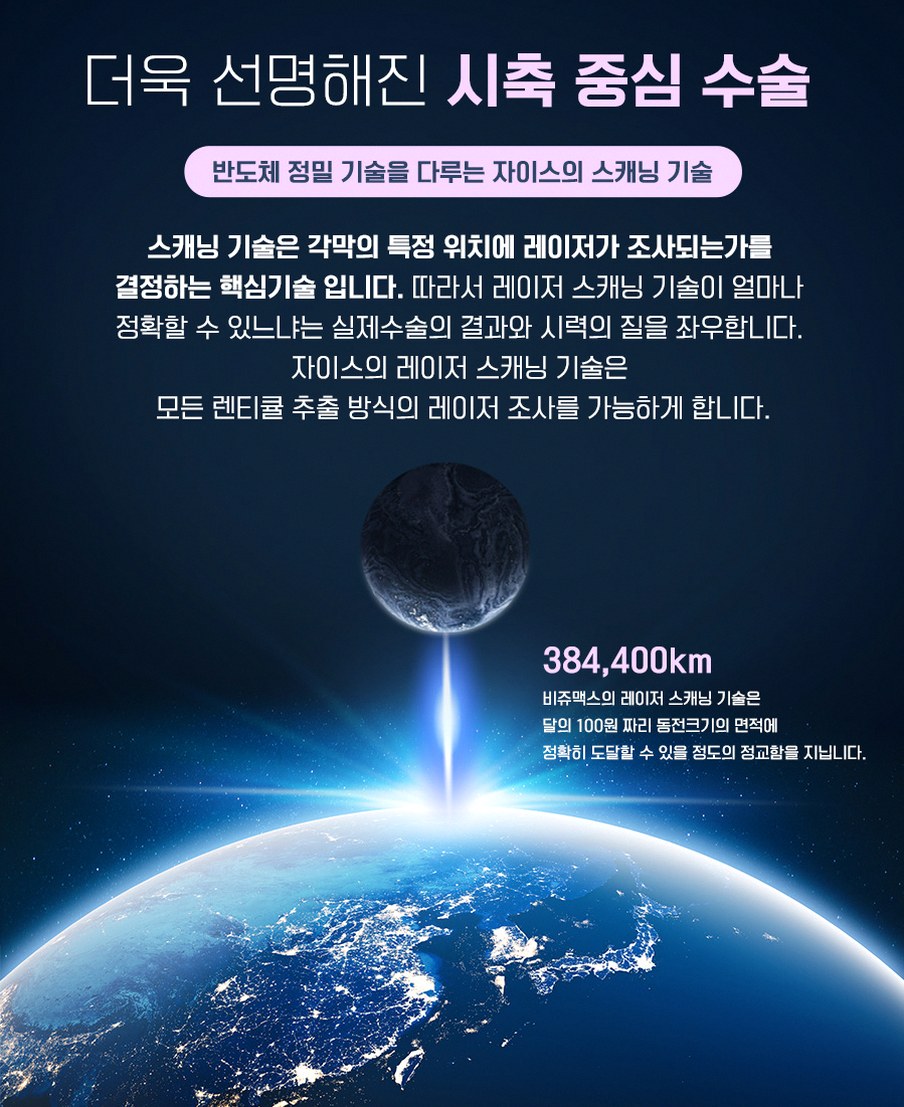
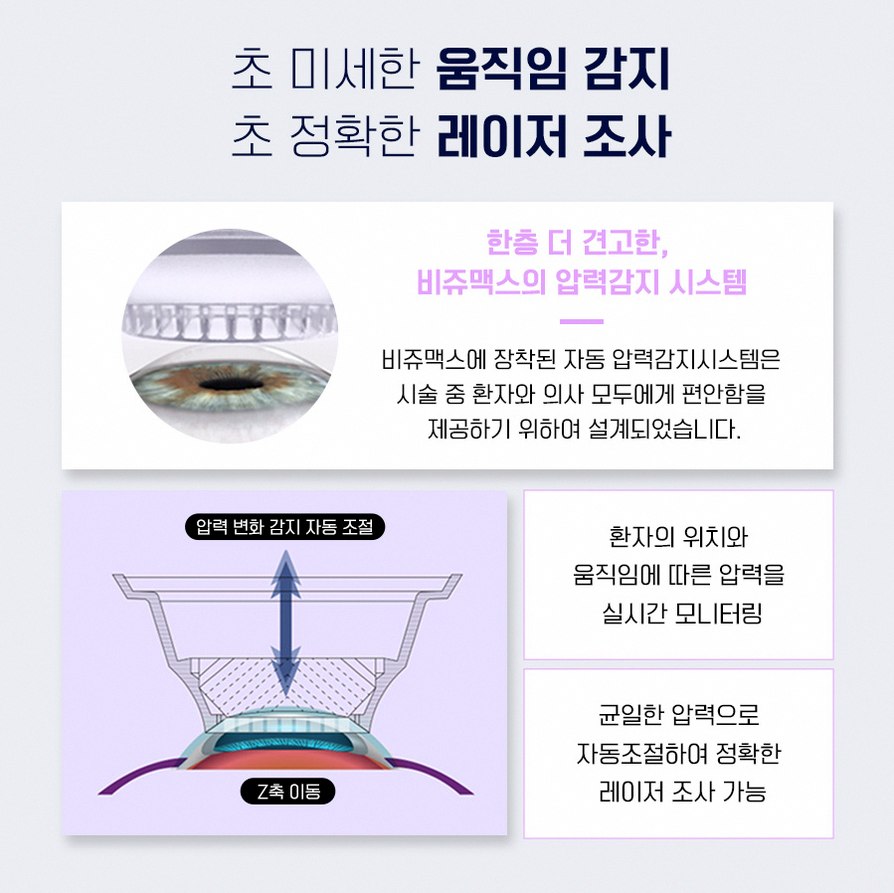
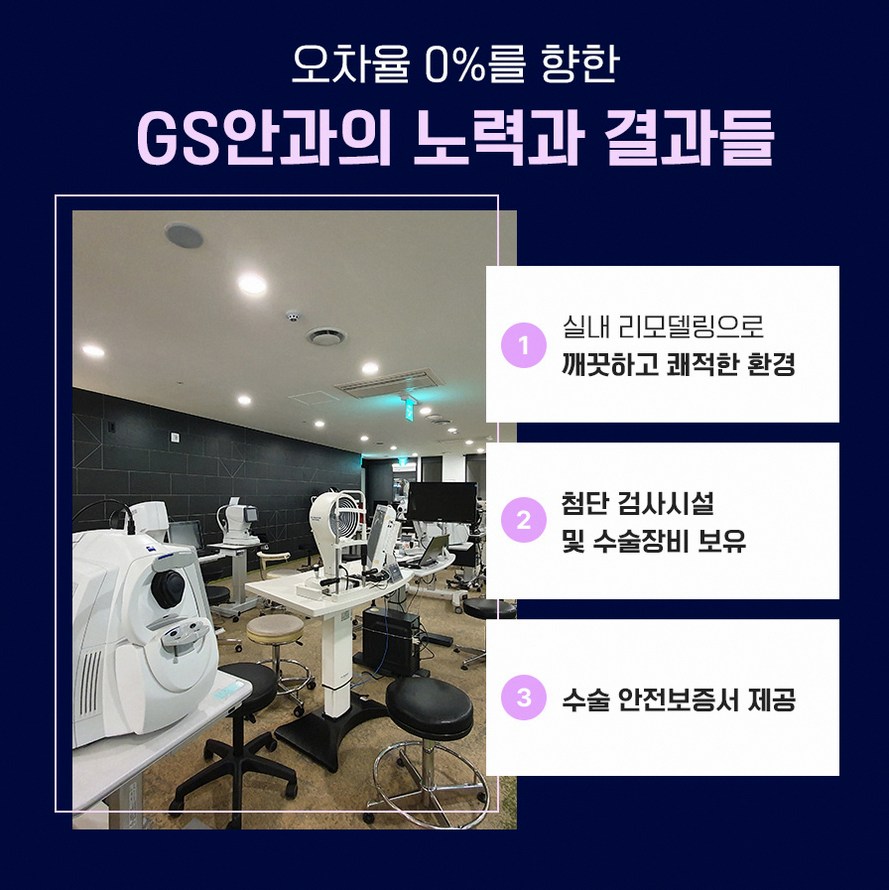
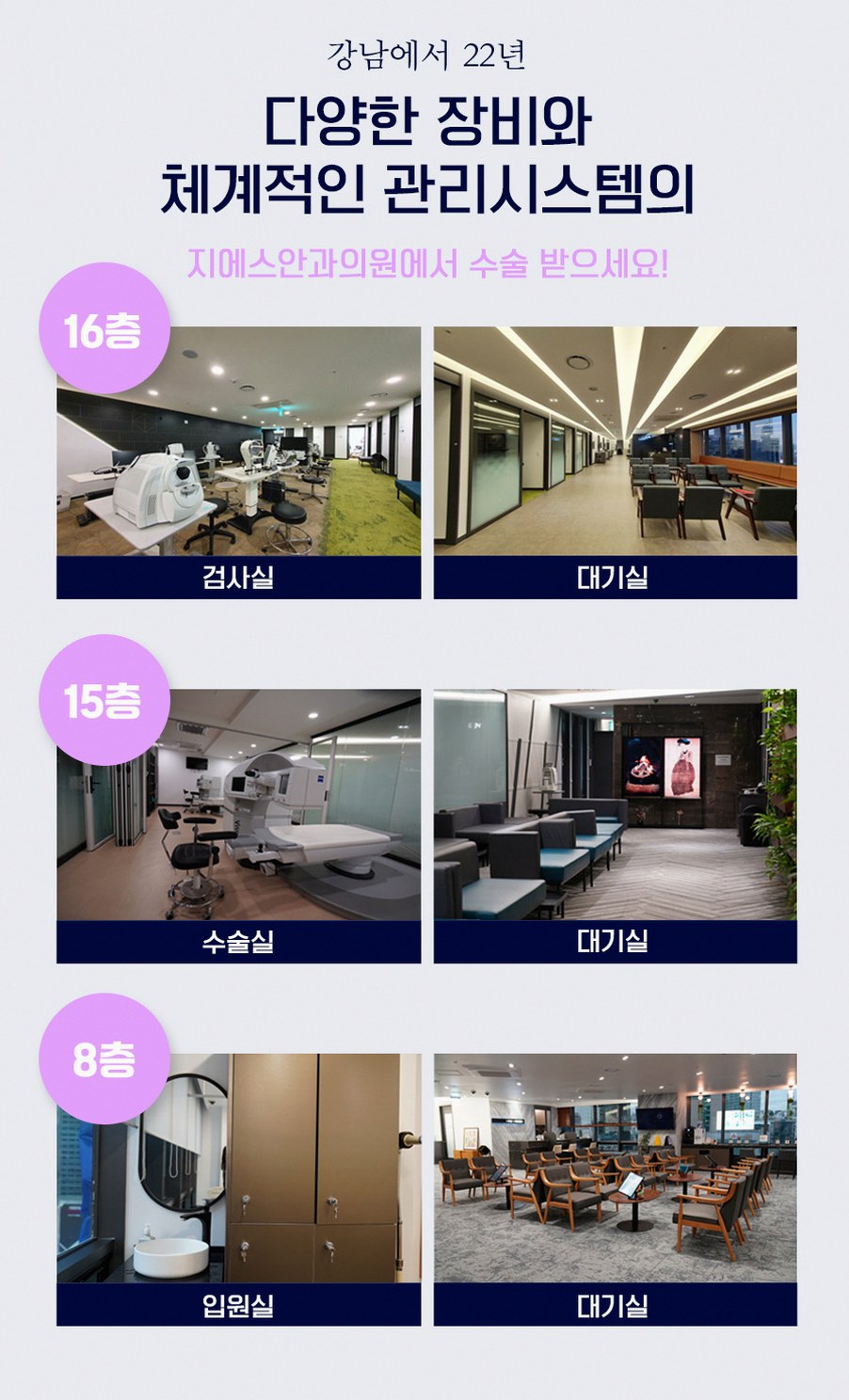
GS Eye Center operates multiple SMILE-capable laser platforms so the team can select the device best suited to each eye. The clinic has ZEISS VISUMAX systems — a VISUMAX 800 used for SMILE pro and two VISUMAX 500 units for standard SMILE LASIK — and also uses ELITA (Johnson & Johnson) for SILK procedures. The VISUMAX 800 offers a very fast laser time, around 9 seconds, which can make the procedure more comfortable for many patients. Having multiple platforms allows the clinic to tailor the procedure to the patient’s corneal condition and prescription.
For patients, this variety and redundancy can be meaningful:
The surgeon can choose the most suitable platform based on your cornea and degree of myopia or astigmatism.
If one unit requires maintenance, another is available, helping maintain scheduling stability.
Up-to-date technology may support smoother procedures and refined treatment profiles.
The clinic has been designated as a ZEISS SMILE pro Center and a SILK Training Center, and has obtained ISO 9001 and ISO 14001 certification for its SMILE LASIK processes. These designations suggest that there are standardized protocols for quality and environmental management, and that the clinic participates in ongoing training and education related to SMILE techniques.
Clinical experience and case numbers
When comparing SMILE LASIK clinics near Daechi-dong, many patients look at experience and case volume. High case numbers do not guarantee a particular result for any individual, but they can indicate that the team has dealt with a wide range of eye shapes, prescriptions, and healing patterns.
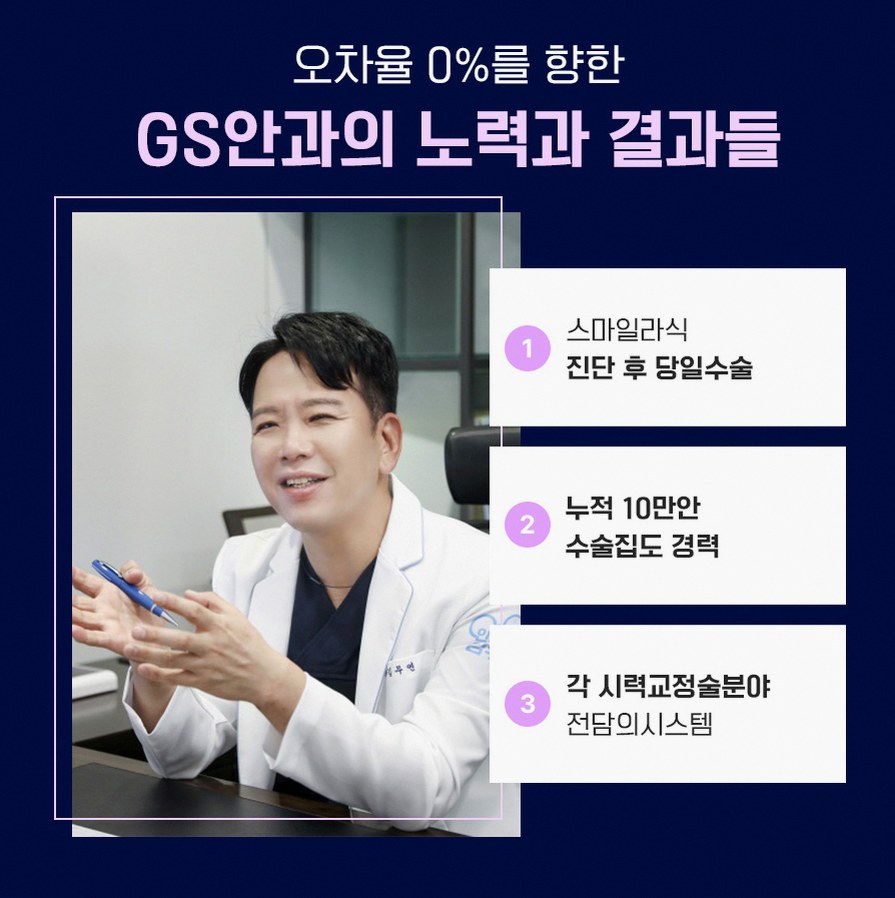
As of 2023, GS Eye Center reports a cumulative total of 300,000 eyes treated for vision correction and cataract surgery. For SMILE pro specifically, the clinic reports 15,000 eyes treated as of April 2026, after passing 5,000 in October 2024 and 10,000 in August 2025. It was the first clinic in Korea to join the ZEISS SMILE GOLD CLUB in 2021.
Such experience can be relevant in several ways:
More exposure to different corneal shapes and thicknesses helps refine screening criteria.
Protocols for preoperative testing, intraoperative steps, and aftercare can be continuously adjusted based on accumulated data.
Complication management pathways may be more structured because the team has encountered and studied a broader range of scenarios.
Who may consider SMILE LASIK
SMILE LASIK is not suitable for everyone who wears glasses. In general, good candidates often share these characteristics:
Adults with stable myopia and astigmatism for at least one to two years.
Adequate corneal thickness and a regular corneal shape.
No active eye disease such as uncontrolled dry eye, corneal ectasia, or untreated retinal problems.
To determine eligibility, a detailed preoperative examination is essential. This usually includes:
Vision and refraction testing to measure your exact prescription.
Corneal topography and tomography to map the shape and detect subtle irregularities.
Corneal thickness mapping to ensure a safe residual thickness after laser reshaping.
Pupil size measurement, which can relate to night-vision symptoms.
Tear film evaluation to assess dry eye risk.
Retinal examination, often with dilation, to detect lattice degeneration, small retinal tears, or other issues.
In a clinic with a dedicated retina specialist, small retinal lesions can be identified and, if necessary, treated before SMILE LASIK. This is important because high myopia is associated with a higher risk of retinal problems, and proactive management can reduce the chance of unexpected issues later.
Not everyone in Daechi-dong searching for SMILE LASIK will be eligible. Some people may be better suited to:
LASEK or other surface procedures if the cornea is thin or if specific structural considerations apply.
Lens implantation procedures such as ICL or GLAZE for very high myopia or when laser removal of tissue is not advisable.
Observation without surgery if the cornea or retina shows risk factors that outweigh the potential benefits.
Comparison with other vision correction options
While SMILE LASIK is the main focus for many Daechi-dong residents, it is helpful to understand how it compares with other vision correction methods offered in comprehensive ophthalmology clinics.
LASEK is a surface ablation procedure where the outermost corneal layer is gently moved aside, the laser reshapes the surface, and then the layer is repositioned. Recovery is usually slower and more uncomfortable than SMILE or LASIK, but there is no corneal flap.
Conventional LASIK involves creating a larger flap on the corneal surface, lifting it, applying the laser, and then repositioning the flap. Visual recovery is typically rapid, but the presence of a flap may be a consideration for people with certain lifestyles or sports.
Lens implantation procedures such as ICL or GLAZE place a lens inside the eye without removing corneal tissue. These are often considered for very high myopia, thin corneas, or when laser procedures are not ideal. GS Eye Center performs lens implantation procedures and has notable experience with GLAZE lens implantation, but these are usually discussed when SMILE LASIK is not the best option.
Some clinics also offer corneal strengthening procedures, such as KXL or similar cross-linking techniques, and structured dry eye management. These can be combined or sequenced with SMILE LASIK when appropriate, for example in patients with borderline corneal stability or significant dryness.
Safety protocols and quality control
Safety is a central concern for international patients traveling to Korea for SMILE LASIK. When comparing clinics around Daechi-dong and Gangnam Station, it is worth asking how they standardize their processes and train their teams.
Using GS Eye Center as an example, the clinic’s SMILE LASIK processes have obtained ISO 9001 and ISO 14001 certification. These international standards relate to quality management systems and environmental management systems. While they do not guarantee a specific outcome, they indicate that the clinic follows documented procedures, monitors performance, and undergoes external audits.
The clinic is also designated as a clinical education site for a medical school and for an ophthalmic biotech company in the Asia-Pacific region. Such roles usually require structured protocols, continuous staff training, and the ability to share data and techniques with other professionals. For patients, these factors can be reassuring when comparing options in the Daechi-dong area.
Step-by-step SMILE LASIK journey from Daechi-dong
For an overseas patient staying in or near Daechi-dong, the typical SMILE LASIK journey around Gangnam Station may look like this.
1. Initial online consultation and planning
Before you travel, you can often arrange an online consultation with the clinic. You may be asked to send recent glasses prescriptions, any previous eye examination reports, and information about your general health. This early step cannot replace a full in-person examination, but it helps the team judge whether you are likely to be a candidate and plan your visit schedule.
2. Comprehensive eye examination in Seoul
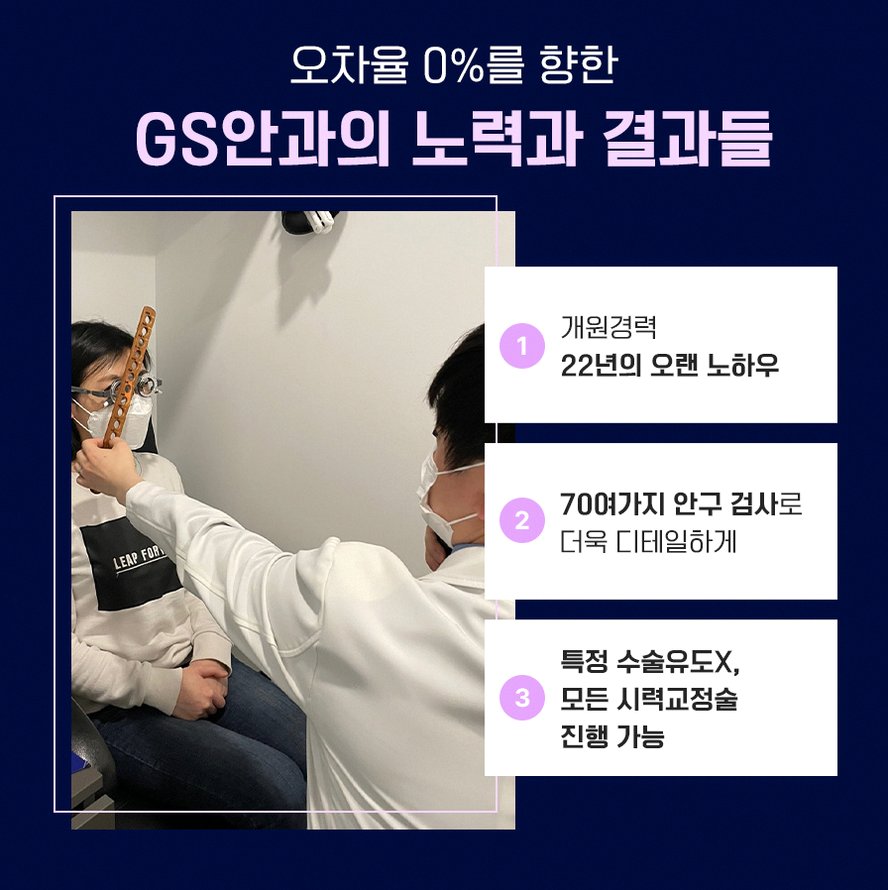
Once you arrive in Korea, you visit the ophthalmology clinic near Gangnam Station for a detailed assessment. This usually takes one to two hours and includes refraction, corneal imaging, tear film tests, and retinal evaluation. Based on these results, the doctor will explain whether SMILE LASIK is recommended, whether another procedure is safer, or whether surgery should be avoided.
3. Personalized recommendation
The team will consider your occupation, hobbies, sports, and night driving needs. For example, a student in Daechi-dong who studies late and uses digital devices heavily may have different priorities from a frequent traveler or someone working outdoors. You will have a chance to ask questions about SMILE LASIK versus LASEK, LASIK, or lens implantation.
4. Surgery day
On the day of SMILE LASIK, you typically arrive at the clinic near Gangnam Station and undergo final checks. Anesthetic eye drops are applied so you do not feel pain during the laser step. The femtosecond laser then creates the lenticule and micro-incision inside the cornea. With platforms such as VISUMAX 800, the laser time is around 9 seconds, though the total time in the procedure room is longer due to preparation.
The surgeon removes the lenticule through the small incision, reshaping the cornea and changing how light focuses on the retina. After the procedure, you rest at the clinic for a short period while your eyes are checked. Most patients can go back to their accommodation in Daechi-dong the same day, accompanied by a friend or family member.
5. Early postoperative period
You will usually have a check-up on the same day or the next day. The doctor confirms that the cornea is clear, the incision is stable, and there are no early complications. You are given eye drops to prevent infection and reduce inflammation, and sometimes lubricating drops for dryness.
You will be advised to avoid rubbing your eyes, to keep water and soap out of your eyes for a certain period, and to limit intense exercise or swimming until the doctor confirms it is safe. Because Daechi-dong is close to Gangnam Station, traveling back and forth for these early visits is relatively easy.
6. Follow-up over weeks to months
Most clinics schedule several follow-ups over the first few weeks and months to monitor healing, measure vision, and address any dry eye symptoms or visual disturbances such as glare or halos. If you are staying in Korea for a limited time, discuss the timeline in advance so that key visits are completed before you leave.
Aftercare and lifestyle guidance
After SMILE LASIK, many patients notice rapid visual recovery, often within a day or two, but this can vary. It is important to have realistic expectations and to understand that some temporary symptoms are common.
You may experience:
Dryness or a foreign-body sensation, especially when using digital devices.
Glare, halos, or starbursts around lights at night.
Fluctuations in vision during the first weeks.
Following the prescribed eye drop regimen is essential. Do not stop or change drops without consulting the clinic. Avoid rubbing your eyes, even if they feel itchy or dry, and use lubricating drops as recommended.
Most clinics advise avoiding heavy exercise, swimming pools, hot tubs, and eye makeup for a certain period. They will also guide you on when you can resume driving, working, or studying full-time. Clinics like GS Eye Center run dedicated dry eye and retina clinics, which can be helpful if postoperative dryness or retinal issues need attention.
When choosing a clinic near Daechi-dong, ask about:
The standard follow-up schedule after SMILE LASIK.
How to contact the clinic in case of urgent symptoms.
Whether they can coordinate with your local eye doctor after you return home.
Online consultation and pre-visit preparation
For overseas patients, good preparation before flying to Seoul can make the process smoother.
Before your trip, consider preparing the following:
Recent glasses or contact lens prescriptions from your home country.
Any previous eye surgery records or reports of eye diseases.
A list of medications you are taking and any allergies.
A summary of your work, study, and sports activities.
During an online consultation, you can ask:
Whether your approximate prescription seems within the usual range for SMILE LASIK.
How long you should plan to stay in Korea for surgery and follow-up.
What tests will be done at the first visit and how long they take.
What alternative options might be considered if you are not a SMILE candidate.
This helps you compare clinics around Gangnam Station and Daechi-dong not only by location, but also by the thoroughness of their explanations and the clarity of their processes.
How long to stay in Korea for SMILE LASIK
The ideal stay depends on your eyes and the clinic’s protocol, but many international patients plan something like this:
Day 1–2: Arrival in Seoul, rest, and adjustment.
Day 2–3: Comprehensive eye examination and consultation near Gangnam Station.
Day 3–5: SMILE LASIK surgery (often within one or two days after the exam, depending on scheduling).
Day 4–7: Early follow-up visits to confirm stable healing.
Day 7–14: Additional checks if needed, then return home once the doctor is satisfied.
Some patients may be cleared to travel sooner, while others may benefit from a longer stay. Discuss this in advance so your flight and accommodation in or near Daechi-dong can be planned accordingly.
Key points to compare when choosing a Daechi-dong area SMILE LASIK clinic
When you are comparing ophthalmology clinics around Daechi-dong and Gangnam Station, it may help to create a simple checklist. Beyond cost, consider:
Laser platforms available and whether they include modern SMILE systems like VISUMAX 800 or VISUMAX 500.
Experience and subspecialty mix of the ophthalmologists, including retina expertise.
Case volume and how the clinic explains its protocols for screening and aftercare.
Safety certifications such as ISO 9001/14001 and any roles as training or education centers.
Clarity of communication in English and availability of staff to support international patients.
Follow-up schedule and how they handle urgent questions after surgery.
Bringing this checklist to your online consultation can help you make a more informed decision rather than focusing only on price or distance.
Frequently asked questions about Daechi-dong SMILE LASIK
Is SMILE LASIK suitable for all degrees of myopia and astigmatism?
No. SMILE LASIK is designed for specific ranges of myopia and astigmatism, and there are upper and lower limits. Very high myopia, extreme astigmatism, or irregular corneas may not be suitable for this procedure. During your examination near Gangnam Station, the ophthalmologist will measure your exact prescription, corneal thickness, and shape to determine whether SMILE LASIK is appropriate or whether another method, such as LASEK or lens implantation, is safer.
How is SMILE LASIK different from LASIK and LASEK in terms of pain and recovery?
SMILE LASIK uses a small incision and does not require a large corneal flap, which can help preserve more corneal nerves. Many patients report mild discomfort rather than significant pain, and functional vision often returns quickly, although this varies. Conventional LASIK also offers rapid recovery but involves a flap, while LASEK typically has a longer, more uncomfortable healing period because the surface layer of the cornea needs time to regenerate. Long-term stability depends on many factors, including your corneal structure and how carefully you follow postoperative instructions.
How long does the SMILE LASIK procedure take, and when can I return to work or study in Daechi-dong?
The actual laser step of SMILE LASIK is very short, often around 9 seconds with platforms such as VISUMAX 800, but the total time in the procedure room is longer due to preparation and checks. Most patients spend less than an hour in the clinic on surgery day, although you should allow extra time for rest and postoperative evaluation. Many people can resume light work or study within a few days, but night vision, dryness, and visual fluctuations may continue to improve over several weeks. Your doctor will give specific guidance based on your healing.
What preoperative tests are essential, and why might some people be rejected for surgery?
Essential tests include refraction, corneal topography and tomography, corneal thickness mapping, pupil size measurement, tear film evaluation, and a detailed retinal examination. These tests help identify conditions such as keratoconus, thin or irregular corneas, severe dry eye, or retinal weakness. If these risk factors are present, the doctor may advise against SMILE LASIK or recommend an alternative treatment. Being rejected for surgery can be disappointing, but it is a safety decision intended to protect your long-term vision.
Are there special considerations for people with dry eye or thin corneas?
Yes. People with significant dry eye may experience more discomfort after any laser vision correction, including SMILE LASIK. Clinics with a dry eye service can assess tear quality and quantity and may recommend treatment before or after surgery. For thin corneas, the remaining corneal thickness after laser reshaping is a key safety parameter. If the calculated residual thickness is too low, the doctor may suggest LASEK, lens implantation, or no surgery instead of SMILE LASIK.
How should I compare SMILE LASIK clinics around Daechi-dong and Gangnam Station?
Look at more than just distance and price. Compare the types of laser platforms they use, the experience and subspecialties of their ophthalmologists, their case numbers, and any safety or quality certifications. Ask about their preoperative testing protocol, follow-up schedule, and how they handle complications. Clinics like GS Eye Center, with multiple ZEISS SMILE platforms, ISO-certified processes, and a retina specialist on the team, illustrate the kind of structured environment many international patients look for.
What complications are possible, and how are they managed in a clinic with retina and dry eye subspecialties?
As with any surgery, SMILE LASIK can involve risks such as infection, inflammation, under- or over-correction, visual disturbances, or prolonged dryness. Rarely, structural corneal issues or retinal problems may appear or progress. In clinics that have dedicated retina and dry eye subspecialists, subtle retinal lesions can be detected and treated, and persistent dryness can be managed with targeted therapies. Early detection and timely management are key, which is why regular follow-up visits near Gangnam Station are important, especially in the first months.
Soft call to action for overseas patients
If you are an international patient staying in or near Daechi-dong and considering SMILE LASIK, start by arranging an online consultation with an ophthalmology clinic around Gangnam Station. Share your prescription history, ask about eligibility, and review the clinic’s equipment, experience, and follow-up system.
GS Eye Center is one example of a clinic that offers SMILE LASIK and other vision correction options near Gangnam Station, accessible from Daechi-dong. You can contact the clinic online to discuss your situation, plan your travel dates, and understand what to expect before, during, and after your stay in Seoul.
This article is for general information only and does not replace a personal consultation with a qualified ophthalmologist. Individual suitability for SMILE LASIK or any other procedure must be determined through a full eye examination and direct medical advice.
- 공유 링크 만들기
- X
- 이메일
- 기타 앱


댓글
댓글 쓰기