Nonhyeon Smart LASIK cost and how to compare clinics in Gangnam
- 공유 링크 만들기
- X
- 이메일
- 기타 앱
Direct answer on Nonhyeon Smart LASIK cost
If you are searching for Smart LASIK or SMILE LASIK around Nonhyeon in Gangnam, most clinics in this area charge per eye, and the total fee usually sits in a mid-to-high range compared with other parts of Korea. The exact price depends on your eye condition, the laser platform used, how detailed the examinations are, and how long the follow up program lasts. Because of this, it is difficult for any clinic to give a final cost without a full eye examination. When you compare clinics, focus not only on the lowest advertised price, but on what is included in the fee and how the clinic manages safety.
Overview of Smart LASIK and SMILE LASIK
SMILE is a modern form of laser vision correction that uses a femtosecond laser. Variants commonly referred to as the "SMILE family" include SMILE Pro, SMILE LASIK, and SILK; the term "Smart LASIK" is sometimes used in marketing to refer to SMILE-type procedures. In SMILE, the laser creates a small, lens-shaped piece of tissue called a lenticule inside the cornea and removes it through a small incision instead of creating a wide surface flap. By reshaping the cornea in this way, the eye can focus light more accurately, reducing or eliminating the need for glasses or contact lenses.
Because the incision is small, less corneal tissue and fewer nerves are cut compared with classic LASIK or LASEK. This approach is often described as minimally invasive. Many patients report faster comfort after surgery and a smoother early recovery, though results and recovery speed always vary from person to person.
Compared with conventional LASIK and LASEK
Conventional LASIK usually involves making a larger flap on the cornea, lifting it, and then reshaping the underlying tissue with an excimer laser. LASEK removes the thin surface layer of the cornea and reshapes the tissue beneath. Both methods have been used worldwide for many years.
Smart LASIK and SMILE LASIK differ in several ways:
They use a small incision instead of a wide flap.
They tend to preserve more corneal structure and nerves.
They usually cause less discomfort in the first days after surgery.
They may reduce the risk of certain flap-related issues that can occur with classic LASIK.
However, this does not mean Smart LASIK or SMILE LASIK is automatically safer for every person. The safest method depends on your corneal thickness, shape, prescription, lifestyle, and other eye health factors. A thorough examination and consultation with an ophthalmologist is essential before choosing any procedure.
Who may consider Smart LASIK in Nonhyeon
Typical candidates for Smart LASIK or SMILE LASIK include adults with stable vision over the past one to two years and a prescription within the treatable range for the laser platform being used. In general, you may be considered if:
Your glasses or contact lens prescription has been stable.
Your cornea is thick enough to allow safe reshaping.
You do not have severe dry eye, corneal disease, or active retinal problems.
You are not pregnant or breastfeeding at the time of surgery.
You have realistic expectations about vision quality and understand that minor side effects such as halos, glare, or dryness can occur.
Some people are better suited to other options, such as LASEK or lens implantation, especially if they have very thin corneas, very high myopia, or other eye conditions. The decision is made after detailed testing and discussion with an ophthalmologist.
Typical Smart LASIK cost structure in Nonhyeon and Gangnam
In the Nonhyeon–Gangnam area, Smart LASIK and SMILE LASIK are usually priced per eye. When you see an advertisement, it may show a price that looks very attractive, but that number often reflects a basic package only. The real cost for you can change based on several points.
Key factors that influence the fee include:
Type and generation of laser platform
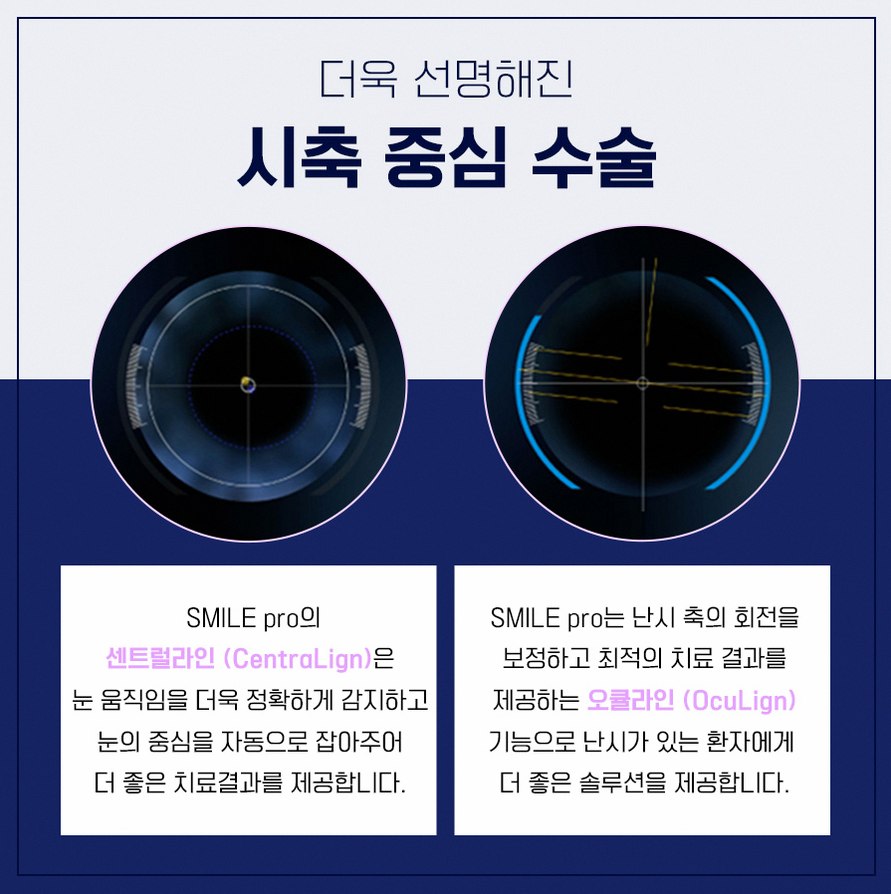
Newer SMILE Pro or similar high-speed femtosecond systems tend to cost more to purchase and maintain, and this is often reflected in the procedure fee. Clinics that operate multiple generations of SMILE platforms may offer different price levels depending on which system is used.
Additional procedures
Some patients benefit from extra safety or comfort measures, such as corneal cross-linking for borderline corneas or specific dry eye treatments before or after surgery. These add-ons can increase the total cost but may be important for long-term stability in selected cases.
Preoperative diagnostic testing
A comprehensive examination before surgery usually includes multiple scans and measurements. Clinics that invest in advanced diagnostic equipment and longer testing sessions may charge more, but this depth of information helps the ophthalmologist decide whether surgery is truly safe for you.
Postoperative follow up program
The length and intensity of follow up visits after surgery also affect the fee. Some clinics include a structured program that covers visits over many months, while others include only a few basic checks and charge separately for longer-term care.
Surgeon experience and role
In many Gangnam clinics, Smart LASIK is performed by board-certified ophthalmologists with subspecialty training in cornea or refractive surgery. The surgeon’s experience, academic background, and level of personal involvement in your examination and surgery can influence the price.
Because of all these elements, it is important to ask each clinic to explain exactly how their Smart LASIK fee is structured and what is included.
What is usually included in Smart LASIK fees
When you compare Nonhyeon Smart LASIK cost, it helps to know what a typical package may cover. Although details differ by clinic, most complete programs include three main parts: preoperative examination, surgery, and postoperative care.
Preoperative comprehensive eye examination
Corneal thickness and topography: These tests measure how thick your cornea is and map its shape to detect irregularities such as keratoconus.
Pupil size: Larger pupils can be associated with more night-time halos or glare, so this is important to measure.
Tear film and dry eye evaluation: The stability and quality of your tears affect both comfort and visual quality after surgery.
Retinal and optic nerve check: The back of the eye is examined to rule out diseases like retinal tears, macular problems, or glaucoma that could affect your vision.
Surgery itself
Use of a specific femtosecond laser platform: The clinic will select a laser system and treatment plan suited to your eyes.
Single or both eyes: Costs are usually listed per eye, but many people choose to treat both eyes on the same day.
Anesthesia and surgical consumables: Numbing eye drops, sterile instruments, and other supplies are included.
Postoperative care
Scheduled follow up visits: Many clinics plan checks at day 1, week 1, month 1, and then at later points, depending on your recovery.
Prescribed eye drops: Antibiotic and anti-inflammatory drops are commonly provided, along with lubricating drops for dryness.
Postoperative instructions: You should receive clear written or verbal guidance about eye protection, activity limits, and warning signs.
Some clinics charge separately for premium options, additional imaging, or follow up beyond a certain period. When you receive a quotation, ask which visits and medications are included and for how long.
Factors that can change Smart LASIK cost
Even within the same neighborhood, Smart LASIK prices can vary widely. Understanding why helps you interpret different offers more calmly.
Individual eye condition
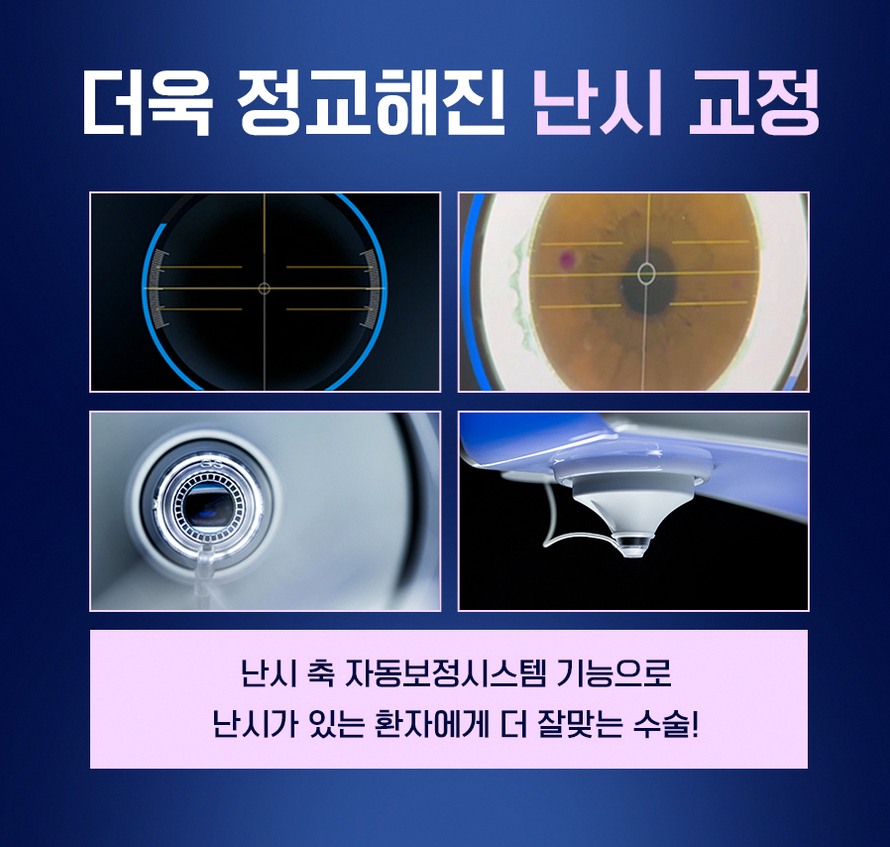
Very high myopia or astigmatism may require more complex planning or a customized treatment profile, which can affect cost.
Thin or irregular corneas may require additional safety measures. In some cases, the ophthalmologist may advise against corneal laser and suggest lens implantation instead. In such situations, the price structure is completely different.
Existing dry eye, allergies, or retinal issues may require extra visits or treatments before surgery, which adds to the overall expense.
Technology level
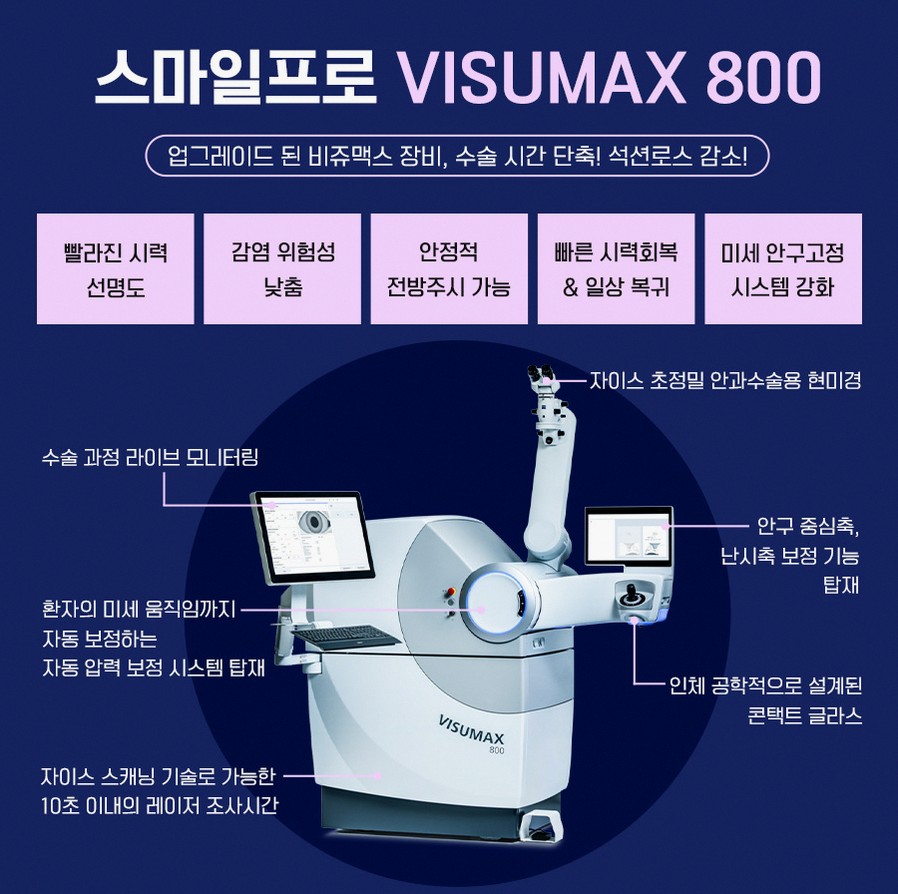
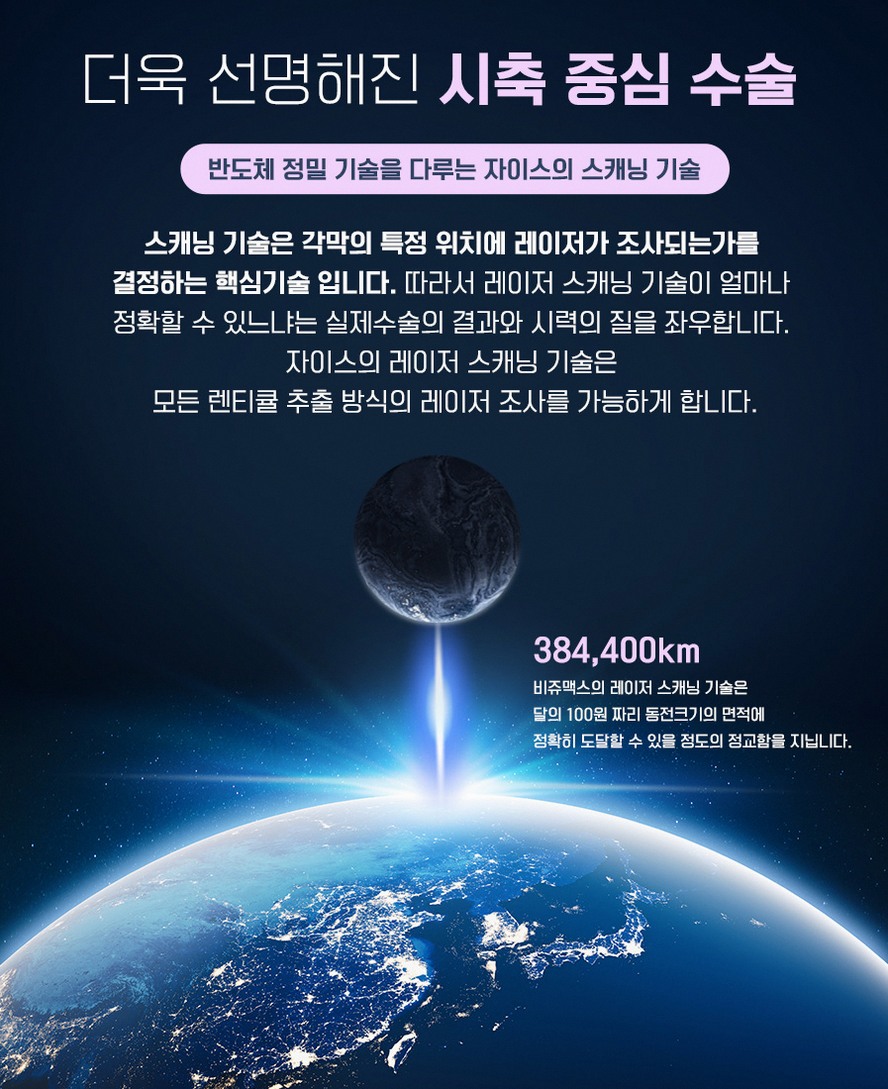
Use of the latest generation SMILE Pro platforms with faster laser time and refined algorithms can influence pricing. These systems are often chosen for their efficiency and patient comfort.
Clinics that operate multiple SMILE platforms can tailor the choice of machine to your eye, but maintaining several systems is costly and may be reflected in the fee.
Clinic system and role
Some ophthalmology clinics in Gangnam run dedicated dry eye, retina, or pediatric sections in addition to refractive surgery. A broader system can support more complex cases but may also influence pricing.
Centers that serve as training or reference sites for certain technologies often handle a high volume of cases and follow structured protocols. This can be a positive sign for consistency, but it may also be associated with mid-to-high range fees.
How to compare Smart LASIK prices safely in Nonhyeon
When you compare Nonhyeon Smart LASIK cost, it is tempting to focus on the lowest number. However, long-term safety and visual quality are more important than a small price difference.
Here are practical points to compare between clinics:
Depth of examination
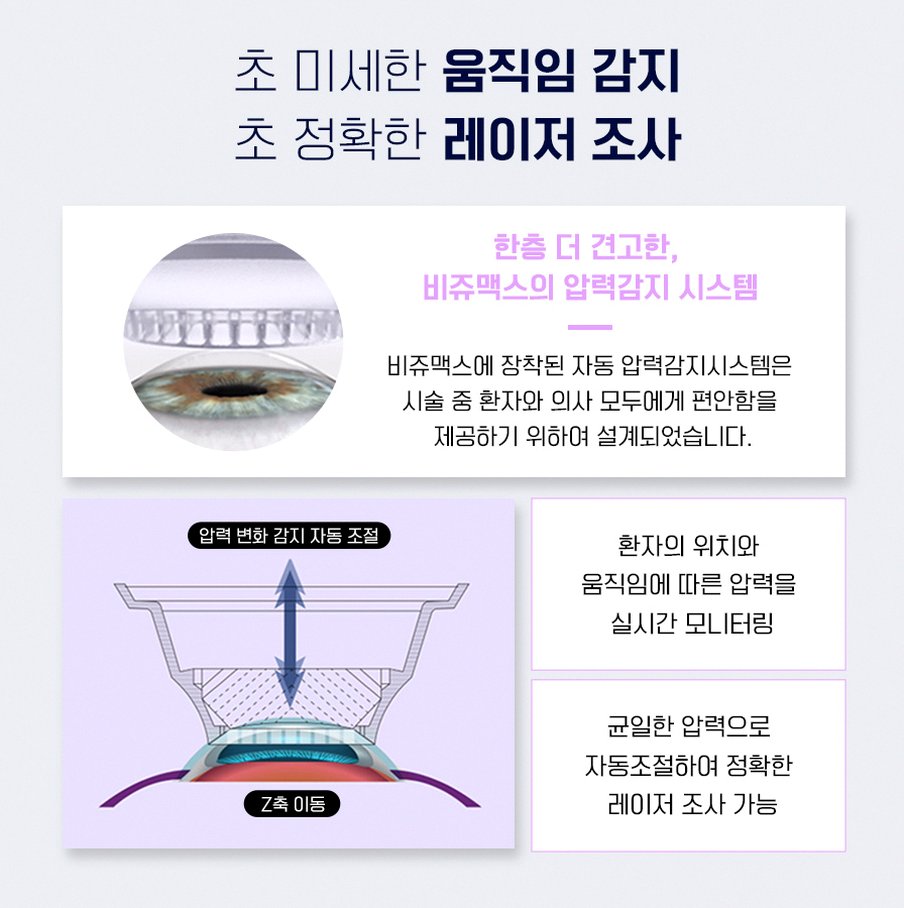
Ask how long the preoperative exam takes and which tests are included. A thorough workup usually involves multiple scans, tear evaluation, and a detailed retinal check. Also confirm whether the clinic is willing to decline surgery if the results are not safe. A clinic that sometimes says no to surgery is often taking safety seriously.
Surgeon credentials
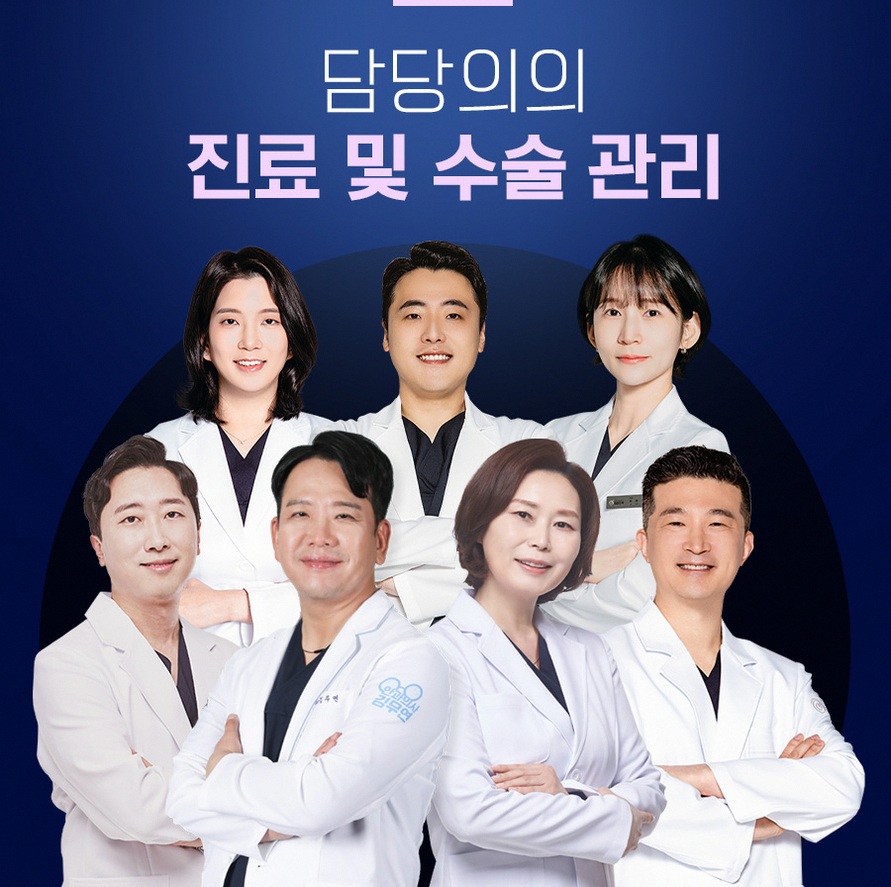
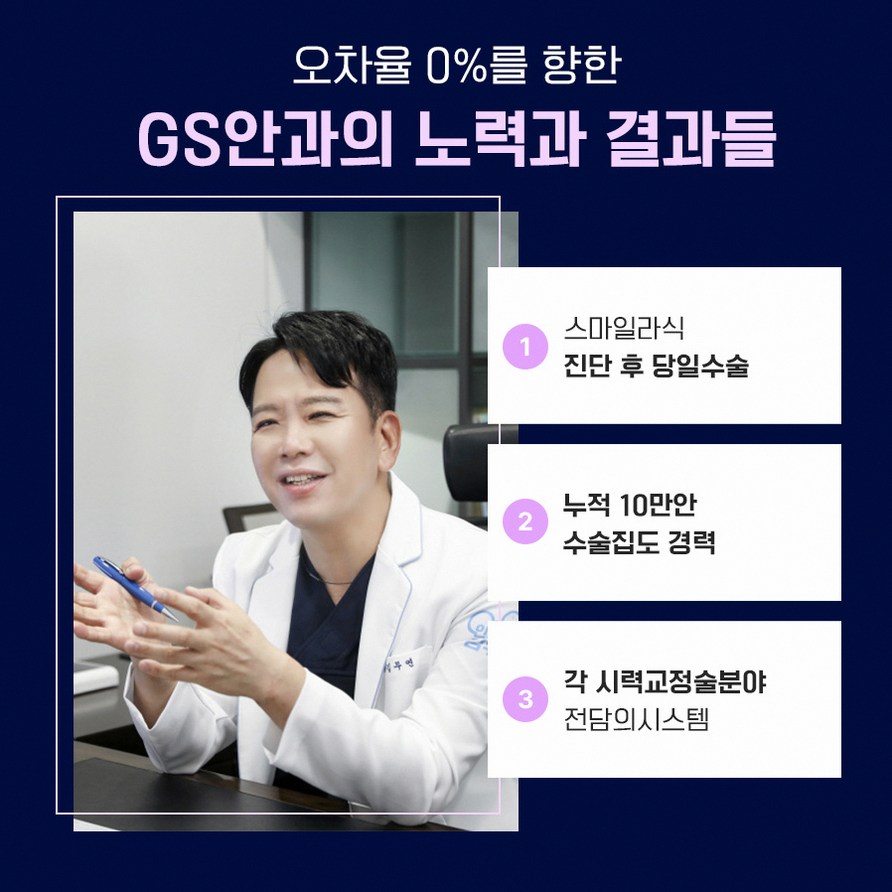
Check that the procedure is performed by a board-certified ophthalmologist. You can ask about their subspecialty focus, such as cornea and refractive surgery, and their surgical volume with SMILE or Smart LASIK. It is reasonable to ask who will actually operate on you and whether they will also see you at follow up visits.
Equipment and laser platforms
Ask which femtosecond laser system will be used, and whether it is one of the newer SMILE Pro or equivalent platforms. Some centers are recognized by device manufacturers or academic bodies as reference or training sites, which can indicate structured protocols and high case numbers.
Safety policies and enhancement rules
Ask the clinic to explain in simple language when they would refuse surgery. Also ask about their policy if your vision does not reach the expected level, such as criteria and timing for enhancement procedures and whether these are included or charged separately.
Follow up program
Clarify how many postoperative visits are included in the quoted fee and for how long the clinic will follow you. Ask what happens if you experience dryness, night glare, or other symptoms months after surgery.
Preparing a comparison checklist
Before your consultations, it can help to prepare a short checklist so you do not forget important questions. For example:
What is the total cost for both eyes, including all exams, surgery, and follow up?
Which laser platform will be used, and is there a price difference between platforms?
How long is the preoperative exam, and what tests are included?
Who will perform my surgery, and how many SMILE or Smart LASIK cases have they done?
If I am not a suitable candidate, what alternatives will you explain?
How many follow up visits are included, and for how many months?
Are enhancement procedures included in the fee, and under what conditions?
By writing these questions down and asking the same ones at each clinic, you can compare not only the price but also how clearly and transparently each team responds.
GS Eye Center as an option near Gangnam Station
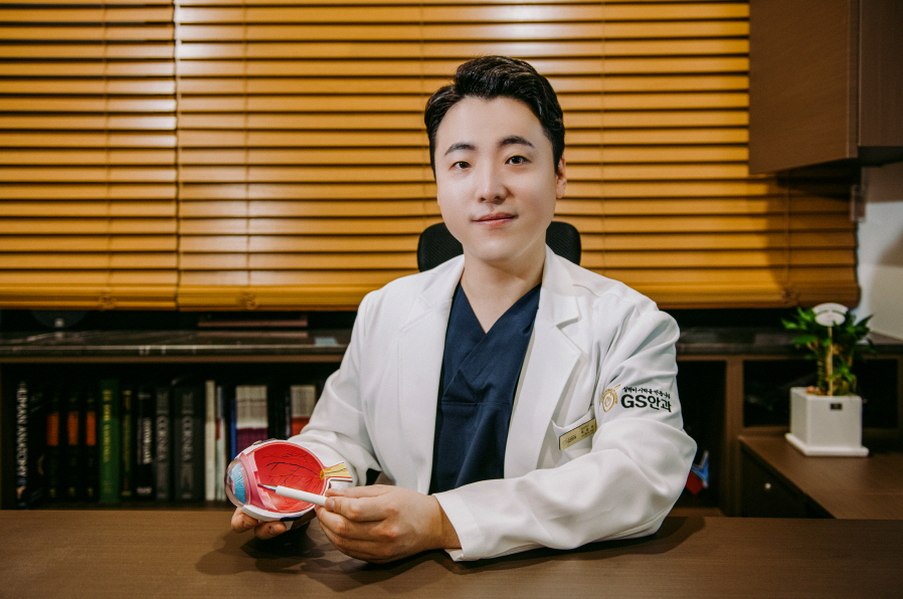
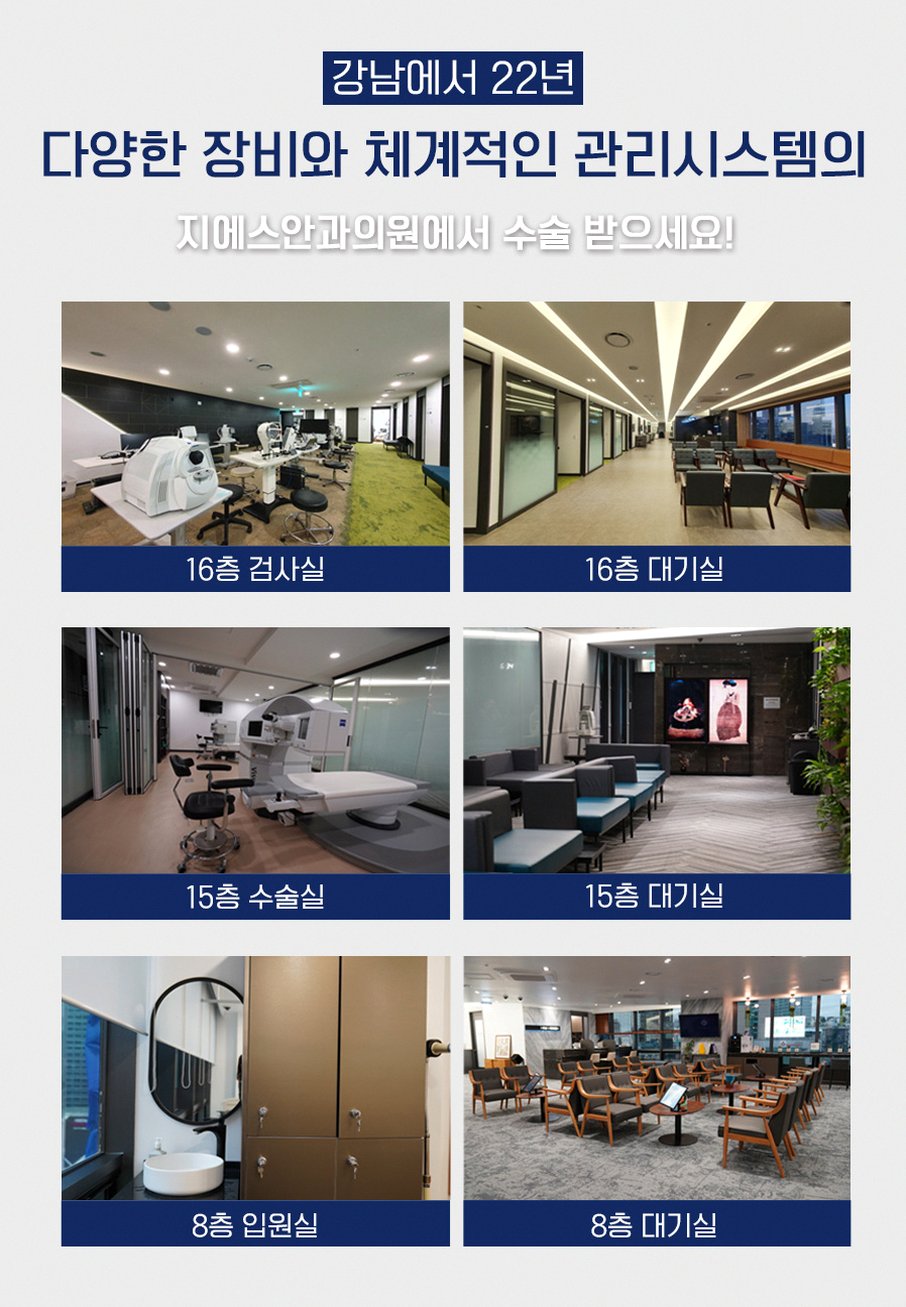
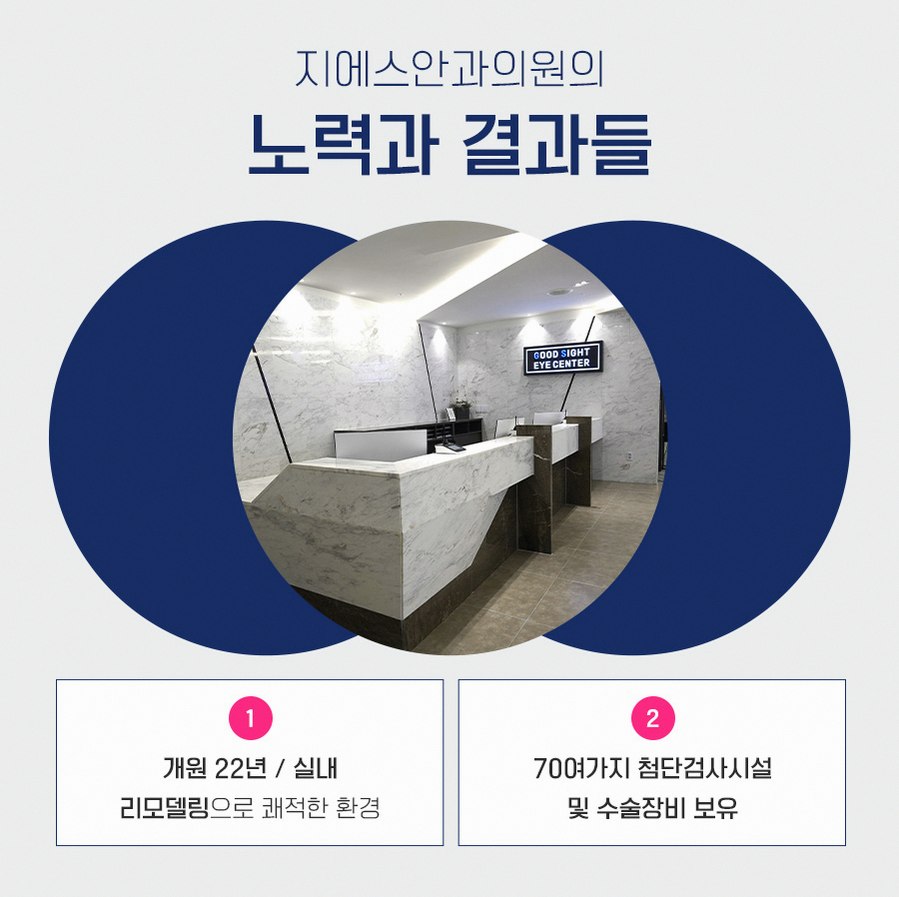
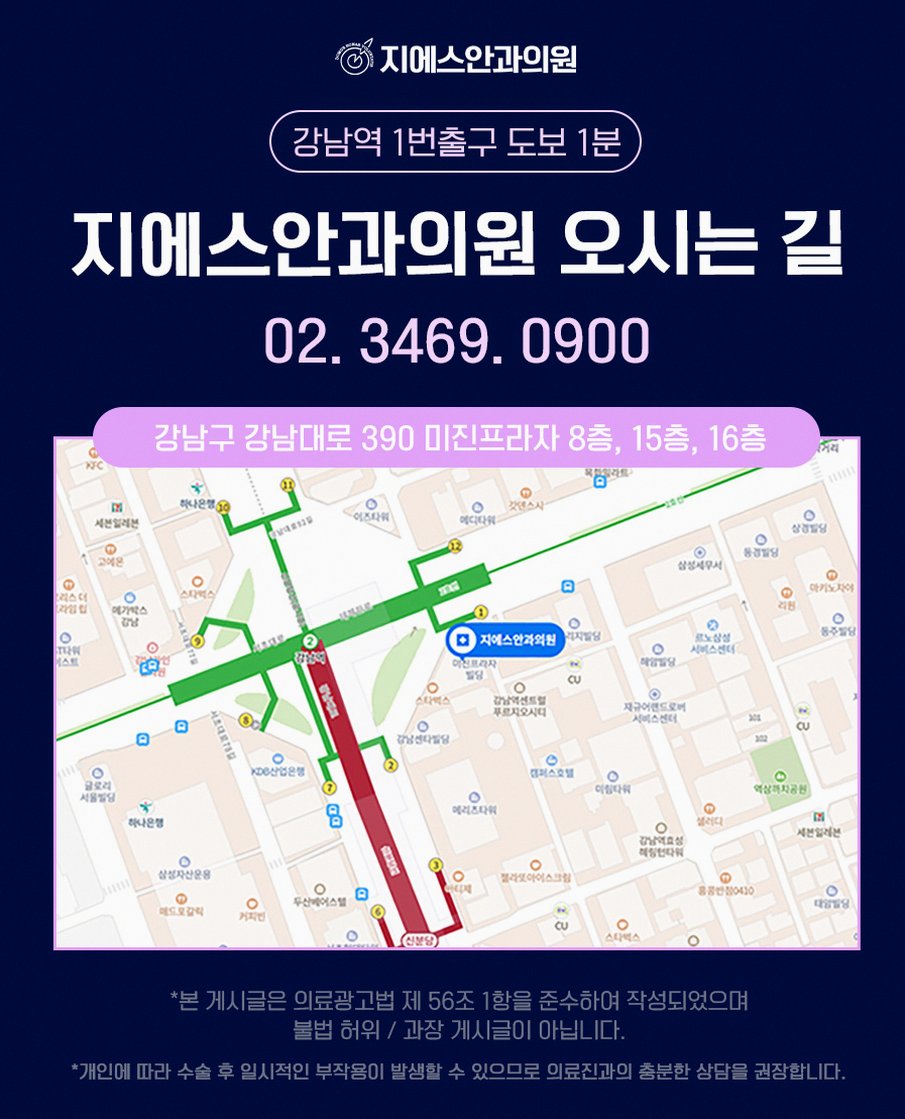
For patients staying around Nonhyeon or Gangnam, there are several ophthalmology clinics that focus on SMILE-type vision correction. One option in this area is GS Eye Center, an ophthalmology clinic near Gangnam Station. The clinic opened in 2005 in the same location and now operates under its current name.
The center performs a high volume of SMILE Pro cases and holds official designations such as SMILE Gold Club membership and SMILE Pro Center status in specific years.
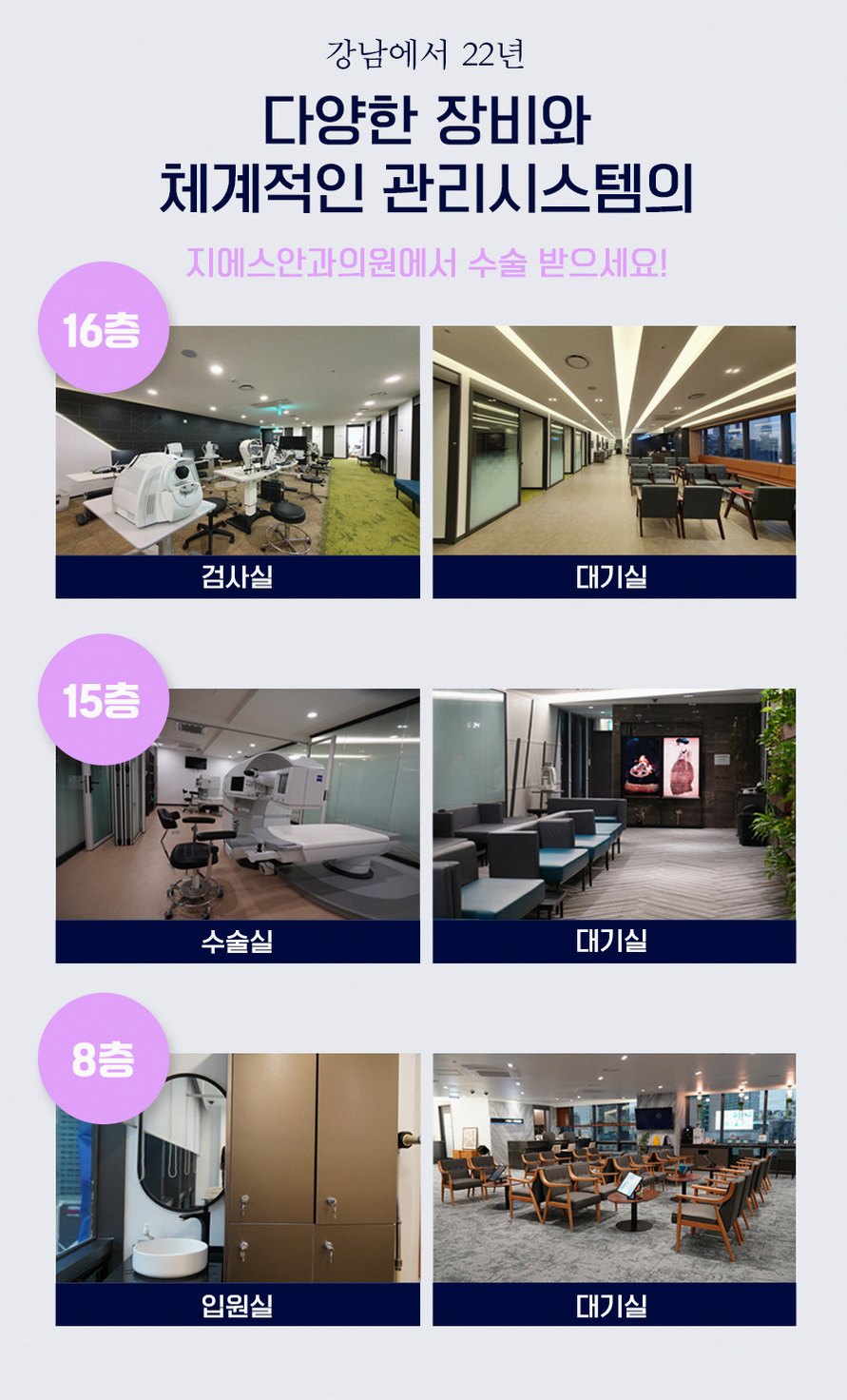
GS Eye Center operates multiple major SMILE-related laser platforms from different manufacturers, including ZEISS VISUMAX models and the ELITA system (e.g., the high‑speed VISUMAX 800 introduced in 2023 alongside earlier VISUMAX 500 units and an ELITA unit). It is designated as a clinical education institution by a medical school and by an Asia‑Pacific clinical education organization, which means it is used as a training site. Even with these credentials, your individual suitability and exact cost can only be decided after a full examination and consultation.
Process overview for overseas patients considering Smart LASIK
If you are visiting Korea from overseas and considering Smart LASIK in the Nonhyeon–Gangnam area, planning your schedule in advance is important.
Step 1: Online or phone reservation
Most ophthalmology clinics in Gangnam offer online inquiry forms or messaging apps where you can request an appointment. For overseas visitors, it is helpful to mention your travel dates, current prescription, and any known eye conditions so the clinic can suggest a suitable schedule.
Step 2: Pre-visit preparation
Before your trip, gather information about your eye history. This may include your latest glasses or contact lens prescription, past eye examination reports, and any records of eye diseases or surgeries. If you wear soft contact lenses, you will usually be asked to stop wearing them for several days before the examination. For rigid or hard lenses, the rest period may be longer. Ask the clinic in advance how many days you should switch to glasses before your exam.
Step 3: Comprehensive eye examination in Seoul
On the day of your examination, plan enough time, as multiple tests are needed. Many clinics schedule the full workup and consultation on the same day. Your pupils may be dilated, which can blur your near vision and make you sensitive to light for several hours, so you may want to avoid driving afterward.
Step 4: One-on-one consultation with an ophthalmologist
After the tests, you will meet an ophthalmologist to review the results. The doctor will explain whether Smart LASIK or SMILE LASIK is suitable for your eyes and may compare it with other options such as LASEK or lens implantation if needed. This is the time to ask detailed questions about safety, expected vision range, possible side effects, and recovery.
Step 5: Cost explanation and written breakdown
Once a procedure is recommended, the clinic staff will explain the total cost, what is included, and the payment options. For overseas patients, it is sensible to request a written breakdown that clearly lists examination fees, surgery fees, medications, and follow up visits. This helps you compare with other clinics and plan your budget.
Step 6: Surgery day and early recovery
If you decide to proceed, surgery is often scheduled within a few days of the examination, depending on your travel plan and the clinic’s schedule. The procedure itself is usually quick, but you should allow time for preparation and rest afterward. Many patients feel discomfort, tearing, or light sensitivity for the first day or two, which then gradually improves.
Expected Korea visit timeline
For international patients, a common schedule is:
Day 1: Arrival in Seoul.
Day 2: Full eye examination and consultation in the Nonhyeon–Gangnam area.
Day 3 or 4: Smart LASIK or SMILE LASIK surgery.
Day 4 or 5: First postoperative check (often day 1 after surgery).
Following days: Additional follow up visits as recommended, such as at one week and one month.
If you cannot stay in Korea for a full month, discuss with the clinic how to coordinate follow up care once you return home. You may need to see an ophthalmologist in your own country with a summary from the Korean clinic.
Aftercare and long-term care
After Smart LASIK, careful aftercare is essential for both safety and visual quality.
Short-term aftercare
Use prescribed eye drops exactly as directed, without skipping doses.
Avoid rubbing your eyes, swimming pools, hot tubs, and dusty or smoky environments for the period advised by your doctor.
Wear protective shields or glasses while sleeping if recommended, especially in the first week.
Limit heavy exercise, contact sports, and activities that risk eye trauma until your ophthalmologist confirms it is safe.
Long-term care
Continue regular eye check-ups even after you return home, particularly if you notice dryness, fluctuating vision, or night glare.
Use lubricating eye drops if you experience dryness, and discuss persistent symptoms with an eye doctor.
Remember that natural aging processes, such as presbyopia (difficulty focusing at near distances), can appear later in life even after successful laser vision correction.
Safety and cost-saving tips
The most reliable way to save money over the long term is to prioritize safety and accuracy now. Complications, regression, or the need for additional procedures can lead to extra costs later.
Be cautious about clinics that:
Guarantee surgery for everyone without emphasizing the importance of preoperative testing.
Promote extremely low prices that include only minimal examinations or follow up.
Avoid clear answers when you ask about risks, alternatives, or enhancement policies.
Instead, consider visiting at least two clinics in the Nonhyeon–Gangnam area. Compare not only the quoted price, but also how thoroughly they examine your eyes, how transparently they explain the cost, and how willing they are to discuss both benefits and risks.
Frequently asked questions about Nonhyeon Smart LASIK cost
What is the usual price range for Smart LASIK in the Nonhyeon–Gangnam area?
Prices vary between clinics, but in general the Nonhyeon–Gangnam area tends to be in the mid-to-high range compared with other regions in Korea. This reflects the concentration of advanced equipment and high-volume refractive centers. Because every clinic structures its fees differently and adjusts them over time, you should treat any number you hear before examination as an estimate only. The final quote can only be confirmed after your eyes are fully evaluated.
Why do some clinics advertise very low Smart LASIK prices?
Low advertised prices often represent a basic package that may not include all necessary tests, premium laser platforms, or long-term follow up. In some cases, enhancement procedures or additional imaging are charged separately. When you see a low price, ask the clinic to list exactly what is included and what might cost extra. Comparing detailed quotations side by side is more accurate than comparing a single headline number.
Is Smart LASIK more expensive than regular LASIK or LASEK?
In many clinics, Smart LASIK or SMILE LASIK is priced slightly higher than conventional LASIK or LASEK because of the cost of the femtosecond laser platform and related maintenance. However, the difference is not always large, and in some centers the prices may be similar depending on current policies. The best procedure for you should be chosen based on safety and suitability rather than price alone.
Can overseas patients complete Smart LASIK during a short trip to Korea?
Yes, many overseas patients schedule examination, surgery, and early follow up within one trip, especially if they stay in Seoul for about one to two weeks. The key is to communicate your travel dates to the clinic in advance and to allow enough time for preoperative testing before surgery. You should also plan for at least one or two follow up visits after the procedure before you fly home, and arrange further check-ups with an ophthalmologist in your home country.
How can I start an online consultation about SMILE or Smart LASIK in Gangnam?
Start by contacting clinics through their online channels. For example, GS Eye Center lists a Naver blog, Instagram (@gs_eyecenter), a YouTube channel, and a KakaoTalk channel. Some clinics may offer English-language inquiry options, but language availability varies; if you need English support, check the clinic’s online profile or ask directly via the chosen channel to confirm.
You can usually send your age, current glasses prescription, any known eye diseases, and your preferred travel dates. A clinic such as GS Eye Center can then advise whether you seem like a potential candidate, what kind of schedule might work, and what to expect in terms of examination and cost structure. Final decisions, however, are always made after an in-person examination.
Soft call to action for online consultation
If you are considering Smart LASIK or SMILE LASIK around Nonhyeon in Gangnam and want a clearer idea of cost and suitability, an online consultation is a practical first step. Prepare your recent prescription and basic medical history, then contact one or two ophthalmology clinics near Nonhyeon or Gangnam Station. Ask for a sample cost breakdown, details of the examination process, and a suggested visit schedule for overseas patients. With this information, you can compare your options calmly and choose a clinic that matches both your budget and your safety expectations.
- 공유 링크 만들기
- X
- 이메일
- 기타 앱


댓글
댓글 쓰기