Post LASIK Care Guide After SMILE LASIK in Gangnam, Seoul
- 공유 링크 만들기
- X
- 이메일
- 기타 앱

Post LASIK care in one glance
If you are planning SMILE LASIK or have just had laser vision correction, careful post LASIK care is just as important as choosing a good surgeon. In the first days and weeks, how you protect and use your eyes can affect comfort, dryness, and the stability of your final vision.
This guide explains a practical, step by step aftercare plan using SMILE LASIK as the main example, because this is a major focus at many modern eye clinics in Gangnam, Seoul such as GS Eye Center. Most of the principles also apply to classic LASIK and other laser procedures, but you must always follow the exact instructions your own surgeon gives you.
We will cover what to expect right after surgery, how to care for your eyes in the first week and first month, long term habits, what to avoid, warning signs, and how an overseas patient can plan a visit to Korea for SMILE LASIK with safe follow up.
Overview of LASIK and SMILE LASIK
LASIK and SMILE LASIK are both laser vision correction surgeries designed to reduce or remove the need for glasses or contact lenses in people with myopia (short sightedness) and astigmatism.
In classic LASIK, the surgeon creates a thin flap on the surface of the cornea, lifts it, reshapes the underlying tissue with an excimer laser, and then replaces the flap. Vision often becomes clear quickly, but the presence of a flap means you must be very careful about rubbing or trauma, especially early on.
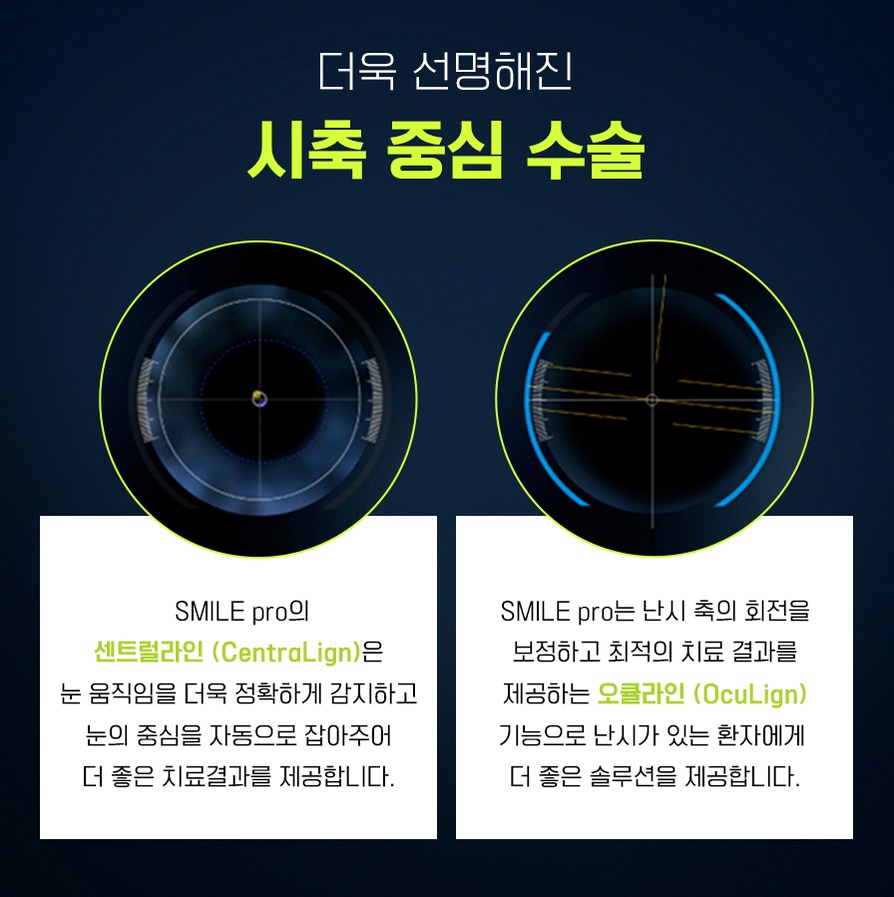
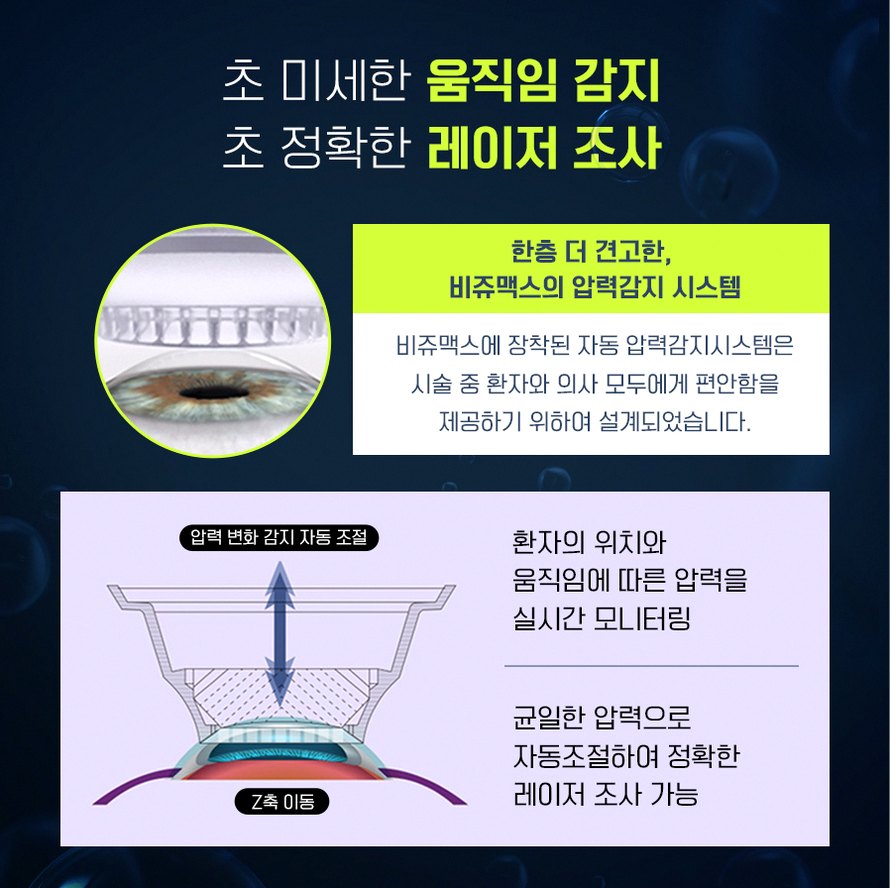
SMILE LASIK is a newer, flapless style of laser vision correction. A femtosecond laser creates a small lens shaped piece of tissue (called a lenticule) inside the cornea through a tiny incision. The surgeon removes this lenticule through the small opening, changing the corneal shape and correcting your vision. Because there is no large flap and only a small incision, SMILE LASIK generally causes less disturbance to corneal nerves and structure, which may help reduce the risk or severity of dry eye in some patients.
This article focuses mainly on post LASIK care using SMILE LASIK as the reference procedure. However, detailed instructions can differ slightly between classic LASIK, SMILE LASIK, SILK, LASEK, and other methods. Always follow the specific guidance from your own ophthalmologist.
Who may consider SMILE LASIK in Korea
Many international patients travel to Gangnam, Seoul for SMILE LASIK because of the concentration of high volume refractive surgery centers and advanced laser platforms.
You may consider SMILE LASIK if you:
Have stable myopia and/or astigmatism for at least one to two years.
Are generally healthy and have no uncontrolled eye disease.
Want to reduce your dependence on glasses or contact lenses.
Are prepared to follow strict post LASIK care instructions during your stay in Korea and after you return home.
Suitability is never guaranteed online. Before any surgery, you need a full eye examination, including corneal thickness and shape, tear film evaluation, and retinal check. Patients with very thin corneas, irregular corneas, severe dry eye, or certain retinal or systemic conditions may be advised to choose a different method or to avoid surgery.
Immediate post LASIK care on the day of surgery
Right after SMILE LASIK or LASIK, patients commonly experience:
Blurry or hazy vision.
Tearing and watery eyes.
A foreign body sensation, as if something is in the eye.
Mild burning or stinging.
Light sensitivity and difficulty keeping the eyes open.
A strong desire to rub the eyes.
These sensations are usually temporary and improve over the first hours to days. However, the way you behave on the day of surgery is critical.
Key care instructions for the first day include:
Keep your eyes closed and rest as much as possible after returning to your accommodation. Many clinics recommend going home, taking your prescribed drops, and then sleeping for several hours.
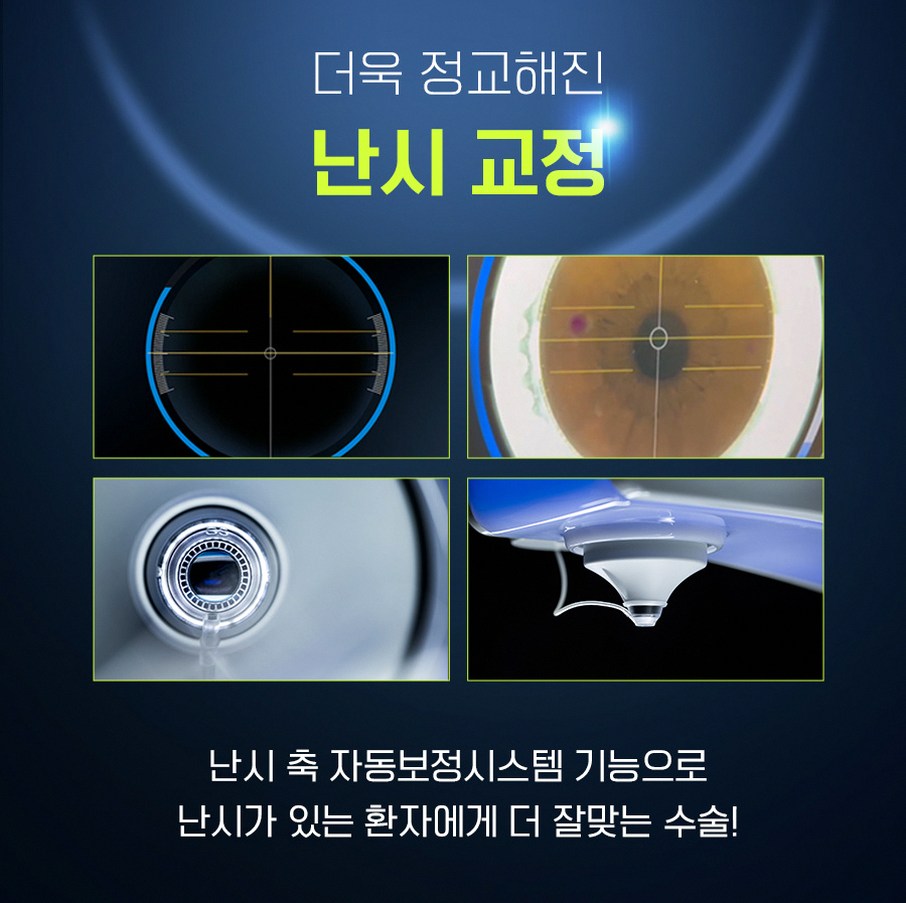
Do not rub, press, or squeeze your eyes. Avoid touching the eyelids as well. For classic LASIK, rubbing can shift the flap. For SMILE LASIK, rubbing can still disturb the incision and healing surface.
Use prescribed antibiotic and anti inflammatory eye drops exactly as directed. Your surgeon will give you a schedule, often with drops to be used several times a day for the first week. Do not skip doses or stop early on your own.
Use preservative free artificial tears if recommended. These help keep the surface smooth and comfortable.
Wear protective eye shields or goggles when sleeping for the first few nights. This helps prevent accidental rubbing while you are asleep.
Avoid driving on the day of surgery. Arrange for a friend, family member, or medical escort to help you return to your hotel or guesthouse.
These rules are important because they support early stability of the corneal flap (for LASIK) or incision (for SMILE LASIK), reduce the risk of infection, and encourage smoother visual recovery.
First week post LASIK care
During the first week after SMILE LASIK, many patients notice rapid improvement in vision within one to two days. However, vision can still fluctuate, and it is common to experience mild dryness, halos, or glare at night. These usually improve gradually.
A practical daily care checklist for the first week:
Continue antibiotic and steroid drops exactly as prescribed. Do not stop them early just because your eyes feel better. These drops help prevent infection and control inflammation.
Use artificial tears regularly. Even if your eyes do not feel very dry, frequent lubrication supports the healing surface and can reduce discomfort.
Avoid eye rubbing. If itching or discomfort becomes strong, contact the clinic instead of touching your eyes. They may adjust your drops or check for dry eye or other issues.
Keep tap water, shampoo, and soap away from your eyes. You can shower, but avoid face down showering and do not let water stream directly into your eyes. Gently clean around the eyes with a damp cloth if needed, keeping your eyelids closed.
Do not use eye makeup such as mascara, eyeliner, or eye shadow for at least one week, or longer if your surgeon advises. When you restart, use new, clean products to reduce infection risk.
Avoid dusty, smoky, or heavily polluted environments as much as possible. If you must be in such places, wear protective glasses.
Limit screen time on smartphones, computers, and tablets. Follow the 20 20 20 rule: every 20 minutes, look at something 20 feet away for at least 20 seconds. This helps reduce eye strain and encourages blinking.
Attend all scheduled follow up visits. Many clinics in Seoul arrange a next day check and a one week check. These visits allow your ophthalmologist to monitor corneal healing, refraction, and early complications.
One month and medium term post LASIK care
Between one week and one month after SMILE LASIK, most patients find that their vision becomes more stable, though fine changes can continue for several months. Dry eye symptoms often peak in the first month and then gradually improve.
Care recommendations for this period include:
Continue artificial tears as needed. Some people need them only occasionally, while others may use them several times a day for a few months.
Avoid swimming pools, hot tubs, and saunas for at least two to four weeks, or as your surgeon advises. These environments can increase the risk of infection and irritation.
Avoid intense eye strain and very heavy exercise in the early weeks. Light exercise such as walking is usually fine, but high impact sports, weight lifting with straining, and contact sports should be delayed until your doctor confirms it is safe.
Wear sunglasses outdoors. Quality sunglasses reduce ultraviolet (UV) exposure and help with light sensitivity while your eyes are still healing.
Resume driving only after your ophthalmologist confirms that your vision meets safety standards and feels stable in both eyes. For international patients, this may mean planning enough days in Korea for at least one or two follow up checks before long journeys.
SMILE LASIK, because it uses a small incision and preserves more of the corneal surface, may allow relatively faster comfort and potentially lower dry eye risk than traditional LASIK. However, the same careful aftercare rules still apply.
Long term post LASIK habits
Post LASIK care does not end after the first month. Long term eye health and vision comfort depend on your daily habits.
Maintain regular eye examinations. Even if your vision seems perfect, periodic checks allow your ophthalmologist to monitor the cornea, retina, and overall eye health.
Use healthy screen habits. Take frequent breaks, adjust lighting to avoid glare, and remember to blink fully. Many people unconsciously blink less when using digital devices, which can worsen dryness.
Manage dry eye if it persists. Some patients continue to have intermittent dryness for months or longer. Regular preservative free artificial tears, warm compresses, and eyelid hygiene can help. In more significant cases, your doctor may recommend additional dry eye treatments.
Protect your eyes from UV light with good quality sunglasses when outdoors, especially in strong sunlight or at high altitude.
Understand that vision correction surgery does not stop natural aging. Conditions such as presbyopia (difficulty focusing up close) and cataracts can still develop later in life and may require separate treatment.
What to avoid after LASIK and SMILE LASIK
To support safe healing and stable vision, it is helpful to think in terms of what to avoid and for how long. Exact timing is individualized, but the following general guidelines are common:
Rubbing or pressing the eyes: strictly avoid, especially in the first month. Even after that, try to avoid strong rubbing as a long term habit.
Swimming in pools, sea, lakes, and hot tubs: usually avoid for two to four weeks. Natural water and pool water both carry microorganisms that can cause infection.
Eye makeup: avoid for at least one week. When you restart, use new mascara and eyeliners and remove makeup gently without pulling on the eyelids.
Heavy exercise, contact sports, and martial arts: avoid for several weeks. When you return, consider protective eyewear, especially for sports with risk of impact.
Sauna and steam rooms: avoid in the early healing period, as heat and humidity can irritate the eyes and increase infection risk.
Excessive alcohol and smoking: both can worsen dryness and may slow healing. Minimizing or avoiding them is helpful, especially in the first weeks.
These precautions help reduce infection risk, prevent mechanical trauma to the cornea, and support stable visual outcomes.
Warning signs and when to contact an eye clinic
Most patients recover smoothly after SMILE LASIK or LASIK, but it is important to know which symptoms require prompt medical attention.
Contact an eye clinic urgently if you notice:
Sudden decrease in vision or new blurring after an initial period of improvement.
Severe or increasing eye pain that is not relieved by the recommended pain medication or artificial tears.
Marked redness, swelling, or discharge from the eye, especially if it is worsening.
Very strong light sensitivity with pain, or the feeling that something has shifted in the eye, which may suggest a flap issue in classic LASIK.

New floaters, flashes of light, or a curtain like shadow in your field of vision, which may indicate a retinal problem.
Do not self medicate with over the counter eye drops without consulting an ophthalmologist, especially in the early post operative period. If you are an international patient who has already returned home, contact the clinic where you had surgery and also seek urgent evaluation at a local ophthalmology clinic or emergency department.
Dry eye management after SMILE LASIK and LASIK
Dry eye is one of the most common temporary side effects after laser vision correction. It occurs because the corneal nerves that help regulate tear production and blinking can be disrupted by surgery. Modern lifestyles with heavy screen use can make this worse.
Typical management includes:
Regular use of preservative free artificial tears to lubricate the eyes and reduce burning or foreign body sensation.
Warm compresses and eyelid hygiene if you have meibomian gland dysfunction, a condition where the oil glands in the eyelids do not work properly. Improving the oil layer of the tears can reduce evaporation.
Additional treatments in a dedicated dry eye clinic if symptoms are significant, such as special eye drops, in office procedures, or temporary plugs in the tear drainage ducts.
SMILE type procedures may preserve more corneal nerves than traditional LASIK, which can help reduce the severity of dry eye for some patients. However, individual responses vary widely. Some patients have almost no dryness, while others need ongoing management.
Follow up schedule and examinations
Each clinic has its own follow up schedule, but a common pattern after SMILE LASIK or LASIK is:
Day 1: check the corneal surface, incision or flap status, early signs of infection, and initial vision. Your drops schedule may be reviewed.
1 week: confirm healing progress, evaluate dryness, and adjust the drop regimen if needed.
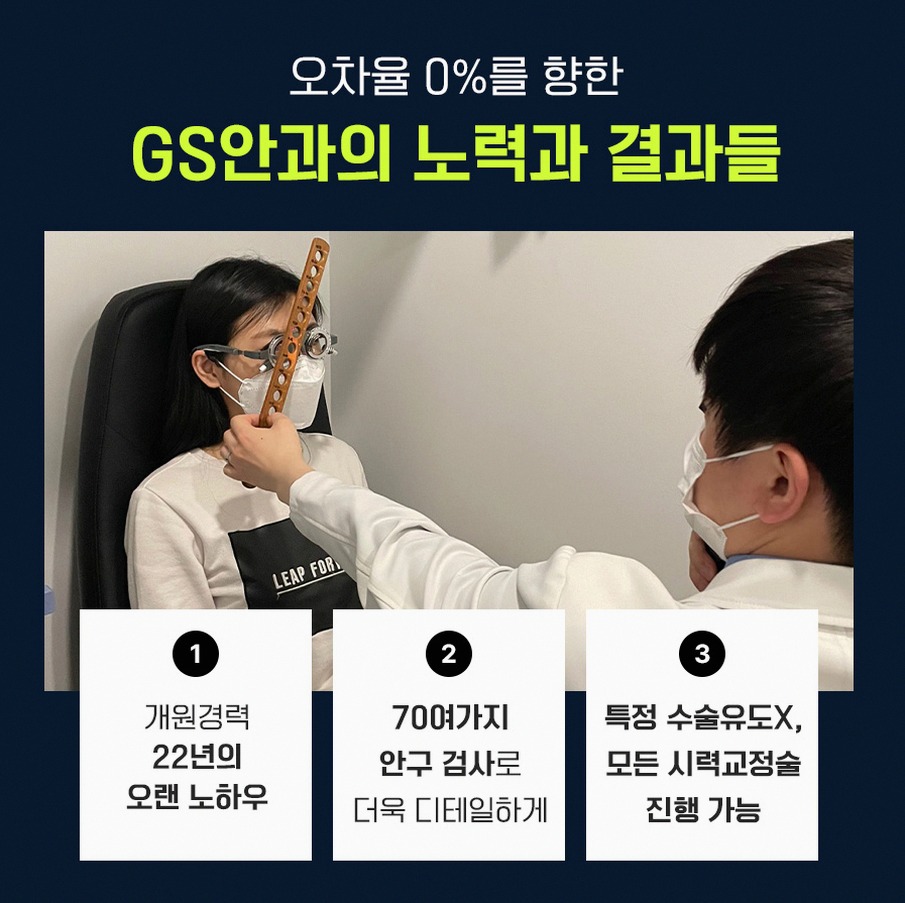
1 month: assess visual stability, dry eye status, and refraction. Many patients are cleared for more activities at this point.
3 to 6 months: long term stability check. Any residual refractive error, visual symptoms, or persistent dryness can be discussed.
Some ophthalmology clinics in Gangnam, including GS Eye Center, operate a separate retina center with retina trained ophthalmologists. This can be particularly relevant for patients with high myopia or pre existing retinal issues, both before and after vision correction surgery.
Planning a SMILE LASIK trip to Korea
For overseas patients, planning the timing of your visit is an important part of safe post LASIK care.
A common visit timeline might look like this:
Pre visit online consultation: share your glasses or contact lens prescription, basic medical history, and any previous eye test results. The clinic can give you a preliminary opinion on suitability and suggest how many days you should stay in Seoul.
Arrival in Korea: schedule a full pre operative examination, ideally one or two days after arrival. This allows time for your eyes to recover from contact lens wear if needed.
Surgery day: many clinics perform SMILE LASIK on the same day as the full examination or the following day, depending on your schedule and test results.
Early follow up: plan to stay in Korea at least three to five days after surgery to attend the day 1 and, if possible, the 1 week check. Some patients extend their stay to attend both.
Return home: once your surgeon confirms that healing is stable, you can fly home. Use lubricating drops during the flight, avoid rubbing your eyes, and follow all instructions for long distance travel.
After you return, continue regular eye checks with a local ophthalmologist. Many clinics will provide a written summary of your surgery and early follow up to share with your doctor at home.
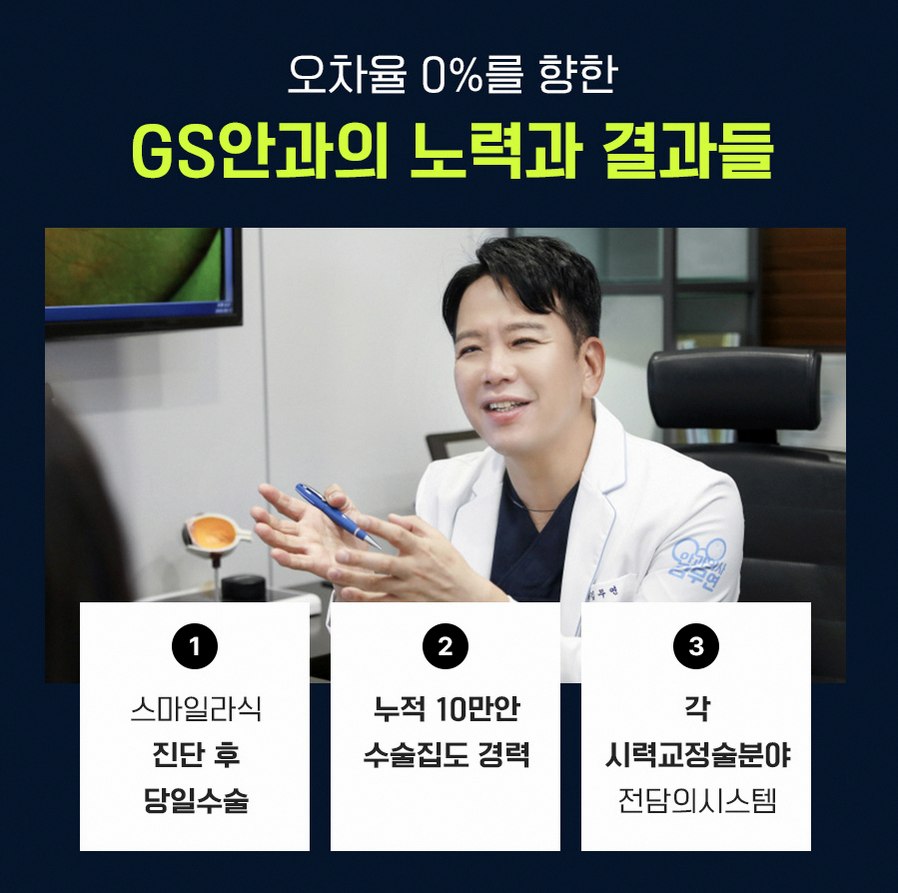
How GS Eye Center positions its care
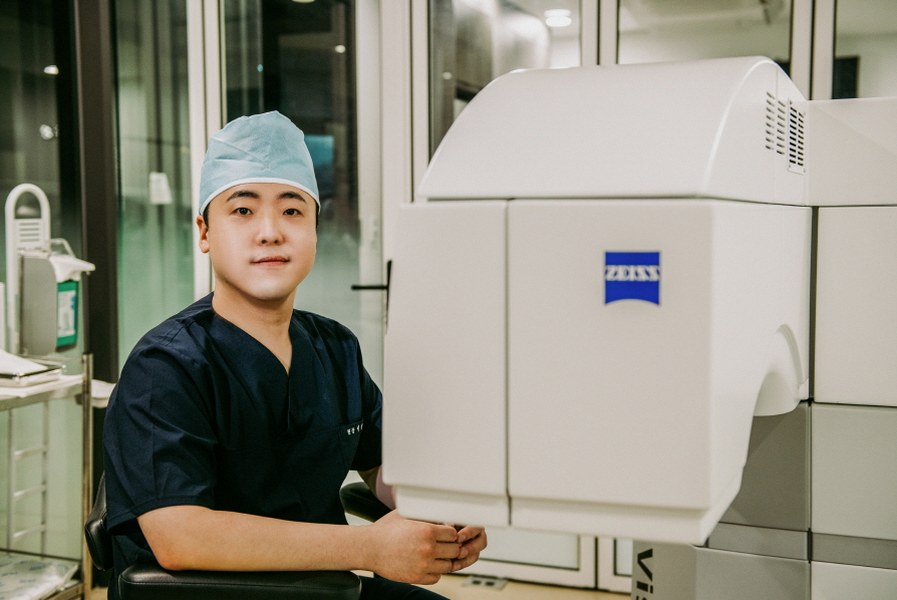
GS Eye Center is an ophthalmology clinic in Gangnam, Seoul with a dedicated focus on vision correction and SMILE type procedures. The clinic opened in 2005 and has remained in the same Gangnam location, building large cumulative experience in refractive and cataract surgery.
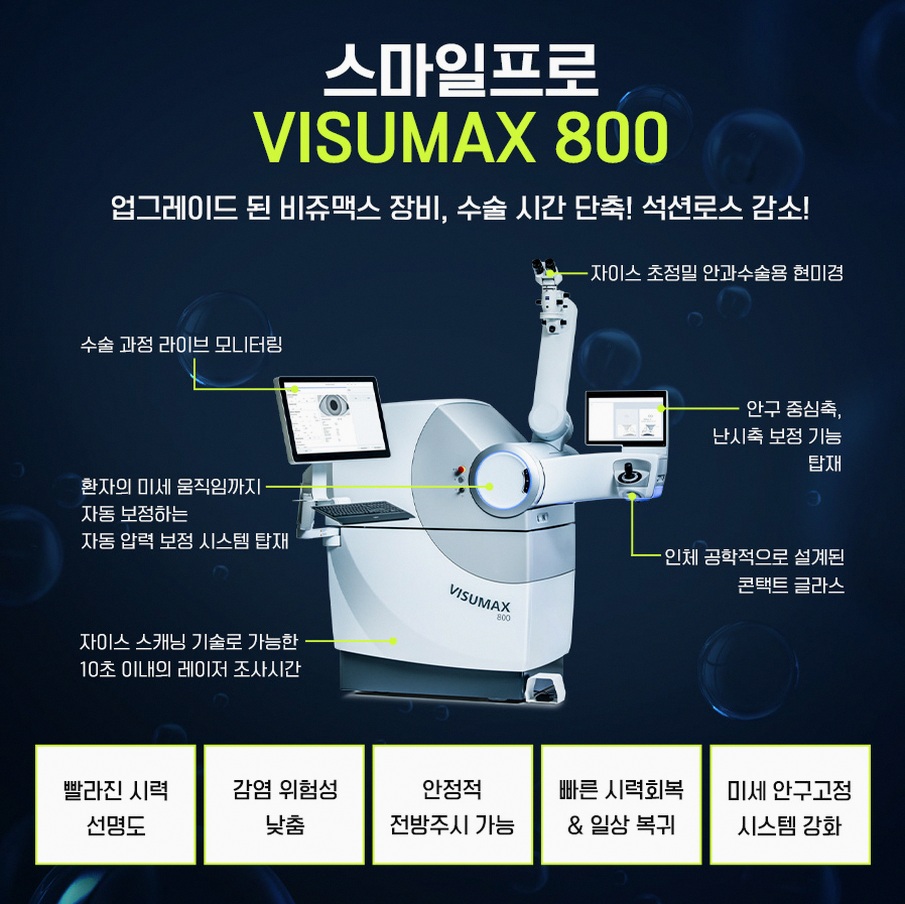
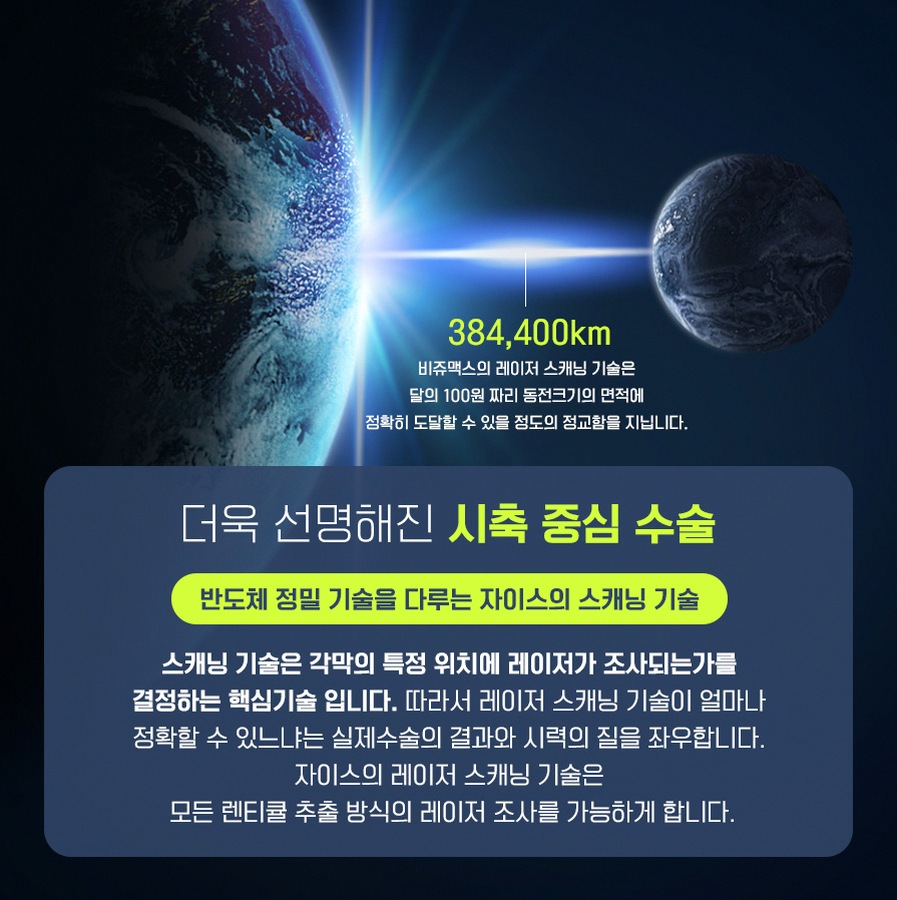
Its team includes seven board-certified ophthalmologists, including subspecialists in retina and refractive surgery. Cumulatively the clinic has performed 300,000 eyes (2023, clinic data) in vision correction and cataract procedures and has been recognized as a training and clinical education site by medical schools and industry partners. It is designated as a SMILE pro center and SILK training center, and it holds three major SMILE-related laser platforms: VISUMAX 500 and VISUMAX 800 (ZEISS) and ELITA (Johnson & Johnson). The VISUMAX 800, introduced in 2023, can complete the laser application in about 9 seconds.
For post LASIK care, this background translates into structured pre operative evaluation, individualized surgical planning, and standardized post operative follow up protocols. While experienced surgeons and advanced equipment help reduce complications, your own careful adherence to aftercare instructions remains essential for the best possible outcome.
Online consultation and pre visit preparation
Before you travel to Seoul, it is helpful to prepare for an online or remote consultation.
You can gather the following information:
Your current glasses or contact lens prescription, including cylinder and axis for astigmatism.
Any previous eye examination reports, especially corneal topography, pachymetry (corneal thickness), and retinal evaluations if available.
A list of your general medical conditions and medications, including any history of autoimmune disease, diabetes, or eye surgery.
Information about your typical work and lifestyle, such as heavy screen use, night driving, or sports, which may influence the choice of procedure and aftercare advice.
During the consultation, consider asking:
Which procedure is recommended for your eyes and why.
How many days you should plan to stay in Korea for safe follow up.
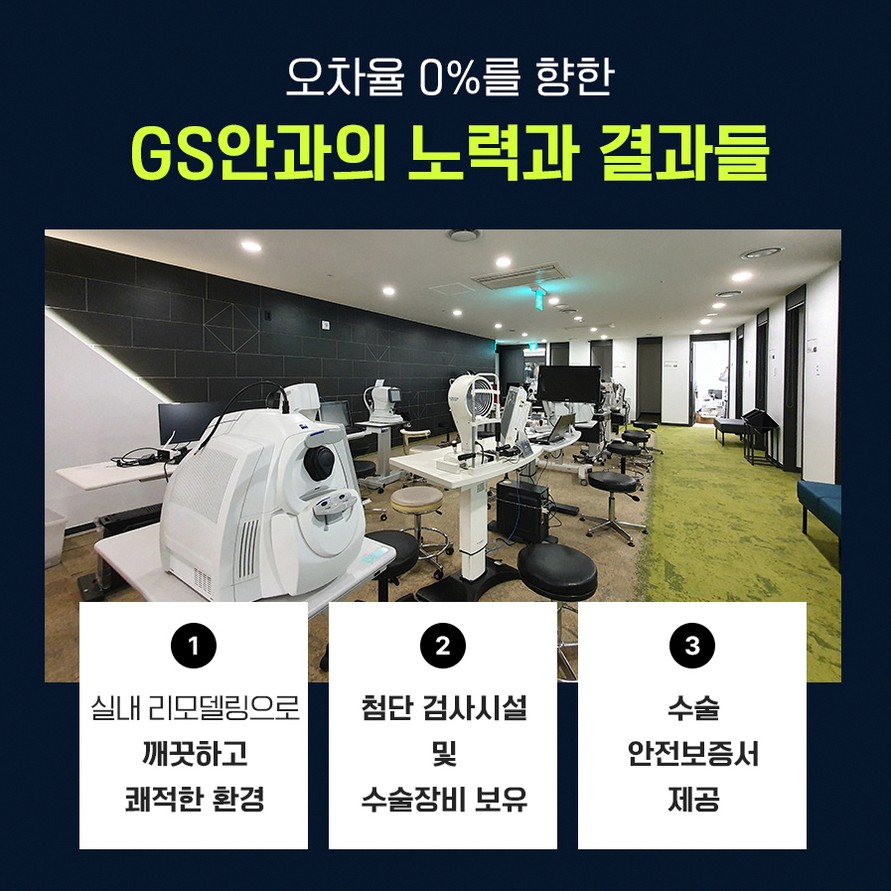
What the clinic’s standard post LASIK care schedule and communication process is after you return home.
How they coordinate with local ophthalmologists in your country if you need later checks.
A soft call to action for international patients
If you are considering SMILE LASIK in Gangnam, Seoul and want clear guidance on post LASIK care, an online consultation can be a good first step. You can discuss your suitability, trip planning, and aftercare expectations before you book flights or accommodation.
Clinics such as GS Eye Center are accustomed to caring for overseas patients and can help you design a schedule that includes both surgery and essential follow up visits. Wherever you choose to have your procedure, remember that your own daily care after surgery plays a major role in long term comfort and vision stability.
Frequently asked questions
How long does it take to see clearly after SMILE LASIK?
Many patients notice significantly clearer vision within 24 hours after SMILE LASIK, and they can often perform light daily activities soon after. However, vision can fluctuate for several weeks, especially in low light or when you are tired. Final stabilization may take three to six months, and this timeline can vary between individuals.
Is post LASIK care different for SMILE LASIK compared with classic LASIK?
The core principles are similar: avoid rubbing, use prescribed drops, protect the eyes, and attend follow up visits. With SMILE LASIK, there is no large flap, which may reduce some flap related restrictions, but the small incision and corneal surface still need protection. Your surgeon may allow certain activities slightly earlier with SMILE LASIK, but you should always follow the specific instructions given to you.
When can I wash my face and hair normally after surgery?
After about one week, most patients can wash their face and hair more normally, but still avoid strong rubbing around the eyes. Your doctor will advise you based on your healing.
When can I return to work or school after SMILE LASIK?
However, if your work involves heavy screen use, it is important to take frequent breaks and use artificial tears. For physically intense jobs or outdoor work, your surgeon may recommend a longer rest period and protective eyewear.
How long do I need to use eye drops after LASIK?
Lubricating artificial tears may be used for several weeks to several months, depending on your dryness level. Your ophthalmologist will adjust the schedule during follow up visits.
What if I accidentally rubbed my eye after surgery?
If you lightly touch or briefly rub near your eye without pain or vision change, it is often not serious, especially with SMILE LASIK. However, if you rub strongly or feel sudden pain, notice a drop in vision, or see increased redness, you should contact your clinic immediately and arrange an examination. It is always safer to be checked.
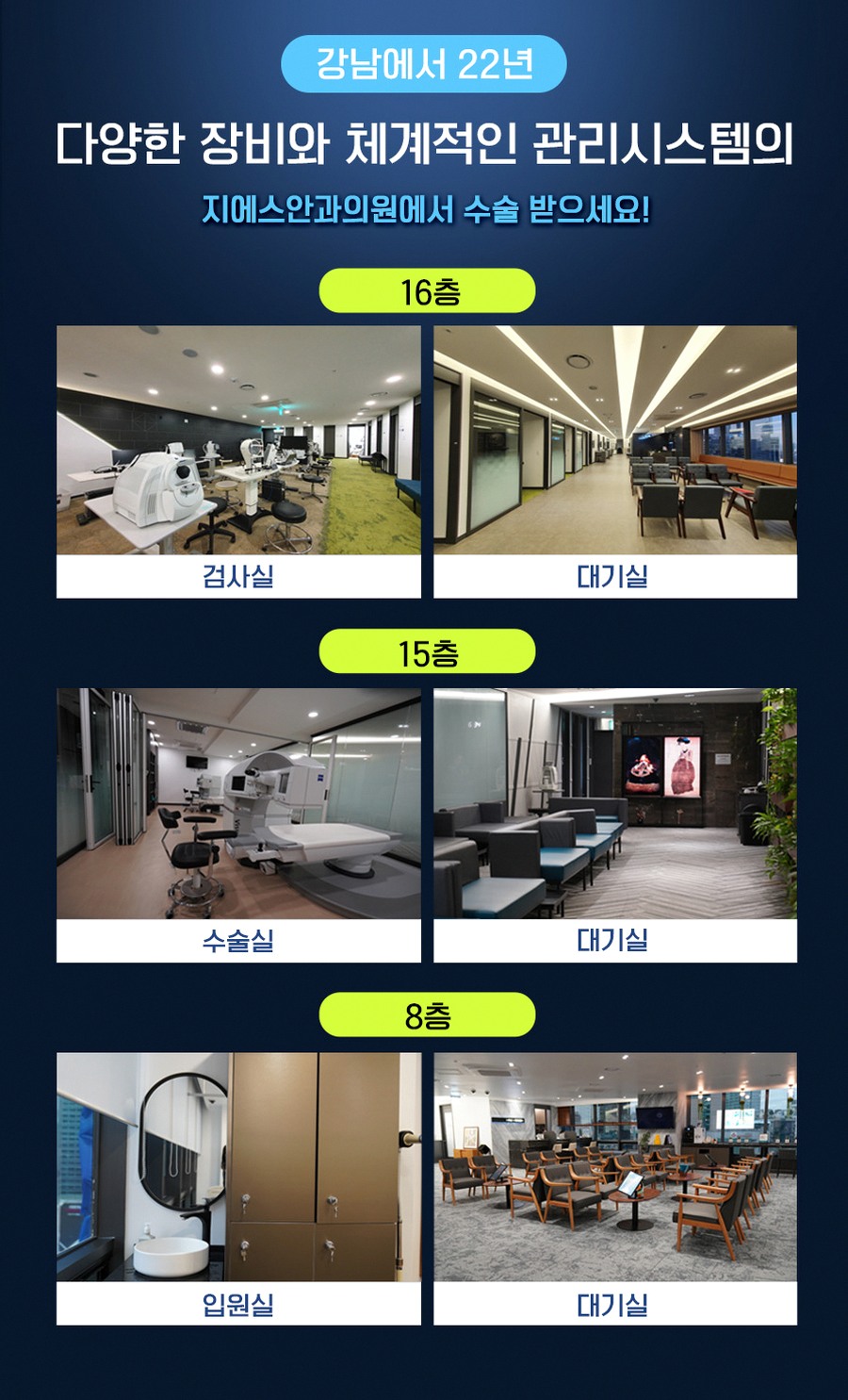
Can I exercise or go to the gym after SMILE LASIK? From when?
Light exercise such as walking can usually be resumed within a few days. For gym workouts without heavy straining, many doctors allow a gradual return after one to two weeks. High impact sports, contact sports, and swimming should be delayed for several weeks. Your surgeon will give you a personalized timeline based on your eyes and your usual activities.
How long will my eyes feel dry after LASIK, and what can I do about it?
Regular preservative free artificial tears, good blinking habits, warm compresses, and eyelid hygiene can all help. If dryness remains bothersome, a dry eye clinic can offer additional treatments.
Do I still need regular eye examinations after vision correction surgery?
Yes. Even if your vision is clear and comfortable, regular eye examinations are important. They allow early detection of issues such as glaucoma, retinal problems, or age related changes. Your doctor can also monitor the long term stability of your cornea and refraction.
This article is for general information only and does not replace a personal consultation or examination by a qualified ophthalmologist. Individual situations vary, and all decisions about surgery and post operative care should be made in direct discussion with your eye doctor.
- 공유 링크 만들기
- X
- 이메일
- 기타 앱


댓글
댓글 쓰기