Quick-Recovery SMILE for Busy Commuters
- 공유 링크 만들기
- X
- 이메일
- 기타 앱

Direct answer summary
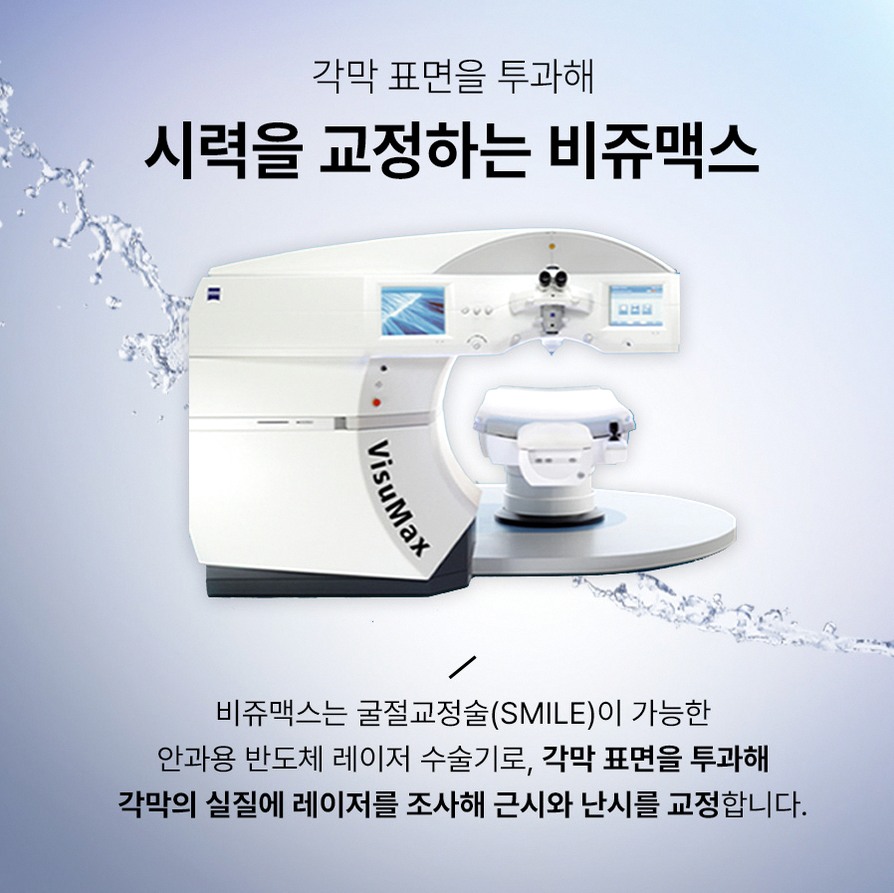
If you are searching for Sinsa Station SMILE LASIK, you are likely looking for a minimally invasive way to reduce dependence on glasses or contact lenses without a long recovery period. SMILE uses a femtosecond laser to reshape the cornea through a tiny incision; for example, GS Eye Center operates ZEISS VISUMAX systems (one VISUMAX 800 and two VISUMAX 500 units).
What is SMILE LASIK?
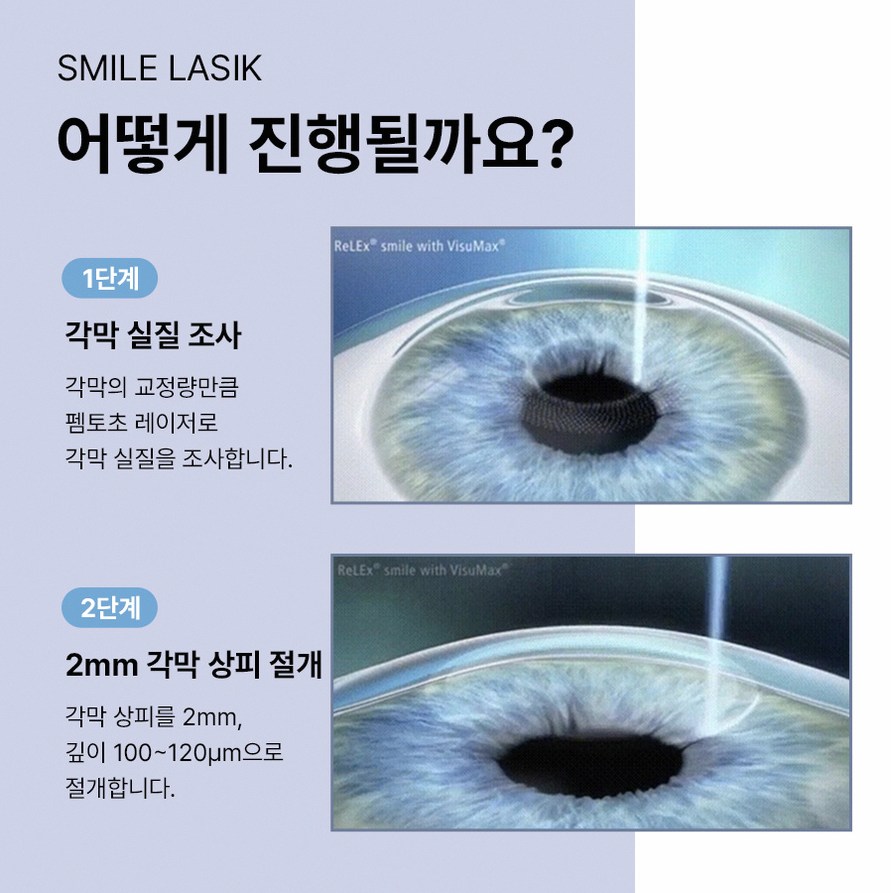
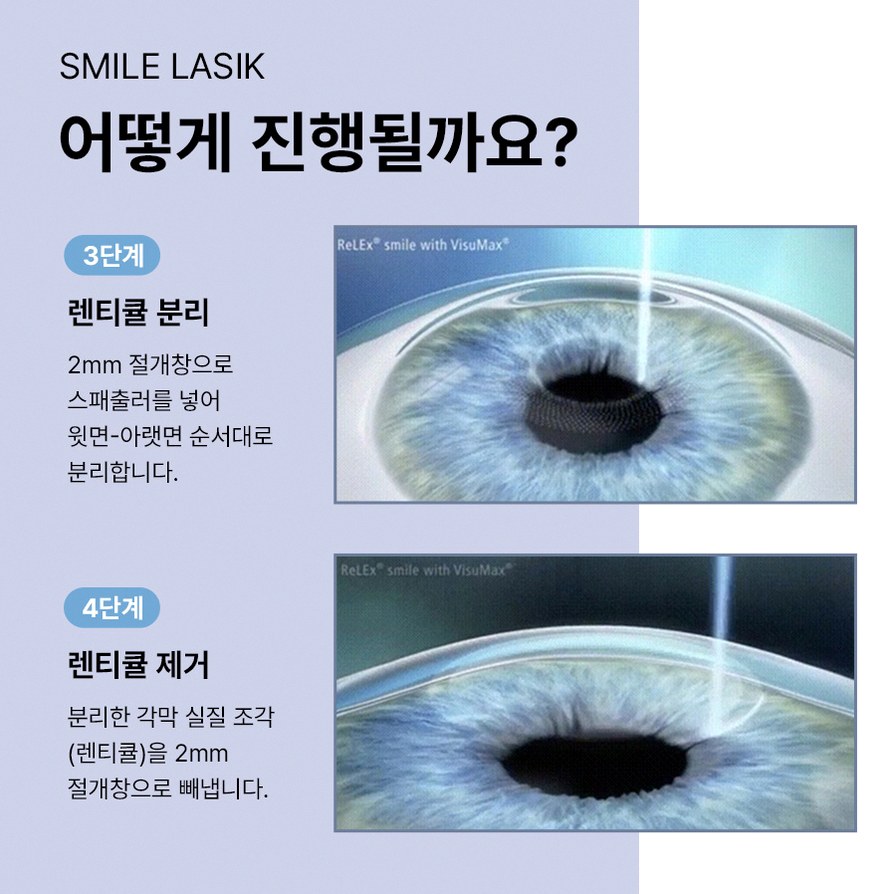
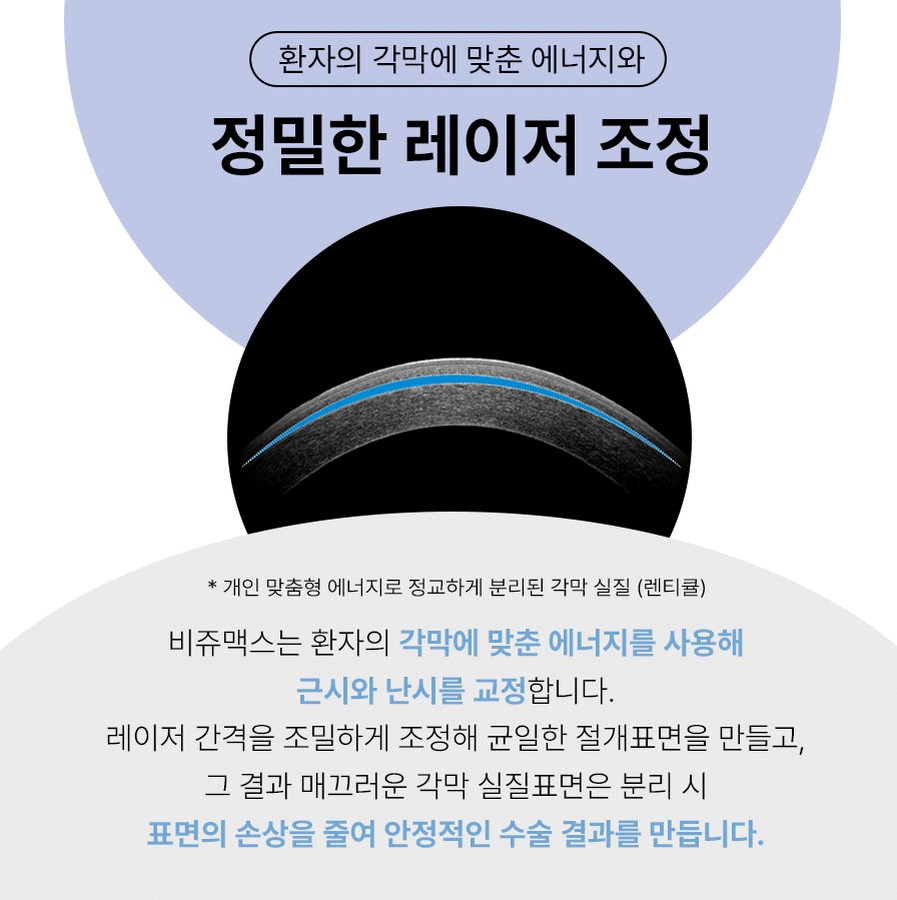
SMILE LASIK is a type of laser vision correction that uses a femtosecond laser to create a very thin, lens-shaped piece of tissue (called a lenticule) inside the cornea. Through a tiny side opening only a few millimeters wide, the surgeon removes this lenticule. Once it is removed, the cornea changes shape, which adjusts how light focuses on the retina and can reduce myopia and astigmatism.
Unlike traditional LASIK, SMILE LASIK does not require creating a large corneal flap. Instead of lifting a wide flap on the surface, the laser works inside the cornea through a small incision. Compared with surface procedures such as LASEK, SMILE LASIK does not remove the outer layer over a wide area, which often means faster surface recovery and less discomfort for many patients.
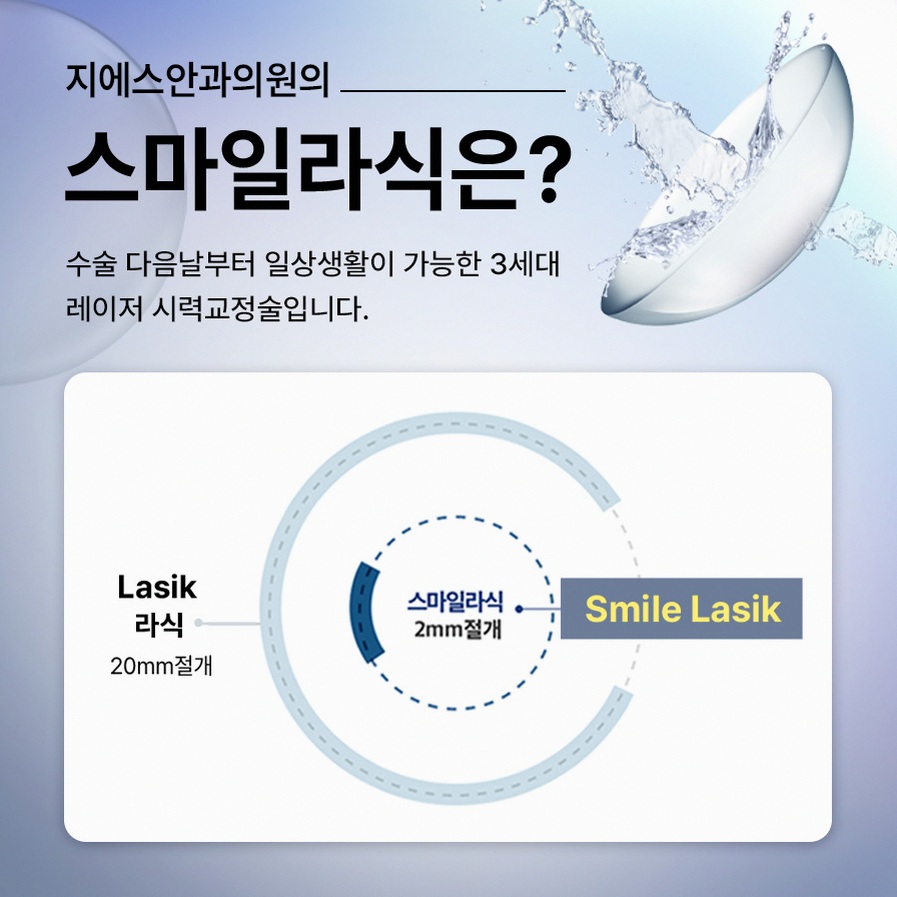
Because the incision is small and there is no broad flap, SMILE LASIK is often described as minimally invasive. Many patients report less foreign-body sensation on the surface of the eye and potentially less dryness in the early period, although individual experiences vary.
Who may consider SMILE LASIK near Sinsa Station
SMILE LASIK is generally considered for adults with myopia and astigmatism within a certain range. In most cases, candidates:
Have a stable glasses or contact lens prescription for at least one to two years
Have sufficient corneal thickness to allow safe reshaping
Do not have significant corneal disease or scarring
Have overall healthy eyes, including the retina and optic nerve
If you commute through Sinsa Station or Gangnam Station and are tired of glasses fogging up, contact lens dryness, or the inconvenience of lenses during long workdays, SMILE LASIK may be one option to discuss. However, not everyone searching for Sinsa Station SMILE LASIK will turn out to be suitable.
Some people are better candidates for other procedures, such as LASEK or lens implantation, depending on corneal thickness, prescription level, or the shape of the cornea. A full diagnostic workup is essential before deciding.
Why a thorough eye examination is essential
Before any decision about SMILE LASIK, a detailed examination is required. For international patients planning a trip to Seoul, this is usually done on a separate day before surgery or, in some cases, the day before if the schedule allows.
A typical preoperative examination includes:
Refraction and vision testing
Measurement of current glasses or contact lens prescription, and checking how stable it has been.
Corneal shape and thickness evaluation
Corneal topography and tomography to map the surface and deeper layers of the cornea, and pachymetry to measure thickness. These tests help detect conditions such as keratoconus or irregular astigmatism that may make SMILE LASIK unsafe.
Pupil size and tear film assessment
Measurement of pupil size under different lighting and evaluation of the tear film. This helps in planning the procedure and in discussing the risk of night vision symptoms or dry eye after surgery.
Retinal and optic nerve check
A dilated fundus examination or retinal imaging to look for weak spots, tears, or other retinal conditions, and to assess the optic nerve. This is important because vision correction surgery changes the cornea, not the retina, so underlying retinal issues still need attention.
Some centers, including GS Eye Center, serve as designated clinical education sites. GS Eye Center, for example, is designated as a clinical education institution for medical schools (Catholic University clinical education designation) and as a BIOTECH Asia-Pacific clinical education center. This often means structured protocols for examinations and decision-making, with standardized steps and documentation. For overseas patients, this can be reassuring because the same systematic approach is applied to every case, not only to local residents.
Step-by-step SMILE LASIK procedure and equipment
On the day of SMILE LASIK, the process is usually streamlined and does not require general anesthesia.
Before the procedure
Final checks are performed, including confirmation of your prescription, corneal measurements, and any last questions about the consent form. You will receive anesthetic eye drops to numb the surface so that you do not feel sharp pain. Some clinics may offer mild oral medication to help you relax.
Laser step with ZEISS VisuMax platforms
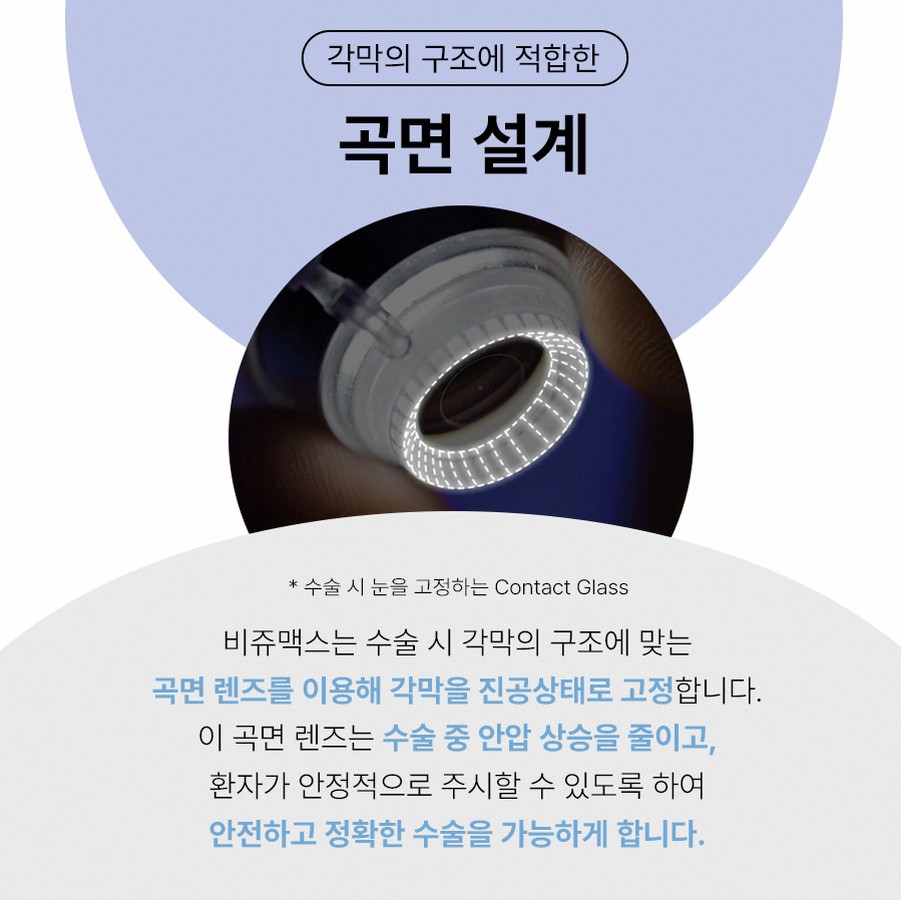
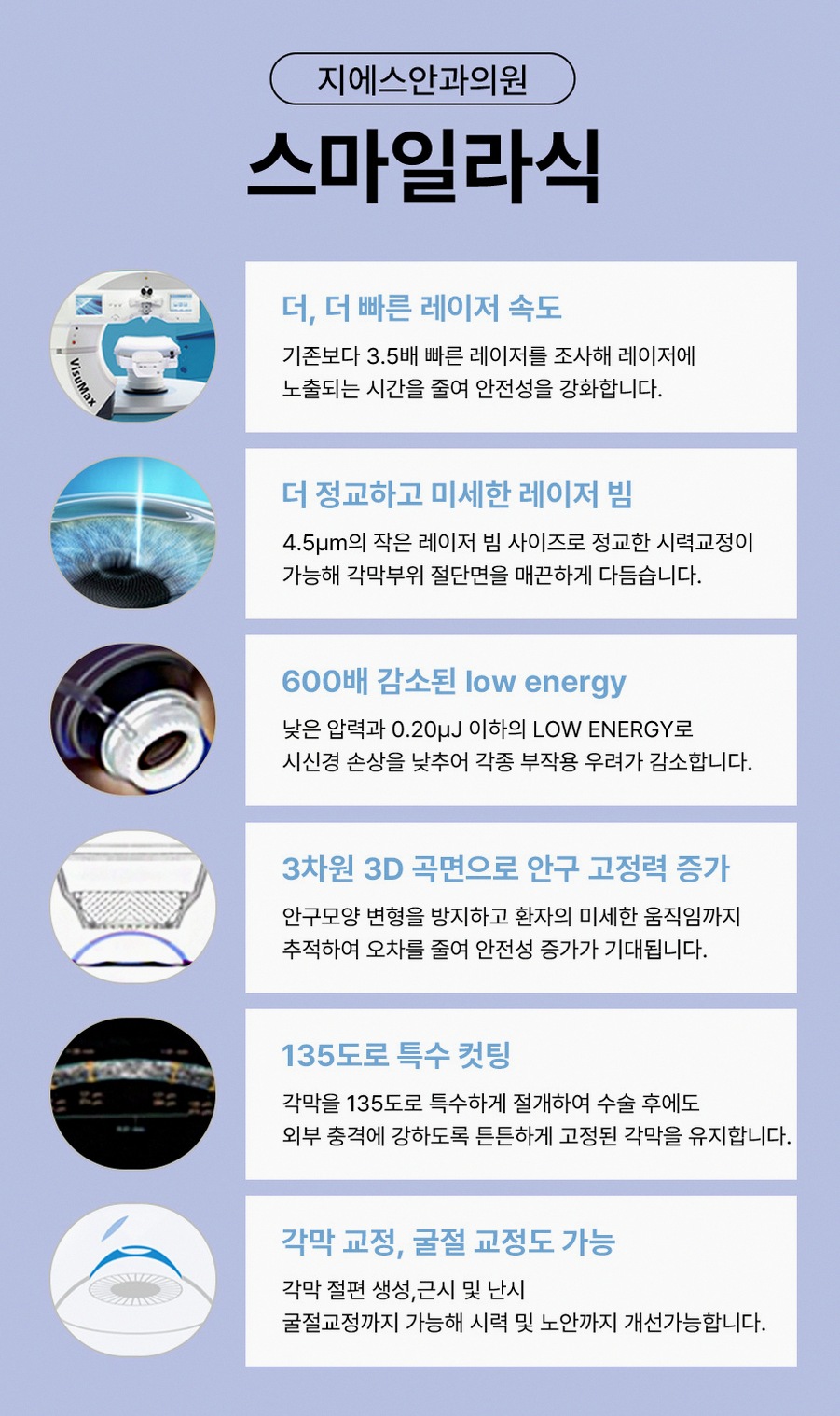
GS Eye Center operates ZEISS VISUMAX systems (one VISUMAX 800 and two VISUMAX 500 units). A key differentiator for some locations is having multiple platforms:
VisuMax 800 is a newer-generation laser used mainly for SMILE pro. It is designed to perform the laser portion in under about 9 seconds per eye in many cases, which can help reduce the time you need to stay focused.
VisuMax 500 is used for SMILE LASIK and has been widely used worldwide for years. Some clinics operate two VisuMax 500 units side by side, which allows more flexible scheduling and can reduce waiting time for patients.
During the laser step, the system creates the lenticule and the tiny side incision in a single sequence. You will be asked to look at a target light while the laser works. Most patients feel pressure rather than pain and notice that their vision becomes temporarily dim or blurry for a few seconds.
Lenticule removal
After the laser finishes, the surgeon gently separates and removes the lenticule through the micro-incision. This step reshapes the cornea according to your treatment plan. Because there is no large flap to lift and reposition, the surface remains relatively stable.
Immediate post-op and rest
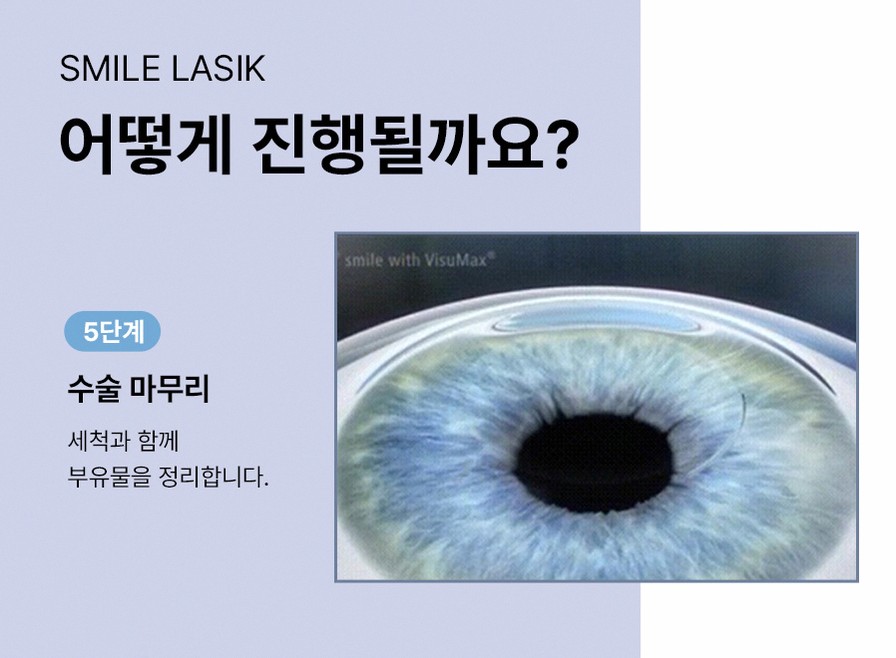
Once both eyes are completed, you rest in a recovery area with your eyes closed for a short time. A quick post-op check is done to confirm that the cornea looks as expected and that the incision is clear. You usually receive protective shields or glasses and instructions on how to use your eye drops.
Most patients can leave the clinic on the same day, accompanied by a friend or family member. You should not plan to drive yourself immediately after surgery.
Recovery timeline and aftercare
Functional recovery after SMILE LASIK is often rapid, but the exact timeline varies.
First 24 to 48 hours
Many people notice improved functional vision within the first one to two days. Mild discomfort, tearing, or a gritty sensation are common in the first several hours. Light sensitivity and slight blurring may be present, so planning a quiet day with minimal screen use is helpful.
First week
Vision usually stabilizes enough to return to office work or studies within a few days, depending on your job demands and your doctor’s advice. You will use prescribed eye drops regularly to control inflammation and reduce infection risk. It is important to avoid rubbing your eyes, even if they feel itchy.
For at least one to two weeks, you are usually advised to:
Avoid swimming pools, hot tubs, and saunas
Avoid heavy eye makeup or eyeliner
Avoid dusty or smoky environments as much as possible
Use sunglasses outdoors to reduce light sensitivity
First month and beyond
Over several weeks, vision continues to fine-tune, and temporary symptoms such as halos, glare at night, or slight fluctuations usually improve. Dryness can come and go, especially with heavy screen use. Artificial tears are often recommended.
Follow-up visits are important to confirm that healing is on track and that there are no signs of inflammation or other issues. For international patients, clinics often arrange an early follow-up schedule that fits your travel dates, and then recommend later checks with an eye specialist in your home country.
Safety, risks, and realistic expectations
SMILE LASIK is a well-established procedure, but it is still surgery. It is important to understand both the benefits and the potential risks.
Commonly discussed risks include:
Under-correction or over-correction, sometimes requiring enhancement or glasses for certain tasks
Dry eye symptoms, especially in the early months
Night vision issues such as halos, glare, or starbursts, particularly in low light
Rare complications related to corneal healing or infection
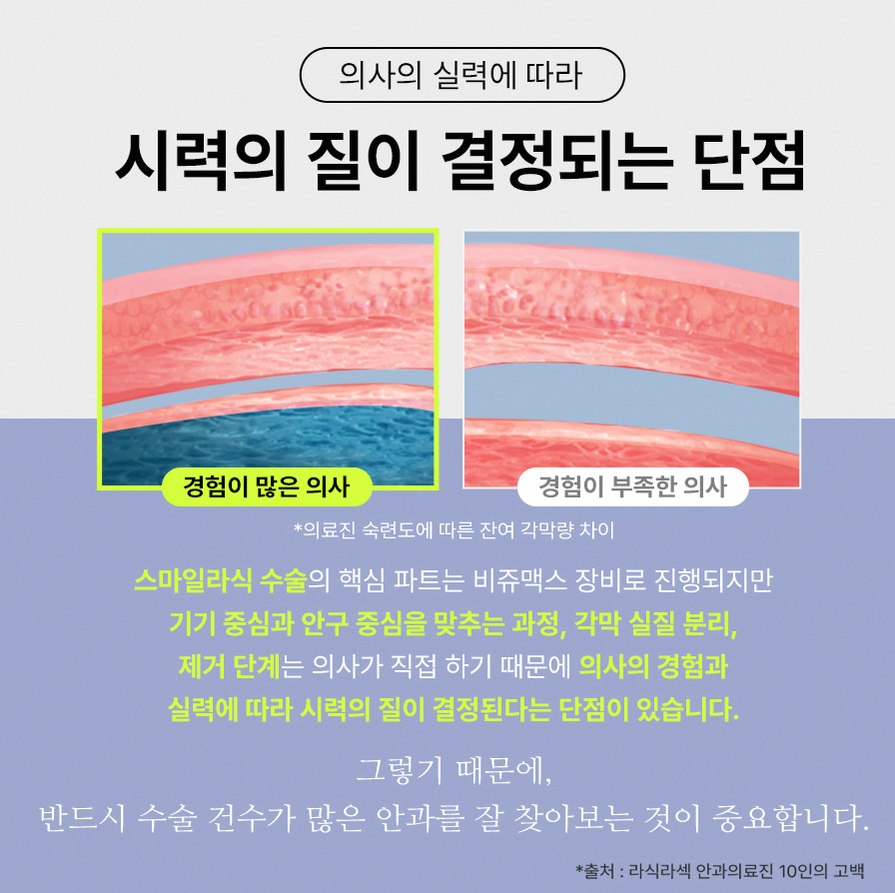
Careful screening is essential to exclude conditions like keratoconus or other corneal diseases that could lead to unstable results. It is also important to consider the health of the entire eye, including the retina and optic nerve, not just the cornea.
When comparing clinics near Sinsa Station or Gangnam Station, it can be helpful to look beyond price alone. Consider:
How thorough the preoperative examination is
Whether both corneal and retinal assessments are included
What laser platforms are available and how long they have been in use
How many surgeons and staff are involved in vision correction procedures
Whether the center participates in clinical training or reference programs with device manufacturers
No clinic can guarantee a specific visual outcome, and individual healing responses vary. A realistic goal is to reduce dependence on glasses or contacts while prioritizing safety and long-term stability.
Why location near Sinsa Station and Gangnam matters
For busy professionals and students, location is more than convenience. SMILE LASIK requires at least one full day for examinations, one day for surgery, and several follow-up visits in the early period. Being close to Sinsa Station or Gangnam Station means you can fit these visits into your schedule without long travel times.
Many international visitors stay in hotels or serviced apartments near Gangnam-daero. From Sinsa Station, Gangnam Station is only one or two subway stops away, making it easy to access clinics located along this main road. This is practical if you plan to combine a short stay in Seoul with work or sightseeing.
For overseas patients, staying near the clinic also makes it easier to return quickly if you have questions or need an extra check during the first few days after surgery.
Features of GS Eye Center relevant to SMILE LASIK
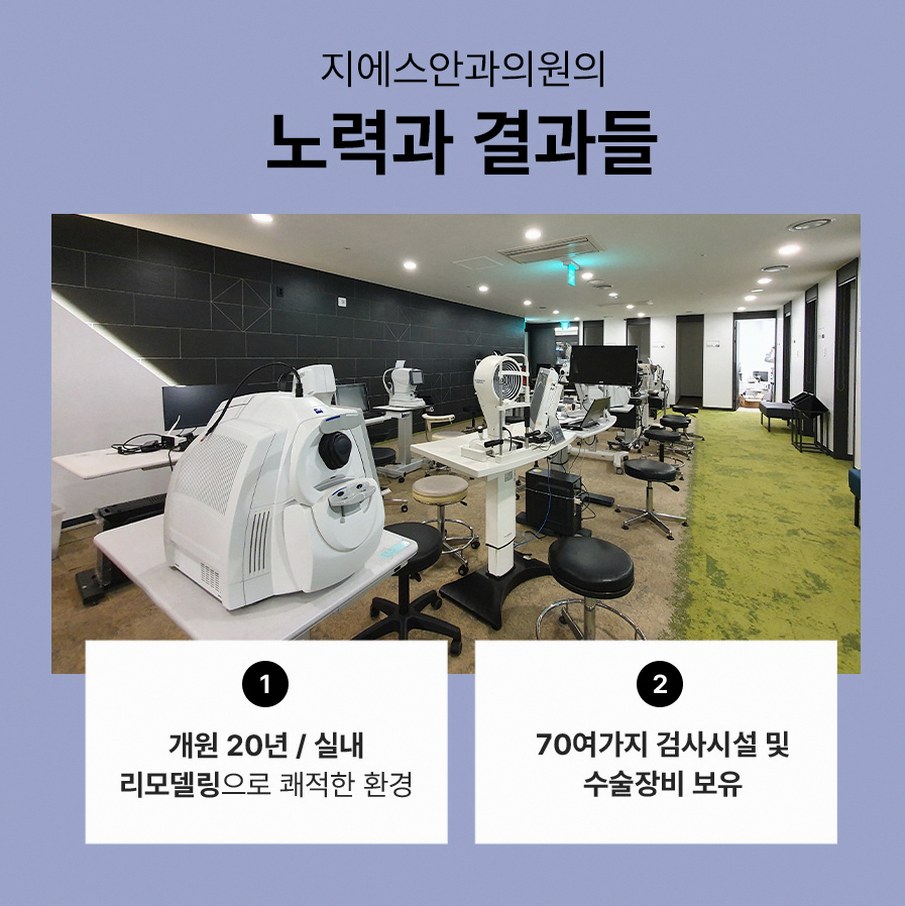
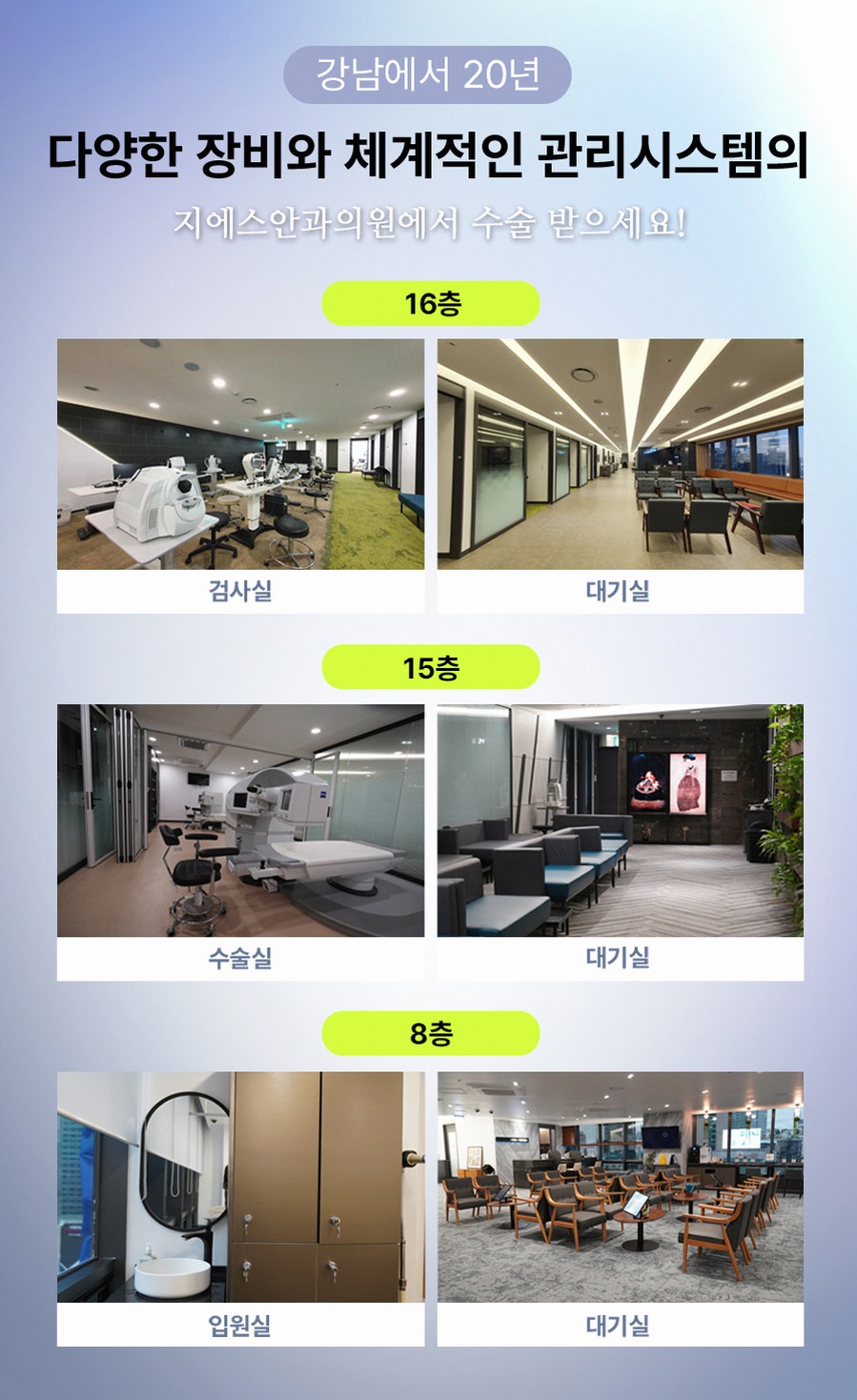
GS Eye Center is located in Gangnam-gu, Seoul, and has been operating in the same area since 2005. The team includes seven ophthalmology specialists, with backgrounds that include university hospital and retinal fellowship training. The center has a strong focus on SMILE-type procedures, including SMILE pro, SMILE LASIK, SILK, and a structured "Golden SMILE" program.
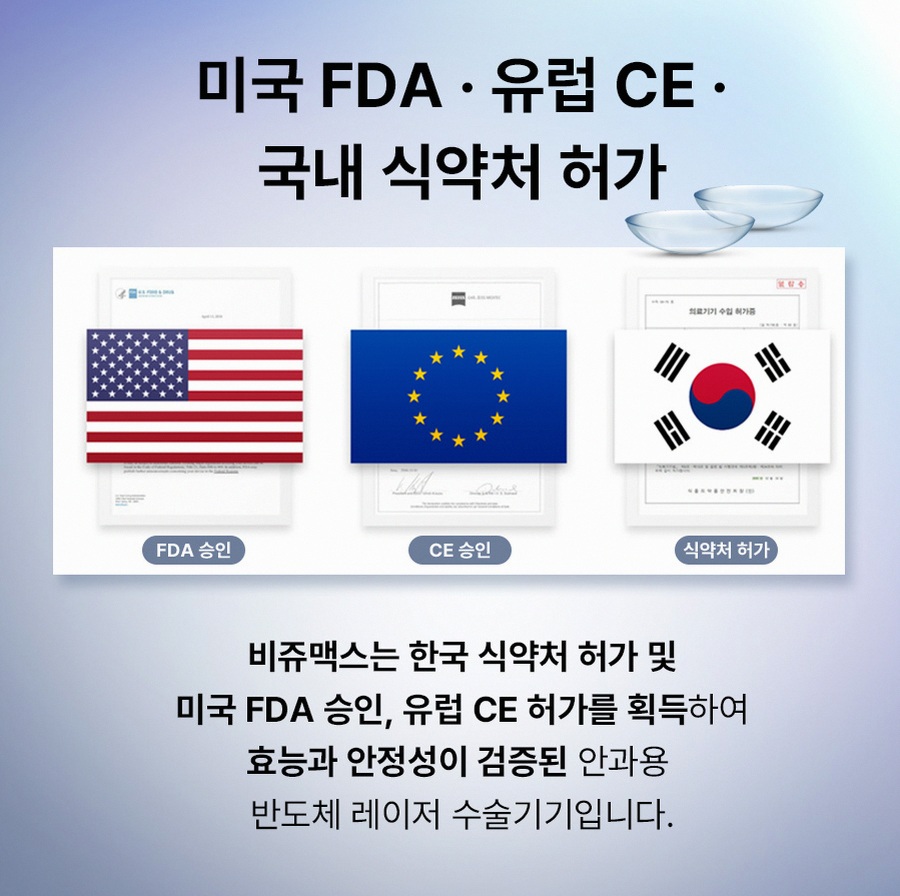
As of 2023, the center reports a cumulative experience of around 300,000 eyes treated with vision correction and cataract surgery. It has been recognized by ZEISS as a SMILE GOLD CLUB member and designated as a SMILE pro CENTER and SILK TRAINING Center, reflecting its role in training other surgeons in these techniques. The facility also holds ISO 9001 and 14001 certification for SMILE LASIK processes.
This combination allows tailored use of SMILE pro and SMILE LASIK, as well as efficient scheduling for patients who need flexible appointment times.
Online consultation and pre-visit preparation for overseas patients
If you are considering traveling to Seoul for Sinsa Station SMILE LASIK, an online consultation is a practical first step. While no doctor can confirm final suitability without examining your eyes in person, an online review can help estimate whether you are likely to be a candidate and how to plan your trip.
Information that is useful to prepare includes:
Your most recent glasses or contact lens prescription
Any previous eye surgery or trauma
History of eye diseases such as keratoconus, retinal detachment, or severe dry eye
General health conditions and medications, including autoimmune diseases or blood thinners
You may be asked to send copies of previous eye examination reports or topography scans if available. This helps the medical team understand your starting point and advise on whether SMILE LASIK, LASEK, or another method might be more appropriate to discuss.
During online consultation, consider asking:
How many days you should plan to stay in Seoul
Whether examination and surgery can be scheduled on consecutive days
How many follow-up visits are recommended before you fly home
What to do if you experience symptoms after returning to your country
Expected Korea visit timeline for SMILE LASIK
While schedules vary by clinic and by individual case, an example timeline for overseas patients could look like this:
Day 1: Arrival in Seoul
Check in to your accommodation near Sinsa or Gangnam. Rest and avoid wearing contact lenses if instructed (soft lenses are often stopped several days before, rigid lenses even earlier).
Day 2: Full preoperative examination
Spend several hours at the clinic for detailed testing, including refraction, corneal scans, tear film assessment, and retinal examination. If your eyes are suitable and you wish to proceed, surgery may be scheduled for the next day or within a few days, depending on availability.
Day 3: SMILE LASIK procedure
Arrive at the clinic, complete final checks and consent, and undergo the procedure. Plan a quiet evening with minimal activity and avoid scheduling other demanding plans on this day.
Days 4–6: Early follow-up
Return for at least one or two early follow-up visits to confirm healing status. Many patients feel comfortable walking around the city, visiting nearby cafes, or doing light sightseeing, but it is wise to avoid dusty or crowded environments.
Day 7 or later: Return flight
If your healing is stable and your doctor agrees, you may be cleared to fly home after around a week. You will receive a summary of your procedure and instructions for follow-up with an eye specialist in your home country.
This is only an example. Some patients may need a longer or shorter stay depending on their eyes and travel plans.
Aftercare once you return home
After you leave Korea, ongoing care is still important. Your surgeon will usually recommend follow-up visits at specific intervals, such as one month, three months, and six to twelve months after surgery. These can be done with a local eye specialist.
Make sure you:
Keep a copy of your surgical report and preoperative measurements
Continue using any recommended lubricating drops if you have dryness
Avoid rubbing your eyes and follow safety guidelines for sports or contact activities
Contact your local specialist or the clinic in Seoul if you notice sudden changes in vision, pain, or persistent redness
FAQ about Sinsa Station SMILE LASIK for international patients
Is SMILE LASIK painful?
Most patients describe SMILE LASIK as surprisingly tolerable. Anesthetic drops numb the surface, so you may feel pressure rather than sharp pain during the laser step. After surgery, mild discomfort, tearing, or a gritty sensation can occur for several hours, but this usually improves with rest and prescribed drops. Pain experiences vary, but severe pain is uncommon; if it occurs, you should contact the clinic promptly.
How much time off work do I need if I have SMILE LASIK in Seoul?
Many office workers can return to light desk work within two to three days, depending on how their eyes feel and the nature of their job. If your work involves heavy screen use, night driving, or dusty environments, you may need a bit more time. For overseas patients, planning a one-week stay in Korea allows for surgery and early follow-up while giving your eyes time to settle before flying home.
Can I drive after SMILE LASIK, and how soon?
You should not drive immediately after the procedure. Vision can be blurry, and light sensitivity is common on the first day. Many people feel comfortable driving short distances within a few days, but this depends on your individual recovery and local regulations. Your doctor will check your vision at follow-up and advise when it is safe to drive again.
What if I have dry eye or thin corneas? Can I still have SMILE LASIK?
Mild dry eye does not automatically exclude you from SMILE LASIK, but it needs to be evaluated and managed. The preoperative examination includes tear film testing, and sometimes treatment is recommended before surgery. Thin corneas may limit how much tissue can be safely removed; in such cases, alternatives such as LASEK or lens implantation may be discussed. Only a full examination by an ophthalmologist can determine the safest option for your eyes.
Soft call to action
If you are considering Sinsa Station SMILE LASIK during a visit to Seoul and would like to know whether you might be a suitable candidate, arranging an online consultation with a center experienced in SMILE-type procedures can be a practical first step. GS Eye Center offers structured examinations, multiple ZEISS VisuMax platforms, and a team of ophthalmology specialists who focus on vision correction. By sharing your basic eye history and travel plans in advance, you can receive guidance on likely options, suggested travel timelines, and how to coordinate follow-up care once you return home.
This article is for general information only and does not replace a personal consultation or examination by a qualified ophthalmologist. Individual suitability, risks, and outcomes for SMILE LASIK can only be assessed after a full, in-person eye examination.
- 공유 링크 만들기
- X
- 이메일
- 기타 앱


댓글
댓글 쓰기