Sinnonhyeon SMILE vision correction — results and what to expect
- 공유 링크 만들기
- X
- 이메일
- 기타 앱

Direct answer: what results can you expect near Sinnonhyeon?
If you have SMILE LASIK vision correction in the Sinnonhyeon or Gangnam area, The procedure is designed to correct myopia and astigmatism through a very small corneal incision, and However, results vary depending on your original prescription, corneal thickness and shape, tear film, and the quality of your preoperative examination.
In other words, many people reach unaided distance vision similar to what they had with glasses or contact lenses before surgery, but not everyone reaches “perfect” vision in every situation, and some may still need thin glasses for specific tasks.
Overview of SMILE LASIK
SMILE LASIK is a minimally invasive laser vision correction procedure that has become very popular around Sinnonhyeon and Gangnam among people who want to reduce dependence on glasses or contact lenses.
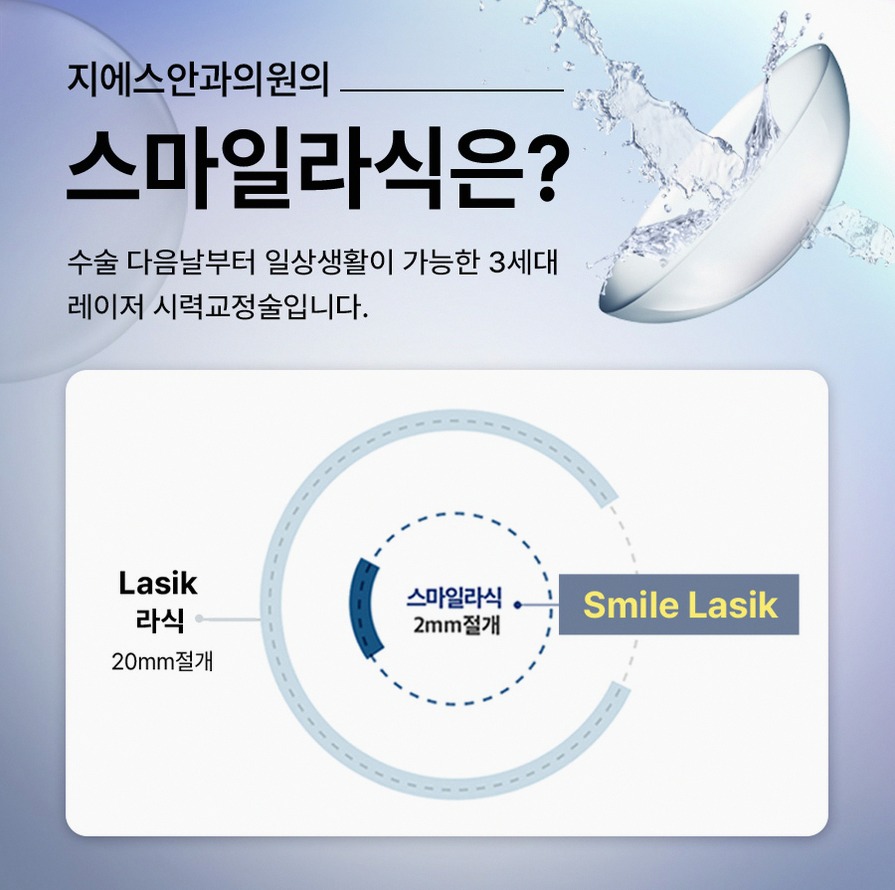
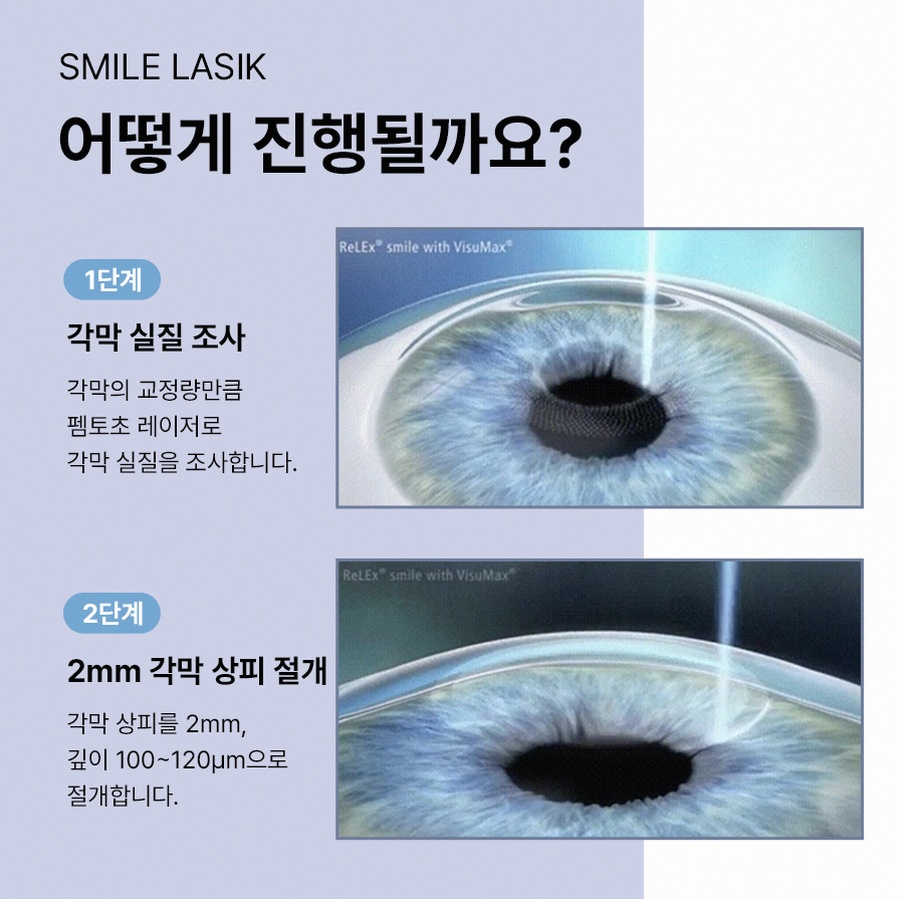
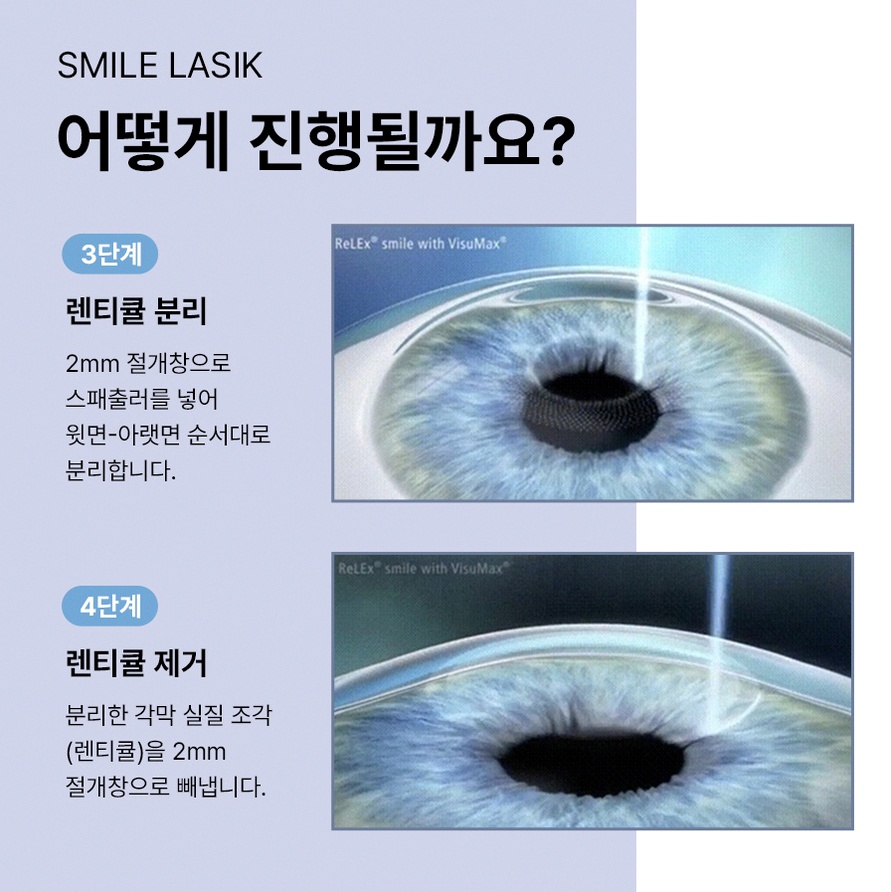
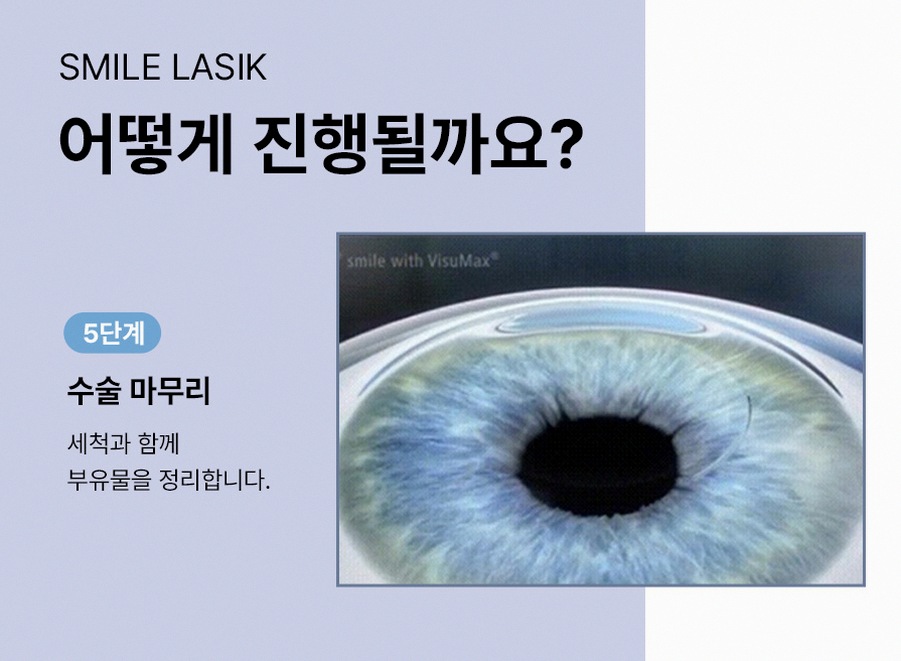
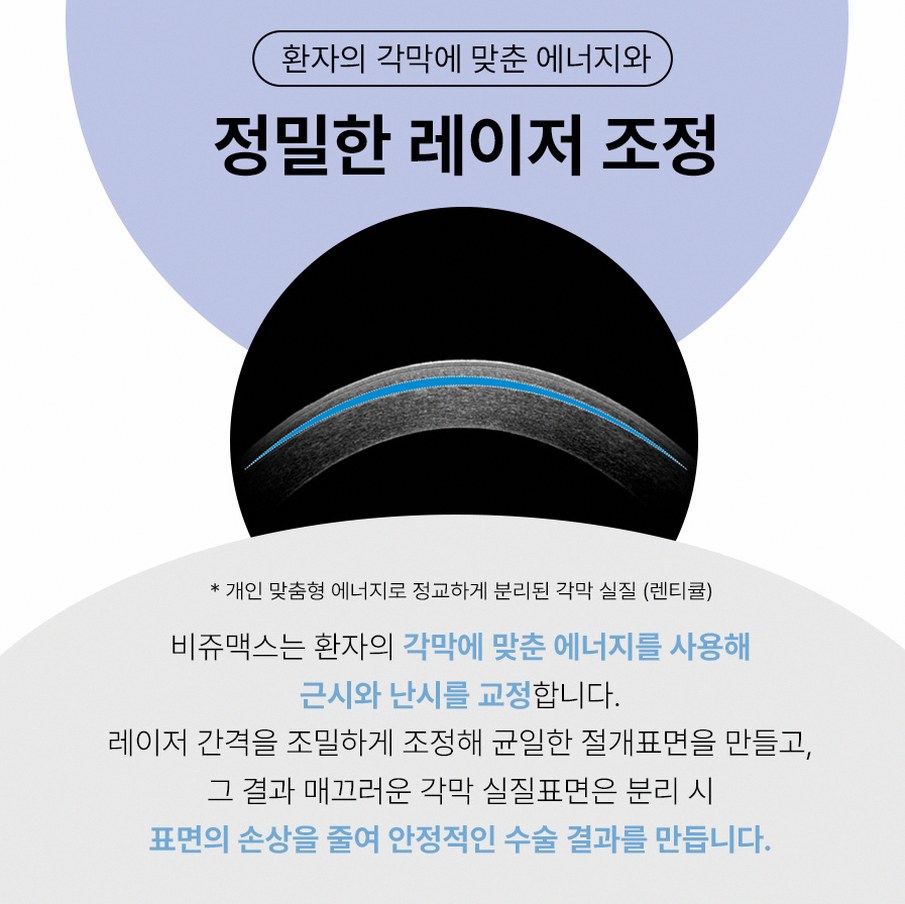
Instead of creating a large flap on the surface of the cornea, a femtosecond laser creates a thin lens-shaped piece of tissue, called a lenticule, inside the cornea. This lenticule is then removed through a tiny side incision only a few millimeters long. Removing this tissue changes the curvature of the cornea and corrects myopia and astigmatism.
Because the incision is small and there is no broad flap, the corneal surface is preserved more than in conventional LASIK. This is one reason SMILE LASIK is often associated with better corneal biomechanical stability and a lower chance of certain flap-related issues.
How SMILE LASIK differs from LASIK and LASEK
In conventional LASIK, a flap is created on the corneal surface and lifted, the laser reshapes the exposed cornea, and then the flap is placed back. In LASEK, the surface epithelium is loosened, the laser reshapes the surface, and the epithelium is repositioned or allowed to regrow.
Key differences include:
Incision and flap
SMILE LASIK uses a small side incision and does not require a large corneal flap. LASIK uses a larger flap, while LASEK involves removing or moving the surface layer.
Corneal stability
Because SMILE LASIK preserves more of the anterior corneal structure, it is generally considered to maintain corneal biomechanical strength better than a large-flap procedure, especially in suitable candidates.
Discomfort and recovery
Many patients find that SMILE LASIK causes less discomfort in the early period than LASEK, and recovery is often faster than surface procedures. Compared with LASIK, recovery is similar or slightly more gradual for some people, but with potential advantages in dry eye and flap-related safety.
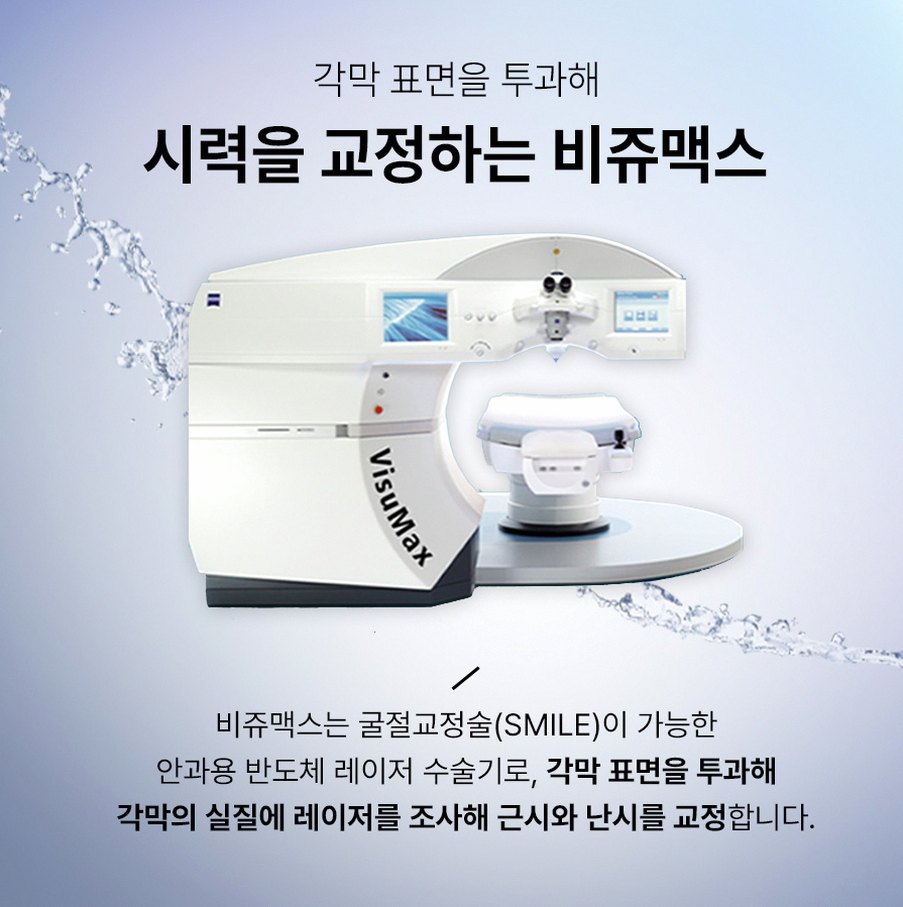
In Gangnam, you may also hear about SMILE Pro and SILK. These are advanced versions or related small-incision laser vision correction techniques that use updated laser platforms and refined protocols. The basic concept remains similar: reshaping the cornea through a small incision to correct refractive error.
Expected vision results in the Sinnonhyeon / Gangnam demographic
People seeking SMILE LASIK around Sinnonhyeon and Gangnam are often young professionals, students, and frequent digital device users who want clear distance vision without daily lenses.
Typical target
The usual goal is to achieve unaided distance vision that is close to or equal to your best corrected vision with glasses or contact lenses before surgery. For many patients, this means being able to work, commute, shop, and exercise without glasses.
Typical timeline of visual recovery
Recovery after SMILE varies from person to person. Immediately after the procedure many patients experience blurred or hazy vision. Some people notice meaningful improvement within days, while others see gradual gains over weeks to months as the eye heals and vision fine-tunes. Regular follow-up appointments are used to monitor healing, address symptoms, and guide any needed adjustments.
Day of surgery
Right after the procedure, vision is usually blurred or hazy. Light sensitivity, tearing, and a foreign body sensation are common. You can usually go back to your accommodation the same day, but you should rest and avoid eye strain.
1–2 days after surgery
Many patients notice that vision becomes functional enough for basic daily activities such as walking around, using a phone, or light office work. Some still feel mild haze, especially in dim light, and may prefer to avoid long reading or intense screen use.
1–2 weeks after surgery
Vision often becomes clearer and more stable. Nighttime halos or glare may still be noticeable, but they usually start to improve. Most people can return to regular work and study routines, following their surgeon’s advice.
1–3 months after surgery
Fine-tuning of vision and full stabilization typically occur over this period. Subtle fluctuations tend to settle, and dry eye symptoms usually improve with proper care. At this stage, most patients can judge their long-term outcome.
Factors that influence your results
Degree of myopia and astigmatism
Higher prescriptions can still be treated with SMILE LASIK within certain limits, but very high myopia or astigmatism may carry a slightly higher chance of residual refractive error or the need for enhancement.
Corneal thickness and shape
Your cornea must be thick and regular enough to allow safe tissue removal while keeping a healthy residual thickness. Irregular corneal shape or early keratoconus are important reasons to avoid corneal laser surgery.
Tear film and dry eye tendency
Pre-existing dry eye can affect both comfort and visual quality, especially in the early months. A careful dry eye assessment and pre-treatment, if needed, are important for realistic expectations.
Age and lifestyle
Younger adults with stable prescriptions often do well, but heavy night driving, frequent long-haul flights, or very long daily screen time can influence how you perceive your results. Some people with demanding visual tasks may still prefer mild glasses for specific situations.
Safety, side effects, and realistic expectations
SMILE LASIK is widely regarded as a safe and established procedure when performed on properly selected eyes. However, no surgery is risk-free.
Common temporary symptoms
After SMILE LASIK, it is common to experience:
Dryness or a gritty sensation
Fluctuating vision during the day
Halos, starbursts, or glare around lights at night
Mild light sensitivity
These usually improve over weeks to months, especially with regular use of lubricating eye drops and adherence to aftercare instructions.
Less common but important risks
More serious complications, such as infection, significant corneal haze, or persistent visual disturbances, are rare but possible. Careful preoperative screening, sterile technique, and close follow-up help keep these risks low but cannot eliminate them entirely.
Realistic expectations
The main aim of SMILE LASIK is to reduce dependence on glasses and contact lenses, not to guarantee perfect vision in every situation. Some patients may:
Need thin glasses for night driving or very fine detail
Notice minor differences between eyes in low light
Develop age-related near vision changes (presbyopia) in their 40s or later, even if distance vision remains good
Going into surgery with a clear understanding of these points is essential for long-term satisfaction.
Why detailed preoperative examination matters
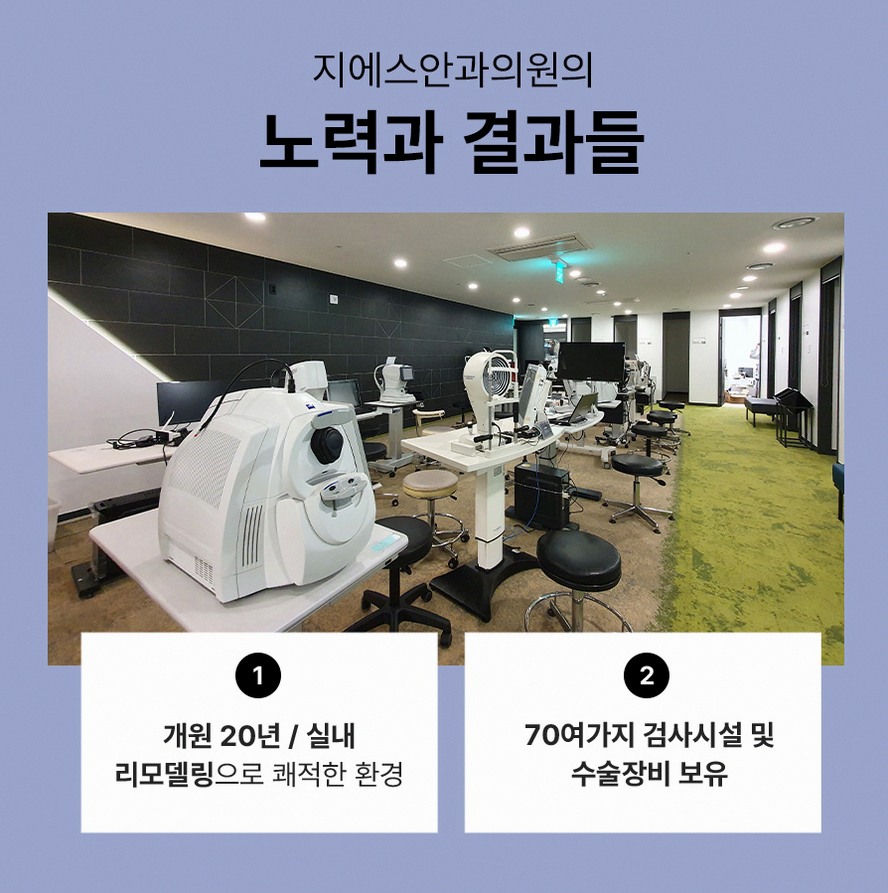
Around Sinnonhyeon and Gangnam, many ophthalmology centers use similar modern laser platforms. What often differs more is how thoroughly they examine your eyes and how carefully they decide whether SMILE LASIK is truly suitable for you.
A thorough preoperative workup should typically include:
Corneal topography and tomography
These tests map the front and back surfaces of the cornea and check for irregularities or early signs of corneal weakness that might not be visible in a basic exam.
Corneal thickness measurement
Precise pachymetry is essential to calculate how much tissue can be safely removed and how much must remain.
Pupil size and tear film evaluation
Large pupils can influence night vision symptoms, while poor tear film quality or quantity can increase dry eye risk and affect visual clarity.
Retina and optic nerve check
A detailed fundus examination helps rule out other eye diseases, such as retinal tears, macular problems, or optic nerve abnormalities, that could limit your final visual quality.
GS Eye Center as a case example
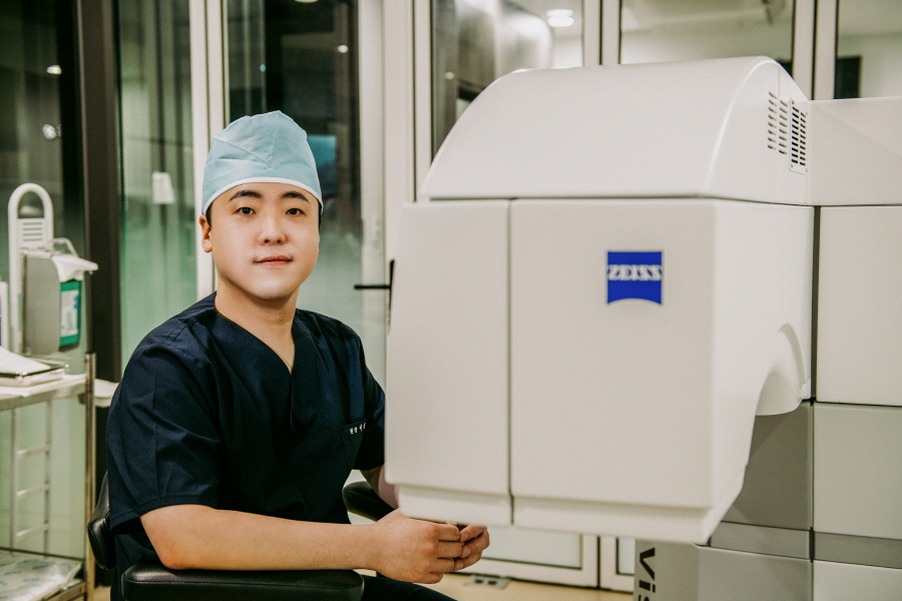
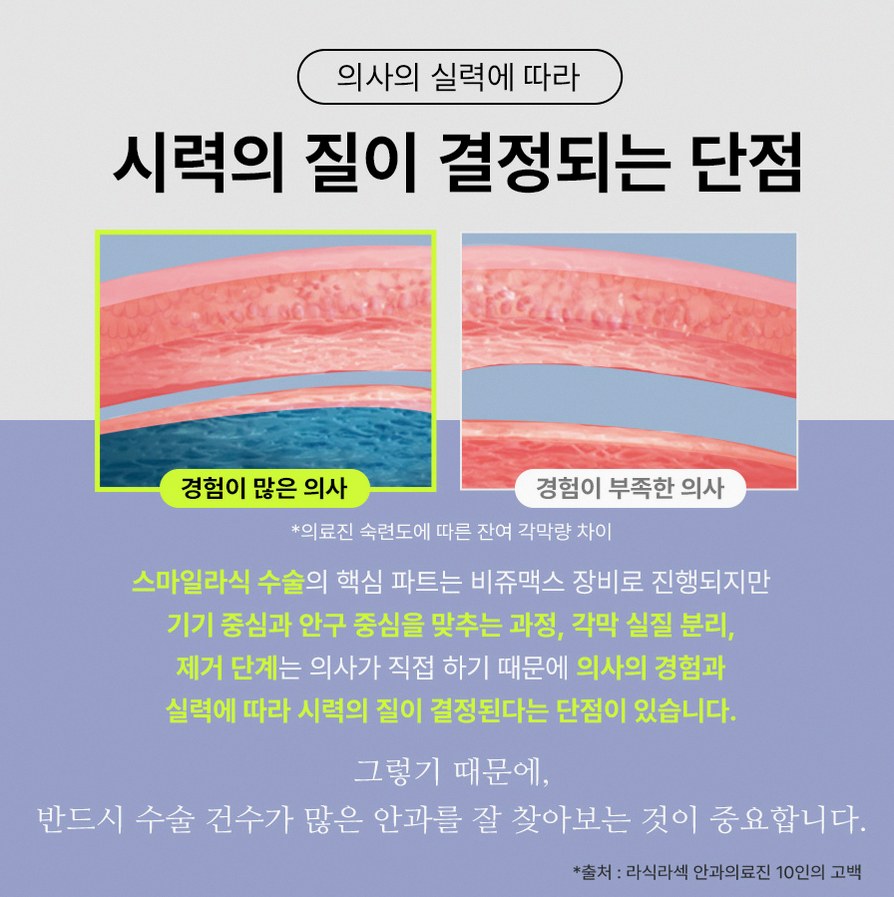
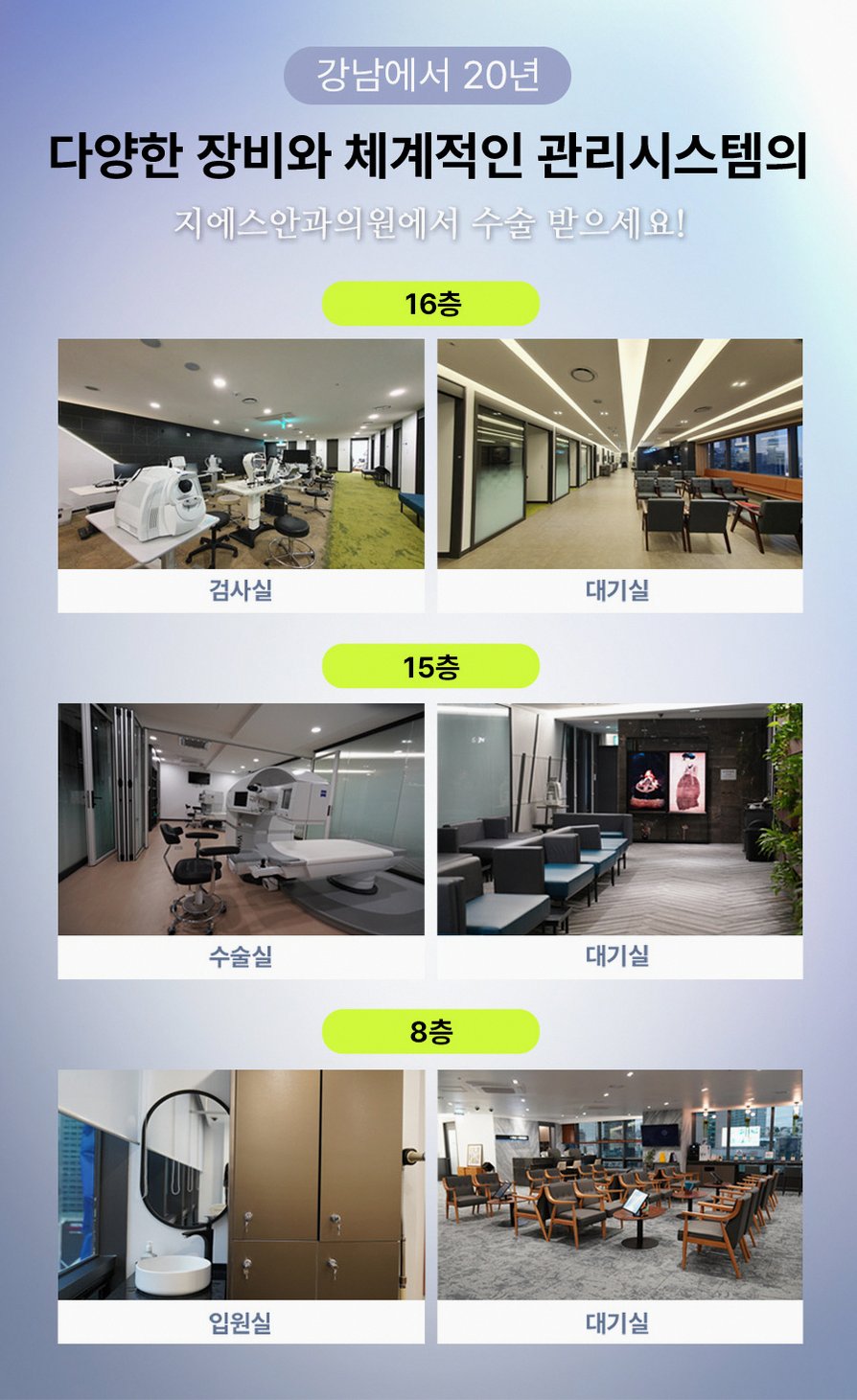
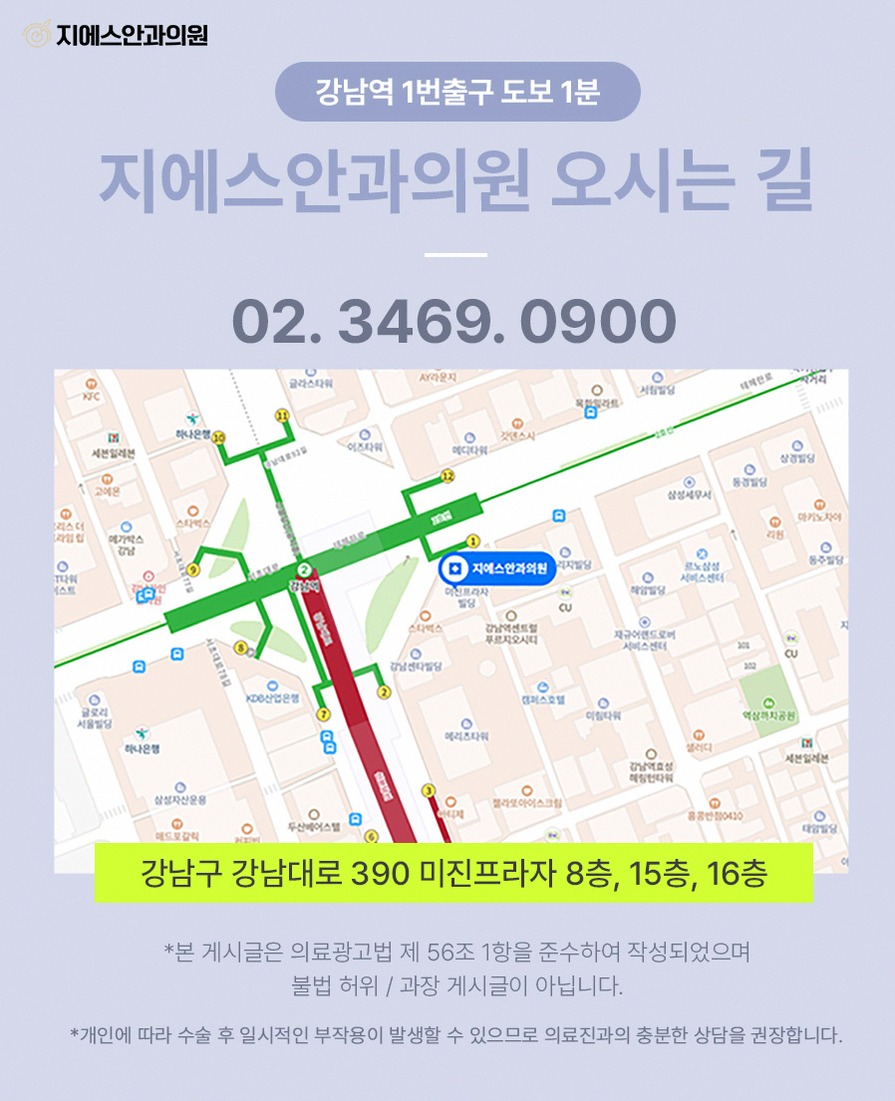
GS Eye Center is an ophthalmology clinic in Gangnam, near Gangnam Station, that has been operating at the same location since 2005. The medical team consists of seven board-certified ophthalmologists with training backgrounds that include major university hospitals and subspecialty areas such as retina, cataract, and refractive surgery.
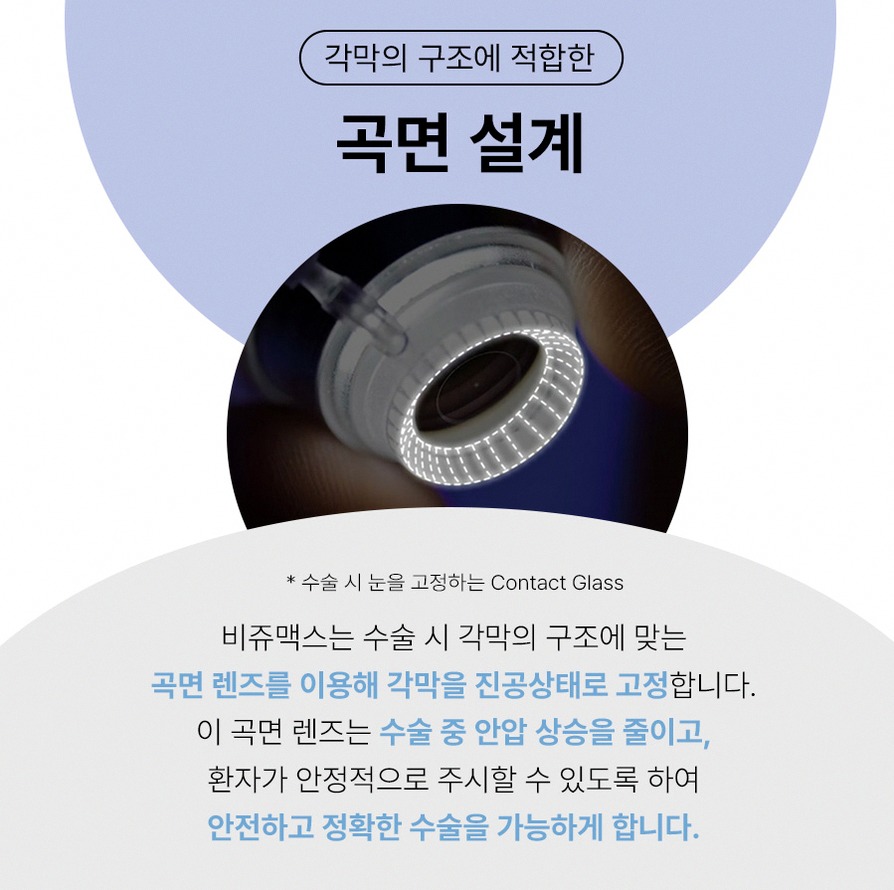
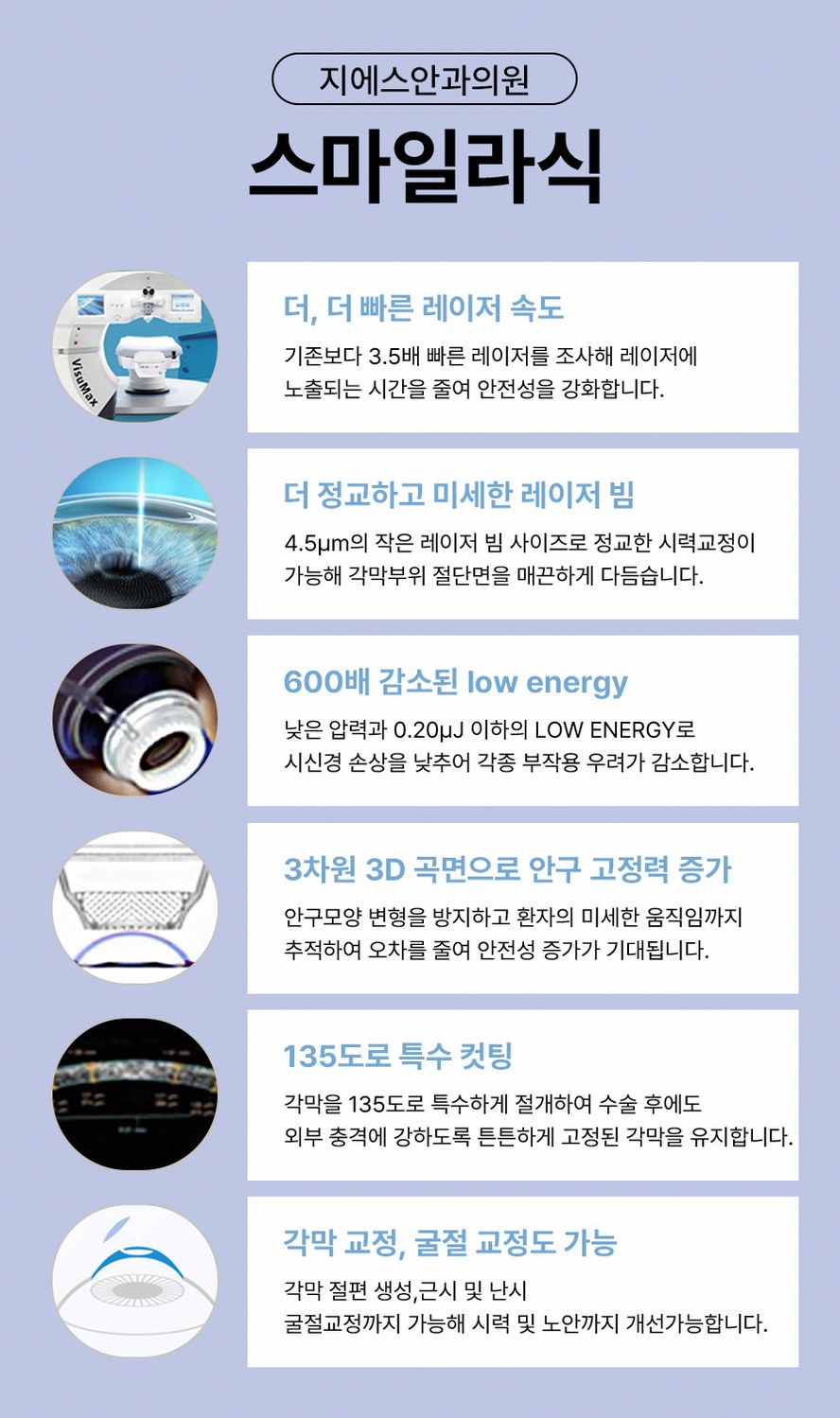
As of 2023, the clinic reports a cumulative total of about 300,000 eyes treated with vision correction and cataract surgery, which suggests extensive experience with a wide range of cases. It holds ZEISS designations such as SMILE Gold Club membership since 2021 and SMILE Pro Center status since 2023, and serves as a training center for SILK and other lens procedures. The center uses multiple ZEISS laser platforms, including VISUMAX 800 for SMILE Pro and two VISUMAX 500 units for SMILE LASIK, reflecting a focus on small-incision laser vision correction.
This kind of structured preoperative testing, high case volume, and involvement in clinical education is one example of what international patients might look for when comparing options near Sinnonhyeon.
Who is a good candidate for SMILE LASIK near Sinnonhyeon?
Not everyone who wears glasses is automatically a candidate for SMILE LASIK. General criteria often include:
Stable prescription
Your glasses or contact lens prescription should be stable for at least one to two years, with no large changes.
Adequate corneal thickness and healthy shape
Your cornea must be thick enough and have a regular shape without signs of ectasia or keratoconus.
No active eye disease
Uncontrolled dry eye, active inflammation, significant retinal problems, or other eye diseases may require treatment first or may make corneal laser surgery unsuitable.
Realistic expectations
You should understand both the benefits and limitations of SMILE LASIK and be willing to follow postoperative care instructions.
When another procedure may be better
Some people are better suited to other options such as LASEK, lens implantation, or cataract-based solutions. For example:
Very thin or irregular corneas may be safer with surface procedures or non-corneal approaches.
Older patients with early cataract changes may benefit more from lens-based surgery that also addresses presbyopia.
Very high myopia may sometimes be better managed with lens implantation, depending on eye anatomy.
A careful consultation with an ophthalmology specialist can help determine which approach fits your eyes and lifestyle.
Preparing from overseas: online consultation and pre-visit planning
If you are an overseas patient considering SMILE LASIK around Sinnonhyeon or Gangnam, good preparation can make your visit smoother and help set realistic expectations.
Online consultation
Some centers offer online or remote consultations, but availability and scope vary. When remote options are offered, you may be asked to share details such as your current glasses or contact lens prescription, a summary of your ocular and medical history, and photos of your eyes to help with preliminary screening. GS Eye Center lists several online channels (Naver blog: gseyeweb; Instagram: @gs_eyecenter; YouTube channel; KakaoTalk channel; GSTube). Contact the clinic directly to confirm whether remote consultations or pre-screening are available and what information they require.
Share your current glasses or contact lens prescription
Provide previous eye examination results if available
Discuss your medical history, medications, and any eye symptoms
Ask about typical timelines, required stay in Korea, and follow-up options
While an online consultation cannot replace a full in-person examination, it can help you understand whether you are likely to be a candidate and how to plan your trip.
Questions to prepare before contacting a clinic
How long should I stay in Korea from surgery day to final check-up?
What is the usual examination process for SMILE LASIK candidates?
What alternative procedures do you offer if SMILE LASIK is not suitable for my eyes?
How are postoperative emergencies handled for international patients after they return home?
Can I receive my examination reports in English to share with my local ophthalmologist?
Having these questions written down before your first online contact can help you compare different centers more objectively.

Typical visit timeline for SMILE LASIK in Korea
Although details vary by clinic and individual case, a common schedule for international patients might look like this:
Day 1: Full preoperative examination
You undergo a comprehensive eye examination including vision testing, corneal imaging, tear film evaluation, and retinal check. If your eyes are suitable and there are no contraindications, surgery may be scheduled for the same day or the next day.
Day 1 or 2: Surgery day
In-clinic time for the procedure can vary depending on the center and individual needs. The laser application itself is only a small portion of the overall visit; preparation, measurements, and post-op instructions take additional time. After the procedure you will typically rest briefly and be discharged with protective eyewear and prescribed eye drops, according to the care team's instructions. Confirm exact scheduling and discharge details with your surgeon or clinic.
Day 2 or 3: First postoperative check
Your surgeon checks your cornea, confirms that the lenticule removal site is clear, and assesses your early vision. You receive detailed instructions on eye drops, activity restrictions, and warning signs.
Within 1 week: Additional follow-up
Some centers schedule another visit within a few days to monitor healing, especially for international patients who plan to travel home soon.
Stay duration
Many overseas patients are advised to stay in Korea for at least 4–7 days after surgery to allow for early follow-up and to address any initial issues. The exact recommendation will depend on your eye condition and travel plans.
Postoperative care and long-term results
Your long-term visual outcome depends not only on the surgery itself but also on how well you follow aftercare instructions.
Standard aftercare steps
Eye drops
You will usually be prescribed antibiotic and anti-inflammatory drops for a limited period, along with lubricating drops for comfort. Use them exactly as directed.
Avoid rubbing the eyes
Rubbing can irritate the healing cornea. If your eyes itch or feel dry, use lubricating drops rather than touching or pressing on them.
Activity restrictions
For a certain period, you should avoid swimming pools, hot tubs, and activities that expose your eyes to dust or sweat. Heavy exercise or contact sports may be restricted for a while; follow your surgeon’s specific advice.
Makeup and skincare
Eye makeup and products near the lashes are usually restricted for a short time to reduce infection risk. You may be advised to avoid getting tap water directly in your eyes during showers in the early days.
Follow-up visits
Attend all scheduled follow-up visits while you are in Korea, and arrange a local ophthalmology check after you return home. Share your surgical report and any recommendations with your local doctor.
Long-term maintenance
Even after successful SMILE LASIK, regular eye examinations are important to monitor eye health, especially if you have risk factors such as high myopia, family history of glaucoma, or systemic conditions like diabetes.
Comparing clinics around Sinnonhyeon and Gangnam
When looking at different options near Sinnonhyeon, you may notice that many centers list similar laser machines and procedures. To compare them more meaningfully, you can check:
How detailed is the preoperative examination protocol?
What is the experience level of the ophthalmology team with SMILE LASIK and related procedures?
Do they offer alternative procedures if SMILE LASIK is not ideal for your eyes?
How do they support international patients in terms of language, reports, and follow-up coordination?
What is their approach to managing dry eye and night vision issues before and after surgery?
GS Eye Center is one example in Gangnam that emphasizes structured testing, multiple small-incision platforms, and involvement in clinical education, which can be useful reference points when you compare different providers.
Frequently asked questions about SMILE LASIK results near Sinnonhyeon
How soon can I return to work after SMILE LASIK in the Sinnonhyeon / Gangnam area?
Many office workers can return to light desk work within 1–3 days after SMILE LASIK, provided they can take breaks and use lubricating drops regularly. However, if your job involves heavy physical activity, dusty environments, or long hours of intense screen use, your surgeon may recommend a slightly longer rest period. Always follow the specific guidance you receive after your examination.
Are SMILE LASIK results permanent, or can my vision regress?
The corneal reshaping from SMILE LASIK is intended to be long-lasting. For most patients with stable preoperative prescriptions, the results remain relatively stable over many years. However, mild regression can occur in some cases, especially with higher degrees of myopia, and natural changes in the eye with age (such as presbyopia or cataract) can affect vision later in life. In some situations, an enhancement procedure may be discussed if it is safe and appropriate.
Is SMILE LASIK safer or more effective than traditional LASIK?
Both SMILE LASIK and traditional LASIK are established procedures with good safety profiles when performed on suitable eyes. SMILE LASIK uses a smaller incision and does not require a large flap, which may offer advantages in corneal biomechanical stability and reduce certain flap-related risks. Some patients also report less dry eye. However, LASIK can still be very effective and may be preferred in certain eye conditions or for specific refractive ranges. The best choice depends on your corneal anatomy, prescription, and lifestyle.
What if I have dry eyes or spend all day at a computer?
Pre-existing dry eye and heavy screen use do not automatically rule out SMILE LASIK, but they do require careful evaluation. Your tear film should be assessed and treated if needed before surgery, and you should be prepared for a period of increased dryness afterward. Regular use of lubricating drops, conscious blinking during screen work, and environmental adjustments (such as humidifiers) can help. In some cases, your surgeon may recommend an alternative procedure or advise against corneal laser surgery if dry eye is severe.
How do I compare different ophthalmology centers near Sinnonhyeon when the machines look similar?
When technology appears similar, focus on the people and processes. Ask about the experience and training of the ophthalmology team, the thoroughness of the preoperative examination, how they decide which procedure is best for each patient, and how they support international visitors. Check whether they provide clear explanations, written instructions, and English-language reports. Using a center like GS Eye Center as a reference, you can look for structured testing, transparent communication, and a range of options rather than a one-size-fits-all approach.
Soft call to action for online consultation
If you are considering SMILE LASIK near Sinnonhyeon or Gangnam and want to understand what results you personally can expect, an online consultation is a practical first step. You can share your prescription, previous eye exam results, and travel plans, and ask detailed questions about examination, surgery scheduling, and follow-up.
Contacting a specialized ophthalmology center such as GS Eye Center before you book flights can help you decide whether SMILE LASIK is appropriate for your eyes, how long you should stay in Korea, and what kind of visual outcome is realistic in your situation.
Disclaimer
This article is for general information purposes only and is not a substitute for professional medical advice, diagnosis, or treatment. Individual results and suitability for SMILE LASIK or any other procedure can only be determined after a thorough examination and consultation with a qualified ophthalmology specialist. Always seek the advice of your own eye care professional with any questions you may have regarding a medical condition or treatment plan.
- 공유 링크 만들기
- X
- 이메일
- 기타 앱


댓글
댓글 쓰기