SMILE in Yeoksam: Recovery, Dry Eye, Overseas Visit
- 공유 링크 만들기
- X
- 이메일
- 기타 앱
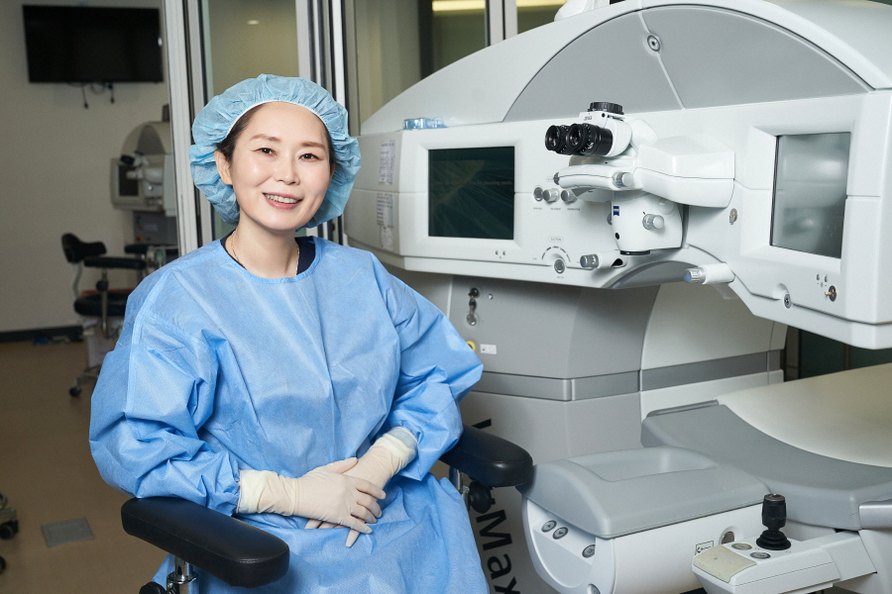
Direct answer: Yeoksam Smart LASIK effects in everyday life
If you are looking into Smart LASIK (SMILE LASIK) near Yeoksam or Gangnam Station, the main expected effects are clearer distance vision without glasses or contact lenses in daily life, usually with relatively quick recovery and less surface discomfort than some older procedures. Because the laser uses a small incision instead of a large flap, it may help preserve more corneal tissue and nerves, which can be relevant for dry eye risk and corneal stability. However, the exact result depends on your eye condition, and a full examination at an ophthalmology clinic is essential before deciding.
This guide explains what Smart LASIK/SMILE actually is, the visual and lifestyle changes many patients notice, who might consider it, how to prepare from overseas, what a typical Korea visit schedule looks like, and how to think realistically about the effects.
What Smart LASIK / SMILE LASIK Means
In the Yeoksam and Gangnam area, the term Smart LASIK is often used to describe SMILE-type laser vision correction, including newer platforms such as SMILE pro.
SMILE (Small Incision Lenticule Extraction) is a form of laser vision correction that uses a femtosecond laser to create a very thin lens-shaped piece of tissue (called a lenticule) inside the cornea. Through a small incision, the surgeon removes this lenticule. When the lenticule is removed, the shape of the cornea changes, which corrects nearsightedness (myopia) and many cases of astigmatism.
How it differs from classic LASIK and LASEK
Traditional LASIK usually involves creating a larger corneal flap, lifting it, reshaping the underlying cornea with an excimer laser, and then placing the flap back. LASEK and other surface procedures remove or move the surface layer of the cornea and then reshape the exposed tissue.
In contrast, SMILE/Smart LASIK:
Uses a small incision instead of a wide flap
Creates and removes the lenticule within the cornea without opening a large surface area
Does not rely on alcohol or mechanical scraping of the surface like some surface procedures
Because of this small-incision approach, many patients and surgeons are interested in potential benefits related to comfort, dry eye risk, and biomechanical stability.
Key Visual Effects Patients Usually Notice
The main reason people around Yeoksam and Gangnam Station consider Smart LASIK is to reduce or remove their dependence on glasses and contact lenses for distance vision.
Uncorrected distance vision
For suitable candidates, the goal is to see well in everyday situations without glasses or contact lenses. This includes walking around Yeoksam, reading signs in the subway, using a smartphone at a normal distance, and working at a computer.
Many patients notice a large improvement in uncorrected distance vision within the first day or two. However, it is important to understand that:
Vision can fluctuate in the first days to weeks
Fine details and night vision may continue to improve gradually
Some people may still need weak glasses for specific tasks, such as night driving or very fine detailed work
Time course of visual recovery
Compared with surface procedures like LASEK, SMILE/Smart LASIK often has a relatively quick functional recovery for many patients.
Typical patterns include:
Same day: Blurry vision with light sensitivity and foreign body sensation
First 24–48 hours: Vision usually becomes clearer, enough for basic daily activities for many people
First week: Ongoing improvement, but some haze or fluctuation is common
First 1–3 months: Vision tends to stabilize; subtle changes in clarity, contrast, and night vision may continue
These time frames can vary depending on individual healing, degree of myopia, and any dry eye or other ocular surface issues.
Corneal and Biomechanical Effects
Because SMILE/Smart LASIK uses a small incision and does not create a large flap, it may preserve more of the natural corneal structure and corneal nerves compared with classic flap-based LASIK.
Potential implications include:
Corneal nerves: Better preservation of corneal nerves may be associated with a lower risk or shorter duration of dry eye symptoms in some patients, although dryness can still occur.
Biomechanics: Keeping more of the front corneal structure intact may be helpful for maintaining corneal strength, especially in patients with suitable preoperative corneal shape and thickness.
Flap-related issues: There is no large flap to displace, so flap-related complications seen in traditional LASIK do not apply in the same way to SMILE.
These are general tendencies; they do not mean that SMILE has no risks. Careful screening is still essential.
Comfort, Recovery, and Return to Work
Comfort during and after the procedure is an important consideration for busy people working in the Yeoksam and Gangnam business districts.
During the procedure
The procedure is usually done under topical anesthetic eye drops. Patients typically feel pressure and some mild discomfort but not sharp pain. The laser time itself is short, often measured in seconds per eye, though preparation and checks take longer.
Early postoperative comfort
Compared with surface procedures like LASEK, many patients report:
Less postoperative pain or burning
Less tearing and light sensitivity after the first day or two
Earlier ability to open the eyes comfortably
Return to work or study
For office workers near Gangnam Station, an important question is how soon they can return to work. While this is individual, common patterns are:
Many patients can resume light desk work within a few days, depending on comfort and vision
Those with very visually demanding tasks, night driving, or jobs requiring eye protection may need a longer break
Prolonged screen time can worsen dry eye symptoms in the early phase, so frequent breaks and artificial tears are usually recommended
Lifestyle Effects in Yeoksam and Gangnam
The lifestyle effects of Smart LASIK can be especially noticeable in a dense urban area like Yeoksam.
Daily commuting
Not needing to reach for glasses first thing in the morning or worry about contact lenses during long commutes can be a major convenience. Reading signs in the subway, checking navigation on your phone, and moving between indoor and outdoor lighting conditions may feel more natural without corrective lenses.
Sports and fitness
For people who exercise in gyms, run along city streets, or play sports, not having glasses sliding down the nose or contact lenses drying out can be a significant benefit. This can be relevant for both local residents and visitors who enjoy outdoor activities during their stay in Seoul.
Long working hours and screen use
Many professionals in Yeoksam work long hours at computers. SMILE/Smart LASIK can reduce dependence on contact lenses, which often become uncomfortable with extended screen time and air conditioning. However, dry eye management remains important after surgery, especially for heavy digital device users.
Who May Consider Smart LASIK / SMILE
Not everyone is a candidate for SMILE or Smart LASIK. A detailed eye examination is essential to decide whether this procedure is appropriate.
Typical screening factors include:
Corneal thickness and shape: The cornea must be thick and regular enough to allow safe tissue removal.
Degree of myopia and astigmatism: SMILE is generally used for mild to high myopia and certain ranges of astigmatism; extreme prescriptions may need other options.
Age and prescription stability: Most clinics prefer adults whose prescription has been stable for at least one to two years.
Ocular surface health: Significant dry eye, allergies, or other surface diseases may need treatment first.
Retinal condition: High myopes may have peripheral retinal changes that need evaluation and sometimes treatment before laser vision correction.
General health: Autoimmune conditions or medications that affect healing may influence candidacy.
Limitations and realistic expectations
Even after successful Smart LASIK:
Some patients may still need weak glasses in certain situations
Night vision symptoms such as glare or halos can occur, especially in the early period
Presbyopia (age-related near vision decline) is not corrected by standard SMILE; people in their 40s or older may still need reading glasses
A careful discussion with an ophthalmologist about these points helps avoid misunderstandings.
What Differentiates an Advanced SMILE Center
In the Yeoksam and Gangnam Station area, there are many ophthalmology clinics offering LASIK, LASEK, and SMILE. One example of a clinic focusing on SMILE-type procedures is GS Eye Center, an ophthalmology clinic near Gangnam Station.
Factors that can differentiate an advanced SMILE center include:
Experience and focus in refractive surgery and cataract surgery, with large cumulative case numbers over many years
Board-certified ophthalmologists with subspecialty training in areas such as cornea, refractive surgery, and retina
Recognition related to SMILE and SMILE pro platforms, such as being a designated center or part of manufacturer education programs
Role as a training or clinical education site for medical schools or industry partners, which can indicate standardized protocols and responsibility for teaching
These elements can influence the predictability and safety of Smart LASIK effects by supporting consistent examination protocols, careful patient selection, and experienced surgical technique. However, they do not remove the need for individual assessment and informed consent.
Technology and Its Impact on Outcomes
Technology is an important part of SMILE/Smart LASIK, but it is only one part of the overall result.
Multiple generations of SMILE platforms
Some clinics use more than one SMILE-capable femtosecond laser platform, including newer systems such as SMILE pro. Potential advantages of newer platforms can include:
Shorter laser time, which may improve comfort and reduce stress during the procedure
Refined lenticule creation, which can help with precision
More flexible treatment parameters for different corneal shapes and refractive errors
Having access to multiple platforms can allow the surgeon to choose the system that best matches the patient’s cornea and prescription.
Diagnostics and planning
High-quality diagnostic devices are just as important as the laser itself. Corneal topography, tomography, pachymetry (thickness measurement), wavefront analysis, and detailed retinal imaging all help the ophthalmologist decide whether SMILE is appropriate and how much tissue can be safely removed.
It is important to remember that advanced technology does not guarantee a specific result. The outcome depends on the combination of technology, accurate measurements, surgical planning, and individual healing.
Preoperative Process for Overseas Patients
If you are considering Smart LASIK in Yeoksam while living overseas, good preparation before you travel can make your visit smoother.
Online consultation
Many clinics near Gangnam Station offer online or email consultations. These remote or email assessments are a preliminary, advisory step and do not replace a full in‑person ophthalmic examination by an ophthalmologist for final candidacy and surgical planning. Before you book flights, it is helpful to:
Send your current glasses or contact lens prescription
Share any previous eye examination reports, if available
Inform the clinic about eye symptoms such as dryness, allergies, or previous infections
Describe your job, hobbies, and visual needs (for example, heavy night driving, long screen hours, or sports)
The clinic can then advise whether you seem like a possible candidate and propose a preliminary schedule.
Comprehensive eye examination
Your first in-person visit usually includes:
Detailed refraction (measurement of your prescription)
Corneal topography and thickness measurement
Tear film and dry eye evaluation
Pupil size and night vision assessment
Retinal examination, especially if you have high myopia
Sometimes, contact lenses must be stopped for several days before accurate measurements, so ask in advance how long you should be out of lenses before your examination.
Discussion of expectations
During the consultation, you should discuss:
Your target vision (for example, full distance correction vs. leaving a small amount of myopia)
Your work schedule and how soon you hope to return to work
Night driving needs and sensitivity to glare
Sports and outdoor activities
Digital device use and any history of dry eye
This helps the ophthalmologist explain what effects are realistic for your situation.
Day of Surgery and Typical Korea Visit Timeline
For many overseas patients, it is possible to combine the examination, surgery, and early follow-up into a short stay in Seoul, although the exact plan depends on your eyes and schedule.
Typical short-stay timeline
Day 1: Comprehensive eye examination, consultation, and decision about surgery. In some cases, surgery may be scheduled the same day or the next day, depending on contact lens washout and clinic policy.
Day 2: SMILE/Smart LASIK procedure, usually on both eyes in one session. The visit includes preoperative preparation, the procedure itself, and immediate postoperative checks.
Day 3–4: Early follow-up visits to check healing, vision, and intraocular pressure, and to adjust eye drop schedules.
Many patients stay in Korea for at least several days after surgery to complete early follow-up. If you plan to leave earlier, you should coordinate with the clinic and arrange follow-up with an ophthalmologist in your home country.
What happens on the surgery day
On the day of Smart LASIK:
You arrive at the clinic and confirm consent forms and instructions
Numbing eye drops are applied several times
The procedure is performed in a laser suite; each eye typically takes only a few minutes
You rest briefly after the surgery, then have your eyes checked before leaving
You receive instructions on using eye drops and protective measures
Most patients go home or back to their accommodation the same day. It is recommended to have someone accompany you or to use a taxi, as your vision may be blurry and light-sensitive.
Aftercare and Long-Term Follow-Up
Proper aftercare is important for stable Smart LASIK effects and comfortable vision.
Early postoperative period
Common temporary symptoms include:
Mild foreign body sensation or dryness
Light sensitivity, especially in bright outdoor environments
Fluctuating vision, sometimes clearer in the morning and more blurred later in the day
You will usually be prescribed antibiotic and anti-inflammatory eye drops, along with lubricating drops. It is important to:
Avoid rubbing your eyes
Avoid getting tap water, swimming pool water, or hot tub water into your eyes for a period recommended by your surgeon
Wear protective shields or glasses when sleeping, if advised
Use sunglasses outdoors to reduce light sensitivity
Medium to long-term care
Over the following weeks and months:
Scheduled check-ups help monitor healing and refractive stability
Dry eye symptoms, if present, are managed with artificial tears and sometimes additional treatments
You should inform the clinic if you notice sudden vision changes, increased pain, or new floaters or flashes of light
If you return to your home country, arrange follow-up with a local ophthalmologist and share your surgical reports if possible.
How to Evaluate Smart LASIK Effects Realistically
When you read about Smart LASIK or SMILE in Yeoksam, it is easy to focus on next-day vision or marketing phrases. A more realistic evaluation looks at several aspects.
Objective data
Ask about:
Your pre- and postoperative visual acuity (for example, 20/20, 20/25)
Residual refractive error (how close you are to zero prescription)
Corneal thickness and shape before and after surgery
Stability over time
A good result is not only clear vision on the first day. It also involves:
Stable vision over months and years
Acceptable night vision quality
Comfort during typical daily activities
Night vision, glare, and halos
If you drive at night or work in low-light environments, ask specifically about:
Your pupil size in low light
The risk of glare, halos, or starbursts around lights
How these symptoms typically change over time
Comfort and dryness
For office workers, dryness can be as important as clarity. Discuss:
Your baseline dry eye status
Expected changes after SMILE
Dry eye management plan, especially if you work long hours at a computer
Checklist before choosing a clinic near Yeoksam
When comparing clinics around Yeoksam and Gangnam Station, consider:
Are the surgeons board-certified ophthalmologists with refractive surgery experience?
Is there access to up-to-date SMILE or SMILE pro equipment and comprehensive diagnostic devices?
Does the clinic provide a detailed preoperative examination and take time to explain findings?
Is the staff willing to say no to surgery if you are not a suitable candidate?
Are alternative options (such as lens implantation) discussed when SMILE is not ideal?
Local Context and Soft Call to Action
The Yeoksam and Gangnam Station area has many ophthalmology clinics, which can make it challenging for overseas patients to choose. Instead of focusing only on price or brand names, prioritize careful examination, transparent communication, and realistic counseling about expected Smart LASIK effects.
GS Eye Center is one example of an ophthalmology clinic near Gangnam Station that focuses on SMILE-type vision correction and related procedures. If you are considering Smart LASIK in Yeoksam, you can start with an online consultation, share your prescription and eye history, and discuss whether a visit to Seoul for SMILE/Smart LASIK might fit your eyes, schedule, and lifestyle.
Frequently Asked Questions about Yeoksam Smart LASIK Effects
How long do the effects of Smart LASIK / SMILE usually last?
The corneal reshaping is intended to be long‑lasting for suitable candidates, and many people experience stable improved vision for years. However, eyes can change over time due to aging or other factors, and some patients may require further evaluation or enhancement later. Your surgeon will discuss expected durability and follow‑up during your consultation.
For suitable candidates with stable prescriptions, the effects of SMILE/Smart LASIK are generally long-lasting. The corneal reshaping itself is permanent, but your eyes can still change naturally over time due to aging or other factors. Mild shifts in prescription can occur over years, and presbyopia (difficulty with near vision) typically appears in the 40s or later, regardless of whether you had laser vision correction.
Are the effects of Smart LASIK different for high myopia versus low myopia?
Patients with lower degrees of myopia often have a higher chance of ending very close to zero prescription, while those with high myopia may have a slightly higher risk of small residual refractive error. High myopia also brings additional considerations for corneal thickness and retinal health. During your examination, the ophthalmologist will explain how your degree of myopia may influence expected results and whether SMILE is the most appropriate option.
How soon can I return to work after Smart LASIK near Gangnam Station?
Many office workers can return to light desk work within a few days after SMILE/Smart LASIK, but this depends on individual healing and job demands. If your work involves heavy screen use, you may experience more dryness and fatigue in the first weeks, so frequent breaks and lubricating drops are important. If your job requires night driving, physical labor, or environments with dust or risk of eye trauma, your surgeon may recommend a longer recovery period before full duties.
Does Smart LASIK help with dry eye, or can it make dryness worse?
SMILE/Smart LASIK is often associated with a lower risk or shorter duration of dry eye symptoms compared with some flap-based procedures, because it preserves more corneal nerves. However, any corneal laser procedure can cause or worsen dryness temporarily. If you already have dry eye, this should be evaluated and treated before surgery, and you should expect to use lubricating drops after surgery. A personalized dry eye management plan is important, especially if you work long hours at a computer.
Is Smart LASIK suitable for people in their 40s or 50s living in Yeoksam?
People in their 40s or 50s can sometimes be candidates for SMILE/Smart LASIK, but presbyopia must be considered. Even with clear distance vision after surgery, you may still need reading glasses for near tasks such as reading a book or using a smartphone. In this age group, the ophthalmologist will also pay close attention to lens clarity, early cataract changes, and overall eye health. Alternative options, including lens-based procedures, may be discussed depending on your situation.
How should I prepare for an online consultation if I live overseas?
Before your online consultation, prepare your current glasses or contact lens prescription, any recent eye examination reports, and a list of medications and health conditions. Note your main visual goals, such as driving without glasses, sports, or reducing contact lens use for long office hours. Write down questions about recovery time, follow-up schedule, and how to coordinate care after you return home. Sharing this information helps the clinic give you more tailored guidance.
This article is for general information only and does not replace a personal consultation with an ophthalmologist. Individual suitability for Smart LASIK or SMILE LASIK and actual results can vary. Always discuss your own eye condition, risks, and treatment options directly with qualified medical staff before making a decision.
- 공유 링크 만들기
- X
- 이메일
- 기타 앱


댓글
댓글 쓰기