SMILE LASIK — GS Eye Center
- 공유 링크 만들기
- X
- 이메일
- 기타 앱
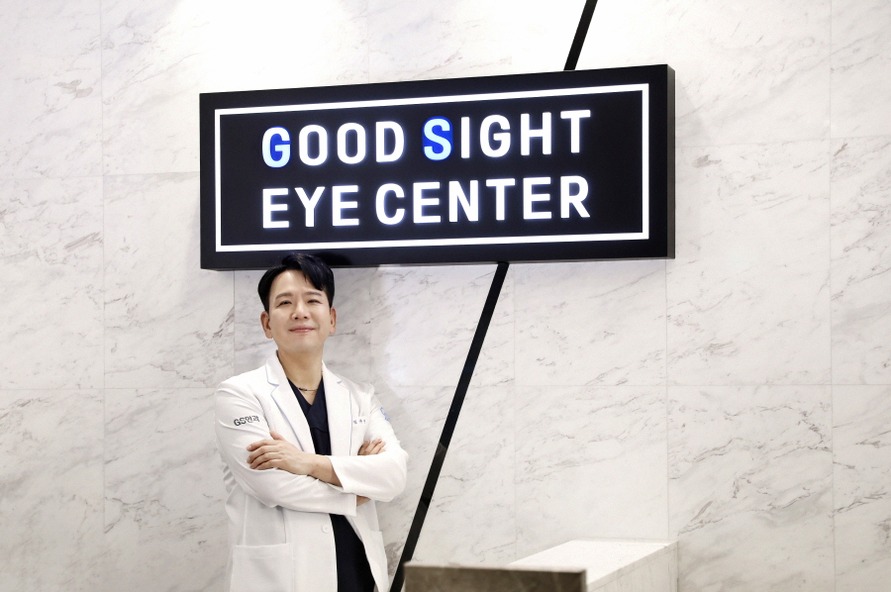
Direct answer for international patients
If you are searching for the best vision correction clinic in Gangnam for SMILE LASIK, focus less on marketing phrases and more on a few concrete points: the experience and subspecialty training of the ophthalmologists, the quality of preoperative screening, the range and generation of SMILE laser platforms, and the clinic’s role in education and training. In the Gangnam Station area, clinics such as GS Eye Center illustrate how these factors come together: long-term presence since 2005, multiple ZEISS SMILE platforms including the latest VisuMax 800, a team of board-certified ophthalmologists including retina specialists, and designations as a reference and training center for SMILE-type procedures.
This guide will walk you through what SMILE LASIK is, who might consider it, how to prepare for a trip to Korea, what a typical treatment timeline looks like, and how to evaluate clinics in the Gangnam area using practical, check-list style criteria.
Overview of SMILE LASIK vision correction
The surgeon removes this lenticule through a very small incision, reshaping the cornea so that light focuses more accurately on the retina. Unlike conventional LASIK, SMILE LASIK does not require creating a large corneal flap.
Because the incision is small, more of the corneal structure is preserved. SMILE LASIK is usually considered for myopia and astigmatism, but it is not suitable for everyone, and careful screening is essential.
In the Gangnam Station area of Seoul, SMILE LASIK has become a core focus for many ophthalmology clinics. Some centers provide several SMILE-type platforms:
Standard SMILE LASIK using the VisuMax 500 platform, in some clinics with dual units to support higher case volume without rushing.
Newer lenticule-based systems such as SILK, which follow similar principles but with different technical approaches.
Clinics may also develop their own protocols, sometimes under names such as Golden SMILE, which usually means a structured combination of equipment choice, customized planning, and follow-up routines rather than a single device.
Who may consider SMILE LASIK in Gangnam
International patients often consider SMILE LASIK in Gangnam if they:
Wear glasses or contact lenses for myopia and astigmatism and want to reduce dependence on them.
Prefer a minimally invasive corneal procedure without a large flap.
Are attracted by the concentration of high-volume refractive surgery centers and advanced equipment in the Gangnam Station area.
However, not everyone is a candidate. You may not be suitable for SMILE LASIK if you have:
Very thin or irregular corneas, or suspected keratoconus.
Uncontrolled dry eye disease.
Autoimmune conditions that affect healing.
Very high myopia outside the safe range for corneal laser.
Unstable refraction, pregnancy, or other temporary conditions.
A responsible clinic will explain when SMILE LASIK is not recommended and may suggest alternatives such as implantable collamer lenses (ICL) or other phakic lens options like GLAZE or PhakiFlex KPL, surface procedures such as 2-day LASEK, or in some cases no surgery at all.
How to choose a SMILE LASIK clinic in Gangnam
Many patients search for the best vision correction clinic in Gangnam and quickly discover that the area around Gangnam Station is full of options. Instead of relying on advertisements, use the following criteria to compare clinics.
Ophthalmology team and subspecialty structure
Look for clinics where all surgeons are board-certified ophthalmologists. In higher-level centers, the team often includes:
Refractive surgery specialists with extensive experience in SMILE LASIK, LASEK, and lens-based procedures.
Retina specialists who focus on the back of the eye and can carefully evaluate the retina before and after surgery.
Cataract and presbyopia specialists who can advise older patients on options like laser cataract surgery and multifocal intraocular lenses such as PanOptix.
For example, some Gangnam clinics have seven ophthalmology specialists, including a representative director with a medical doctorate and university teaching background, and other surgeons who previously served as clinical instructors or assistant professors at large university or general hospitals. This type of team structure can support more comprehensive decision-making, especially when combined with a separate retina center.
The presence of dedicated retina specialists is particularly important. Before SMILE LASIK, the retina should be examined for lattice degeneration, small retinal tears, or weak areas that may need treatment. After surgery, any new floaters or flashes can be evaluated promptly.
Preoperative examination standards
A trustworthy SMILE LASIK clinic in Gangnam will perform detailed preoperative testing, not just a quick vision check. Key elements usually include:
Corneal topography and tomography to map the shape and thickness of the cornea and to detect early keratoconus or irregular astigmatism.
Measurement of corneal thickness and residual thickness after planned correction.
Assessment of pupil size, tear film stability, and higher-order aberrations.
Comprehensive retina evaluation, including the peripheral retina.
Discussion of your lifestyle, occupation, sports, and expectations.
An important sign of a careful clinic is a willingness to say no. If your cornea is too thin, your refraction unstable, or your eye health not suitable, the clinic should clearly explain why SMILE LASIK is not recommended and what alternatives exist.
Range and generation of equipment
Equipment is a major differentiator among SMILE LASIK clinics in Gangnam. Points to check include:
Whether the clinic uses the latest-generation femtosecond laser such as the ZEISS VisuMax 800 for SMILE Pro, which offers very short laser times and refined suction stability.
Whether there are multiple SMILE platforms available, for example VisuMax 800 plus one or more VisuMax 500 units. This allows more individualized planning and provides backup capacity so that surgeries are not rushed.
Whether the clinic has a SILK platform or other lenticule-based systems, giving additional options for specific corneal profiles.
Availability of adjunct technologies such as corneal cross-linking (EXTRA or KXL) to support corneal stability in selected cases.
Having all three major ZEISS SMILE-related platforms in one clinic is still relatively uncommon and can be a meaningful sign of investment in SMILE-type procedures. It also allows the surgeon to choose the most appropriate platform for your corneal thickness, curvature, and prescription.
Experience and case volume
Cumulative case numbers can indicate how refined a clinic’s protocols have become over time. For example, some Gangnam clinics report around 300,000 eyes operated for vision correction and cataract surgery combined as of 2023. It is important to understand that these figures refer to eyes, not individual patients, and they do not guarantee results for any one person.
Within that total, SMILE Pro volumes may show a clear growth trajectory, such as 5,000 eyes by October 2024, 10,000 by August 2025, and 15,000 by April 2026. Other procedure counts, such as being the first in Korea to perform GLAZE lens implantation in 2019 and reaching 3,000 Optiflex GLAZE cases by 2025, or around 3,000 PanOptix multifocal lens implantations by 2024, suggest broad experience with both corneal and lens-based vision correction.
When you review these numbers, use them as one of several indicators. High volume can mean well-established systems and familiarity with a wide range of cases, but it should be balanced with evidence of careful examinations, clear communication, and structured follow-up.
Training center roles and certifications
Another way to identify strong candidates for SMILE LASIK in Gangnam is to look at whether the clinic serves as a reference or training center. Examples of meaningful designations include:
Membership in the ZEISS SMILE Gold Club, which some clinics in Korea first joined in 2021.
Designation as a ZEISS SMILE Pro Center in 2023, indicating use of the VisuMax 800 platform and involvement in related programs.
Designation as a SILK Training Center in 2026, where surgeons from other clinics can receive training.
Recognition as a clinical education institution by a major Catholic university medical school in 2023 and as an Asia-Pacific clinical education center by BIOTECH in 2024.
In addition, certification of the SMILE LASIK program with ISO 9001 and 14001 in 2020 suggests that the clinic’s quality and environmental management systems follow international standards.
These designations do not guarantee individual outcomes, but they indicate that the clinic is used as a reference site for training, protocol development, and quality management in SMILE LASIK and related procedures.
Transparent counseling and realistic expectations
During consultation, pay attention to how the clinic explains benefits and risks. A trustworthy SMILE LASIK clinic should:
Describe potential side effects such as dry eye, glare, halos, night vision difficulties, and the possibility of under- or over-correction.
Discuss the chance of needing enhancement procedures in the future.
Explain alternatives, including ICL or other phakic lenses, 2-day LASEK, or lens-based procedures for older patients.
Avoid promising perfect vision or guaranteed 20/20 outcomes.
Your questions should be welcomed, and the staff should encourage you to take time to decide rather than pushing for same-day surgery.
Typical SMILE LASIK process at a Gangnam eye clinic
For overseas patients, understanding the typical process can help you plan your trip to Korea.
Step 1: Online consultation and initial screening
Before you travel, most clinics in Gangnam will offer online or email consultation. You may be asked to send:
Your age and general health information.
Your current glasses or contact lens prescription, if available.
Any previous eye examination reports.
Information about eye symptoms such as dryness, floaters, or night vision issues.
The clinic cannot confirm candidacy without in-person testing, but they can give a preliminary opinion on whether a visit is worthwhile and suggest how many days you should plan to stay in Seoul.
Step 2: In-clinic consultation and detailed preoperative testing
Once in Korea, your first visit usually includes:
Visual acuity testing and refraction.
Intraocular pressure measurement.
Slit-lamp examination of the front of the eye.
Corneal topography and tomography.
Corneal thickness measurement.
Wavefront or higher-order aberration analysis.
Tear film and dry eye evaluation.
Retina examination, often including peripheral retina.
Based on these results, the ophthalmologist will discuss whether SMILE Pro, standard SMILE, SILK, LASIK, LASEK, ICL, or another method is most appropriate. In some cases, presbyopia or early cataract findings may shift the recommendation toward lens-based surgery.
Step 3: Personalized surgical planning
If SMILE LASIK is suitable, the surgeon will plan:
The target correction and optical zone.
Choice between VisuMax 800 for SMILE Pro or VisuMax 500 for standard SMILE, depending on your corneal profile and prescription.
Whether to combine with additional measures such as corneal cross-linking in selected cases.
Some clinics follow structured protocols such as a Golden SMILE package, which may standardize how data are collected, how the laser is programmed, and how follow-up is scheduled.
Step 4: Surgery day
On the day of surgery:
You will usually be at the clinic for a few hours, though the actual laser time per eye is only a few seconds.
Numbing eye drops are applied; general anesthesia is not used.
The femtosecond laser (VisuMax 800 or 500) creates the lenticule and a small incision.
The surgeon removes the lenticule through the tiny opening, reshaping the cornea.
Most patients can walk out of the operating room shortly after the procedure. Vision is often blurry on the day of surgery and improves over the next few days.
Step 5: Postoperative care and follow-up
Typical follow-up for SMILE LASIK includes:
Next-day check to confirm corneal status and initial vision.
Additional visits at around 1 week, 1 month, and 3 to 6 months, depending on your schedule.
Use of antibiotic and anti-inflammatory eye drops for a limited period.
Lubricating drops to manage dryness.
For international patients, clinics often try to concentrate early follow-up into the first week, then coordinate with your local eye doctor for later checks. A dedicated dry eye clinic can be helpful if you have pre-existing dryness or develop symptoms after surgery.
Expected Korea visit timeline for overseas patients
Many overseas patients plan a stay of about 5 to 7 days in Seoul for SMILE LASIK:
Day 1: Comprehensive examination and consultation.
Day 2: Surgery.
Days 3 to 5: One or more follow-up visits, with time to rest and do light sightseeing.
Day 6 or 7: Final check before departure.
If your eyes are more complex, or if you are considering alternatives such as ICL or combined procedures, you may need a longer stay. Always confirm the recommended timeline with the clinic in advance.
Aftercare once you return home
After returning to your home country, you should:
Continue using any prescribed lubricating drops as directed.
Avoid rubbing your eyes and follow activity restrictions given by the surgeon.
Arrange follow-up with a local ophthalmologist at intervals recommended by the clinic.
Contact the clinic promptly if you notice sudden vision changes, pain, increased redness, or a shower of new floaters.
A clinic with a structured international patient system will usually provide written summaries in English and be available by email or messaging for postoperative questions.
Safety considerations and who may not be a candidate
SMILE LASIK is generally considered safe when performed on carefully selected eyes, but there are important exclusions. You may not be a good candidate if you have:
Thin or irregular corneas, or signs of keratoconus.
Active eye inflammation or severe dry eye.
Uncontrolled systemic diseases that affect healing.
Very high myopia or unstable prescriptions.
Pregnancy or breastfeeding at the time of evaluation.
In such cases, a thorough clinic will explain why another method, such as ICL, GLAZE, PhakiFlex KPL, 2-day LASEK, or sometimes no surgery, may be safer.
Practical checklist before you contact a Gangnam clinic
Before you send an online inquiry, it can help to prepare:
A clear photo or scan of your most recent glasses prescription.
A short summary of your eye history, including any previous surgery or trauma.
A list of medications and general health conditions.
Specific questions you want to ask, such as:
Which SMILE platforms do you use (VisuMax 800, VisuMax 500, SILK)?
Do you have retina specialists on staff and a separate retina center?
What is your approximate cumulative case volume for SMILE-type procedures?
Are you designated as a SMILE Pro Center or other training/education center?
How many days should I plan to stay in Korea for examination, surgery, and follow-up?
Bringing this information to your first online consultation helps the clinic give you more tailored guidance.
Frequently asked questions about SMILE LASIK in Gangnam
Is SMILE LASIK better than LASIK or LASEK for everyone?
No single procedure is best for everyone. SMILE LASIK offers a smaller incision and more preservation of corneal biomechanics compared with traditional LASIK, and many patients experience faster comfort recovery. However, LASIK or LASEK may be more appropriate for certain prescriptions, corneal shapes, or specific visual needs. The right choice depends on detailed examination results and discussion with an ophthalmologist.
How long do I need to stay in Seoul for SMILE LASIK?
Most international patients can complete SMILE LASIK and early follow-up within about 5 to 7 days in Seoul. This usually includes one day for examination, one day for surgery, and several days for postoperative checks. If your eyes are more complex or if you are considering alternatives such as ICL, your clinic may recommend a longer stay. Always confirm the schedule in advance, as individual plans can vary.
Are high case numbers a guarantee of good results?
High cumulative case numbers, such as hundreds of thousands of eyes for refractive and cataract surgery combined, suggest that a clinic has extensive experience and established protocols. However, they are not a guarantee of individual outcomes. Your personal result depends on your eye condition, the suitability of the chosen procedure, and how carefully examinations and follow-up are carried out. Use volume as one factor among many, together with equipment, team structure, and communication quality.
What should I ask during an online consultation with a Gangnam clinic?
Useful questions include which SMILE platforms the clinic uses, whether they have retina specialists and a separate retina center, what their major certifications or training center roles are, and how they organize follow-up for overseas patients. You can also ask about typical side effects, how they handle dry eye before and after surgery, and what alternatives they recommend if you are not a good candidate for SMILE LASIK. Clear, detailed answers are a good sign that the clinic emphasizes patient education and realistic expectations.
Soft call to action for online consultation
If you are considering SMILE LASIK or other vision correction in the Gangnam Station area, it can be helpful to start with an online consultation. Clinics such as GS Eye Center, which have long experience in refractive surgery, multiple SMILE platforms, and dedicated retina services, can review your basic information and advise whether an in-person visit is likely to be worthwhile. Preparing your questions and medical history in advance will make this first step more productive and help you choose the most suitable clinic for your eyes.
- 공유 링크 만들기
- X
- 이메일
- 기타 앱


댓글
댓글 쓰기