(SMILE LASIK) in Gangnam, Seoul — Who's a Candidate?
- 공유 링크 만들기
- X
- 이메일
- 기타 앱
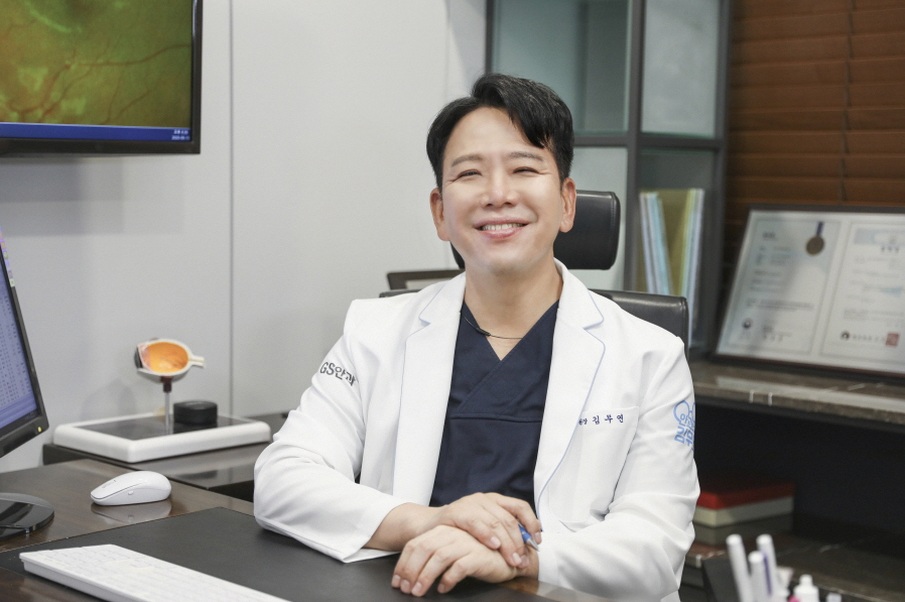



Astigmatism surgery in modern eye care
In many cases, this now means advanced laser vision correction rather than traditional surgery with blades. Among these options, SMILE LASIK has become a popular minimally invasive procedure for people who have myopia with astigmatism.
This guide is written for international patients considering astigmatism surgery in Korea, especially in Gangnam, Seoul. It explains what astigmatism is, how SMILE LASIK works, who may be a candidate, what to expect during a visit to Korea, and how to prepare for an online consultation with an ophthalmology clinic such as GS Eye Center.
What is astigmatism and when is surgery considered?
Astigmatism is a focusing problem of the eye caused by an irregular curvature of the cornea or the internal lens. Instead of being perfectly round like a basketball, the surface is shaped more like a rugby ball. Because of this uneven shape, light does not focus at a single point on the retina and vision can be blurred or distorted at all distances.
Common symptoms include blurred or shadowed vision, ghosting around letters, eye strain after reading or screen use, headaches, and difficulty with night driving due to glare or halos. Some people also feel they need to squint often to see more clearly.
Glasses and contact lenses are the first-line treatment for astigmatism. Toric lenses are designed specifically to correct the uneven curvature. However, many people experience limitations with these non-surgical options. Contact lenses can cause dryness, irritation, or discomfort after long hours of wear. Glasses can feel inconvenient for sports, travel, or work that requires frequent changes of focus. Some patients also notice that their vision feels unstable if their toric lenses rotate slightly on the eye.
Astigmatism surgery is usually considered when your prescription has been stable for at least one to two years, your cornea is thick and healthy enough for laser treatment, and there is no active eye disease such as uncontrolled dry eye, infection, or progressive corneal thinning. It is also important that you have realistic expectations: surgery aims to reduce dependence on glasses or contacts, but it cannot guarantee perfect vision in every case.
Astigmatism surgery options and where SMILE LASIK fits
Astigmatism can be corrected with several types of procedures. These are usually divided into corneal laser surgery and lens-based surgery.
Corneal laser surgery includes SMILE LASIK, conventional LASIK, and LASEK or PRK. All of these methods reshape the front surface of the eye (the cornea) so that light focuses more accurately on the retina. Traditional LASIK creates a thin corneal flap, lifts it, and then uses an excimer laser to reshape the tissue underneath. LASEK or PRK remove the surface layer of the cornea and reshape directly without a flap.
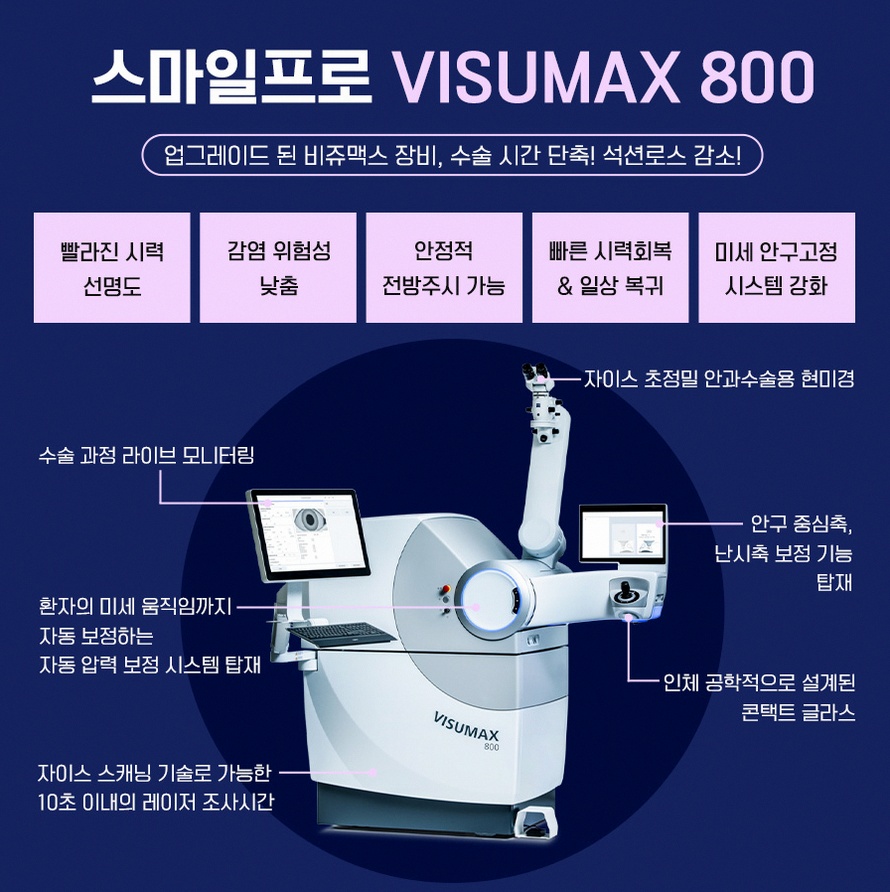
The femtosecond laser creates a lens-shaped piece of tissue (the lenticule) inside the cornea, which the surgeon then removes. Removing this precisely shaped lenticule reshapes the cornea to correct myopia and regular astigmatism within the laser's treatable range.
Lens-based surgery includes procedures such as phakic lens implantation (for example, ICL-type lenses) for younger patients with high prescriptions, and lens replacement or cataract surgery with special toric intraocular lenses for older patients. These methods correct astigmatism by placing a lens inside the eye rather than reshaping the cornea.
In many patients in their 20s to 40s with myopia and regular astigmatism, SMILE LASIK is considered when the cornea is suitable and the prescription falls within the device limits. For very high astigmatism, mixed astigmatism, or thin or irregular corneas, other options such as LASEK, corneal strengthening procedures, or phakic lens implantation may be recommended instead.
How SMILE LASIK corrects astigmatism
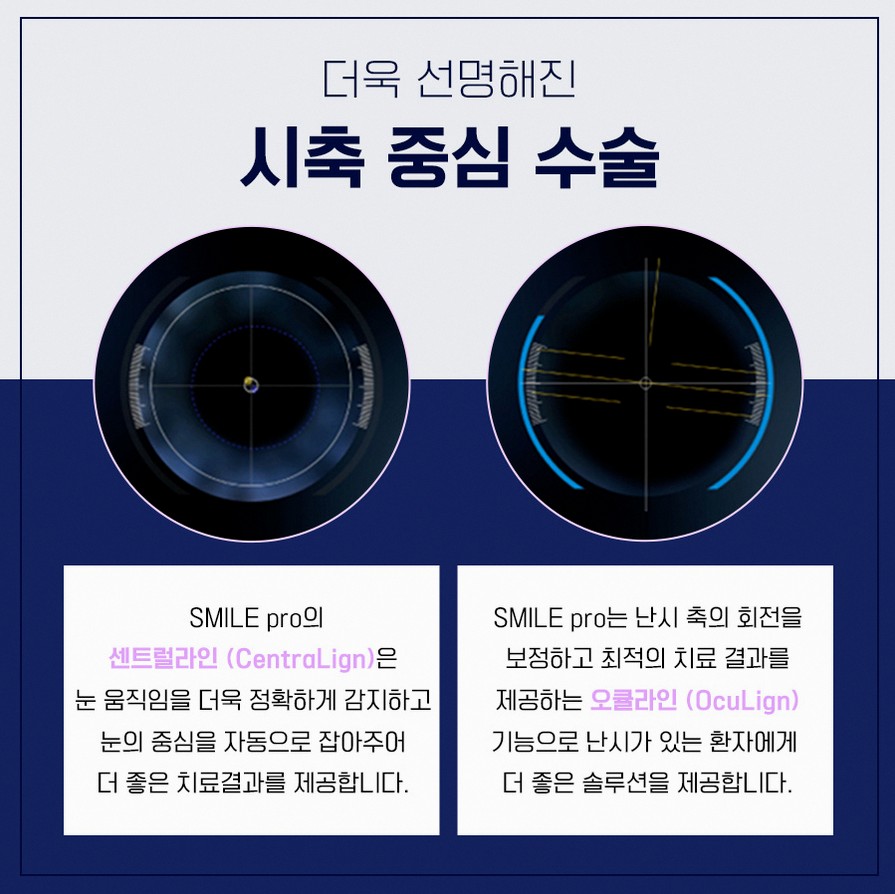
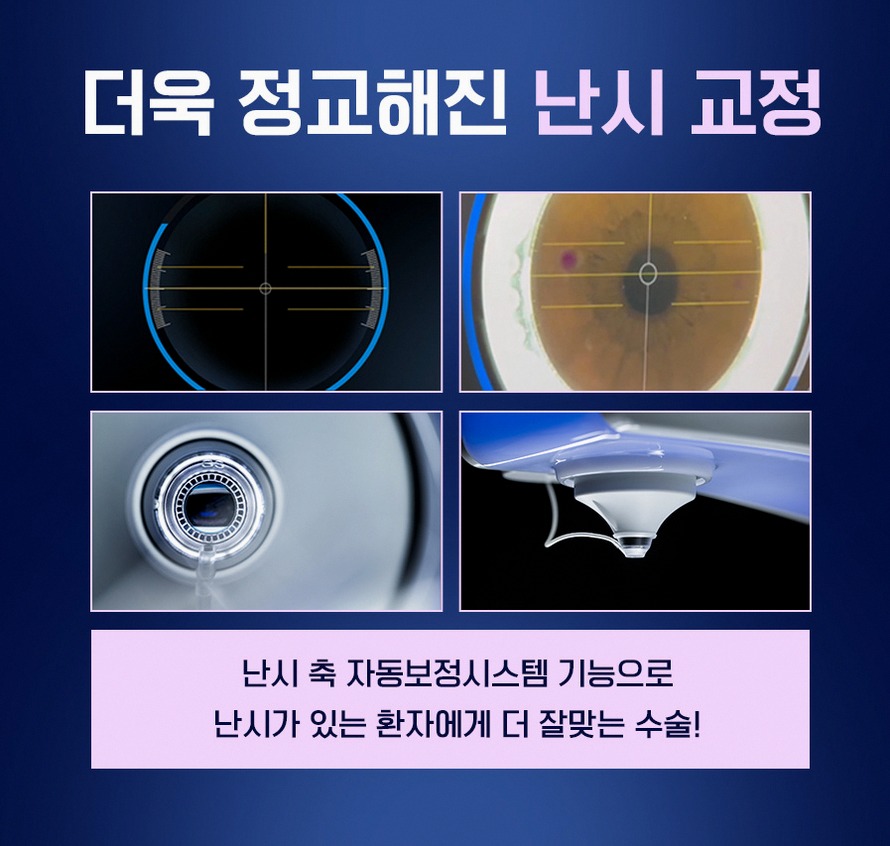
The principle of SMILE LASIK is to change the shape of the cornea from the inside. Before surgery, detailed measurements are taken, including the amount of astigmatism (cylinder) and its direction (axis). Based on these values, the laser is programmed to create a lenticule with a specific thickness profile that compensates for both the spherical part of your prescription (myopia) and the cylindrical part (astigmatism).
During the procedure, the femtosecond laser creates this lenticule and a small side incision in one step. The surgeon then gently separates and removes the lenticule through the micro-incision. Once the lenticule is removed, the cornea adopts a more regular curvature, which reduces or eliminates the astigmatism.
For astigmatism patients, several potential benefits of SMILE LASIK are often discussed.
First, there is high precision in correcting both the amount and axis of astigmatism when preoperative measurements are accurate and stable. The laser is guided by a detailed treatment plan based on your individual data.
Second, the small incision means that more of the corneal surface and nerves are preserved compared with flap-based LASIK. This can help maintain corneal biomechanics and may reduce the risk of certain flap-related complications.
Third, because fewer corneal nerves are cut, some patients experience fewer or milder dry eye symptoms after SMILE compared with traditional LASIK, although dryness can still occur and must be managed.
It is important to understand that not all types or degrees of astigmatism can be treated with SMILE LASIK. Irregular astigmatism, where the cornea has an uneven or cone-like shape (as in keratoconus or early ectasia), is usually not suitable for standard laser vision correction. In such cases, other approaches such as corneal cross-linking, special contact lenses, or combined procedures may be considered instead of or in addition to refractive surgery.
Preoperative examination for astigmatism surgery
Accurate diagnosis and screening are essential for safe and effective astigmatism surgery. Before deciding on SMILE LASIK or any other method, you can expect a comprehensive eye examination.
This usually includes visual acuity testing and refraction to measure your prescription in detail, including sphere, cylinder, and axis. Corneal topography and tomography are used to map the shape and thickness of the cornea, helping to detect irregular astigmatism or early keratoconus that may not be obvious in a simple eye test.
Corneal thickness and biomechanical assessment help determine whether there is enough tissue to safely perform SMILE LASIK while leaving a stable residual thickness. Pupil size is measured, as larger pupils may be associated with more night-time visual phenomena after surgery. Tear film and dry eye evaluation are also important, because significant dryness can affect both the accuracy of measurements and postoperative comfort.
Finally, a detailed examination of the retina and optic nerve is performed to rule out other eye conditions that might limit visual outcomes or require separate treatment. Based on all these results, the ophthalmologist will advise whether SMILE LASIK is appropriate, whether another laser method or lens-based procedure would be safer, or whether surgery should be avoided.
SMILE LASIK procedure steps for astigmatism
For international patients, understanding the step-by-step process can make the idea of surgery less stressful. While each clinic has its own protocol, the general flow is similar.
Step 1 is the initial consultation and full eye examination. This can often be combined into one visit if you are already in Korea. For overseas patients, some clinics offer preliminary online consultations to review your history and advise whether a full in-person assessment is worthwhile.

Step 2 is surgical planning. After the examination, the ophthalmologist will discuss your prescription, corneal measurements, and lifestyle needs. Together you will decide on a target refraction, often aiming for minimal dependence on glasses. The axis and amount of astigmatism correction are carefully confirmed, sometimes with repeated measurements to ensure stability.
Step 3 is the procedure day. You will receive anesthetic eye drops so that you do not feel pain during the laser part. You lie on the treatment bed and look at a fixation light while the femtosecond laser works. The laser step is very rapid, taking only a brief time to create the lenticule and the small incision.
Step 4 is lenticule removal. The surgeon uses delicate instruments to separate and remove the lenticule through the micro-incision. This step reshapes your cornea according to the treatment plan. There is no large flap to lift or reposition.
Step 5 is immediate postoperative care. You rest briefly at the clinic, then have an initial vision check and receive instructions for eye drops and protective measures. The total time in the clinic on surgery day is usually a few hours, including preparation, the procedure itself, and early checks.
Recovery and expected results for astigmatism patients
Many patients notice clearer vision within hours to a day after SMILE LASIK, with a gradual reduction in astigmatism-related blur and ghosting. However, it is normal for vision to fluctuate during the first few weeks as the cornea heals and the tear film stabilizes.
During the early recovery period, you will typically use antibiotic and anti-inflammatory eye drops as prescribed to reduce the risk of infection and control inflammation. Artificial tears are often recommended to relieve dryness or a foreign body sensation.
You will be advised to avoid rubbing your eyes, even though there is no flap, because pressure can still affect healing. Swimming pools, hot tubs, and very dusty or smoky environments are usually restricted for a certain period. Heavy eye makeup and eyelash extensions are also better avoided until your doctor confirms it is safe.
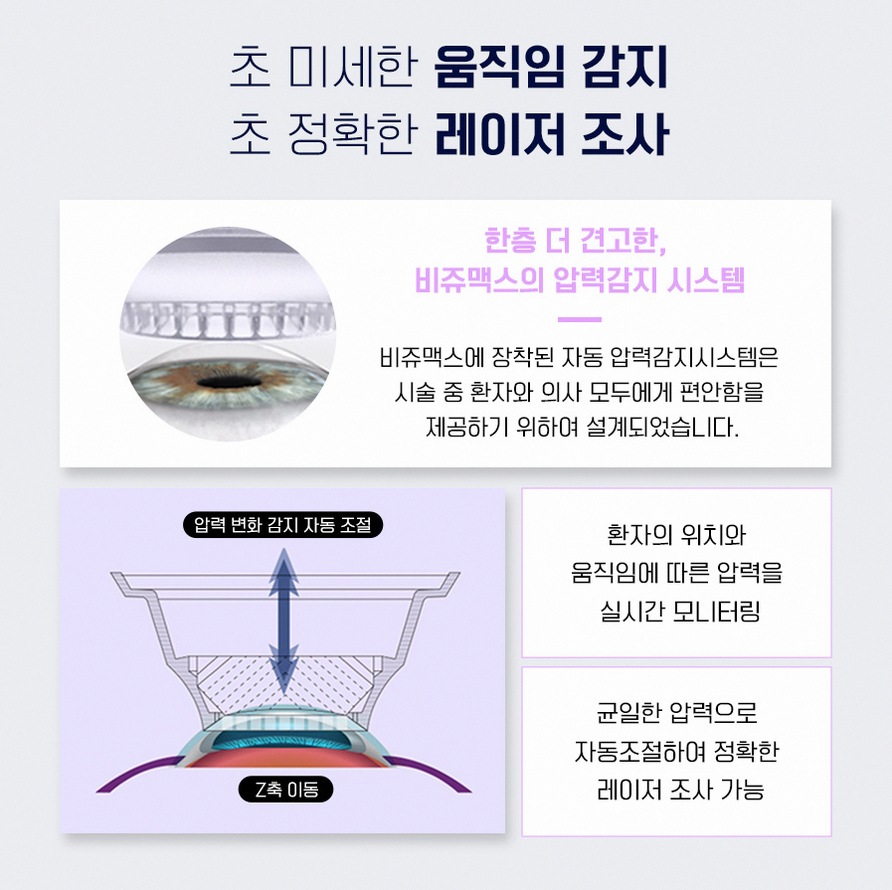
In terms of results, many suitable candidates experience a significant reduction in their dependence on glasses or contact lenses for daily activities. Some may still choose to wear thin glasses for very fine work or night driving, especially if a small amount of residual astigmatism remains.
It is important to understand that no eye surgery can promise a specific visual acuity such as 20/20 for every eye. Factors such as initial prescription, corneal healing response, and individual anatomy all play a role. In some cases, a small enhancement procedure with another laser technique may be discussed if there is meaningful residual refractive error and the cornea allows further treatment.
Who is and is not a good candidate for SMILE astigmatism surgery
Good candidates for SMILE LASIK usually include adults with a stable prescription for at least one to two years, who have myopia with regular astigmatism within the treatable range of the SMILE platform. The cornea should be of adequate thickness and have a healthy, regular shape on topography.
People with realistic expectations, who understand both the benefits and limitations of surgery, tend to be more satisfied with their outcomes. It is also helpful if you are able to follow postoperative instructions carefully and attend follow-up visits, at least in the early period.
Caution or exclusion is needed in several situations. Very thin corneas or irregular corneal shapes, including keratoconus or suspected keratoconus, often make SMILE LASIK unsafe. In such cases, alternative strategies such as LASEK with corneal strengthening, special contact lenses, or lens-based solutions may be discussed.
Patients with severe dry eye that is not controlled with treatment may experience worsening symptoms after any corneal laser surgery, so this must be carefully evaluated and managed. Uncontrolled systemic diseases, certain autoimmune conditions, and pregnancy or breastfeeding are also reasons to postpone or avoid elective refractive surgery.

Very high astigmatism or complex mixed astigmatism that exceeds the safe correction range of SMILE LASIK may be better handled by other methods, including lens implantation or combined procedures, depending on age and eye condition.
Safety, complications, and long-term considerations
SMILE LASIK has been widely adopted as a minimally invasive option for myopia and astigmatism correction, but like all surgeries, it carries potential risks and side effects.
Common temporary side effects include dryness, fluctuating vision, glare, halos, and mild night vision discomfort, especially in the early weeks. A foreign body sensation or mild light sensitivity is also common shortly after surgery and usually improves with time and proper eye drop use.
More serious but less common risks include undercorrection or overcorrection of the prescription, residual or induced astigmatism, infection, inflammation, and corneal ectasia in predisposed eyes. Ectasia is a progressive weakening and bulging of the cornea, which is why careful preoperative screening for early keratoconus and evaluation of corneal biomechanics is so important.
Long-term studies suggest that in properly selected patients, SMILE LASIK provides stable correction of myopia and regular astigmatism. However, natural aging of the eye continues. Presbyopia, the age-related difficulty with near focus, typically appears in the 40s and 50s, and cataracts can develop later in life. These age-related changes are independent of whether you have had laser vision correction.
Distinctive clinic context in Gangnam, Seoul
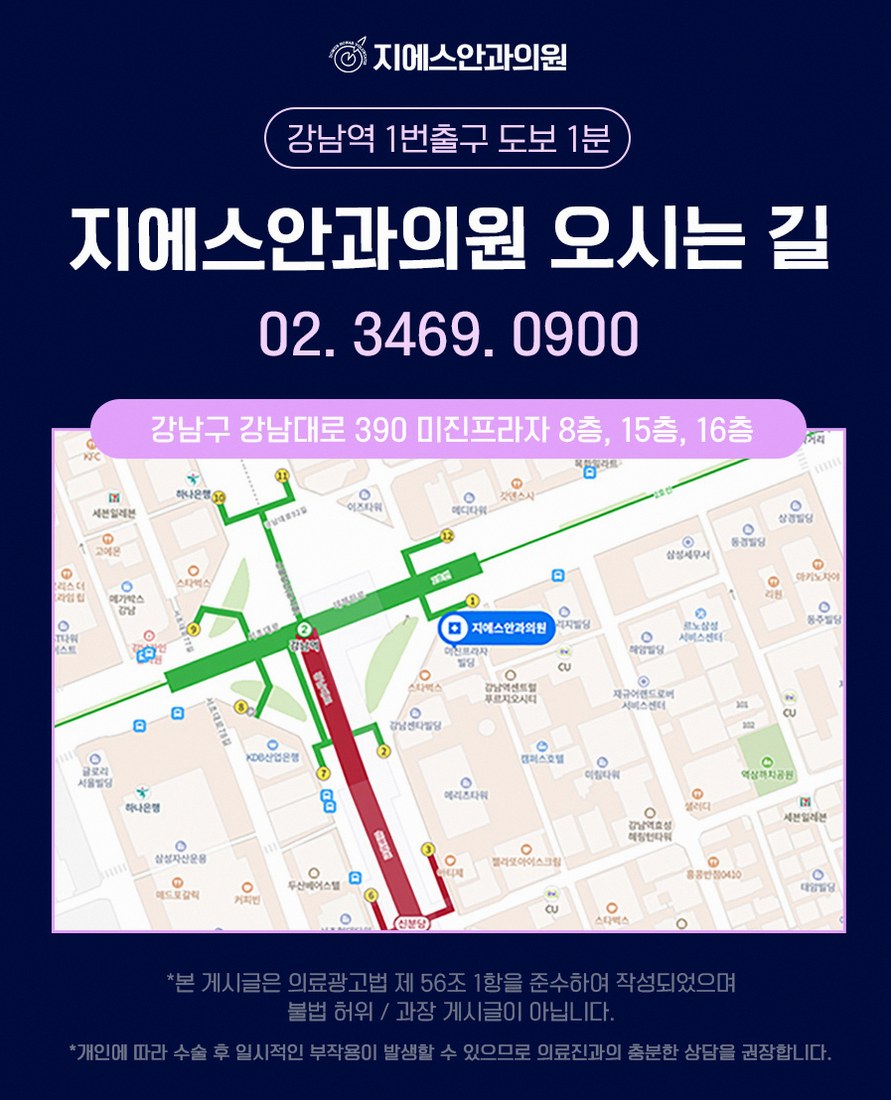
Gangnam, Seoul has become a major hub for laser vision correction, attracting both local and international patients. Some ophthalmology clinics in this area, including GS Eye Center, focus strongly on SMILE-based vision correction and lens surgery.
This means they not only treat patients but also provide education for other doctors and collaborate with technology companies, which supports standardized protocols and quality control.
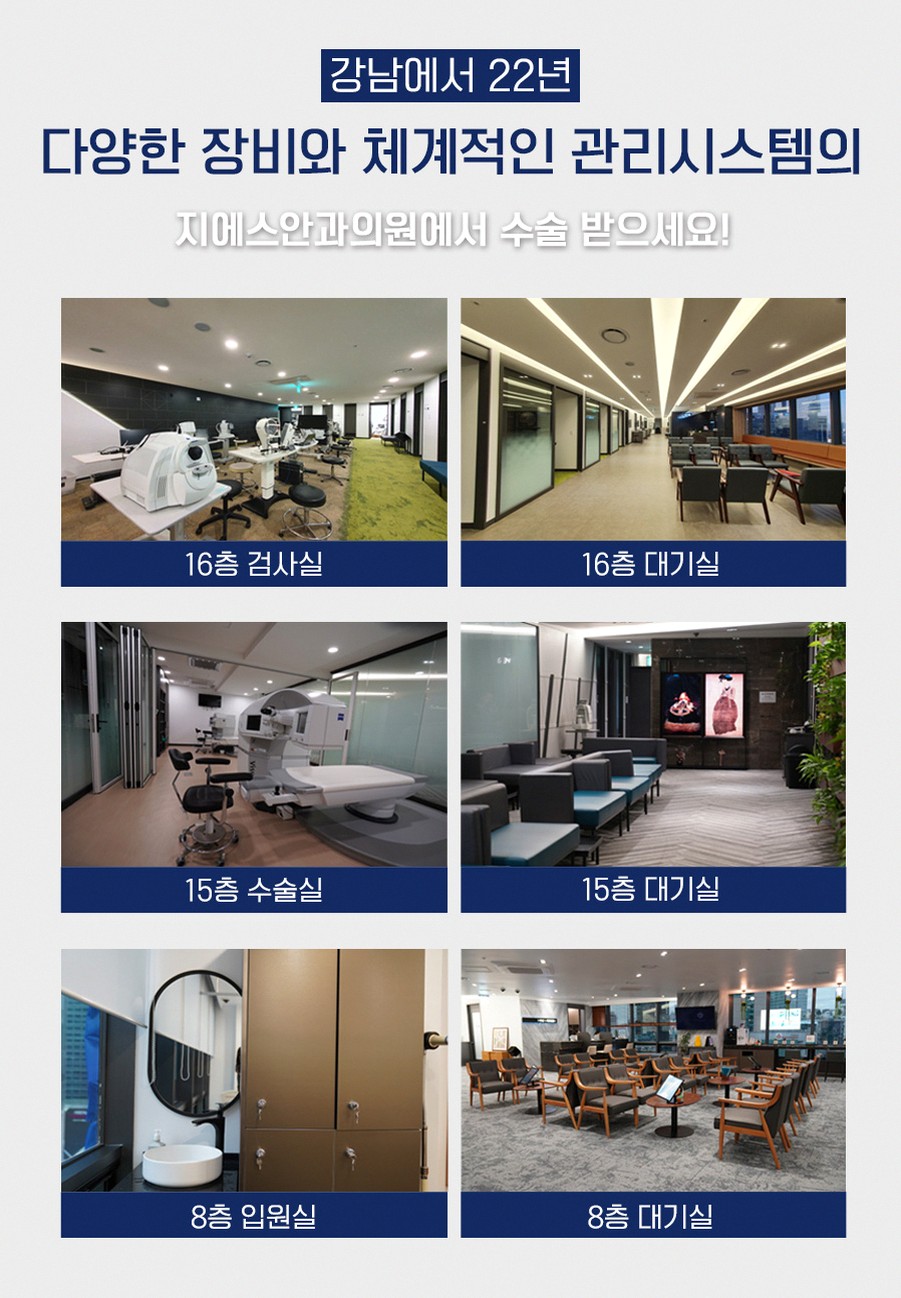
Medical teams are typically composed of ophthalmologists with various subspecialty backgrounds, such as cornea and retina, allowing comprehensive preoperative evaluation and management of coexisting eye conditions. High surgical volumes in vision correction and cataract surgery can also contribute to refined workflows and patient support systems.
For overseas patients, it is helpful to choose a clinic that is accustomed to international visitors, offers counseling in English or other languages, and can coordinate your schedule within a limited stay in Korea.
Online consultation and pre-visit preparation
Before traveling to Korea for astigmatism surgery, an online consultation can save time and help set realistic expectations. Many clinics allow you to send recent eye examination results from your home country, including your glasses or contact lens prescription, corneal topography if available, and any previous surgery or eye disease history.
When preparing for an online consultation, it is useful to have the following information ready: your current prescription, how long it has been stable, whether you have worn contact lenses and for how many years, any history of eye trauma, infections, or surgery, and any general medical conditions or medications.
You may also want to list practical questions in advance, such as how many days you should stay in Korea, how many follow-up visits are recommended, what activities you should avoid after surgery, and what to do if you experience problems after returning home.
During the online consultation, the medical team can explain whether SMILE LASIK is likely to be suitable based on your data, or whether other options should be considered. However, the final decision can only be made after a full in-person examination in Seoul.
Expected Korea visit timeline for SMILE astigmatism surgery
For many international patients, a typical schedule for SMILE LASIK in Seoul might look like this, although details vary by clinic and individual case.
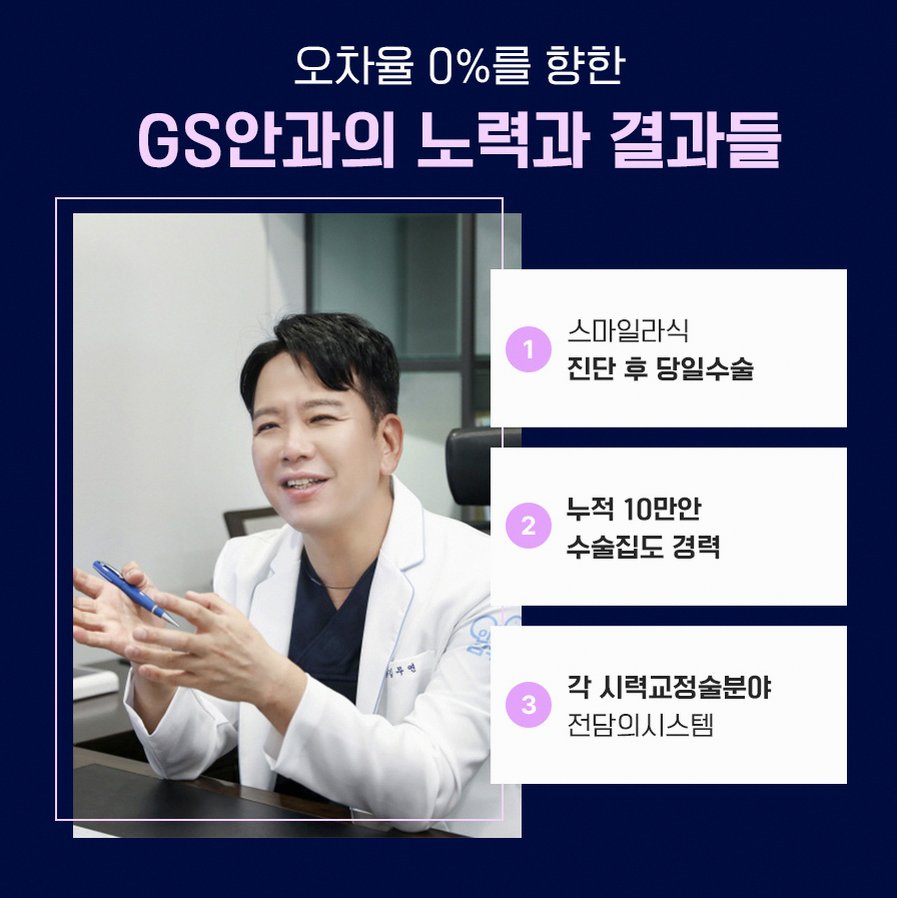
Day 1 is usually dedicated to the comprehensive eye examination and consultation. You should avoid wearing soft contact lenses for several days before this visit, and rigid lenses for a longer period, as advised by the clinic, so that your cornea returns to its natural shape.
If you are a suitable candidate and decide to proceed, surgery can often be scheduled for Day 2 or Day 3, depending on the clinic’s availability and your own plans.
The surgery itself is quick, but you should plan to stay at the clinic for a few hours on the procedure day for preparation and immediate post-op checks. Many patients can return to their accommodation independently, but it is safer to have a companion if possible.
A first follow-up visit is usually scheduled for the next day to check healing, vision, and intraocular pressure. Additional follow-ups may be recommended a few days later and again at one to two weeks, though for overseas patients, clinics may adapt the schedule to fit a shorter stay.
In general, staying in Korea for about one week after surgery allows time for early follow-up and for any initial adjustments in medication or care. If a longer stay is not possible, you should arrange follow-up with an eye doctor in your home country and ensure you receive a written summary of your surgery and postoperative instructions.
Aftercare and long-distance follow-up
Proper aftercare is essential for a good outcome after SMILE LASIK. You will receive a schedule for antibiotic and anti-inflammatory eye drops, usually for one to two weeks, and instructions on using lubricating drops for dryness.
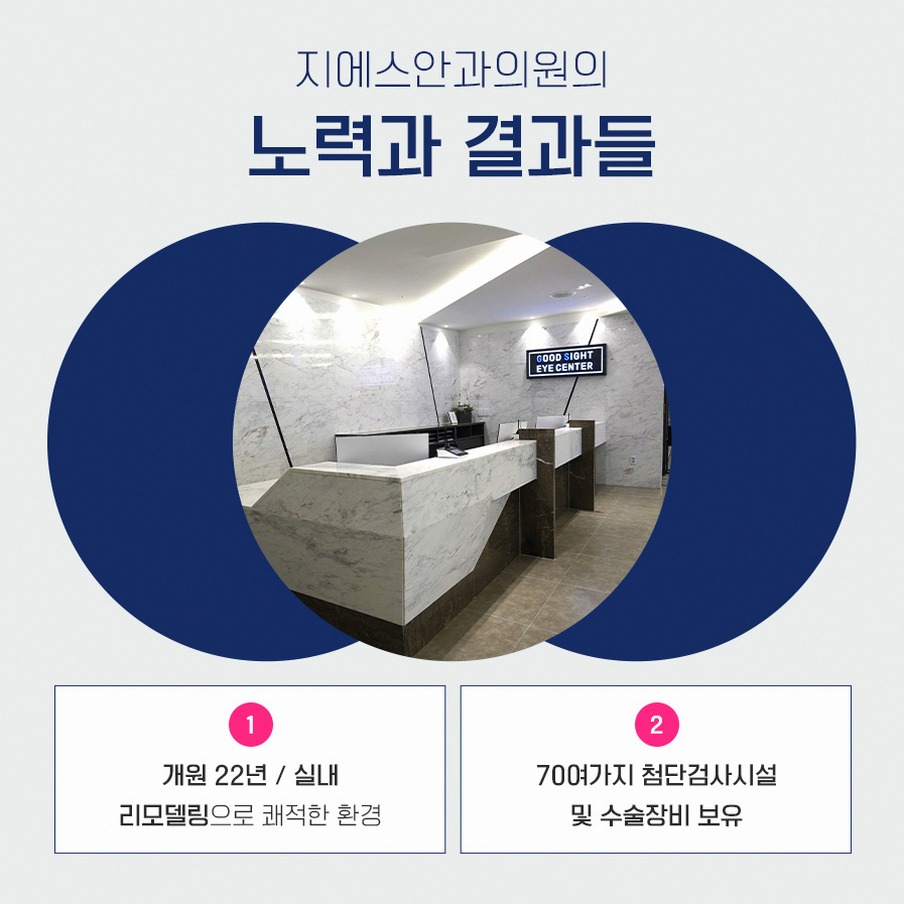
You should avoid rubbing your eyes, heavy exercise in the first days, and water directly entering the eyes during showering. Swimming and sauna are generally restricted for a few weeks. Sunglasses can help with light sensitivity outdoors and protect the eyes from dust and wind.
For international patients, it is important to understand how to get help once you return home. Before leaving Korea, ask the clinic how you can contact them if you have questions, and what signs or symptoms should prompt an urgent visit to a local ophthalmologist, such as sudden vision loss, strong pain, or marked redness.
Some clinics offer remote follow-up by email or video call, especially for reviewing progress and answering questions. However, this does not replace in-person care if you develop significant symptoms.
Frequently asked questions about SMILE LASIK for astigmatism
Can SMILE LASIK correct all degrees of astigmatism?
SMILE LASIK can correct a wide range of myopia with regular astigmatism, but not every degree or type. Each SMILE platform has specific limits for the amount of cylinder it can safely treat. Very high astigmatism or irregular astigmatism may require other approaches such as LASEK, lens implantation, or combined procedures. A detailed examination and discussion with an ophthalmologist are necessary to determine what is realistic in your case.
Is SMILE better than LASIK for astigmatism?
SMILE and traditional LASIK are both established methods for correcting myopia and regular astigmatism. SMILE uses a small incision and no large flap, which may help preserve more corneal nerves and biomechanics and reduce certain flap-related risks. LASIK, on the other hand, has a long track record and can be more flexible for some complex prescriptions or enhancements. The best choice depends on your corneal thickness, shape, prescription, dry eye status, and lifestyle.
How long does it take to see clearly after SMILE for astigmatism?
Many patients notice an improvement in vision within the first day, and are comfortable with most daily activities within a few days. However, fine details and night vision can take several weeks to stabilize, especially when astigmatism has been significant. Vision may fluctuate during this period. Your ophthalmologist will monitor your progress and adjust your care if needed.
Is SMILE LASIK safe for international patients who cannot stay long in Korea?
SMILE LASIK itself is a quick procedure with relatively fast early recovery, which makes it possible for many international patients to fit it into a short stay. However, safety depends on proper screening, clear postoperative instructions, and access to follow-up care. It is recommended to stay in Korea for at least several days after surgery for early checks, and to arrange follow-up with an eye doctor in your home country. Before traveling, discuss your schedule honestly with the clinic so they can advise whether this is appropriate for you.
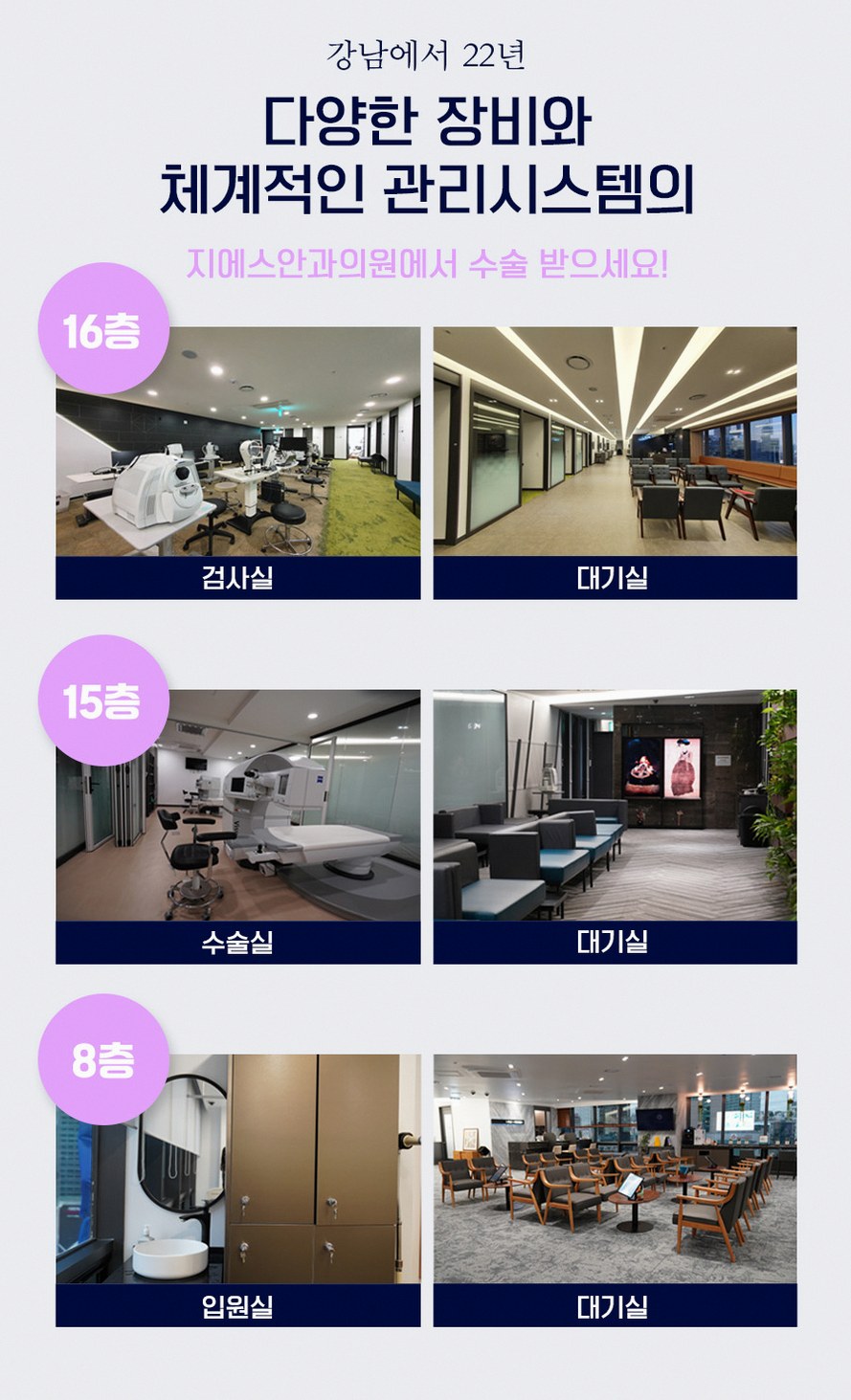
Soft call to action for online consultation
If you are considering astigmatism surgery in Korea and want to know whether SMILE LASIK could be suitable for your eyes, an online consultation is a good first step. By sharing your basic eye history and recent test results, you can receive personalized guidance on possible options and an estimated treatment plan before you book your trip.
If you are interested in exploring your options, you can contact the clinic for more information about online counseling, examination scheduling, and recommended length of stay.
Please remember that this article is for general information only and does not replace a professional eye examination. Final decisions about astigmatism surgery should always be made after a face-to-face consultation with a qualified ophthalmologist who has reviewed your individual condition in detail.

- 공유 링크 만들기
- X
- 이메일
- 기타 앱


댓글
댓글 쓰기