SMILE LASIK near Gyodae — 20/20 & recovery
- 공유 링크 만들기
- X
- 이메일
- 기타 앱

Direct answer summary
For many people visiting the Gyodae and Gangnam area, SMILE LASIK–type vision correction can significantly reduce dependence on glasses or contact lenses. Many suitable candidates may achieve around 1.0 (20/20) uncorrected distance vision, though individual outcomes vary and not everyone will reach this level. Some patients notice rapid improvement, but the timeline for visual recovery differs by person and by procedure. Many office workers are able to return to light work fairly quickly, while full stabilization of vision can take several weeks to months. The effects are intended to be long term, but natural aging of the eyes still continues.
This guide explains what SMILE LASIK and SMILE Pro are, what kind of visual effects you can realistically expect, who tends to benefit, and how an overseas patient can plan a short visit to Korea around Gyodae and Gangnam for consultation, surgery, and follow-up.
Overview of SMILE LASIK and related procedures
SMILE LASIK basics
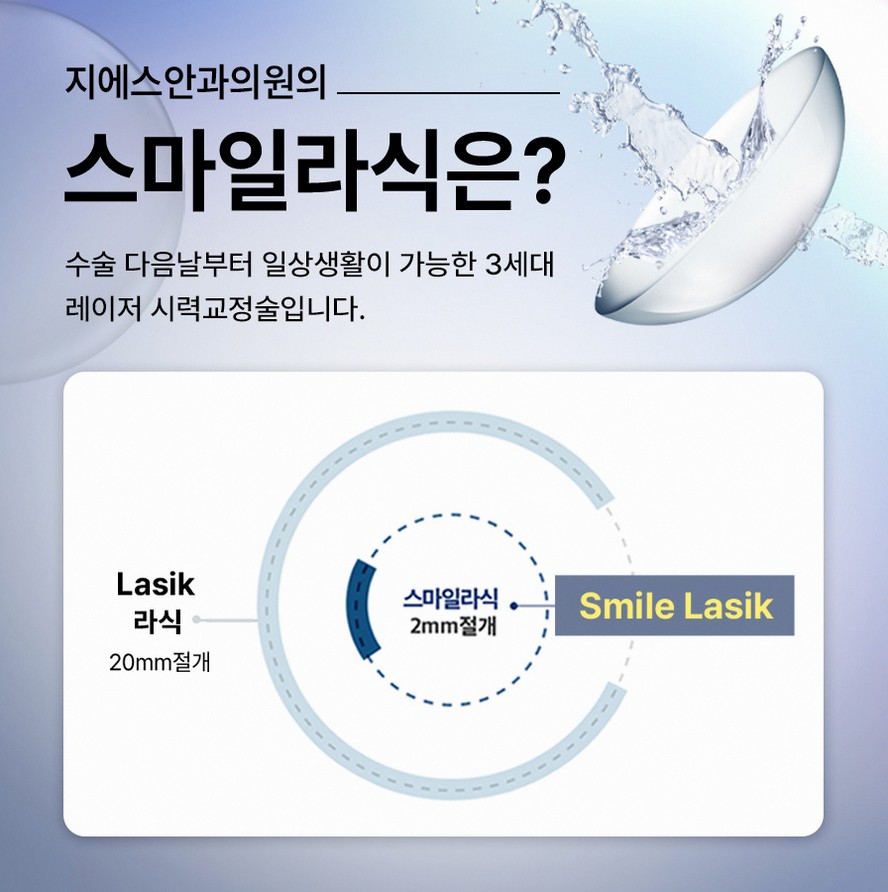
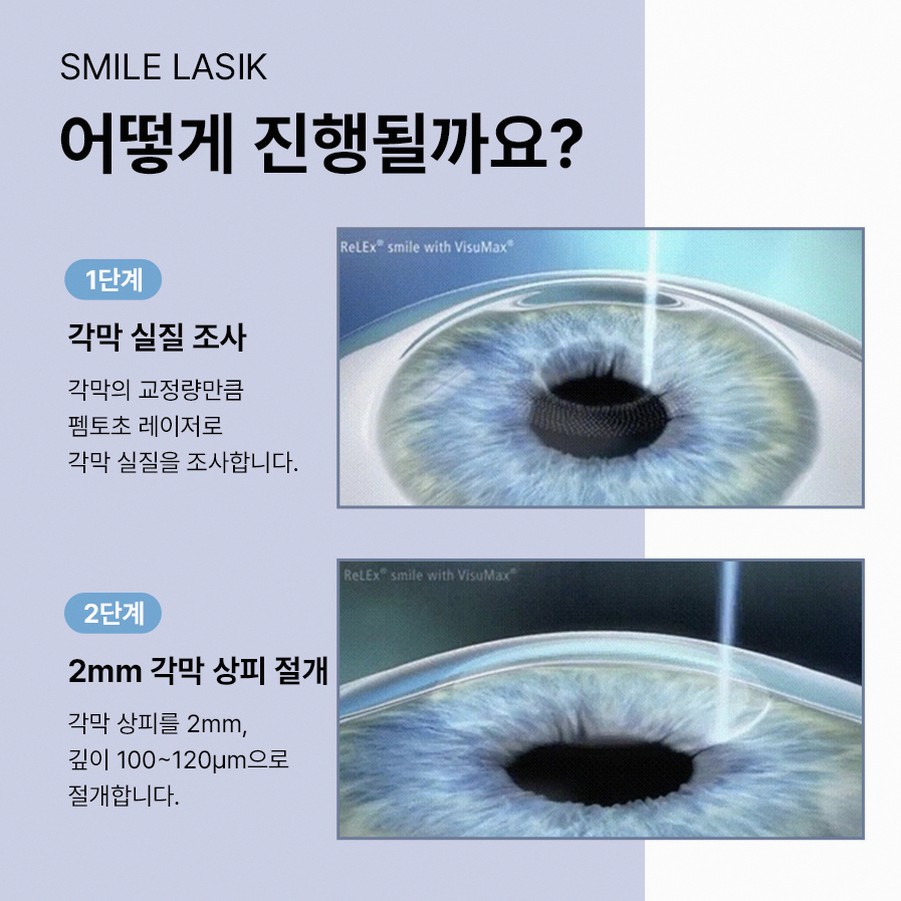
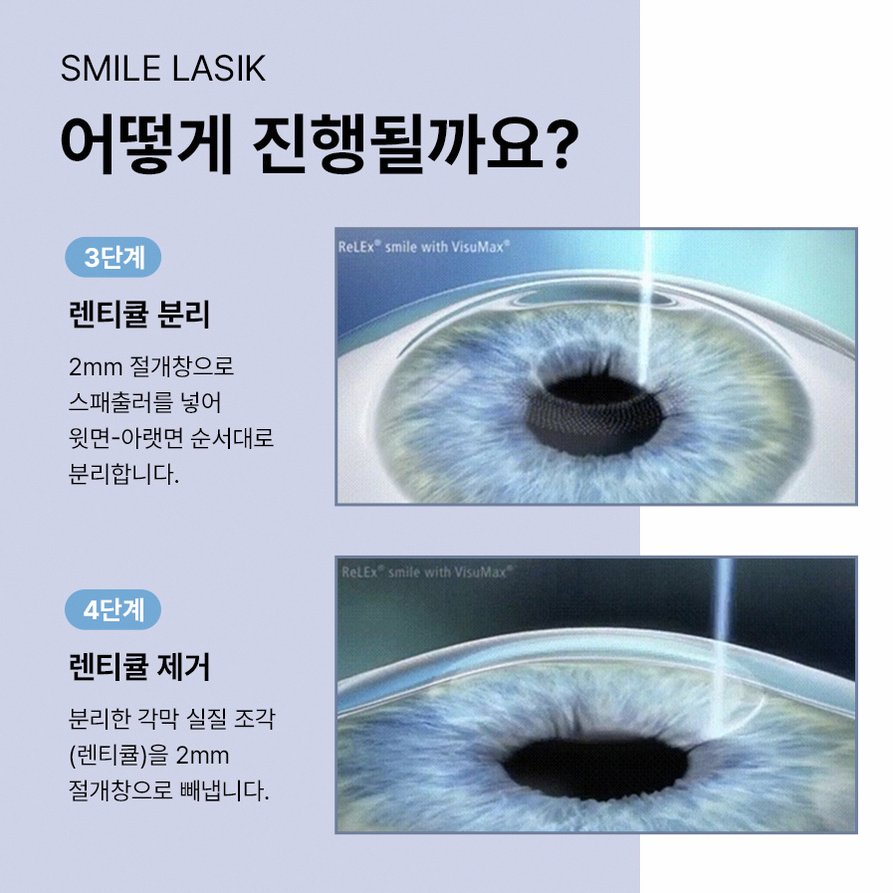
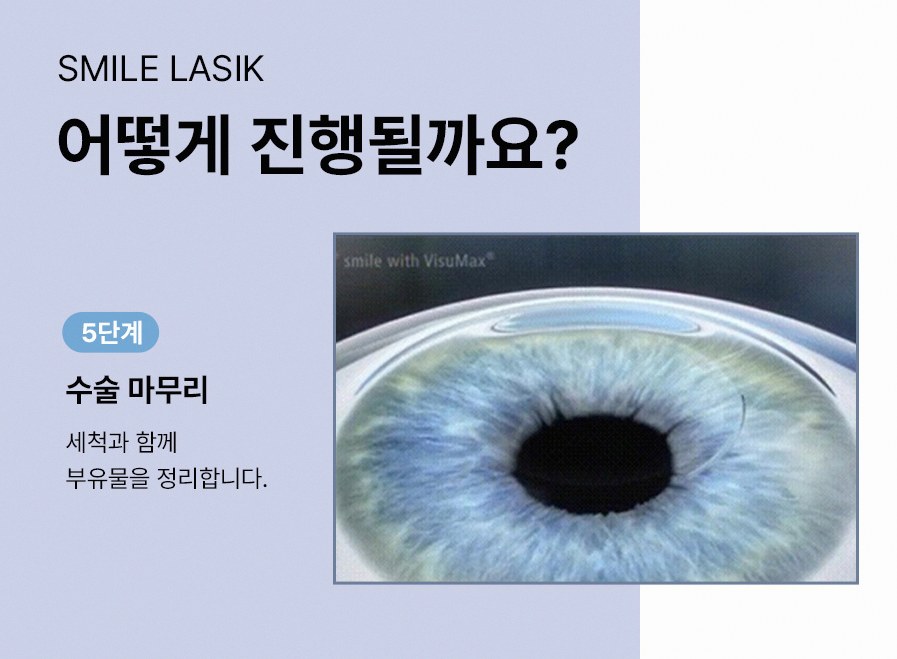
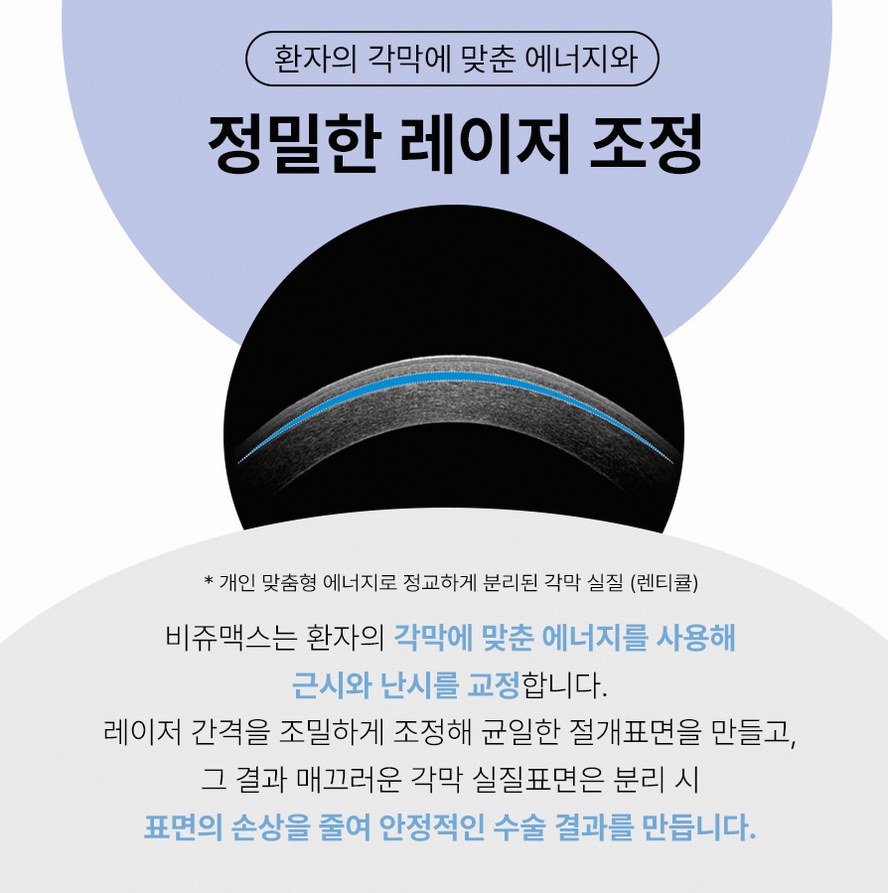
SMILE LASIK is a laser vision correction procedure that reshapes the clear front surface of the eye, called the cornea. A femtosecond laser, which is an ultra-fast, highly precise laser, creates a thin lens-shaped piece of tissue inside the cornea. This piece is then removed through a very small incision, changing the corneal shape so that light focuses more clearly on the retina.
Unlike conventional LASIK, there is no large corneal flap that is lifted and repositioned. Instead, SMILE LASIK uses a small keyhole-like opening, which is why it is often described as minimally invasive.
SMILE Pro and SILK
In Seoul, especially around Gangnam and Gyodae Station, you will also see the terms SMILE Pro and SILK. These are newer members of the same family of small-incision laser vision correction procedures.
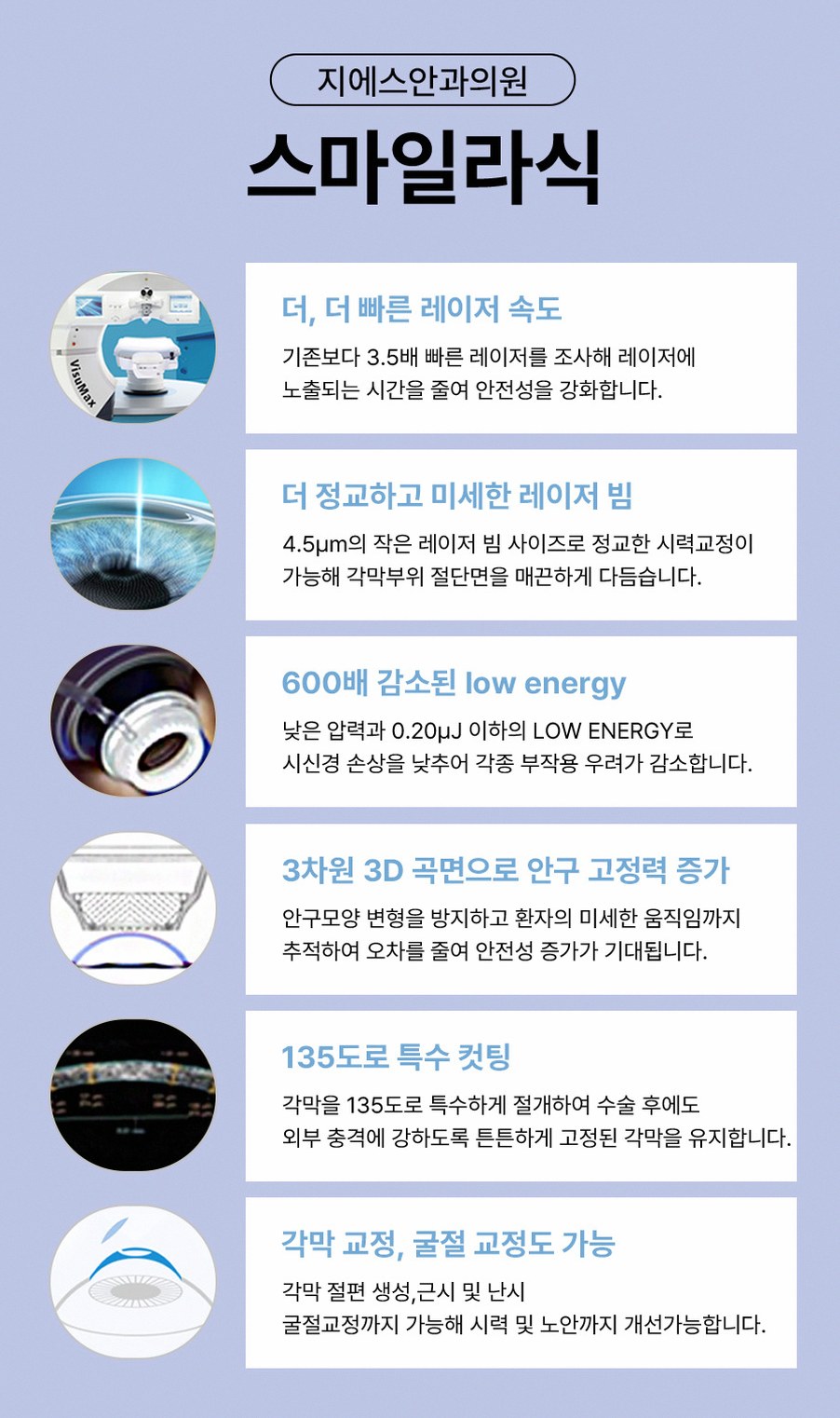
SMILE Pro is performed with a newer generation femtosecond laser platform that can complete the main laser step in under about 9 seconds. This short laser time can improve comfort for some patients and make the procedure feel very quick.
SILK is another small-incision laser method using a similar concept of creating and removing a thin tissue layer through a small opening, aiming for precise reshaping with minimal disturbance to the corneal surface.
Comparison with LASIK and LASEK
Conventional LASIK creates a flap in the cornea, lifts it, uses an excimer laser to reshape the tissue, and then replaces the flap. LASEK reshapes the surface layer of the cornea without a flap, and the surface must heal over several days.
Compared with these methods, SMILE LASIK and SMILE Pro typically involve:
A smaller incision and no large flap
Less risk of flap-related issues
Often faster comfort than surface procedures like LASEK
For many patients, a lower chance of significant dry eye symptoms compared with some older techniques
However, each method has advantages and limitations. The best choice depends on your corneal thickness, shape, prescription, and lifestyle.
Expected vision effects near Gyodae Station
Visual acuity improvement
For many suitable candidates, SMILE LASIK can reduce or remove the need for glasses or contact lenses for distance vision. It is common for patients with moderate myopia and astigmatism, and healthy corneas, to reach around 1.0 (20/20) or even better uncorrected vision.
If you have very high myopia or significant astigmatism, good improvement is still possible, but there may be a higher chance of mild residual refractive error. In such cases, you might still need thin glasses for some tasks, or a small enhancement procedure later, depending on the surgeon’s assessment.
It is important to understand that no method can guarantee a specific line on the eye chart. The goal is functional, comfortable vision for most daily activities without constant dependence on glasses.
Daily life benefits for commuters and office workers
The Gyodae and Gangnam area is full of office workers, students, and commuters who rely heavily on digital devices and move between subways, buses, and offices all day.
After successful SMILE LASIK, many people find that they no longer need to deal with fogged glasses during weather changes, or dry, uncomfortable contact lenses during long workdays. This can make commuting, late-night study sessions, and business meetings more convenient.
Digital work, presentations, and video calls can also feel more comfortable without the irritation of contact lenses. For people who travel frequently or exercise after work, not having to manage lenses or solution can be a significant lifestyle improvement.
Comfort and recovery timeline
Visual recovery with SMILE LASIK is usually rapid. Many patients notice a clear improvement in vision even on the day after surgery, though it may still feel slightly hazy or fluctuating at first.
Some patients may be able to, depending on individual factors and their surgeon’s guidance:
Walk around and manage simple tasks the day after surgery, following the surgeon’s advice
Return to light office work within a few days, if they can take breaks and use lubricating eye drops
Gradually resume more intense screen use, exercise, and outdoor activities as guided during follow-up visits
Compared with surface procedures like LASEK, many people report less discomfort in the early days after SMILE LASIK. There may still be mild dryness, light sensitivity, or a foreign-body sensation, but these symptoms usually improve as the eye heals.
Long-term stability of results
SMILE LASIK is designed as a long-term correction of your current refractive error. For many people, the improved vision remains stable for years.
However, the procedure does not freeze the eye in time. Natural changes still occur:
If you are in your 20s or 30s, your myopia might still change slightly over the years, especially if it was already progressing
From your 40s onward, presbyopia, or age-related difficulty focusing at near, will appear even if your distance vision is good
Some people may develop cataracts or other age-related eye conditions later in life, which are separate from laser vision correction
Because of these natural changes, it is important to see SMILE LASIK as a way to correct your current refractive error, not as a guarantee that your eyes will never change again.
Who tends to see good results
Typical good candidates
People who often do well with SMILE LASIK or SMILE Pro usually have the following characteristics:
Adults whose glasses or contact lens prescription has been stable for at least 1 to 2 years
Myopia and astigmatism within the safe treatment range for their corneal thickness
A cornea that is thick enough and has a regular, healthy shape
No active eye problems such as uncontrolled dry eye, keratoconus, or significant retinal disease
If your prescription is very high or your cornea is relatively thin, the surgeon may recommend another option, such as lens implantation, or advise against laser vision correction altogether for safety.
Importance of preoperative evaluation
The quality and depth of the preoperative examination strongly influence both safety and outcomes.
A modern SMILE LASIK workup usually includes:
Detailed measurement of your glasses or contact lens prescription
Corneal topography to map the shape of the cornea in detail
Corneal thickness measurement to confirm that enough tissue will remain after treatment
Tear film and dry eye evaluation, since dryness can affect both comfort and visual quality
Retinal examination to check for weak spots, tears, or other issues that may need attention
For overseas patients, it is helpful to share previous eye examination records, prescriptions, or any history of eye disease in advance through online consultation.
Risks, side effects, and realistic limits
Common temporary symptoms
Like all vision correction procedures, SMILE LASIK has potential side effects. Common temporary symptoms during the early period include:
Mild dryness or a gritty sensation in the eyes
Glare or halos around lights, especially at night
Slight fluctuation in vision from day to day or between morning and evening
These symptoms often improve over weeks to months with proper use of eye drops and regular follow-up.
Less common but important risks
Less common, but more serious, risks include:
Under-correction or over-correction, which may require an enhancement procedure or partial use of glasses
Inflammation or infection if postoperative care instructions are not followed
Structural problems in patients with undiagnosed corneal weakness, which is why careful screening is essential
Although these issues are not frequent when modern protocols are followed, they are possible, and you should discuss them clearly with your surgeon before deciding.
Realistic expectations
It is important to keep expectations realistic:
Not everyone will achieve perfect vision in every situation
The main goal is to reduce dependence on glasses or contact lenses for most daily activities
You may still need glasses for specific tasks, such as night driving or detailed close work, especially as you age
Presbyopia will still appear in your 40s to 50s, even after successful SMILE LASIK, and you may need reading glasses or other solutions at that time
Why location near Gyodae and Gangnam matters
Convenience for follow-up
Vision correction is not a single-day event. Even if the surgery itself is quick, proper care involves several visits:
Preoperative tests and consultation
Surgery day
Early postoperative checkups in the first days and weeks
Additional follow-up visits over the next months
Being close to Gyodae and Gangnam Station makes it easier to attend all these visits without long travel. This is especially helpful for office workers and students who need to fit appointments between classes, meetings, or commuting.
Lifestyle fit in a high-demand area
People living or working around Gyodae and Gangnam often spend long hours on computers, tablets, and smartphones. Many also wear contact lenses for long periods, which can cause dryness and discomfort.
For this lifestyle, SMILE LASIK can reduce the daily burden of contact lenses. However, heavy screen use can still strain the eyes, so clinics in this area often emphasize:
Proper screen breaks and blinking habits
Use of lubricating drops after surgery
Scheduling follow-ups outside peak work hours when possible
GS Eye Center as an example near Gangnam
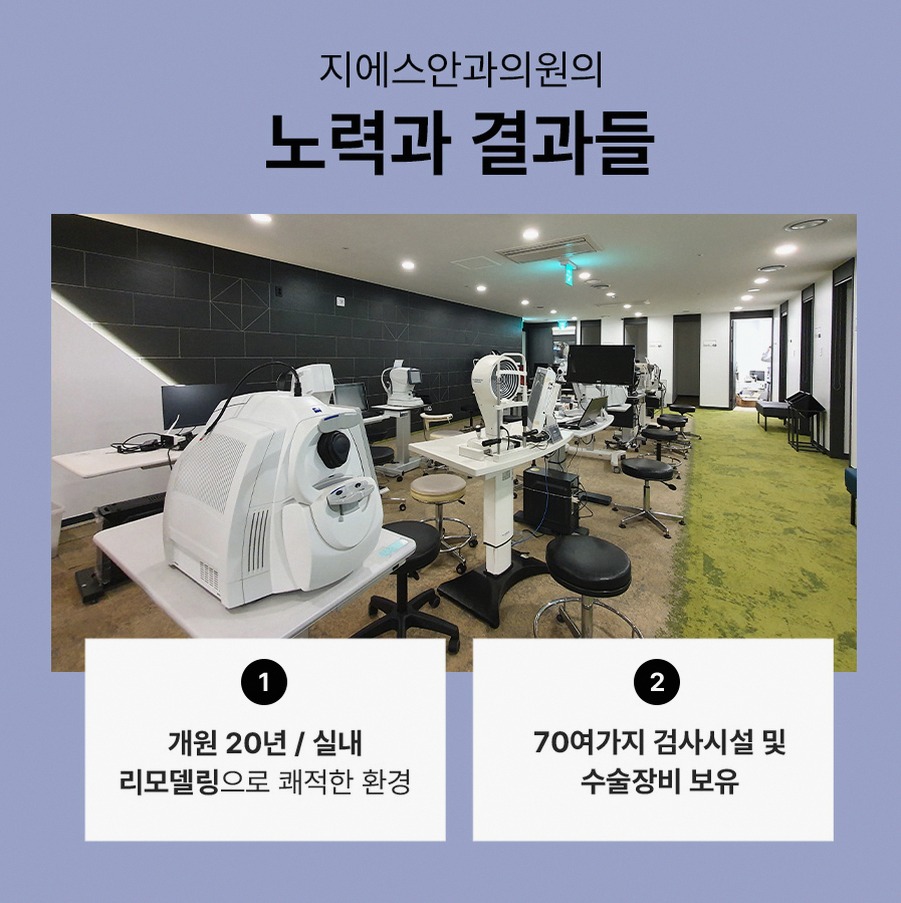
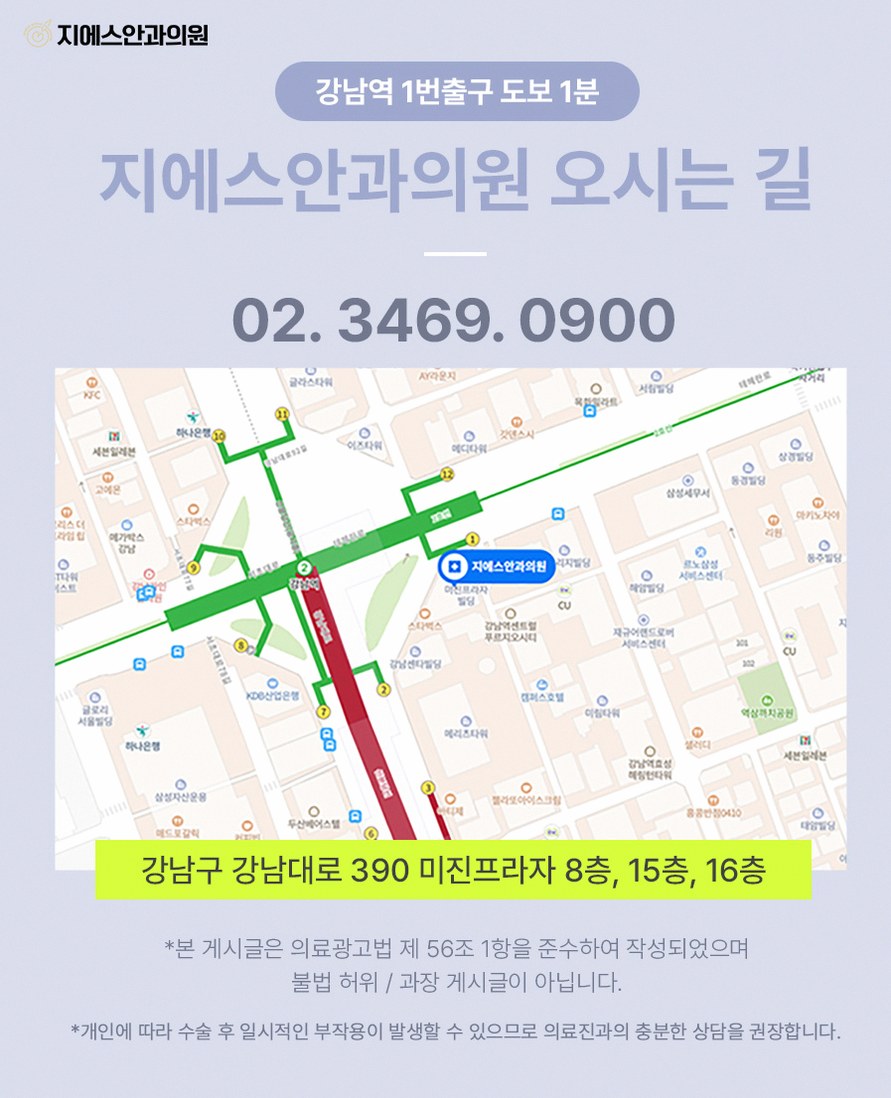
GS Eye Center is an ophthalmology clinic located near Gangnam Station in Gangnam-gu, Seoul, and has been operating in the same location since 2005. The medical team is led by an ophthalmologist with a medical doctorate, and all seven doctors are board-certified ophthalmology specialists.
As of 2023, the clinic reports a cumulative total of about 300,000 eyes treated for vision correction and cataract surgery. Within the SMILE family, it has performed around 15,000 SMILE Pro cases as of April 2026, after reaching 5,000 cases in October 2024 and 10,000 in August 2025.
The clinic holds several recognitions related to SMILE-type procedures, including membership in the ZEISS SMILE GOLD CLUB since 2021, designation as a ZEISS SMILE pro CENTER in 2023, and a SILK TRAINING Center in 2026. It also obtained ISO 9001 and 14001 certification for SMILE LASIK in 2020 and has been designated as a clinical education institution for a major medical school in 2023 and as an Asia-Pacific clinical education center by BIOTECH in 2024.
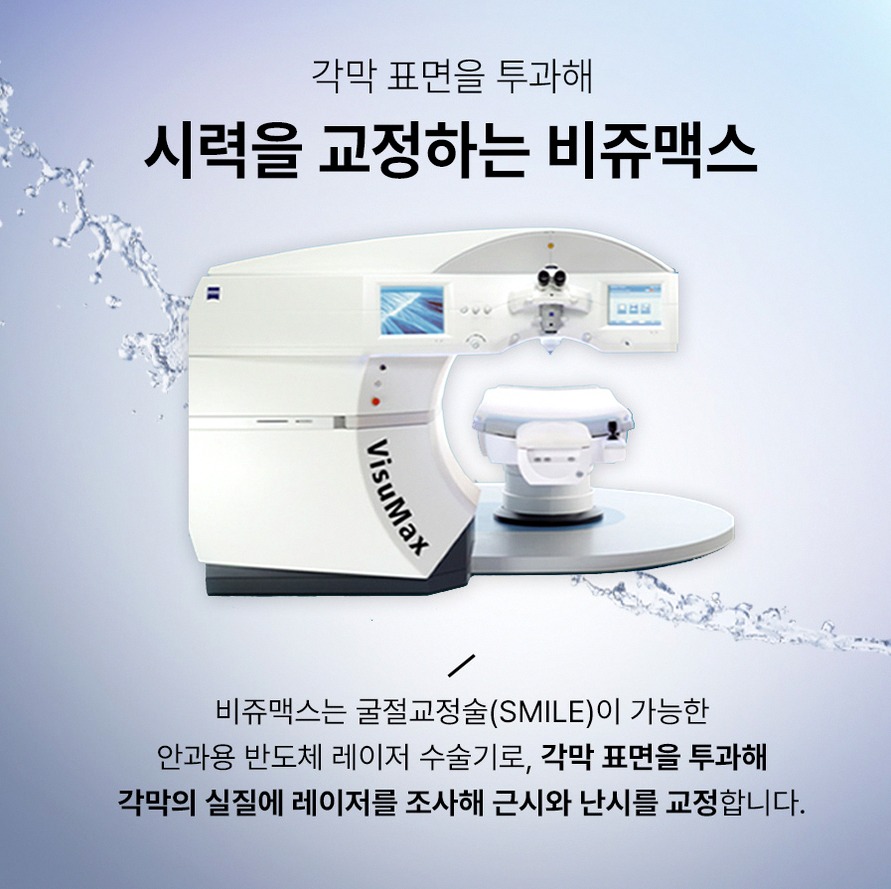
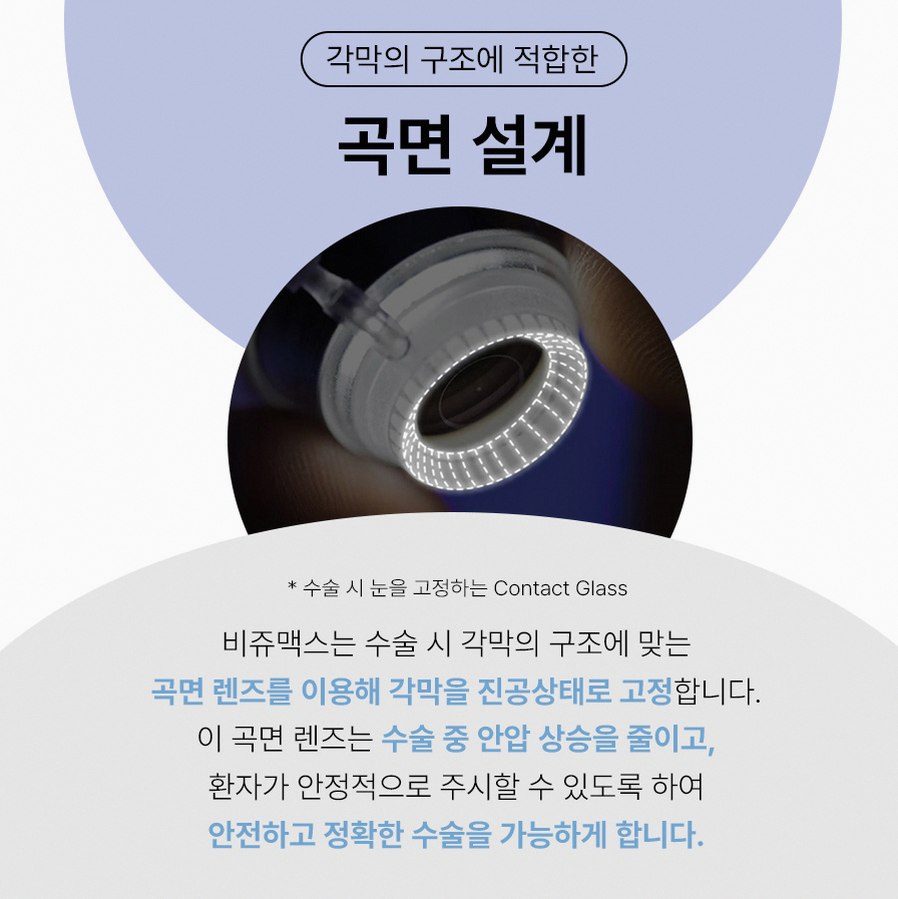
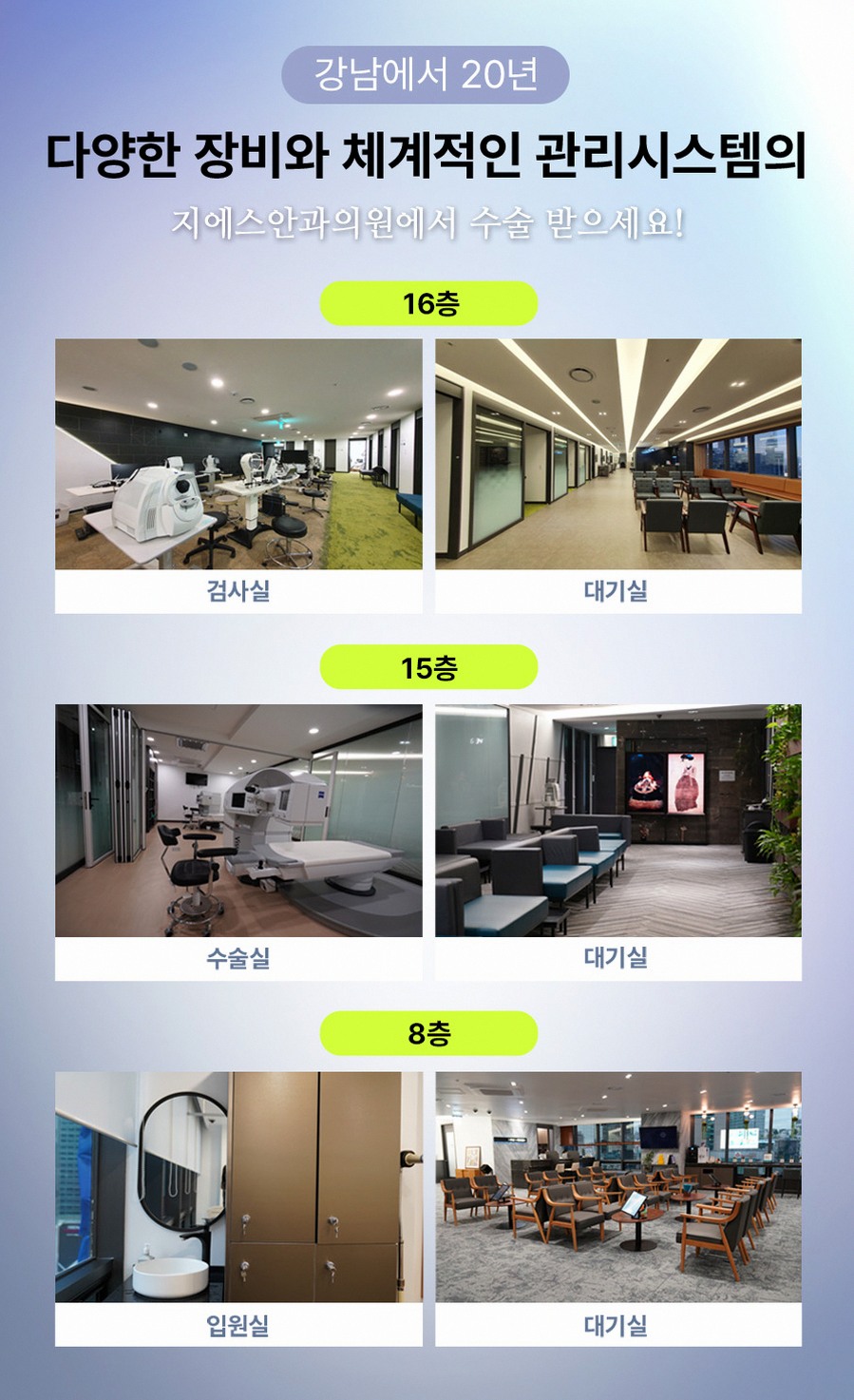
In terms of equipment, the clinic has three major ZEISS platforms: one VISUMAX 800 for SMILE Pro and two VISUMAX 500 units for SMILE LASIK. The VISUMAX 800 can complete the laser step in under about 9 seconds, which may help reduce stress for patients during the procedure.
Beyond SMILE LASIK, the clinic offers other refractive options such as SILK, a proprietary protocol called Golden SMILE, lens implantation methods including ICL and GLAZE, 2DAY LASEK, VISU LASIK, corneal cross-linking, and a dry eye clinic. It also has a separate retina center and performs presbyopia lens implantation and laser cataract surgery, including multifocal lenses such as PanOptix, with about 3,000 lenses implanted as of 2024.
How GS Eye Center approaches SMILE LASIK outcomes
Preoperative process
The clinic uses a multi-step diagnostic process to determine whether SMILE LASIK is appropriate or if another method, such as lens implantation, is safer for a particular patient.
This process typically includes:
Detailed measurement of refractive error
Corneal topography and thickness mapping
Pupil size assessment
Evaluation of tear film and dry eye status
Retinal examination
Based on these findings, the medical team can advise whether SMILE LASIK, SMILE Pro, SILK, or another procedure is likely to match the patient’s eye condition and lifestyle, such as night driving, sports, or heavy screen use.
Surgical environment
With both VISUMAX 800 and VISUMAX 500 platforms available, the clinic can select the laser system that best fits the planned procedure. The high-speed VISUMAX 800 is used for SMILE Pro, while the VISUMAX 500 units support standard SMILE LASIK.
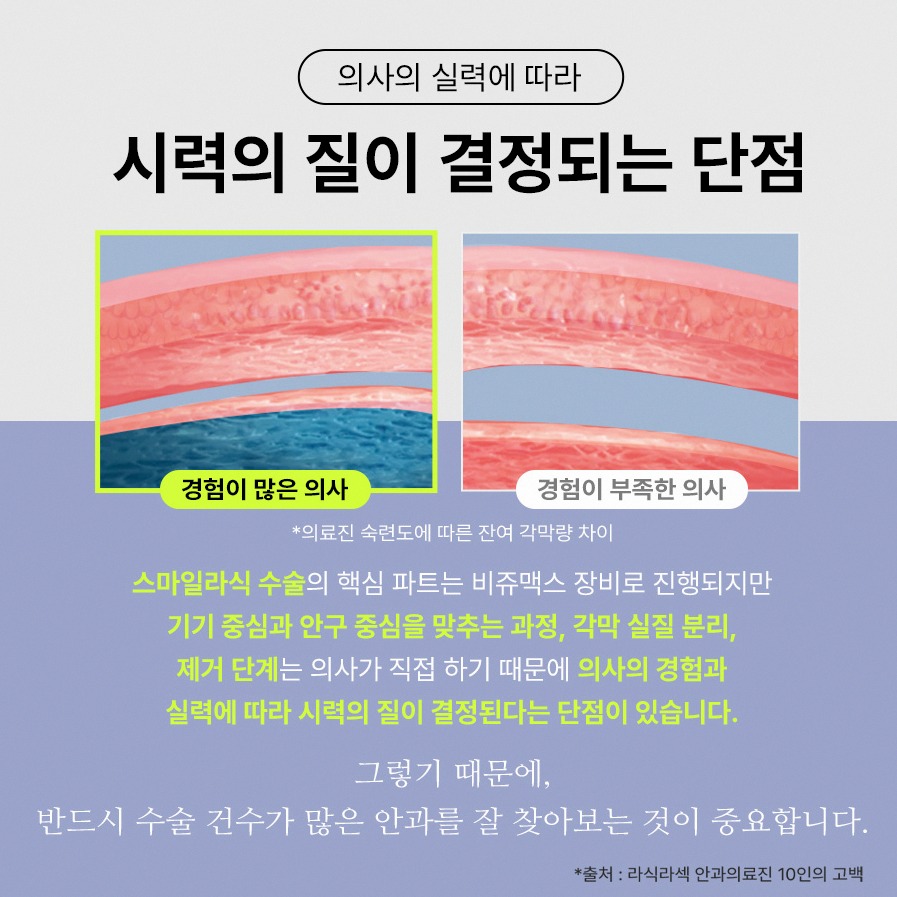
The accumulated case volume and the surgeons’ experience with different SMILE-family procedures contribute to planning and predicting likely outcomes for different prescription ranges and corneal types.
Postoperative care
After surgery, patients follow a structured schedule of follow-up visits to monitor healing and visual stability. Typical elements of postoperative care include:
Use of antibiotic and anti-inflammatory eye drops for a prescribed period
Lubricating drops to manage dryness
Guidance on limiting screen time in the early days
Advice to avoid eye rubbing, swimming, or contaminated water for a certain time
For overseas patients, the clinic may adjust the schedule to fit within a shorter stay, while still ensuring that the most critical early follow-ups are completed before you fly home.

Who may consider SMILE LASIK near Gyodae Station
Overseas patients often fit into one of the following categories:
Young professionals who want to reduce dependence on glasses or contact lenses before starting or advancing their careers
Students who are preparing for exams or studying abroad and want more visual freedom
Frequent travelers who find contact lenses inconvenient during flights and hotel stays
If you are considering SMILE LASIK during a visit to Seoul, it is important to:
Confirm that your prescription has been stable
Collect your latest glasses or contact lens prescriptions
Check any history of eye disease or surgery with your local doctor
Online consultation and pre-visit preparation
Before you travel, an online consultation can help determine whether you are a potential candidate and how to plan your schedule.
Information to prepare for online consultation
To make the most of an online consultation, prepare the following:
Your current glasses prescription and, if possible, older prescriptions from the last 1–2 years
Details of your contact lens use, such as daily wear time and any discomfort
Any known eye conditions, such as dry eye, allergies, or previous infections
General health conditions and medications, especially those that may affect healing
Your typical work or study schedule and how much you drive at night or use screens
You can also write down your main goals, such as sports, travel, or professional needs, so the medical team understands what “success” would look like for you.
Questions to ask before deciding
When you contact a clinic near Gyodae or Gangnam, consider asking:
How many SMILE LASIK and SMILE Pro procedures have you performed, and over what time period
Which laser platforms you use and why they were chosen
What your typical follow-up schedule looks like for overseas patients
How you handle enhancement procedures if the initial correction is not sufficient
Whether you offer other refractive options if SMILE LASIK is not suitable for my eyes
These questions help you compare clinics beyond price alone and focus on experience, equipment, and support.
Expected Korea visit timeline for SMILE LASIK
A typical visit schedule for an overseas patient might look like this, though details vary by clinic and individual case.
Day 1: Comprehensive examination and consultation
You arrive in Seoul and visit the clinic for a full eye examination. This can take several hours because of the number of tests and the need for pupil dilation.
If you wear soft contact lenses, you will usually need to stop wearing them for several days before this exam. For rigid lenses, the break period is often longer. This is to ensure accurate measurements.
After the examination, you discuss whether SMILE LASIK, SMILE Pro, or another method is recommended, and what results you can realistically expect.
Day 2: Surgery day
If you and the surgeon decide to proceed, surgery may be scheduled for the next day or within a few days, depending on the clinic’s schedule and your travel plans.
The procedure itself is usually quick, often taking less than 30 minutes in the operating room, with the laser step lasting only seconds. You remain awake but receive numbing eye drops.
After a short rest, you return to your hotel with protective eye shields and postoperative instructions.
Day 3–4: Early follow-up
You return to the clinic for your first postoperative check, often the next day. The team checks your vision, corneal condition, and healing.
Many patients already notice significant improvement in vision at this stage, though it may still be slightly hazy.
Day 5–7: Additional follow-up and travel home
Depending on your schedule and the surgeon’s advice, you may have one or more additional follow-up visits within the first week.
If healing is progressing well, many overseas patients are cleared to fly home within several days after surgery. You will receive instructions for continued eye drop use and recommendations for follow-up with a local eye specialist in your home country.
Aftercare and long-term care
Short-term aftercare
In the first weeks after SMILE LASIK, you should:
Use prescribed eye drops exactly as instructed
Avoid rubbing your eyes
Limit exposure to dust, smoke, and water that may be contaminated, such as pools or hot tubs
Wear sunglasses outdoors to reduce light sensitivity
Take regular breaks from screens to reduce eye strain
Medium- to long-term care
Over the following months, your vision continues to stabilize. It is helpful to:
Attend scheduled follow-ups, whether in Korea or with a local specialist
Continue using lubricating drops if you feel dryness
Monitor your night vision and share any concerns with your doctor
Even after successful SMILE LASIK, regular eye examinations every 1–2 years are recommended to check for other conditions such as glaucoma, retinal problems, or cataracts.
FAQ about Gyodae Station vision correction surgery effects
How effective is SMILE LASIK around Gyodae Station for reaching 1.0 (20/20) vision?
Many suitable candidates in the Gyodae and Gangnam area reach around 1.0 (20/20) or better uncorrected distance vision after SMILE LASIK or SMILE Pro. Effectiveness depends on your initial prescription, corneal thickness and shape, and overall eye health. Clinics with extensive SMILE experience and modern diagnostic equipment can estimate your likely range of outcomes, but no clinic can promise a specific result for every patient.
How soon can I return to work or study after SMILE LASIK in Gangnam?
Most patients can manage simple daily activities the day after surgery and return to light office work within a few days, if they follow the surgeon’s instructions and take regular breaks. For intense screen use or night driving, it may be wise to allow more time for adaptation and stabilization. Your doctor will give personalized guidance based on your healing and the type of work or study you do.
How long do the effects of SMILE LASIK last, and will I still need glasses later?
The effects of SMILE LASIK are intended to be long lasting, and many people enjoy clear distance vision for years. However, natural aging continues, so presbyopia usually appears in the 40s or 50s, even if your distance vision is good. At that stage, you may need reading glasses or other solutions for near tasks. Some people with very high initial myopia may also experience small changes over time and might need thin glasses for certain activities.
What should overseas patients check before choosing a SMILE LASIK clinic near Gyodae or Gangnam?
Overseas patients should confirm that a full preoperative examination will be performed, including corneal topography, thickness measurement, dry eye evaluation, and retinal checks. It is also useful to ask about the clinic’s experience and case numbers with SMILE LASIK and SMILE Pro, the laser platforms used, and the typical follow-up schedule for international visitors. Finally, check whether the clinic offers multiple refractive options so that they can recommend the method that best matches your eyes, rather than fitting everyone into a single procedure.
Soft call to action for online consultation
If you are considering SMILE LASIK or SMILE Pro during a visit to the Gyodae and Gangnam area, an online consultation with a clinic such as GS Eye Center can help you understand whether you are a likely candidate, what kind of visual effects you might expect, and how to plan your travel schedule. By sharing your prescription history, lifestyle, and goals in advance, you can make your in-person visit to Seoul more efficient and focused.
This article is for general information only and does not replace a personal consultation with a qualified eye specialist. Individual suitability, risks, and expected results should always be discussed directly with a medical professional who has examined your eyes.
- 공유 링크 만들기
- X
- 이메일
- 기타 앱


댓글
댓글 쓰기