SMILE LASIK near Gyodae Station - compare Gangnam clinics
- 공유 링크 만들기
- X
- 이메일
- 기타 앱

Direct answer for patients near Gyodae Station
Gangnam-daero, only a few subway stops away, has long-running centers focused on laser vision correction, including SMILE, SMILE pro, and SMILE LASIK. For many commuters and students, taking a short ride from Gyodae to Gangnam Station opens up more options in terms of surgeon experience, diagnostic systems, and laser platforms.
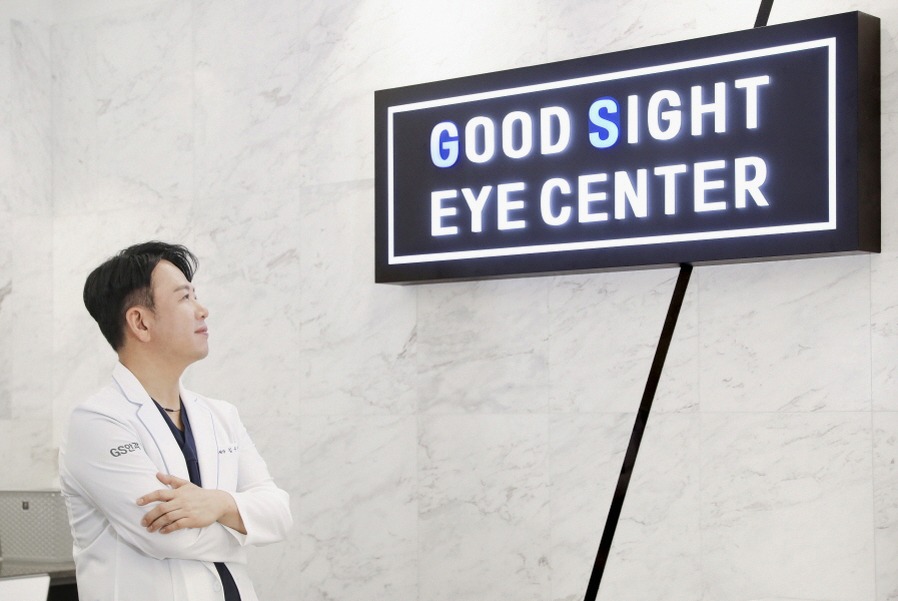
This article uses GS Eye Center on Gangnam-daero as an example of a SMILE-focused facility that overseas patients can consider when planning treatment in Seoul. The aim is not to promote one place as the only choice, but to explain what SMILE LASIK is, how to compare clinics near Gyodae Station and Gangnam, and what an international patient journey might look like from online consultation to follow-up.
What SMILE LASIK actually is
SMILE (Small Incision Lenticule Extraction) is a type of laser vision correction that reshapes the cornea using a femtosecond laser. Instead of creating a large flap on the surface, the laser creates a small lens-shaped piece of tissue (lenticule) inside the cornea. This lenticule is then removed through a keyhole-style incision only a few millimeters wide.
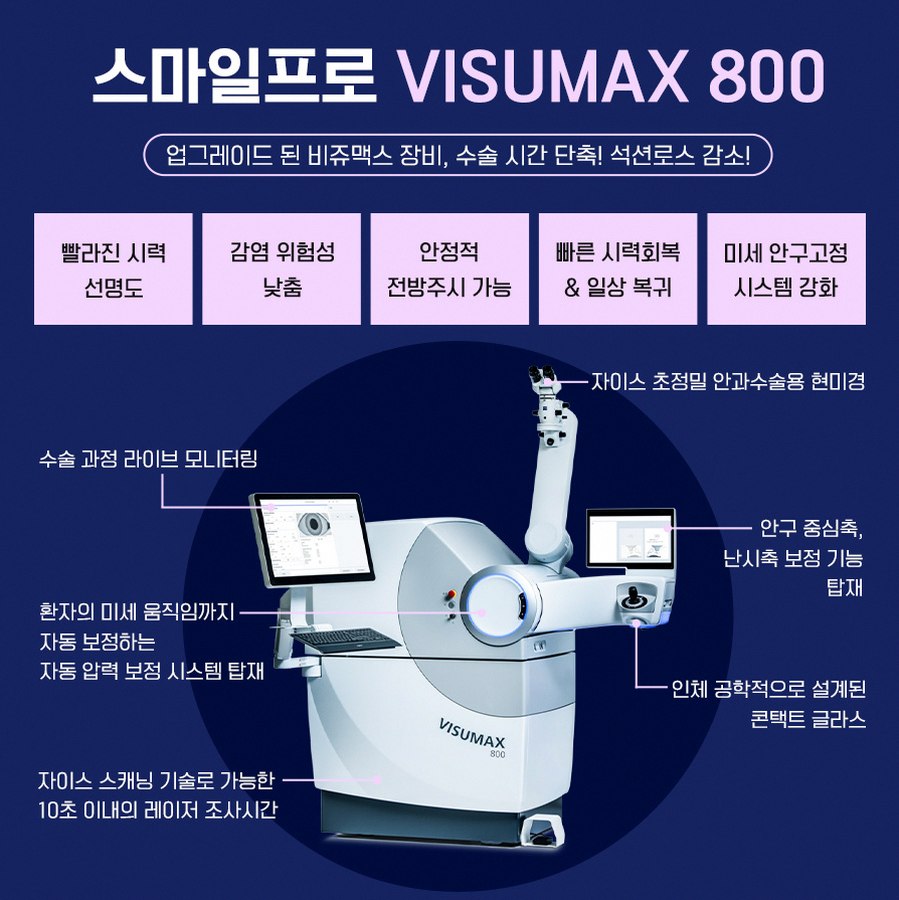
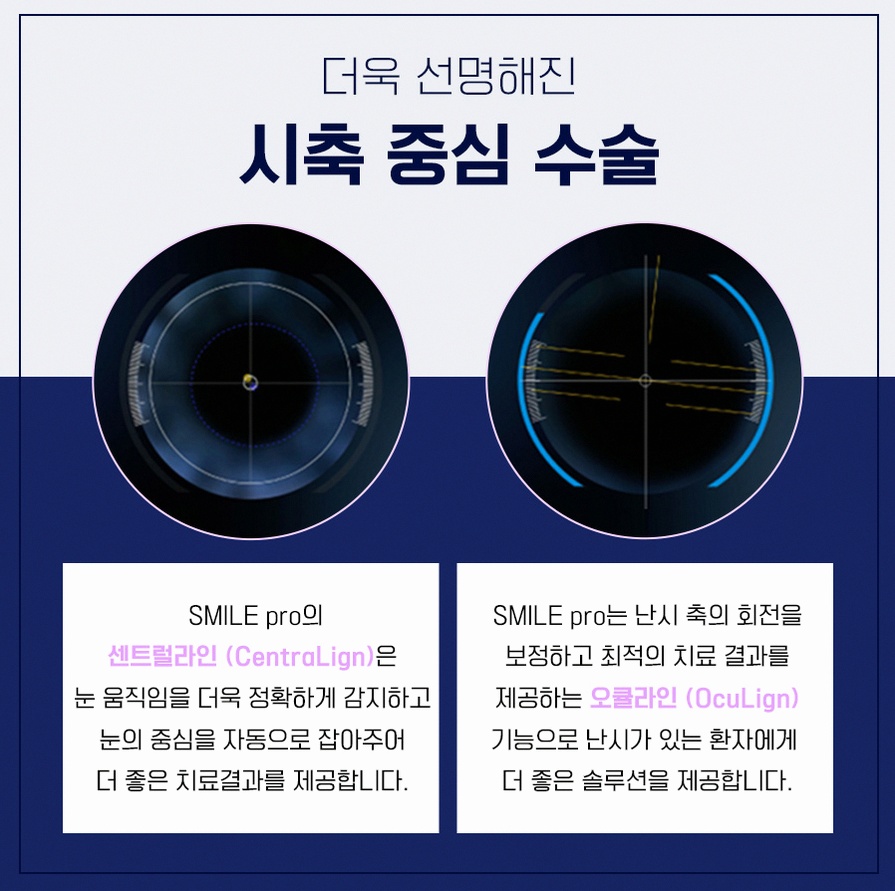
SMILE LASIK is a broad term people often use for SMILE-type procedures. Within this category, there are newer versions such as SMILE pro, performed with the ZEISS VISUMAX 800 platform. The concept is similar, but the laser is faster and the treatment workflow is more refined compared with earlier systems.
How SMILE differs from LASIK and LASEK
Traditional LASIK
In LASIK, a thin flap is created on the corneal surface, either with a femtosecond laser or a mechanical device. The flap is lifted, an excimer laser reshapes the underlying tissue, and the flap is then placed back.
LASEK
In LASEK, there is no flap. Instead, the surface layer (epithelium) is loosened with alcohol, lifted, the cornea is reshaped with an excimer laser, and the epithelium is repositioned. Recovery can be slower and more uncomfortable than LASIK or SMILE.
Key differences with SMILE / SMILE LASIK
SMILE uses a small incision rather than a large flap. This keyhole approach may help maintain more of the corneal structure. Many patients report relatively quick comfort, and there is no flap edge that could be disturbed by rubbing or minor trauma.
SMILE pro on VISUMAX 800 can complete the laser portion in under about 9 seconds according to typical clinical use, which can make the experience feel shorter and easier for some people.
Who may consider SMILE LASIK
Suitability for SMILE-type procedures depends on several medical factors. A detailed eye examination is always necessary, but in general, candidates often share the following characteristics.
Age and prescription stability
Adults over 18, with a stable glasses or contact lens prescription for at least one to two years, are usually considered. Very high prescriptions or rapidly changing vision may require additional caution or alternative options.
Corneal thickness and shape
The cornea must be thick enough and have a regular shape to allow safe reshaping. Corneal topography and thickness measurements help identify people who may be better suited to other methods such as LASEK, lens-based correction, or corneal strengthening procedures.
General eye health
Conditions such as active inflammation, advanced dry eye, uncontrolled glaucoma, or certain retinal problems may affect suitability. This is one reason why a center with retina fellowship–trained doctors can be reassuring, especially for patients with combined front-of-the-eye and back-of-the-eye issues.
Lifestyle and work
Many people commuting through Gyodae and Gangnam choose SMILE LASIK because they want a relatively fast recovery and minimal disruption to work or study. Office workers, law students, and professionals who spend long hours at a desk often appreciate the possibility of returning to routine tasks within a few days, depending on individual recovery.
How to choose a SMILE LASIK clinic near Gyodae Station
When you search for a place near Gyodae Station, you will find both small local practices and larger centers on nearby Gangnam-daero. Instead of focusing only on distance, it can be more useful to compare the following points.
Surgeon and team experience
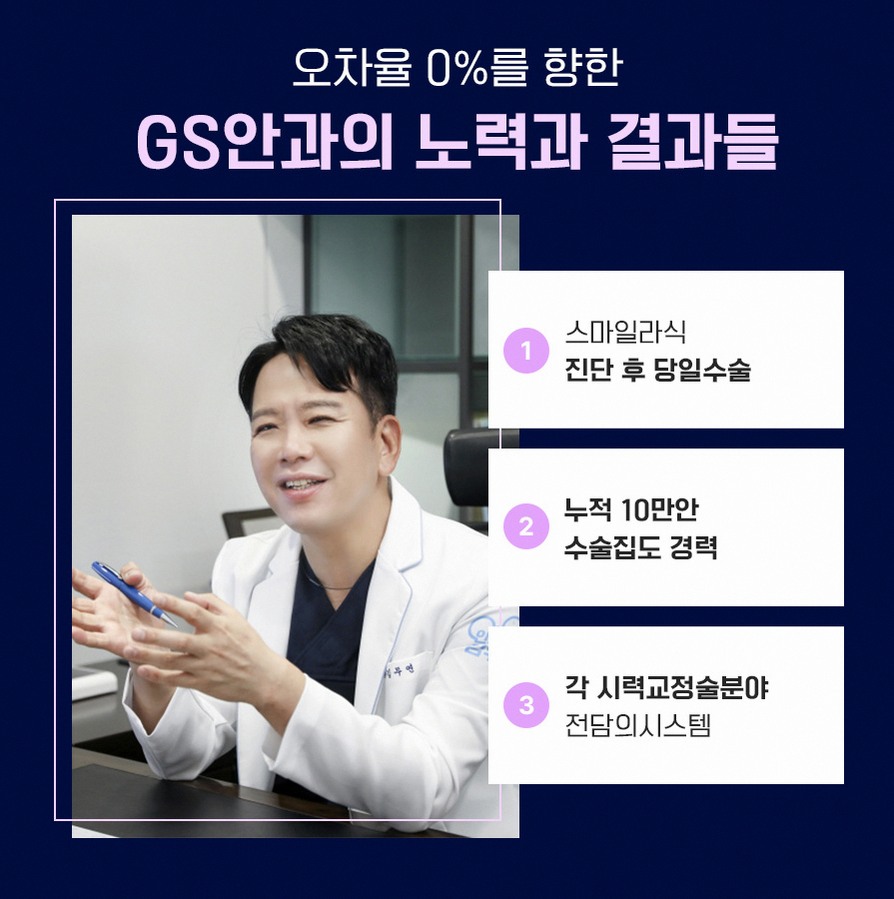
Look for information on how long the center has been performing refractive procedures and how many eyes have been treated. GS Eye Center reported a cumulative total of about 300,000 eyes treated for vision correction and cataract surgery as of 2023. Numbers like this do not guarantee any individual result, but they do indicate long-term experience in handling a wide range of cases.
For SMILE pro specifically, case milestones such as 5,000 eyes by October 2024, 10,000 eyes by August 2025, and 15,000 eyes by April 2026 show a sustained focus on this technique. When you compare clinics, you can ask how many SMILE or SMILE pro cases they perform per year and how long they have used each platform.
Laser platforms and technology
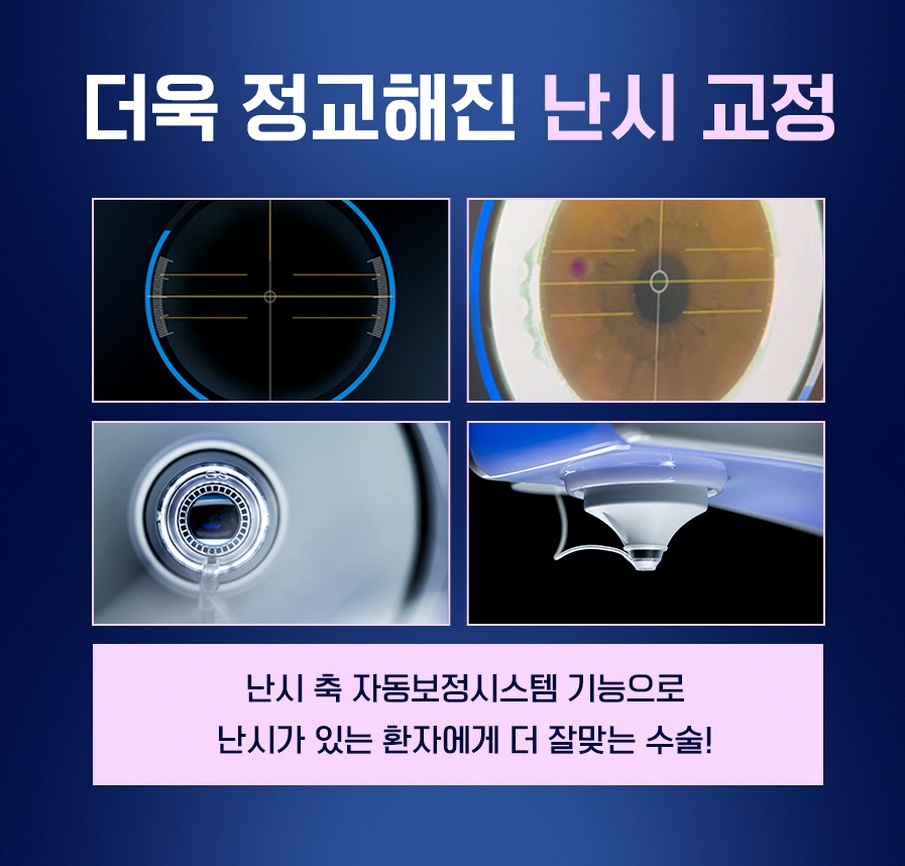
A key differentiator for SMILE procedures is the type and number of laser platforms available. Some clinics operate multiple SMILE-capable systems; GS Eye Center, for example, maintains VISUMAX 800 (ZEISS), two VISUMAX 500 units (ZEISS), and ELITA (Johnson & Johnson).
Some centers own all three major ZEISS SMILE platforms: the latest VISUMAX 800 for SMILE pro and two VISUMAX 500 units for SMILE LASIK. This kind of setup can offer several practical advantages.
Shorter laser time and comfort
VISUMAX 800 is designed for faster laser application, often under about 9 seconds. Many patients find it easier to stay relaxed when the main step is that quick.
Fine-tuned cutting profiles
Modern femtosecond platforms allow precise control of incision depth, shape, and position. This can help surgeons tailor the procedure to the individual cornea, though outcomes still vary from person to person.
Redundancy and scheduling stability
Having multiple machines, such as two VISUMAX 500 units plus a VISUMAX 800, means that if one device is undergoing maintenance, the clinic can often continue using another. For busy commuters coming from Gyodae Station, this can reduce the risk of last-minute rescheduling.
Diagnostic system and safety protocols
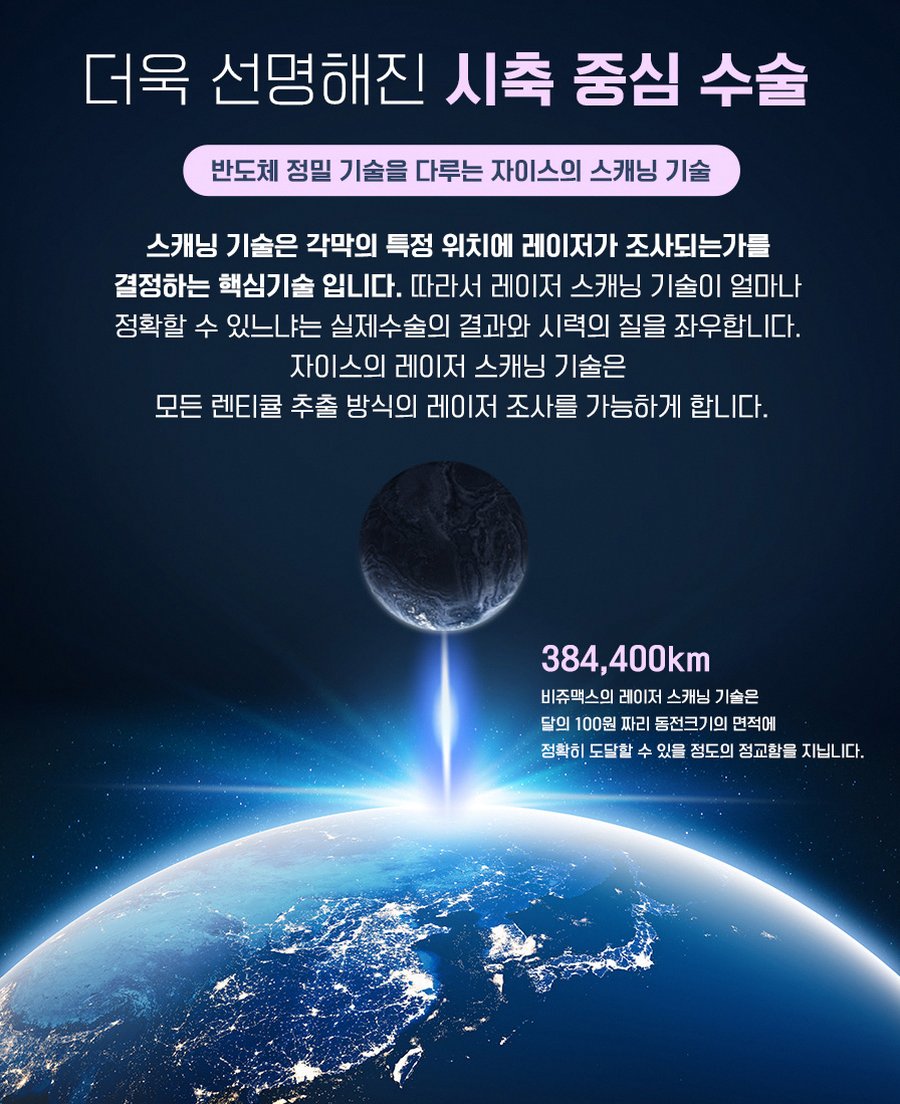
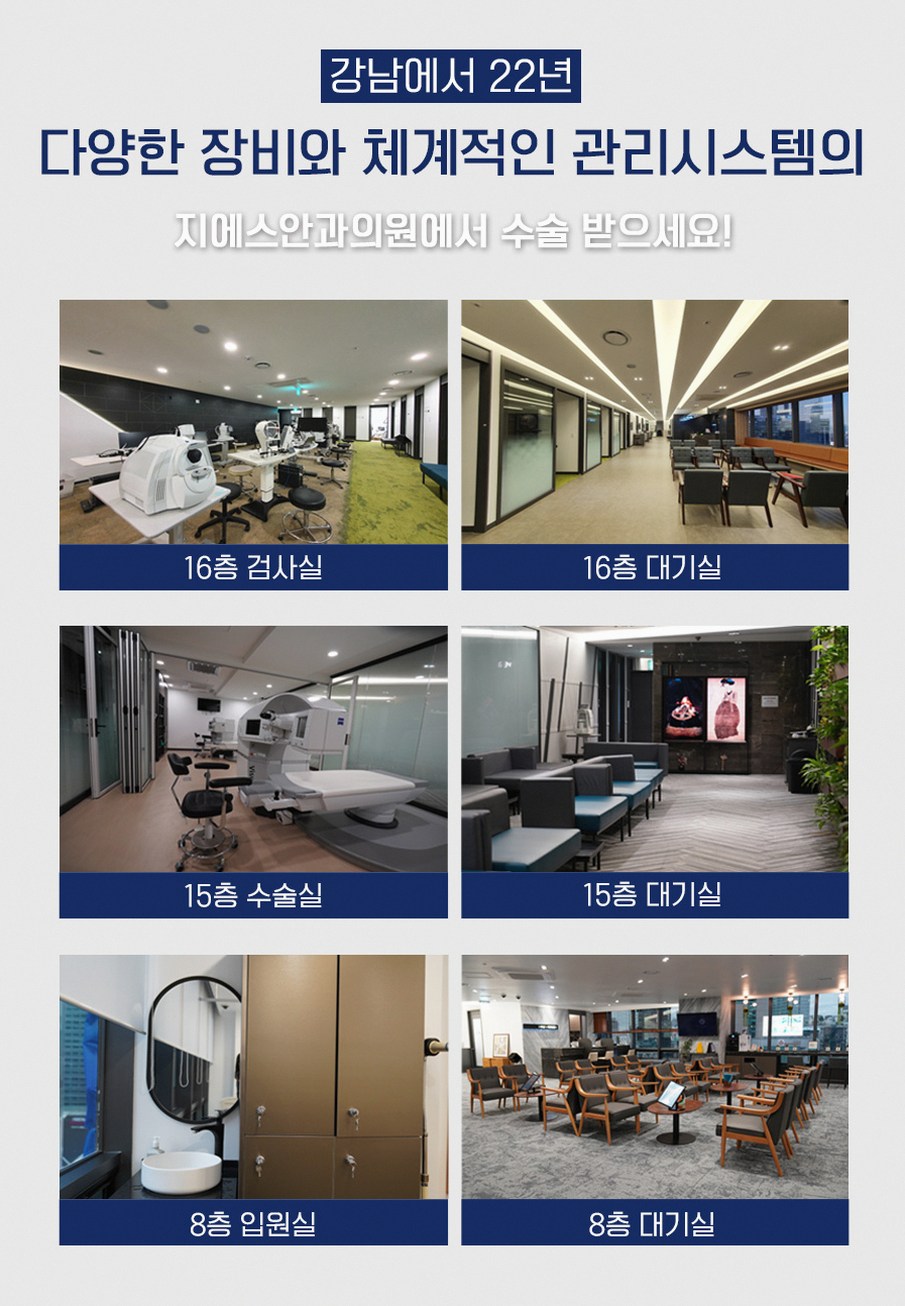
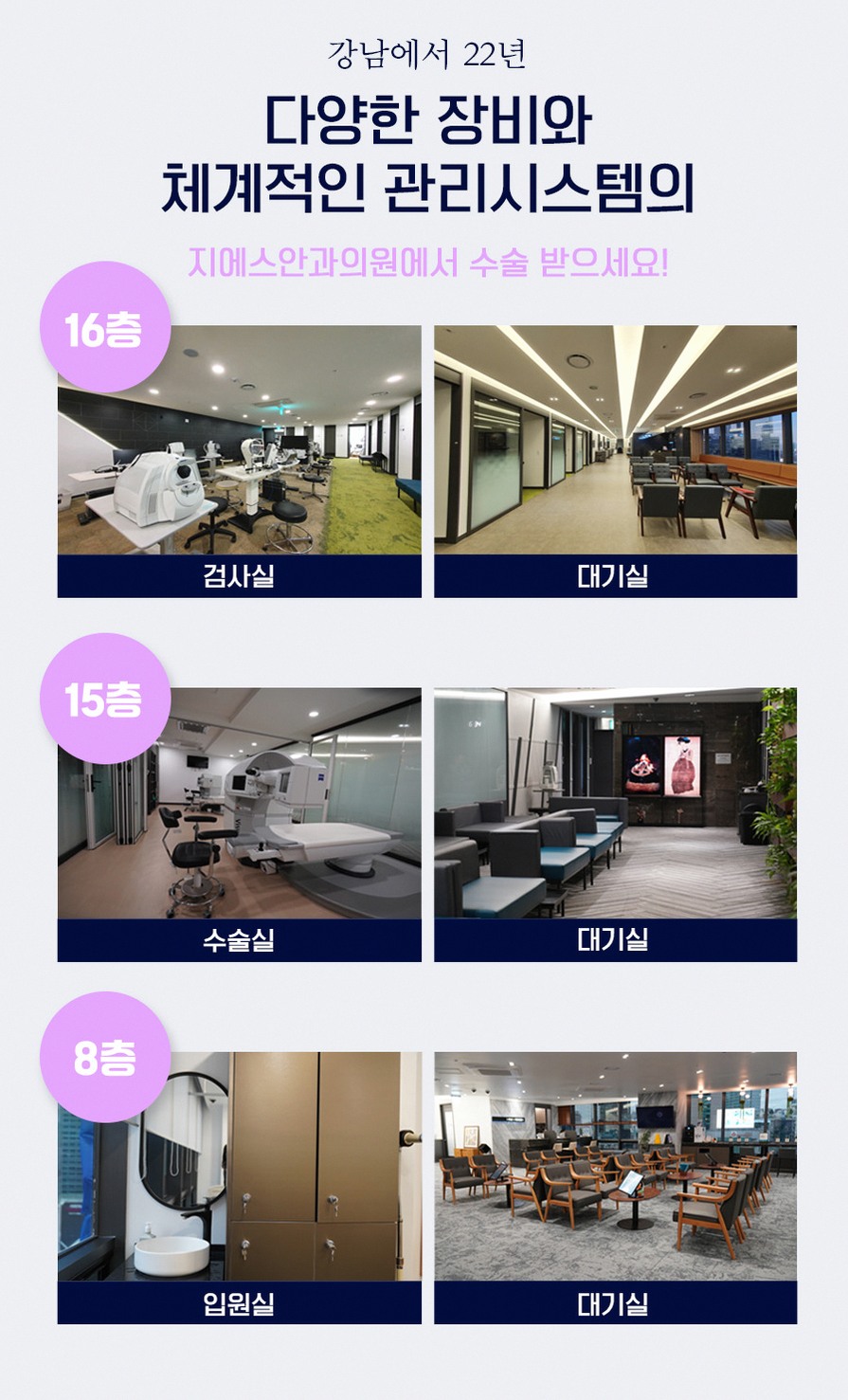
Beyond the laser itself, the quality of the diagnostic system is crucial. A thorough preoperative workup typically includes corneal topography, tomography, thickness mapping, tear film evaluation, pupil size measurement, and retina examination.
When comparing clinics, ask how they screen for conditions like keratoconus, how they decide between SMILE, LASIK, LASEK, or lens-based correction, and whether they offer corneal strengthening procedures such as EXTRA or KXL when needed.
Postoperative care and follow-up
SMILE LASIK is not just a one-time procedure. You will usually need several follow-up visits in the first year. For someone based near Gyodae Station, traveling to Gangnam Station by subway is straightforward, which makes it practical to attend all scheduled check-ups.
Check whether the clinic has a structured follow-up schedule, emergency contact arrangements, and a dedicated dry eye service, since temporary dryness is a common issue after laser vision correction.
GS Eye Center as an example of a SMILE-focused clinic
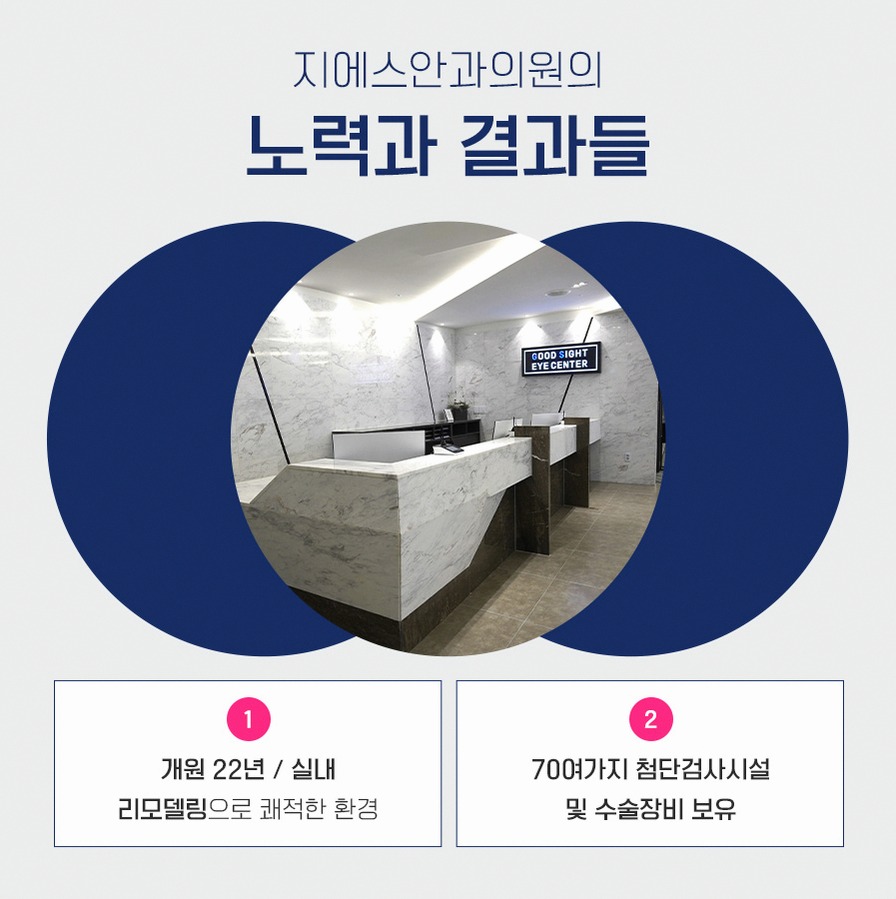
GS Eye Center is located on Gangnam-daero in Gangnam-gu and has been in the same building since 2005. Over nearly two decades, it has developed a strong focus on refractive procedures, including SMILE LASIK, SMILE pro, SILK, and a proprietary planning program called Golden SMILE.
Refractive experience and case volume
By 2023, the center reported a cumulative total of around 300,000 eyes treated for vision correction and cataract surgery. Within this, SMILE pro case numbers passed 5,000 eyes in October 2024, 10,000 eyes in August 2025, and 15,000 eyes in April 2026. These figures indicate extensive experience with SMILE-type procedures, but they are not a promise of any particular outcome.
Technology and training roles
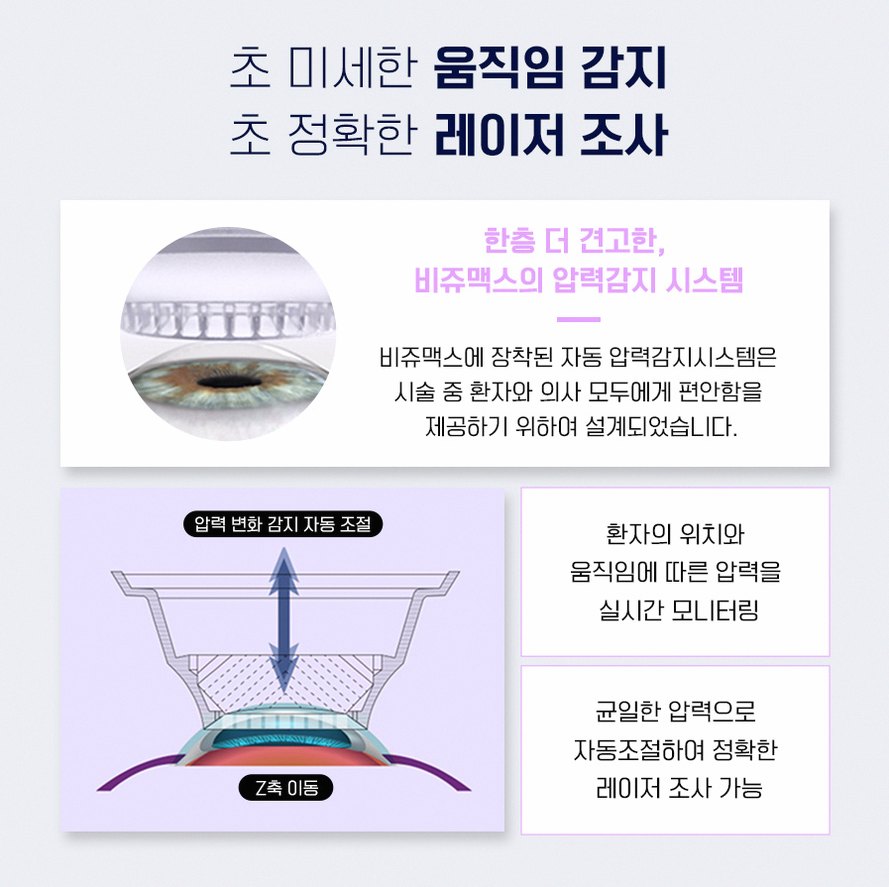
The center owns a VISUMAX 800 platform for SMILE pro and two VISUMAX 500 units for SMILE LASIK. This triple-platform setup supports flexible scheduling and allows the team to match the device to each case.
Its role as a training and education site is another point some international patients consider. The center was the first in Korea to join the ZEISS SMILE GOLD CLUB in 2021, was designated a ZEISS SMILE pro CENTER in 2023, and became a SILK TRAINING Center in 2026. It also serves as a clinical education institution for a Catholic medical school from 2023 and an Asia-Pacific clinical education center for BIOTECH from 2024.
Lens-based refractive work, such as GLAZE lens implantation, is also part of its portfolio, with the first GLAZE case in Korea in 2019 and volume milestones of 1,000 GLAZE eyes by 2022 and 3,000 Optiflex GLAZE eyes by 2025. While this article focuses on SMILE LASIK, these activities show broader experience in managing complex refractive situations.
Medical team
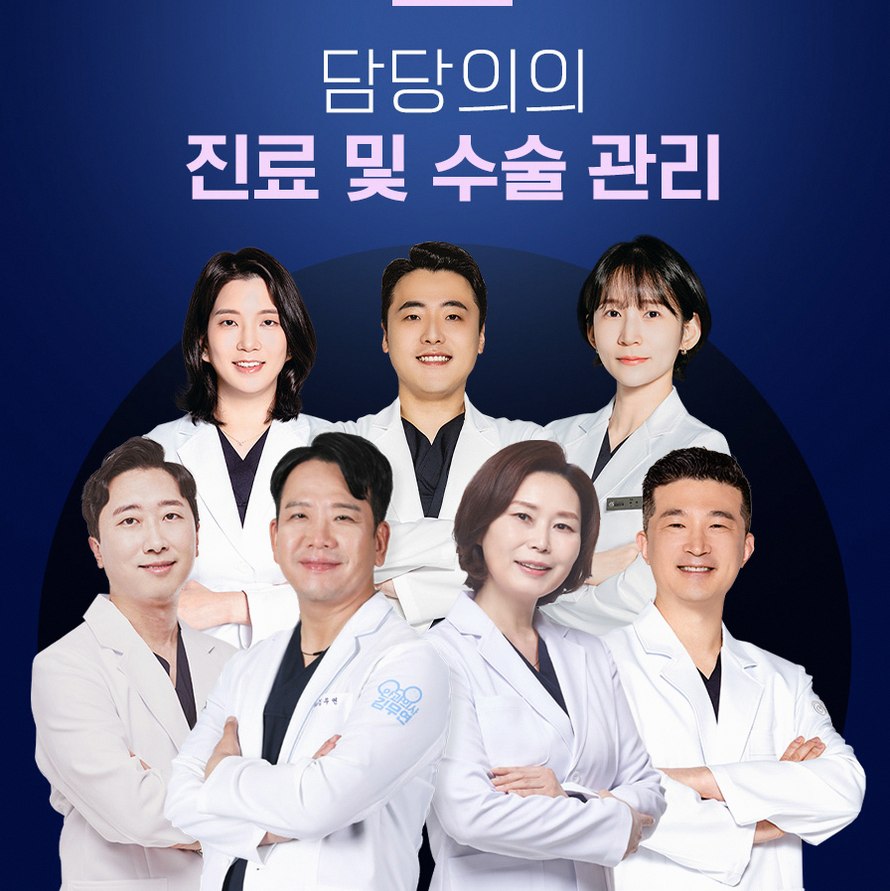
The medical staff includes seven board-certified ophthalmologists, with backgrounds in university hospitals and subspecialty training.
The team includes retina fellowship–trained doctors and professors from major university hospitals. For patients with coexisting retinal conditions or more complex eyes, this can provide an additional layer of evaluation before deciding on SMILE LASIK.
Other services as backup options
Although SMILE LASIK is the main focus, not every patient will be suited to it. In such cases, alternative options may be considered, such as 2DAY LASEK, lens-based correction like ICL, GLAZE, or PhakiFlex KPL, corneal strengthening procedures (EXTRA / KXL), presbyopia and cataract care with multifocal intraocular lenses such as PanOptix (with around 3,000 lenses implanted as of 2024), and a dedicated retina center.
For overseas patients, it can be reassuring to know that if SMILE LASIK is not recommended after testing, there are other solutions within the same facility.
Location, access, and operating hours
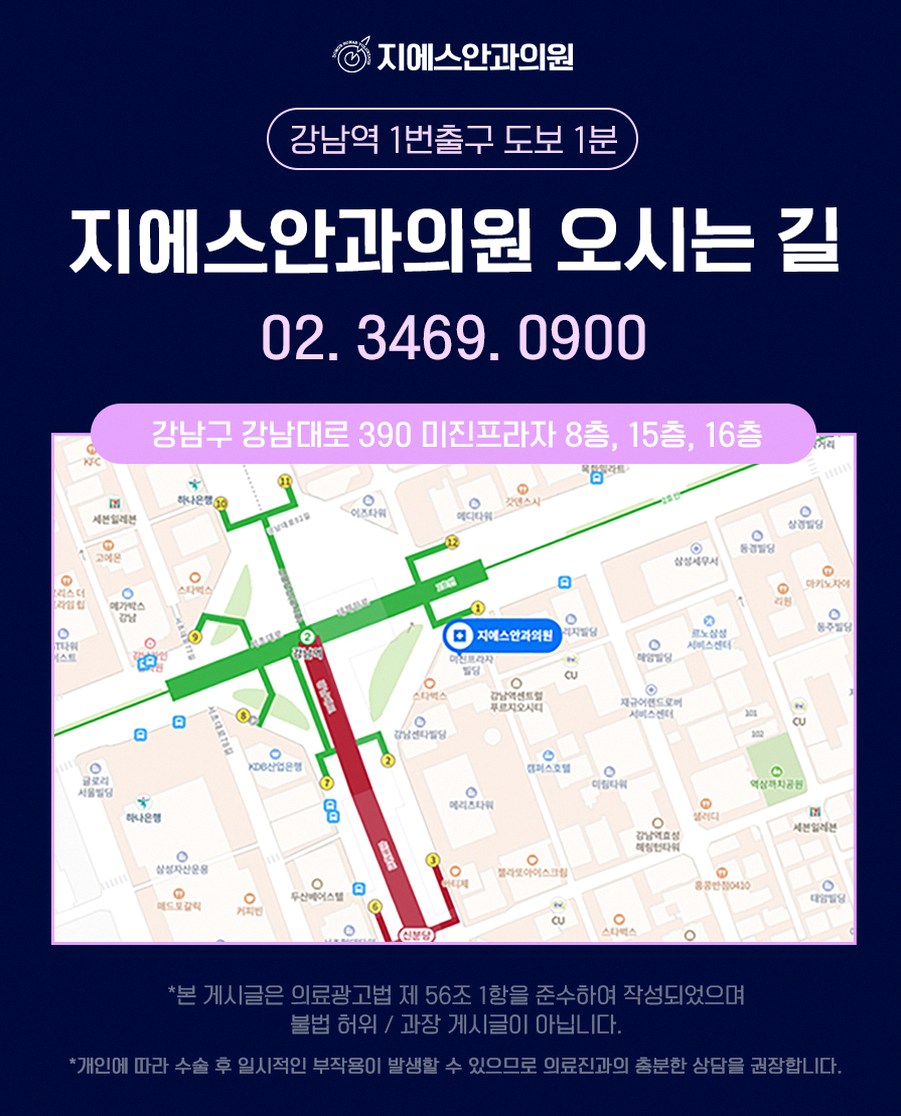
Gangnam-daero is a major north-south road in Seoul, and GS Eye Center is in a multi-story medical building near Gangnam Station. From Gyodae Station, it is only a few stops away on the subway, making it a realistic choice for residents, office workers, and students based around Gyodae.
Typical operating hours are:
Weekdays: 10:00 to 18:30
Saturdays: 09:30 to 17:00
Closed on Sundays and public holidays
Lunch break: 13:00 to 14:00
For people commuting through Gyodae and Gangnam, these hours make it possible to schedule preoperative tests or follow-up visits before or after work, or on Saturdays.
Your SMILE LASIK journey as an overseas patient
If you are visiting Korea from abroad and staying near Gyodae Station or elsewhere in Seoul, it helps to understand the typical steps of SMILE LASIK.
1. Online consultation and pre-visit preparation
Before you book flights, it is wise to arrange an online consultation. Most larger centers offer contact by email, messaging apps, or online forms. You can usually send your age, current glasses or contact lens prescription, any previous eye surgery, and medical history.
Useful information to prepare includes:
Your latest glasses or contact lens prescription
How long your prescription has been stable
Any history of eye disease, trauma, or infection
Systemic conditions such as diabetes or autoimmune disease
Medications you are taking
You can also ask practical questions, such as how many days you should stay in Seoul, how many visits are needed, and whether SMILE LASIK, SMILE pro, or another procedure is likely to be considered based on your initial information.
2. First in-person examination in Seoul
Once you arrive in Korea, the first visit is usually This often includes:
Vision and refraction testing
Corneal topography and tomography
Corneal thickness measurement
Pupil size and tear film evaluation
Intraocular pressure measurement
Retina and optic nerve examination, often with dilating drops
After these tests, the doctor will discuss which procedure is recommended. In some cases, SMILE LASIK or SMILE pro is suitable. In others, LASEK, lens implantation, or combined corneal strengthening may be advised instead.
3. Treatment day
Many overseas patients schedule the procedure one or two days after the initial examination, assuming the eyes are suitable and there are no unexpected findings.
On the day of SMILE LASIK or SMILE pro:
You will usually change into a gown and have the eye area cleaned.
Anesthetic drops are applied to numb the surface.
The laser step with VISUMAX 800 or VISUMAX 500 typically takes less than a minute per eye, with the main laser time under about 9 seconds on VISUMAX 800.
The doctor removes the lenticule through the small incision and checks the corneal surface.
After the procedure, you rest in a recovery area for a short time, then receive instructions and eye drops before going back to your accommodation.
4. Early recovery and follow-up schedule
Most centers schedule the first follow-up the next day, then additional visits over the next few weeks and months. For overseas patients, a common pattern is:
Day 1: Postoperative check
Within 1 week: Second check before you leave Korea
Optional: Additional visit at 2 to 4 weeks if your stay is longer
After you return home, you may be asked to have check-ups with a local eye care provider and send reports back by email. Clear communication about this plan before surgery is important.
What to expect after SMILE LASIK
Vision improvement
Many people notice clearer vision within the first day or two, though it can fluctuate for several weeks. Final stabilization can take a few months, and each person’s timeline is different.
Dry eye and night symptoms
Temporary dryness, glare, halos, or light sensitivity can occur after SMILE LASIK, SMILE pro, LASIK, or LASEK. Artificial tears, anti-inflammatory drops, and time usually help, but some patients may need longer-term dry eye management.
Activity and work
Strenuous exercise, swimming, and eye makeup are usually restricted for a certain period.
Why patients near Gyodae Station often travel to Gangnam-daero
Even though there are local options near Gyodae Station, many patients choose to travel a few stops to Gangnam-daero for SMILE LASIK because:
They want access to the latest SMILE pro platform (VISUMAX 800) and multiple VISUMAX 500 units in one place.
They value centers with long-running experience and high cumulative case numbers.
They prefer a multi-physician team with university hospital and retina subspecialty backgrounds.
They appreciate having backup options such as lens-based correction, 2DAY LASEK, corneal strengthening, and a separate retina service if SMILE LASIK is not ideal.
From a practical standpoint, the short subway ride from Gyodae to Gangnam Station makes this choice realistic, even for repeated follow-up visits.
Frequently asked questions about SMILE LASIK near Gyodae Station
Is it worth traveling a few subway stops from Gyodae Station for SMILE LASIK?
For many patients, the answer is yes. The extra 10–20 minutes on the subway can give you access to centers on Gangnam-daero with a long history in refractive procedures, multiple SMILE platforms, and structured follow-up systems. Since SMILE LASIK involves several visits for testing and aftercare, choosing a place that combines convenience with experience is often more important than being on the same block as your home or office.
How long does a SMILE LASIK or SMILE pro procedure actually take?
f. However, you should plan a few hours at the center on procedure day for check-in, preparation, and post-treatment rest.
Can people with dry eye or thin corneas still be candidates for SMILE?
Some people with mild dry eye or relatively thin corneas may still be candidates, but this depends on detailed measurements. In certain cases, LASEK, lens-based correction, or corneal strengthening procedures like EXTRA or KXL may be safer choices. A center with a dedicated dry eye service and access to multiple techniques can tailor the plan to your situation. Final decisions should always be made after a full examination and discussion with the doctor.
How many follow-up visits are usually needed after SMILE LASIK?
A typical schedule includes a check the day after the procedure, then visits at around one week, one month, three months, and sometimes six to twelve months. For overseas patients, some of these can be replaced by examinations with a local provider once you return home, as long as the plan is clearly coordinated. Because follow-up is so important, patients staying near Gyodae Station often find it practical to choose a center near Gangnam Station, where subway access makes regular visits easier.
Soft call to action for international patients
If you are an overseas patient staying around Gyodae Station and considering SMILE LASIK in Seoul, it is sensible to start with an online consultation. Centers like GS Eye Center on Gangnam-daero can review your basic information, explain whether SMILE, SMILE pro, or another option might be appropriate, and help you plan the timing of your trip and follow-up.
Prepare your prescription history, medical background, and preferred travel dates, and ask detailed questions about diagnostic tests, laser platforms, case volume, and aftercare. With this information, you can use your time in Korea efficiently and choose a SMILE LASIK plan that fits both your eyes and your schedule.
- 공유 링크 만들기
- X
- 이메일
- 기타 앱


댓글
댓글 쓰기