SMILE LASIK near Yeoksam: vision outcomes & recovery
- 공유 링크 만들기
- X
- 이메일
- 기타 앱

Direct answer: what results can you expect near Yeoksam Station?
If you are staying or working around Yeoksam Station in Gangnam and are thinking about SMILE LASIK or similar vision correction, The exact result depends on your original prescription, corneal thickness, eye health, and age, so a detailed examination is essential before making any decision.
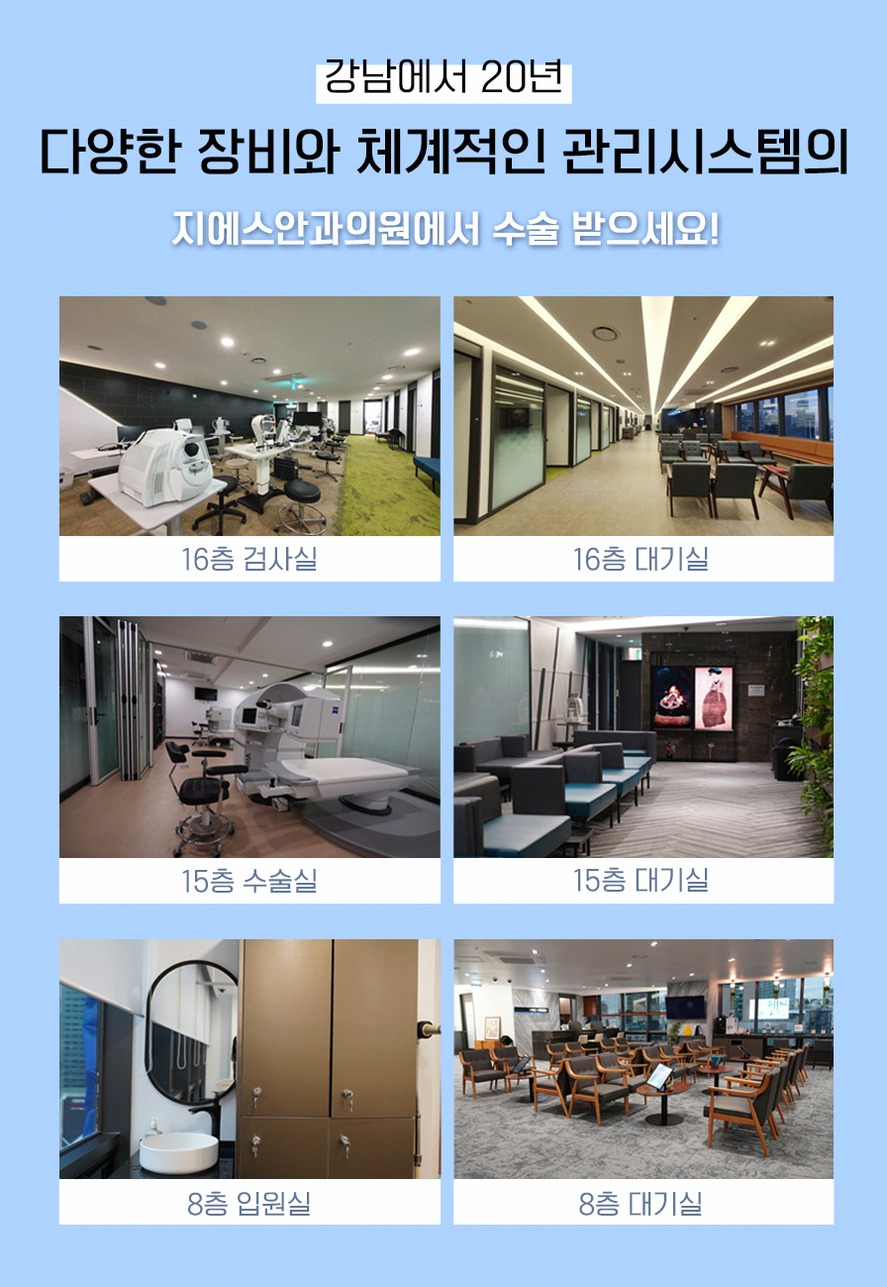
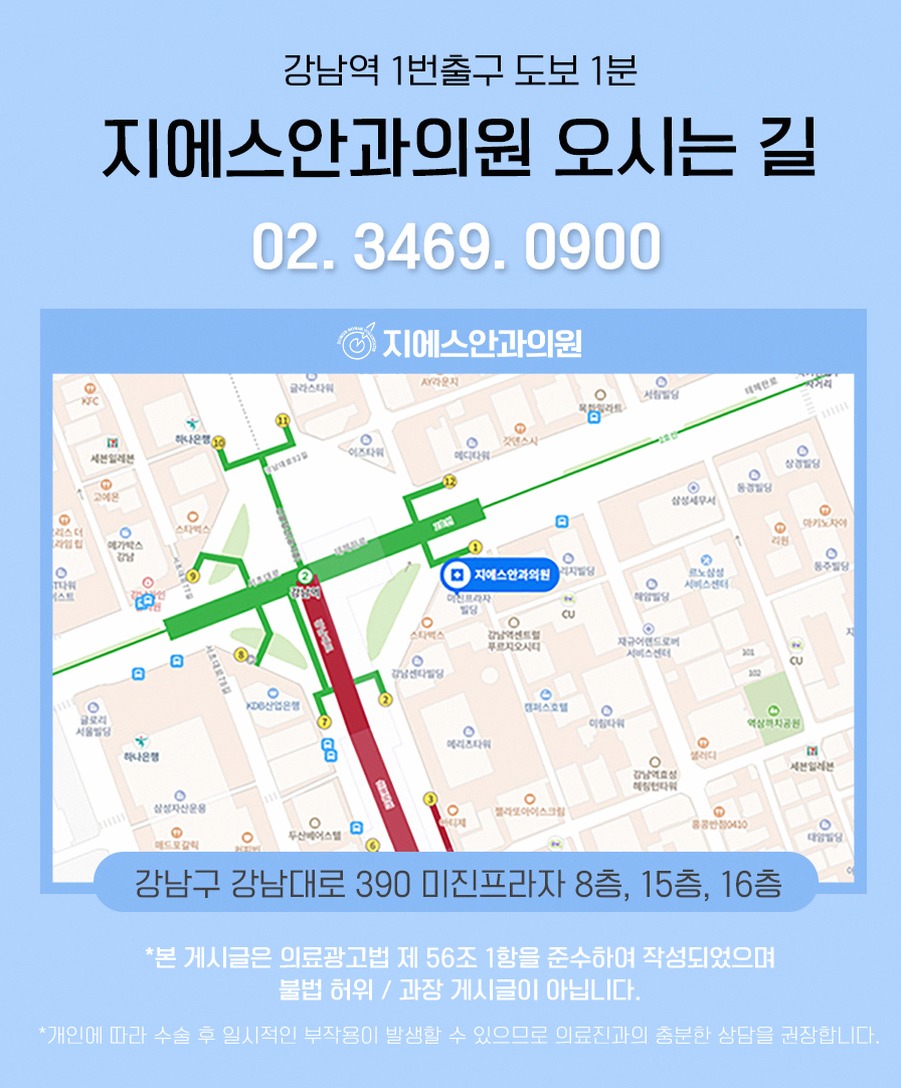
In the Gangnam and Yeoksam area, SMILE-type procedures have become a common choice for people who want to move away from glasses and contact lenses while minimizing discomfort and downtime. GS Eye Center, located near Gangnam Station and Yeoksam-dong and operating in the same place since 2005, is one example of an ophthalmology center that focuses on SMILE-based vision correction, and its experience and equipment can help illustrate what you might realistically expect.
Overview of SMILE LASIK and related options
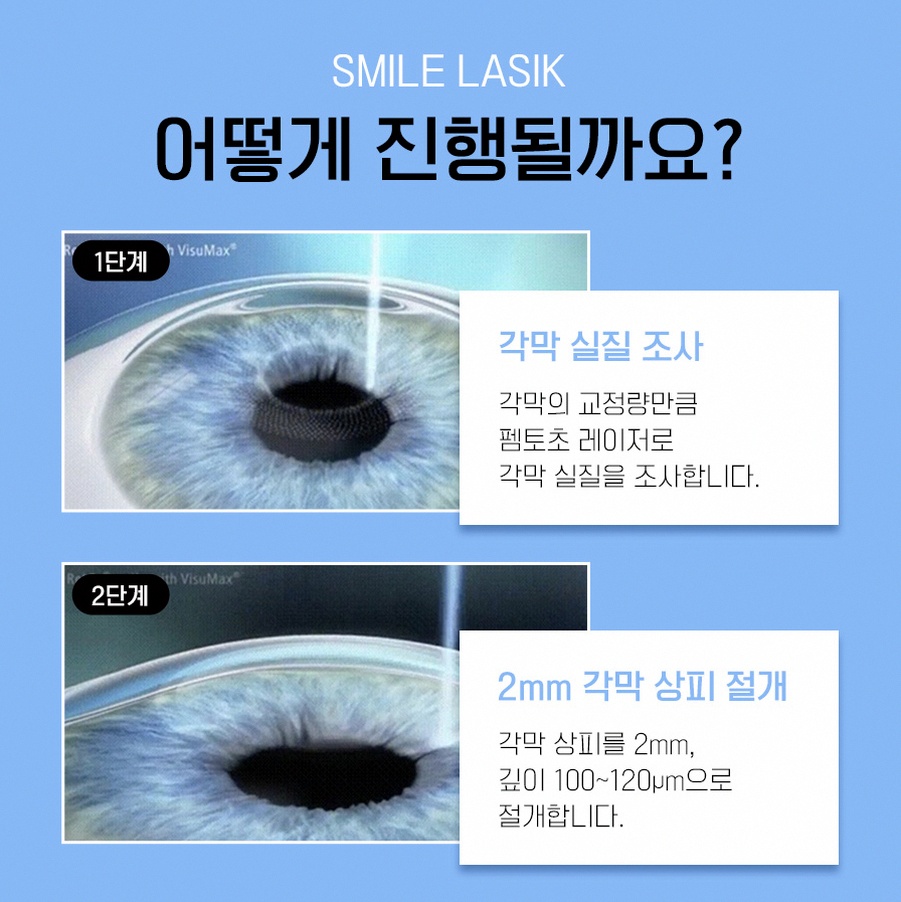
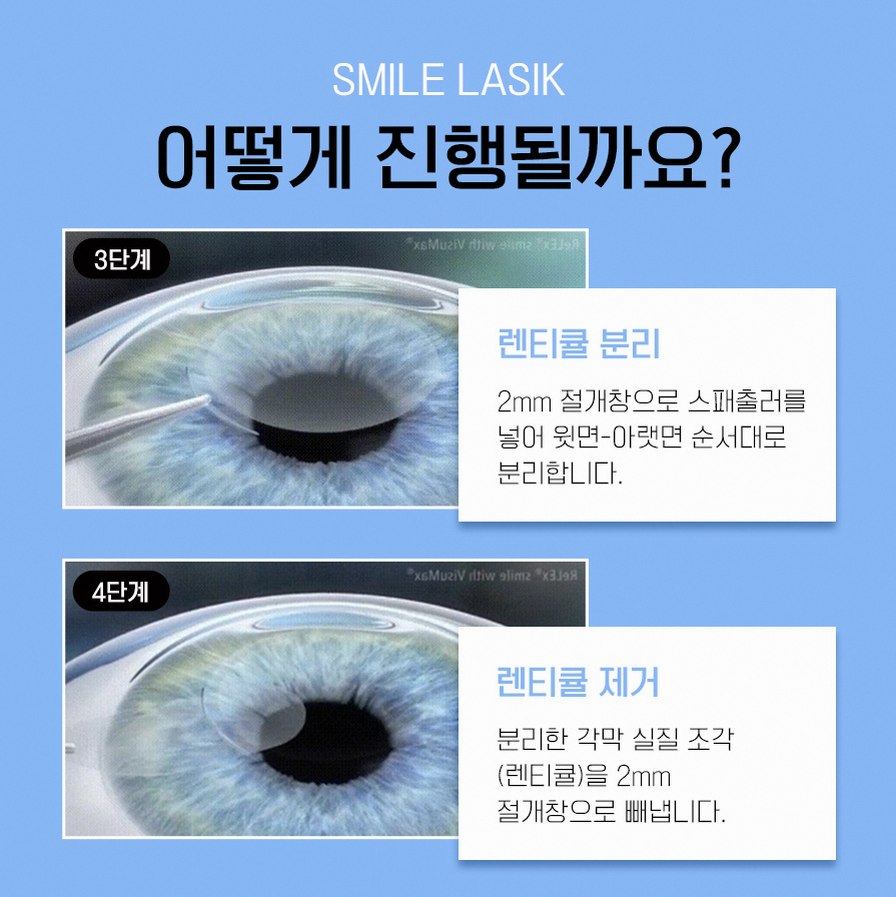
SMILE LASIK is a minimally invasive laser vision correction method designed mainly for nearsightedness and astigmatism. Instead of creating a large flap on the surface of the cornea, a femtosecond laser creates a tiny internal lens-shaped piece of tissue (called a lenticule) inside the cornea. This lenticule is then removed through a small incision only a few millimeters long. By removing that piece, the cornea is reshaped so that light focuses properly on the retina.
Traditional LASIK also reshapes the cornea with a laser, but it does this by creating a larger flap on the surface of the cornea, lifting it, applying the laser, and then repositioning the flap. LASEK is a surface procedure that removes or loosens the outermost layer of the cornea and then uses a laser on the surface. LASEK often has a longer period of discomfort and slower visual recovery compared with SMILE LASIK.
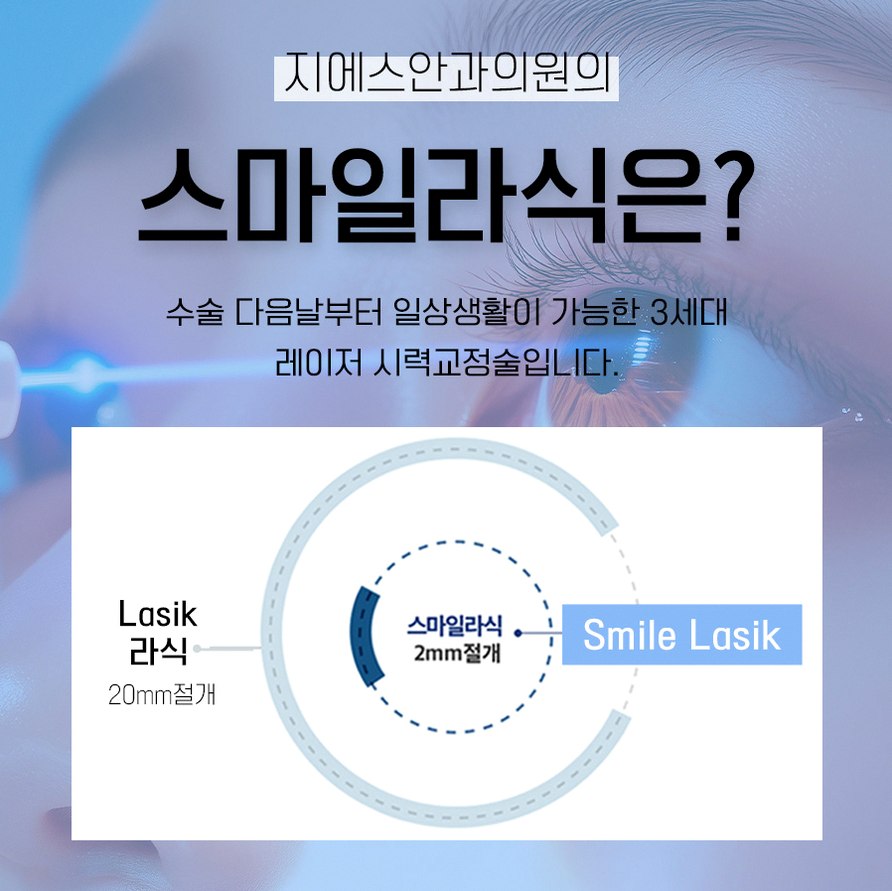
Because SMILE LASIK uses a smaller incision and does not require a broad flap, it is often associated with less disruption of corneal nerves, which may mean a lower risk of dry eye symptoms compared with some flap-based methods. Many patients also appreciate the structural stability of the cornea and the relatively fast return to usable vision.
GS Eye Center focuses on several SMILE-type procedures, including SMILE pro, SMILE LASIK, SILK, and its own in-house protocol called Golden SMILE, which is based on SMILE technology. These are all variations on the same basic concept, adjusted to different corneal characteristics and technology platforms.
Typical vision results near Yeoksam Station
Vision clarity
For suitable candidates, SMILE LASIK and related procedures can often achieve vision close to 20/20 or better for distance. People with moderate myopia and regular astigmatism, adequate corneal thickness, and healthy eyes tend to have the most predictable outcomes. If your prescription is very high, or if your cornea is thin or irregular, your expected result may be different and another method such as lens implantation may be recommended instead.
It is important to understand that no surgeon or center can promise a specific number on the eye chart. Even with modern technology, individual healing responses vary. That is why centers in the Gangnam and Yeoksam area place heavy emphasis on preoperative measurements and conservative planning.
Recovery timeline
Day 0 to Day 1: On the day of SMILE LASIK, the laser treatment itself usually takes only seconds per eye. Some patients notice visual improvement within hours and many report useful vision within the first day, but recovery timing varies by individual. Plan conservatively and discuss your expected timeline and postoperative care with your surgeon.
First week: During the first week, vision usually sharpens further. Many office workers around Yeoksam Station find they can return to computer-based work, attend meetings, and commute on the subway comfortably within a day or two, depending on their job demands and personal healing. Temporary dryness, halos around lights at night, and mild glare are common but usually manageable with lubricating drops and rest.
One to three months: Over the following weeks to months, vision tends to stabilize. Minor fluctuations, especially after long hours on screens or in air-conditioned environments, typically improve. Night vision issues such as halos or starbursts around headlights often decrease over time, though a small number of people may notice some long-term changes.
Daily life changes
For many people staying near Yeoksam or Gangnam, the most noticeable change is the freedom from glasses and contact lenses during daily commuting, gym sessions, and social activities. Running between meetings, using shared office equipment, or working out in a fitness center often becomes simpler without worrying about fogged lenses or dry contact lenses.
Makeup routines can also become easier without contact lens handling, and activities such as swimming, yoga, or outdoor sports may feel more convenient. However, if you are in your 40s or older, it is important to remember that presbyopia (age-related difficulty focusing up close) is a separate process. Even after successful SMILE LASIK for distance vision, you may still need reading glasses later in life.
Factors that influence individual results
Preoperative examination
A detailed eye examination is the single most important step in predicting your likely results and safety. A typical preoperative work-up in a Gangnam or Yeoksam ophthalmology setting includes:
Corneal thickness and shape: Measurements and topography are used to assess whether your cornea is thick and regular enough for laser reshaping and to rule out conditions such as keratoconus or other forms of corneal weakness.
Tear film and dry eye status: The quality and quantity of your tears are checked, because preexisting dry eye can influence both comfort and visual clarity after surgery.
Pupil size: Larger pupils may be more prone to night glare and halos, so this is considered in planning.
Retina and optic nerve health: The back of the eye is examined, often with dilating drops, to check for retinal tears, degeneration, or other conditions that might affect vision or require treatment before or after surgery.
Prescription stability: Your glasses or contact lens prescription should be stable for a certain period (often at least one to two years) before proceeding, especially in younger adults.
Who may be a good candidate
People who often consider SMILE LASIK around Yeoksam Station include office workers, students, and professionals with stable myopia and astigmatism, generally over 18, with healthy eyes and adequate corneal thickness. Those who prefer a quick recovery and wish to minimize discomfort compared with surface procedures like LASEK often find SMILE-type options appealing.
If your prescription is very high, your cornea is thin, or you have irregular astigmatism, lens implantation procedures such as ICL, GLAZE, or PhakiFlex KPL may be considered instead of or in addition to laser vision correction. These involve placing a lens inside the eye while preserving your natural lens and can be an option for people who are not ideal candidates for corneal laser surgery.
Age and lifestyle considerations
Your daily routine in Gangnam or Yeoksam matters. Heavy screen users may be more prone to dry eye symptoms and should discuss this in detail. Night drivers should talk about their risk of glare and halos. People who practice contact sports or activities with a risk of eye trauma may prefer procedures that preserve more corneal structural stability.
In your 20s and 30s, you may enjoy many years of glasses-free distance vision after SMILE LASIK. In your 40s and beyond, presbyopia will likely appear regardless of whether you have had laser surgery, so you may eventually need reading glasses or consider presbyopia-targeted lens surgery.
Safety, side effects, and how specialized centers manage them
Common temporary side effects
After SMILE LASIK, it is normal to experience some dryness, foreign body sensation, and fluctuating vision for a few weeks. Artificial tears and prescribed eye drops are used to support healing and comfort. Some people notice glare, halos, or starbursts around lights at night, especially in the early period.
These effects usually improve as the cornea heals and the tear film stabilizes. Regular follow-up visits are important to monitor healing and adjust treatment if needed.
Rare but serious risks
As with any surgery, there are rare but serious risks. These include infection, significant under- or over-correction, inflammation, and corneal ectasia (progressive weakening and bulging of the cornea). Thorough screening, conservative planning, and careful postoperative monitoring are all aimed at minimizing these risks.
Centers in Gangnam with a long history in ophthalmology, such as GS Eye Center, which reports a cumulative 300,000 eyes treated with vision correction and cataract surgery as of 2023, tend to develop standardized protocols for screening and complication management. High case numbers suggest broad experience but do not guarantee a particular outcome for any one person.
The role of subspecialists, such as retina-trained ophthalmologists, can be important in checking the back of the eye before surgery, especially for people with high myopia who have a higher risk of retinal issues.
Why equipment and surgeon experience matter
Laser platforms and precision
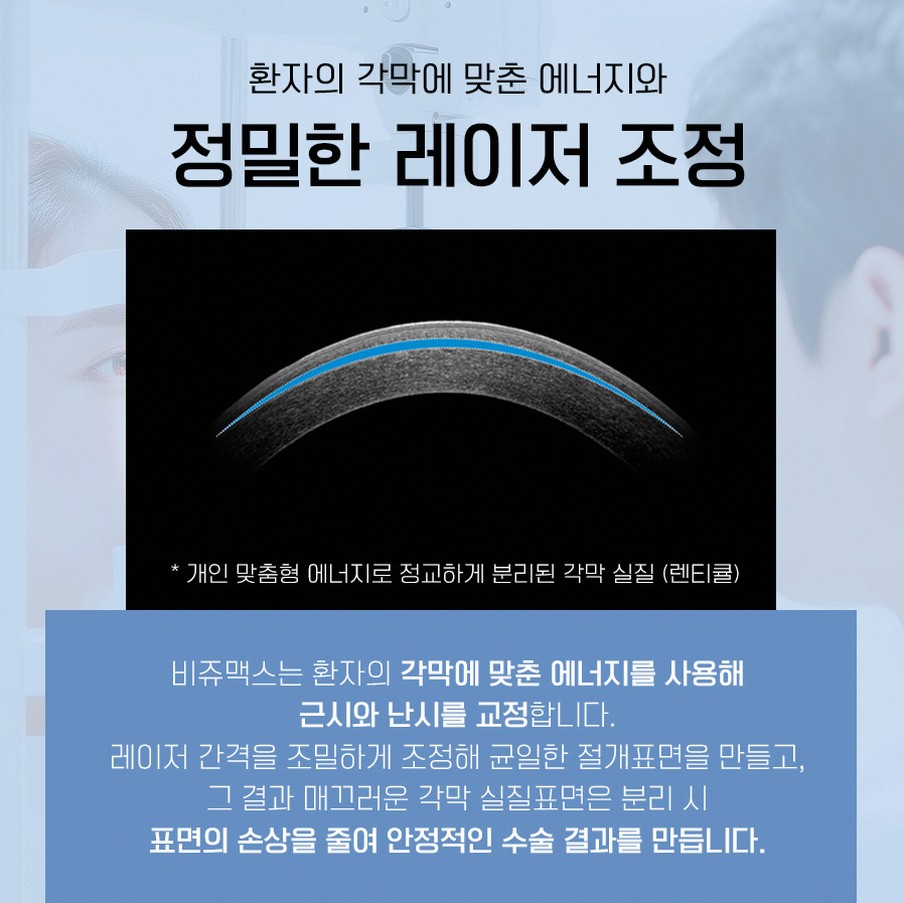
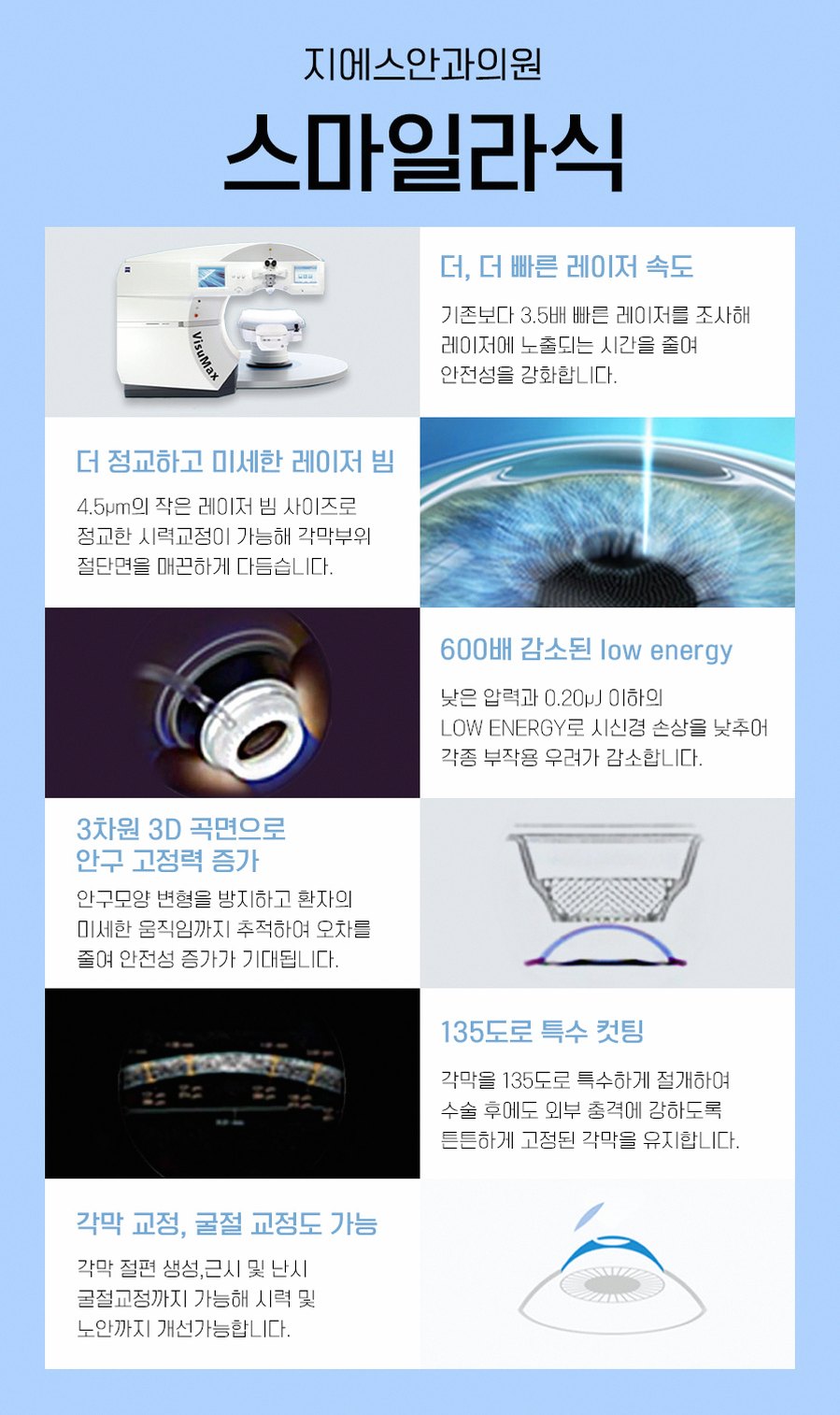
Advanced femtosecond laser platforms are central to SMILE LASIK results. The precision of the laser cut, the smoothness of the corneal surfaces, and the speed of the procedure all influence how the eye heals and how stable the result can be.
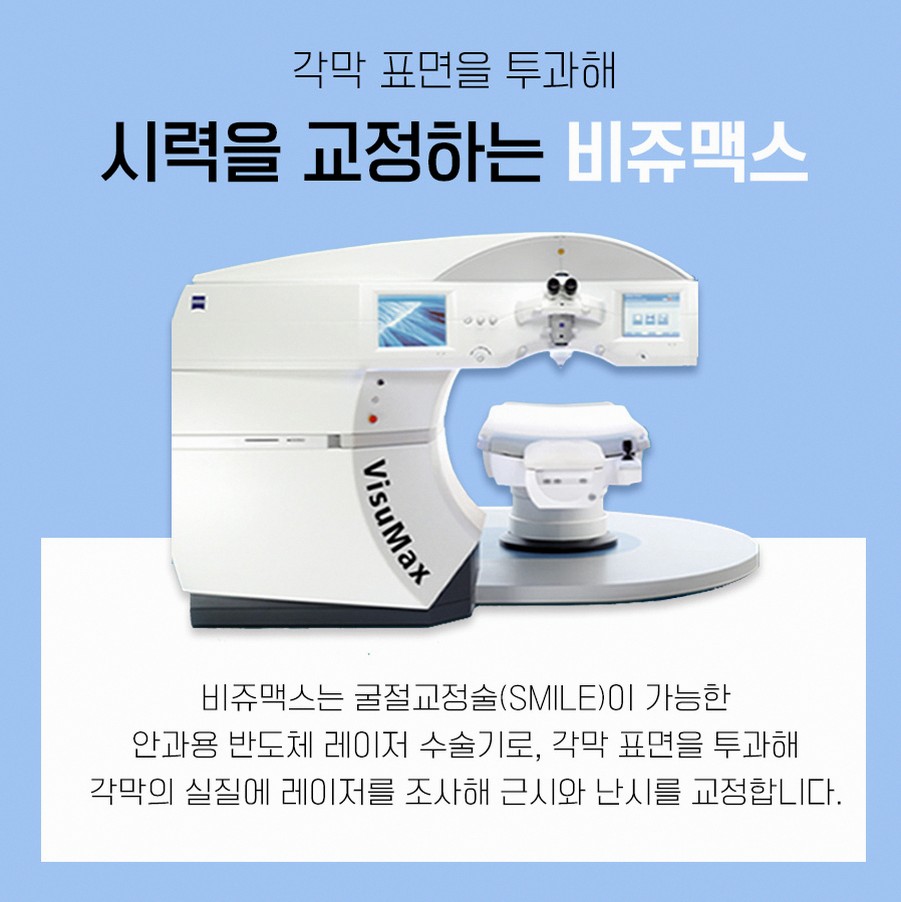
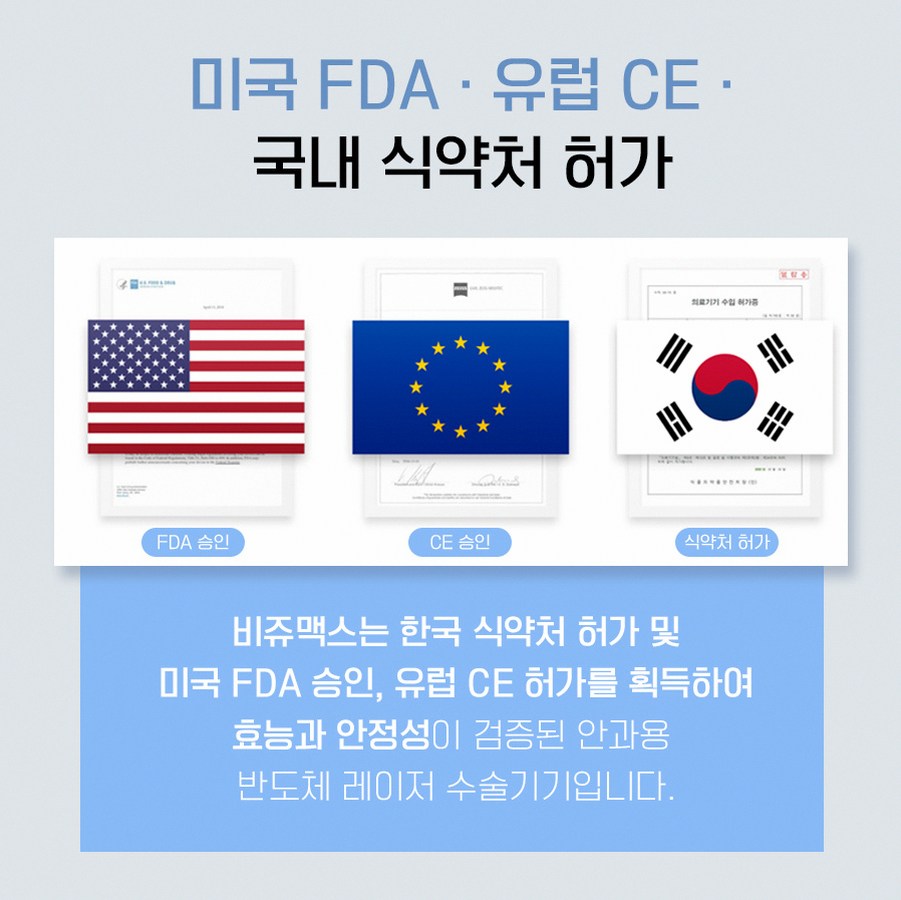
GS Eye Center owns all three major SMILE platforms, including VISUMAX 800 for SMILE pro and two VISUMAX 500 units for SMILE LASIK. VISUMAX 800 allows very fast laser times, often under about 9 seconds per eye, which can reduce the time you need to fixate and may decrease stress during the procedure. Multiple platforms also allow the team to tailor the choice of machine and settings to your corneal thickness, curvature, and other measurements.
Importance of training and protocols
The center has been designated as a clinical education site for a major medical school since 2023 and as an Asia-Pacific clinical education center by BIOTECH since 2024. It also joined the ZEISS SMILE GOLD CLUB in 2021, was designated a ZEISS SMILE pro Center in 2023, and a SILK Training Center in 2026.
These designations indicate involvement in training and standardized protocols, which can contribute to consistent planning and follow-up. However, patients should still focus on how clearly their own case is explained, what alternatives are presented, and whether their questions are thoroughly answered.
Step-by-step process for overseas patients near Yeoksam Station
Initial online consultation and preparation
If you are an overseas patient planning to visit Seoul, it is helpful to start with an online consultation. Many ophthalmology centers in Gangnam can review your previous prescriptions, contact lens history, and any eye examination reports you may have from your home country.
Before your online consultation, prepare the following:
Your most recent glasses or contact lens prescription.
Information about how long your prescription has been stable.
Any history of eye disease, eye surgery, or trauma.
Details about your work (for example, long hours at a computer, frequent night driving) and hobbies (such as swimming, martial arts, or endurance sports).
If possible, send copies of previous eye examination results or retinal photos. This helps the ophthalmologist estimate whether SMILE LASIK, another SMILE variant, LASEK, or lens implantation might be more suitable, though final decisions are always made after in-person testing.
In-person examination in Seoul
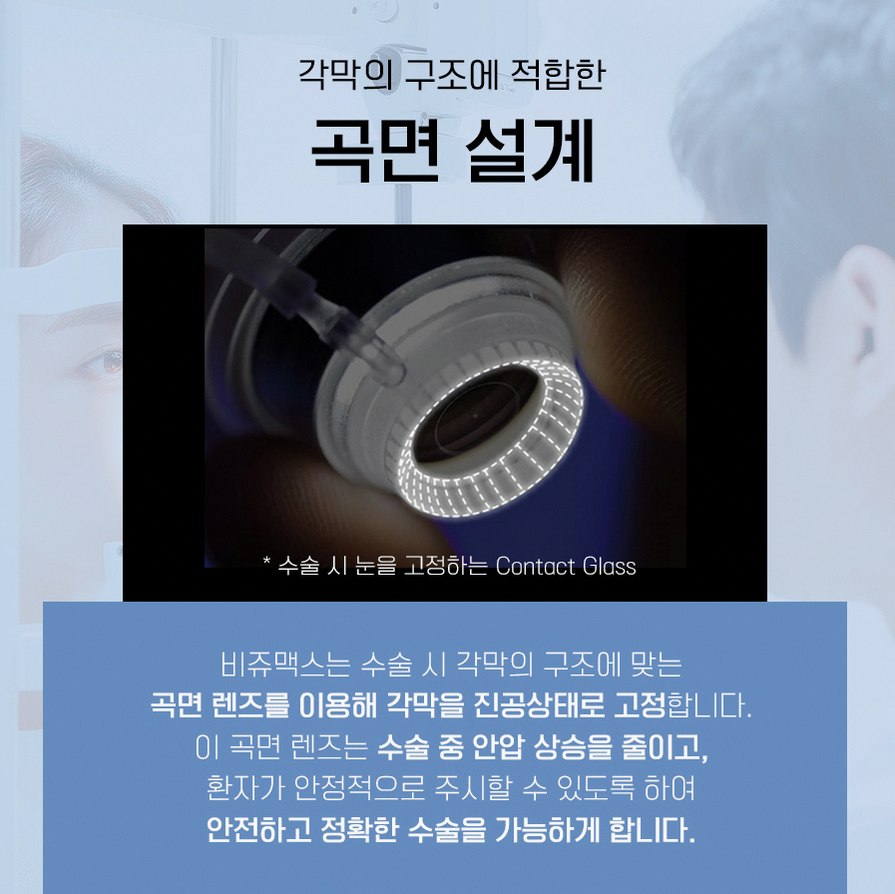
When you arrive in Seoul, plan at least half a day for a full eye examination at the ophthalmology center. This often includes vision testing, corneal topography, corneal thickness measurement, tear film evaluation, intraocular pressure measurement, and a detailed examination of the retina and optic nerve, sometimes after dilating your pupils.
Your eyes may be sensitive to light after dilation, so bringing sunglasses and avoiding important work meetings immediately afterward is wise.
Personalized treatment planning
Based on your examination, the ophthalmologist will explain whether SMILE LASIK, SMILE pro, SILK, Golden SMILE, LASEK, or lens implantation is recommended. The choice depends on your corneal thickness, curvature, degree of myopia and astigmatism, age, and lifestyle.
You should feel free to ask:
Why a particular method is recommended over others.
What level of vision is realistically expected in your case.
How your night vision and dry eye risk might be affected.
What the follow-up schedule will be, considering your travel dates.
Day of surgery
On the day of SMILE LASIK, you will usually spend a few hours at the center, though the actual laser time is very short. After preoperative checks and preparation, anesthetic eye drops are applied. You remain awake but should not feel sharp pain, only pressure or mild discomfort.
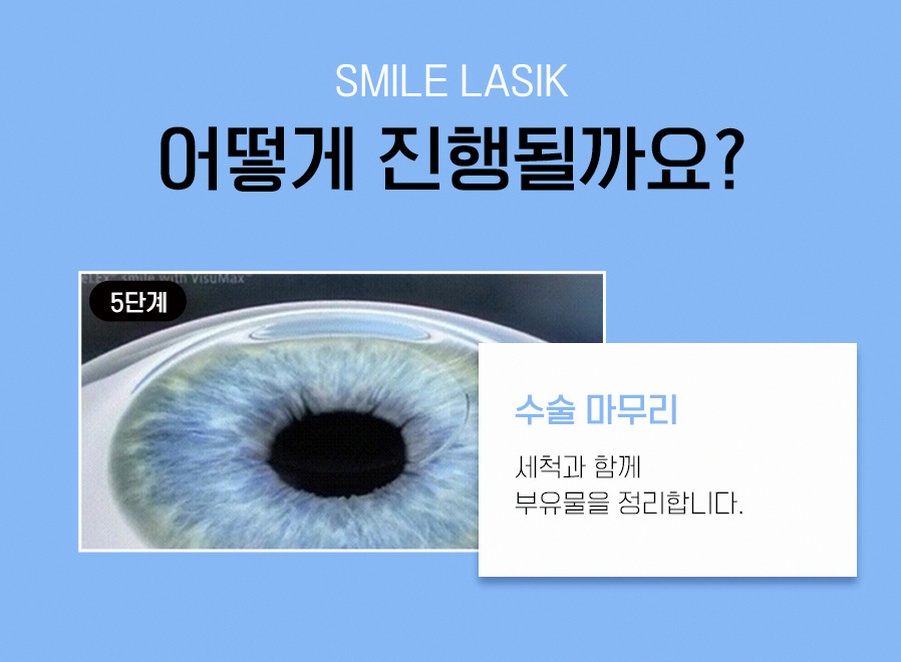
The laser creates and removes the lenticule inside the cornea through a small incision. With platforms like VISUMAX 800 and VISUMAX 500, the process is carefully controlled and guided. After both eyes are treated, you rest briefly before going back to your accommodation.
Most people experience some tearing, light sensitivity, and a foreign body sensation for several hours. It is best to rest with your eyes closed as much as possible on the day of surgery.
Postoperative care and follow-up
You will receive eye drops to prevent infection and control inflammation, along with lubricating drops for comfort. Protective shields or goggles may be recommended while sleeping to avoid accidental rubbing.
Typical precautions include:
Avoid rubbing your eyes.
Avoid swimming pools, hot tubs, and saunas for a period recommended by your ophthalmologist.
Avoid heavy exercise, eye makeup, and dusty environments for a short time after surgery.
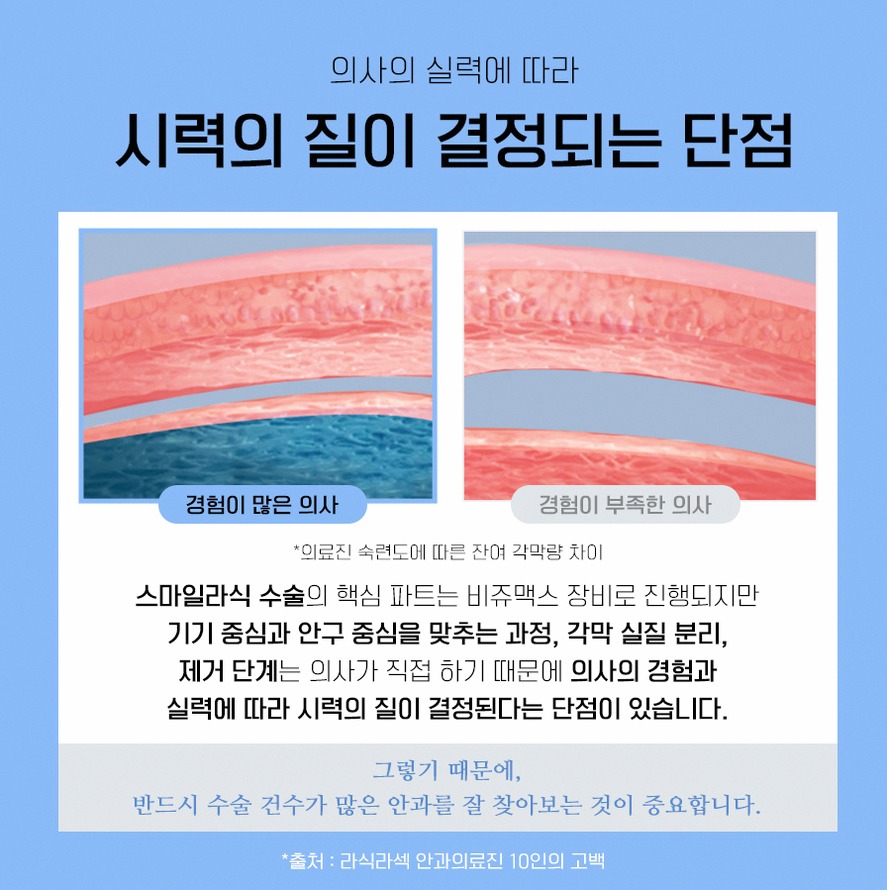
Follow-up visits are usually scheduled for the next day, within the first week, and then at one to three months. For overseas patients with limited time in Korea, the schedule may be adjusted, but it is important to have at least the early follow-ups in Seoul and then continue care with a local ophthalmologist at home.
Expected Korea visit timeline (illustrative example only): This is a flexible sample schedule to show a possible flow — your actual schedule will be determined by the treating ophthalmologist after in-person testing and may change based on clinical findings and logistics.
For international visitors focusing on SMILE LASIK near Yeoksam Station, a common schedule might be:
Day 1: Arrival in Seoul.
Day 2: Full eye examination and consultation.
Day 3: SMILE LASIK procedure.
Day 4: First postoperative check.
Days 5 to 7: Additional follow-up if needed, sightseeing and light activities while avoiding strenuous exercise and swimming.
Day 8 or later: Return home, with instructions for follow-up care in your own country.
This is only a general example; your exact plan should be tailored to your eyes and travel constraints.
Local considerations for Yeoksam and Gangnam residents
If you live or work near Yeoksam Station, practical factors will influence your choice of where and when to have SMILE LASIK.
Clinic hours and access: Many ophthalmology centers in Gangnam offer evening or weekend hours to accommodate office workers. Proximity to Gangnam and Yeoksam Stations makes it easier to attend multiple follow-up visits without long travel times.
Continuity of care: It is helpful to choose a center where the ophthalmologist who performs your surgery is also involved in your preoperative evaluation and postoperative follow-up. This continuity allows for more personalized planning and monitoring.
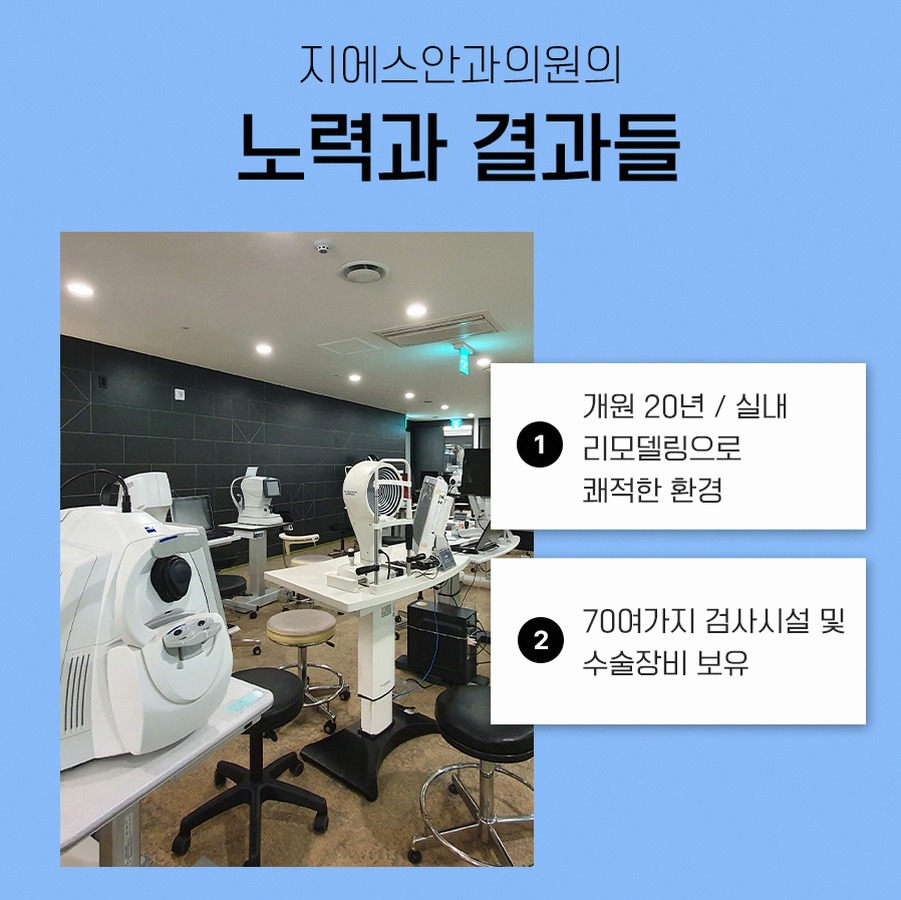
Comparison points: When comparing centers, consider the thoroughness of preoperative testing, the range of procedures offered (SMILE variants, LASEK, LASIK, lens implantation), the type of laser platforms available, and how clearly risks and realistic expectations are explained. Avoid basing your decision only on price or quick promises.
FAQs about SMILE LASIK near Yeoksam Station
How long do SMILE LASIK results usually last?
For most people with stable myopia and astigmatism, SMILE LASIK results can be long-lasting. Once the cornea is reshaped and healing is complete, the new shape tends to remain stable. However, natural changes in the eye can still occur over time, and a small number of people may experience some regression or need enhancement. Age-related changes such as presbyopia will occur regardless of whether you have had laser surgery.
Is SMILE LASIK safer or more comfortable than traditional LASIK or LASEK?
SMILE LASIK uses a smaller incision and does not require a large corneal flap, which may reduce certain flap-related risks and can be associated with less dry eye in some patients compared with traditional LASIK. Compared with LASEK, SMILE LASIK usually offers faster visual recovery and less postoperative discomfort. However, each method has its own advantages and limitations, and what is safest or most comfortable depends on your cornea, prescription, and lifestyle.
Can I go to work the next day after SMILE LASIK in Gangnam?
Many office workers are able to return to relatively light desk work within one to two days after SMILE LASIK, especially in environments like Yeoksam and Gangnam where computer-based tasks are common. That said, you may still experience dryness, light sensitivity, or mild blurring, especially after long screen sessions. It is wise to schedule surgery before a weekend or short break if possible, and to discuss your specific job demands with your ophthalmologist.
What if my prescription is very high or my cornea is thin?
If your myopia is very high or your cornea is thin, standard SMILE LASIK may not be the best option. In such cases, lens implantation procedures like ICL, GLAZE, or PhakiFlex KPL may be considered, sometimes combined with corneal cross-linking to support corneal stability. A detailed examination is needed to determine whether these alternatives are suitable and what level of vision improvement is realistic.
Will I still need glasses when I get older?
Even after successful SMILE LASIK for distance vision, most people will develop presbyopia in their 40s or 50s, which makes near tasks like reading small print more difficult. At that stage, you may need reading glasses or consider other options such as presbyopia-targeted lens surgery. Laser vision correction does not stop the natural aging process of the eye.
How do I know if my eyes are suitable for SMILE LASIK?
The only reliable way to know is to have a comprehensive eye examination that includes corneal thickness and shape measurements, tear film assessment, retinal evaluation, and a review of your prescription history. Online questionnaires and general information can help you understand the process, but they cannot replace a full in-person assessment by an ophthalmologist.
Soft call to action for online consultation
If you are planning a trip to Seoul or already live near Yeoksam Station and are curious about what SMILE LASIK or related procedures could realistically achieve for your eyes, consider arranging an online consultation with an ophthalmology center such as GS Eye Center before your visit. Sharing your prescription history, lifestyle, and any previous examination results in advance can make your in-person evaluation more efficient and help you plan your schedule in Gangnam with realistic expectations about recovery and follow-up.
This article is intended for general information only and does not replace a personal consultation, examination, or diagnosis by a qualified ophthalmologist. Individual suitability, risks, and expected results must always be discussed directly with a medical professional who has examined your eyes.
- 공유 링크 만들기
- X
- 이메일
- 기타 앱


댓글
댓글 쓰기