SMILE near Seocho — surgeon, ZEISS, follow‑up
- 공유 링크 만들기
- X
- 이메일
- 기타 앱
Direct answer: finding SMILE LASIK near Seocho Station
If you are looking for SMILE LASIK near Seocho Station, the Seocho and Gangnam-daero area in Seoul offers several options, but the quality of care can differ widely. For international patients, it is important to look beyond distance and price and focus on surgeon experience, case volume, ZEISS SMILE platforms, detailed pre-operative testing, and a reliable follow-up system. GS Eye Center, located on Gangnam-daero near Gangnam Station and easily accessible from Seocho Station, is one example of a clinic that emphasizes these elements for SMILE-type procedures.
Overview of SMILE LASIK
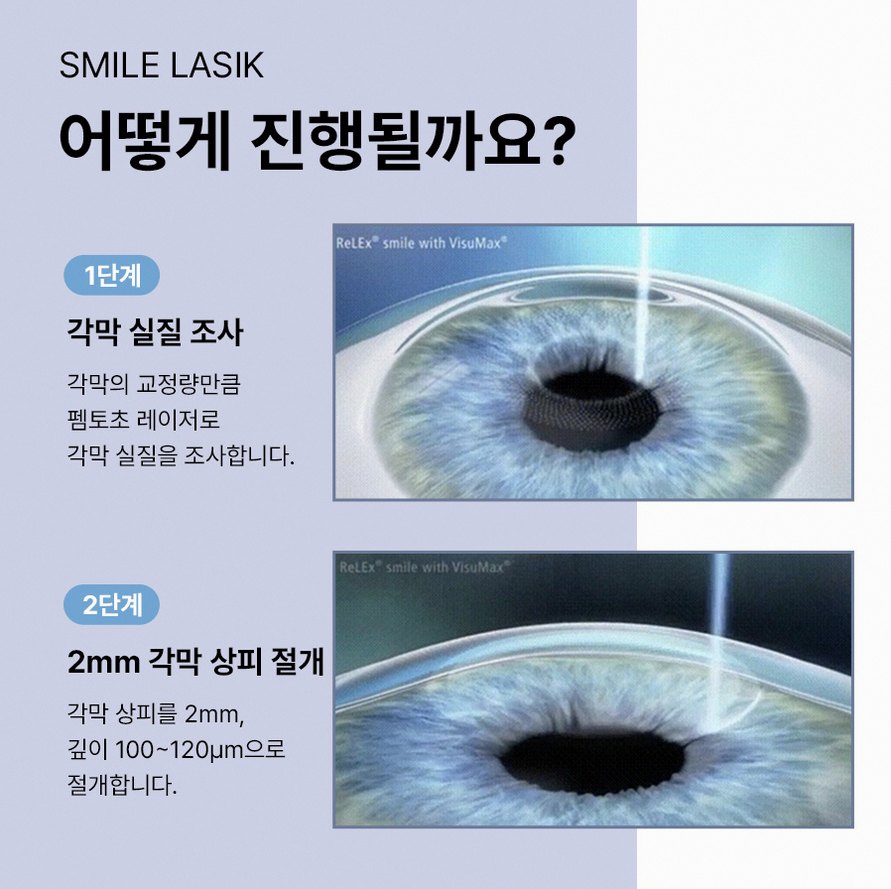
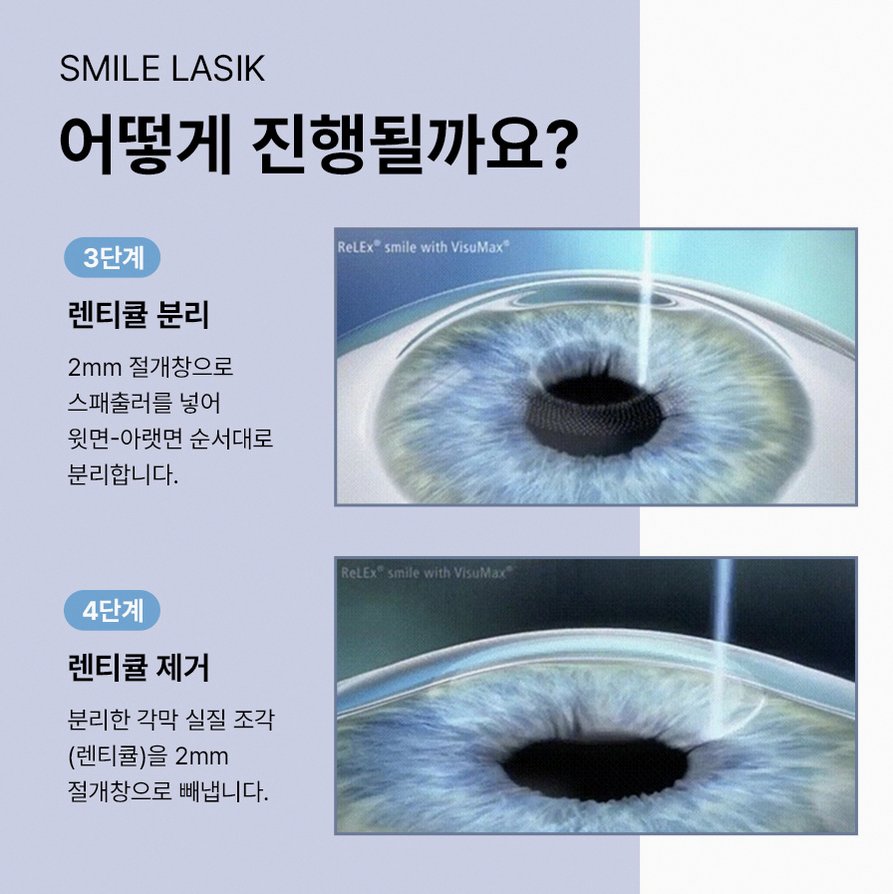
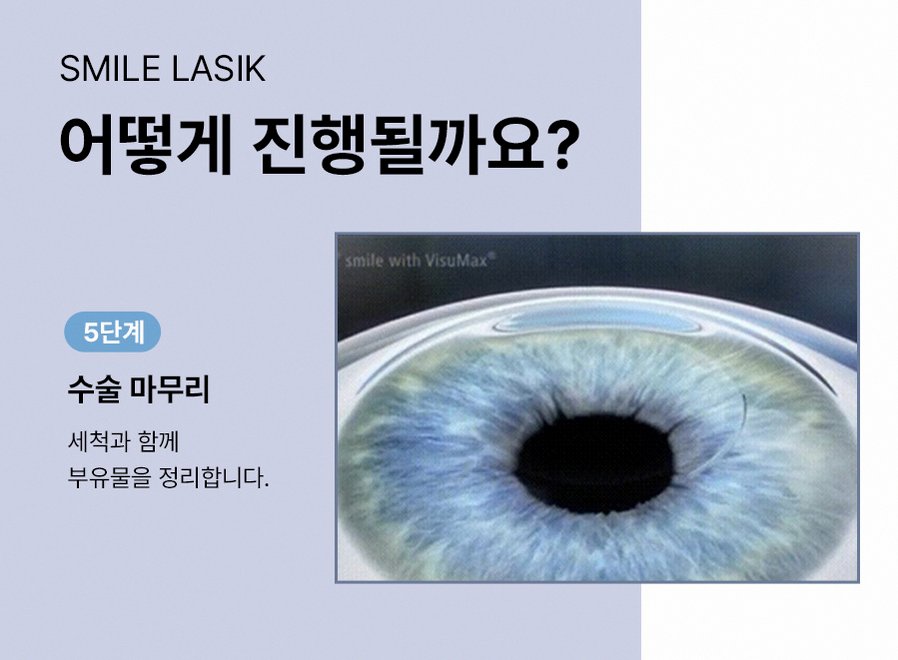
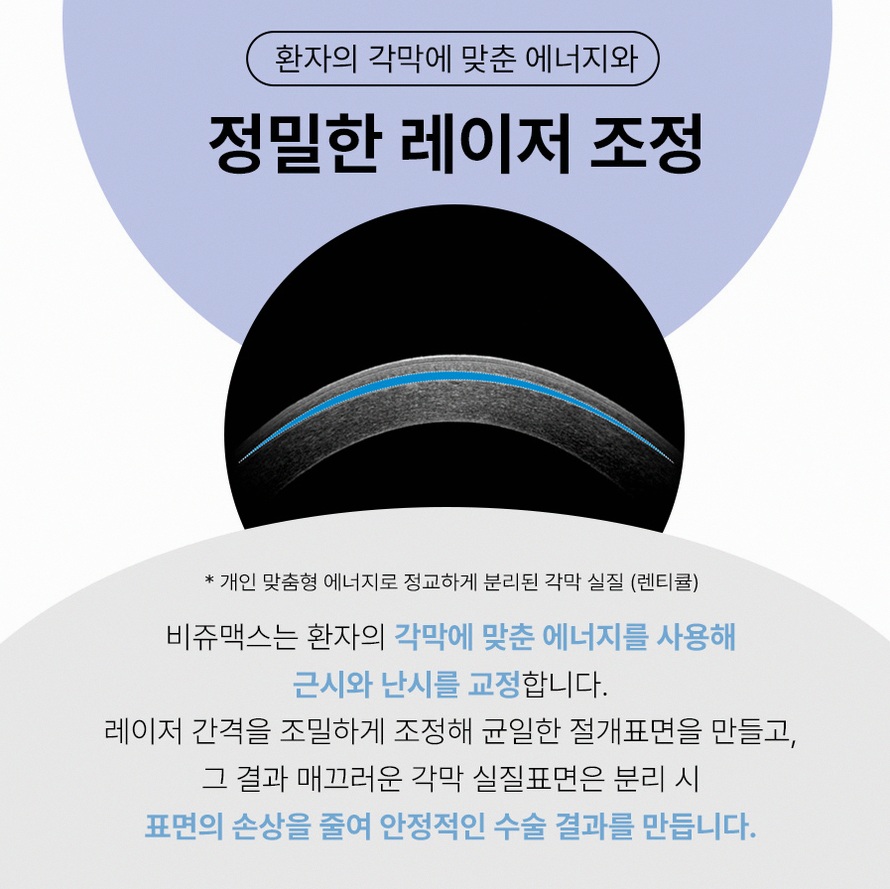
SMILE LASIK is a minimally invasive form of laser vision correction. Instead of creating a large corneal flap like conventional LASIK, a femtosecond laser creates a small lens-shaped piece of tissue inside the cornea, called a lenticule. The surgeon then removes this lenticule through a tiny incision only a few millimeters wide.
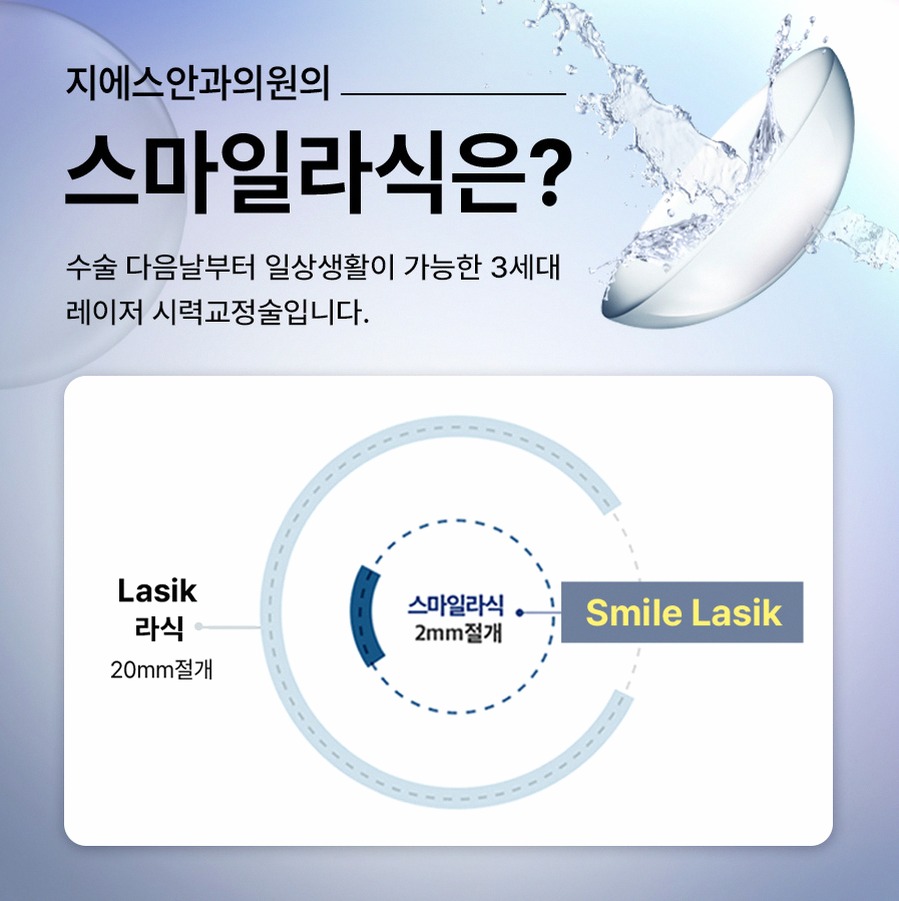
Because there is no large flap, SMILE LASIK preserves more of the corneal structure. The smaller incision tends to affect fewer corneal nerves, which can mean less dry eye for some patients compared with traditional LASIK. Many people also appreciate the quick visual recovery and the fact that the cornea may maintain better biomechanical stability after surgery.
Typical candidates for SMILE LASIK include adults with myopia and astigmatism within a certain range, with adequate corneal thickness, a regular corneal shape, a stable glasses prescription, and a healthy ocular surface. However, not everyone is suitable. Very thin corneas, extremely high myopia, irregular corneas, or retinal problems may make other procedures safer, such as surface ablation (LASEK) or lens implantation.
Why the Seocho Station area matters
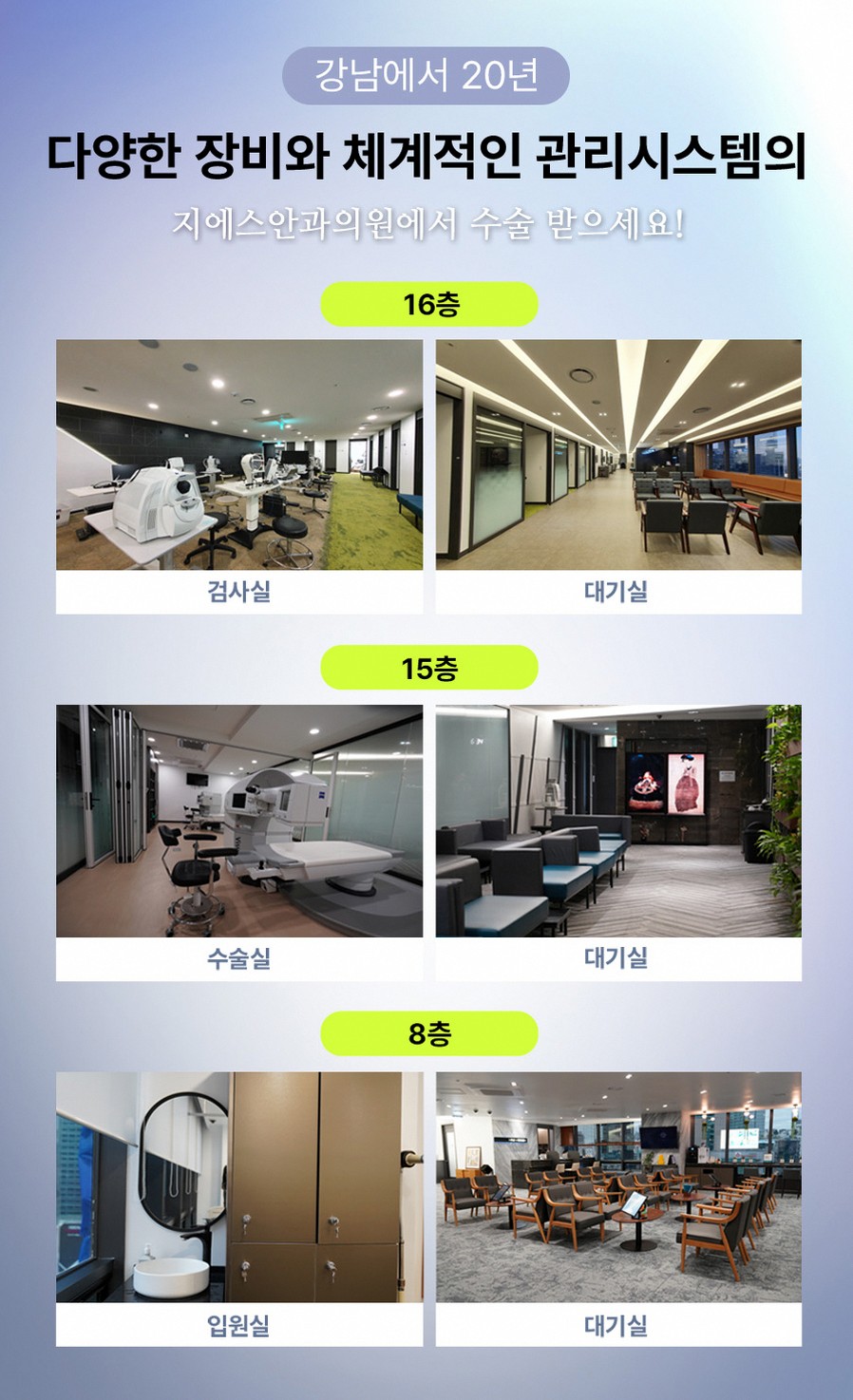
Seocho Station and the nearby Gangnam-daero corridor form one of Seoul’s busiest business and transport hubs. Many eye clinics offering vision correction are concentrated around this area. For local office workers and international visitors staying nearby, it is a convenient place to seek SMILE LASIK.
The advantages of choosing a clinic near Seocho Station include easy subway access, short walking distances between stations such as Seocho and Gangnam, and clinics that often occupy multiple floors dedicated to eye care. Weekday and Saturday hours are usually designed to fit the schedules of commuters and business travelers.
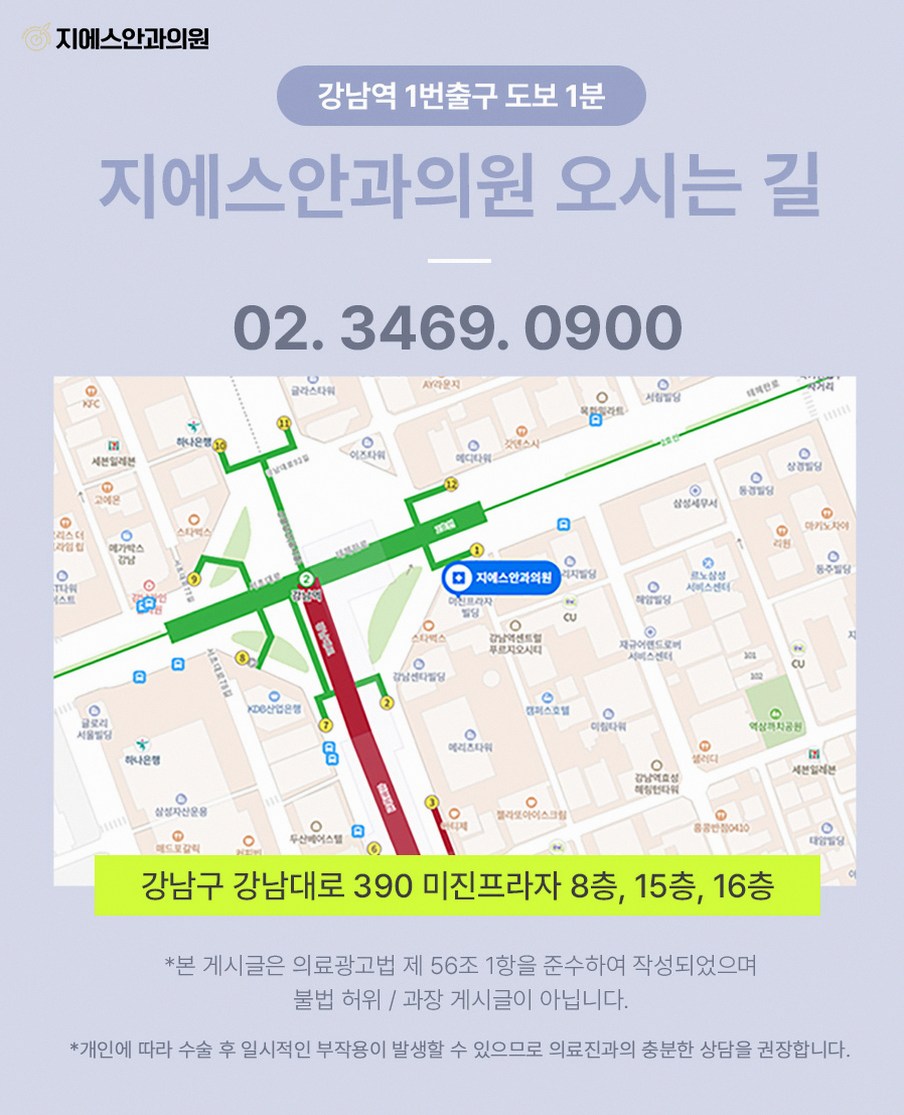
GS Eye Center is located on Gangnam-daero near Gangnam Station, which is only one subway stop from Seocho Station and also reachable on foot for many people. If you are staying in the Seocho or Gangnam area, this makes it practical to attend the initial examination, surgery, and several follow-up visits during a short stay in Korea.
Key criteria for a high-quality SMILE LASIK center
When you search for SMILE LASIK near Seocho Station, consider the following factors rather than relying only on online reviews or price.
Ophthalmology specialists and subspecialties
At a high-level SMILE LASIK center, surgery is performed by ophthalmology specialists, not general practitioners. At GS Eye Center, all seven doctors are ophthalmologists, and subspecialties include cornea and refractive surgery as well as retina. This combination is important because SMILE LASIK reshapes the cornea, while high myopia often requires careful retinal evaluation.
Academic and teaching background
The medical director has a background as a university hospital ophthalmology professor, holds a medical doctorate, and maintains an adjunct faculty position as of 2024. The clinic is designated as a clinical education institution for a medical school and as an Asia-Pacific clinical education center for an ophthalmic company. These roles indicate that the clinic participates in training other doctors and follows structured, guideline-based approaches rather than ad-hoc techniques.
Case volume and outcomes
Experience matters in refractive surgery. By 2023, the clinic had performed a cumulative 300,000 eyes of vision correction and cataract surgery. Focusing specifically on SMILE pro, the clinic reached 5,000 eyes in October 2024, 10,000 eyes in August 2025, and 15,000 eyes by April 2026. Such case numbers suggest that SMILE-type procedures are part of daily practice, not rare events.
Specialization in SMILE-type procedures
Instead of offering SMILE as a minor add-on, the clinic focuses on SMILE-type procedures, including SMILE pro, SMILE LASIK, SILK, and its own customized protocol called Golden SMILE. This specialization can be helpful if you want a tailored approach, because the surgeon can choose between several SMILE-related options depending on your corneal shape, prescription, and lifestyle needs.
Independent retina center
High myopia is associated with a greater risk of peripheral retinal lesions, such as lattice degeneration or small retinal holes. A clinic with a dedicated retina center and fellowship-trained retina specialists can carefully examine and, if necessary, treat the retina before SMILE LASIK. This reduces the risk that a pre-existing retinal condition is missed during your refractive surgery planning.
Systematic pre-operative testing
A thorough pre-operative evaluation is essential for safety. A typical protocol includes detailed refraction, corneal topography and tomography to assess shape and detect keratoconus, pachymetry to measure corneal thickness, wavefront analysis for optical aberrations, tear film and dry eye assessment, and a detailed retinal examination.
At a safety-focused clinic, surgery is recommended only when all tests indicate that the cornea has enough thickness and stability, the ocular surface is healthy enough, and the retina is safe for high myopia correction. If any parameter is borderline, the surgeon may suggest alternative procedures or additional strengthening.
Transparent counseling and indication judgment
A responsible SMILE LASIK center does not recommend the same procedure for everyone. For example, if your cornea is thin or irregular, surface ablation such as LASEK might be safer. If your myopia is very high or your cornea is too thin, lens implantation may be considered. In some cases, corneal cross-linking can be added to enhance biomechanical stability.
During counseling, you should receive a clear explanation of why SMILE LASIK is recommended or not, what alternatives exist, and what the expected recovery and risks are. This is especially important for overseas patients who must make decisions within a limited travel schedule.
Safety certifications and quality systems
International certifications can show that a clinic follows standardized processes. The clinic obtained ISO 9001 and ISO 14001 certifications for SMILE LASIK in 2020, indicating that quality management and environmental management systems are in place. While certifications do not guarantee outcomes, they support consistent protocols and documentation.
Post-operative care system
After SMILE LASIK, follow-up is just as important as the surgery itself. A structured schedule usually includes a check on the same day or the next day, then visits over the following weeks and months. Post-operative care focuses on monitoring vision, managing dry eye, checking night vision adaptation, and identifying any rare complications early.
For international patients, it is helpful if the same specialists who performed the surgery are available to examine you during follow-up visits and to coordinate with doctors in your home country if needed.
Importance of ZEISS platforms for SMILE LASIK
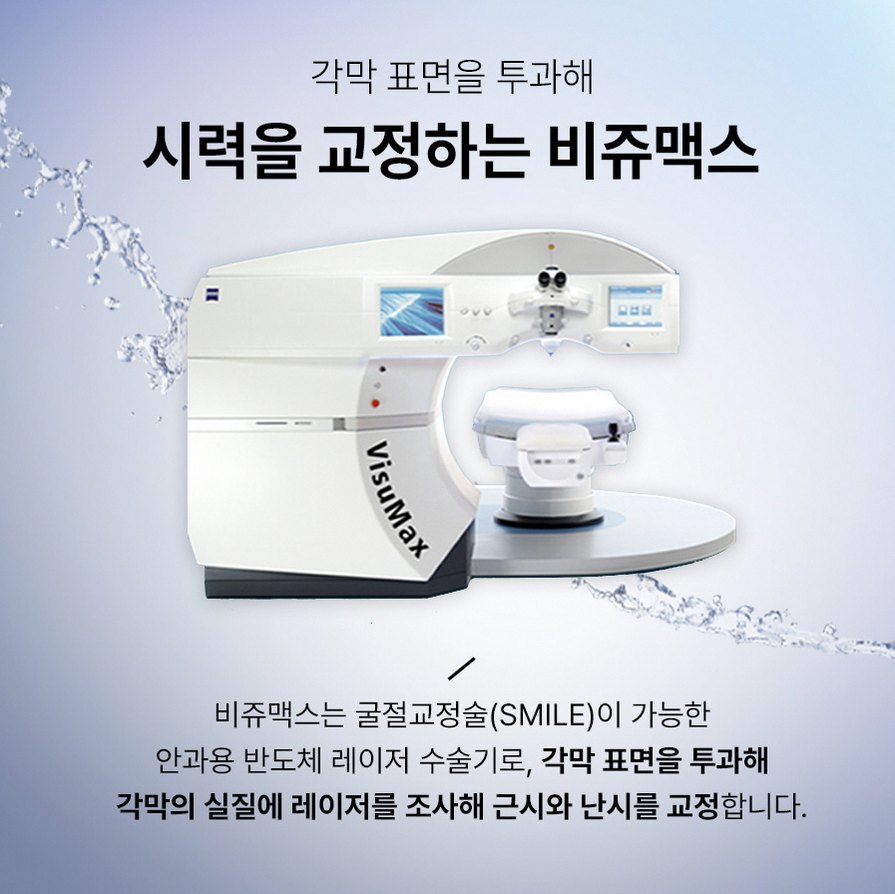
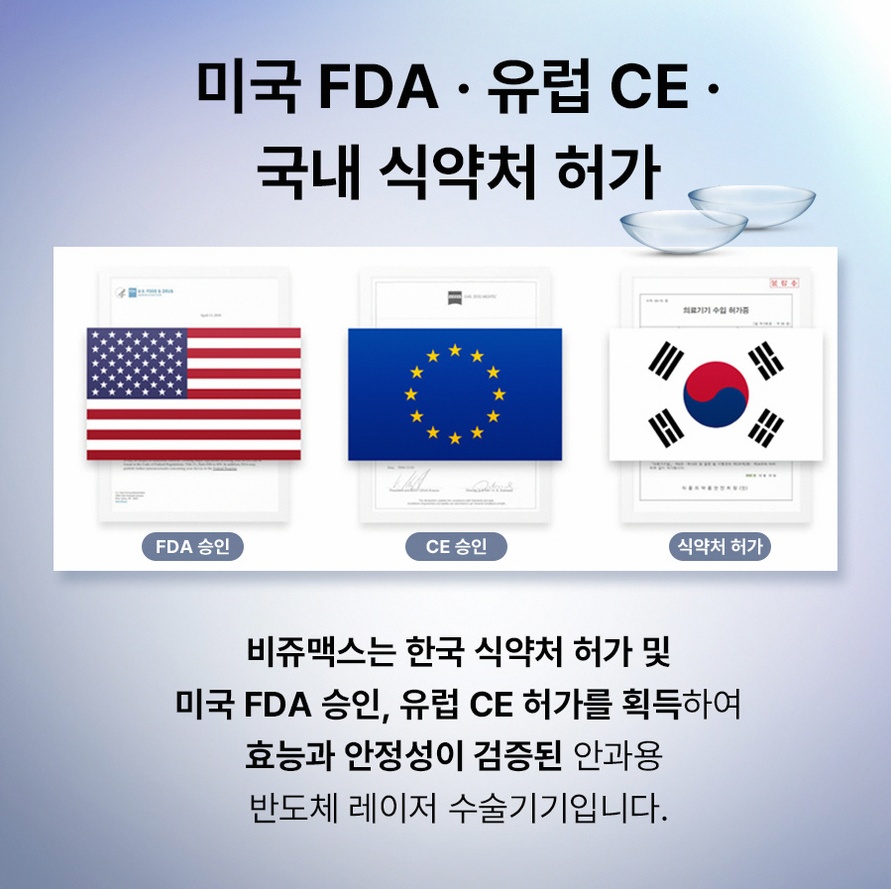
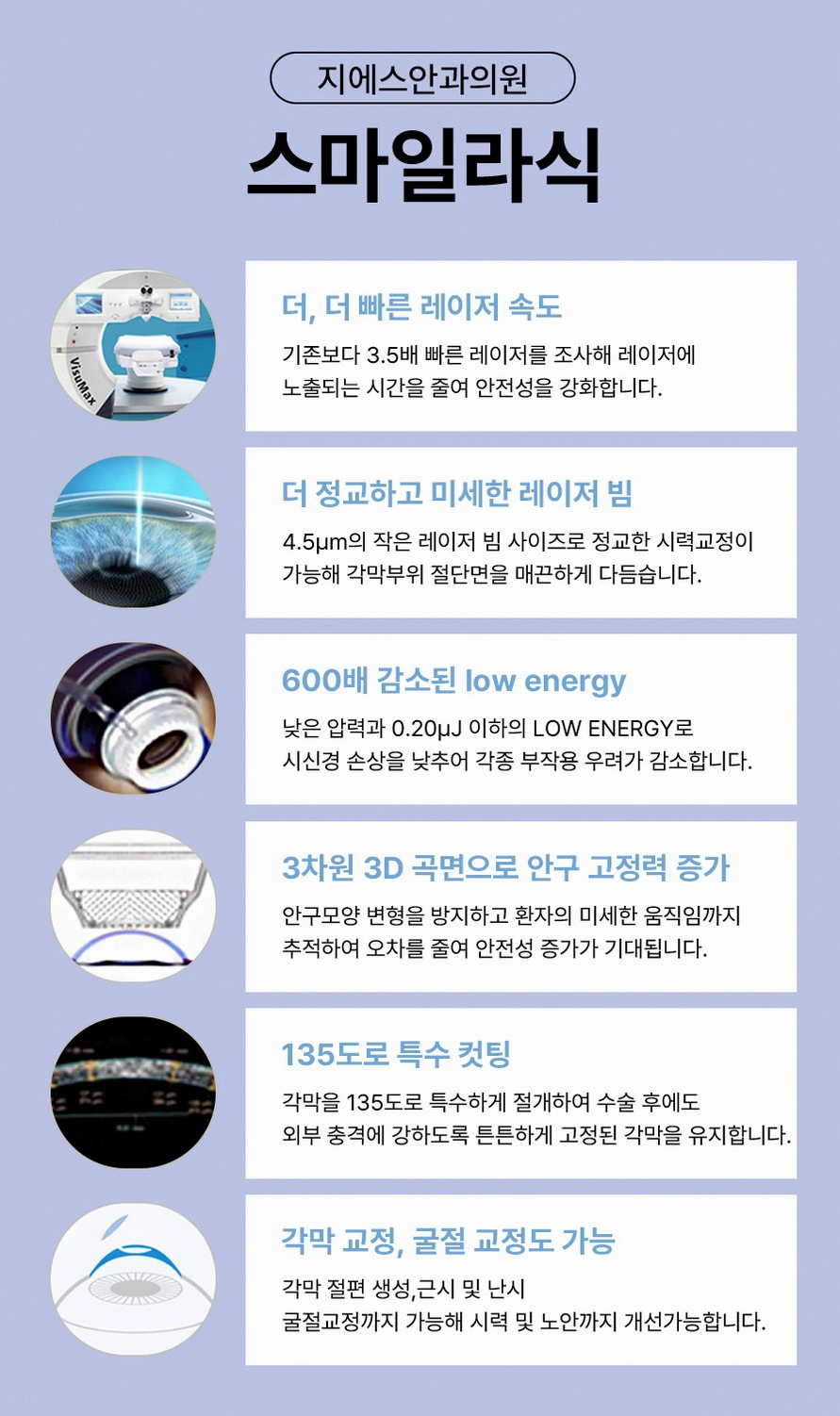
SMILE LASIK is a proprietary technology originally developed with ZEISS VisuMax platforms. Using these platforms is considered the global standard for SMILE-type procedures.
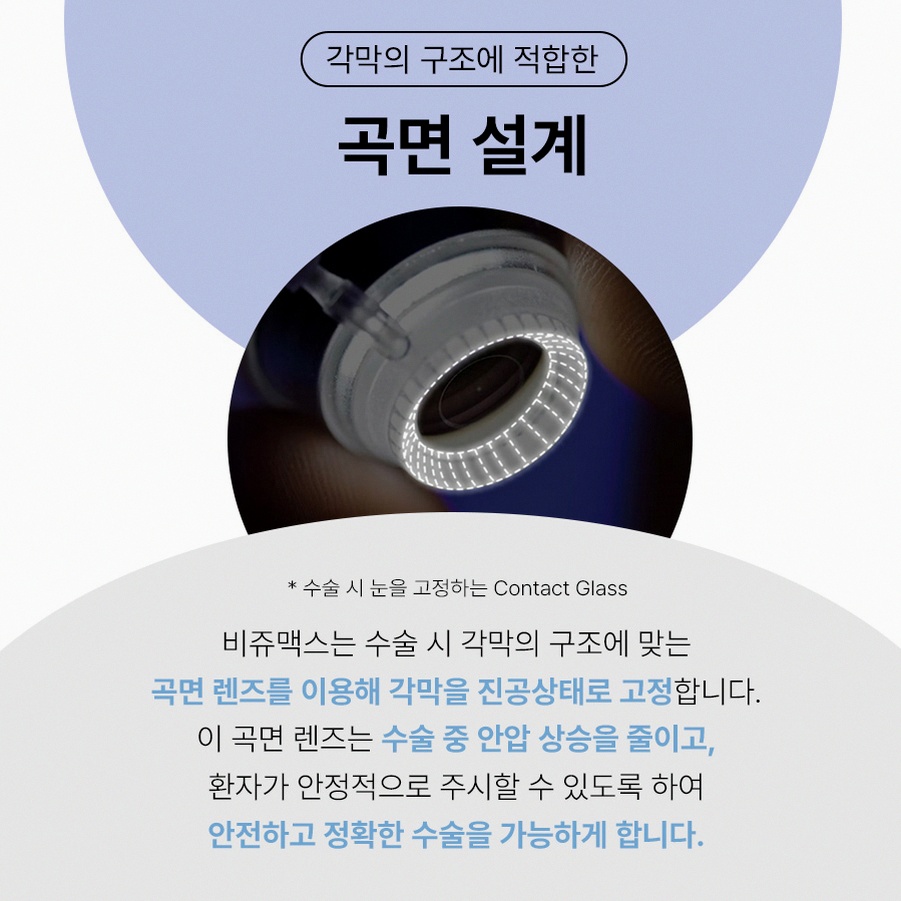
The clinic owns three major SMILE-related devices. The VisuMax 800, introduced in 2023, is dedicated to SMILE pro and offers laser application times under 9 seconds. The shorter suction time can improve comfort during surgery and may help make the procedure feel quicker and less stressful.
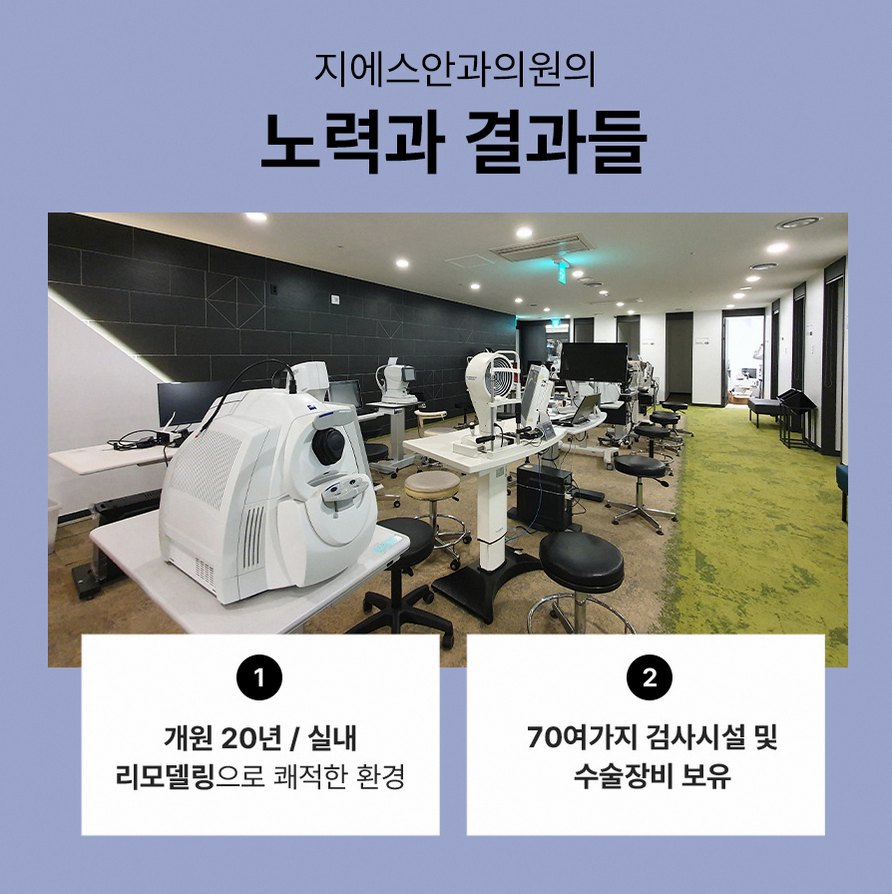
In addition, two VisuMax 500 units, first introduced in 2016 with a second unit added in 2019, are used for SMILE LASIK. Having two units helps increase capacity and reduce waiting times, which is important if you are planning surgery within a tight travel schedule.
The clinic was the first in Korea to join the ZEISS SMILE GOLD CLUB in 2021, and later became a SMILE pro CENTER in 2023 and a SILK Training Center in 2026. These designations indicate that the clinic serves as a reference site where other surgeons can observe SMILE pro and SILK procedures.
SILK and the Golden SMILE concept
SILK is a next-generation SMILE-type procedure using advanced laser technology to create even more precise corneal reshaping. The clinic’s proprietary Golden SMILE concept refers to customized SMILE-type planning that aims to match the correction to each patient’s corneal structure and visual demands.
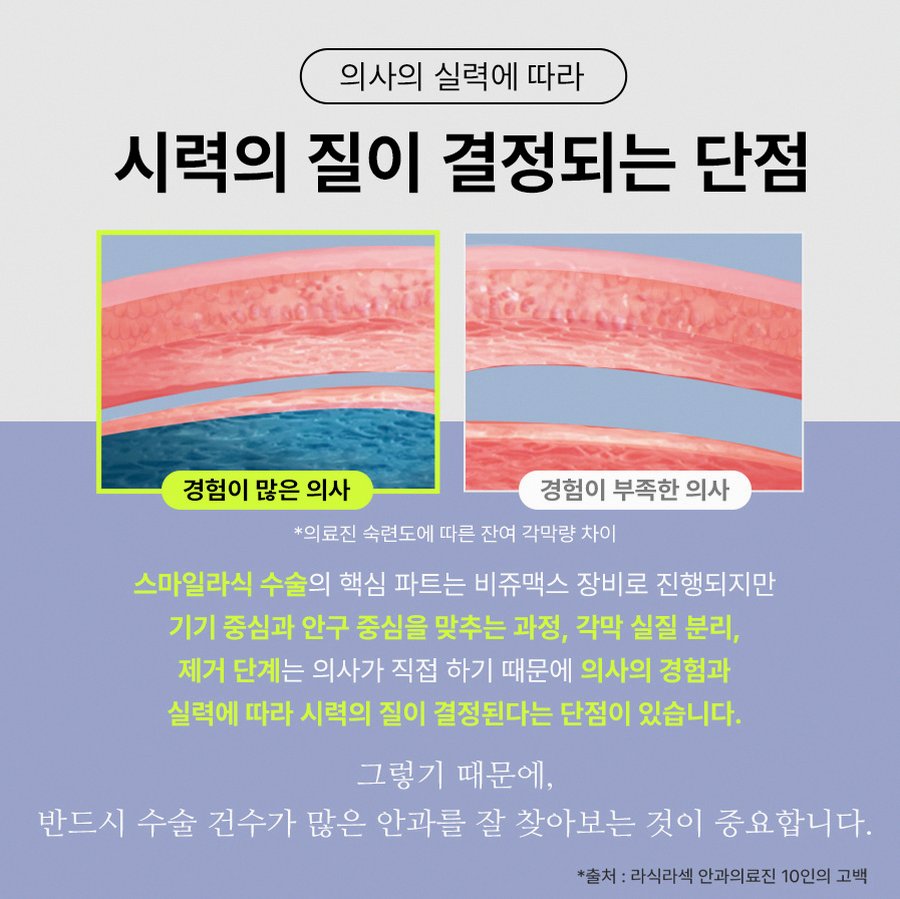
However, advanced equipment and special protocols alone are not enough. Outcomes depend on how experienced surgeons use these platforms, how carefully they screen patients, and how consistently they follow their post-operative care protocols.
Alternative options if you are not a SMILE LASIK candidate
Not all patients searching for SMILE LASIK near Seocho Station will be ideal candidates. Depending on your eye condition, other options may be safer or more effective.
Lens implantation
For very high myopia or thin corneas, lens implantation procedures such as ICL, GLAZE, or PhakiFlex KPL can be considered. These involve placing a customized lens inside the eye without removing corneal tissue. The clinic performed the first GLAZE lens implantation in Korea in 2019, reached 1,000 GLAZE eyes by 2022, and 3,000 eyes with Optiflex GLAZE by 2025.
Surface ablation options
If a corneal flap or lenticule procedure is not suitable, surface ablation such as 2DAY LASEK and related techniques may be recommended. These procedures reshape the surface of the cornea and can be considered for certain corneal shapes or thickness profiles.
Corneal strengthening
For borderline corneas or to enhance stability, corneal strengthening procedures such as EXTRA or KXL can be combined with vision correction. These techniques use riboflavin and ultraviolet light to increase corneal stiffness and may be considered in selected cases.
Dry eye management
A dedicated dry eye clinic within the same facility can help optimize the ocular surface before and after surgery. This can improve both comfort and visual quality, especially for patients who already have dry eye symptoms from long hours of screen work.
Having multiple options available means the clinic can recommend the safest method for your eyes rather than fitting everyone into a single procedure.
Presbyopia and cataract considerations for older patients
Procedures such as presbyopia-correcting lens implantation and laser cataract surgery can improve near and distance vision for many patients, but they also carry potential risks. Possible complications include glare, halos, reduced contrast sensitivity, infection, inflammation, and the possibility that glasses or additional treatment may still be needed. It is important to discuss the potential benefits, likely outcomes, and all risks and alternatives with your surgeon before deciding on lens-based surgery.
Some people in their 40s or older search for SMILE LASIK near Seocho Station but actually have early presbyopia or cataract. In these age groups, lens-based solutions may sometimes be more appropriate than corneal laser procedures.
For patients in their mid-40s or beyond, the surgeon may recommend lens-based surgery if there is early lens opacity, significant presbyopia, or if long-term visual goals are better served by replacing the natural lens.
Clinic profile and medical team
The clinic opened in 2005 under a different name and has remained in the same location near Gangnam Station, later adopting the name GS Eye Center. This long-term presence in the Gangnam and Seocho area suggests stability and ongoing commitment to eye care.
The clinic’s slogan, Skill creates vision, and the Latin phrase Domus bonae voluntatis (a house of people with good will) express a philosophy that combines technical expertise with ethical, patient-centered care.
The medical director graduated from Catholic University medical school, previously served as faculty at a major Catholic medical center, holds a medical doctorate, and maintains an adjunct faculty role as of 2024. The director also runs a YouTube channel focused on ophthalmology education, which can be helpful for overseas patients who want to understand procedures before visiting.
Other specialists trained at institutions such as Seoul National University, Catholic University, and Inje University, and have experience from major university hospitals, including roles as retina chief clinical instructors and assistant professors. Several doctors completed retina fellowships, which is particularly important for safe high-myopia surgery and long-term follow-up.
The clinic operates a separate retina center, which is valuable for pre-operative screening and for monitoring high myopia patients after SMILE LASIK or lens implantation.
Patient journey for SMILE LASIK from Seocho Station or overseas
If you are visiting from abroad and staying near Seocho Station, your SMILE LASIK journey typically follows several steps.
Initial online contact and preparation
You can usually reach the clinic via phone, email, social media channels such as Instagram or YouTube, or a messaging app channel. Many international patients start by sending their glasses prescription and basic eye history. Watching the medical director’s educational videos can help you understand the differences between SMILE LASIK, SMILE pro, SILK, LASEK, and lens implantation.
Before you travel, prepare a list of questions, such as which procedure might be safest for your prescription, how many days you should stay in Korea, what follow-up schedule is recommended, and what kind of activities you should avoid after surgery. If you have previous eye examination reports or retinal imaging, bring digital copies.
First visit and comprehensive examination
On your first in-clinic visit, you will undergo a detailed eye examination. This typically includes refraction, corneal imaging, tear film evaluation, and a retinal check by a specialist. The process can take several hours and may involve dilating eye drops, so plan your schedule accordingly.
This step is critical for safety and should not be rushed. Based on these results, the team will determine whether SMILE LASIK, SMILE pro, SILK, LASEK, lens implantation, or a combination with corneal strengthening is most appropriate.
Personalized counseling
After the tests, you will receive counseling with a doctor who explains the findings in clear terms. You should learn whether you are a good candidate for SMILE LASIK or another procedure, what visual results are reasonably expected, how long recovery may take, and what short-term side effects are possible.
Cost ranges can be discussed at this stage, though specific prices depend on your exact procedure and any additional treatments such as cross-linking or dry eye therapy. The focus should remain on safety and suitability rather than price alone.
Surgery day
If you decide to proceed and your eyes are suitable, surgery can often be scheduled within a few days, depending on your travel plan and the clinic’s schedule. Both eyes are usually treated in one session if medically appropriate.
During SMILE LASIK or SMILE pro, you will lie under the ZEISS VisuMax platform. The laser step is very short, especially with the VisuMax 800, where laser application time is under 9 seconds. You may feel gentle pressure; most patients report minimal pain because numbing drops are used, though individual sensations can vary. The surgeon then removes the lenticule through the small incision.
The entire procedure for both eyes generally takes only several minutes of laser time, though you should plan to stay at the clinic longer for preparation and immediate post-operative checks.
Post-operative follow-up and return to daily life
After surgery, you will rest briefly at the clinic before a quick examination. Many patients notice improved vision on the same day or the next day, though mild blurriness, dryness, or halos at night can occur during the early healing period.
For overseas patients, a typical schedule might include a next-day check, another visit within a few days, and a final check before you fly home. Your doctor will give you instructions on eye drops, activity restrictions, and how to protect your eyes during the flight.
Being close to Seocho Station and Gangnam Station makes it easier to attend multiple follow-up visits without long travel times. After you return home, you should continue periodic eye examinations with a local ophthalmologist, especially if you had high myopia.
Expected Korea visit timeline for SMILE LASIK
While individual plans vary, many international patients allocate about 5 to 7 days in Seoul for SMILE LASIK:
Day 1: Arrival and rest.
Day 2: Comprehensive eye examination and counseling.
Day 3: Surgery (or Day 4, depending on schedule and test results).
Day 4–5: Early follow-up visits and rest.
Day 6–7: Final check before departure.
If you need additional procedures, such as retinal laser treatment or corneal strengthening, you may need to extend your stay by a few days. Discuss this in advance during online consultation.
Pre-visit checklist for overseas patients
Before coming to Korea for SMILE LASIK near Seocho Station, consider preparing the following:
Recent glasses or contact lens prescription.
Any previous eye surgery records or retinal imaging.
A list of medications and medical conditions.
Information about allergies, especially to medications or eye drops.
Your typical work and lifestyle demands, including night driving or heavy screen use.
Also prepare questions to ask during your consultation, such as how long you should avoid contact sports, swimming, or sauna; when you can return to office work; and what to do if you experience unusual symptoms after returning home.
Frequently asked questions
How is SMILE LASIK different from SMILE pro and SILK, and which is better for me?
SMILE LASIK and SMILE pro are both SMILE-type procedures using ZEISS VisuMax platforms, but SMILE pro on the VisuMax 800 offers faster laser times and some technical refinements. SILK is a next-generation approach aiming for even more precise and customizable corneal reshaping. Which option is better depends on your corneal thickness, shape, prescription, and visual needs. A detailed examination and discussion with your surgeon are necessary to decide.
What should I check when choosing a SMILE LASIK clinic near Seocho Station?
Focus on surgeon qualifications, SMILE case volume, availability of ZEISS VisuMax platforms, and whether the clinic has a dedicated retina service. Ask about their pre-operative testing protocol, how they decide who is a good candidate, and what alternative procedures they offer if SMILE LASIK is not suitable. Also check their follow-up system and whether they have experience coordinating care for overseas patients.
Is SMILE LASIK safe for high myopia, and how does a retina center help?
SMILE LASIK can be performed for many patients with high myopia, but safety depends on corneal thickness, shape, and retinal status. A retina center with fellowship-trained specialists can detect and, if needed, treat peripheral retinal lesions before surgery. This is especially important in high myopia, where the risk of retinal problems is higher. In some very high prescriptions, lens implantation may be a safer alternative.
How long does it take to recover after SMILE LASIK, and when can I return to work in Gangnam or Seocho?
Most people notice functional vision within one or two days after SMILE LASIK, and many can return to office-type work in Gangnam or Seocho within a few days, depending on comfort and your doctor’s advice. Mild dryness, light sensitivity, or halos at night may continue for several weeks as the eyes heal. Your surgeon will give you personalized guidance based on your job and commute.
Who is not a good candidate for SMILE LASIK, and what alternatives are available?
You may not be a good candidate if you have very thin or irregular corneas, unstable refraction, certain corneal diseases, advanced dry eye, or significant lens opacity or cataract. In such cases, alternatives include 2DAY LASEK or other surface ablation, lens implantation such as ICL or GLAZE, or combined procedures with corneal strengthening. The goal is to choose the safest method for your long-term eye health.
How do international certifications like ISO 9001 and 14001 and ZEISS designations affect safety and quality?
ISO 9001 and 14001 certifications indicate that the clinic follows structured quality and environmental management systems, which support consistent processes and documentation. ZEISS designations such as SMILE GOLD CLUB, SMILE pro CENTER, and SILK Training Center show that the clinic meets certain experience and equipment criteria and may serve as a reference site for other surgeons. These recognitions do not guarantee individual outcomes but suggest that the clinic invests in standardized, advanced care.
Soft call to action for online consultation
If you are considering SMILE LASIK near Seocho Station and would like to plan your treatment during a visit to Seoul, you can start with an online consultation with GS Eye Center. Sharing your prescription, eye history, and travel schedule in advance allows the team to suggest a realistic timeline and to explain whether SMILE LASIK, SMILE pro, SILK, or another option might be appropriate. A careful, step-by-step approach will help you make a safe and informed decision about vision correction in Korea.
- 공유 링크 만들기
- X
- 이메일
- 기타 앱


댓글
댓글 쓰기