What SMILE LASIK Feels Like in Gangnam
- 공유 링크 만들기
- X
- 이메일
- 기타 앱

Direct answer summary
If you are searching for “Sinsa SMILE LASIK reviews,” you are probably trying to understand what the procedure actually feels like, how long recovery takes, and what kind of experience you might have at an ophthalmology clinic in the Sinsa–Gangnam area. In simple terms, SMILE LASIK is a minimally invasive laser vision correction method that uses a small incision in the cornea instead of a large flap. Many patients describe pressure and mild discomfort rather than sharp pain; some report early functional vision within days, while fine-tuning can continue over several weeks. Timing varies by individual, and a full exam helps determine candidacy and expected recovery. Choosing a clinic near Sinsa should be based on examination quality, surgeon experience, technology, and follow-up care, not only on location or price.
This guide walks you through what SMILE LASIK is, a realistic step-by-step journey from consultation to follow-up, what local patients tend to care about most, how to read reviews, and how an international patient can plan a short medical trip to Seoul.
What SMILE LASIK actually is
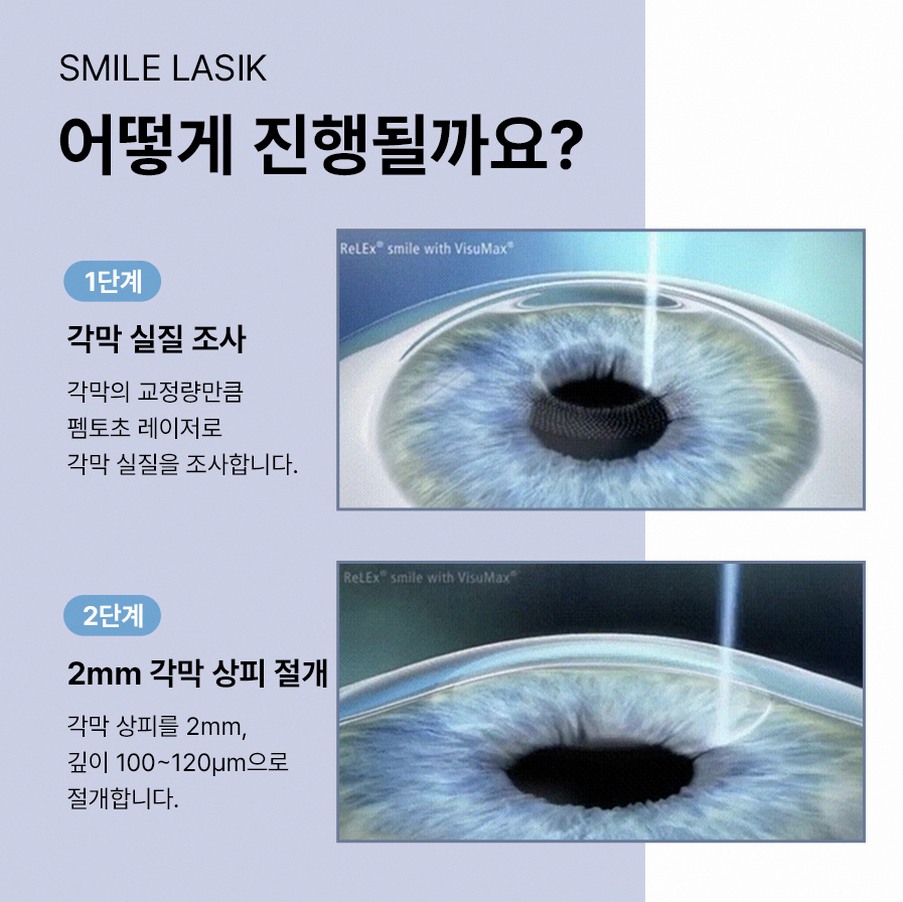
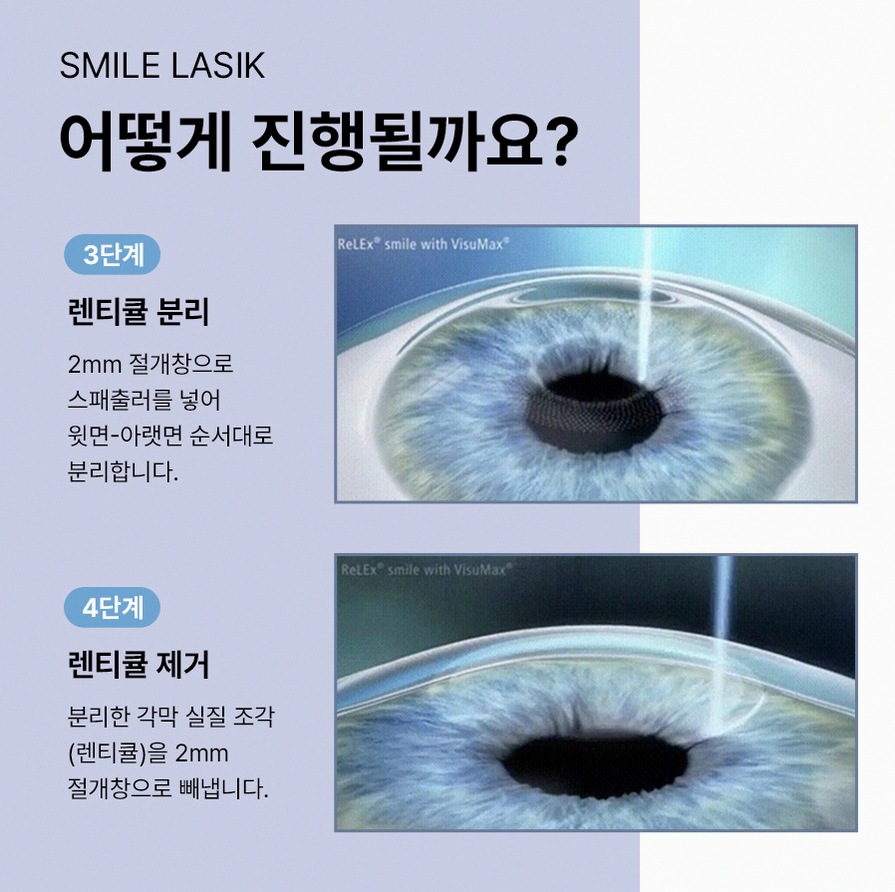
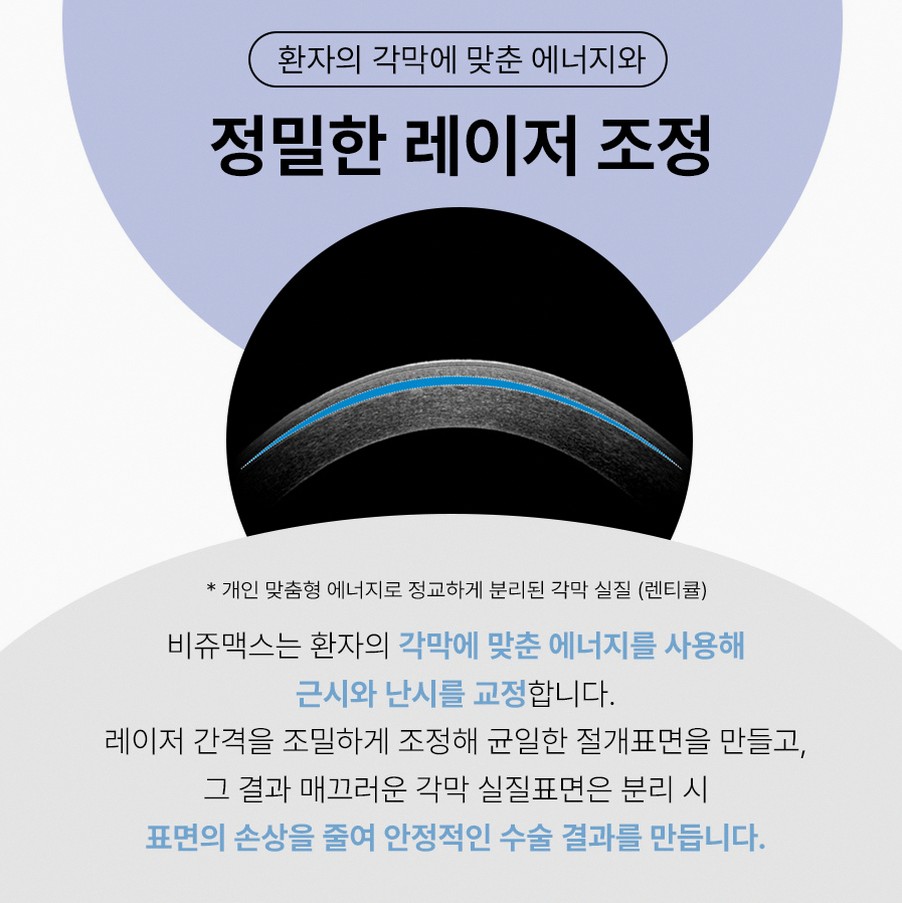
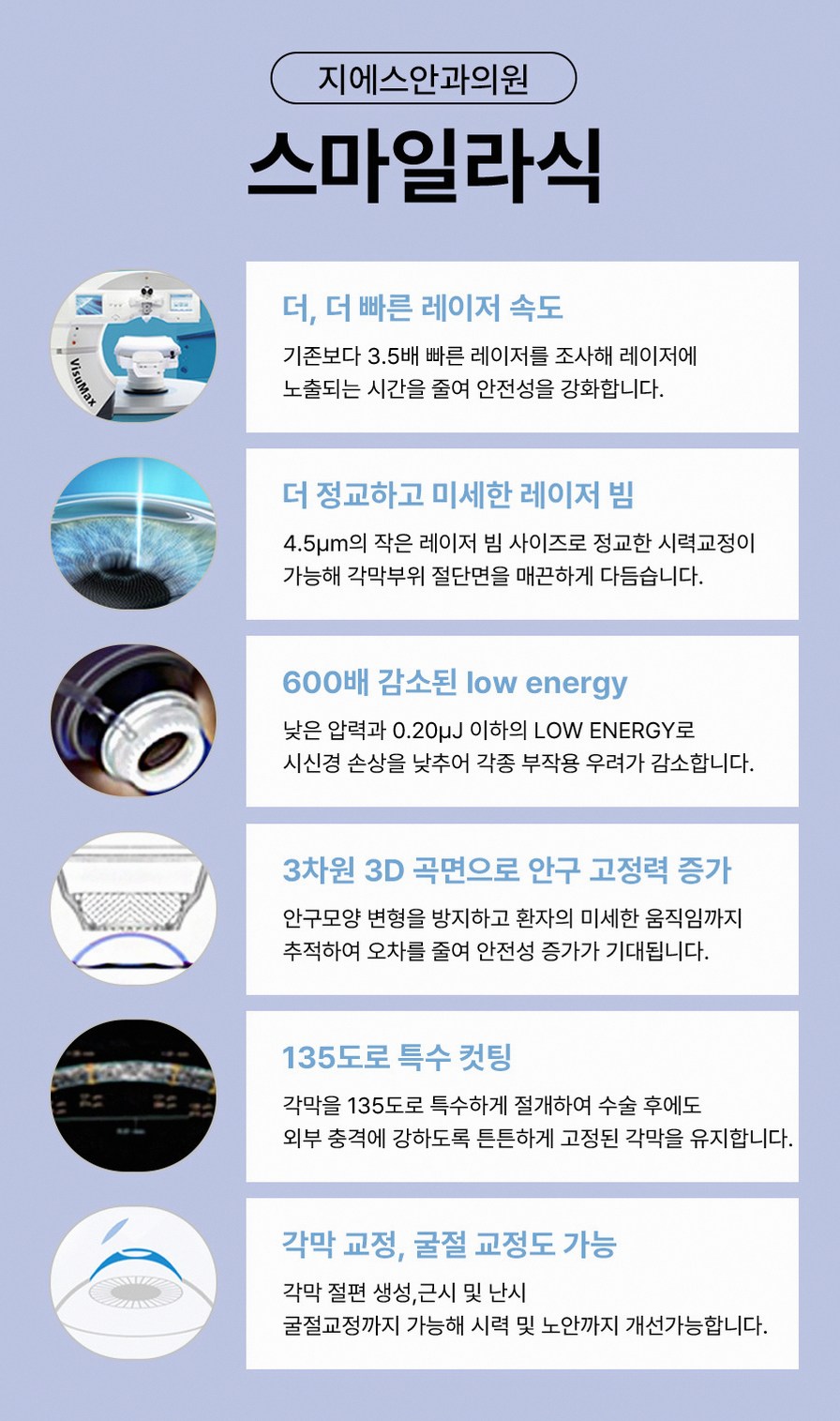
SMILE LASIK is a type of laser vision correction designed to reduce dependence on glasses and contact lenses. Instead of creating a large corneal flap like classic LASIK, a femtosecond laser creates a tiny lens-shaped piece of tissue (called a lenticule) inside the cornea. The surgeon then removes this lenticule through a very small incision, reshaping the cornea so light focuses more accurately on the retina.
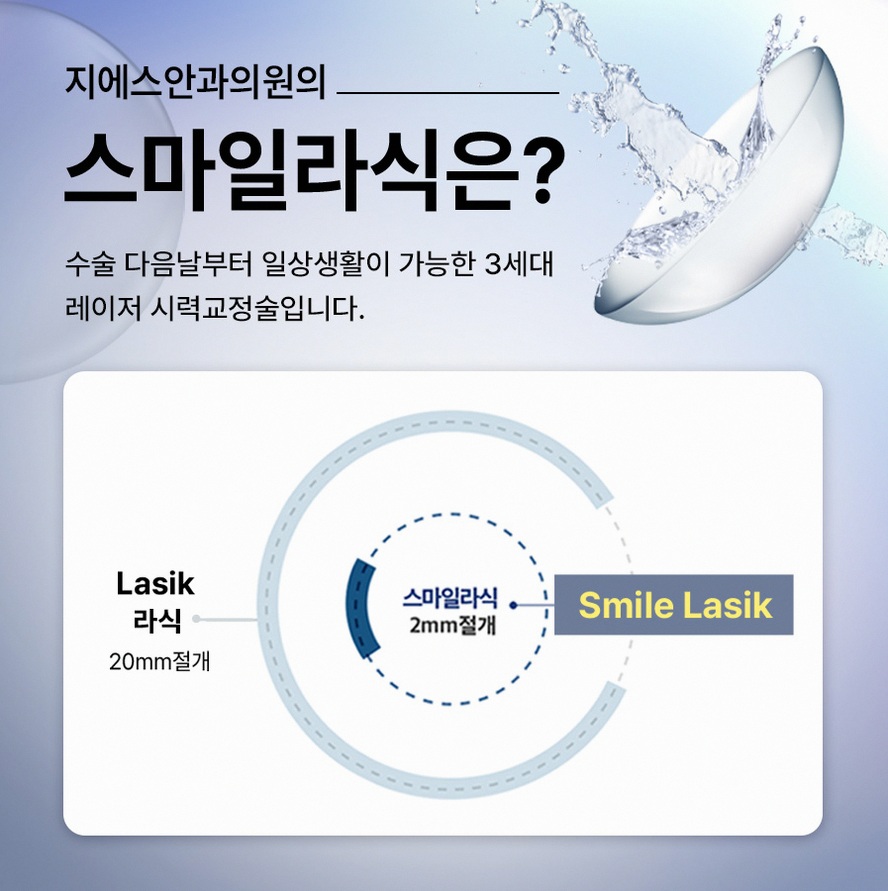
In traditional LASIK, a flap is cut on the surface of the cornea, lifted, and then an excimer laser reshapes the exposed tissue. In LASEK or PRK, the surface layer is removed and the laser works directly on the surface, which can mean more discomfort and a longer early recovery.
With SMILE LASIK, there is no large surface flap. The incision is usually just a few millimeters. Many patients and surgeons appreciate this because it may preserve more corneal stability and corneal nerves, which can be related to comfort and dry eye symptoms.
Typical benefits patients look for with SMILE LASIK include a smaller incision without a full flap, quick laser time, relatively fast return to daily activities, and often more comfort in the early recovery compared with surface procedures. However, like all medical procedures, individual results and experiences vary, and a detailed eye examination is essential to see whether this technique is suitable for you.
A typical SMILE LASIK journey in the Sinsa / Gangnam area
For people living or working near Sinsa and Gangnam, the appeal of SMILE LASIK is usually convenience plus the desire to be free from glasses or contact lenses in a busy city lifestyle. Below is a realistic composite journey that reflects what many patients experience at specialized ophthalmology clinics in this area.
Pre-surgery consultation and eye examination
Your journey usually starts with an online inquiry or phone call to book a consultation at an ophthalmology clinic near Sinsa or Gangnam Station. On the consultation day, you can expect a structured, multi-step eye examination rather than a quick check.
Common tests include measurements of your glasses or contact lens prescription, corneal thickness and shape using corneal topography, pupil size, tear film and dry eye evaluation, intraocular pressure, and a detailed retina check to look at the back of the eye. These tests help determine whether your eyes are healthy enough for laser vision correction and which method is safest.
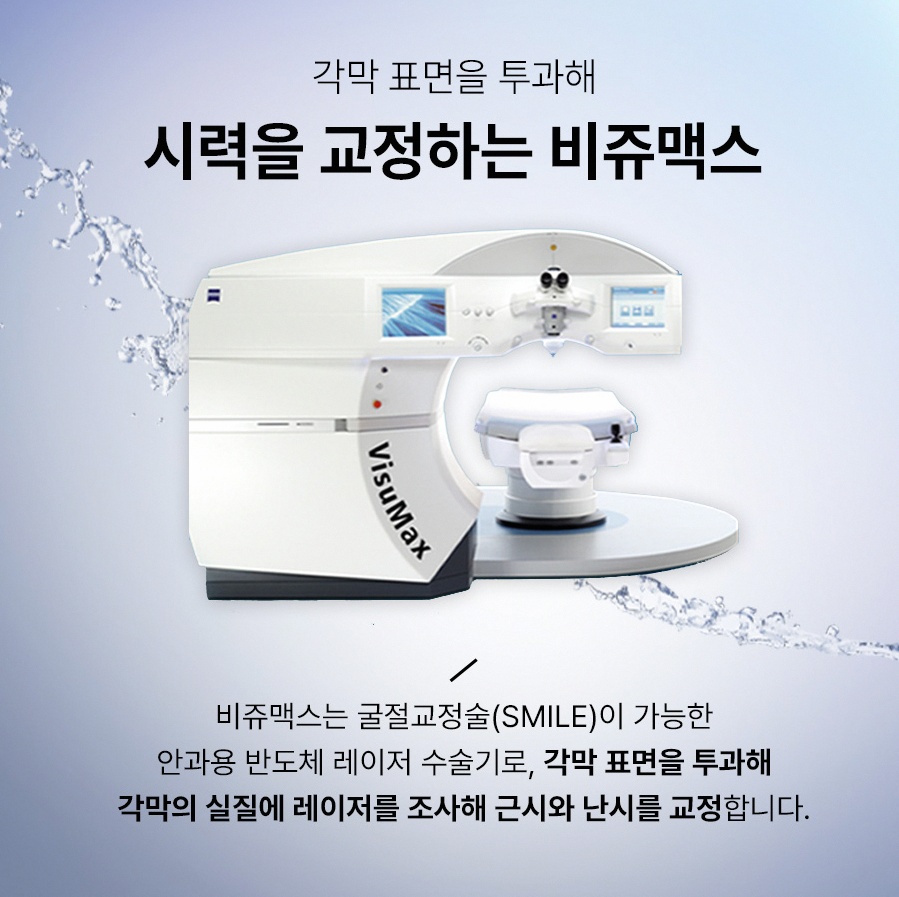
Not everyone is a candidate for SMILE LASIK. Very thin corneas, unstable prescriptions, irregular corneal shape, certain retinal problems, or other eye conditions may mean that SMILE LASIK is not recommended. Clinics that include a dedicated retina service or access to retina-trained ophthalmologists can provide a more complete evaluation of the back of the eye, which is especially important for people with high myopia.
At the end of this first visit, the ophthalmologist will usually review your test results with you in detail, explain your options, and answer questions about risks, benefits, and realistic expectations.
Deciding on SMILE versus other options
After your examination, the next step is choosing the most suitable vision correction method. For some patients, SMILE LASIK may be recommended as the first option. For others, classic LASIK, LASEK, or lens implantation may be more appropriate.
The decision depends on factors such as the degree of myopia or astigmatism, corneal thickness, corneal curvature, dry eye tendency, lifestyle, and work environment. For example, people who play contact sports or have jobs where eye trauma is a risk sometimes prefer flapless or small-incision procedures. Those with very thin corneas might be guided toward surface procedures or non-laser options.
A trustworthy clinic will not try to fit every patient into SMILE LASIK. Instead, the ophthalmologist should explain why a particular method is recommended, what limitations exist, and in some cases, why surgery might be postponed or not advised at all. This kind of honest guidance is often reflected in detailed online reviews from previous patients.
The day of surgery – what it feels like
On the day of SMILE LASIK, most patients arrive at the clinic a little earlier for final checks. Staff review your medical history, confirm that your prescription and eye measurements are stable, and go through consent forms and instructions again. You may receive mild oral medication to help you relax, depending on the clinic’s protocol.
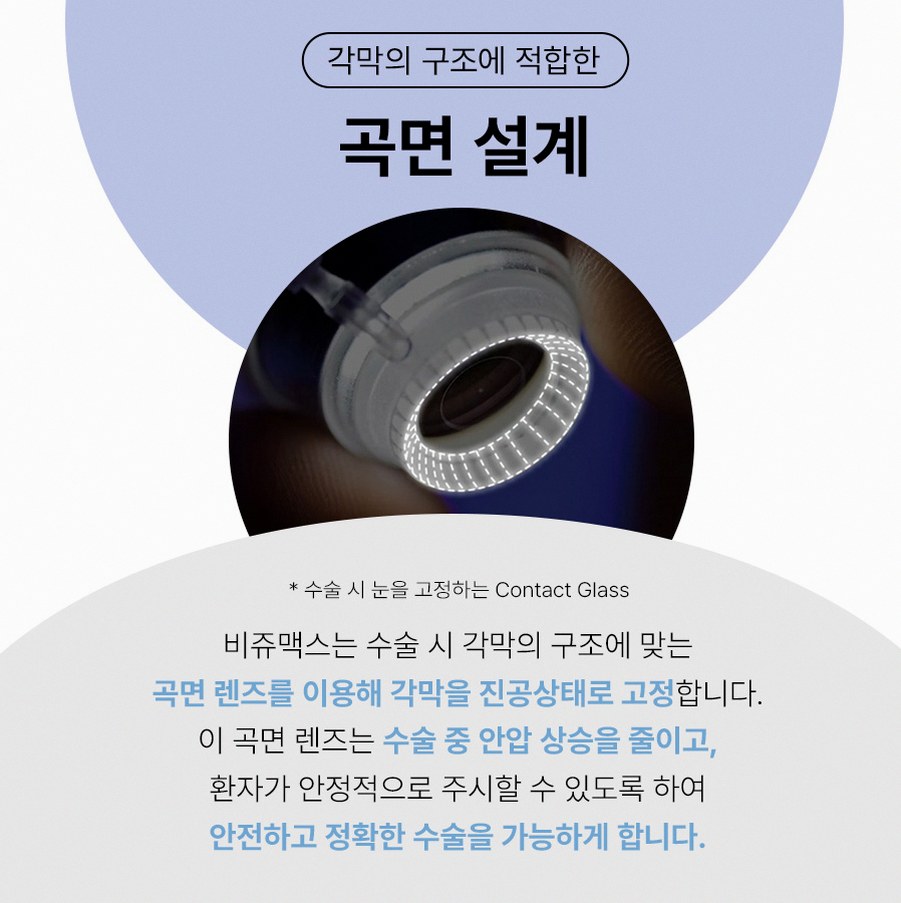
In the laser room, you lie on a comfortable bed under the laser unit. The team cleans around your eyes and applies anesthetic eye drops so you do not feel sharp pain. An eyelid holder is gently placed to keep your eye open. This can feel strange but not usually painful.
During the SMILE LASIK step, you are asked to look at a target light. You may feel a sense of pressure on the eye as the laser works inside the cornea. The actual laser time is usually very short, often only seconds per eye with modern platforms. Some patients report not noticing the burning smell that is sometimes associated with excimer lasers, but experiences vary.
After the laser creates the lenticule and small incision, the surgeon carefully removes the lenticule through the tiny opening. You may feel gentle movement or slight pressure but no sharp pain. The overall in-clinic process is brief, with the non-laser preparation and checks typically taking more time than the laser step.
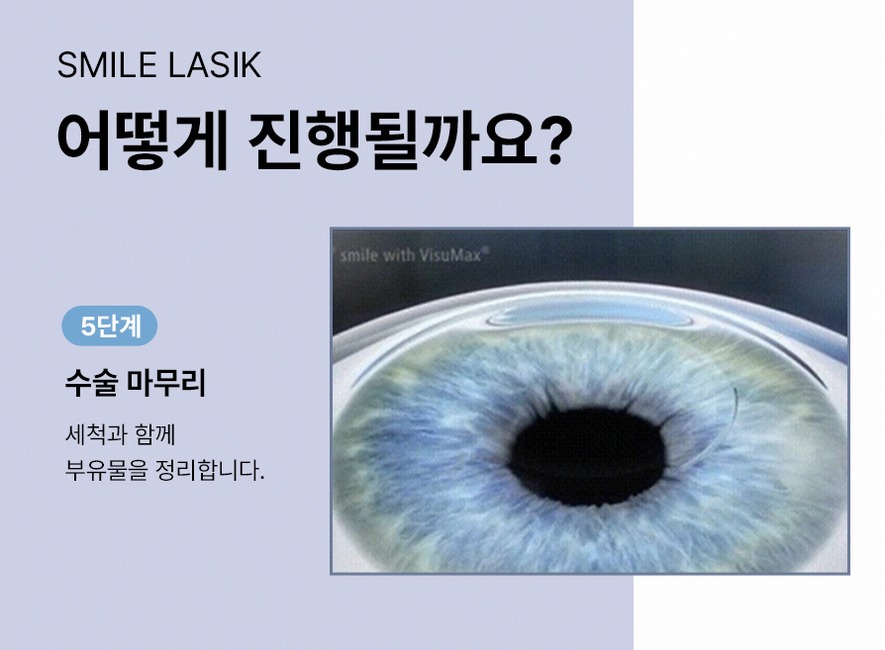
Immediately after surgery, your vision is typically hazy, and you may be sensitive to light. Many patients describe a foreign-body sensation, tearing, or mild discomfort, similar to having an eyelash in the eye. You are usually asked to rest in a recovery area for a short time before going home or back to your accommodation.
First 24–72 hours after SMILE LASIK
The first day is mainly about rest and protection. Many clinics in Sinsa and Gangnam recommend going straight home or to your hotel, keeping your eyes closed as much as possible, and using the prescribed eye drops exactly as directed. These usually include antibiotic drops, anti-inflammatory drops, and lubricating artificial tears.
Some patients prefer to wear sunglasses indoors for comfort and light sensitivity. Mild discomfort, tearing, or a gritty feeling is common in the first hours and usually improves quickly. Oral pain medication may be recommended if needed, but many patients manage with just eye drops and rest.
By the next day, most people can see well enough to move around safely, navigate public transport, and recognize faces, although vision can still be slightly blurred or hazy. Halos around lights, glare at night, or fluctuations in clarity are common early experiences mentioned in many reviews.
Many patients are able to return to desk work within a few days, but recovery varies; follow your ophthalmologist's guidance based on your comfort and job demands. However, you should avoid rubbing your eyes, swimming pools, hot tubs, heavy exercise, and dusty environments for the period recommended by your ophthalmologist.
One to three months after surgery
Over the following weeks, your vision usually becomes clearer and more stable. Many patients describe a feeling of freedom from glasses and contact lenses when commuting, working, or exercising around Sinsa and Gangnam. Dryness, if present, is often managed with preservative-free artificial tears.
Night vision can take longer to fully adapt. Some people report halos or starbursts around headlights or streetlights in the early weeks, which tend to improve gradually. Your ophthalmologist will monitor these symptoms during follow-up visits.
Regular follow-up is essential. Typical schedules include an examination the day after surgery, then at one week, one month, and three months, although this can vary. During these visits, the clinic checks your vision, corneal healing, tear film, and retina, and answers any new questions. For international patients, clinics may adjust the schedule to fit a shorter stay and arrange remote follow-up with your local eye doctor after you return home.
What patients in Sinsa and Gangnam care about most
Pain and fear
Many people searching for “Sinsa SMILE LASIK reviews” are worried about pain and the idea of a laser touching their eyes. Most patients describe the procedure as strange but tolerable. The main sensation is pressure rather than sharp pain, thanks to anesthetic eye drops.
Anxiety is very common. Good pre-operative counseling, clear step-by-step explanations, and a calm team in the laser room can make a big difference. Reading detailed reviews that describe the process, not just the final result, can help you prepare mentally.
Recovery speed
In a busy business district like Gangnam and Sinsa, many patients choose SMILE LASIK because they want to return to work quickly. Functional vision is often achieved within one to two days, though everyone is different.
You should still plan for at least one day of rest after surgery and avoid overloading your eyes with long hours of screen time in the first few days. Fine-tuning of vision and night vision adaptation can continue for weeks to months, so it is important to keep realistic expectations even if you feel good very quickly.
Dry eye and side effects
SMILE LASIK is often chosen by people concerned about dry eye because the small incision may affect fewer corneal nerves than a large flap. However, some degree of dryness is still common after any corneal laser procedure, especially in the first few months.
Halos, glare, temporary fluctuations in vision, and mild discomfort can also occur. Most of these effects are manageable with eye drops, rest, and time, but they should always be discussed with your ophthalmologist. Ignoring symptoms is not recommended; regular follow-up allows early detection and management of any issues.
How to evaluate SMILE LASIK reviews and choose a clinic near Sinsa
When you read online reviews for SMILE LASIK clinics in the Sinsa and Gangnam area, it helps to look beyond simple comments like “good” or “bad.” Instead, focus on reviews that describe the process in detail.
Useful review elements include descriptions of the examination process, how thoroughly the ophthalmologist explained test results and options, how the staff handled questions and anxiety, and whether follow-up care felt organized and attentive. Reviews that mention how unexpected findings were handled can also be informative.
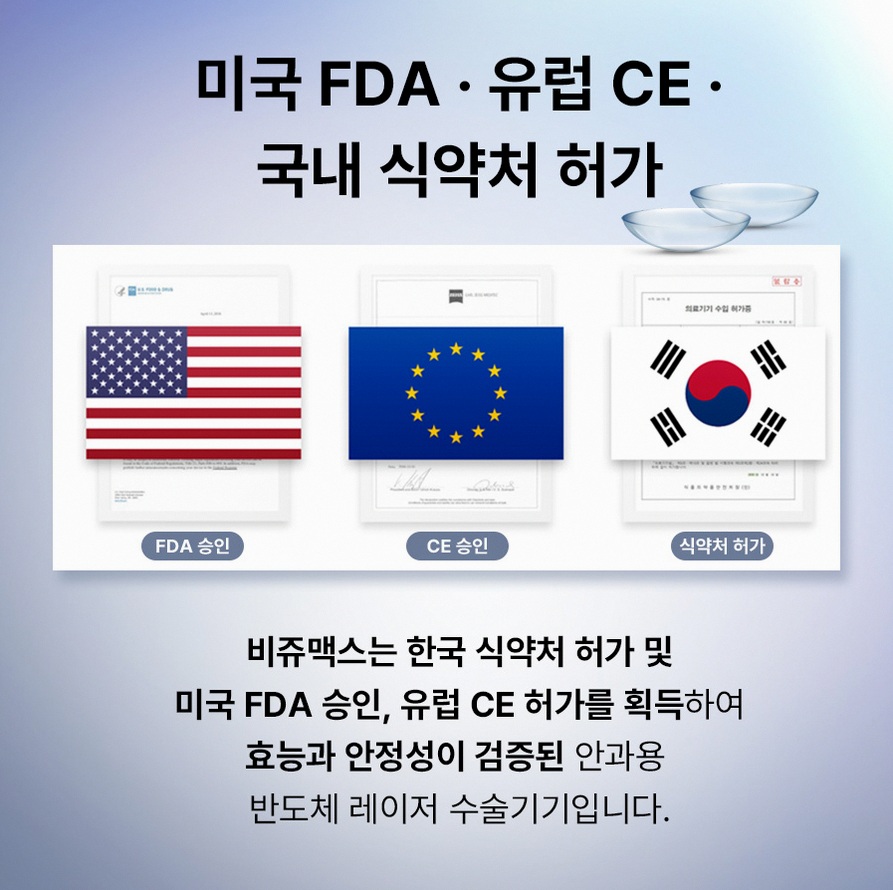
Beyond reviews, consider objective criteria such as whether the clinic focuses on refractive surgery, whether it has multiple ophthalmologists with experience in vision correction and cataract surgery, and what kind of laser platforms are available. Modern SMILE systems from established manufacturers, including newer versions such as SMILE pro, can offer shorter treatment times and refined technology.
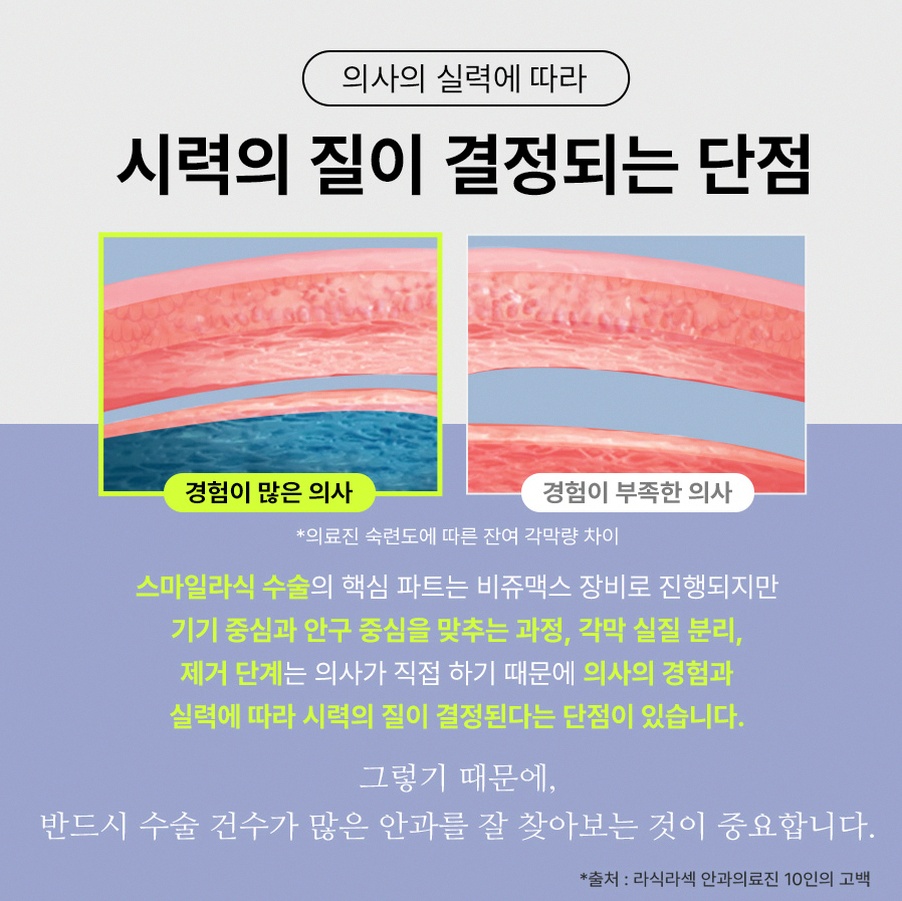
Clinics that operate multiple laser units can tailor treatment more precisely to different corneal conditions. The presence of a separate retina clinic or retina-trained ophthalmologists is valuable for screening high myopia or subtle retinal changes before surgery.
It can also be reassuring if a clinic serves as a training or reference center for certain technologies, or if it provides clinical education for medical schools and industry partners. This often reflects systematic protocols and quality control.
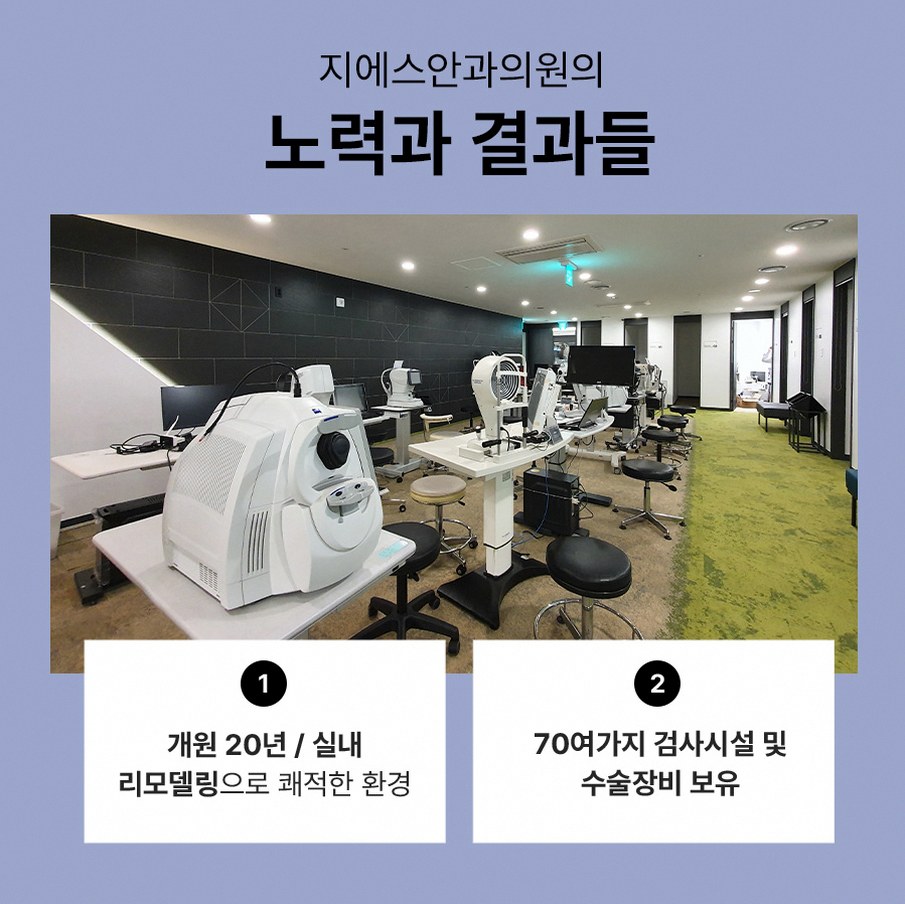
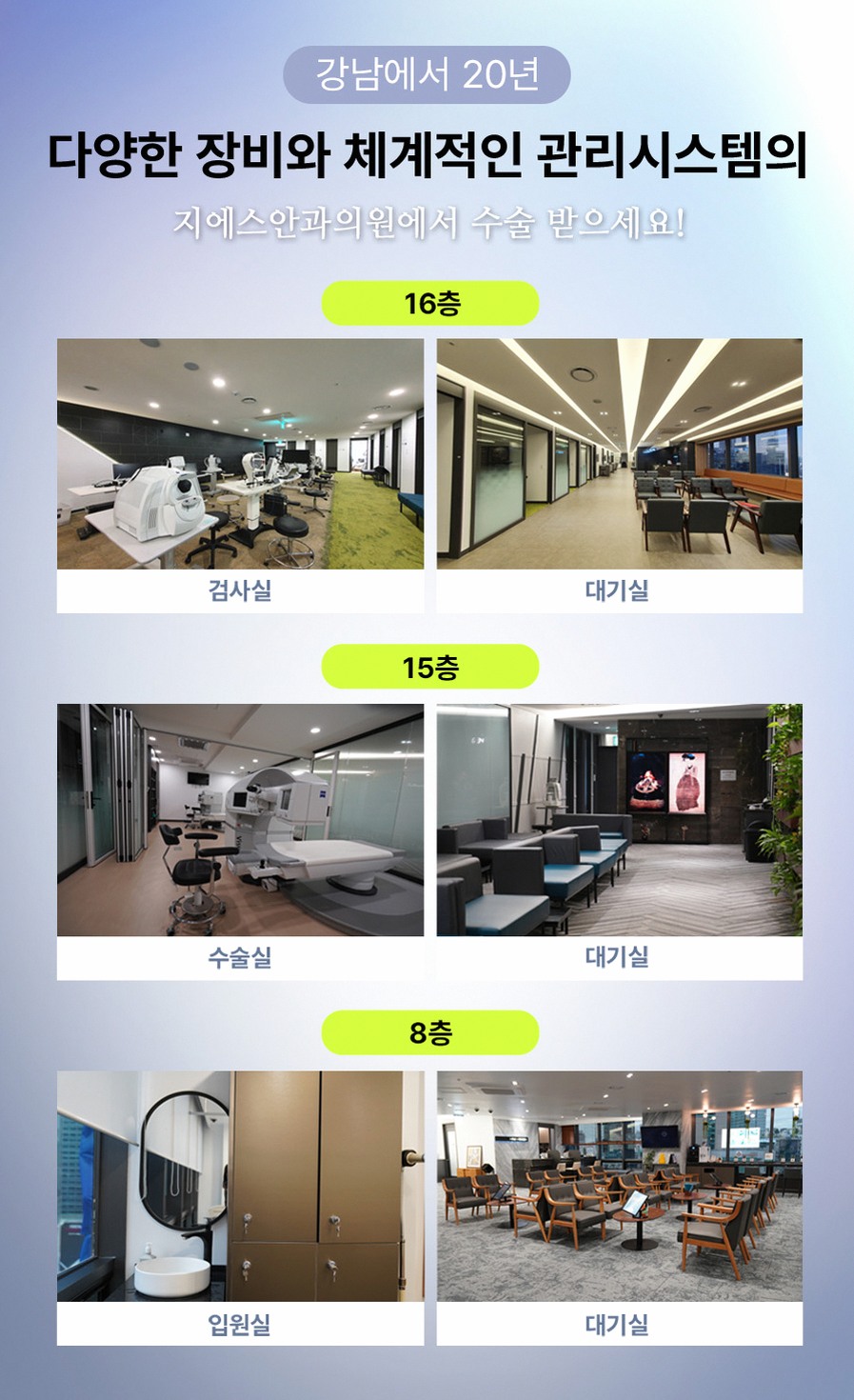
GS Eye Center, for example, is an ophthalmology clinic established in 2005 in the Gangnam business district and has been operating continuously in the same location. It focuses on vision correction and cataract surgery, holds multiple SMILE-related laser platforms from ZEISS including a dedicated SMILE pro system introduced in 2023, and has been recognized as a SMILE pro center and a SILK training center. It also acts as a clinical education site, which can be important for patients who value structured systems and teaching experience.
Who may consider SMILE LASIK as an overseas patient
International patients in their late teens to 30s who are tired of glasses or contact lenses and who have a stable prescription are often interested in SMILE LASIK. Ideal candidates usually have healthy eyes, a stable refraction for at least one to two years, adequate corneal thickness, and realistic expectations.
People with very high myopia, thin corneas, irregular corneas, severe dry eye, or certain retinal conditions may still be able to receive vision correction, but they might be guided toward other procedures or advised to delay surgery. Only a full examination can confirm this.
If you are coming from overseas, it is helpful to bring previous eye examination records, glasses prescriptions, and any information about past eye problems or surgeries. This can support faster, safer decision-making during your short stay in Korea.
Online consultation and pre-visit preparation
Before you book flights, many clinics in the Sinsa–Gangnam area offer online or email consultations. While a remote consultation cannot replace a full examination, it can help you understand whether you are a likely candidate and how to plan your trip.
For an efficient online consultation, prepare the following:
Your most recent glasses or contact lens prescription, including sphere, cylinder, and axis values if possible.
Any previous eye examination reports, especially corneal topography or retinal scans.
Information about general health, medications, allergies, and any history of eye disease.
Your preferred travel dates and how many days you can stay in Seoul.
You can also prepare a list of questions, such as:
How many days do I need to stay for examination, surgery, and follow-up?
What is the typical schedule for international patients?
What are the main risks in my case, based on my prescription and age?
What is the clinic’s policy if I am not a candidate after the in-person exam?
Sending this information in advance allows the clinic to give you a more personalized plan and to schedule your appointments efficiently.
Expected Korea visit timeline for SMILE LASIK
Although every clinic has its own protocol, many international patients follow a similar schedule for SMILE LASIK in Seoul.
Day 1: Comprehensive examination and consultation. You undergo all tests, meet the ophthalmologist, and discuss whether SMILE LASIK is suitable. If you are a candidate and feel comfortable, surgery may be scheduled as early as the next day or within a few days.
Day 2 or 3: Surgery day. You spend a few hours at the clinic for final checks, the procedure, and immediate post-operative care. Plan to rest for the remainder of the day and avoid sightseeing.
Day 3 or 4: First follow-up. The ophthalmologist checks your vision, corneal healing, and intraocular pressure, and reviews eye drop instructions. Many patients already feel comfortable walking around the city with sunglasses.
Day 5 to 7: Additional follow-up before departure. Depending on your schedule, the clinic may arrange another check-up to ensure stable early healing and to provide a medical summary for your local eye doctor.
If possible, staying in Seoul for at least five to seven days after surgery is helpful. If your time is limited, discuss this in advance so the clinic can adjust your follow-up schedule and coordinate with a doctor in your home country.
Aftercare and long-term care
After you return home, you should continue using prescribed eye drops as directed and follow all activity restrictions. Avoid eye rubbing, swimming, and contact sports for the period recommended by your ophthalmologist.
Arrange follow-up visits with a local eye doctor at intervals suggested by the clinic in Seoul. Provide them with your surgery report and any test results you received. This allows continuity of care and early detection of any late-onset issues.
Long term, most patients simply attend routine eye examinations once a year or as recommended. Remember that SMILE LASIK reshapes the cornea permanently, but it does not stop natural aging of the eye. Presbyopia (difficulty focusing up close) and cataracts can still develop later in life, and regular check-ups remain important.
FAQ tailored to Sinsa SMILE LASIK reviews
Is SMILE LASIK really painless?
SMILE LASIK is usually not described as painful, but as slightly uncomfortable. Anesthetic eye drops numb the surface of your eyes, so you should not feel sharp pain during the laser step. Most patients notice pressure, a feeling of something touching the eye, and sometimes mild discomfort afterward, similar to having a small particle in the eye.
In the first few hours after surgery, tearing, light sensitivity, and a foreign-body sensation are common. These symptoms typically improve quickly with rest and prescribed eye drops. Pain levels vary by person, so it is important to communicate openly with your ophthalmologist and follow their instructions.
How soon can I go back to work after SMILE LASIK in Gangnam or Sinsa?
Many office workers return to desk work within one to three days after SMILE LASIK, depending on their comfort level and job demands. On the first day after surgery, you may already see well enough to move around safely, but your eyes can still feel sensitive and tired.
If your work involves long hours at a computer, it is wise to take frequent breaks, use artificial tears, and avoid overworking your eyes during the first week. For physically demanding jobs or sports, your ophthalmologist may recommend a longer break to protect your eyes during healing.
Can I have SMILE LASIK if I have high myopia or thin corneas?
Candidacy for SMILE LASIK depends on detailed measurements, not just your glasses prescription. Some patients with high myopia can safely undergo SMILE LASIK, while others may be better suited to different procedures or advised against corneal laser surgery.
Thin or irregular corneas can limit the amount of safe tissue removal and may increase the risk of complications. In these cases, surface procedures, lens implantation, or continued use of glasses or contact lenses may be recommended. A full examination at an ophthalmology clinic is the only way to know for sure.
SMILE LASIK produces a lasting corneal reshaping intended to correct refractive error, but natural aging and other factors can alter vision over time. Regular follow-up is recommended to monitor long-term stability and to discuss options if refractive changes occur.
The corneal reshaping created by SMILE LASIK is considered permanent. However, your eyes and vision continue to change naturally with age. This means that presbyopia, which affects near vision in middle age, and cataracts, which cloud the lens later in life, can still occur even if your distance vision is clear after surgery.
Some patients may experience small prescription changes over many years, especially if they had high myopia before surgery. Regular eye examinations help monitor these changes and ensure overall eye health.
What if my exam shows a retinal problem?
If your pre-operative examination reveals a retinal issue, such as lattice degeneration, small retinal holes, or early signs of other conditions, your ophthalmologist may recommend treating or monitoring the retina before proceeding with SMILE LASIK.
In some cases, preventive laser treatment to the retina is advised before corneal surgery. In others, the safest choice may be to delay or avoid refractive surgery. This is why it is important to choose a clinic that can thoroughly evaluate the back of the eye and coordinate care with retina specialists when needed.
Soft call to action for online consultation
If you are considering SMILE LASIK in the Sinsa–Gangnam area and want more than simple advertisements, starting with detailed information and realistic reviews is a smart approach. Once you feel familiar with the procedure, the next step is to schedule a comprehensive eye examination at a reputable ophthalmology clinic.
GS Eye Center welcomes inquiries from overseas patients and can provide online pre-consultation to help you plan your visit, understand likely candidacy, and design a schedule that fits your time in Seoul. By combining careful screening, clear communication with an experienced ophthalmologist, and structured follow-up, you can approach SMILE LASIK with confidence and realistic expectations rather than uncertainty.
- 공유 링크 만들기
- X
- 이메일
- 기타 앱


댓글
댓글 쓰기