Why SMILE LASIK Is Often Recommended in Gangnam
- 공유 링크 만들기
- X
- 이메일
- 기타 앱


Direct answer: LASIK surgery recommendation vs SMILE LASIK
Some clinics that offer SMILE now highlight it as a next‑generation option. SMILE is still a form of laser vision correction like classic LASIK, but it uses a less invasive technique that can preserve more corneal tissue and may reduce certain side effects such as dry eye in suitable patients. For people worried about corneal preservation or postoperative dry eye, SMILE is often presented as an alternative worth considering.
For international patients coming to Seoul, especially the Gangnam Station area, it is reasonable to ask specifically about SMILE LASIK when you request a LASIK recommendation at an ophthalmology clinic.
What is SMILE LASIK in simple terms
SMILE LASIK is a laser vision correction procedure that uses a femtosecond laser to reshape the cornea through a very small opening.
Instead of creating a large corneal flap as in classic LASIK, the laser creates a thin lens‑shaped layer (called a lenticule) inside the cornea. The surgeon then removes this lenticule through a tiny incision only a few millimeters long. Removing this tissue changes the curvature of the cornea and corrects myopia and astigmatism.
Because the incision is smaller and there is no large flap, more of the corneal structure can remain intact. This is why SMILE LASIK is often described as minimally invasive compared with conventional LASIK.
How SMILE LASIK compares with LASIK and LASEK
When you look for a LASIK surgery recommendation, you will usually hear three main categories: classic LASIK, LASEK (or other surface ablation), and SMILE LASIK. All aim to reduce dependence on glasses or contact lenses, but the way they interact with the cornea is different.
Classic LASIK
Classic LASIK involves creating a thin flap on the surface of the cornea, lifting it, reshaping the underlying tissue with an excimer laser, and then repositioning the flap.
Advantages can include rapid visual recovery and minimal discomfort for many patients. However, the creation of a flap means a larger cut in the cornea, which can affect corneal biomechanics and corneal nerves. Some patients experience dry eye symptoms after surgery, especially in the early period.
LASEK and other surface ablation procedures
LASEK and related surface ablation techniques do not create a corneal flap. Instead, the surface epithelium is loosened or removed, and the excimer laser reshapes the surface of the cornea.
These procedures can be useful for patients with thinner corneas or certain corneal shapes. Recovery, however, can be slower and more uncomfortable in the first days, and vision may take longer to stabilize compared with LASIK or SMILE LASIK.
SMILE LASIK as a next‑generation option
SMILE LASIK uses a small incision and does not require a large flap. Potential advantages, depending on individual eye conditions, can include:
Smaller incision and more preserved corneal structure
Potentially better biomechanical stability of the cornea
Less disruption of corneal nerves, which may be associated with a lower risk of dry eye symptoms in some patients
Quiet, fast laser time and relatively quick return to daily activities
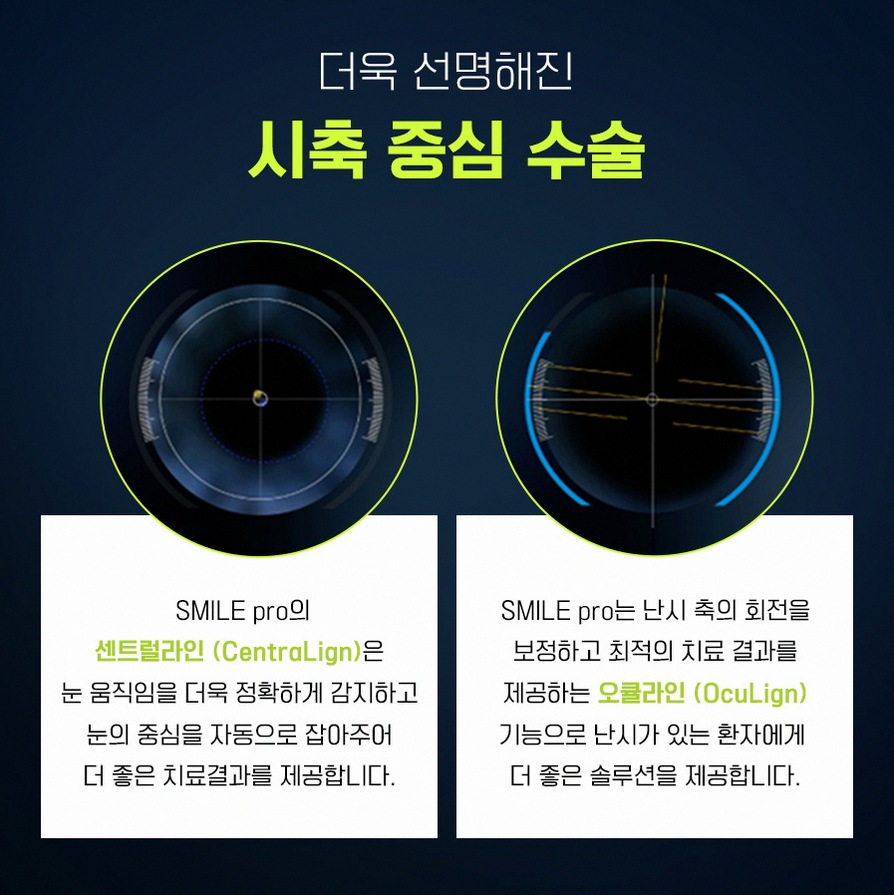
This does not mean SMILE LASIK is automatically better for everyone. Some corneas, prescriptions, or combined conditions may still be better served by LASIK, LASEK, or lens‑based procedures. However, when people ask for a LASIK surgery recommendation today, many ophthalmology clinics will include SMILE LASIK high on the list of options to consider.
Who may consider SMILE LASIK
General candidacy
A typical SMILE LASIK candidate is an adult whose glasses or contact lens prescription has been stable for at least one to two years. Many patients are in their 20s to 40s, but suitability is determined more by eye health and stability than by age alone.
SMILE LASIK is generally used to correct myopia and astigmatism within certain ranges. Exact limits vary by country and device approvals, so your surgeon will confirm whether your prescription falls within recommended parameters.
Key factors checked during screening
When you visit an ophthalmology clinic for a LASIK recommendation, the team should not only measure your prescription. For SMILE LASIK, important factors include:
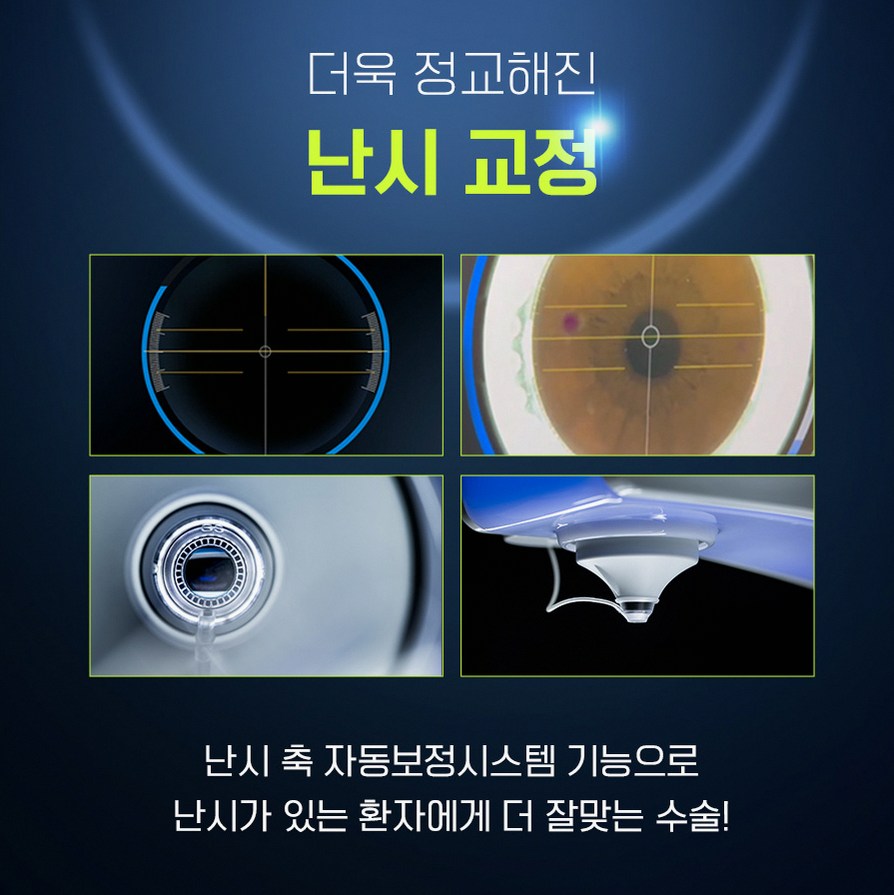
Corneal thickness: The cornea must be thick enough to safely remove tissue while leaving a stable residual bed.
Corneal topography and tomography: These maps help detect irregular shapes or early keratoconus, which may make laser vision correction unsafe.
Tear film and dry eye status: Significant dry eye may need treatment before or instead of surgery.
Retinal status: High myopes, in particular, should have a careful retinal examination to rule out tears, holes, or other lesions.
General eye health and systemic health: Conditions such as uncontrolled autoimmune disease, certain medications, or pregnancy may affect timing and suitability.
Who may not be suitable
Even if you are very motivated to stop wearing glasses, a responsible ophthalmology clinic will advise against SMILE LASIK or modify the plan if you have:
Very thin corneas or insufficient residual thickness
Irregular astigmatism or suspected keratoconus
Unstable prescription
Severe dry eye not responding to treatment
Significant retinal problems that require attention first
In such cases, alternative options like LASEK, lens implantation, or simply continued glasses or contact lenses may be safer.
How SMILE LASIK is performed: step by step
Preoperative comprehensive eye examination
Before any LASIK‑type surgery, a detailed eye examination is essential. At a specialized ophthalmology clinic, this usually includes:
Refraction and visual acuity tests
Corneal topography and tomography
Pachymetry (corneal thickness measurement)
Pupil size assessment
Tear film and dry eye evaluation
Intraocular pressure
Slit‑lamp examination of the front of the eye
Dilated retinal examination, often by a retina‑trained ophthalmologist
General medical history review
Based on these results, the surgeon will discuss whether SMILE LASIK is appropriate or whether another procedure might be safer or more effective for your eyes and lifestyle.
Personalized surgical planning
If SMILE LASIK is chosen, the clinic will plan:
The amount of tissue to be removed
The size and position of the lenticule
The location and size of the small incision
Lifestyle factors also matter. For example, people engaged in contact sports, military service, or physically demanding work may benefit from procedures that preserve more corneal strength and avoid large flaps, which is one reason SMILE LASIK is frequently recommended.
Day‑of‑surgery experience
On the day of SMILE LASIK, the typical flow is:
Check‑in and final measurements if needed
Explanation of the steps and consent confirmation
Application of anesthetic eye drops; no general anesthesia is used
Positioning under the femtosecond laser
Laser creation of the lenticule and small incision, usually in seconds
Gentle removal of the lenticule through the tiny opening
Immediate check of the cornea at the slit lamp
Postoperative instructions and eye drop schedule
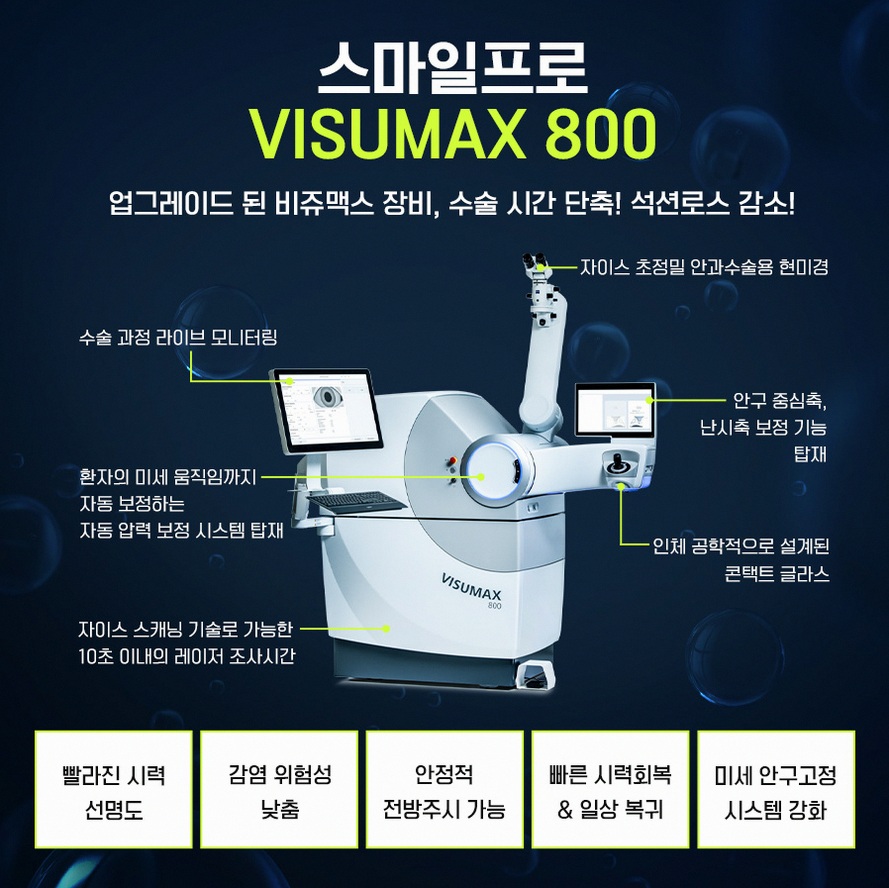
Many patients spend only a short time in the procedure room. The actual laser time, especially with newer platforms such as VISUMAX 800 for SMILE pro, can be under about 9 seconds per eye, although the overall procedure takes a little longer including preparation.

Postoperative care and recovery
After SMILE LASIK, you will typically use antibiotic and anti‑inflammatory eye drops for a period determined by your surgeon, along with lubricating drops.
Common precautions include:
Do not rub your eyes, especially in the early weeks
Avoid eye makeup for a short period as advised
Avoid swimming pools, hot tubs, and contaminated water until cleared
Use protective shields or glasses during sleep if recommended
Attend all scheduled follow‑up visits
Many patients notice functional vision within a day or a few days, but full stabilization can take several weeks. Dryness, mild halos, or fluctuations can occur early on and often improve with time. Because each eye is different, follow your surgeon’s specific instructions rather than comparing your course with others.
Choosing a SMILE LASIK clinic in Gangnam, Seoul
When you search for a LASIK surgery recommendation in the Gangnam Station area, you will find many options. Instead of focusing only on price or online reviews, it is helpful to use objective criteria.
Experience and case volume
A clinic with extensive experience in both vision correction and cataract surgery tends to have more systematic processes and familiarity with a wide range of eye conditions.
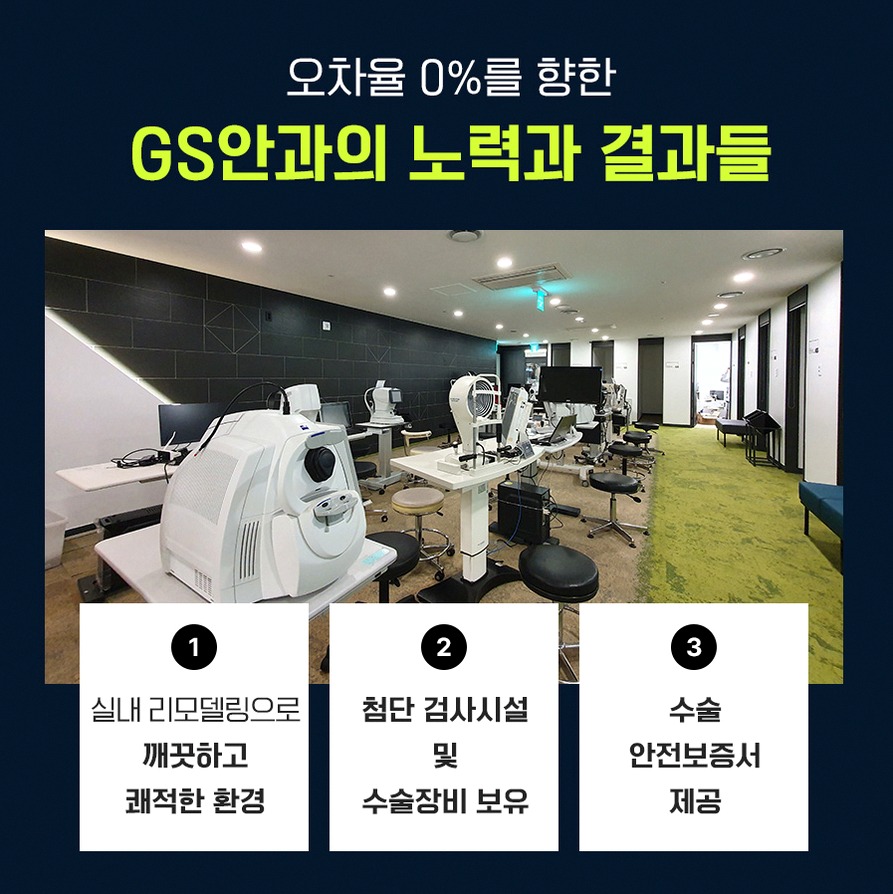
One ophthalmology clinic near Gangnam Station, GS Eye Center, reports a cumulative total of 300,000 eyes treated for vision correction and cataract surgery as of 2023. For SMILE pro specifically, the clinic has performed 15,000 eyes as of April 2026, after surpassing 5,000 eyes in October 2024 and 10,000 eyes in August 2025. Numbers like these suggest that the surgeons and staff routinely manage high volumes of refractive cases.
Subspecialized ophthalmologists
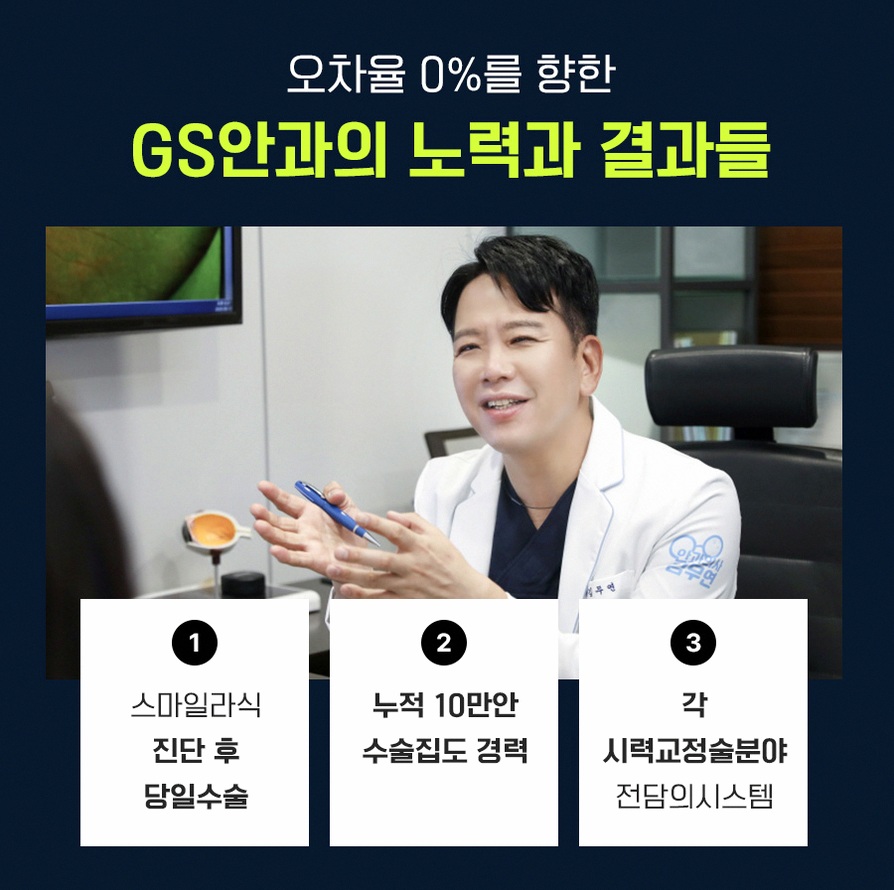
For SMILE LASIK, you should confirm that all surgeons are board‑certified ophthalmologists, not general physicians. Subspecialty training is also important.
At this Gangnam‑based ophthalmology clinic, there are seven ophthalmology specialists. One medical doctor previously served as an ophthalmology professor at a major Catholic university medical center and continues as part‑time faculty in 2024. Several doctors have backgrounds in large university hospitals and retinal fellowships, which is relevant for safely managing complications and coexisting retinal disease, particularly in high myopes.
Dedicated SMILE LASIK equipment
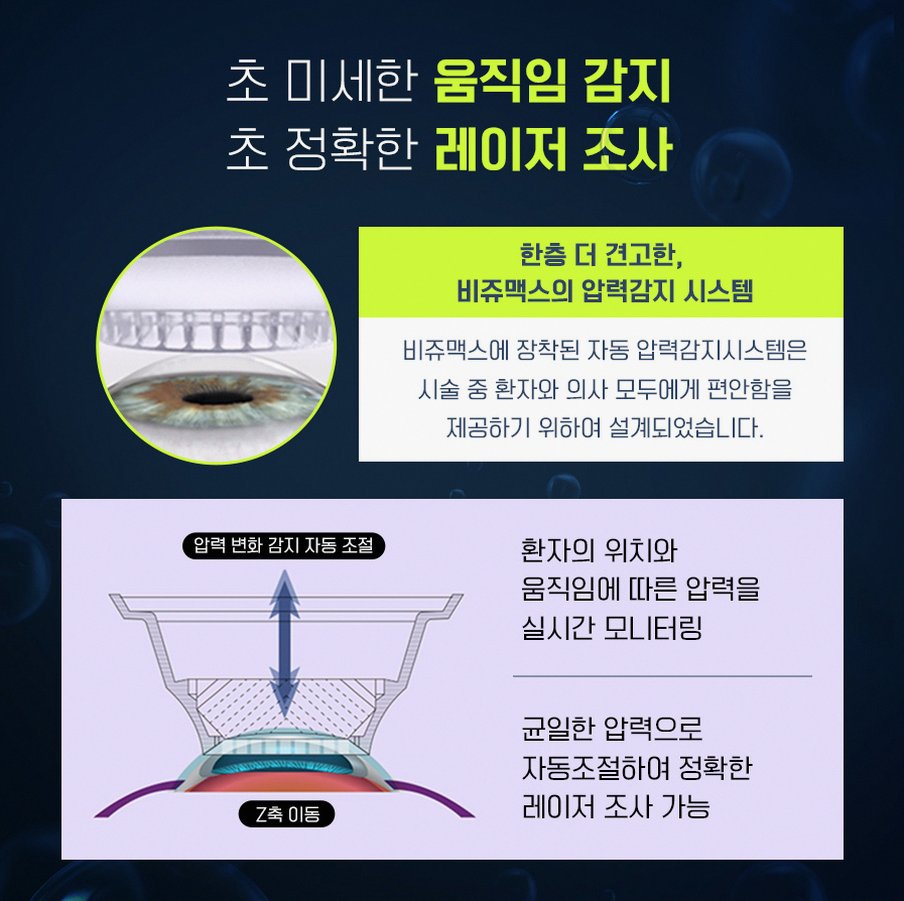
Owning and actively using multiple generations of SMILE platforms can be a meaningful differentiator.
This ophthalmology clinic holds three key ZEISS SMILE platforms:
VISUMAX 800 for SMILE pro, introduced in 2023, with very short laser time
Two VISUMAX 500 units for SMILE LASIK, introduced in 2016 with a dual setup since 2019
For patients, this means:
Flexibility to choose the most suitable platform for each patient's corneal profile and lifestyle
Potentially reduced waiting times because multiple lasers are available for scheduling
Built‑in redundancy: having more than one laser can provide backup capacity and may help avoid delays if a single machine requires maintenance
Official designations and quality systems
International and manufacturer designations do not guarantee outcomes, but they do indicate a certain level of trust from industry and academia.
This Gangnam ophthalmology clinic was the first in Korea to join the ZEISS SMILE GOLD CLUB in 2021. It was designated a ZEISS SMILE pro CENTER in 2023 and a SILK TRAINING Center in 2026. The clinic’s SMILE LASIK service acquired ISO 9001 and ISO 14001 international standards in 2020.
In addition, the clinic has been designated as a clinical education institution by a major medical school since 2023 and as an Asia‑Pacific clinical education center by BIOTECH in 2024. For patients, these recognitions suggest standardized processes, consistent protocols, and active involvement in teaching other doctors.
Range of vision correction options
A trustworthy LASIK recommendation should come from a clinic that offers multiple procedures and does not push one technique on everyone.

In addition to SMILE LASIK and SMILE pro, this ophthalmology clinic provides:
Other SMILE family procedures such as SILK and a proprietary Golden SMILE concept
Surface ablation such as 2DAY LASEK
Lens implantation options including ICL, GLAZE, and PhakiFlex KPL
Corneal strengthening with cross‑linking (EXTRA or KXL)
Presbyopia and cataract care including laser cataract surgery and multifocal intraocular lenses such as PanOptix
Dedicated dry eye and retina clinics
This breadth allows the medical team to recommend SMILE LASIK when it is truly suitable, or to guide you toward other solutions when they are safer or more effective for your eyes.
Location and accessibility for international patients
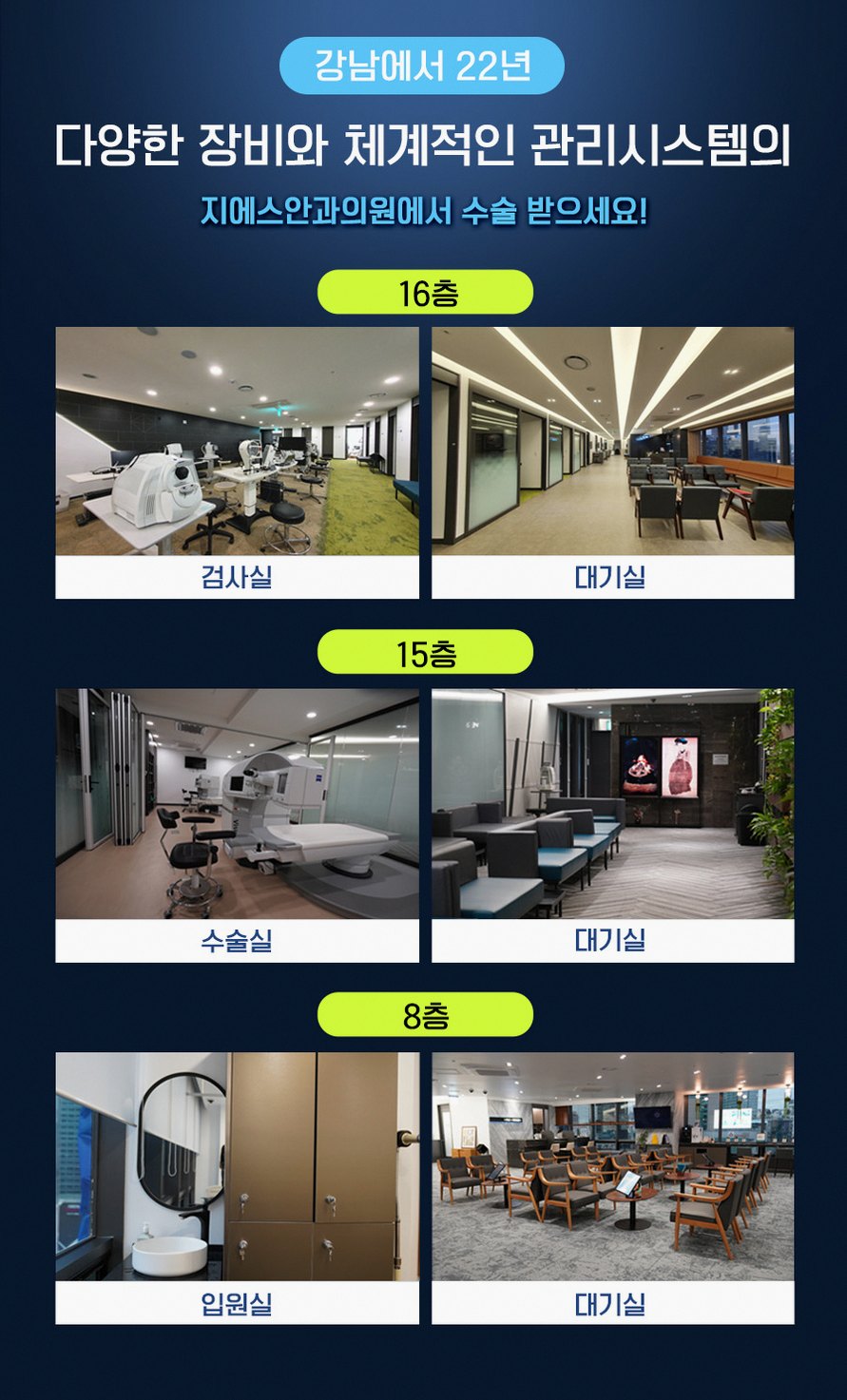
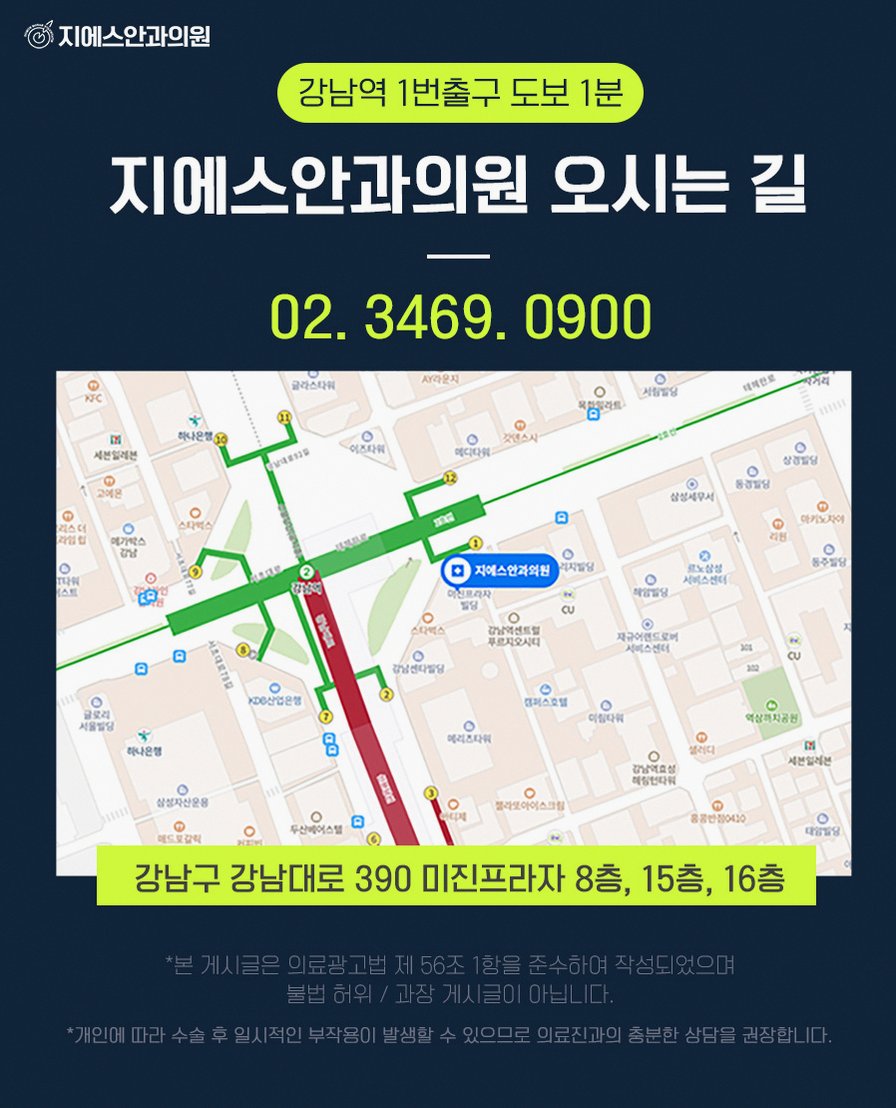
For overseas visitors, easy access is important. This ophthalmology clinic is located near Gangnam Station on Gangnam‑daero in Gangnam‑gu, Seoul. The facility occupies the 8th, 15th, and 16th floors of a building called Mijin Plaza.
The clinic has been in the same location since opening in 2005, originally under a different name and later renamed. Long‑term presence in one place can be reassuring for international patients who may wish to return for follow‑up visits on later trips to Korea.
Safety, examination, and counseling approach
When seeking a LASIK surgery recommendation, especially for SMILE LASIK, safety and screening should take priority over price or speed.
A careful ophthalmology clinic will:
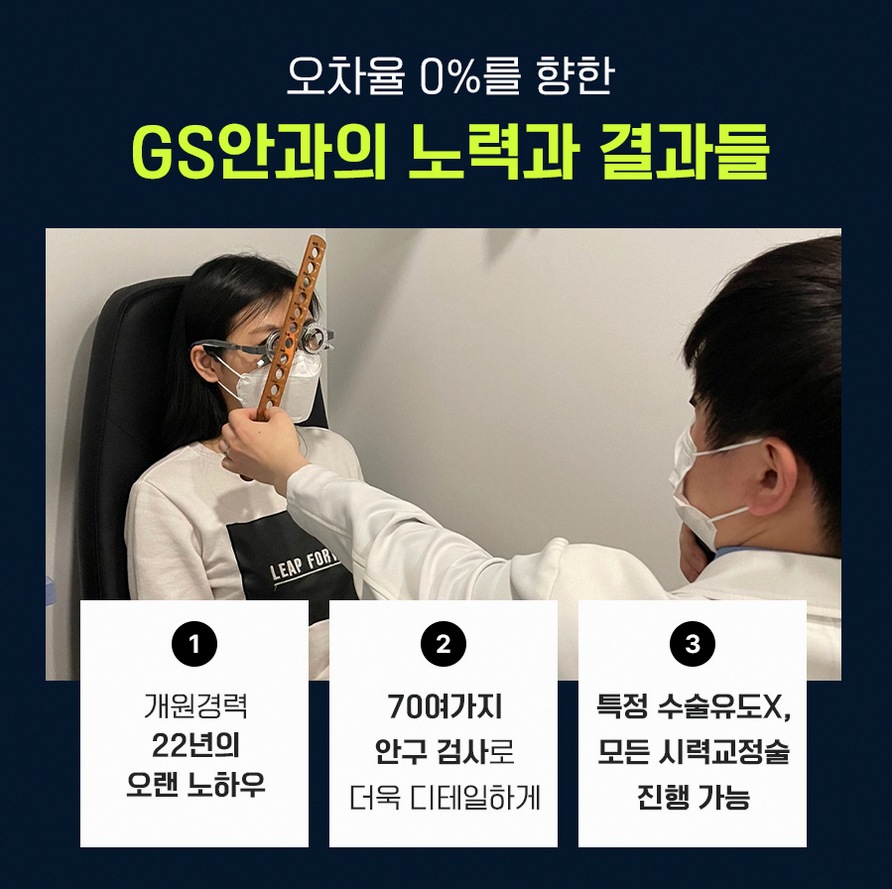
Perform comprehensive preoperative testing, including corneal thickness, topography, tear film evaluation, and retinal examination
Review systemic health and medications that may affect healing
Exclude or adjust plans for patients with thin corneas, irregular astigmatism, keratoconus suspicion, severe dry eye, or retinal problems
Provide individualized counseling that compares SMILE LASIK with other laser procedures and lens implantation options
The presence of a separate retina center with retinal fellowship‑trained doctors is particularly valuable for high myopes or patients with peripheral retinal lesions. Potential retinal issues can be detected and treated or monitored before or alongside SMILE LASIK.
Preparing for SMILE LASIK as an overseas patient
Online consultation and pre‑visit preparation
Before flying to Seoul, many international patients arrange an online or remote consultation with the clinic.
You can prepare by:
Gathering recent glasses or contact lens prescriptions
Noting any previous eye surgeries, infections, or injuries
Listing general medical conditions and medications
Preparing questions about SMILE LASIK, alternatives, and expected recovery time
During online consultation, the clinic can explain likely options based on your history and give a preliminary idea of whether SMILE LASIK seems appropriate. Final decisions, however, always depend on in‑person examinations and measurements.
Expected visit timeline in Korea
A typical schedule for international SMILE LASIK patients may look like this, though details vary by clinic and individual case:
Day 1: Comprehensive eye examination, counseling, and final decision on procedure
Day 2: SMILE LASIK surgery, short rest at accommodation afterward
Day 3–4: Early postoperative check and adjustment of eye drops
Following days: Additional follow‑up visits as advised, usually within the first week
Many patients feel comfortable traveling home within several days after surgery, but you should confirm a safe timeline with your surgeon and consider allowing extra days in case additional checks are needed.
Aftercare once you return home
After returning to your country, you should:
Continue prescribed lubricating drops if advised
Avoid eye rubbing and follow general precautions
Arrange periodic eye checks with a local ophthalmologist
Contact the Korean clinic if you experience unusual pain, sudden vision changes, or other concerns
A clinic experienced with international patients will usually provide English‑language instructions and be reachable by email or messaging for postoperative questions.
Frequently asked questions about SMILE LASIK and LASIK recommendations
Is SMILE LASIK safer than conventional LASIK
Safety depends on the individual eye and the quality of screening and surgical technique. SMILE LASIK uses a smaller incision and does not require a large flap, which may help preserve corneal biomechanics and reduce disruption of corneal nerves. This can be advantageous for some patients, especially those concerned about dry eye or flap‑related issues.
However, classic LASIK remains appropriate and effective for many people. The safest approach is to undergo a thorough examination and let a board‑certified ophthalmologist explain which procedure best matches your corneal structure, prescription, and lifestyle.
Who is a good candidate for SMILE LASIK, and who is not
Good candidates are adults with stable myopia and astigmatism within approved ranges, adequate corneal thickness, regular corneal shape, and generally healthy eyes. They should understand the benefits and limitations of laser vision correction and be able to follow postoperative instructions.
Poor candidates include those with very thin corneas, irregular astigmatism, suspected keratoconus, uncontrolled dry eye, active eye disease, or unstable prescriptions. In such cases, the clinic may recommend LASEK, lens implantation, or simply continued use of glasses or contact lenses instead of SMILE LASIK.
How long does SMILE LASIK take, and how soon can I return to work or study
The SMILE LASIK procedure itself is usually quick. Laser time with modern platforms such as VISUMAX 800 can be under about 9 seconds per eye, although total time in the procedure room is longer due to preparation and checks.
Many patients can see well enough to do light tasks within a day or a few days, but sensitivity, dryness, and mild visual fluctuations can persist in the early period. For office or study work, some people return within several days, while others prefer a week of rest. For outdoor work, sports, or dusty environments, your surgeon may recommend a longer recovery period.
Does SMILE LASIK cause dry eye, and how does it compare with other procedures
Any laser vision correction can temporarily affect the tear film and corneal nerves, leading to dry eye symptoms in some patients. Because SMILE LASIK uses a smaller incision and does not create a large flap, it may be associated with a lower risk or shorter duration of dry eye symptoms compared with classic LASIK in certain patients.
However, people with significant pre‑existing dry eye may still experience symptoms and may require treatment before and after surgery. Your ophthalmologist will evaluate your tear film and meibomian glands and may suggest additional therapies or, in some cases, alternative procedures.
What preoperative tests are essential before deciding on SMILE LASIK
Key tests include accurate refraction, corneal topography and tomography, pachymetry, tear film evaluation, intraocular pressure measurement, slit‑lamp examination, and dilated retinal examination. These tests help identify thin corneas, irregular shapes, early keratoconus, dry eye, glaucoma risk, cataract, or retinal lesions.
Without these tests, it is difficult to safely recommend SMILE LASIK or any other laser vision correction. A clinic that emphasizes comprehensive testing and is willing to advise against surgery when necessary is usually a safer choice.
How do I compare clinics when many claim to be SMILE specialists
You can compare clinics by asking:
How many SMILE LASIK or SMILE pro procedures they have performed
Whether all surgeons are board‑certified ophthalmologists with subspecialty training
Which SMILE platforms and other lasers they own and actively use
Whether they have official designations such as SMILE GOLD CLUB, SMILE pro center, or ISO certifications
What range of procedures they offer besides SMILE LASIK
Also consider the thoroughness of their explanations, the time they spend on examination, and whether they discuss non‑surgical or alternative options when appropriate.
What do international certifications and manufacturer designations mean for patients
Certifications such as ISO 9001 and ISO 14001 indicate that a clinic has standardized management and environmental systems. Manufacturer designations like SMILE GOLD CLUB, SMILE pro CENTER, or SILK TRAINING Center suggest that the clinic meets certain volume and quality criteria and may be involved in training other doctors.
These labels do not guarantee individual results, but they can be useful indicators when combined with surgeon experience, equipment, and your personal impression during consultation.
Soft call to action for online consultation
If you are exploring LASIK surgery recommendations and want to understand whether SMILE LASIK is suitable for your eyes, arranging a detailed examination at a reputable ophthalmology clinic is the most important step.
In the Gangnam Station area of Seoul, GS Eye Center can serve as an example of a high‑volume, technology‑focused eye clinic that offers multiple SMILE platforms, a wide range of vision correction options, and subspecialty care including a dedicated retina center.
Before you travel, consider requesting an online consultation, preparing your medical and vision history, and listing your questions about SMILE LASIK, alternatives, and recovery. With careful screening and clear explanations, you can make a more confident decision about vision correction during your visit to Korea.
- 공유 링크 만들기
- X
- 이메일
- 기타 앱


댓글
댓글 쓰기