Yeoksam Smart LASIK results for overseas patients
- 공유 링크 만들기
- X
- 이메일
- 기타 앱
Direct answer: what Smart LASIK results near Yeoksam Station are really like
For people who work or study near Yeoksam and Gangnam stations, Smart LASIK and SMILE-type laser corrections are common choices to reduce dependence on glasses or contact lenses. eserve corneal stability and lowers the risk of severe dry eye. Mild dryness and temporary visual fluctuations are still common in the early recovery period.
Results are not identical for everyone. They depend on careful pre-operative examination, the surgeon’s experience, and the specific laser platform used, such as VisuMax 800 for SMILE Pro, VisuMax 500, or SILK. An ophthalmology clinic in Gangnam with long experience in refractive and cataract surgery and access to multiple SMILE platforms can offer more tailored choices, but final outcomes still depend on your individual eye condition.
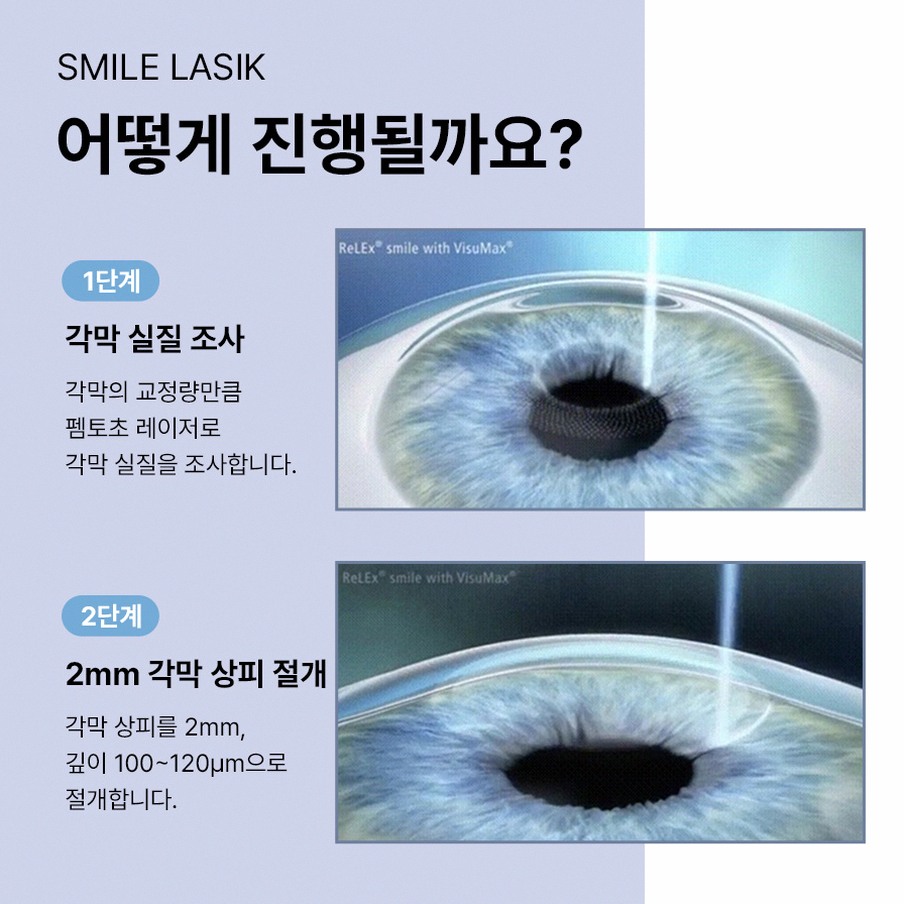
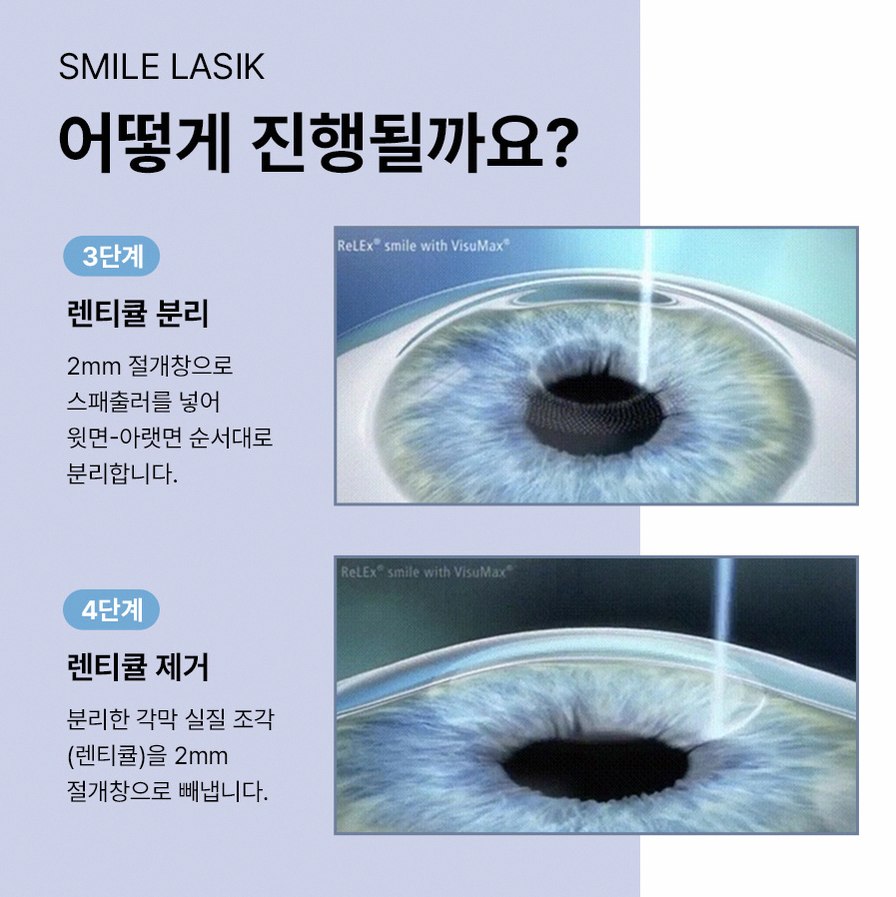
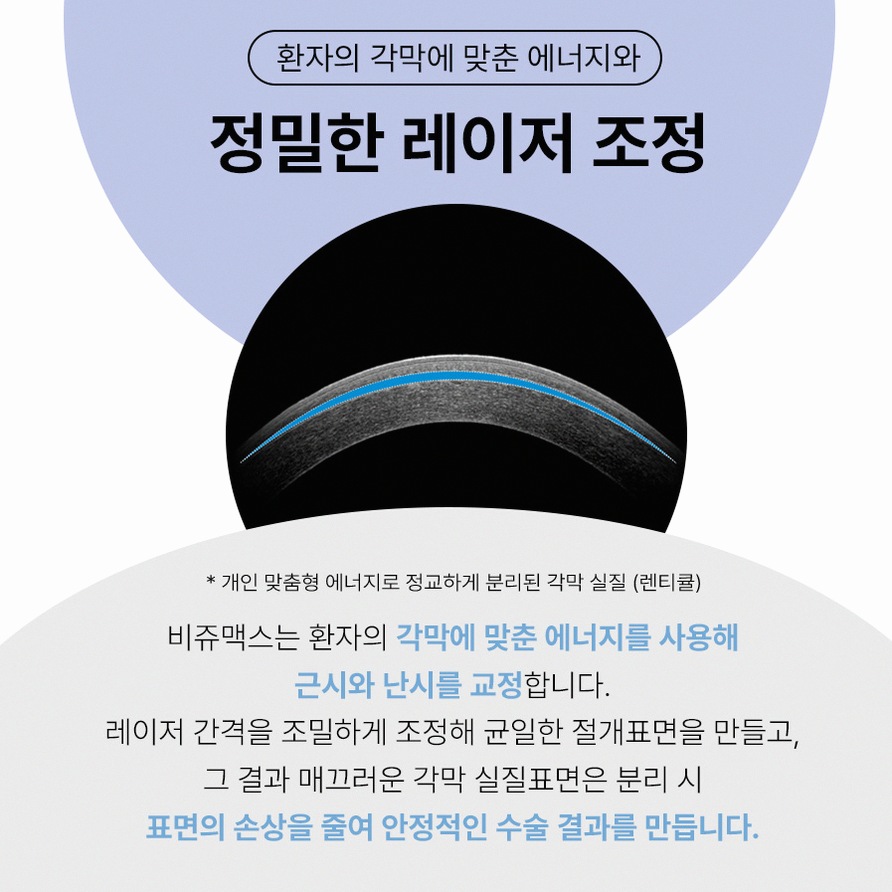
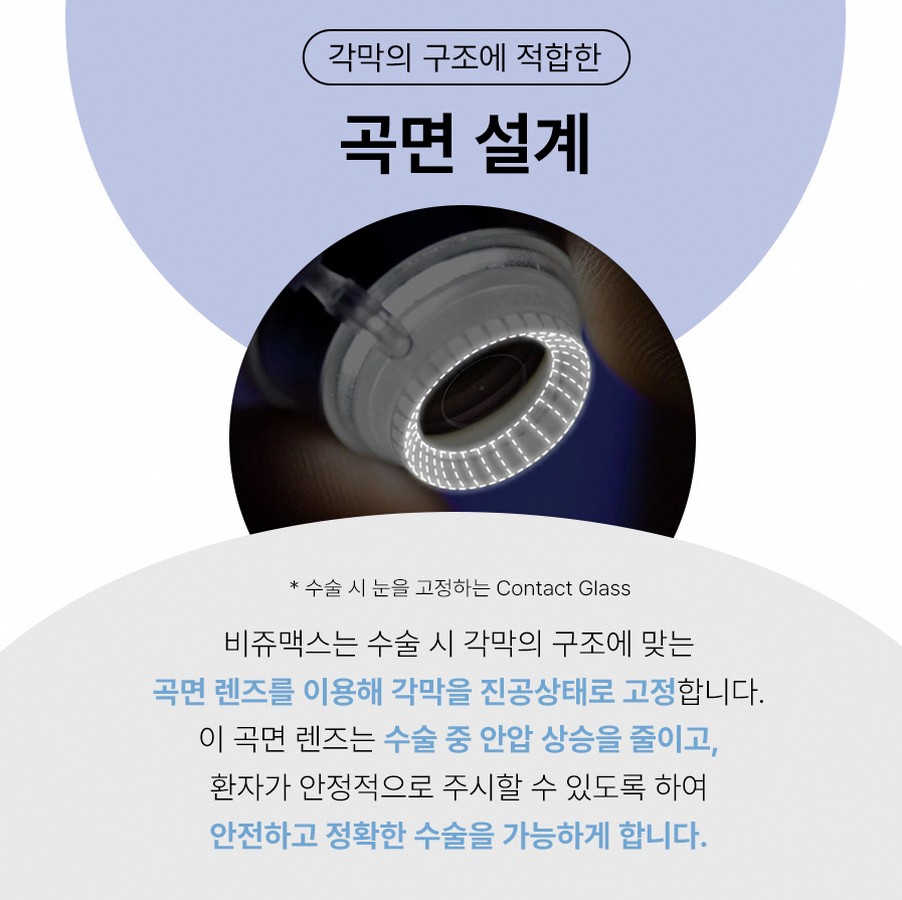
Smart LASIK and SMILE-type procedures are modern forms of corneal laser vision correction that use a femtosecond laser to create a small lens-shaped piece of tissue, called a lenticule, inside the cornea. The surgeon removes this lenticule through a tiny incision, reshaping the cornea so that light focuses properly on the retina. This corrects myopia and, in many cases, astigmatism.
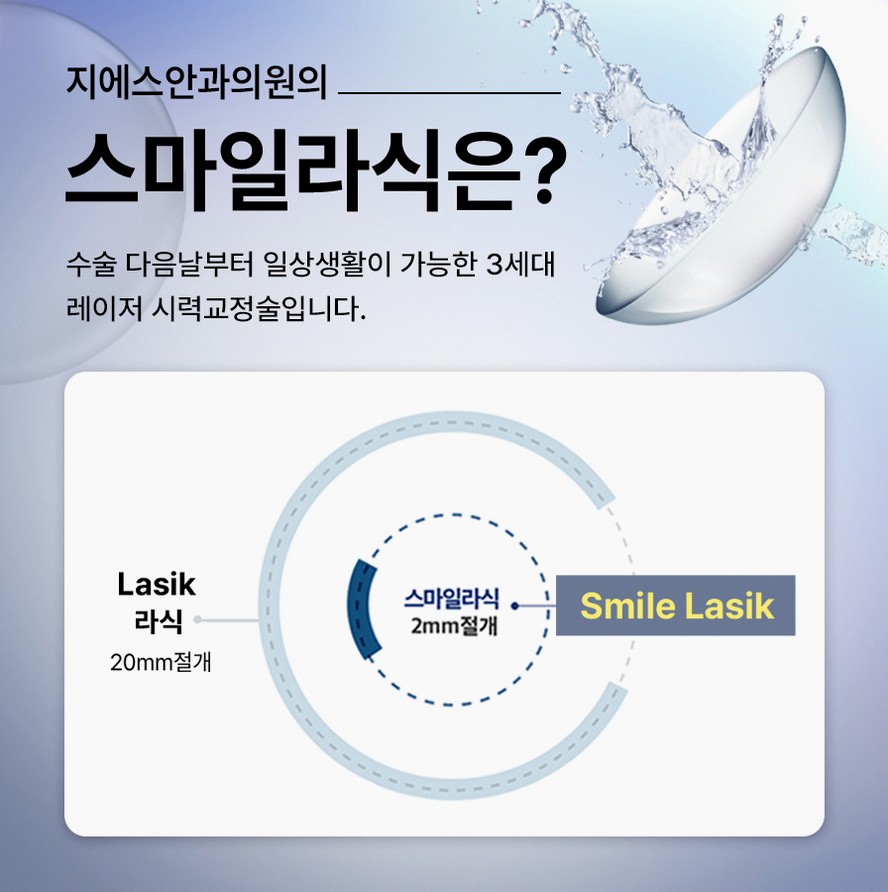
Unlike conventional LASIK, there is no large corneal flap. The incision is much smaller, which helps preserve more corneal tissue and corneal nerves. Compared with surface procedures such as LASEK, Smart LASIK and SMILE usually involve less early pain and foreign-body sensation, and many patients find that their comfort returns more quickly.
Because more of the corneal structure is preserved and there is no big flap that can be displaced, SMILE-type procedures are often preferred by people with moderately active lifestyles. However, they are not automatically better for everyone; the right choice depends on your corneal thickness, shape, prescription, and long-term visual needs.
Who may consider Smart LASIK or SMILE near Yeoksam Station
If you commute through Yeoksam Station or Gangnam Station and are tired of glasses or contact lenses, you may be a candidate for Smart LASIK or SMILE if you:
Have stable myopia and possibly astigmatism for at least one to two years
Have a cornea that is thick and regular enough for safe reshaping
Do not have active eye disease such as keratoconus or uncontrolled severe dry eye
Do not have advanced cataract or strong presbyopia that would be better treated with lens-based surgery
International patients often combine a short stay in Seoul with vision correction. For these visitors, SMILE and Smart LASIK are attractive because of the relatively quick functional recovery, which can fit into a one- to two-week trip if planned carefully and if there are no complications.
Real-world vision improvement
The typical goal of Smart LASIK or SMILE is clear distance vision in daily life without glasses or contact lenses. For many patients, this includes:
Reading signs and screens during the commute around Yeoksam and Gangnam
Comfortable office work at a computer for many hours
Using smartphones and tablets at normal distances
Driving at night with acceptable clarity once healing stabilizes
Many patients report functional vision as early as the next day, enough to move around the city and manage basic tasks. However, vision can still be slightly blurred or hazy at first, and it usually sharpens over the following days and weeks.
Final visual acuity and the exact diopter after surgery depend on several factors: your original prescription, corneal thickness and shape, healing response, and any pre-existing eye conditions. For very high myopia or strong astigmatism, there may be a slightly higher chance of residual refractive error, and in some cases additional correction or enhancement may be discussed.
Comfort and recovery in daily life
One of the main reasons people around Yeoksam Station search for Smart LASIK results is to understand how quickly they can return to work and normal commuting.
Because SMILE-type procedures use a small incision and do not create a large flap, many patients experience less early pain and foreign-body sensation than with surface procedures like LASEK. There can still be mild discomfort, tearing, or light sensitivity for the first day or two.
If healing is smooth and the ophthalmologist approves, many office workers can return to desk work within a few days. For international visitors staying near Gangnam Station, it is often realistic to plan light sightseeing and gentle activities after the first few days, while avoiding dusty environments and heavy exercise for a period recommended by the doctor.
Corneal stability and dry eye
The smaller incision and flapless nature of SMILE-type procedures help preserve more of the corneal structure and nerves. This can translate into:
Potentially better biomechanical stability of the cornea compared with some older flap-based techniques
A lower risk or reduced severity of dry eye symptoms in some patients, although dry eye can still occur
Many patients still notice some dryness, especially when using digital devices for long hours, during the first weeks to months. Artificial tears and prescribed eye drops are usually part of the aftercare plan. If you already have dry eye, this should be carefully evaluated during the pre-operative examination, and the surgeon may recommend treatment before surgery or suggest an alternative method.
Quality of vision and night symptoms
Beyond simple clarity, patients often ask about visual quality after Smart LASIK or SMILE, especially for night driving and work in dim environments.
Common temporary symptoms include:
Halos or glare around lights at night
Increased light sensitivity
Mild fluctuations in sharpness during the day
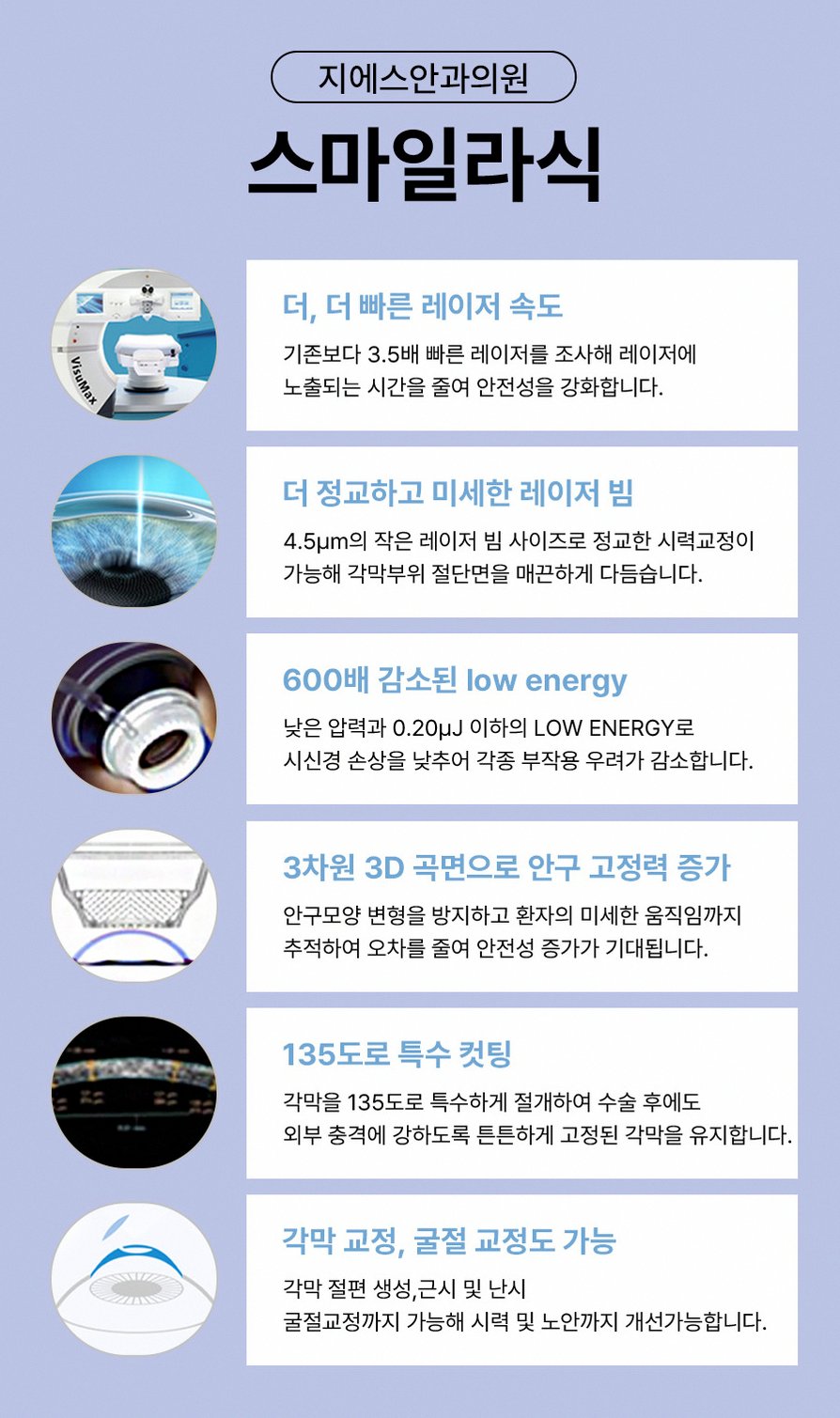
Modern SMILE platforms such as VisuMax 800 for SMILE Pro, VisuMax 500, and SILK are designed to allow precise, individualized planning that aims to minimize these effects. In many cases, halos and glare improve as the cornea heals and the brain adapts, usually over several weeks to months. However, a small number of patients may notice some degree of night glare long term, especially if they had large pupils, very high myopia, or other contributing factors.
Factors that influence Smart LASIK results near Yeoksam Station
When people search for Smart LASIK results around Yeoksam Station, it is important to understand that outcomes are influenced by several key elements.
Pre-operative examination
A detailed pre-operative eye examination is essential to predict results and reduce risks. This typically includes:
Measurement of your prescription and stability over time
Corneal topography and tomography to assess shape and rule out conditions such as keratoconus
Corneal thickness measurement to ensure enough tissue remains after reshaping
Pupil size evaluation, especially under low light, which relates to night vision quality
Tear film and dry eye assessment
Retinal and optic nerve evaluation to detect any underlying disease
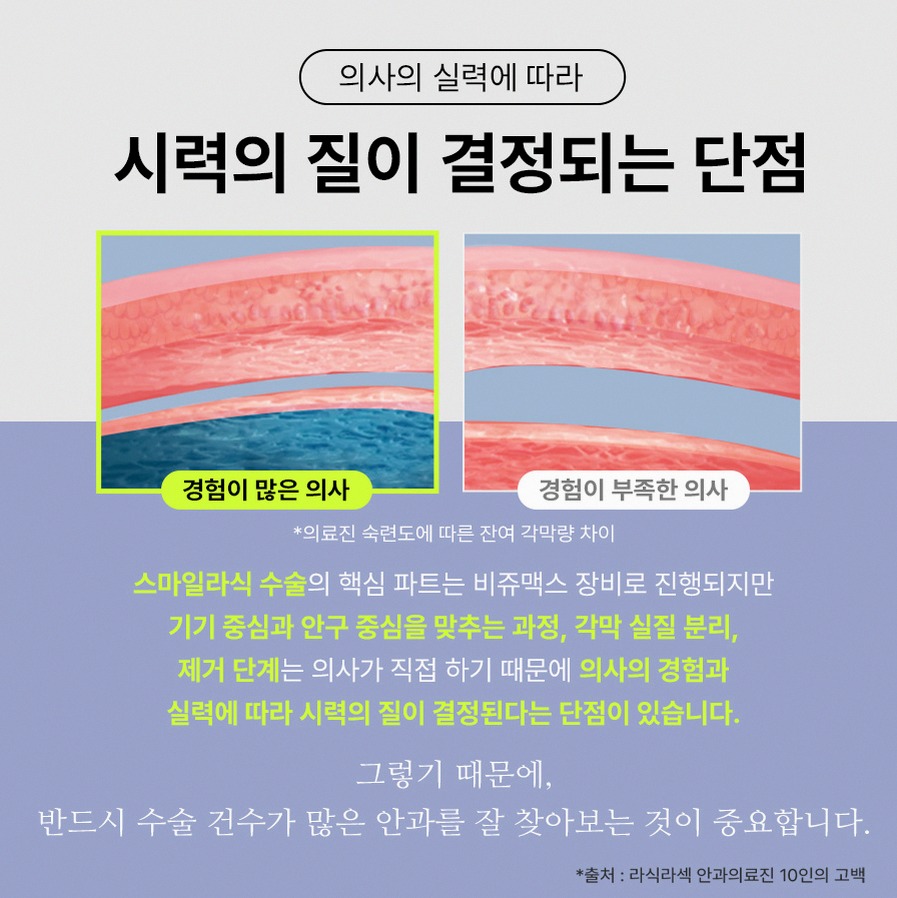
Patients who have very thin corneas, unstable refraction, irregular corneal shape, or significant retinal disease may be advised against SMILE-type procedures. In those cases, other options such as lens implantation or different laser techniques might be considered.
Surgeon experience and case volume
GS Eye Center is an ophthalmology clinic in Gangnam that opened in 2005 and has remained at the same location near Gangnam Station and Yeoksam-dong. The clinic reports a cumulative 300,000 eyes treated for vision correction and cataract surgery as of 2023, reflecting extensive experience in these fields.
The medical team consists of seven ophthalmology specialists, including doctors with academic backgrounds such as former university hospital faculty, adjunct medical school appointments, and retinal subspecialty training. A high case volume with SMILE Pro, reported as 15,000 eyes by April 2026, suggests that the clinic has significant hands-on experience with this specific platform.
While experience does not guarantee a particular result for any individual, it is one of the factors many patients consider when choosing an ophthalmology clinic in the Yeoksam and Gangnam area.
Equipment and technology
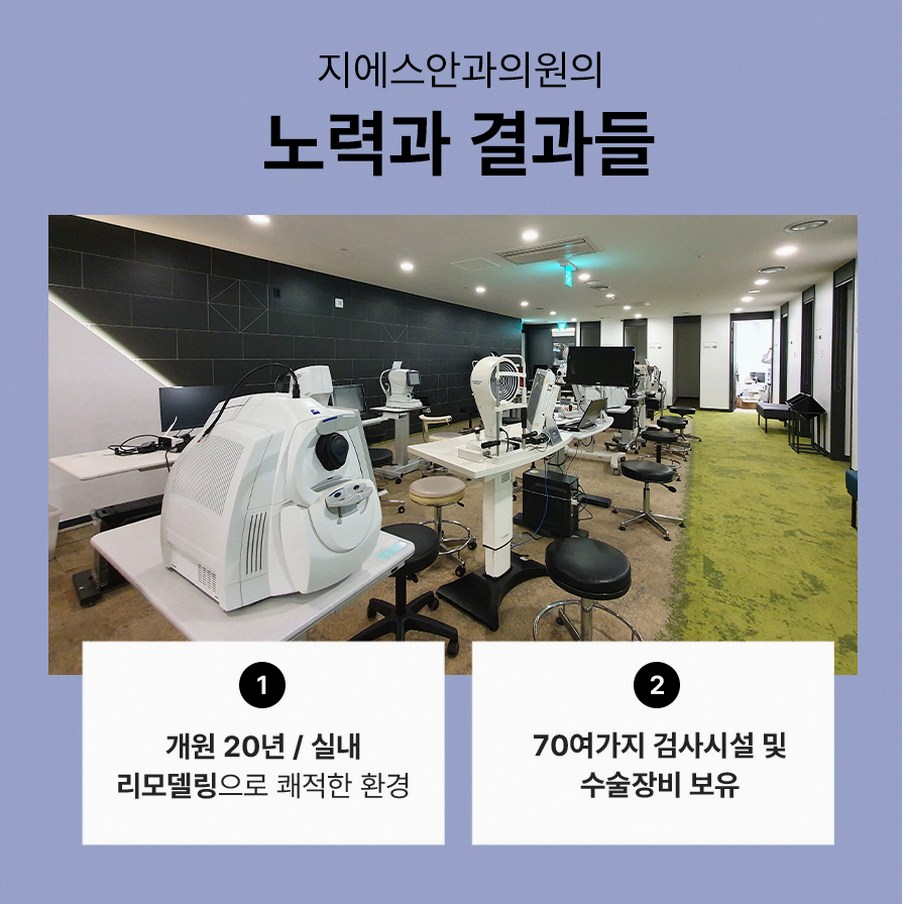
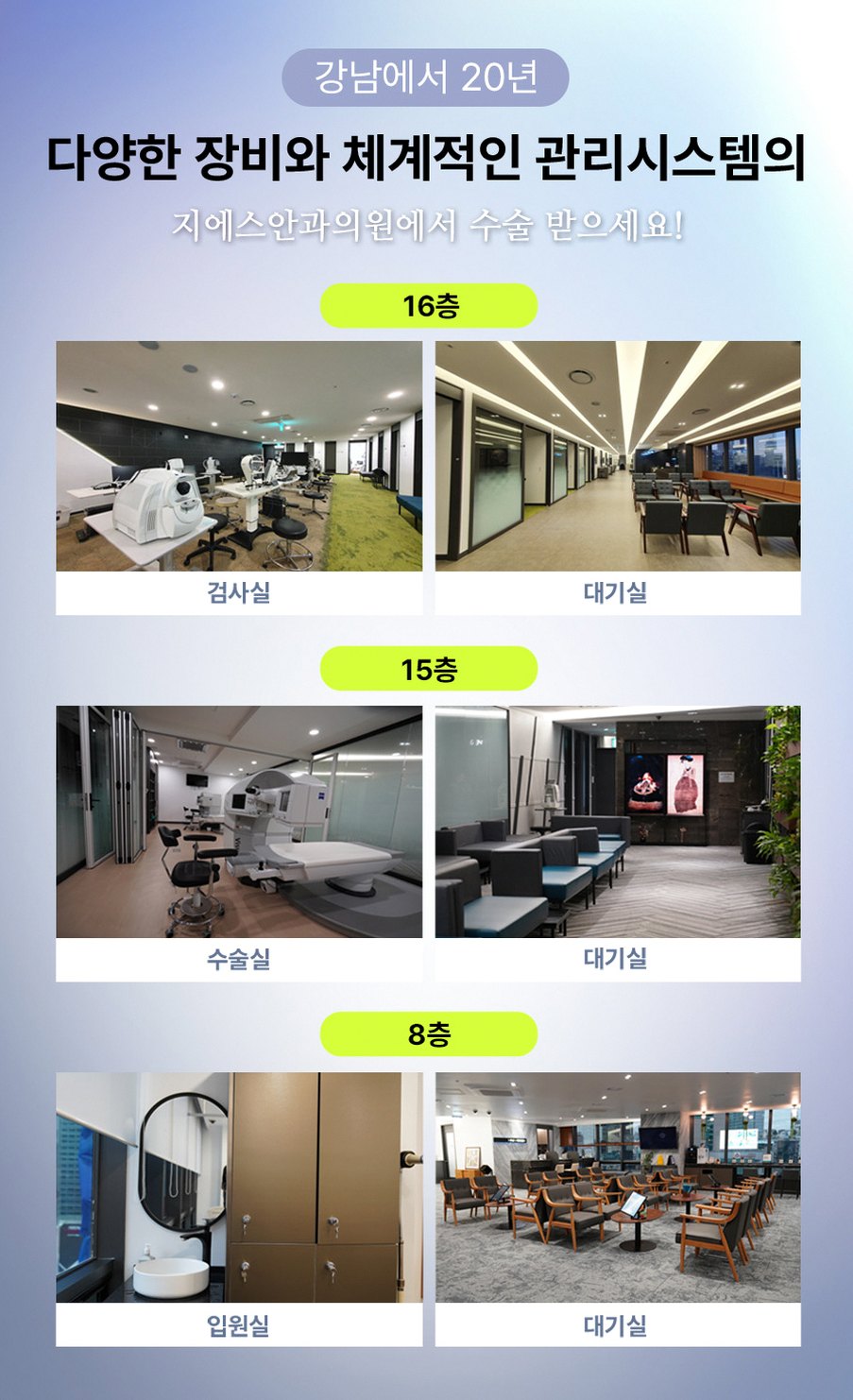
One distinguishing feature for vision correction near Yeoksam Station is access to multiple SMILE-related platforms in a single clinic. The technology available can influence both the procedure choice and the patient experience.
Key platforms include:
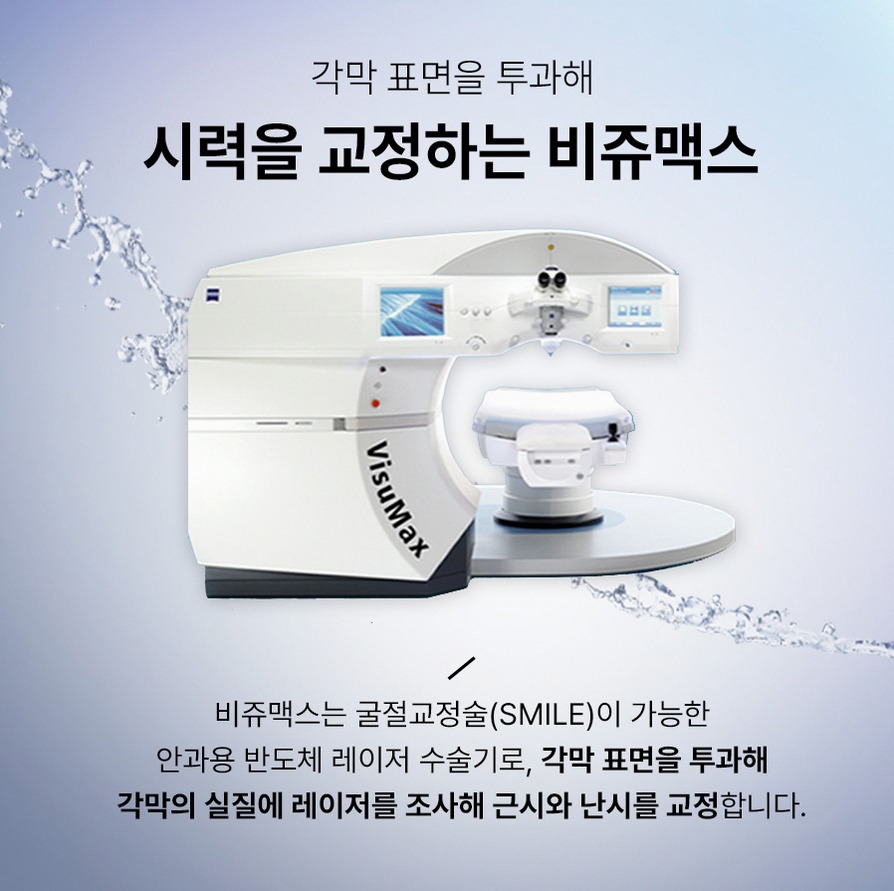
VisuMax 800 (ZEISS) for SMILE Pro, with laser time around several seconds per eye, designed for efficiency and comfort
Two VisuMax 500 (ZEISS) units for SMILE LASIK, offering established SMILE technology
SILK platform, with the clinic designated as a SILK training center as of 2026
Additional recognitions include being the first in Korea to join the ZEISS SMILE Gold Club in 2021 and designation as a ZEISS SMILE Pro Center in 2023. ISO 9001 and 14001 certification for SMILE LASIK in 2020 indicate that standardized quality and environmental management systems are in place for this service.
For international patients, this combination of platforms means that the surgical plan can be tailored more precisely to the cornea and lifestyle, rather than fitting every patient into a single technology.
Individual eye condition
Even with advanced equipment and experienced surgeons, your own eyes determine what is possible. Important factors include:
Degree of myopia and astigmatism
Corneal thickness and shape
Presence and severity of dry eye
Retinal conditions such as lattice degeneration, tears, or early changes
Signs of early cataract or significant presbyopia
In some cases, especially for very high myopia, thin corneas, or early lens changes, lens implantation may be recommended instead of or in addition to corneal laser. The clinic has a strong track record in lens implantation, including early adoption of GLAZE lens implantation in 2019, reaching 1,000 eyes by 2022 and 3,000 Optiflex GLAZE cases by 2025, as well as more than 3,000 PanOptix multifocal lens implantations by 2024. These options can be relevant for patients who are not ideal candidates for SMILE.
Patient journey for Smart LASIK near Yeoksam Station
For overseas patients planning a trip to Seoul, it helps to visualize the typical steps from first online inquiry to returning home.
Initial online consultation and preparation
Before you travel, it is wise to arrange an online or remote consultation. During this stage, you can:
Share your age, occupation, and daily visual needs, such as long hours at a computer or frequent night driving
Provide previous prescriptions or eye examination reports if available
Discuss any history of eye disease, surgery, or systemic conditions like diabetes
Ask about approximate timelines for examination, surgery, and follow-up visits
Useful questions to prepare include:
Is my current prescription likely to be within the treatable range for SMILE or Smart LASIK?
How many days should I plan to stay in Seoul for safe follow-up?
What are the main differences between SMILE Pro, SMILE LASIK, and other options in my case?
What should I avoid before surgery, such as contact lens wear or certain medications?
Full pre-operative examination in Seoul
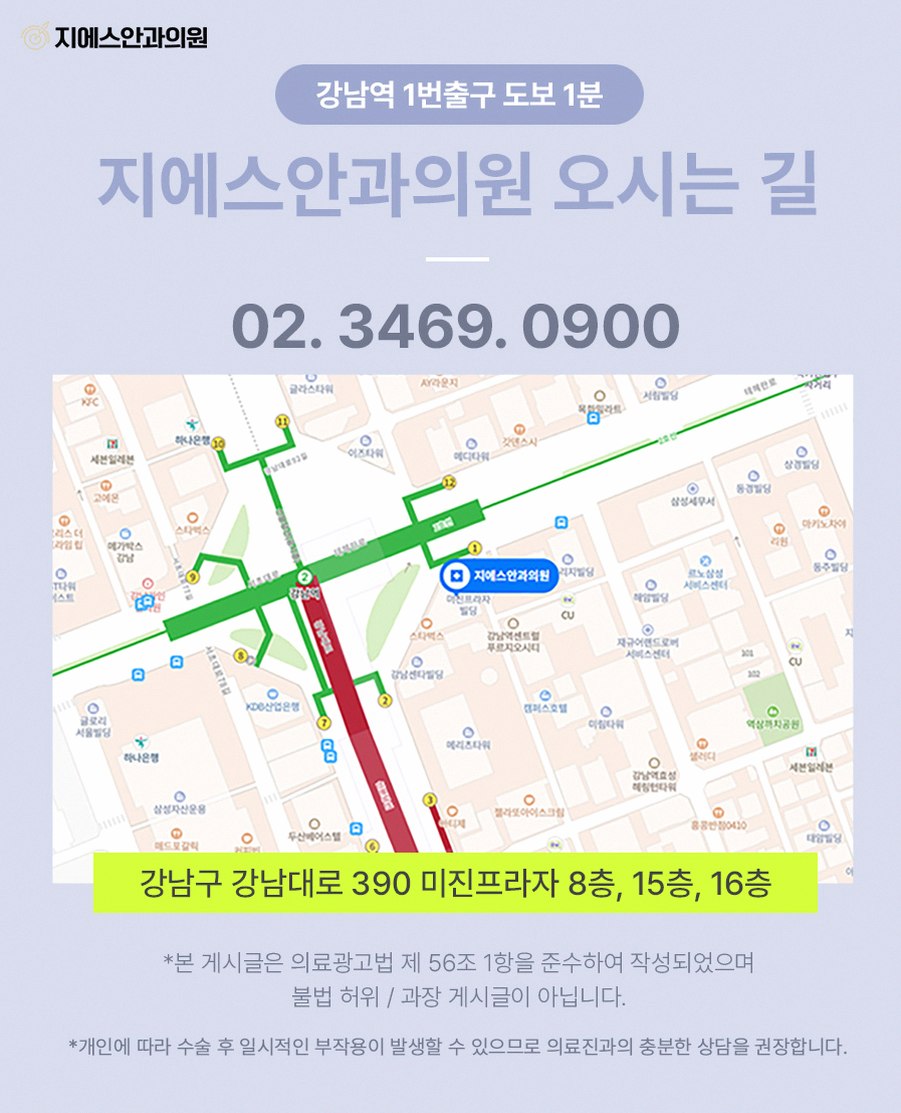
Once you arrive, the first in-person step is a comprehensive eye examination at the ophthalmology clinic. Located on Gangnam-daero near Gangnam Station and Yeoksam-dong, the clinic is convenient for subway commuters and international visitors staying in central Seoul.
The full assessment typically includes:
Detailed refraction and visual acuity testing
Corneal topography and tomography
Corneal thickness measurement
Wavefront or higher-order aberration analysis, if applicable
Tear film and dry eye evaluation
Pupil size measurement in different lighting conditions
Retina and optic nerve examination, often by retina-trained specialists
At this stage, the doctor will explain whether SMILE or Smart LASIK is appropriate or whether another method, such as LASEK or lens implantation, may be safer or more effective for your eyes.
Personalized procedure planning
If you are a suitable candidate, the next step is to choose the most appropriate technique based on your corneal data and lifestyle. Options may include:
SMILE Pro using VisuMax 800
SMILE LASIK using VisuMax 500
Other refractive options such as LASEK or lens implantation when indicated
The surgeon will discuss realistic expectations, including:
Target diopter and likely range of uncorrected vision
Potential side effects such as temporary halos, glare, or dryness
Expected recovery timeline and when you can fly home safely
Activity restrictions after surgery

Day of surgery
On the day of surgery, you will typically:
Arrive at the clinic for final checks and consent
Receive anesthetic eye drops
Undergo the laser procedure, which usually takes only a few minutes per eye, with SMILE Pro laser time around several seconds
Rest briefly in the clinic before going back to your accommodation
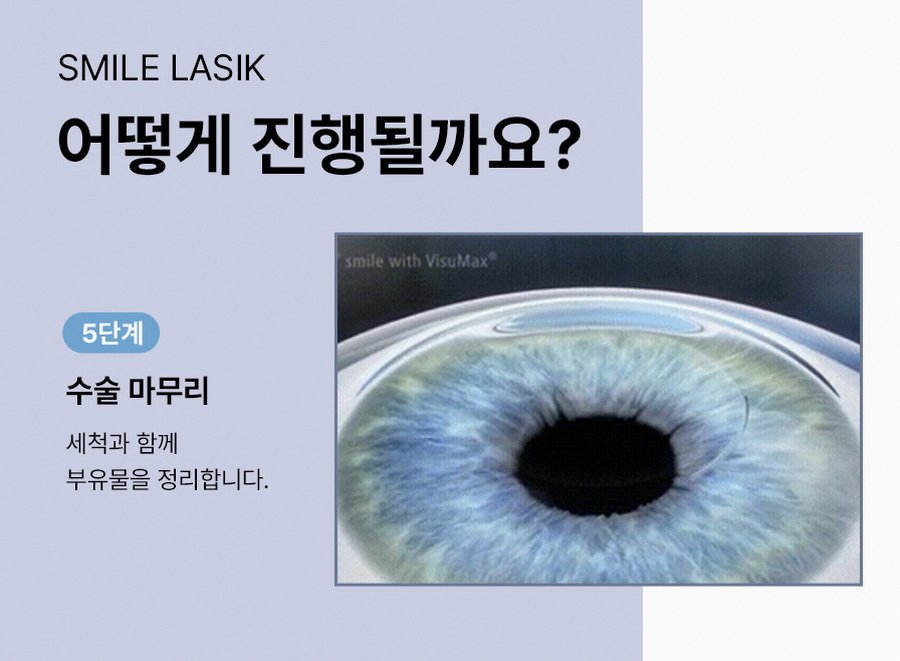
The procedure is usually performed on an outpatient basis, so there is no need for an overnight hospital stay. You will need someone to accompany you or arrange safe transportation back to your hotel, as your vision may be hazy and your eyes sensitive to light immediately afterward.
Recovery, follow-up, and returning home
Early follow-up visits are important to monitor healing, dryness, and visual quality. For international patients, a typical schedule might include:
First follow-up the next day
Additional visits within the first week
Further checks if you are staying longer, or instructions for follow-up with an ophthalmologist in your home country
Aftercare usually includes:
Prescription eye drops to prevent infection and control inflammation
Artificial tears to relieve dryness
Guidance on avoiding eye rubbing, swimming pools, saunas, and heavy exercise for a certain period
Advice on managing screen time and using sunglasses outdoors
Many patients can walk around Yeoksam and Gangnam comfortably within a day or two, and resume light office work in several days if the doctor approves. Long-distance flights are often possible after a short recovery period, but the exact timing should be confirmed with your surgeon based on your healing.
Risks, limitations, and who may not be suitable
Being transparent about risks helps you make an informed decision.
Possible side effects
Common temporary side effects include:
Dry eye symptoms, such as burning or a sandy feeling
Halos, glare, or starbursts around lights, especially at night
Fluctuating vision during the early healing period
Light sensitivity
Rare but serious complications can include infection, inflammation, significant undercorrection or overcorrection, and corneal ectasia in high-risk corneas. Careful screening and adherence to aftercare instructions help reduce these risks but cannot remove them completely.
Who may not be suitable
You may not be a good candidate for SMILE or Smart LASIK if you have:
Very thin or irregular corneas
Unstable refraction or rapidly changing prescription
Certain corneal diseases such as keratoconus
Significant retinal disease or uncontrolled systemic disease
Early cataract or strong presbyopia where lens-based surgery may be more appropriate
A thorough examination by an ophthalmology specialist is essential before deciding on any vision correction procedure.
How a dedicated retina center supports safety
For patients with high myopia or suspected retinal issues, access to retina-trained specialists is important. A dedicated retina center within the clinic allows detailed evaluation of the retina and optic nerve before and after surgery. This can help identify conditions that may affect visual prognosis, such as peripheral retinal thinning, small tears, or early macular changes.
In some cases, preventive retinal treatment may be recommended before corneal laser surgery, or a different vision correction strategy may be advised to protect long-term eye health.
Practical FAQs for overseas patients
How soon after Smart LASIK near Yeoksam Station can I go back to work in Gangnam?
Many patients return to office work within a few days after SMILE or Smart LASIK if healing is uncomplicated and the doctor approves. You may still notice mild dryness or visual fluctuations during the first weeks, so using lubricating drops and taking short breaks from screens is helpful. For physically demanding jobs or activities with a risk of eye trauma, a longer rest period may be recommended.
Are Smart LASIK results permanent, or can my myopia return?
The corneal reshaping from SMILE or Smart LASIK is generally long lasting. However, small changes in prescription can occur over time due to natural eye changes, especially in younger patients whose vision was not fully stable or in very high myopia. Age-related changes such as presbyopia and cataract can also affect vision later in life, even if the laser result itself remains stable.
Is SMILE or Smart LASIK safer than traditional LASIK for people who use computers all day?
For heavy computer users, the main concerns are dry eye and visual comfort. SMILE-type procedures preserve more corneal nerves, which may reduce the risk or severity of dry eye compared with some older flap-based techniques, but dry eye can still occur. The best choice depends on your tear film, corneal shape, prescription, and overall eye health, so a detailed examination is needed rather than assuming one method is always safer.
How are Smart LASIK results different if I have high myopia or strong astigmatism?
In higher myopia or strong astigmatism, it may be more challenging to achieve perfect zero diopter, and there can be a slightly higher chance of residual refractive error. Some patients may notice more night glare or halos, especially early on. In certain very high prescriptions, lens implantation or a combination approach may be recommended instead of, or in addition to, corneal laser.
What if my cornea is too thin for SMILE? What alternatives does the clinic offer?
If your cornea is too thin or irregular for safe SMILE or Smart LASIK, the ophthalmologist may discuss alternatives such as LASEK or lens implantation. At this clinic, lens-based options have been extensively used, including GLAZE and Optiflex GLAZE lenses and multifocal lenses like PanOptix for patients with presbyopia or cataract. The choice depends on your age, prescription, corneal measurements, and long-term visual goals.
How does having a separate retina center help with SMILE safety and results?
A separate retina center allows detailed evaluation of the back of the eye by retina-trained specialists. This is particularly important for high myopia, where the risk of retinal thinning, tears, or detachment is higher. Identifying and managing retinal issues before or after SMILE helps protect long-term vision and can influence whether laser vision correction is recommended for you.
Soft call to action for online consultation
If you are an overseas patient considering Smart LASIK or SMILE near Yeoksam Station and Gangnam Station, arranging an online consultation before your trip can make your visit smoother and safer. You can share your visual needs, previous prescriptions, and medical history, and receive guidance on whether you are likely to be a candidate and how long you should stay in Seoul.
GS Eye Center welcomes international patients who wish to explore SMILE, Smart LASIK, or alternative vision correction options in the Gangnam area. By combining detailed pre-operative examination, multiple SMILE platforms, and subspecialty care including a retina center, the clinic aims to provide realistic, individualized recommendations rather than a one-size-fits-all approach.
Before making any decision, discuss your options with an ophthalmology specialist, compare information from different clinics, and choose the plan that best matches your eyes, lifestyle, and travel schedule.
- 공유 링크 만들기
- X
- 이메일
- 기타 앱


댓글
댓글 쓰기