Yeoksam SMILE LASIK: for Overseas Patients
- 공유 링크 만들기
- X
- 이메일
- 기타 앱
SMILE LASIK near Yeoksam Station — what to expect
If you commute around Yeoksam Station or Gangnam Station and are considering SMILE LASIK in Korea, many suitable patients achieve functional daily-life vision within days to weeks after surgery. Most people return to desk work and light daily activities quickly, experiencing only mild discomfort and a relatively lower level of dryness compared with some older procedures. Individual results vary and depend on your eye condition, the thoroughness of the preoperative examination, the surgeon’s planning, and the laser technology used.
This guide explains what SMILE LASIK is, what kind of real-world results international patients usually experience in the Yeoksam / Gangnam area, how GS Eye Center serves as an example of a high-volume ophthalmology center, and how to plan your trip and aftercare if you are coming from overseas.
What is SMILE LASIK and how does it work?
SMILE LASIK is a minimally invasive laser vision correction procedure. It uses a femtosecond laser to create a tiny lens-shaped piece of tissue (called a lenticule) inside the cornea. The surgeon then removes this lenticule through a very small incision only a few millimeters long.
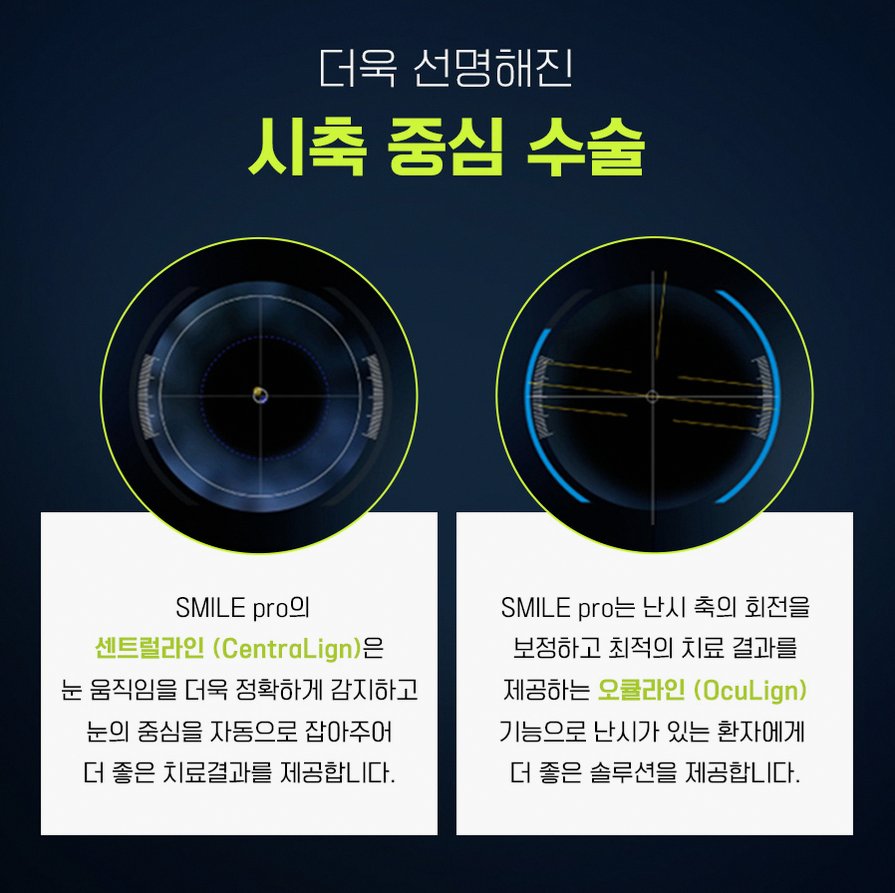
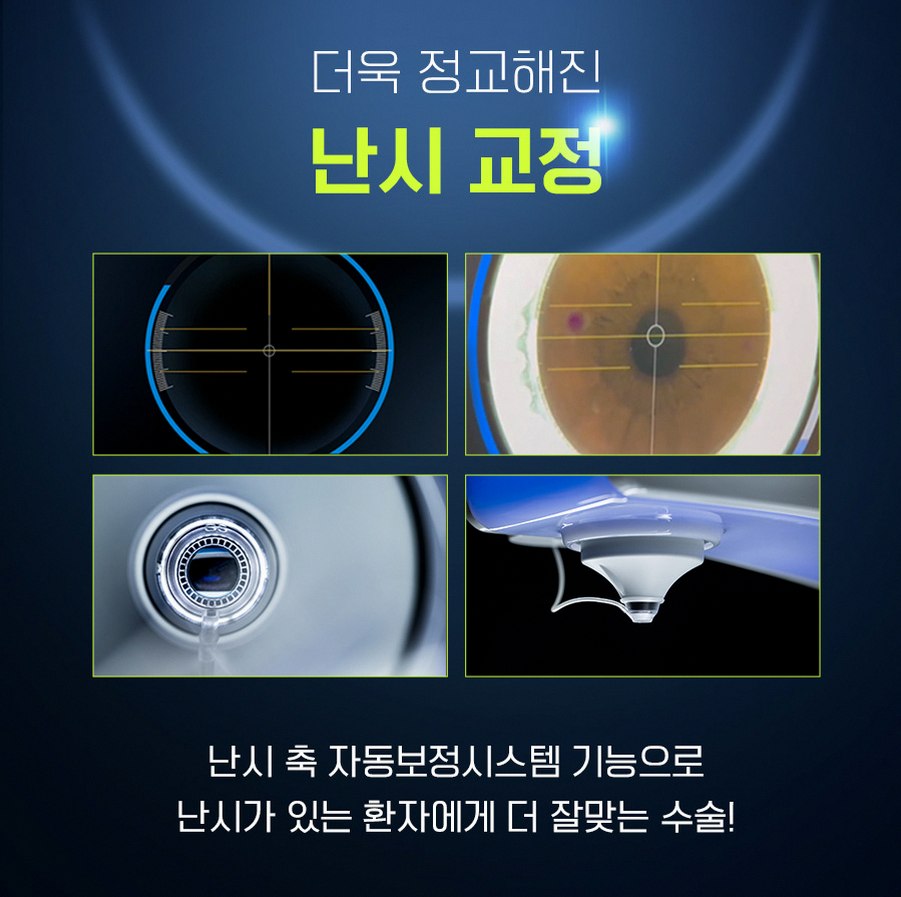
By removing this lenticule, the shape of the cornea changes so that light focuses more accurately on the retina. This can correct myopia (short-sightedness) and many cases of astigmatism.
How SMILE LASIK differs from LASIK and LASEK
Conventional LASIK involves creating a larger corneal flap, lifting it, reshaping the underlying tissue, and then putting the flap back in place. LASEK and other surface procedures reshape the surface of the cornea after removing the epithelium, which then needs time to grow back.
SMILE LASIK is different in several ways:
The incision is small and there is no large flap. This can mean less disturbance to corneal nerves and potentially fewer dry eye symptoms.
Because the surface layer remains mostly intact, many patients experience faster comfort recovery compared with surface procedures like LASEK.
The small incision and flapless design may help preserve more corneal biomechanics compared with traditional flap-based LASIK.
Even so, SMILE LASIK is not automatically better for everyone. Suitability depends on your prescription, corneal thickness and shape, and overall eye health.
Typical vision results after SMILE LASIK near Yeoksam Station
Most international patients want to know what their day-to-day life will look like after surgery, especially if they plan to stay near Yeoksam or Gangnam for only a short period.
Visual acuity and clarity
For suitable candidates, the usual goal is to restore functional distance vision within days to weeks after surgery. Some patients notice a large improvement on the first day, while others experience a more gradual sharpening of vision over several weeks.
You may notice:
Clearer distance vision for commuting, reading signs in the subway, or seeing presentation screens at work.
Reduced dependence on glasses or contact lenses for most daily tasks.
Better convenience for sports or fitness activities in the Gangnam area, such as gyms or running along the Han River.
However, small differences between eyes are common in the early period. Some patients report mild fluctuations, halos, or glare at night, especially during the first weeks. These symptoms often improve over time, but the degree and duration vary by individual.
Comfort and early recovery
One of the attractive points of SMILE LASIK is comfort in the early recovery phase.
Immediately after surgery, you may feel:
A foreign body sensation, as if there is dust or an eyelash in the eye.
Mild tearing or light sensitivity.
A desire to keep your eyes closed and rest for a few hours.
Many people describe the discomfort as mild to moderate and improving significantly within the first 24 hours. Compared with surface procedures like LASEK, pain is often less intense, and the need for strong pain medication is usually limited.
Dry eye symptoms can still occur, but the small incision and preservation of more corneal nerves may reduce the risk or severity compared with flap-based LASIK for many patients. Artificial tears are commonly used during the early healing period.
Return to work and daily activities
For office workers and students commuting through Yeoksam Station or Gangnam Station, the timeline is important.
In general terms:
Many patients can resume light desk work and computer use within a few days, depending on how their eyes feel.
Short-distance travel on the subway is usually possible soon after surgery, but you may prefer sunglasses due to light sensitivity.
Reading and screen work may feel slightly tiring at first, and short breaks are recommended.
Driving at night should be discussed with your surgeon based on your individual recovery and local regulations.
Your exact schedule should be confirmed during consultation, as it depends on how your eyes respond.
Stability and safety considerations
SMILE LASIK’s small incision and flapless design may help preserve more of the cornea’s structural strength compared with flap-based LASIK. This can be one factor contributing to long-term stability for suitable candidates.
However, safety is not determined by the laser alone. It depends heavily on:
Thorough preoperative screening of corneal thickness, shape, and any signs of weakness.
Assessment of the retina, especially in high myopia, to check for tears or other issues.
Evaluation of tear film and dry eye status.
Careful decision-making by the ophthalmologist about whether SMILE LASIK is appropriate, or whether another procedure (such as lens implantation) would be safer.
Lifestyle impact for commuters around Yeoksam and Gangnam
For people who live or work in the Gangnam business district, the lifestyle benefits of SMILE LASIK can be significant.
You may find it easier to:
Commute without fogged glasses in humid weather.
Exercise at local gyms or outdoor parks without worrying about contact lenses.
Attend business meetings or social events without glasses.
Travel within Korea without packing multiple pairs of lenses and solutions.
At the same time, there are temporary restrictions after surgery:
Avoid rubbing your eyes for a set period.
Limit eye makeup, especially around the lash line, for the time recommended by your surgeon.
Avoid swimming pools, spas, and intense sports for a while.
Follow prescribed eye drops and attend follow-up visits.
Most everyday activities can resume fairly quickly, but exact instructions will be tailored to your situation.
Why preoperative eye examination matters for your results
A detailed preoperative eye examination is one of the most important factors for SMILE LASIK outcomes. For overseas patients, this is also where many key decisions are made.
What is usually checked before SMILE LASIK
Corneal thickness and topography or tomography to see the shape and strength of the cornea.
Degree of myopia and astigmatism.
Pupil size, which can influence night-vision symptoms.
Tear film and dry eye evaluation.
Retinal examination, especially in moderate to high myopia, to check for weak areas or tears.
General eye health, including lens and optic nerve.
Based on these results, your ophthalmologist may say that SMILE LASIK is suitable, that another type of vision correction is better, or that no surgery is recommended.
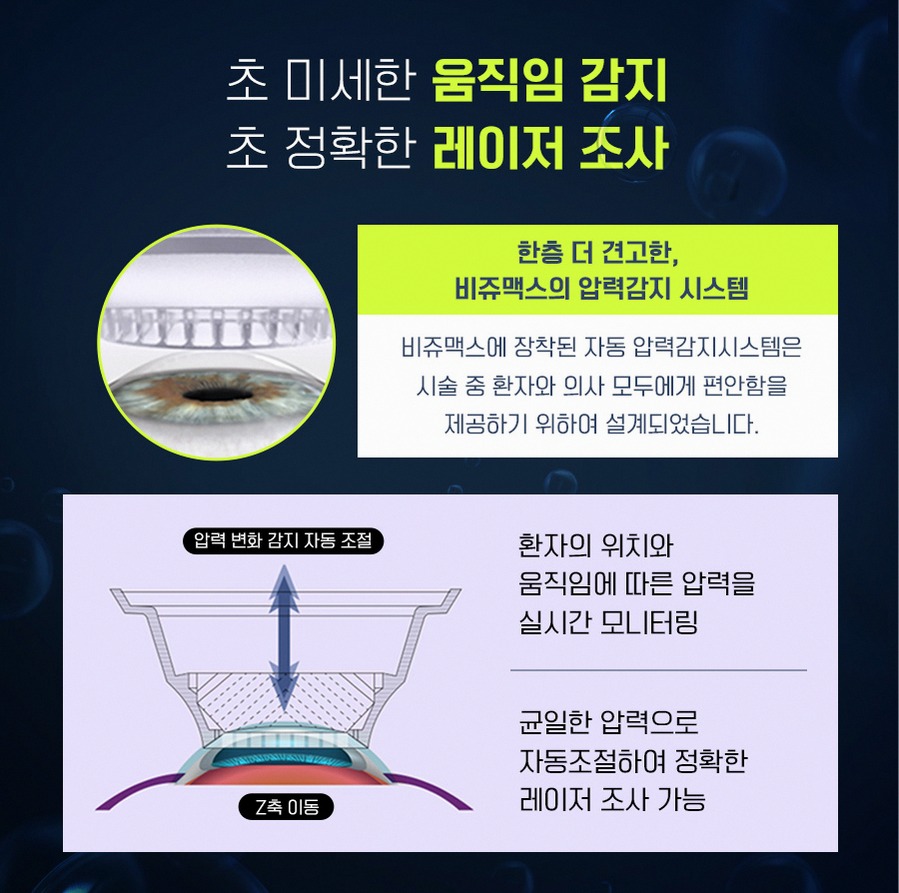
Alternative options if SMILE LASIK is not ideal
If your cornea is too thin, irregular, or shows suspicious findings, or if your myopia is very high, SMILE LASIK may not be the safest choice. In such cases, other options can be considered, such as lens implantation procedures (for example ICL or other phakic lenses), LASEK variants, or combined corneal strengthening procedures.
An ophthalmology center that offers a range of vision correction methods can compare these options and explain which one fits your eyes and lifestyle.
How experienced surgeons and ZEISS SMILE platforms influence outcomes
Surgeon experience and planning
SMILE LASIK outcomes are influenced by the surgeon’s ability to:
Interpret preoperative data correctly.
Choose the most appropriate procedure (SMILE, other SMILE-family procedures, LASIK, LASEK, or lens implantation).
Set realistic expectations about vision quality, night vision, and recovery.
Manage any pre-existing dry eye or retinal issues before and after surgery.
In the Gangnam / Yeoksam area, some ophthalmology centers have medical staff with university hospital teaching backgrounds and retina fellowship training. This can support more detailed retinal evaluation and comprehensive care for myopic patients.
Role of ZEISS SMILE laser platforms
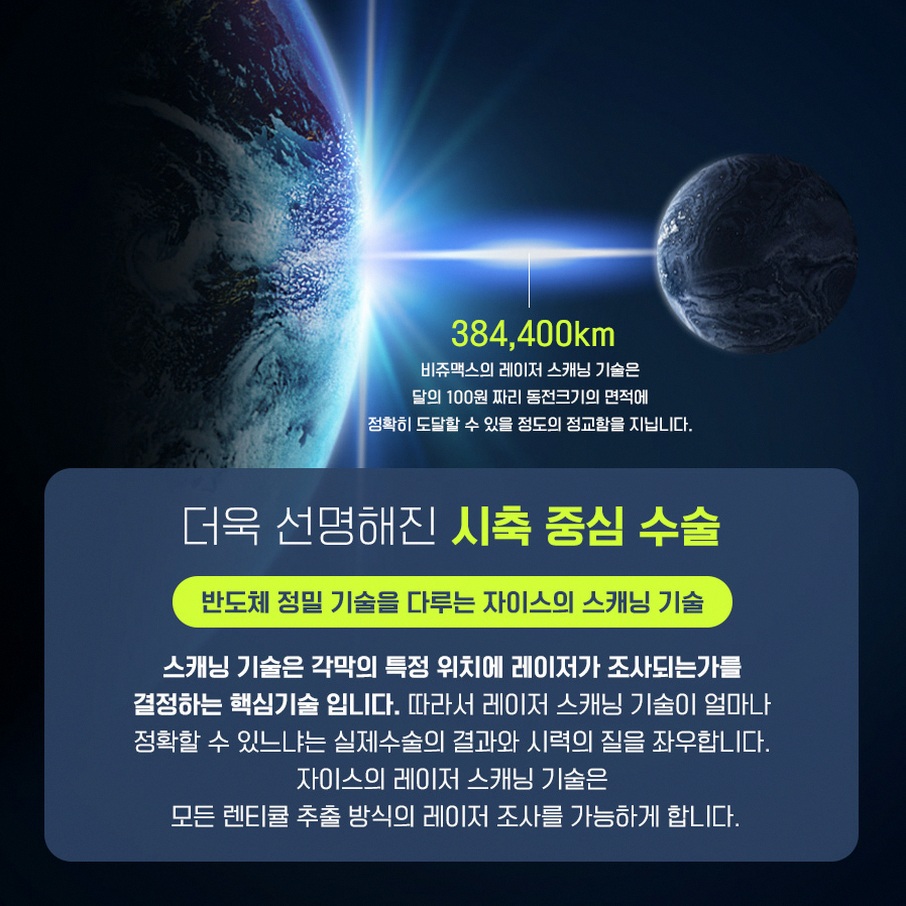
Modern femtosecond laser platforms from ZEISS are widely used for SMILE LASIK and related procedures. Their design aims to provide precise, predictable lenticule creation and short laser times.
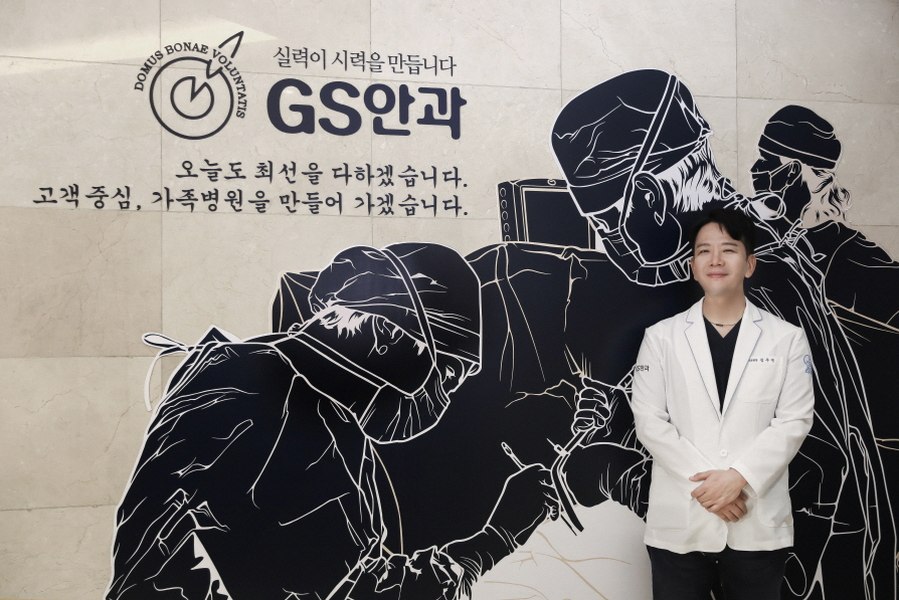
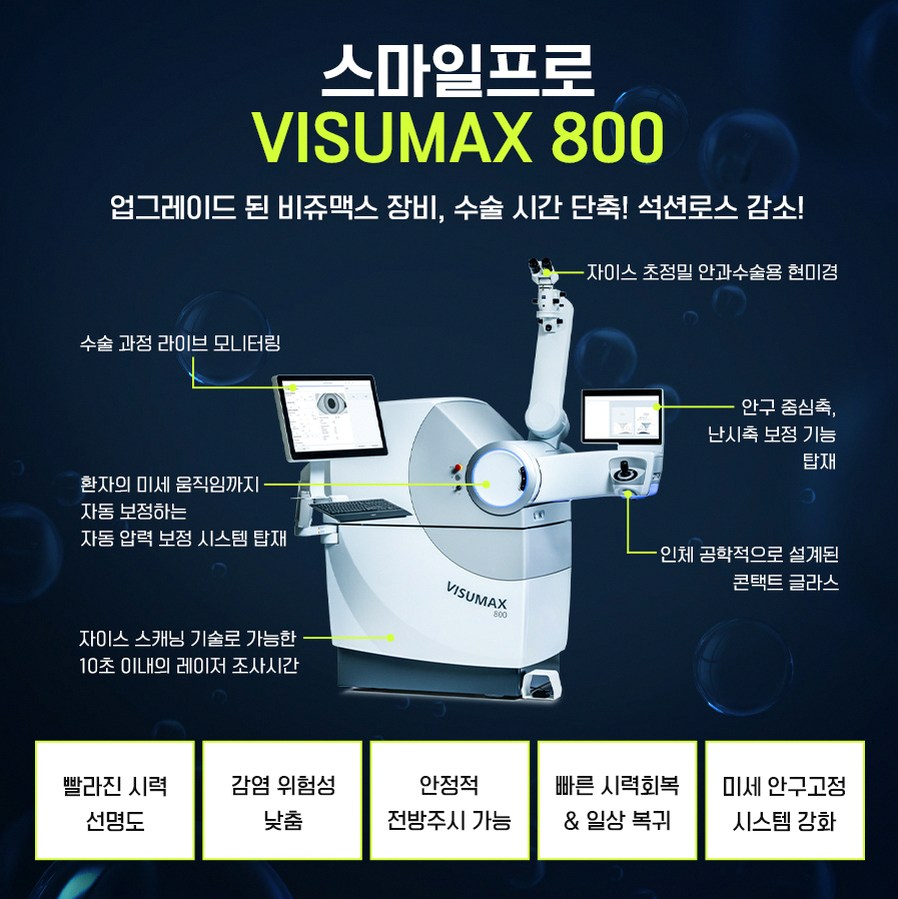
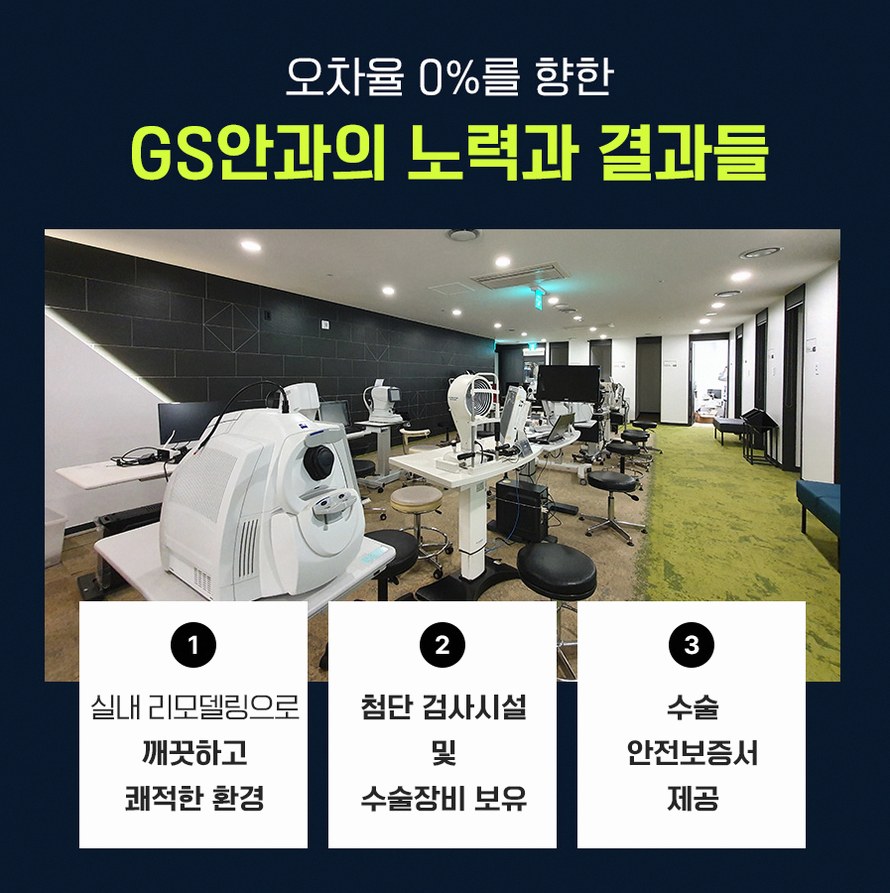
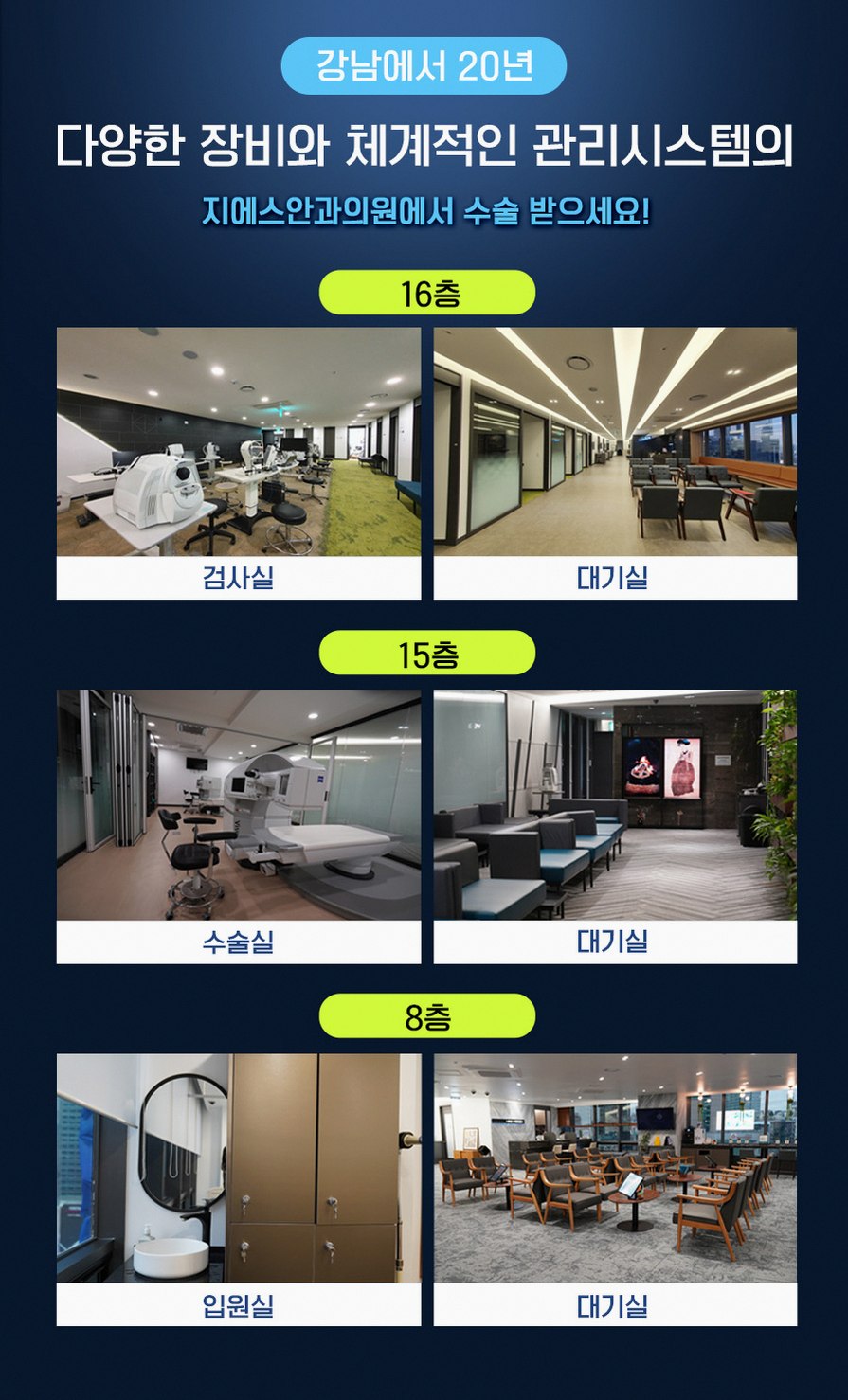
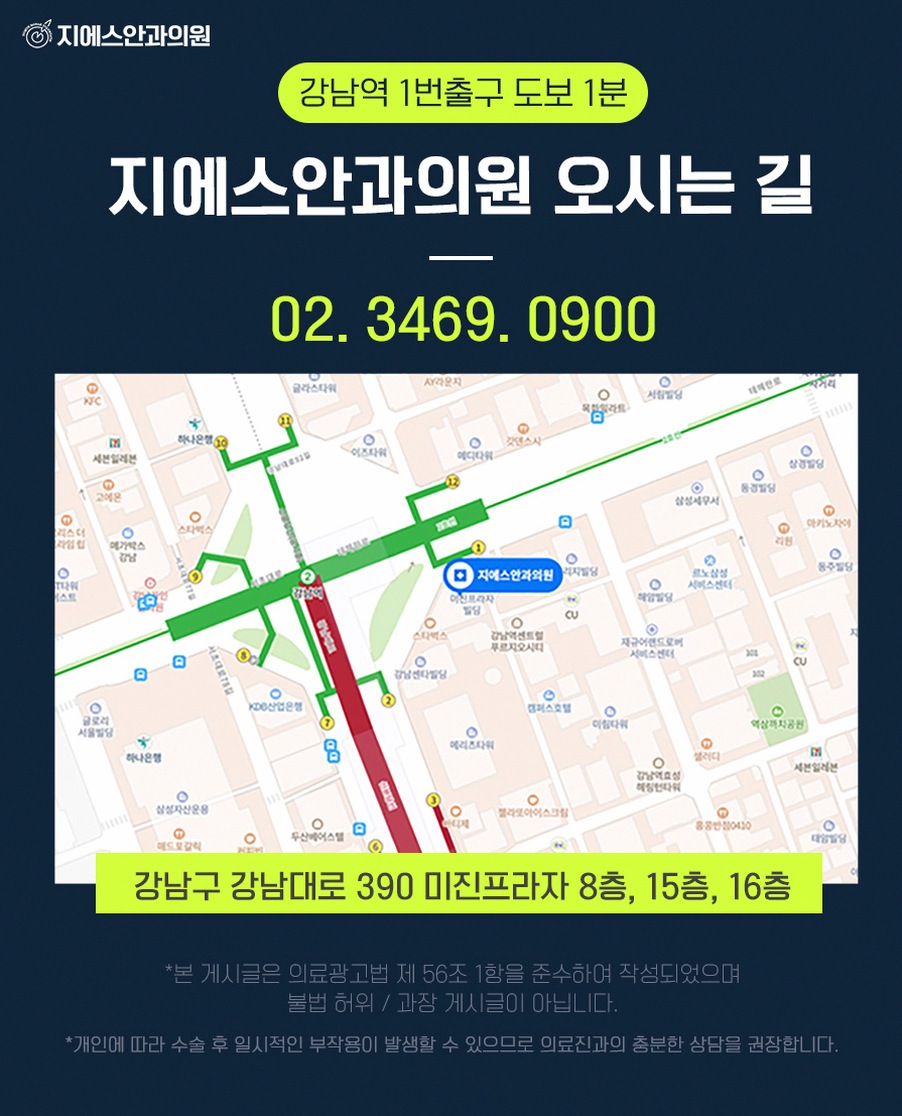
GS Eye Center, located in Gangnam-gu near Gangnam Station and accessible from Yeoksam Station, is an example of a center that has invested heavily in this technology. The center operates three major SMILE-capable systems: VISUMAX 800 and VISUMAX 500 (both manufactured by ZEISS), and ELITA (manufactured by Johnson & Johnson).
VISUMAX 800, introduced in 2023, dedicated to SMILE pro with laser time around 9 seconds.
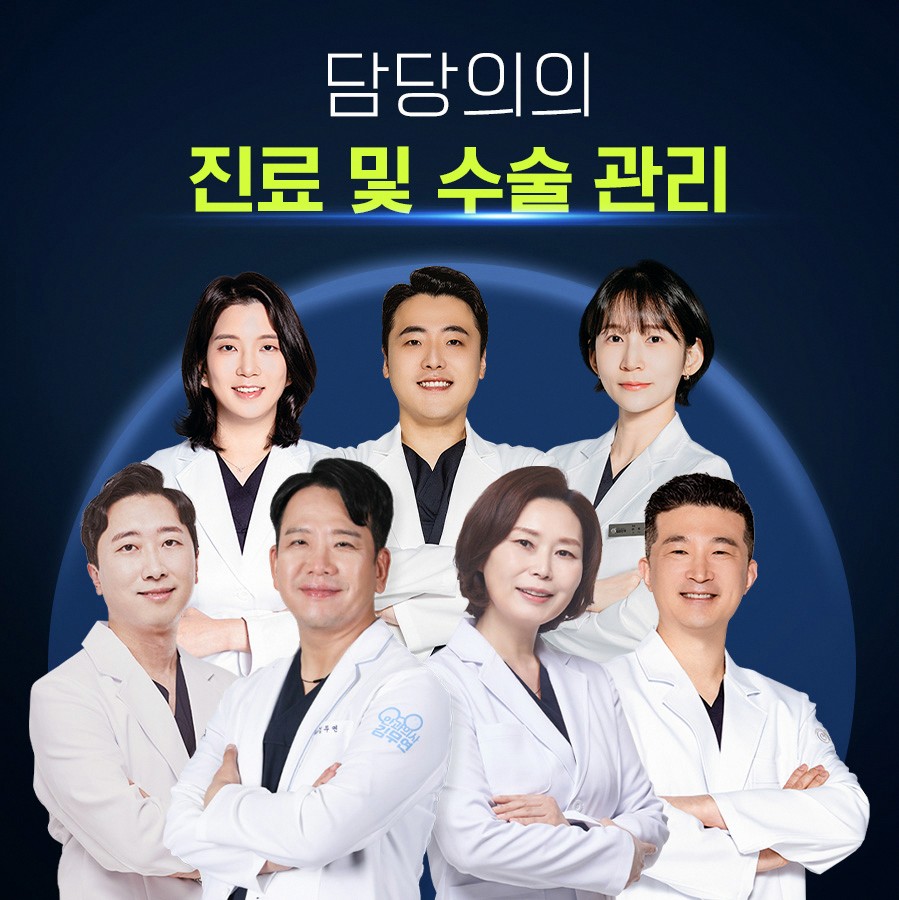
Two VISUMAX 500 units for SMILE LASIK, in use since 2016, with a dual setup since 2019 to support flexibility and capacity.
The center has accumulated experience with a large number of cases: a total of about 300,000 eyes for vision correction and cataract surgery as of 2023, and 15,000 SMILE pro eyes as of April 2026, with milestones of 5,000 eyes in October 2024 and 10,000 eyes in August 2025. It was the first in Korea to join the ZEISS SMILE GOLD CLUB in 2021, was designated a ZEISS SMILE pro CENTER in 2023, and became a SILK TRAINING Center in 2026.
These designations and its roles as a clinical education institution for a major medical school (since 2023) and as an Asia-Pacific clinical education center for BIOTECH (since 2024) indicate that its protocols and outcomes are recognized enough to be used in training other doctors.
Who is a good candidate and who is not?
Who may consider SMILE LASIK
Adults with stable myopia and astigmatism for at least one to two years.
People with adequate corneal thickness and regular corneal shape.
Those without significant eye diseases such as advanced keratoconus or uncontrolled dry eye.
Individuals who prefer a flapless procedure and are interested in quick comfort recovery.
Who may need further evaluation or alternatives
Very high myopia that would require removal of too much corneal tissue.
Thin or irregular corneas, or early keratoconus suspicion.
Severe dry eye that might worsen after any corneal laser procedure.
Retinal conditions such as lattice degeneration, tears, or other pathologies that need treatment or careful monitoring.
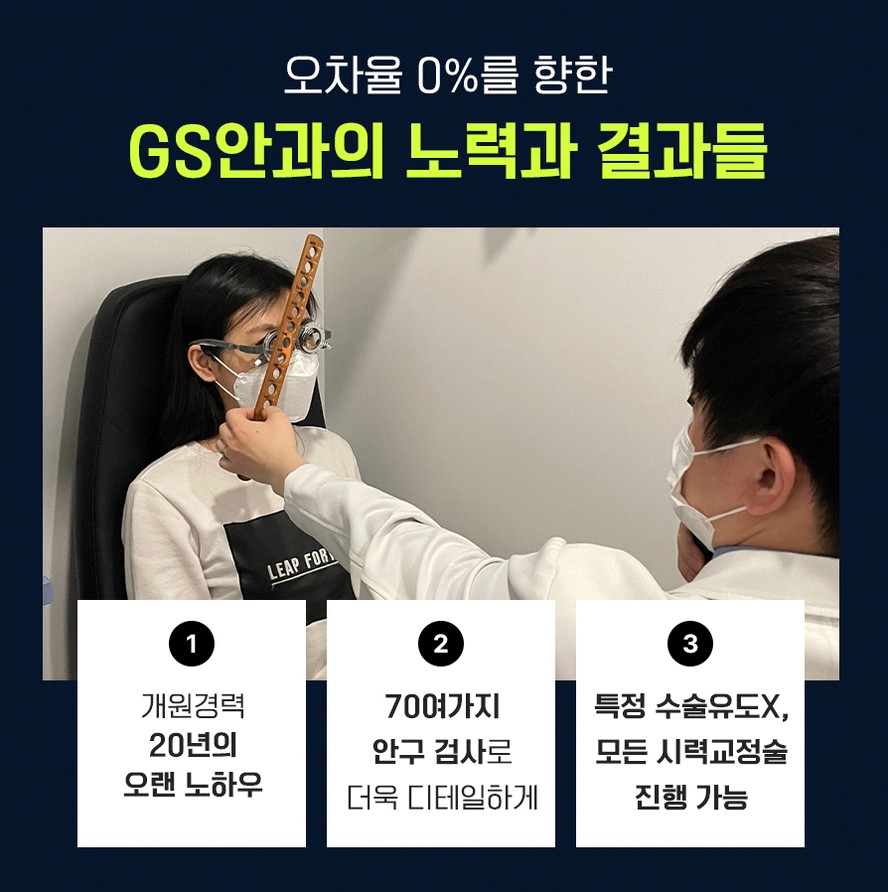
In these cases, lens implantation or other customized plans may be safer. A separate retina center, like the one present within some Gangnam ophthalmology facilities, can be important for high-myopia screening before SMILE LASIK.
Planning your visit to Korea for SMILE LASIK
Online consultation and pre-visit preparation
If you are an overseas patient, starting with an online consultation is practical. Before contacting the center, prepare the following:
Your current glasses or contact lens prescription.
Any previous eye examination reports, especially corneal topography or retinal scans if available.
A brief medical history, including medications and any systemic diseases.
Your travel schedule and how many days you can stay in Seoul.
During online consultation, useful questions to ask include:
Is SMILE LASIK appropriate for my prescription, or should I consider another procedure?
What range of vision can I realistically expect, both in bright daylight and at night?
How many days should I plan to stay in Korea for pre-op testing, surgery, and follow-up?
What is the recommended schedule for returning to flying, computer work, and exercise?
What to expect during your Korea visit
A typical visit for SMILE LASIK in the Yeoksam / Gangnam area may follow this type of timeline, though exact plans vary:
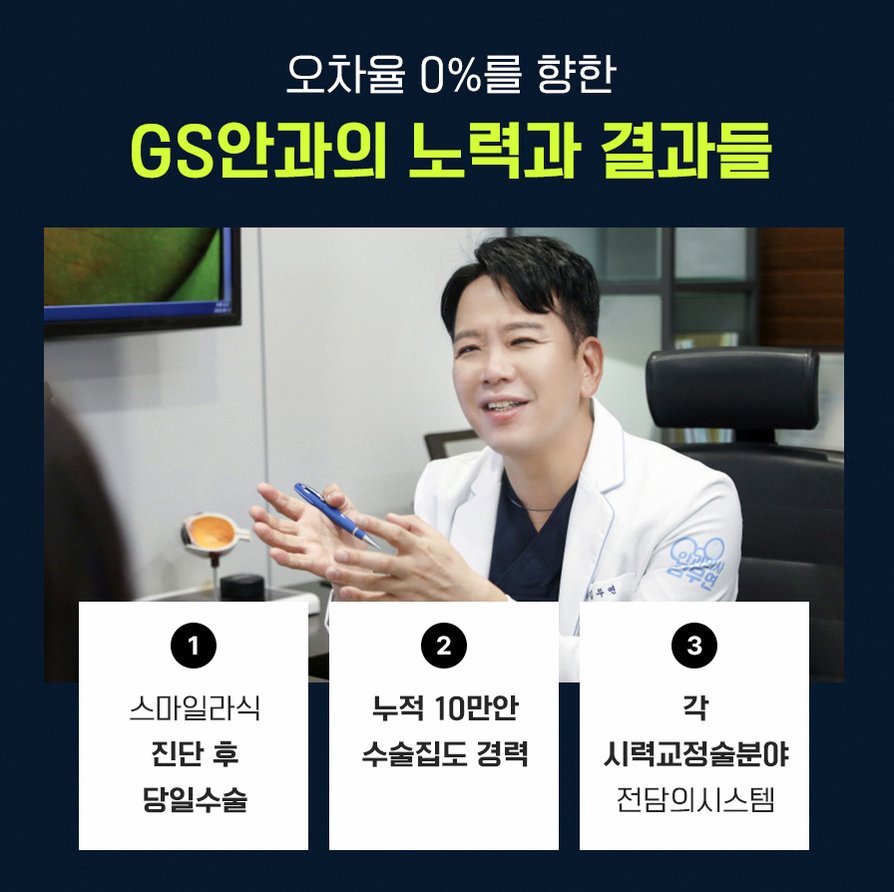
Day 1: Comprehensive eye examination, including refraction, corneal imaging, tear film evaluation, and retinal check. If you wear soft contact lenses, you may need to stop them several days before this exam; rigid lenses often require a longer break.
Day 2 or 3: Surgery day, if you are cleared as a suitable candidate. The procedure itself is usually short, and you spend more time on preparation and post-op checks than under the laser.
First 24 hours: Rest at your accommodation near Yeoksam or Gangnam. You will likely have a follow-up check either the same day or the next day.
First week: Additional follow-up visits to monitor healing. Many patients can walk around the city, enjoy light sightseeing, and use digital devices in moderation, following medical guidance.
Return flight: Often possible within several days to a week after surgery, depending on your condition and the surgeon’s advice.
Aftercare and long-term follow-up
In the early period, you will typically use:
Antibiotic and anti-inflammatory eye drops for a limited time.
Lubricating drops to support comfort and tear film.
You will be advised to avoid rubbing your eyes, protect them from dust and sweat, and wear eye shields at night if recommended.
Once you return to your home country, it is wise to schedule follow-up visits with a local ophthalmologist. Ask your Korean surgeon for a summary of your procedure and postoperative findings so you can share this with your local doctor.
Other related services around SMILE LASIK
Many Gangnam-based ophthalmology centers that offer SMILE LASIK also provide:
Lens implantation options such as ICL, GLAZE, or PhakiFlex KPL for high myopia or thin corneas.
LASEK variants and corneal strengthening procedures when needed.
Dry eye clinics to support patients before and after vision correction.
Presbyopia and cataract care, including presbyopia lens implantation, laser cataract surgery, and multifocal intraocular lenses.
Dedicated retina centers for detailed evaluation and treatment of retinal conditions.
GS Eye Center is one example of a center combining these services in one location, with ISO 9001 and 14001 certification for SMILE LASIK since 2020, indicating standardized quality and environmental management systems for this procedure.
What to ask during consultation if you commute through Yeoksam Station
To make a well-informed decision, consider preparing a checklist of questions:
Is SMILE LASIK the best option for my eyes, or would you recommend SMILE pro, LASIK, LASEK, or lens implantation instead?
What level of vision is realistic for me, including night driving, screen work, and reading?
How soon can I return to office work, subway commuting, gym workouts, and makeup?
How do you manage dry eye before and after surgery, and what if my symptoms persist?
What follow-up schedule do you recommend for overseas patients, and how can I coordinate care when I return home?
By focusing on these points rather than only on cost, you can better compare centers and choose a plan that fits your eyes and lifestyle.
Frequently asked questions about SMILE LASIK results near Yeoksam Station
How soon will I see clearly after SMILE LASIK?
Many patients notice a significant improvement in vision within the first day, with further sharpening over the next days and weeks. Functional daily-life vision for desk work and commuting often returns quite quickly, but there can be individual differences. Some people experience temporary fluctuations, halos, or glare, especially at night, which often improve over time.
Is SMILE LASIK less painful than LASIK or LASEK?
Most people report that SMILE LASIK involves mild to moderate discomfort in the first hours after surgery, often described as a foreign body sensation rather than strong pain. Compared with surface procedures like LASEK, pain is typically less, and comfort tends to return faster. However, pain tolerance varies, and your experience may be different.
Will I still have dry eyes after SMILE LASIK?
Dry eye symptoms can occur after any corneal laser procedure, including SMILE LASIK. Because SMILE uses a small incision and does not create a large flap, it may reduce the risk or severity of dry eye for many patients compared with flap-based LASIK. Even so, some people, especially those with pre-existing dry eye, may need ongoing lubricating drops and careful management.
Can overseas patients safely return home soon after SMILE LASIK?
Many international patients are able to fly home within several days to a week after surgery, after completing early follow-up visits in Seoul. The exact timing should be decided with your surgeon based on your healing and any additional findings. It is important to arrange follow-up care with a local ophthalmologist in your home country and to carry a summary of your procedure and postoperative status.
Soft call to action for online consultation
If you are considering SMILE LASIK near Yeoksam Station and would like to understand what kind of results are realistic for your eyes, an online consultation with an experienced ophthalmology team can be a helpful first step. GS Eye Center, located in Gangnam-gu near Gangnam Station and convenient from Yeoksam, offers SMILE LASIK and related procedures with extensive experience and ZEISS SMILE platforms.
Before you travel, gather your prescriptions and previous eye examination data, prepare your questions, and discuss your schedule and expectations in detail. Personalized advice from an ophthalmologist who has reviewed your eyes is essential for deciding whether SMILE LASIK in Korea is right for you.
- 공유 링크 만들기
- X
- 이메일
- 기타 앱


댓글
댓글 쓰기