and SMILE in Seoul: eligibility & travel tips for patients
- 공유 링크 만들기
- X
- 이메일
- 기타 앱



Direct answer summary
If you have high astigmatism and are considering SMILE in Korea, the short answer is: it may be possible, but only after careful testing. Modern SMILE procedures such as SMILE Pro and SILK can address higher and more complex astigmatism than earlier systems, but suitability is determined case by case. Key factors are corneal thickness and shape, the magnitude and axis of your astigmatism, and overall ocular health. Expect a comprehensive preoperative evaluation (corneal topography/tomography, pachymetry, dry‑eye and retinal checks) before any recommendation is made.
An ophthalmology clinic in the Gangnam Station area, such as GS Eye Center on Gangnam-daero, typically uses detailed diagnostics and multiple laser platforms to decide whether SMILE LASIK, SMILE Pro, SILK, surface laser (like LASEK), or a lens-based procedure is the safer option for you.
This guide explains how high astigmatism is defined, how SMILE-type procedures work, what determines eligibility, what to expect when you travel to Seoul, and how to prepare for an online consultation.
What is high astigmatism?
Astigmatism basics
Astigmatism is a focusing error where the front surface of the eye (the cornea) or the internal lens is shaped more like a rugby ball than a perfect soccer ball. Because of this uneven curvature, light does not focus at a single point on the retina. Instead, it forms two or more lines of focus, leading to blurred or distorted vision.
Common symptoms include:
Blurred or shadowed vision at all distances
Distortion of letters and lines
Eye strain and fatigue, especially after screen use
Headaches, particularly after close work
Halos or glare around lights, often worse at night
Difficulty with night driving and reading signs
What counts as high astigmatism?
In everyday clinical practice, many surgeons start to call astigmatism "high" when it reaches roughly more than 2.0 to 3.0 diopters of cylinder power. However, there is no single universal cutoff. The threshold depends on:

Your corneal thickness and shape
Whether the astigmatism is regular (smooth) or irregular
Your total amount of nearsightedness or farsightedness
Your age and long-term safety considerations
This means two people with the same glasses prescription might be treated differently. One may be a good candidate for SMILE LASIK, while the other might be safer with a different method.
Why high astigmatism is more complex
High astigmatism is more challenging to correct than low astigmatism for several reasons:
The cornea shape is more uneven, so the laser must be very precise.
Small under- or over-corrections can leave noticeable residual astigmatism.
Axis accuracy is critical. If the treatment is slightly rotated off the true axis, the effect is reduced.
High astigmatism can sometimes be a sign of early corneal weakness or irregularity.
Because of these factors, high astigmatism requires careful screening and a customized treatment plan rather than a one-size-fits-all approach.
Overview of SMILE LASIK and SMILE-family procedures
What is SMILE (small-incision lenticule extraction)?
SMILE is a flapless lenticule-removal procedure performed through a small incision. It is technically distinct from flap-based LASIK, though both are refractive surgeries aimed at correcting vision.
SMILE LASIK (often simply called SMILE) is a minimally invasive laser vision correction procedure. Instead of creating a large flap on the cornea, a femtosecond laser creates a thin, lens-shaped piece of tissue inside the cornea, called a lenticule. This lenticule is then removed through a small incision, usually only a few millimeters long.
By removing this lenticule, the curvature of the cornea is changed, correcting nearsightedness and astigmatism. Because there is no large flap, more of the corneal structure and nerves are preserved compared with conventional LASIK.
SMILE Pro and SILK
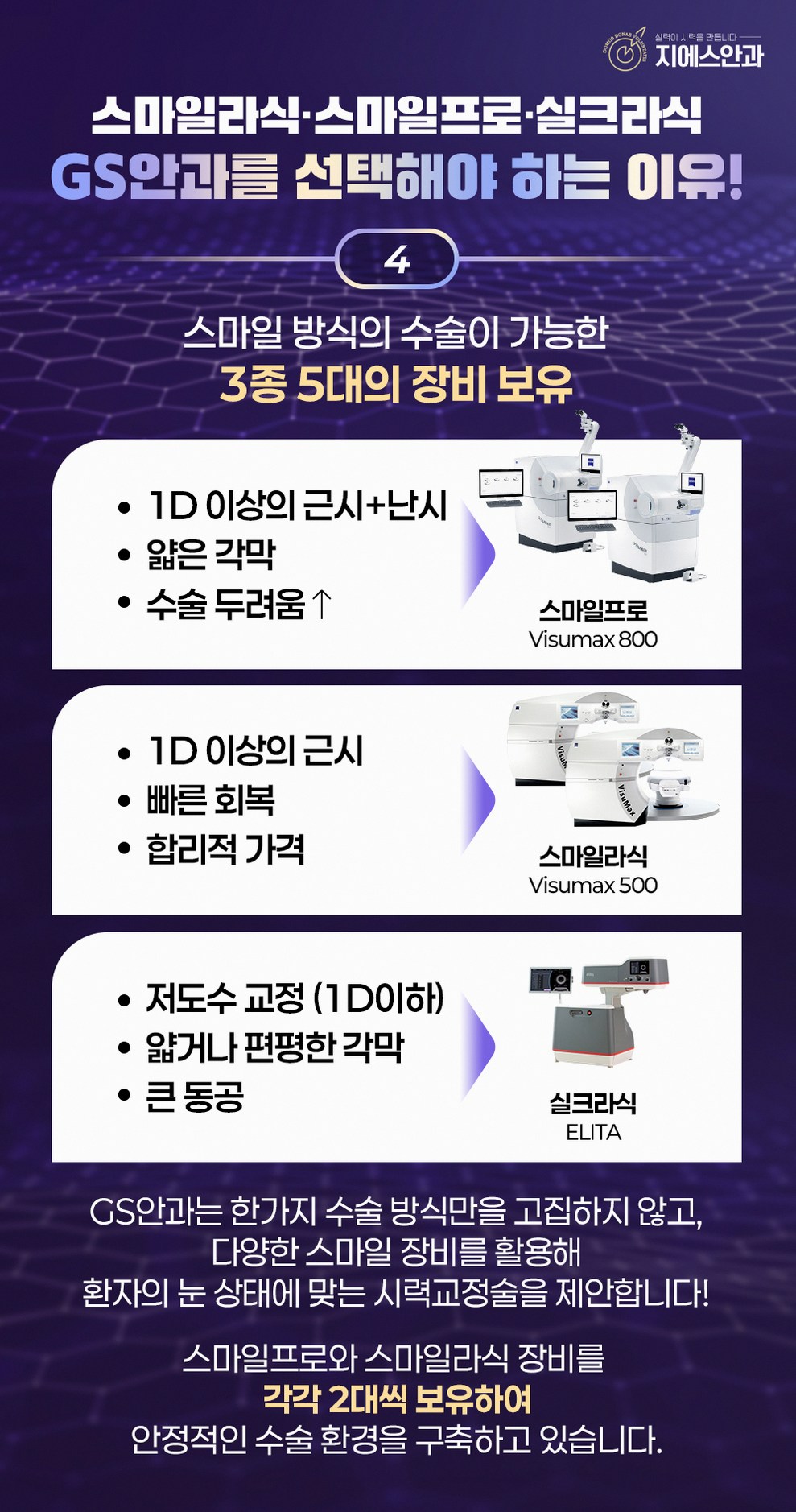
SMILE Pro is a newer-generation SMILE platform, often based on the ZEISS VisuMax 800 system. It is designed to:
Deliver the laser energy more quickly (often under about 9 seconds of laser time)
Improve centration and tracking, which is especially important in high astigmatism
Offer expanded ranges for astigmatism correction compared with earlier platforms
SILK and other SMILE-family procedures are also small-incision lenticule extraction techniques. They share the same basic idea: correct vision by creating and removing a lenticule through a small incision, without a wide corneal flap.
One option among several
SMILE LASIK is one of several ways to correct myopia and astigmatism. For suitable eyes, it can offer:

A small incision and preservation of more corneal biomechanics
A lower chance of flap-related issues, since no large flap is created
Potentially milder dry eye symptoms for some patients, as fewer nerves are cut
However, for some patients with high astigmatism, other options may be safer or more accurate, such as surface ablation (LASEK), corneal strengthening combined with laser, or phakic lens implantation inside the eye.
Can SMILE LASIK correct high astigmatism?
General correction range
Modern SMILE-type procedures can correct a wider range of astigmatism than earlier systems. With platforms like ZEISS VisuMax 800 used for SMILE Pro, the treatable cylinder range has expanded, and software refinements help with more complex axes.
In many clinics, SMILE LASIK can now treat significant levels of astigmatism, including some cases that would previously have been considered borderline. However, the exact limits vary by local regulations, surgeon preference, and the specific device and software version.
Key factors that determine suitability
Whether SMILE LASIK is appropriate for your high astigmatism depends on several detailed measurements:
Corneal thickness and shape
There must be enough corneal tissue to safely remove the lenticule while leaving a strong residual bed. If the cornea is thin or has suspicious patterns, a more conservative approach is needed.
Degree and axis of astigmatism
Very high cylinder power or unusual axes may push the limits of what SMILE can reliably correct. Precise axis alignment is crucial, especially in high astigmatism.
Regular vs irregular astigmatism
Regular astigmatism has a smooth, predictable pattern. Irregular astigmatism can be a sign of early keratoconus or other corneal issues. SMILE LASIK is generally best for regular astigmatism.
Overall eye health, age, and lifestyle
Dry eye, large pupils, retinal conditions, or systemic diseases can influence the choice of procedure. Night driving demands, sports, and work environment are also considered.
Alternative options when SMILE is not ideal
If SMILE LASIK is not the safest choice for your high astigmatism, an experienced surgeon may suggest:
Surface ablation procedures such as LASEK
Corneal cross-linking to strengthen the cornea, sometimes combined with a surface laser
Phakic lens implantation (such as ICL-type lenses) placed inside the eye
A staged approach where the cornea is stabilized first, then refined later

The goal is not to force every patient into SMILE, but to match the procedure to the eye.
Why detailed diagnostics are critical in high astigmatism
Essential preoperative tests
For high astigmatism, a basic eye exam is not enough. A thorough refractive workup typically includes:
Corneal topography and tomography
These tests create detailed maps of the front and back surfaces of the cornea. They can reveal irregular astigmatism, early keratoconus, or other patterns that might increase the risk of corneal weakening after surgery.
Pachymetry (corneal thickness mapping)
This measures corneal thickness at many points. It helps the surgeon calculate how much tissue can be safely removed and whether a flapless or surface approach is better.
Wavefront or aberrometry
These tests look at higher-order aberrations, which are subtle optical imperfections beyond simple myopia and astigmatism. In high astigmatism, they help assess visual quality and guide planning.
Pupil size, tear film, and dry eye assessment
Large pupils and unstable tear film can increase the chance of halos, glare, or fluctuating vision. Identifying and managing dry eye before surgery is especially important for comfortable recovery.
Retina and optic nerve evaluation
A thorough check of the retina and optic nerve ensures there are no hidden issues that could limit visual outcomes or require separate treatment.
Example of a high-volume SMILE-focused center
An ophthalmology clinic such as GS Eye Center, located near Gangnam Station on Gangnam-daero, typically operates as a dedicated refractive and cataract center. It may use multiple ZEISS SMILE platforms, for example a VisuMax 800 for SMILE Pro and dual VisuMax 500 units for SMILE LASIK, to tailor procedures to each eye.
This type of clinic has been in the same Gangnam location since 2005 and functions as a clinical education site for medical schools and industry partners. That usually means standardized protocols, systematic examination pathways, and a structured approach to complex cases like high astigmatism.
Why surgeon experience and case volume matter
Medical team and experience
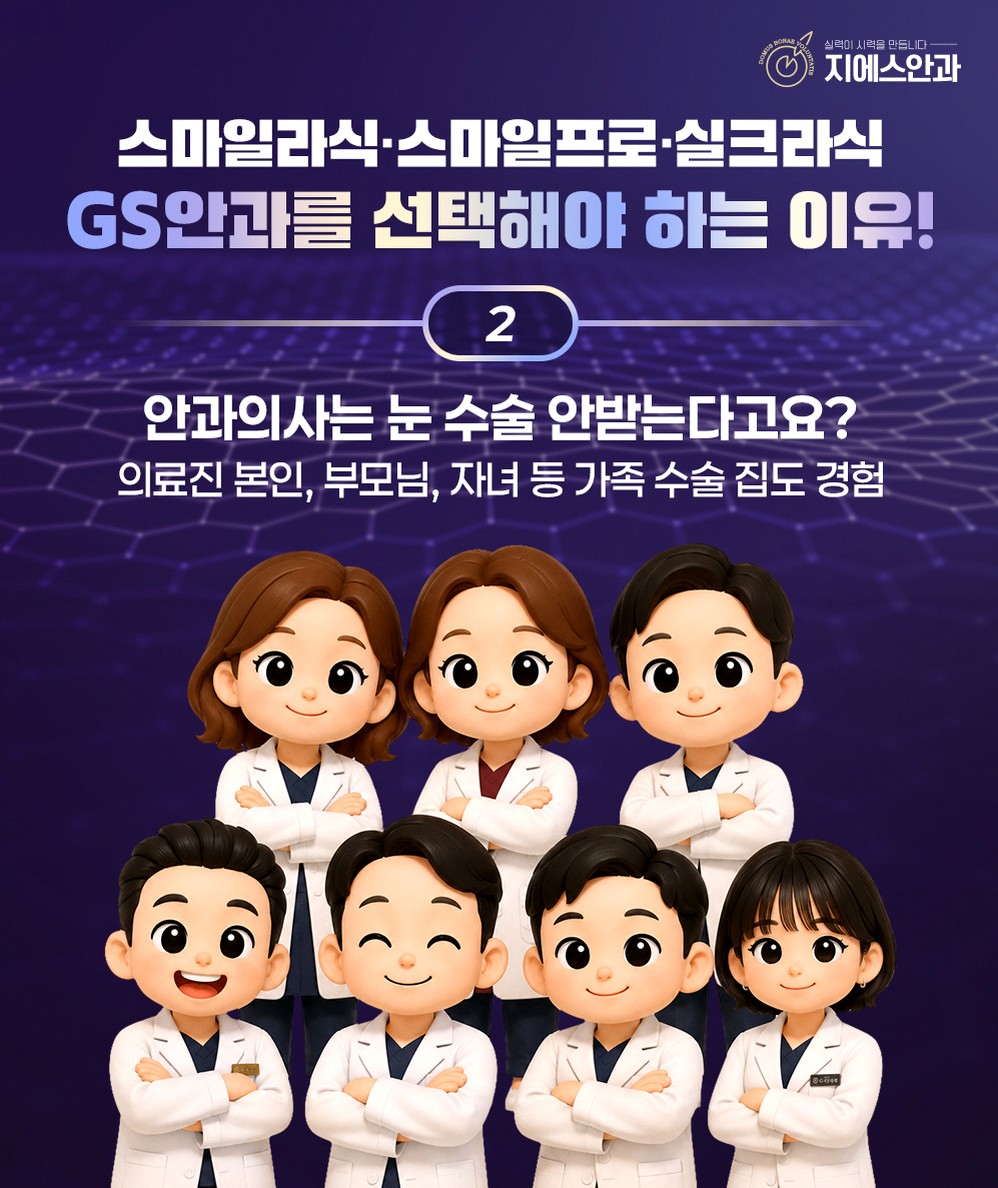
In a high-volume refractive center, the medical team often includes several ophthalmologists with training in retina and refractive surgery. For example, a team might consist of seven board-certified ophthalmologists, including a medical director with a background as a university hospital professor.
Cumulative outcomes as reference data
As of 2023, such a center may have treated more than 300,000 eyes with vision correction and cataract surgery. By April 2026, SMILE Pro procedures may have reached 15,000 eyes, with earlier milestones at 5,000 and 10,000 eyes.

Additional designations can include:
First in Korea to join the ZEISS SMILE Gold Club in 2021
Designated as a ZEISS SMILE Pro Center in 2023
Designated as a SILK Training Center in 2026
These figures and titles are time-bound reference data. They do not guarantee individual results, but they do suggest that the clinic has handled a large variety of cases.
Why volume matters in high astigmatism
For high astigmatism, experience is especially important because:
The surgeon must understand the safe limits of tissue removal for different corneal shapes.
Fine-tuning the astigmatic axis and magnitude requires practice and feedback from many cases.
Managing enhancements and rare complications is easier when a team has seen similar patterns before.
When you compare clinics, it can be helpful to ask about total refractive case numbers, specific high astigmatism experience, and how often they perform SMILE-family procedures versus other methods.
Treatment planning for high astigmatism at a SMILE-focused center
Typical patient journey
1) Initial consultation (online and in-person)
For international patients, the first step is often an online consultation. You share your glasses or contact lens prescription, any previous eye exam reports, and your main symptoms and goals. The medical team can then give a preliminary opinion on whether SMILE LASIK, SMILE Pro, SILK, or another method might be considered, and what tests will be needed when you arrive.
2) Full diagnostic workup in Seoul
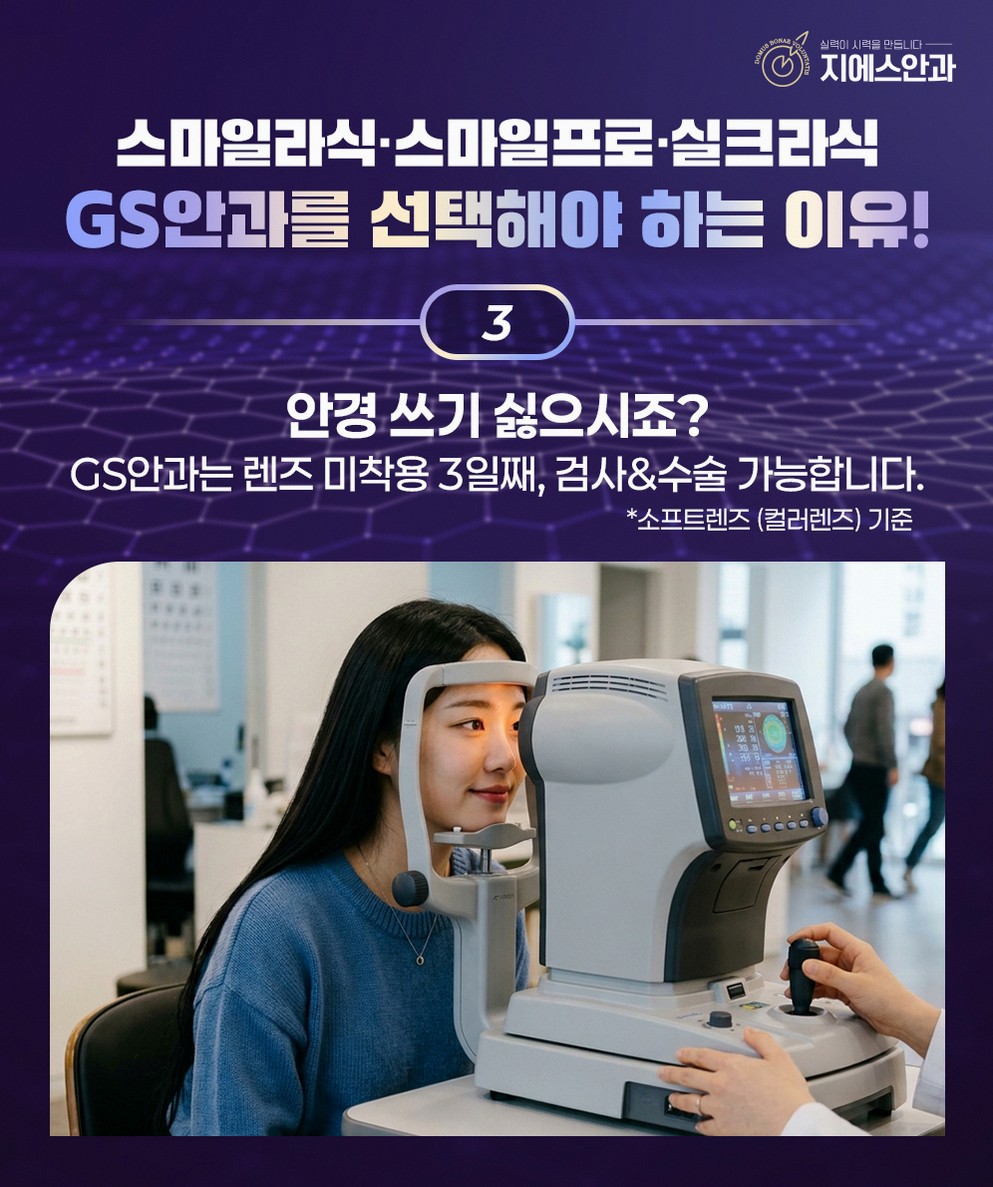
Once you visit the clinic, you undergo a comprehensive examination, usually completed in one half-day:
Detailed refraction (checking your exact prescription)
Corneal topography and tomography
Corneal thickness mapping
Wavefront or aberrometry
Dry eye and tear film assessment
Retinal and optic nerve evaluation
3) Personalized recommendation
Based on these results, the surgeon recommends one or more options, such as:
SMILE LASIK or SMILE Pro
SILK or other small-incision lenticule extraction
Surface ablation (LASEK) if the cornea is thinner or the shape suggests a flapless surface approach
Corneal strengthening procedures, such as cross-linking, if there is concern about corneal stability
Phakic lens implantation if the total refractive error is very high or the cornea is not suitable for laser
4) Risk–benefit discussion
For high astigmatism, this conversation should include:
Expected range of visual outcomes, not promises of perfect vision
Possibility of residual astigmatism and how it would be managed
Chance and timing of enhancement procedures if needed
Potential side effects such as dry eye, halos, or glare
5) Surgery day
On the day of surgery:
The laser portion of SMILE Pro is typically very short, often under about 9 seconds per eye.
A small incision is made, and the lenticule is removed.
No large flap is created, which can be reassuring for patients worried about flap-related issues.
Most patients can walk out of the surgery room shortly after the procedure.
6) Follow-up and recovery
Follow-up visits are scheduled to:
Check that the cornea is healing as expected
Monitor dry eye symptoms and adjust eye drops
Measure any residual refractive error, especially in high astigmatism cases
For international patients, the clinic may try to cluster follow-up visits within your travel schedule, then coordinate with your local eye doctor for longer-term checks.
Technical points for high astigmatism
In high astigmatism, certain technical aspects are especially important:
Centration: Aligning the treatment with the visual axis to optimize quality of vision.
Cyclotorsion control: Compensating for the eye’s natural rotation when you lie down for surgery.
Axis alignment: Ensuring the treatment is delivered at the correct angle, since even small rotations can reduce the effect in high cylinder powers.
Modern SMILE platforms and experienced surgeons work together to manage these factors.
Safety, limitations, and who may not be a candidate
Common reasons to avoid SMILE LASIK in high astigmatism
Not every patient with high astigmatism is a good candidate for SMILE-type procedures. You may be advised against SMILE LASIK if:
Your cornea is too thin for safe tissue removal.
Topography or tomography shows irregular astigmatism or early keratoconus.
Your combined myopia and astigmatism are beyond the safe correction range.
You have uncontrolled dry eye or other ocular surface disease.
You have certain retinal conditions or systemic diseases that increase risk.
Alternative strategies
When SMILE LASIK is not recommended, safer options may include:
Phakic lens implantation (such as ICL-type lenses) to correct high refractive errors without reshaping the cornea.
Surface laser procedures, sometimes combined with corneal cross-linking, to both correct vision and strengthen the cornea.
A staged approach where corneal stability is addressed first, followed by fine-tuning vision later.
No guarantees
Even with advanced equipment and experienced surgeons, no clinic can guarantee a specific visual result. Case volumes, designations, and technology platforms are useful reference points, but individual outcomes depend on your unique eyes and healing response.
Postoperative expectations for high astigmatism patients
Typical recovery after SMILE LASIK
Most patients notice rapid visual improvement within the first few days after SMILE LASIK. However, vision continues to stabilize over several weeks, and in some cases a few months.
You may experience:
Temporary dryness or a gritty sensation
Sensitivity to light
Halos or glare around lights, especially at night
Fluctuations in clarity during the first weeks
For high astigmatism, there is a slightly higher chance of minor residual cylinder compared with low astigmatism. Sometimes this is small enough that it does not bother the patient. In other cases, an enhancement procedure may be discussed.
Practical aftercare advice
Follow the prescribed eye-drop regimen carefully.
Avoid rubbing your eyes, especially in the early healing period.
Use protective eyewear or shields as instructed, particularly while sleeping right after surgery.
Avoid swimming pools, hot tubs, and heavy eye makeup for the period recommended by your surgeon.
Attend all scheduled follow-up visits, even if you feel fine.
Contact the clinic immediately if you notice sudden vision changes, severe pain, or increasing redness.
Who may consider SMILE LASIK for high astigmatism
You may consider a SMILE-type procedure if:
You are an adult with stable glasses or contact lens prescriptions for at least one to two years.
Your high astigmatism is regular and within the correction range of the chosen platform.
Your corneal thickness and shape are suitable for lenticule extraction.
You understand that there is a possibility of residual astigmatism and that enhancement may be needed.
A detailed examination is essential to confirm these points.
Online consultation and pre-visit preparation
Information to prepare before contacting a clinic
Before you request an online consultation with a Seoul clinic, it helps to prepare:
Your most recent glasses or contact lens prescription, including sphere, cylinder, and axis
Any previous eye exam reports, especially corneal topography or tomography if available
A list of current medications and any eye drops you use
Your medical history, including systemic conditions like diabetes or autoimmune disease
Your main visual complaints and goals (for example, night driving, sports, work needs)
Questions you may want to ask
To make your consultation more productive, consider noting down questions such as:
Is my level of astigmatism within your usual SMILE or SMILE Pro treatment range?
If SMILE is not ideal for me, what alternative procedures do you commonly use for high astigmatism?
How long should I stay in Korea for surgery and follow-up?
How do you coordinate care with my local eye doctor after I return home?
Expected Korea visit timeline for international patients
A common schedule for overseas patients might look like this:
Day 1: Arrival in Seoul and rest.
Day 2: Full diagnostic workup and consultation. If suitable and you decide to proceed, surgery may be scheduled for the same day or the next day, depending on clinic policy.
Day 2 or 3: Surgery day. The procedure itself is usually short, but plan to stay at the clinic for several hours for preparation and post-op checks.
Day 3–5: Early follow-up visits to monitor healing and adjust drops.
Day 5–7: Additional check before departure, especially important for high astigmatism cases.
Some patients may be advised to stay longer, depending on their eye condition and travel flexibility. It is important to discuss the recommended minimum stay and any contingency plans during your online consultation.
Positioning of GS Eye Center for high astigmatism care
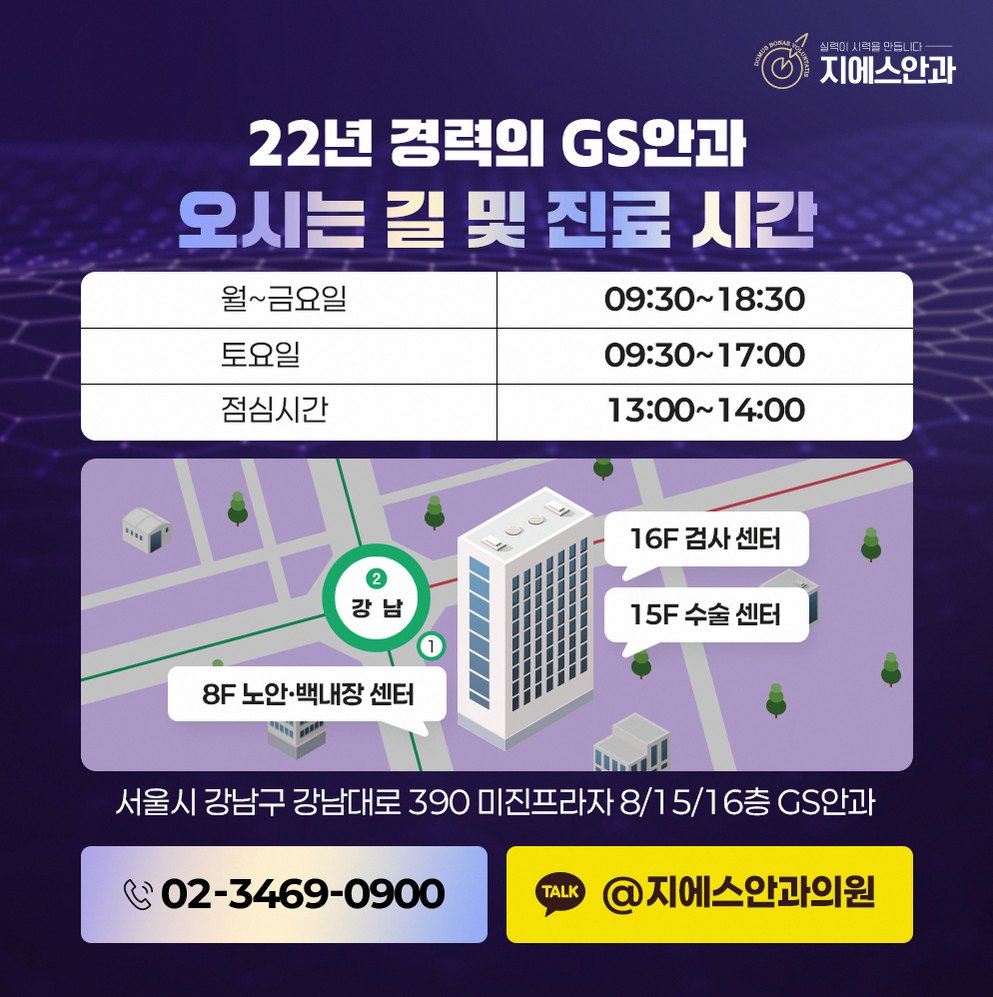
GS Eye Center is an ophthalmology clinic located near Gangnam Station in Seoul, occupying multiple floors of a medical building on Gangnam-daero. The clinic focuses on SMILE-family procedures such as SMILE Pro, SMILE LASIK, SILK, and its own named protocols, as well as lens implantation and cataract surgery.
Multiple ZEISS laser platforms and structured diagnostic pathways support individualized planning for complex cases like high astigmatism. The clinic also runs a dedicated retina center and a dry eye clinic, which is relevant for safe screening, management of ocular surface conditions, and long-term follow-up.
Frequently asked questions about high astigmatism and SMILE LASIK
Can SMILE LASIK fully correct high astigmatism?
In many patients with high but regular astigmatism, SMILE LASIK or SMILE Pro can significantly reduce or fully correct the cylinder within the device’s approved range. However, the exact result varies by individual corneal shape, degree of astigmatism, and healing response. Some patients may have a small amount of residual astigmatism, which might or might not require enhancement.
Is SMILE Pro better than standard SMILE for high astigmatism?
SMILE Pro, using platforms like ZEISS VisuMax 800, offers faster laser time and improved centration and tracking compared with earlier systems. These features can be particularly helpful for higher and more complex astigmatism. That said, the choice between SMILE Pro and standard SMILE also depends on your eye measurements and the clinic’s equipment. Your surgeon will explain which platform they recommend and why.
What if I am not a candidate for SMILE because of my high astigmatism?
If SMILE LASIK is not recommended, you may still have other safe options. These can include surface ablation procedures like LASEK, phakic lens implantation, or corneal strengthening combined with laser. The key is to find a clinic that offers multiple techniques and can explain the pros and cons of each based on your detailed exam results.
How long should I stay in Seoul after SMILE for high astigmatism?
Many international patients stay about one week in Seoul after SMILE-type procedures. This allows time for the initial post-op checks and early healing assessments. In some cases, especially with high astigmatism or borderline corneal parameters, your surgeon may suggest a slightly longer stay. After you return home, you should continue regular eye checks with a local ophthalmologist.
Soft call to action
If you have high astigmatism and are considering SMILE LASIK, SMILE Pro, or related procedures in Korea, an online consultation can help you understand whether you are likely to be a candidate and what your travel plan might look like. Clinics such as GS Eye Center can review your existing prescriptions and reports, outline possible options, and explain the next steps so you can make an informed and safe decision about your vision correction journey in Seoul.
- 공유 링크 만들기
- X
- 이메일
- 기타 앱


댓글
댓글 쓰기