cataract surgery in Gangnam with PanOptix for visitors
- 공유 링크 만들기
- X
- 이메일
- 기타 앱




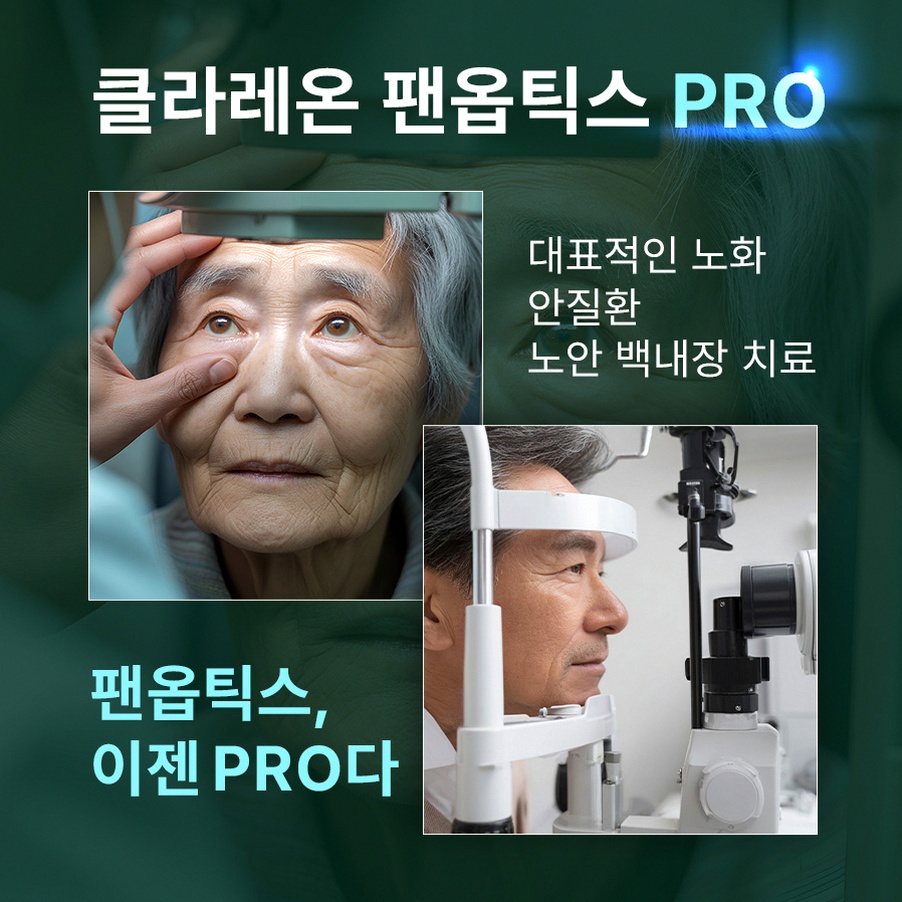


Direct answer: what cataracts are and when surgery is needed
A cataract is clouding of the eye’s natural lens that usually develops gradually with age. Common symptoms include blurred or hazy vision, increased glare, and difficulty seeing clearly at night. Surgery is the only way to restore clear vision once the lens opacity begins to interfere with daily activities such as driving, reading, work, or hobbies. At GS Eye Center (Gangnam), we provide laser-assisted cataract surgery and a range of intraocular lens (IOL) options, including multifocal lenses such as PanOptix. The decision to operate and the choice of IOL are made individually during a comprehensive consultation; recovery is typically short and outpatient, with scheduled follow-up visits to monitor healing and visual outcomes.
Eye drops, supplements, or exercises cannot remove a cataract. The cloudy lens must be removed and replaced with a clear artificial lens called an intraocular lens (IOL). In busy areas like Gangnam in Seoul, many patients choose to combine cataract removal with multifocal or other premium IOLs to reduce their dependence on glasses for both distance and near vision.
For overseas patients considering treatment in Korea, modern cataract surgery with laser-assisted techniques and multifocal IOLs can be planned within a relatively short stay, once your eyes have been carefully examined.
What is a cataract and why does it occur
A cataract is the gradual clouding of the eye’s natural crystalline lens, which sits behind the colored part of the eye (the iris). In a healthy eye, this lens is clear and helps focus light onto the retina so you can see sharply. When a cataract forms, the lens becomes cloudy or yellowed, and light cannot pass through clearly.
The most common cause is aging. Proteins in the lens change over time, leading to cloudiness. However, several other factors can speed up or trigger cataract formation:
Aging changes in the lens, usually after age 50
Diabetes and other systemic diseases
Long-term use of steroid medications (tablets, inhalers, or eye drops)
Eye trauma, such as a blow to the eye or penetrating injury
Previous eye surgery
Strong or prolonged ultraviolet (UV) exposure
Genetic factors and family history
Cataracts usually progress slowly. They may start in one eye and later affect the other, or develop in both eyes at different speeds. In the early stages, vision changes can often be managed by updating your glasses prescription and monitoring the cataract. As the cataract becomes denser, however, it can cause serious functional problems and even make it difficult for an eye doctor to examine the back of your eye.
Common cataract symptoms and simple self-checks
Cataract symptoms often creep up gradually, so many people think their glasses are simply “getting old.” Typical symptoms include:
Cloudy or blurred vision, like looking through a foggy window
Glare and halos around lights, especially at night
Difficulty driving at night due to headlight glare
Needing more light to read or do close work
Colors appearing faded or yellowish
Frequent changes in your glasses prescription
Double vision in one eye (monocular double vision)
You may notice these symptoms in daily life:
Reading: needing a bright lamp, holding books closer or farther away, or struggling with small print and smartphone text.
Digital devices: difficulty seeing subtitles, icons, or small fonts even with glasses.
Night driving: strong glare from oncoming headlights, starbursts, or halos around streetlights.
Recognizing faces: faces may look slightly hazy or washed out, especially in dim light.
Bright environments: discomfort or dazzle under strong sunlight or bright indoor lights.
Simple self-check cues you can think about before seeing an ophthalmologist include:
Do you feel as if there is a constant light fog or film in front of your eyes?
Do you need to turn on more lights than before to read comfortably?
Do car headlights or streetlights feel uncomfortably bright or dazzling?
Do you struggle to read subtitles on TV or small text on your phone even with updated glasses?
These signs suggest that a cataract could be present, but only a comprehensive eye examination can confirm the diagnosis and rule out other causes such as macular degeneration, glaucoma, or corneal disease.
How cataracts are diagnosed in an ophthalmology clinic
At a modern ophthalmology clinic in Gangnam, the cataract diagnosis process usually includes several steps. For international patients, these tests are standard, non-invasive, and generally comfortable.
Typical tests include:
Visual acuity test: checking how well you see letters on a chart at distance and near.
Refraction: measuring your glasses prescription to see how much of the blur is from refractive error versus cataract.
Slit-lamp examination: using a microscope with a bright light to look at the front of your eye, including the cornea, iris, and lens. This is where the doctor directly sees the cataract.
Intraocular pressure measurement: checking the pressure inside your eye to screen for glaucoma.
Dilated fundus examination: after dilating drops, the doctor examines the retina and optic nerve to detect diseases such as macular degeneration, diabetic retinopathy, or retinal tears.
If cataract surgery is being considered, additional pre-surgery measurements are needed:
Corneal curvature (keratometry or topography): to understand the shape and astigmatism of your cornea.
Axial length: measuring the length of the eye to calculate the power of the intraocular lens.
Anterior segment imaging: evaluating the front structures of the eye and lens position.
Biometry: combining several measurements to choose the correct IOL power and type.
Checking the retina and macula is especially important in older patients or those with diabetes, high myopia, or a history of retinal problems. If the retina is damaged, it can limit the final visual outcome even after a technically successful cataract surgery. Knowing this in advance helps set realistic expectations and choose the most appropriate lens.
When to consider cataract surgery
There is no single “correct” vision level at which everyone must have cataract surgery. The decision is individualized and based on how much the cataract affects your daily life and how your eye health looks overall.
Cataract surgery is usually recommended when:
Vision interferes with daily activities such as driving, reading, working, or hobbies.
You feel unsafe driving at night because of glare or poor contrast.
Your job or lifestyle requires clear vision (for example, frequent travel, computer work, or sports).
The cataract has become dense enough that leaving it may increase the risk of complications.
The cataract is so advanced that it prevents proper examination or treatment of other eye diseases.
Some people choose earlier surgery if their work or hobbies demand higher-quality vision, or if they wish to take advantage of multifocal or other presbyopia-correcting lenses while the eye is otherwise healthy. Others prefer to wait until the cataract is more advanced. A thorough discussion with an ophthalmologist is essential to decide the right timing for you.
How cataract surgery is performed
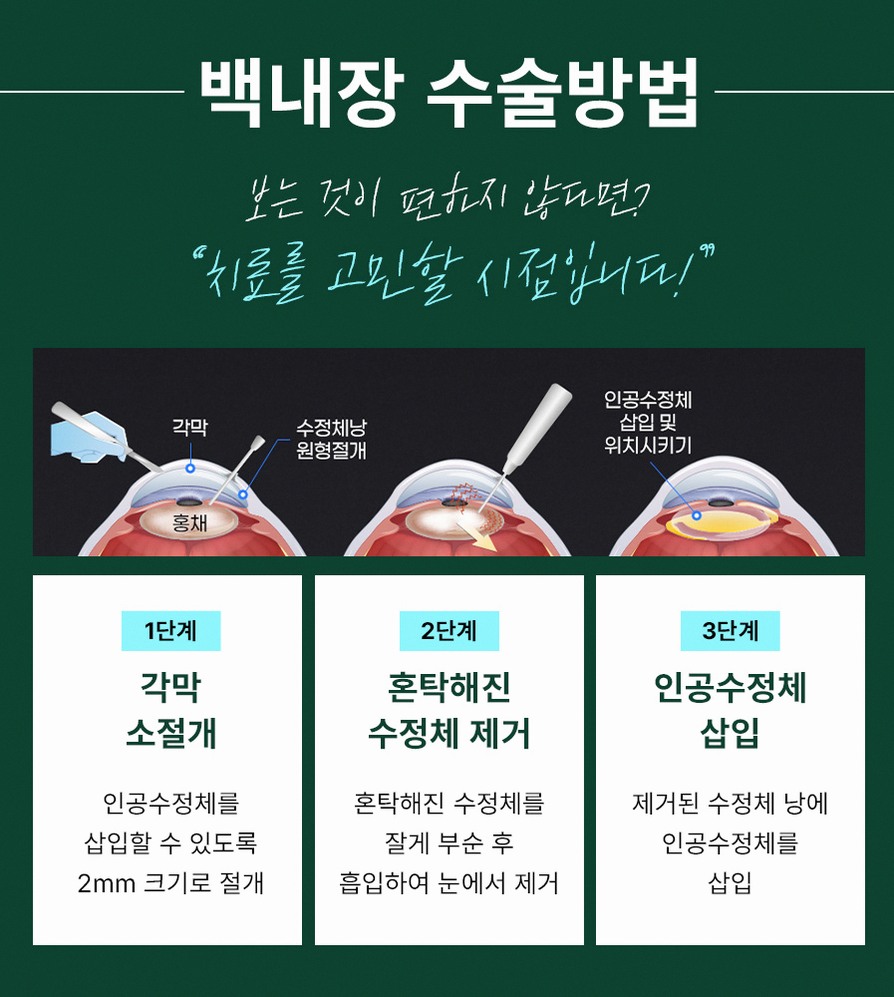
Modern cataract surgery is a highly refined procedure. It is usually done under local anesthesia with eye drops, as an outpatient, and typically takes less than 20 to 30 minutes per eye.
Standard phacoemulsification cataract surgery
In standard modern cataract surgery, the surgeon:
Makes a very small incision at the edge of the cornea.
Creates a circular opening in the front part of the lens capsule.
Uses ultrasound energy (phacoemulsification) to break the cloudy lens into tiny pieces.
Gently removes these pieces through the small incision.
Inserts a clear artificial intraocular lens (IOL) into the remaining lens capsule.
The incision is usually self-sealing and may not require stitches. Because the opening is so small, healing is generally quick and discomfort is mild.
Laser-assisted cataract surgery
Some Gangnam clinics also offer laser-assisted cataract surgery using a femtosecond laser. In this approach, the laser is used to:
Create precise corneal incisions.
Perform a highly accurate circular opening (capsulotomy) in the lens capsule.
Pre-fragment the cataract lens into smaller pieces before ultrasound.
Potential benefits of laser assistance can include more consistent incisions, a well-centered capsulotomy, reduced ultrasound energy inside the eye, and potentially more predictable positioning of the IOL. However, both conventional and laser-assisted methods are widely used and considered safe. The choice depends on your eye condition, the surgeon’s judgment, available technology, and your preferences.
Intraocular lens (IOL) options
During cataract surgery, the cloudy lens is replaced with a clear artificial lens that stays in your eye permanently. Choosing the right type of IOL is one of the most important decisions, especially for international patients who want to reduce dependence on glasses.
Monofocal IOLs
Monofocal lenses are designed to provide clear vision at one main distance, usually far. With a monofocal IOL set for distance:
You can often see well for driving and outdoor activities without glasses.
You will usually still need reading glasses for near tasks such as reading, smartphone use, or sewing.
Monofocal IOLs are often chosen by patients who prioritize crisp distance vision and do not mind wearing glasses for reading or computer work.
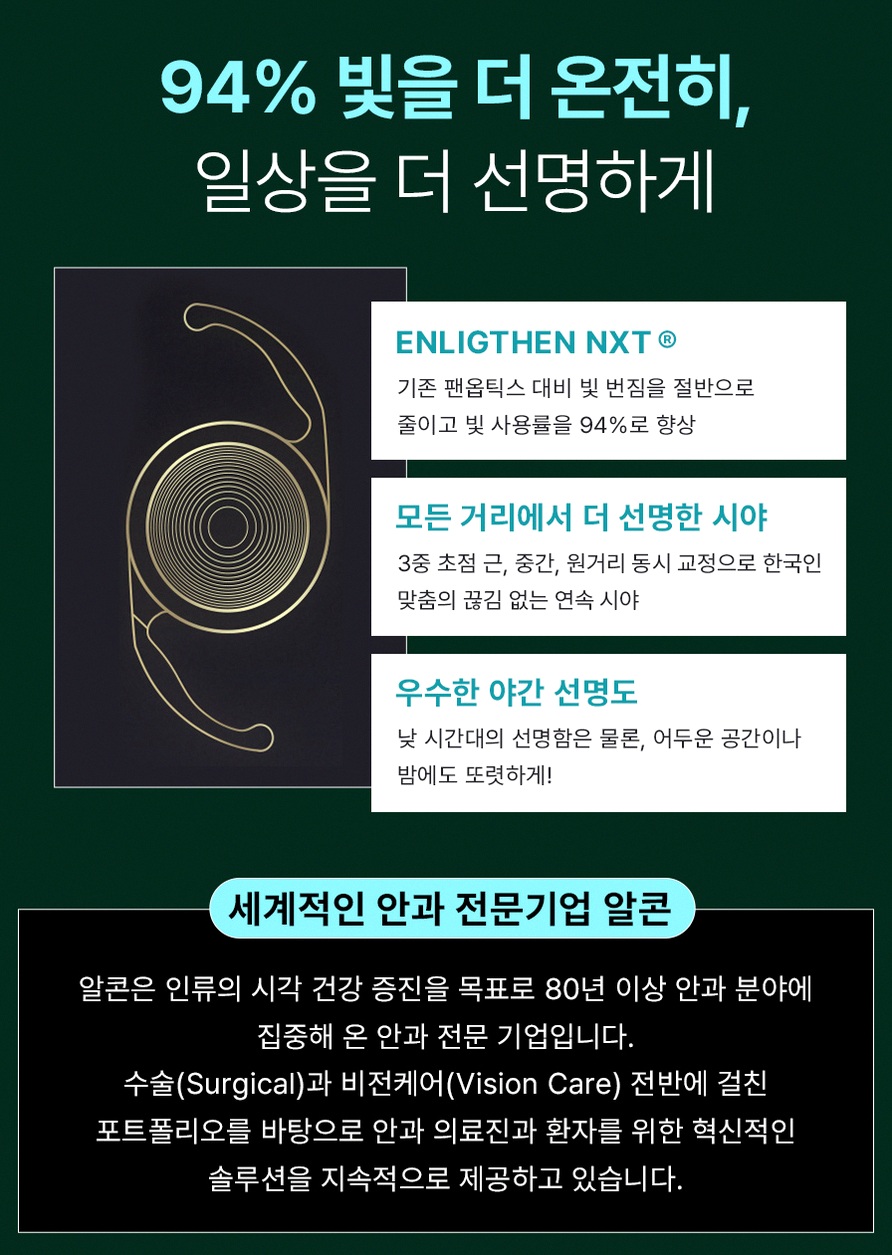
Multifocal and extended depth-of-focus (EDOF) IOLs
Multifocal and EDOF lenses are designed to give useful vision at more than one distance. They distribute light in a way that can allow you to see far, intermediate (computer distance), and near with less dependence on glasses.
Potential advantages:
Greater freedom from glasses for everyday activities.
Improved convenience for reading, using a smartphone, and working at a computer.
Possible trade-offs:
Halos or glare around lights, particularly at night.
Slightly reduced contrast sensitivity compared with monofocal lenses.
A period of adaptation as your brain learns to use the new visual system.
Because of these trade-offs, careful patient selection is important. Your occupation, night driving habits, sensitivity to glare, and any other eye diseases all need to be considered.
Toric IOLs for astigmatism
If you have significant astigmatism (an irregular curvature of the cornea), a toric IOL can be used to correct it during cataract surgery. This can:
Reduce or correct astigmatism.
Improve overall clarity.
Decrease the need for glasses for distance vision.
Choosing the right IOL
The best lens choice depends on several factors:
Occupation and lifestyle: Do you drive at night often? Do you read for long periods? Do you use digital devices all day? Do you play golf or other outdoor sports?
Tolerance for visual side effects: Are you very sensitive to glare or halos?
Other eye conditions: Macular degeneration, diabetic retinopathy, glaucoma, corneal problems, or previous eye surgery can influence which lens is suitable.
Personal preferences: Some people value maximum clarity at one distance, while others prefer greater independence from glasses.
In Gangnam, many ophthalmology clinics have extensive experience with a wide range of IOLs, including multifocal, EDOF, and toric options, and can guide you through the decision after a detailed examination.
Presbyopia and cataract together
Many people in their 50s and 60s experience both presbyopia (age-related difficulty focusing at near) and early cataracts. In such cases, lens-based surgery can address both issues at the same time.

By removing the early cataract and implanting a presbyopia-correcting lens (such as a multifocal or EDOF IOL), it may be possible to:
Clear the cloudy lens.
Improve distance vision.
Reduce the need for reading glasses.
However, not everyone is a candidate for multifocal or presbyopia-correcting lenses. Factors such as retina status, corneal health, pupil size, and overall eye anatomy are important. A thorough preoperative evaluation is essential to determine whether this approach is appropriate for you.
Safety, surgeon experience, and equipment
Cataract surgery has a strong safety record worldwide, but outcomes depend on careful planning, surgical skill, and proper aftercare. For international patients traveling to Gangnam, it is reasonable to pay attention to:
Surgeon experience: Surgeons who regularly perform cataract and refractive surgery tend to have refined techniques and protocols.
Cumulative case volume: A center that has managed a large number of cataract and vision correction cases over many years often has well-established systems for preoperative evaluation, surgery, and postoperative follow-up.
Retina support: Having a dedicated retina specialist or retina center on site is particularly valuable for patients with diabetes, macular disease, or high myopia.
Modern technology: Advanced diagnostic devices, femtosecond laser platforms, and a broad selection of premium IOLs support more individualized treatment planning.
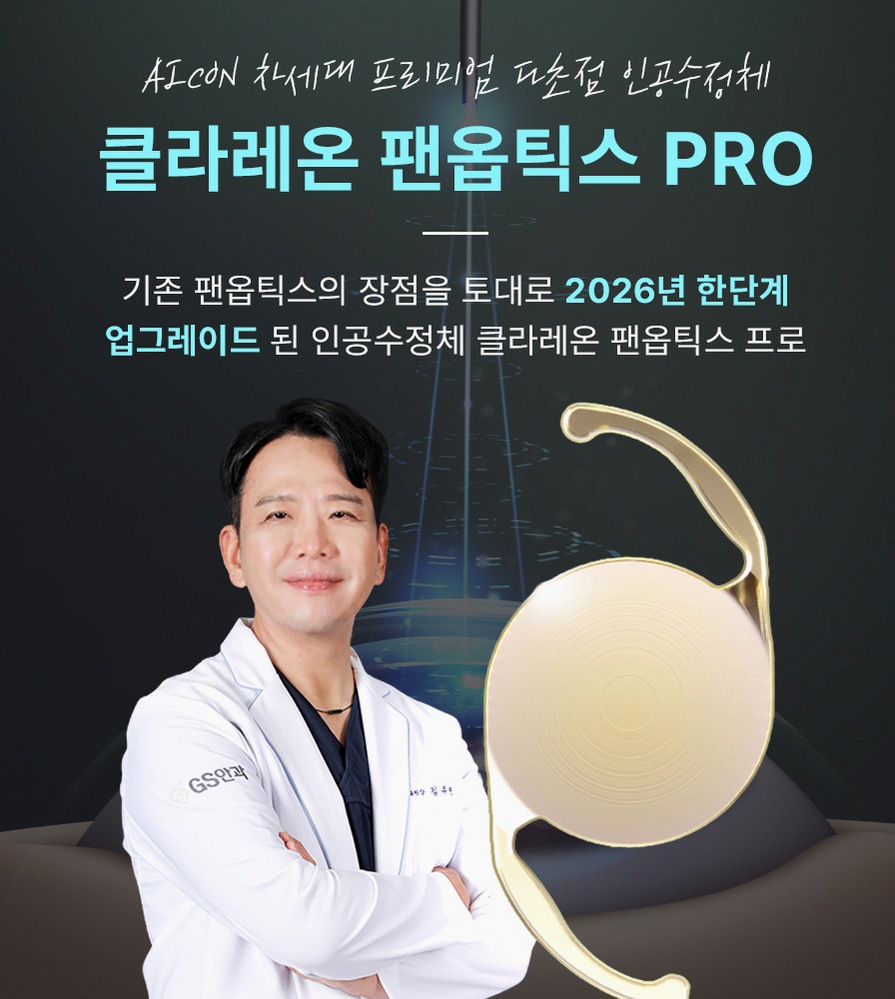
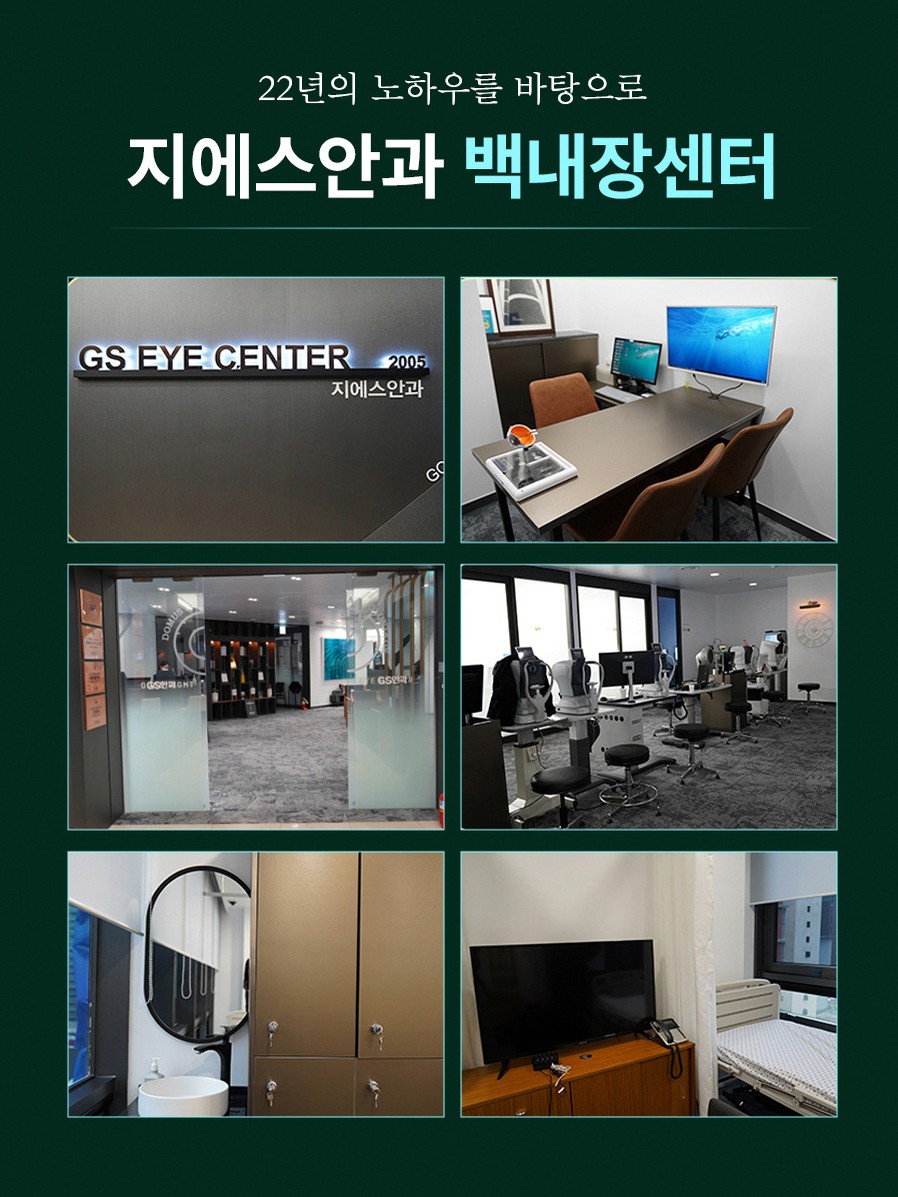
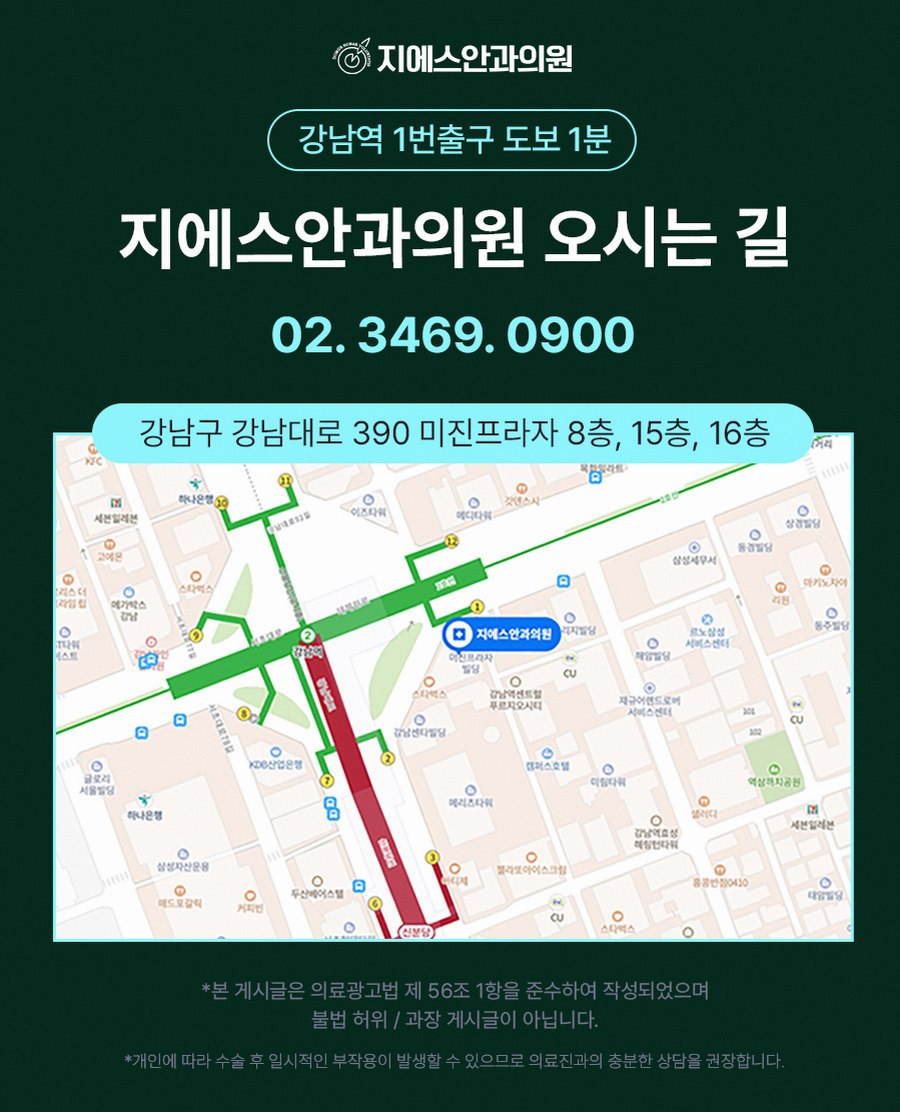
GS Eye Center in Gangnam, Seoul, for example, is an ophthalmology clinic established in 2005 near Gangnam Station, with experience in cataract and vision correction surgery and a separate retina center. It uses advanced laser systems and premium intraocular lenses and serves as a clinical education site for medical schools and industry partners, which can reassure overseas patients about the level of technology and expertise.
Surgery day and recovery timeline
For most patients, cataract surgery is a day procedure.
On the day of surgery
You will receive instructions about fasting and medications in advance. Usually:
You arrive at the clinic a bit before the scheduled time for final checks.
Eye drops are used to dilate the pupil and numb the eye.
You may receive mild sedative medication to help you relax.
The surgery itself typically takes 10–20 minutes per eye.
You will not feel sharp pain, but you may feel gentle pressure or see bright lights.
After a short rest, most patients can go back to their accommodation the same day.
Early recovery
In the first few days:
Vision often becomes noticeably clearer within 24–48 hours, though it may be slightly hazy at first.
You will use antibiotic and anti-inflammatory eye drops several times a day for a few weeks.
A protective shield or glasses are usually recommended, especially during sleep, to avoid accidental rubbing.
You should avoid rubbing or pressing on the eye, heavy lifting, swimming, and eye makeup for a period advised by your surgeon.
Mild dryness, foreign body sensation, or light sensitivity can occur but usually improve with time.
Stabilization and adaptation
Over the next few weeks:
Vision continues to stabilize as the eye heals and swelling subsides.
If you have multifocal or EDOF lenses, your brain gradually adapts to the new visual system (neuroadaptation). This can take several weeks to a few months.
Any remaining refractive error can be fine-tuned with glasses, and in some cases, additional procedures may be discussed.

Risks and possible complications
While cataract surgery is generally safe, all surgery carries some risk. Understanding these helps you make an informed decision.
Common, usually manageable issues:
Temporary dry eye or foreign body sensation.
Light sensitivity and mild discomfort.
Mild inflammation inside the eye.
Transient rise in intraocular pressure.
Less common but more serious complications:
Infection inside the eye (endophthalmitis).
Retinal detachment.
Macular edema (swelling in the central retina).
Significant residual refractive error (unexpected glasses prescription after surgery).
IOL decentration or dislocation.
Posterior capsule opacification (PCO)
Months or years after surgery, some patients develop a cloudy film behind the implanted lens, called posterior capsule opacification. This is not a “new cataract,” but it can blur vision again.
PCO is usually treated easily with a quick outpatient YAG laser capsulotomy. The laser creates a small opening in the cloudy capsule, restoring the clear light path. The procedure is brief and does not require incisions.
Choosing a clinic that performs thorough preoperative screening and has clear protocols for managing complications is important for safety, especially if you are traveling from overseas.
Who should be cautious
Cataract surgery can still be considered in many complex situations, but extra care and planning are needed if you have:
Advanced glaucoma.
Severe macular degeneration.
Significant diabetic retinopathy.
Previous retinal surgery or retinal detachment.
Very high myopia with thin or fragile retinas.
Systemic diseases such as uncontrolled diabetes or hypertension.
Use of blood thinners or other medications that affect bleeding.
These are not absolute contraindications, but they require detailed evaluation, coordination with your general physician, and realistic counseling about expected outcomes. For international patients, sharing your existing medical records and previous eye exam reports in advance is particularly helpful.
Preparing for an online consultation and your visit to Korea
Before traveling to Gangnam for cataract surgery, an online or remote consultation can help you decide whether the trip and procedure are suitable for you.
Information to prepare for online consultation:
Recent glasses prescriptions.
Any previous eye examination reports, especially from the last 1–2 years.
Medical history including diabetes, hypertension, heart disease, and medications (especially blood thinners and steroids).
List of current eye drops or medications.
Description of your main visual problems and daily activities.
Questions you may want to ask the clinic:
What diagnostic tests will be done on the first visit?
Am I likely to be a candidate for multifocal or toric lenses?
How many days should I stay in Korea for surgery and follow-up?
How are postoperative visits arranged for international patients?
What should I do if I have a problem after returning to my home country?
Expected Korea visit timeline for cataract surgery
Although each clinic has its own protocol, a typical schedule for overseas patients might look like this:
Day 1: Comprehensive eye examination, consultation, IOL selection, and surgery planning.
Day 2–3: First eye surgery (if not done on Day 1), immediate postoperative check.
Day 3–5: Follow-up visits to monitor healing; possible surgery for the second eye depending on your situation and the clinic’s policy.
Day 6–10: Additional follow-up and final check before you fly home.
Some patients have both eyes operated on a few days apart; others may have both eyes on the same day if the surgeon considers it appropriate and safe, and if local regulations and your health status allow. This should be discussed in detail during consultation.
Aftercare once you return home
After returning to your country, you should:
Continue using prescribed eye drops as instructed until the course is completed.
Avoid rubbing the eyes and protect them from trauma.
Arrange a follow-up visit with a local ophthalmologist to check healing and refractive status.
Contact the Korean clinic promptly if you experience sudden vision loss, severe pain, increasing redness, or flashes and floaters.
It is helpful to leave Korea with a written summary of your surgery details, IOL type and power, and postoperative instructions to share with your local doctor.
Frequently asked questions about cataract surgery
Is cataract surgery painful?
Cataract surgery is usually performed under local anesthesia with numbing eye drops. Most patients feel no sharp pain, only mild pressure or a sensation of touch. You may see bright lights during the procedure but should not feel discomfort. After surgery, some scratchy or foreign body sensation is normal for a short time and usually improves with prescribed drops.
How long does cataract surgery take, and when can I return to work or drive?
The surgery itself typically takes 10–20 minutes per eye, though you should plan to stay at the clinic longer for preparation and recovery. Many patients notice clearer vision within a day or two. Light office work can often be resumed within several days, depending on your comfort and your doctor’s advice. Driving is usually allowed once your vision meets legal requirements and your surgeon confirms it is safe, often within a few days to a week, but this varies by individual and local laws.
Can cataracts come back after surgery?
The cloudy natural lens is removed permanently, so the original cataract does not come back. However, the thin capsule that holds the artificial lens can become cloudy over time, causing blurred vision again. This is called posterior capsule opacification (PCO). It is treated with a quick YAG laser procedure that restores clarity and usually does not need to be repeated.
What is the difference between conventional and laser-assisted cataract surgery?
In conventional surgery, the surgeon manually creates the corneal incisions and the opening in the lens capsule and uses ultrasound to break up and remove the cataract. In laser-assisted surgery, a femtosecond laser performs some of these steps with high precision and can pre-fragment the lens. Both methods are widely used and considered safe. Laser assistance may offer more consistent incisions and lens positioning in some cases, but the overall outcome also depends on your eye condition and the surgeon’s experience.

How do I know if I am a good candidate for multifocal lenses?
You may be a candidate for multifocal or EDOF lenses if you have healthy retinas and optic nerves, relatively regular corneas, and realistic expectations about possible halos and glare. Your lifestyle is also important: people who drive at night extensively or are very sensitive to visual disturbances may prefer monofocal lenses. A detailed examination and discussion with your surgeon are necessary to decide whether the benefits of reduced dependence on glasses outweigh the potential trade-offs for you.
What if I have diabetes or other eye diseases?
If you have diabetes, glaucoma, macular degeneration, or other eye diseases, cataract surgery can still be performed in many cases, but planning is more complex. Your retina and optic nerve need careful evaluation, and your systemic condition should be well controlled. The presence of other eye diseases may influence the choice of IOL and the expected final vision. Coordination with your general physician and, if needed, a retina specialist is important.
Can both eyes be operated on the same day?
In some clinics and situations, both eyes can be operated on the same day, but this decision depends on your general health, eye condition, and local regulations. Many surgeons prefer to operate on one eye first, then the second eye a few days later, to monitor healing and reduce risk. For international patients with limited time in Korea, the schedule is often optimized to balance safety with travel convenience.
Soft call to action for overseas patients
If you are noticing cloudy vision, glare, or difficulty driving at night and are considering cataract surgery in Gangnam, an online consultation is a practical first step. By sharing your medical history and visual needs in advance, the clinic can advise whether cataract surgery with monofocal, multifocal, or toric lenses is suitable for you and outline a realistic treatment schedule for your stay in Korea.
GS Eye Center welcomes inquiries from international patients and can provide guidance on examination, surgery planning, and postoperative follow-up options. Reaching out in advance will help you travel with confidence, knowing what to expect at each stage of your cataract treatment journey.
- 공유 링크 만들기
- X
- 이메일
- 기타 앱


댓글
댓글 쓰기