Cataract Surgery Methods and Lens Options in Gangnam, Seoul
- 공유 링크 만들기
- X
- 이메일
- 기타 앱




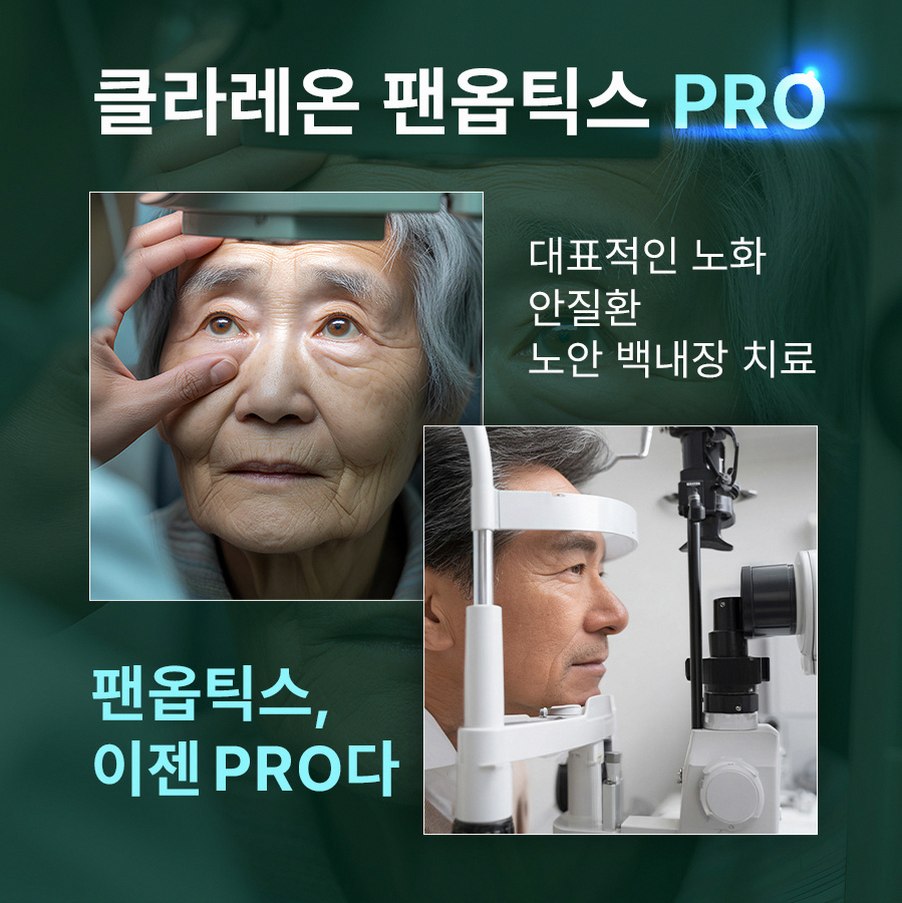


Direct answer summary
r can assist with some of the most delicate steps. Patients can choose between monofocal lenses, which focus at one distance, and presbyopia-correcting lenses such as multifocal, trifocal, extended depth of focus (EDOF), and toric lenses for astigmatism. The best method and lens choice depend on your eyes, lifestyle, and expectations, and should be decided after a detailed examination and consultation.
This guide explains the main cataract surgery methods, lens options, step-by-step process, and what international patients can expect when traveling to Seoul, including an example of how a Gangnam-based ophthalmology center such as GS Eye Center approaches safety and customization.
What Is Cataract Surgery?
A cataract is a clouding of the natural lens inside your eye. This lens normally focuses light onto the retina so you can see clearly. With age, or sometimes due to diabetes, eye injury, or medications, the lens becomes cloudy. Vision may become blurred, colors look faded, night driving becomes difficult, and you may feel as if you are looking through a foggy window.
Once a cataract significantly affects daily life, eye drops or glasses cannot reverse it. Surgery is the only definitive treatment. The basic principle of cataract surgery is simple: the cloudy natural lens is removed and replaced with a clear artificial intraocular lens (IOL) that stays in the eye permanently.
Modern cataract surgery is usually done as an outpatient procedure under local anesthesia. Most patients go home the same day and notice clearer vision within days, with further improvement over several weeks.
Main Cataract Surgery Methods
Conventional phacoemulsification cataract surgery
The most widely used method worldwide is conventional phacoemulsification. In this technique, the surgeon performs all key steps manually using fine instruments and an ultrasound handpiece.
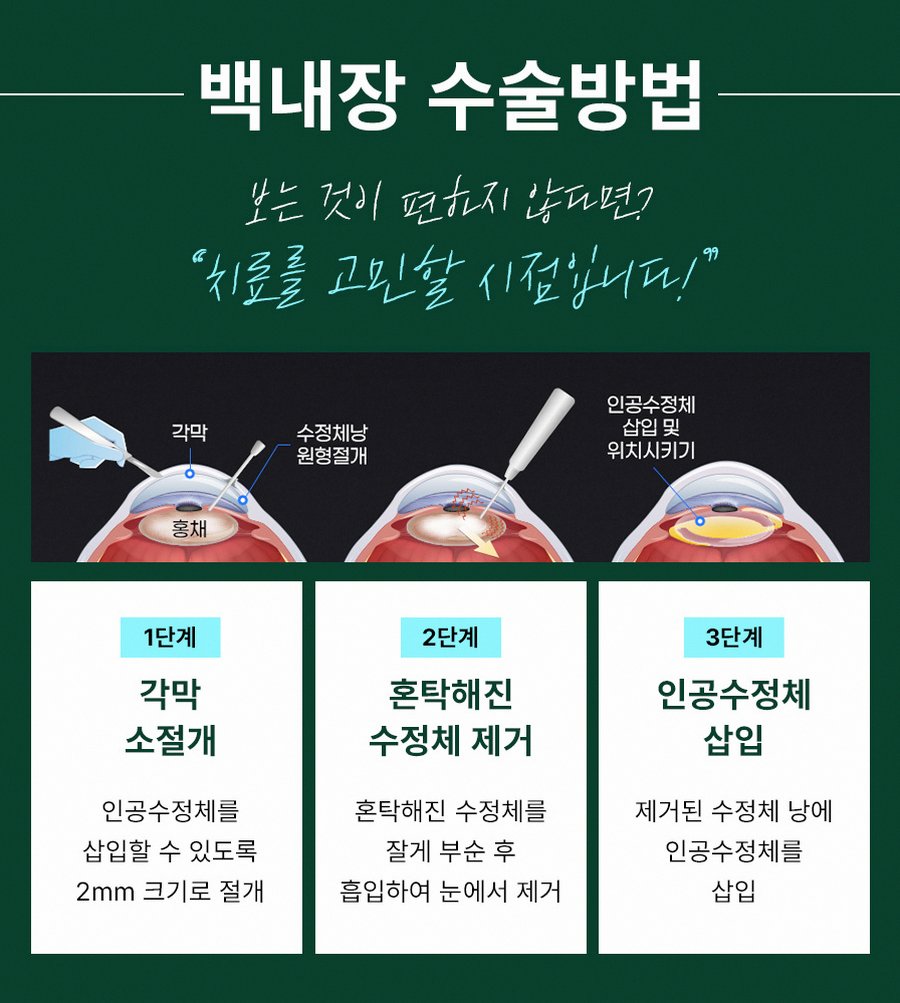
Step by step, it usually involves:
A very small incision is made at the edge of the cornea using a microsurgical blade.
A circular opening is created in the thin membrane (capsule) that surrounds the lens.
An ultrasound probe is inserted through the incision. It breaks the cloudy lens into tiny pieces and gently suctions them out.
A folded artificial IOL is inserted through the same small incision and unfolded inside the remaining capsule, where it is centered and positioned.
Advantages of conventional phacoemulsification include:
It is well established and has been refined over decades.
It uses a very small incision, which usually heals quickly.
Most patients experience relatively fast visual recovery.
However, the precision of each step, such as the shape of the capsule opening and the placement of the incision, depends heavily on the surgeon’s skill and experience.
Laser-assisted cataract surgery
Laser-assisted cataract surgery uses a femtosecond laser to help with some of the most delicate steps before the lens is removed with ultrasound. The laser is programmed using detailed images of your eye.
The laser can be used to:
Create the corneal incisions with high precision.
Make a round, centered opening in the lens capsule.
Pre-fragment the cataract into smaller pieces, so less ultrasound energy is needed.
Potential benefits of laser assistance, when used appropriately, may include:
More precise and reproducible incisions.
A more circular and centered capsule opening, which can help with stable IOL positioning.
Reduced ultrasound energy inside the eye in some cases, which may be gentler on the cornea.
It is important to understand that the laser does not replace the surgeon. It is a tool that assists with certain steps. The surgeon still removes the lens material and places the IOL, and overall results depend on both technology and surgical expertise.
In Gangnam, Seoul, many high-volume centers, including GS Eye Center, have adopted laser systems alongside conventional phacoemulsification. Not every patient needs or chooses laser assistance; the decision is usually based on eye measurements, cataract hardness, lens choice, and patient preference.
Lens Options: Monofocal vs Multifocal and Beyond
Monofocal intraocular lenses
Monofocal IOLs are the standard lens type used in cataract surgery. They are designed to focus at one main distance, most commonly far distance.
Key points about monofocal lenses:
Most people choose to have both eyes focused for distance vision.
You will usually need reading glasses for near tasks such as reading books, using a smartphone, or sewing.
In many healthcare systems, monofocal lenses are the basic option and may be fully or partly covered by insurance. Coverage details vary by country and insurance plan.
Monofocal lenses often provide clear, high-contrast vision at the chosen distance, with fewer visual side effects such as halos or glare compared with some multifocal designs.
Multifocal and trifocal intraocular lenses
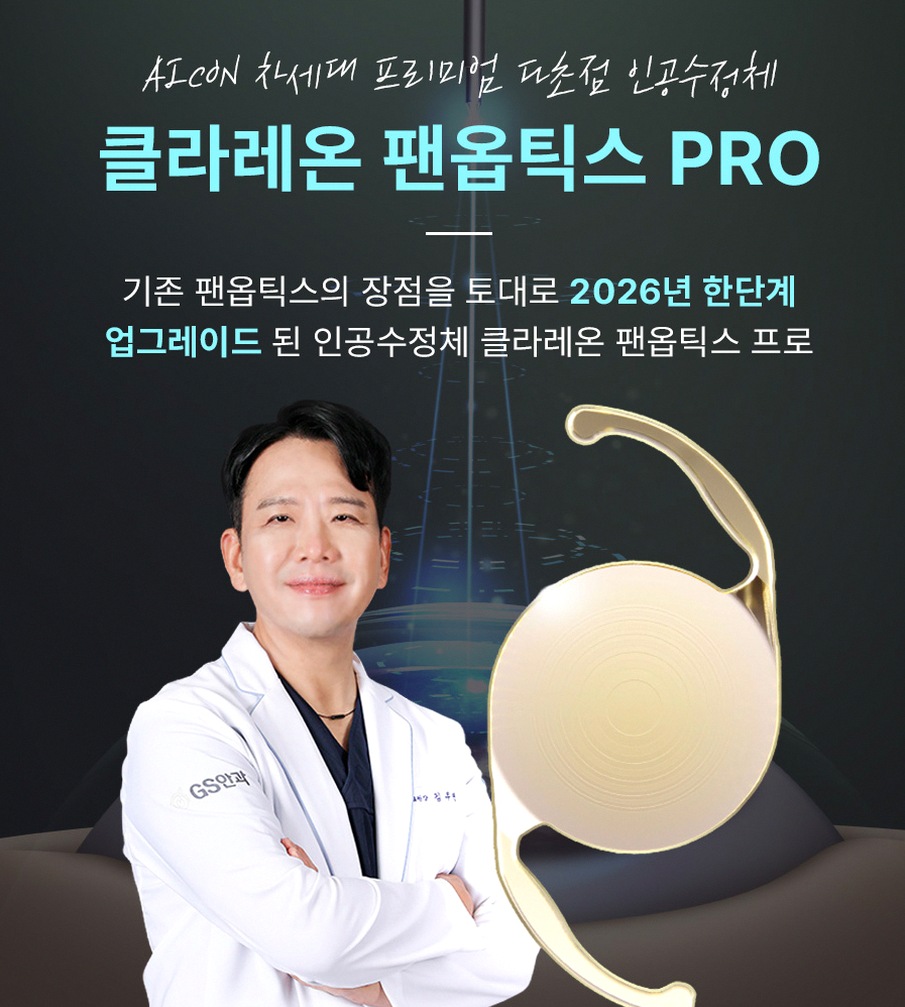
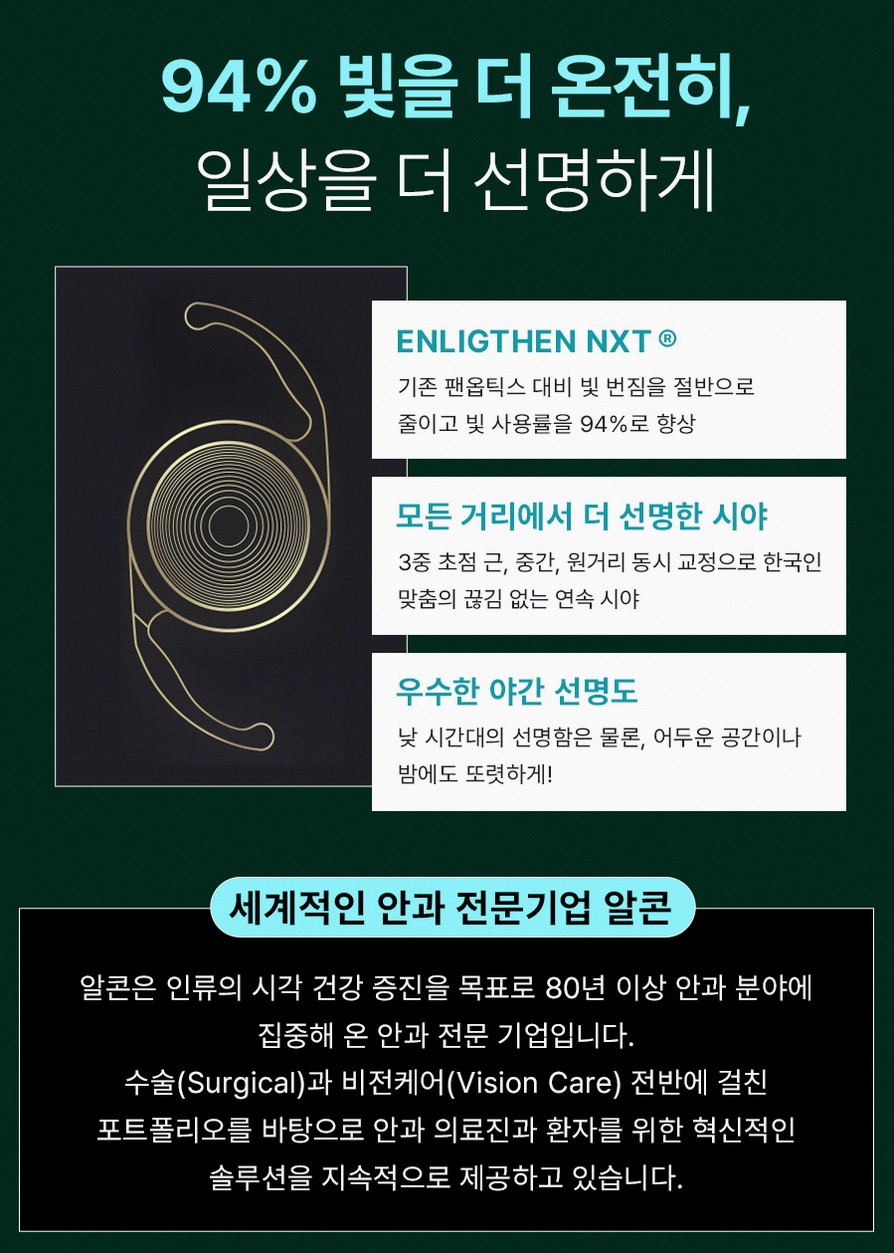
Multifocal and trifocal IOLs are designed to provide vision at more than one distance. A common example is a trifocal lens (similar to PanOptix-type designs), which aims to give good distance, intermediate (computer range), and near vision.
Their goals are:
To reduce dependence on glasses for daily activities.
To allow many patients to read, use a computer, and drive without glasses most of the time.
However, there are trade-offs to consider:
Some patients notice halos or rings around lights, especially at night.
Glare and reduced contrast sensitivity can occur, which may be more noticeable in dim lighting.
Not everyone adapts equally well to multifocal optics.
Because of these factors, careful patient selection is important. Your doctor will consider your night driving needs, tolerance for visual side effects, and any other eye conditions before recommending a multifocal or trifocal lens.
Extended depth of focus (EDOF) lenses
Extended depth of focus (EDOF) lenses are designed to provide a more continuous range of focus, usually from distance to intermediate, with smoother transitions.
Typical characteristics of EDOF lenses:
Good distance and intermediate vision, helpful for driving and computer work.
Many patients can manage everyday tasks with less dependence on glasses, but may still need reading glasses for very small print or prolonged close work.
Generally fewer halos and glare than some multifocal designs, although side effects can still occur.
EDOF lenses can be a good option for patients who want more freedom from glasses but are concerned about night vision symptoms.
Toric lenses for astigmatism
Astigmatism occurs when the cornea is more curved in one direction than another, causing blurred or distorted vision. Toric IOLs incorporate astigmatism correction into the lens design.
Benefits of toric lenses include:
Better uncorrected distance vision for patients with significant astigmatism.
Less dependence on glasses for distance, especially when combined with monofocal or certain presbyopia-correcting designs.
Toric technology can be combined with monofocal, multifocal, or EDOF optics, so patients with astigmatism also have choices for presbyopia correction.
Presbyopia-correcting cataract surgery
Presbyopia is the age-related loss of near focusing ability, usually noticed after the mid-40s. Cataract surgery offers an opportunity to address both cataract and presbyopia at the same time.
Presbyopia-correcting strategies include:
Multifocal or trifocal IOLs that provide multiple focal points.
EDOF lenses that extend the range of clear vision.
Blended or monovision approaches, where one eye is set slightly for near and the other for distance.
Not everyone is a good candidate for presbyopia-correcting lenses. Suitability depends on:
Corneal shape and regularity.
Retinal health, including conditions such as macular degeneration or diabetic changes.
Presence of glaucoma or other eye diseases.
Lifestyle and visual priorities, such as night driving, detailed near work, or outdoor sports.
Tolerance for possible halos, glare, or reduced contrast.
A detailed examination and discussion with your surgeon is essential to decide whether presbyopia-correcting cataract surgery is appropriate for you.
Step-by-Step: From First Visit to Recovery
Preoperative examination
Before cataract surgery, a comprehensive eye assessment is performed to confirm the diagnosis, check overall eye health, and plan the surgery.
This usually includes:
Measurement of visual acuity (how well you see at different distances).
Intraocular pressure measurement to screen for glaucoma.
Slit-lamp examination of the front of the eye, including the cornea, lens, and anterior chamber.
Dilated fundus examination to evaluate the retina and optic nerve.
Biometry to measure the length and shape of the eye and calculate the power of the IOL.
Corneal topography or keratometry to measure corneal curvature and detect astigmatism.
Screening for other eye diseases is crucial. Conditions such as macular degeneration, diabetic retinopathy, retinal tears, or advanced glaucoma can affect visual outcomes and may change the choice of lens or method.
At centers like GS Eye Center near Gangnam Station, cataract and vision correction surgeries are performed in high volume, with more than 300,000 cumulative procedures reported as of 2023. A dedicated retina team is available, which is particularly relevant for patients with retinal disease who are planning cataract surgery.
During the consultation, you should also discuss:
Your work and hobbies (for example, office work, driving, reading, sports).
How much you drive at night.
How important it is for you to reduce dependence on glasses.
Any history of eye surgery or trauma.
General health issues such as diabetes, blood pressure, or medications.
This information helps your surgeon recommend the most suitable IOL type and whether laser assistance is appropriate.
Day of surgery
Cataract surgery is usually done as an outpatient procedure.
Typical steps on surgery day:
You arrive at the center and complete basic checks.
Eye drops are used to dilate your pupil and numb the eye. Sometimes a small injection around the eye is given for additional comfort.
You remain awake but should not feel pain. You may feel gentle pressure or water sensation.
A small device keeps your eyelids open, and you are asked to look at a light.
For conventional phacoemulsification:
The surgeon makes a tiny incision at the edge of the cornea.
A circular opening is made in the lens capsule.
The cataract is broken into small pieces with ultrasound and removed.
The IOL is inserted and carefully positioned.
For laser-assisted cataract surgery:
The femtosecond laser is used first to create the corneal incisions, the capsule opening, and to pre-fragment the lens.
The surgeon then completes the removal of the lens fragments and implants the IOL.
The procedure is typically brief and is often completed during a short outpatient visit, though total time depends on cataract complexity and any additional steps (such as toric lens alignment).
After surgery and recovery
After the procedure:
You rest in a recovery area for a short time while staff check your eye and general condition.
An eye shield or protective cover is placed over the operated eye.
You receive instructions and prescriptions for eye drops, typically including antibiotic and anti-inflammatory drops to prevent infection and control inflammation.
Most patients go home the same day with a companion. Vision is often noticeably clearer within a few days, but it can be hazy at first due to dilating drops, swelling, or dryness.
Follow-up visits typically include:
The next day to check eye pressure, wound healing, and lens position.
Within one week to monitor recovery and adjust medications if needed.
Around one month to assess final visual outcome and update glasses if required.

Activity precautions usually include:
Do not rub or press on the eye.
Avoid heavy lifting, intense exercise, or bending your head very low for a short period.
Keep dirty water, swimming pool water, and hot tubs away from the eye until cleared by your doctor.
Use protective eyewear or a shield at night as instructed.
Most people can resume light activities such as walking and using a computer within a few days, but the exact timing for returning to work or driving should be confirmed with your surgeon.
Who May Consider Cataract Surgery in Korea
International patients may consider traveling to Seoul for cataract surgery if:
They have been diagnosed with visually significant cataracts.
They are interested in advanced lens options such as multifocal, trifocal, EDOF, or toric lenses.
They want access to laser-assisted cataract surgery and modern diagnostic equipment.
They prefer having surgery in a high-volume center with subspecialty teams, including retina specialists.
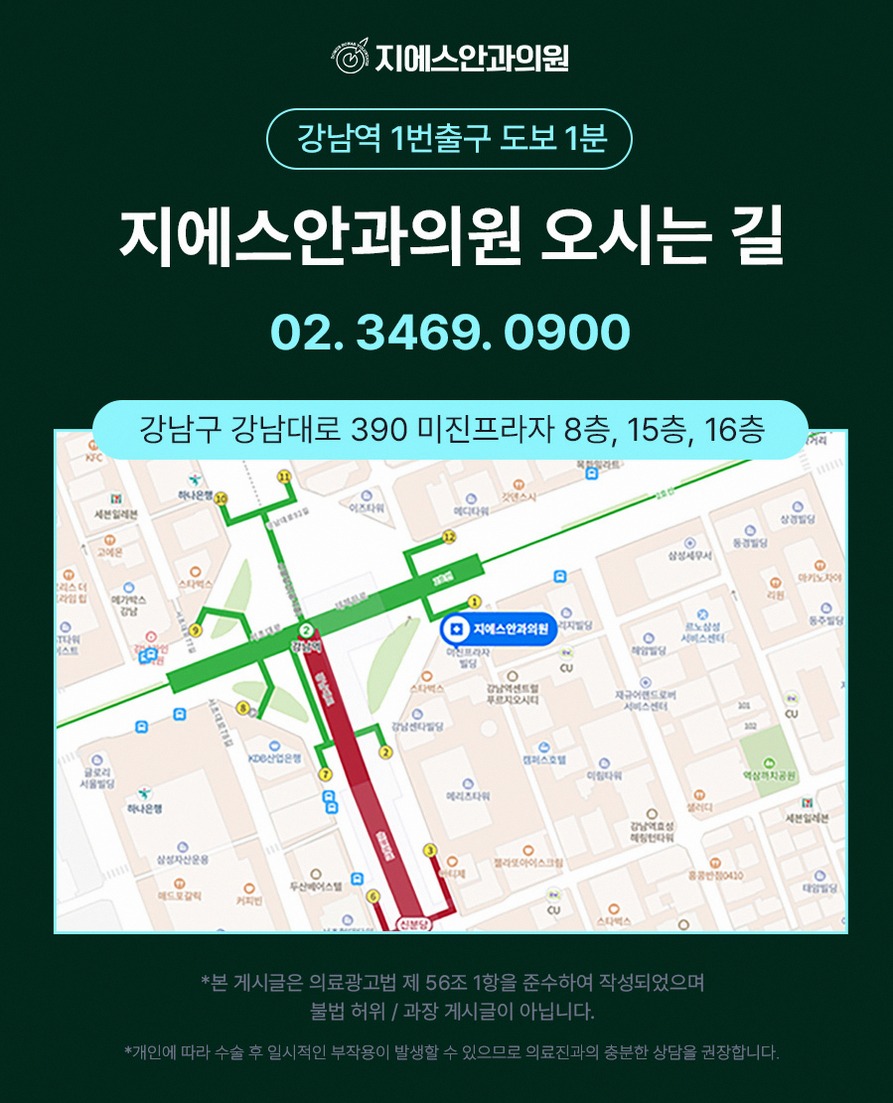
Seoul’s Gangnam area is convenient for medical travelers because of its dense concentration of medical facilities, hotels, and easy public transport. Clinics near Gangnam Station are accessible both for office workers and older patients who may have mobility concerns.
Online Consultation and Pre-Visit Preparation
Before traveling, many overseas patients start with an online consultation.
To make the most of this step, prepare:
A recent eye examination report if available, including visual acuity and any previous diagnoses.
Information about other health conditions such as diabetes, hypertension, or heart disease.
A list of medications you take, including blood thinners.
Details about your visual goals: for example, “I want to drive at night comfortably” or “I work long hours on a computer and read small print daily.”
Useful questions to ask during online consultation:
Am I likely to be a candidate for multifocal, trifocal, or EDOF lenses?
Do I have significant astigmatism that might need a toric lens?
Is laser-assisted cataract surgery recommended in my case?
How many days should I plan to stay in Korea for surgery and follow-up?
What follow-up care will I need once I return to my home country?
Sending any previous retinal scans, OCT images, or letters from your local eye doctor can help the Korean surgeon understand your eye condition better before you arrive.
Expected Korea Visit Timeline for Cataract Surgery
A typical medical travel schedule for cataract surgery in Seoul might look like this:
Day 1: Arrival in Seoul and rest.
Day 2: Full preoperative examination, measurements, and consultation about lens choices and methods. Final decision on surgery plan.
Day 3: Cataract surgery on one eye (or sometimes both eyes, depending on the surgeon’s protocol and your situation).
Day 4: First postoperative check. Light sightseeing or rest, following activity precautions.
Day 5–7: Additional follow-up visit if needed, then return home once the surgeon confirms that the eye is stable.
Some patients prefer to have each eye done on separate days, which may extend the stay. The exact schedule is personalized, so it is important to discuss timing during your online consultation.
Aftercare Once You Return Home
After returning to your country, you should:
Continue using prescribed eye drops as instructed, even after travel.
Avoid rubbing the eye and follow any remaining activity restrictions.
Arrange follow-up with a local eye doctor to check healing, eye pressure, and final vision.
Contact the Korean clinic if you notice warning signs such as severe pain, sudden drop in vision, many new floaters, or flashing lights.
Having a written summary of your surgery, lens type, and postoperative instructions in English can be helpful for your local doctor. Clinics like GS Eye Center can usually provide such documentation for international patients.

How to Choose the Right Method for You
Choosing between conventional and laser-assisted surgery, and between monofocal and presbyopia-correcting lenses, is not a one-size-fits-all decision.
Important factors include:
Age and general health.
Occupation and daily activities (for example, night driving, computer work, reading, sports).
Presence of other eye diseases such as macular degeneration, diabetic retinopathy, glaucoma, or severe dry eye.
Amount and type of astigmatism.
Sensitivity to possible side effects like halos and glare.
Budget and insurance coverage in your home country.
Before your consultation, it can help to write down:
Your top three visual priorities after surgery.
Situations where your current vision bothers you most.
Any previous experiences with contact lenses, monovision, or refractive surgery.
During the consultation, ask your surgeon to explain:
Which lens options are suitable for your eyes and why.
What level of glasses independence is realistic for you.
Whether laser assistance is likely to add meaningful benefit in your case.
What the plan is if you also have retinal or other eye conditions.
Safety, Risks, and How to Reduce Them
Cataract surgery is one of the most commonly performed eye operations worldwide and is generally very safe. However, like any surgery, it carries risks.
Possible complications include:
Infection inside the eye (endophthalmitis), which is rare but serious.
Bleeding inside the eye.
Inflammation or increased eye pressure.
Swelling of the cornea or macula (cystoid macular edema).
Dislocation or rotation of the IOL.
Posterior capsule opacification (sometimes called a secondary cataract), which can cause cloudy vision months or years later and is usually treated with a quick laser procedure.
Rare but serious complications that can threaten vision.
Risk reduction depends on:
Thorough preoperative evaluation to identify risk factors.
Experienced surgeons and standardized surgical protocols.
Use of modern equipment and sterile techniques.
Careful postoperative follow-up and adherence to eye drop schedules.
If you have other eye diseases, diabetes, or take blood thinners, discuss these openly with your surgeon so that your plan can be adjusted accordingly.
Choosing a Clinic and Surgeon in Gangnam, Seoul
When comparing centers in Gangnam, consider more than just price.
Useful points to check:
Whether the surgeons are experienced in both conventional and laser-assisted cataract surgery.
Availability of advanced diagnostic tools for corneal mapping, biometry, and retinal imaging.
Experience with a wide range of IOLs, including multifocal, trifocal, EDOF, and toric lenses.
Presence of retina specialists for patients with diabetic eye disease or macular problems.
Clear explanation of preoperative assessment, surgery process, and follow-up schedule for international patients.
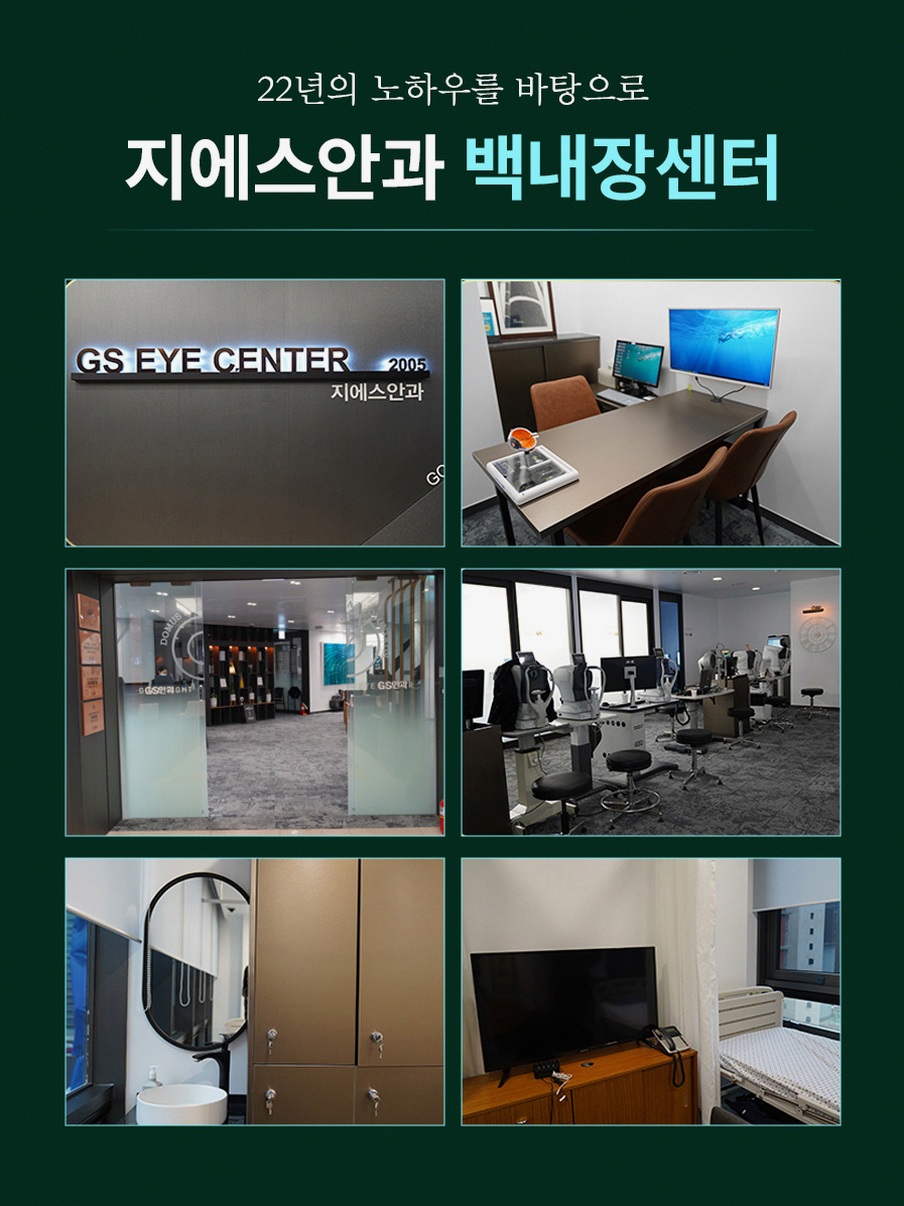
GS Eye Center, located near Gangnam Station, is an example of a long-standing ophthalmology center with seven board-certified ophthalmologists, including subspecialists in cataract, refractive, and retina care. It serves as a clinical education site for medical schools and industry training, which supports structured protocols and quality control.
For overseas patients, it is helpful to choose a center that can coordinate online consultations, provide English-language reports, and guide you on travel timing and aftercare.
Frequently Asked Questions
Is cataract surgery painful?
During cataract surgery, the eye is numbed with drops and sometimes a small injection around the eye. Most patients feel no pain, only mild pressure or a cool sensation from the fluid used to wash the eye. After surgery, the eye may feel slightly scratchy or sensitive for a day or two, but strong pain is uncommon. If you experience significant pain, you should contact your surgeon immediately.
How long does cataract surgery take?
The actual procedure usually takes about 10 to 20 minutes per eye, depending on the complexity of the cataract and any additional steps such as toric lens alignment. You should plan to stay at the center for a few hours in total to allow for preparation, surgery, and recovery time. International patients should also allow extra time for preoperative testing and postoperative checks.
When can I return to work or drive?
Many people can return to light office work within a few days, especially if their job does not involve heavy lifting or dusty environments. Driving can often resume once your vision meets legal standards and your surgeon confirms that it is safe, which may be within several days to a couple of weeks. The exact timing varies by individual, so always follow the specific advice given after your surgery.
Can cataract surgery also fix presbyopia?
Yes, cataract surgery can be combined with presbyopia correction by choosing appropriate IOLs such as multifocal, trifocal, EDOF, or by using blended vision strategies. These options aim to reduce dependence on reading glasses. However, not everyone is a suitable candidate, and some patients may still need glasses for certain tasks. A detailed examination and discussion of your lifestyle and expectations are essential before choosing a presbyopia-correcting lens.
What if I have other eye diseases like macular degeneration or diabetes?
If you have macular degeneration, diabetic retinopathy, glaucoma, or other eye conditions, cataract surgery may still be possible but the expected visual outcome and lens choices may be different. In some cases, presbyopia-correcting lenses are not recommended. Centers with dedicated retina specialists and advanced imaging, such as those in Gangnam, can evaluate your retina carefully and coordinate treatment. Be sure to inform your surgeon about all existing eye conditions and bring previous reports if available.
Soft call to action for online consultation
If you or a family member has been told that cataract surgery is needed and you are considering treatment in Seoul, an online consultation can be a practical first step. You can share your medical history, discuss lens options such as monofocal, multifocal, EDOF, or toric lenses, and plan the timing of your visit. Centers like GS Eye Center in the Gangnam area are accustomed to seeing international patients and can help you understand which cataract surgery method and lens choice may fit your eyes and lifestyle.
This article is for general information only and does not replace a personal consultation with a qualified ophthalmologist. Individual situations vary, and all decisions about diagnosis and treatment should be made in direct discussion with your eye specialist.

- 공유 링크 만들기
- X
- 이메일
- 기타 앱


댓글
댓글 쓰기