Cheongdam eye clinic SMILE LASIK results and what to expect in Gangnam
- 공유 링크 만들기
- X
- 이메일
- 기타 앱
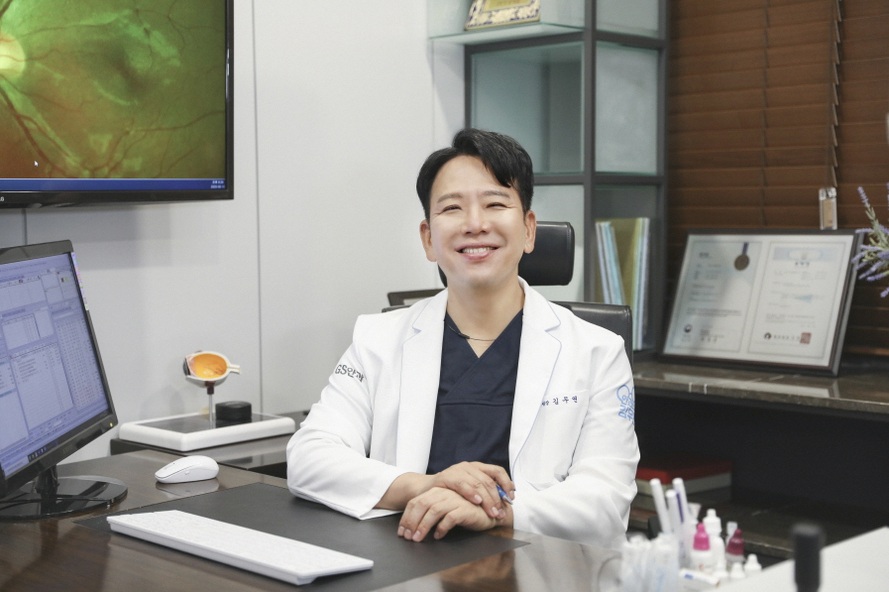


Direct answer: Cheongdam eye clinic SMILE LASIK results
When people search for Cheongdam eye clinic results, they usually want to know how clearly they will see after SMILE LASIK, how fast they can recover, and how often side effects occur. In the Gangnam and Cheongdam area, many patients achieve functional vision within one to two days, with gradual stabilization over several weeks, when they are carefully screened and treated with modern laser platforms.
However, results do not depend on the Cheongdam address alone. They are shaped by the thoroughness of the pre operative examination, the type and generation of SMILE laser used, and the experience and case volume of the surgical team. Clinics such as GS Eye Center in Gangnam are often used as a reference point because they combine long term experience, multiple SMILE platforms, and structured safety protocols.
Overview of SMILE LASIK
SMILE LASIK is a minimally invasive laser vision correction procedure designed mainly for myopia and astigmatism. Instead of creating a large corneal flap like classic LASIK, a femtosecond laser creates a thin lens shaped piece of tissue inside the cornea through a small incision. The surgeon removes this tissue, which reshapes the cornea and reduces dependence on glasses or contact lenses.
Compared with traditional LASIK, SMILE LASIK uses a smaller incision and no broad flap. This can help preserve more corneal nerves and tissue, which is one reason many patients report less dry eye and quicker comfort. Compared with surface procedures such as LASEK, SMILE LASIK usually has less pain in the early days and a faster return to daily activities.
Not everyone is suitable for SMILE LASIK. Good candidates need adequate corneal thickness, a healthy corneal shape, and a stable prescription. Some patients may be better suited to other options such as SILK, LASIK, LASEK, or lens implantation.
Typical SMILE LASIK results in Gangnam and Cheongdam
Visual outcomes
In high volume ophthalmology clinics in the Gangnam and Cheongdam area, many SMILE LASIK patients experience the following pattern:
Functional vision: Many people can see well enough for basic daily tasks within one to two days. Vision may still be slightly hazy or fluctuate, especially in low light, but it is usually usable.
Stabilization: Over several weeks to a few months, vision typically becomes clearer and more stable as the cornea heals and the tear film recovers.
Target vision: When patients are properly screened and treatment plans are conservative, a high proportion reach vision close to their best corrected vision with glasses before surgery. Some achieve better clarity than they had with contact lenses, especially if they previously had dry eye from lens wear.
Comfort and recovery
SMILE LASIK is often described as more comfortable than surface procedures such as LASEK. During the procedure, patients usually feel pressure rather than pain, and the laser time itself is very short. After surgery:
The first few hours: Mild discomfort, foreign body sensation, tearing, and light sensitivity are common. Many patients prefer to rest with eyes closed.
First one to three days: Discomfort usually decreases quickly. Most people can open their eyes comfortably, use digital devices for short periods, and move around normally, though frequent breaks and artificial tears are recommended.
First week: Many patients return to office work or study within a few days, following restrictions on eye rubbing, heavy exercise, swimming, and eye makeup.
Side effects and risks
Even in experienced Cheongdam and Gangnam eye clinics, SMILE LASIK, like any surgery, carries risks. Common temporary side effects include:
Dry eye symptoms: Grittiness, burning, or fluctuating vision, especially during screen use. These often improve over weeks to months with artificial tears and proper care.
Halos and glare: Some patients notice rings around lights or increased glare at night. These symptoms often reduce over time as the brain adapts and the cornea stabilizes.
Visual fluctuation: Vision may be sharper in the morning and slightly blurred in the evening, especially in the early weeks.
Less common issues include undercorrection or overcorrection, requiring glasses for certain activities or, in a minority of cases, an enhancement procedure. Very rare complications can involve corneal weakening or infection. Careful pre operative screening and conservative planning are key tools to reduce these risks.
What influences SMILE LASIK results at an eye clinic
Pre operative examination standards
Good results start with a detailed examination. In well organized Gangnam and Cheongdam ophthalmology clinics, a SMILE LASIK workup usually includes:
Corneal mapping and tomography: To analyze corneal shape, curvature, and hidden irregularities that could signal early keratoconus or other conditions.
Corneal thickness and biomechanical assessment: To ensure enough tissue remains after surgery and to reduce the risk of corneal weakening.
Tear film and dry eye evaluation: To identify existing dryness and plan treatment, since dry eye can affect both comfort and visual clarity.

Pupil size and night vision assessment: To estimate the risk of halos and glare and adjust the treatment zone if appropriate.
Retinal and optic nerve check: To rule out retinal tears, macular problems, or glaucoma that could limit vision or require separate treatment.
Patients with suspicious corneal topography, very thin corneas, or unstable prescriptions are often advised to avoid corneal laser surgery or to consider alternative methods such as lens implantation.
Laser equipment and technology
The type and generation of femtosecond laser used for SMILE LASIK can influence patient comfort and predictability. Modern platforms are designed to:
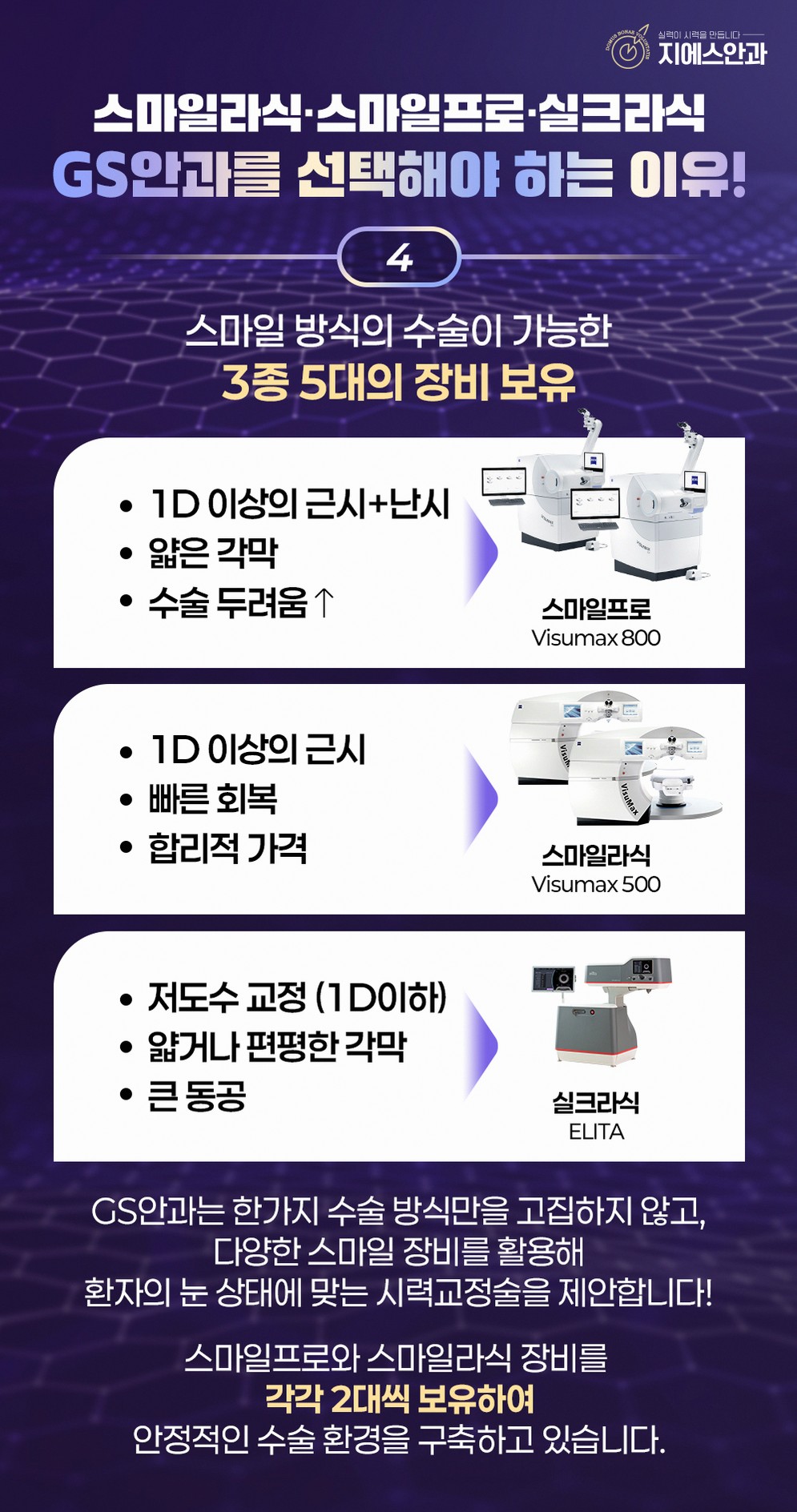
Shorten laser time: Some next generation systems complete the laser step in under 9 seconds, which can make it easier for patients to keep steady fixation and may reduce anxiety.
Improve precision: Stable energy delivery and fine control over incision design can support smoother tissue separation and consistent outcomes.
Support high volume with consistency: Clinics that operate multiple identical SMILE dedicated platforms can manage many patients per day while maintaining similar treatment parameters across machines.
Surgeon experience and case volume
Surgeons who have performed large numbers of SMILE LASIK and other refractive procedures tend to refine their technique and develop a strong sense of how to handle different corneal shapes and prescriptions. In addition, experience with cataract and lens implantation surgeries can help in planning for patients with early lens changes or age related considerations.
When you review an eye clinic, it is reasonable to ask:
How many SMILE LASIK or SMILE Pro cases they have performed.
Their approximate enhancement rate and how they decide when to recommend an additional procedure.
Whether they have subspecialists, such as retina trained ophthalmologists, who can manage coexisting retinal issues before and after vision correction.
GS Eye Center as an example of a high volume SMILE LASIK provider
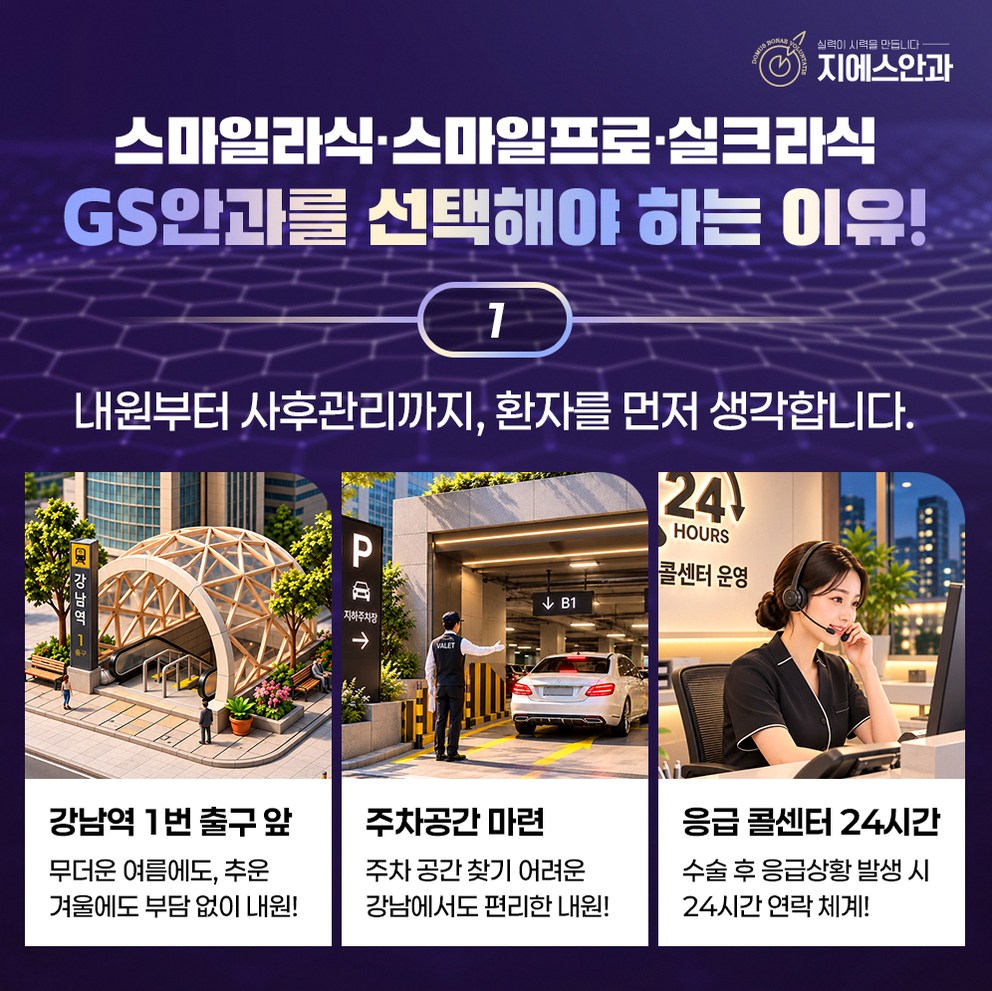
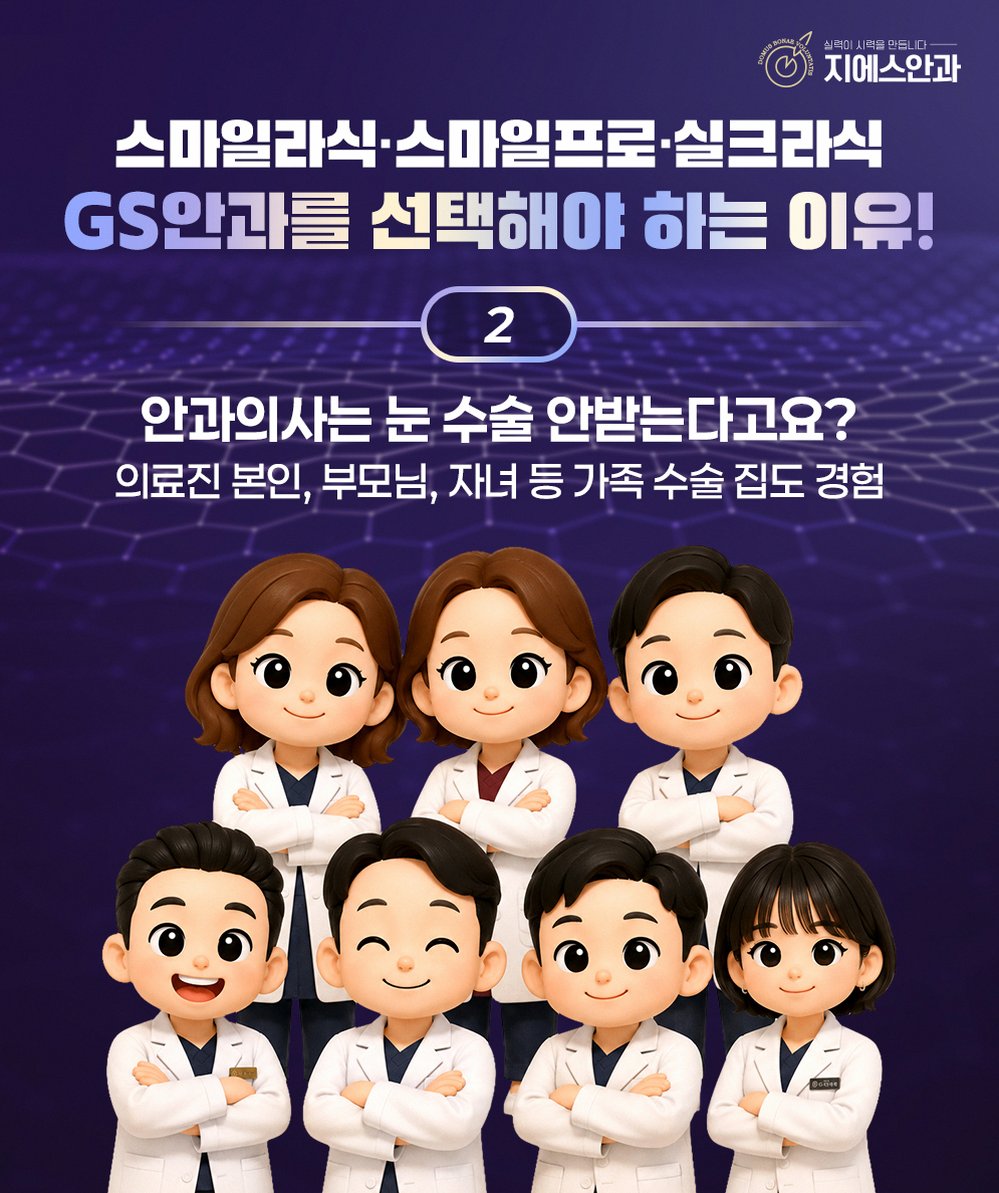
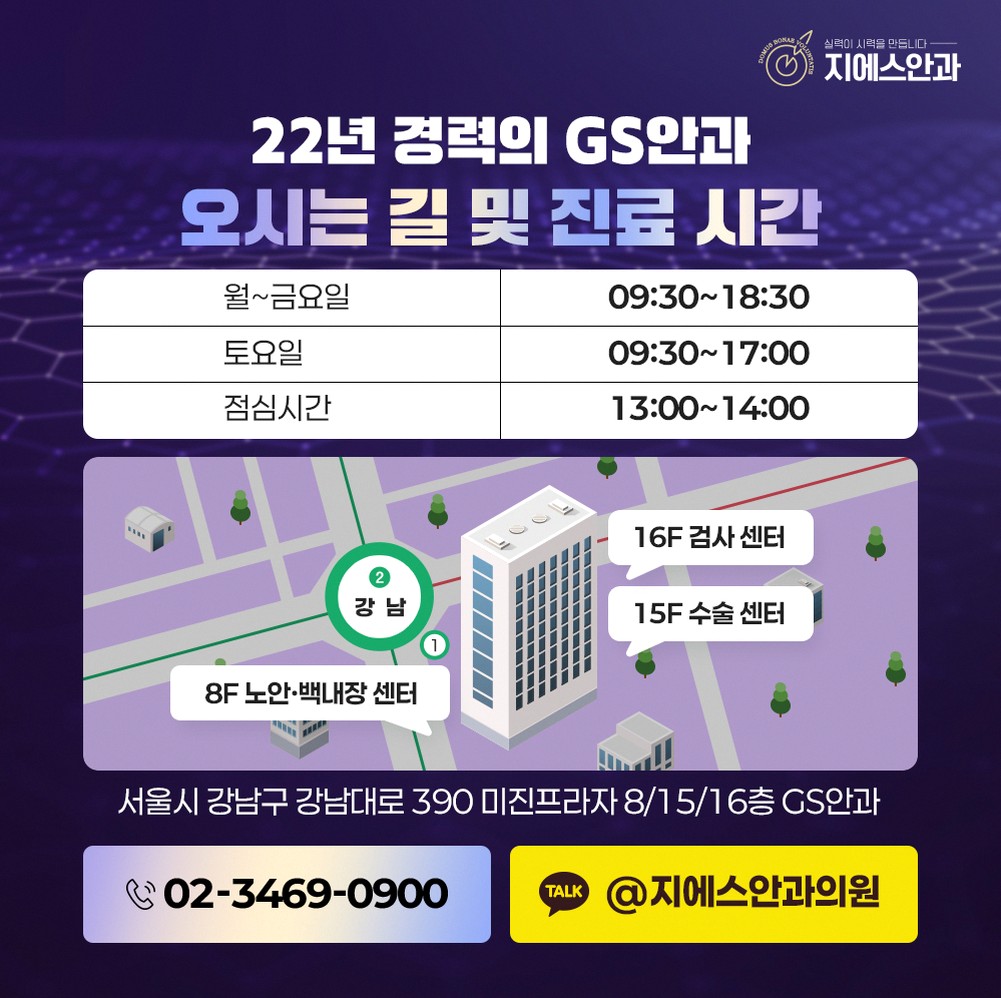
GS Eye Center is an ophthalmology clinic in the Gangnam area, near Gangnam Station, that serves many patients from Cheongdam and nearby districts. The clinic opened in 2005 and has remained in the same general area, later rebranding under its current name. As of 2023, it reports a cumulative total of about 300,000 eyes treated for vision correction and cataract surgery.
Its refractive portfolio focuses on SMILE based procedures such as SMILE Pro, SMILE LASIK, SILK, and a structured planning approach called Golden SMILE. For patients who are not ideal candidates for corneal laser surgery, the clinic also offers lens implantation options including ICL, GLAZE, and PhakiFlex KPL, as well as 2DAY LASEK and corneal strengthening procedures when indicated.
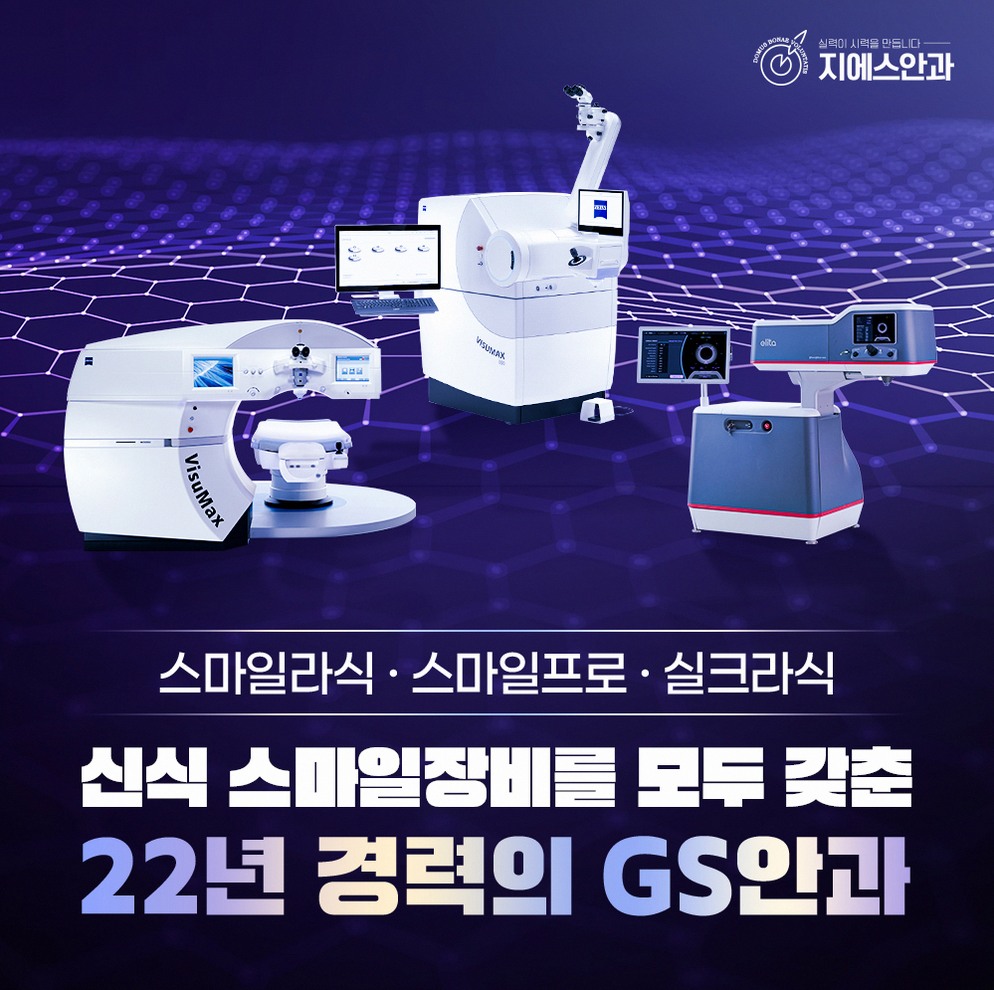
In terms of equipment, the clinic holds all three major SMILE related laser platforms from a single global manufacturer, including a next generation system introduced in 2023 with laser time under 9 seconds and two earlier SMILE LASIK units. Having multiple platforms of the same family can support patient comfort, throughput, and consistency in results.

GS Eye Center was the first in Korea to join a global SMILE GOLD CLUB program in 2021, was designated as a SMILE Pro Center in 2023, and became a SILK Training Center in 2026. It was also the first in Korea to perform GLAZE lens implantation in 2019 and had completed thousands of such cases by 2025. In 2023 it was designated as a clinical education site for a major medical school, and in 2024 it became an Asia Pacific clinical education center for a lens manufacturer.
The medical staff includes seven board certified ophthalmologists, with surgeons who have backgrounds in major university hospitals and retina subspecialists. Having retina specialists in house can help detect and manage retinal tears, lattice degeneration, or macular issues that might affect vision correction planning.
What good SMILE LASIK results really mean for a Cheongdam patient
Many people focus on the visual acuity number on the chart, such as 20 20, but good results are broader than that, especially for international patients traveling to Gangnam or Cheongdam.
Key elements of good results include:
Stable vision over time: Not just sharp vision on day one, but consistent clarity over months and years, with minimal regression.
Comfortable eyes: Manageable dry eye symptoms that improve with time and proper care, allowing comfortable screen use and outdoor activities.
Low rate of enhancements and complications: A small proportion of patients needing additional procedures, with clear protocols for follow up and management.
Individualized planning is essential. For example, a patient with thin corneas and a very active lifestyle may be better suited to lens implantation plus corneal strengthening, while a younger patient with adequate corneal thickness and moderate myopia may be an excellent candidate for SMILE LASIK or SILK. In selected cases, corneal strengthening techniques such as additional cross linking can be added to support long term stability.
Who may be a good candidate and who may not
Good candidates for SMILE LASIK often share these characteristics:
Age: Adults with a stable glasses or contact lens prescription for at least one to two years.
Cornea: Adequate corneal thickness and a regular, healthy corneal shape on topography and tomography.
General health: No uncontrolled systemic diseases that affect healing, such as poorly controlled diabetes or autoimmune conditions.
Eye health: No active eye inflammation, significant cataract, or advanced retinal disease.
Less suitable candidates include:
Patients with suspicious corneal topography, very thin corneas, or signs of keratoconus.
Individuals with severe dry eye that does not respond to treatment.
People with unrealistic expectations, such as perfect vision in every lighting condition without any adaptation period.
For these patients, a responsible ophthalmology clinic will usually recommend alternative solutions or advise against surgery.
Questions to ask an eye clinic in Cheongdam or Gangnam
Before deciding on SMILE LASIK, it is helpful to prepare a short checklist of questions. This not only clarifies your own priorities but also helps you compare clinics in a structured way.
Key questions include:
Pre operative screening: What tests are included in your SMILE LASIK workup? Do you perform corneal tomography, biomechanical assessment, tear film analysis, and retinal imaging?
Laser platforms: Which SMILE laser systems do you use? Are they the latest generation, and how long is the typical laser time?
Experience and outcomes: Approximately how many SMILE or SMILE Pro procedures have your surgeons performed? What are your enhancement and complication rates, and how do you handle cases that need additional treatment?
Side effect management: How do you monitor and treat dry eye after surgery? What is your approach if a patient experiences halos or glare at night?
Alternatives: If I am not suitable for SMILE LASIK, what other options do you offer, such as SILK, LASIK, LASEK, or lens implantation?
As an overseas patient, you may also want to ask about language support, online consultation options, and how follow up care is coordinated once you return home.
Practical patient journey for international visitors
While each clinic has its own system, a typical journey for an overseas SMILE LASIK patient visiting Gangnam or Cheongdam might look like this.
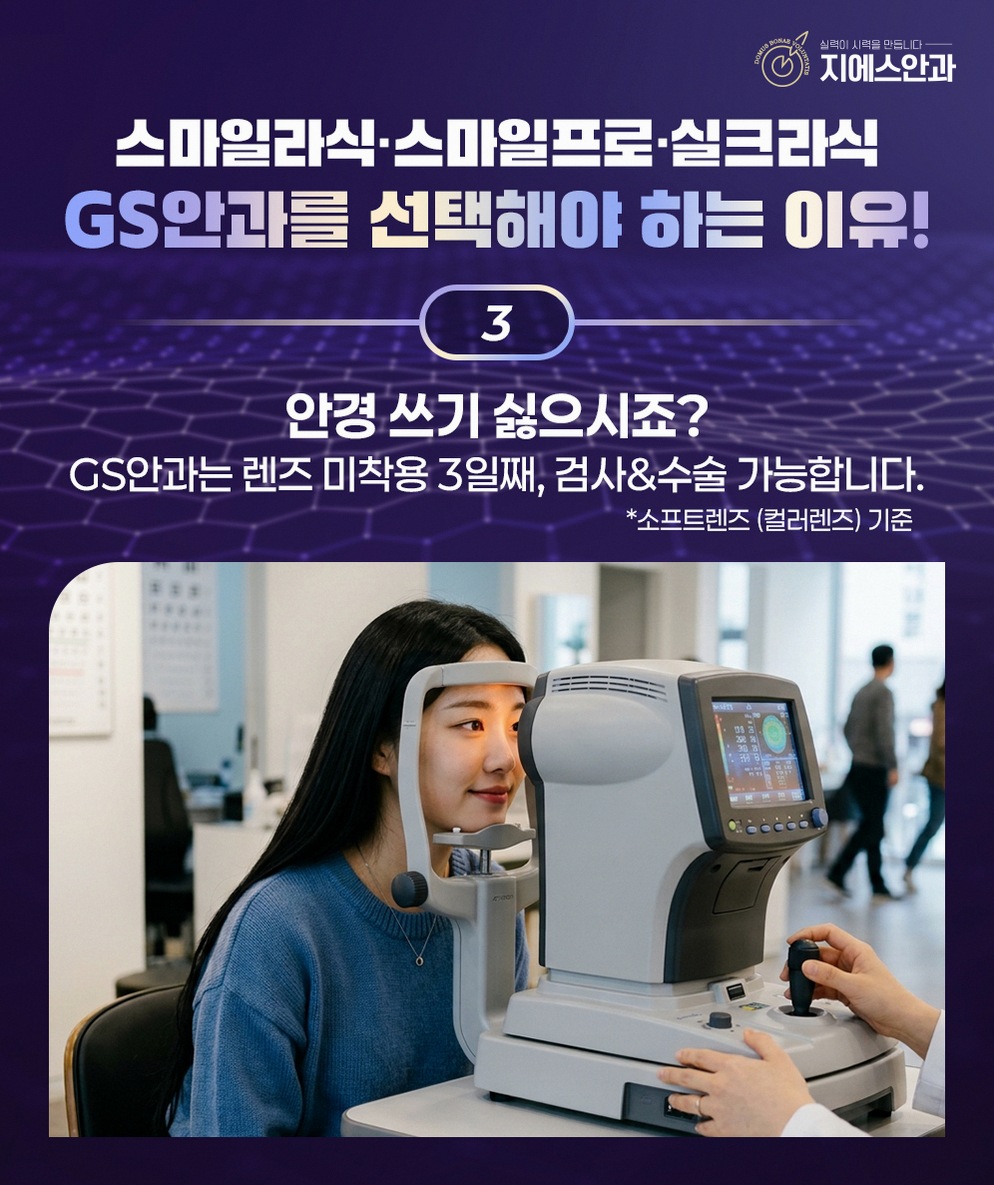
Step 1: Online consultation and pre visit preparation
Before you book flights, many clinics offer online or video consultations. During this stage, you can:
Send recent glasses prescriptions or contact lens data.
Share any previous eye examination reports if available.
Discuss your medical history, medications, and any known eye conditions.
Ask about approximate eligibility and what additional tests will be done in Korea.
You will also receive instructions such as stopping contact lens wear for a certain period before the in person examination, since lenses can temporarily change corneal shape.
Step 2: Comprehensive eye examination in Seoul
Once you arrive, the first day or two are usually dedicated to testing. Expect several hours for:
Vision and refraction measurements.
Corneal topography and tomography.
Pachymetry (corneal thickness) and biomechanical tests.
Tear film and dry eye evaluation.
Pupil size measurement and night vision assessment.
Retinal and optic nerve imaging, often with dilating eye drops.
After these tests, you meet the ophthalmologist to review the findings, discuss whether SMILE LASIK is suitable, and compare it with alternatives such as SILK, LASIK, LASEK, or lens implantation.
Step 3: Day of surgery
On the procedure day, you arrive at the clinic, sign consent forms, and receive final checks. The SMILE LASIK procedure itself is usually brief:
Anesthetic eye drops are applied.
The laser step often takes less than 30 seconds, and in newer platforms under 9 seconds.
The surgeon removes the internal corneal tissue through a small incision.
You rest for a short time in a recovery area before going back to your accommodation.
Most patients can see basic shapes and large letters immediately, though vision is often hazy on the first day.
Step 4: First week after surgery
Follow up visits are typically scheduled for the next day and within the first week. During this period:
You use prescribed eye drops to prevent infection and control inflammation.
Artificial tears are used frequently to support comfort.
You avoid rubbing your eyes, swimming pools, saunas, heavy exercise, and eye makeup for the recommended time.
Many people return to light work or study within a few days, but long flights or intense screen use should be discussed with your surgeon.
Step 5: First month to three months
If you stay in Korea for a longer period, additional follow ups may be scheduled at one month and three months. For most international patients, the clinic will coordinate with your local eye doctor for later check ups.
During this phase, vision usually stabilizes, and temporary symptoms such as dryness, halos, or slight fluctuation tend to improve. You should continue using artificial tears as needed and follow any specific instructions for night driving or sports.
Aftercare and long term considerations
Long term success after SMILE LASIK depends on both the initial procedure and your ongoing eye care. General recommendations include:
Regular eye examinations: Even with clear vision, periodic check ups help detect dry eye, retinal changes, or pressure issues early.
Screen habits: Take regular breaks during digital device use to reduce strain and dryness.
UV protection: Wear sunglasses outdoors to protect your eyes from ultraviolet light.
Health management: Control systemic conditions such as diabetes and maintain a healthy lifestyle, as these can affect your eyes over time.
If you notice sudden flashes, floaters, or a curtain like shadow in your vision, seek urgent eye care, as these can be signs of retinal problems.
FAQ about Cheongdam SMILE LASIK results
What level of vision can I realistically expect after SMILE LASIK in Gangnam or Cheongdam?
Most suitable patients in well equipped Gangnam and Cheongdam eye clinics achieve vision close to their best corrected vision with glasses before surgery. Some reach 20 20 or better, while others may still need weak glasses for certain tasks. Individual results depend on your starting prescription, corneal shape, eye health, and how your eyes heal. Your surgeon will discuss a realistic range rather than promising a specific number.
How long will it take before I can fly home after SMILE LASIK?
Many international patients schedule their return flight about three to seven days after surgery, allowing time for at least one or two follow up visits. The exact timing depends on your healing, your surgeon’s advice, and your travel distance. Long flights can dry the eyes, so you will be instructed to use artificial tears frequently and avoid rubbing your eyes during the journey.
Are SMILE LASIK results permanent, or will my vision get worse again?
SMILE LASIK reshapes the cornea permanently, so the structural change is long lasting. However, your eyes can still change over time due to natural aging, such as presbyopia (the need for reading glasses) or cataract formation. Mild shifts in prescription can also occur in some people. Regular eye examinations help monitor these changes, and additional treatments may be considered later if needed.
What makes one Cheongdam or Gangnam eye clinic different from another for SMILE LASIK?
The main differences are not only in location but in examination standards, laser platforms, surgeon experience, and how side effects are managed. Clinics that invest in detailed corneal and retinal testing, use up to date SMILE laser systems, and have high case volumes with subspecialized teams tend to offer more consistent processes. It is wise to compare several clinics, ask about their protocols and outcomes, and choose based on clear information rather than marketing alone.
Soft call to action
If you are considering SMILE LASIK in the Cheongdam or Gangnam area and would like a structured opinion before you travel, you can arrange an online consultation with an ophthalmology clinic such as GS Eye Center. Sharing your current prescription, previous eye examination results, and travel schedule in advance allows the medical team to advise whether you are likely to be a candidate and how to plan your visit. Always remember that final eligibility and treatment decisions can only be made after a full in person examination, but preparing early will help you make the most of your time in Seoul.
- 공유 링크 만들기
- X
- 이메일
- 기타 앱


댓글
댓글 쓰기