Gangnam-gu Smart LASIK effects and what overseas patients can expect
- 공유 링크 만들기
- X
- 이메일
- 기타 앱

Direct answer: what are the real Smart LASIK effects in Gangnam-gu?
For most suitable candidates, Smart LASIK in Gangnam-gu (SMILE / SMILE Pro and similar small-incision laser methods) can reduce or remove dependence on glasses and contact lenses, with many people reaching vision close to what they had with their best correction. Functional vision often returns within one or two days, discomfort is usually mild, and the small incision helps preserve more of the cornea compared with older flap-based LASIK. However, results vary by individual eye condition, and side effects such as temporary dry eye, glare, or halos are still possible, so a careful examination and realistic expectations are essential.
Understanding Smart LASIK for international patients
Gangnam-gu in Seoul is known for its high concentration of ophthalmology clinics offering modern vision correction. For overseas patients, this can be attractive but also confusing: there are many names, technologies, and marketing phrases.
In this guide, Smart LASIK is used as an umbrella term for SMILE, SMILE Pro, and similar small-incision laser procedures that correct myopia and astigmatism without creating a large corneal flap. Using GS Eye Center as an example of a high-volume, technology-focused ophthalmology clinic, this article explains what Smart LASIK is, what effects you can realistically expect, how it differs from older LASIK and LASEK, and how to plan a visit to Korea.
What is Smart LASIK (SMILE-type LASIK)?
Smart LASIK overview
Smart LASIK refers to a group of procedures such as SMILE and SMILE Pro that use a femtosecond laser. A femtosecond laser is an ultra-fast laser that can create very precise cuts inside the cornea.
Instead of creating a large flap on the surface of the cornea, the laser creates a thin, lens-shaped layer of tissue (called a lenticule) inside the cornea. This lenticule is then removed through a very small side incision, usually just a few millimeters. Removing this tissue changes the shape of the cornea so that light focuses properly on the retina, correcting myopia and astigmatism.
Key characteristics compared with conventional LASIK
In conventional LASIK, a circular flap is created on the front of the cornea, lifted, and then an excimer laser reshapes the exposed tissue. The flap is then placed back.
In Smart LASIK (SMILE-type):
The incision is much smaller, and no large flap is created.
More of the corneal surface and nerves are preserved.
The overall biomechanics, or structural strength, of the cornea may be better maintained.
Because there is no large flap, some flap-related complications that were a concern with older LASIK methods are avoided.
Terminology clarification
Different clinics may use slightly different names, such as SMILE, SMILE Pro, SMILE LASIK, or other brand terms. In this article, all of these small-incision, flapless laser procedures are grouped under the term Smart LASIK, unless a specific platform needs to be mentioned.
Main effects patients usually expect from Smart LASIK
Visual acuity improvement
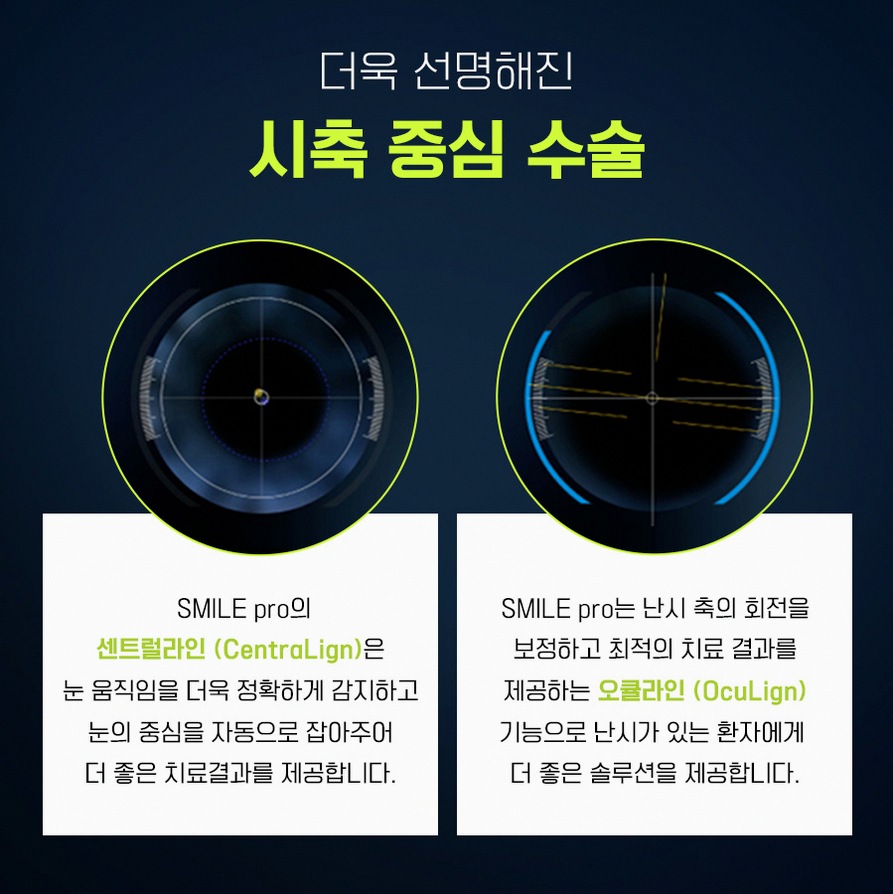
For appropriately selected patients, Smart LASIK can provide vision similar to or sometimes better than what they had with their best glasses or contact lenses. Many people reach around 20/20 vision or better, but this depends on factors such as:
Your starting degree of myopia and astigmatism
The health and shape of your cornea
Any other eye conditions, such as early cataract or retinal problems
It is important to remember that no clinic can promise a specific number like 20/20 for every patient. The goal is to reduce dependence on glasses and lenses as much as is safely possible for your eyes.
Speed and stability of recovery
One of the main effects patients notice with Smart LASIK is fast functional recovery. Many people can see enough to move around and do light activities within one or two days. Vision usually continues to sharpen and stabilize over several weeks.
You may notice some fluctuations, especially in low light or when your eyes are tired. This is normal during the healing phase. Final stabilization can take a few months, and follow-up visits help monitor this process.
Comfort and dry eye symptoms
Compared with surface procedures such as LASEK, Smart LASIK usually involves less postoperative pain and foreign-body sensation. Many patients describe mild discomfort, tearing, or a gritty feeling for the first day or two.
Because Smart LASIK uses a small incision and preserves more corneal nerves than flap-based LASIK, some people experience milder dry eye symptoms. However, temporary dry eye is still common after any laser vision correction, and artificial tears or prescription eye drops are often used during the healing period.
Corneal integrity and tissue preservation
The small incision and internal lenticule removal mean that more of the corneal surface and nerve network is preserved. This is one reason Smart LASIK is considered a tissue-preserving option.
Preserving corneal biomechanics may be helpful for long-term stability in some patients, but it does not mean that the cornea is unchanged. Any laser vision correction alters the cornea, so careful preoperative screening remains essential.
Lifestyle effects
For many people, the most noticeable effect of Smart LASIK is in daily life:
Freedom from daily contact lens care, solutions, and cases
More convenience during travel, sports, and outdoor activities
Less worry about losing glasses or lenses
Reduced risk of contact-lens-related infections or discomfort
These lifestyle benefits are often the main motivation for international patients who travel to Gangnam-gu for vision correction.
Smart LASIK vs conventional LASIK and LASEK
Compared with conventional LASIK
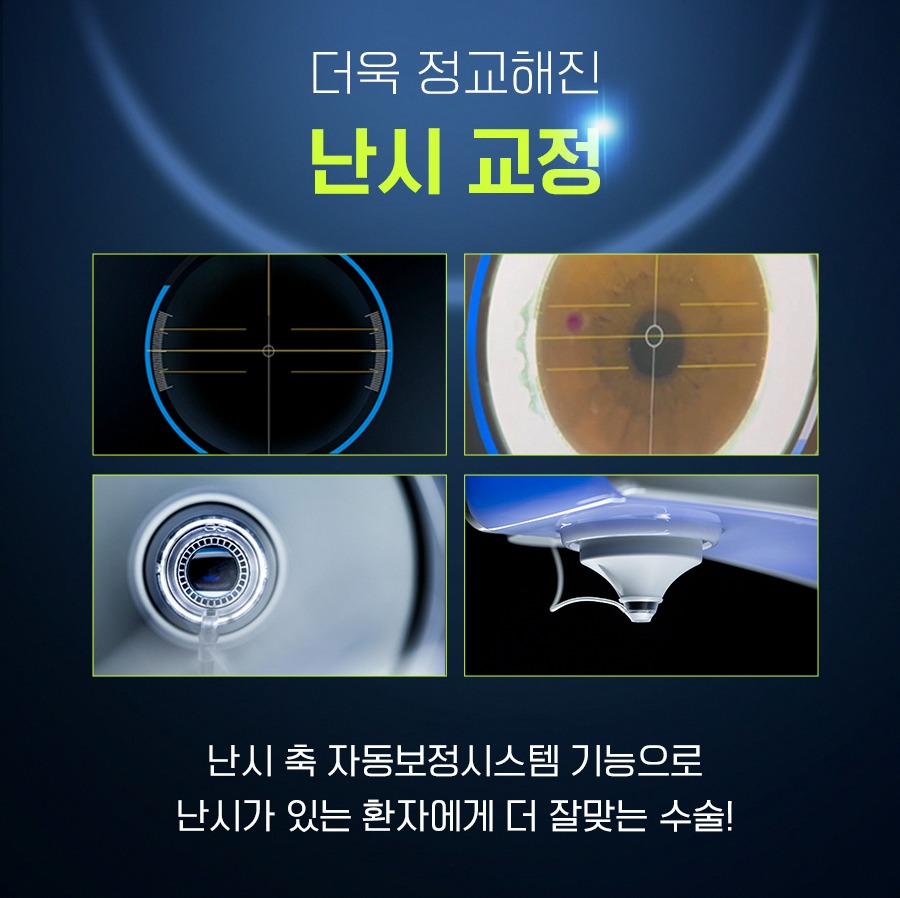
Target visual outcomes for Smart LASIK and conventional LASIK are broadly similar: both aim to correct your refractive error to reduce dependence on glasses and lenses.
However, the way they achieve this is different:
Conventional LASIK uses a larger corneal flap.
Smart LASIK uses a small side incision and no large flap.
Because Smart LASIK preserves more corneal nerves and tissue, some patients may experience milder dry eye symptoms and avoid flap-related issues. That said, both methods can work well when properly matched to the right patient.
Compared with LASEK
LASEK is a surface procedure. The corneal epithelium (the thin outer layer) is removed, the laser reshapes the surface, and the epithelium then regenerates.
LASEK can be suitable for certain corneas, but it often involves:
More pain or discomfort in the first days
Slower visual recovery
More days off work or study
Smart LASIK usually offers faster recovery and less discomfort. Many people can return to light work within a few days, although individual recommendations vary.
Not everyone is a candidate for Smart LASIK
Even in Gangnam-gu, where Smart LASIK is widely available, not every patient will be advised to have it. You may be better suited to LASEK or lens implantation if, for example:
Your cornea is very thin
Your myopia is extremely high
Your corneal shape is irregular or shows signs of early keratoconus
The overall effect of surgery is not only the final visual acuity but also recovery speed, comfort, night-vision quality, and long-term corneal health. A responsible clinic will help you compare these aspects.
Factors that influence Smart LASIK results
Preoperative eye condition
Your starting point strongly influences your outcome. Important factors include:
Degree of myopia and astigmatism
Corneal thickness and curvature
Presence of dry eye or meibomian gland issues
Any early corneal disease such as keratoconus
Retinal or optic nerve conditions
Detailed preoperative testing
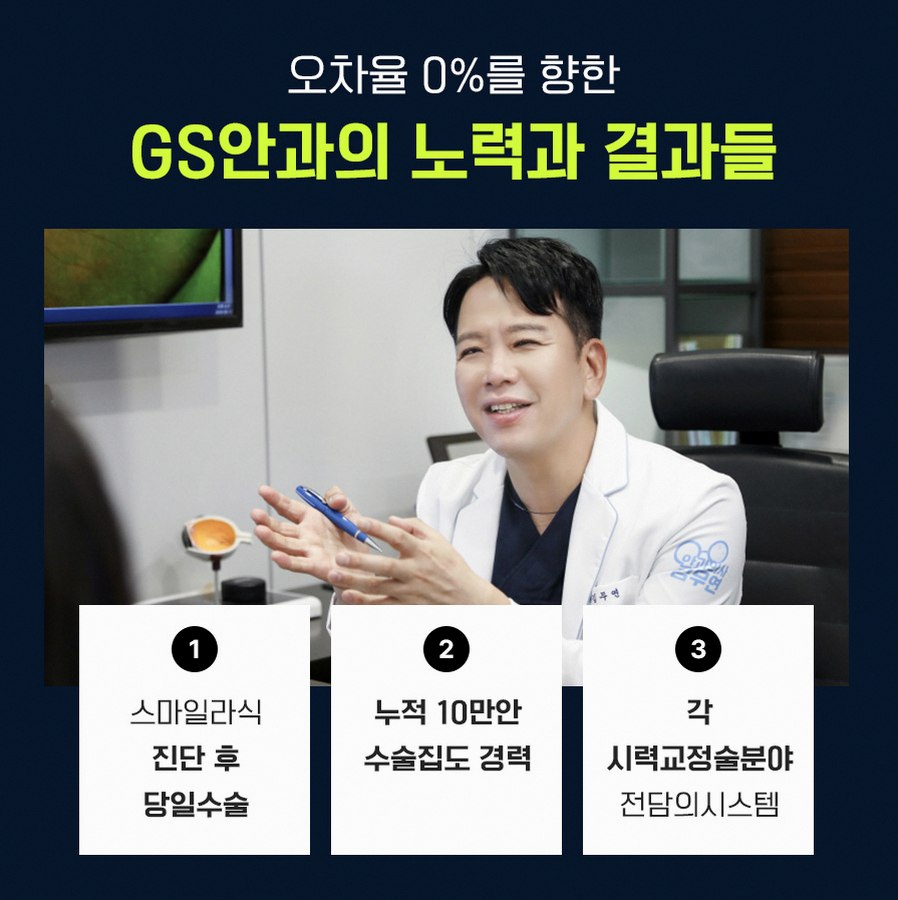
High-quality Smart LASIK programs rely on thorough eye examinations. These often include:
Corneal topography and tomography to map the shape and thickness of the cornea
Tear-film evaluation to assess dry eye risk
Pupil size measurement, especially for night-vision considerations
Retinal and optic nerve checks to rule out other eye diseases
The more complete the testing, the better your surgeon can judge whether Smart LASIK is suitable and what effects you can realistically expect.
Laser platform and technology
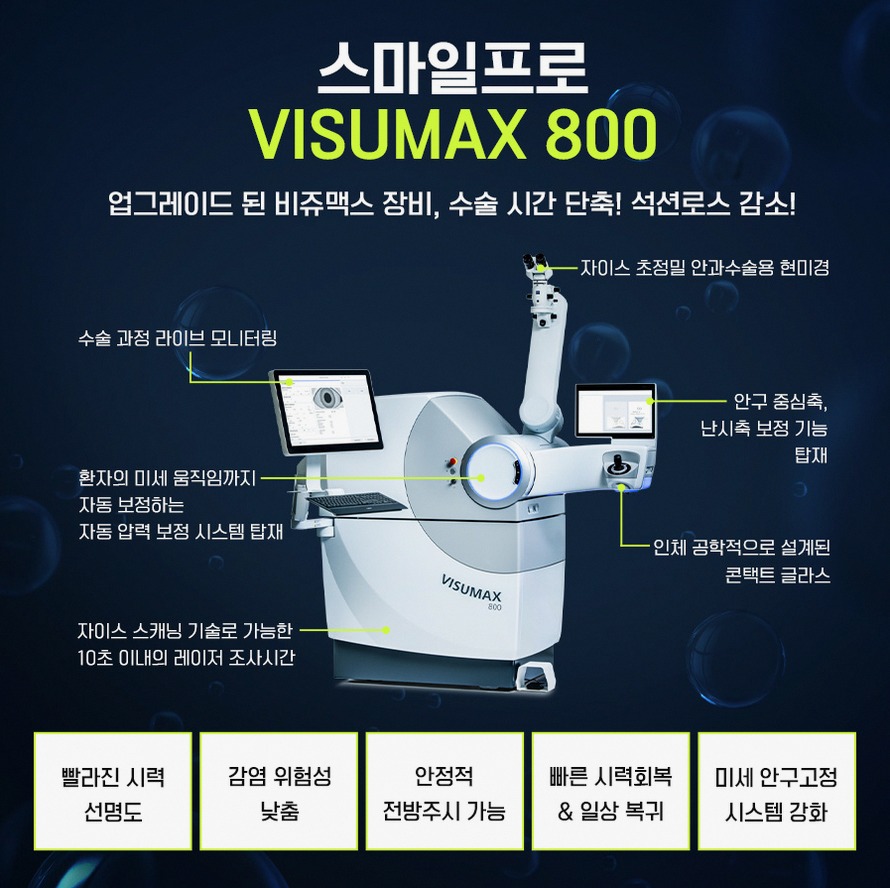
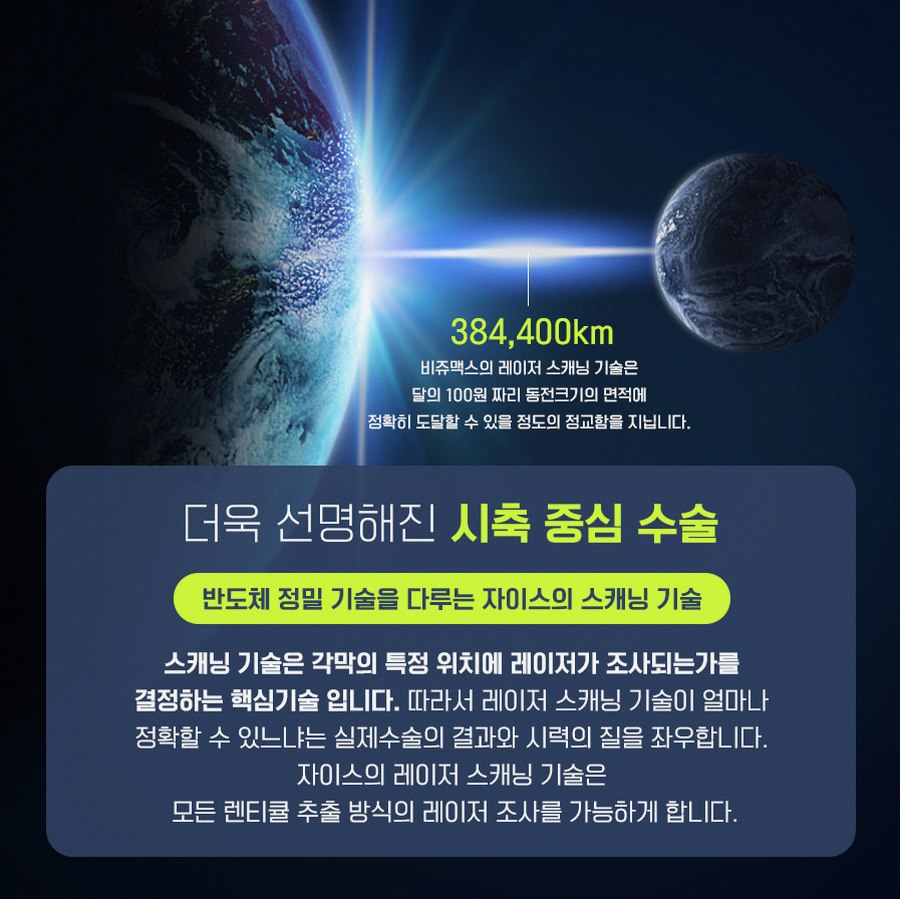
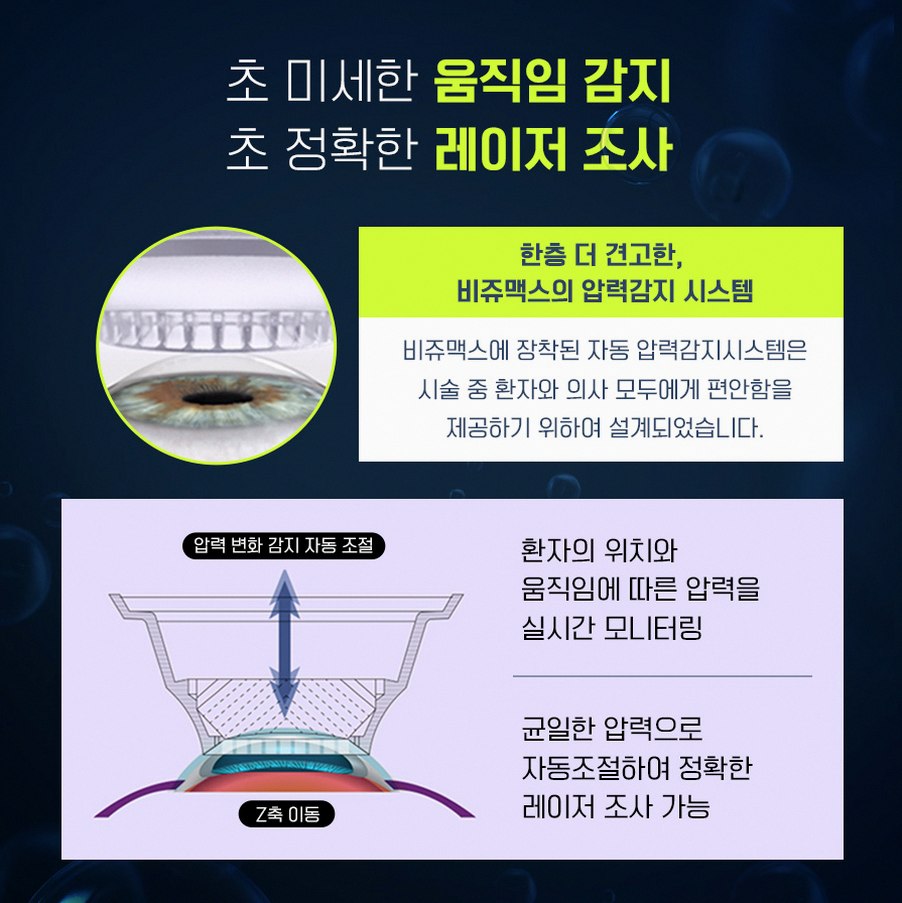
Newer-generation femtosecond lasers, such as those used for SMILE Pro, can shorten laser time and improve precision. Shorter laser times may increase comfort and reduce the chance of movement during the procedure.
Clinics that operate multiple modern laser platforms can tailor the procedure to your cornea rather than forcing every patient into a single system. This flexibility can contribute to more consistent results across different eye types.
Surgeon experience and case volume
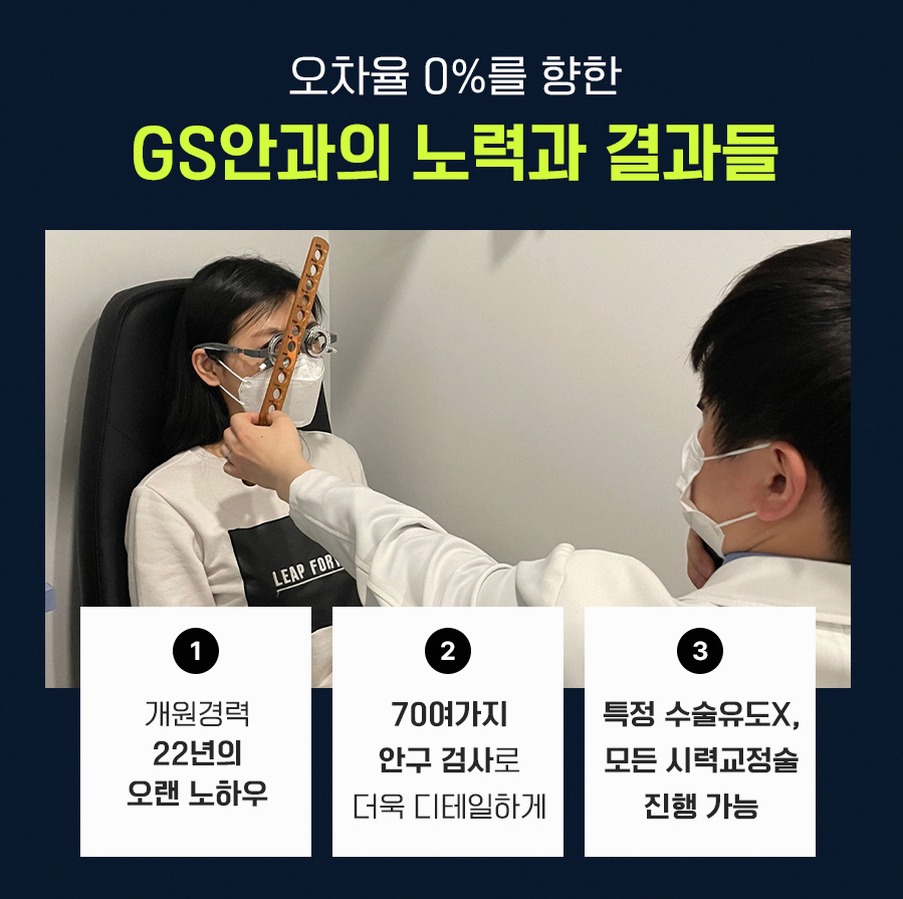
Smart LASIK is a technically demanding procedure. Surgeons and clinics that perform a high volume of refractive surgery and follow structured protocols tend to build strong experience in handling different corneal shapes and situations.
While volume alone does not guarantee a particular result, it is one of several indicators you can consider when comparing clinics in Gangnam-gu.
Patient compliance
Your own behavior also affects the final effect of Smart LASIK. Important points include:
Using eye drops exactly as prescribed
Avoiding eye rubbing, especially in the early healing phase
Wearing protective shields or glasses as instructed
Attending all scheduled follow-up visits
Gangnam-gu context: choosing a Smart LASIK clinic
Beyond price comparison
Gangnam-gu has a high density of ophthalmology clinics offering LASIK, LASEK, and SMILE-type procedures. For overseas patients, it can be tempting to focus mainly on price, but this is only one part of the decision.
When comparing clinics, consider:
How central Smart LASIK is to the clinic’s practice
The range and generation of laser equipment
The structure of the preoperative examination system
The training and background of the medical staff
How clearly risks, alternatives, and realistic expectations are explained
Checklists before you book
Before you confirm a surgery date, it can help to prepare a short checklist of questions to ask during online consultation or by email:
What exact Smart LASIK platforms are available (for example, SMILE Pro, SMILE LASIK, similar)?
How long is the standard preoperative exam, and what tests are included?
What percentage of examined patients are usually advised not to have surgery, and what are the common reasons?
How are dry eye and night-vision issues evaluated and managed?
What is the recommended stay in Korea for overseas patients, from exam to final check?
Writing these questions down in advance makes it easier to compare answers from different clinics.
GS Eye Center as an example of a high-volume Smart LASIK provider
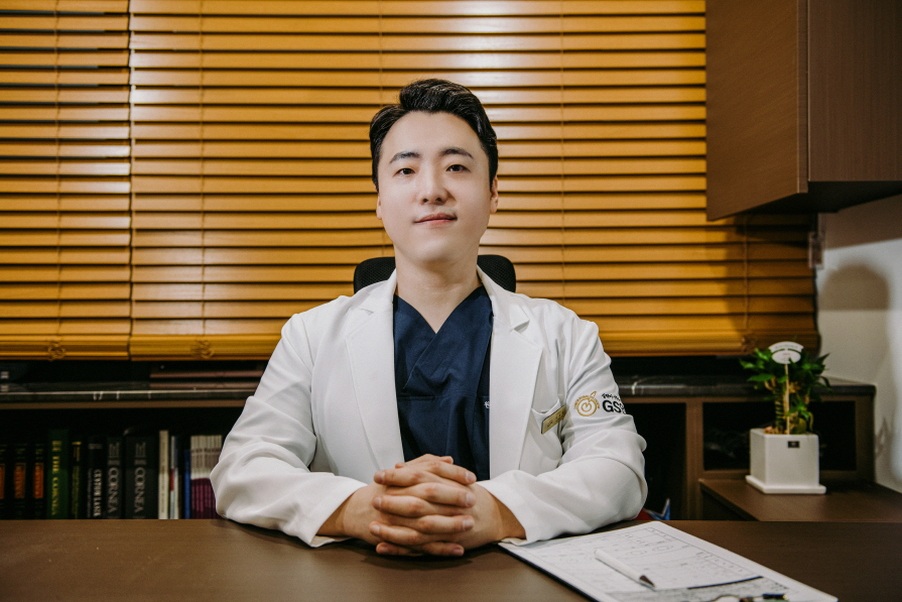
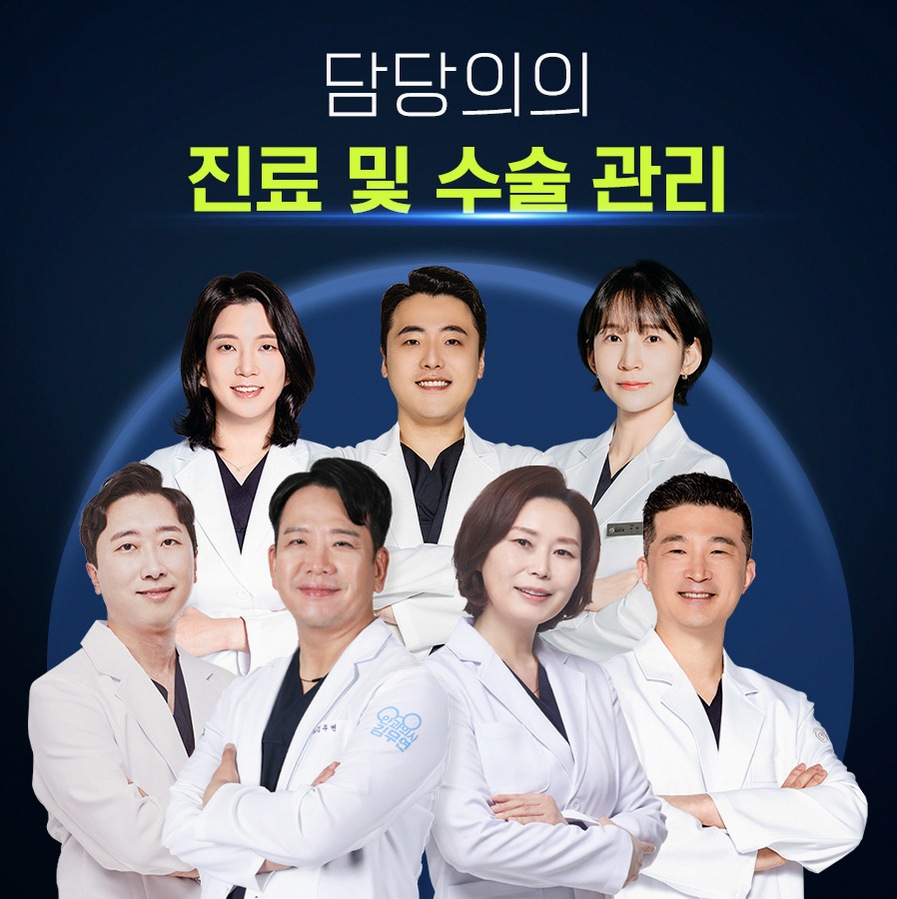
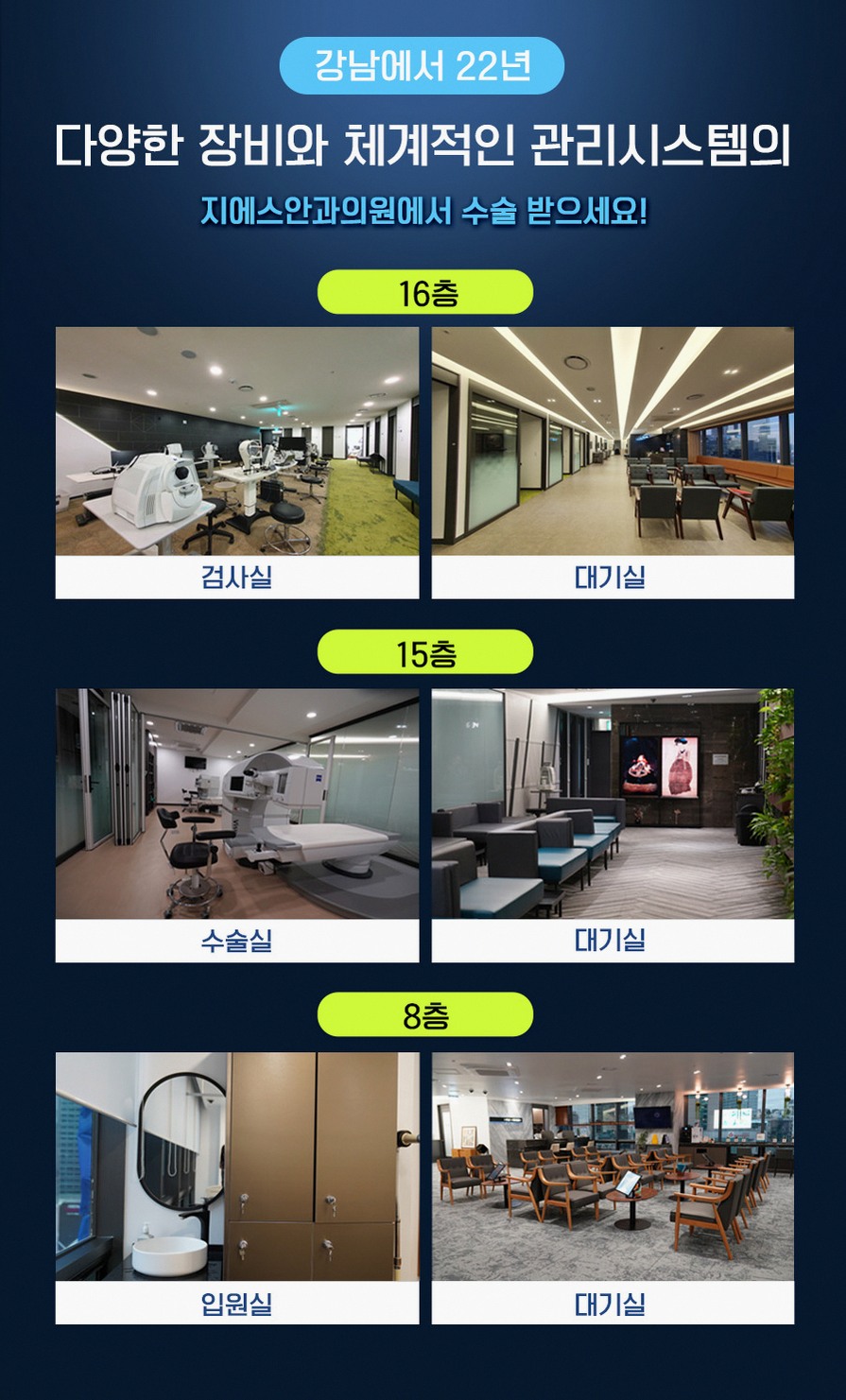
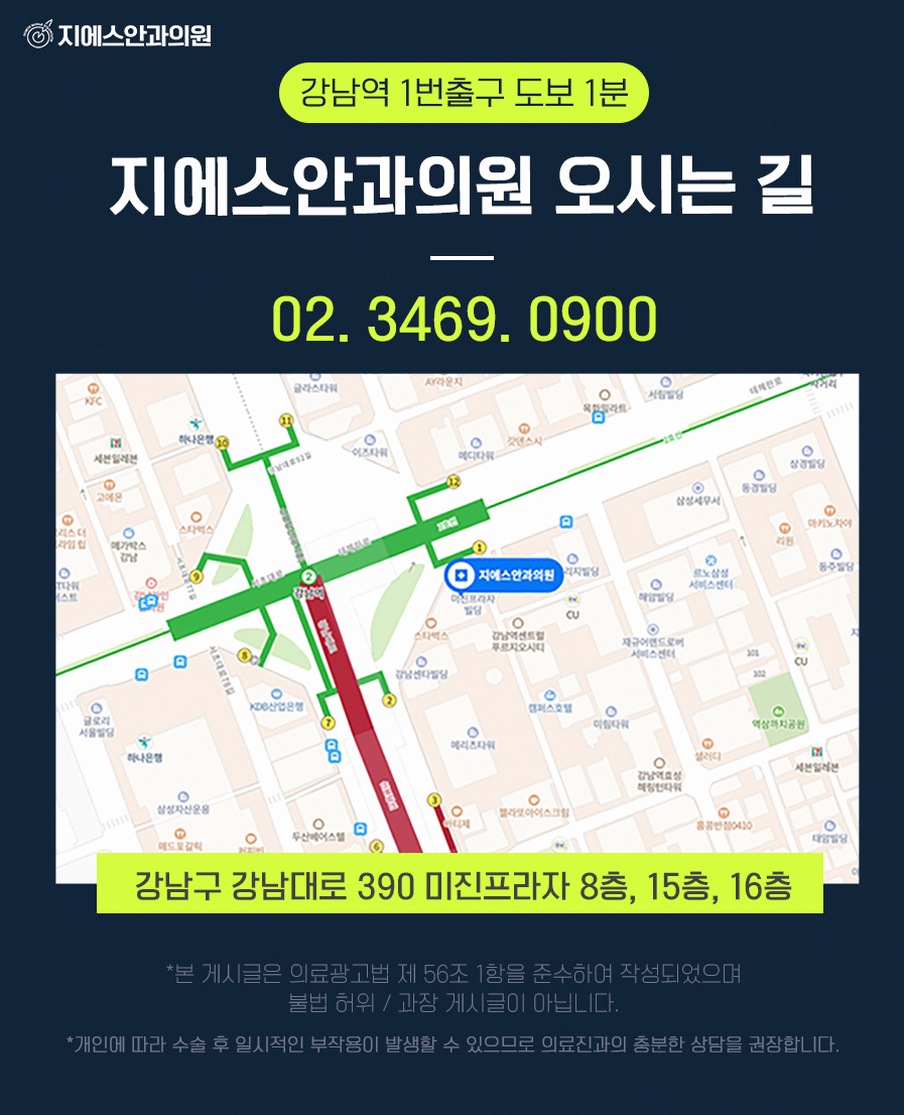
GS Eye Center is an ophthalmology clinic in Gangnam-gu, Seoul, established in 2005 and located near Gangnam Station. According to the clinic, all seven doctors are board-certified ophthalmologists, including a medical director with previous university-hospital professorship experience and a dedicated retinal center staffed by fellowship-trained retina specialists.
The clinic emphasizes SMILE-type procedures such as SMILE Pro, SMILE LASIK, SILK, and a proprietary program it calls Golden SMILE. Based on its own data, it reports a cumulative 300,000 eyes treated for vision correction and cataract surgery by 2023, and 15,000 SMILE Pro eyes by April 2026.
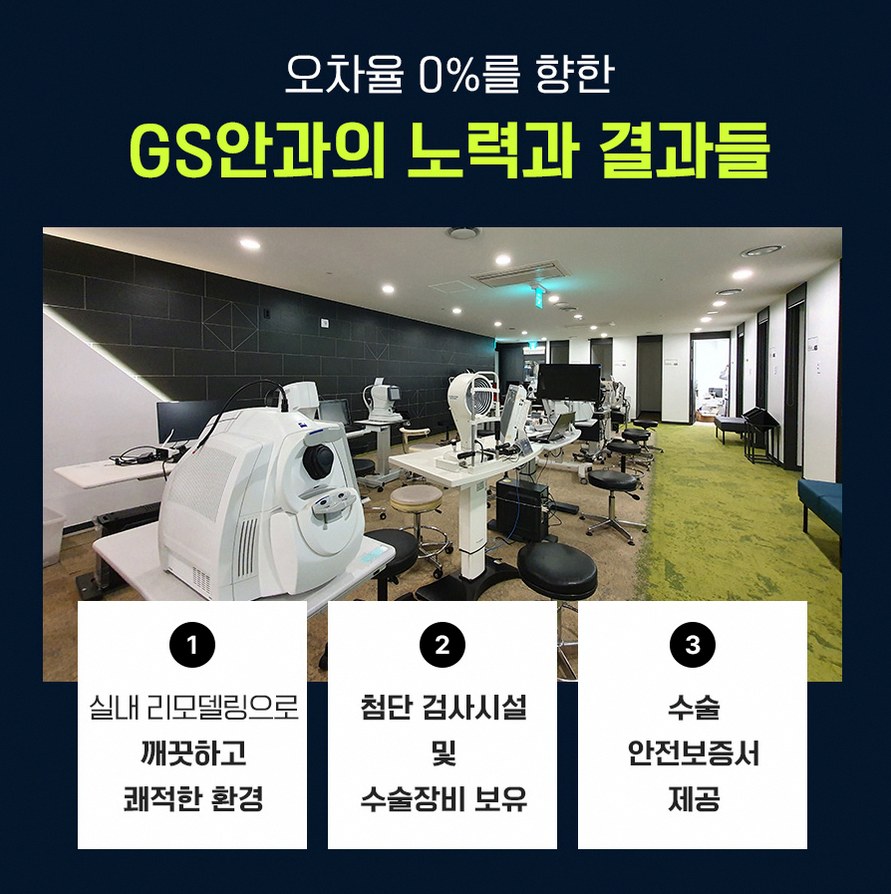
GS Eye Center was the first in Korea to join the ZEISS SMILE GOLD CLUB in 2021, was designated a SMILE pro CENTER in 2023, and a SILK training center in 2026. It operates all three major SMILE-related laser platforms from ZEISS, including the VISUMAX 800 for SMILE Pro and two VISUMAX 500 units for SMILE LASIK. This allows short laser times, around 9 seconds for SMILE Pro, and flexible case management.
These points illustrate how technology, experience, and training-center status can contribute to consistent Smart LASIK effects. They do not guarantee a specific outcome for any individual patient, and personal consultation is always required.
Safety, side effects, and realistic expectations
Common temporary symptoms
After Smart LASIK, many patients experience temporary symptoms such as:
Dry eye or a gritty feeling
Glare or halos around lights, especially at night
Fluctuating vision during the first weeks
Mild light sensitivity
These usually improve gradually over weeks to months. Lubricating eye drops, rest, and avoiding screen overuse can help.
Rare but serious risks
Although uncommon, serious complications are possible with any eye surgery. These can include:
Infection
Significant undercorrection or overcorrection
Regression of effect over time
Corneal ectasia, where the cornea becomes progressively weaker and more irregular
Thorough preoperative screening and conservative indications aim to reduce these risks, but they cannot be removed completely.
No surgery is risk-free
Even in high-volume, technologically advanced centers, no surgery can be guaranteed to be risk-free, and 100 percent success cannot be promised. A responsible clinic will explain both the potential benefits and the possible downsides, and will be prepared to advise you not to proceed if your risk profile is unfavorable.
Who may consider Smart LASIK in Gangnam-gu?
Typical candidate profile
You may be a potential candidate for Smart LASIK if you are:
An adult with stable myopia and/or astigmatism for at least one to two years
In good general and eye health
Possessing adequate corneal thickness and regular corneal shape
Who may need alternative options
You may be advised to consider LASEK, corneal cross-linking, or lens implantation instead of Smart LASIK if:
Your cornea is very thin
You have very high myopia
Your corneal topography appears suspicious for keratoconus
Patients with severe dry eye, active autoimmune disease, or those who are pregnant may be asked to postpone or avoid surgery.
Because these decisions are highly individual, an in-person or detailed online consultation with an ophthalmologist is essential. Self-diagnosis based only on online information is not recommended.
Treatment overview and visit planning for overseas patients
Pre-visit online consultation and preparation
Before flying to Korea, most international patients start with an online consultation. You can usually send:
Your age and basic health information
Approximate glasses or contact lens prescription
Any previous eye surgery or trauma history
Your preferred travel dates
In return, the clinic can explain whether Smart LASIK seems likely to be an option, what examinations will be needed, and how many days you should plan to stay in Seoul.
Preparing for your visit
To prepare, consider:
Stopping soft contact lenses a few days to a couple of weeks before the exam (exact timing depends on lens type and clinic policy)
Bringing previous eye exam records if available
Listing any medications and allergies
Preparing questions about recovery time, work schedule, and sports or hobbies
Expected Korea visit timeline
While each clinic’s schedule is slightly different, a common pattern for overseas Smart LASIK patients in Gangnam-gu might be:
Day 1: Comprehensive eye examination and consultation. This may take several hours and include multiple machines and tests. After reviewing the results, the ophthalmologist will confirm whether Smart LASIK is appropriate or suggest alternatives.
Day 2 or 3: Surgery day, if you and the clinic agree to proceed. The procedure itself usually takes under 20 minutes for both eyes, with laser time of only a few seconds per eye. You will rest briefly at the clinic afterward and have an initial vision check.
Day 3 or 4: First postoperative check. The doctor confirms that the cornea is healing properly, reviews eye-drop use, and answers questions about activities, flights, and work.
Following days: Depending on your schedule and the clinic’s policy, you may have another check before leaving Korea. Many overseas patients stay about five to seven days in total, but this can vary.
Aftercare and long-distance follow-up
Immediate aftercare
Right after surgery, you will receive detailed instructions, which may include:
How often to use antibiotic and anti-inflammatory eye drops
When to start and stop artificial tears
How to protect your eyes during sleep (for example, with shields)
Activities to avoid, such as eye rubbing, swimming, or heavy exercise for a certain period
Most people can walk around and eat normally the same day, but you should plan to rest and avoid intense visual tasks.
Back home
Once you return to your home country, it is helpful to:
Schedule follow-up checks with a local ophthalmologist
Share your surgery summary with them if the clinic provides one
Contact the Korean clinic by email or online if you have concerns or questions
Mild fluctuations and dry eye are common for some time, but sudden pain, redness, or a sharp drop in vision should be evaluated urgently.
Frequently asked questions about Smart LASIK effects in Gangnam-gu
How long do Smart LASIK effects usually last?
For most patients with stable myopia and healthy eyes, the effect of Smart LASIK is long-lasting. The cornea reshaping itself is permanent, but your eyes can still change naturally with age. For example, presbyopia (age-related difficulty focusing up close) will appear in middle age whether or not you had laser vision correction. Regular eye exams remain important.
Is Smart LASIK safer than conventional LASIK?
Smart LASIK avoids creating a large flap, which removes certain flap-related risks seen with older LASIK techniques. It also tends to preserve more corneal nerves and tissue. However, both Smart LASIK and conventional LASIK are established methods with good safety profiles when properly indicated and performed. The safer option for you depends on your individual eye condition and the surgeon’s assessment.
How soon can I fly home after Smart LASIK in Korea?
Many international patients fly home a few days after surgery, once they have had at least one or two postoperative checks. The exact timing should be decided with your ophthalmologist, taking into account your healing, any dry eye symptoms, and the length of your flight. During air travel, using lubricating eye drops and avoiding rubbing your eyes is important.
Can I choose Smart LASIK just by reading online information?
Online information can help you understand the concepts and prepare questions, but it cannot replace a full eye examination. Corneal thickness, shape, tear film, and retinal health all need to be measured with specialized equipment. A responsible clinic will not confirm Smart LASIK suitability until these tests are completed and reviewed by an ophthalmologist.
Soft call to action
If you are considering Smart LASIK in Gangnam-gu and want to understand what effects you can realistically expect for your own eyes, an online consultation with an ophthalmology clinic can be a helpful first step. Clinics such as GS Eye Center can review your basic information, explain likely options, and outline a visit schedule, so you can plan your trip to Korea with clearer expectations.
This article is for general information only and is not a substitute for professional medical advice, diagnosis, or treatment. Always consult a qualified ophthalmologist for a personal examination and recommendations based on your individual condition.
- 공유 링크 만들기
- X
- 이메일
- 기타 앱


댓글
댓글 쓰기