GS Eye Center SMILE (VISUMAX 800) near Sinsa
- 공유 링크 만들기
- X
- 이메일
- 기타 앱
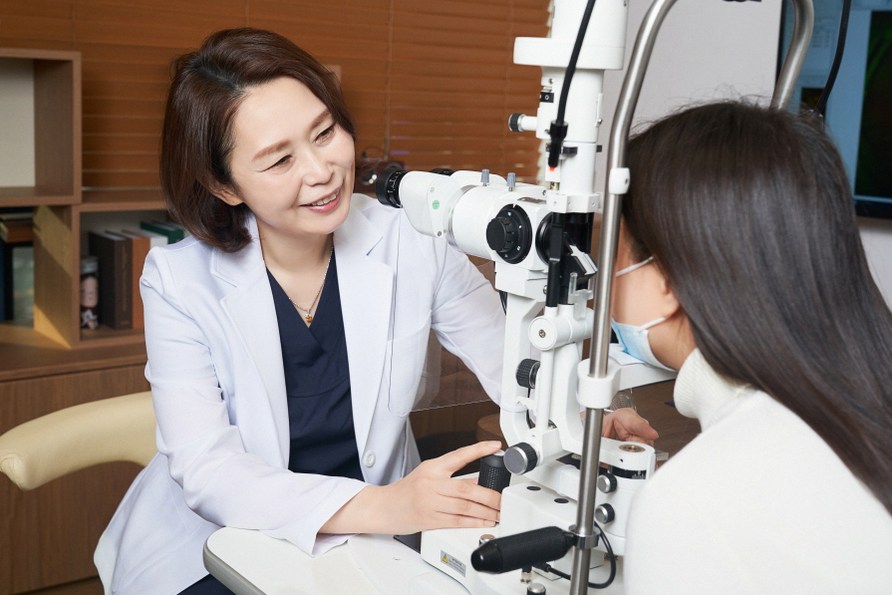
Direct answer for Sinsa Station Smart LASIK searchers
If you are searching from abroad for Smart LASIK or SMILE near Sinsa Station, you will usually end up looking at clinics along Gangnam-daero, especially around Gangnam Station. GS Eye Center is one of the ophthalmology clinics in this area that focuses on laser vision correction, including SMILE and Smart LASIK, and is reachable from Sinsa Station in just a few minutes by subway or bus.
This guide explains what Smart LASIK / SMILE is, who might consider it, how a Gangnam-area clinic like this is set up, and what kind of visit schedule overseas patients can expect when traveling to Seoul for treatment.
What is Smart LASIK / SMILE LASIK
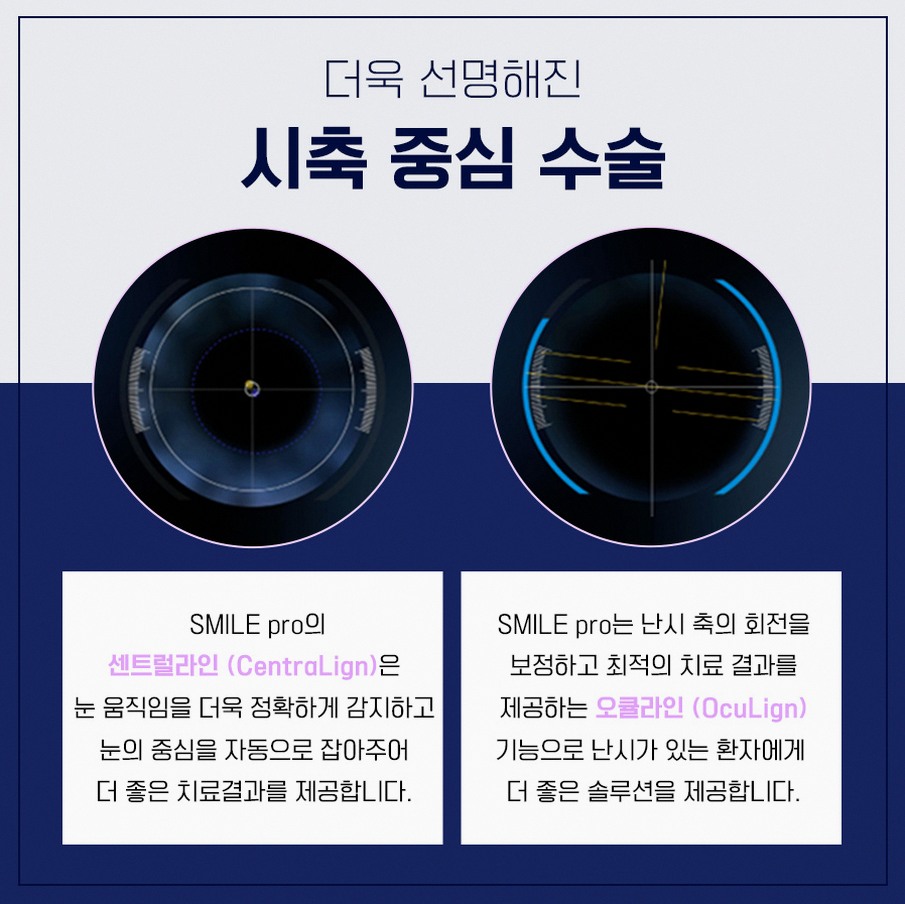
Smart LASIK and SMILE refer to a type of minimally invasive laser vision correction. Instead of creating a large corneal flap like traditional LASIK, a femtosecond laser creates a tiny lens-shaped piece of tissue (called a lenticule) inside the cornea and removes it through a small incision.
By reshaping the cornea from the inside, the procedure can correct myopia and astigmatism in suitable candidates. The incision is much smaller than in classic LASIK, and there is no broad flap that needs to be lifted and repositioned.
Compared with LASIK and LASEK
Traditional LASIK usually involves creating a circular flap on the cornea, lifting it, reshaping the corneal surface with an excimer laser, and then placing the flap back. LASEK and other surface procedures remove or move only the very thin surface layer and reshape the surface without a flap, but they can require a longer recovery period.
SMILE and Smart LASIK techniques use a small incision and do not require a wide flap. For appropriate eyes, this can mean less disturbance of corneal nerves, potentially less dry eye, and a more stable corneal surface. Many patients also find the procedure itself feels shorter and more comfortable.
However, this does not mean SMILE is automatically better for everyone. The best method depends on corneal thickness and shape, degree of myopia and astigmatism, tear film status, and the health of the retina and other internal eye structures.
Who may consider SMILE or Smart LASIK
People who often consider these procedures include those who:
Wear glasses or contact lenses daily and want more freedom for work, sports, or travel.
Have stable prescriptions for at least one to two years.
Have healthy eyes without significant corneal disease or uncontrolled dry eye.
Suitability is always individual. Some patients with thinner corneas, very high prescriptions, or irregular corneal shape may be advised to choose LASEK, lens implantation, or sometimes to avoid surgery altogether. A detailed preoperative examination is essential before deciding between SMILE, LASIK, LASEK, or lens implantation.
Why Sinsa Station and Gangnam are popular for Smart LASIK
The Sinsa and Gangnam area is a major business and shopping district in Seoul. Many office workers, students, and international visitors stay or work near Sinsa Station and Gangnam Station, so they often search for clinics that are easy to reach after work or between meetings.
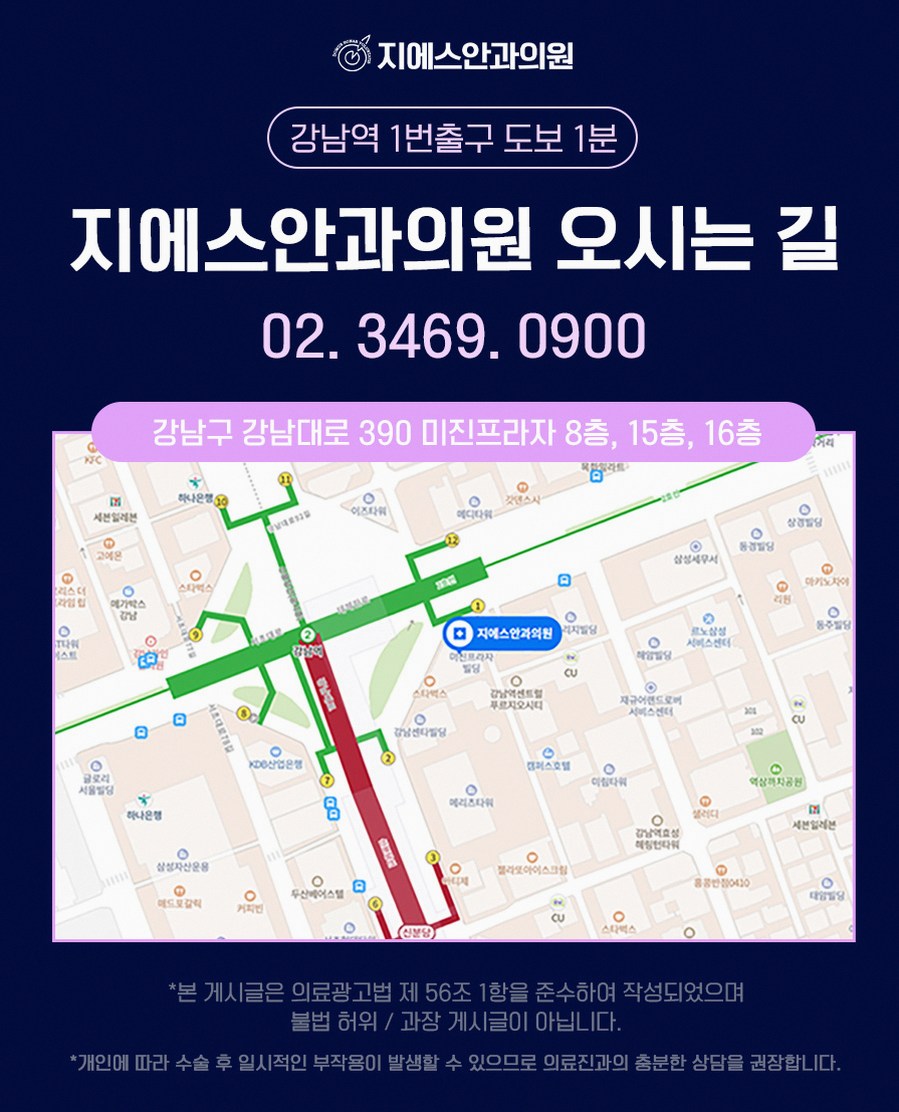
GS Eye Center is located on Gangnam-daero in Gangnam-gu, near Gangnam Station. From Sinsa Station, it is a short ride by subway or bus along the same main road. For overseas patients, this means you can stay anywhere along the main subway lines and still reach the clinic conveniently for multiple visits.
Convenience factors to consider
When you are comparing Smart LASIK clinics around Sinsa Station, you may want to check:
Proximity to Sinsa Station, Gangnam Station, and other major subway lines.
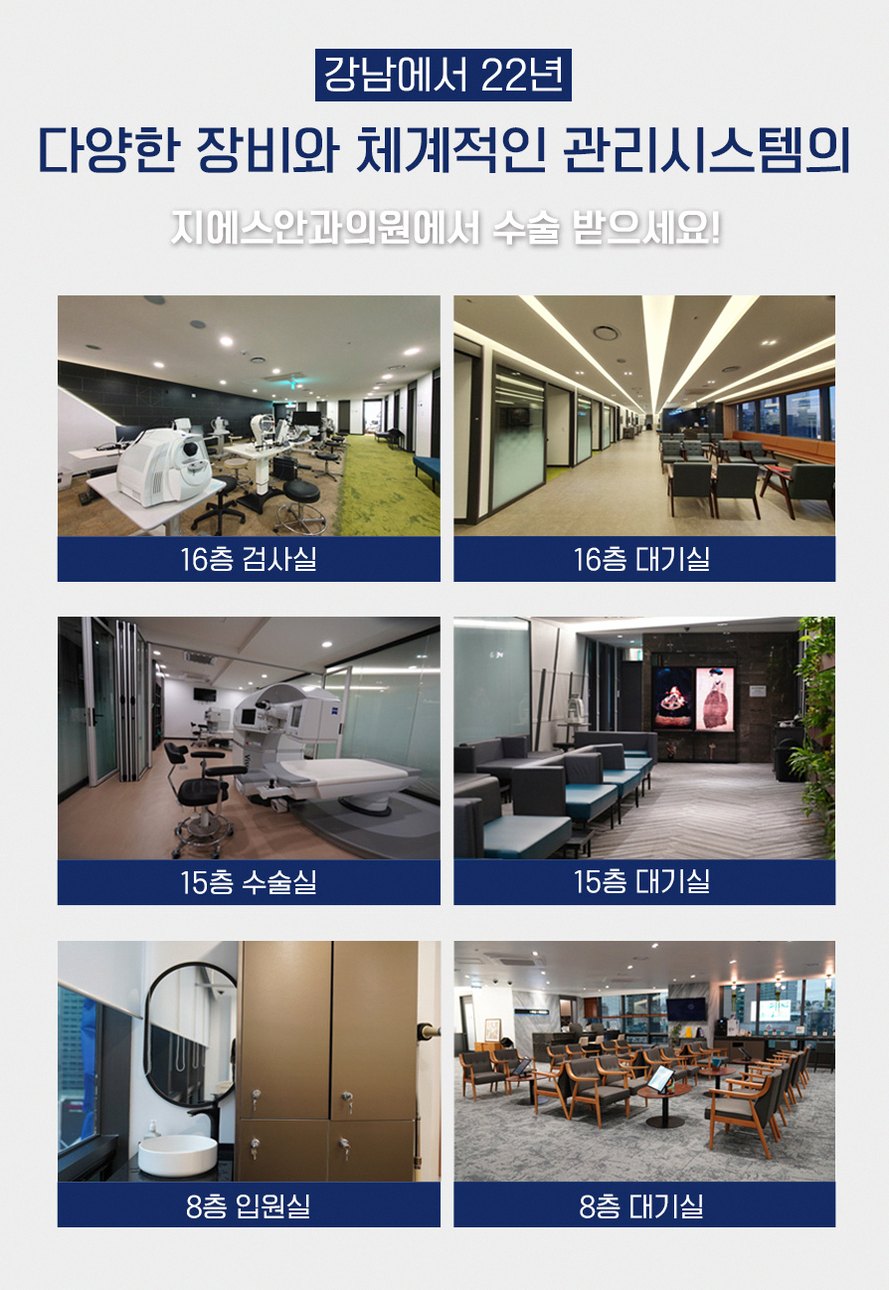
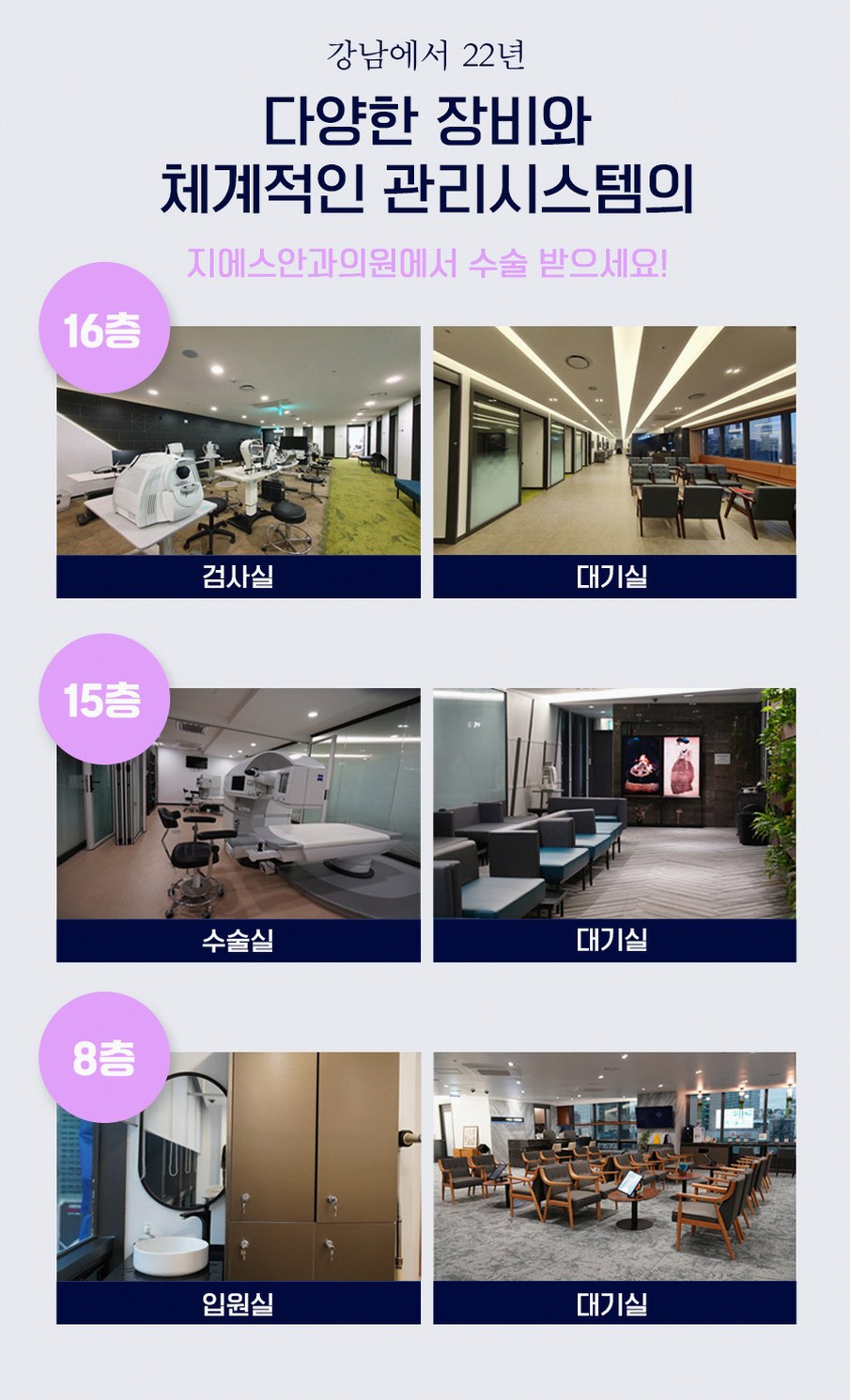
Whether the clinic occupies multiple floors dedicated to ophthalmology, which can allow separate areas for examination, surgery, and recovery.
Weekday and Saturday hours, which are helpful if you are combining treatment with work or sightseeing.
A structured appointment system so that examinations, surgery, and follow-up are planned in advance for your limited stay in Korea.
Clinic profile and history
GS Eye Center is an ophthalmology clinic in Gangnam that opened in 2005 at its current Gangnam location under a different name and was later renamed. Over time, it has focused on refractive surgery such as SMILE, LASIK, LASEK, and lens implantation, as well as cataract and presbyopia treatment, and it has a separate retina center.
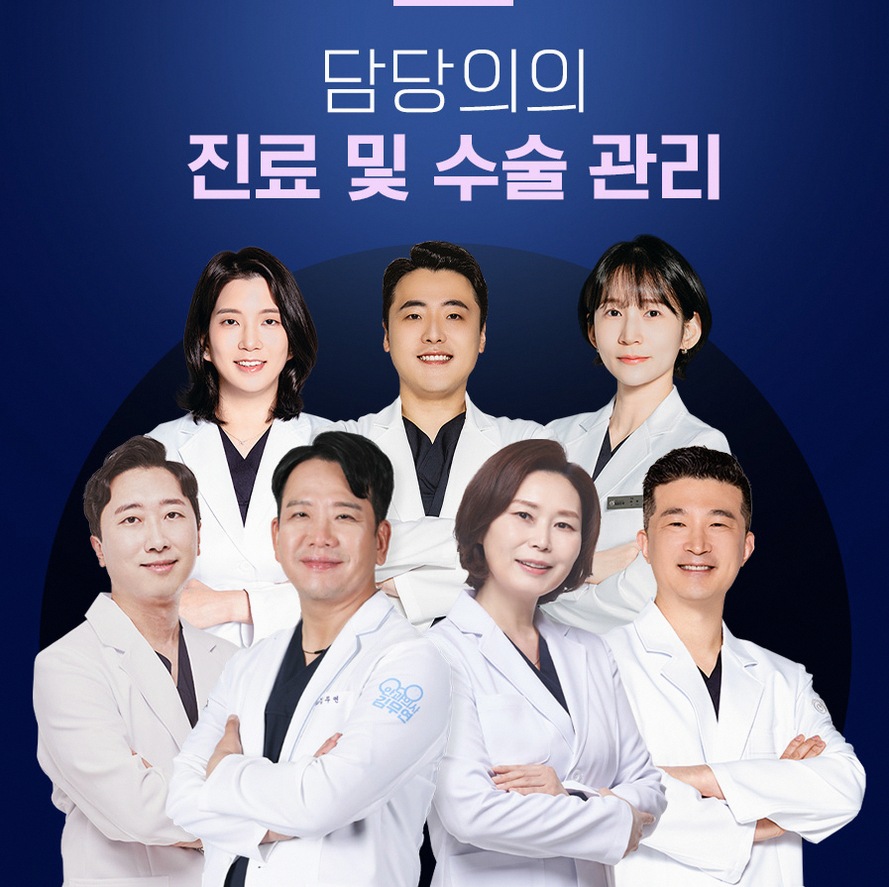
The clinic reports a team of seven ophthalmologists, including doctors with subspecialty training in retina and refractive surgery. The representative director holds a medical doctorate, has previous experience as a university hospital professor, and remains involved in clinical education and public communication through channels such as online video content.
These points do not guarantee a specific result, but they do give an idea of the clinic’s background and scope.
Equipment lineup for SMILE and Smart LASIK
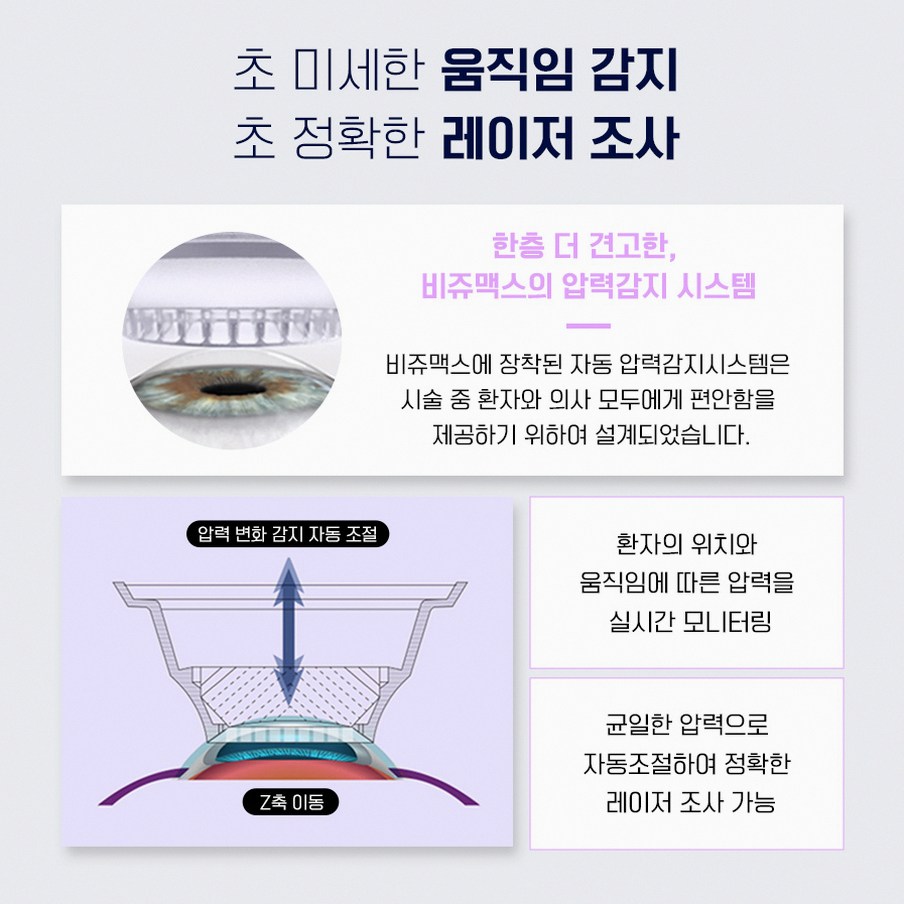
One of the key differentiators for SMILE and Smart LASIK is the laser platform. This clinic owns three major ZEISS SMILE platforms:
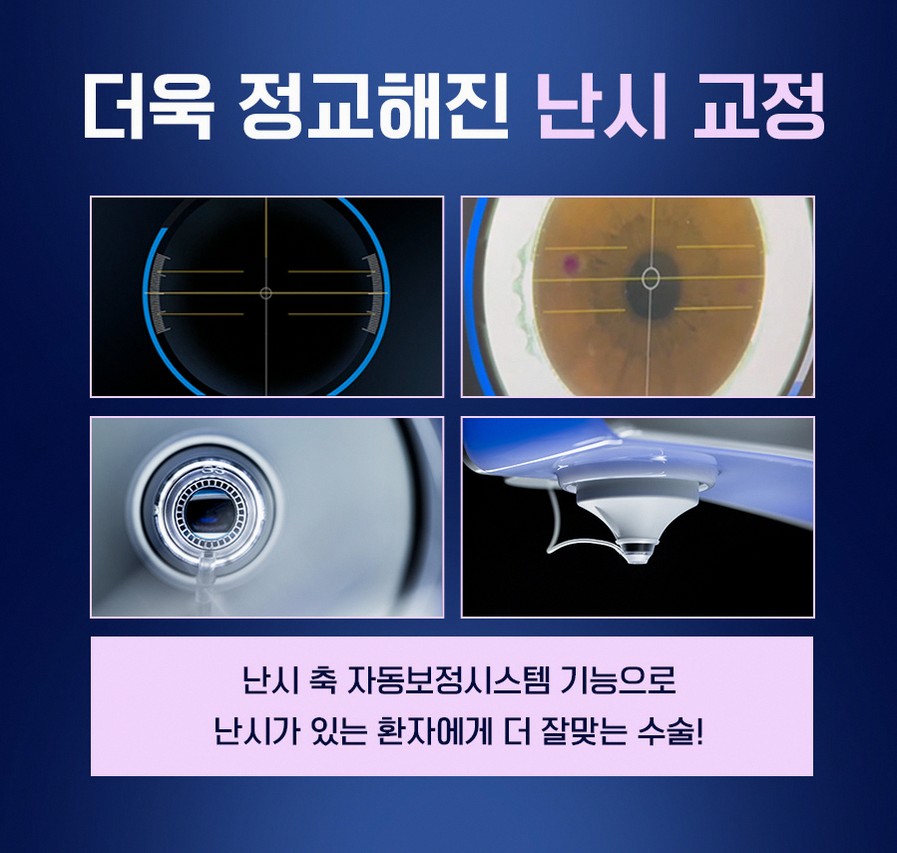
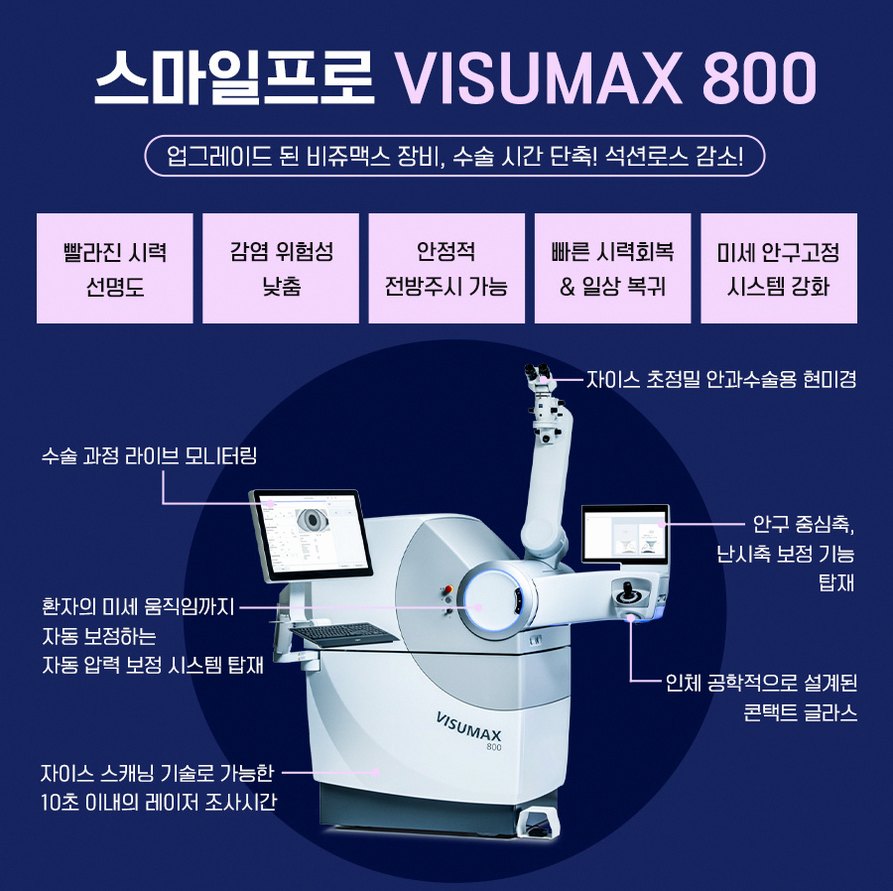
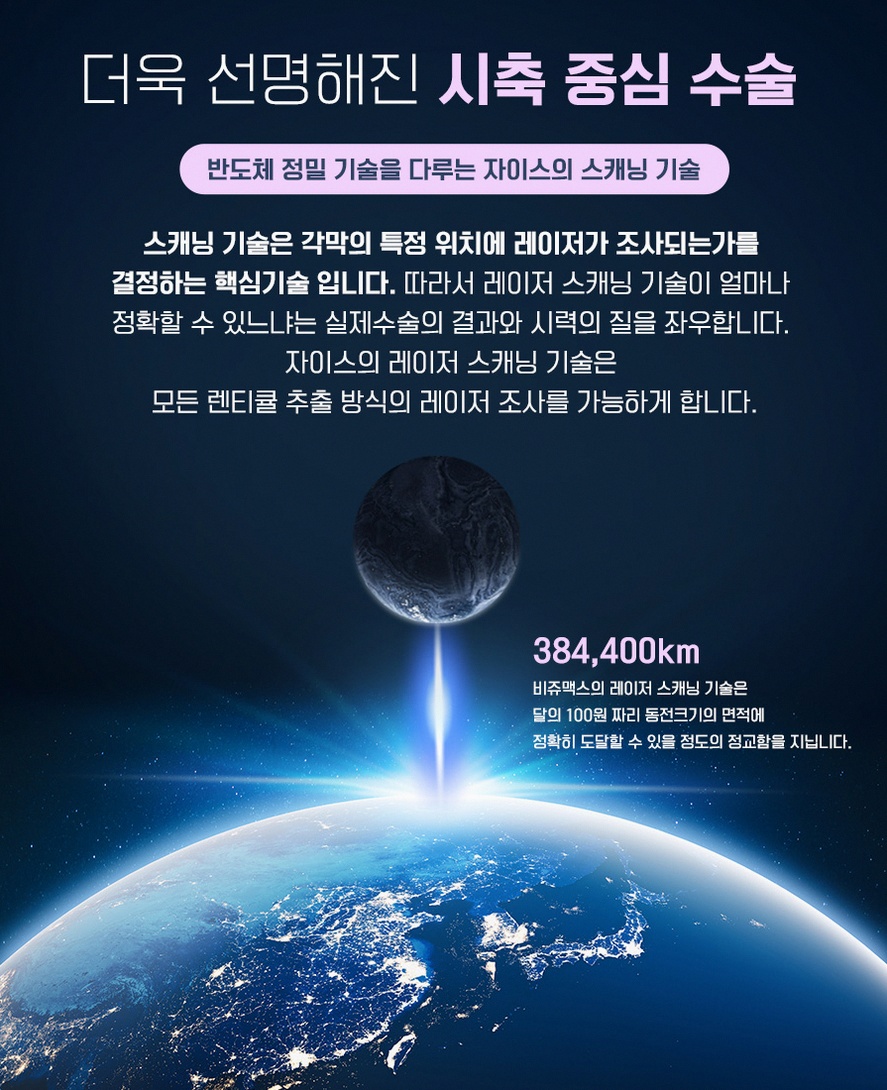
VISUMAX 800, the latest-generation laser used for SMILE pro, introduced in 2023. It offers very short laser times, under about nine seconds per eye.
Two VISUMAX 500 units, in use since 2016, with a dual-room setup from 2019. These are dedicated SMILE LASIK platforms.
Why this matters for patients
Having multiple SMILE platforms allows the surgeon to choose the most appropriate device for your corneal condition and prescription. For example, some patients may benefit from the faster laser time of the VISUMAX 800, which can improve comfort and reduce the time you need to focus on a target light.
Redundancy is another practical point. If one machine is under maintenance, the presence of additional platforms makes it less likely that your scheduled surgery will need to be postponed.
Range of vision correction options
A clinic that offers several types of vision correction can tailor a plan to your eyes instead of fitting everyone into a single method. At this clinic, the main refractive options include:
SMILE pro and SMILE LASIK using the ZEISS platforms.
SILK, another flapless laser option.
A clinic-specific protocol for SMILE-based surgery.
Surface ablation methods such as 2DAY LASEK for patients who are not suitable for SMILE.
Lens implantation procedures such as ICL, GLAZE, and PhakiFlex KPL, often considered for high myopia or thin corneas.
Corneal strengthening procedures like cross-linking when indicated.
For overseas patients, it is helpful to know that the first visit is not only about confirming SMILE but about checking whether SMILE is appropriate at all. In some cases, the safest plan may be a different procedure or even no surgery.
Surgical volume and designations
Experience is one of several factors you can consider when choosing a Smart LASIK clinic near Sinsa Station. According to the clinic’s data:
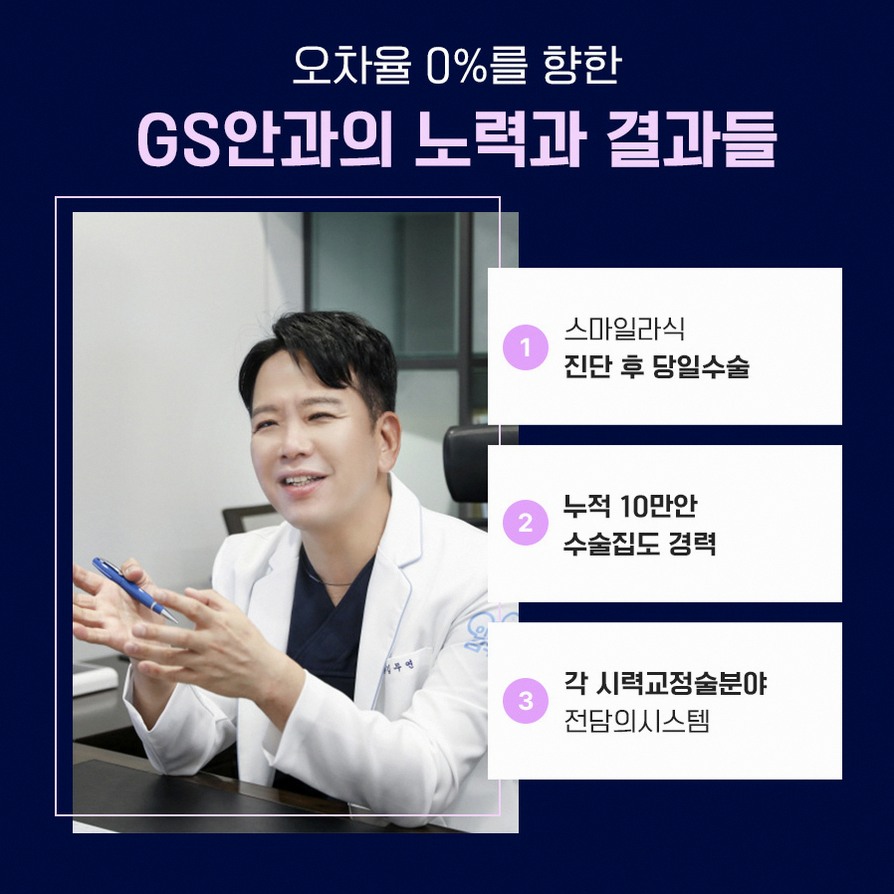
By 2023, cumulative refractive and cataract surgeries reached around 300,000 eyes.
For SMILE pro specifically, the clinic reports 5,000 eyes treated by October 2024, 10,000 by August 2025, and 15,000 eyes by April 2026.
The clinic has also received several recognitions related to SMILE and training:
First in Korea to join the ZEISS SMILE GOLD CLUB in 2021.
Designated as a ZEISS SMILE pro CENTER in 2023.
Designated as a SILK TRAINING Center in 2026.
Such designations are typically based on case volume, outcomes, and participation in training other surgeons. They are not guarantees, but they do indicate that the clinic is active in this field.
Lens implantation and cataract expertise
Although your interest may be Smart LASIK, it can be reassuring to know that the clinic also has experience in lens-based procedures and cataract surgery, which are important parts of refractive care.
The clinic reports performing the first GLAZE lens implantation in Korea in 2019, reaching 1,000 GLAZE eyes by 2022, and 3,000 Optiflex GLAZE eyes by 2025. It also reports 3,000 PanOptix multifocal intraocular lens cases as of 2024.
These numbers do not directly relate to SMILE, but they show that the center handles a wide range of refractive and cataract procedures, which can be relevant if your examination reveals that lens implantation is safer than laser surgery.
Quality systems and education roles
For patients traveling from overseas, consistent systems and protocols are important. This clinic reports ISO 9001 and 14001 certification for SMILE LASIK in 2020, which refers to standardized quality and environmental management systems.
It is also designated as a clinical education institution for a major medical school since 2023 and as an Asia-Pacific clinical education center for BIOTECH since 2024. Being a teaching site usually implies structured protocols, data collection, and ongoing review of outcomes.
What to expect from the SMILE / Smart LASIK process
Before you book flights to Seoul, it helps to understand the typical steps of SMILE or Smart LASIK at a Gangnam-area eye clinic.
Preoperative examination
A thorough preoperative exam is essential. It usually includes:
Visual acuity and refraction tests to measure your current prescription.
Corneal topography and tomography to map the shape and thickness of your cornea.
Pupil size measurement.
Tear film and dry eye evaluation.
Intraocular pressure measurement.
Retinal examination to check the back of the eye for any disease, such as lattice degeneration or small retinal tears.
Surgery should only proceed if these tests show that it is safe and appropriate. Some patients will be advised to choose a different procedure, and a small number may be advised not to have refractive surgery at all.
Consultation and procedure selection
After the tests, you meet the surgeon to review the findings. The discussion usually covers:
Whether SMILE or Smart LASIK is suitable for your eyes.
If not, whether LASIK, LASEK, or lens implantation might be safer.
The expected range of vision after surgery, including realistic limits.
The recovery timeline, including how many days you might need to rest.
Possible side effects such as temporary dry eye, glare, halos, or under- or over-correction.
This is a good time to ask questions. For example:
Why is this particular method recommended for me?
What are the alternatives, and why are they less suitable?
How often will I need follow-up visits during my stay in Korea?
Day of surgery
On the day of SMILE or Smart LASIK, the general flow is usually:
Arrival at the clinic and confirmation of your medical history.
Final checks, including repeat measurements if needed.
Review and signing of consent forms.
Application of anesthetic eye drops. General anesthesia is not used.
The SMILE procedure itself, which typically takes only a few minutes per eye. On the latest VISUMAX 800 platform, laser time is under about ten seconds.
A short rest period in the clinic, followed by discharge with protective eyewear and written instructions.
Most patients can walk out of the clinic on their own, but it is safer to have a companion or arrange transport back to your accommodation.
Recovery and follow-up
Recovery patterns vary, but many patients notice improved vision within one to two days, with gradual stabilization over several weeks.
You will usually be advised to:
Avoid rubbing your eyes.
Use prescribed eye drops regularly to prevent infection and control inflammation.
Wear protective glasses or shields while sleeping for a short time.
Avoid swimming pools, saunas, and heavy eye makeup for a period advised by your surgeon.
Follow-up visits are important. A typical schedule might include the next day, one week, one month, and later check-ups. For overseas patients with limited time in Korea, the clinic may adjust the schedule and coordinate with your local eye doctor for long-term follow-up.
How to prepare from overseas
Before you travel, it is helpful to arrange an online consultation. Many Gangnam clinics, including GS Eye Center, offer contact via email, messaging apps, or online forms.
You can prepare by:
Collecting your recent glasses prescription and any previous eye examination reports.
Noting any history of eye disease, eye surgery, or trauma.
Listing your general medical conditions and medications, including blood thinners or medications for autoimmune diseases.
Preparing questions about procedure options, expected recovery time, and how many days you should stay in Korea.
For contact lens wearers, you may be asked to stop wearing soft lenses for several days and rigid lenses for a longer period before the examination, to allow your cornea to return to its natural shape.
Typical Korea visit timeline for SMILE near Sinsa Station
The exact schedule depends on your eyes and travel plans, but a common structure for overseas patients is:
Day 1: Arrival in Seoul.
Day 2: Full preoperative examination and consultation in the morning or afternoon. If your eyes are suitable and you agree on the plan, surgery may be scheduled for the same day or the next day.
Day 2 or 3: SMILE or Smart LASIK procedure.
Day 3 or 4: First post-operative check (often the next day after surgery).
Day 5 to 7: Additional follow-up if needed before you leave Korea.
Some patients choose to stay longer for more follow-up visits, especially if they combine treatment with tourism or business. It is important to discuss your planned departure date with the clinic in advance so the schedule can be optimized.
Safety, risks, and who should be cautious
SMILE and Smart LASIK are established procedures, but like all surgery, they involve risks.
People who may not be ideal candidates include those with:
Unstable prescriptions that are still changing.
Certain corneal diseases such as keratoconus or significant corneal thinning.
Severe dry eye that does not respond to treatment.
Uncontrolled systemic diseases such as poorly controlled diabetes or autoimmune conditions.
Potential side effects include temporary dry eye, glare, halos, and night vision difficulties, especially in the early period. Rare but serious complications can include infection, inflammation, or corneal ectasia (progressive thinning and bulging of the cornea).
You should share your full medical history and all medications with the surgeon. Long-term eye health is more important than having surgery quickly for convenience.
Checklist for choosing a Smart LASIK clinic near Sinsa Station
When comparing clinics in the Sinsa and Gangnam area, you can use the following checklist:
Confirm that the surgeons are ophthalmologists with refractive surgery experience and that there is subspecialty support, such as retina specialists, for pre- and post-operative care.
Check whether the clinic uses up-to-date SMILE platforms such as VISUMAX 800 and VISUMAX 500, and whether it offers multiple refractive options (SMILE, LASIK, LASEK, lens implantation).
Look for transparent information about surgical volume and how the clinic monitors and manages complications.
Ask about the completeness of preoperative testing and whether the clinic is willing to advise against surgery when it is not safe.
Request a clear explanation of costs, including what is covered: examinations, surgery, medications, and follow-up visits.
Consider location and opening hours in relation to Sinsa Station and your accommodation, since you will need to return for follow-ups.
Position of GS Eye Center in the Sinsa / Gangnam context
For someone searching for Smart LASIK near Sinsa Station, this clinic may be one option to consider because of its long-standing presence in Gangnam since 2005, its full SMILE equipment lineup, and its reported high case volume with international certifications and training roles.
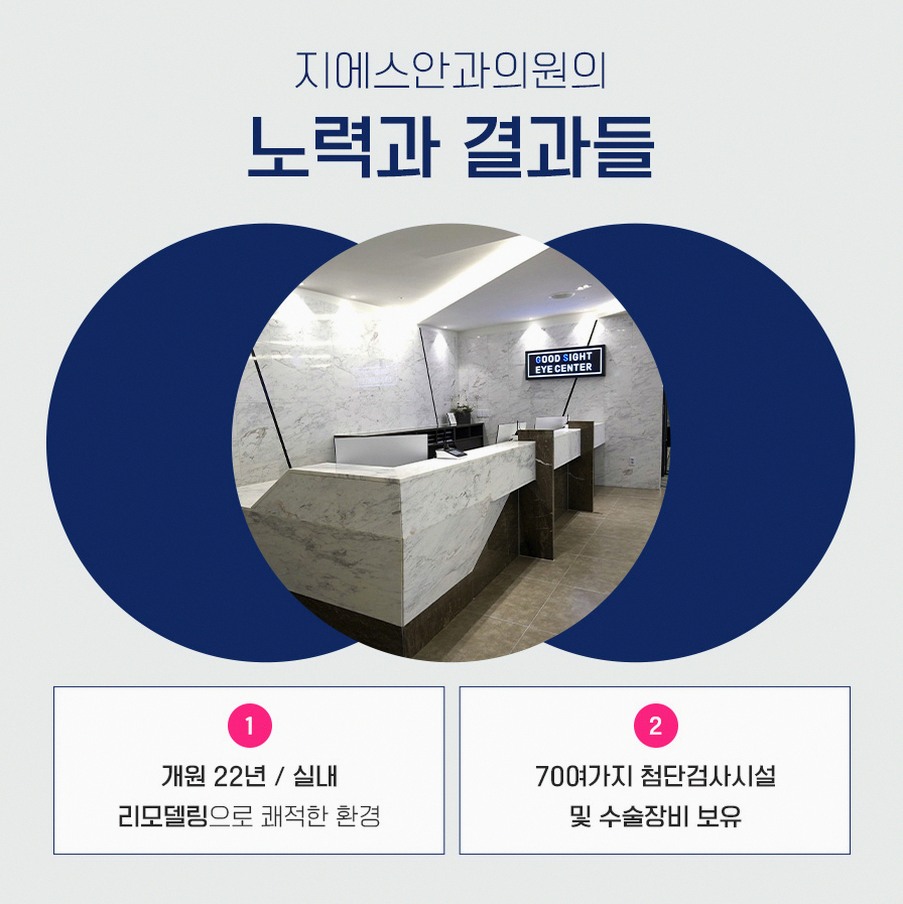
The presence of seven ophthalmology specialists, including retina experts, supports comprehensive evaluation and follow-up care. The multi-floor setup on Gangnam-daero, accessible from Gangnam Station and a short subway ride from Sinsa Station, can be convenient for repeated visits.
Aftercare once you return home
If you undergo SMILE or Smart LASIK in Seoul and then return to your home country, ongoing care is still important.
Before leaving Korea, ask the clinic for:
A summary of your procedure and early postoperative findings.
Recommended follow-up schedule for your local eye doctor.
Guidance on when you can resume specific activities such as sports, swimming, or long hours of screen use.
You should continue using prescribed eye drops as instructed and attend follow-up appointments at home. If you notice sudden pain, vision loss, or severe redness, seek urgent care and share your surgery details with the local ophthalmologist.
Frequently asked questions about Smart LASIK near Sinsa Station
What is the difference between SMILE, Smart LASIK, and regular LASIK?
SMILE and Smart LASIK use a small incision and a femtosecond laser to create and remove a lenticule inside the cornea, without making a wide flap. Regular LASIK creates a flap on the surface of the cornea, lifts it, reshapes the cornea with an excimer laser, and then replaces the flap. For suitable candidates, SMILE-type procedures may offer smaller incisions, potentially less dry eye, and a more stable corneal surface, but the best method depends on individual eye measurements.
How many days should I stay in Seoul for SMILE near Sinsa Station?
Many overseas patients plan to stay about five to seven days. This usually allows time for a full preoperative examination, surgery on the same or next day, and at least one or two follow-up visits before departure. If possible, a slightly longer stay gives more flexibility in case your eyes need additional observation. You should discuss your travel dates with the clinic in advance so they can propose a personalized schedule.
Is SMILE or Smart LASIK safe for everyone who wears glasses?
No, not everyone who wears glasses is a good candidate. Suitability depends on corneal thickness and shape, the level of myopia and astigmatism, tear film stability, and retinal health. Some people are better suited to LASEK or lens implantation, and some are advised not to have refractive surgery at all. A detailed preoperative examination and consultation with an ophthalmologist are essential before deciding.
Can I combine sightseeing or business meetings with my Smart LASIK trip?
Many patients do combine treatment with other activities, especially in the Sinsa and Gangnam area where shopping and dining options are close by. However, you should plan to rest on the day of surgery and the following day, avoid dusty environments, and protect your eyes. It is better to schedule intense sightseeing or long meetings before your procedure or after your main follow-up visits, and always follow the specific advice of your surgeon.
Soft call to action for online consultation
If you are considering Smart LASIK or SMILE near Sinsa Station and would like to explore options in Gangnam, you can contact GS Eye Center in advance for an online consultation. Sharing your basic eye history, current prescription, and travel plans will help the clinic suggest whether a visit to Seoul for examination and possible surgery is appropriate for you.
This article is for general information only and does not replace a personal consultation with a qualified ophthalmologist. Individual suitability, risks, and outcomes vary, and all decisions about surgery should be made after a thorough examination and discussion with your eye doctor.
- 공유 링크 만들기
- X
- 이메일
- 기타 앱


댓글
댓글 쓰기