in Gangnam: Same-Day Procedure, Candidacy & Aftercare
- 공유 링크 만들기
- X
- 이메일
- 기타 앱
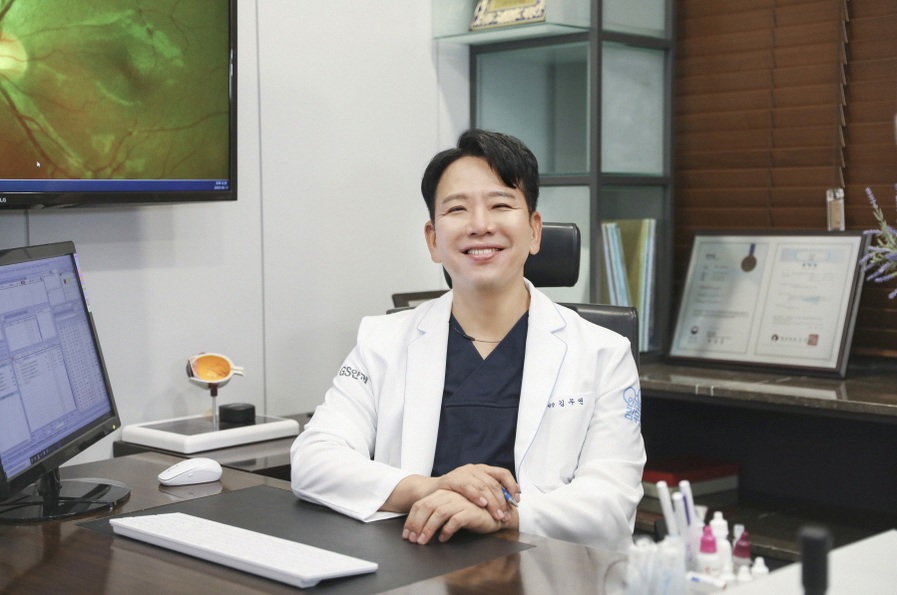


Direct answer summary
SMILE pro is a type of laser vision correction that reshapes the cornea using a small incision instead of a flap, and it is performed with the Zeiss VisuMax 800 femtosecond laser. It is used to correct myopia (short-sightedness) and astigmatism in an ophthalmology clinic setting. For overseas patients visiting Gangnam in Seoul, SMILE pro is usually done as a day procedure after a detailed eye examination and planning with an ophthalmologist.
Introduction
This guide explains what SMILE pro is, how the procedure works, who may consider it, how to prepare from overseas, what a typical visit to Korea might look like, and what to know about aftercare. It is written for international patients who are comparing options and want clear, neutral information before contacting a clinic such as GS Eye Center.
What is SMILE pro?
SMILE pro is an advanced form of laser vision correction known as small-incision lenticule extraction. Instead of creating a corneal flap like in traditional LASIK, SMILE pro uses a femtosecond laser to create a thin, lens-shaped piece of tissue (called a lenticule) inside the cornea.
During the procedure, the ophthalmologist removes this lenticule through a very small side incision. Removing the lenticule changes the shape of the cornea so that light focuses more accurately on the retina, helping to correct myopia and astigmatism.
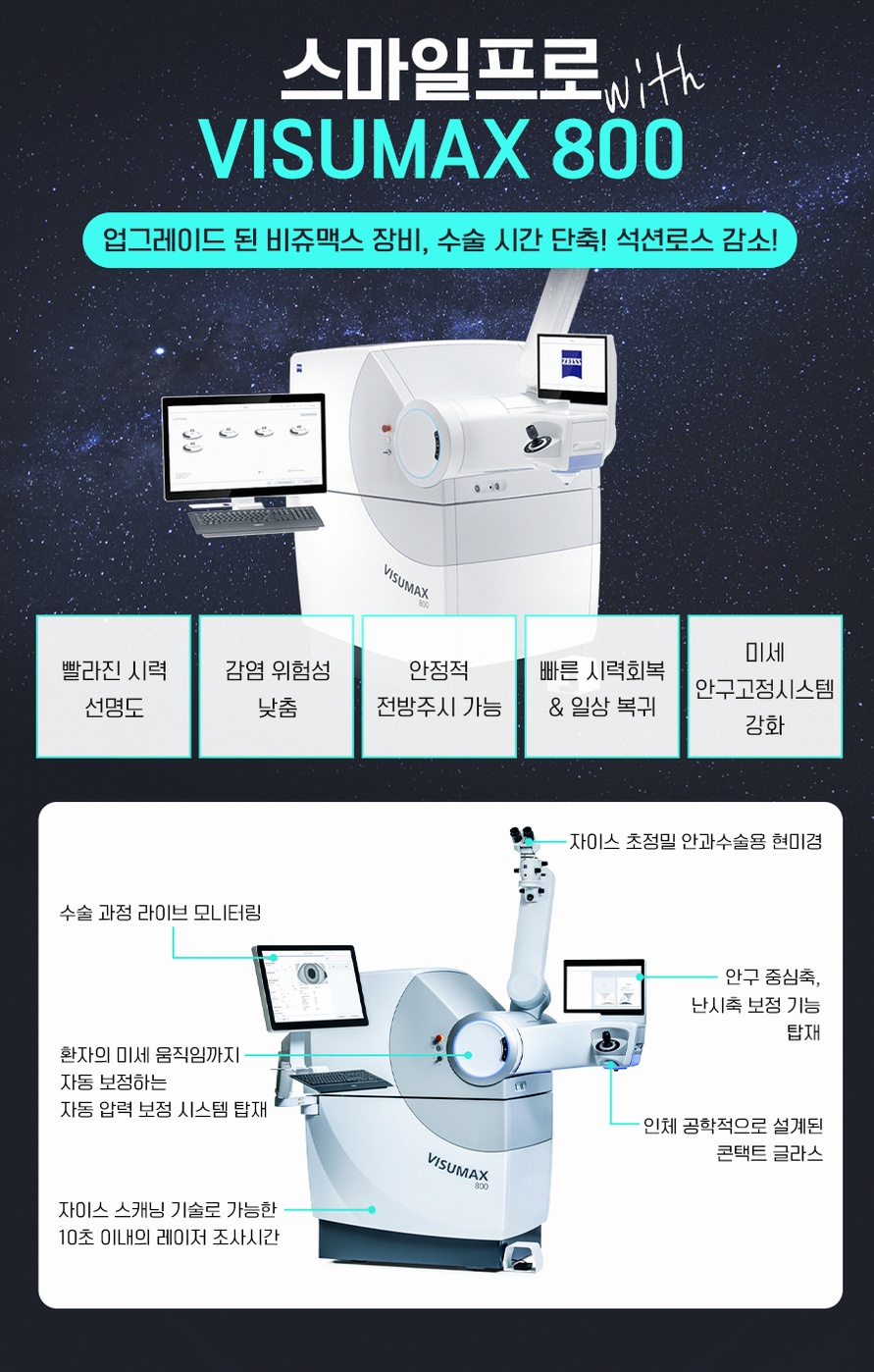
Key points about SMILE pro
It is performed with the Zeiss VisuMax 800 femtosecond laser.
It uses a small corneal incision rather than a large flap.
The tissue removal happens inside the cornea via lenticule extraction.
It is done in an ophthalmology clinic, usually as an outpatient procedure.
How SMILE pro differs from LASIK
In LASIK, the surgeon creates a thin flap in the front layer of the cornea, lifts it, reshapes the underlying tissue with an excimer laser, and then repositions the flap.
In SMILE pro, there is no flap. The VisuMax 800 laser creates the lenticule and a small access incision. The surgeon then removes the lenticule through this micro-incision. Because there is no flap, the surgical steps and the way the cornea is altered are different from LASIK.
How the SMILE pro procedure works
Preoperative eye examination
Before SMILE pro is considered, you need a comprehensive eye examination. For an international patient, this is usually scheduled as a dedicated preoperative visit.
Typical examination elements include:
Measurement of your glasses or contact lens prescription (refraction).
Corneal thickness measurement to check if there is enough tissue for safe treatment.
Corneal shape and curvature mapping to screen for irregularities.
Evaluation of tear film and dry eye status.
Examination of the lens, retina, and overall eye health.
Screening for conditions that may make surgery unsuitable, such as certain corneal diseases or retinal problems.
Planning and candidacy assessment
After the examination, the ophthalmologist reviews whether SMILE pro is appropriate for your eyes. They consider:
Your degree of myopia and astigmatism.
Stability of your prescription over time.
Corneal thickness and curvature.
Any previous eye surgery or eye disease.
Your lifestyle, job, and visual needs.
The choice is individual and should be based on examination findings and a risk–benefit discussion.
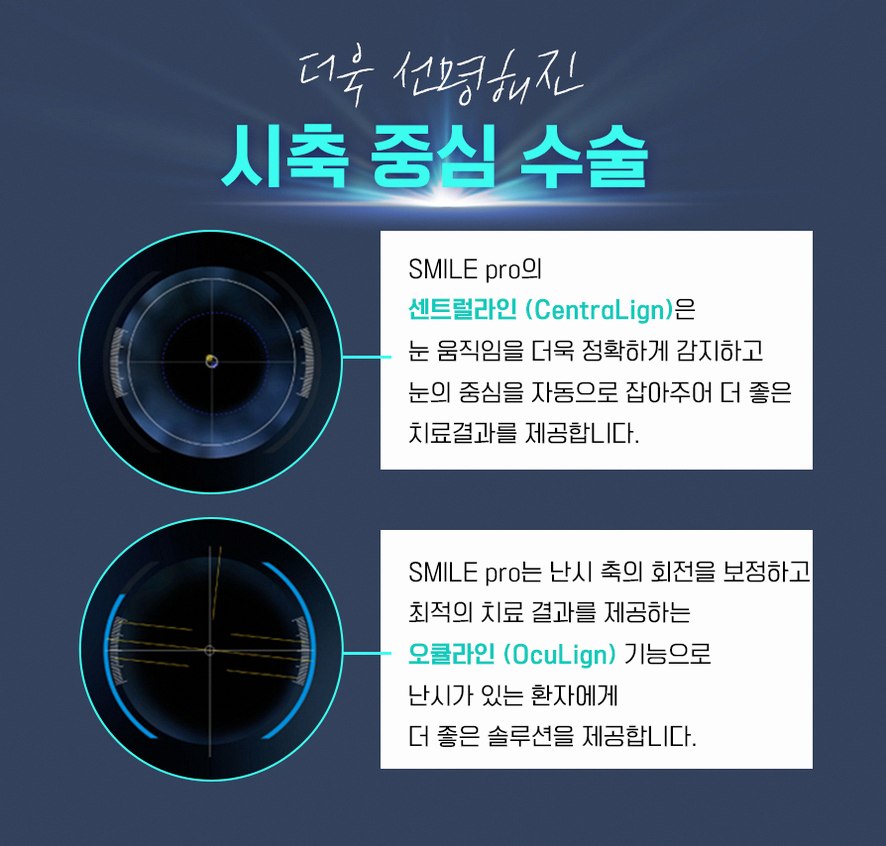
Step-by-step on the day of SMILE pro
- Arrival and final checks
- You will usually arrive at the clinic on the day of surgery for final measurements and confirmation of your treatment plan. You may be asked to sign consent forms and review instructions again.
- Anesthetic eye drops
- Before the procedure, anesthetic eye drops are applied to numb the surface of your eyes. This helps reduce discomfort during the laser and lenticule removal steps.
- Positioning under the Zeiss VisuMax 800
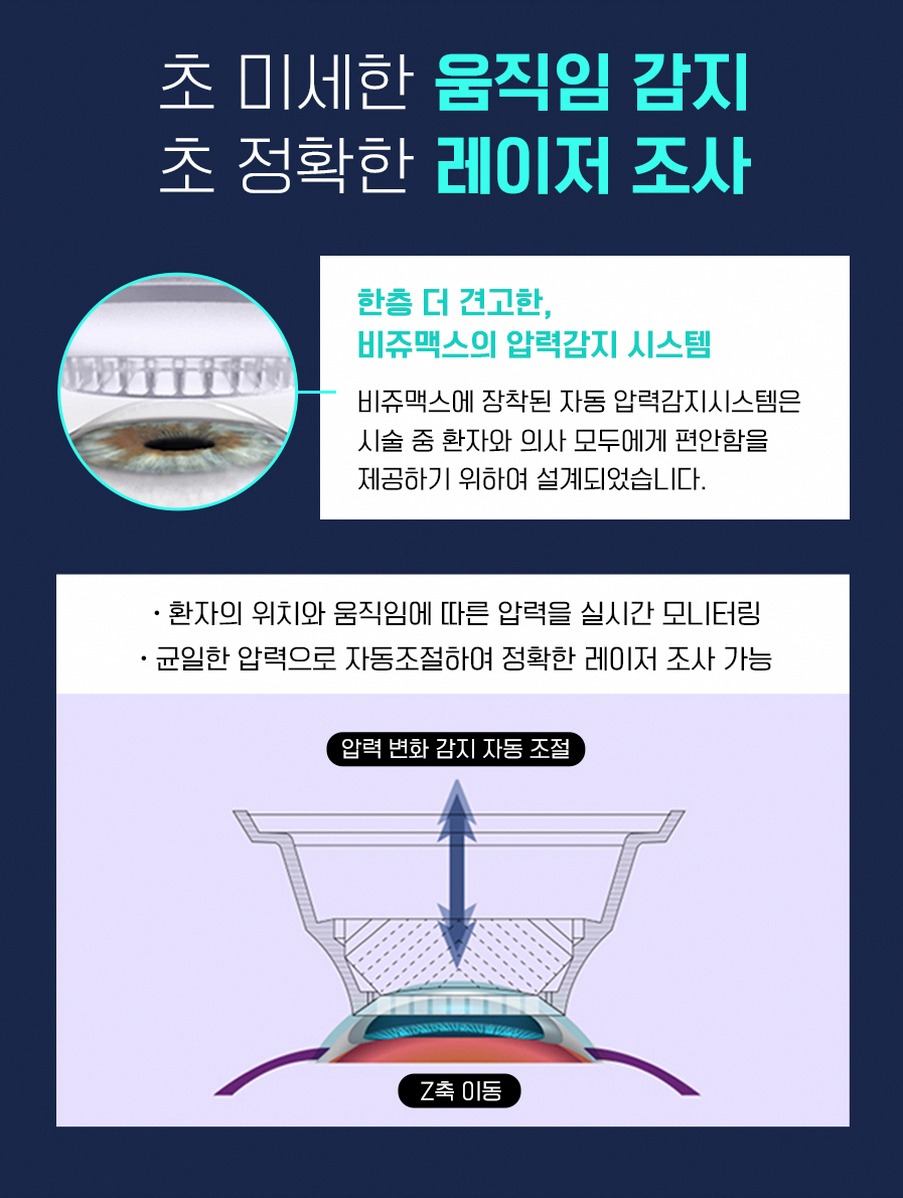
- You lie on the procedure bed, and your eye is positioned under the VisuMax 800 laser. A small device gently holds your eyelids open. The laser system is designed to keep your eye stable during treatment.
- Creation of the lenticule and small incision
- Using the VisuMax 800, the surgeon initiates the laser sequence. The laser creates a thin, lens-shaped lenticule inside the cornea and a small side incision. The laser application is designed to be very short, typically within several seconds, but the exact timing can vary by individual and clinic protocol.
- Lenticule removal
- Through the small incision, the surgeon carefully separates and removes the lenticule. Once the lenticule is removed, the shape of the cornea changes according to the planned correction.
- Immediate post-procedure period
- After the procedure, you rest in the clinic for a short time while your eyes are checked. You will receive instructions on eye drops, protective measures, and follow-up visits. Most patients go back to their accommodation the same day, but vision may be hazy at first.
The role of the Zeiss VisuMax 800 in SMILE pro
SMILE pro is specifically performed on the Zeiss VisuMax 800 femtosecond laser platform. This system is designed to:
Create the lenticule and small incision with high precision.
Complete the laser portion of the procedure within a short time frame.
Integrate planning and execution for consistency and efficiency.
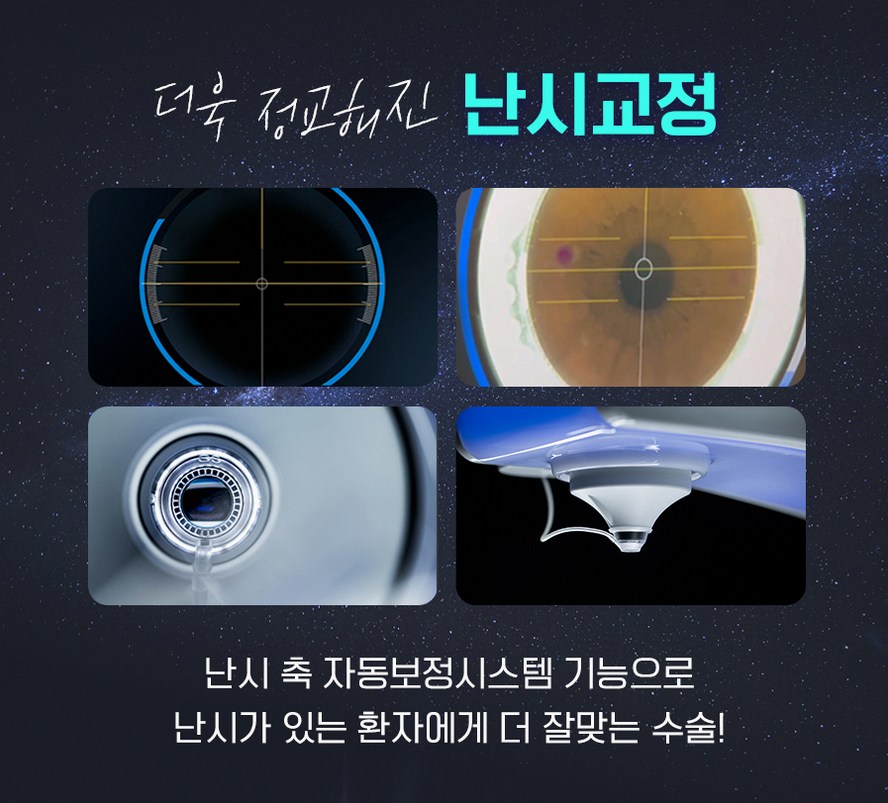
For patients, this means the key steps of lenticule creation and incision are handled by a dedicated SMILE pro platform. While this technology can support accurate treatment delivery, it does not guarantee specific vision results for every individual. Outcomes still depend on your eye condition, healing response, and adherence to aftercare instructions.
Who may consider SMILE pro
Typical candidate profile
Adults with stable myopia and/or astigmatism who wish to reduce their dependence on glasses or contact lenses are often evaluated for SMILE pro. In general, you may be considered if:
Your prescription has been stable for a period of time.
Your corneal thickness and shape are within safe parameters.
You do not have significant untreated eye disease.
You understand the benefits and limitations of laser vision correction.
Importance of individualized assessment
Even if you match the typical profile, only a full eye examination can confirm whether SMILE pro is appropriate. Some patients have corneas that are too thin, irregular, or otherwise unsuitable. Others may have dry eye, retinal issues, or lens changes that point toward different treatment options.
In some cases, a clinic may recommend SMILE LASIK, LASEK, or lens-based procedures instead of SMILE pro. The decision is not only about technology but about what is safest and most suitable for your eyes and long-term vision.
Safety, benefits, and limitations of SMILE pro
Potential benefits
Small incision and no corneal flap compared with LASIK.
Internal tissue removal via lenticule extraction rather than surface reshaping.
Procedure typically performed as an outpatient visit.
These aspects can be attractive for people who prefer a small-incision approach and want to avoid a flap-based procedure.
Limitations and cautions
Not everyone is a candidate; some corneas or eye conditions are unsuitable.
Visual recovery speed and comfort vary from person to person.
Side effects such as dryness, glare, or halos can occur, and their degree varies.
Long-term eye health and realistic expectations should always be discussed with an ophthalmologist.

No clinic can guarantee a specific vision level or completely risk-free experience. When comparing clinics, focus on examination quality, explanation of risks, and follow-up plans rather than promises of perfect results.
SMILE pro vs other vision correction options
SMILE pro vs LASIK
SMILE pro:
Uses a small incision and no corneal flap.
Removes an internal lenticule created by the femtosecond laser.
LASIK:
Requires creation of a corneal flap.
Uses an excimer laser to reshape the cornea after lifting the flap.
Both aim to correct refractive errors, but the surgical steps and corneal handling differ.
SMILE pro vs LASEK and other surface procedures
LASEK and other surface procedures involve removing or loosening the surface epithelial layer of the cornea, reshaping the underlying tissue with an excimer laser, and then allowing the surface to heal over time.
In contrast, SMILE pro keeps the surface largely intact, using a small incision to access and remove the internal lenticule. Healing patterns and early comfort can differ between these approaches, and your ophthalmologist will explain which is more appropriate for your corneal thickness, shape, and lifestyle.
Lens implantation and cataract or presbyopia surgery
rather than as direct alternatives to SMILE pro for every patient.
Your ophthalmologist can explain when a lens-based approach may be safer or more effective than corneal laser surgery.
Examination and consultation process
Why a thorough eye examination matters
For international patients, time in Korea may be limited, but it is still essential to have a complete eye examination before committing to SMILE pro. This examination helps to:
Confirm whether SMILE pro is suitable and safe.
Detect any underlying eye conditions that need attention.
Plan the exact treatment parameters.
Set realistic expectations about vision and recovery.
What your ophthalmologist will check
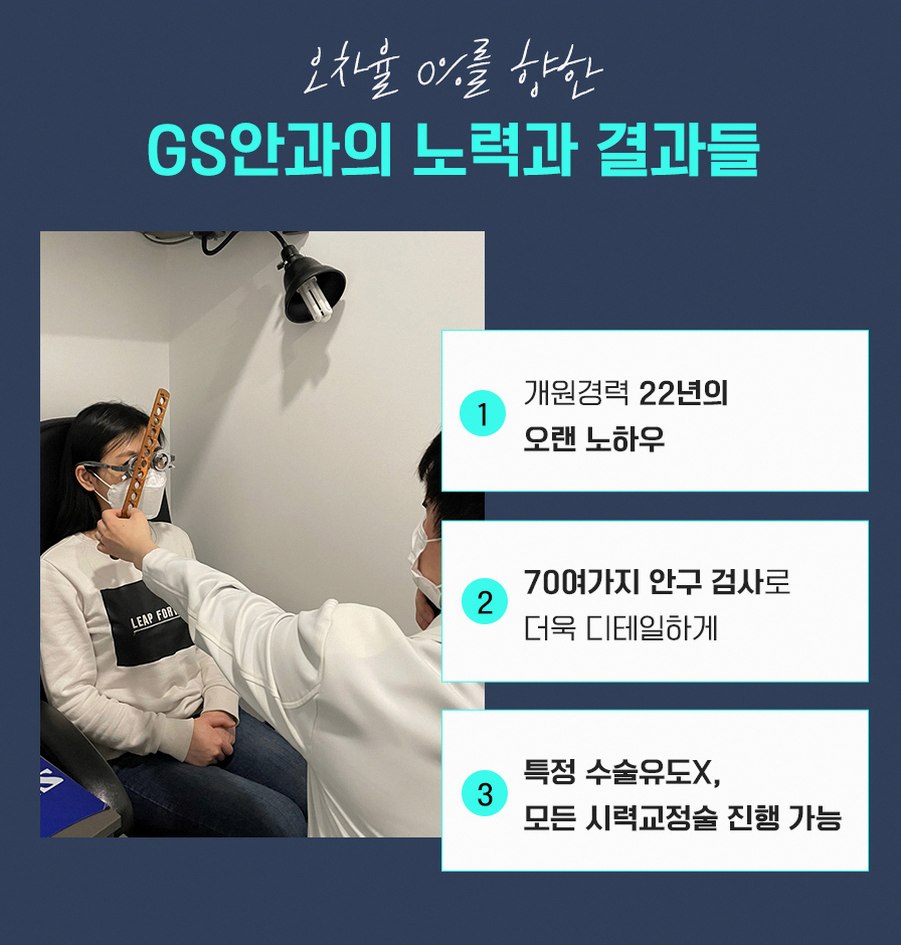
During consultation, the ophthalmologist or clinical team will typically:
Review your medical and eye history, including any previous surgeries.
Measure your refractive error and check prescription stability.
Map your corneal shape and measure thickness.
Assess tear film and dry eye status.
Examine your lens, retina, and optic nerve.
Based on these findings, they will explain whether SMILE pro is recommended or whether another option might be better for you.
Online consultation and pre-visit preparation for overseas patients
Online or remote consultation
Many international patients start with an online consultation before traveling. While a full decision cannot be made without in-person tests, an online discussion can:
Review your current glasses or contact lens prescription.
Check your general health and eye history.
Explain the range of procedures available, including SMILE pro.
Outline a tentative visit schedule and expected follow-up.
To make this more effective, prepare the following information in advance:
Recent prescription details from your local eye check.
Any previous eye surgery reports, if applicable.
List of medications and any eye drops you use.
History of eye conditions such as dry eye, allergies, or retinal problems.
Questions to prepare before contacting a clinic
Instead of focusing only on price, it can be helpful to ask:
Which procedures are available for my level of myopia and astigmatism?
What examinations will you perform before deciding on SMILE pro?
In what situations would you recommend alternatives like SMILE LASIK, LASEK, or lens implantation?
How many follow-up visits are usually needed, and over what time frame?
What should I do if I have concerns after I return to my home country?
Noting these questions in advance can help you compare clinics more clearly and understand how each clinic supports international patients.
Expected Korea visit timeline for SMILE pro
A typical schedule for an overseas patient might look like this, although exact timing varies by clinic and individual situation:
Day 1: Arrival and rest
You arrive in Seoul, check in to your accommodation, and allow time to adapt to the local time zone.
Day 2: Comprehensive eye examination and consultation
You visit the ophthalmology clinic for a full eye examination and discussion of options. If SMILE pro is suitable and you decide to proceed, surgery may be scheduled for the same day or the next day, depending on clinic policy and your eye condition.
Day 2 or 3: SMILE pro procedure
The procedure itself is usually completed within a short clinic visit. You return to your accommodation afterward and follow the clinic’s instructions on rest, eye drops, and protection.
Day 3–5: Early follow-up visits
You attend one or more follow-up checks to monitor healing and confirm that your eyes are recovering as expected. During this period, you may be advised to limit heavy exercise, avoid eye rubbing, and protect your eyes from dust or water.
Day 5–7 or later: Return home
Many international patients return home within about a week, but the exact timing should be agreed with your ophthalmologist. You will receive guidance on ongoing eye drop use and recommendations for follow-up with a local eye doctor if needed.
Aftercare and long-term considerations
Immediate aftercare
After SMILE pro, you will usually be prescribed eye drops such as lubricants and anti-inflammatory drops. It is important to:
Use drops exactly as instructed.
Avoid rubbing your eyes.
Avoid swimming pools and hot tubs for a period recommended by your clinic.
Protect your eyes from strong wind, dust, and accidental bumps.
Visual recovery and comfort
Vision may be hazy or fluctuating in the early days. Some people notice improvement quickly, while others take longer. Mild discomfort, dryness, or foreign-body sensation can occur. If you experience unexpected pain, sudden vision changes, or other worrying symptoms, you should contact the clinic promptly.
Long-term follow-up
Even after you return home, it is wise to:
Have periodic eye examinations with a local ophthalmologist.
Inform your local doctor about your SMILE pro procedure and provide any reports you received.
Monitor for changes in vision and eye comfort over time.
Your clinic can often provide a written summary of your treatment to share with your local eye doctor.
Role of clinic experience and equipment
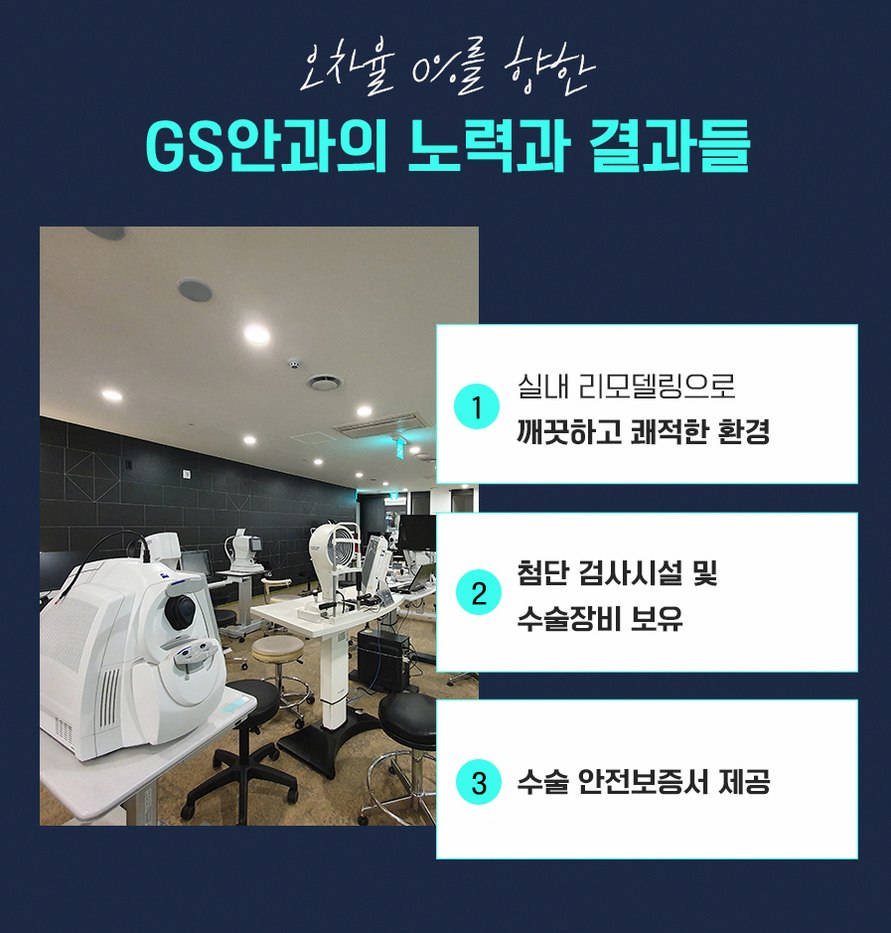
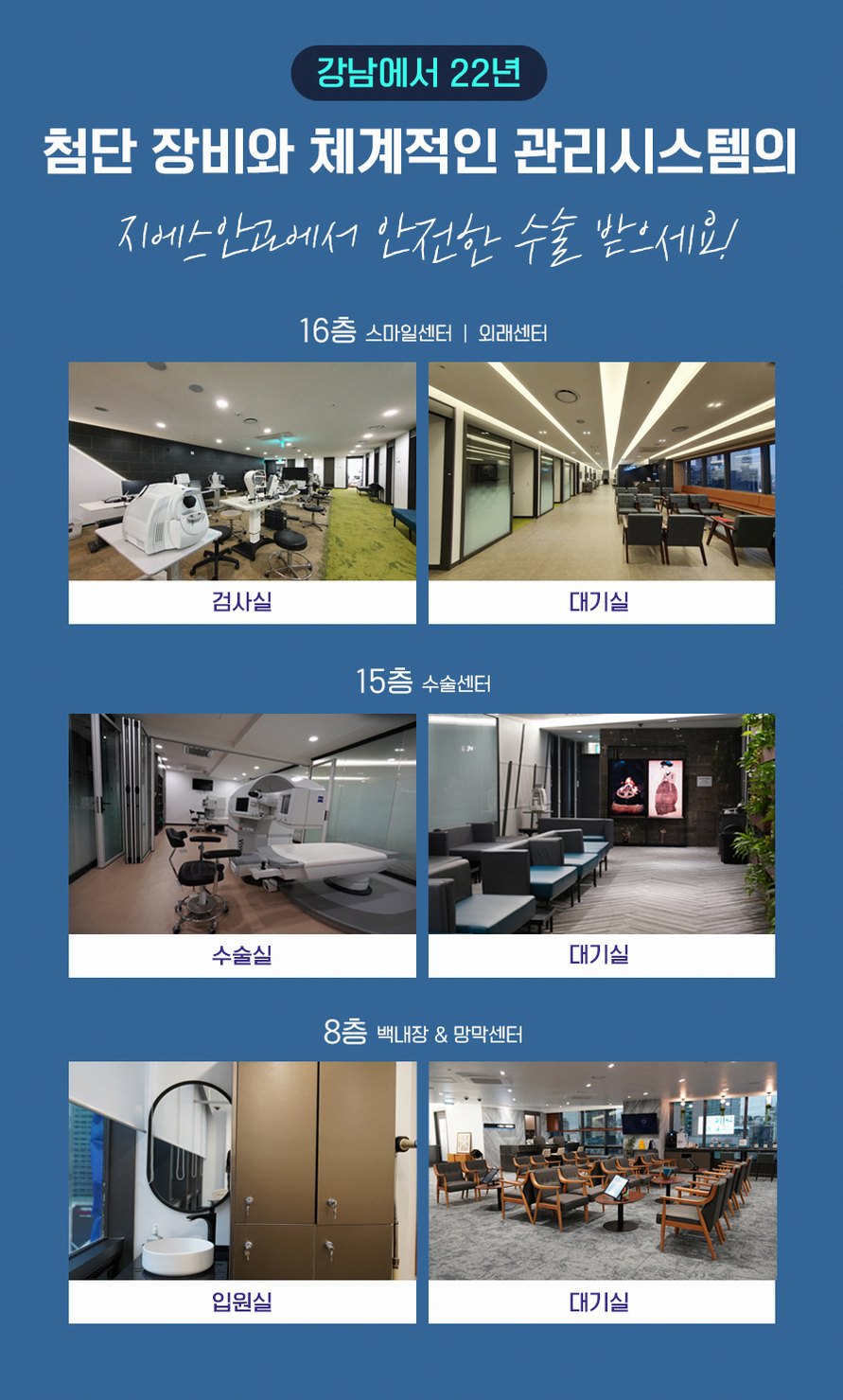
GS Eye Center is an ophthalmology clinic in Gangnam, Seoul, that performs SMILE pro using the ZEISS VisuMax 800 and reports extensive experience with laser vision correction and cataract surgery. It was designated a ZEISS SMILE pro CENTER in 2023 and operates ZEISS VisuMax 800 and multiple VisuMax 500 units, and additionally owns an ELITA system (Johnson & Johnson).
For patients, this type of environment can mean:
Access to a dedicated SMILE pro platform (VisuMax 800).
Availability of different laser and lens-based options if SMILE pro is not ideal.
Structured examination and consultation processes.
When comparing clinics, consider not only the technology but also how clearly the team explains your options, how they structure follow-up, and how they support international patients before and after treatment.
Frequently asked questions about SMILE pro in Seoul
Is SMILE pro suitable for all levels of myopia and astigmatism?
No, SMILE pro is not suitable for every prescription. There are ranges of myopia and astigmatism that can typically be treated, but exact limits depend on corneal thickness, shape, and overall eye health. During your examination, the ophthalmologist will measure these factors and explain whether SMILE pro is appropriate or whether another procedure might be safer or more effective.
How long do I need to stay in Korea after SMILE pro?
Many international patients stay about one week, but this can vary. Clinics often recommend at least a few days after surgery for early follow-up visits to check healing and vision. Your exact schedule should be discussed in advance, taking into account your travel plans, eye condition, and any additional procedures or tests that may be needed.
Can I choose SMILE pro instead of LASIK just because I prefer it?
Preference is important, but safety and suitability come first. Some eyes are better suited to SMILE pro, while others may be better candidates for LASIK, LASEK, or lens-based options. The ophthalmologist will review your examination results and explain the pros and cons of each method for your specific situation. The final decision should be made together, based on medical findings and your priorities.
What should I prepare before an online consultation about SMILE pro?
Before an online consultation, prepare your most recent glasses or contact lens prescription, any previous eye surgery records, and a list of medications and eye drops you use. It is also helpful to write down your main goals (for example, sports, work needs, or night driving) and any concerns or questions you have. This information helps the clinic provide more tailored guidance and plan your in-person examination and potential surgery dates.
Soft call to action
If you are considering SMILE pro during a visit to Gangnam in Seoul, arranging an online consultation with an ophthalmology clinic such as GS Eye Center can be a useful first step. By sharing your prescription and eye history in advance, you can receive preliminary guidance on whether SMILE pro might be an option and how to structure your trip for examination, treatment, and follow-up.
Final note
This guide is for general information only and does not replace a face-to-face examination or personalized advice from an ophthalmologist. Individual suitability, risks, and expected outcomes for SMILE pro or any other vision correction procedure must be assessed by a qualified eye specialist after a full eye examination.

- 공유 링크 만들기
- X
- 이메일
- 기타 앱


댓글
댓글 쓰기