in Seoul: who qualifies and pre-op checks
- 공유 링크 만들기
- X
- 이메일
- 기타 앱


Direct answer summary
For international patients coming to Seoul, it is typically performed under topical anesthesia with numbing eye drops; the procedure itself is brief, and many patients notice improved vision within a few days, though recovery varies by individual. However, not everyone is a candidate. A detailed eye examination at an ophthalmology clinic is essential to confirm whether SMILE LASIK is suitable and to compare it with options such as LASIK, LASEK, or lens implantation.
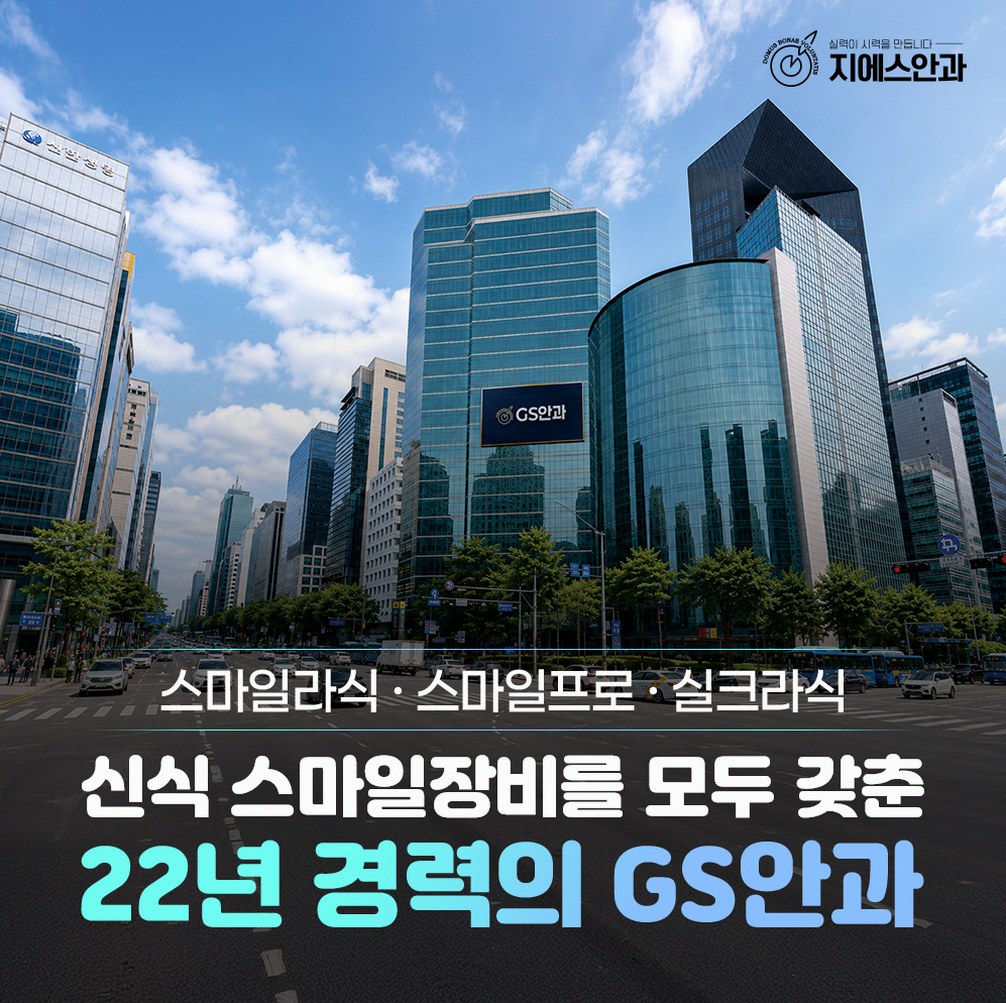
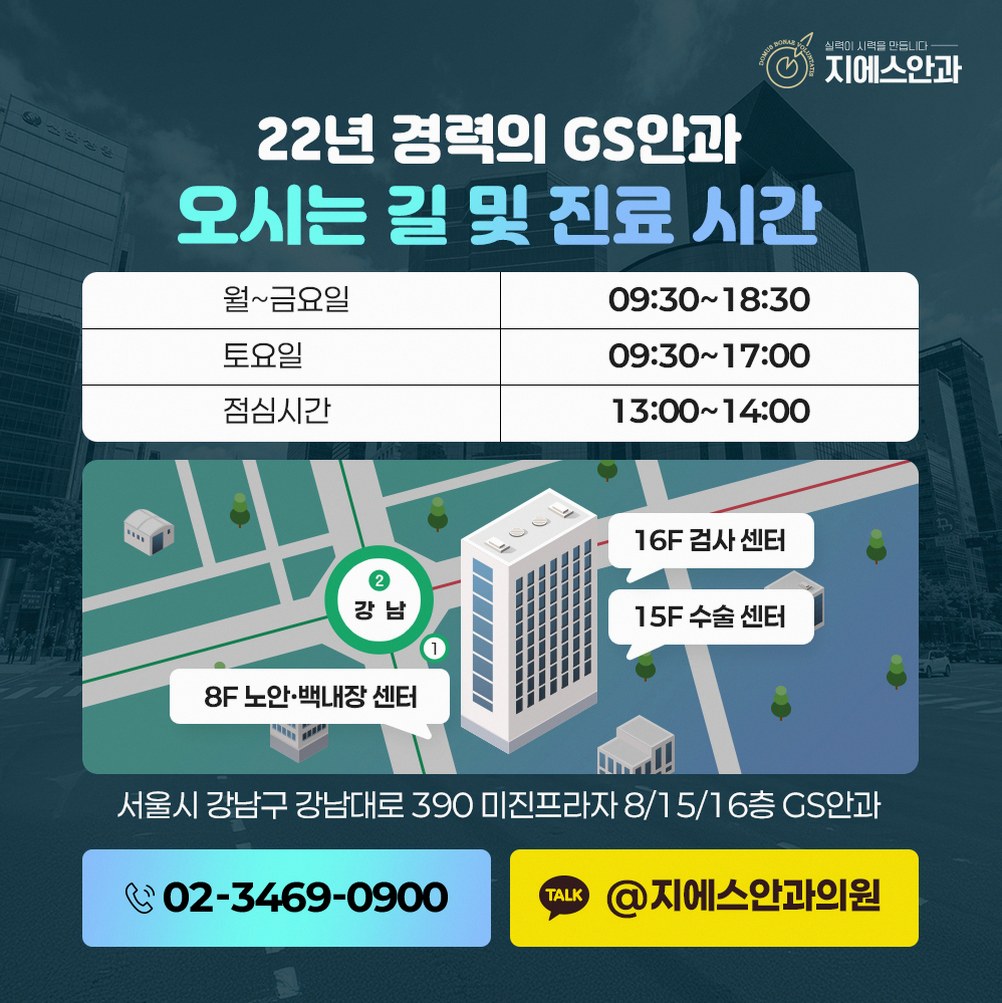
GS Eye Center on Gangnam-daero in Seoul can be used as an example of a specialized ophthalmology clinic that performs SMILE-type procedures using ZEISS VisuMax laser platforms, but your own choice of clinic should be based on careful research, direct consultation, and your individual eye condition.
What is SMILE LASIK surgery
SMILE LASIK stands for small-incision lenticule extraction. It is a type of laser vision correction that uses a femtosecond laser to create a thin disc of tissue, called a lenticule, inside the cornea. The surgeon then removes this lenticule through a very small incision, which changes the shape of the cornea and reduces myopia and astigmatism.
Unlike conventional LASIK, SMILE LASIK does not require a large corneal flap. In LASIK, a flap is created and lifted, the cornea is reshaped with an excimer laser, and the flap is placed back. In SMILE LASIK, there is no broad flap; only a micro-incision is made. Compared with surface procedures like LASEK, SMILE LASIK usually involves less surface disruption, which may translate into faster comfort for some patients.
SMILE LASIK is mainly used to correct nearsightedness (myopia) and certain amounts of astigmatism, within specific ranges defined by the laser system and by safety guidelines. It is not designed to correct every type of refractive error, and it is not the same as lens implantation or cataract surgery.
How SMILE LASIK works
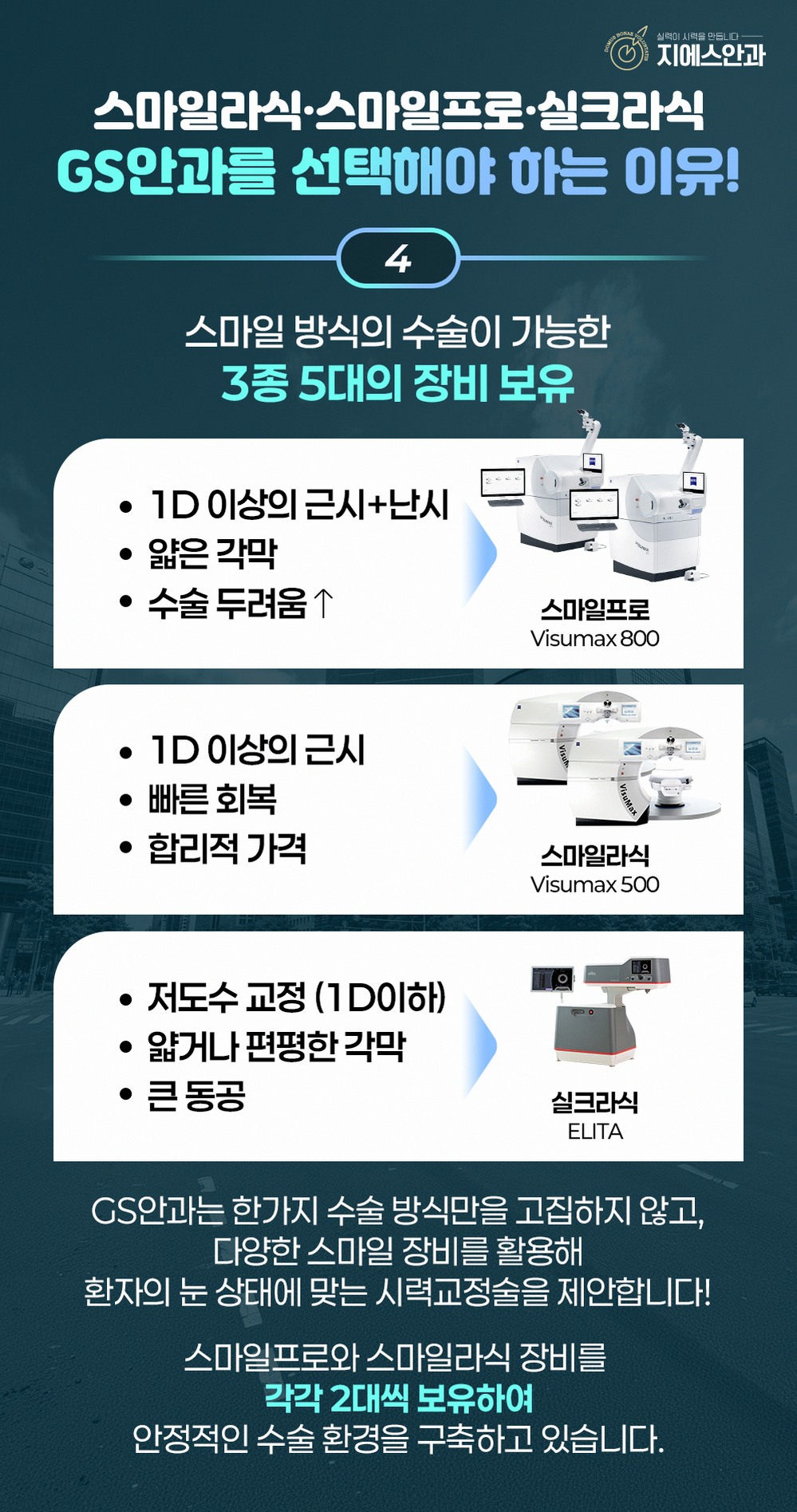
During SMILE LASIK, a femtosecond laser, such as ZEISS VisuMax 500 or VisuMax 800 used for SMILE Pro, is programmed with your eye measurements. The laser creates the lenticule and a small side incision inside the cornea in a single step. The surgeon then gently separates and removes the lenticule through the micro-incision.
By removing this precisely shaped piece of tissue, the central cornea becomes flatter, which reduces myopia. If astigmatism is present, the lenticule is shaped to correct that as well. Because the incision is small and no large flap is lifted, more of the corneal surface and nerve structure may be preserved compared with flap-based LASIK in some patients.
Who may consider SMILE LASIK
Typical candidates for SMILE LASIK are adults whose glasses or contact lens prescription has been stable for at least 1–2 years. Many clinics use a minimum age of around 18, but the more important factor is stability of refraction and overall eye health.
General requirements include adequate corneal thickness, a regular and healthy corneal shape, no active eye disease or uncontrolled inflammation, and realistic expectations about what vision correction can and cannot achieve. People with moderate myopia and regular astigmatism within the approved range of the laser platform are often considered.
Who may not be suitable
SMILE LASIK is not for everyone. It may not be recommended if you have:
Very thin corneas, where removing tissue would leave the cornea structurally weak.
Very high myopia beyond the safe range for tissue removal.
Irregular corneas or suspicion of keratoconus on topography or tomography.
Severe dry eye that could worsen after corneal surgery.
Significant corneal scars or previous corneal disease.
Certain systemic diseases or medications that affect wound healing.
In such cases, an ophthalmologist may suggest alternatives such as surface ablation (LASEK), phakic lens implantation (for example, ICL or similar lenses), or in older patients, lens-based solutions related to presbyopia or cataract. The decision is highly individual and must follow a comprehensive eye examination.
Importance of a detailed preoperative examination
Before SMILE LASIK surgery, a modern ophthalmology clinic will usually perform a structured, multi-step eye examination. This is particularly important for safety, because the procedure involves removing corneal tissue and permanently changing the shape of your eye.
Typical preoperative tests include:
Visual acuity testing with and without correction.
Refraction to measure your exact prescription, often both manually and with automated devices.
Corneal topography and tomography to map the front and back surfaces of the cornea and detect any irregularities or early keratoconus.
Corneal thickness measurement (pachymetry) to ensure there is enough tissue for safe lenticule removal.
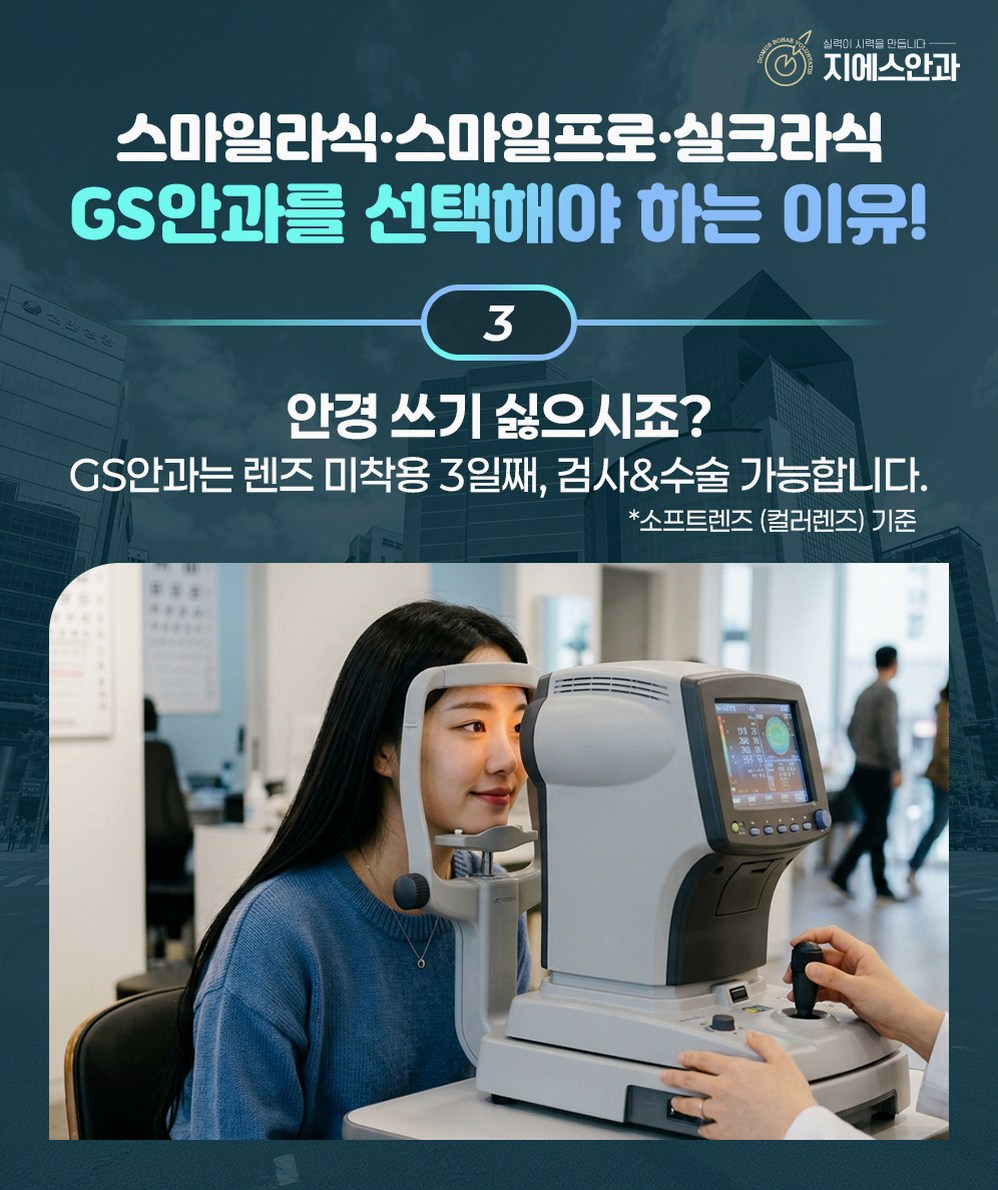
Tear film and dry eye evaluation to assess whether your eyes can tolerate corneal surgery and heal comfortably.
Pupil size measurement, especially in low light, to evaluate the risk of halos and glare.
Intraocular pressure measurement to screen for glaucoma or pressure-related issues.
Retinal and macular examination, often including dilated fundus exam and sometimes imaging, to check for retinal tears, degeneration, or other pathologies.
Detailed corneal mapping and thickness measurement are critical for SMILE LASIK because they help the surgeon calculate how much tissue can be safely removed and whether your cornea has a stable, regular shape. If any red flags are found, the surgeon may advise against SMILE LASIK or recommend a different procedure.

Example of clinic capabilities in Seoul
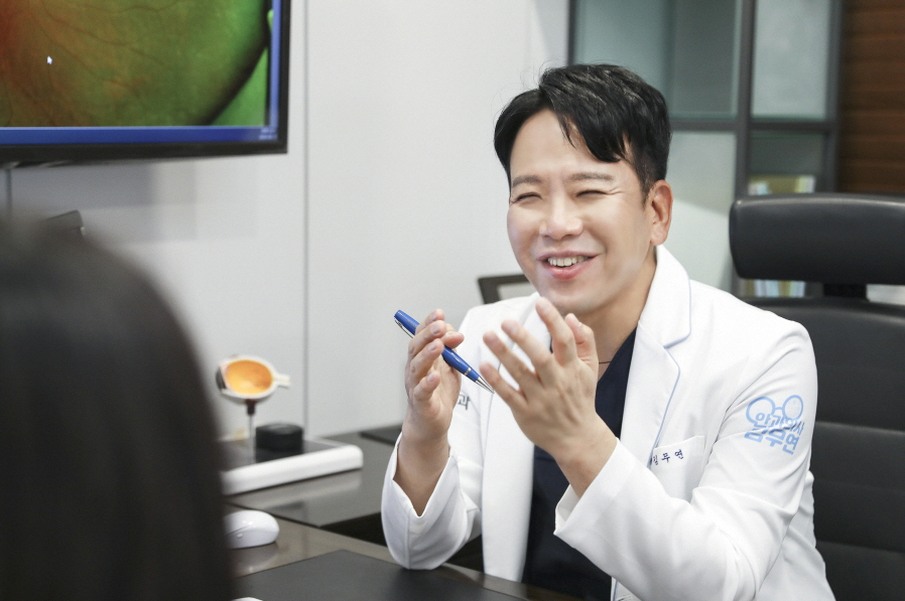
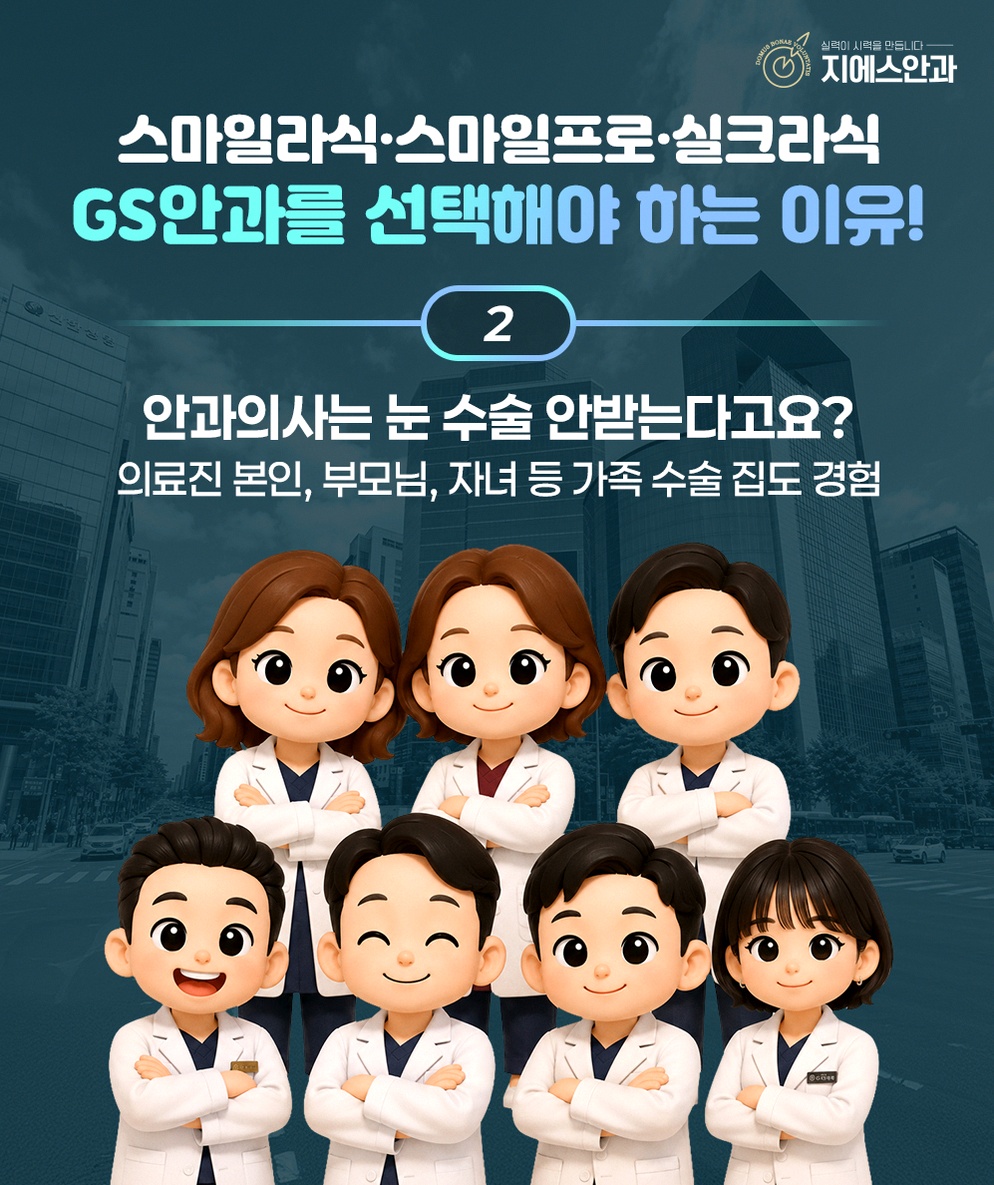
In Seoul’s Gangnam area, GS Eye Center on Gangnam-daero near Gangnam Station can be used as an example of how a specialized ophthalmology clinic may organize SMILE-type services. This clinic opened in 2005 in the same location and now operates under its current name with a team of seven board-certified ophthalmologists, including a medical director with university hospital teaching experience and a medical doctorate.
As an illustration of what you might look for when choosing a clinic, they use three ZEISS platforms: a VisuMax 800 system for SMILE Pro and two VisuMax 500 units for SMILE LASIK. Designations such as ZEISS SMILE pro CENTER or SILK training center indicate that a clinic has experience with specific laser platforms and may participate in training other doctors, but they do not guarantee individual outcomes.
This clinic also has a separate retina service staffed by fellowship-trained retina specialists, which is relevant for preoperative retinal evaluation before vision correction. They report large cumulative experience in refractive and cataract surgery over many years. Such experience can help refine examination protocols, surgical workflows, and complication management, but again, results still depend on your individual eyes and the specific surgeon.
What happens on the day of SMILE LASIK surgery
From a patient’s perspective, SMILE LASIK is usually a short, outpatient procedure.
On the day of surgery, you typically:
Check in and review your preoperative test results.
Discuss the final surgical plan, including target correction and any specific considerations.
Sign consent forms if not already completed.
In the procedure room:
Anesthetic eye drops are applied. General anesthesia is not used; you remain awake but should not feel sharp pain.
Your eye is positioned under the femtosecond laser, such as a VisuMax 500 or VisuMax 800 used for SMILE Pro.
The laser creates the lenticule and a small incision within the cornea. With the VISUMAX 800, laser delivery can be very brief—around 9 seconds—though actual times vary.
The surgeon then manually separates and removes the lenticule through the micro-incision using fine instruments.
The total time in the laser room is usually several minutes per eye, with most of the time spent on positioning, checking alignment, and ensuring comfort. After the procedure, you rest briefly before going home or back to your accommodation with protective eye shields and postoperative instructions.
Recovery and aftercare
Many patients notice improved functional vision within 1–2 days after SMILE LASIK surgery, though vision can fluctuate for several weeks as the cornea stabilizes. It is common to experience:

Mild foreign-body sensation or scratchy feeling in the eyes.
Tearing or watery eyes.
Sensitivity to light, especially bright sunlight or screens.
Slight blurring or fluctuation in clarity, particularly in the first days.
Standard precautions after SMILE LASIK include:
Avoid rubbing your eyes, especially in the first weeks.
Avoid swimming pools, hot tubs, and natural bodies of water for a period specified by your surgeon.
Avoid heavy eye makeup and eyelash extensions for a recommended time.
Limit exposure to very dusty or smoky environments.
Wear protective sunglasses outdoors to reduce light sensitivity and protect from UV.
You will usually be prescribed eye drops, such as antibiotic drops to reduce infection risk, anti-inflammatory drops to control healing, and lubricating drops to relieve dryness. It is important to use these exactly as directed and not to stop them early without your surgeon’s advice.
Follow-up visits are essential. For overseas patients, clinics often schedule an early postoperative check within 1–2 days, another visit within about a week, and sometimes a further visit at 1 month. If you cannot stay in Korea that long, you should plan follow-up care with an ophthalmologist in your home country.
Benefits of SMILE LASIK
SMILE LASIK offers several potential advantages compared with traditional flap-based LASIK, though individual experiences vary.
Key potential benefits include:
Small incision without a large corneal flap, which may preserve more corneal surface and nerve fibers.
Potentially better biomechanical stability of the cornea in some patients, because there is no broad flap hinge.
Often associated with less postoperative dry eye symptoms in some studies, though dry eye can still occur.
Rapid visual recovery, with many patients returning to everyday activities within a few days.
Relatively comfortable postoperative course, with less surface pain compared with some surface procedures.
Limitations and risks
Like all surgical procedures, SMILE LASIK has limitations and potential risks.
Not all prescriptions or corneal shapes are suitable. Very high myopia, irregular corneas, or very thin corneas may not be good candidates.
Side effects can include halos, glare, starbursts around lights, especially at night, and temporary visual fluctuations.
There is a possibility of undercorrection or overcorrection, which may require glasses, contact lenses, or in some cases, an enhancement procedure.
Dry eye symptoms can occur, even if the risk may be lower than with flap-based LASIK in some patients.
Rare complications related to lenticule creation or removal can occur, such as incomplete lenticule extraction or interface issues, which require careful management by an experienced surgeon.
Outcomes depend on many factors, including your initial prescription, corneal thickness and shape, tear film quality, and how well you follow postoperative instructions. The specific laser model is only one part of the overall safety and quality equation.
Other related procedures for context
In addition to SMILE LASIK, many ophthalmology clinics in Seoul offer related vision correction options. These are not replacements for SMILE LASIK but alternatives for patients who are not ideal candidates.
SMILE Pro and SILK are newer-generation small-incision or lenticule-based procedures that use updated femtosecond laser platforms. They share the concept of minimally invasive corneal reshaping but differ in technical details and device design.
Surface ablation procedures such as LASEK remove the surface epithelium and reshape the cornea with an excimer laser. They may be considered for patients with thinner corneas or certain corneal characteristics where flap-based or lenticule procedures are less suitable.
Phakic lens implantation, such as ICL or similar lenses, involves placing a lens inside the eye without removing the natural lens. This is often considered for very high myopia or when the cornea is not suitable for laser reshaping.
For older patients with presbyopia or cataract, lens-based options using multifocal or other specialized intraocular lenses are usually discussed separately from corneal laser procedures.
Why education, training, and certifications matter
When choosing a clinic for SMILE LASIK surgery in Seoul, it can be useful to check whether the clinic participates in clinical education and training programs. For example, some clinics are designated as clinical education institutions by medical schools or by device manufacturers for specific laser systems.
Such roles often mean the clinic’s surgeons are exposed to updated guidelines, new techniques, and structured protocols for examination, surgery, and follow-up. They may also host visiting doctors and contribute to training programs.
Some centers obtain ISO 9001 and ISO 14001 certifications related to quality and environmental management. These are international standards that describe how processes are organized and monitored. They do not guarantee surgical results, but they suggest that the clinic has formal systems for managing and reviewing its workflows.
Even in a well-equipped clinic, it is still important to evaluate each surgeon individually. You can ask about their personal experience with SMILE LASIK, how many procedures they perform, how they handle complications, and what their typical follow-up schedule looks like.
Preparing for an online consultation and your visit to Korea
Many international patients start with an online or remote consultation before traveling. To make this efficient, prepare the following:
Your most recent glasses or contact lens prescription, including cylinder and axis for astigmatism.
Any previous eye examination reports, especially corneal topography, tomography, or retinal imaging if available.
A list of your current medications and any systemic diseases such as diabetes, autoimmune conditions, or clotting disorders.
History of eye problems, surgeries, injuries, infections, or severe allergies.
During an online consultation, the clinic can explain whether you are a likely candidate based on your history and prescriptions, outline possible procedures, and suggest a tentative schedule. Final decisions, however, will only be made after a full in-person examination in Seoul.
When you contact a clinic such as GS Eye Center, consider asking:
Which laser platforms do you use for SMILE LASIK and SMILE Pro, and why.
How many SMILE-type procedures your surgeon performs on a regular basis.
What preoperative tests will be done and how long the examination takes.
How many days you should stay in Korea for surgery and follow-up.
What arrangements they can suggest if you need follow-up care in your home country.
Typical Korea visit timeline for SMILE LASIK
The exact schedule varies by clinic and by your travel plans, but a common structure for overseas patients might look like this:
Day 1: Comprehensive preoperative examination. This can take several hours, including pupil dilation and multiple imaging tests. If you wear contact lenses, you may need to stop them several days before this exam, according to the clinic’s instructions.
Day 2: Surgery day. Some clinics perform surgery on the same day as the examination, but many prefer at least a short interval. After SMILE LASIK, you usually rest at your accommodation and return the next day for a check.
Day 3: First postoperative check. The surgeon examines your vision, cornea, and healing status, and adjusts your eye drop schedule if needed.
Days 4–7: Additional follow-up visits as recommended. Many patients can travel home within about 3–7 days after surgery, depending on the clinic’s policy and your own comfort.
If you cannot stay in Seoul for a full week, discuss this in advance so the clinic can help you plan safe follow-up with an ophthalmologist in your home country.
Aftercare once you return home
Once you leave Korea, you should continue using your prescribed eye drops according to the schedule provided, unless your local ophthalmologist advises otherwise. Avoid rubbing your eyes and follow general precautions for at least the first month or as instructed.
Arrange follow-up visits with an eye doctor at home at intervals such as 1 month, 3 months, and 6–12 months after surgery, or according to your surgeon’s advice. Share your surgical report and preoperative data with your local doctor if possible.
If you experience sudden pain, a sharp drop in vision, flashes of light, a curtain-like shadow, or any other worrying symptoms, seek urgent eye care immediately rather than waiting for a scheduled visit.
FAQ about SMILE LASIK surgery for overseas patients
How long before I can return to work or study after SMILE LASIK surgery
Many patients are able to resume light desk work or study within a few days, depending on individual healing and the type of activity. Your surgeon will advise on timing for more visually demanding tasks and provide personalized guidance after the procedure.
Many patients feel comfortable returning to desk work or study within 2–3 days after SMILE LASIK, especially if their job does not involve heavy physical activity or dusty environments. However, vision can still fluctuate for several weeks, and screen use may cause temporary eye strain or dryness. If your work involves intense visual demands, night driving, or physical labor, discuss a realistic return-to-work date with your surgeon.
Is SMILE LASIK painful during or after the procedure
During SMILE LASIK, numbing eye drops are used, so most patients feel pressure or mild discomfort rather than sharp pain. The laser step is usually very short. After surgery, it is common to feel a foreign-body sensation, mild burning, or light sensitivity for several hours. These symptoms typically improve quickly with rest and prescribed eye drops. Severe or persistent pain is uncommon and should be reported immediately.
Can SMILE LASIK correct both myopia and astigmatism
Yes, SMILE LASIK is designed to correct myopia and certain degrees of regular astigmatism within the approved treatment range of the laser system. During your examination, the surgeon will measure your exact prescription and corneal shape to see whether your combination of myopia and astigmatism falls within safe parameters. If your astigmatism is very high or irregular, another procedure may be more appropriate.
What happens if my vision changes again after surgery
Even after successful SMILE LASIK, the eye can change over time due to natural aging, hormonal factors, or other conditions. Mild shifts in prescription may occur in the years after surgery. In some cases, an enhancement procedure may be possible, depending on your corneal thickness and overall eye health. In other cases, glasses or contact lenses for specific tasks, such as night driving or reading in later life, may still be needed.
How do I choose between SMILE LASIK, LASIK, and LASEK
The choice depends on your corneal thickness, shape, prescription, lifestyle, and medical history. SMILE LASIK offers a small incision and no large flap, which some patients and surgeons prefer. LASIK has a long track record and can treat a wide range of prescriptions, but involves a flap. LASEK does not create a flap and can be suitable for thinner corneas, but the early recovery can be more uncomfortable. A comprehensive examination and discussion with an ophthalmologist are essential to compare the pros and cons for your specific eyes.
What should I ask during my first consultation at an eye clinic
Useful questions include: Am I a suitable candidate for SMILE LASIK based on my cornea and prescription. What other options would you recommend for my eyes, and why. How many SMILE-type procedures has my surgeon personally performed. What is the expected recovery timeline and follow-up schedule for an overseas patient. How do you handle complications or the need for enhancement. Clear answers to these questions can help you make an informed decision.
Soft call to action for online consultation
If you are considering SMILE LASIK surgery in Seoul, starting with an online consultation can help you understand whether you are a likely candidate and how to plan your trip.
Before you book flights, collect your prescriptions and medical information, list your questions, and contact your chosen ophthalmology clinic for a detailed discussion. Final decisions should always be made after an in-person examination with a qualified ophthalmologist who can assess your eyes directly and guide you to the safest and most appropriate option for your situation.
- 공유 링크 만들기
- X
- 이메일
- 기타 앱


댓글
댓글 쓰기