LASIK age guide: SMILE LASIK eligibility by age in Gangnam, Seoul
- 공유 링크 만들기
- X
- 이메일
- 기타 앱


Direct answer: LASIK age and SMILE LASIK
If you are searching for “LASIK age”, you are probably wondering when it is safe and reasonable to have laser vision correction. In practice, there is no single perfect age that fits everyone. For modern flapless procedures such as SMILE LASIK, most suitable candidates are in their 20s to 40s, but eligibility depends much more on eye measurements than on your birthday.
In this guide, we focus on SMILE LASIK, explain how age influences suitability, and outline what international patients can expect when visiting an ophthalmology center in Gangnam, Seoul for evaluation and treatment.
What is SMILE LASIK?
SMILE LASIK is a minimally invasive laser vision correction procedure for nearsightedness (myopia) and astigmatism.
During SMILE LASIK, a femtosecond laser creates a very thin, lens-shaped layer of tissue (called a lenticule) inside the cornea. The surgeon then removes this lenticule through a small keyhole-like incision. By removing this precise layer, the shape of the cornea changes and light focuses more accurately on the retina, improving distance vision.
How SMILE LASIK differs from traditional LASIK
Traditional LASIK involves creating a larger corneal flap on the surface, lifting it, reshaping the underlying tissue with an excimer laser, and then repositioning the flap.
SMILE LASIK:
Uses a small incision instead of a wide flap
Preserves more of the corneal surface structure
Relies on a single femtosecond laser step rather than two different lasers
Because it is flapless and uses a small incision, SMILE LASIK is often discussed as a modern alternative to traditional LASIK. However, whether it is suitable for you depends on detailed eye examinations, not on age alone.
How age affects eligibility for SMILE LASIK
Age is one important factor, but it is never the only one. When an ophthalmologist assesses you for SMILE LASIK, they also consider:
Stability of your glasses or contact lens prescription
Corneal thickness and shape
Degree of myopia and astigmatism
Tear film and dry eye status
Retinal and lens health
Below is a practical overview of typical age ranges and what usually matters at each stage. These are general patterns, not strict rules. Final decisions always depend on individual examination results.
Late teens to early 20s
Many people first think about laser vision correction in their late teens or early 20s, especially around university or early career.
In this age group, the key question is not “Am I old enough?” but “Is my prescription stable and is my eye fully developed?”
Most ophthalmology centers prefer that:
Your prescription has not changed significantly for about 1–2 years
Your corneal thickness and shape are within safe ranges
Your overall eye health is normal
Even if you are technically old enough, you may be advised to wait if your myopia is still progressing. Operating too early, while the prescription is still changing, can increase the chance that you will need glasses again sooner.
For international patients in this age group, it is helpful to bring previous glasses or contact lens prescriptions to show how your numbers have changed over time.
20s to early 30s
This is one of the most common age ranges for SMILE LASIK candidates worldwide. By this stage, many people have:
Stable prescriptions
Healthy corneas with good thickness
Few age-related changes in the lens or retina
Even in this “typical” age window, a thorough assessment is essential. A standard preoperative workup usually includes:
Precise refraction (checking your exact prescription)
Corneal topography and tomography (3D maps of corneal shape and structure)
Corneal thickness measurements
Pupil size evaluation
Tear film and dry eye assessment
Retinal examination

If these measurements are favorable, SMILE LASIK may be recommended. If the cornea is too thin, irregular, or the prescription is very high, other options such as different laser techniques or lens implantation may be discussed.
Mid-30s to 40s
From the mid-30s onward, a natural change called presbyopia gradually appears. Presbyopia is age-related difficulty focusing on near objects, such as reading small print or using a smartphone.
Important points for this age group:
SMILE LASIK is designed mainly to correct distance vision
It does not prevent presbyopia from developing later
Even after successful SMILE LASIK, reading glasses or other near-vision solutions may be needed in the future
Many patients in their 30s and 40s can still be suitable for SMILE LASIK if their corneas are healthy and their lens and retina are in good condition. However, the discussion during consultation becomes more detailed:
How important is sharp near vision without glasses for your work?
Do you drive at night frequently?
Are you comfortable with the possibility of needing reading glasses later?
Some patients may be offered strategies such as aiming for slightly different focus in each eye (often called monovision), but this requires careful testing and clear explanation of trade-offs.
50s and above
In the 50s and older, the crystalline lens inside the eye begins to change more noticeably. Early cataracts and lens opacities become more common, even if you do not yet notice major vision problems.
In this age group, the main question often shifts from “SMILE LASIK or not?” to “Corneal laser vs lens-based surgery?”
Considerations include:
Lens clarity: If the lens is already cloudy or cataract changes are present, lens-based surgery may be more appropriate
Future needs: If cataracts are likely to develop soon, it may be more efficient to address the lens directly rather than reshape the cornea
Lifestyle: Some patients prioritize distance vision, others want to reduce dependence on reading glasses as well
Lens-based options can include cataract surgery with monofocal or multifocal intraocular lenses, or refractive lens exchange (lens implantation for vision correction even before a dense cataract forms).
For some carefully selected patients in their 50s, SMILE LASIK may still be considered, especially if the lens is clear and the main issue is myopia or astigmatism. However, many will be guided toward lens-based solutions after a detailed examination.
Key eligibility factors beyond age
Corneal thickness and shape
SMILE LASIK removes a precise amount of tissue from the cornea. There must be enough thickness left after the procedure to keep the cornea structurally stable over the long term.
During preoperative testing, detailed scans check:
Total corneal thickness
Shape and curvature across the surface
Signs of weakness or irregularity (such as early ectasia risk)
If the cornea is too thin or irregular, SMILE LASIK may not be recommended, regardless of age.
Degree of myopia and astigmatism
SMILE LASIK is approved for certain ranges of myopia and astigmatism. Very high prescriptions may require removing more tissue than is considered safe.
In such cases, alternatives may include:
Other laser techniques with different profiles
Phakic intraocular lens implantation (placing a lens inside the eye while keeping your natural lens)
Lens-based refractive surgery
Dry eye status
Pre-existing dry eye can influence both comfort and visual quality after SMILE LASIK. A dedicated dry eye evaluation typically checks:
Tear quantity and quality
Meibomian gland condition along the eyelids
Staining patterns on the eye surface
If dry eye is significant, treatment may be recommended before considering laser surgery. Some patients may be advised to choose a method that is less likely to worsen dryness, or to manage expectations about temporary symptoms after surgery.
Retinal health
High myopia and certain eye conditions can increase the risk of retinal problems such as tears or detachments. A careful retinal examination is therefore part of responsible SMILE LASIK screening.
If any retinal issues are found, they may need treatment or monitoring by a retina specialist before or instead of corneal laser surgery.
GS Eye Center in Gangnam, Seoul: context for international patients
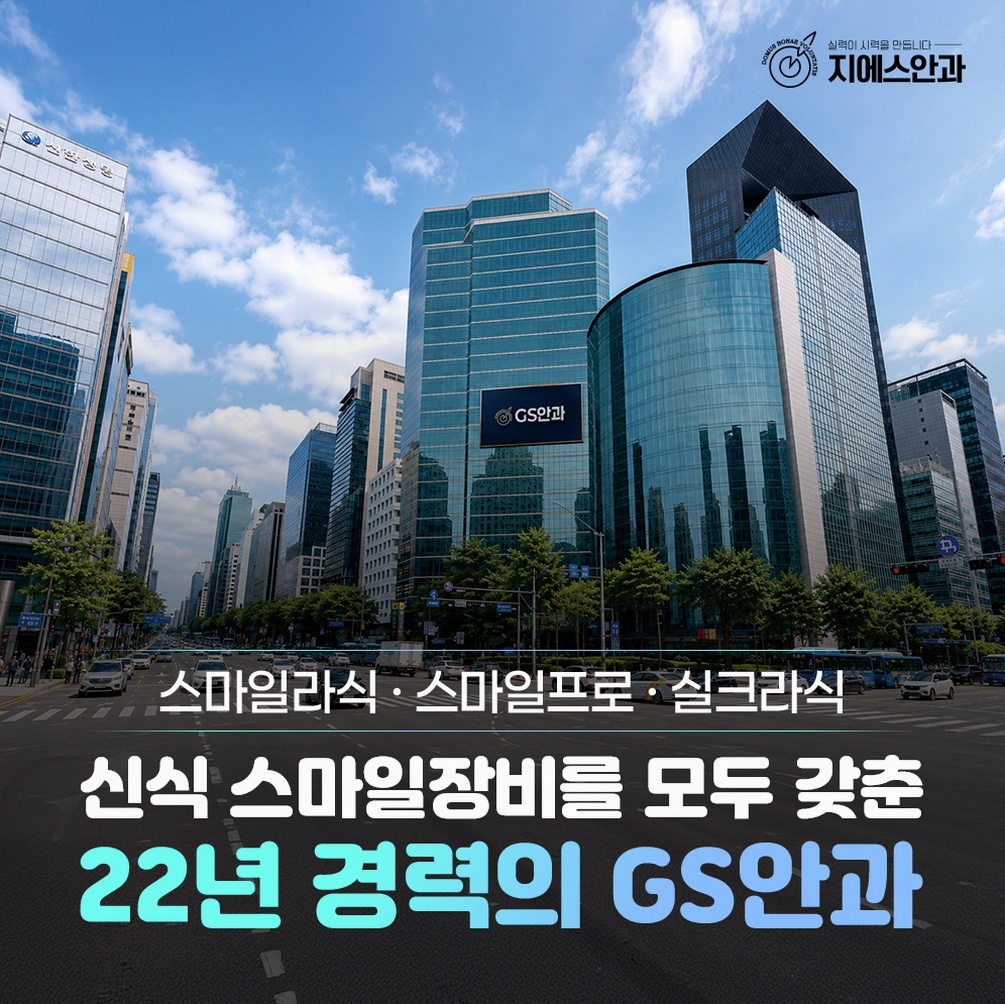
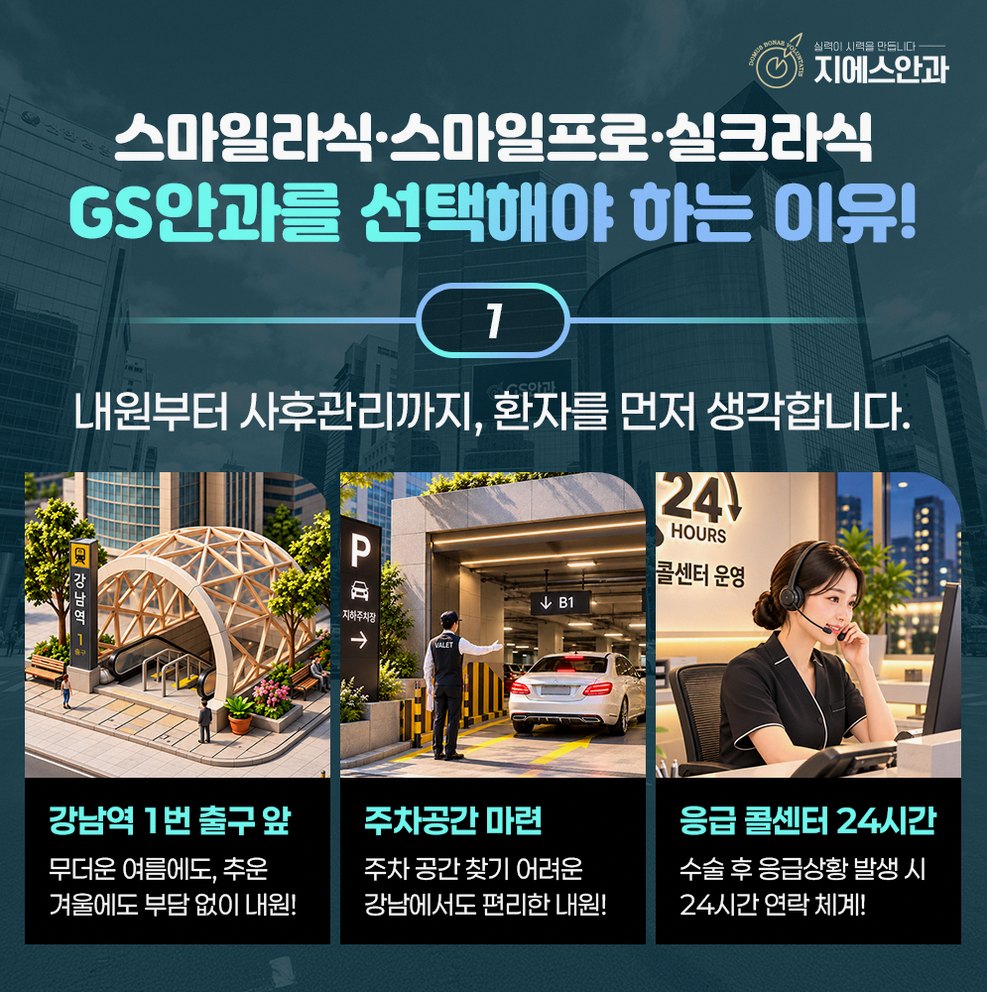
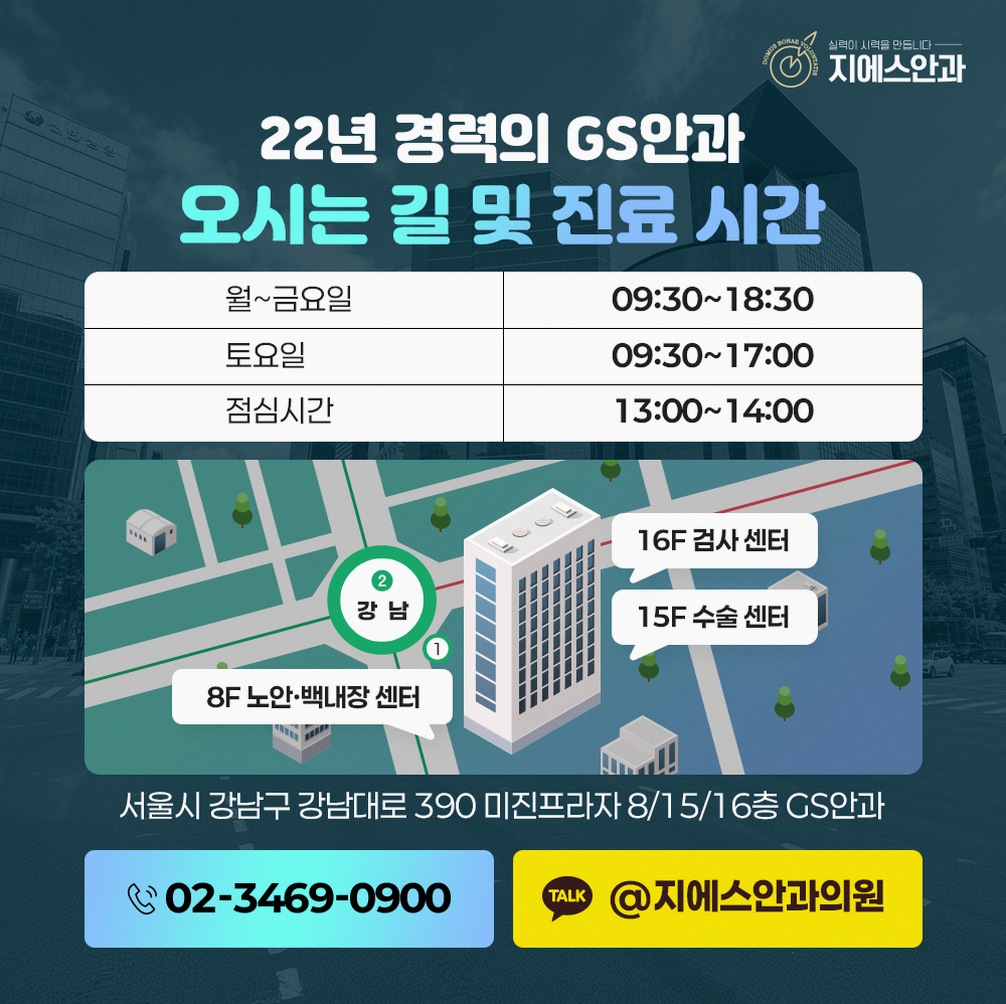
GS Eye Center is an ophthalmology center located on multiple floors of a building on Gangnam-daero in Gangnam District, Seoul, near Gangnam Station. It was established in 2005 and has operated in the same location since then.
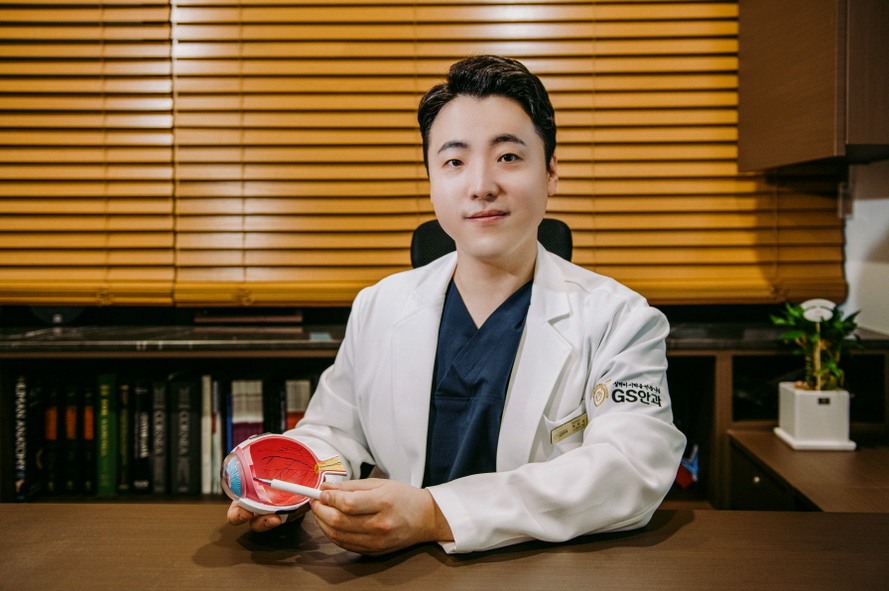
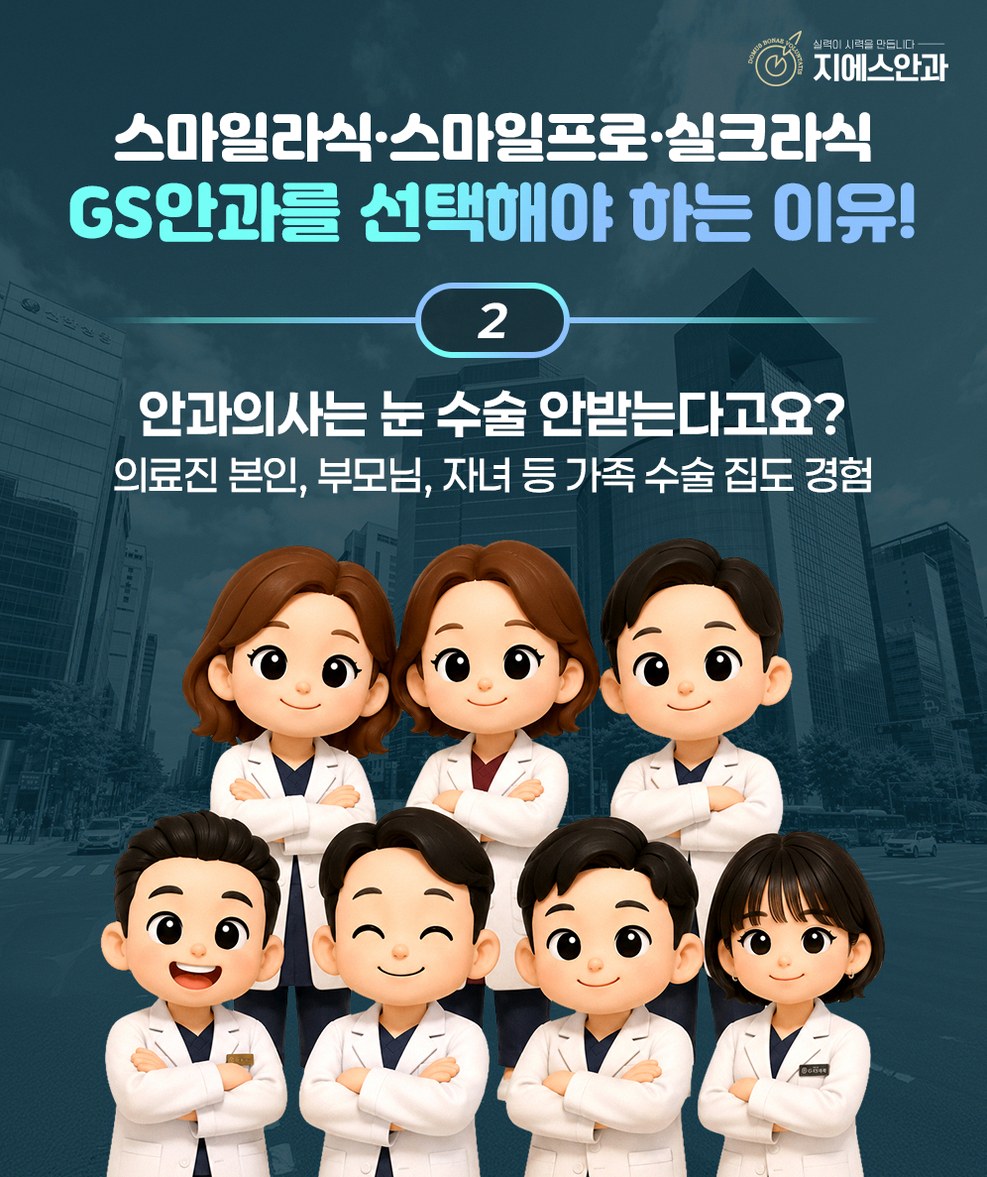
All seven doctors are board-certified ophthalmologists, including specialists with experience in refractive surgery, cataract surgery, and retina. The medical director holds a medical doctorate, has academic teaching roles, and provides public education through online video content.
As of 2023, the center reports a cumulative total of 300,000 eyes treated with vision correction and cataract surgery. SMILE Pro procedures reached 15,000 eyes by April 2026, after passing 5,000 eyes in October 2024 and 10,000 eyes in August 2025.
The center was the first in Korea to join the ZEISS SMILE GOLD CLUB in 2021, was designated a ZEISS SMILE pro CENTER in 2023, and a SILK TRAINING Center in 2026. SMILE LASIK services obtained ISO 9001 and 14001 international standards certification in 2020.
Lens implantation with the GLAZE system was first performed in Korea at this center in 2019, with 1,000 eyes by 2022 and 3,000 Optiflex GLAZE eyes by 2025. The center has also performed 3,000 cases with a well-known multifocal intraocular lens platform by 2024.
It is designated as a clinical education site for a medical school (since 2023) and as an Asia-Pacific clinical education center for an ophthalmic company (since 2024.
Technology and equipment for SMILE LASIK
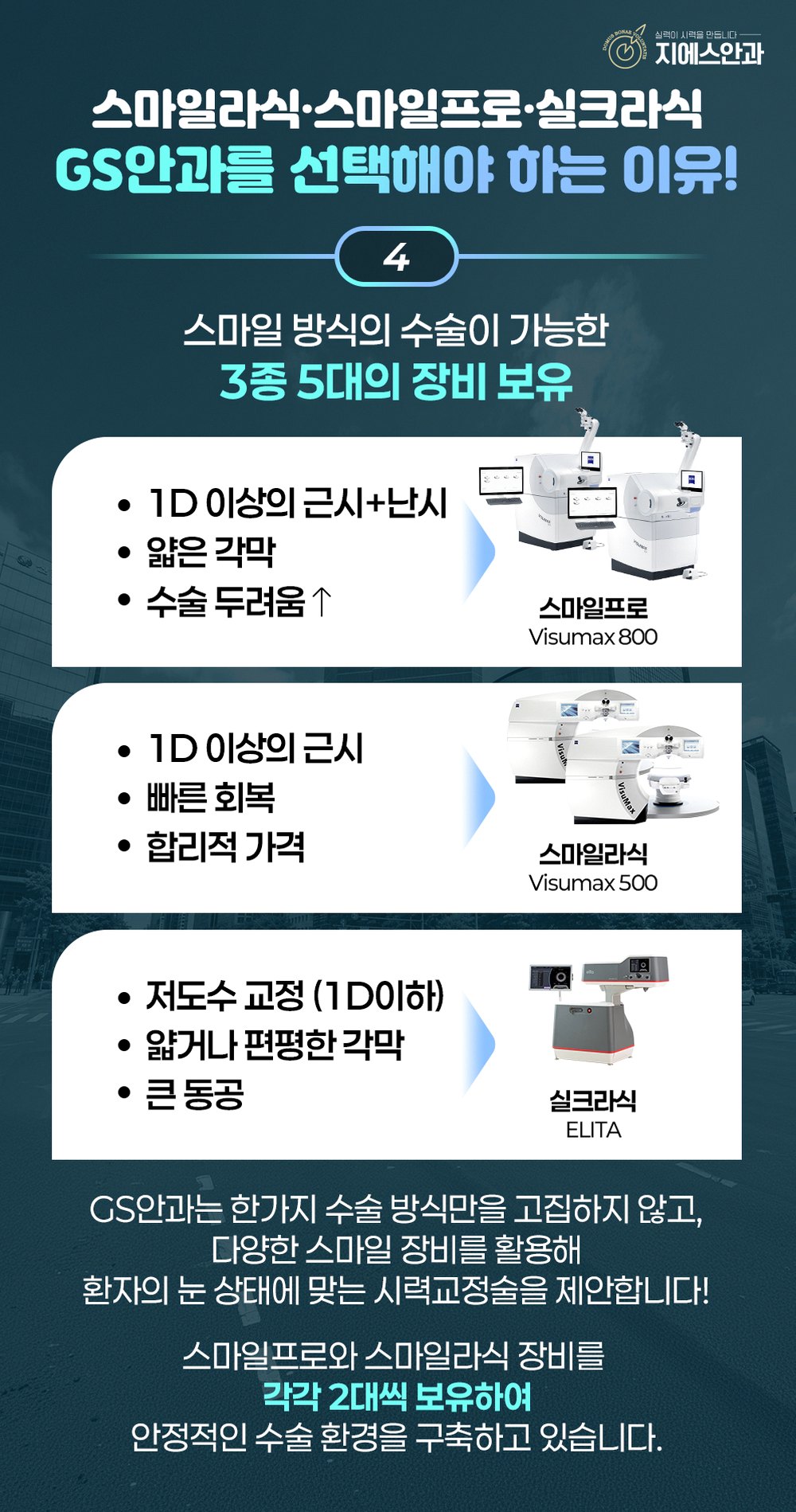
One of the distinguishing features of this center is that it owns all three major SMILE-related laser platforms from ZEISS:
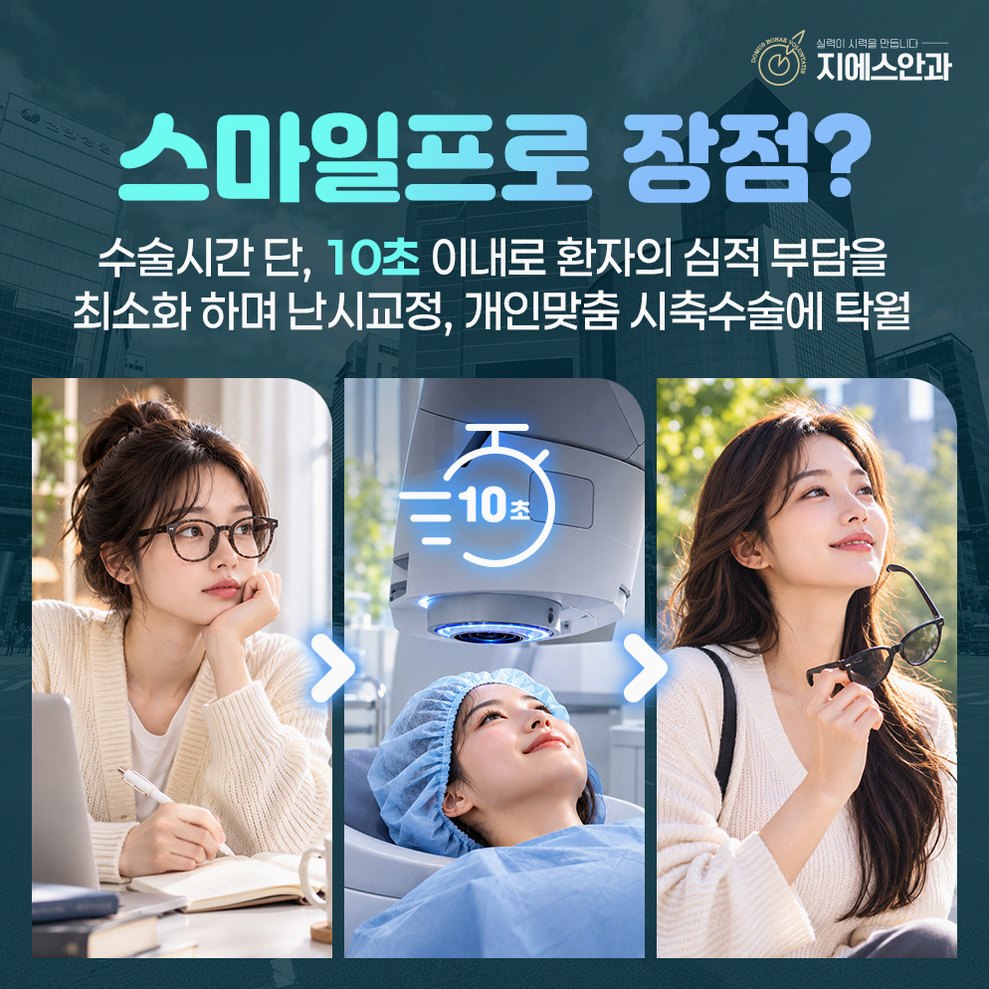
VISUMAX 800 (ZEISS): used for SMILE Pro, introduced in 2023, with laser time under about 9 seconds
Two VISUMAX 500 units (ZEISS): used for SMILE LASIK, introduced in 2016, with dual operation from 2019
Having multiple platforms allows:
More tailored planning based on corneal characteristics and prescription
Flexible scheduling, which can be helpful for international patients with limited time in Korea
Backup options if one system is under maintenance
Who may consider SMILE LASIK in Korea?
You may consider a SMILE LASIK evaluation in Gangnam, Seoul if:
You are an adult with stable myopia and/or astigmatism
You wish to reduce dependence on glasses or contact lenses
You are generally healthy and have no uncontrolled eye disease
Age-wise, typical candidates are:
Late teens to early 20s: only if prescription is stable and eye development is complete
20s to early 30s: common candidate group, if cornea and retina are healthy
Mid-30s to 40s: possible, with careful discussion of presbyopia and future reading needs
50s and above: evaluated individually; lens-based options are often considered
Online consultation and pre-visit preparation
If you live outside Korea, an online or remote consultation can help you understand whether it is worthwhile to travel for SMILE LASIK.
Before contacting the center, it is useful to prepare:
Your current glasses or contact lens prescription
Any older prescriptions from the past 1–3 years to show stability
Information about eye conditions, previous surgeries, or injuries
A list of medications and general health conditions
Questions you may want to ask during online consultation include:
Is my age range generally suitable for SMILE LASIK or should I consider lens-based options?
Based on my prescription, is SMILE LASIK commonly used, or are there limitations?
How many days should I plan to stay in Seoul for examination, surgery, and follow-up?
What should I avoid (such as contact lens wear) before my in-person examination?
The team can then outline a preliminary plan, explain what additional tests will be done on arrival, and suggest a realistic visit schedule.
Typical Korea visit timeline for SMILE LASIK
Individual plans vary, but many international patients follow a schedule similar to this:
Day 1: Arrival and comprehensive examination
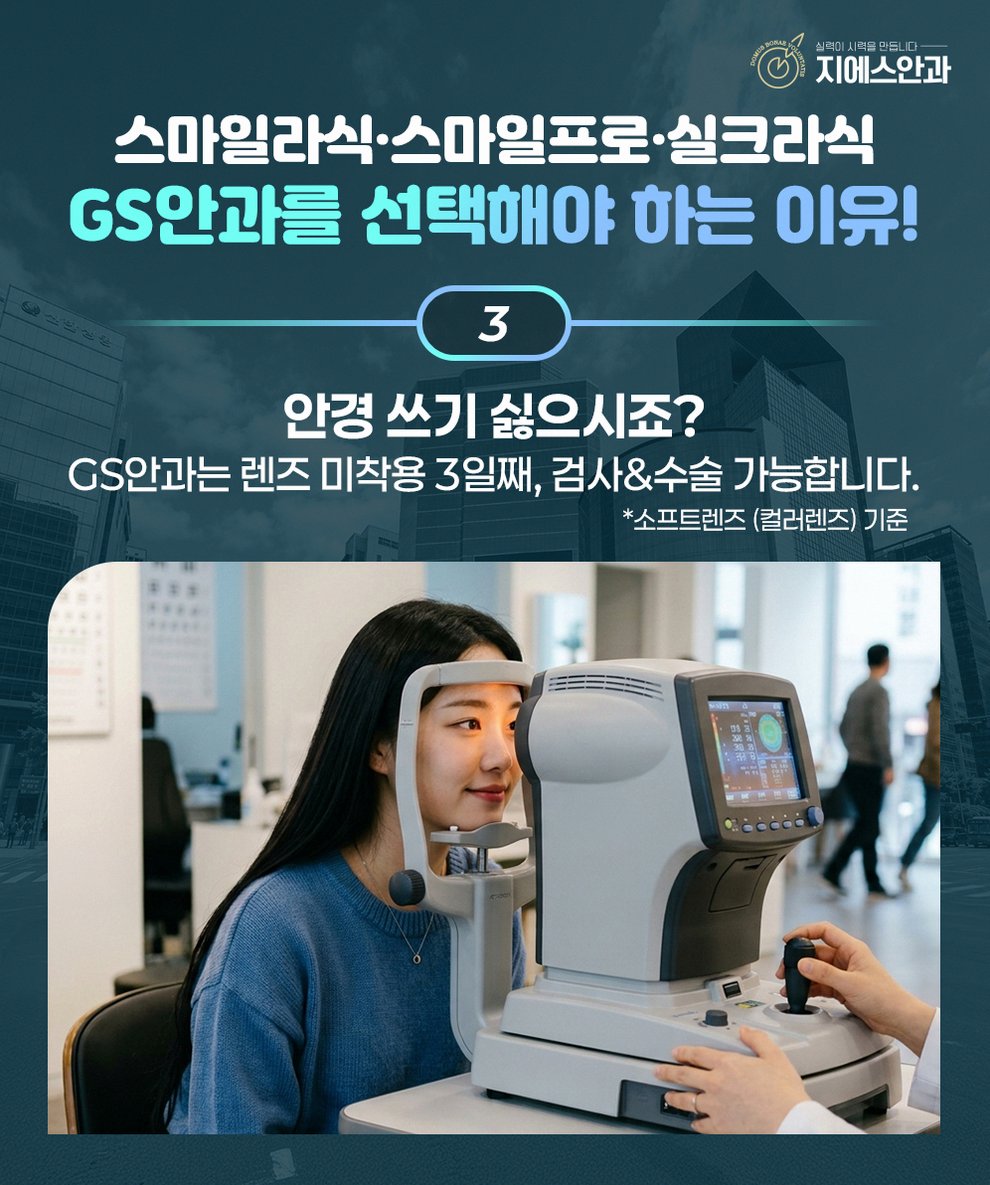
You visit the ophthalmology center near Gangnam Station for a full preoperative assessment. This usually includes:
Detailed refraction
Corneal topography and tomography
Corneal thickness and pupil size measurements
Tear film and dry eye evaluation
Retinal examination and lens assessment
After the tests, the ophthalmologist explains whether SMILE LASIK is appropriate, or if another option (such as a different laser method or lens implantation) is recommended.
Day 2: Surgery (if suitable)
If you are a suitable candidate and choose to proceed, surgery is often scheduled for the next day or within a short time frame, depending on your travel plan and the center’s schedule.
SMILE LASIK itself is usually quick. The laser step with VISUMAX 800 for SMILE Pro can take under about 9 seconds per eye. You remain at the center longer for preparation and post-procedure checks.
Days 3–5: Early follow-up
You return for follow-up visits to confirm that:
The cornea is healing as expected
Vision is improving in a typical pattern
There are no early complications
During this period, you use prescribed eye drops and follow instructions about hygiene, eye rubbing, makeup, swimming, and exercise.
Days 5–10: Additional check and departure
Depending on how long you stay in Korea, an additional check may be scheduled before you fly home. The team will advise you on:
When to have your next eye examination in your home country
What symptoms should prompt urgent local review
How long to continue eye drops
For some patients with complex prescriptions or lens-based procedures, the recommended stay may be slightly longer.
Aftercare and long-term expectations
No eye surgery is risk-free, and SMILE LASIK is no exception. Common considerations include:
Temporary dry eye symptoms, often improving over weeks to months
Fluctuations in vision during the early healing period
Possible night vision disturbances such as halos or glare, especially in the first months
Careful postoperative follow-up and adherence to instructions help support safe recovery.
SMILE LASIK aims to reduce dependence on glasses or contact lenses for distance vision. However:
Perfect unaided vision in every situation cannot be guaranteed
Small residual refractive errors may remain
Presbyopia will still occur with age, even after successful surgery
For patients in their 40s and older, it is particularly important to understand that reading glasses or additional solutions for near vision may be needed later.
Frequently asked questions about SMILE LASIK age
What is the best age for SMILE LASIK?
There is no single “best” age that fits everyone, but many suitable candidates are in their 20s and 30s, when prescriptions are often stable and the cornea is generally healthy. The key is not the number of years you have lived, but whether your prescription has been stable for about 1–2 years, your cornea has adequate thickness and a regular shape, and your retina and lens are healthy.
People in their late teens or early 20s may be advised to wait if their myopia is still progressing. People in their 40s and 50s may still be considered, but presbyopia and lens changes need to be discussed in detail.
Can I get SMILE LASIK in my late teens or early 20s?
It is sometimes possible, but only if your eyes meet strict criteria. Most ophthalmologists look for:
Stable prescription for at least 1–2 years
Fully developed eye structures
Healthy cornea and retina
If your prescription is still changing, or if scans show borderline corneal thickness, you may be advised to wait and recheck later. An in-person examination is essential before making any decision.
Am I too old for SMILE LASIK in my 40s or 50s?
Not automatically. Many people in their 40s can still be candidates for SMILE LASIK, especially if their corneas are healthy and their lenses are clear. However, you should understand that SMILE LASIK does not prevent presbyopia, so reading glasses or other near-vision strategies may still be needed.
In the 50s and beyond, lens changes and early cataracts become more common. For some people, lens-based options such as cataract surgery with monofocal or multifocal intraocular lenses, or refractive lens exchange, may be more suitable than corneal laser surgery. The decision is made after examining lens clarity, cataract status, and your lifestyle needs.
How is SMILE LASIK different from traditional LASIK in terms of safety and recovery?
SMILE LASIK uses a small incision and does not require a large corneal flap. Traditional LASIK creates a flap that is lifted and then repositioned. The flapless nature of SMILE LASIK preserves more of the corneal surface structure and may reduce certain flap-related risks.
Recovery patterns can vary between individuals, but many patients experience relatively quick visual recovery with SMILE LASIK. Temporary dry eye and night vision symptoms can occur with both methods. The choice between SMILE LASIK and other techniques depends on your corneal measurements, prescription, and the surgeon’s judgment.
If I am not suitable for SMILE LASIK because of age-related changes, what other options exist?
If SMILE LASIK is not recommended, alternatives may include:
Other corneal laser procedures, if your cornea allows
Phakic intraocular lens implantation, especially for high myopia
Cataract surgery with monofocal or multifocal intraocular lenses
Refractive lens exchange for patients with early lens changes
The most appropriate option depends on your age, lens clarity, degree of myopia and astigmatism, and retinal health. A comprehensive examination is needed to compare these choices.
Soft call to action for online consultation
If you are considering SMILE LASIK in Korea and wondering whether your age is appropriate, an online consultation with GS Eye Center in Gangnam can help you understand your options before you travel. By sharing your current and past prescriptions, medical history, and visual priorities, you can receive personalized guidance on whether SMILE LASIK, another laser method, lens implantation, or simple observation is more suitable.
The center is located near Gangnam Station on Gangnam-daero, operates on weekdays and Saturdays with a midday break, and is closed on Sundays and public holidays. International patients are encouraged to plan ahead, ask detailed questions, and allow enough time in Seoul for thorough examination, treatment, and follow-up before returning home.
- 공유 링크 만들기
- X
- 이메일
- 기타 앱


댓글
댓글 쓰기