LASIK Price Guide and My SMILE LASIK Experience Near Gangnam Station
- 공유 링크 만들기
- X
- 이메일
- 기타 앱
Direct answer about LASIK price in Korea
When I first started searching “LASIK price,” I learned very quickly that there is no single fixed number. In Seoul, especially around Gangnam Station, you will see a wide range of prices, and the final cost depends on your eye condition, the exact type of vision correction (LASIK, LASEK, SMILE, SMILE pro, SILK, lens implantation), and whether any extra safety procedures are added. In my case, I ended up choosing a SMILE-type surgery at an ophthalmology clinic near Gangnam Station, and the price made more sense only after I completed a full eye examination and consultation.
If you are an overseas patient considering treatment in Korea, you can think of LASIK price as a package that includes detailed testing, the chosen laser method, the technology used, and follow-up care, rather than just one number you see in an online ad.
Why I started with “LASIK price”
I had worn glasses and contact lenses for years, and they were starting to interfere with work, travel, and exercise. Like many people, my first step was to type “LASIK price” into a search engine. The results were overwhelming. Some clinics advertised very low starting prices, but the details were not clear: what was included, which laser system they used, or whether follow-ups were covered.
I noticed that some promotions highlighted only the minimum price, with small notes that the actual fee could change depending on the examination. That made me cautious. I did not want to choose a clinic only because it was the cheapest. I wanted to know how safe the surgery would be, who would be operating on my eyes, and whether the clinic had enough experience with different vision correction methods.
Choosing an eye clinic near Gangnam Station
I decided to focus on ophthalmology clinics around Gangnam-daero and Gangnam Station because it is a central area in Seoul and easy to reach by public transport. While researching, I paid attention to a few points:
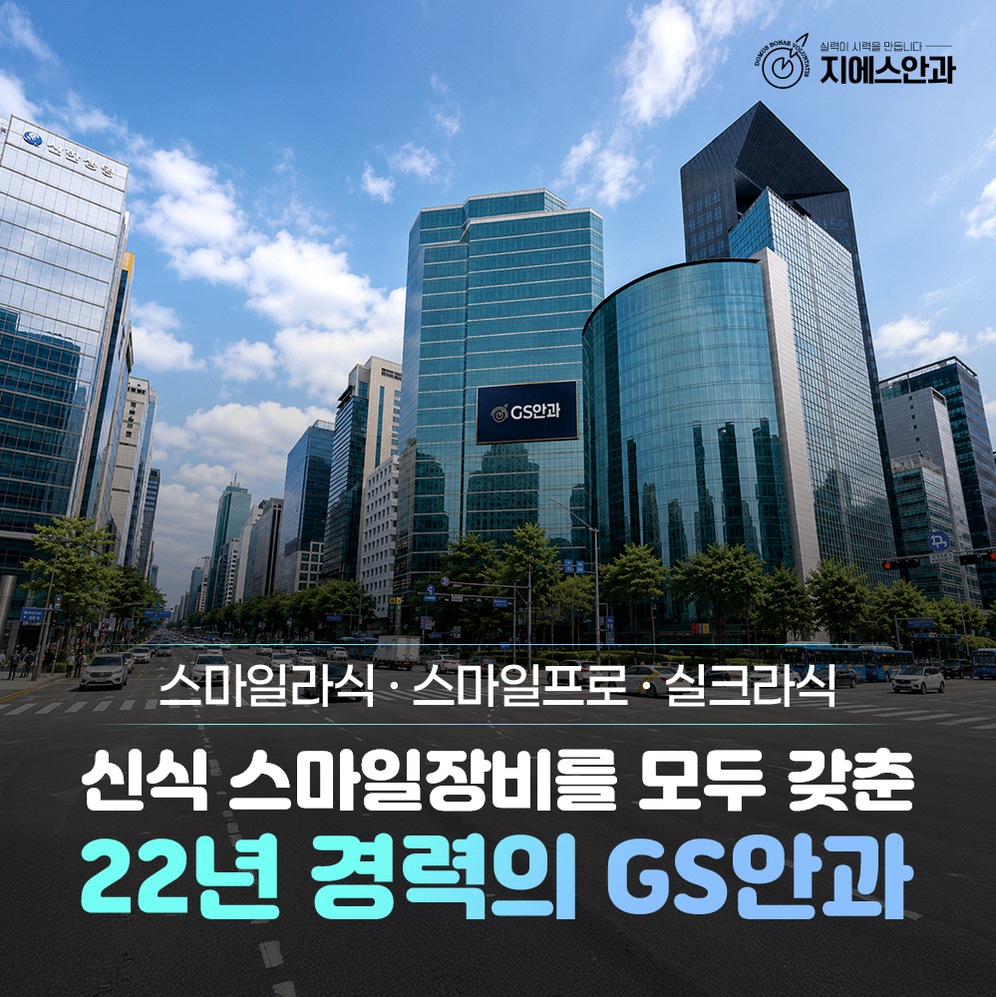
How long the clinic had been open and whether it stayed in the same location.
Whether the clinic focused on vision correction and had modern laser equipment for LASIK, LASEK, SMILE, and related procedures.
Whether consultations were done by ophthalmology specialists with advanced training.
That is how I found GS Eye Center, which opened in 2005 and has been in the same Gangnam Station area for many years. The clinic is run by an ophthalmology specialist with a medical doctorate, and there are several other ophthalmology specialists working together, including a separate retina center. This combination of long history and specialization made me feel more comfortable about moving beyond price alone.
First visit – what really affects LASIK price
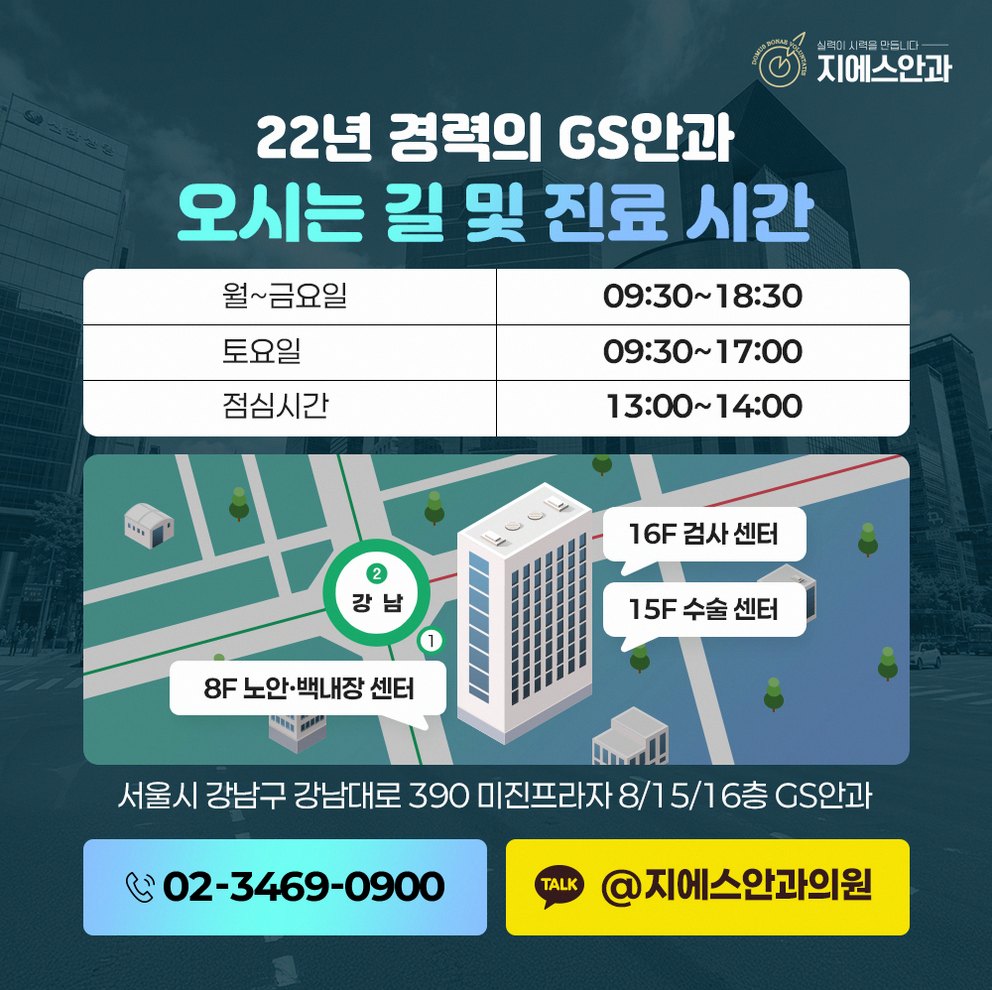
Arriving at the clinic near Gangnam Station was straightforward. The building is on or near Gangnam-daero, and the directions from the subway exit were clear. Inside, the atmosphere felt like a modern ophthalmology clinic: bright, clean, and quite busy, with both local and international patients.
At check-in, the staff helped me fill out a basic medical questionnaire, including my past eye history, any systemic diseases, and current medications. They asked about my daily habits: screen time, contact lens use, sports, and whether I had any night driving difficulties. This information later turned out to be important for deciding which procedure suited me best.
Before any tests, I asked directly about LASIK price. The staff explained that they do not give a final quote over the phone or before a full eye examination. Instead, they provide typical price ranges for different procedures and then confirm the exact cost after the tests. They also explained the main factors that influence price:
The type of procedure: SMILE, SMILE pro, LASIK, LASEK, SILK, or lens implantation.
The degree of myopia, hyperopia, and astigmatism.
Corneal thickness and shape, and whether the cornea is strong enough for flap-based procedures.
Overall eye health, including dry eye status and retina condition.
Whether additional procedures like corneal strengthening (for example, corneal cross-linking) are recommended for extra safety.
They emphasized that the safest method must be chosen first, and only then does it make sense to talk about the final price. For example, if someone’s cornea is thin, a method like SMILE or LASEK might be safer than traditional LASIK, even if that changes the cost.
Detailed eye examination – safety and cost in one step
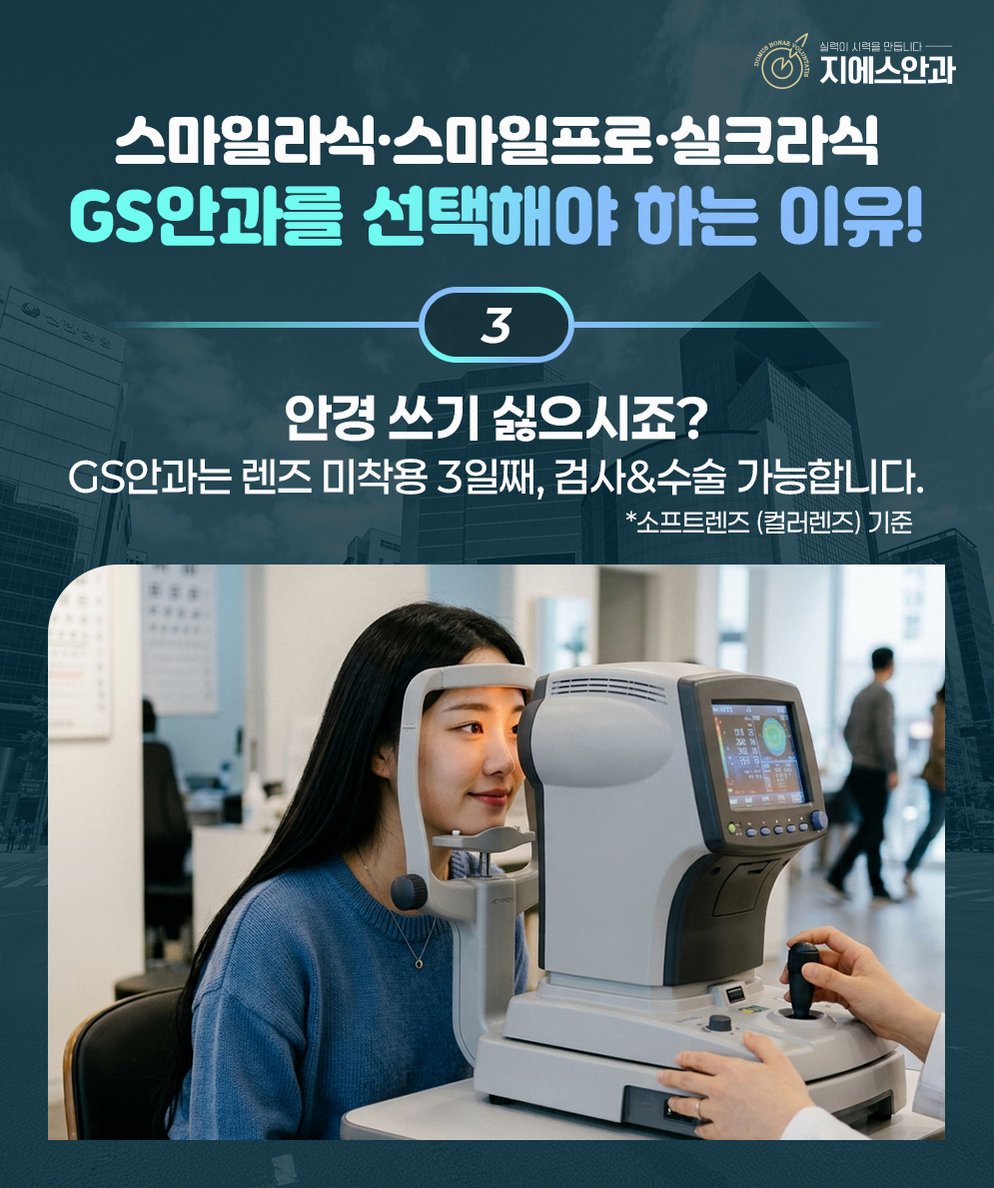
The eye examination was much more thorough than a standard vision check at an optical shop. It took around one to two hours and was divided into several stages.

First, there was a basic vision test to measure my current prescription for myopia and astigmatism. Then they checked my intraocular pressure to screen for glaucoma risk. After that, they used specialized machines to measure corneal thickness (pachymetry) and corneal curvature and shape (topography and tomography). These tests show whether the cornea is regular and strong enough for laser vision correction.
They also evaluated my tear film and dry eye status, since dryness can affect both comfort and visual quality after surgery. Finally, after dilating my pupils, a retina specialist examined the back of my eye to check for retinal tears, thinning, or other issues that might need treatment before or after vision correction.
One thing that reassured me was learning that the clinic has seven ophthalmology specialists and a separate retina center. Knowing that different subspecialists could review my results made me feel that safety was taken seriously.
During the explanation, I learned the difference between SMILE and traditional LASIK. SMILE LASIK (often just called SMILE) uses a femtosecond laser to create a small lens-shaped piece of tissue (lenticule) inside the cornea through a tiny incision. The surgeon then removes this lenticule through that small opening, reshaping the cornea without creating a large flap.
Traditional LASIK, on the other hand, involves creating a corneal flap, lifting it, using an excimer laser to reshape the underlying cornea, and then repositioning the flap. Both methods have long track records, but the flapless nature of SMILE appealed to me.
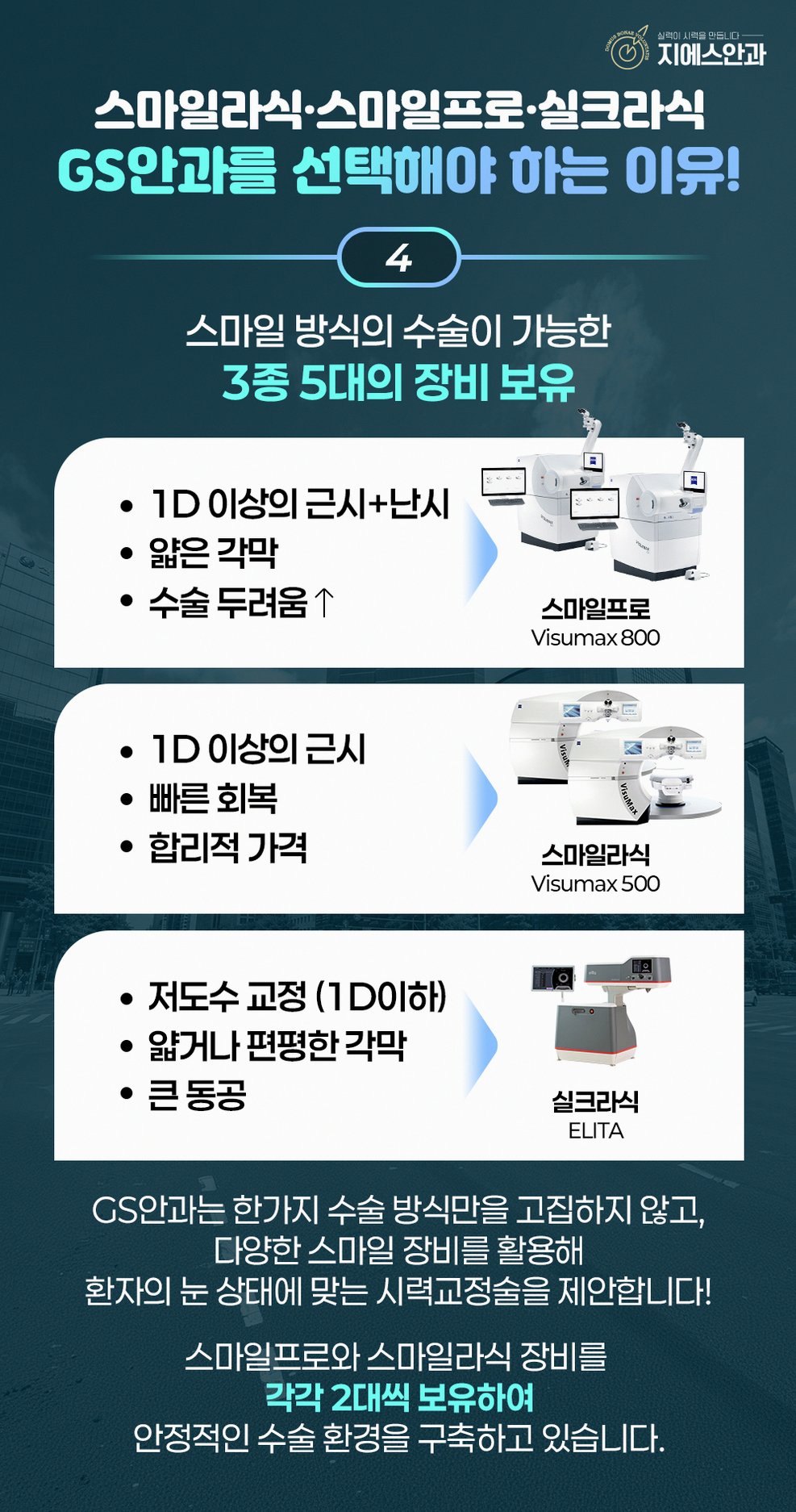
The staff also mentioned that the clinic uses multiple ZEISS laser systems and has a newer system capable of SMILE pro. The choice of laser system and technique can influence not only the surgical plan but also the price range, because more advanced or newer technology often carries higher equipment costs.
Consultation – aligning expectations, method, and budget
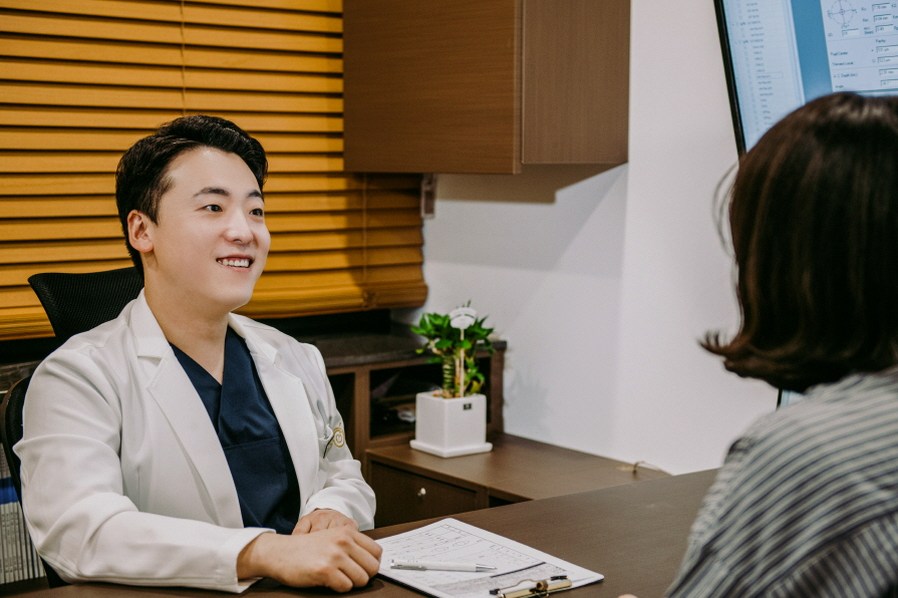
After the tests, I met the ophthalmology specialist for a detailed consultation. The doctor had all my test results on the screen and went through them one by one: my prescription, corneal thickness, corneal map, tear film status, and retina findings.
Based on my data, the doctor explained which procedures were suitable:
SMILE or SMILE pro, because my corneal thickness and curvature were within the safe range and I had enough tissue for a flapless procedure.
LASIK, which was technically possible but would involve creating a flap.
LASEK, which preserves more corneal tissue but has a different recovery pattern.
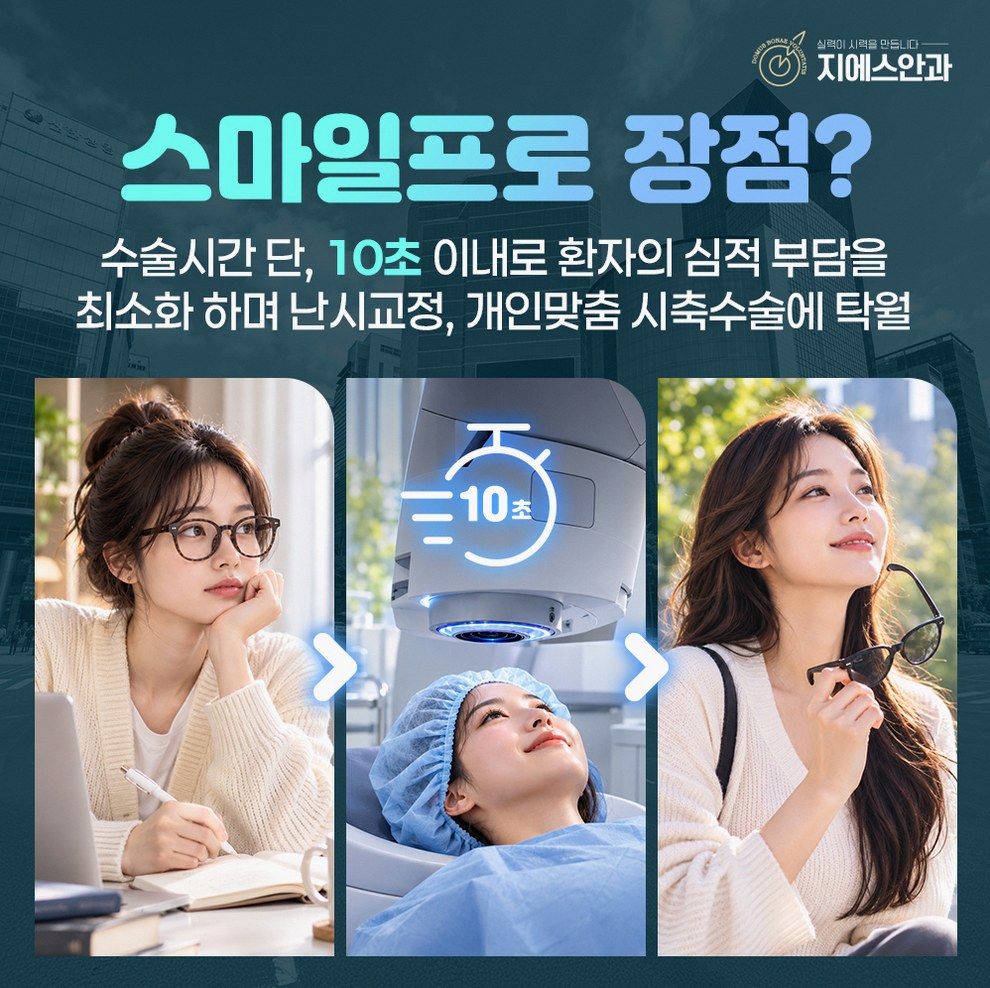
We discussed my lifestyle: I use digital screens a lot, travel frequently, and do some sports where getting hit in the face is possible. The doctor explained that a flapless method like SMILE can be appealing for people worried about flap-related issues, even though those complications are not common.
When we talked about cost, the doctor separated it clearly into:
Base price ranges for each procedure type (SMILE/SMILE pro, LASIK, LASEK, SILK, lens implantation).
Additional costs that might apply if corneal strengthening or other extra safety steps were recommended.
I appreciated that the doctor did not push the most expensive option. Instead, they explained the pros and cons:
SMILE or SMILE pro: small incision, flapless, often faster comfort and return to daily life, generally in a higher price range compared to standard LASIK.
LASIK: widely used, shorter initial discomfort for many patients, but involves a flap.
LASEK: surface procedure, no flap, can be suitable for thinner corneas, but with a longer early recovery.
In the end, I chose a SMILE-type surgery. It was not the cheapest option presented, but it felt like the best balance of safety, comfort, and long-term stability for my situation and lifestyle. The final price included the pre-operative examination, surgery itself, early follow-up visits, and prescribed eye drops.
Surgery day – my SMILE-type LASIK experience
On surgery day, I returned to the clinic near Gangnam Station. Before the procedure, the staff repeated some key tests to confirm stability, checked my identity and eye laterality several times, and reviewed the consent forms again. They also went over the post-operative instructions, such as how often to use eye drops, how to sleep, and what activities to avoid.
In the operating room, I lay on a bed under the laser machine. The team cleaned around my eyes and applied numbing drops, so I did not feel sharp pain, only some pressure and a sense of something touching the eye.
For SMILE, the laser creates a tiny lenticule inside the cornea and a small incision. I was told to focus on a light while the laser worked. The actual laser time felt surprisingly short. After the laser step, the surgeon gently removed the lenticule through the small incision. I could feel some pressure and movement, but not pain. The same process was repeated for the other eye.
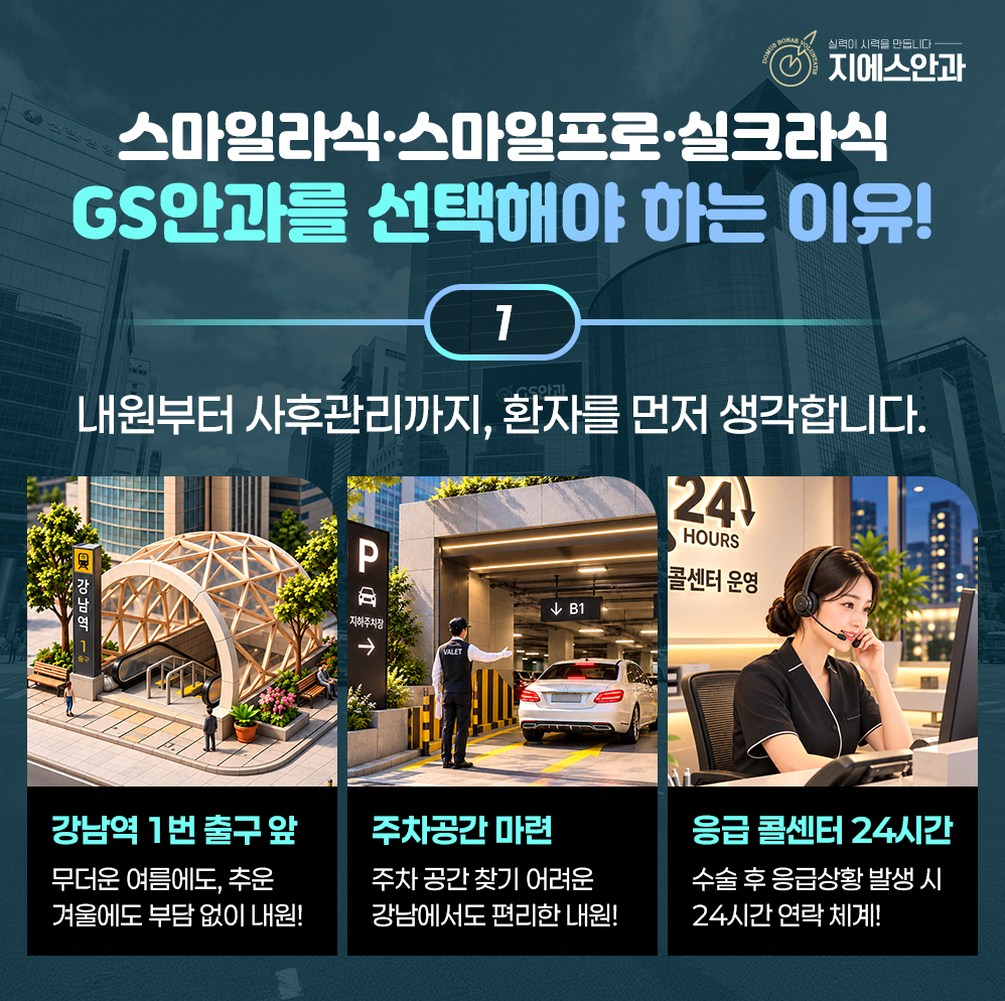
The whole time in the operating room was maybe 15 to 20 minutes, and the laser part was only a fraction of that. When I sat up, my vision was already different, but slightly hazy, like looking through a thin film.
Immediately after surgery, my eyes felt a bit scratchy and sensitive to light. The staff gave me protective shields to wear when sleeping, sunglasses for going outside, and a detailed schedule for antibiotic and lubricating drops. They reminded me not to rub my eyes and to avoid getting water directly into them for a certain period.
Recovery and vision changes – was the price worth it
The first few hours after surgery, my eyes felt dry and slightly uncomfortable, but the pain was manageable with the recommended medication and frequent artificial tears. I mostly kept my eyes closed and rested in my accommodation.
By the next day, my vision was already functional enough to move around, use my phone briefly, and go back to the clinic for the first follow-up. There was still some light sensitivity and mild halos around bright lights, especially at night, but the doctor said this is common in the early phase.
At the follow-up, the ophthalmology specialist checked my visual acuity, corneal surface, and the small incision site. A retina check was also repeated later to ensure everything inside the eye remained stable. Hearing that my healing was on track was a big relief.
Over the first week, my vision continued to clear. I still noticed some dryness, especially in air-conditioned environments, but regular use of lubricating drops helped. The clinic emphasized that every patient heals differently and that it is important to keep follow-up appointments to monitor the cornea and retina.
Looking back, I realized that my initial focus on finding the lowest LASIK price had shifted. After going through the full process, I felt that these points were more important than a small difference in cost:
Transparent explanation of what is included in the price: examination, surgery, follow-ups, and medications.
Thorough pre-operative testing, including corneal mapping and retina evaluation.
Use of up-to-date laser systems, including ZEISS platforms and SMILE pro capability.
Consultation with ophthalmology specialists who explain results and options clearly.
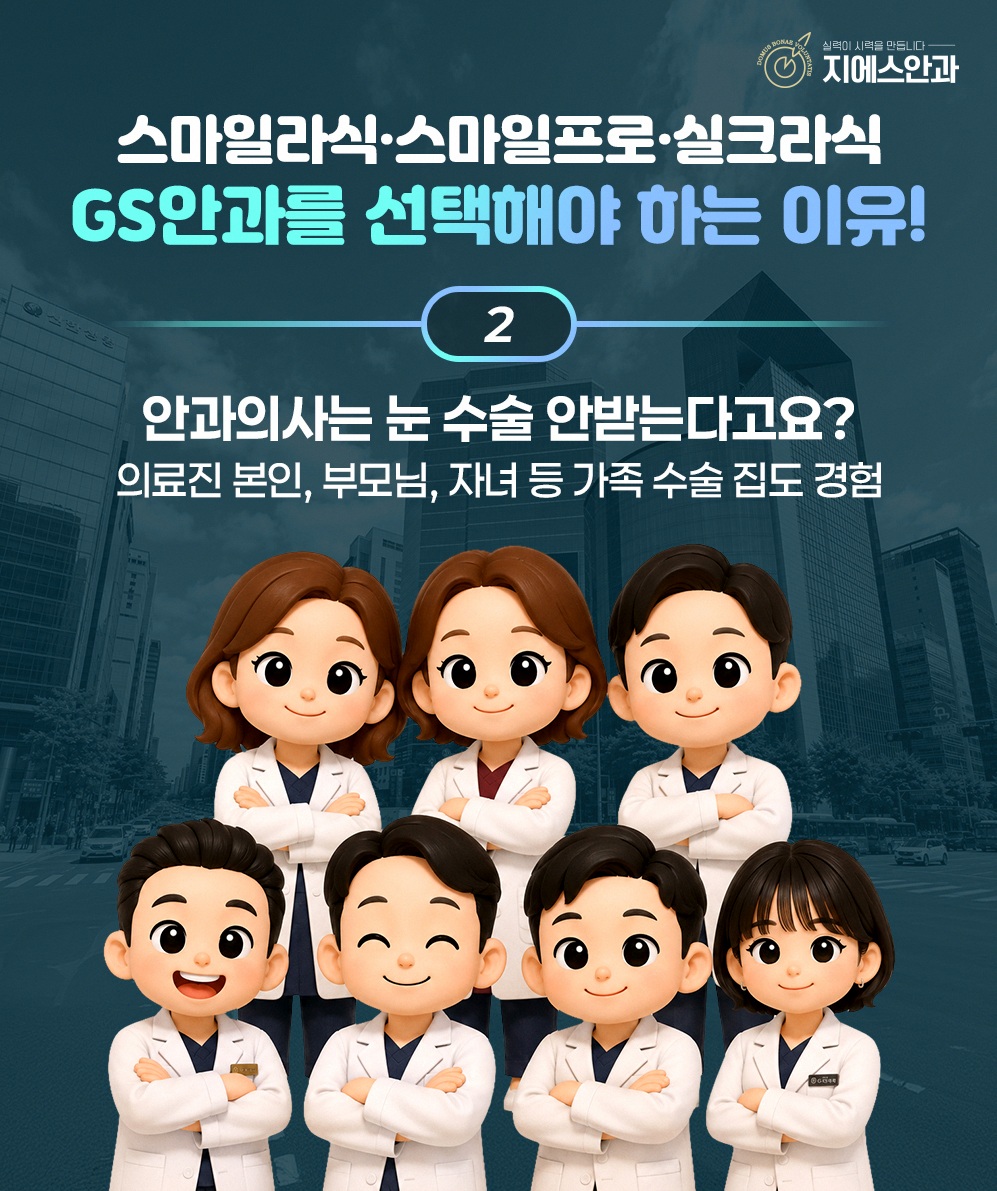
For me, investing in a safe, well-planned procedure at an experienced eye clinic near Gangnam Station felt more valuable than simply chasing the lowest advertised fee.
Who may consider LASIK or SMILE in Korea
International patients often come to Korea for vision correction because of the concentration of ophthalmology clinics and advanced laser technology. You may consider a visit if:
You are tired of glasses or contact lenses and want a more permanent correction for myopia, hyperopia, or astigmatism.
You are generally healthy and do not have uncontrolled systemic diseases that affect healing.
Your prescription has been stable for at least one to two years.
You understand that results can vary and that there is no procedure without potential risks.
A detailed eye examination is always necessary to confirm whether LASIK, LASEK, SMILE, SMILE pro, SILK, or lens implantation is appropriate for your eyes. Age, corneal thickness, pupil size, and retina status all play a role.
Online consultation and pre-visit preparation for overseas patients
If you are planning to travel to Seoul for vision correction, an online consultation is a good first step. Many clinics, including GS Eye Center, can review basic information before you book flights.
Before contacting the clinic, prepare this information:
Your current glasses or contact lens prescription, if available.
Any history of eye diseases, eye trauma, or previous eye surgery.
Systemic conditions such as diabetes, autoimmune disease, or medications you take regularly.
Your preferred travel dates and how long you can stay in Korea.
During the online consultation, you can ask:
Which procedures are commonly recommended for someone with your approximate prescription.
Typical price ranges for SMILE, LASIK, and LASEK, and what is included.
How many visits are required and how many days you should stay in Seoul.
Whether they provide English-speaking staff or interpretation.
Keep in mind that no clinic can confirm your final eligibility or exact price without an in-person examination. However, an online consultation can help you decide whether the trip is realistic and how to plan your schedule and budget.
Expected Korea visit timeline for SMILE or LASIK
The exact schedule can vary, but a common timeline for overseas patients might look like this:
Day 1: Arrival in Seoul.
Day 2: Full eye examination and consultation at the ophthalmology clinic near Gangnam Station. If your eyes are suitable and you decide to proceed, surgery can sometimes be scheduled for the same day or the next day.
Day 2 or 3: Surgery day. The procedure itself is short, but plan to spend a few hours at the clinic for preparation and post-operative checks.
Day 3 or 4: First post-operative follow-up to check vision and corneal status.
Day 5–7: Additional follow-up (depending on the clinic’s protocol) before you fly home.
Many patients stay in Korea for about one week to allow for at least one or two follow-up visits. If you can stay longer, that can provide extra peace of mind, but your doctor will advise you based on your healing.
Aftercare and long-term follow-up
After SMILE or LASIK, you will receive a detailed eye drop schedule, usually including antibiotic drops for a short period and lubricating drops for several weeks or months. Some patients may also receive anti-inflammatory drops.
General aftercare instructions often include:
Avoid rubbing your eyes, especially in the first weeks.
Avoid getting water, soap, or shampoo directly into your eyes for a certain period.
Wear protective shields while sleeping for the first few nights.
Use sunglasses outdoors to reduce light sensitivity.
Limit heavy exercise, swimming, and contact sports for the time recommended by your doctor.
When you return to your home country, it is wise to schedule a follow-up with a local ophthalmology clinic, bringing your surgery report if possible. Long-term, you should still have regular eye examinations to monitor your vision, eye pressure, and retina health.
FAQ – common questions about LASIK price and SMILE in Korea
How much does LASIK or SMILE usually cost in Seoul?
Prices vary by clinic, technology, and your individual eye condition, so it is difficult to give one figure. In general, SMILE and SMILE pro tend to be in a higher price range than standard LASIK or LASEK because of the laser systems used. The final cost usually includes the pre-operative examination, surgery, and a set number of follow-up visits, but you should always confirm exactly what is included. The safest way to know your own cost is to have a full eye examination and then receive a personalized quote.
Is it safe to choose a clinic based mainly on the lowest LASIK price?
Focusing only on the lowest advertised price can be risky. A very low starting fee may not include all necessary tests, follow-ups, or additional safety procedures. It is more important to check the clinic’s experience with different vision correction methods, the quality of the laser systems, and how thoroughly they examine and explain your eyes. Ask whether an ophthalmology specialist will review your results and whether there is a clear breakdown of costs before you decide.
How long do I need to stay in Korea for SMILE or LASIK?
Many international patients plan a stay of about one week in Seoul. This usually allows time for a full examination, surgery, and at least one or two follow-up visits. Some clinics may offer slightly different schedules, but flying out too soon after surgery is not recommended, as the early follow-up is important for checking your cornea and retina. During your online consultation, ask the clinic to suggest a minimum stay based on their protocol.
Can I work or travel immediately after SMILE or LASIK?
Most people can move around and do light activities the day after surgery, but you may experience dryness, light sensitivity, or halos in the early period. For desk work, many patients feel comfortable returning within a few days, but screen time should be increased gradually, with frequent breaks and lubricating drops. For long flights, it is better to wait until your doctor confirms that your eyes are stable, and use plenty of artificial tears during the journey.
Soft call to action for online consultation
If you are currently comparing LASIK prices and thinking about vision correction in Korea, consider using an online consultation to get personalized guidance instead of relying only on price lists. An ophthalmology clinic near Gangnam Station, such as GS Eye Center, can review your basic information, explain typical price ranges for SMILE and LASIK, and outline a realistic travel schedule.
In the end, your eyes are more important than a small difference in cost. Taking the time to ask detailed questions, understand what is included in the price, and confirm that the clinic uses up-to-date laser systems and thorough testing will help you feel more confident about your decision to have vision correction in Seoul.
- 공유 링크 만들기
- X
- 이메일
- 기타 앱


댓글
댓글 쓰기