Seocho SMILE LASIK Review: Recovery, Tests & Clinic Tips
- 공유 링크 만들기
- X
- 이메일
- 기타 앱
Direct answer summary
If you are searching for “Seocho Station SMILE LASIK review” because you commute through Seocho or Gangnam and are thinking about vision correction in Korea, this guide walks you through what the experience is actually like. It explains what SMILE LASIK is in simple terms, how the tests and surgery feel, how quickly most people can get back to work or study, and what to look for when choosing an ophthalmology clinic near Seocho Station and Gangnam Station. It is written for international patients, using the example of a visit to an ophthalmology clinic such as GS Eye Center on Gangnam-daero.
What SMILE LASIK actually is
SMILE LASIK is a type of laser vision correction that uses a femtosecond laser to reshape the cornea through a very small opening. Instead of making a large flap on the cornea like traditional LASIK, the laser creates a tiny lens-shaped piece of tissue inside the cornea, called a lenticule. This lenticule is then removed through a small incision only a few millimeters long.
Because there is no large flap, more of the corneal structure is preserved. For many patients, this can mean a lower risk of dry eye compared with flap-based LASIK, and a more stable cornea in the long term. Visual recovery is usually quick, and many people can see well enough to commute and use a computer within a short time, depending on their job and individual healing.
Compared with LASEK, which removes the surface layer of the cornea and can involve more discomfort and a slower visual recovery, SMILE LASIK is often chosen by office workers and students who want to minimize downtime. This is why commuters near Seocho Station and Gangnam Station often search specifically for SMILE LASIK reviews rather than general laser eye surgery information.
Why people near Seocho Station look for SMILE LASIK reviews
If you work or study around Gangnam or Seocho, convenience is a big factor. You might want an ophthalmology clinic you can visit during lunch, after work, or between classes. At the same time, you probably have the same concerns as most patients:
You want to know how safe SMILE LASIK is in real life, not just in advertisements. You want honest descriptions of the laser time, what you actually feel during surgery, and whether there is pain or just pressure.
You also want to understand how detailed the pre-operative eye examination is. Are your corneas, tear film, and retina checked thoroughly? Does the surgeon explain risks like glare, halos, or temporary dry eye? And perhaps most importantly, when can you realistically go back to the office, look at a monitor all day, or prepare for exams?
This review-style guide focuses on those practical points, using the example of an ophthalmology clinic near Gangnam Station, convenient for Seocho Station users, that has specialized equipment for SMILE-type procedures.
Why I chose SMILE LASIK near Seocho Station
Imagine a typical patient profile: high myopia from years of studying, contact lenses that feel dry by mid-afternoon, and long hours in front of a computer. Glasses fog up on the subway, and contact lenses are uncomfortable in air-conditioned offices. For many people in this situation, SMILE LASIK becomes an attractive option.
The reasons for choosing SMILE LASIK over traditional LASIK or LASEK often include the smaller incision, the potential for less dry eye, and the relatively quick visual recovery. For someone who needs to be back at work near Seocho Station soon after surgery, these points matter more than any marketing slogan.
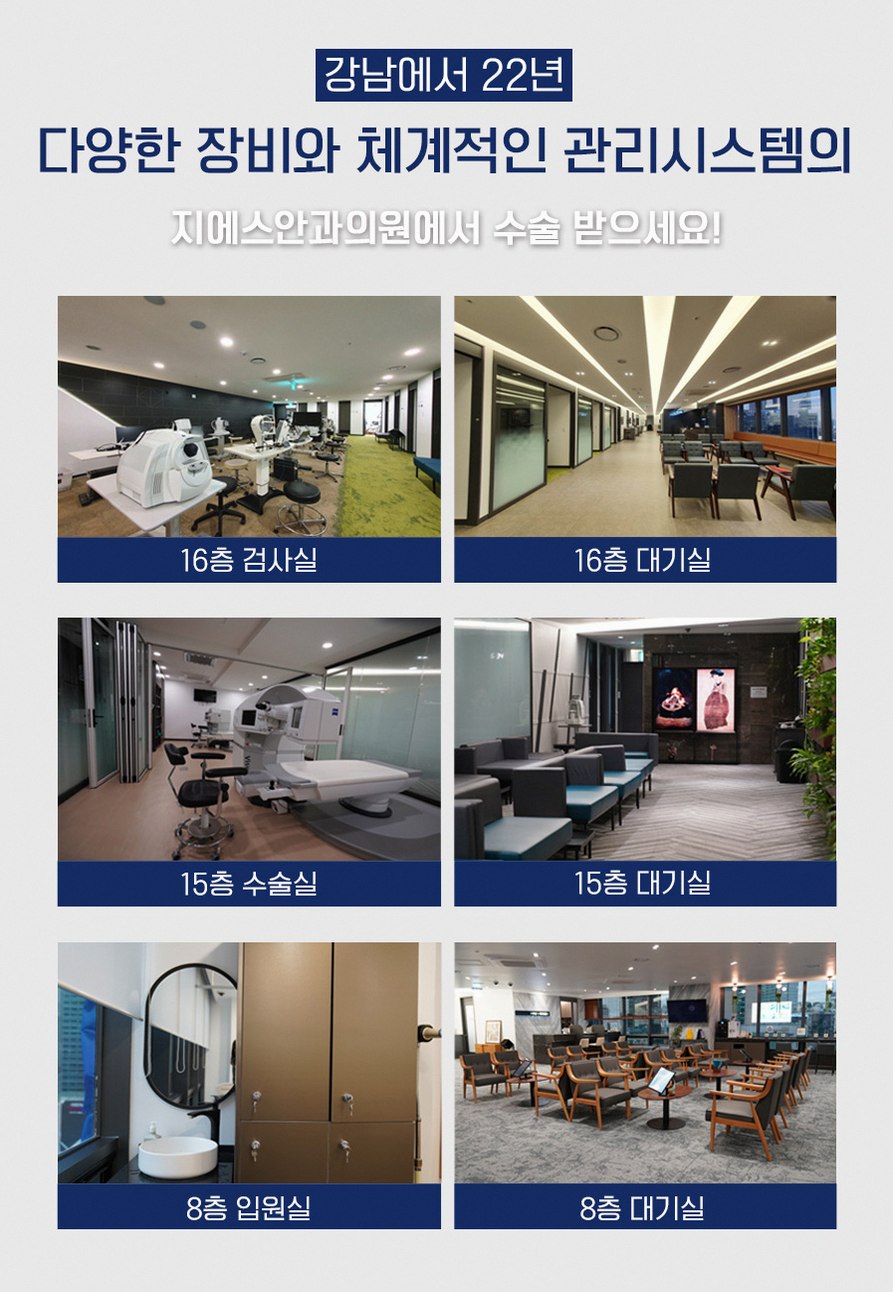
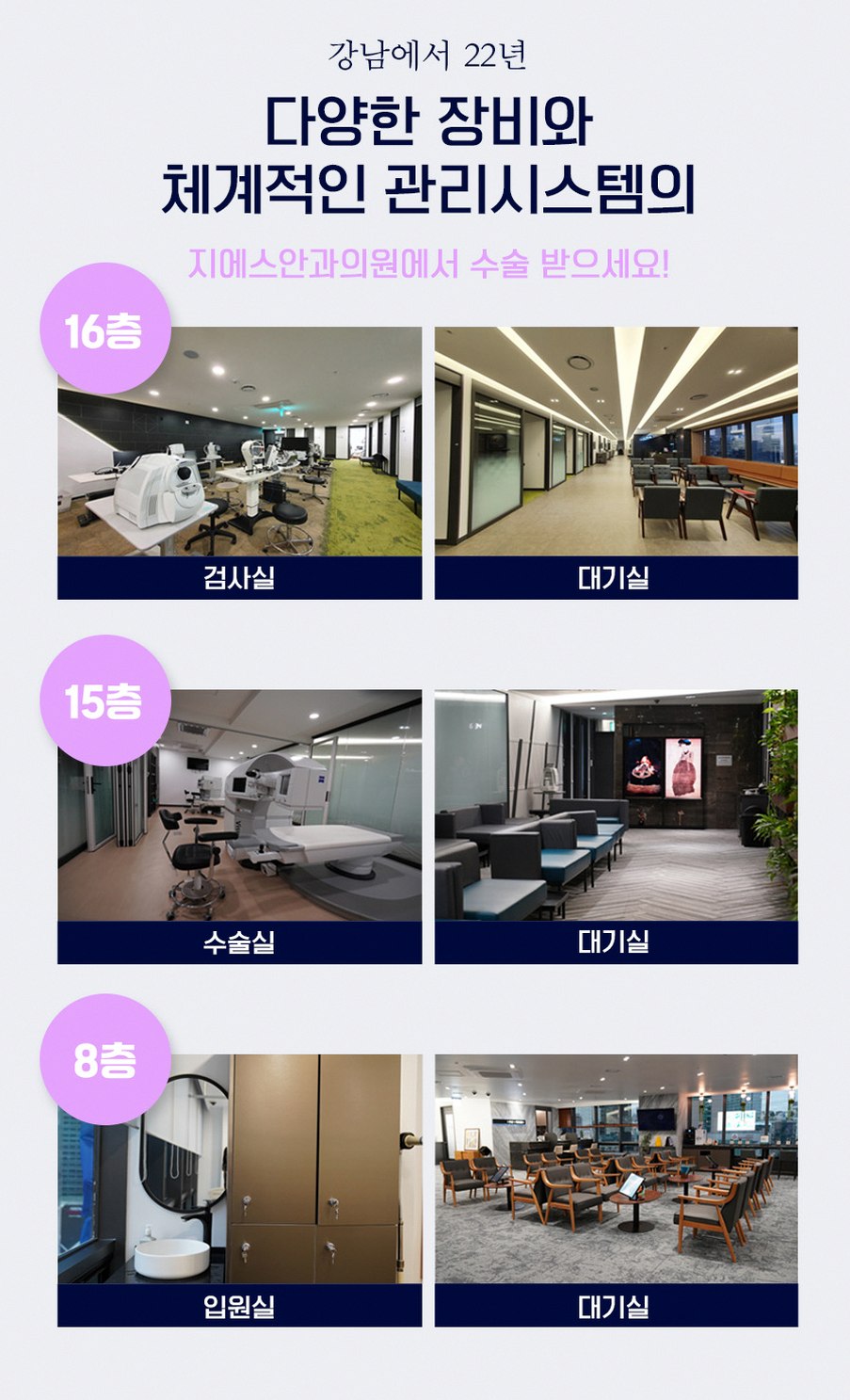
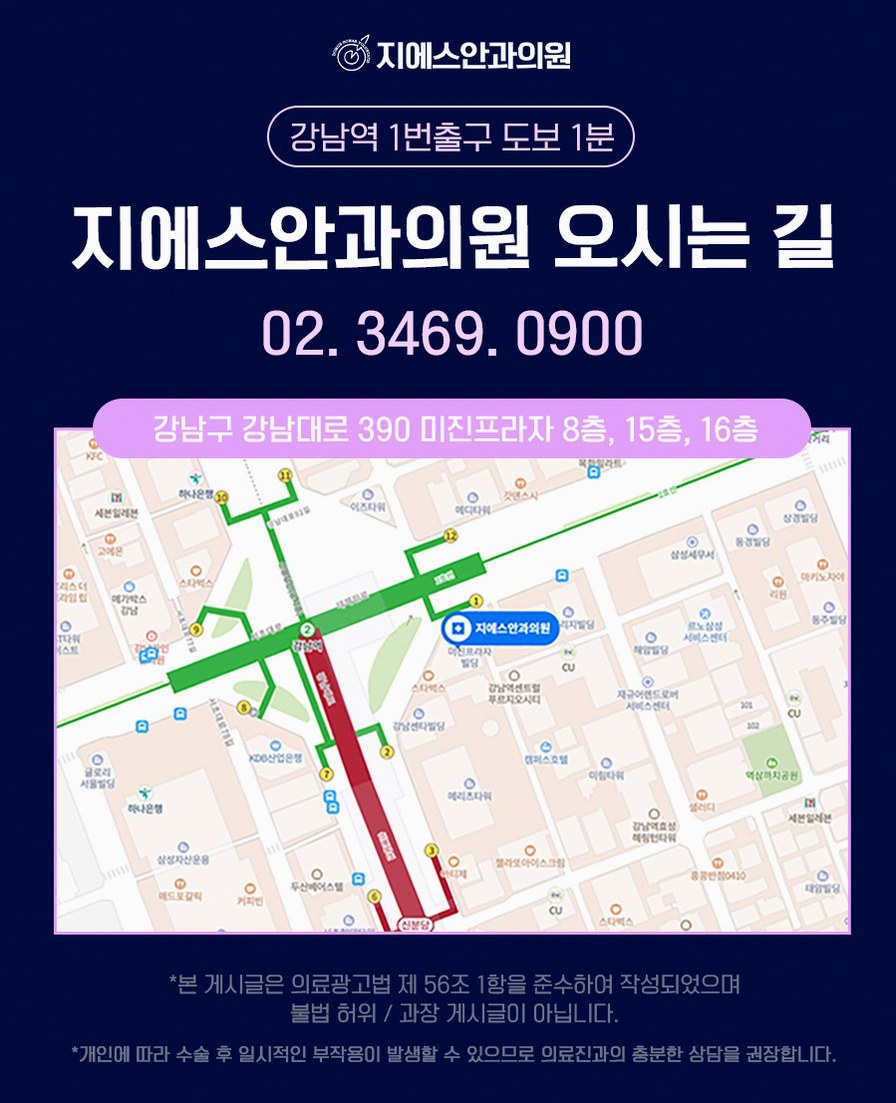
Location is another key factor. An ophthalmology clinic on Gangnam-daero, close to Gangnam Station and not far from Seocho Station, allows you to schedule tests and follow-up visits around your commute. Multi-floor facilities dedicated to ophthalmology services can also mean that diagnostic equipment, laser suites, and a retina center are all in one building.
Clinic background and focus
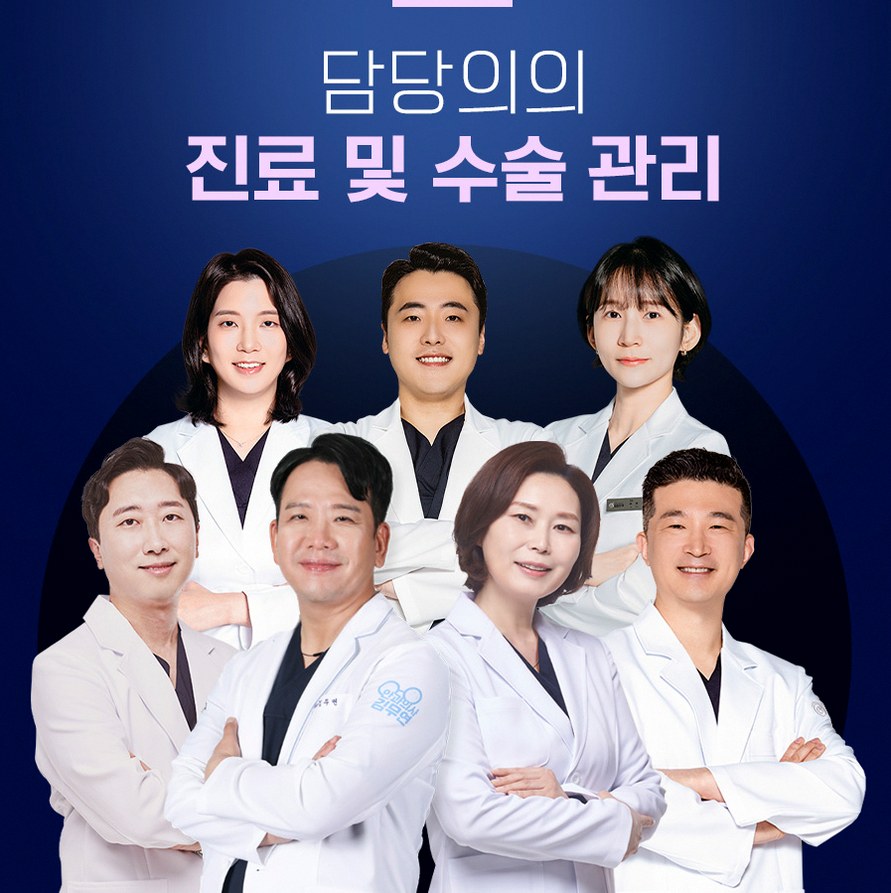
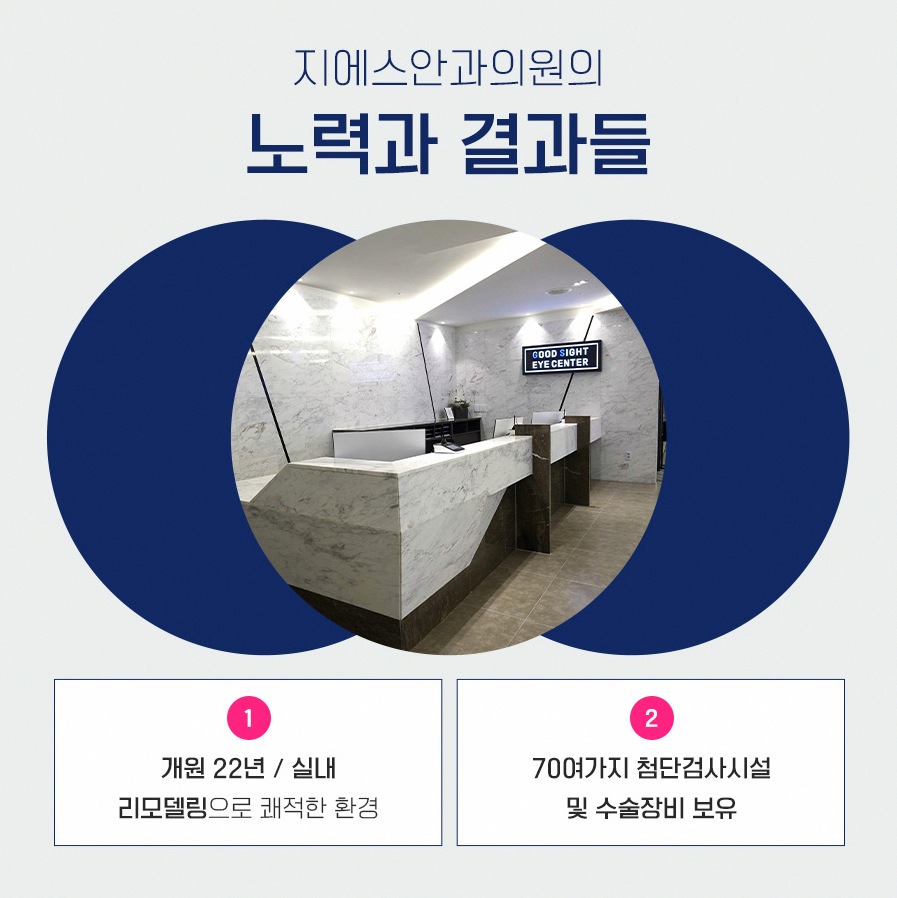
GS Eye Center is an ophthalmology clinic near Gangnam Station, convenient for people commuting through Seocho Station. It has been operating at the same location since 2005 and is led by an ophthalmologist with a medical doctorate, working with a team of seven board-certified ophthalmologists.
The clinic focuses strongly on SMILE-type procedures, including SMILE pro, SMILE LASIK, SILK, and its own branded protocols. It also offers lens implantation for high myopia or special cases, presbyopia and cataract surgery, and has a dedicated retina center for more complex retinal issues.
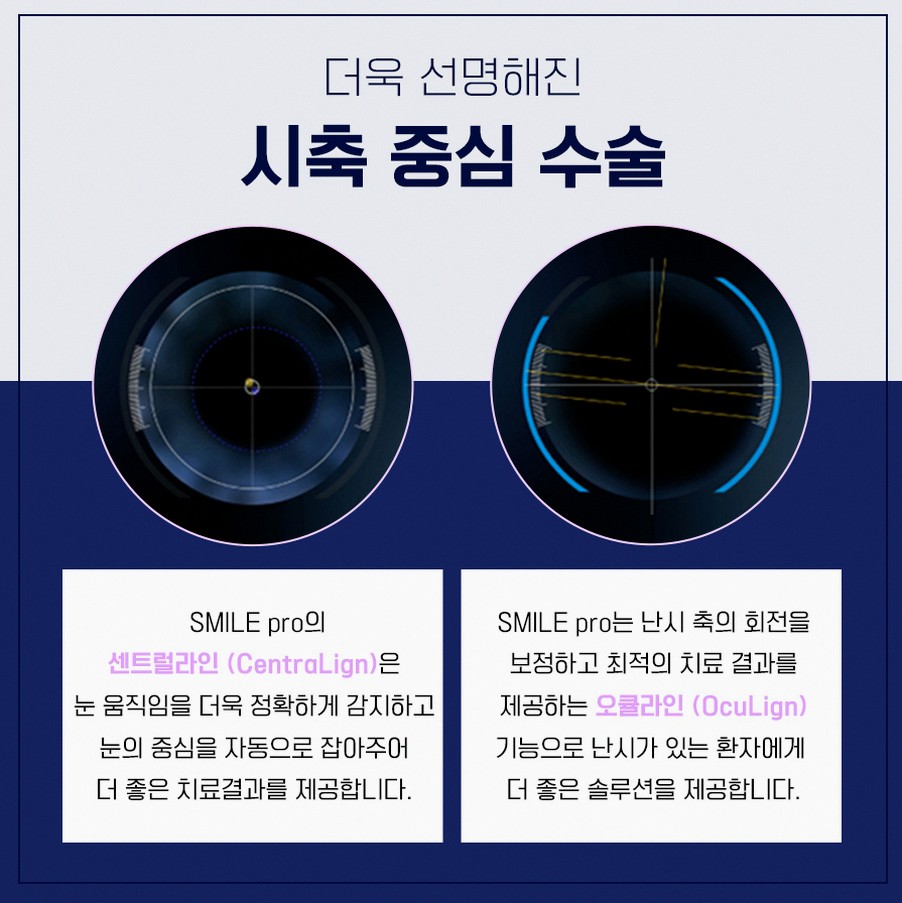
The clinic is designated as a ZEISS SMILE pro Center and a SILK training center, and has achieved large cumulative case numbers in vision correction and cataract surgery as of the reported years. It has obtained ISO 9001 and 14001 certification for SMILE LASIK as of 2020, and is designated as a clinical education center by a medical school and an ophthalmic biotech company. For patients, these designations suggest standardized protocols, ongoing training, and a structured approach to quality and safety.
Equipment and laser platforms
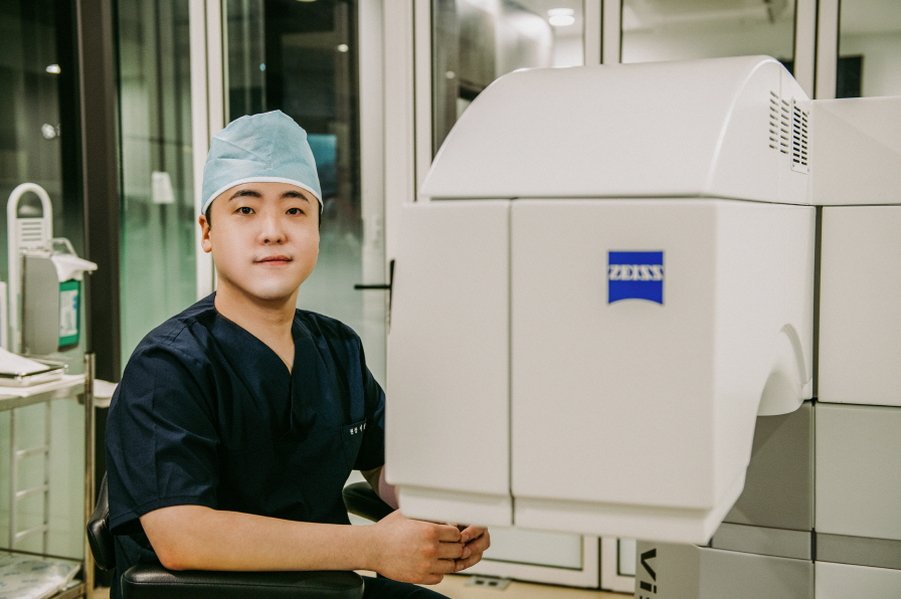
One of the distinctive points of this clinic is that it owns all three major SMILE platforms from ZEISS. For a patient, this matters more than it might seem at first glance.
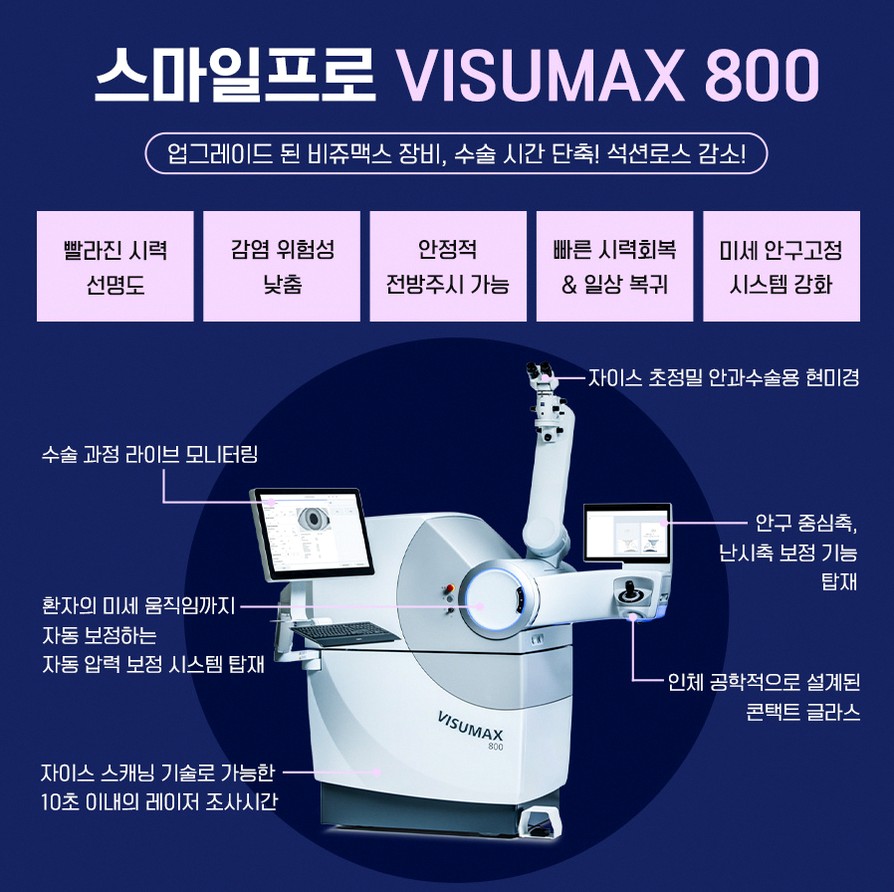
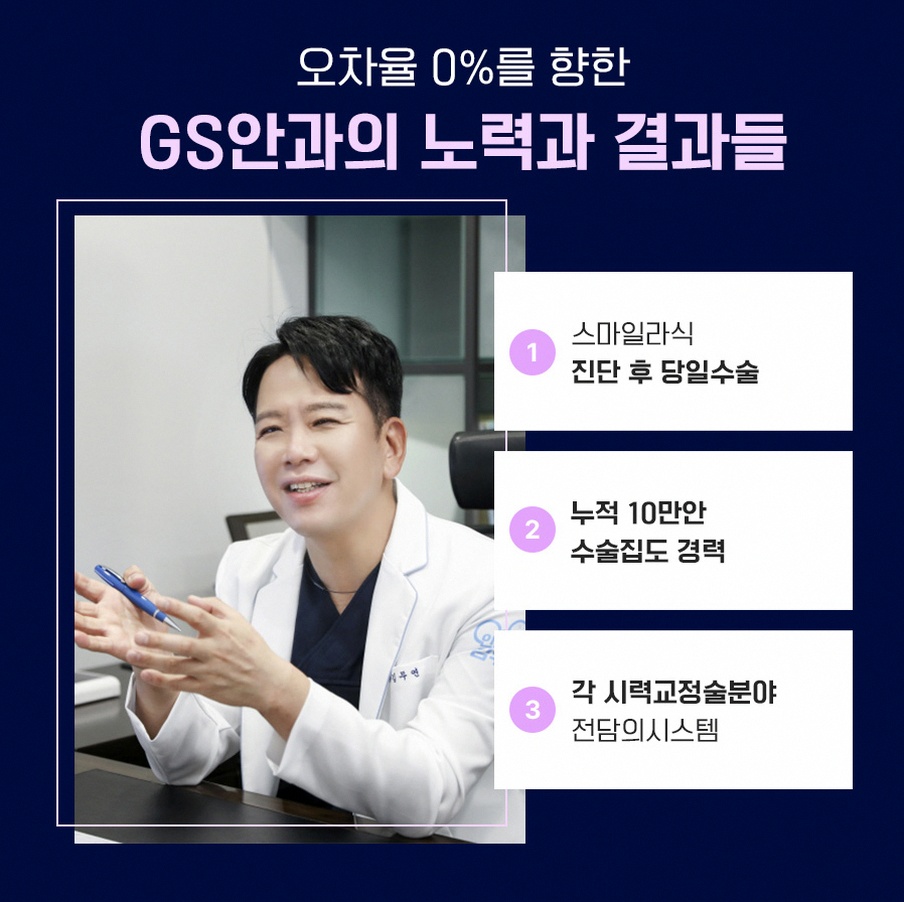
VISUMAX 800 is used for SMILE pro and was introduced in 2023. It offers very fast laser time, around 9 seconds per eye, which can help reduce the time you need to fix your gaze during the procedure.
Two VISUMAX 500 units have been in operation since 2016, with dual systems running since 2019. These are used for SMILE LASIK and allow the clinic to schedule multiple patients efficiently, reduce waiting time on surgery day, and provide backup in case one system needs maintenance.
Having multiple dedicated SMILE lasers allows the medical team to choose the most suitable platform and protocol based on your corneal thickness, curvature, pupil size, and lifestyle. It also supports stable system maintenance and reduces the chance that your surgery would be delayed because of equipment issues.
First visit and pre-operative eye examination
From a patient’s point of view, the first visit is where most of the anxiety is either relieved or increased. At a specialized ophthalmology clinic near Seocho Station, the pre-operative eye examination for SMILE LASIK is usually detailed and structured.
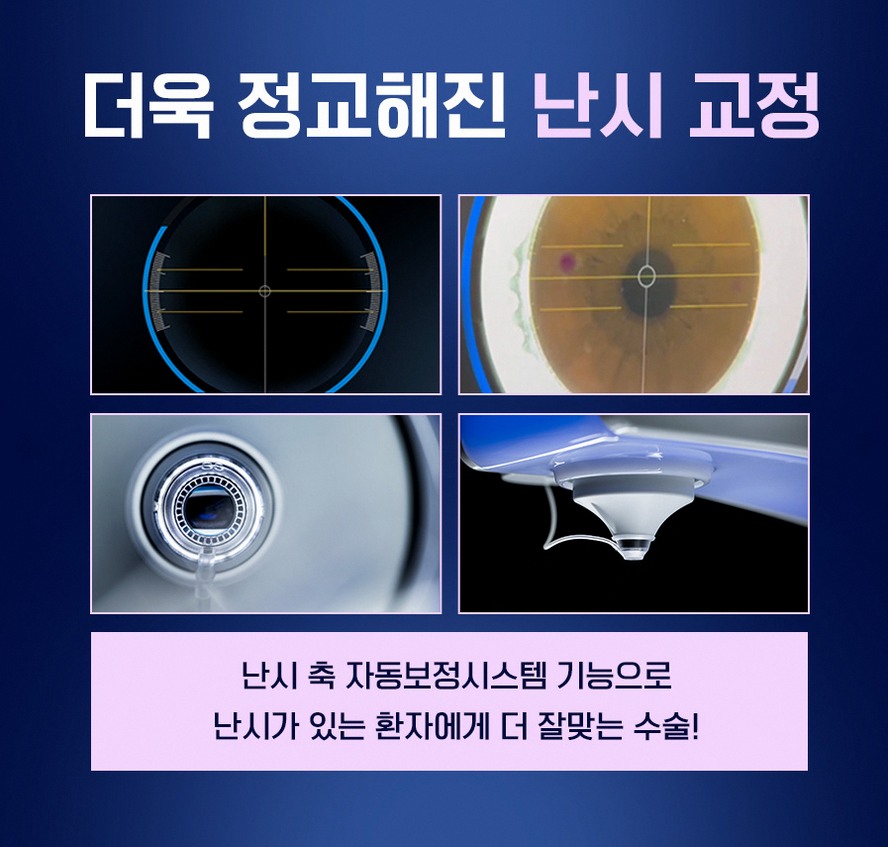
The visit typically starts with registration and a basic vision check, including your current glasses or contact lens prescription. After that, you move through a series of diagnostic devices that measure corneal thickness, corneal curvature, and the shape of the front and back surfaces of the eye.
Pupil size is measured under different lighting conditions, which matters for night vision and glare. Tear film and dry eye evaluation are also important, because existing dryness can influence both candidacy and post-operative comfort. Some clinics use imaging to assess the meibomian glands and tear stability.
A retina and optic nerve check is usually part of the process. In a clinic with a dedicated retina center, a retina specialist may be involved if there is any suspicion of retinal thinning, lattice degeneration, or other issues. This is especially relevant for high myopia.
Not everyone is automatically approved for SMILE LASIK. The medical team evaluates whether your cornea is thick enough, whether your myopia and astigmatism are within safe ranges, and whether your retina is stable. In some cases, they may recommend SMILE pro, SILK, LASEK, or lens implantation instead, or advise against surgery altogether.
Consultation experience and decision-making
After the tests, you usually meet an ophthalmologist to review the results. This consultation is where you should feel free to ask detailed questions.
The doctor typically explains your current eye condition, including corneal thickness, degree of myopia and astigmatism, and any signs of dry eye or retinal changes. They outline the options: SMILE LASIK, SMILE pro, SILK, LASEK, or lens implantation, and explain why one might be more suitable than another in your case.
Possible side effects are discussed, such as temporary glare or halos at night, fluctuations in vision during the first weeks, and dry eye symptoms. The long-term outlook is described in realistic terms, without promising perfect vision for everyone.
For office workers and students, the conversation often includes your work schedule. You can discuss when you need to return to the office near Seocho Station, how many days you can take off, and how much screen time is expected in the first week. The surgeon can then suggest a surgery date and aftercare plan that fits your lifestyle.
Surgery day: what it actually feels like
On surgery day, most patients feel nervous but curious. The process is usually streamlined, especially in a clinic with multiple VISUMAX systems.
You arrive at the clinic and go through final checks, such as confirming your identity, reviewing consent forms, and repeating key measurements if needed. You may receive eye drops to dilate or constrict the pupil depending on the protocol, and numbing drops to anesthetize the surface of the eye.
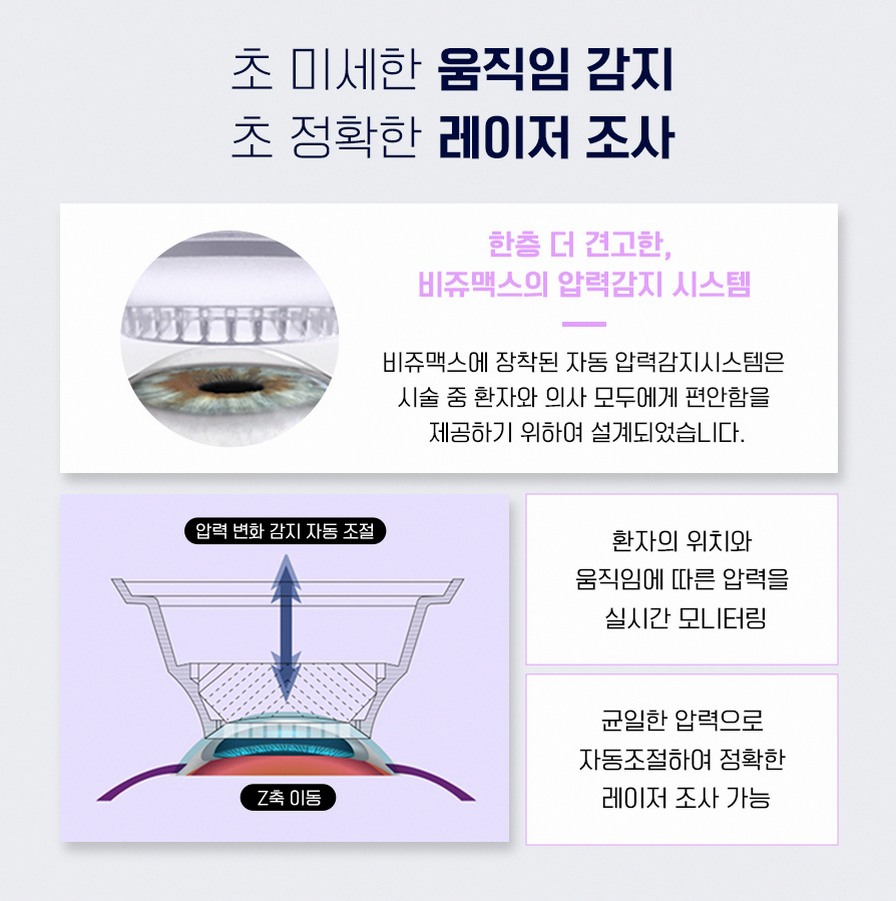
In the laser room, you lie down on a bed that moves under the VISUMAX system. A small device helps keep your eyelids open so you do not have to worry about blinking. When the suction ring is applied, you feel pressure around the eye but usually no sharp pain. Vision may dim or blur for a few seconds.

The laser time itself is short. With platforms like VISUMAX 800 for SMILE pro, the laser step can be around 9 seconds per eye. With VISUMAX 500 for SMILE LASIK, the duration is still relatively brief. You are asked to look at a target light while the laser creates the lenticule inside your cornea.
After the laser step, the surgeon removes the lenticule through the tiny incision. You might feel gentle pressure or slight movement but not pain. You may see lights and shadows rather than clear images. The total time in the laser room for both eyes is often only several minutes, even though you spend longer in preparation and post-operative instructions.
A clinic with multiple SMILE platforms can schedule patients so that waiting time is minimized and the flow from preparation to laser room to recovery room is smooth.
Immediately after surgery and the first 24 hours
Right after surgery, your vision is usually hazy but functional. You can open your eyes and see shapes and large text, but fine details are not yet clear. Most patients can walk with guidance, and many can go home the same day.
You receive detailed instructions on how to use your eye drops. Typically, these include antibiotic drops to prevent infection, anti-inflammatory drops to control inflammation, and artificial tears to relieve dryness. You are advised not to rub your eyes, avoid heavy exercise, and skip eye makeup for a certain period.
During the first few hours, you may feel mild discomfort, a foreign body sensation, or tearing. Many patients prefer to rest with their eyes closed. By the next day, vision is often significantly clearer, though still not fully stable.
For commuters near Seocho Station, one of the main questions is when they can return to work. Many office workers can commute and use a computer within a day or a few days, depending on individual healing and job demands. However, long hours of intense screen use may still cause dryness or fatigue in the first week, so frequent artificial tears and short breaks are recommended.
Follow-up visits and long-term results
Follow-up is an important part of SMILE LASIK. A typical schedule includes a next-day check, a visit after about one week, another around one month, and additional visits over several months if needed.
At these visits, the ophthalmologist checks your visual acuity, corneal healing, and the stability of your refraction. They also ask about dry eye symptoms, night vision, glare, and halos. If you have a high myopia background, the retina may be monitored regularly, especially in a clinic with a retina center.
Many patients reach near 20/20 vision or better, with a significant reduction in dependence on glasses or contact lenses. However, individual results vary, and some people may still need thin glasses for specific tasks, such as night driving or very fine work.
The clinic monitors for rare complications and provides additional treatment if necessary. Having a dedicated retina center on site is reassuring for patients with pre-existing retinal issues or high myopia.
Pros and cons from a patient perspective
From the viewpoint of an international patient commuting through Seocho or Gangnam, the main advantages of having SMILE LASIK at a specialized ophthalmology clinic include:
Convenient location on a major road like Gangnam-daero, accessible from Seocho Station and Gangnam Station.
Detailed pre-operative testing that checks not only your prescription but also corneal thickness, curvature, pupil size, tear film, and retina.
Use of advanced ZEISS SMILE platforms, including VISUMAX 800 for SMILE pro and VISUMAX 500 units for SMILE LASIK, which allows tailored procedures and efficient scheduling.
Large cumulative experience in SMILE-type vision correction and cataract surgery, with structured protocols supported by ISO certification and clinical education designations.
At the same time, there are realistic cautions:
Not everyone is a candidate. Thin corneas, unstable refraction, or certain retinal conditions may lead to a recommendation for alternative treatments or no surgery.
Temporary dry eye, glare, or halos can occur after surgery and may take time to improve. Some patients may notice more symptoms at night or when using digital devices for long periods.
You need to follow the eye drop schedule carefully, attend follow-up visits, and respect activity restrictions to support safe healing.
Who may consider SMILE LASIK near Seocho Station
SMILE LASIK may be worth considering if you are an adult with stable myopia and possibly astigmatism, your prescription has not changed significantly in recent years, and you are tired of glasses or contact lenses.
It can be suitable for office workers, students, and professionals who need quick visual recovery and want to minimize discomfort and downtime. However, only a full eye examination can determine whether your corneas and retina are appropriate for this procedure.
If you have very high myopia, thin corneas, or other eye conditions, the ophthalmologist may recommend SMILE pro, SILK, LASEK, or lens implantation instead. For international patients, it is helpful to send previous prescriptions or medical records in advance so the clinic can give you preliminary guidance.
Online consultation and pre-visit preparation for overseas patients
If you are planning to travel to Korea for SMILE LASIK, an online consultation is a practical first step. Many ophthalmology clinics in Gangnam offer online or email-based pre-consultations.
Before your online consultation, prepare the following:
Your most recent glasses or contact lens prescription, including cylinder and axis values if you have astigmatism.
Any previous eye examination reports, especially corneal thickness measurements or retinal evaluations if available.
Information about your general health, medications, and any history of eye disease or surgery.
Questions about your work schedule, desired surgery date, and how long you can stay in Korea for follow-up.
During the online consultation, you can discuss whether you are a likely candidate, what tests will be done on your first visit, and how the clinic usually schedules surgery and follow-up for international patients.
Expected Korea visit timeline for SMILE LASIK
For overseas patients, a common schedule might look like this, although details vary by clinic and individual case.
Day 1: Comprehensive eye examination and in-person consultation. If your eyes are suitable and you decide to proceed, surgery can sometimes be scheduled for the same day or the next day, depending on the clinic’s policy and your eye condition.
Day 1 or 2: SMILE LASIK surgery. The procedure itself is short, but plan to spend several hours at the clinic for preparation and post-operative checks.
Day 2 or 3: First follow-up visit, usually the next day after surgery. The ophthalmologist checks your vision, corneal healing, and any early symptoms.
Day 5 to 7: Additional follow-up visit before you leave Korea, to confirm stable healing and review your eye drop plan.
If possible, staying in Korea for about one week after surgery is ideal, so that early follow-up can be completed on site. After you return home, you should continue regular eye checks with a local ophthalmologist.
Aftercare and lifestyle tips
After SMILE LASIK, careful aftercare supports good healing and comfort.
Use your prescribed eye drops exactly as directed. Do not stop antibiotic or anti-inflammatory drops early, even if your eyes feel fine.
Avoid rubbing your eyes, swimming pools, hot tubs, and heavy exercise for the period recommended by your surgeon. Light walking is usually fine after the first days.
Limit very long sessions of screen time in the first week. Take regular breaks, blink consciously, and use artificial tears as advised to reduce dryness.
Wear sunglasses outdoors to protect your eyes from bright light and wind, especially in the early weeks.
If you notice sudden vision changes, strong pain, or many new floaters, contact the clinic or a local ophthalmologist immediately.
How to choose a SMILE LASIK clinic near Seocho Station
When comparing ophthalmology clinics around Seocho and Gangnam for SMILE LASIK, consider more than just location and price.
Check that the surgeons are board-certified ophthalmologists and, ideally, that the clinic includes subspecialists such as retina experts for comprehensive care.
Look for multiple modern laser platforms, such as VISUMAX 800 and VISUMAX 500, and up-to-date diagnostic equipment for corneal mapping, tear film analysis, and retinal imaging.
Make sure the clinic explains risks, alternatives, and realistic outcomes clearly, without promising guaranteed results. Ask how they handle non-candidates and what alternative options they offer.
Ask about follow-up systems for international patients, including how long you should stay in Korea and how they coordinate with your local eye doctor after you return home.
Consider documented case volume and whether the clinic participates in clinical education or training programs, which can indicate active involvement in maintaining standards.
Common questions about SMILE LASIK near Seocho Station
How long does SMILE LASIK take from entering the laser room to finishing both eyes?
Most patients spend only several minutes in the laser room. The actual laser time per eye is very short, especially with platforms like VISUMAX 800 for SMILE pro, which can be around 9 seconds. However, preparation and positioning take additional time, so you might be in the laser room for about 10 to 20 minutes in total. The entire visit on surgery day, including pre-checks and post-operative instructions, usually takes a few hours.
How soon can I return to work near Seocho Station after SMILE LASIK?
Many office workers can return to light desk work within one to a few days after SMILE LASIK, depending on individual healing and job demands. Commuting through Seocho Station or Gangnam Station is usually possible quite soon, but you may feel dryness or mild visual fluctuations during the first week. If your work involves very long hours at a computer, it is wise to plan short breaks and use artificial tears regularly.
Is SMILE LASIK painful, and what does it feel like during the procedure?
During SMILE LASIK, numbing drops are used, so most patients feel pressure rather than sharp pain. When the suction ring is applied, you may feel tightness around the eye and vision may dim briefly. During the laser step, you see a light and may notice shadows or slight vibration, but not pain. After surgery, mild discomfort, a foreign body sensation, or tearing can occur for several hours, usually improving by the next day.
What are the main differences between SMILE LASIK and LASEK for office workers?
SMILE LASIK uses a small incision and preserves more of the corneal surface, which often means quicker visual recovery and less discomfort than LASEK. LASEK removes the surface epithelium, which then needs time to heal, so pain and light sensitivity can be stronger in the first days, and vision may take longer to stabilize. For office workers who want to return to screens and commuting quickly, SMILE LASIK is often preferred when the eye condition allows it, but final decisions should be made after a full eye examination.
Soft call to action
If you are an international patient planning a trip to Korea and are considering SMILE LASIK near Seocho Station or Gangnam Station, an online consultation is a good first step. You can share your prescription, medical history, and travel schedule, and ask detailed questions about tests, laser platforms, and expected recovery.
Ophthalmology clinics such as GS Eye Center on Gangnam-daero can then advise whether you are a likely candidate, suggest a realistic visit timeline, and explain how they coordinate follow-up for overseas patients. Taking time to understand the process in advance will help you feel more confident and prepared when you arrive in Seoul for your vision correction journey.
- 공유 링크 만들기
- X
- 이메일
- 기타 앱


댓글
댓글 쓰기