Seoul SMILE LASIK options in Gangnam for international patients
- 공유 링크 만들기
- X
- 이메일
- 기타 앱
Direct answer summary
If you are searching for Seoul SMILE LASIK, you're likely looking for a minimally invasive laser vision correction option in a convenient area such as Gangnam. Quick answer: SMILE (small-incision lenticule extraction) reshapes the cornea through a tiny incision instead of creating the larger flap used in traditional LASIK. Who this is for: people seeking a flapless, tissue-sparing procedure with a typically faster recovery. In Gangnam several clinics focus on SMILE; GS Eye Center combines long experience with a full lineup of SMILE platforms (including ZEISS VISUMAX models and ELITA from Johnson & Johnson) and structured examination systems. This guide explains what SMILE LASIK is, who may consider it, what to expect when you travel to Seoul, and how to use clinic information to make a careful decision.
What is SMILE LASIK and why people in Seoul search for it
SMILE LASIK is a minimally invasive laser vision correction procedure designed to reduce dependence on glasses or contact lenses. It is typically used for people with myopia (short-sightedness) and astigmatism, although actual suitability must be confirmed by detailed eye examinations.
During SMILE, a femtosecond laser creates a very thin, lens-shaped piece of tissue called a lenticule inside the cornea. The laser also creates a small access incision on the corneal surface. The surgeon then removes the lenticule through this small opening. Once the lenticule is removed, the shape of the cornea changes, which adjusts how light focuses on the retina and can improve uncorrected vision.
Compared with traditional LASIK, SMILE does not require a large corneal flap. In LASIK, a circular flap is created and lifted, the underlying cornea is reshaped with an excimer laser, and then the flap is replaced. In SMILE, there is no large flap; only a small incision is used to remove the lenticule. Many patients in Seoul search for SMILE LASIK because they are interested in this small-incision approach.
Typical candidates for SMILE LASIK are adults with stable prescriptions who want to reduce their reliance on glasses or contact lenses. However, not everyone is suitable. Factors such as refractive status, corneal thickness, corneal shape, tear film quality, and overall eye health must be evaluated. Only after a full examination can a doctor advise whether SMILE, another type of laser procedure, lens implantation, or no surgery is the safer choice.
Why Gangnam, Seoul is a major area for SMILE LASIK
Gangnam is one of the main medical districts in Seoul, with a high concentration of ophthalmology clinics offering modern vision correction. Because many patients, including international visitors, come to this area, clinics here often perform a large number of vision correction procedures.
Higher procedure volume over many years can lead to accumulated clinical experience and earlier adoption of newer laser platforms. For SMILE LASIK, this often means access to different generations of ZEISS VISUMAX lasers and related technologies.
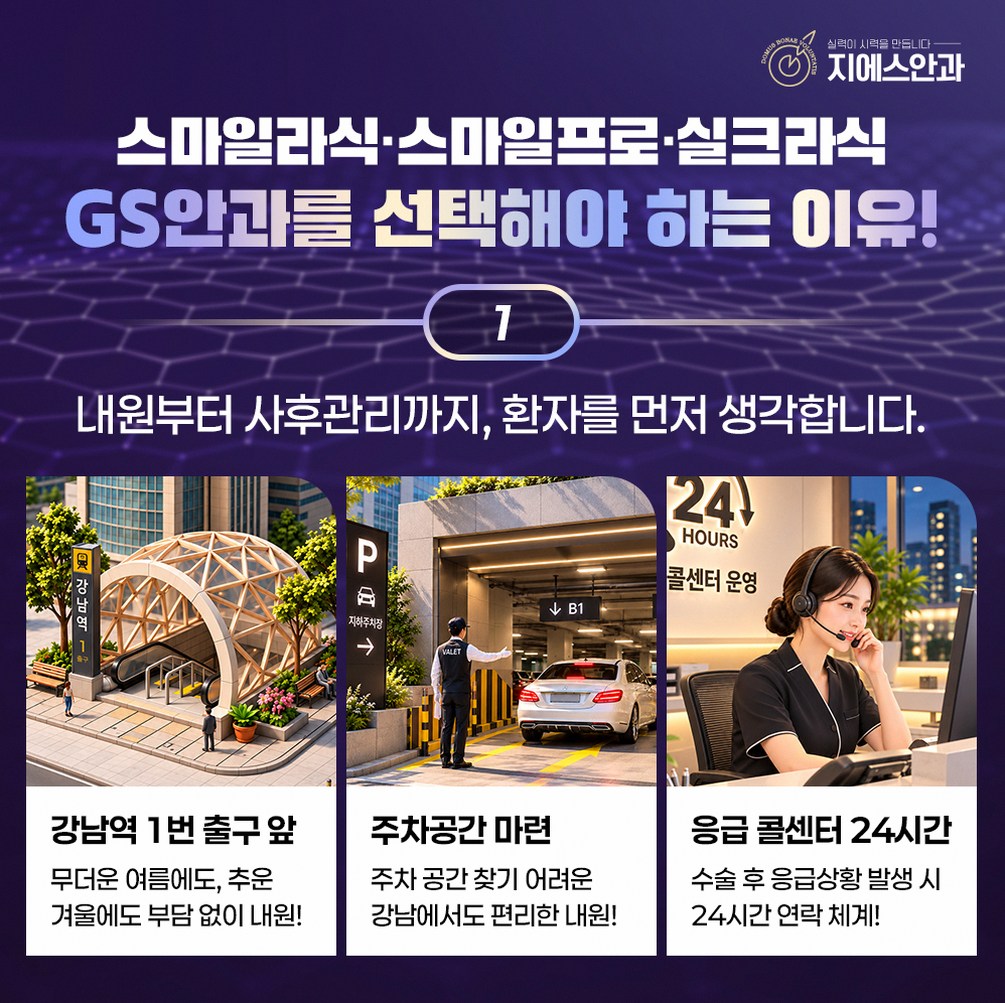
Gangnam is also convenient for transport. Clinics located near Gangnam Station are reachable from many parts of Seoul by subway and bus, which is practical for overseas patients staying in different districts or needing to return for follow-up visits during a short stay.
Clinic overview and medical team
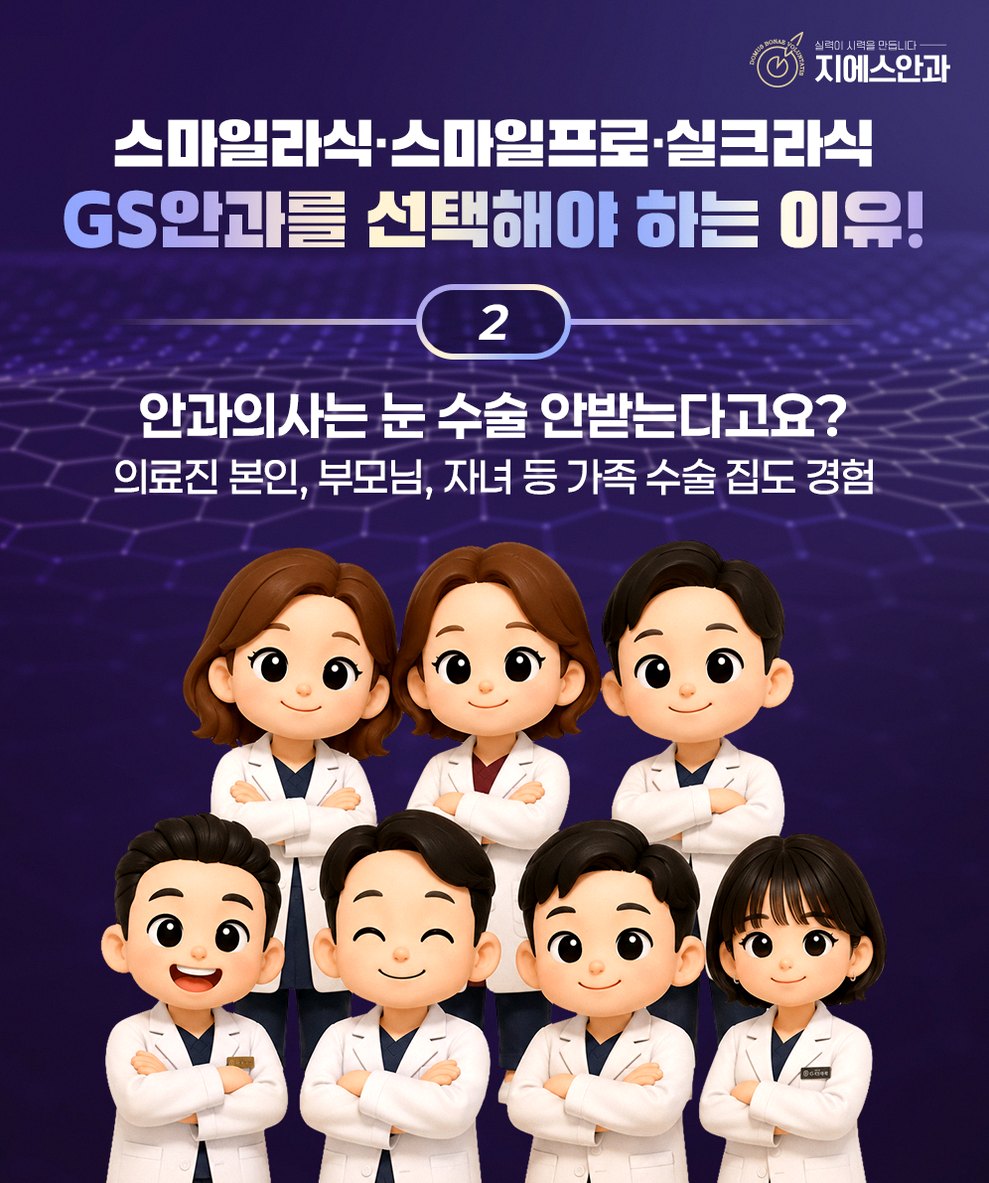
GS Eye Center is an ophthalmology clinic in Gangnam that opened in 2005 and has been operating in the same location since then. The clinic has seven doctors, all of whom are ophthalmology specialists, with backgrounds that include major university hospitals and retinal fellowships.
The medical director holds a medical doctorate in ophthalmology and has experience as a university hospital professor. The director is also involved in clinical education for medical schools and training programs organized with industry partners.
Within the clinic, subspecialty services are organized, including a retina center, presbyopia and cataract surgery services, and lens implantation programs. For SMILE LASIK patients, this structure supports comprehensive care, from preoperative retinal checks to cataract or presbyopia management later in life if needed.
SMILE LASIK focus and clinical track record
SMILE-type procedures are a key focus area at this Gangnam clinic. The team performs several related procedures, including SMILE pro, SMILE LASIK, SILK, and an internal protocol called Golden SMILE. Golden SMILE is not a separate device; it is a name used by the clinic for a customized SMILE approach based on individual eye conditions.
By 2023, the clinic reports a cumulative total of about 300,000 eyes for vision correction and cataract surgeries combined. This figure reflects overall surgical activity, not just SMILE, and the year should be noted when comparing with other centers.
For SMILE pro specifically, the clinic reports the following progression of case numbers:
By October 2024: 5,000 eyes
By August 2025: 10,000 eyes
By April 2026: 15,000 eyes

These numbers indicate a growing SMILE pro experience over time. In recognition of case volume and training roles, the clinic reports that it was the first in Korea to join the ZEISS SMILE GOLD CLUB in 2021. It was later designated a ZEISS SMILE pro CENTER in 2023 and a SILK TRAINING Center in 2026. These designations reflect clinical experience with ZEISS platforms and involvement in training, but they do not guarantee specific outcomes for individual patients.
Equipment: full ZEISS SMILE platform lineup
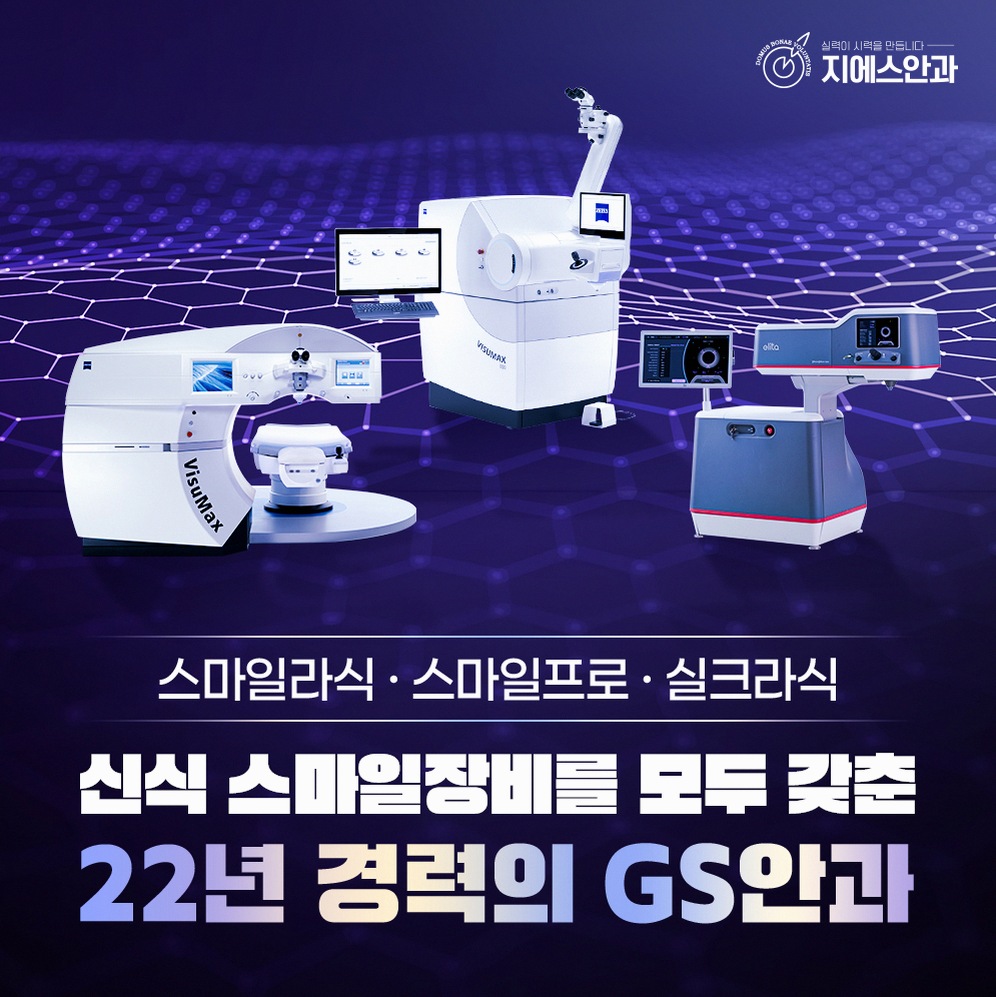
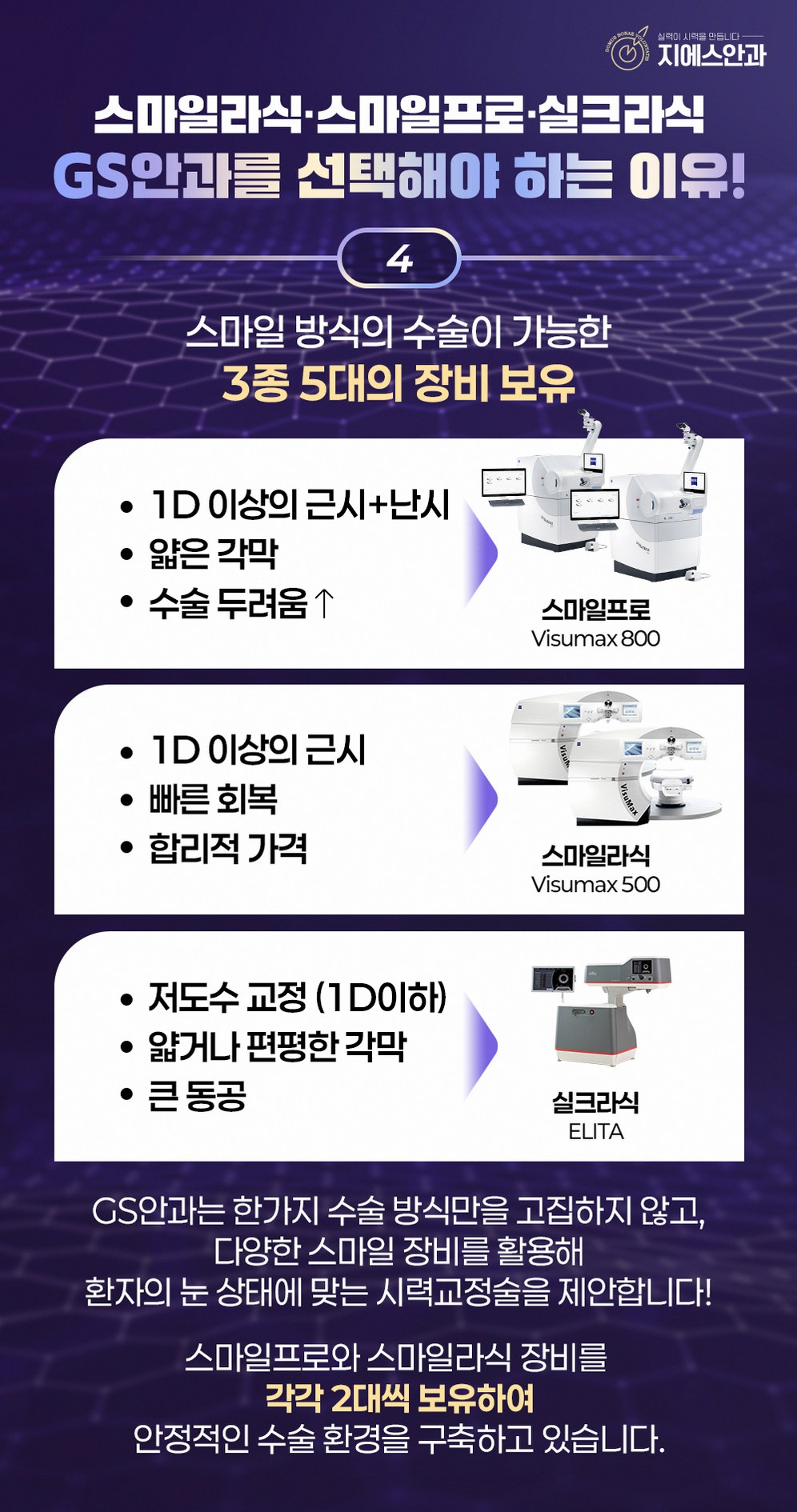
One of the clinic’s key features is ownership of the three major SMILE-related laser platforms: VISUMAX 800 and two VISUMAX 500 units from ZEISS, plus ELITA from Johnson & Johnson. For patients comparing Seoul SMILE LASIK options, this can be a practical point to consider.
VISUMAX 800 is the latest-generation platform used for SMILE pro. At this clinic it was introduced in 2023.
The clinic also operates two VISUMAX 500 units. These are used for SMILE LASIK and have been in use since 2016, with a dual setup from 2019. Having two VISUMAX 500 lasers supports stable, high-volume operations, because one unit can serve as backup if the other is undergoing maintenance, and multiple patients can be scheduled efficiently.
Having multiple platforms allows the medical team to choose the device that best matches the patient’s eye condition and the planned technique, whether SMILE pro, SMILE LASIK, or SILK. It also provides flexibility in scheduling, which can be important for international patients who have limited time in Korea.
In 2020, the clinic obtained ISO 9001 and ISO 14001 certification for SMILE LASIK. ISO 9001 relates to quality management systems, and ISO 14001 relates to environmental management systems. For patients, this indicates that standardized processes are in place for SMILE LASIK, from examination and surgery to follow-up, although it does not speak to individual results.
Related vision correction options (for comparison only)
While SMILE LASIK is the main topic of this guide, it is useful to understand other options that may be discussed during consultation. At this clinic, other laser procedures include various LASIK techniques and a surface procedure called 2DAY LASEK.
LASIK variants involve creating a corneal flap and reshaping the underlying tissue with an excimer laser. 2DAY LASEK is a form of surface ablation without a flap, where the top layer of the cornea is treated and then regenerates. These methods may be considered when SMILE is not suitable because of corneal shape, thickness, or other factors.
Lens implantation is another category. Options at this clinic include ICL, GLAZE, and PhakiFlex KPL, which are types of phakic intraocular lenses placed inside the eye without removing the natural lens. These methods are often discussed for higher prescriptions or when corneal-based laser surgery is not recommended. The clinic reports notable experience with GLAZE lens implantation, including first adoption in Korea in 2019 and thousands of cases by 2025, which shows broader refractive surgery expertise.
Corneal strengthening procedures, such as EXTRA and KXL, are also available. These combine cross-linking with laser correction or are used to stabilize the cornea in selected cases. They are not replacements for SMILE but may be added or suggested as alternatives depending on examination findings.
Preoperative examination and candidacy for SMILE LASIK
Before SMILE LASIK, a detailed preoperative examination is essential. At a typical Gangnam clinic focusing on SMILE, this process includes several steps.
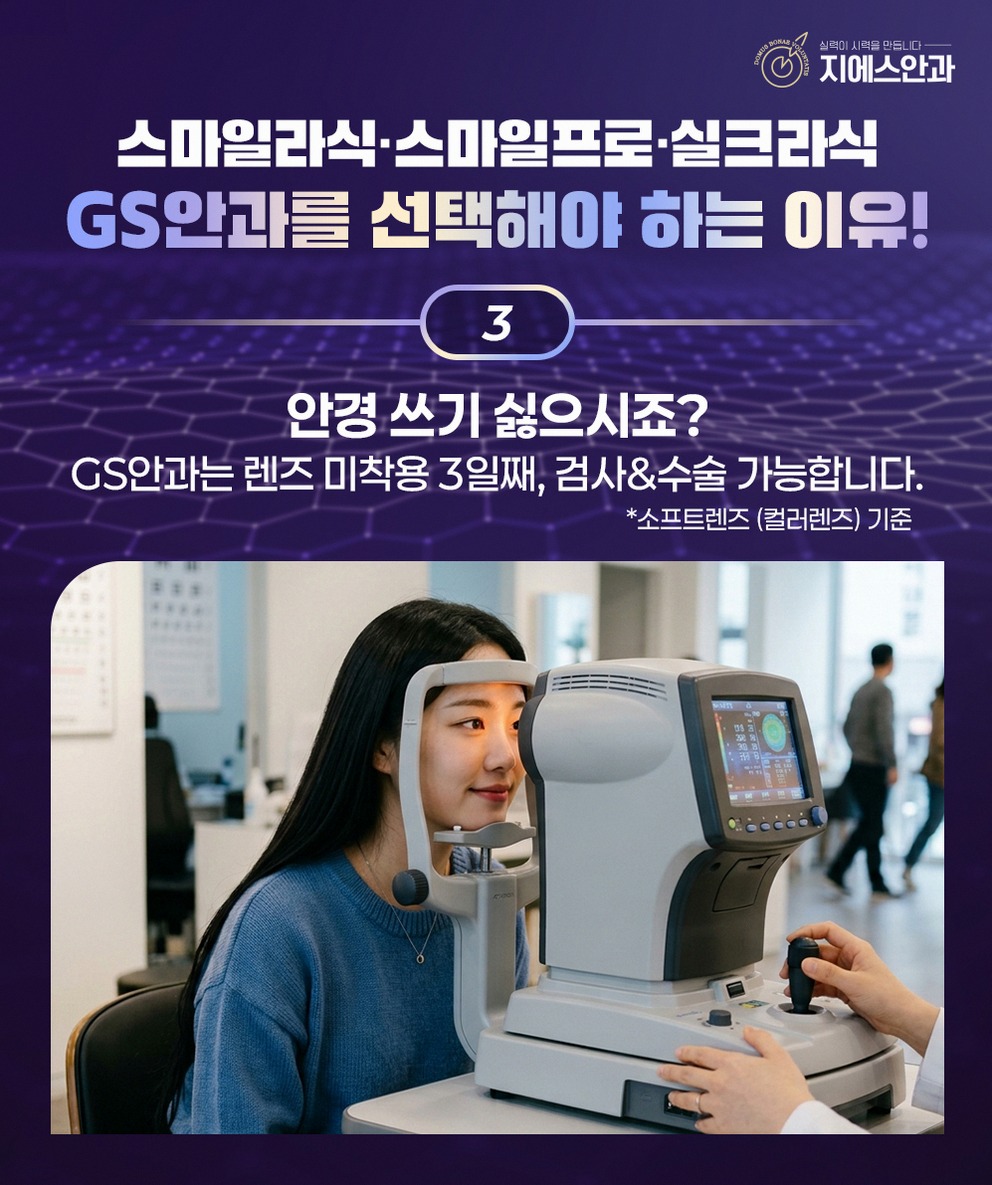
First, detailed refraction is performed to measure your current prescription and confirm its stability. Corneal topography and tomography are used to map the shape and curvature of the cornea in three dimensions, while pachymetry measures corneal thickness.
Tear film and dry eye assessments help evaluate whether the eye surface is stable enough for surgery and what kind of postoperative care may be needed. When indicated, retinal evaluation is also performed, especially for high myopia, to check for weak areas, holes, or other conditions that might require treatment or closer follow-up.
It is important to understand that no single corneal thickness number alone determines whether SMILE is safe. The decision is based on a comprehensive assessment that includes residual stromal thickness, corneal biomechanics, topography patterns, and your overall eye health.
People with certain corneal diseases, such as keratoconus or other ectatic disorders, unstable refraction, or specific retinal issues may be advised to avoid SMILE or to consider other options. In some cases, lens implantation or combined procedures may be safer.
This clinic is designated as a clinical education institution for a medical school (in 2023) and an Asia-Pacific clinical training center for BIOTECH (in 2024). These roles support structured examination and decision-making protocols, which can be reassuring for patients who value systematic assessment.
SMILE LASIK procedure steps (patient perspective)
From a patient’s point of view, the SMILE LASIK process is usually straightforward, though individual experience can vary.
Step 1: On the day of the procedure, you arrive at the clinic, complete any final checks, and receive numbing eye drops. These drops are used instead of general anesthesia, so you remain awake but should not feel sharp pain.
Step 2: You are positioned under the femtosecond laser, such as a VISUMAX platform. A gentle suction ring is applied to keep the eye steady. The laser then creates a thin, lens-shaped lenticule inside the cornea and a small access incision.
Step 3: After the laser step, the surgeon uses fine instruments to separate and remove the lenticule through the small incision. This changes the curvature of the cornea according to your prescription.
Step 4: The small incision is left to heal naturally. No large flap is created or lifted, which is one of the main differences from traditional LASIK.
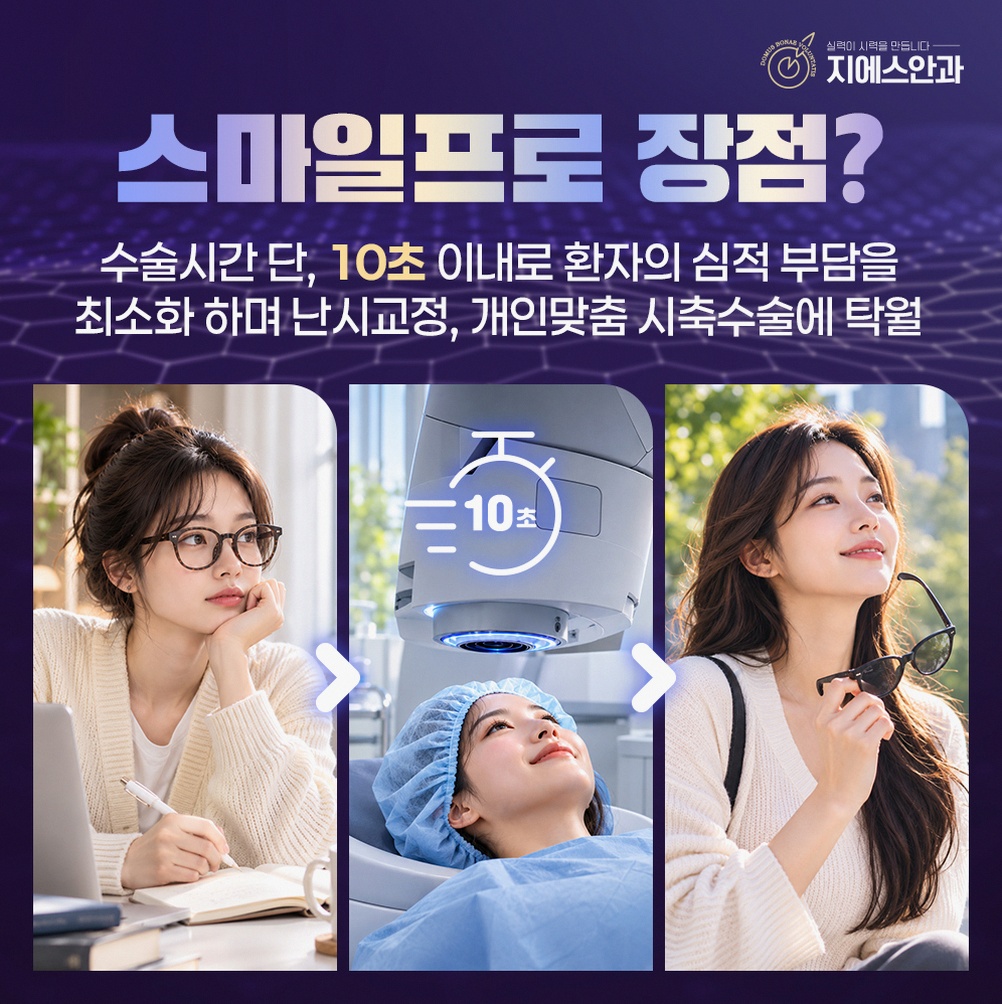
The actual laser time is short, especially with systems like VISUMAX 800 for SMILE pro, but the total time in the procedure room will be longer due to preparation and final checks. Recovery experience, visual clarity, and comfort vary from person to person. Your doctor will explain what to expect based on your eyes and lifestyle.
Safety, expectations, and limitations
SMILE LASIK is an established vision correction procedure, but like all surgeries it carries potential risks and limitations. Common temporary effects can include dry eye symptoms, glare or halos, and visual fluctuations during the early healing period. More serious complications are rare but possible, which is why careful screening and follow-up are important.
Vision usually improves over time rather than instantly reaching a final stable state. Follow-up visits are scheduled to monitor healing, adjust eye drops, and check for any issues. Your doctor will advise you about activity restrictions, such as avoiding eye rubbing, swimming, or heavy exercise for a certain period.
Realistic expectations are essential. Factors such as age, prescription level, corneal condition, and lifestyle can influence the final outcome and the chance that you might need enhancement procedures in the future. No clinic can promise a specific visual result or permanent freedom from glasses.
Pricing, exact surgical plans, and final eligibility can only be confirmed after an in-person examination. For overseas patients, it is sensible to request an approximate range and a proposed schedule in advance, with the understanding that the plan may change after detailed testing.
Who may consider Seoul SMILE LASIK
International patients who often consider SMILE LASIK in Seoul include:
Adults with stable myopia or myopic astigmatism who want to reduce dependence on glasses or contact lenses
People who prefer a small-incision technique without a large corneal flap
Patients who value access to multiple ZEISS platforms and structured examination systems
However, some people may be better suited to other treatments. Very high prescriptions, thin or irregular corneas, certain dry eye conditions, or specific retinal issues may lead the doctor to recommend LASIK variants, 2DAY LASEK, lens implantation, or no surgery. A face-to-face consultation with full diagnostics is the only reliable way to determine suitability.
Online consultation and pre-visit preparation
Before traveling to Seoul, many international patients start with an online consultation. This is usually done via email, messaging apps, or a web form.
To make this step efficient, prepare the following information:
Your age and country of residence
Your latest glasses or contact lens prescription, including sphere, cylinder, and axis for each eye
Any previous eye surgeries or injuries
History of eye diseases such as keratoconus, severe dry eye, glaucoma, or retinal problems
General health conditions and medications, especially autoimmune diseases or blood-thinning drugs
If possible, attach recent eye examination reports from your local clinic, including refraction, keratometry, or topography. These cannot replace the full work-up in Seoul, but they help the medical team estimate whether SMILE LASIK is likely to be an option and suggest a tentative schedule.
You may also want to prepare a list of questions, such as:
Which procedures might be suitable for my prescription?
How many days should I stay in Seoul for surgery and follow-up?
What are the typical activity restrictions after SMILE LASIK?
What follow-up can I do in my home country?
Expected Korea visit timeline for SMILE LASIK
The exact schedule will depend on your travel plans and the clinic’s recommendations, but many overseas patients follow a structure similar to this:
Day 1: Comprehensive examination and consultation. This includes refraction, corneal imaging, tear film assessment, and retinal checks as needed. After reviewing the results, the doctor explains whether SMILE LASIK, SMILE pro, SILK, another laser procedure, or lens implantation is recommended. If SMILE is suitable and you agree, surgery may be scheduled for the same day or the next day, depending on clinic policy.
Day 1 or 2: SMILE LASIK procedure. The procedure itself is relatively short, but plan to stay at the clinic for several hours for preparation and post-procedure checks.
Day 2 or 3: Early postoperative check. The doctor examines the cornea, confirms that healing is progressing as expected, and adjusts medications if necessary.
Following days: Additional follow-up visits may be scheduled within your stay, especially if you will leave Korea soon. Some patients stay about one week, while others stay longer. The clinic can provide a recommended minimum stay based on your case.
After you return home, you should continue regular eye examinations with a local ophthalmology clinic. The Seoul clinic can often provide a summary of your procedure and recommended follow-up schedule for your local doctor.
Aftercare and lifestyle considerations
After SMILE LASIK, you will receive eye drops such as antibiotics and anti-inflammatory drops, as well as lubricating drops for dryness. It is important to follow the dosage instructions carefully and not to stop medications early without medical advice.
You will be advised to avoid rubbing your eyes, using eye makeup for a certain period, and exposing your eyes to contaminated water such as swimming pools or hot tubs. Wearing protective glasses or sunglasses outdoors can help reduce discomfort from light and protect the eyes from dust.
Screen time may need to be limited in the first days, and frequent blinking or the use of lubricating drops can help manage dryness. Your doctor will discuss when you can resume driving, sports, and air travel, based on your healing progress and local regulations.
Why consider this Gangnam clinic for Seoul SMILE LASIK
When comparing Seoul SMILE LASIK clinics, you can look at several objective points. This Gangnam clinic has been in the same location since 2005 and has seven ophthalmology specialists with subspecialty services in retina, presbyopia and cataract surgery, and lens implantation. SMILE-type procedures, including SMILE pro, SMILE LASIK, SILK, and the Golden SMILE protocol, are a major focus.
These factors — a high SMILE pro case volume, ZEISS SMILE GOLD CLUB membership, ZEISS SMILE pro CENTER and SILK TRAINING Center designations, ISO 9001 and 14001 certifications for SMILE LASIK, and a complete set of SMILE platforms (VISUMAX 800 and two VISUMAX 500 units from ZEISS, plus ELITA from Johnson & Johnson) — are some reasons patients choose this clinic for SMILE LASIK in Seoul.
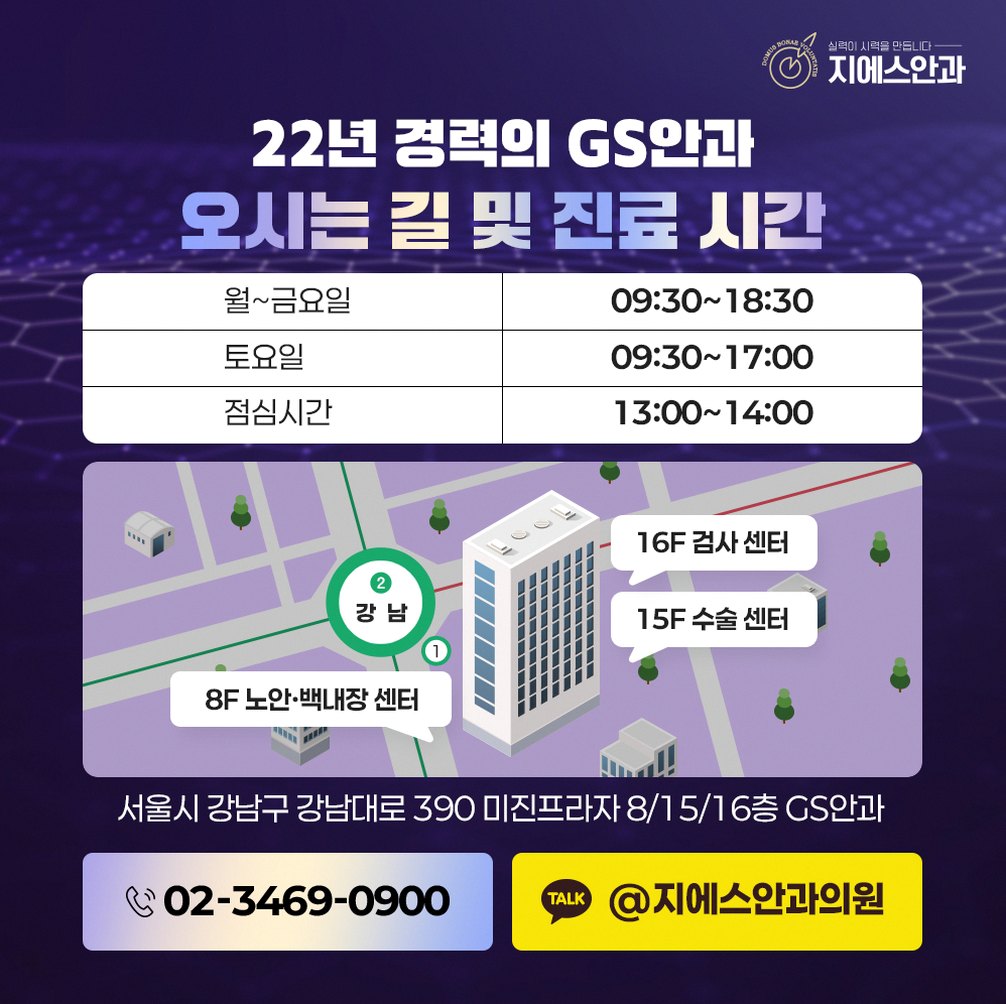
Practical factors also matter. Weekday and Saturday hours, along with proximity to Gangnam Station, make it easier for patients commuting from different parts of the city or staying in various hotels.
You can use this information as a checklist when comparing Seoul SMILE LASIK options:
Surgeon training and subspecialty backgrounds
Case volume and experience with SMILE, SMILE pro, and related procedures
Availability of multiple ZEISS VISUMAX platforms
Standardized examination and decision-making protocols
Clear follow-up systems and communication with overseas patients
Suggested FAQ
What is the difference between SMILE LASIK and traditional LASIK?
SMILE LASIK uses a femtosecond laser to create a lenticule inside the cornea and a small incision to remove it, without creating a large corneal flap. Traditional LASIK creates a circular flap, lifts it, reshapes the underlying cornea with an excimer laser, and then replaces the flap. Both aim to correct refractive errors, but the surgical approach and corneal surface handling are different. Your doctor will explain which option is more suitable based on your cornea and lifestyle.
Am I a candidate for SMILE LASIK if I have dry eyes or thin corneas?
Mild dry eye or relatively thin corneas do not automatically exclude SMILE, but they require careful evaluation. The clinic will assess tear film quality, corneal thickness, shape, and overall eye health. In some cases, surface procedures, LASIK variants, lens implantation, or additional treatments like corneal strengthening may be safer. Only a full examination can determine the best approach for you.
How is SMILE pro different from standard SMILE LASIK?
SMILE pro is performed on the newer VISUMAX 800 platform, which offers faster laser application time and updated software compared with earlier systems. Standard SMILE LASIK at this clinic is performed on VISUMAX 500 units. Both are small-incision lenticule extraction techniques, but the specific platform and settings may differ. The medical team will recommend the most appropriate option based on your eye measurements and scheduling.
What should I check when choosing a SMILE LASIK clinic in Seoul?
When comparing clinics, consider the ophthalmologists’ training and subspecialties, the number of SMILE cases performed, and whether the clinic uses multiple ZEISS VISUMAX platforms. Check if there are structured preoperative examinations, clear explanations of alternatives, and organized follow-up systems, especially if you live overseas. Certifications such as ISO 9001 and 14001, and roles as training centers, can also indicate standardized processes, although they do not guarantee individual outcomes.
How does having multiple ZEISS VISUMAX lasers benefit patients?
Having VISUMAX 800 and two VISUMAX 500 units allows the clinic to tailor the procedure to your eyes and maintain flexibility in scheduling. If one laser is under maintenance, another can often be used, reducing the risk of delays for patients with limited time in Seoul. It also supports high-volume operations while keeping time between examination and surgery relatively short.
Can I choose between SMILE LASIK and lens implantation at this clinic?
In this clinic, both corneal laser procedures such as SMILE and lens implantation options like ICL, GLAZE, and PhakiFlex KPL are available. However, the choice is not purely personal preference; it depends on your prescription, corneal thickness and shape, anterior chamber depth, and other eye health factors. After a full examination, the doctor will explain which options are medically reasonable and help you compare their advantages and limitations.
Soft call to action for online consultation
If you are considering Seoul SMILE LASIK and would like to explore whether a Gangnam clinic with extensive SMILE experience and a full ZEISS platform lineup is suitable for you, you can contact GS Eye Center for an online consultation. By sharing your current prescription and eye history in advance, you can receive guidance on potential options and a suggested visit schedule before you plan your trip to Korea.
This article is intended for general information only and does not replace a personal consultation or professional medical advice. Individual suitability for SMILE LASIK or any other procedure can only be determined after a thorough eye examination by an ophthalmology specialist.
- 공유 링크 만들기
- X
- 이메일
- 기타 앱


댓글
댓글 쓰기