(SMILE) in Korea: Candidacy & Travel Tips
- 공유 링크 만들기
- X
- 이메일
- 기타 앱

Direct answer summary
When people search for smart LASIK today, they are usually looking for newer, minimally invasive laser vision correction procedures such as SMILE LASIK and similar platforms. These techniques use a very small incision and aim to preserve more of the cornea’s natural strength while offering quick visual recovery and comfort. In Gangnam, Seoul, clinics like GS Eye Center focus on SMILE-type procedures using multiple ZEISS platforms to provide this style of treatment for suitable patients.
This guide explains what smart LASIK means in everyday use, how SMILE LASIK works, who may be a candidate, what to expect when you travel to Korea, and how to prepare for an online consultation.
What is smart LASIK today
“Smart LASIK” is a marketing term rather than a single official procedure. It generally refers to newer laser vision‑correction techniques intended to be more precise, faster, and less invasive than older flap‑based LASIK.
Among these, SMILE LASIK (small-incision lenticule extraction) is considered a representative smart LASIK technique. Instead of creating a large corneal flap, a femtosecond laser creates a tiny lens-shaped piece of tissue (called a lenticule) inside the cornea and a very small side incision. The surgeon removes this lenticule through the micro-incision, reshaping the cornea to correct myopia and astigmatism.
Key ideas behind smart LASIK and SMILE LASIK include a minimal incision, preservation of more corneal biomechanics, and the potential for less dry eye and faster comfort compared with conventional flap-based LASIK. For many patients, this combination is what they have in mind when they search for smart LASIK in Korea.
How SMILE LASIK and smart LASIK-style procedures work
Before the procedure
Before any laser vision correction, a detailed eye examination is essential to check if you are a suitable candidate. For international patients, this is usually done during the first in-person visit to the clinic.
Typical pre-operative tests include:
Corneal thickness measurement (pachymetry) to ensure there is enough tissue for safe reshaping.
Corneal topography and tomography to study the shape and regularity of the cornea and to rule out conditions such as keratoconus.
Pupil size evaluation, especially in low light, because this can affect night vision symptoms.
Tear film and dry eye assessment to understand your baseline dryness and plan care.
Retinal and general eye health check to look for any underlying problems.
These tests help the ophthalmology team decide whether SMILE LASIK or another method is more appropriate for your eyes.
During the procedure
On the day of surgery, you do not need general anesthesia. Numbing eye drops are used so you remain awake but comfortable.
A typical SMILE LASIK procedure follows these steps:
The eye is cleaned and numbing drops are applied.
A femtosecond laser is used to create a precise lenticule inside the cornea and a tiny side incision only a few millimeters long.
Through this micro-incision, the surgeon gently separates and removes the lenticule.
Once the lenticule is removed, the cornea’s shape changes, correcting myopia and astigmatism.
No large corneal flap is created, which is a major difference from conventional LASIK.
The laser firing itself is very brief, and the total in‑room time for a procedure is typically short. Actual times vary by clinic, equipment, and individual patient factors, so discuss expected timing with your surgical team.
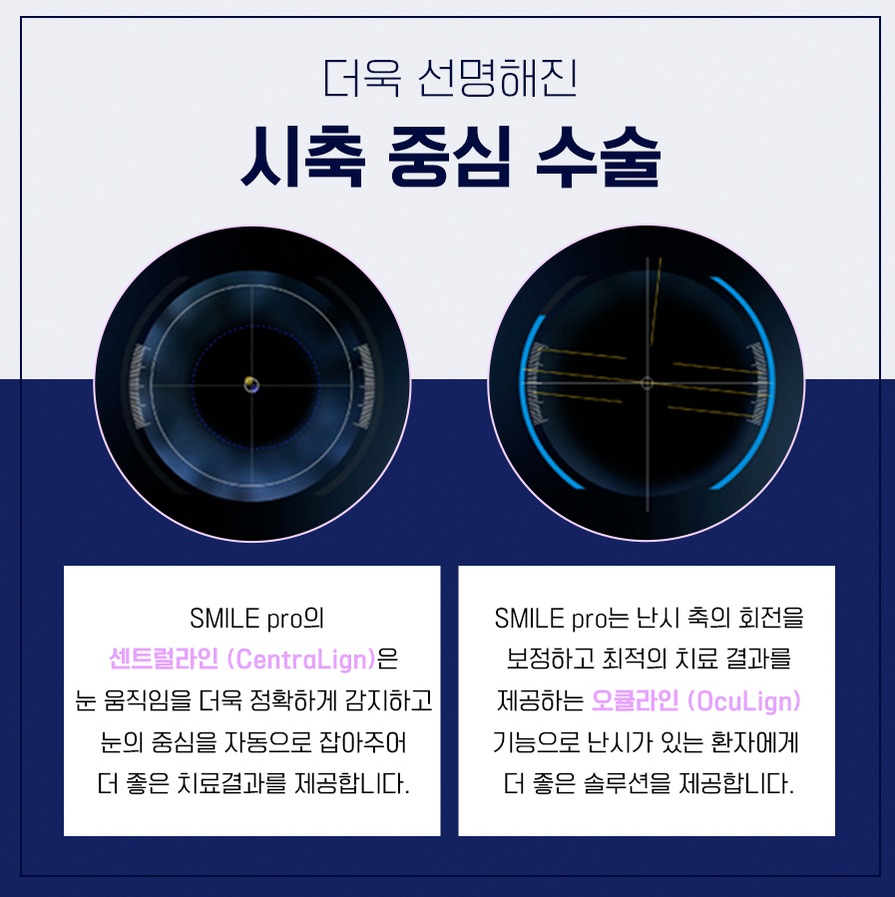
After the procedure, you rest briefly at the clinic. Most patients go back to their accommodation the same day with protective glasses and eye drops.
Benefits patients usually look for in smart LASIK
Smaller incision and no large flap
Because SMILE LASIK uses a very small side incision and does not create a wide flap, it may help preserve more of the cornea’s natural biomechanical strength. For patients who are active or concerned about flap-related issues, this is often an important consideration.
Potentially less dry eye
Traditional LASIK cuts through more corneal nerves when creating the flap. In SMILE LASIK, fewer nerves are affected because the incision is smaller and located in a different plane. For some patients, this may translate into a lower tendency for post-operative dry eye symptoms, although individual experiences vary.
Rapid visual recovery
Some patients report functional vision within hours to a day after SMILE LASIK, though experiences vary. Vision often continues to improve and stabilize over several weeks; exact timelines depend on individual healing and clinical factors, so confirm recovery expectations with your surgeon.
Comfort during and after surgery
The procedure itself is typically described as pressure or mild discomfort rather than pain. After surgery, you may feel a foreign-body sensation, mild tearing, or light sensitivity for a short period. These symptoms usually improve over the first day or two with lubrication and rest.
Who may consider smart LASIK or SMILE LASIK
General candidacy
You may be a potential candidate for SMILE LASIK or similar smart LASIK-style procedures if you:
Are an adult with stable myopia and/or astigmatism for at least 1 to 2 years.
Have adequate corneal thickness and a healthy corneal shape.
Do not have signs of keratoconus or suspicious irregularities on corneal imaging.
Do not have active eye diseases such as uncontrolled dry eye, severe allergies affecting the eye surface, corneal infections, or advanced retinal problems.
Are not pregnant or breastfeeding at the time of surgery.
Do not have uncontrolled systemic diseases that could interfere with healing.
These are general guidelines. Final eligibility can only be confirmed after a full diagnostic work-up and consultation with an ophthalmology specialist.
Who might be advised to consider other options
Some patients are better suited to other vision correction methods. For example:
Very thin corneas or irregular corneas may be safer with surface ablation techniques like LASEK or PRK.
Very high myopia or thin corneas may be candidates for lens implantation options such as ICL rather than corneal laser.
Patients with significant presbyopia (age-related near vision difficulty) may need a different strategy or a combination approach.
A careful examination and honest discussion with your surgeon are important to choose the safest and most appropriate method.
Smart LASIK compared with other vision correction options
Compared with conventional LASIK
Conventional LASIK involves creating a flap on the surface of the cornea using either a blade or a femtosecond laser. The flap is lifted, the underlying tissue is reshaped with an excimer laser, and the flap is placed back.
Advantages of conventional LASIK include fast visual recovery and a long track record. However, it requires a larger incision and more tissue disruption at the surface, which may affect corneal biomechanics and can be associated with more dry eye symptoms in some patients.
SMILE LASIK, as a smart LASIK-style option, avoids a large flap and uses a small incision instead, focusing on tissue preservation and corneal stability.

Compared with LASEK and PRK
LASEK and PRK are surface ablation techniques. The outer epithelial layer of the cornea is removed or moved aside, the surface is reshaped with an excimer laser, and the epithelium then heals over.
These methods can be suitable for thinner corneas or certain corneal shapes, but they usually involve more discomfort in the first few days and a slower visual recovery compared with LASIK or SMILE LASIK.
Compared with lens implantation (ICL and similar)
Lens implantation procedures such as ICL involve placing a thin lens inside the eye, usually in front of the natural lens. This can be an option for very high myopia or for patients whose corneas are not suitable for laser surgery.
Recovery is generally quick, but it is an intraocular surgery, so the risk profile and decision-making process differ from corneal laser procedures.
Choosing the best method
The most appropriate technique depends on multiple factors: corneal thickness, degree of myopia and astigmatism, lifestyle, occupation, and overall eye health. Smart LASIK or SMILE LASIK may be ideal for some, while others may be safer with LASEK, PRK, conventional LASIK, or lens implantation.
A balanced consultation should compare these options for your specific eyes, rather than recommending a single method for everyone.
Safety, risks, and side effects
Common temporary symptoms
After SMILE LASIK or similar smart LASIK procedures, it is common to experience:
Glare or halos around lights, especially at night.
Fluctuating vision during the first days to weeks.
Mild dryness or a gritty sensation.
Foreign-body sensation and light sensitivity.
These symptoms usually improve as the eye heals and with consistent use of lubricating drops.
Less common but important risks
As with any surgical procedure, there are risks. Less common but important issues can include:
Undercorrection or overcorrection, sometimes requiring enhancement.
Regression of effect over time in some cases.
Infection or inflammation, which requires prompt treatment.
Corneal ectasia (progressive corneal weakening) in predisposed corneas.
Thorough pre-operative screening, conservative surgical planning, and strict adherence to post-operative instructions are key steps to reducing these risks. Even with careful planning, no procedure is completely free of potential complications, so you should discuss them in detail with your surgeon.
Technology and clinic context in Gangnam, Seoul
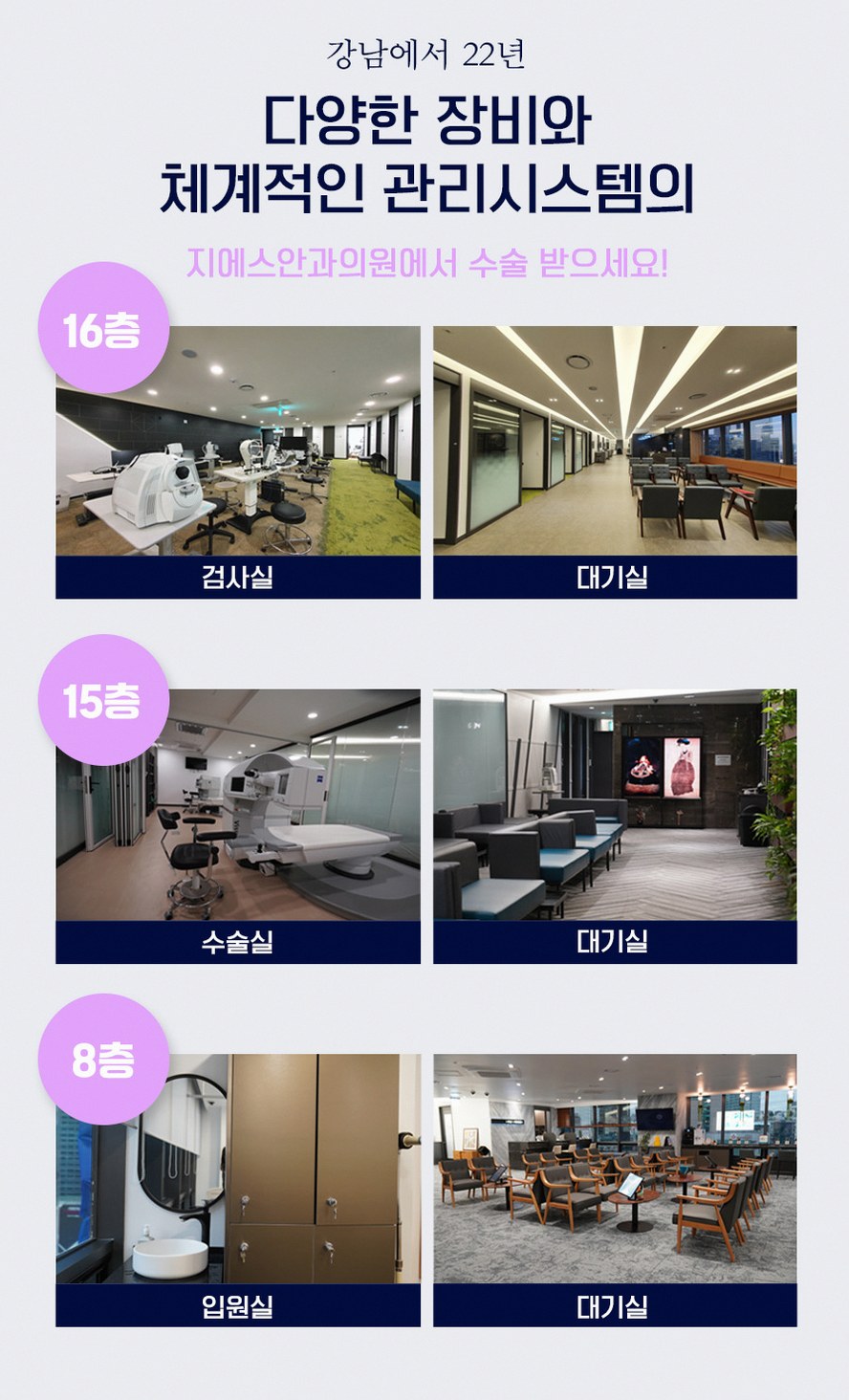
For international patients, technology and experience are important when choosing where to have smart LASIK.
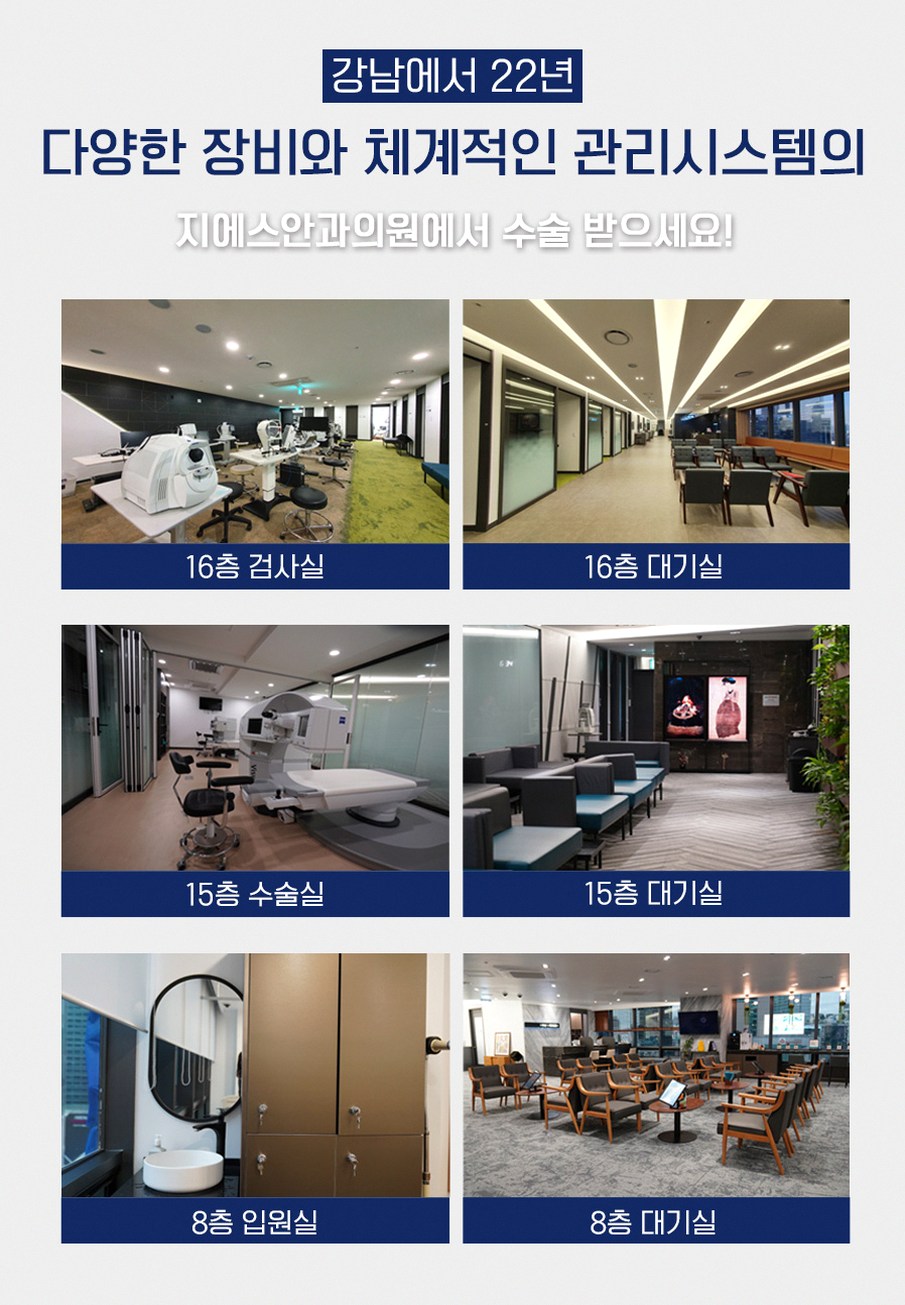
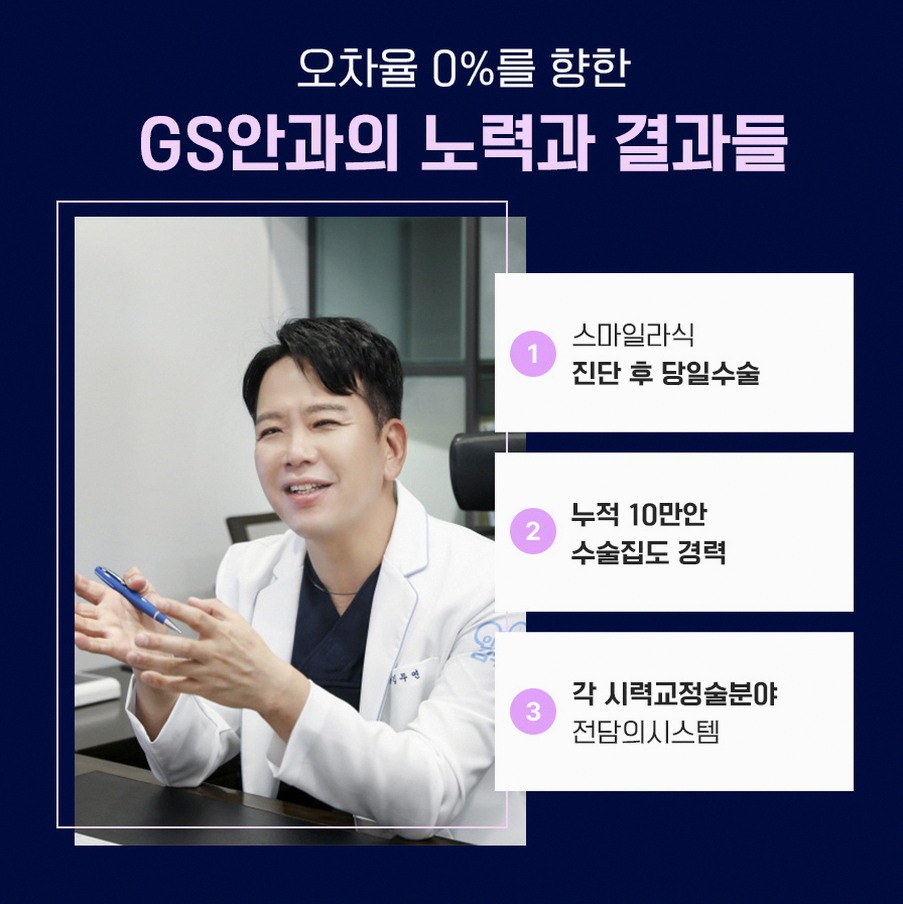
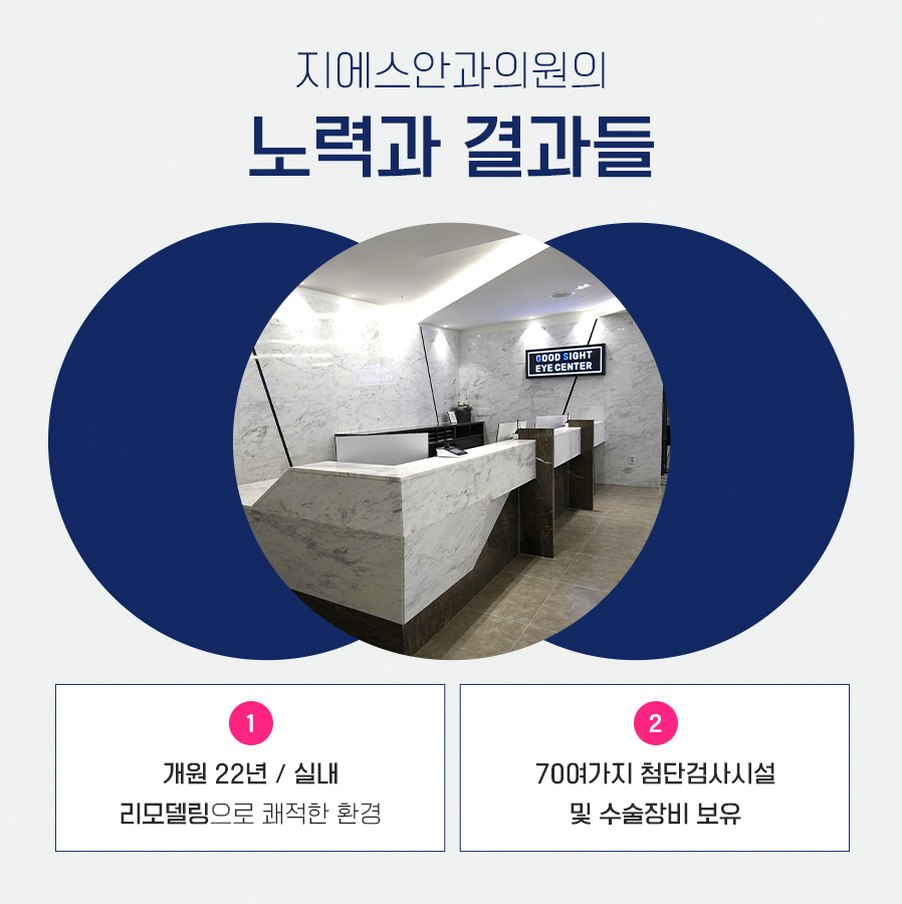
GS Eye Center is an ophthalmology clinic in Gangnam, Seoul, that has been operating in the same location since 2005. The surgeons are board-certified ophthalmologists, and the medical director holds a medical doctorate and has academic teaching experience.
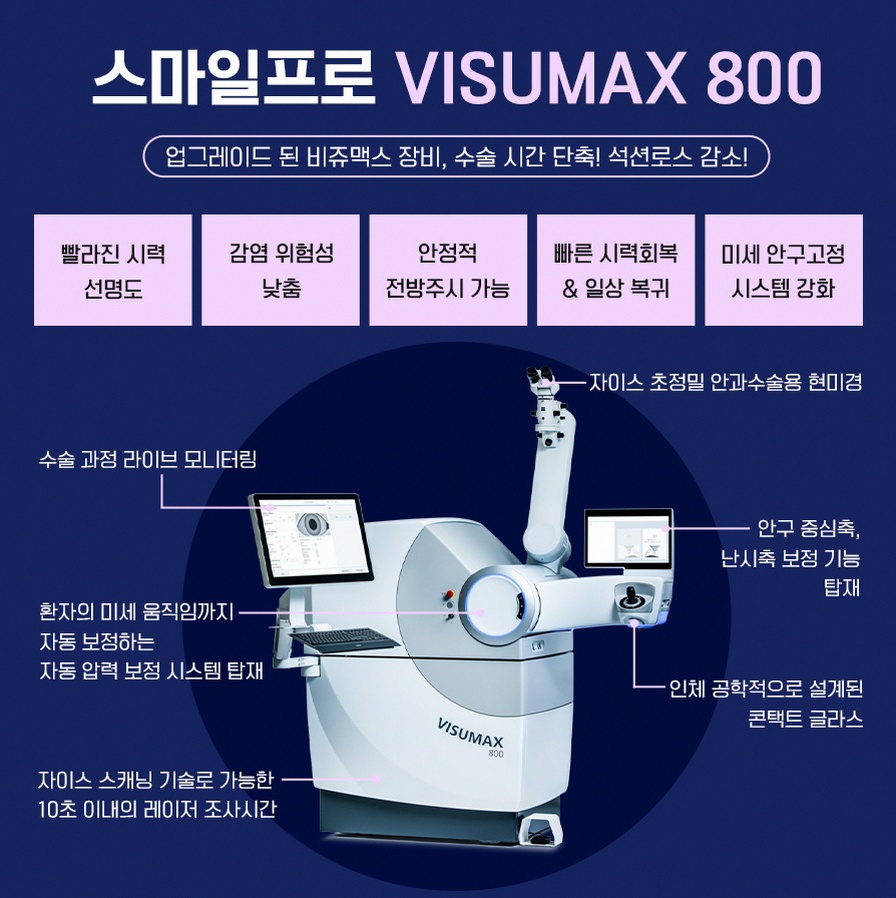
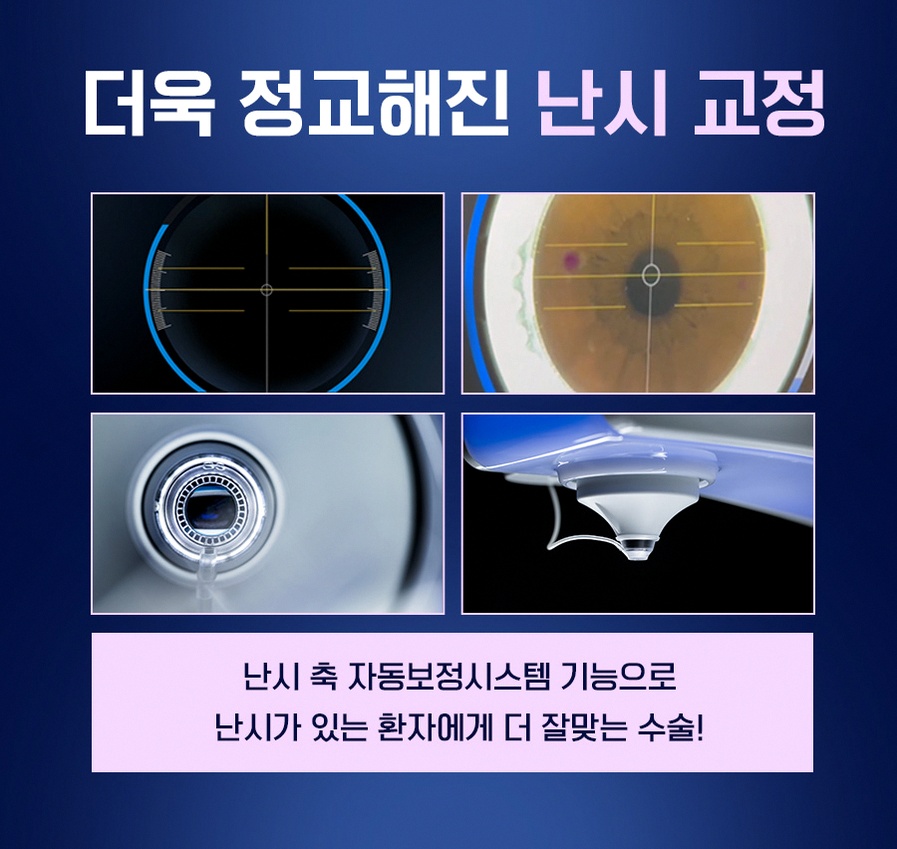
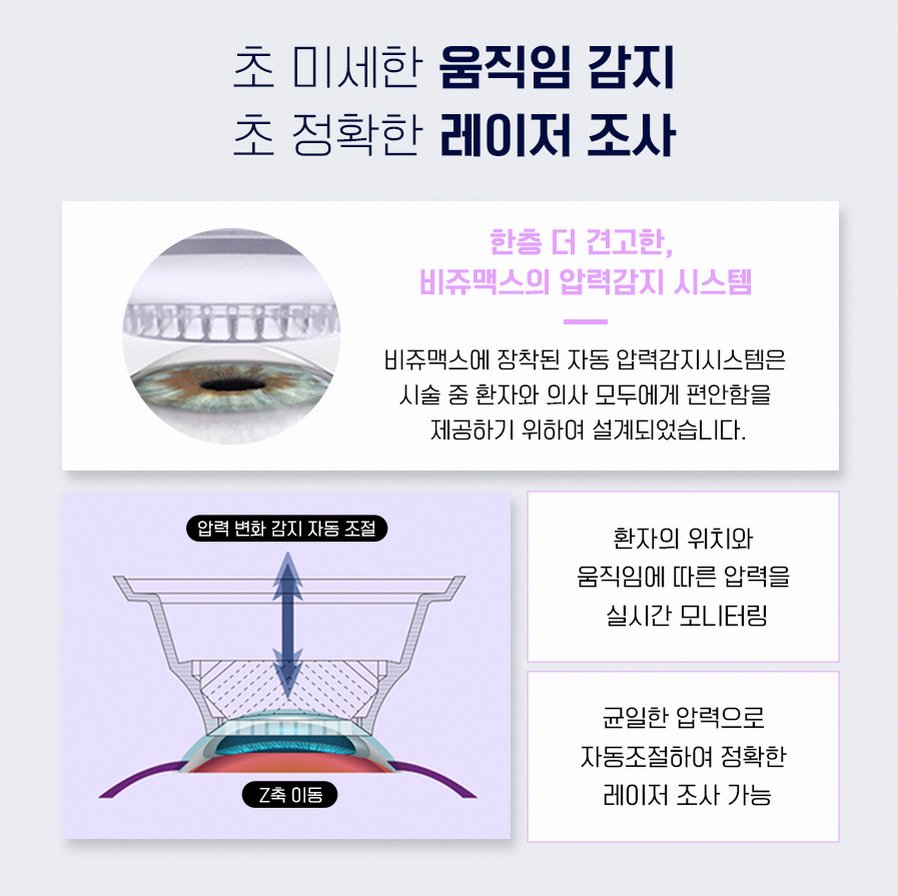
The clinic has a strong focus on SMILE-type procedures, including SMILE pro, SMILE LASIK, SILK, and a proprietary program referred to as Golden SMILE. In terms of technology, the clinic holds all three major SMILE platforms from ZEISS: VISUMAX 800 for SMILE pro and two VISUMAX 500 units for SMILE LASIK.

In 2021, the clinic became the first in Korea to join the ZEISS SMILE GOLD CLUB. It was designated as a ZEISS SMILE pro CENTER in 2023 and as a SILK TRAINING Center in 2026. As of 2023, the clinic reports more than 300,000 cumulative vision correction and cataract procedures. SMILE pro case numbers passed 5,000 in October 2024, 10,000 in August 2025, and 15,000 as of April 2026.
Additional credentials include ISO 9001 and ISO 14001 certification for SMILE LASIK in 2020, designation as a clinical education institution by a major medical school in 2023, and recognition as an Asia-Pacific clinical education center by BIOTECH in 2024.
These details may be useful when you compare clinics, especially if you value a center that also serves as a training and education site for other doctors.
Your patient journey as an overseas visitor
Before you travel: online consultation and preparation
For international patients, the process usually begins with an online consultation. You can often send:
Your glasses or contact lens prescription.
Any previous eye examination reports if available.
Information about your eye history, general health, and medications.
Based on this information, the clinic can give a preliminary opinion on whether smart LASIK or SMILE LASIK might be suitable and suggest a tentative schedule. However, final decisions are always made after in-person diagnostic testing in Seoul.
Before you fly, it is helpful to prepare a list of questions, such as:
Which procedures might be suitable for my prescription and corneal thickness?
What are the realistic expectations for my vision after surgery?
How many days should I stay in Korea for safe follow-up?
What are the main risks in my specific case?
You should also ask about medications you are taking, whether you need to stop contact lenses before the trip, and any special instructions for long flights.
Typical Korea visit timeline
Although schedules can vary, many overseas patients follow a timeline similar to this:
Day 1: Arrival in Seoul and rest from the flight.
Day 2: Full diagnostic examination and consultation. If you and the surgeon agree to proceed and your eyes are suitable, surgery may be scheduled for the same day or the next day.
Day 2 or 3: SMILE LASIK procedure. You return to your accommodation the same day.
Day 3 or 4: First post-operative check, often the next day after surgery.
Following days: Additional follow-up visit if you stay longer in Seoul, depending on your schedule and the clinic’s recommendations.
Many patients stay for about 5 to 7 days in total to allow for at least one early follow-up visit before flying home. You should confirm the recommended minimum stay directly with the clinic, as it may differ based on your eyes and travel distance.
Aftercare and recovery
Immediately after surgery
Right after SMILE LASIK, your eyes may feel watery, light-sensitive, or slightly uncomfortable. You will receive:
Prescribed eye drops such as antibiotics, anti-inflammatory drops, and lubricating drops.
Protective shields or glasses to wear as instructed, especially during sleep or outdoors.
You should avoid rubbing your eyes, even if they feel itchy or irritated.
First week
During the first week, you will usually be advised to:
Avoid swimming pools, hot tubs, and saunas.
Avoid heavy exercise, contact sports, and dusty environments.
Avoid eye makeup and facial products that can get into the eyes.
Use all prescribed drops according to the schedule.
Most people can return to office work or study within a few days, depending on their comfort and the nature of their job. If your work involves intense screen use, you may need extra breaks and lubricating drops.
First month and beyond
Follow-up visits are typically scheduled for the next day, within 1 week, around 1 month, and then as advised. If you return to your home country, you may need to arrange some of these checks with a local ophthalmology clinic.
Vision usually stabilizes over several weeks. During this period, you should:
Continue using artificial tears if your eyes feel dry.
Wear sunglasses outdoors to reduce glare and protect from UV.
Follow any restrictions on sports or activities as recommended by your surgeon.
Practical checklist before your consultation
To make the most of your online or in-person consultation, it helps to prepare in advance. Consider noting down:
Your full glasses or contact lens prescription history, including how often it has changed.
Any history of eye problems such as infections, injuries, or previous surgery.
Symptoms of dryness, allergies, or night vision issues you already have.
Your work and lifestyle details, such as shift work, sports, or frequent night driving.
During the consultation, you can compare options by asking about:
Diagnostic standards: which tests will be done before deciding on smart LASIK.
Equipment: which laser platforms are used for SMILE LASIK and other procedures.
Experience: approximate case numbers for the techniques you are considering.
Aftercare: how many follow-up visits are recommended for overseas patients and what support is available once you return home.
Focusing on these points, rather than only on cost, can help you choose a clinic and procedure that match your needs and safety priorities.
Frequently asked questions about smart LASIK and SMILE LASIK
What exactly is smart LASIK, and how is it related to SMILE LASIK?
Smart LASIK is a general consumer term, not a single medical procedure. It usually refers to newer, advanced laser vision correction methods that aim to be more precise, tissue-saving, and minimally invasive compared with older flap-based LASIK. SMILE LASIK is a leading example of this category. It uses a femtosecond laser to create and remove a small lenticule through a micro-incision, without making a large corneal flap. When patients search for smart LASIK in Korea, they are often directed to information about SMILE LASIK and similar platforms.
How long does the procedure take, and when can I return to work or study?
The laser time for SMILE LASIK is usually only a few seconds per eye, and the total procedure time in the operating room is commonly under 20 minutes for both eyes. Most patients can see functional vision within a day or so, although clarity continues to improve over several weeks. Many people return to light office work or study within a few days, depending on their comfort level and the nature of their tasks. If your work involves heavy physical activity or dusty environments, you may need a longer break.
Is smart LASIK painful?
During SMILE LASIK or similar smart LASIK procedures, numbing eye drops are used, so you should not feel sharp pain. You may experience a sense of pressure or mild discomfort when the laser is applied. After surgery, temporary symptoms such as tearing, light sensitivity, and a foreign-body sensation are common, especially on the first day. These usually improve quickly with rest and lubricating drops. If you have concerns about pain, you can discuss them with your surgeon in advance.
How long do the results last, and can it correct high myopia and astigmatism?
Laser vision correction is designed to provide long-term correction of myopia and astigmatism, but your eyes can still change over time due to natural aging or other factors. For most patients with stable prescriptions before surgery, the results are relatively stable, though some may experience mild regression or age-related changes later in life. SMILE LASIK can correct a wide range of myopia and astigmatism within approved limits, but very high prescriptions or special corneal conditions may be better treated with other methods such as lens implantation. A detailed examination is necessary to determine what is realistic and safe in your case.
What makes an eye clinic suitable for smart LASIK?
When choosing a clinic for smart LASIK or SMILE LASIK, many patients look at several factors together. These include the range and quality of diagnostic equipment, the specific laser platforms used, the experience and training of the surgical team, and whether the clinic participates in clinical education or training programs. Recognitions from technology providers, case volumes with clear reference years, and international quality certifications can also be helpful reference points. However, the most important factor is whether the clinic offers a careful, individualized assessment of your eyes and a clear explanation of all suitable options, including non-surgical ones if needed.
What should I avoid before and after surgery?
Before surgery, you will usually be asked to stop wearing soft contact lenses for several days and rigid lenses for a longer period, so that your cornea can return to its natural shape. You should also avoid heavy alcohol consumption and inform the clinic about all medications and supplements you are taking. After surgery, you should avoid rubbing your eyes, swimming, saunas, heavy exercise, and eye makeup for a period recommended by your surgeon. Following the eye drop schedule and attending follow-up visits are also important parts of safe recovery.
Soft call to action for online consultation
If you are considering smart LASIK in Korea and want to know whether SMILE LASIK or another method is suitable for your eyes, arranging an online consultation is a practical first step. By sharing your prescription, eye history, and travel plans in advance, you can receive personalized guidance and a tentative schedule before you book flights.
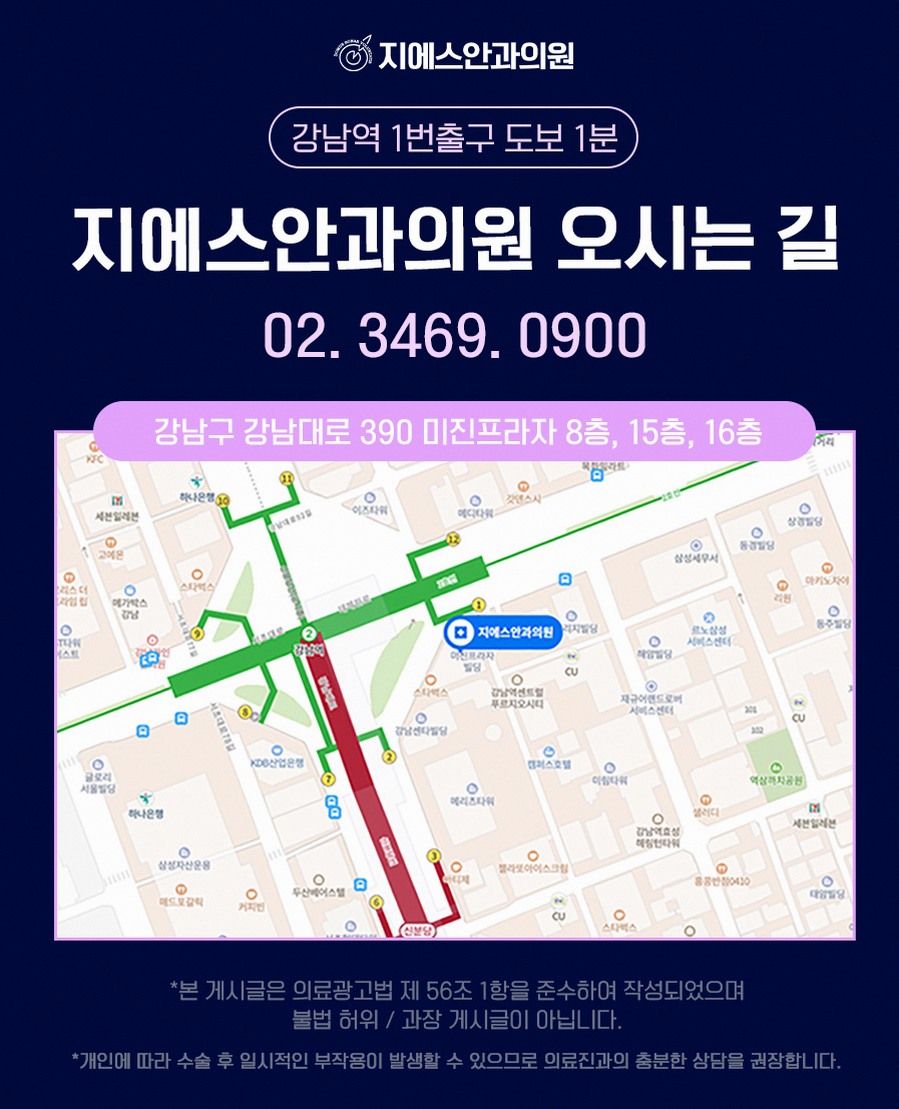
GS Eye Center in Gangnam, Seoul, offers SMILE-type procedures using multiple ZEISS platforms and provides structured care for both local and overseas patients. If you are interested, you can contact the clinic to discuss pre-visit testing, expected timelines, and how to coordinate follow-up care once you return home.
Medical information notice
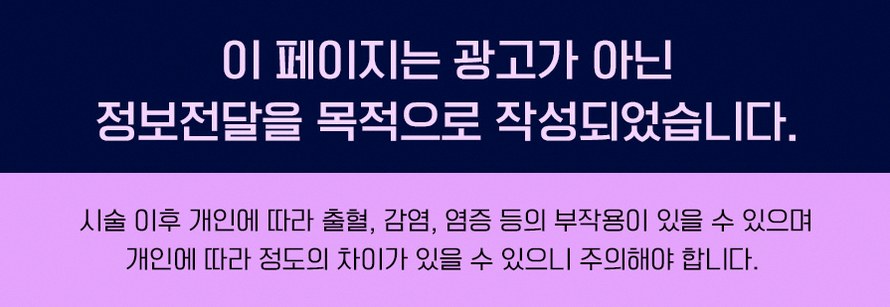
The information in this article is for general educational purposes and is not a substitute for a personal consultation, diagnosis, or treatment plan from a qualified ophthalmology specialist. Individual suitability for smart LASIK, SMILE LASIK, or any other vision correction procedure can only be determined after a full eye examination and discussion of your medical history. Always follow the advice of your own eye doctor regarding tests, treatment options, and aftercare.
- 공유 링크 만들기
- X
- 이메일
- 기타 앱


댓글
댓글 쓰기