SMILE LASIK Cost in Gangnam: My Real Experience at a Seoul Eye Clinic
- 공유 링크 만들기
- X
- 이메일
- 기타 앱

Direct answer: what I learned about SMILE LASIK cost
When I first started searching for SMILE LASIK cost, I imagined there would be a simple price list. In reality, I found that SMILE LASIK cost is not one fixed number. It depends on your eye condition, which laser system is used, whether extra safety procedures are added, and how much pre-op testing and follow-up care are included.
In this diary-style review, I will share how I went from googling SMILE LASIK cost at home to actually having SMILE-type surgery at an eye clinic near Gangnam Station in Seoul. I will not list exact prices, because those are different for every person and every clinic. Instead, I will explain what affects the cost and what I wish I had understood earlier.
What SMILE LASIK actually is
Before I booked anything, I tried to understand what I was paying for. SMILE LASIK is a type of laser vision correction where a thin, lens-shaped piece of tissue (called a lenticule) is created inside the cornea and removed through a small incision. By removing that lenticule, the shape of the cornea changes and your refractive error (myopia, astigmatism) is corrected.
Compared with classic LASIK, the biggest difference is how the cornea is treated. In LASIK, the surgeon creates a larger flap on the surface of the cornea, lifts it, uses the laser, and then puts the flap back. In SMILE LASIK, there is no large flap. Instead, there is a small incision, and the lenticule is taken out through that small opening.
During my consultation, the doctor explained that whether I was suitable for SMILE LASIK and what the final cost would be depended on several things: my degree of myopia and astigmatism, my corneal thickness and shape, and my overall eye health, including the retina and dry eye status. That was the first time I realized why clinics insist on doing full examinations before talking about exact fees.
Why I started searching for SMILE LASIK cost
I had been wearing glasses since middle school and soft contact lenses for years. I was tired of dealing with dry eyes, foggy lenses, and travel hassles. I knew I wanted some kind of laser vision correction, but I was nervous about the idea of a corneal flap.
When I typed “SMILE LASIK cost” into search engines, I saw a huge range of prices. Some clinics were advertising very low promotions, while others talked about premium equipment and advanced SMILE techniques with higher fees. It was confusing. I realized I did not know what was included in those numbers: Were pre-op exams included? How many follow-up visits? What about enhancement policies if my vision was not perfect later?
That is when I decided I would not choose based only on the lowest banner price. I wanted to understand exactly what I would be paying for.
How I found an eye clinic near Gangnam Station
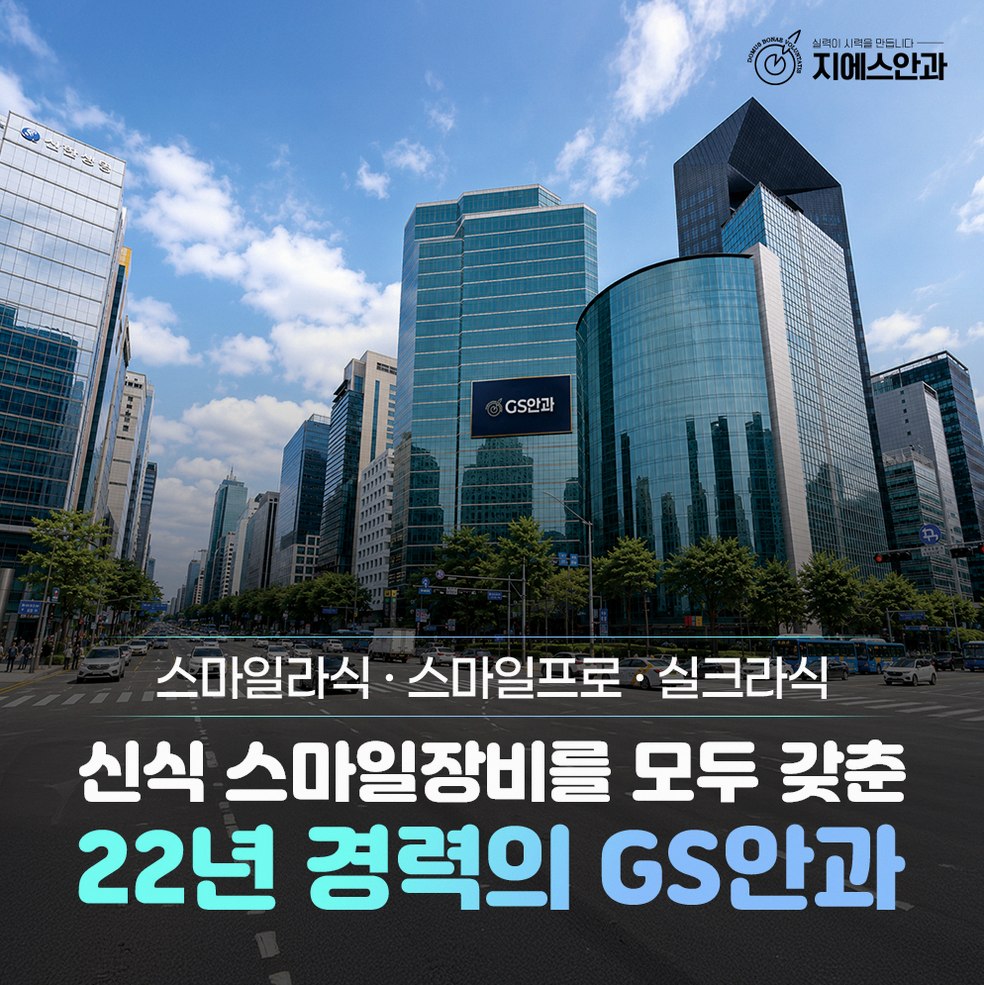
While searching, I came across GS Eye Center, an ophthalmology clinic near Gangnam Station in Gangnam-gu, Seoul. I found it through a mix of blog posts, Instagram content, and a YouTube channel run by the medical director. The videos explained SMILE LASIK and newer SMILE-type procedures in quite a bit of detail, which made me feel more comfortable.
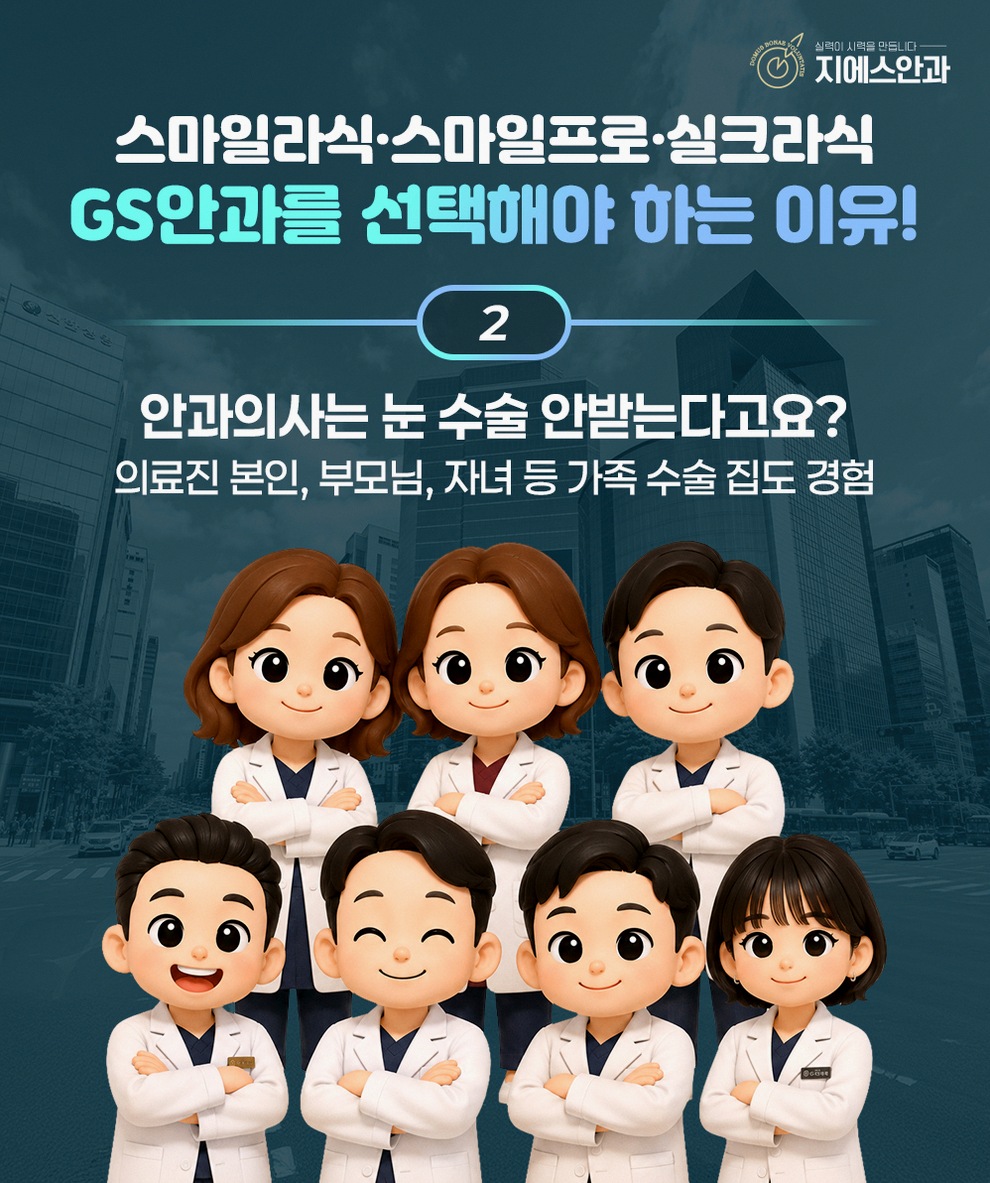
I also read that the clinic opened in 2005 and has stayed in the same Gangnam location, which gave me a sense of stability. Another point that reassured me was that all the doctors are board certified ophthalmologists and that there is a separate retina center inside the clinic. Since I was worried about long-term eye health, knowing there were retina specialists on site made me feel safer.
The clinic also seemed to focus heavily on SMILE-type procedures: SMILE LASIK, SMILE pro, SILK, and its own “Golden SMILE” concept. They also perform lens implantation and cataract surgery, but those were more like background services. For me, the main point was that they clearly had a lot of experience with small-incision vision correction.
Booking my first consultation about SMILE LASIK cost
I used a messaging app to contact the clinic. I asked directly about SMILE LASIK cost and whether they could tell me the price in advance. The staff replied politely but clearly: they could only give me a precise quote after a full diagnostic workup, because the safest procedure and the final cost depended on my individual eyes.
They explained that the first visit would include a comprehensive eye examination for vision correction eligibility. After that, the doctor would decide if SMILE LASIK, SMILE pro, LASEK, or lens implantation was better for me. Only then could they explain the exact cost and what was included.
At first I was a bit frustrated, because I just wanted a number. But I decided to book the exam anyway, partly because I liked how transparent they were about not promising a price without seeing my eyes.
Arriving at the clinic and first impressions
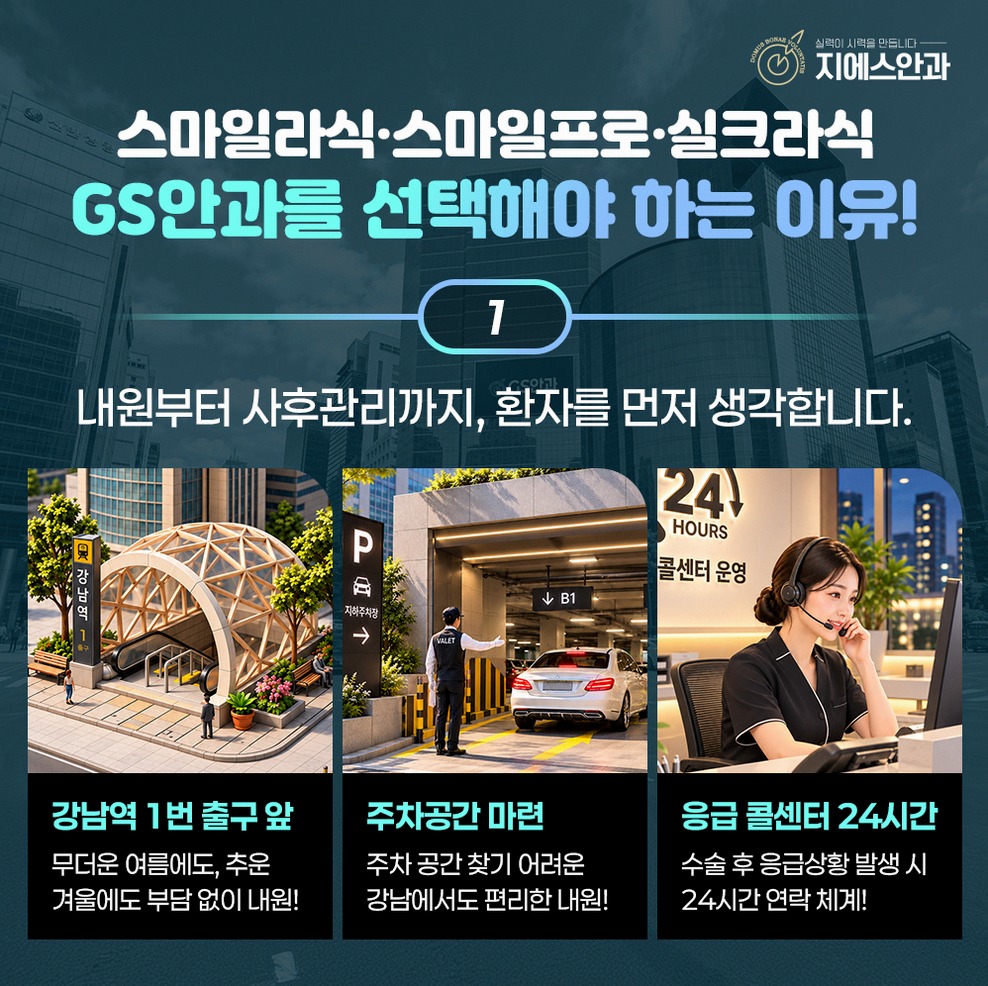
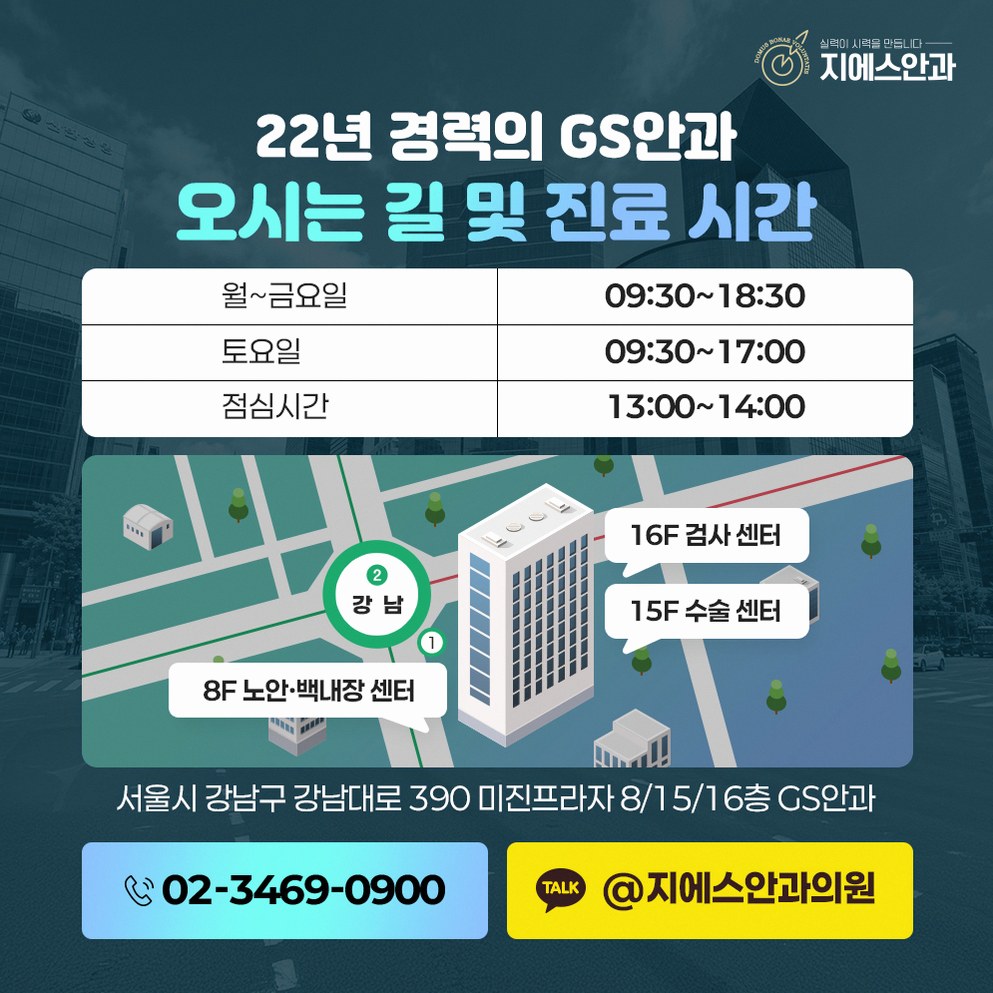
The clinic is located near Gangnam Station, so it was easy to find. The atmosphere inside was busy but organized. After registration, I filled out forms about my general health, previous eye problems, contact lens use, and any medications.
I noticed there were separate areas for different tests and a section that looked like a dedicated retina clinic. That matched what I had read about their retina center. It made me feel like they could handle more than just simple nearsightedness.

The examination process and what it means for cost
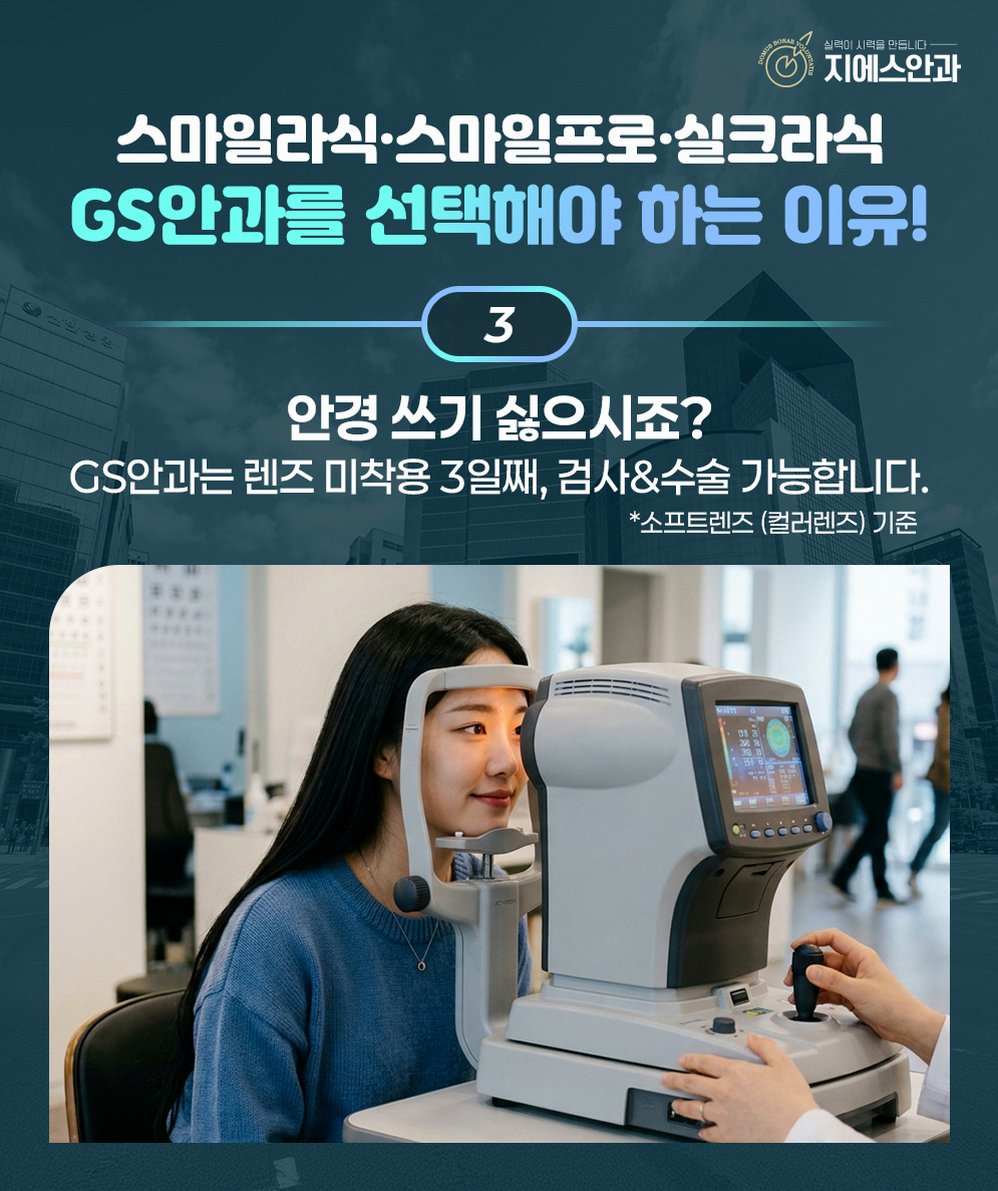
The examination took longer than I expected. I went through a series of tests:
Vision check with and without correction
Corneal thickness measurement
Corneal curvature and topography
Pupil size in different light conditions
Dry eye evaluation
Intraocular pressure measurement
Detailed retina check after dilation
By the middle of this process, I started to understand why SMILE LASIK cost is not just “the surgery.” A lot of time, staff, and equipment are involved before you even get near the laser room.
The doctor later explained that SMILE LASIK is not automatically the best choice for everyone. They look at refractive error, corneal thickness, corneal shape, and overall eye health to decide between SMILE LASIK, SMILE pro, LASEK, or lens implantation. For example, if the cornea is too thin, they may avoid certain procedures or suggest additional safety steps.
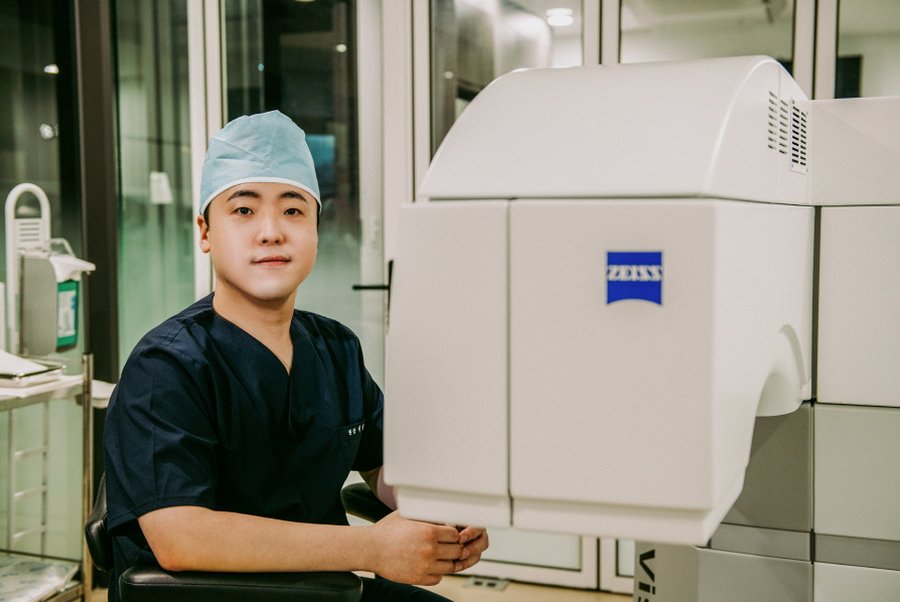
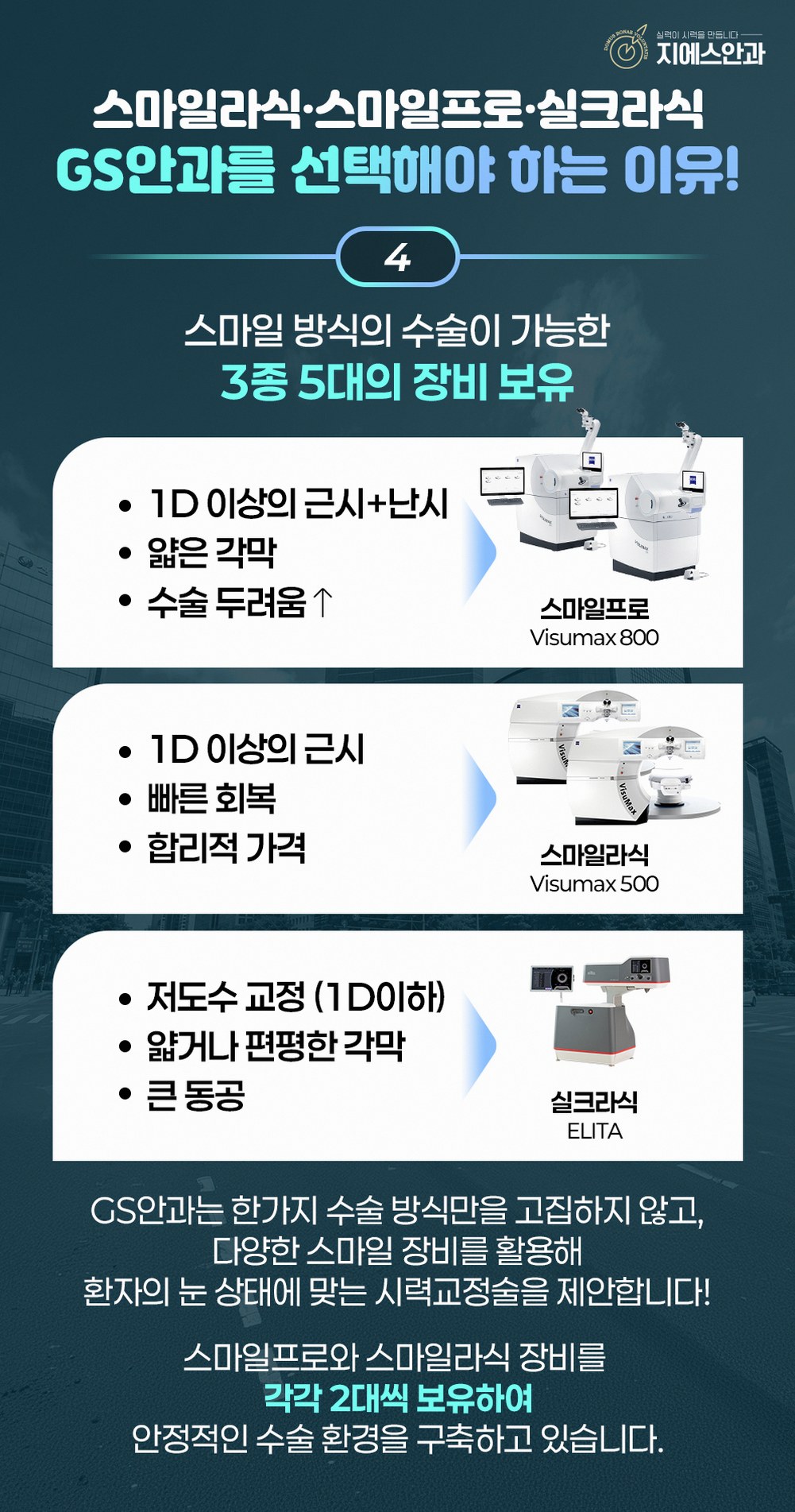
In my case, my corneal thickness and shape were suitable for SMILE-type surgery. The doctor said I could choose between SMILE LASIK on the ZEISS VISUMAX 500 platform or a newer option called SMILE pro on the VISUMAX 800. We talked about the pros and cons of each.
Understanding the different SMILE options
The doctor described SMILE LASIK and SMILE pro in simple terms. Both are small-incision procedures where a lenticule is created and removed through a tiny opening, without making a large flap like classic LASIK. The difference is mainly in the laser platform and how quickly and smoothly it can perform the cut.
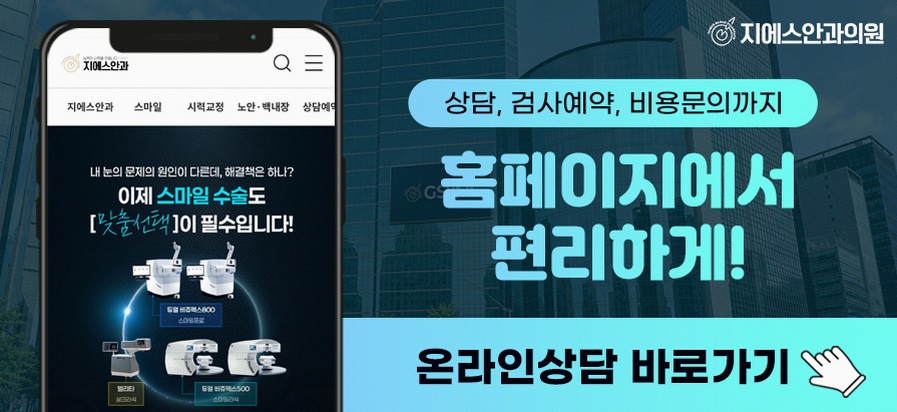
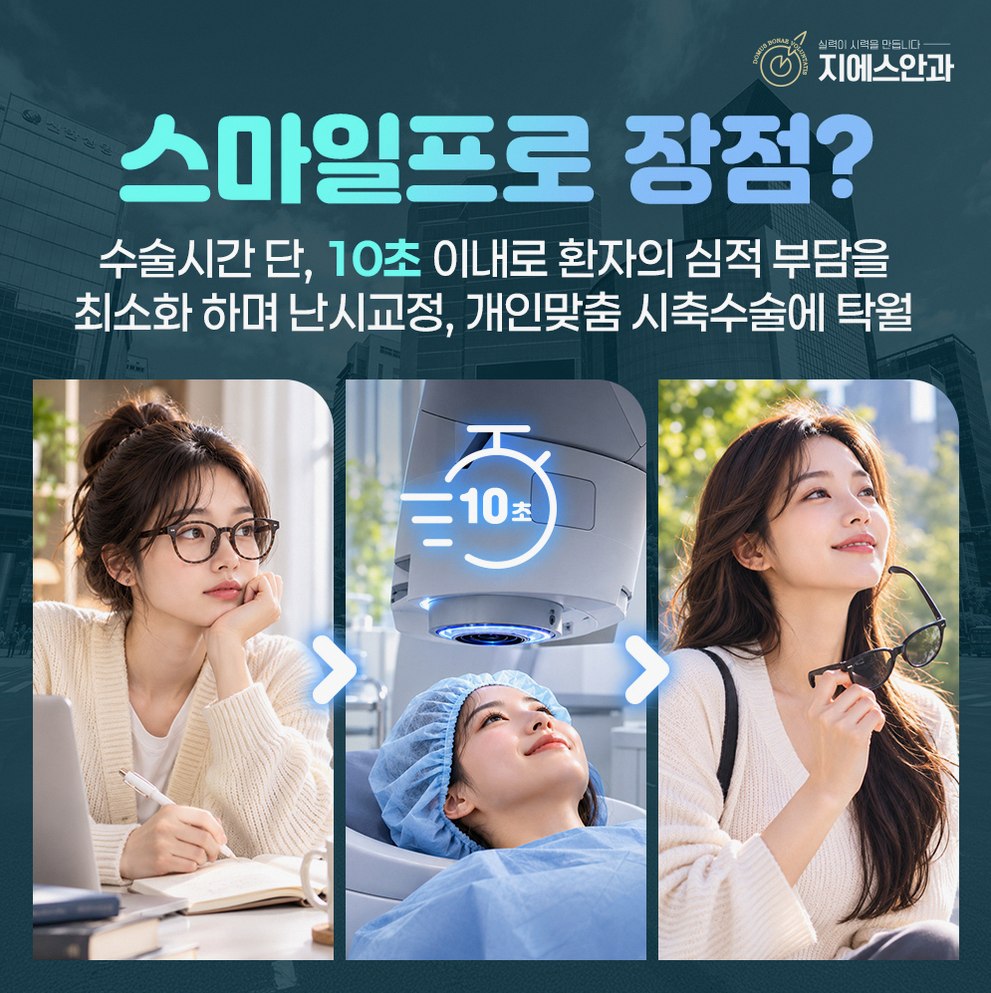
The clinic has three major ZEISS laser platforms for SMILE-type surgery: the newer VISUMAX 800 for SMILE pro and two VISUMAX 500 units for SMILE LASIK. During the consultation, I was told that the VISUMAX 800 can perform the laser part very quickly, in around several seconds. That idea of a shorter laser time made me feel more comfortable, especially since I was nervous about staying still.
The counselor also mentioned that the clinic had performed a very large cumulative number of vision correction and cataract surgeries, over hundreds of thousands of eyes as of the early 2020s. They had specific milestones in SMILE pro and lens implantation volume, and the clinic is used as a training or reference center for certain technologies. I took that as a sign that they follow standardized protocols and that other doctors come there to learn.
All of this made me think differently about SMILE LASIK cost. It was not just paying for a few minutes under a machine; it was paying for experienced surgeons, advanced equipment, and a system that has been refined over many years.
How the SMILE LASIK cost was explained to me
Instead of giving one number, the counselor broke down what affects SMILE LASIK cost in my case. They did not push any option but laid out the structure clearly.
Type of laser platform
One factor was the laser platform. Standard SMILE LASIK on VISUMAX 500 had one fee range, while SMILE pro on the newer VISUMAX 800 was higher. The difference was explained as the cost of the newer technology, faster laser time, and some workflow improvements.
Additional procedures
Another factor was whether I needed additional procedures. For example, some patients may need corneal strengthening (cross-linking) if their cornea is borderline, or extra dry eye management if they already have significant dryness. These add to the total cost because they involve more time, materials, and follow-up.
Examinations and follow-up visits
The counselor emphasized that the fee included the comprehensive pre-op exams I had just completed, as well as a set schedule of post-op follow-up visits. That meant I would not be paying separately each time I came back for checks during the early recovery period.
Surgeon’s experience and training center role
They also mentioned that the surgeons’ experience and the clinic’s role as a training and reference center for SMILE-type technology were part of the value. The clinic holds international quality certifications for SMILE LASIK, which I interpreted as evidence that they follow standardized safety and quality protocols.
Comparing this with cheaper offers I had seen online, I realized that some of the lowest prices probably did not include such extensive testing or follow-up, and might use older equipment or different protocols. That does not automatically mean they are unsafe, but it helped me understand why there is such a wide range in SMILE LASIK cost.
The counselor was careful to say that actual cost varies by individual and that only the clinic can give a final quote after examination. They also did not guarantee any specific visual outcome, which I appreciated because it felt honest.
Why I decided to accept the cost
I will be honest: at first, the SMILE LASIK cost felt higher than some of the LASIK and LASEK promotions I had seen online. I hesitated and asked myself if it was really worth paying more.
But after the doctor explained the small-incision technique, the fact that no large corneal flap is made, and the potential benefits for corneal stability, I started to see the value. I also liked that the doctor did not automatically recommend the most expensive option. They explained why a particular SMILE method might be better for my eyes, and they were open to my questions.
The combination of detailed testing, advanced ZEISS equipment, international certifications, and the presence of a retina center and dry eye clinic made me feel that I was paying for safety and long-term care, not just a quick procedure.
In the end, I chose the SMILE-type option that the doctor felt was best for my cornea, even though it was not the cheapest vision correction method available.
Surgery day at the Gangnam eye clinic
On surgery day, I arrived a bit early and went through some re-checks. They confirmed my prescription, checked my corneas again, and reviewed my medical history. I met the surgeon, who went over the plan one more time and answered my last-minute questions.
In the laser room, everything moved quickly but calmly. They marked my eyes, cleaned the area, and positioned me under the laser. The staff talked me through each step, telling me when to look at the fixation light and how long each part would take.
The laser part itself felt surprisingly quick, especially on the newer system. Knowing that the laser time was only several seconds helped me relax. There was some pressure and a strange sensation, but no sharp pain.
Right after the procedure, my vision was hazy and a little watery. I could see shapes and large letters, but nothing was crystal clear yet. The staff reminded me that this was normal and that my vision would gradually improve over the next hours and days.
Walking out, I thought again about SMILE LASIK cost. The entire process felt very organized and professional, which reassured me that my money was going toward a well-run system, not just a brand name.
Early recovery and follow-up visits
The next day, I went back for my first follow-up, which was already included in the cost. The doctor checked my vision, corneal condition, and the small incision area. They also looked at my tear film and asked about dryness or discomfort.
Over the next weeks, I had additional follow-up visits according to the schedule. Each time, they measured my vision, checked my corneas, and examined my retina. Knowing that the clinic had a retina center and dry eye clinic inside made me feel that any unusual finding could be handled immediately.
My vision improved steadily. It was not a dramatic “instant perfect” change, but more like a clear, gradual sharpening. There were some dry eye sensations at times, but the staff gave me detailed instructions on artificial tears and lifestyle tips.
Again, I realized that the SMILE LASIK cost covered more than just the day of surgery. It included this whole period of monitoring, which is important for safety and for catching any issues early.
Who might consider SMILE LASIK in Korea
From my experience, SMILE LASIK in Korea may be worth considering if you:
Are tired of glasses or contact lenses and want a flapless, small-incision option
Have been told you are a candidate for laser vision correction after a full eye exam
Care about corneal stability and prefer a procedure without a large corneal flap
Are willing to invest not only in the surgery itself but also in thorough pre-op testing and follow-up care
However, SMILE LASIK is not for everyone. Suitability depends on your refractive error, corneal thickness and shape, and overall eye health. Some people may be better candidates for LASIK, LASEK, or lens implantation. Only a professional eye examination can determine this.
Preparing for an overseas SMILE LASIK consultation
If you are an international patient thinking about SMILE LASIK in Seoul, here are some practical steps that helped me and might help you prepare:
Collect your recent eye prescription and any previous exam reports if you have them.
Note your contact lens history: type, how many years, and how many hours per day.
Make a list of medications you take and any medical conditions.
Write down your main concerns: night vision, dry eye, sports, work requirements.
Prepare questions about what is included in the SMILE LASIK cost: exams, surgery, follow-ups, enhancement policies.
Most clinics, including GS Eye Center, can answer basic questions through online consultation or messaging before you travel. They can also guide you on how long you should stay in Korea for surgery and follow-up.
Expected Korea visit timeline for SMILE LASIK
The exact schedule can vary, but a typical timeline for an overseas patient might look like this:
Day 1: Comprehensive eye examination and consultation. If your eyes are suitable and you decide to proceed, you may schedule surgery within a short time frame, depending on the clinic’s policy and your travel plan.
Day 2 or 3: Surgery day. The procedure itself is quick, but you should plan to spend several hours at the clinic for preparation and immediate post-op checks.
Day 3 or 4: First follow-up visit. The doctor checks your vision, cornea, and healing.
Following days: Additional follow-up visits as recommended. Some patients stay in Korea for about a week to complete the early checks, but this can differ based on your eyes and the clinic’s protocol.
If you are coming from overseas, it is important to discuss the exact schedule with the clinic in advance, so you can plan flights and accommodation around the necessary visits.
Aftercare and long-term care
After SMILE LASIK, you will usually receive eye drops for infection prevention and inflammation control, plus lubricating drops for dryness. You will get instructions about:
How often to use each drop
How to avoid rubbing your eyes
When you can shower and wash your face normally
When you can return to work, exercise, and swimming
The clinic will also tell you what symptoms are normal and which ones require an urgent visit. Because this is eye surgery, individual responses can vary. Some people feel almost normal very quickly, while others need more time to adapt.
I learned that long-term care means continuing to protect my eyes from UV light with sunglasses, taking breaks from screens, and attending periodic eye exams even after the main recovery period.
FAQ about SMILE LASIK cost and treatment in Korea
Here are some common questions I had, and what I learned from my own experience and consultations.
Is SMILE LASIK more expensive than LASIK or LASEK?
In many clinics, SMILE LASIK and newer SMILE-type procedures are priced higher than standard LASIK or LASEK. The reasons often include the cost of advanced laser platforms, the small-incision technique, and the clinic’s investment in technology and training. However, prices vary widely between clinics, and some may offer similar ranges for different procedures. The only way to know the difference in your case is to compare detailed quotes after examination.
Why do different clinics show such different SMILE LASIK cost ranges?
The wide range comes from several factors: the type and age of the laser equipment, how comprehensive the pre-op testing is, how many follow-up visits are included, whether extra safety procedures are added, and the clinic’s experience and certifications. Some very low prices may not include everything or may be limited-time promotions. That is why it is important to ask what exactly is included in the fee, rather than comparing only headline numbers.
Can I get an exact SMILE LASIK cost quote online before visiting?
Most clinics can give you a general idea or a typical range online, but they usually cannot provide a final, exact quote without examining your eyes. This is because the safest procedure and any additional steps depend on your refractive error, corneal thickness and shape, and overall eye health. In my case, I only received a precise quote after the full diagnostic workup at the clinic near Gangnam Station.
How long should I stay in Korea for SMILE LASIK as an overseas patient?
The recommended stay can vary by clinic and by your eyes, but many international patients plan around one week in Korea. This often allows time for the initial examination, surgery, and early follow-up visits. Some people may need more or fewer days depending on their schedule and the clinic’s protocol. It is important to confirm the exact timeline with the clinic in advance and to avoid booking a same-day flight right after surgery.
My personal conclusion on SMILE LASIK cost vs value
Looking back, SMILE LASIK was not a cheap decision for me. But when I consider what was included, I feel it was a good investment.
Detailed pre-op testing helped ensure that SMILE-type surgery was actually suitable for my eyes. The use of advanced ZEISS platforms, including the VISUMAX 800 and VISUMAX 500 systems, gave me confidence in the technology. The clinic’s large surgical experience, international certifications, and role as a training and reference center suggested that they follow standardized, refined protocols.
The cost also covered structured follow-up visits, dry eye monitoring, and retina checks, all within one system that includes a retina center and dry eye clinic. For me, that combination of safety, technology, and long-term care justified the SMILE LASIK cost.
If you are considering SMILE LASIK in Seoul or elsewhere, I would encourage you not to choose based only on the lowest price. Instead, compare what is included in the fee, who will operate on you, which equipment is used, how thoroughly your eyes are examined, and how follow-up care is organized.
Every person’s eyes and lifestyle are different. The safest and most suitable method, and the final cost, can only be decided after a professional eye examination and honest discussion with an ophthalmologist.
Soft call to action for online consultation
If you are an overseas patient thinking about SMILE LASIK in Korea, you can start by arranging an online consultation with a clinic you feel comfortable with. Share your basic eye history, ask about their examination process, equipment, and what is included in their SMILE LASIK cost. When I contacted GS Eye Center before my visit, that first conversation helped me understand what to expect and how to plan my trip.
Take your time, prepare your questions, and choose a clinic where you feel your safety and long-term eye health are the top priorities, not just the price tag.
- 공유 링크 만들기
- X
- 이메일
- 기타 앱


댓글
댓글 쓰기