SMILE LASIK in Gangnam — safety, recovery, real reviews
- 공유 링크 만들기
- X
- 이메일
- 기타 앱


Looking for Sinnonhyeon eye clinic reviews for SMILE LASIK?
If you are searching for Sinnonhyeon eye clinic reviews before deciding on SMILE LASIK, you are mainly trying to answer three questions: Is it safe, will my vision be clear, and how comfortable is the whole process from first visit to recovery?
In the Sinnonhyeon and Gangnam Station area, many reviews focus on how detailed the pre‑operative testing is, how clearly the doctor explains suitability and risks, and how well the clinic supports patients after surgery. GS Eye Center is one example of a high‑volume ophthalmology clinic in this district, and many reviews mention its structured testing process, experienced medical team, and use of multiple SMILE platforms.
This guide does not tell you to choose one specific place. Instead, it explains what SMILE LASIK is, how patients usually describe their experience in reviews, what stands out in reviews of clinics like GS Eye Center, and how to read and compare Sinnonhyeon eye clinic reviews wisely before you book.
What SMILE (small‑incision lenticule extraction) is — and why people in Gangnam choose it
SMILE LASIK is a type of laser vision correction that uses a femtosecond laser to create a very thin, lens‑shaped piece of tissue called a lenticule inside the cornea. The surgeon removes this lenticule through a tiny incision only a few millimeters long. By doing this, the shape of the cornea changes so that light focuses more accurately on the retina, improving vision.
Compared with classic LASIK, which involves creating a larger flap on the corneal surface, SMILE LASIK uses a smaller incision and does not require lifting a broad flap. This can help preserve more of the corneal structure and may reduce the chance of flap‑related issues. Compared with surface procedures like LASEK, SMILE LASIK usually offers less discomfort in the early healing period and a faster return to functional vision for many patients.
In busy business districts such as Sinnonhyeon and Gangnam, working adults often choose SMILE‑type procedures because they want to return to work quickly, avoid long periods of pain, and reduce the impact on their daily schedule. Many reviews from this area mention going back to office work or university classes within a few days, although exact recovery time varies by person.
How real patients describe the SMILE LASIK process near Sinnonhyeon
When you read reviews from people who had SMILE LASIK near Sinnonhyeon or Gangnam Station, you will notice a similar timeline.
Pre‑consultation and booking
Many people first contact a clinic online, by phone, or through messaging apps. Reviews often mention that clinics near Gangnam Station are easy to reach by subway and are used to seeing both local and overseas patients. Patients commonly describe being surprised by how long and detailed the first examination is, and that no one promises surgery before all tests are completed.
Testing day
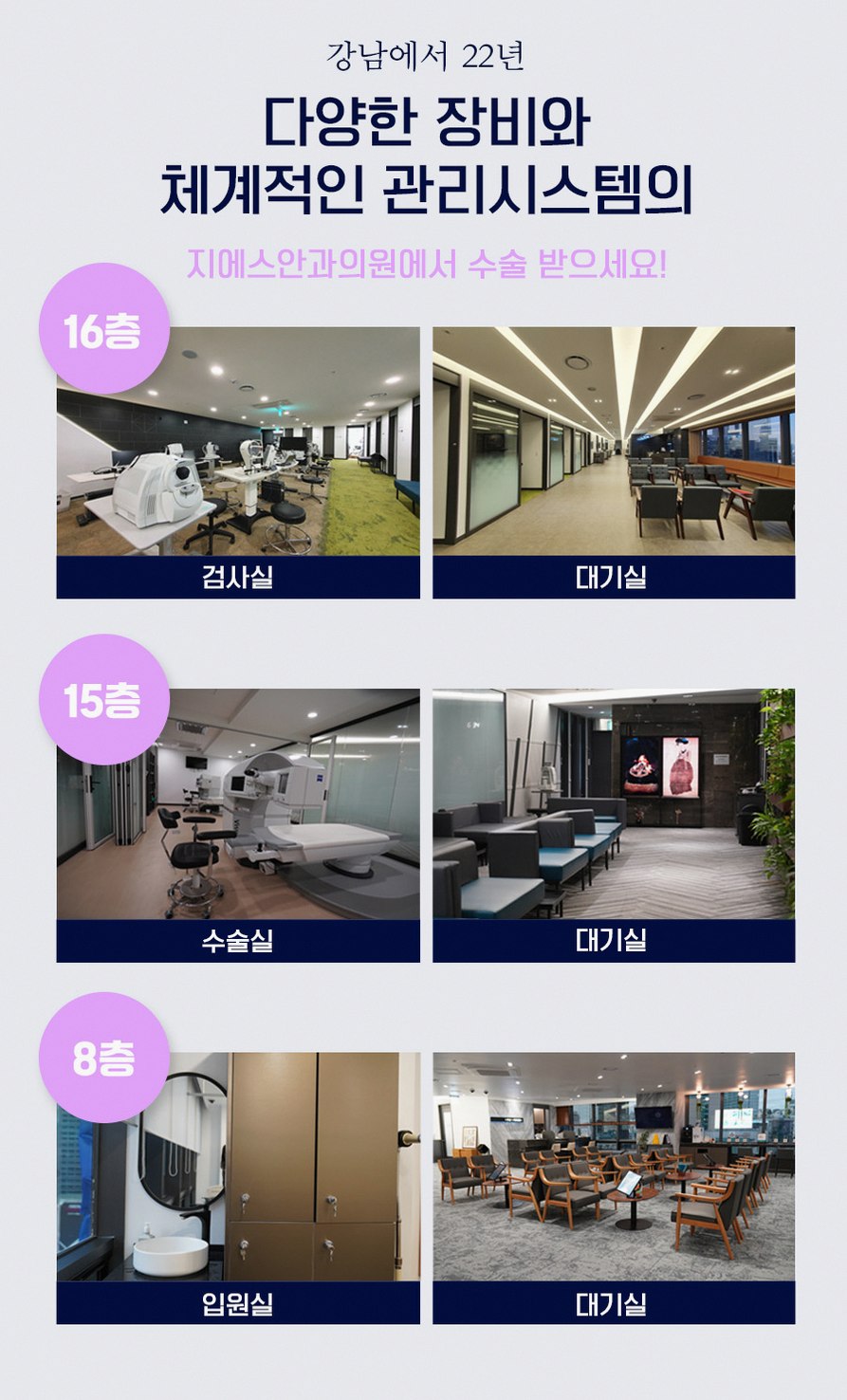
At a high‑level ophthalmology clinic, the first visit usually includes multiple tests. Reviews often list these in detail: basic vision and refraction tests, measurement of corneal thickness, mapping of the corneal shape, evaluation of dry eye status, pupil size measurement, and a check of the retina and general eye health. Some patients mention that this can take between 1.5 and 3 hours, including time for eye drops that dilate the pupils.
Consultation and suitability decision
After testing, the doctor reviews the results and explains whether SMILE LASIK is suitable. In reviews, patients often comment on how clearly the doctor explains:
Whether their cornea is thick enough and stable
The expected range of vision after surgery
Possible side effects such as temporary dryness or night glare
Alternative options if SMILE LASIK is not ideal, such as other laser procedures or lens implantation
People tend to rate their experience more positively when they feel the doctor is honest about limitations and does not push them into surgery on the same day.
Surgery day
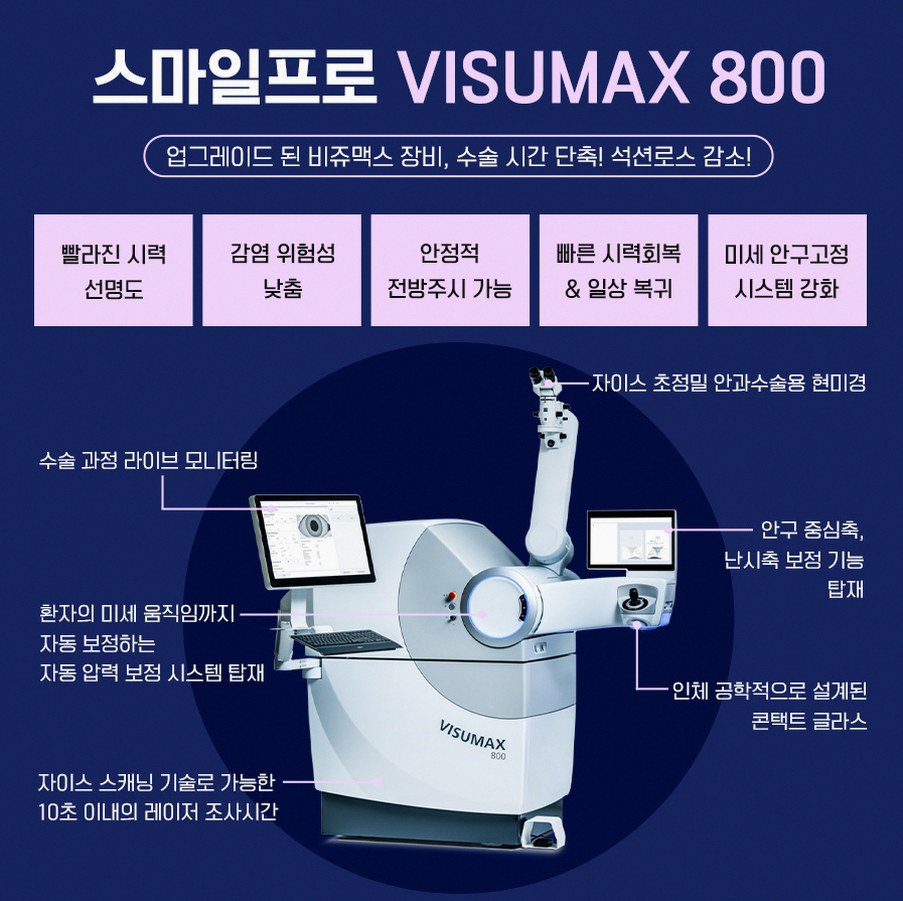
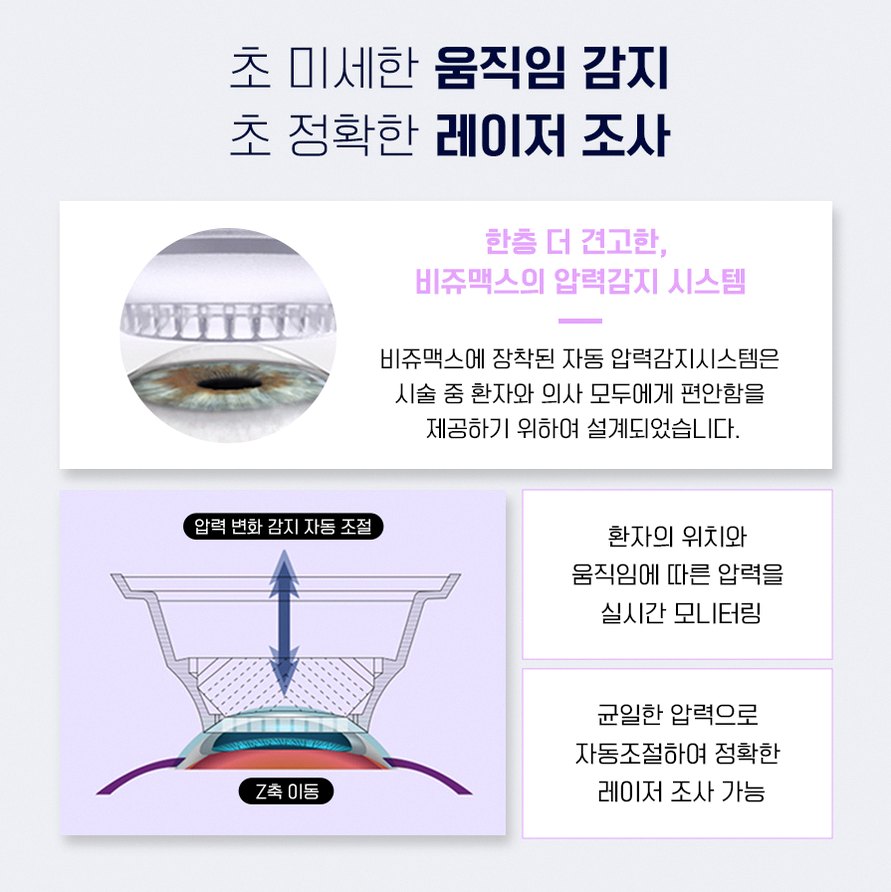
On the day of SMILE (small‑incision lenticule extraction), reviews usually describe a short, organized process. Patients check in, sign consent forms, and receive anesthetic eye drops. With VISUMAX‑type equipment (VISUMAX 800), laser time can be around 9 seconds per eye. Patients often say they feel pressure and see bright light, but not sharp pain. The entire time in the procedure room is often about 15 to 20 minutes for both eyes, with the laser step accounting for only a small portion of that.
Immediate post‑operative period
Right after surgery, many people describe hazy or foggy vision, tearing, and sensitivity to light. Staff usually explain how to use antibiotic and lubricating eye drops, how to protect the eyes during sleep, and what activities to avoid in the first days. Reviews often mention being guided carefully through these instructions, which helps reduce anxiety.
First week and early recovery
In the first few days, most reviews say that vision becomes clearer day by day, though it may fluctuate. Some people feel mild dryness or a foreign‑body sensation, especially when using screens for long periods. Many working adults mention being able to return to office work within 2 to 3 days, sometimes using artificial tears frequently. Night driving may feel uncomfortable at first due to halos or glare around lights, but this often improves over the following weeks or months.
What stands out in reviews of GS Eye Center for SMILE LASIK
Location and history
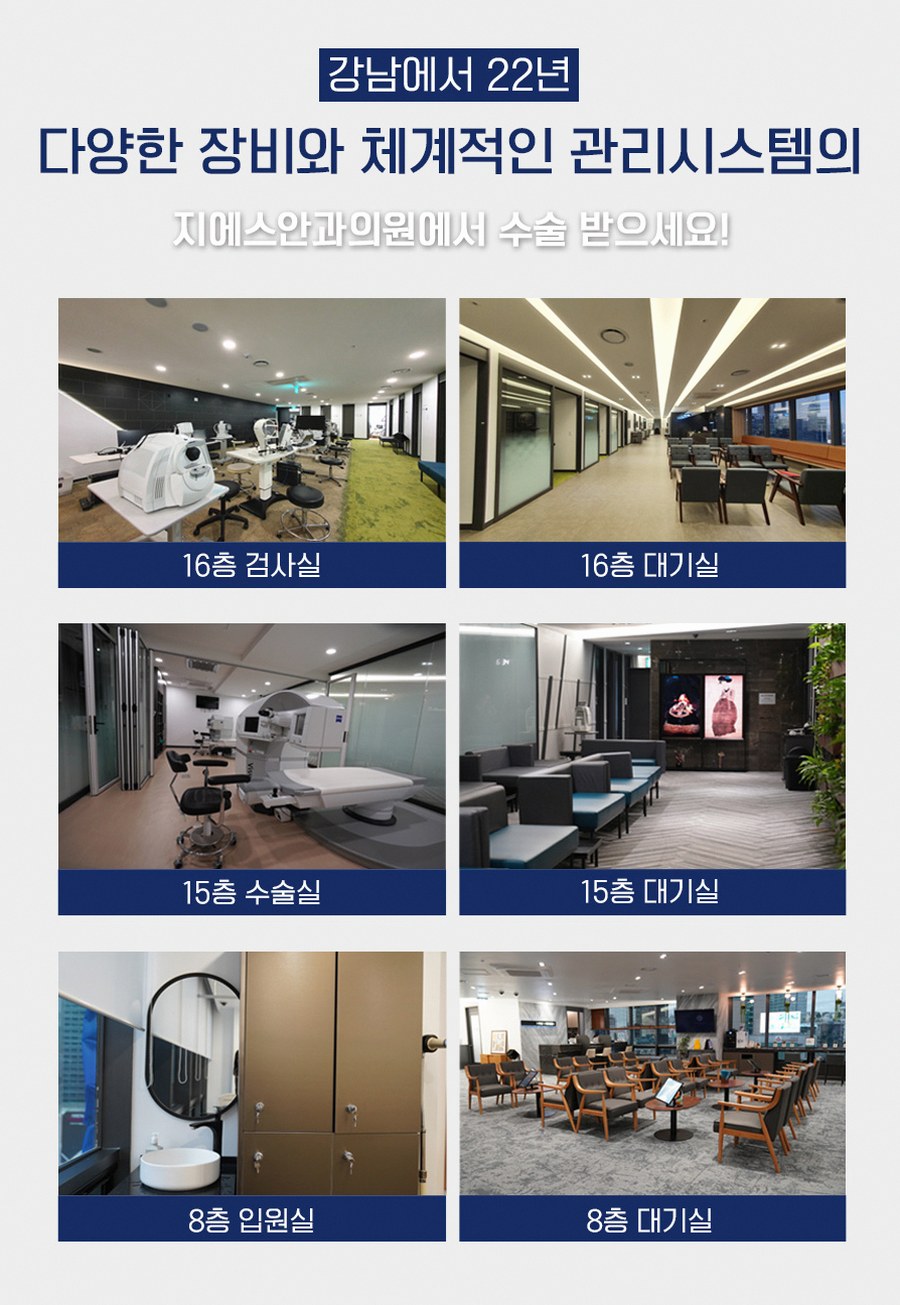
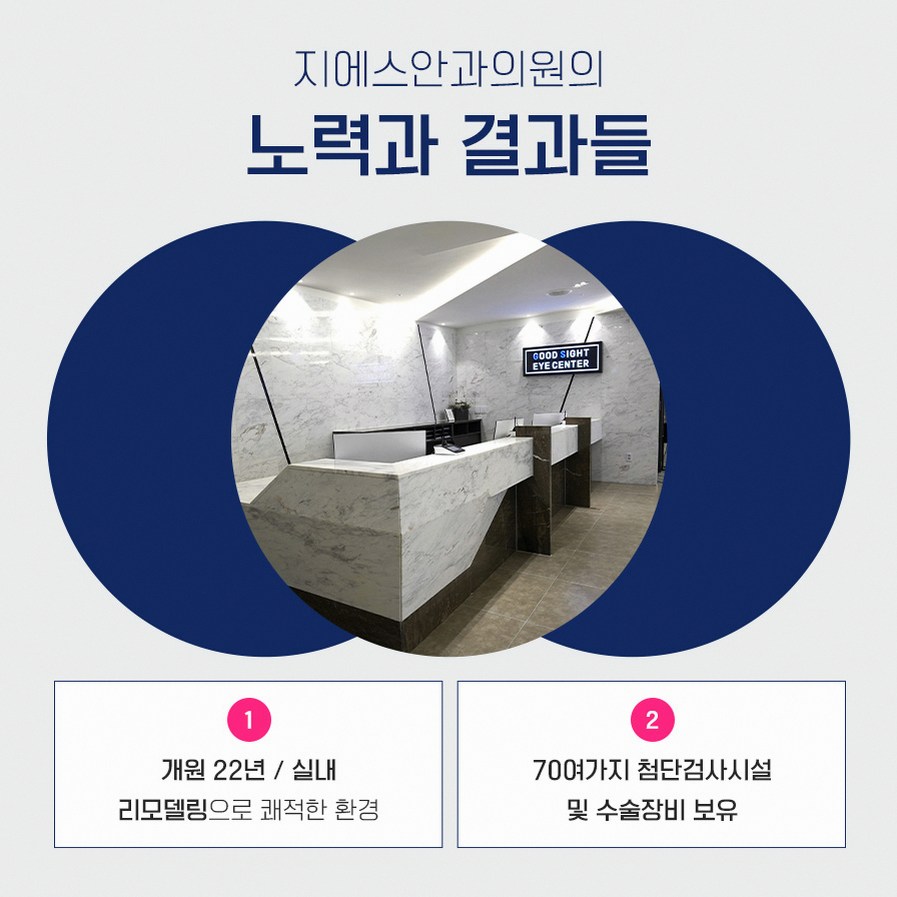
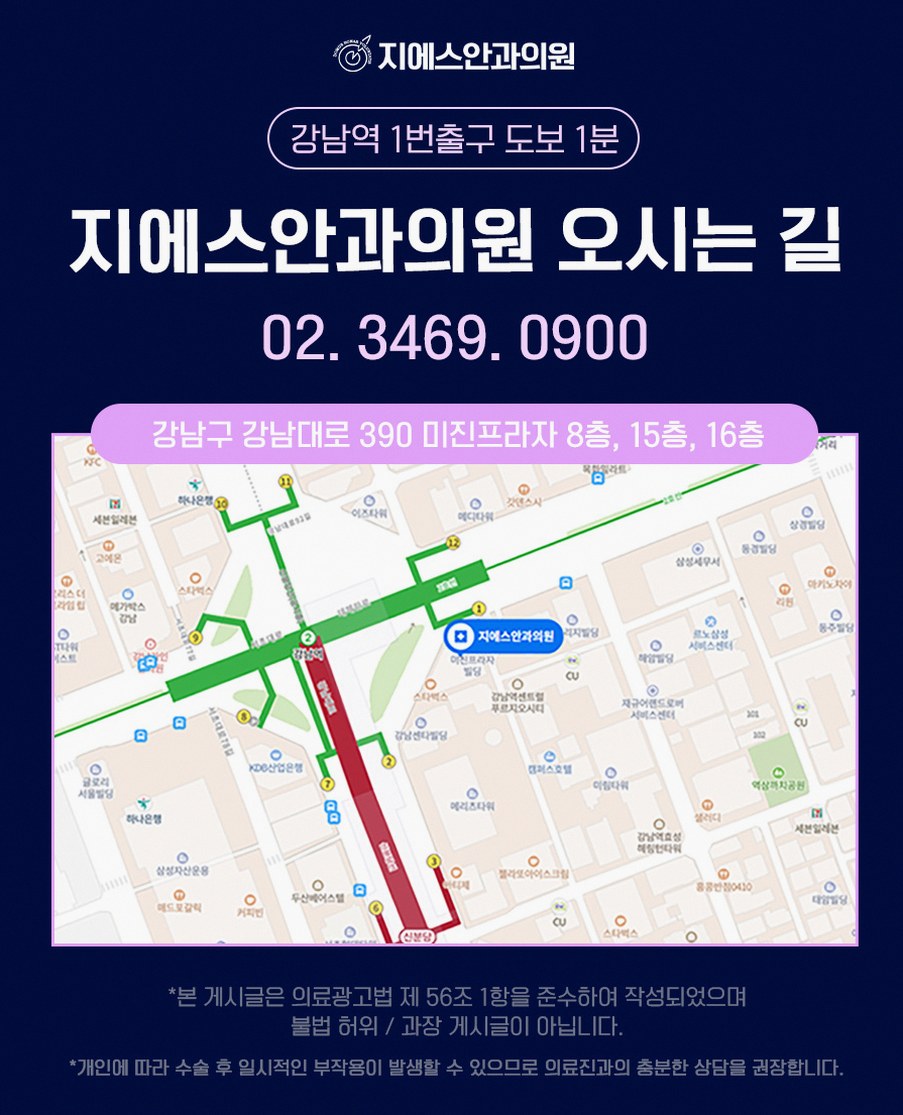
GS Eye Center is an ophthalmology clinic located near Gangnam Station and has been in the same location since 2005. Some reviewers view this long presence in the area as a sign of stability and accumulated experience with vision correction and cataract surgery.
Specialist team
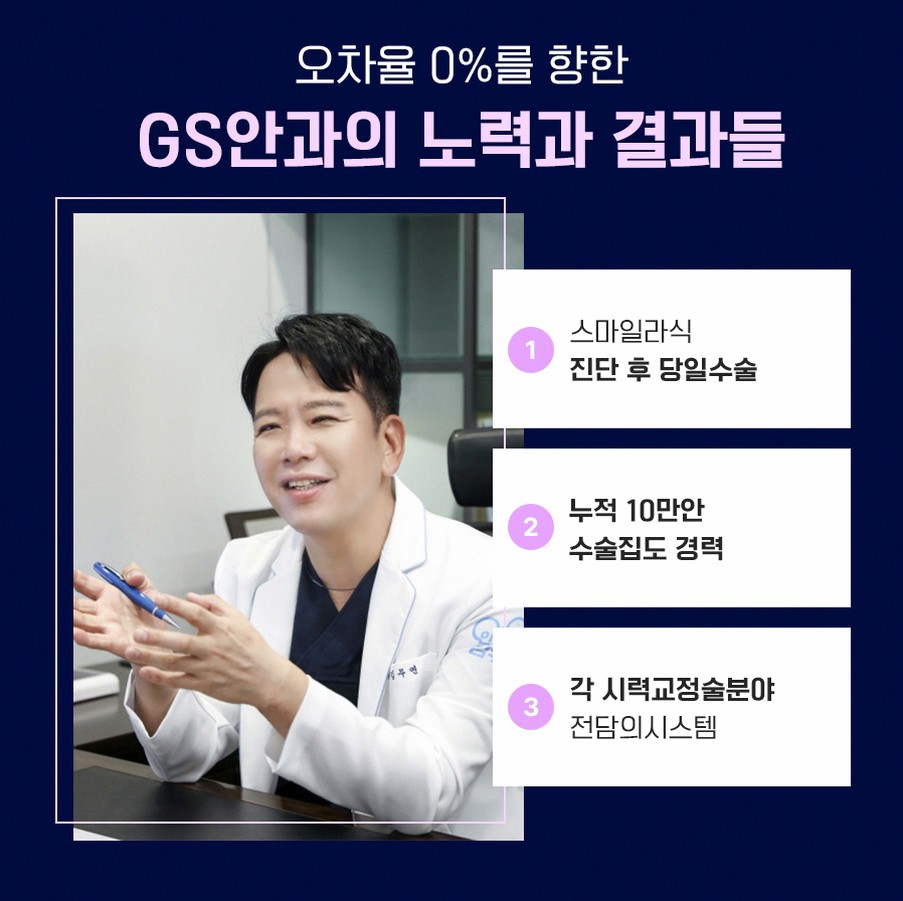
The clinic reports that all seven doctors are ophthalmologists, including a medical director with a doctorate and teaching experience at major university hospitals. In reviews, patients often mention feeling reassured by being treated by doctors who focus on specific subspecialty areas within ophthalmology rather than general practice.
High case volume
As of 2023, the clinic reports a cumulative 300,000 eyes treated with vision correction and cataract surgery, and by April 2026 about 15,000 SMILE Pro cases. Many patients interpret high case numbers in reviews as a sign that the team has broad experience with different eye conditions and surgical scenarios. At the same time, it is important to remember that high volume does not replace individual suitability; a careful examination is still essential.
Technology and SMILE platforms
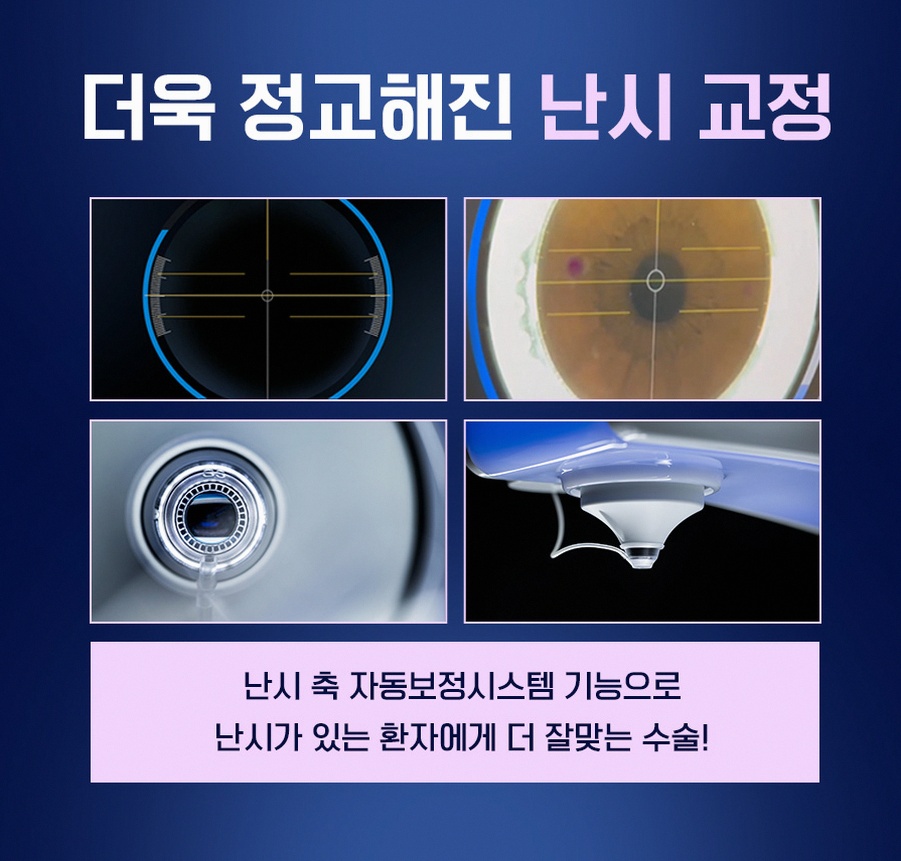
The clinic states that it holds three major SMILE‑related laser platforms from ZEISS: one VISUMAX 800 for SMILE Pro and two VISUMAX 500 units for SMILE LASIK. Reviews often highlight the short laser times, around 9 seconds with VISUMAX 800, and the impression that the equipment is up to date. Some patients say this helped them feel calmer during surgery because the laser step was over quickly.
Training and recognition
Public information about the clinic mentions designations such as SMILE Gold Club membership, SMILE Pro Center, and SILK Training Center, as well as its role as a clinical education site for a medical school and an Asia‑Pacific training institution. In reviews, some patients say these credentials contributed to their trust in the clinic, since they suggest involvement in training other doctors and using advanced platforms.

Lens implantation and cataract expertise
The clinic also reports large experience with lens implantation, including GLAZE, and multifocal intraocular lenses. This is relevant for patients whose eyes are not suitable for SMILE LASIK due to very high refractive errors, thin corneas, or other conditions. In reviews, some people appreciate that the clinic could offer alternative solutions rather than insisting on one procedure.
These points are useful examples of what many patients look for in reviews: experience, technology, training status, and the ability to offer alternatives. They should be considered together with your own medical needs and consultation results.
How to read Sinnonhyeon eye clinic reviews for SMILE LASIK wisely
When you search for Sinnonhyeon eye clinic reviews, it is tempting to focus only on star ratings or a few dramatic stories. A more careful approach can give you a clearer picture.
Look for detailed descriptions
Reviews that describe the testing process, the length of the first visit, and the explanations given by the doctor are usually more informative than short comments. Pay attention to whether patients mention comprehensive pre‑operative screening, including corneal thickness, corneal topography, and retinal evaluation. These are essential for safe SMILE LASIK.
Value balanced reviews
Realistic reviews often include both positive results and minor inconveniences, such as temporary dryness, night glare, or an adaptation period. If every review sounds perfect with no mention of normal side effects, it may not reflect the full picture.
Check how the clinic handles borderline cases
A key point is how the clinic responds when someone is not an ideal candidate. Do reviews mention that the doctor advised against surgery, suggested waiting, or recommended a different procedure? This is a sign that the clinic prioritizes safety over volume.
Be cautious with over‑promising
Be careful with reviews or advertisements that promise perfect vision for everyone, guarantee specific results, or downplay the need for testing. Vision correction always involves individual differences, and a responsible clinic will explain both benefits and limitations.
Step‑by‑step: From first visit to SMILE LASIK at a Gangnam eye clinic
If you are planning to travel to Korea for SMILE LASIK, it helps to understand the usual steps and timeline.
Step 1 – Initial inquiry and online consultation
Before you fly, you can usually contact the clinic through its website, email, or messaging apps. Many clinics near Gangnam Station offer English support and can answer basic questions about procedures, approximate timelines, and what medical records to bring. You can ask whether they provide a pre‑visit online consultation to review your glasses prescription, past eye history, and any systemic conditions.
Step 2 – Comprehensive eye examination
Once you arrive in Seoul, your first in‑person visit will be a full eye examination. Plan for 1.5 to 3 hours, including time for pupil dilation. Because of the dilating drops, your near vision may be blurred and you may be sensitive to light for several hours, so it is better not to drive afterward. Bring sunglasses and, if possible, have someone accompany you.
Step 3 – Suitability decision
After testing, the ophthalmologist will review your results and discuss whether SMILE LASIK is appropriate. Factors include corneal thickness, degree of myopia and astigmatism, age, stability of your glasses prescription, and any retinal issues. For some patients, the doctor may recommend a different laser procedure or lens implantation instead. A responsible clinic will not proceed if your long‑term eye health could be at risk.

Step 4 – Pre‑operative preparation
If you decide to proceed, you will receive instructions such as stopping contact lens wear for a certain period before surgery, avoiding eye makeup on the day of the procedure, and arranging for someone to escort you back to your accommodation. You may also be advised to avoid alcohol and to inform the clinic about any medications you are taking.
Step 5 – Surgery day
On the day of SMILE LASIK, you will usually spend around 1 to 2 hours at the clinic, but the actual laser procedure is much shorter. After check‑in and final measurements, anesthetic eye drops are applied. The laser step with VISUMAX‑type equipment usually lasts under 10 seconds per eye. You may feel pressure and see lights, but most patients describe the experience as strange rather than painful. After a short rest, staff will check your eyes and review post‑operative instructions.
Step 6 – Early follow‑up and overall Korea visit timeline
Most clinics schedule a check‑up on the same day or the next day, then additional visits over the first few weeks. For overseas patients, a common pattern is:
Day 1–2: Full examination and consultation
Day 3–4: SMILE LASIK surgery
Day 4–7: Early follow‑up visits and rest in Seoul
Many international patients stay in Korea for at least 5 to 7 days after surgery to complete early checks. Later follow‑ups can sometimes be coordinated with your local ophthalmologist at home, but you should confirm this plan in advance.
Safety points and who should be cautious about SMILE LASIK
SMILE LASIK is not suitable for everyone. When you read reviews, keep in mind that people who were not accepted for surgery may not always post their stories, but their cases are important for understanding safety.
General caution cases
You may need extra caution or an alternative procedure if you have:
Very thin corneas or abnormal corneal shape
Unstable refraction with rapidly changing glasses power
Certain corneal diseases
Severe dry eye that does not respond well to treatment
Uncontrolled systemic diseases such as diabetes or autoimmune conditions
Retinal problems, especially in high myopia
Importance of retina evaluation
In clinics with a dedicated retina service, patients with high myopia or retinal risk can be examined and, if necessary, treated before or instead of SMILE LASIK. This may include laser treatment for weak retinal areas or regular monitoring. Long‑term eye health is more important than short‑term convenience.
Second opinions
Even in a high‑volume center, not everyone is accepted for surgery. A responsible clinic will decline or recommend alternatives when necessary. If you feel unsure or receive conflicting advice, it is reasonable to seek a second opinion at another ophthalmology clinic in the Sinnonhyeon or Gangnam area before making a final decision.
FAQ: Common questions seen in Sinnonhyeon SMILE LASIK reviews
How long does it take to recover functional vision after SMILE LASIK at a Gangnam clinic?
Many patients report that they can see reasonably well within 24 to 48 hours, enough for basic daily activities. However, vision may continue to fluctuate for several weeks, and fine details or night vision can take longer to stabilize. Your personal recovery time will depend on your prescription, corneal condition, and how carefully you follow post‑operative instructions.
Is SMILE Pro or SMILE LASIK better, and does the specific laser model really matter?
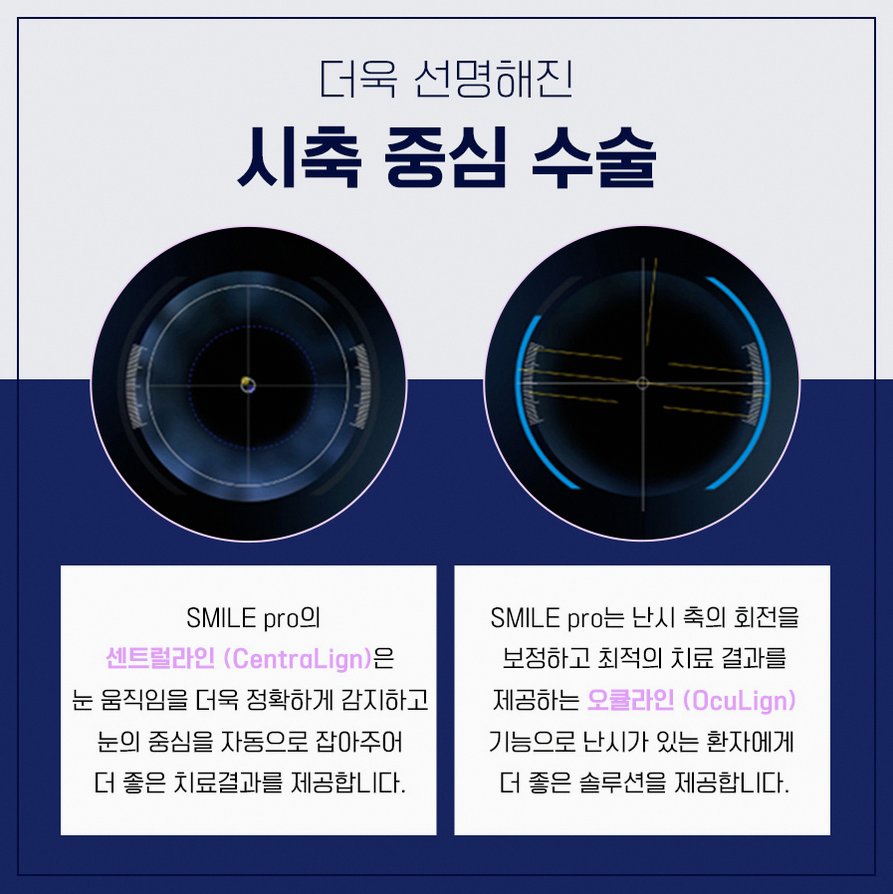
SMILE Pro is a newer generation of SMILE technology, often associated with faster laser times and some workflow improvements. The choice between SMILE Pro and standard SMILE LASIK depends on your eye measurements and the equipment available at the clinic. Reviews often mention feeling more comfortable with shorter laser times, but the most important factor is a thorough examination and an experienced surgical team, rather than the device name alone.
What level of discomfort and dry eye do patients usually report in reviews?
Most reviews describe the procedure itself as painless, with a feeling of pressure rather than pain. After surgery, patients often experience mild discomfort, tearing, and light sensitivity for several hours. Temporary dry eye symptoms are common in the first weeks and are usually managed with artificial tears. The intensity and duration of dryness vary between individuals, and people with pre‑existing dry eye may need more time and treatment.
Can I have SMILE LASIK if I have high myopia or astigmatism?
SMILE LASIK can treat a wide range of myopia and astigmatism, but there are limits based on corneal thickness, shape, and overall eye health. For very high prescriptions, the doctor may recommend alternative options such as lens implantation. Only a full examination can determine whether SMILE LASIK is safe and appropriate for your eyes.
How do I compare different Sinnonhyeon eye clinics when all of them have good ratings?
When many clinics have similar star ratings, focus on details. Look for information on the doctors’ training, case volume, types of SMILE platforms used, and how comprehensive the pre‑operative testing is. Pay attention to how clearly risks and alternatives are explained in reviews, and whether patients felt comfortable asking questions. Visiting at least one or two clinics in person and comparing your own impressions is often more helpful than relying on ratings alone.
What should I ask the ophthalmologist during my first consultation?
You can prepare a short list of questions, such as:
Am I a suitable candidate for SMILE LASIK, and why?
What range of vision can I realistically expect after surgery?
What are the most common side effects in your patients, and how are they managed?
What alternatives do you recommend if SMILE LASIK is not ideal for me?
How many SMILE cases have you performed, and what is your follow‑up schedule for overseas patients?
Bringing these questions to your consultation can help you feel as confident as patients who describe positive experiences in their reviews.
How to choose a Sinnonhyeon eye clinic for SMILE LASIK based on reviews
To choose a clinic wisely, combine what you read online with your own direct experience.
Key points to check
When reviewing clinics, many international patients look for:
Ophthalmologists with recognized training and experience in vision correction
Sufficient SMILE case volume to indicate familiarity with the procedure
Up‑to‑date SMILE equipment, including modern femtosecond lasers
Comprehensive pre‑operative testing and clear explanation of results
Transparent discussion of risks, benefits, and alternative options
Structured follow‑up plans, including support for overseas patients
Your own visit matters
Try to visit at least one or two clinics in the Sinnonhyeon or Gangnam area before deciding. Compare how comfortable you feel with the explanations, whether staff answer questions patiently, and how clearly they discuss both advantages and limitations. Avoid rushing into same‑day surgery if you still have doubts.
Good reviews usually reflect not only sharp vision outcomes but also how respectfully and transparently the clinic treats patients throughout the process, from the first message to long‑term follow‑up.
Next steps and online consultation
If you are considering SMILE LASIK in the Sinnonhyeon or Gangnam Station area, it can be helpful to start with an online inquiry. You can share your age, current glasses or contact lens prescription, any previous eye history, and your planned travel dates. Clinics such as GS Eye Center can then advise you on a realistic schedule, what documents to bring, and whether you are likely to be a candidate, subject to full examination on arrival.
Remember that all information in this article is general and cannot replace a personal consultation with an ophthalmologist. Individual suitability, risks, and outcomes vary, and final decisions should always be made after a thorough face‑to‑face examination and discussion with a qualified eye specialist.
- 공유 링크 만들기
- X
- 이메일
- 기타 앱


댓글
댓글 쓰기