SMILE LASIK Near Gangnam Station — Equipment & Care
- 공유 링크 만들기
- X
- 이메일
- 기타 앱


Direct answer: nearby SMILE LASIK options around Gangnam Station
If you are searching for a nearby eye clinic around Gangnam Station for SMILE LASIK, it can be helpful to focus not only on distance but also on the clinic’s experience, equipment, and safety system. In the Gangnam-daero area of Gangnam-gu, there are centers that concentrate on modern lenticule-based laser vision correction such as SMILE LASIK, SMILE Pro, and SILK, supported by structured pre-operative testing and follow-up.
This guide introduces how SMILE LASIK works, what makes a nearby clinic suitable for this procedure, and how an ophthalmology clinic near Gangnam Station such as GS Eye Center organizes diagnosis, surgery, and aftercare for international patients.
Looking for a nearby eye clinic? Start with SMILE LASIK options
When people type “nearby eye clinic” into a map or search engine, they often just look at the closest address. For SMILE LASIK and other modern laser procedures, it is more important to check whether the nearby clinic actually specializes in refractive surgery and has appropriate laser platforms.
SMILE LASIK is a minimally invasive vision correction method that uses a femtosecond laser to create a small lens-shaped piece of tissue (called a lenticule) inside the cornea. The surgeon removes this lenticule through a tiny micro-incision, changing the shape of the cornea so that light focuses more clearly on the retina. Because there is no large flap as in traditional LASIK, more corneal tissue can be preserved and the incision is smaller.
In busy business and shopping hubs like the Gangnam Station area, many patients prefer SMILE-type procedures because the laser time is short, there is no large flap, and daily activities can often be resumed relatively quickly. However, the best method is always decided after a full eye examination, not just by personal preference.
What SMILE LASIK is and how it differs from other methods
SMILE LASIK mechanism
In SMILE LASIK, a femtosecond laser creates a thin lenticule inside the cornea and a very small side opening. The surgeon then gently removes the lenticule through this micro-incision. By removing tissue from within, the cornea’s curvature is adjusted to correct myopia and, in some cases, astigmatism.
Comparison with traditional LASIK
Traditional LASIK involves creating a larger hinged flap on the surface of the cornea, lifting it, using an excimer laser to reshape the exposed tissue, and then repositioning the flap. This flap can be several millimeters wide.
Because SMILE LASIK uses a micro-incision and no large flap, it may reduce the risk of flap-related complications and can help preserve more structural stability of the cornea. Some patients also report less dry eye compared with flap-based procedures, although individual experiences vary.
Comparison with LASEK and other surface procedures
LASEK and other surface procedures do not create a flap. Instead, the surface epithelium is loosened or removed, the excimer laser reshapes the surface, and the epithelium heals over time. This can be suitable for certain thin or irregular corneas but often comes with more discomfort in the early days and a slower visual recovery.
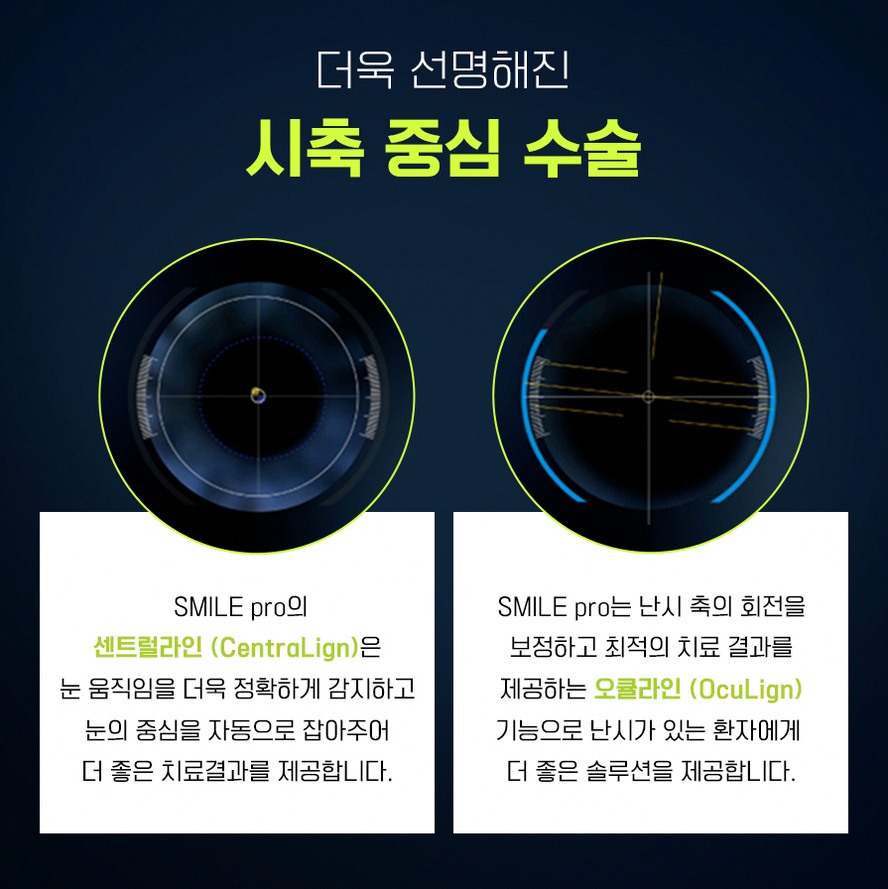
In contrast, SMILE LASIK usually offers quicker comfort and visual stabilization for suitable candidates. Still, for some corneas, a surface method or lens implantation may be safer. The correct method depends on corneal thickness, shape, tear film, and lifestyle.
Why equipment matters when choosing a nearby SMILE LASIK clinic
Importance of ZEISS VISUMAX platforms
SMILE-type procedures are closely linked to specific laser platforms. Clinics focusing on SMILE LASIK typically use ZEISS VISUMAX systems that are designed for lenticule creation and removal.
VISUMAX 800 and SMILE Pro
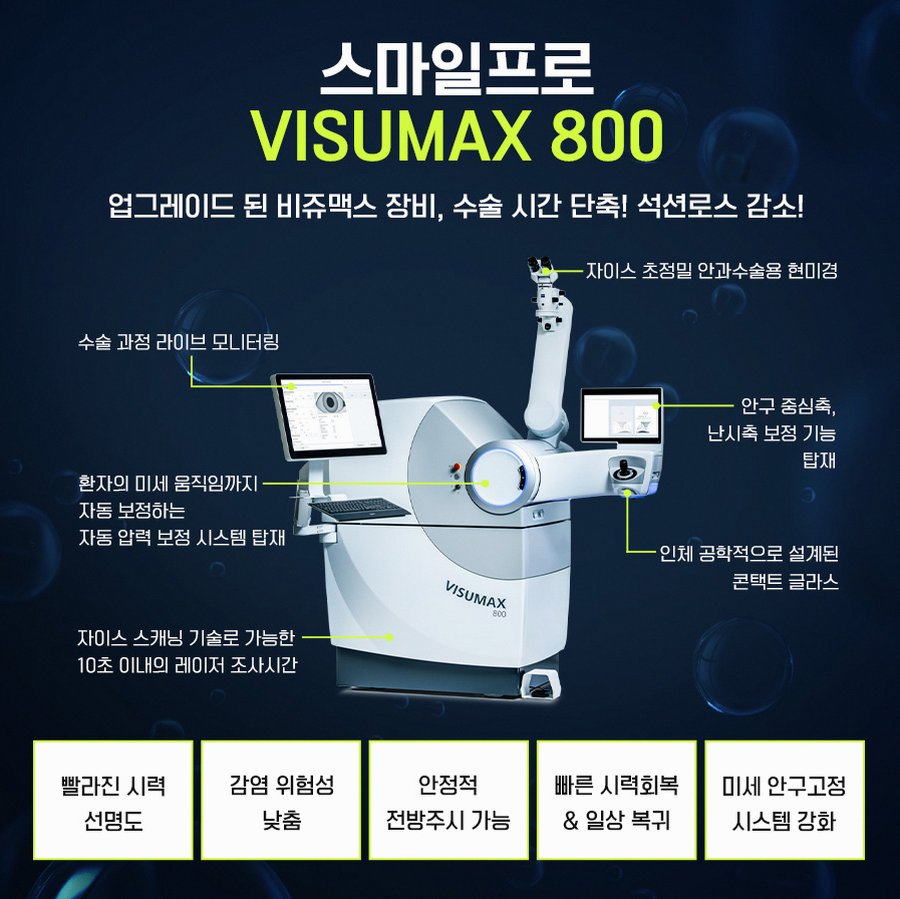
The VISUMAX 800 platform is used for SMILE Pro, an updated version of SMILE with faster laser time and refined software. The laser application itself can be around 9 seconds in many cases, which can help reduce the time patients need to fixate and may improve comfort during the procedure.
VISUMAX 500 and standard SMILE LASIK
VISUMAX 500 is an earlier but widely used platform for SMILE LASIK. Many ophthalmology centers continue to use it because of its established track record and stable performance. Having more than one VISUMAX 500 unit allows multiple rooms to operate and provides backup if one unit is under maintenance.
Benefits of multiple platforms in one clinic
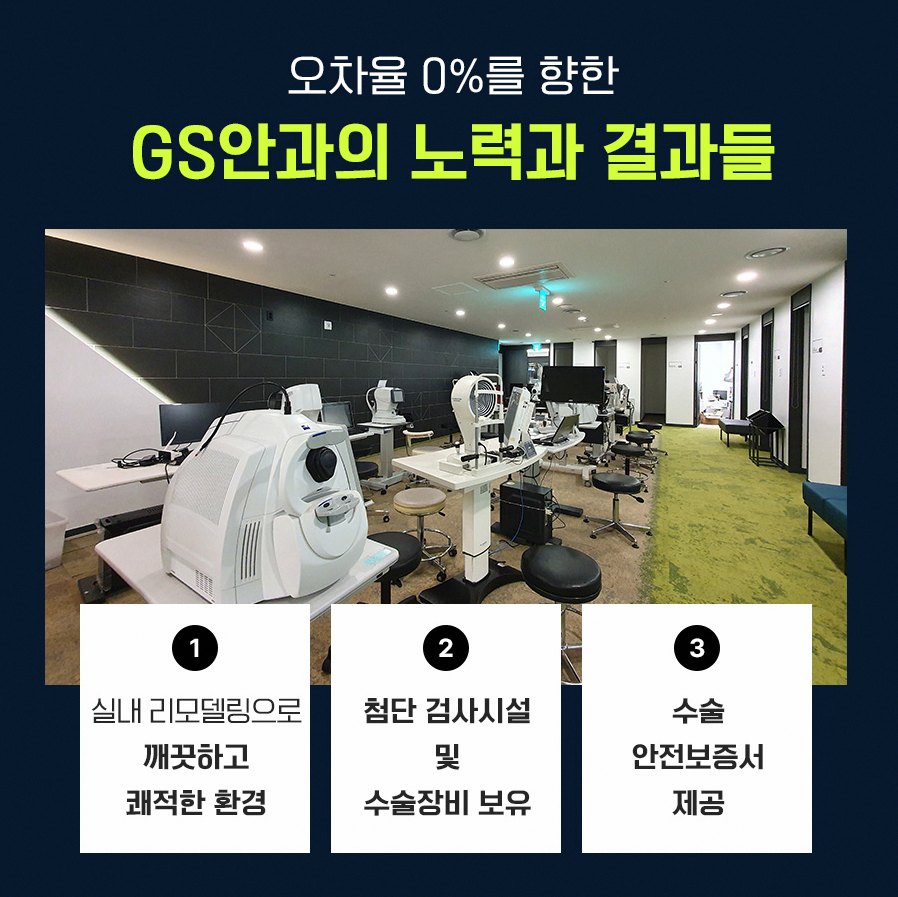
A clinic that operates VISUMAX 800 for SMILE Pro and two VISUMAX 500 units for SMILE LASIK can tailor laser settings to each patient and maintain continuity of service. Redundancy in equipment means that if one unit needs calibration or servicing, the clinic can still proceed with scheduled surgeries on another machine, which is reassuring for patients traveling from overseas on a tight schedule.
Experienced ophthalmologists and clinical education roles
In the Gangnam-daero area near Gangnam Station, some ophthalmology clinics are fully dedicated to eye care rather than general hospital services. At such centers, all seven doctors may be board-certified ophthalmologists with subspecialty backgrounds in refractive surgery, cataract, and retina.
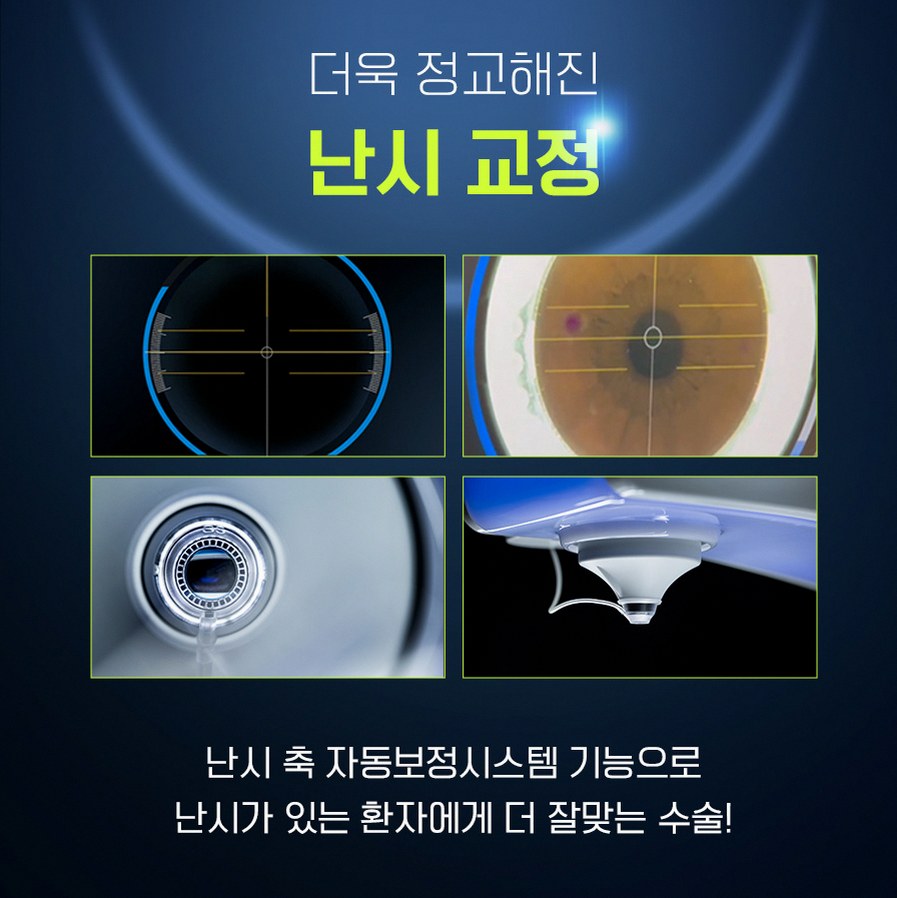
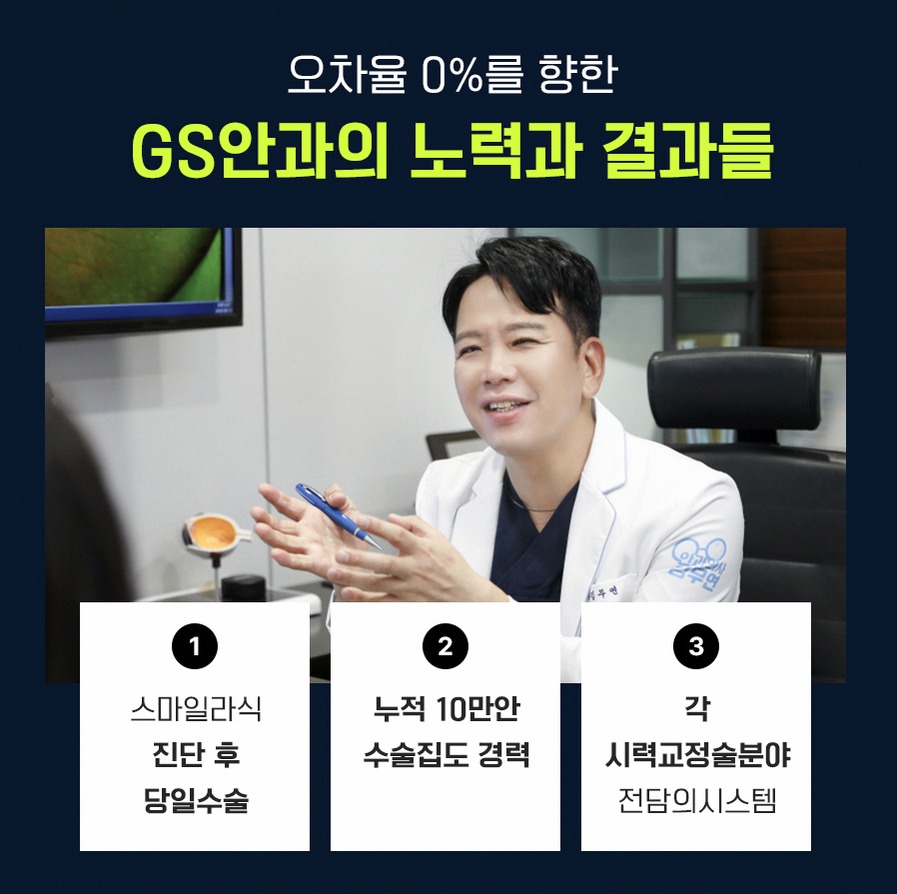
At GS Eye Center, the medical team includes surgeons who focus on vision correction and cataract surgery, as well as retina specialists who support pre-operative and post-operative retinal evaluation. The medical director has experience as a university hospital professor and runs educational content about eye health, which can help patients understand procedures in more detail.
The clinic has been designated as a ZEISS SMILE Gold Club member in 2021, a SMILE Pro Center in 2023, and a SILK Training Center in 2026. It also serves as a clinical education site for a medical school and an Asia-Pacific training institution, meaning that other doctors visit to learn SMILE-type procedures there.
These roles and designations indicate a high surgical volume and involvement in clinical education, but they do not guarantee specific outcomes for individual patients. Each case still requires careful evaluation and personalized planning.
Range of vision correction options beyond SMILE LASIK
Although SMILE LASIK is the main focus, a comprehensive ophthalmology clinic near Gangnam Station will usually offer other options for patients who are not good candidates for lenticule-based surgery.
Lens implantation
For people with very high myopia, thin corneas, or certain corneal shapes, lens implantation may be recommended instead of corneal laser. Options can include ICL, GLAZE, and PhakiFlex KPL, which are types of phakic intraocular lenses placed inside the eye while leaving the natural lens in place. These methods require precise measurements and careful long-term monitoring.

Surface and other corneal procedures
For some patients, 2DAY LASEK or similar surface procedures may be better suited, particularly when corneal thickness is borderline for SMILE LASIK. Corneal cross-linking may be used in selected cases to strengthen the cornea, especially where there is concern about corneal stability.
Having multiple options allows the ophthalmologist to recommend a method based on safety and long-term stability rather than forcing every patient into one procedure.
Importance of detailed pre-operative examination
Before SMILE LASIK or any vision correction, a thorough pre-operative evaluation is essential. A nearby clinic that simply offers quick screening without detailed testing may not be the safest choice.
Key components of pre-op testing
Typical examinations include:
Corneal topography and tomography to analyze the shape and curvature of the cornea in detail and to detect early keratoconus or irregularities.
Corneal thickness measurement to check whether enough tissue can safely be preserved after laser reshaping.
Pupil size assessment, especially in low light, since very large pupils may be associated with glare or halos after surgery.
Tear film and dry eye evaluation to understand baseline dryness and plan treatment before and after surgery.
Intraocular pressure measurement and optic nerve evaluation to screen for glaucoma.
Retinal examination, often including wide-field imaging or optical coherence tomography, to detect lattice degeneration, retinal tears, or other issues that might need treatment before vision correction.
Review of systemic health and medications, including autoimmune conditions, diabetes control, and any drugs that may affect healing.
Why some people are not candidates
Not everyone is suitable for SMILE LASIK. Very thin corneas, unstable refraction, certain corneal diseases, uncontrolled dry eye, or significant retinal problems may lead the ophthalmologist to recommend a different method or no surgery at all. Safety-based exclusion is normal and is a sign that the clinic prioritizes long-term eye health.
Step-by-step: from first visit to SMILE LASIK surgery
Initial consultation and basic screening
For international patients, the first contact is often an online consultation. You can send previous prescriptions, information about your glasses or contact lenses, and any eye examination reports you already have. The clinic can then advise whether a visit for full testing is reasonable.
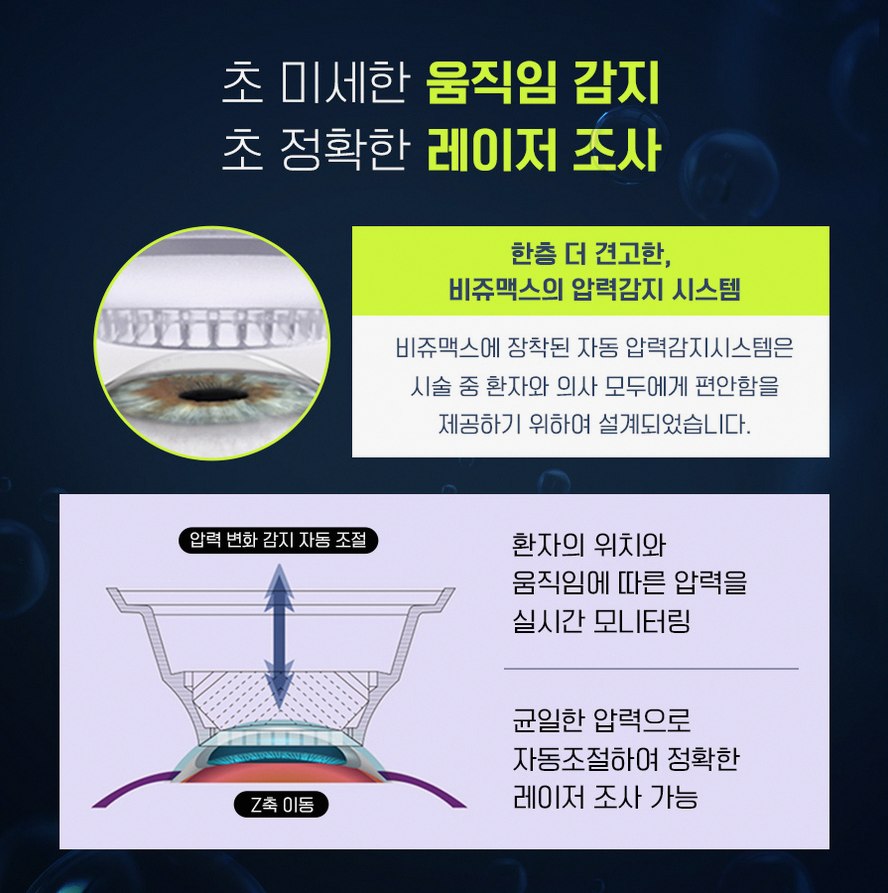
Once in Seoul, your first in-person visit near Gangnam Station usually includes a basic vision check, refraction, and a discussion about your work, hobbies, and expectations. This helps the doctor understand whether you frequently work at a screen, engage in contact sports, or have night-driving concerns.
Full diagnostic work-up
If the initial screening suggests you may be a candidate, a full diagnostic session is scheduled. This can take one to two hours and includes corneal topography, tomography, pachymetry (thickness), wavefront analysis, pupil size, tear film tests, intraocular pressure, and retinal imaging.
Sometimes eye drops are used to dilate the pupils, so you may experience blurred near vision and light sensitivity for several hours afterward. It is helpful not to schedule important meetings immediately after this visit.
Doctor consultation and procedure selection
After all tests, you meet the ophthalmologist to review the results. The doctor will explain whether SMILE LASIK, SMILE Pro, SILK, another laser method, lens implantation, or no surgery is recommended. You can ask about expected vision range, recovery timeline, and potential side effects.
If you are not suitable for SMILE LASIK, the doctor may suggest alternatives such as ICL or 2DAY LASEK, or may advise continuing with glasses or contact lenses for safety reasons.
Surgery day process
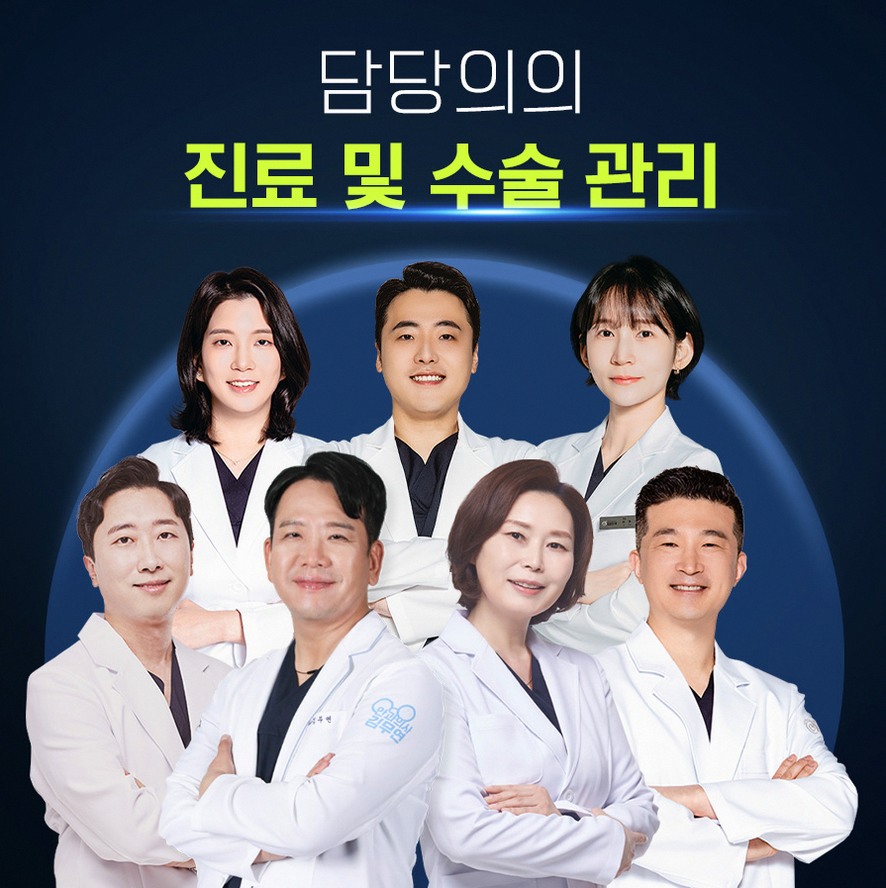
On the day of SMILE LASIK, you arrive at the clinic near Gangnam Station having followed pre-op instructions, such as stopping soft contact lenses for several days beforehand. After final checks and consent, anesthetic eye drops are applied.
For SMILE Pro using VISUMAX 800, the laser time is typically around 9 seconds per eye, with total time in the procedure room often under 20 minutes for both eyes. You may feel gentle pressure but usually no sharp pain. After the laser step, the surgeon removes the lenticule through the micro-incision and checks the corneal surface.
Immediately after surgery, your vision is often hazy, and you may feel mild foreign body sensation or tearing. You rest in a recovery area with your eyes closed for a short period before a quick post-op examination.
Follow-up schedule and early recovery
Most clinics schedule a next-day check, then several early follow-up visits within the first month. Additional visits at three to six months help confirm stability.
Many patients can return to office work or study within a few days, though some prefer to allow about one week, especially if they are flying in from overseas. Light sensitivity, mild dryness, or fluctuating vision can occur during the early weeks and usually improve over time.
Safety standards and long-term results
Quality management and certification
Some ophthalmology clinics near Gangnam Station maintain ISO 9001 and ISO 14001 certification for SMILE LASIK-related processes. ISO 9001 focuses on quality management systems, while ISO 14001 relates to environmental management. For patients, this indicates that the clinic follows standardized protocols for procedures, equipment maintenance, and documentation.
Surgical volume and milestones
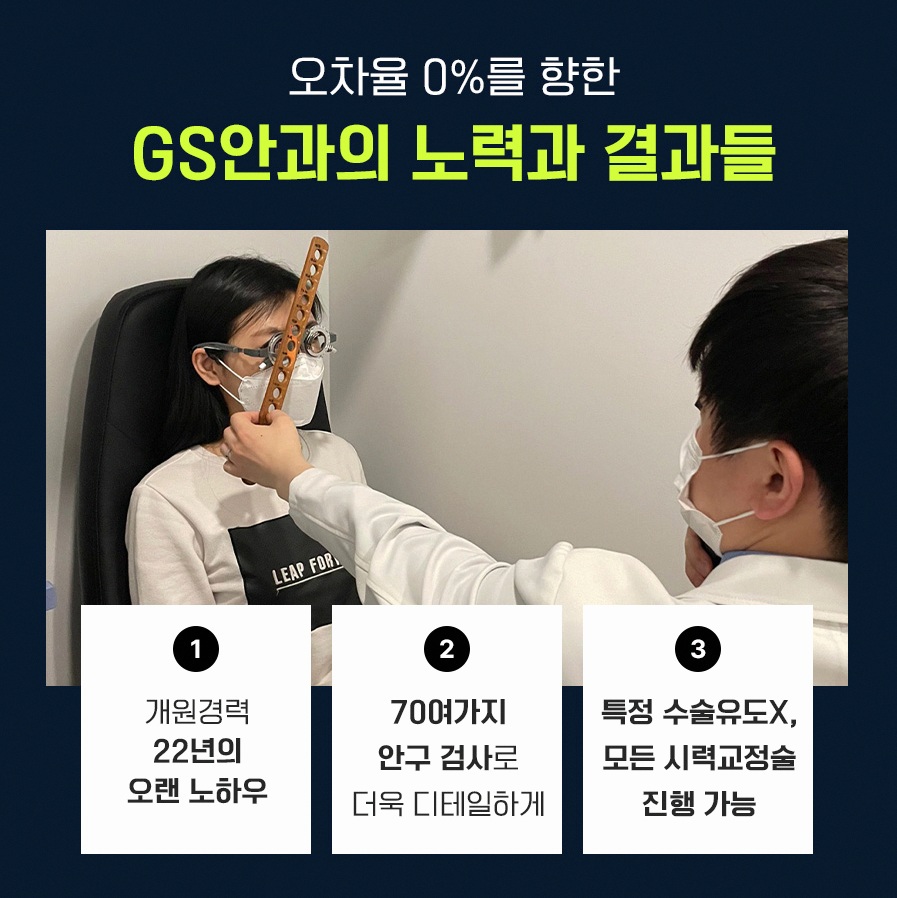
The clinic’s cumulative experience can be a useful indicator. At certain centers, more than 300,000 eyes have undergone vision correction or cataract surgery as of 2023, including large numbers of SMILE Pro and lens implantation cases. High volume suggests that the team has encountered a wide range of eye conditions and can refine protocols over time.
However, volume alone does not guarantee a particular result for you. Individual anatomy, healing response, and adherence to aftercare instructions all play important roles.
Role of retina specialists
Having retina specialists in-house allows more thorough screening for retinal issues before SMILE LASIK and more immediate management if any retinal problem is detected later. This can be reassuring for patients with high myopia, who are at higher risk for retinal degeneration or tears.
Risks and possible side effects
All eye surgery carries risks. Potential issues after SMILE LASIK include infection, inflammation, over- or under-correction, glare, halos, dry eye symptoms, and in rare cases, loss of best-corrected vision. These possibilities should be discussed in detail during your consultation, and you should feel comfortable asking how the clinic prevents and manages complications.
How to choose the right nearby eye clinic for SMILE LASIK
Key points to check
When comparing nearby clinics around Gangnam Station, consider the following:
Are the doctors board-certified ophthalmologists, and do they have subspecialty training in refractive, cataract, or retina fields?
Does the clinic have up-to-date SMILE equipment, including VISUMAX 800 for SMILE Pro and VISUMAX 500 units for standard SMILE LASIK?
Is there a comprehensive diagnostic system with corneal tomography, wavefront analysis, and retinal imaging?
Are the risks, benefits, and alternatives explained clearly, with time for questions?
Is there a structured follow-up schedule, and can they support international patients who may leave Korea soon after surgery?
Avoid choosing only by price or distance
It can be tempting to select the nearest or cheapest option, but for SMILE LASIK, long-term safety and quality are more important. A slightly longer subway ride to a clinic with strong diagnostic capabilities, experienced surgeons, and clear communication may be a better choice than the very closest option.
Questions to prepare before consultation
Before contacting a clinic, it helps to prepare questions such as:
Am I likely to be a candidate for SMILE LASIK based on my current prescription and age?
If I am not suitable for SMILE, what alternatives are available?
How many SMILE LASIK and SMILE Pro procedures does the clinic perform each year?
What is the typical timeline for overseas patients from first visit to final check?
How are dry eye and night vision symptoms managed if they occur after surgery?
Location and visit information for patients near Gangnam Station
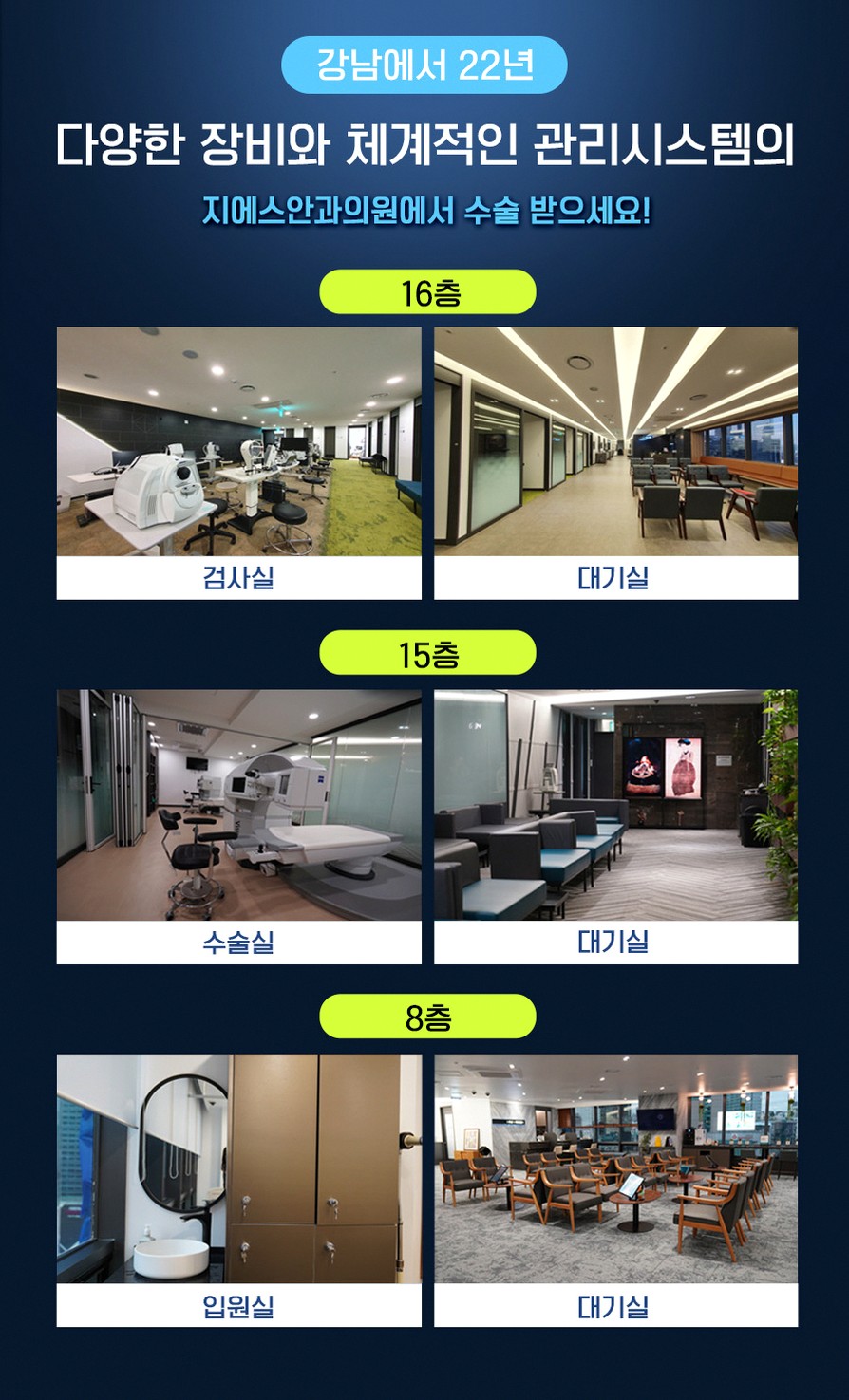
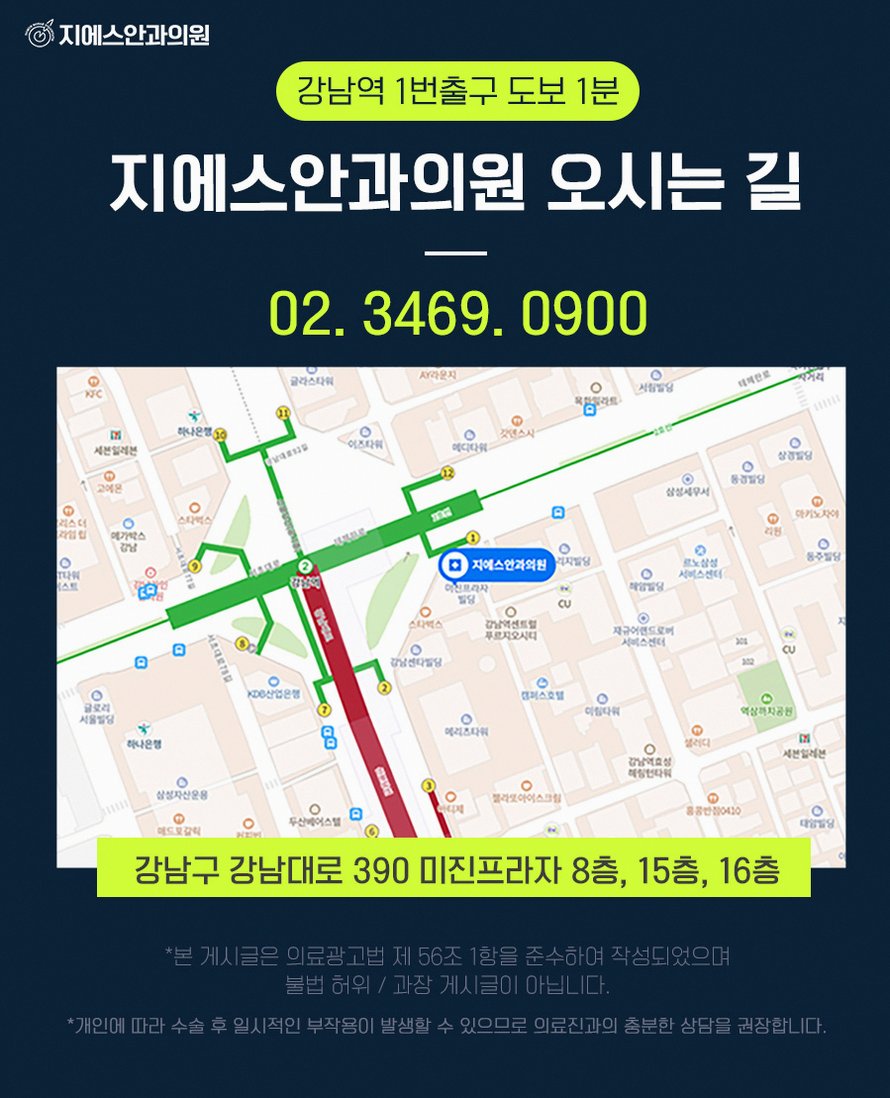
For international patients staying in central Seoul, the Gangnam-daero area in Gangnam-gu is convenient, with direct subway access via Gangnam Station and many nearby hotels and restaurants. GS Eye Center is located on multiple floors of a building along Gangnam-daero in the Yeoksam-dong area, within walking distance of Gangnam Station.
The clinic has been operating in this location since 2005, building familiarity with local residents and accumulating extensive experience in vision correction and cataract surgery.
Typical operating hours include weekdays and Saturdays, with closure on Sundays and public holidays and a midday break on some days. Because hours can change, especially around national holidays, it is important to confirm exact times and make a reservation before visiting.
For overseas visitors, the clinic can often arrange a schedule that combines full examination, SMILE LASIK or other procedures, and early follow-up within a limited stay in Korea. Online consultation before you book flights is recommended so that the team can advise on a realistic timeline.
FAQ: nearby eye clinic and SMILE LASIK
Is SMILE LASIK suitable for everyone who wears glasses or contact lenses?
No. SMILE LASIK is suitable only for people who meet specific criteria. Your cornea must be thick and regular enough, your prescription should be within a certain range, and your eyes need to be otherwise healthy. Conditions such as very thin corneas, unstable refraction, active eye disease, or certain systemic illnesses may make SMILE LASIK unsuitable. A full examination with an ophthalmologist is the only way to know for sure.
How long does it take to return to work or study after SMILE LASIK?
Many patients can resume light office work or study within a few days after SMILE LASIK, although vision may still fluctuate slightly. For overseas visitors, planning at least several days in Seoul after surgery is wise, so that you can attend the next-day check and at least one additional follow-up. Recovery speed varies by individual, and jobs that require intense visual concentration or night driving may need a longer adjustment period.
What if I have dry eye or thin corneas?
Mild dry eye is common and can often be managed before and after SMILE LASIK with artificial tears and other treatments. If your dry eye is severe, the doctor may recommend treating it first or choosing a different method. For thin corneas, SMILE LASIK may not be safe, and alternatives such as lens implantation or surface procedures like 2DAY LASEK may be considered. The decision depends on detailed measurements and should always prioritize corneal stability.
Can I choose between SMILE, LASIK, and LASEK myself?
You can express your preferences, but the final recommendation should come from your ophthalmologist after examining your eyes. SMILE LASIK, LASIK, LASEK, and lens implantation each have advantages and limitations. A responsible clinic will explain why one method is recommended for you and may advise against your preferred option if it does not meet safety criteria.
How often do I need follow-up visits at a nearby clinic after SMILE LASIK?
Most clinics schedule a next-day visit, then additional checks within the first week and month. Further visits at three to six months help confirm stability. For international patients, the schedule can be adjusted, with some follow-ups done back in your home country. You should clarify the follow-up plan and what to do if you notice any unusual symptoms after returning home.
Preparing for an online consultation
If you are considering SMILE LASIK in the Gangnam Station area, you can start with an online consultation. Prepare your latest glasses or contact lens prescription, information about how long you have worn them, any previous eye diagnoses, and your planned travel dates. This allows the clinic to give more tailored guidance on whether a visit is worthwhile and how many days you should plan to stay.
A soft call to action
For international patients who want a nearby, easily accessible location with structured SMILE LASIK systems, the Gangnam-daero area in Gangnam-gu offers convenient transport and a concentration of specialized ophthalmology clinics. If you are interested in SMILE LASIK, SMILE Pro, SILK, or alternative vision correction such as lens implantation, you can contact GS Eye Center in advance for an online consultation and personalized schedule planning.
Any decision about surgery should only be made after an in-person examination and detailed discussion with an ophthalmologist. Results and recovery speed differ from person to person, so it is important to receive individual medical advice rather than relying only on online information.
- 공유 링크 만들기
- X
- 이메일
- 기타 앱


댓글
댓글 쓰기