SMILE Pro & VISUMAX options near Daechi-dong
- 공유 링크 만들기
- X
- 이메일
- 기타 앱

Direct answer summary
If you are staying in or near Daechi-dong and looking for SMILE LASIK, the Gangnam–Daechi area offers specialized ophthalmology clinics focused on laser vision correction. One option is an ophthalmology clinic near Gangnam Station on Gangnam-daero, convenient from Daechi-dong and Yeoksam-dong, that has been in the same location since 2005 and now operates as GS Eye Center. It focuses on SMILE-type procedures (including SMILE Pro and SILK), LASIK/LASEK, and lens implantation, and is equipped with multiple ZEISS laser platforms for small-incision vision correction.
This guide explains what SMILE LASIK is, who might consider it, how to prepare from overseas, what a typical visit to Korea looks like, and how aftercare is usually managed.
What SMILE LASIK Is and Why Clinic Choice Matters
SMILE LASIK overview
SMILE LASIK is a form of laser vision correction that uses a femtosecond laser to create a tiny disc of tissue (called a lenticule) inside the cornea. The surgeon removes this lenticule through a very small opening, reshaping the cornea so that light focuses properly on the retina.
Unlike traditional LASIK, SMILE LASIK does not require creating a wide corneal flap. The incision is much smaller, which can help preserve more corneal structure. Compared with LASEK, SMILE LASIK usually involves less surface discomfort and a faster early recovery for many patients.
Small incision and potential benefits
Because the incision is small, SMILE LASIK is often described as minimally invasive. For suitable candidates, potential advantages can include:
A smaller incision compared with flap-based LASIK
Less disruption of the corneal surface, which may be helpful for patients concerned about dry eye
Stable corneal structure for many prescriptions
However, every eye is different. The degree of myopia and astigmatism, corneal thickness, and overall eye health all influence which procedure is most appropriate.
Why the clinic you choose is important
The safety and visual outcome of SMILE LASIK depend on several factors beyond the laser itself:
Accurate pre-operative examination, including measurements of corneal thickness, shape (topography), and tear film status
Surgeon experience with SMILE LASIK, SMILE Pro, and related procedures
Quality and maintenance of the femtosecond laser platforms
Careful screening for conditions such as keratoconus, unstable refraction, or retinal problems
In the Gangnam–Daechi area, some ophthalmology clinics focus almost entirely on refractive surgery and lens implantation. These clinics typically invest in multiple laser systems, advanced diagnostic devices, and structured follow-up systems, which can be reassuring for overseas patients.
Key Features of a Good SMILE LASIK Clinic near Daechi-dong
Specialized ophthalmology team
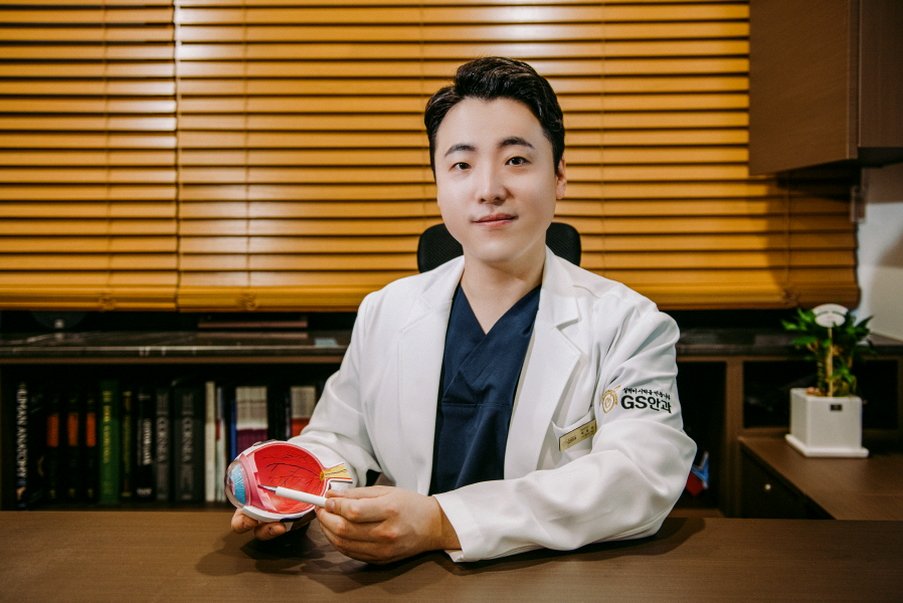
When you search for a good eye clinic near Daechi-dong, it is helpful to look for a team of ophthalmologists who focus on vision correction. At the clinic near Gangnam Station described in this guide, seven ophthalmologists work together, covering refractive surgery, cataract, presbyopia, and retina.
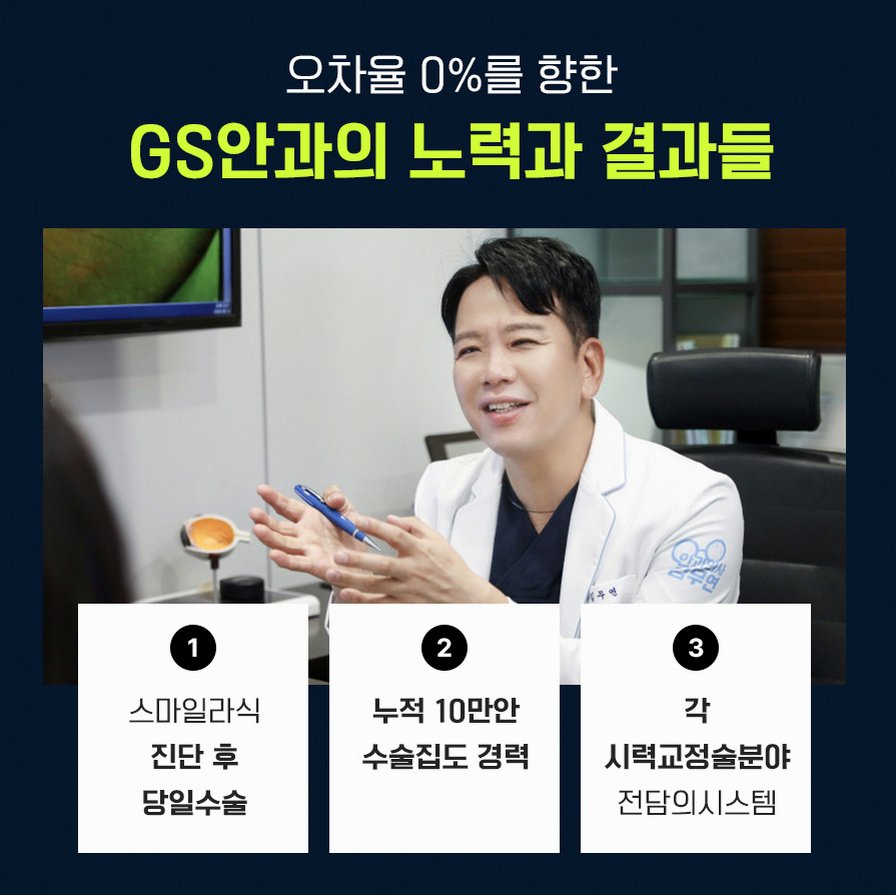
The lead surgeon has a medical doctorate, previous university hospital faculty experience, and is active in public education through online video channels. Several other doctors have backgrounds at major university hospitals and retina fellowships. This mix of refractive and retina specialists supports thorough screening before surgery and careful management of any retinal issues.
High case volume and long-term experience
The ophthalmology clinic now known as GS Eye Center opened in 2005 in the same Gangnam location, originally under a different name. Over nearly two decades, it has focused on vision correction and cataract surgery.
As of 2023, the clinic reports more than 300,000 cumulative eyes treated with refractive and cataract procedures. For SMILE Pro alone, it has performed about 15,000 eyes as of April 2026, reflecting steady growth in small-incision laser procedures.
For an overseas patient, such numbers are useful as one indicator of experience. While numbers alone do not guarantee an individual result, they suggest that the team has encountered a wide variety of eye conditions and prescriptions.
Advanced SMILE and SMILE Pro equipment
One key differentiator of this Gangnam clinic is its range of small-incision laser platforms:
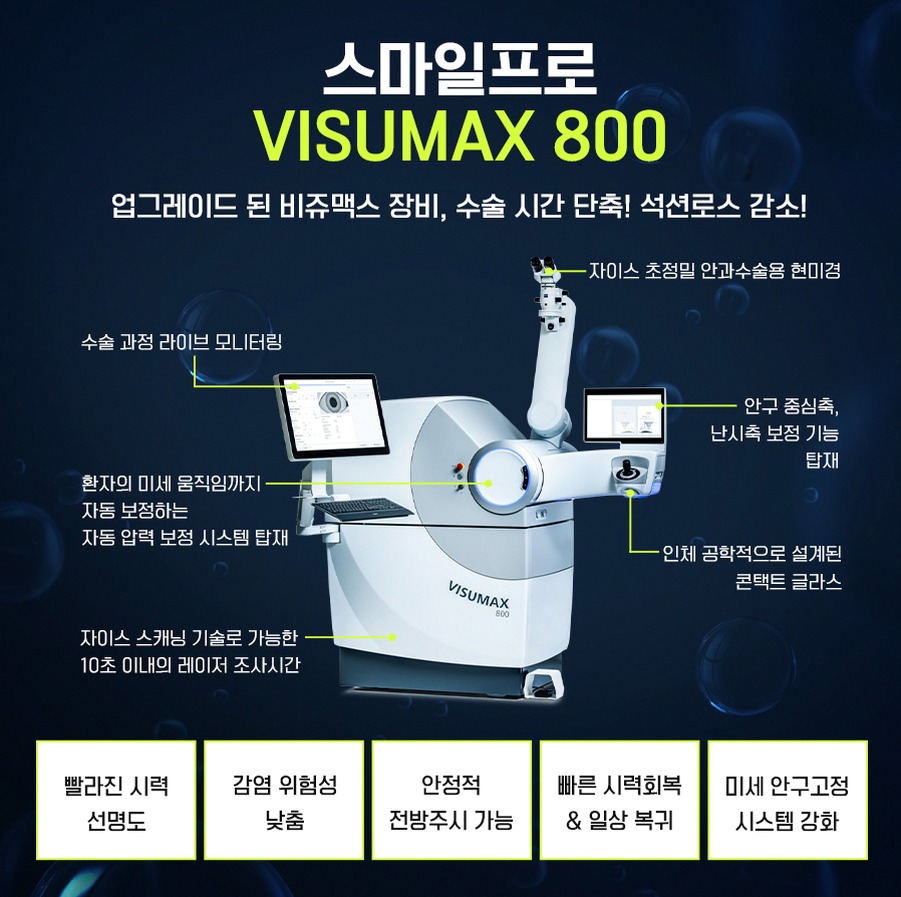
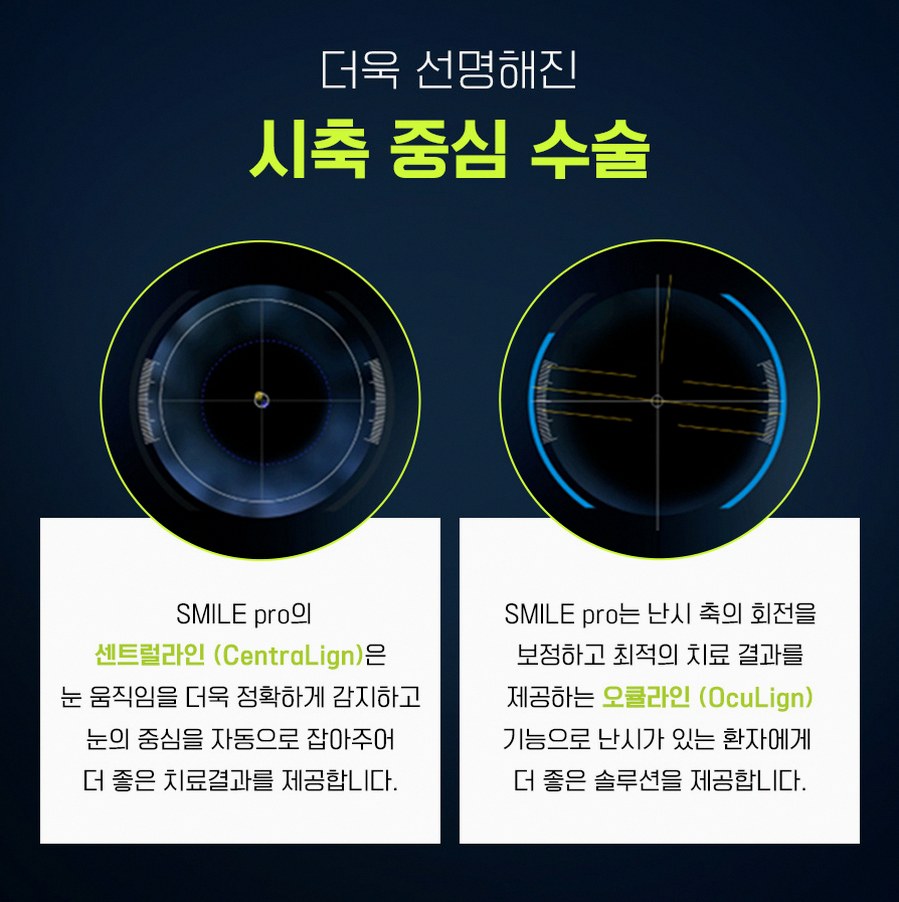
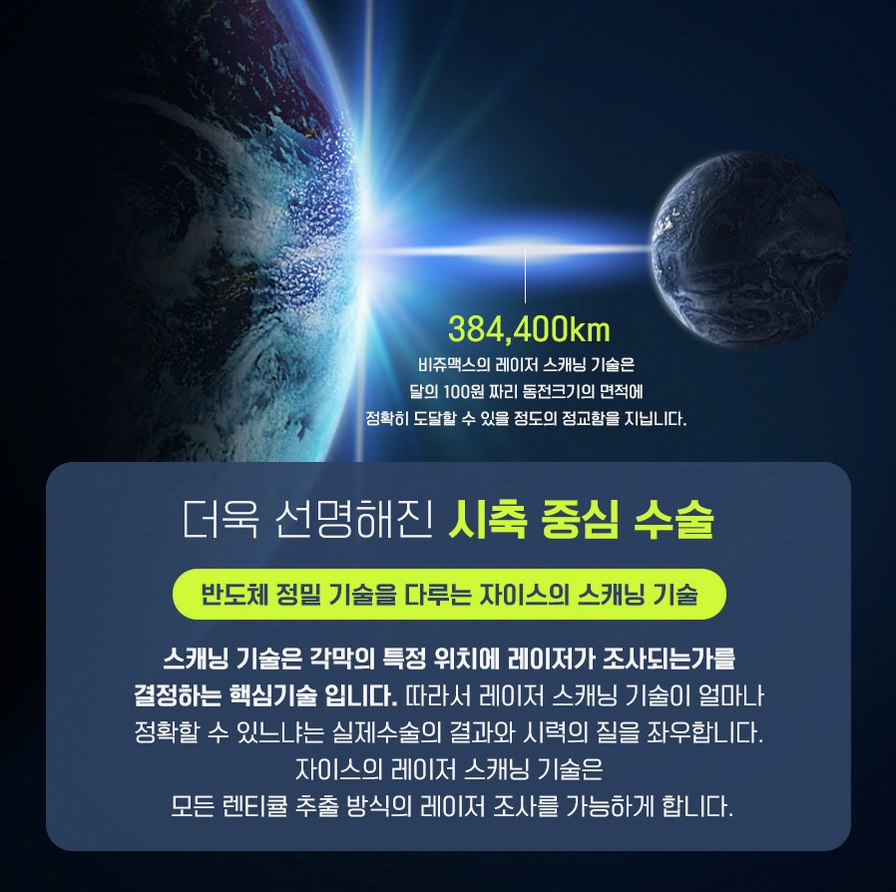
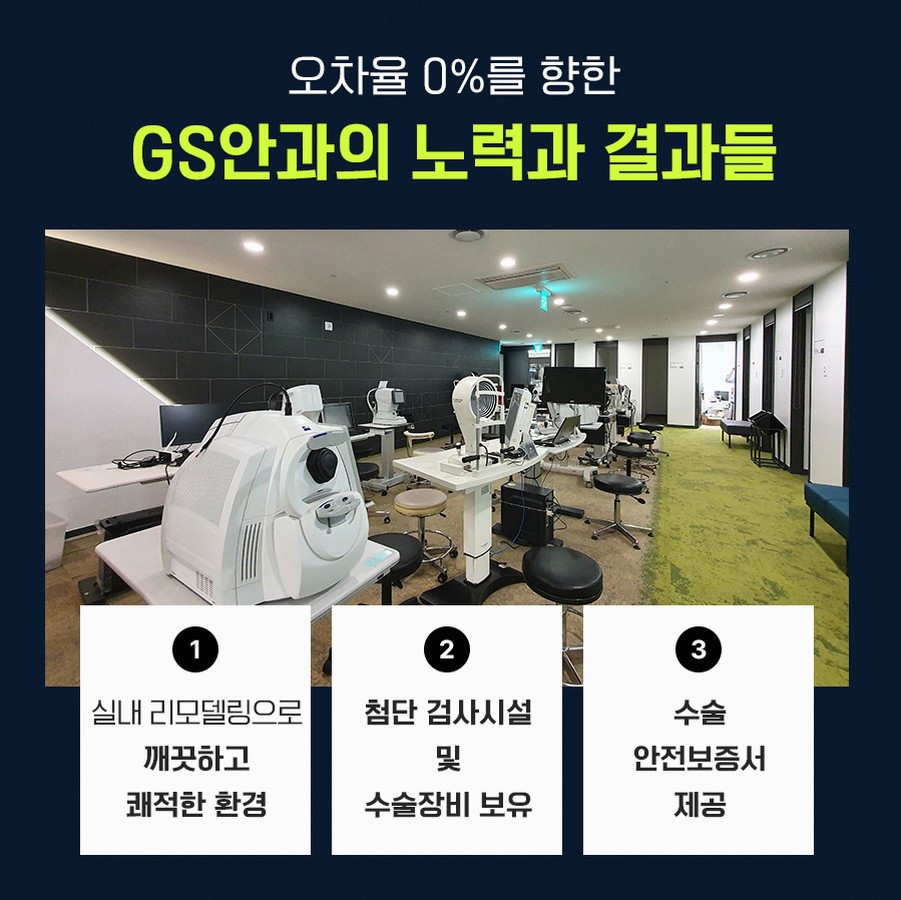
VISUMAX 800 (ZEISS) for SMILE Pro, introduced in 2023. This is a newer-generation femtosecond laser with very fast treatment times, often under about 9 seconds for the laser step.
Two VISUMAX 500 (ZEISS) units, in use since 2016, for SMILE LASIK. Having two systems allows flexibility in scheduling and provides backup if one unit is under maintenance.
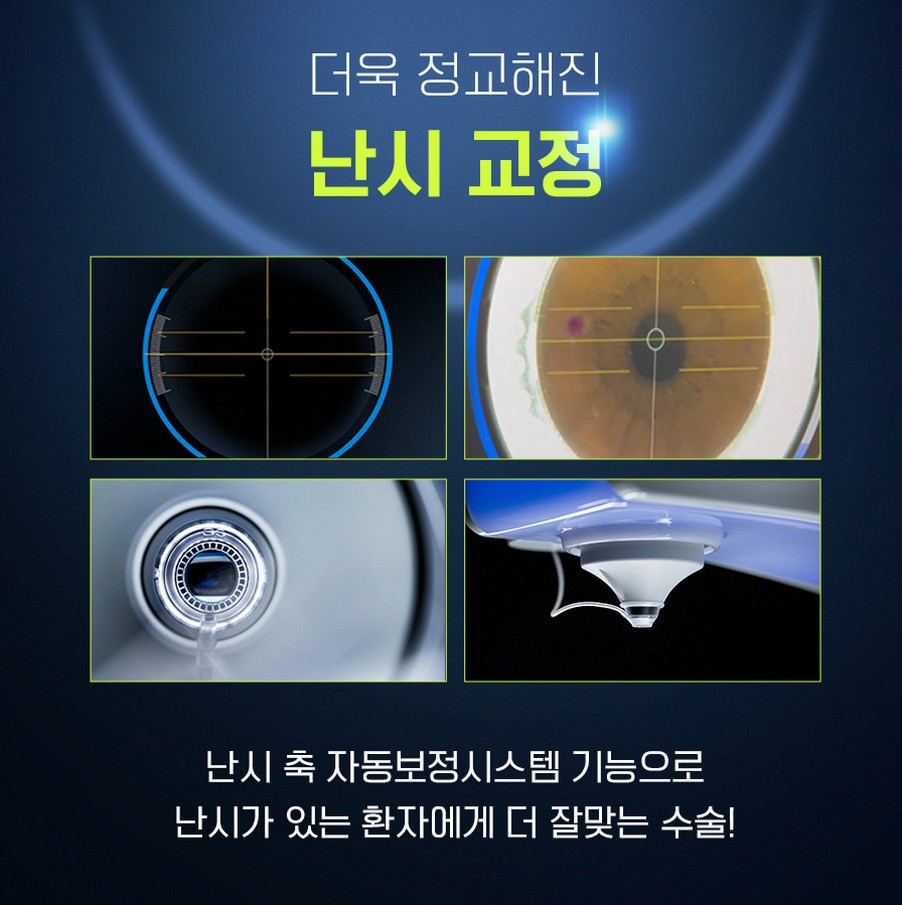
Owning all three major SMILE-related platforms enables the clinic to match the laser system to each patient’s eye characteristics and to maintain throughput even on busy days.
International recognitions and quality systems
The clinic has received several recognitions related to SMILE-type procedures and quality management:
First in Korea to join the ZEISS SMILE GOLD CLUB in 2021
Designated as a ZEISS SMILE pro CENTER in 2023
Designated as a SILK TRAINING Center in 2026
ISO 9001 and ISO 14001 certifications for SMILE LASIK since 2020
It is also a clinical education site for a medical school and for an international ophthalmic company in the Asia-Pacific region. These roles suggest that the clinic not only performs procedures but also trains other doctors and participates in technique development.
Who May Consider SMILE LASIK in the Daechi–Gangnam Area
Typical candidates
SMILE LASIK and SMILE Pro are usually considered for adults with stable myopia and astigmatism who want to reduce dependence on glasses or contact lenses. Common features of potential candidates include:
Stable prescription for at least one to two years
Adequate corneal thickness
No active eye disease such as severe dry eye, uncontrolled glaucoma, or corneal degeneration
Healthy retina and macula
However, final candidacy can only be determined after a full eye examination by an ophthalmologist.
When another procedure may be better
Not everyone is an ideal candidate for SMILE LASIK. In some situations, other procedures may be recommended:
SILK or other small-incision laser techniques for specific corneal profiles
Customized LASIK or 2-day LASEK for certain prescriptions or corneal shapes
Lens implantation procedures such as ICL or GLAZE for very high myopia or thin corneas
Laser-assisted cataract surgery with multifocal intraocular lenses (such as PanOptix) for older patients with lens opacity or significant presbyopia
The same clinic that performs SMILE LASIK also offers these alternatives, including a proprietary protocol called Golden SMILE, which is an in-house approach to selecting and combining techniques for each patient.
Retina and dry eye considerations
Before any laser vision correction, the retina should be carefully examined, especially in highly myopic eyes. The Gangnam clinic operates a dedicated retina center staffed by fellowship-trained retina specialists, allowing detailed evaluation and prompt treatment if retinal tears or other issues are found.
Dry eye is another important factor. The clinic runs a dry eye clinic to manage ocular surface problems before and after surgery. For overseas patients, this can be particularly helpful, as optimizing the tear film can improve the accuracy of measurements and the comfort of recovery.
How Overseas Patients Can Prepare from Home
Initial online consultation
If you live abroad and are considering SMILE LASIK in Seoul, an online consultation is usually the first step. You can typically share:
Your age and country of residence
Current glasses or contact lens prescription (a recent prescription from your local optometrist is helpful)
History of eye problems, surgeries, or trauma
Information about systemic conditions such as diabetes, autoimmune disease, or medications that may affect healing
The clinic can then give you a preliminary idea of whether SMILE LASIK, SMILE Pro, or another procedure might be appropriate and suggest an estimated stay in Korea.
What to prepare before traveling
Before you fly to Korea, consider the following:
Obtain a recent glasses prescription and, if possible, a copy of your contact lens parameters
Stop wearing soft contact lenses at least several days before your planned full eye examination, and rigid lenses earlier, according to the clinic’s instructions
Prepare a list of questions about procedure options, recovery time, and follow-up
Check your travel schedule so that you can stay in Seoul for the recommended number of days after surgery
If you have a history of eye disease or systemic illness, bringing medical records or letters from your local doctor can help the Korean ophthalmologist understand your situation quickly.
Expected Visit Timeline for SMILE LASIK in Korea
Typical schedule for a one- to two-week stay
While exact plans are customized, many international patients follow a schedule similar to this:
Day 1: Arrival in Seoul and rest
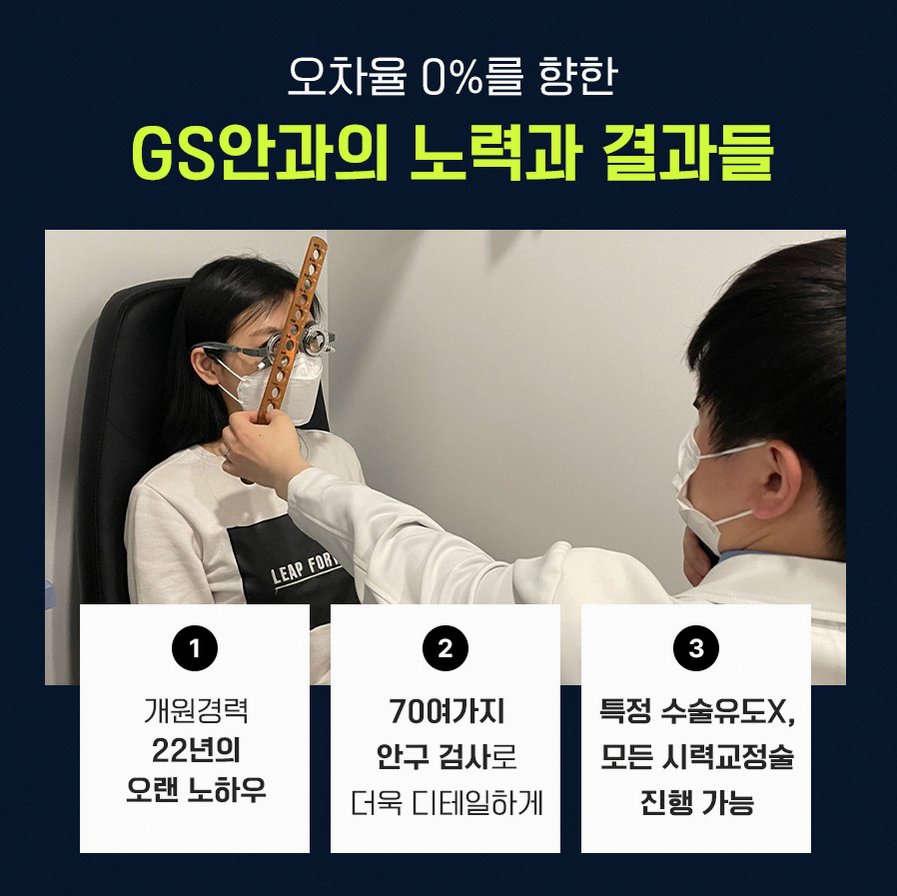
Day 2: Full eye examination at the clinic near Gangnam Station. This usually includes vision testing, corneal topography, corneal thickness measurement, tear film evaluation, intraocular pressure, and detailed retinal examination.
Day 3: Consultation with the ophthalmologist to review results and confirm the procedure type (SMILE Pro, SMILE LASIK, SILK, or an alternative). Surgery may be scheduled for the same day or the following day, depending on your eyes and the clinic schedule.
Day 3 or 4: Surgery day. The procedure itself is usually brief, but you should plan to stay at the clinic for several hours including preparation and post-operative checks.
Day 4 or 5: First post-operative check. Many patients can see functional vision within one or two days, though vision may continue to refine over weeks.
Following days: Additional follow-up visits as advised. For overseas patients, the clinic often compresses visits into a shorter period while still maintaining safety checks.
Managing time off work or study
Most SMILE LASIK patients can return to light desk work or study within a few days, but this varies by individual and procedure type. If your work involves heavy physical activity, dusty environments, or long hours of screen use, you may need extra rest days.

When planning your trip from Daechi-dong or abroad, it is wise to allow a small buffer in your schedule in case the clinic recommends additional observation or treatment before you fly home.
What Happens on the Day of SMILE LASIK
Pre-operative steps
On the day of SMILE LASIK or SMILE Pro, you will usually:
Arrive at the clinic and confirm consent forms
Undergo final checks of your prescription and corneal measurements
Receive anesthetic eye drops to numb the surface of the eye
The surgical team will guide you through each step and explain where to look and how to stay relaxed.
During the procedure
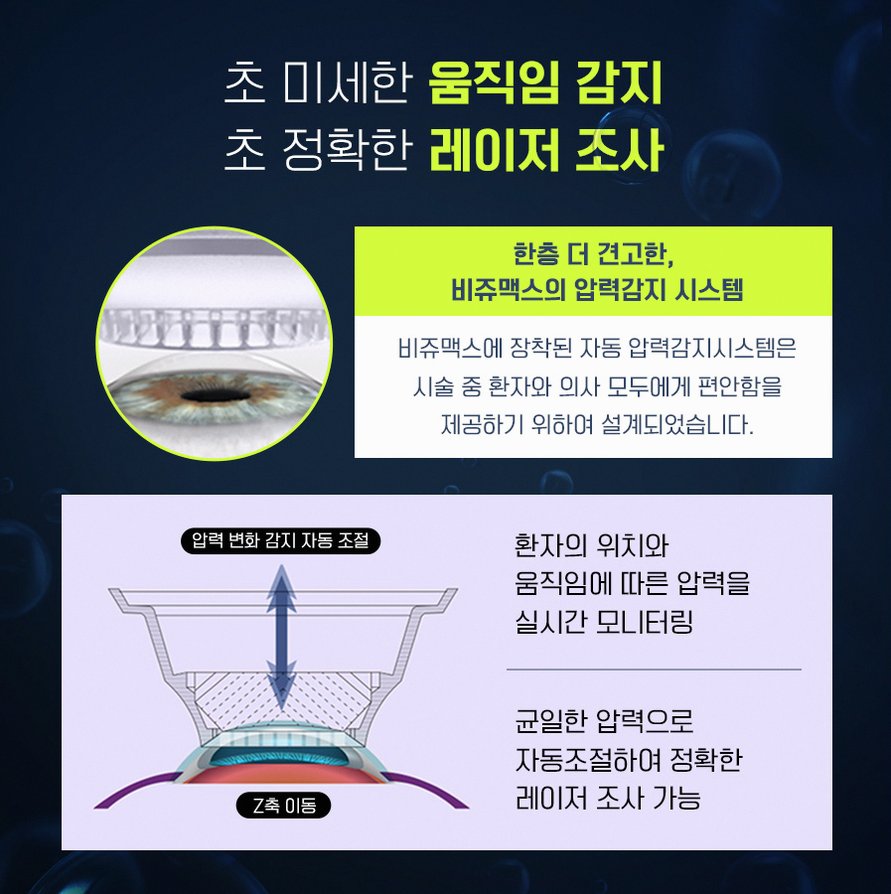
During SMILE LASIK or SMILE Pro, you lie on a bed under the femtosecond laser. The laser creates the lenticule and the small incision. You may feel gentle pressure and see lights, but the numbing drops reduce pain.
After the laser step, the surgeon removes the lenticule through the small opening. The entire process for each eye is usually quite short, especially with newer systems like the VISUMAX 800.
Immediately after surgery
After the procedure, you rest in a recovery area. Your vision may be hazy or watery at first, and you may feel mild discomfort, a foreign-body sensation, or light sensitivity. The clinic provides eye drops and protective shields and explains how to use them.
You should arrange for someone to accompany you back to your accommodation, or plan to use a taxi or public transport rather than driving yourself.
Aftercare and Long-Term Follow-Up
First weeks after SMILE LASIK
In the first days and weeks, you will typically:
Use antibiotic and anti-inflammatory eye drops as prescribed
Apply artificial tears frequently to reduce dryness
Avoid rubbing your eyes
Wear protective glasses or shields when sleeping in the early period
Most restrictions on light daily activities are lifted relatively quickly, but you may need to avoid swimming, heavy exercise, or eye makeup for a certain time. The ophthalmologist will give you specific instructions based on your procedure.
Monitoring dry eye and vision stability
Some patients experience temporary dry eye or fluctuating vision after SMILE LASIK. The clinic’s dry eye service can adjust your drop regimen or suggest additional treatments if needed.
Vision typically stabilizes over several weeks to a few months. The clinic may recommend follow-up visits at specific intervals. For international patients, the team can coordinate with your local eye doctor for long-term checks once you return home.
Lens-based procedures and older patients
For patients in their 40s, 50s, or older, presbyopia and early cataract changes may limit the benefits of corneal laser surgery. In such cases, lens-based options may be discussed:
Phakic intraocular lenses such as ICL or GLAZE for high myopia
Cataract or refractive lens exchange with multifocal intraocular lenses like PanOptix
The clinic has performed thousands of GLAZE lens implantations since pioneering this technique in Korea in 2019 and carries a high volume of premium multifocal lenses. These options are considered when they better match the patient’s age, lifestyle, and eye condition than SMILE LASIK.
How to Compare SMILE LASIK Clinics near Daechi-dong
Questions to ask before booking
When you contact a clinic in the Gangnam–Daechi area, you may find it useful to ask:
How many SMILE LASIK and SMILE Pro procedures have you performed, and over what period?
Which laser platforms do you use (for example, VISUMAX 800, VISUMAX 500), and are they owned by the clinic?
Do you have retina specialists on site to check for retinal problems before surgery?
How do you manage dry eye before and after surgery?
What is the recommended minimum stay in Korea for overseas patients?
These questions help you understand not only the technology but also the clinical processes and support system.
Beyond price: what else to compare
While cost is important, focusing only on price can be misleading. Consider also:
Depth of pre-operative testing and time spent on explanation
Range of procedures available (SMILE, SMILE Pro, SILK, LASIK/LASEK, lens implantation)
International certifications such as ISO 9001 and 14001 for SMILE LASIK
Role as a training or education center for other doctors
A clinic that invests in comprehensive diagnostics, multiple treatment options, and structured follow-up may offer more flexibility in tailoring the procedure to your eyes.
Frequently Asked Questions
How do I choose a good SMILE LASIK clinic near Daechi-dong?
Look for an ophthalmology clinic that focuses on refractive surgery and is easily accessible from Daechi-dong, such as those near Gangnam Station on Gangnam-daero. Check that the surgeons are ophthalmology specialists with significant experience in SMILE LASIK and SMILE Pro, and that the clinic uses up-to-date ZEISS platforms like VISUMAX 800 and VISUMAX 500. Ask about cumulative case numbers, pre-operative testing protocols, and post-operative follow-up plans. International certifications and roles as training centers can also be helpful indicators of structured quality management.
Is SMILE Pro different from regular SMILE LASIK?
SMILE Pro is an updated version of SMILE performed with a newer-generation femtosecond laser such as the VISUMAX 800. The basic concept is the same: a small incision and lenticule extraction to reshape the cornea. However, SMILE Pro typically offers faster laser times and may improve comfort and workflow. Whether SMILE Pro or standard SMILE LASIK is recommended for you depends on your eye measurements and the clinic’s assessment.
Can everyone get SMILE LASIK, or will I need another procedure?
Not everyone is suitable for SMILE LASIK. Candidacy depends on corneal thickness, degree of myopia and astigmatism, corneal shape, tear film quality, and retinal health. Some patients are better suited for SILK, customized LASIK, 2-day LASEK, or lens implantation procedures such as ICL or GLAZE. Older patients with presbyopia or early cataract may benefit more from lens-based surgery with multifocal intraocular lenses. A full eye examination is essential before deciding.
Is it safe to have SMILE LASIK at a private eye clinic instead of a large hospital?
In Korea, many advanced vision correction procedures are performed in specialized private ophthalmology clinics. Safety depends on the training and experience of the ophthalmologists, the quality of the equipment, and the thoroughness of pre- and post-operative care. A clinic like GS Eye Center, which has a long history in the same Gangnam location, high case volume, multiple ZEISS SMILE platforms, ISO certifications, and designation as a training and education site, can provide a structured environment for SMILE LASIK. However, individual risks and benefits must always be discussed directly with the medical team.
How convenient is the location for someone living in Daechi-dong or visiting from abroad?
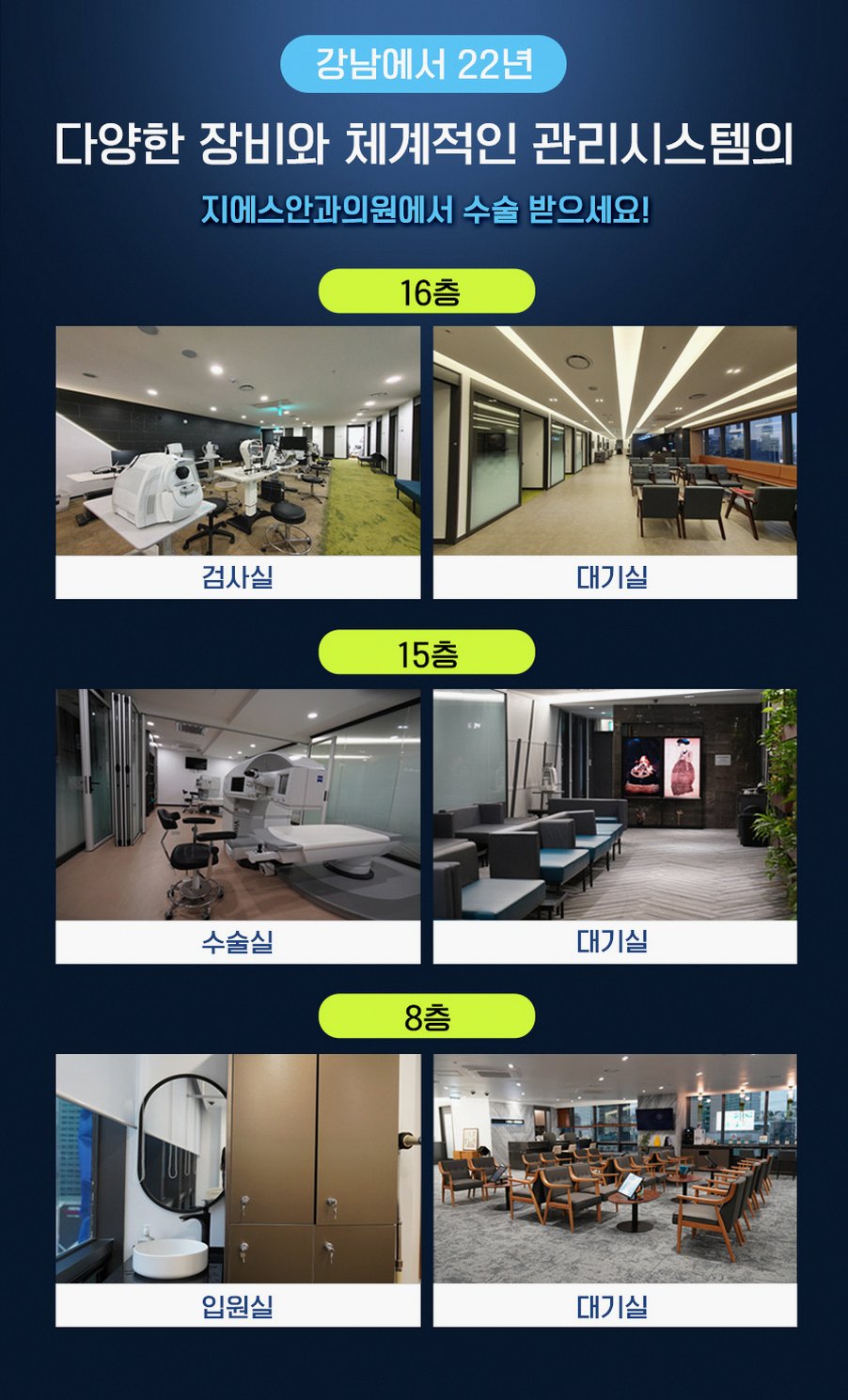
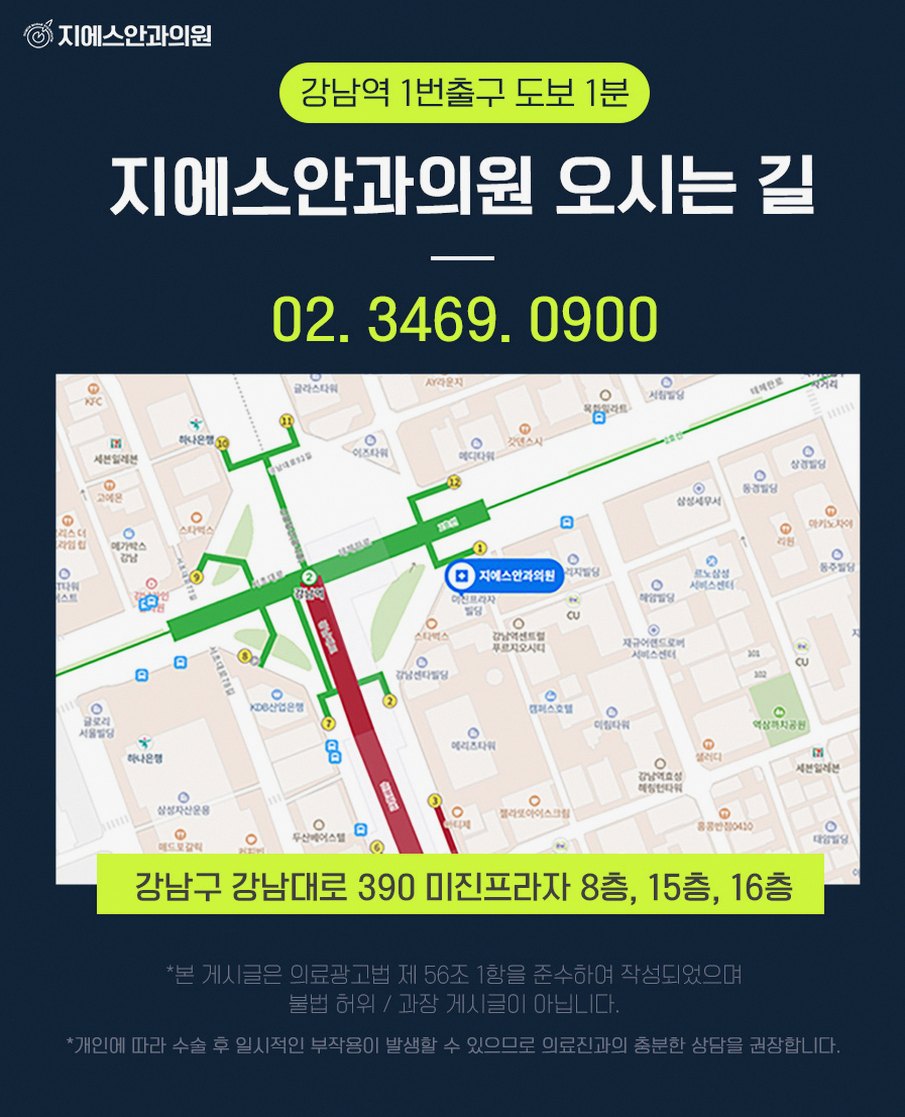
The clinic described in this guide is located on multiple floors of a building on Gangnam-daero near Gangnam Station, in the Gangnam district of Seoul. This area is directly connected by subway and bus to Daechi-dong and Yeoksam-dong, making it convenient for local residents. For overseas patients, the Gangnam area is also well connected to airports and major hotels, with plenty of accommodation and dining options within walking distance of the clinic.
Soft call to action
If you are considering SMILE LASIK or SMILE Pro while staying in Daechi-dong or visiting Seoul, an online consultation with the team at GS Eye Center can help you understand your options before you travel. By sharing your prescription and medical history in advance, you can plan a realistic schedule for your visit, compare procedures such as SMILE, SILK, LASIK/LASEK, and lens implantation, and prepare questions for your in-person examination.
Medical information notice
This article is intended for general information only and does not replace a personal consultation, diagnosis, or treatment from a qualified ophthalmologist. Vision correction procedures, including SMILE LASIK, SMILE Pro, SILK, LASIK/LASEK, and lens implantation, involve potential risks and benefits that vary from person to person. Always discuss your individual situation, medical history, and treatment options directly with an eye specialist before making any decision about surgery.
- 공유 링크 만들기
- X
- 이메일
- 기타 앱


댓글
댓글 쓰기